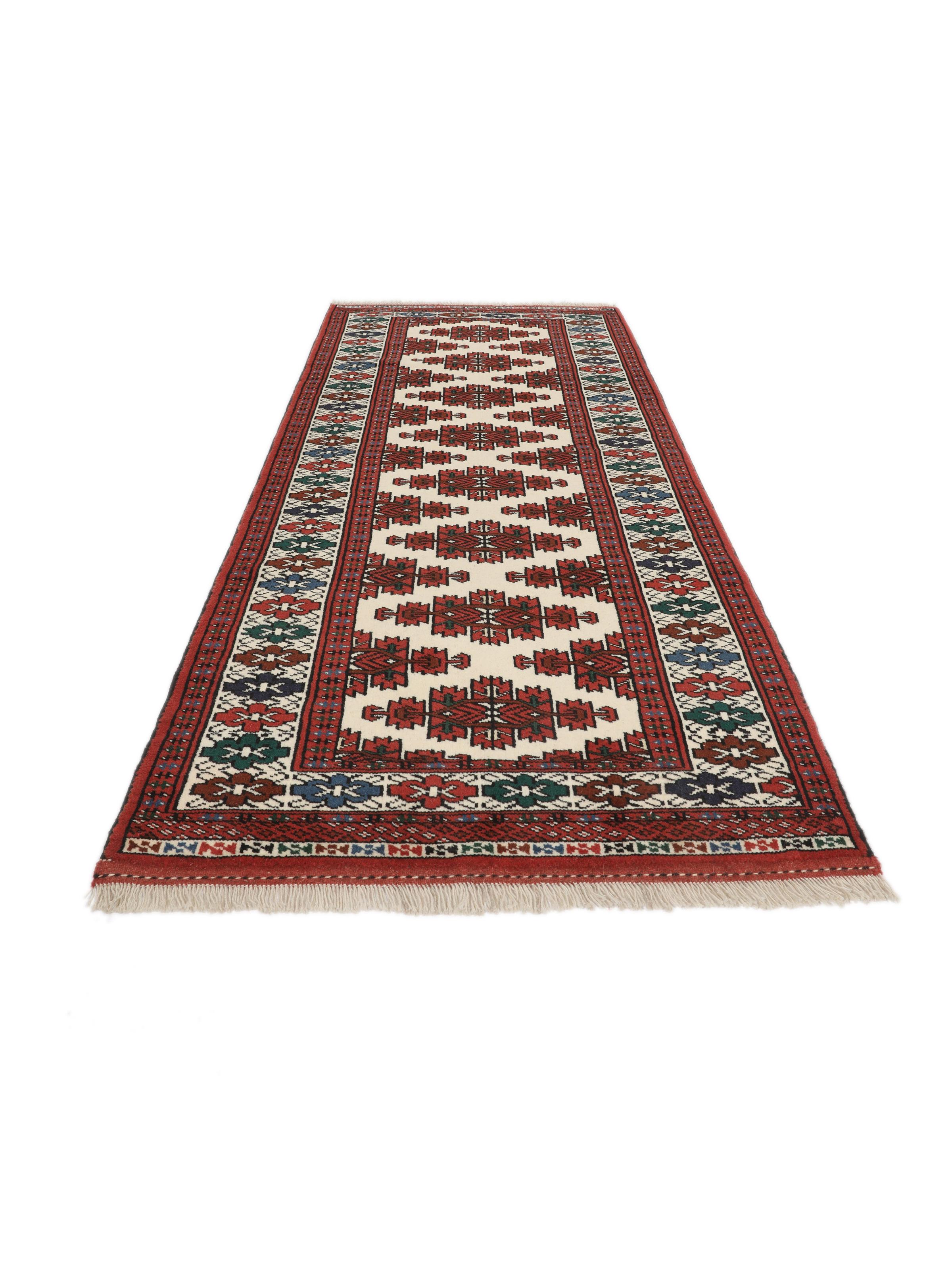
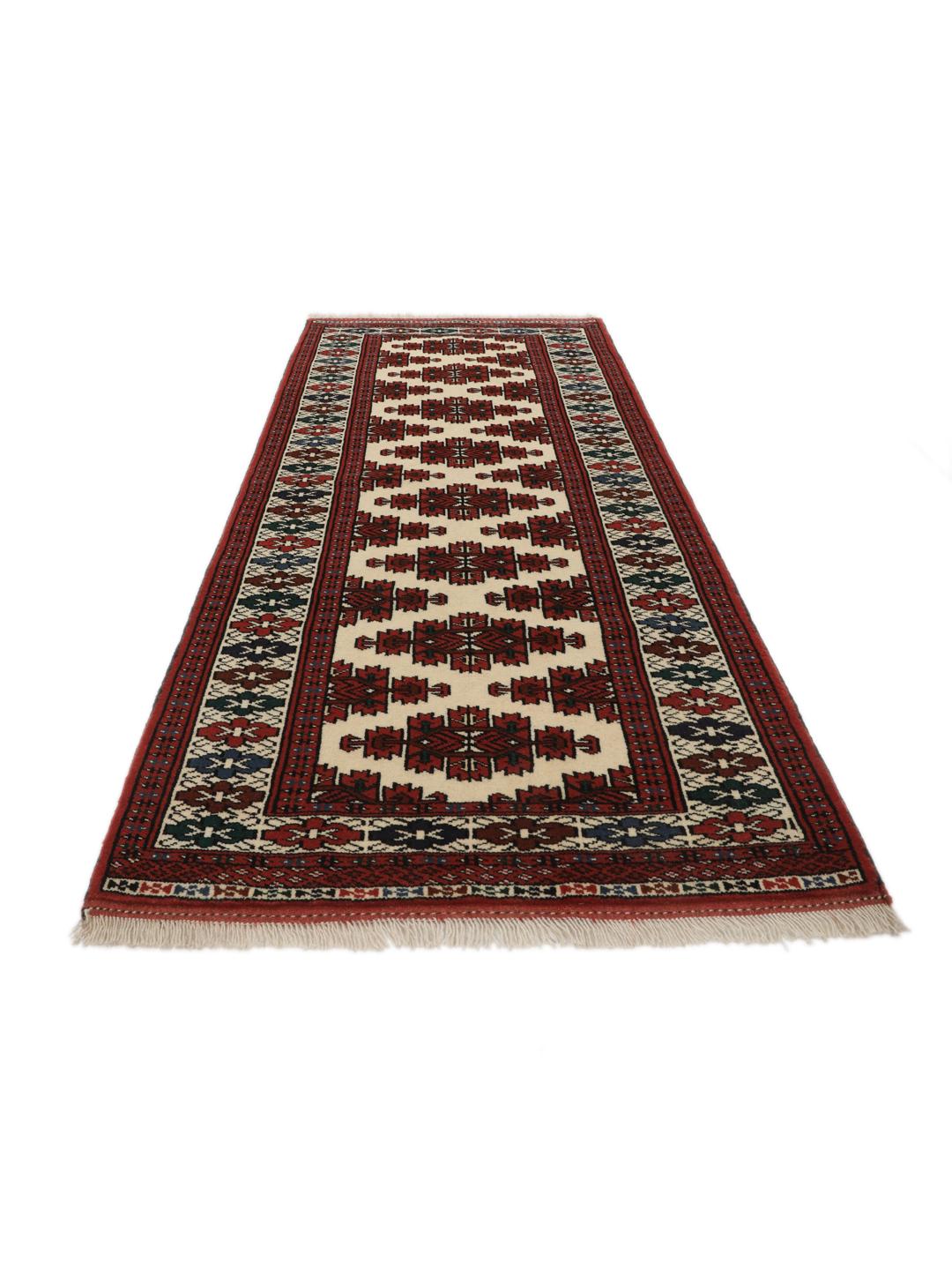
Turkaman rugs have a storied past that traces back to the nomadic tribes of the Central Asian steppes. Traditionally, these rugs were woven by various tribal groups, each with their own unique interpretation of patterns and colour palettes. Today, the tradition is carried forward by skilled artisans who maintain these ancient techniques, ensuring the legacy of these iconic designs endures.
The term Turkaman refers to both the tribal origin and the specific design language that defines these rugs. Their construction is focused on durability and visual harmony, often utilising techniques that have been passed down through generations. This focus on craft means that each rug is built to handle the rigours of nomadic life, which translates perfectly to the demands of a modern home.
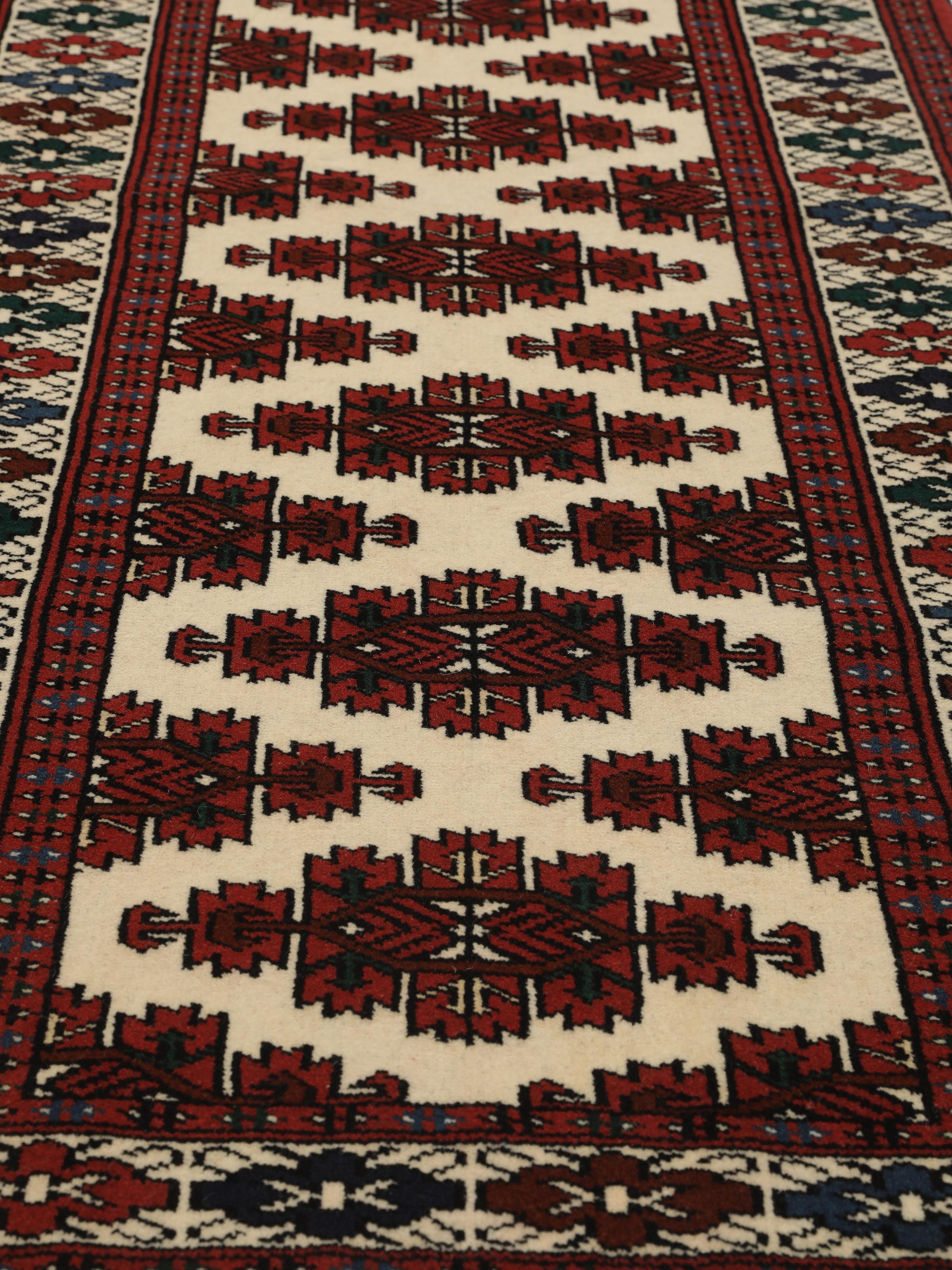
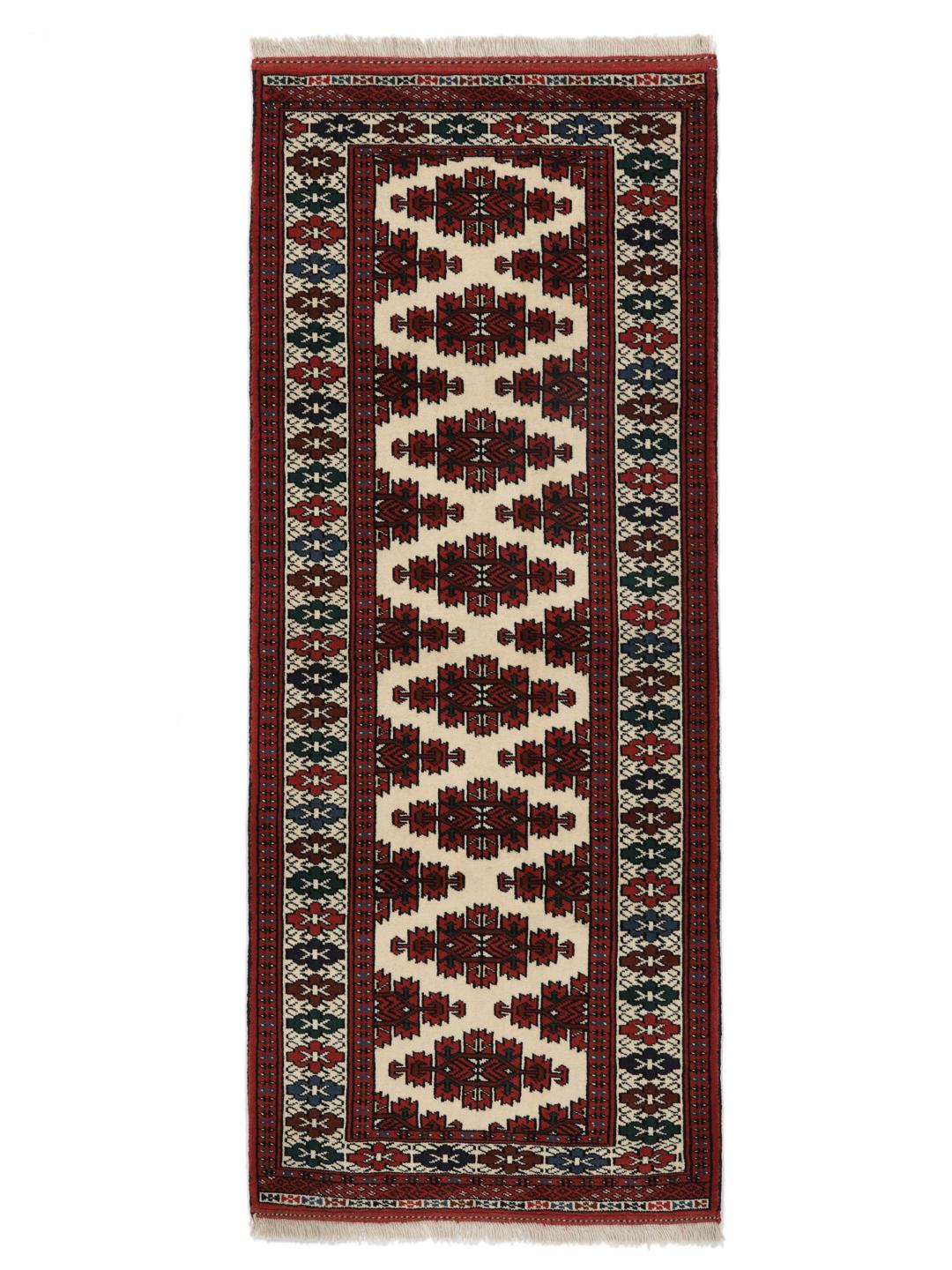
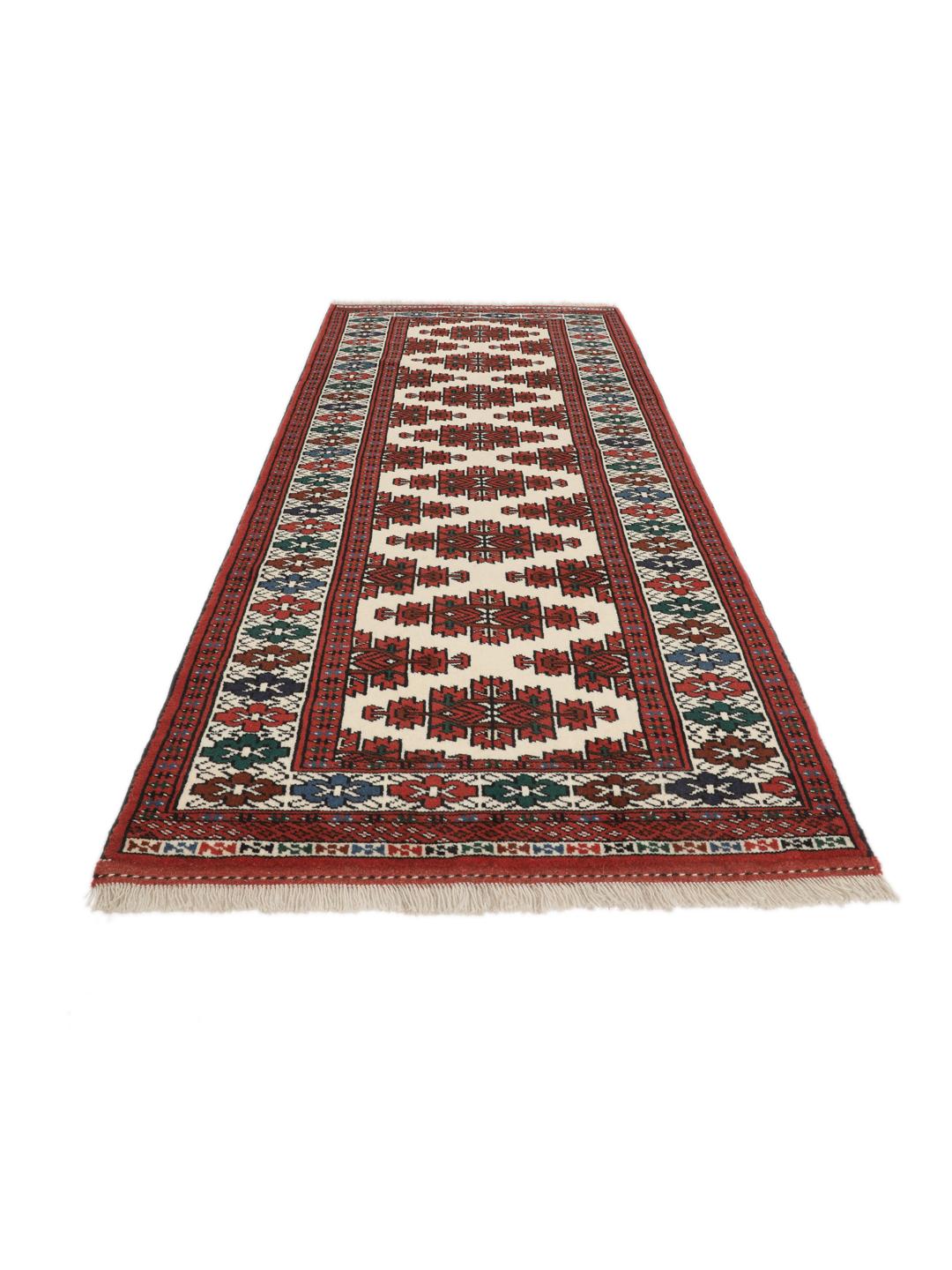
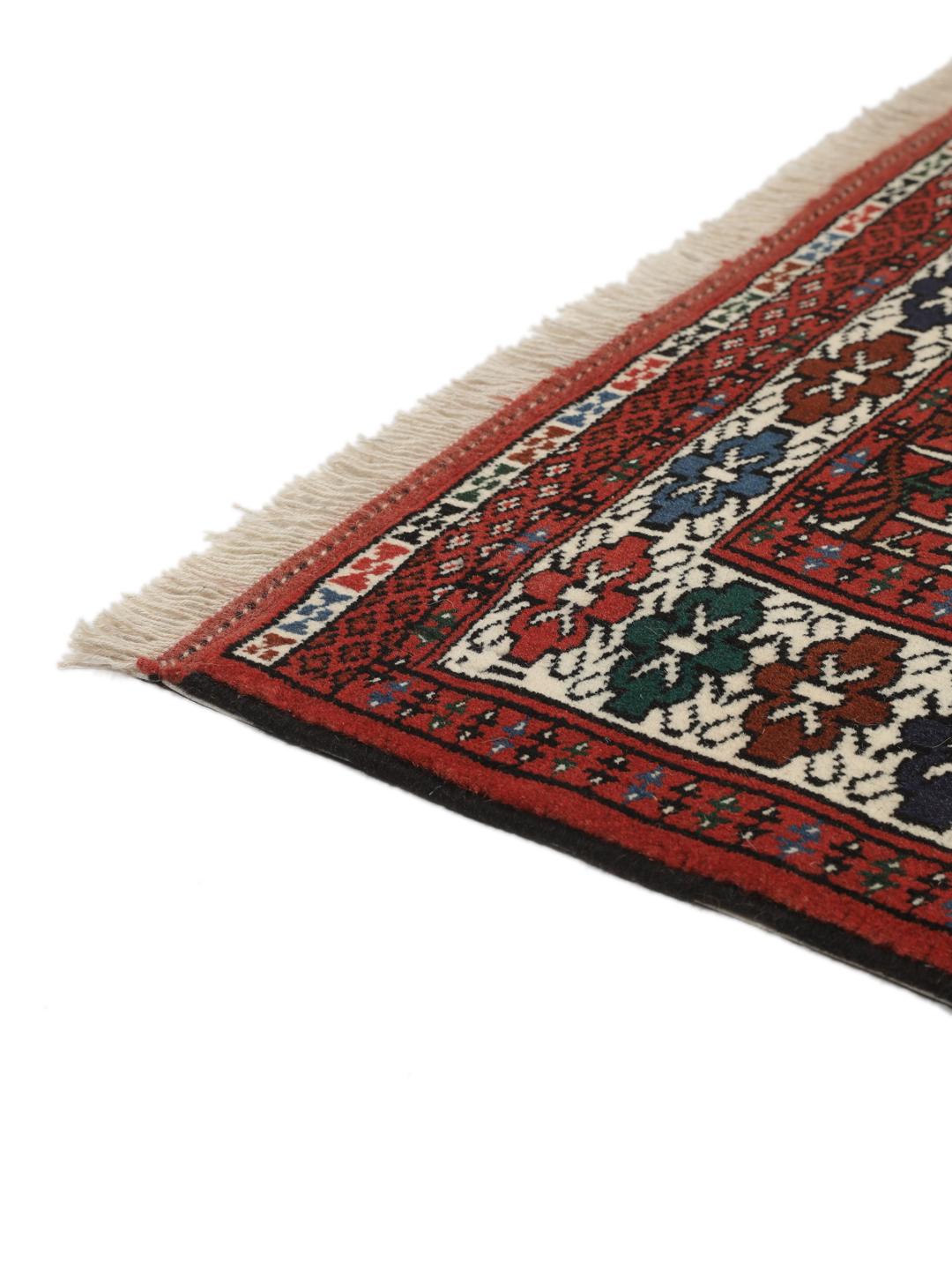
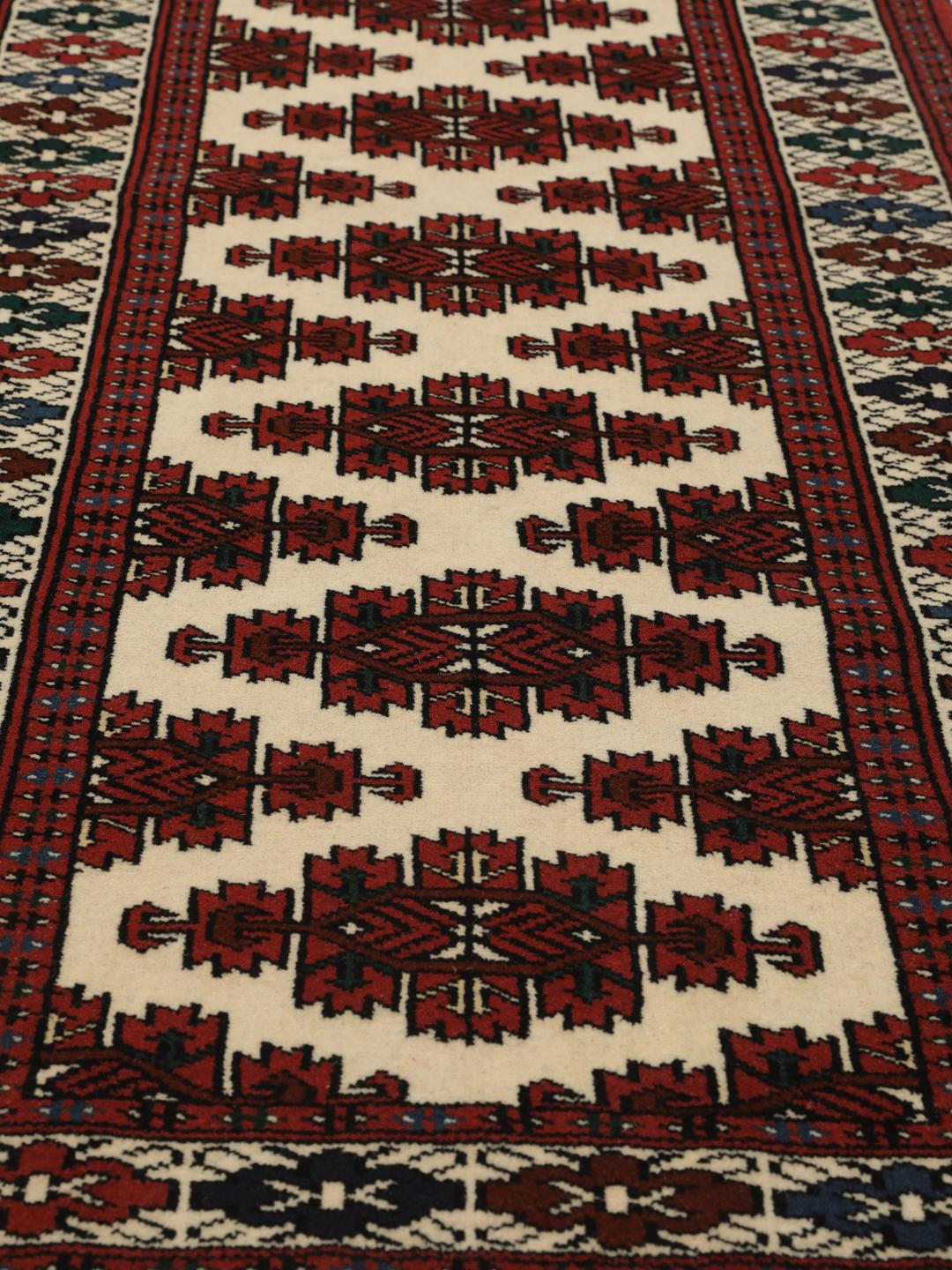
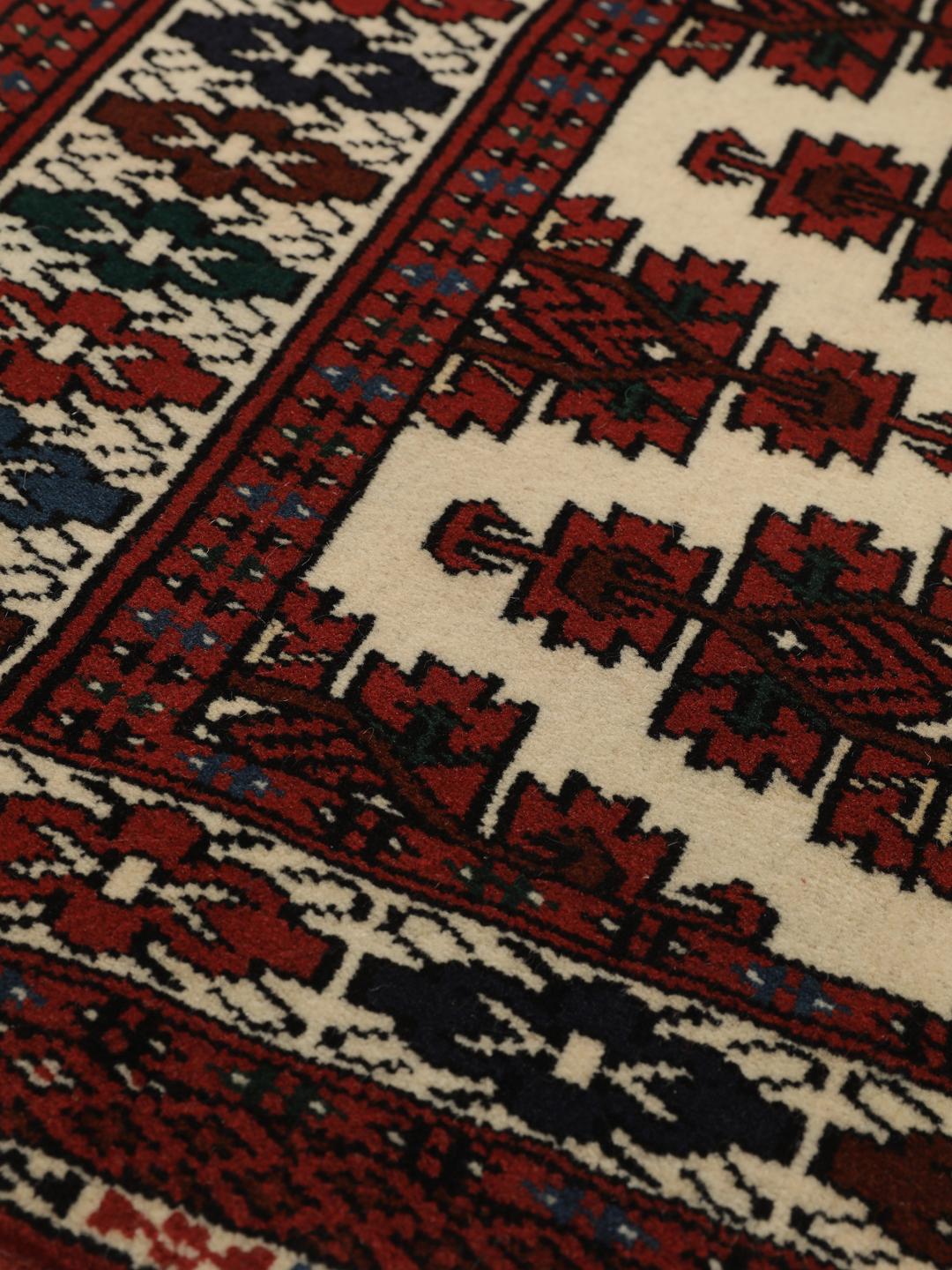
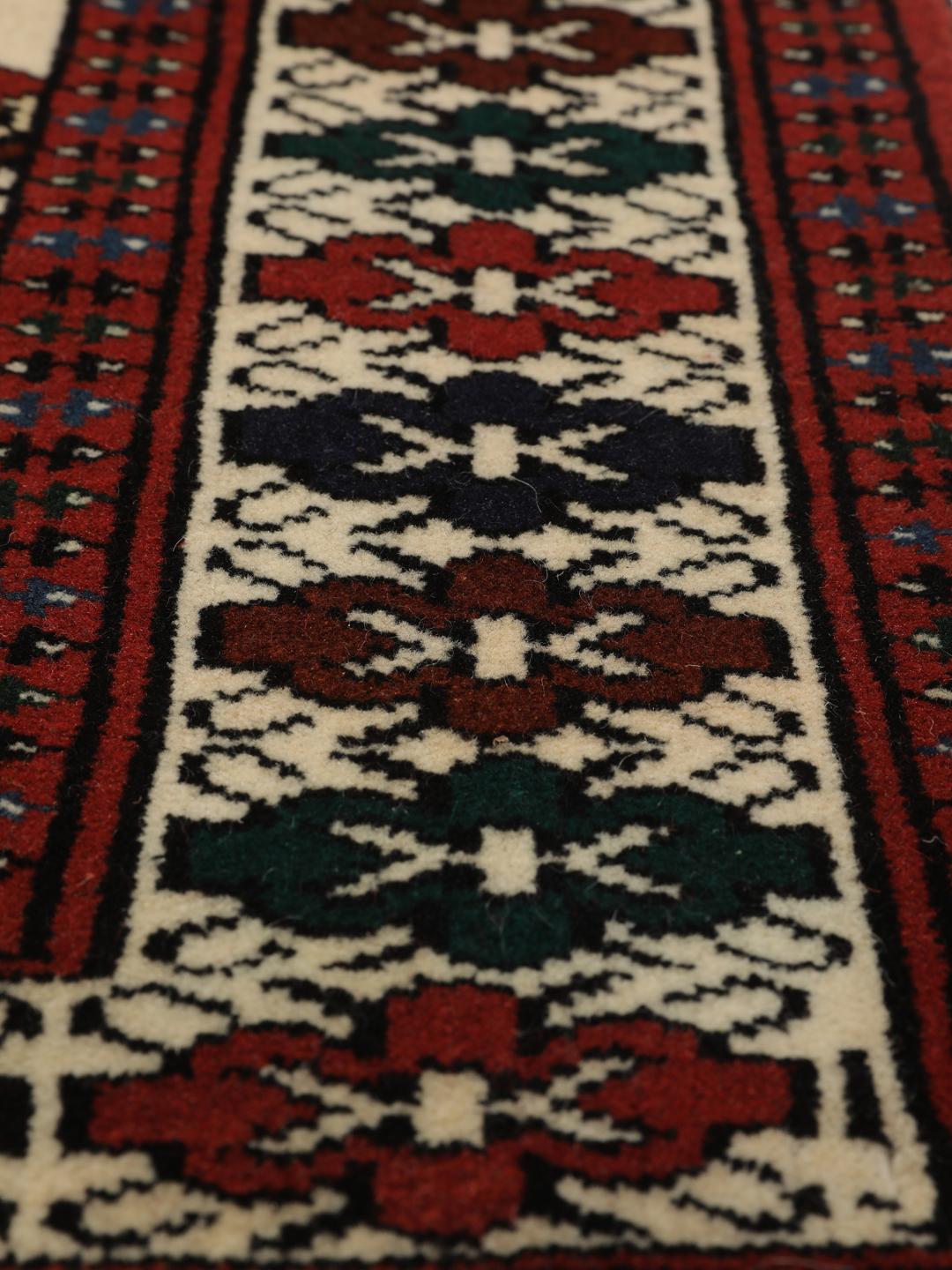
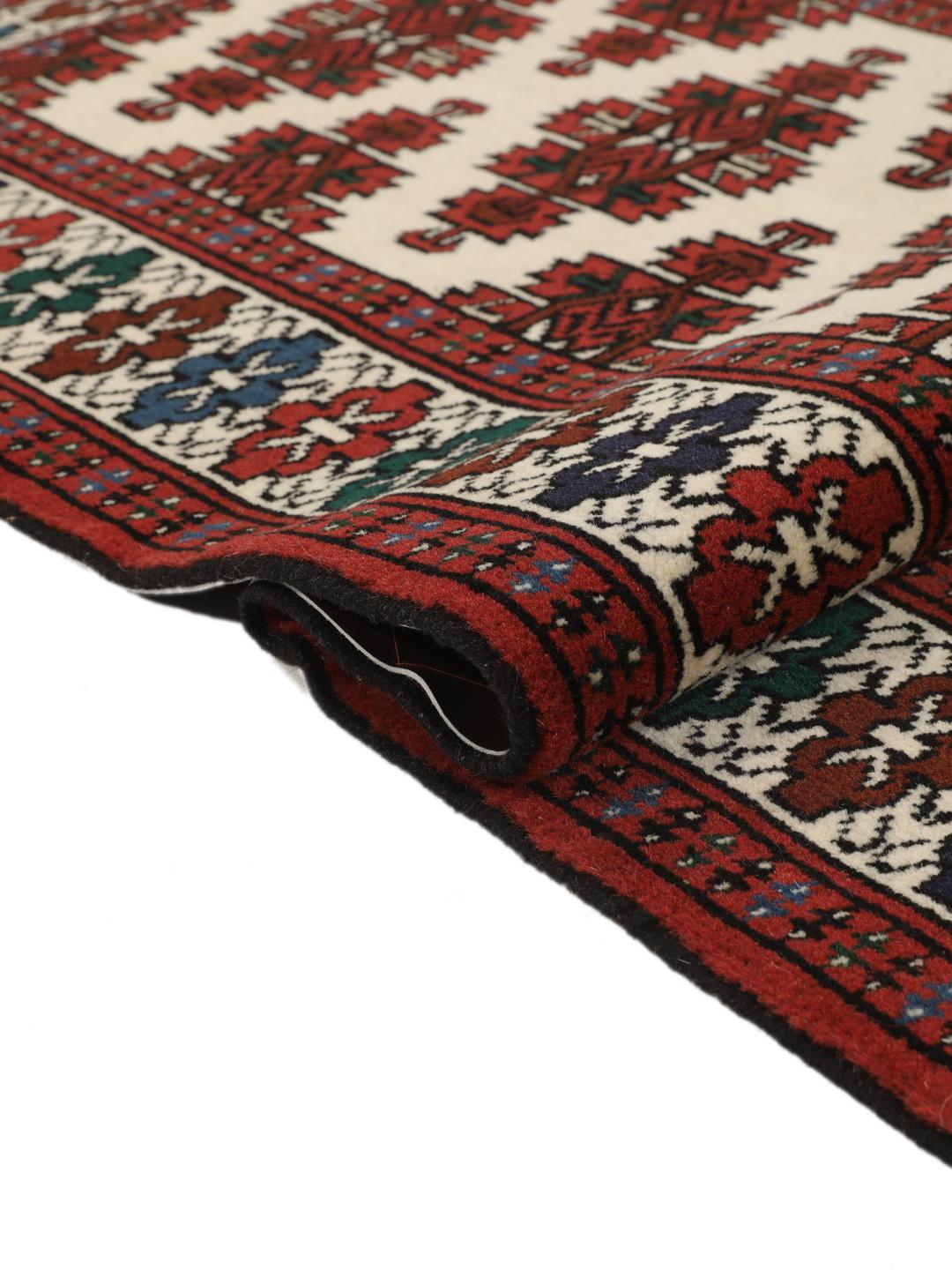
Signature design elements include repeating geometric motifs, such as the classic gul, which are often arranged in a structured, rhythmic grid. The borders are typically filled with intricate, smaller-scale patterns that frame the main field, creating a balanced and formal aesthetic. The use of deep red tones is a hallmark of this tradition, symbolising warmth and vitality.
These rugs are highly valued by collectors for their cultural weight and the undeniable skill required to produce them. Owning a Turkaman runner is more than just a decor choice; it is an appreciation of a craft that has survived for centuries. It brings a sense of heritage and established character into a room, serving as a reminder of the beauty found in human-made traditions.