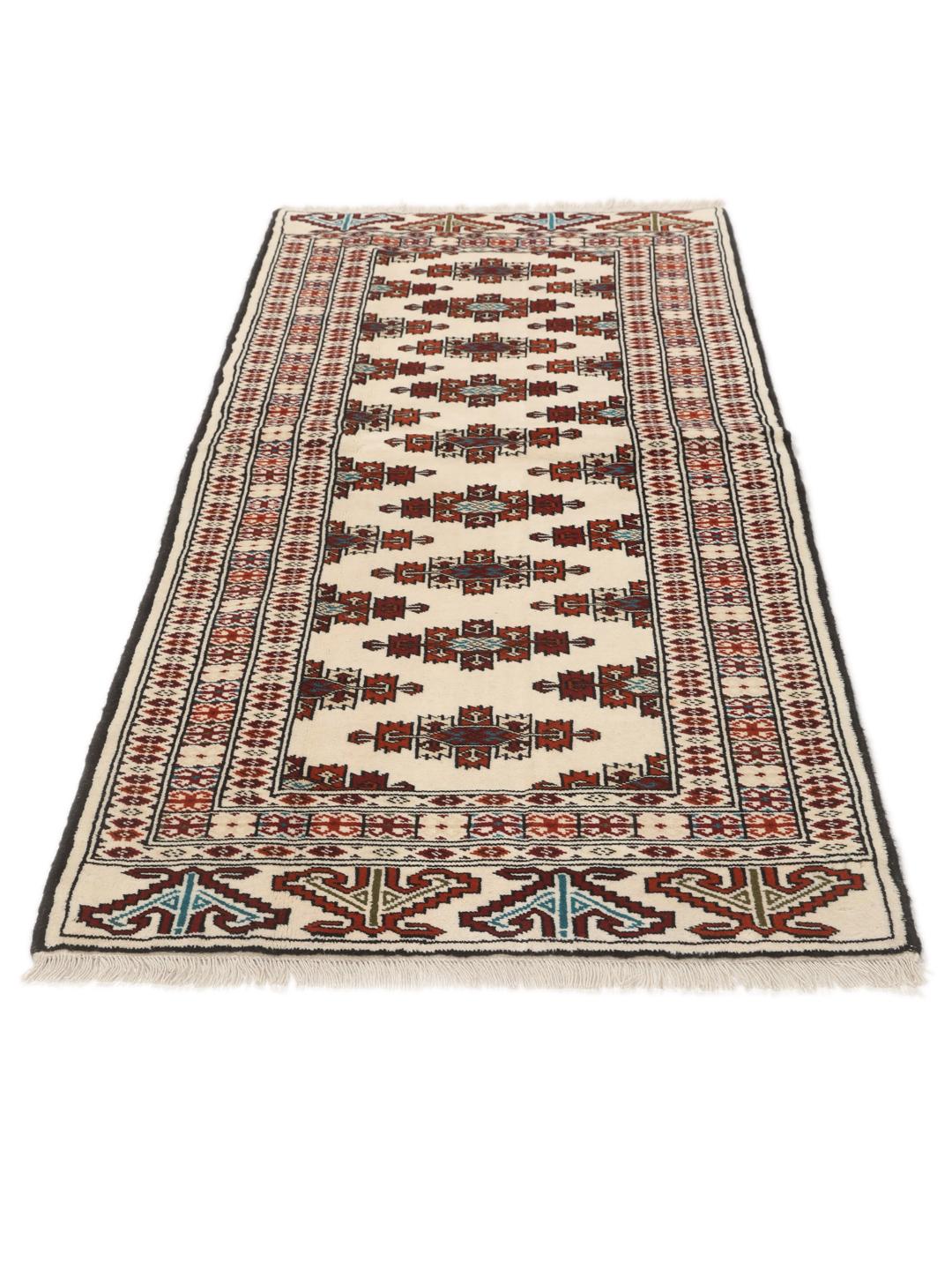
The Turkaman rug tradition finds its roots in the nomadic tribes of Central Asia, where these textiles were essential for both practical warmth and cultural expression. Over centuries, these weaving practices migrated and evolved, with the finest examples now being crafted by skilled artisans throughout the Middle East who preserve these ancient techniques.
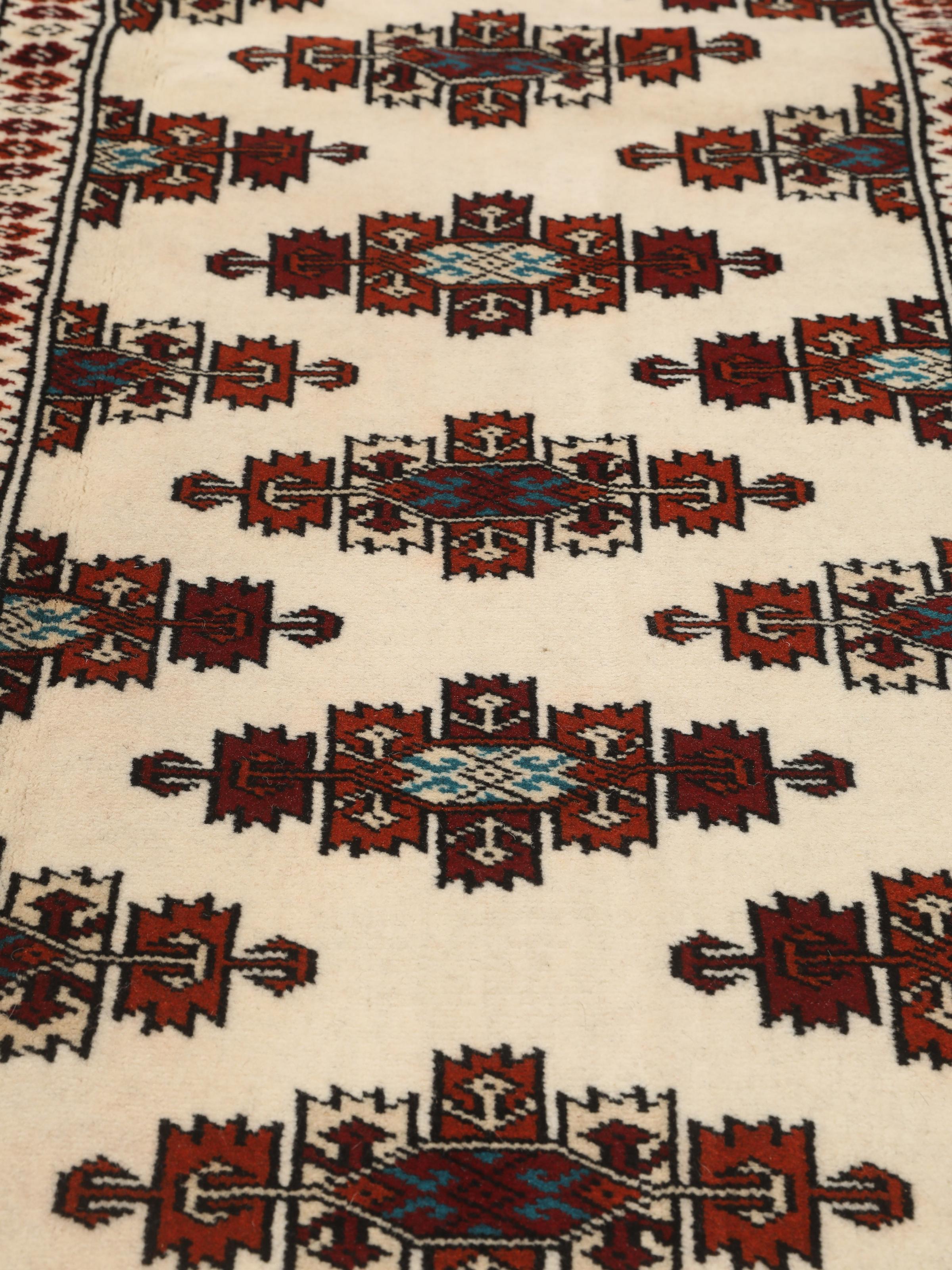
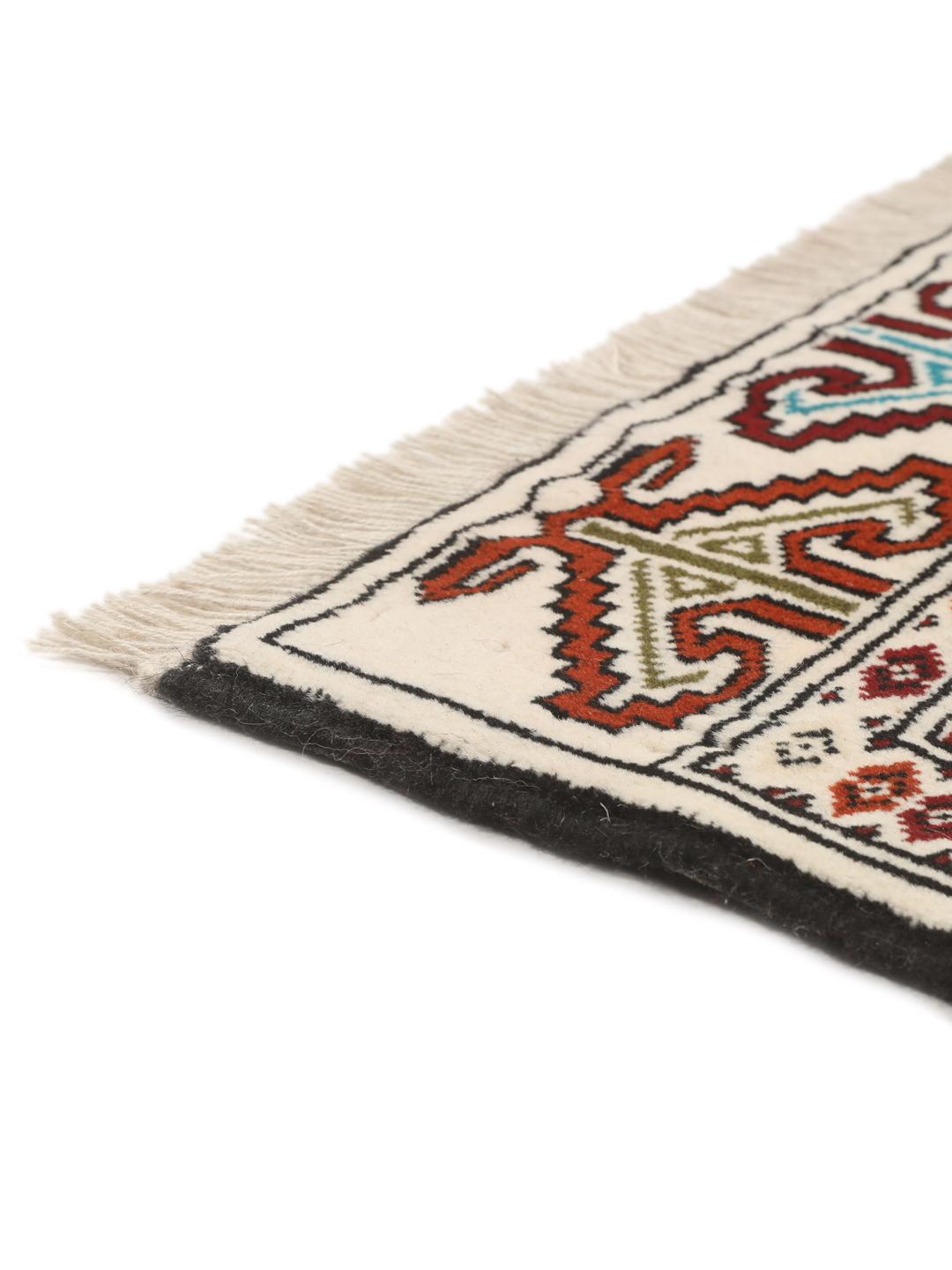
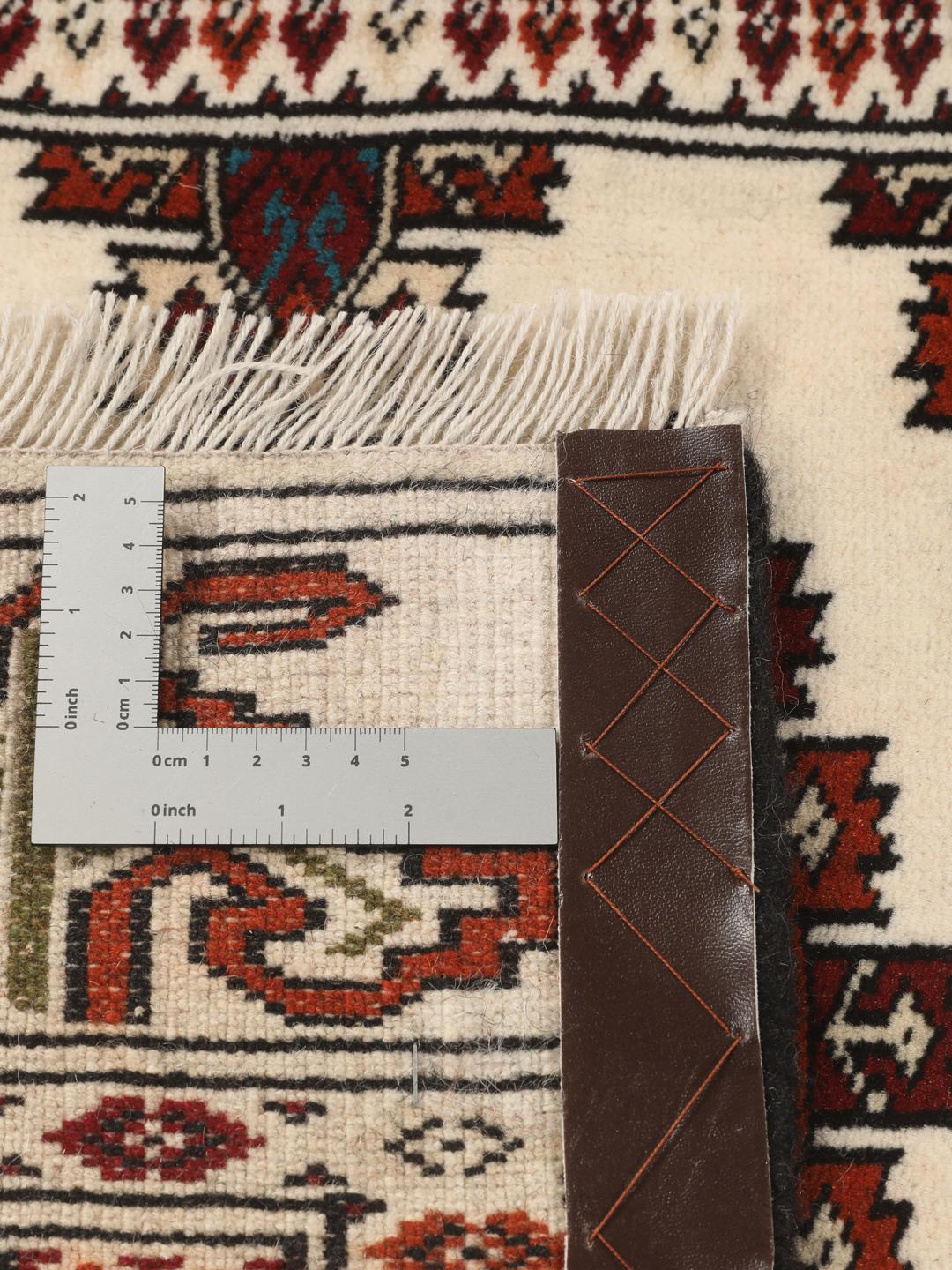
The name itself is synonymous with a specific, highly technical approach to weaving. These rugs are typically constructed with a dense, symmetrical knot structure that allows for the creation of intricate, repeating patterns. This method is fundamental to the longevity of the rug, as it creates a firm pile that resists wear and retains its rich, lustrous appearance over time.
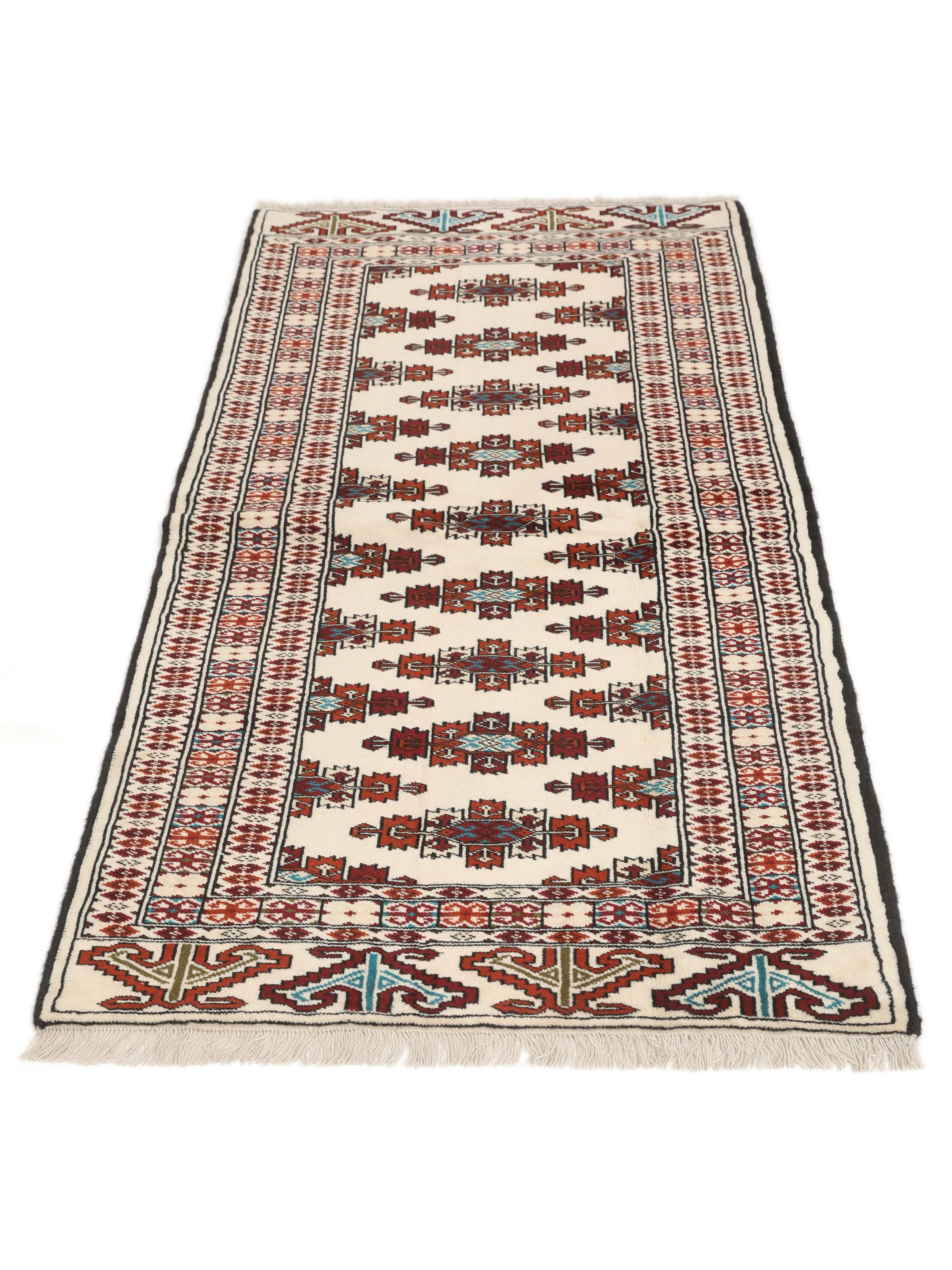
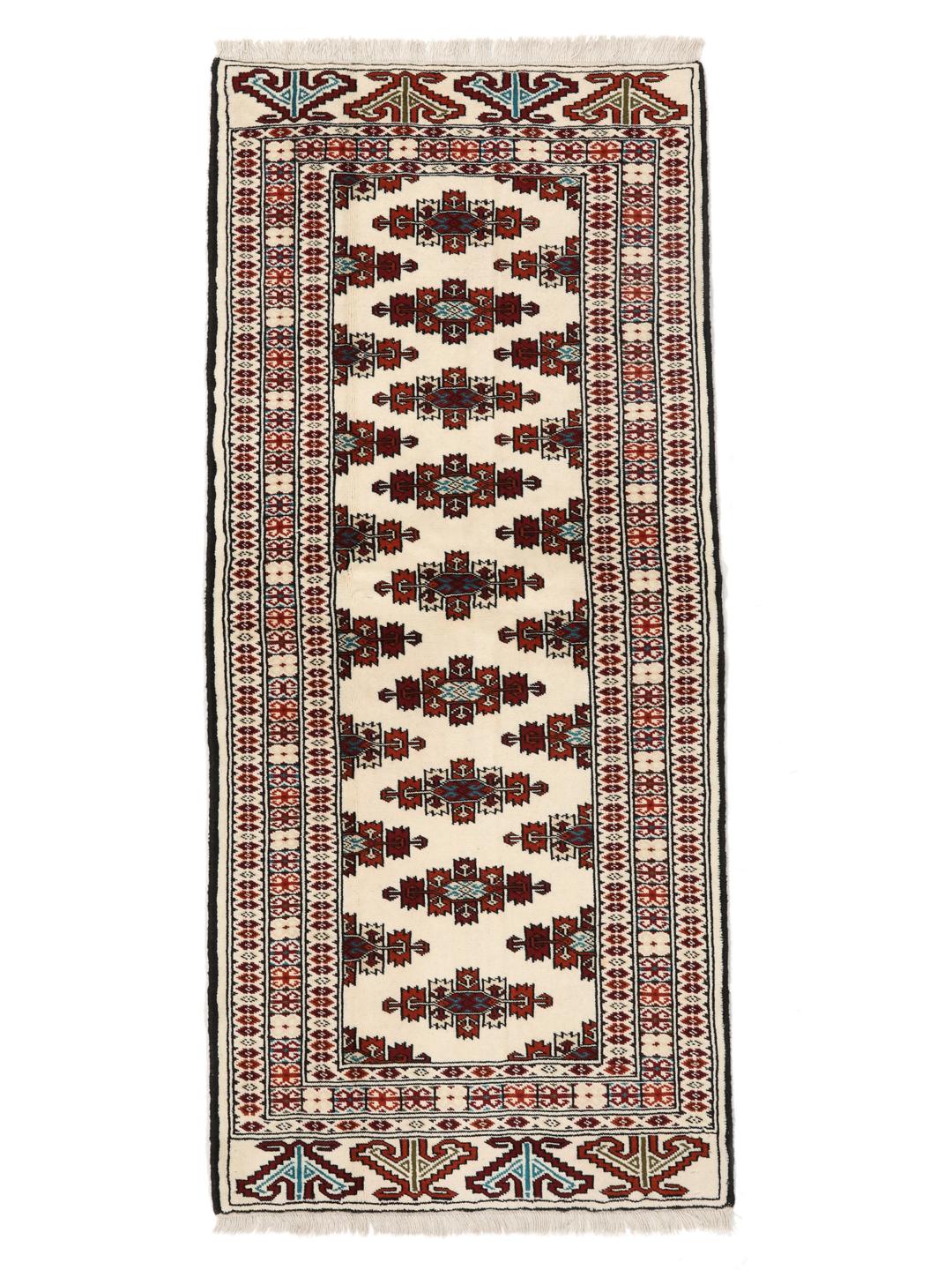
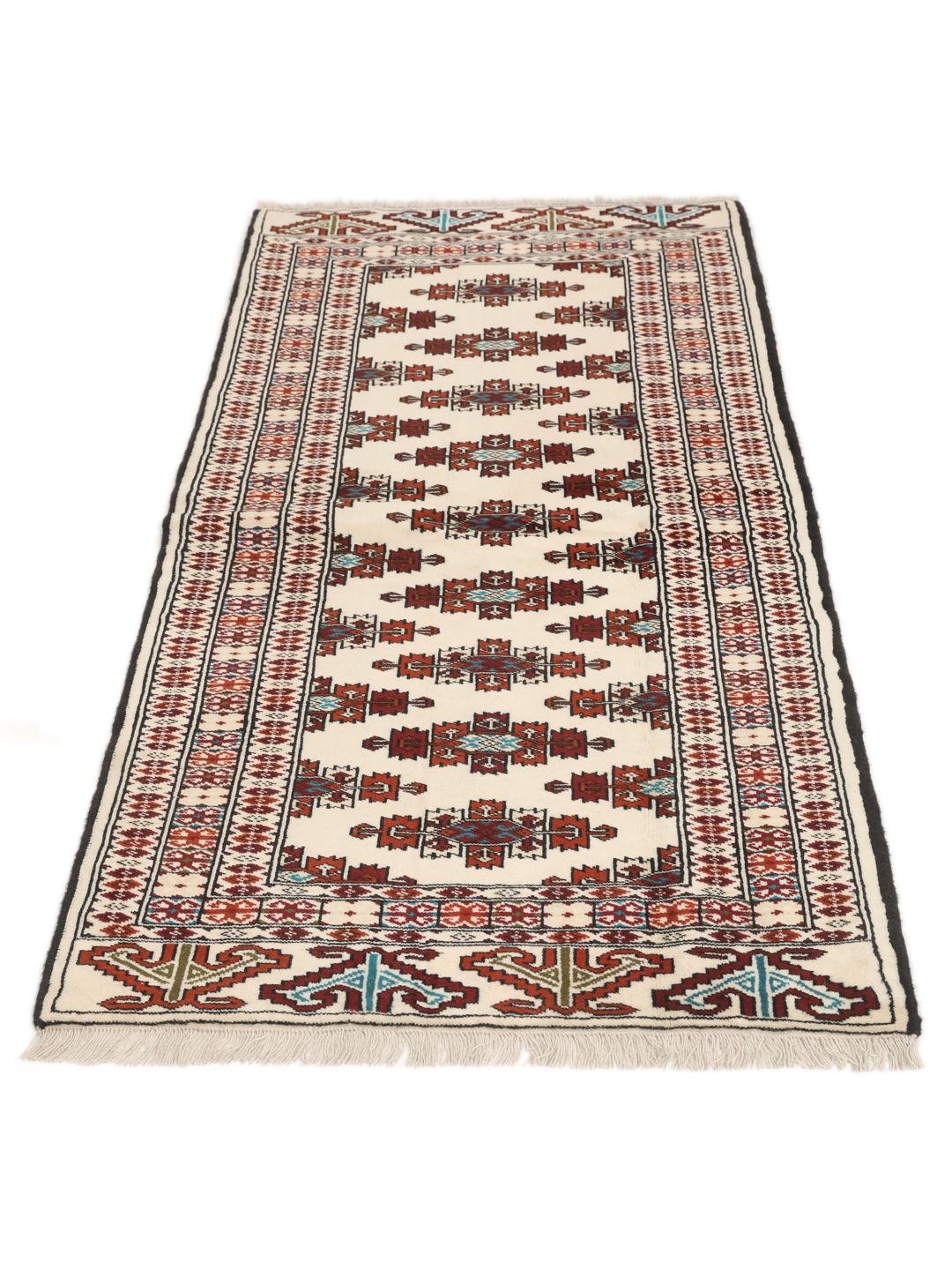
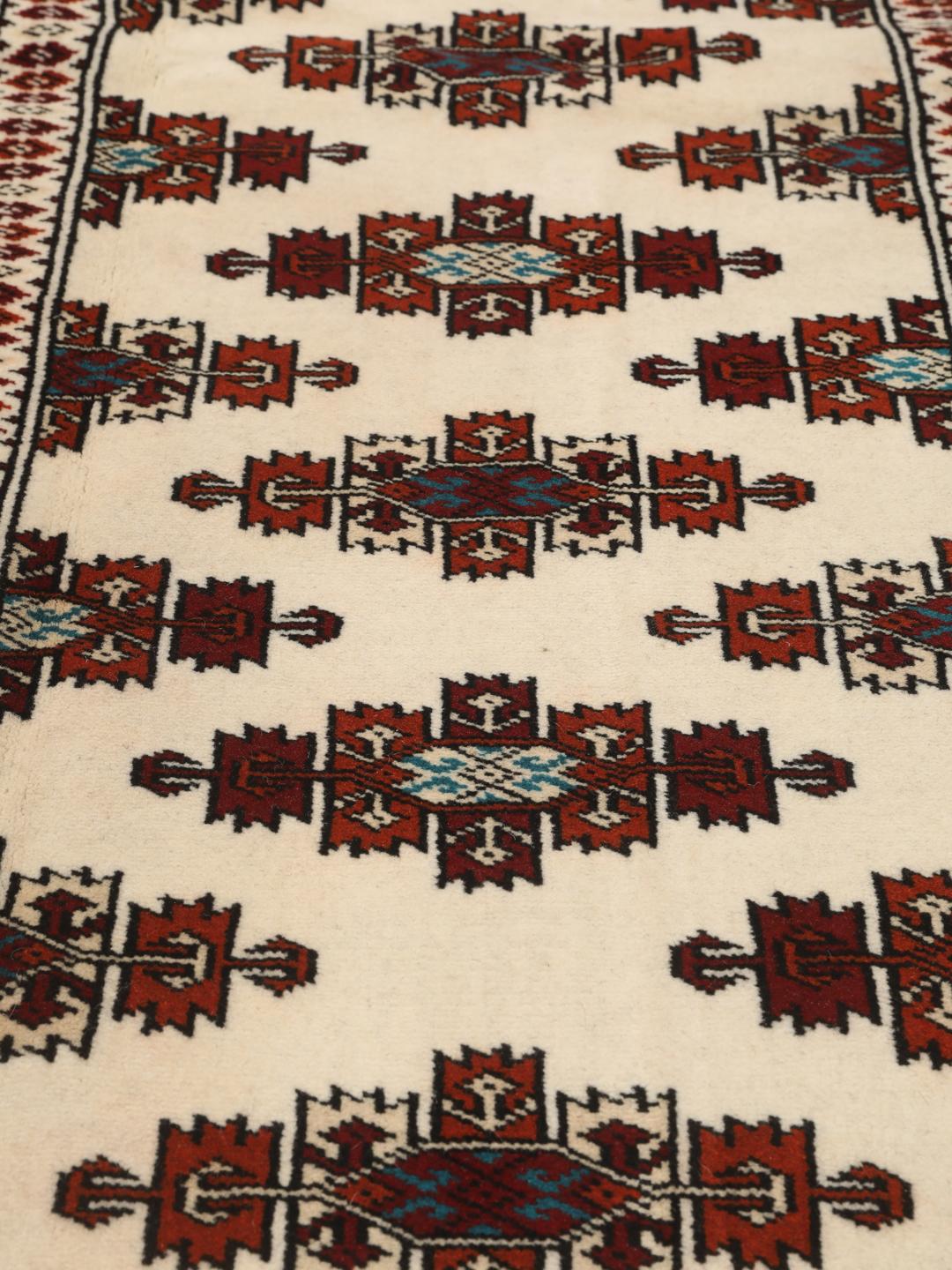
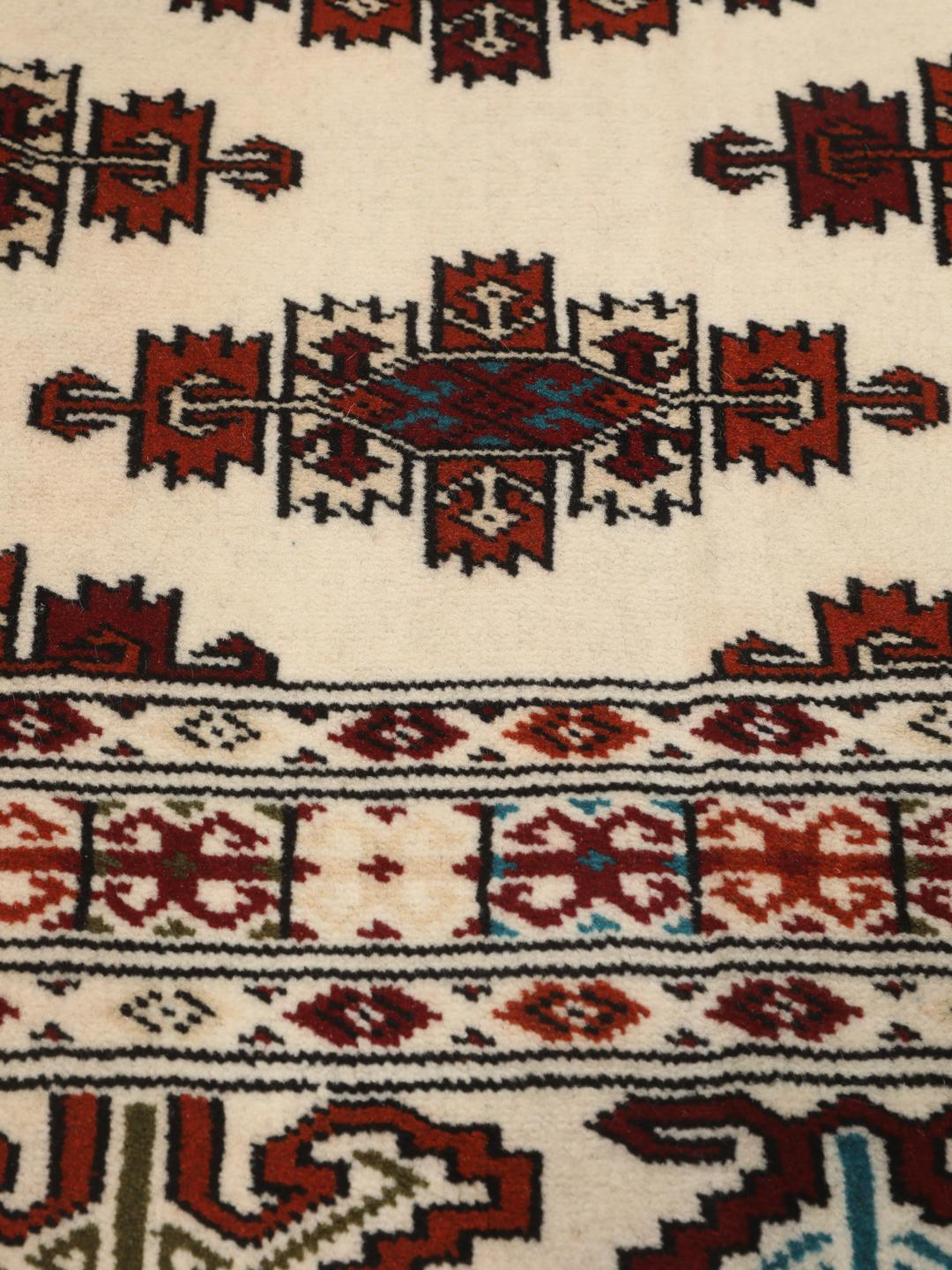
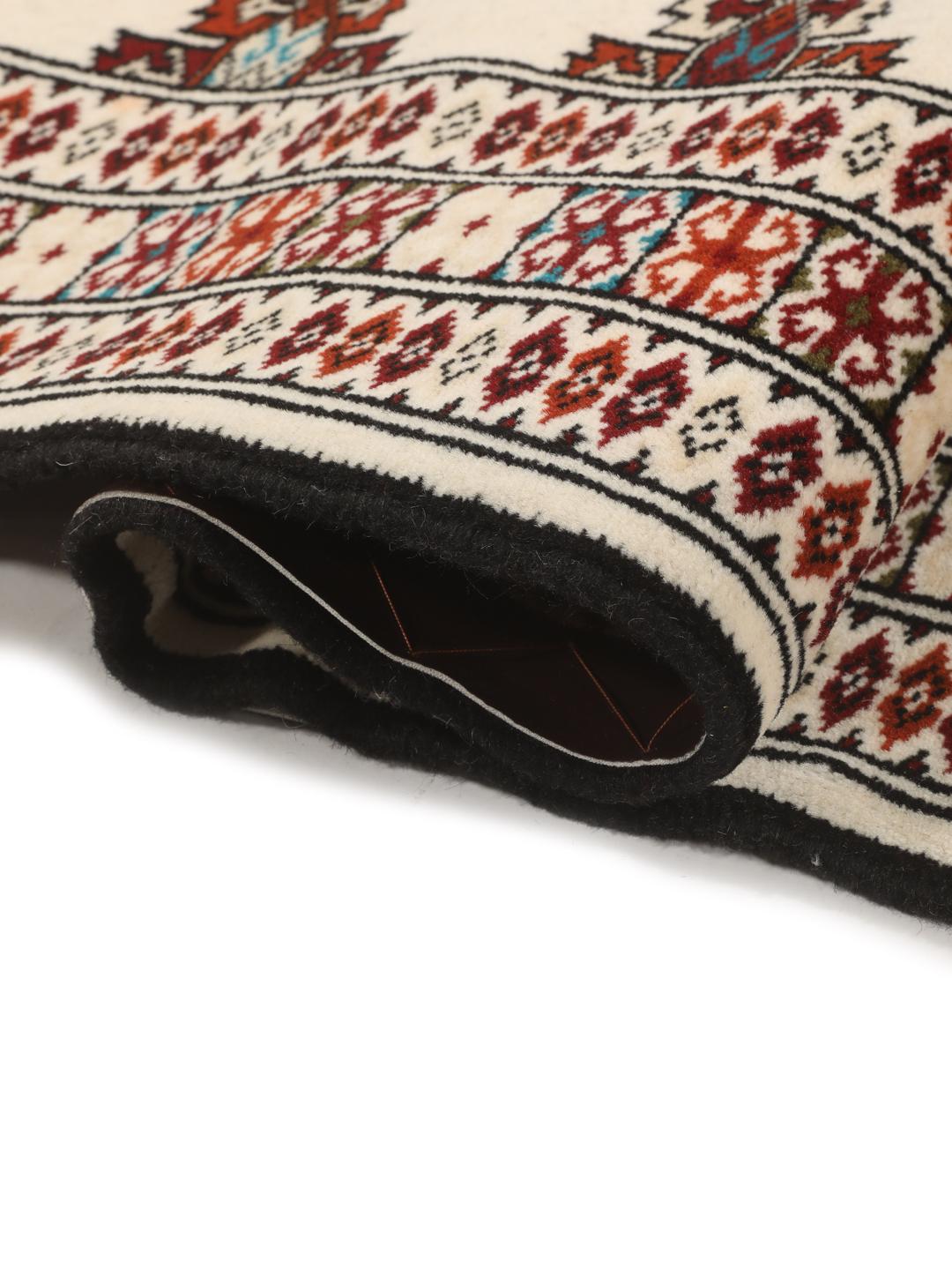
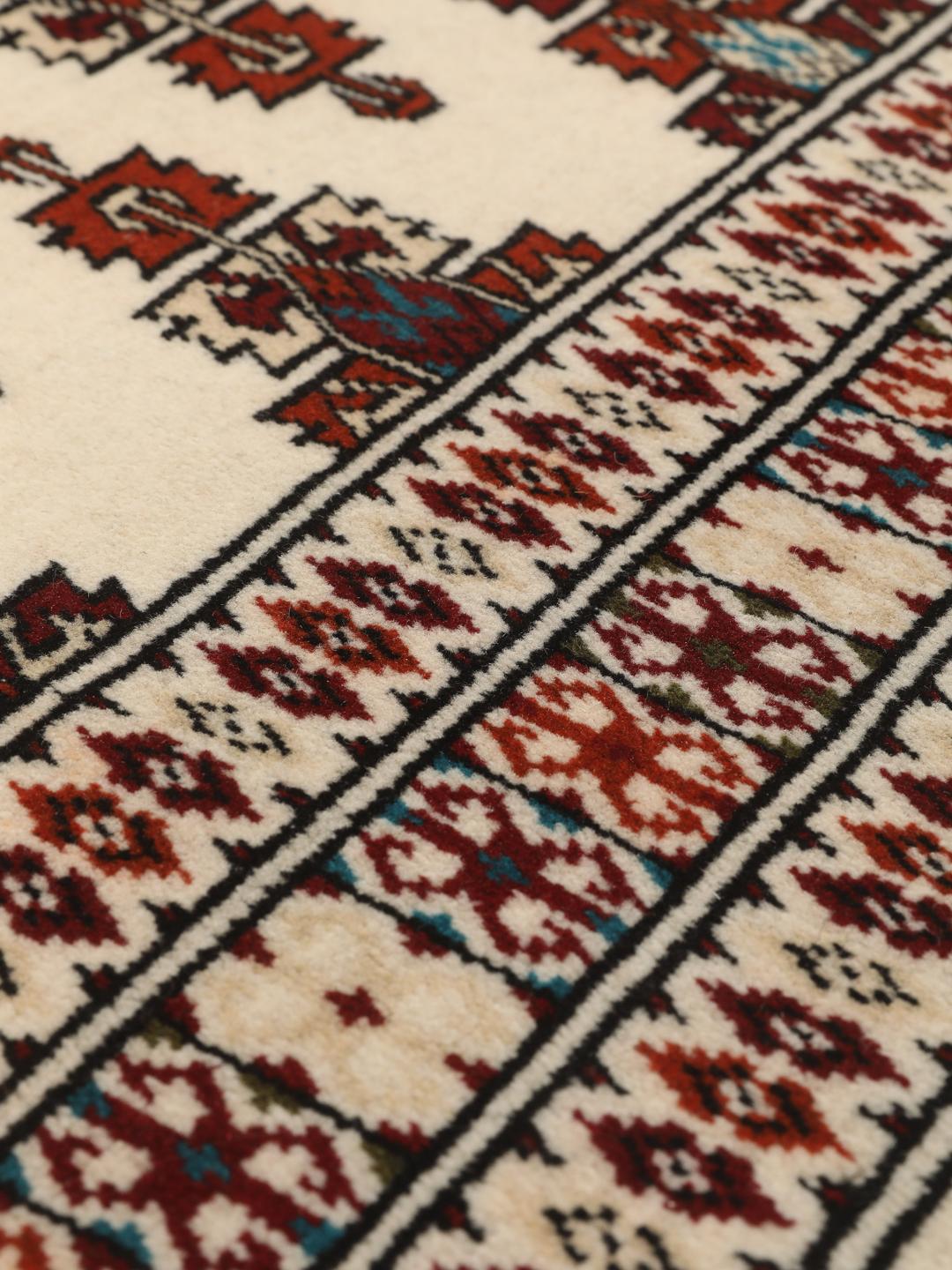
Visually, Turkaman rugs are defined by their signature gul motifs—octagonal, stylized medallions that represent the tribal heritage of the weavers. These are usually set against a field of warm, earthy tones, often accented with deep reds and blues. The borders are typically formal and geometric, framing the field with a sense of order that makes these rugs incredibly versatile in a home setting.
Owning a Turkaman rug is more than just a decorative choice; it is an act of preserving a profound craft legacy. These rugs are deeply valued by collectors and enthusiasts for their historical significance and the immense skill required to produce them. By bringing one into your home, you are celebrating a tradition that prioritises patience, precision, and an unwavering commitment to quality.