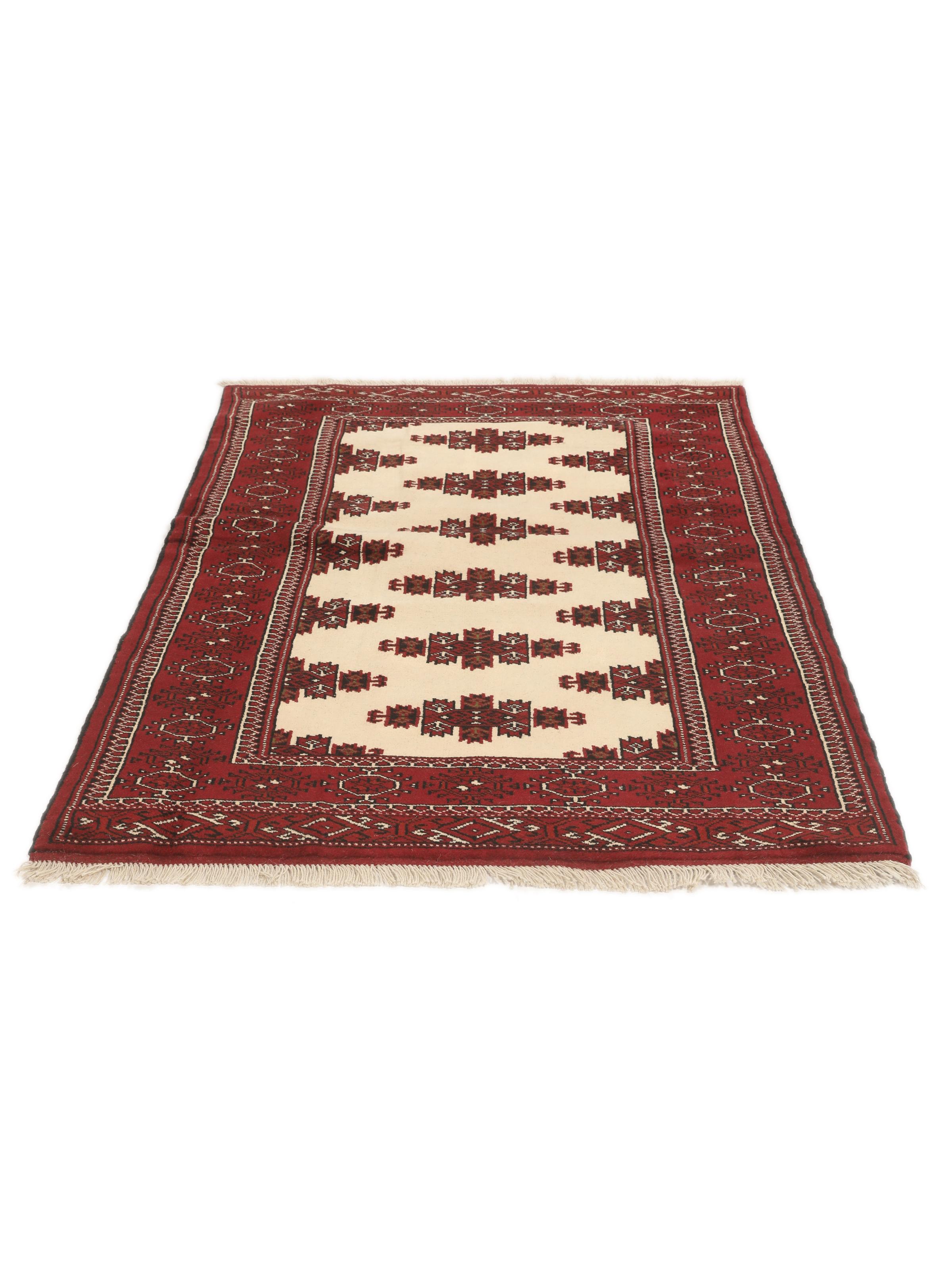
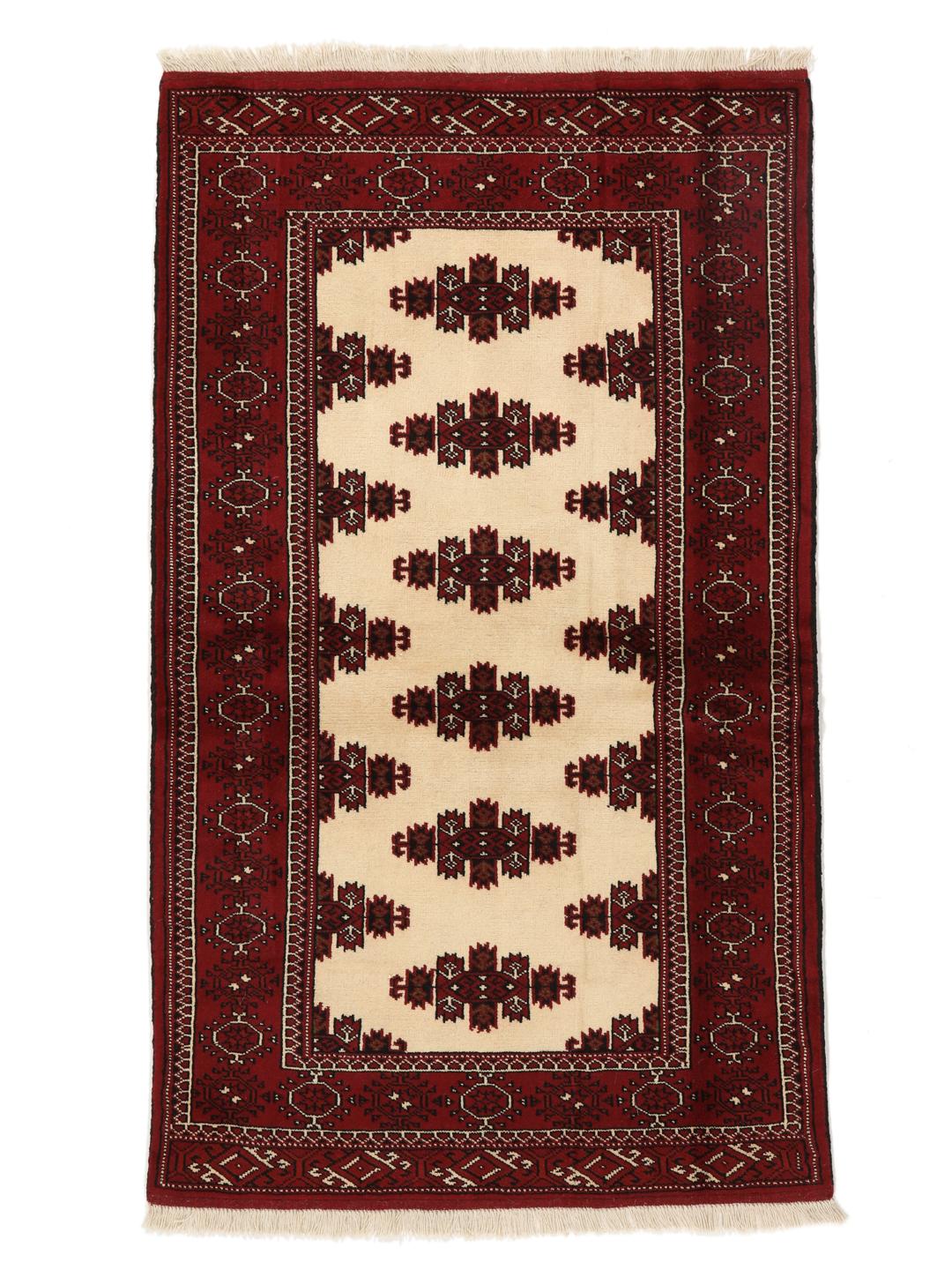
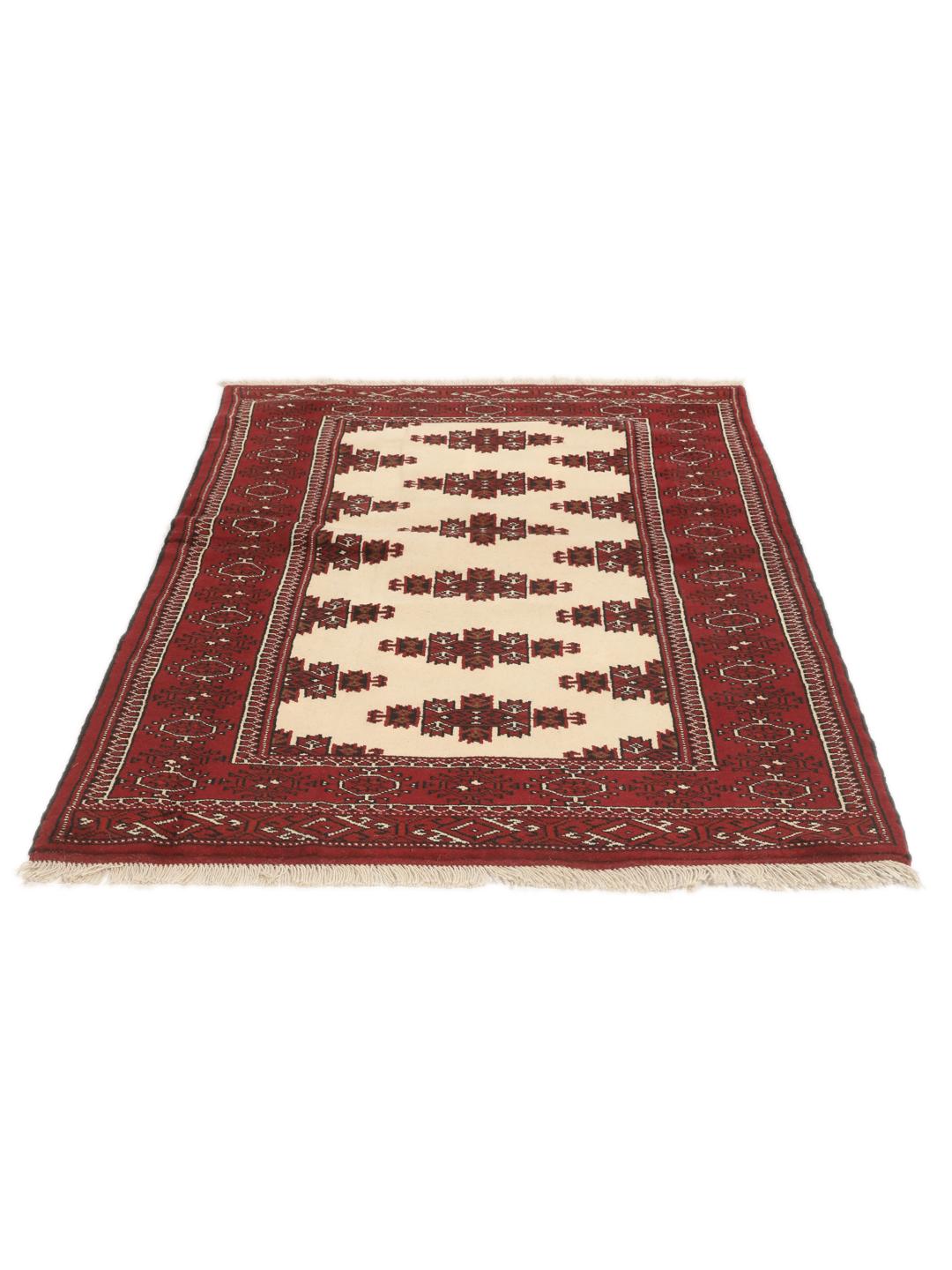
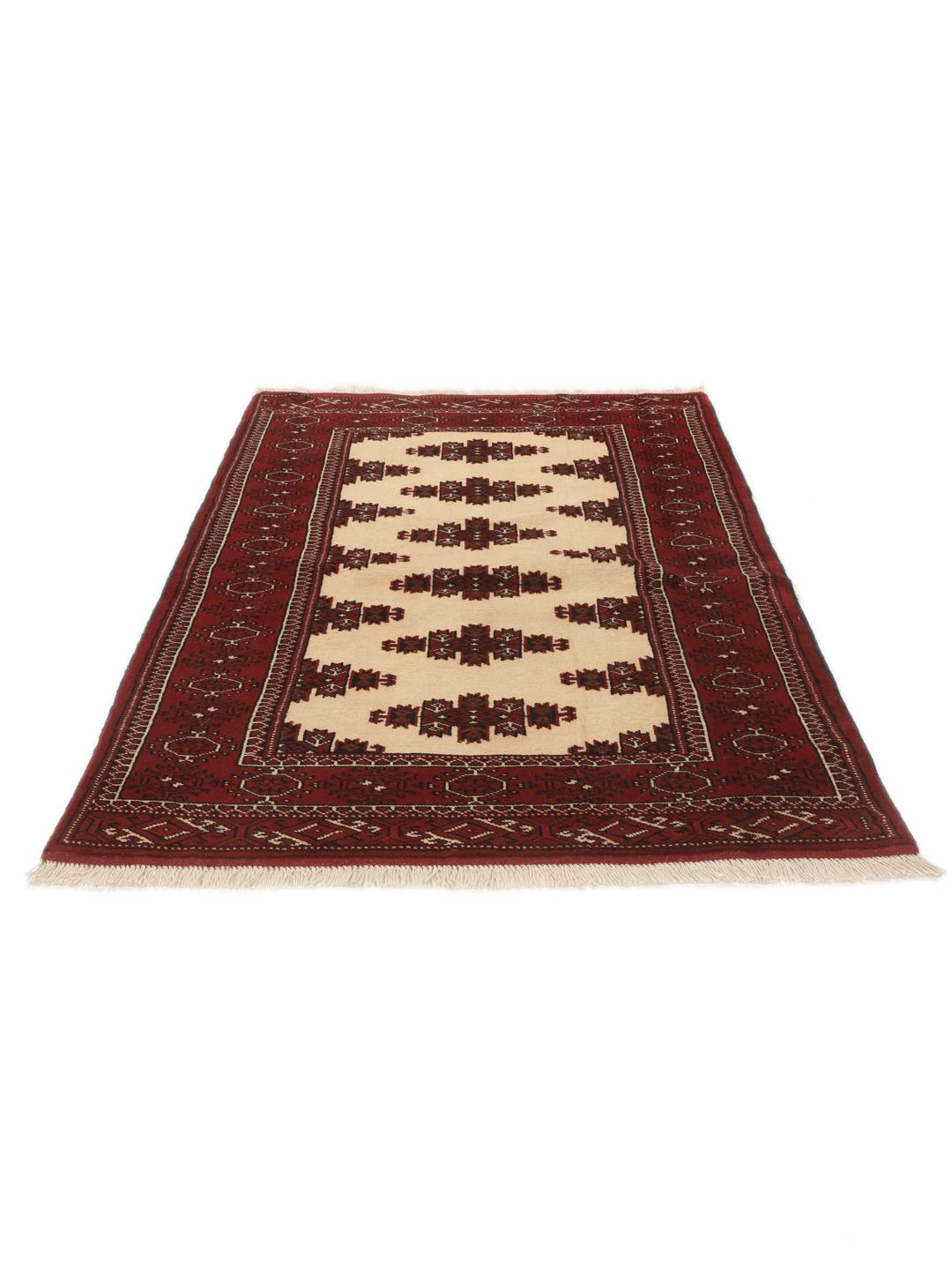
Turkaman rugs have long been celebrated for their distinct, tribal elegance, originating from the nomadic traditions of the Middle Eastern steppes. These rugs were historically crafted by tribes who translated their cultural identity, landscape, and history into complex geometric patterns, serving as both functional floor coverings and essential items for nomadic life.
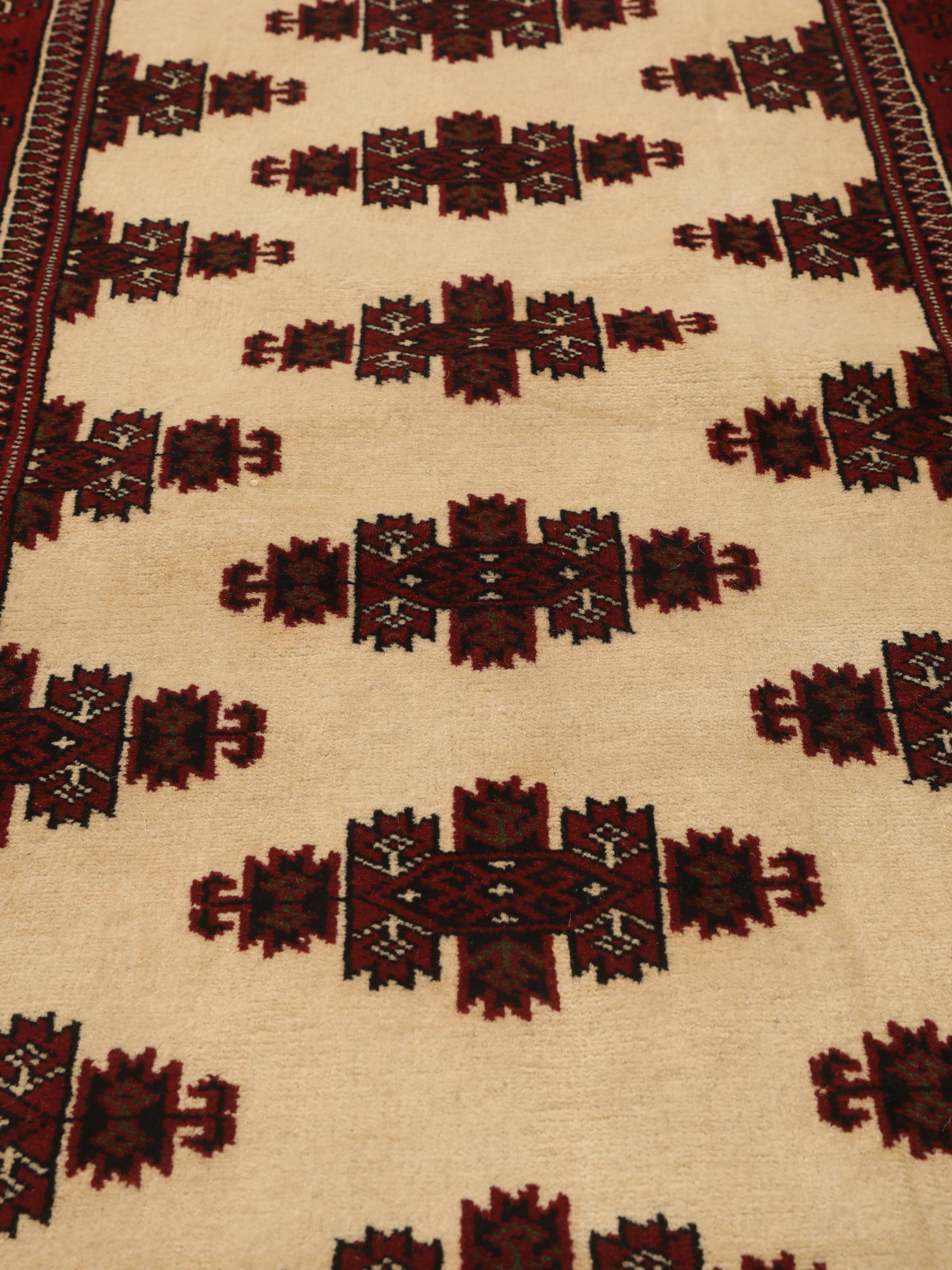
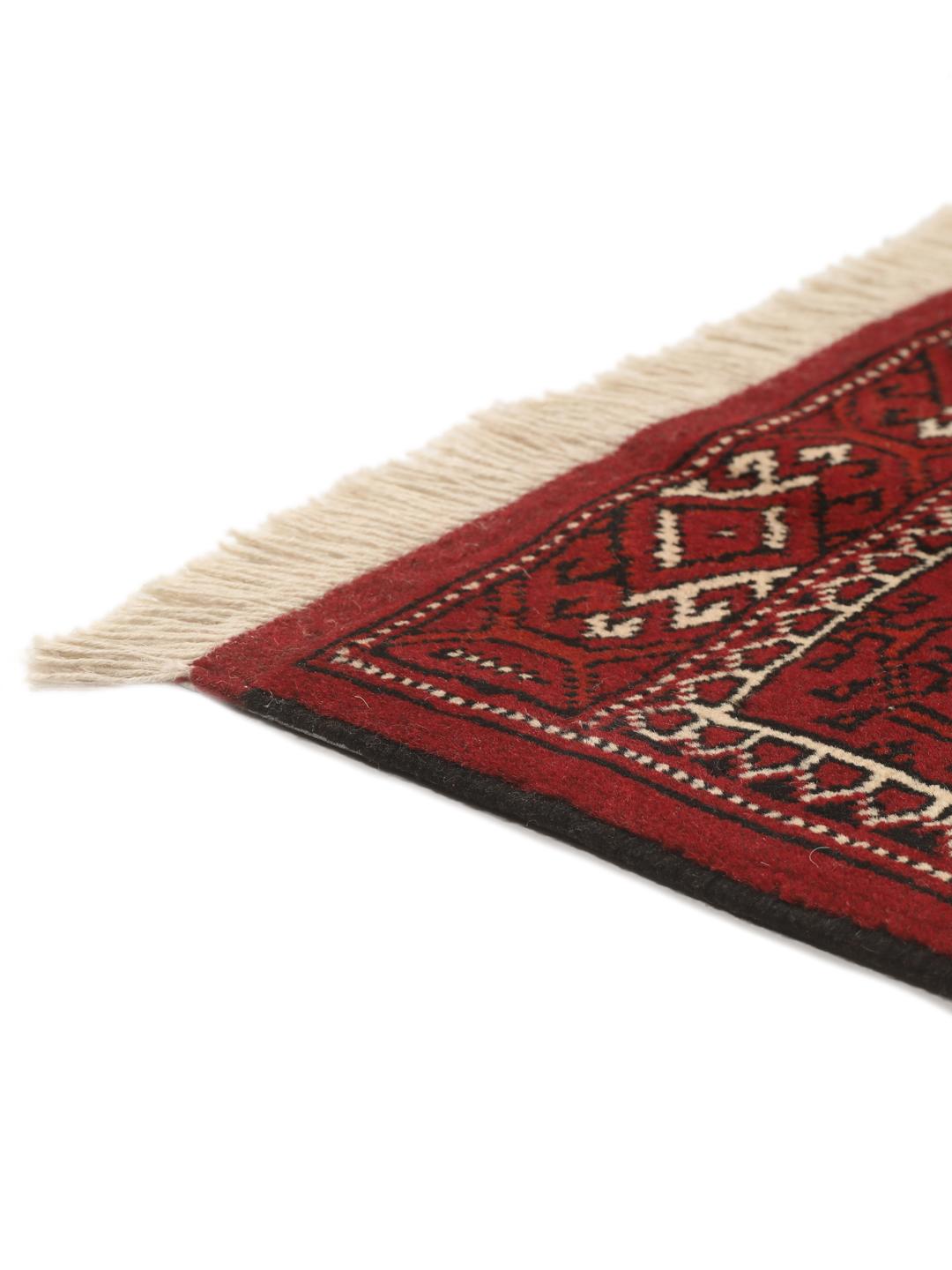
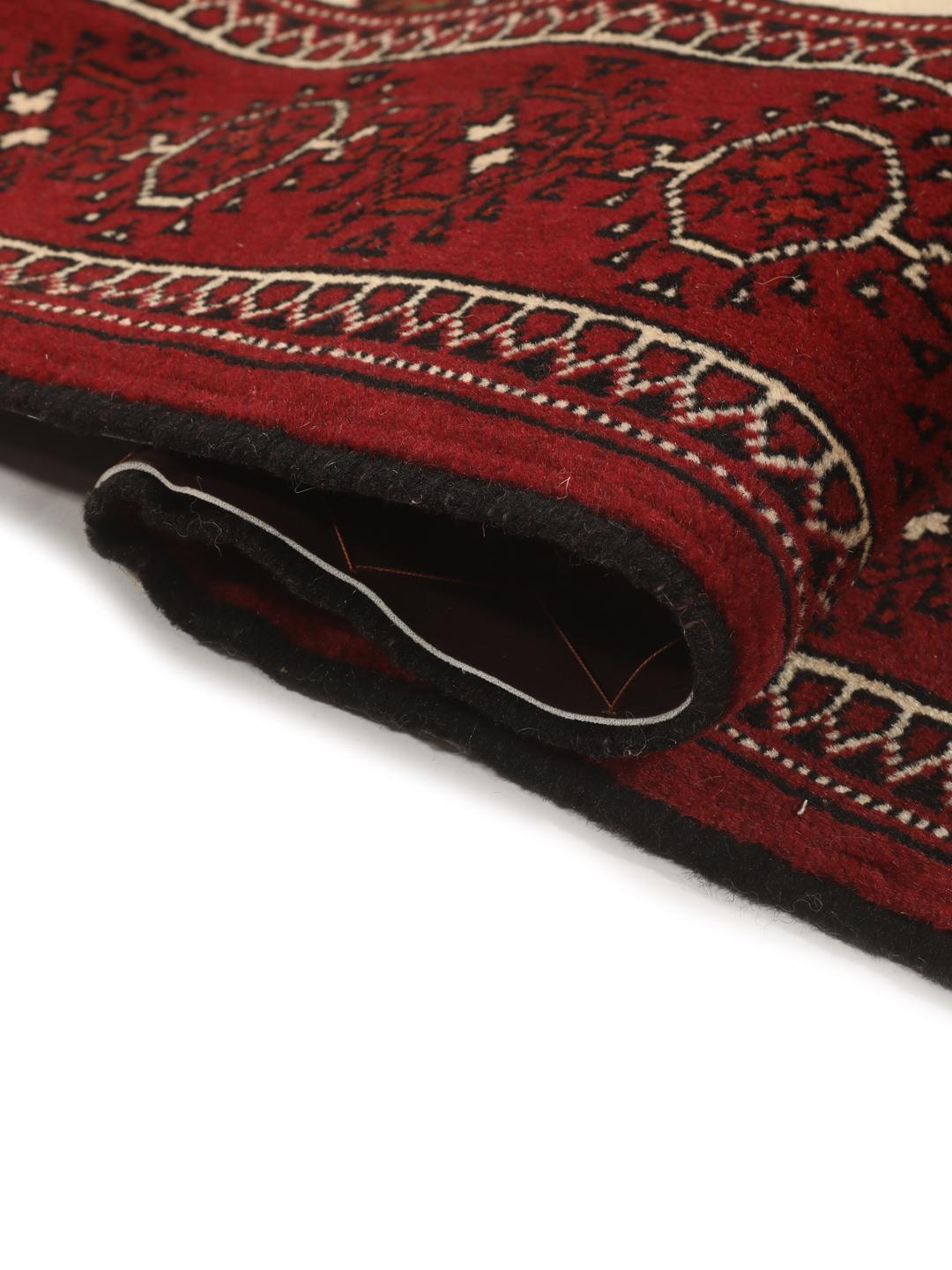
The craftsmanship behind these pieces relies on a deep understanding of wool processing and knotting techniques. The use of high-quality wool, known for its natural lanolin content, provides a lustrous sheen and an inherent resistance to wear, which is why these rugs have been sought after for centuries.
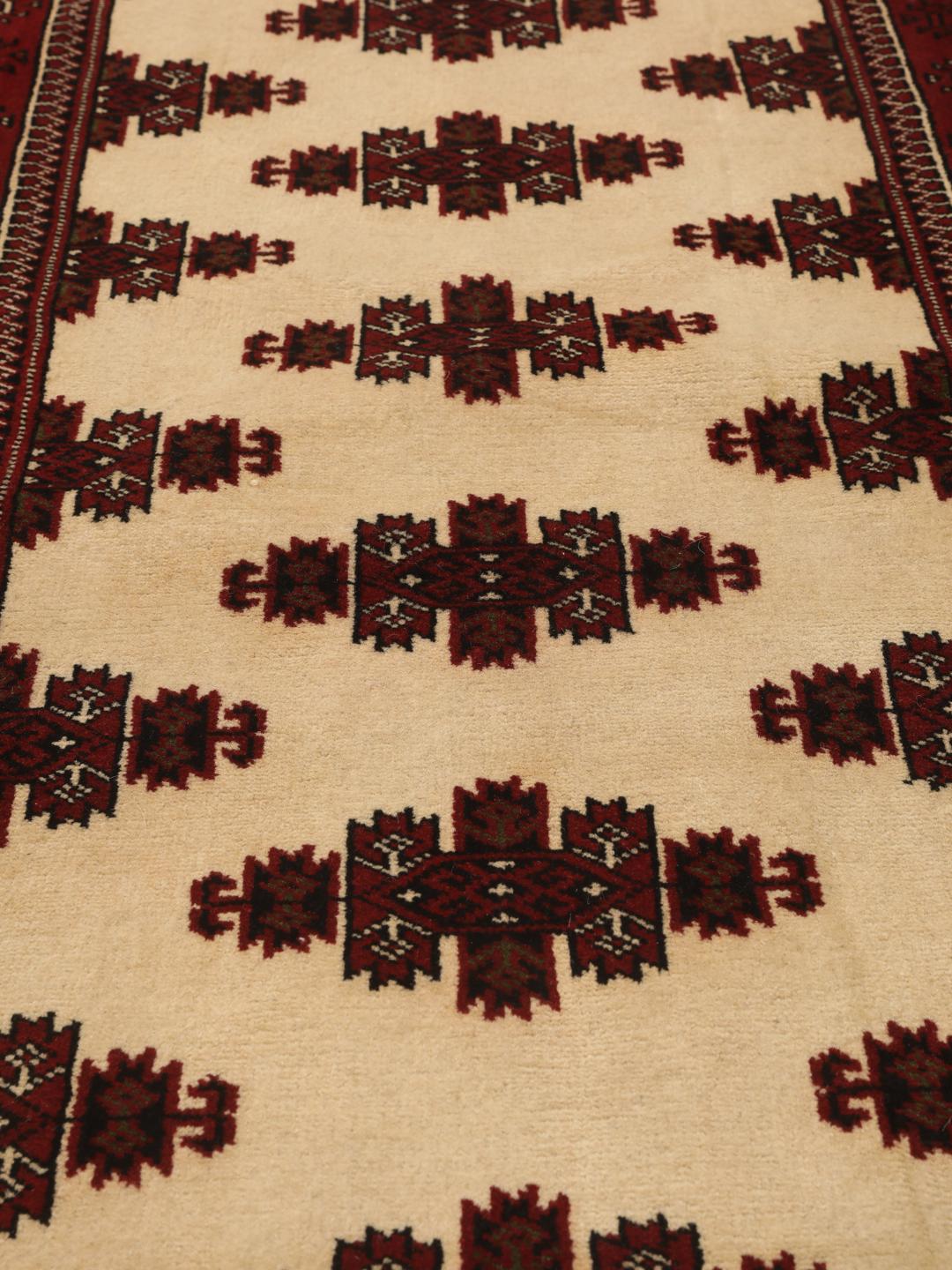
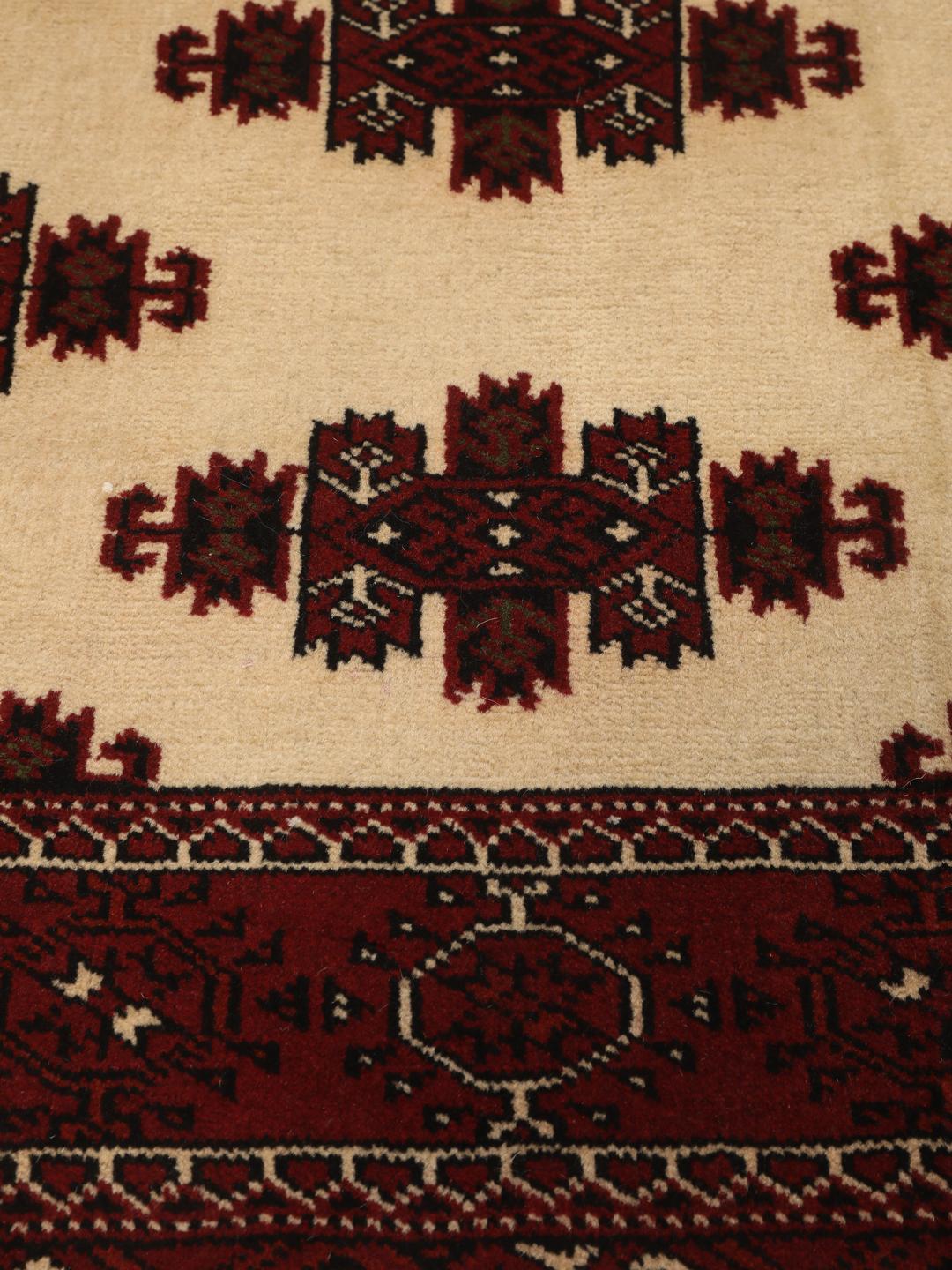
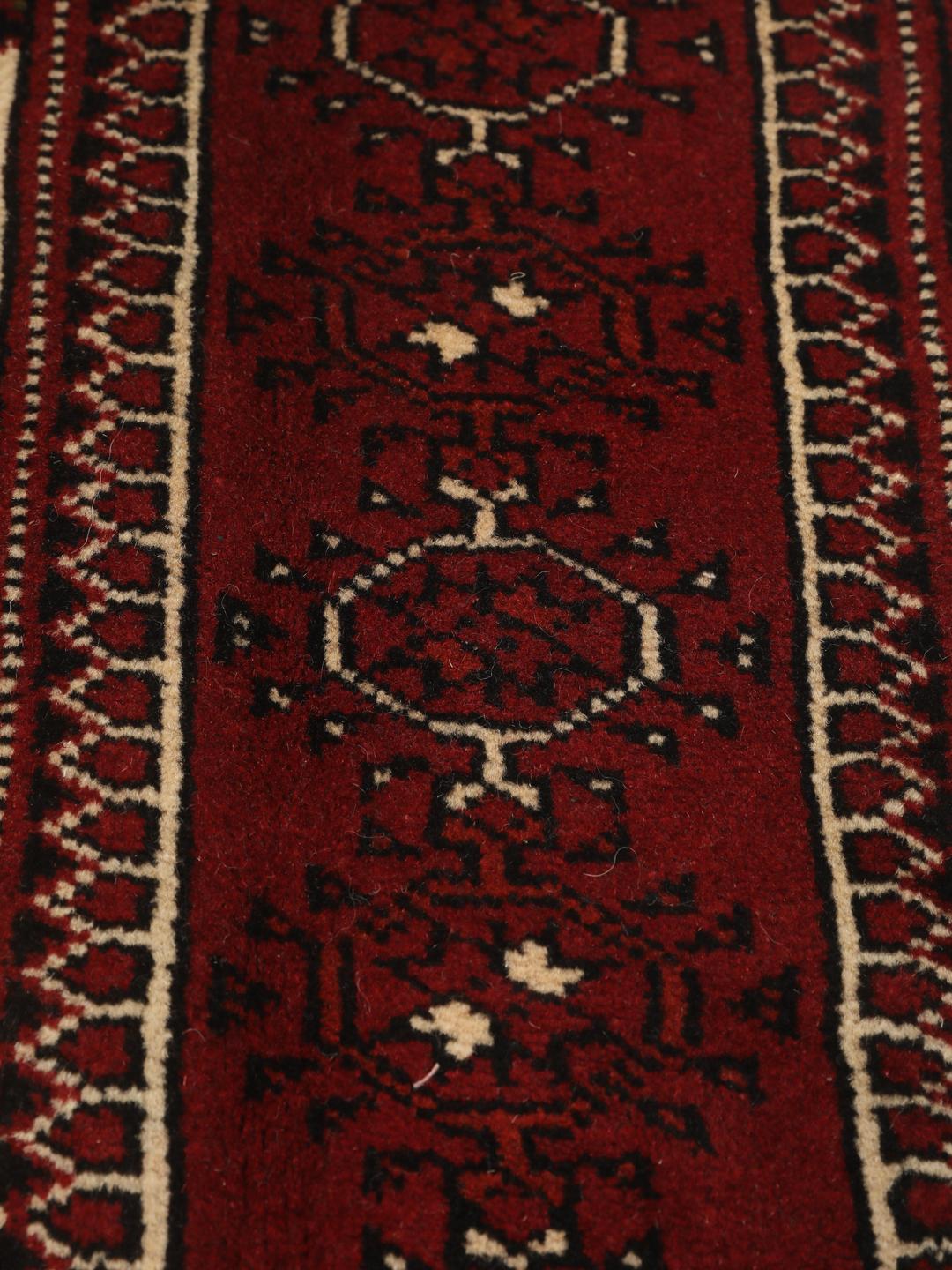
Signature design elements of the Turkaman tradition often include the repeating gul motif, a stylised, octagonal emblem that represents the tribal lineage. These medallions are typically arranged in precise, rhythmic rows, framed by intricate borders that feature geometric filler patterns and symbolic protective motifs.
Collectors value Turkaman rugs not only for their striking aesthetic but also for the cultural weight they carry. Owning a piece from this tradition means supporting a legacy of artistic skill that has survived shifting borders and changing times, ensuring that this heritage remains a vibrant part of modern home interiors.