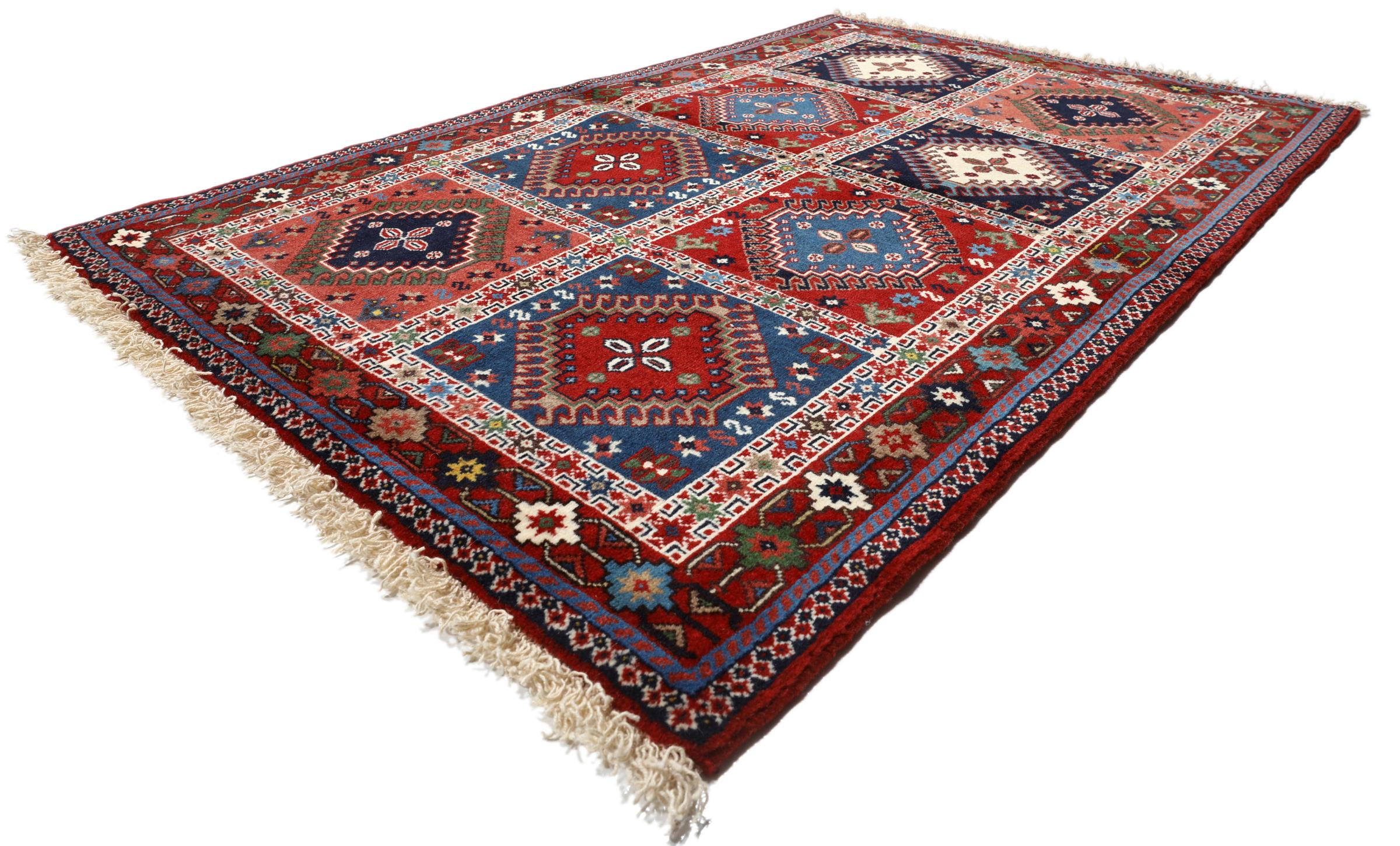
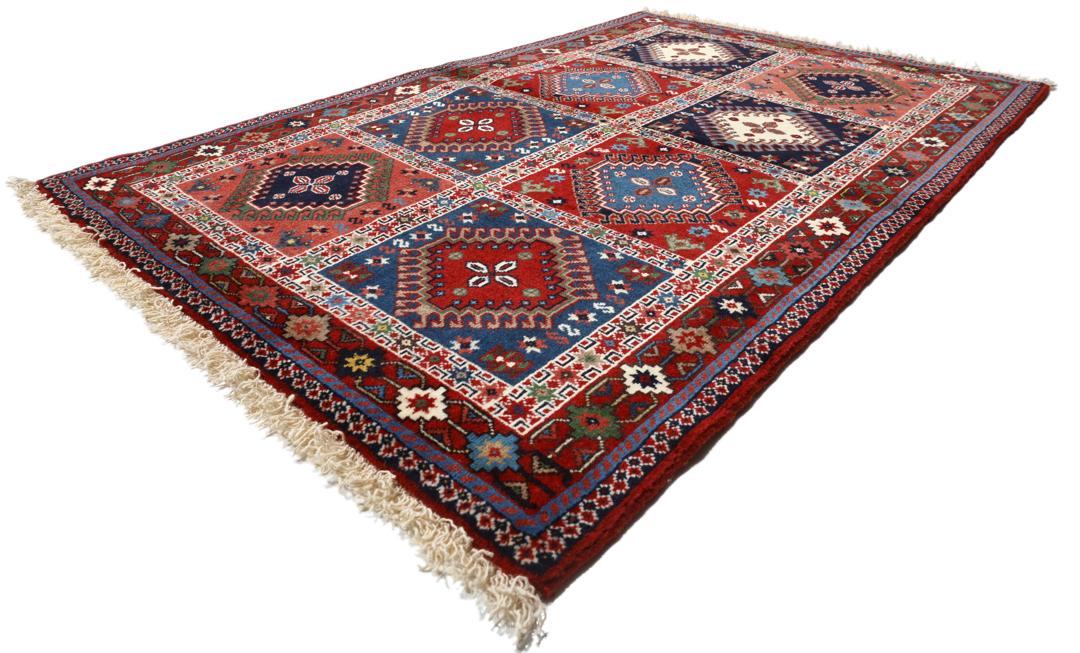
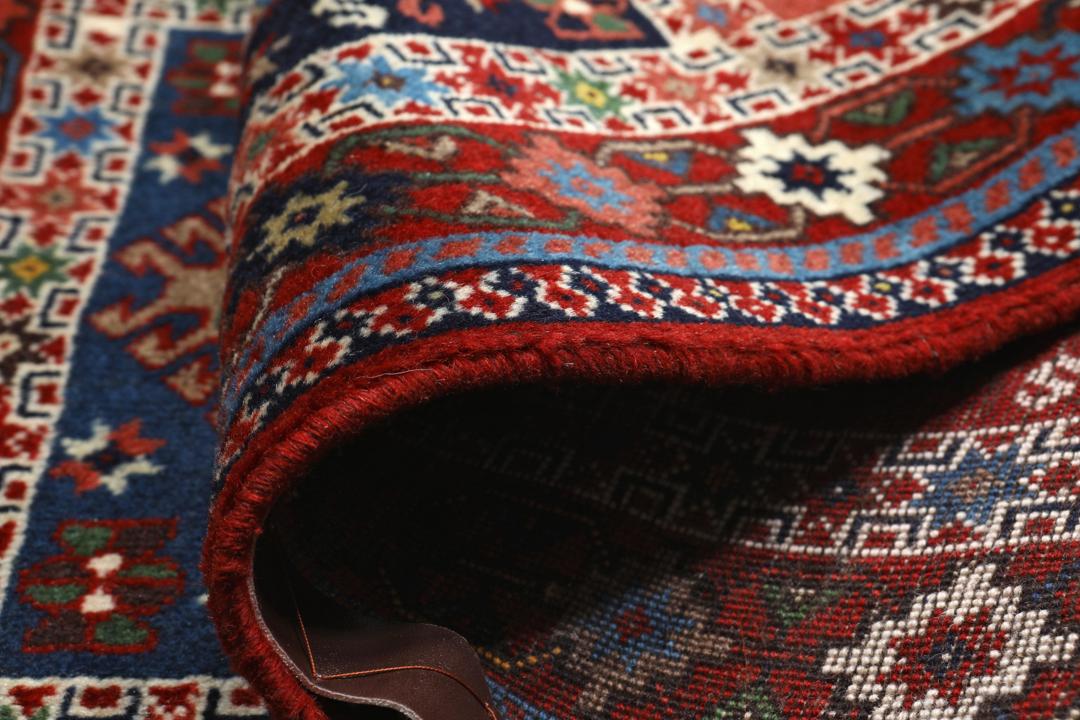
The Yalameh rug tradition finds its roots among the nomadic tribes of the Middle East, particularly within the Fars province. These weavers are known for their ability to translate the landscapes, myths, and cultural symbols of their heritage into intricate, geometric patterns. While these rugs were originally crafted for practical use within tents and homes, they have evolved into highly sought-after collector pieces for their distinct aesthetic.
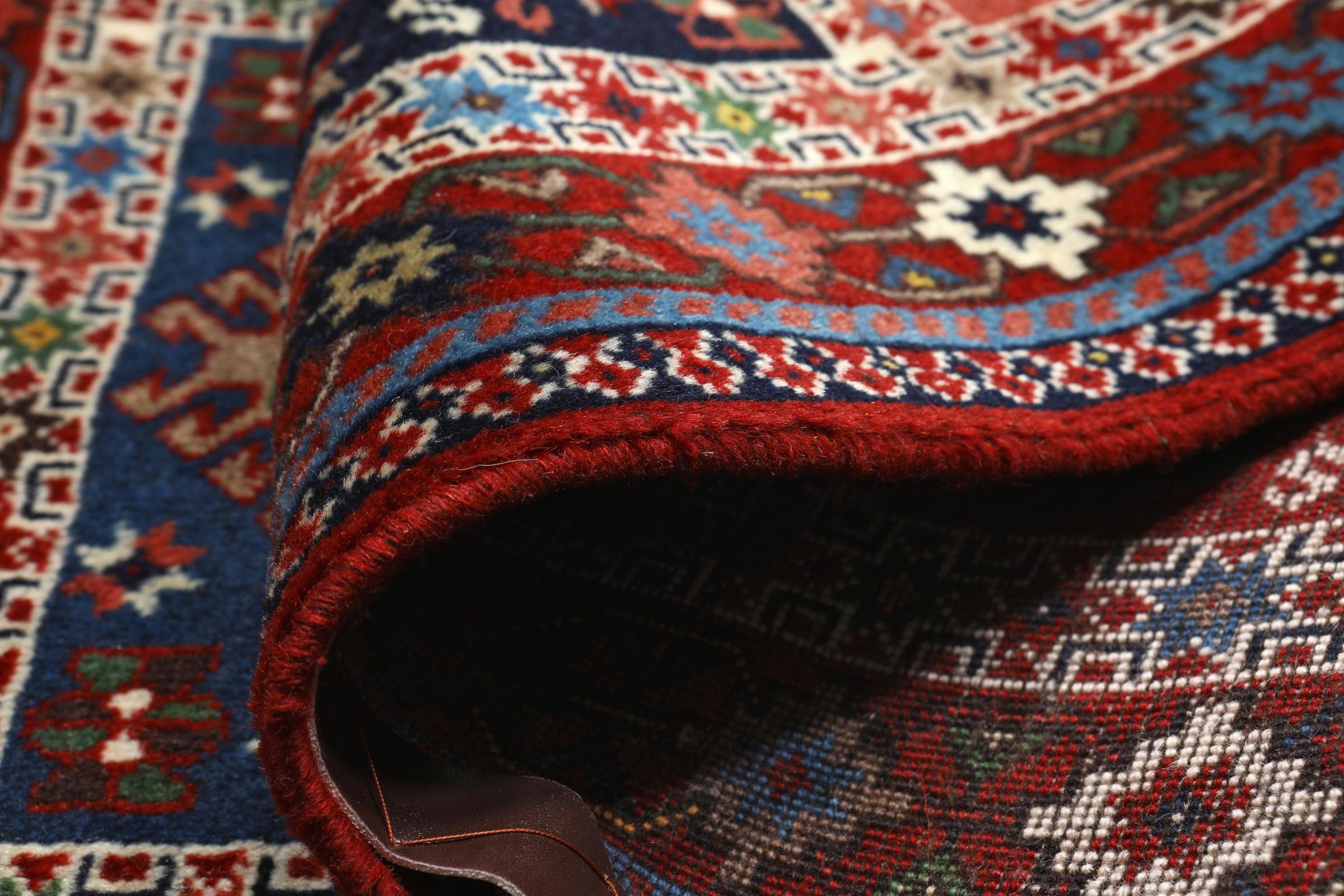
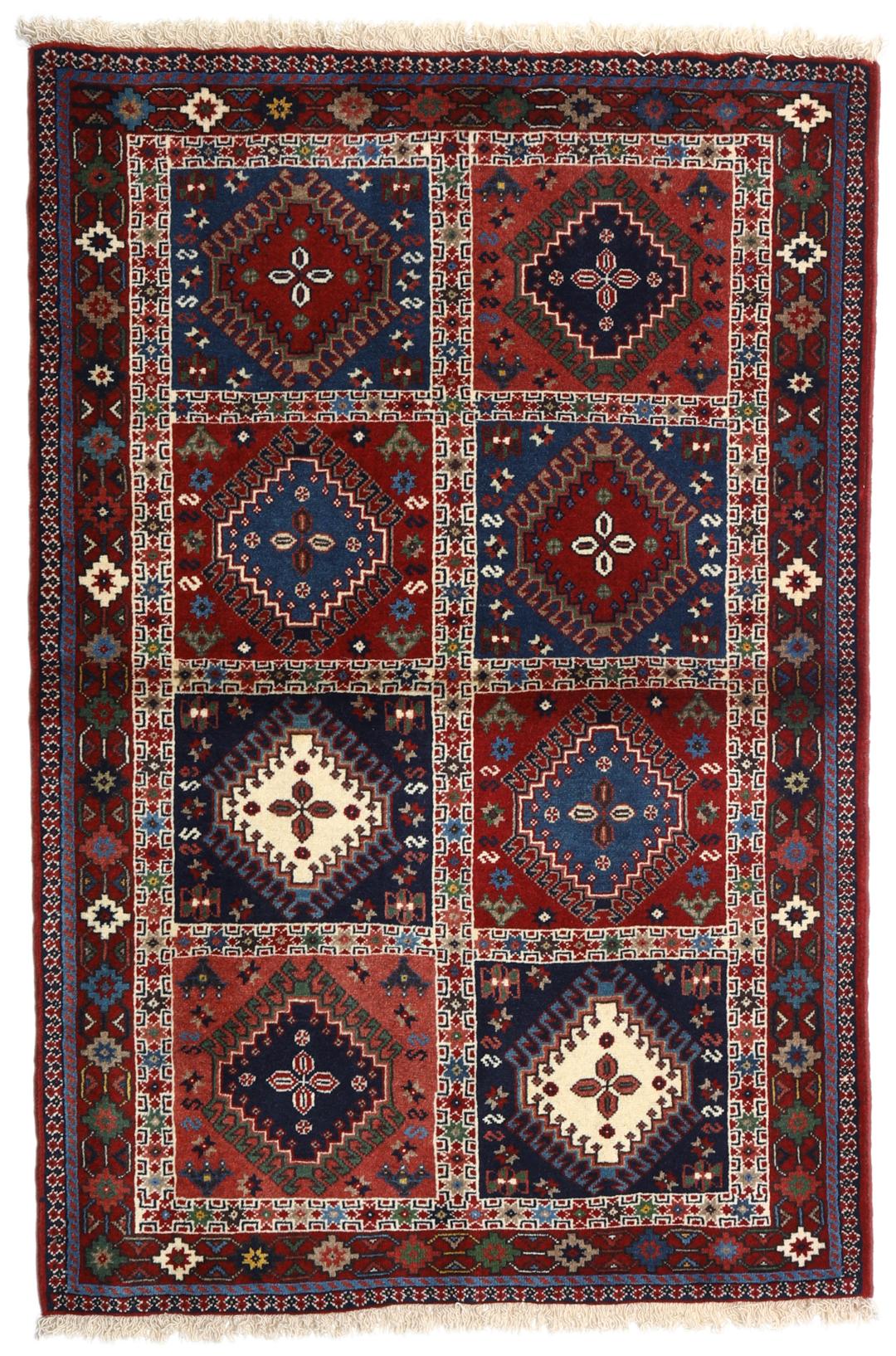
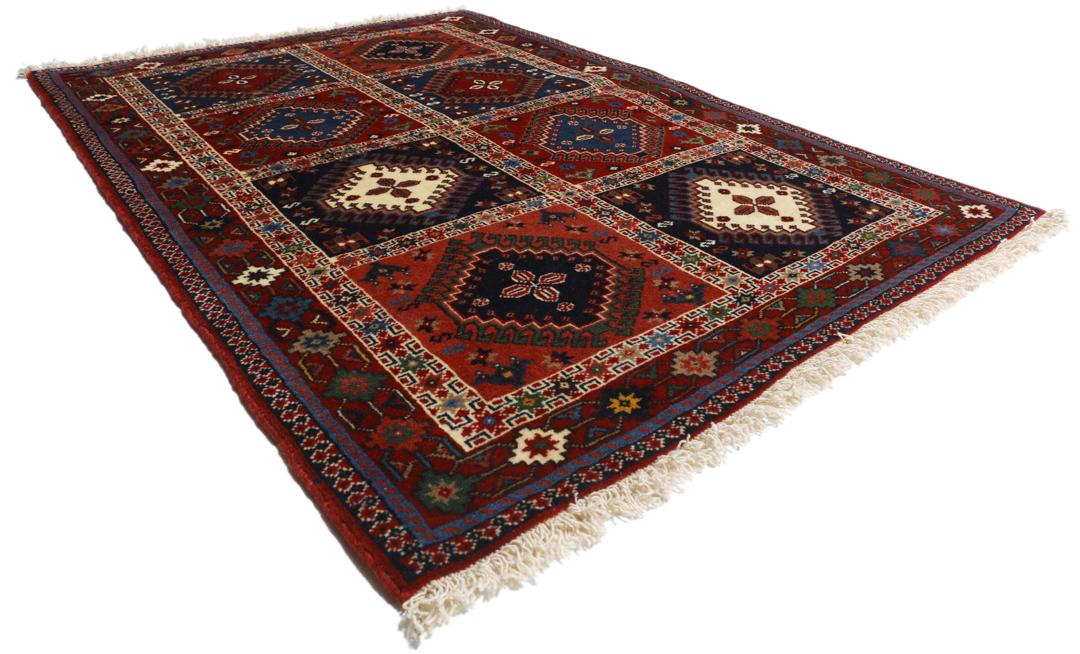
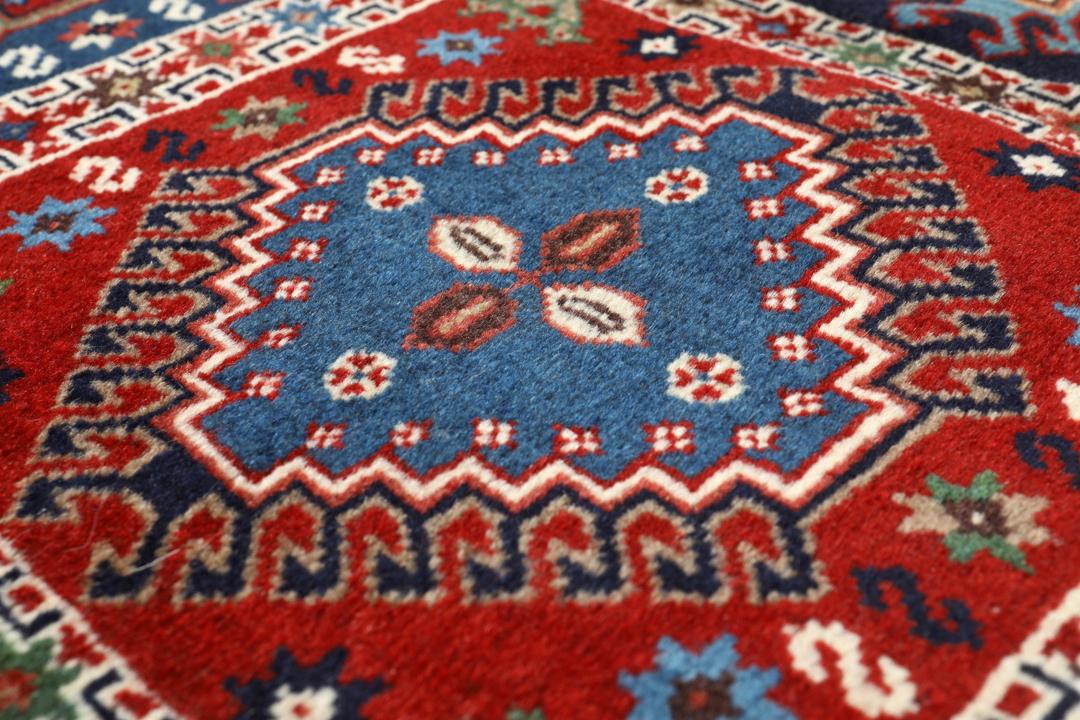
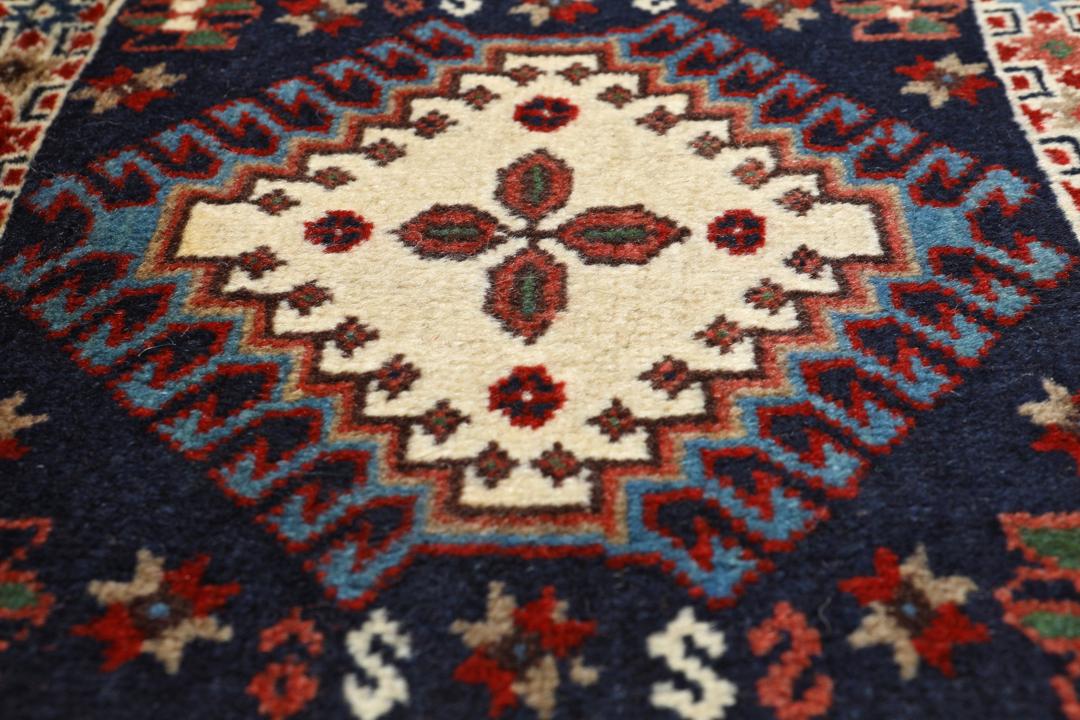
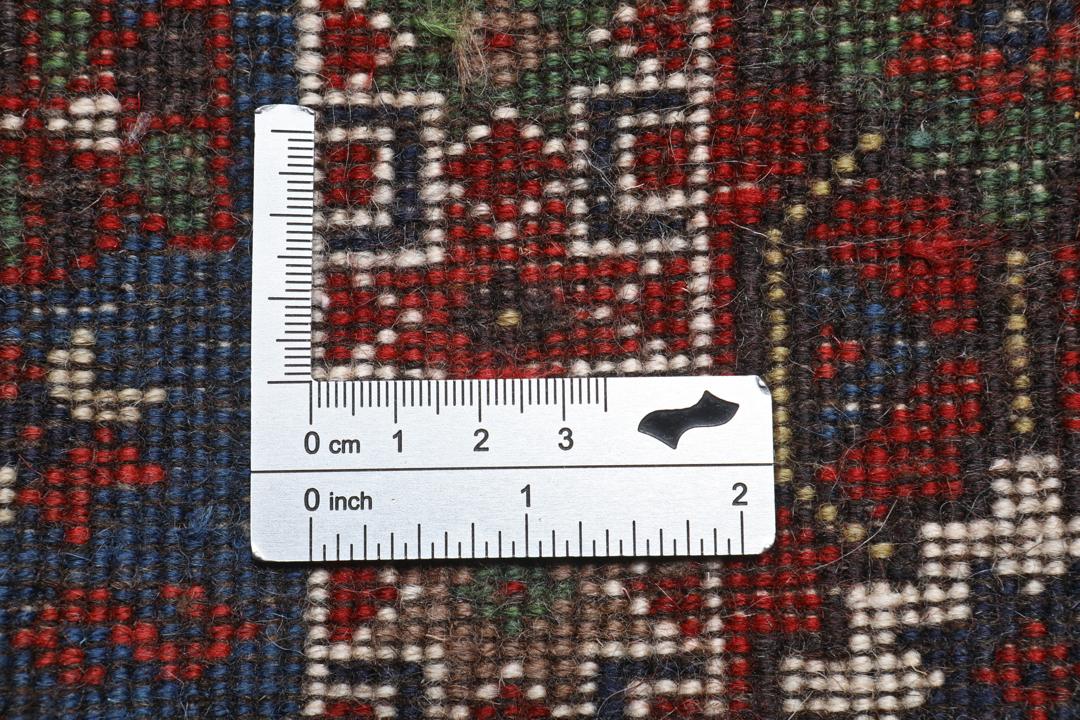
The term 'Yalameh' refers to the specific tribal style that prioritises bold, repeating motifs and a deep, harmonious colour palette. These rugs are recognised for their 'gul' or medallion-based compositions, which are often arranged in rows to create a balanced yet complex field. The technical precision required to maintain these geometric shapes without the use of pre-drawn patterns is a hallmark of the skill passed down through generations of tribal weavers.
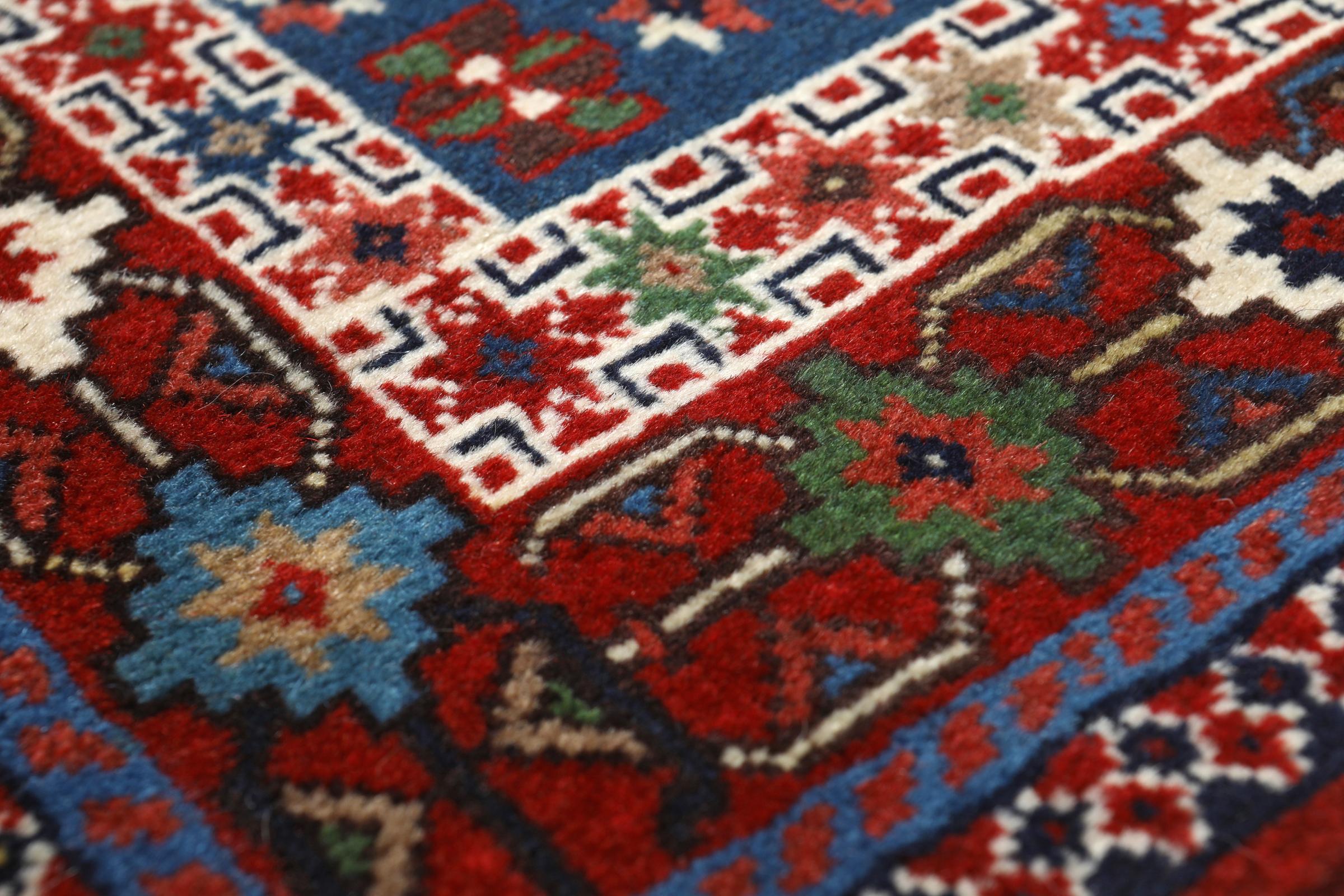
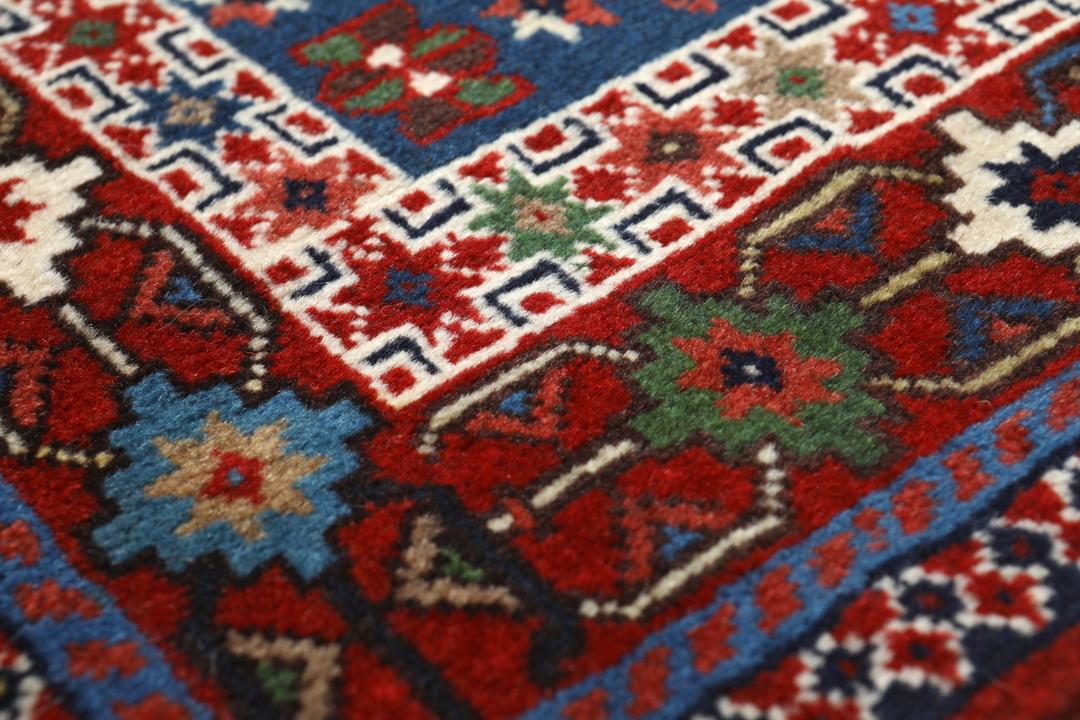
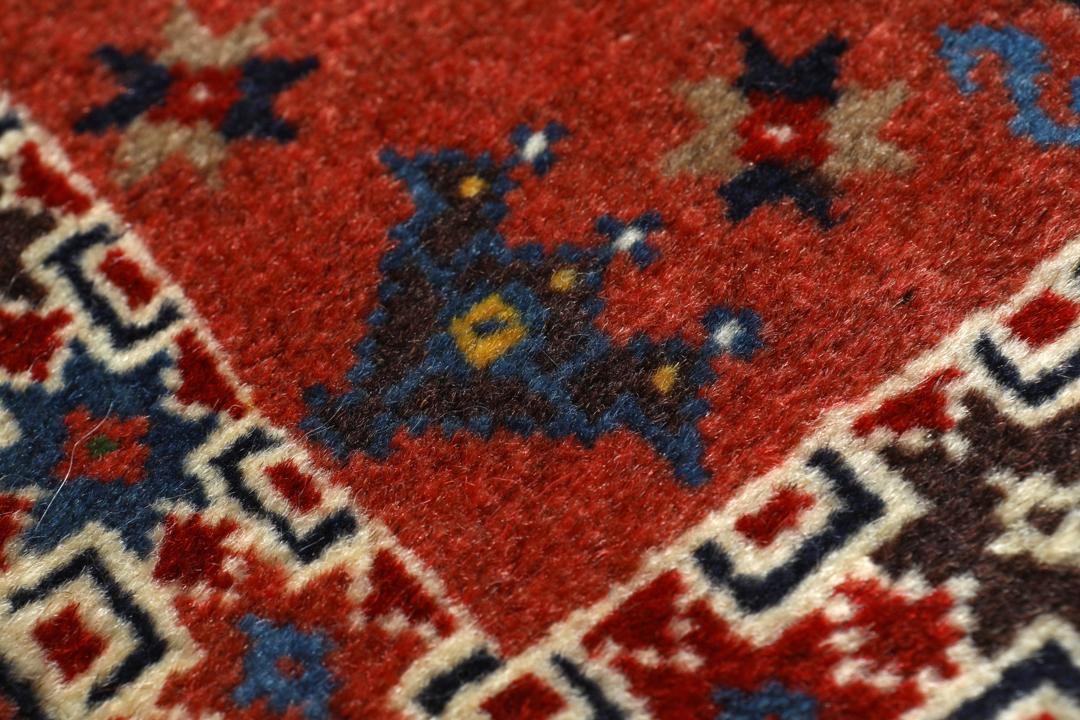
A key feature of the Yalameh design is the use of strong contrast between the field and the borders, often utilising deep reds, blues, and ivory to make the geometric shapes pop. The patterns often include stylised floral or animal motifs that hold specific meanings within the tribe’s visual language. This specific rug showcases that tradition perfectly, with its clear, sharp lines and deep, saturated hues that remain true to the original tribal aesthetic.
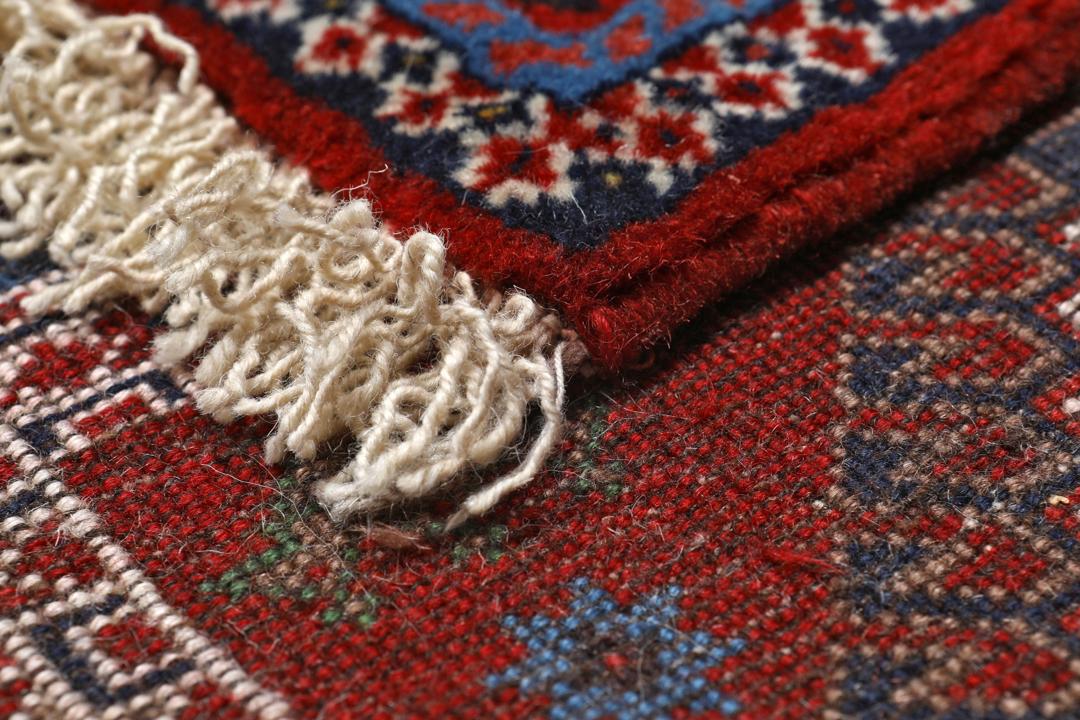
For collectors and homeowners alike, these rugs are valued for their enduring quality and their ability to bridge the gap between traditional nomadic art and modern interior design. Owning a piece from this tradition is an investment in cultural heritage, representing a level of human skill and dedication that is becoming increasingly rare in the contemporary world.