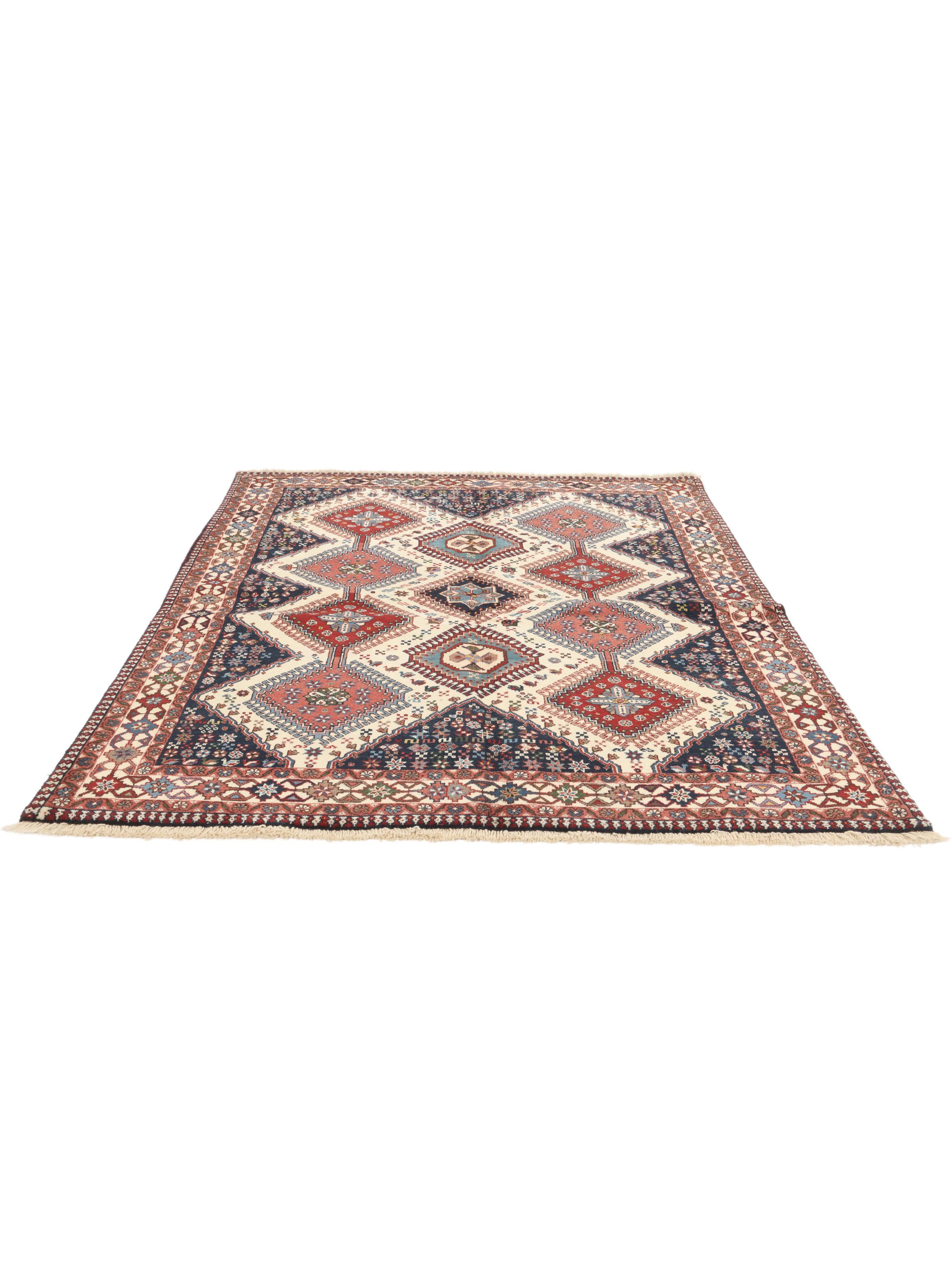
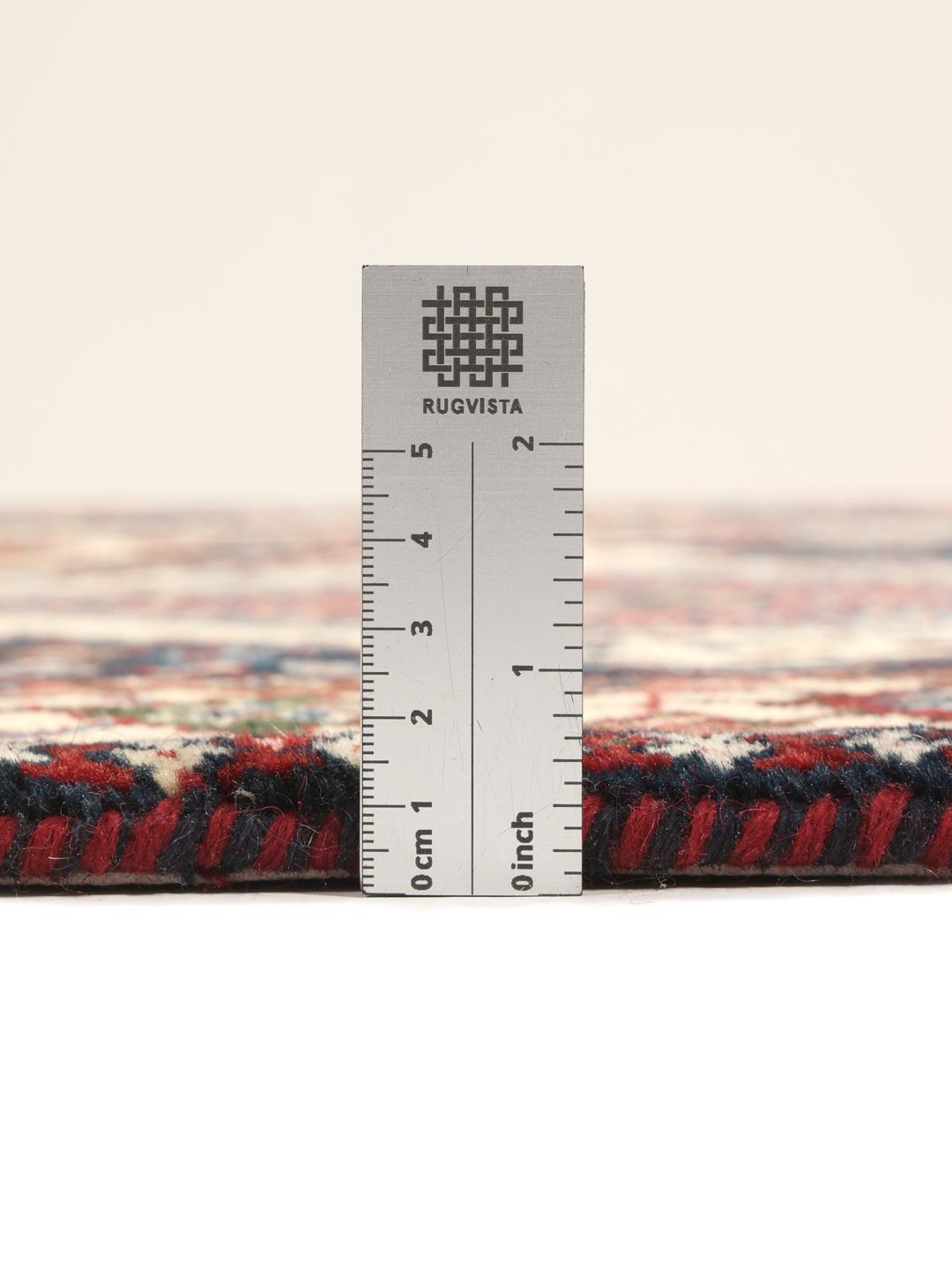
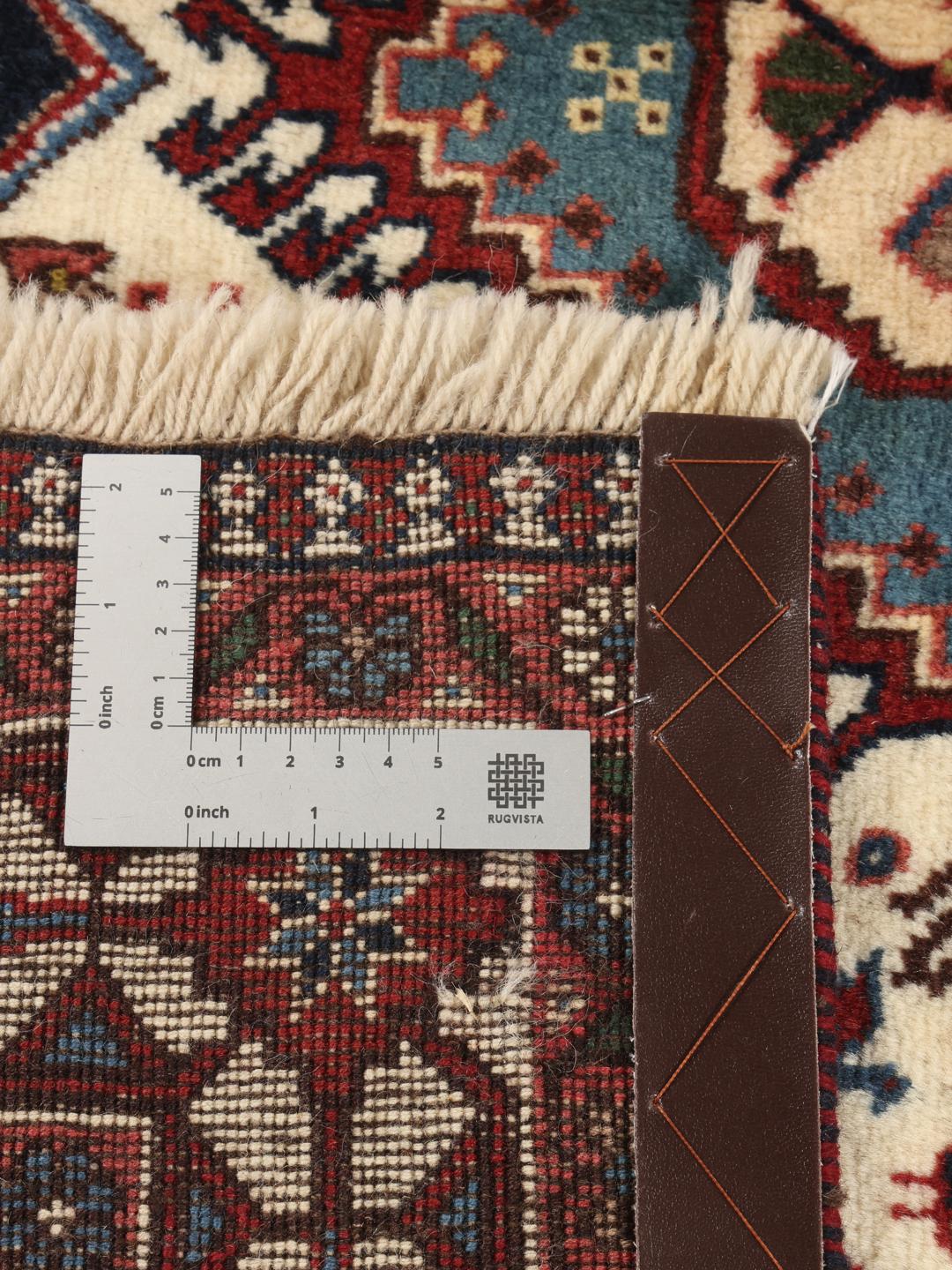
Yalameh rugs originate from the tribal regions of the Middle East, specifically crafted by the nomadic and semi-nomadic peoples who have roamed these lands for centuries. These rugs are deeply tied to the cultural identity of their makers, serving as both functional floor coverings and expressions of the weaver's personal and communal history. The traditions behind them have been passed down through generations, maintaining a link to ancient craftsmanship that remains vital to this day.
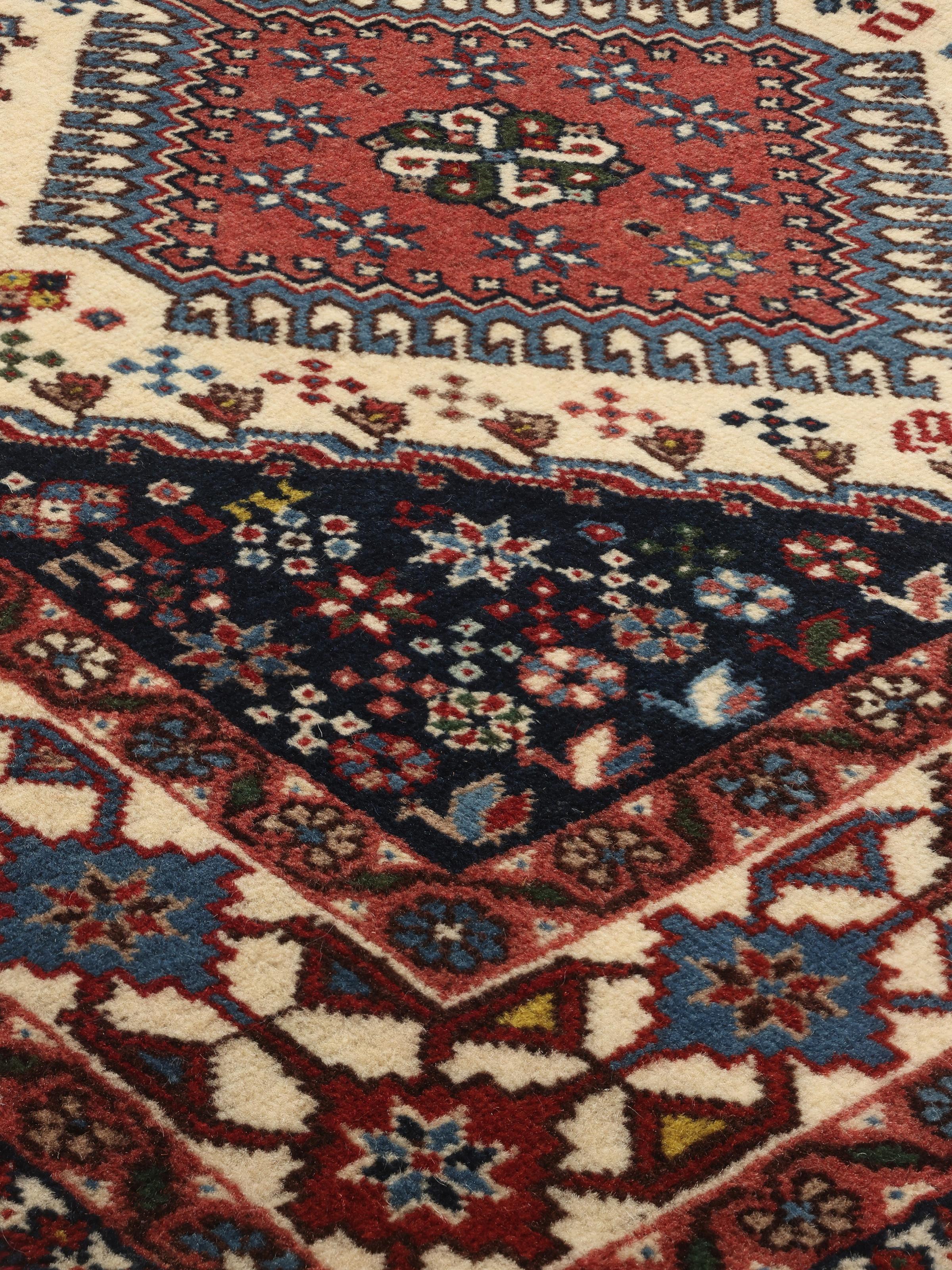
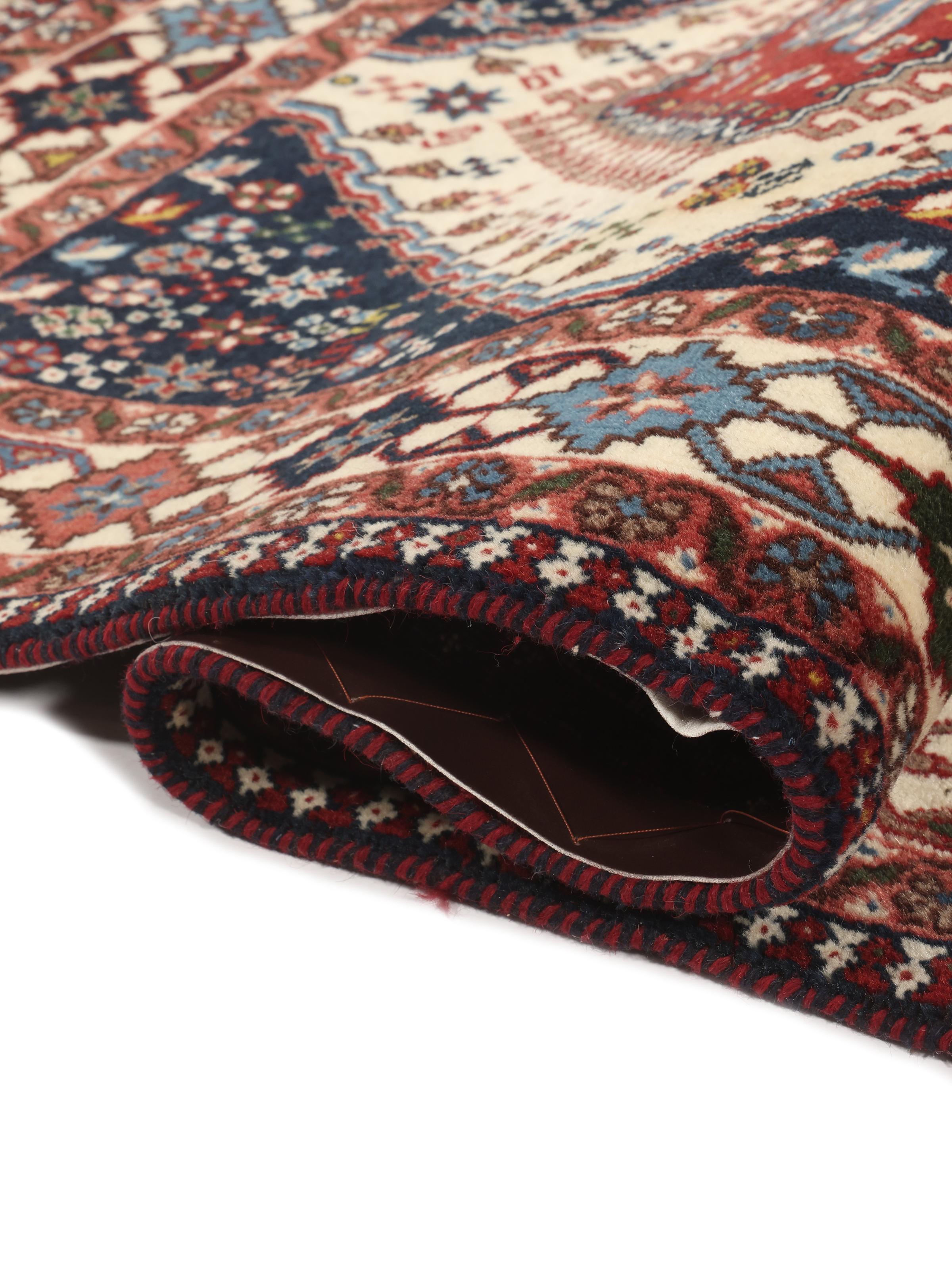
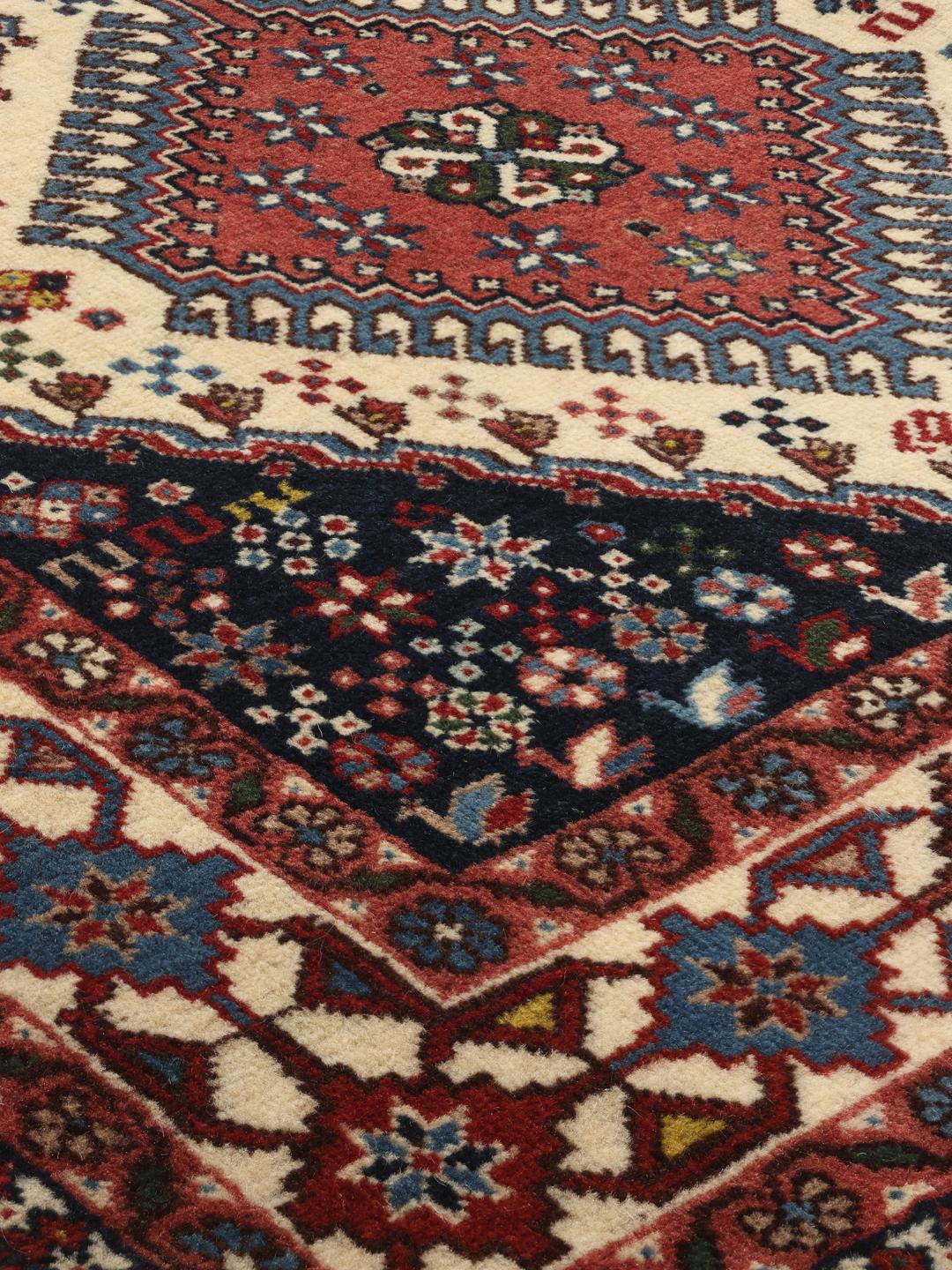
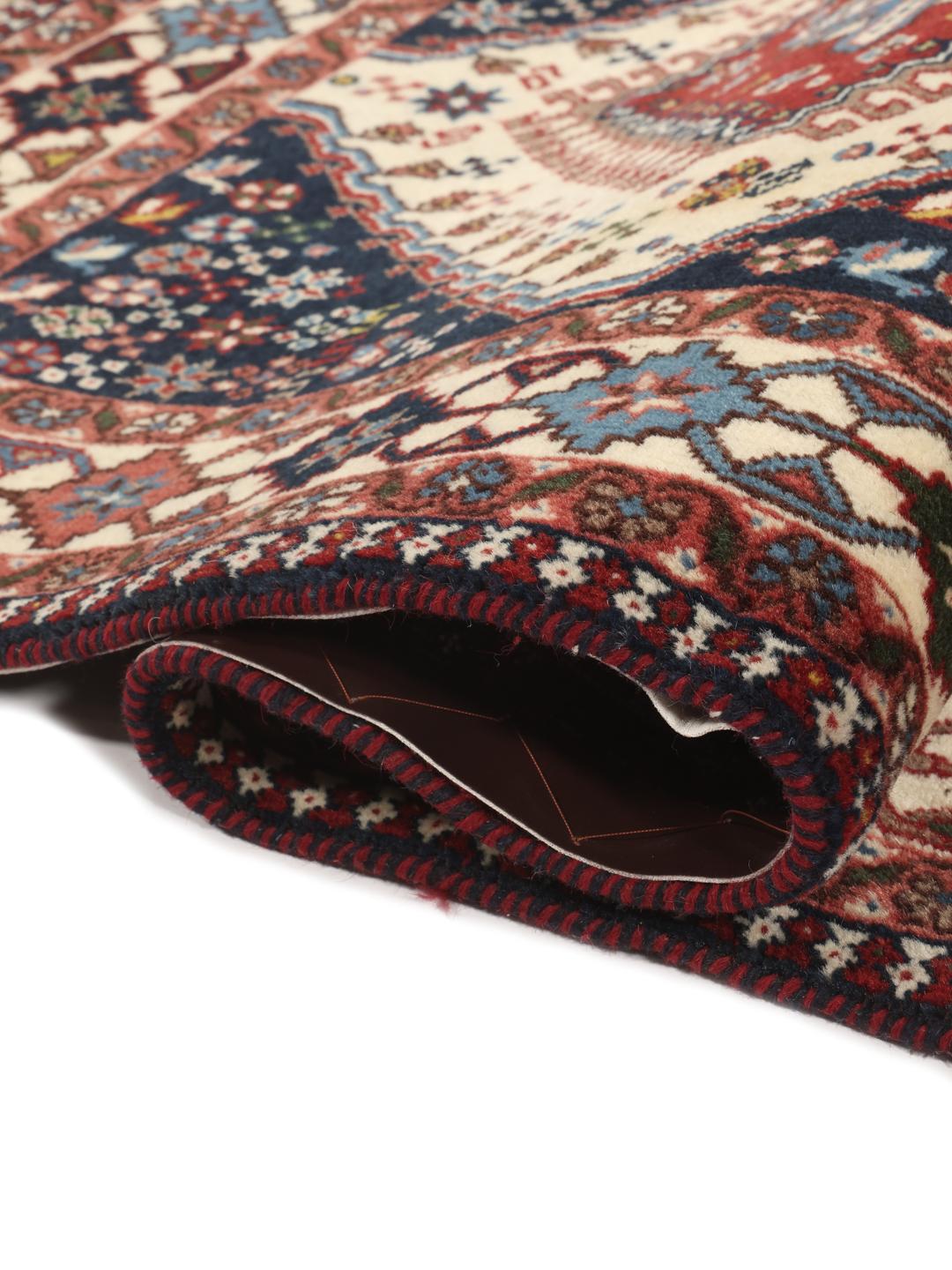
The term Yalameh refers to the specific group of weavers and their distinct stylistic approach. These rugs are known for their sturdy, hand-knotted construction, which is designed to withstand the rigours of nomadic life. The use of high-quality, durable Wool is central to this tradition, as it provides the necessary resilience for a rug that must be both beautiful and practical, ensuring it can endure wear whilst maintaining its lustre.
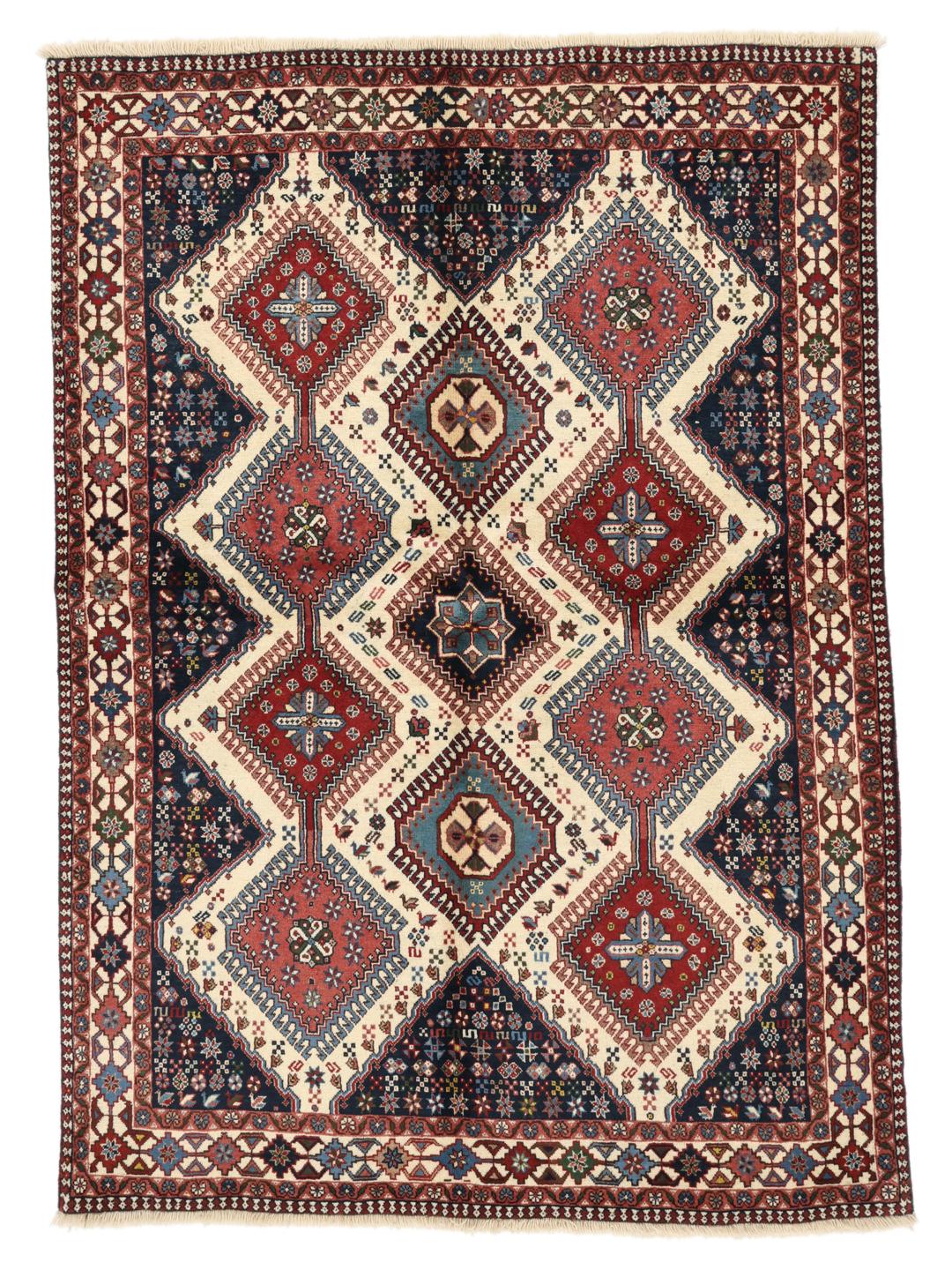
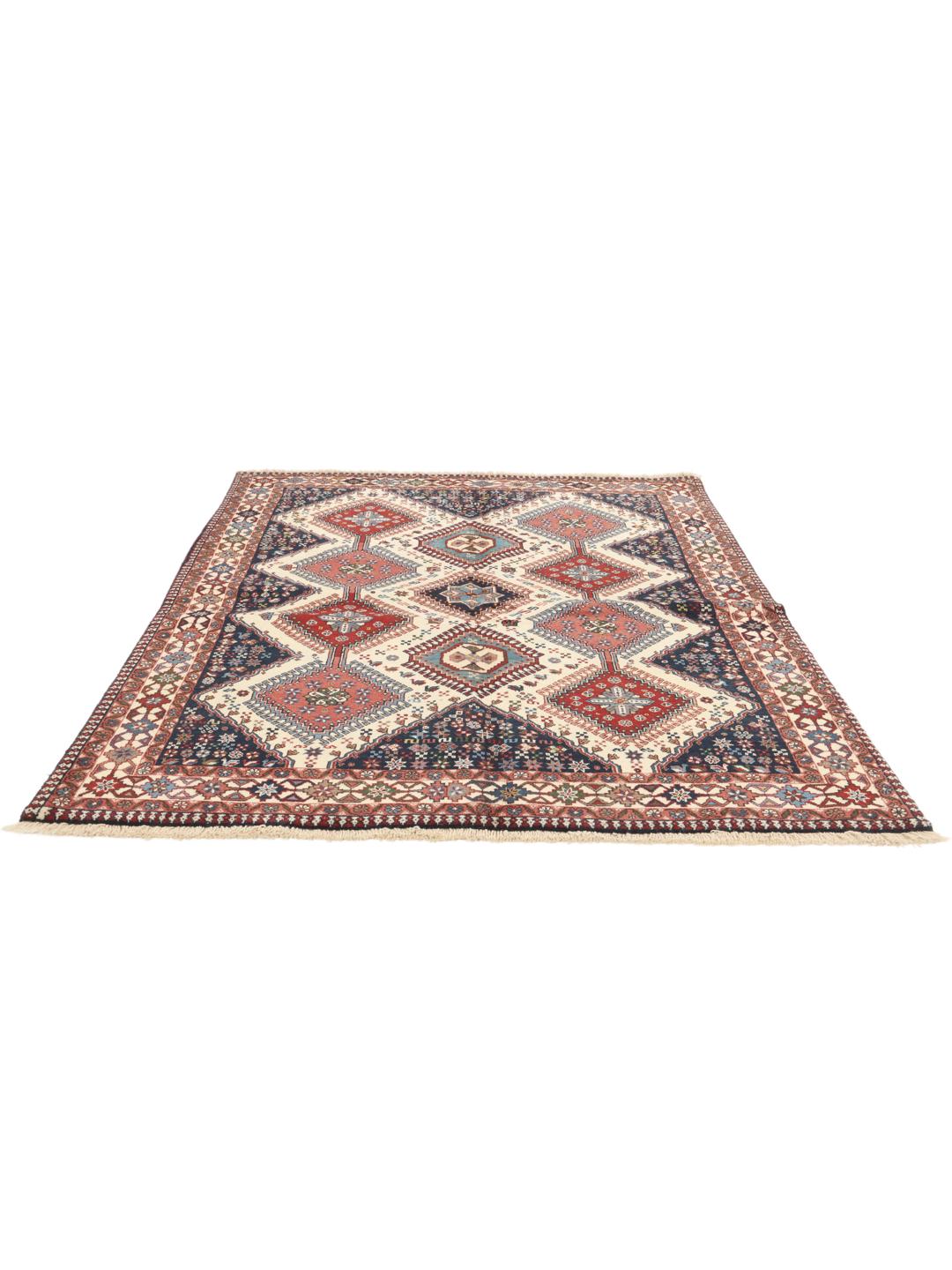
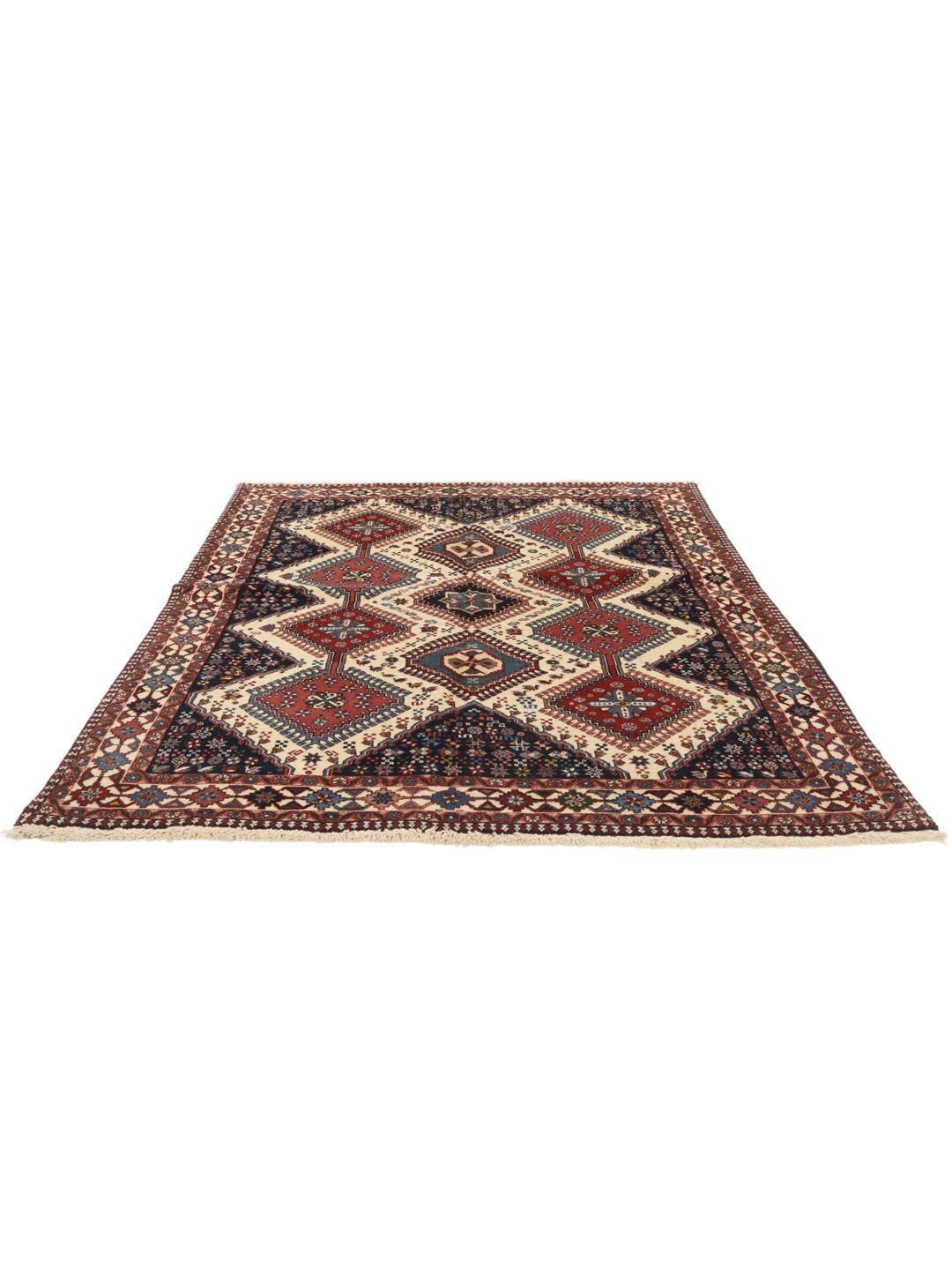
Visually, these rugs are defined by their bold geometric language. The field is often dominated by large, repeating diamond-shaped medallions, which are frequently filled with intricate, stylised floral motifs or small geometric symbols. The borders are typically formal and balanced, framing the central design with repeating patterns that draw the eye inward. It is common to see a vibrant palette that utilises deep blues, rich reds, and warm creams, creating a striking contrast that is characteristic of the region's aesthetic.
Owning a Yalameh rug is an opportunity to acquire a piece of living history. These rugs are highly valued by collectors not only for their visual impact but for the skill and cultural heritage they represent. Each rug is a narrative of the weaver's environment and the artistic conventions of their community, making them significant additions to any home. They are more than floor coverings; they are examples of enduring skill and a deep connection to a storied craft tradition.