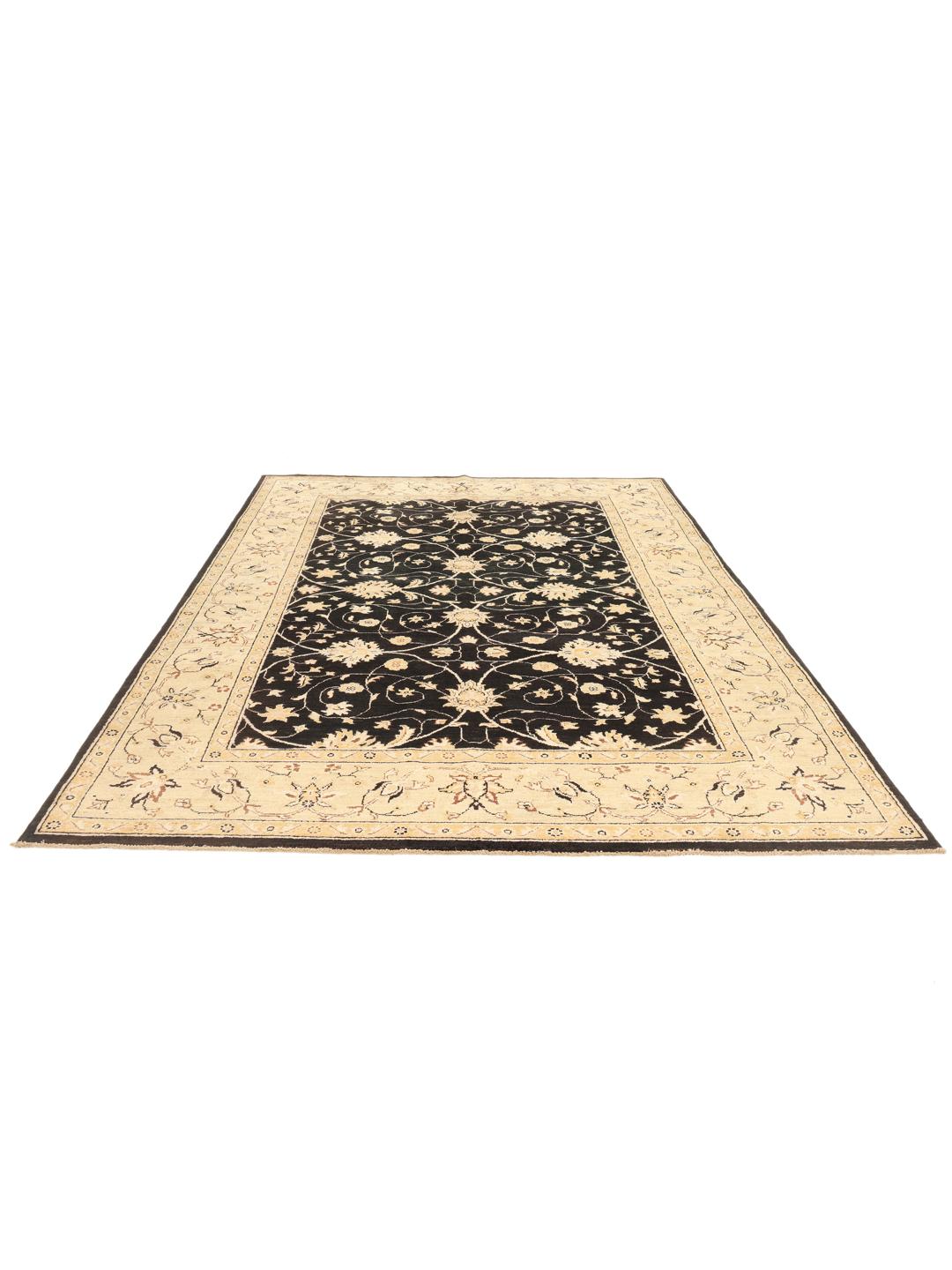
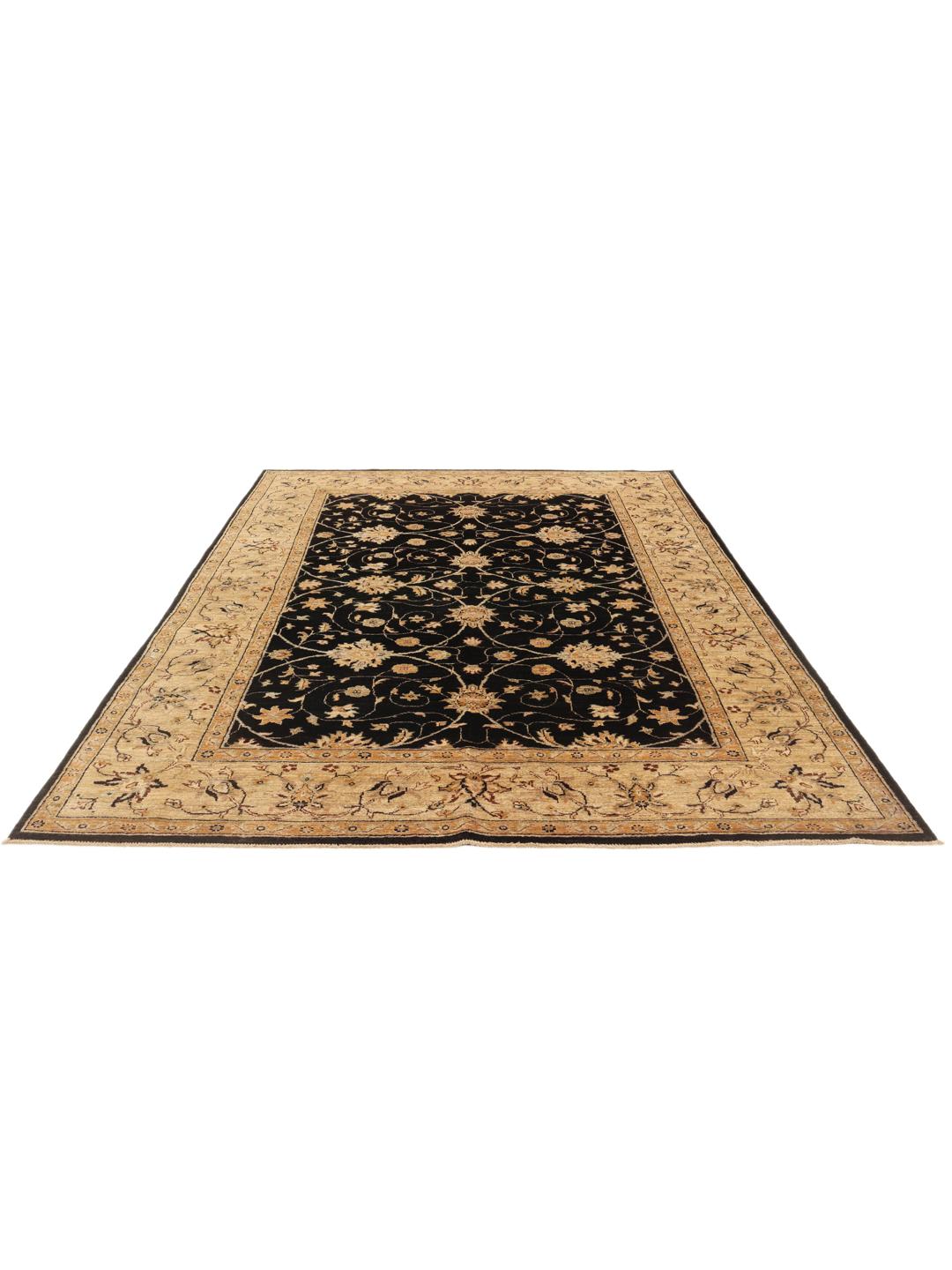
The Ziegler tradition finds its roots in the late 19th century, emerging as a response to the growing demand for Western-style decor that still honoured Middle Eastern weaving techniques. Originally commissioned by a Swiss firm to create rugs for the European market, these designs were intentionally crafted with softer, more muted palettes and larger, more open floral motifs compared to traditional, densely packed patterns.
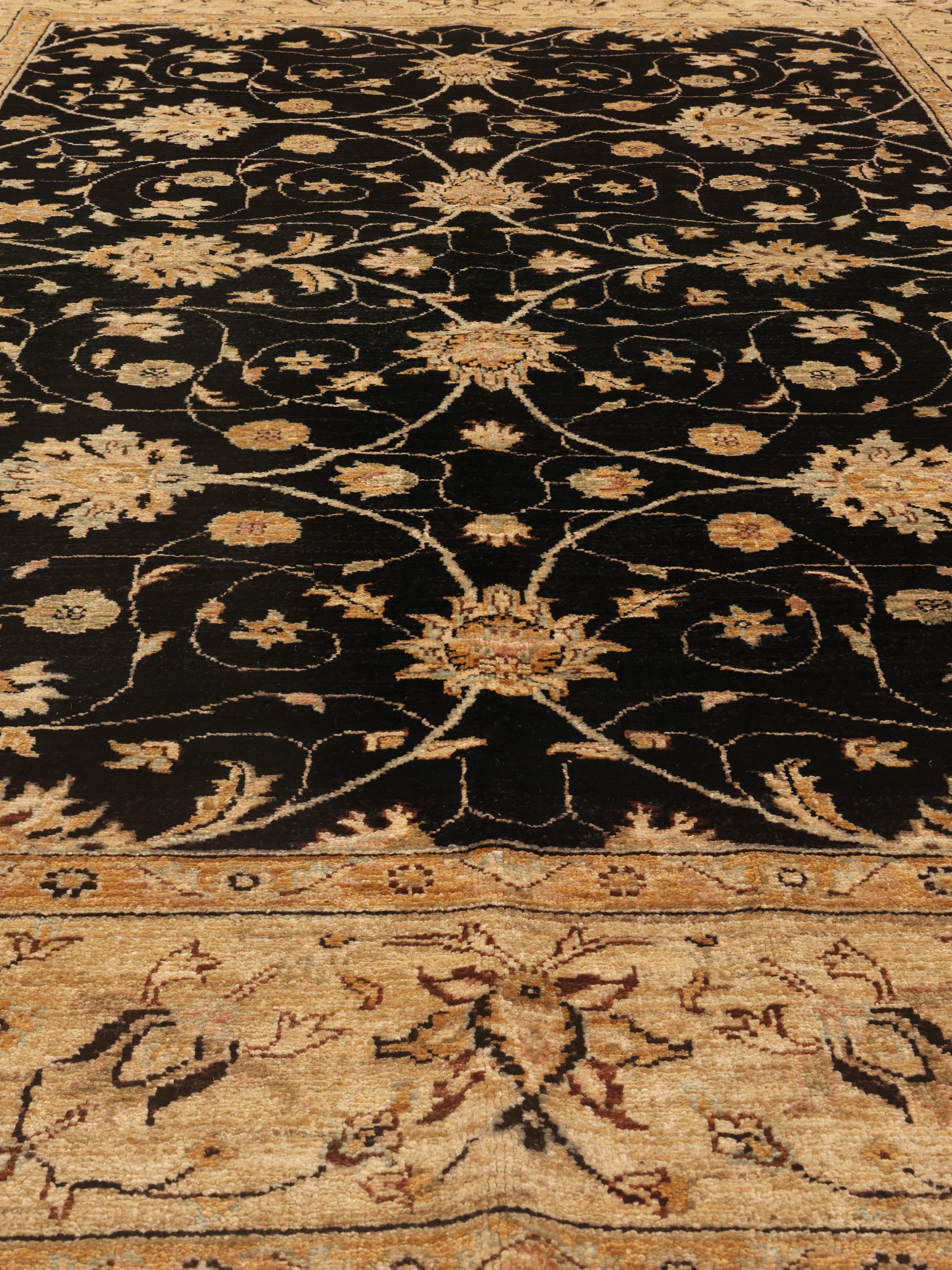
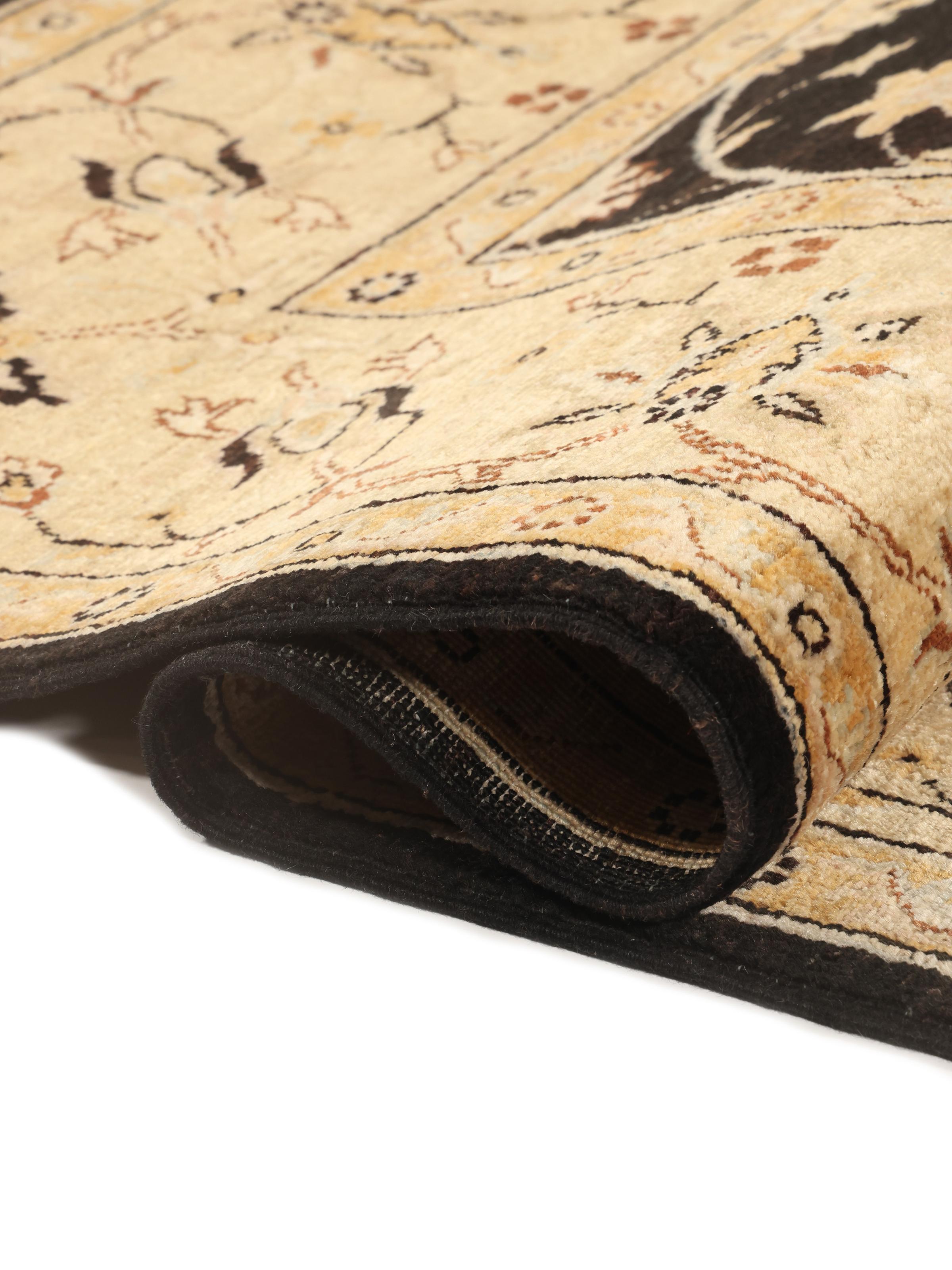
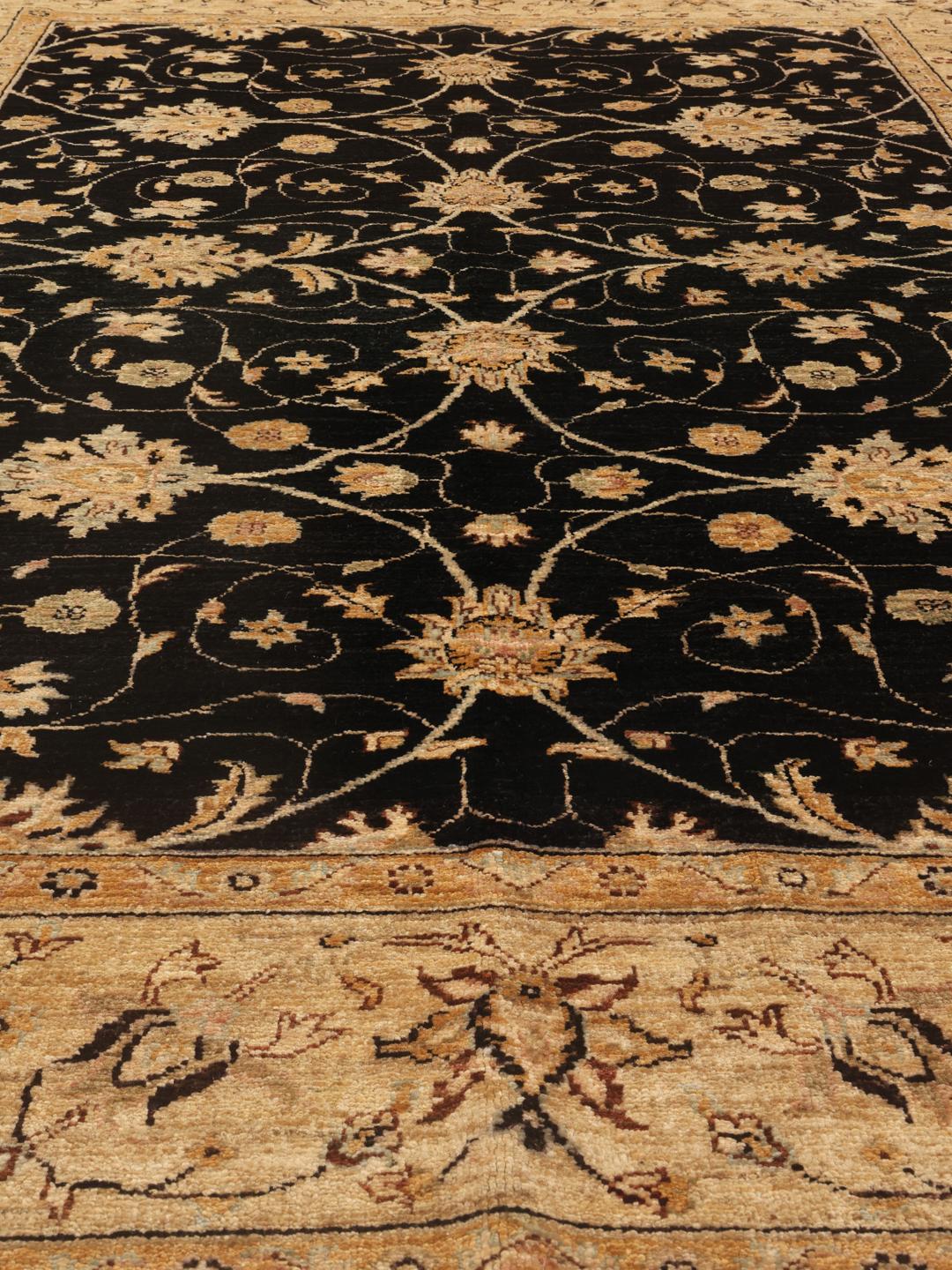
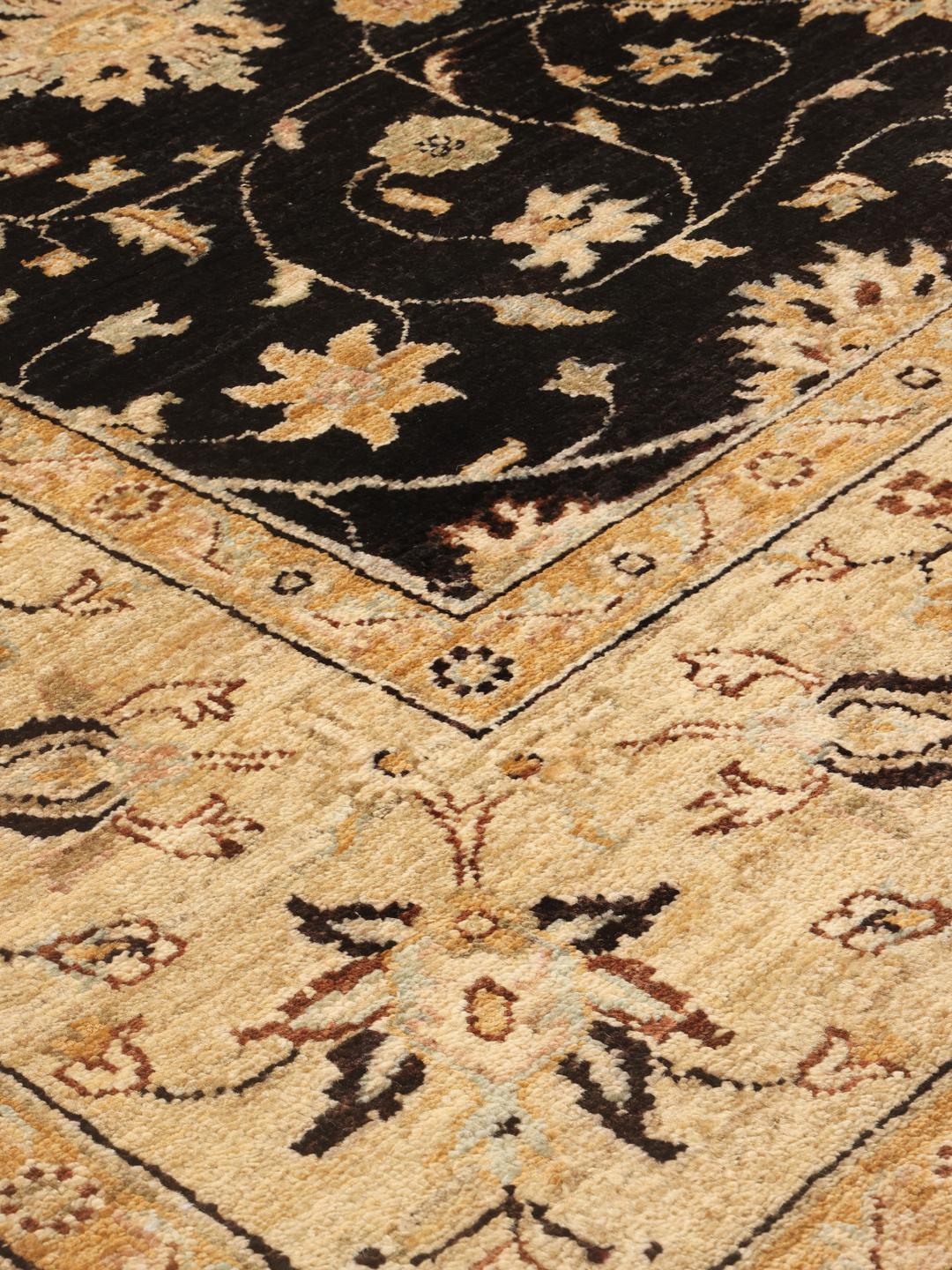
Technical excellence defines this category, particularly through the use of high-quality wool that is hand-spun to achieve a natural, slight variation in tone. This spinning method is crucial, as it allows the dye to be absorbed unevenly, creating an abrash effect that gives the rug its signature depth and aged appearance from the very first day. This careful manipulation of material is why these rugs are so highly regarded for their rich, authentic character.
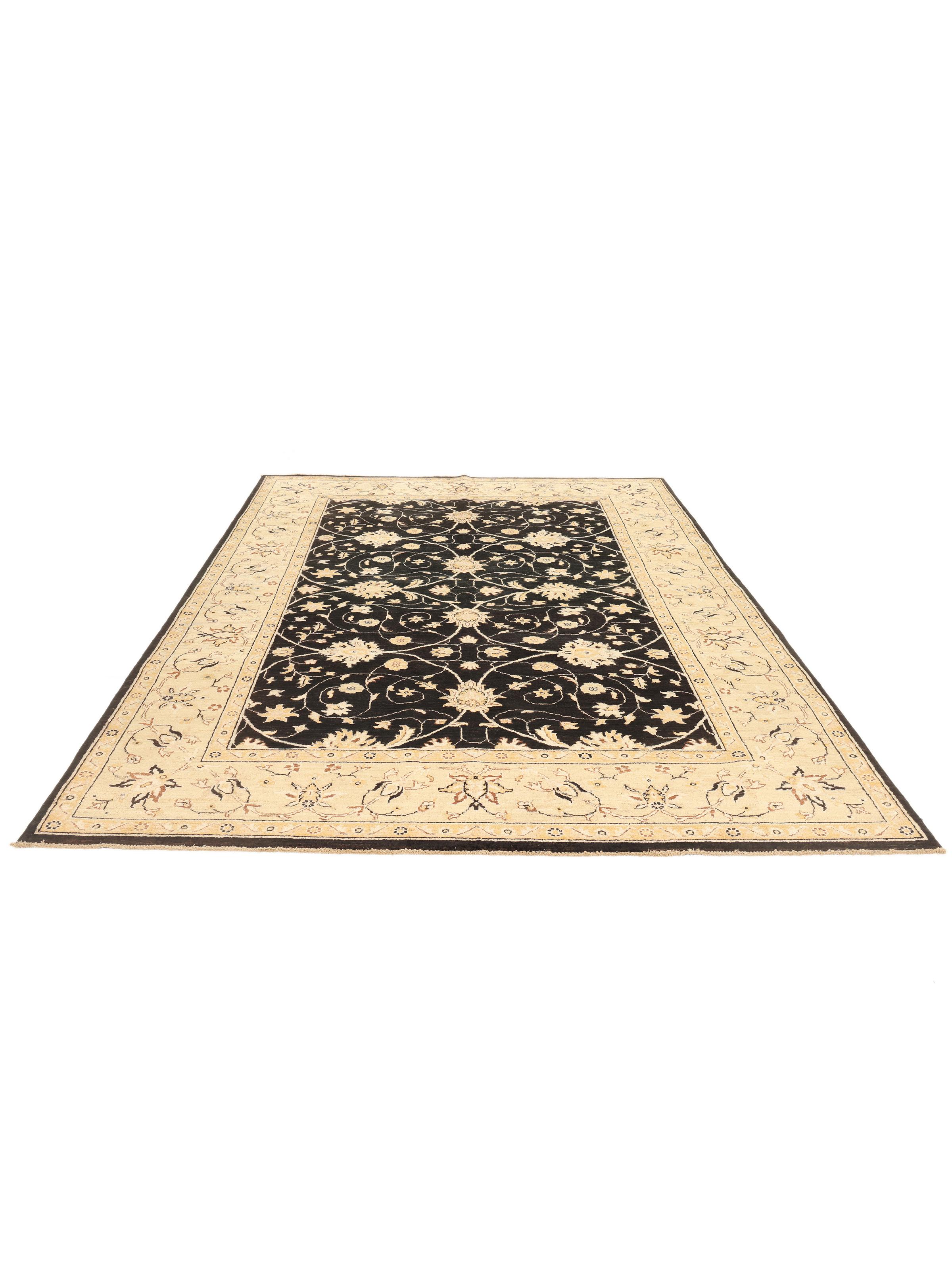
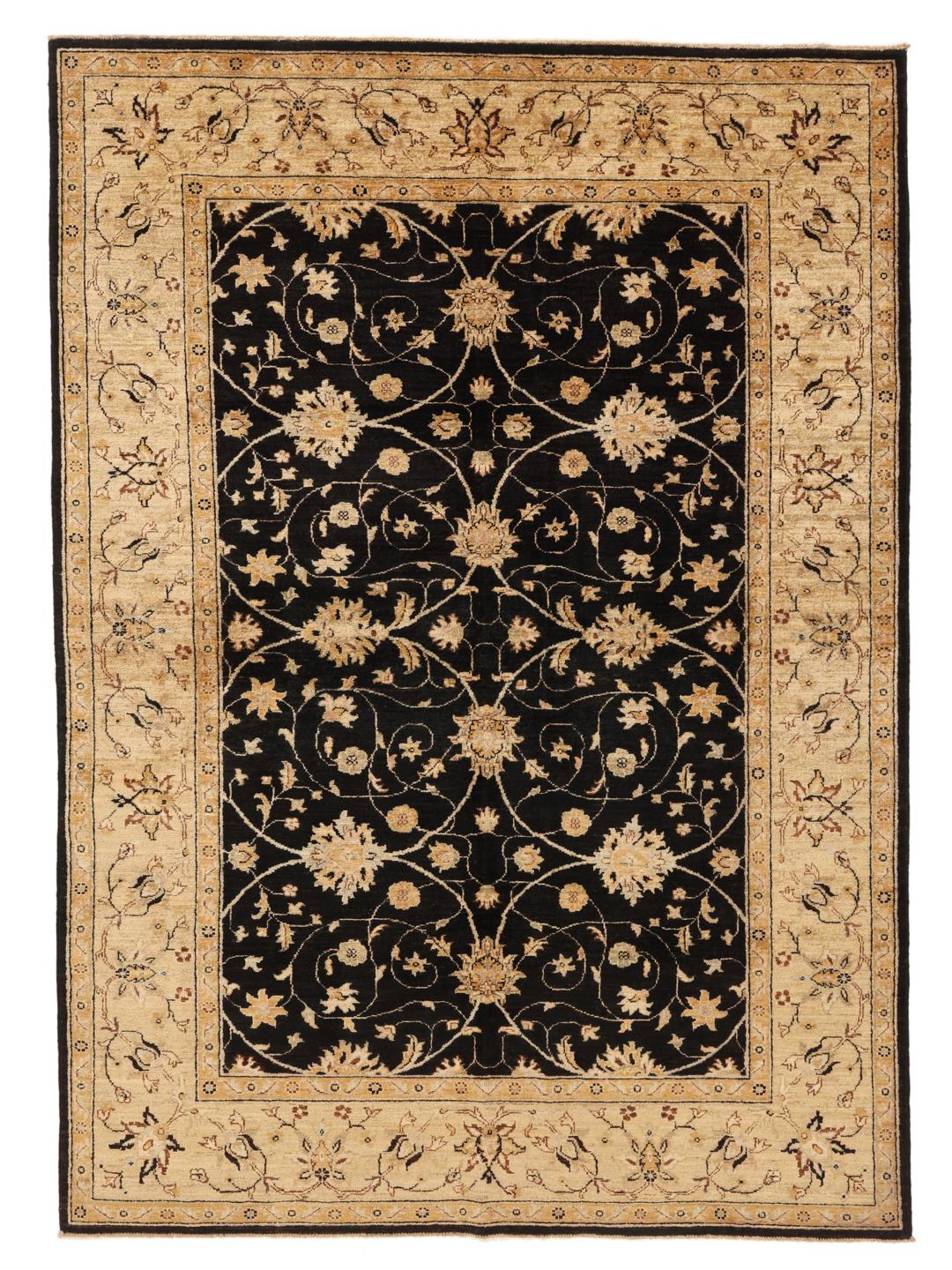
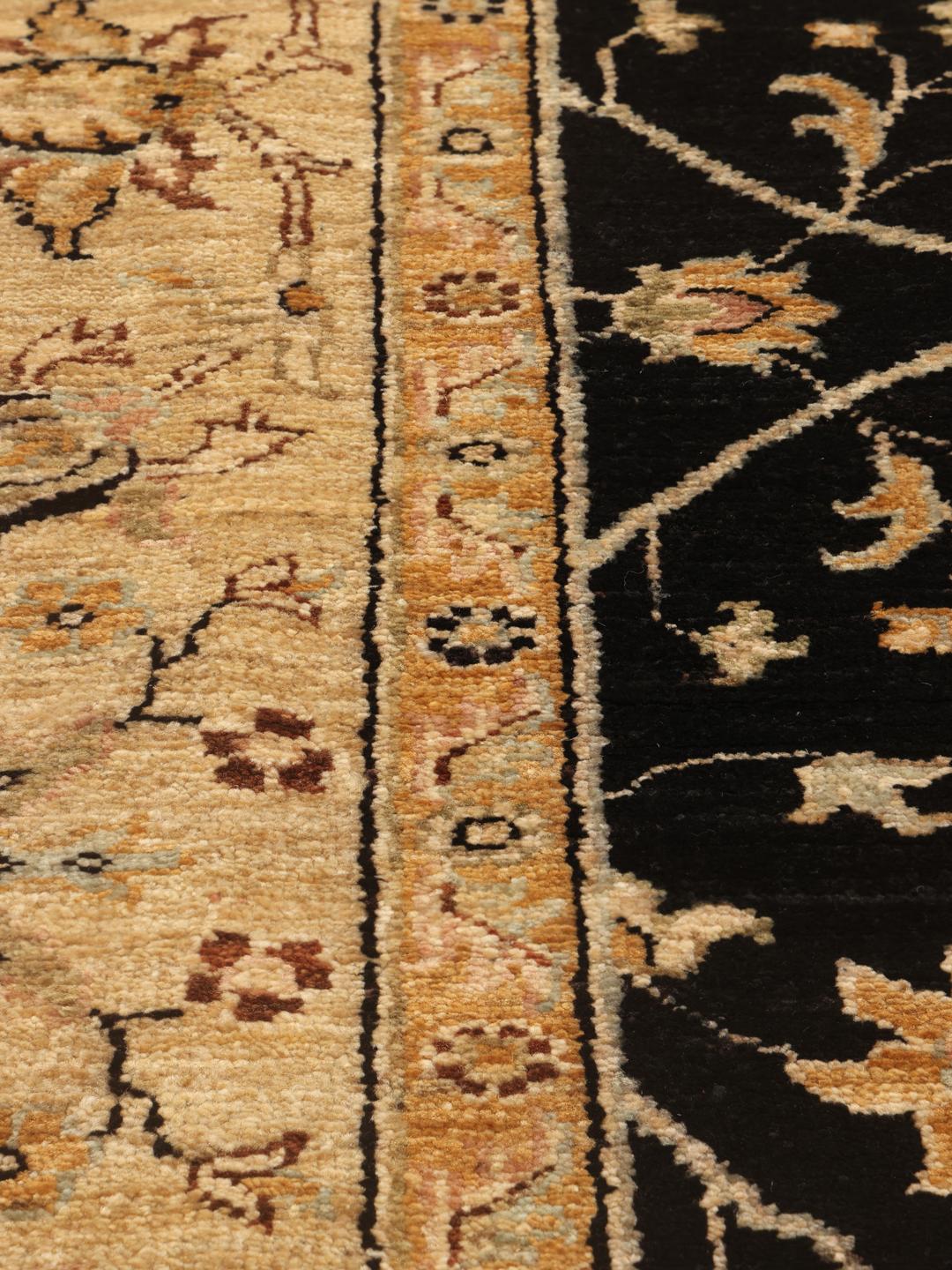
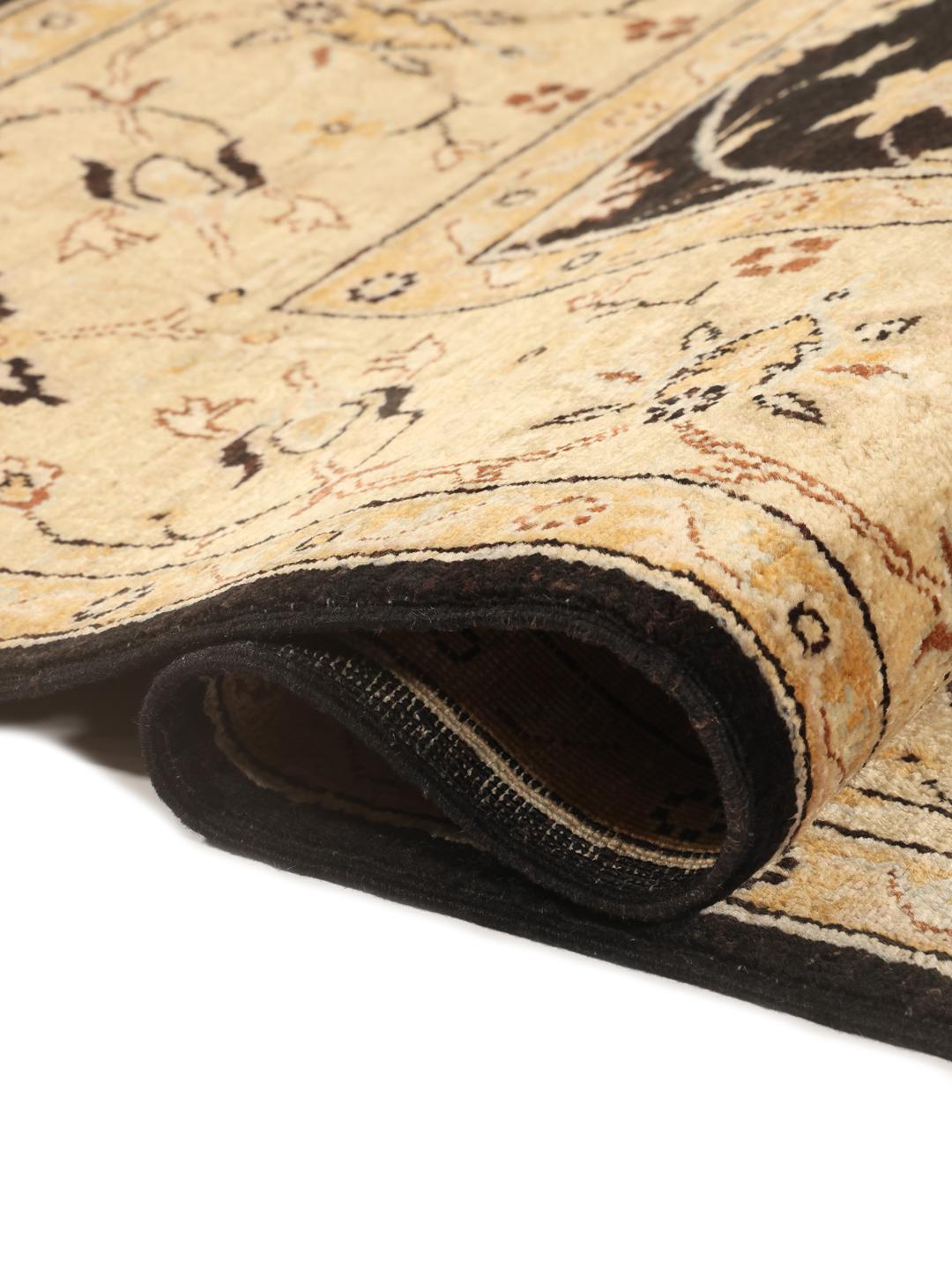
Visually, the Ziegler style is recognised by its graceful, sweeping floral vines and palmettes. While traditional rugs often feature tighter, more geometric repeats, these pieces lean into an organic, flowing aesthetic. The contrast between the dark, dramatic fields and the lighter, neutral-toned borders is a hallmark of the style, providing a sophisticated balance that makes these rugs incredibly versatile in modern interiors.
Collectors value these rugs not only for their beauty but for the rigorous skill required to produce them. Owning a Ziegler-style rug is a testament to the enduring appeal of traditional, hand-crafted art. It represents a bridge between history and the present, offering a piece that feels both antique in its soul and contemporary in its functionality, ensuring it remains a central, admired feature of your home.