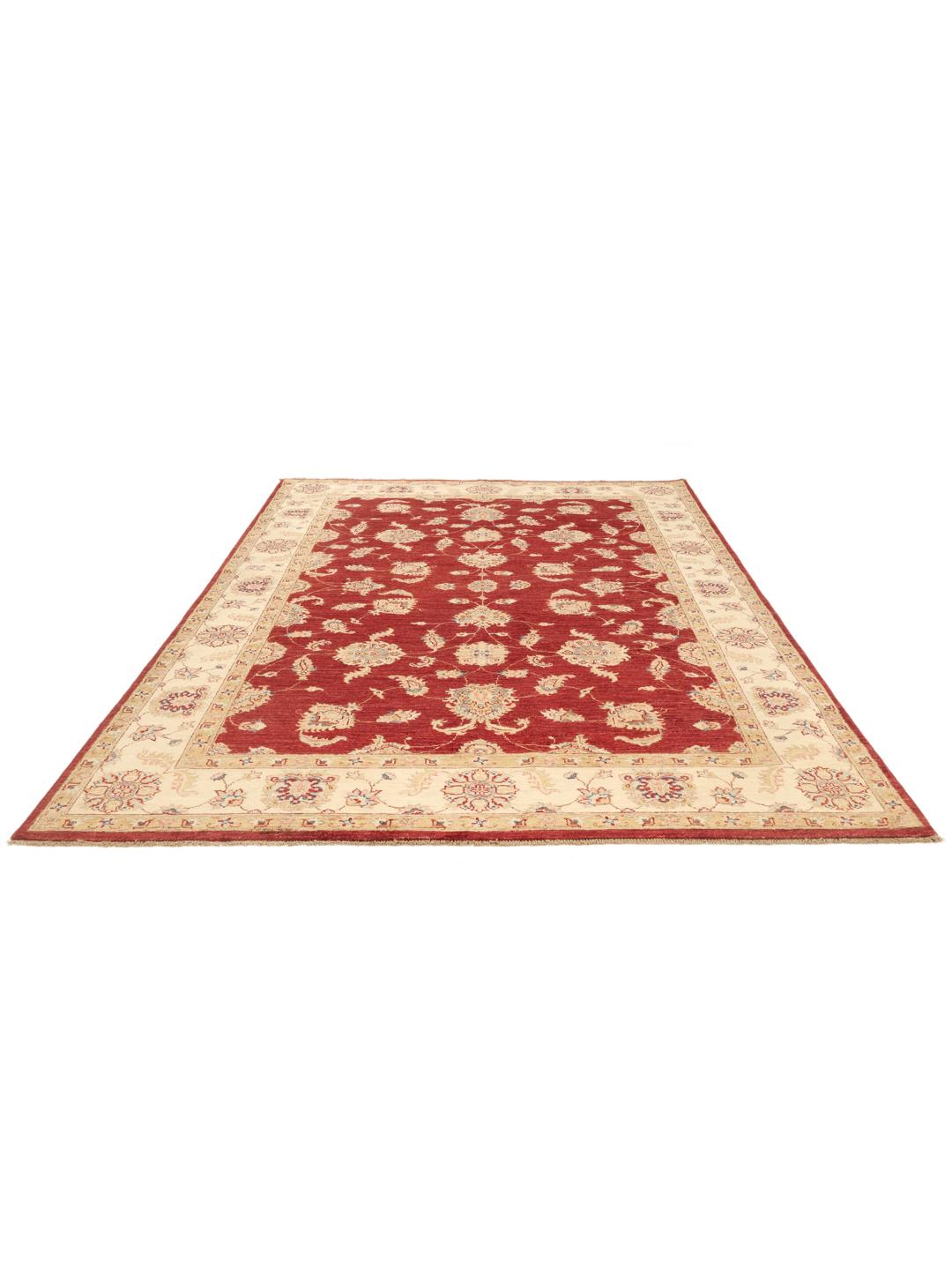
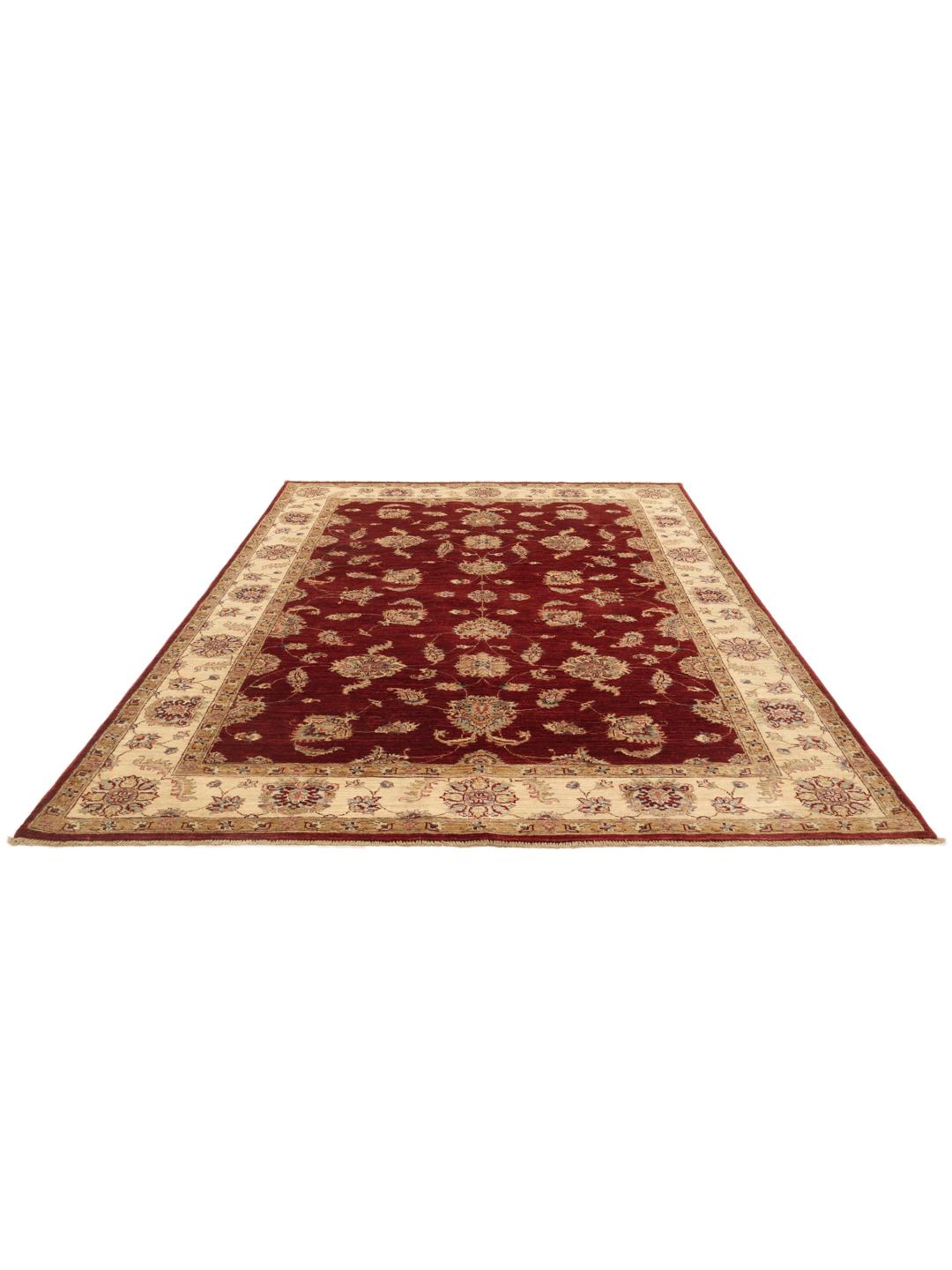
Ziegler rugs trace their origins to the late 19th century, born from a collaboration between the Swiss firm Ziegler & Co. and master weavers in the Middle East. At the time, there was a growing demand in the West for rugs that featured more subdued colours and larger, more open floral motifs compared to the highly intricate, dense designs that were traditional to the region. This innovation successfully blended Western design preferences with the ancient, time-tested techniques of Eastern rug weaving.
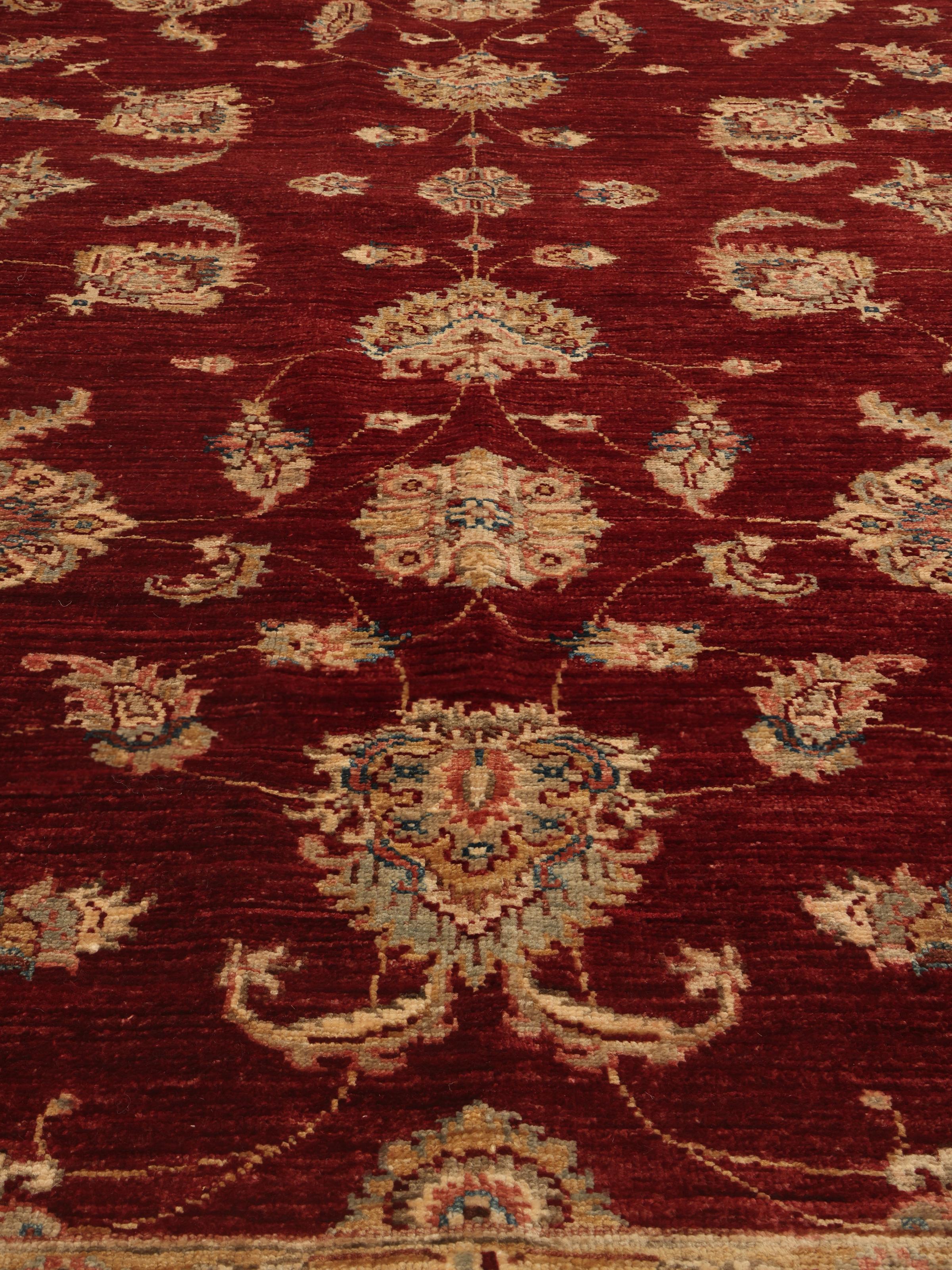
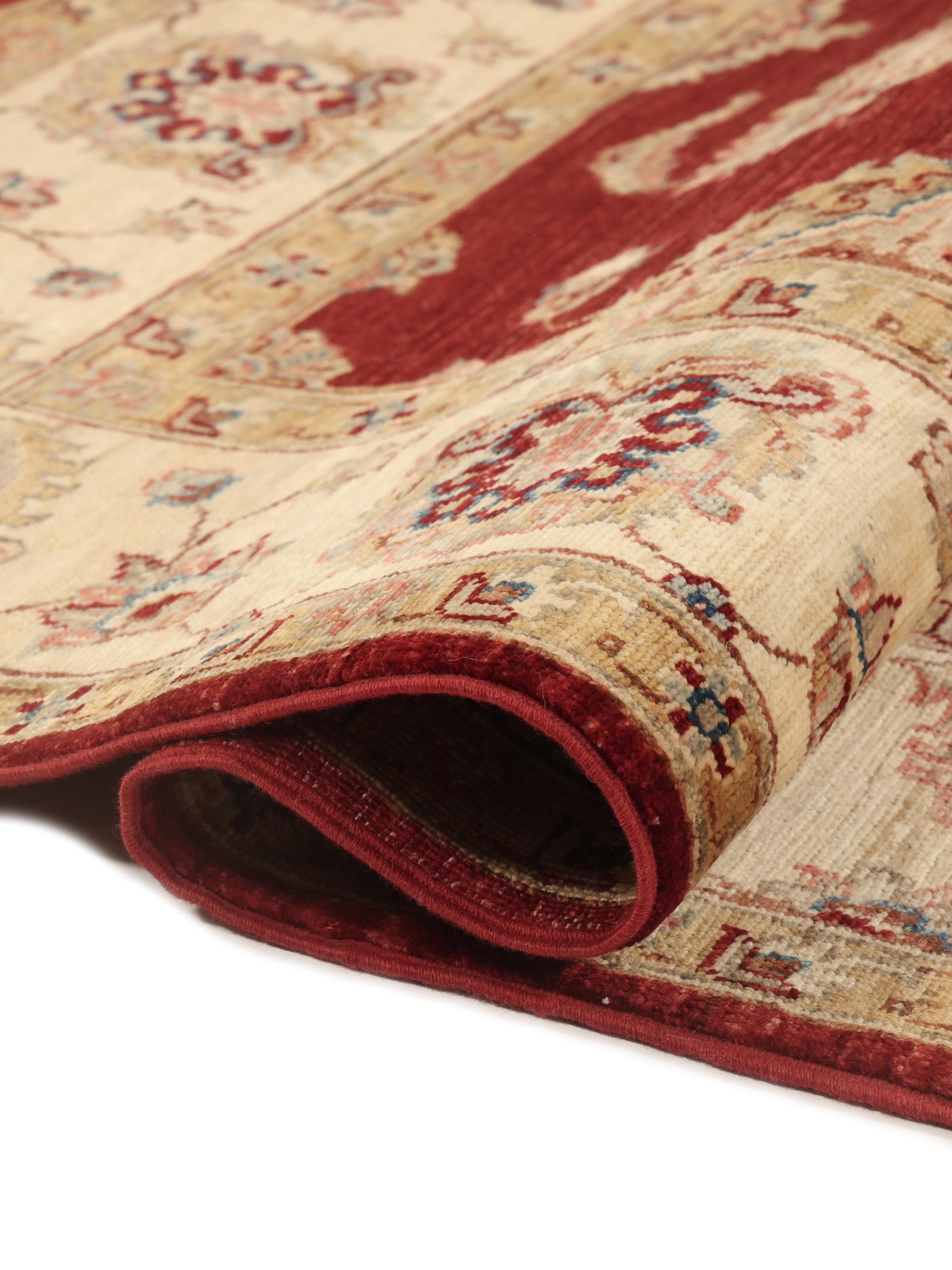
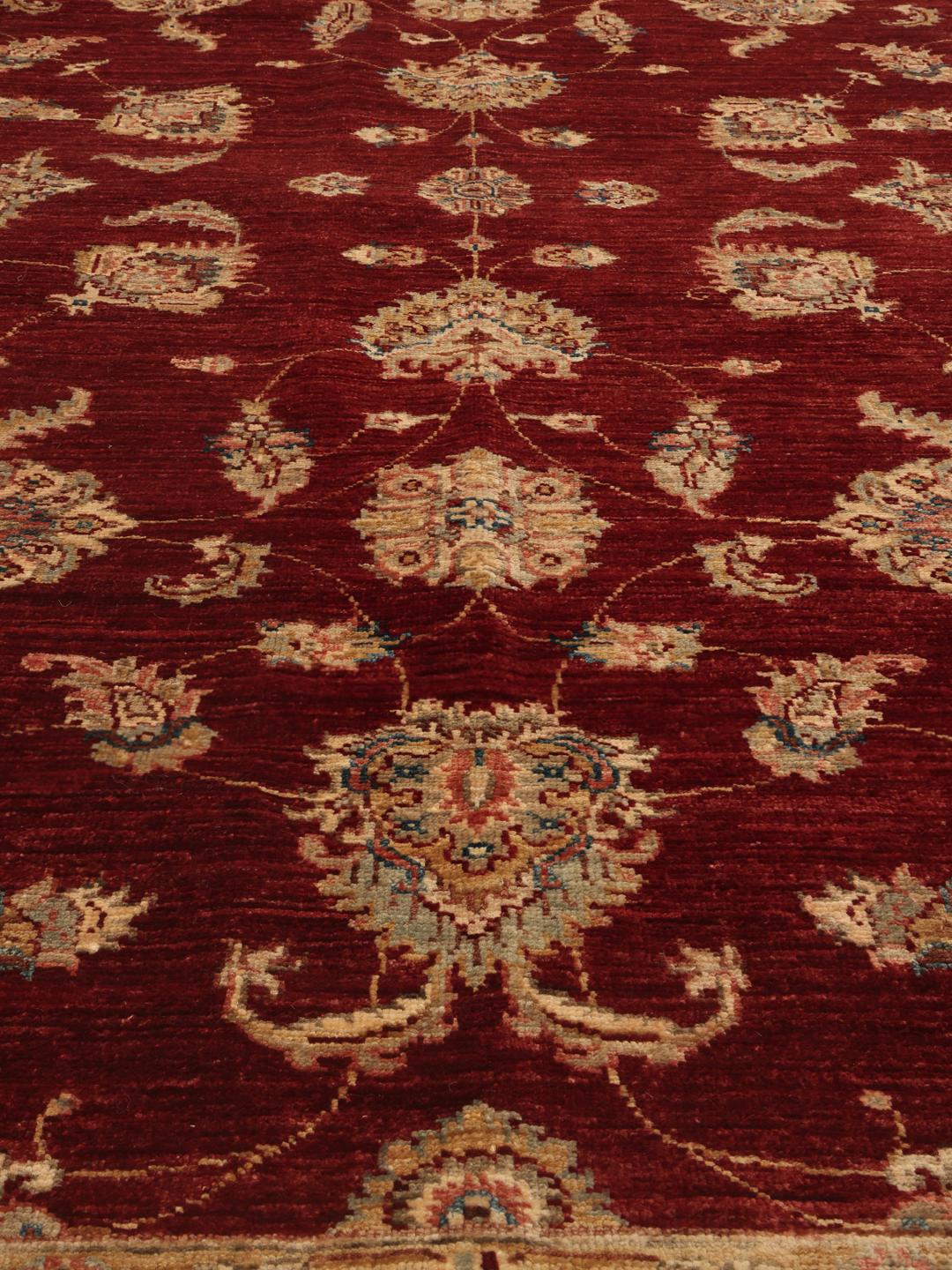
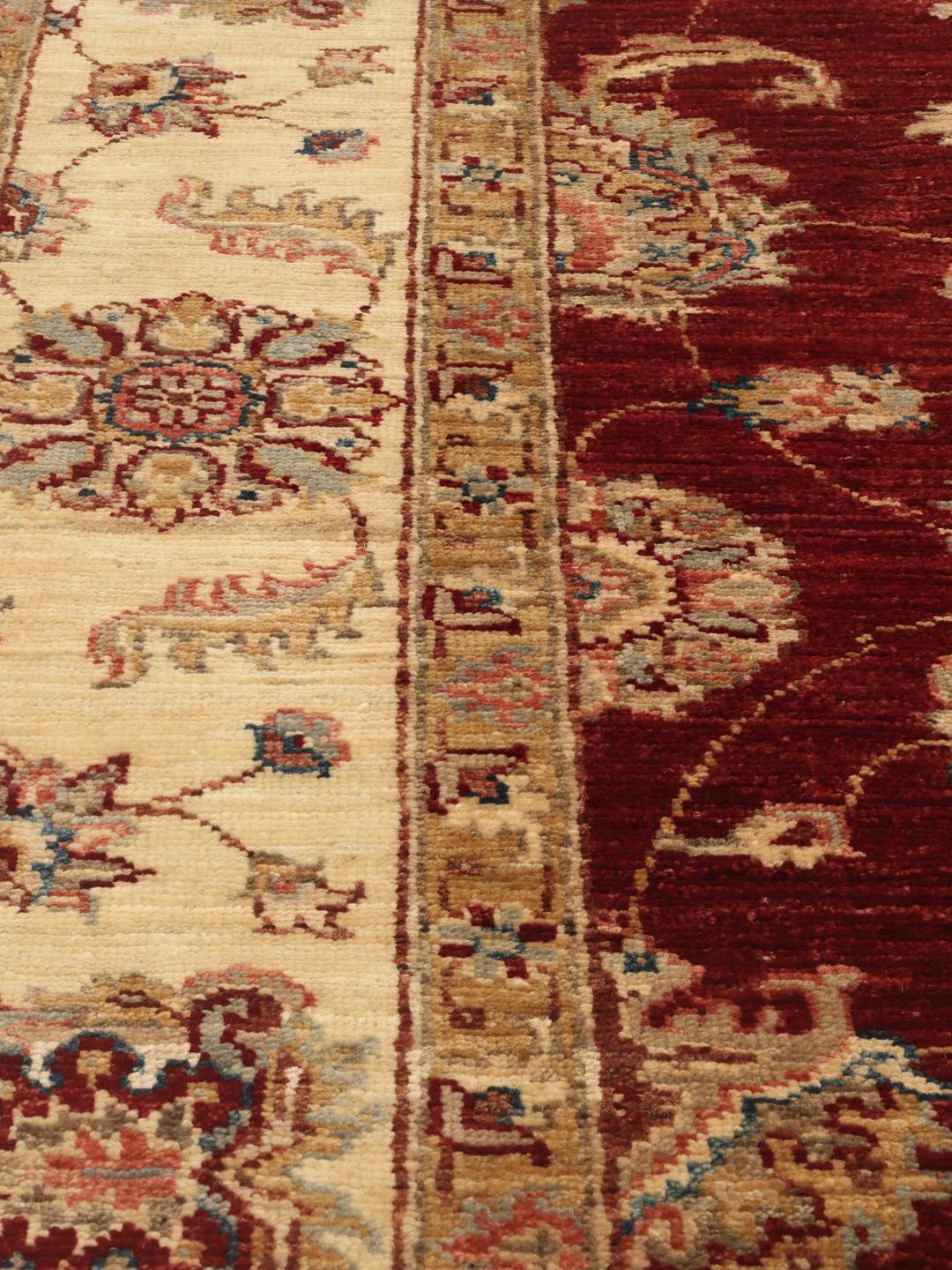
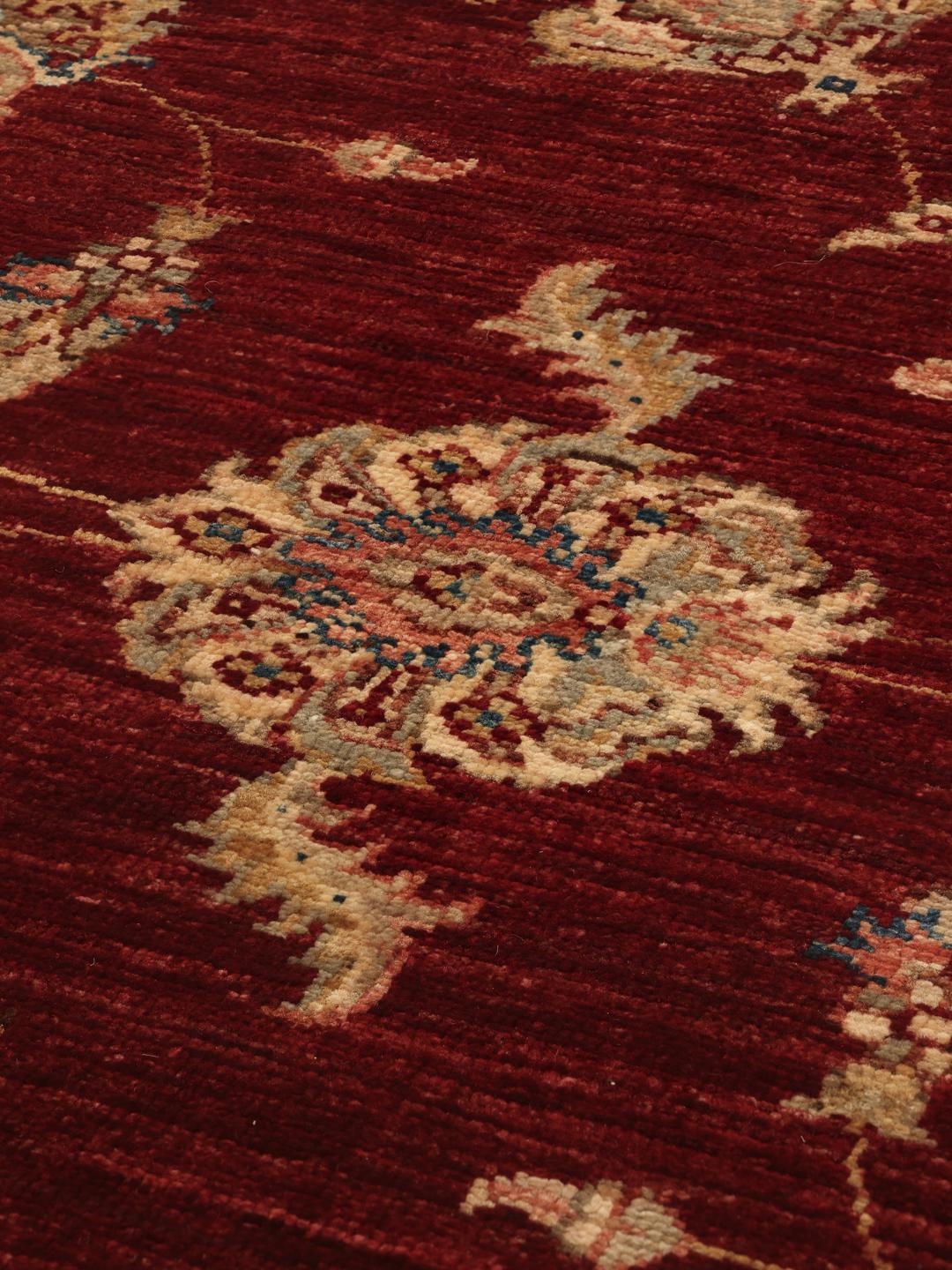
The term 'Ziegler' has since become synonymous with a specific style of high-quality, decorative rug that emphasises a spacious, airy design. These rugs are known for their 'chobi' style, which refers to the use of natural, vegetable-based dyes that produce soft, muted earth tones and rich, organic reds. The wool is typically hand-spun to create a slightly irregular texture, which adds depth and a unique character to the rug’s surface as it catches the light.
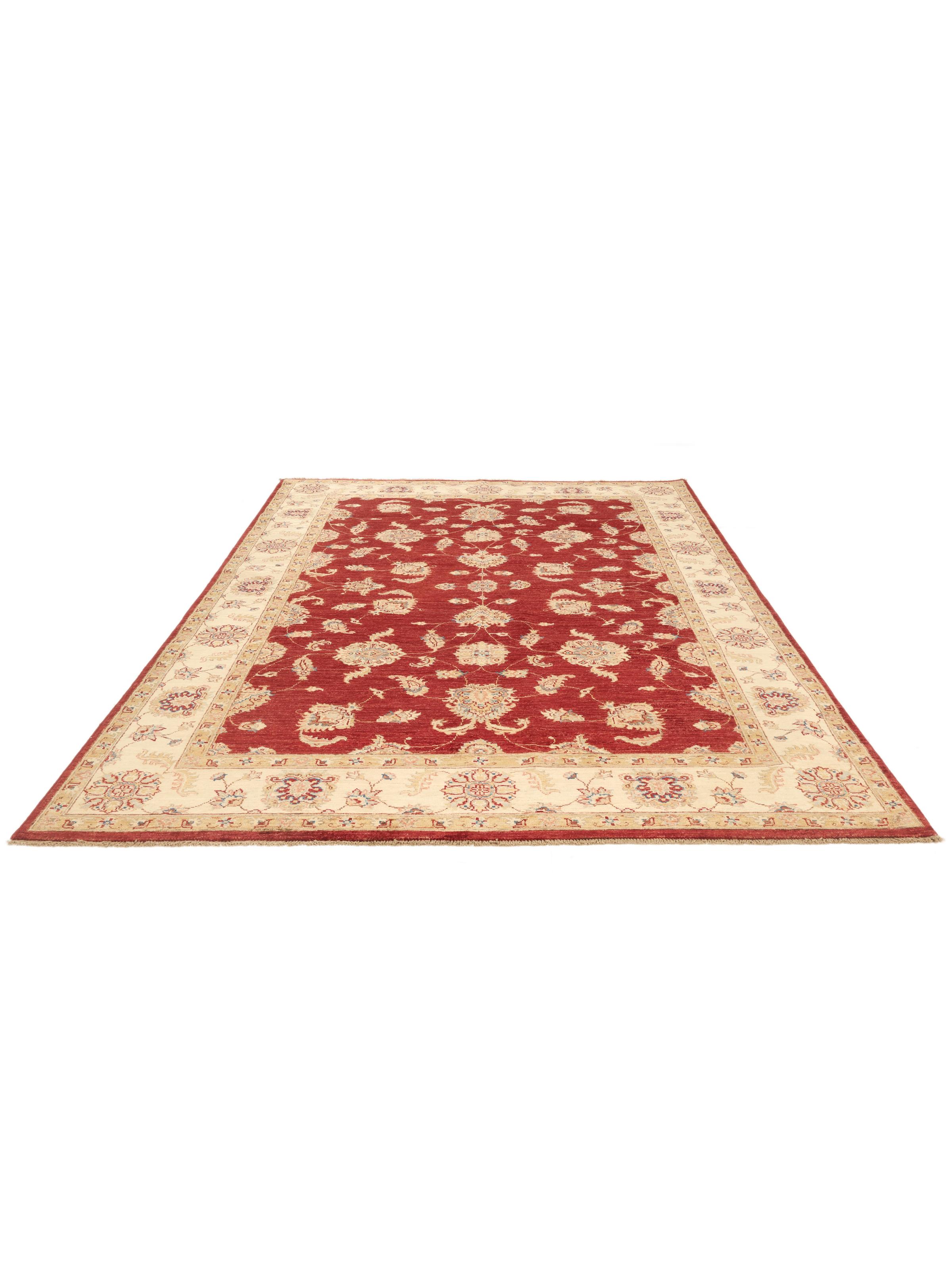
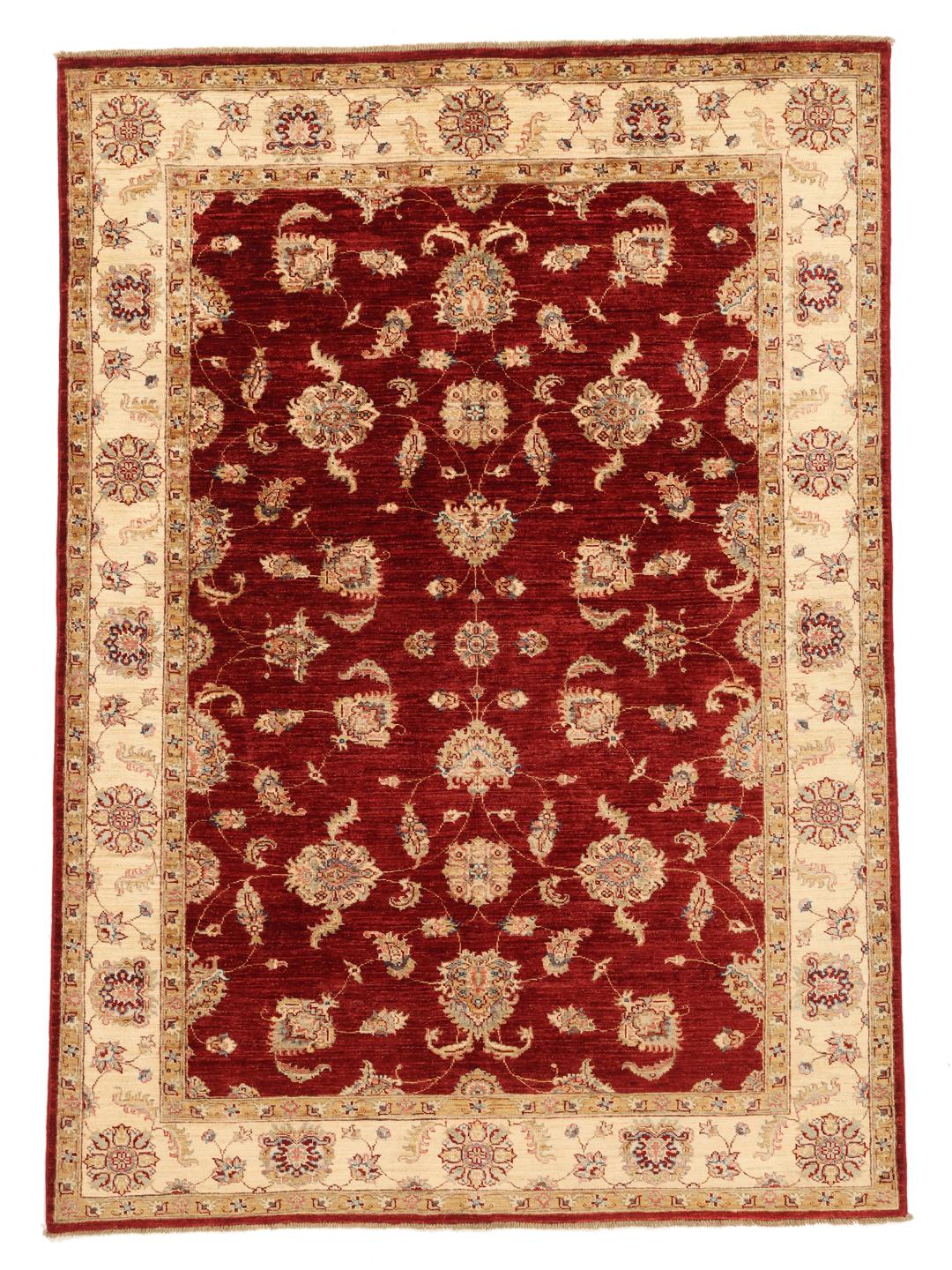
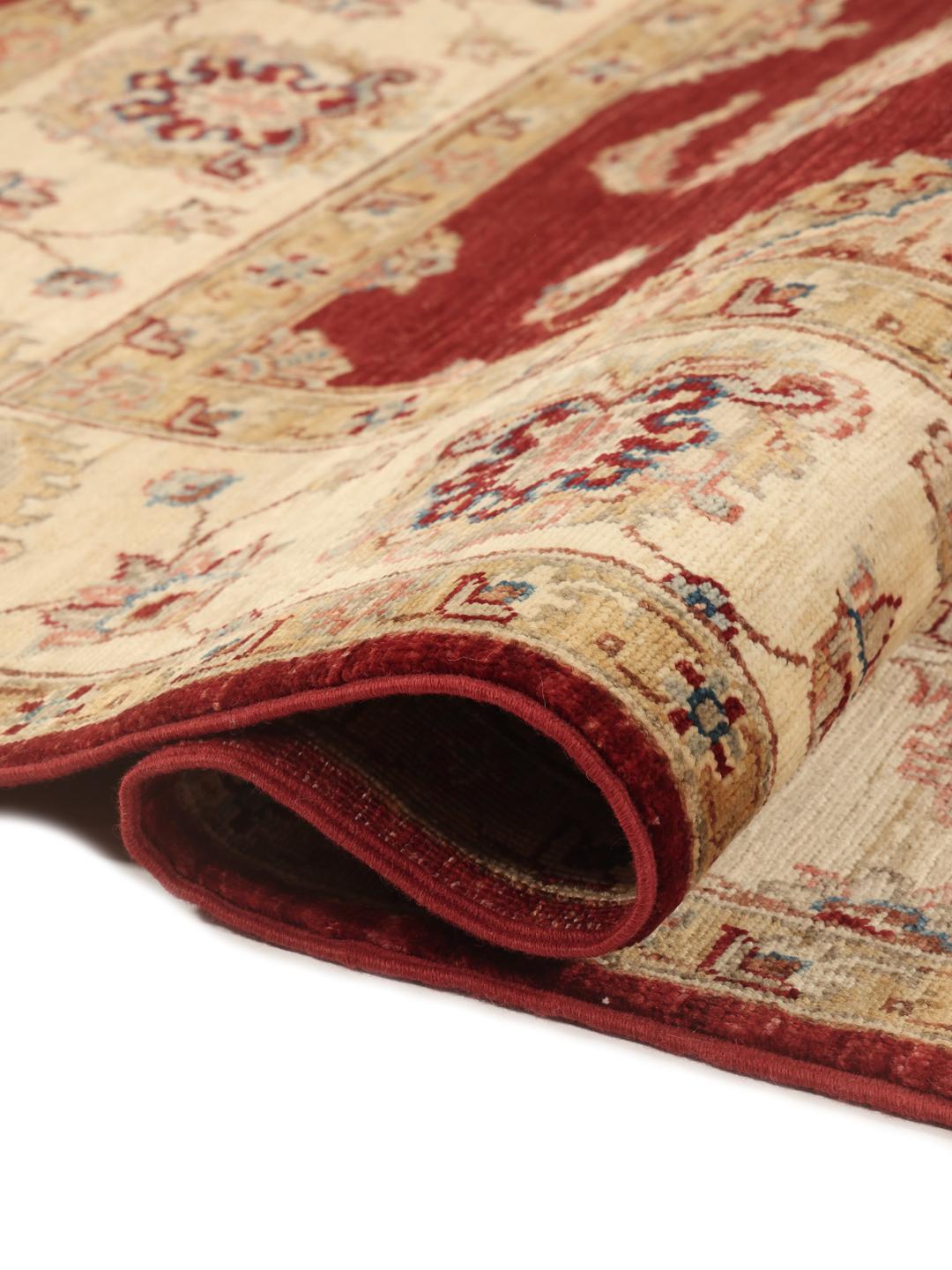
Visually, these rugs are characterised by their large-scale floral patterns, scrolling vines, and palmettes, all framed by wide, ornate decorative borders. Unlike some traditional styles that fill every inch of space, the Ziegler aesthetic celebrates the negative space, allowing the central motifs to stand out. This balanced composition makes them highly versatile, capable of anchoring a room without overwhelming the surrounding furniture.
Today, Pakistan remains the premier destination for the finest hand-knotted Ziegler rugs. Collectors and interior designers value these pieces for their ability to bring a sense of history and warmth into a home. Owning a Ziegler is not just about floor coverage; it is about acquiring a piece of textile art that honours a cross-cultural legacy, representing a perfect marriage of artistic vision and the patience of the human hand.