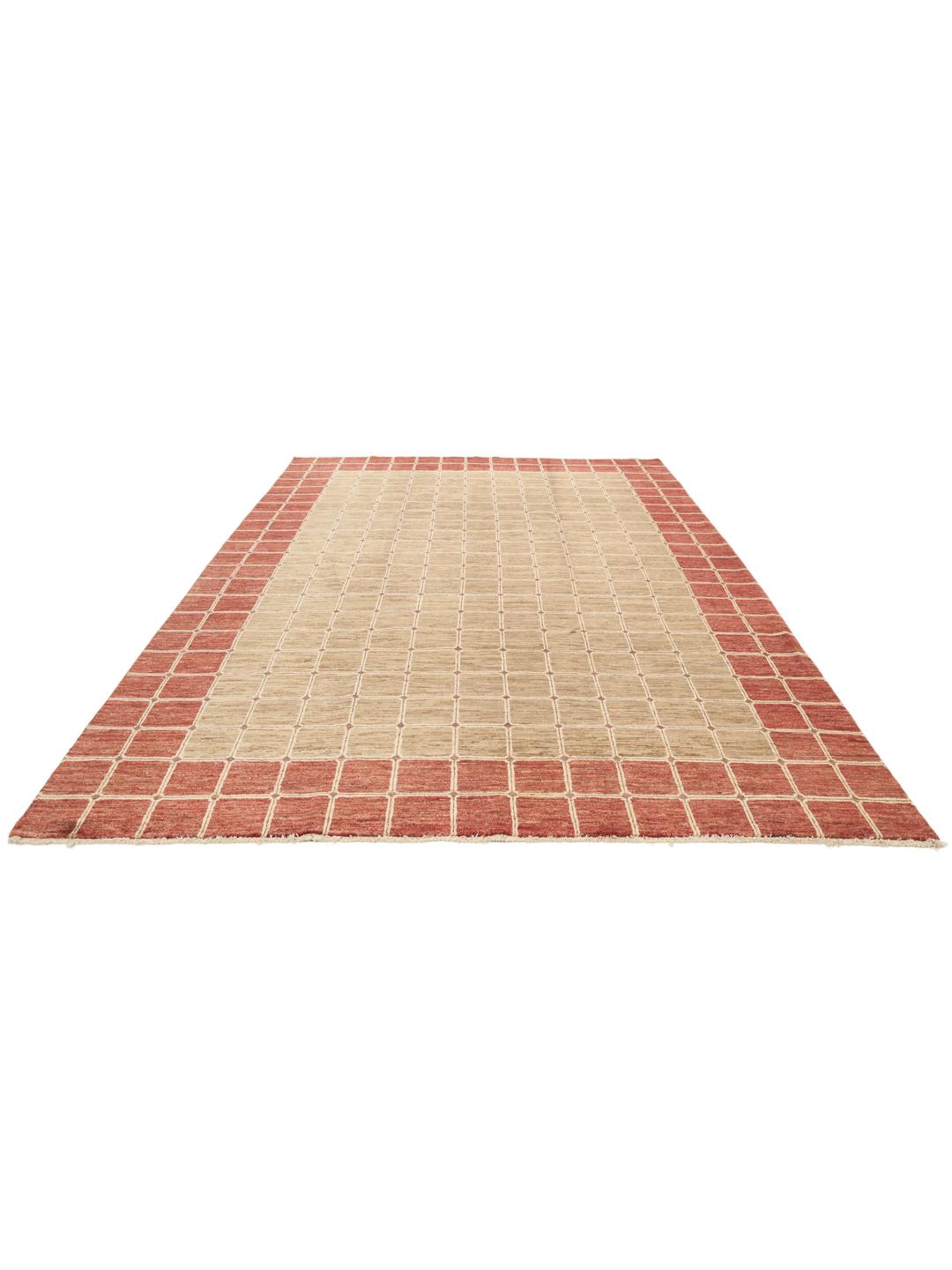
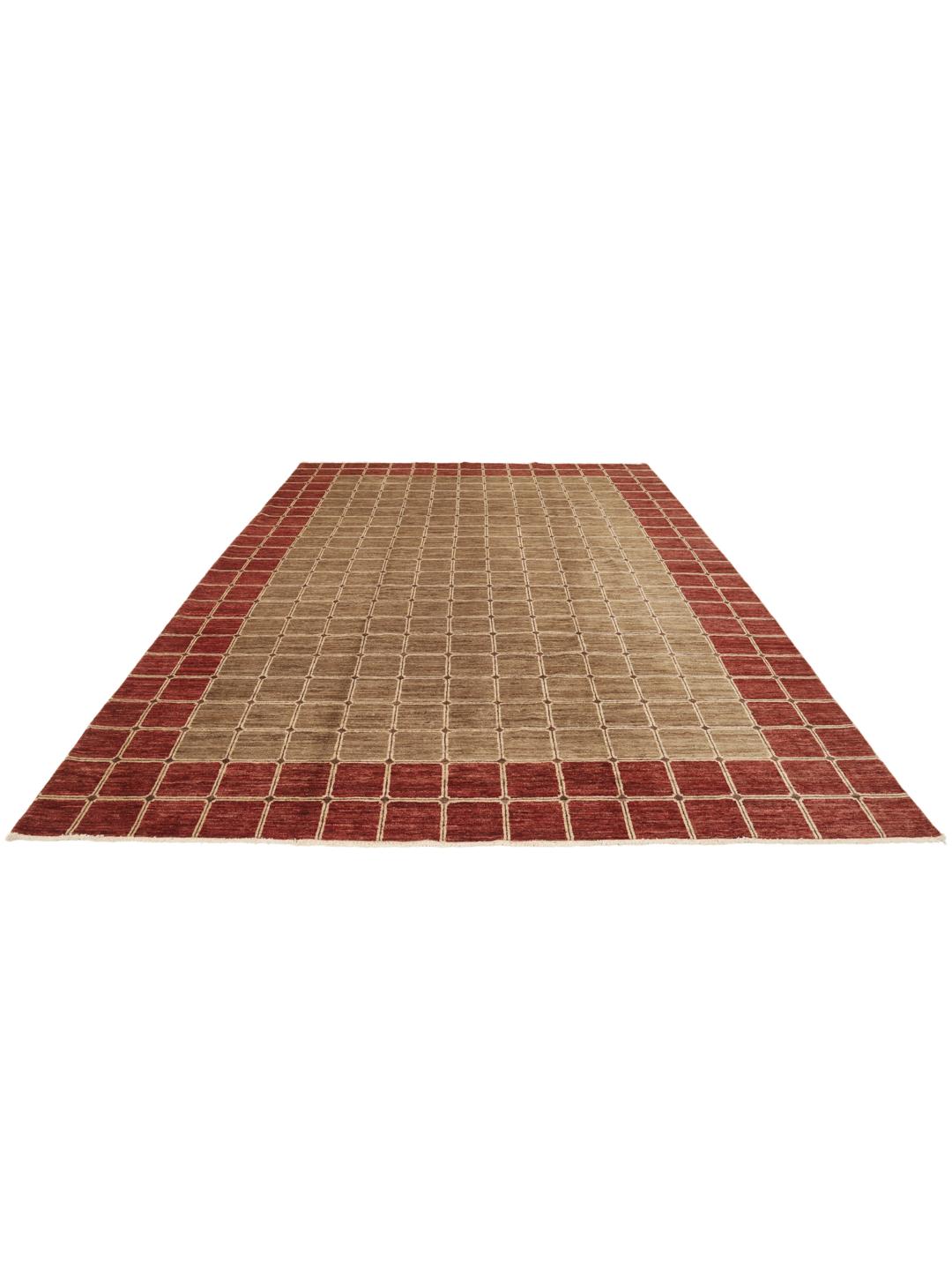
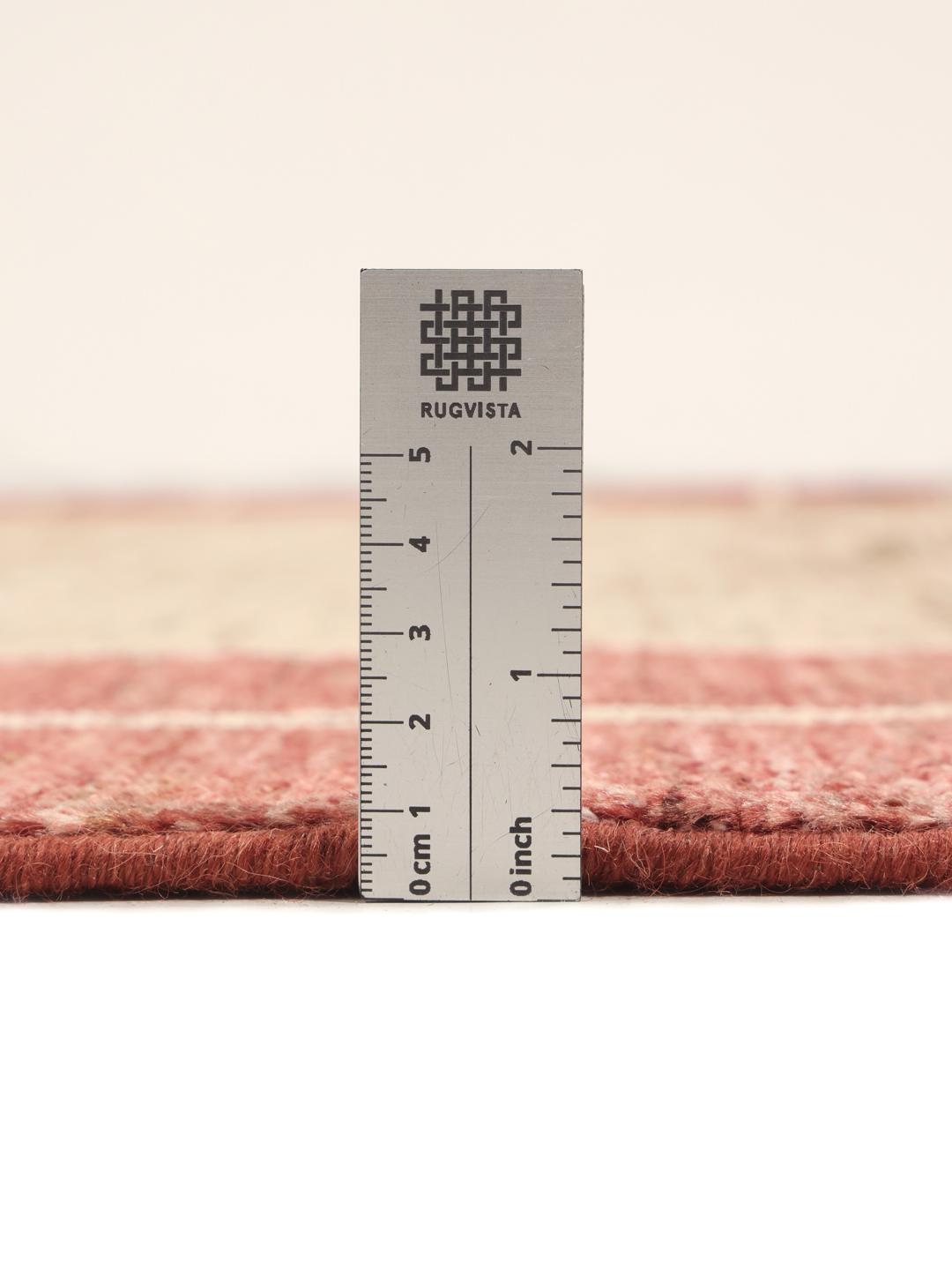
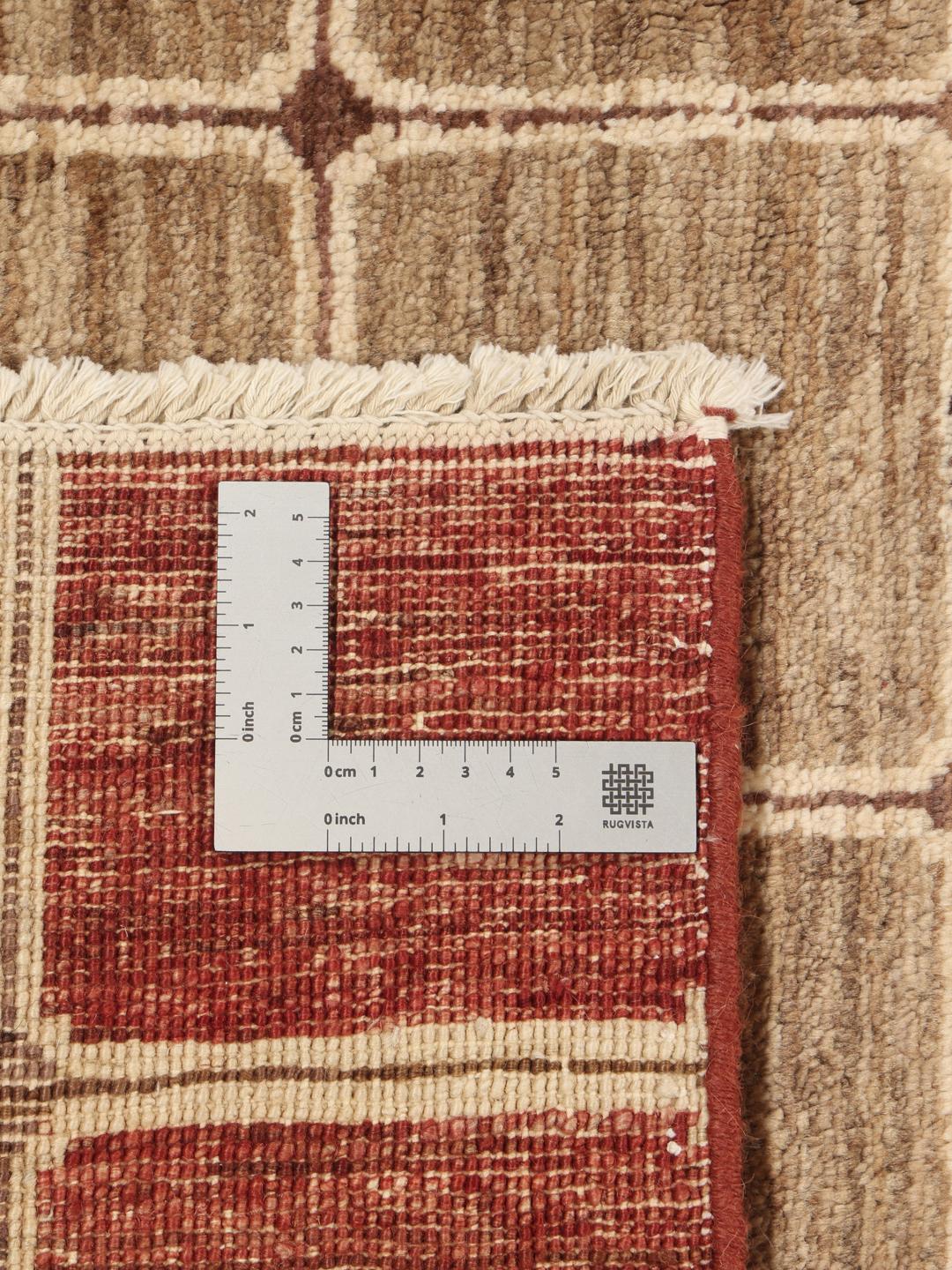
The Ziegler tradition traces its roots back to the late 19th century when the European firm Ziegler and Co. commissioned designs in the Middle East specifically for the Western market. They sought to adapt the grandeur of larger, more complex carpets into styles that felt more approachable and balanced for contemporary homes, blending traditional regional patterns with a softer, more muted aesthetic.
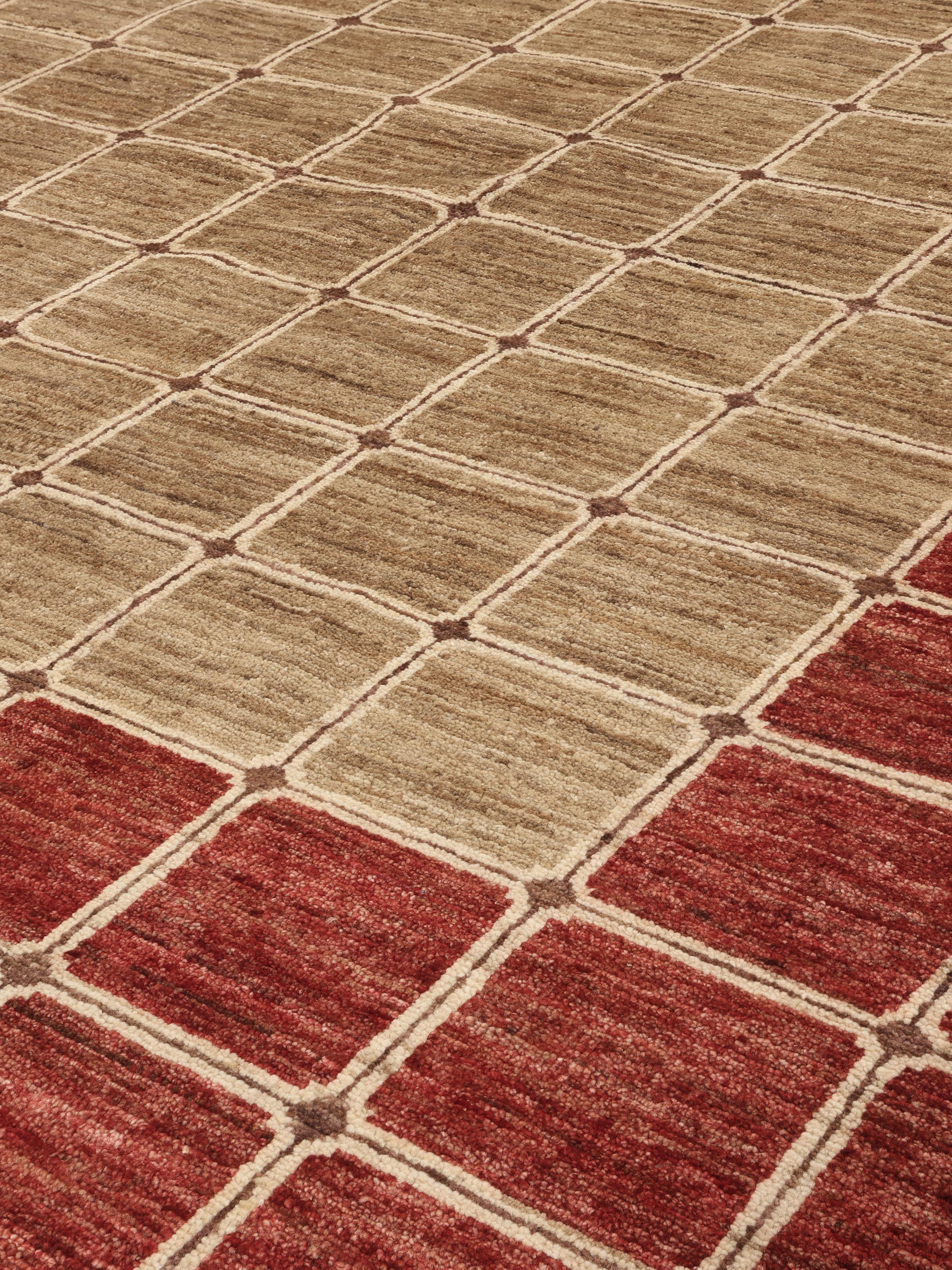
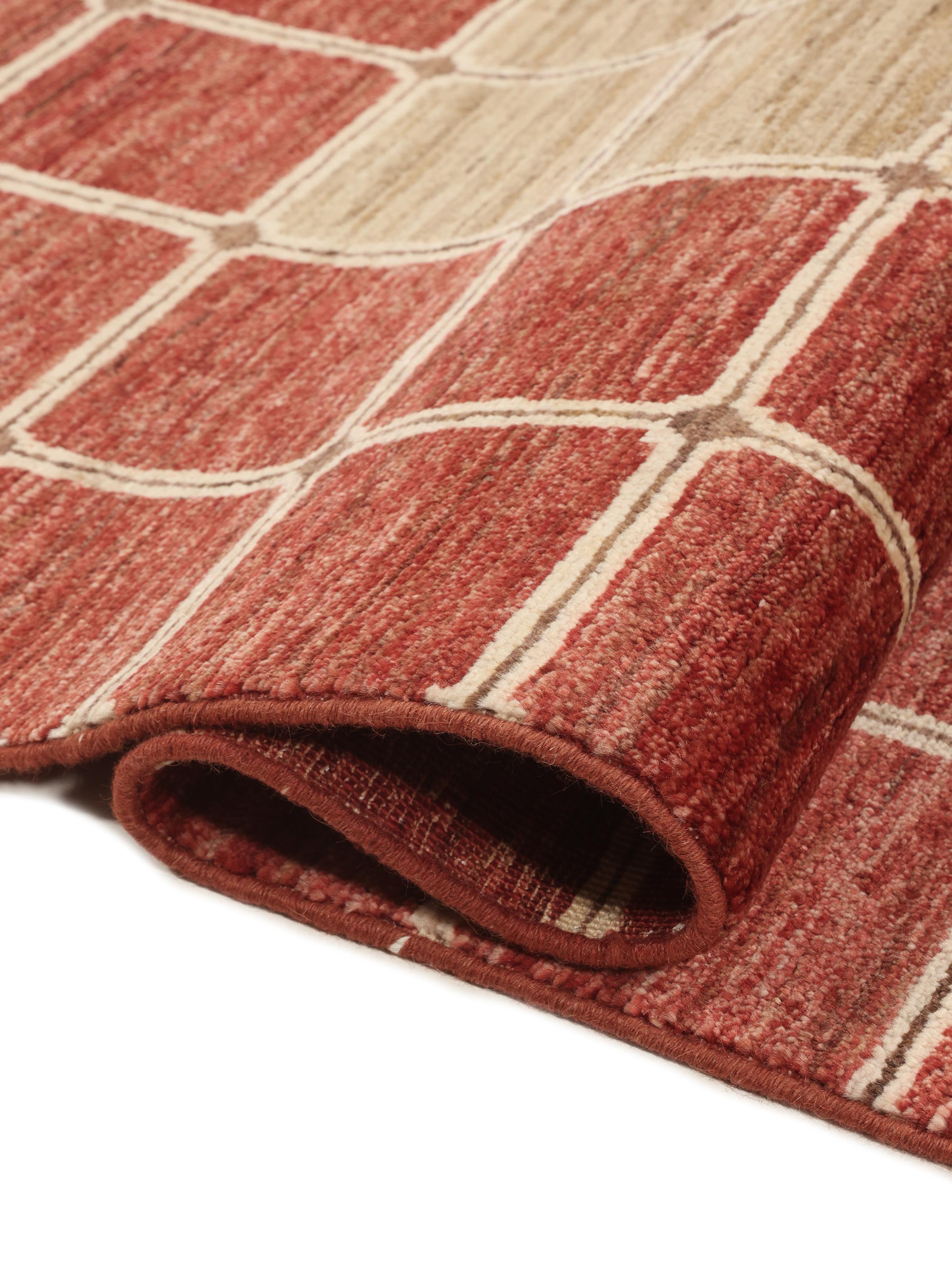
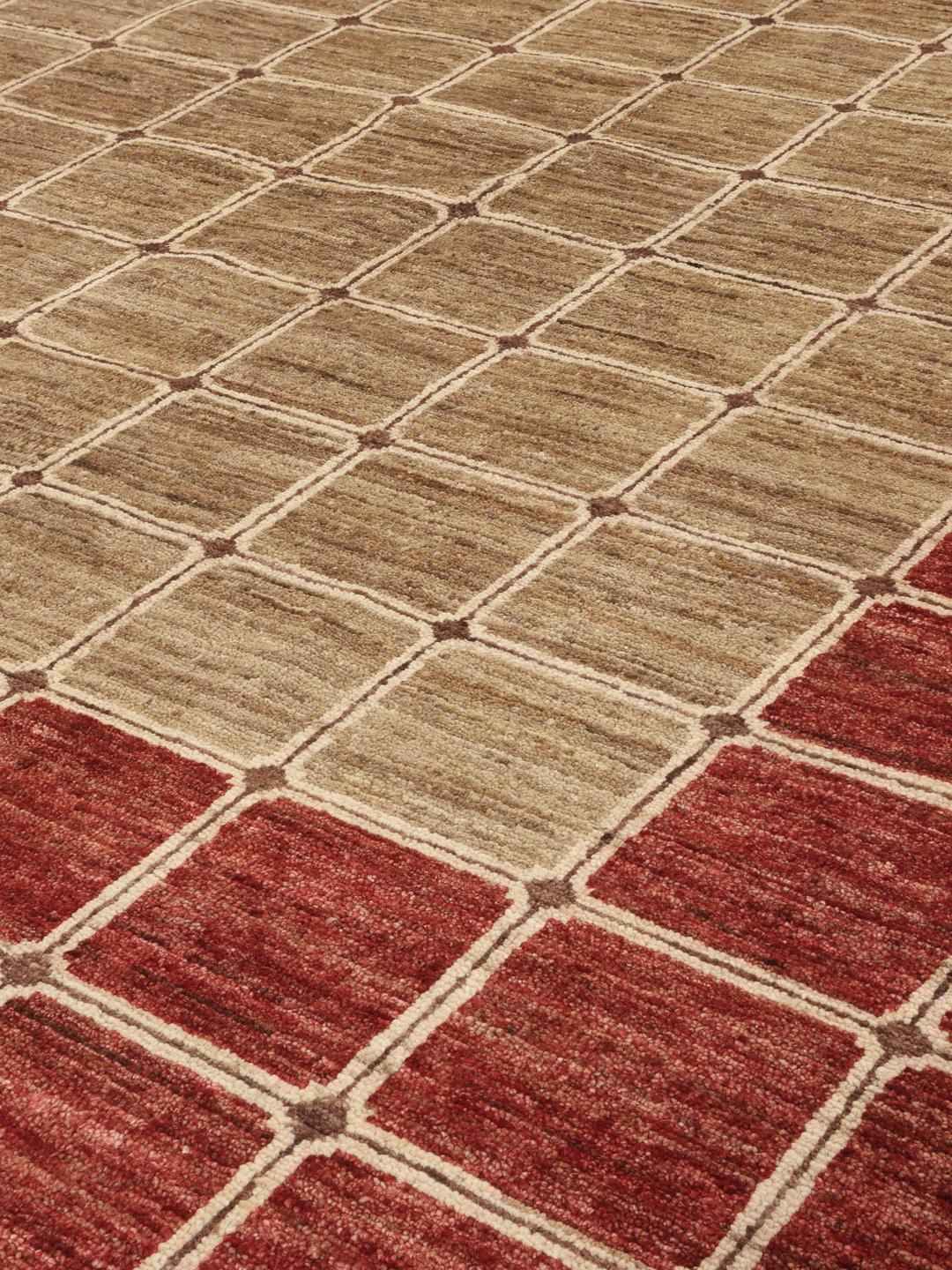
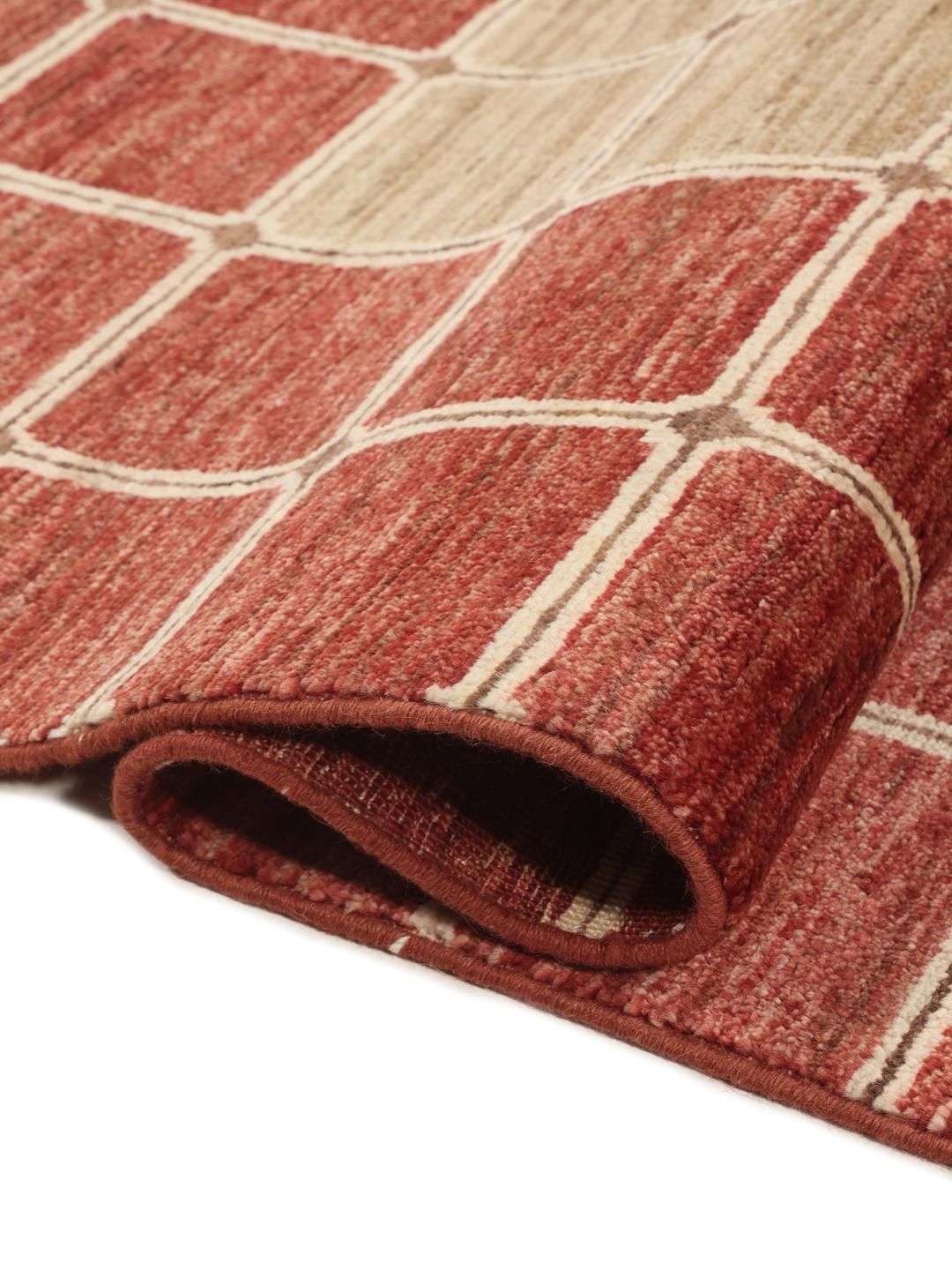
The term 'Fine' in this context refers to the elevated standard of weaving and the quality of the materials employed. These rugs typically utilise high-grade wool, which is known for its natural sheen and durability. The construction involves techniques that prioritise a tighter, more uniform pile, ensuring the design remains crisp while offering a luxurious feel that is both soft and supportive.
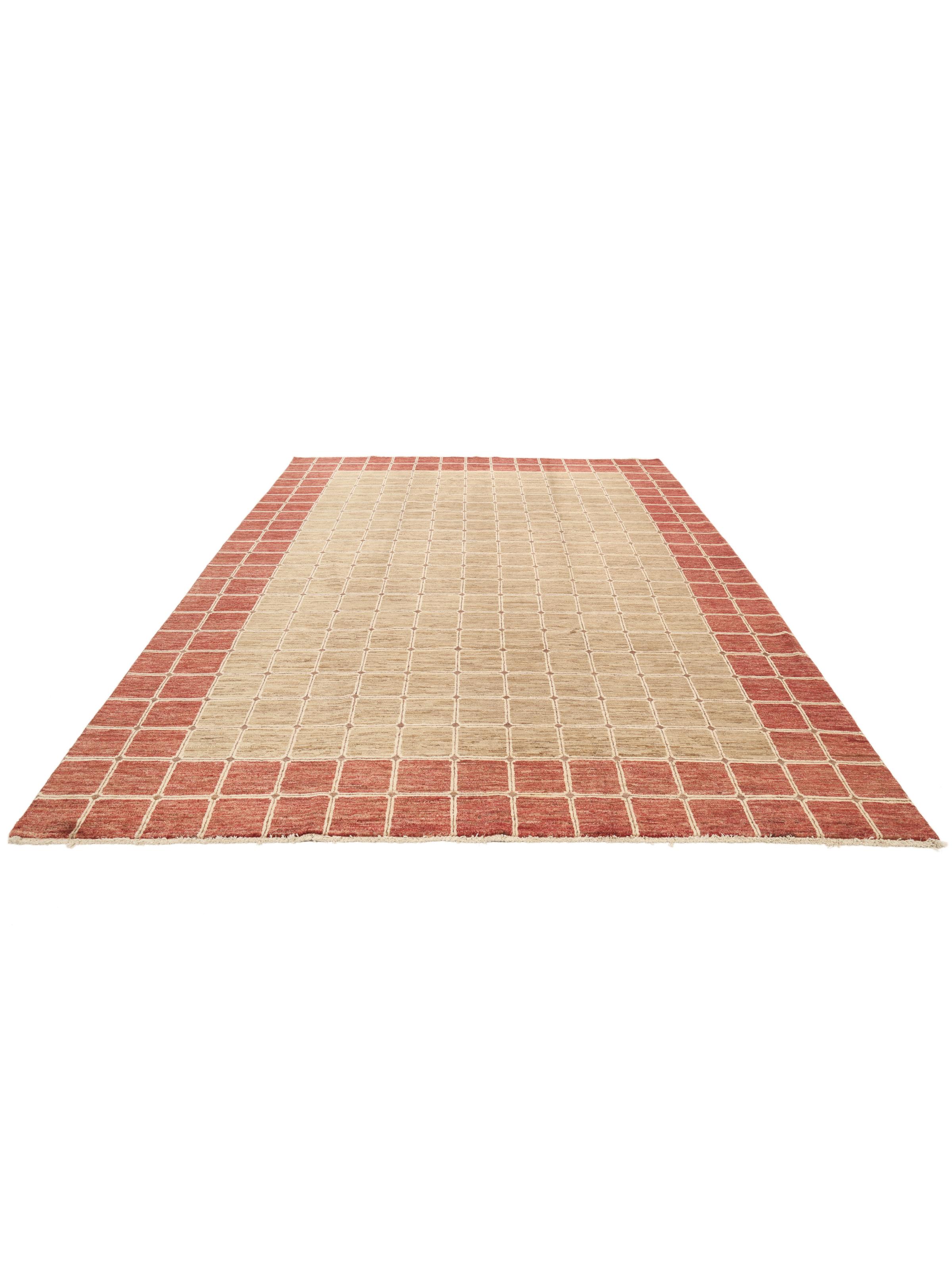
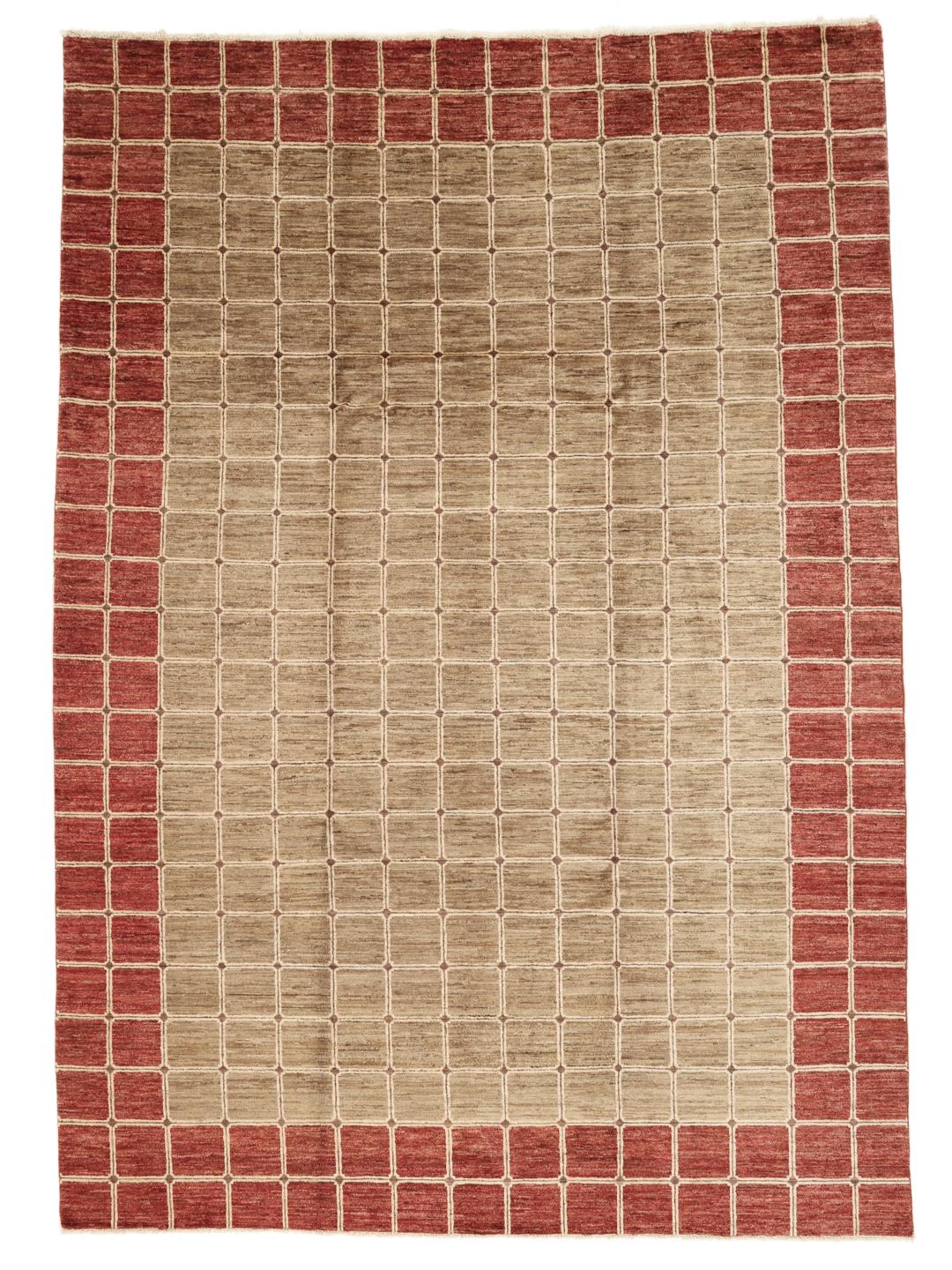
Visually, these rugs are defined by their open fields and elegant, often simplified borders. While traditional rugs from the region might feature dense, intricate floral motifs, the Ziegler style often leans into a more spacious, airy arrangement. The use of natural dyes often results in the characteristic soft, weathered look that makes these pieces feel instantly at home in both historic and modern settings.
Owning a piece from this tradition is an investment in a storied craft that bridges the gap between ancient techniques and modern design sensibilities. Collectors value these rugs not only for their beauty but for the human effort required to create them, representing a commitment to preserving a legacy of skill that continues to define the art of the hand-knotted rug.