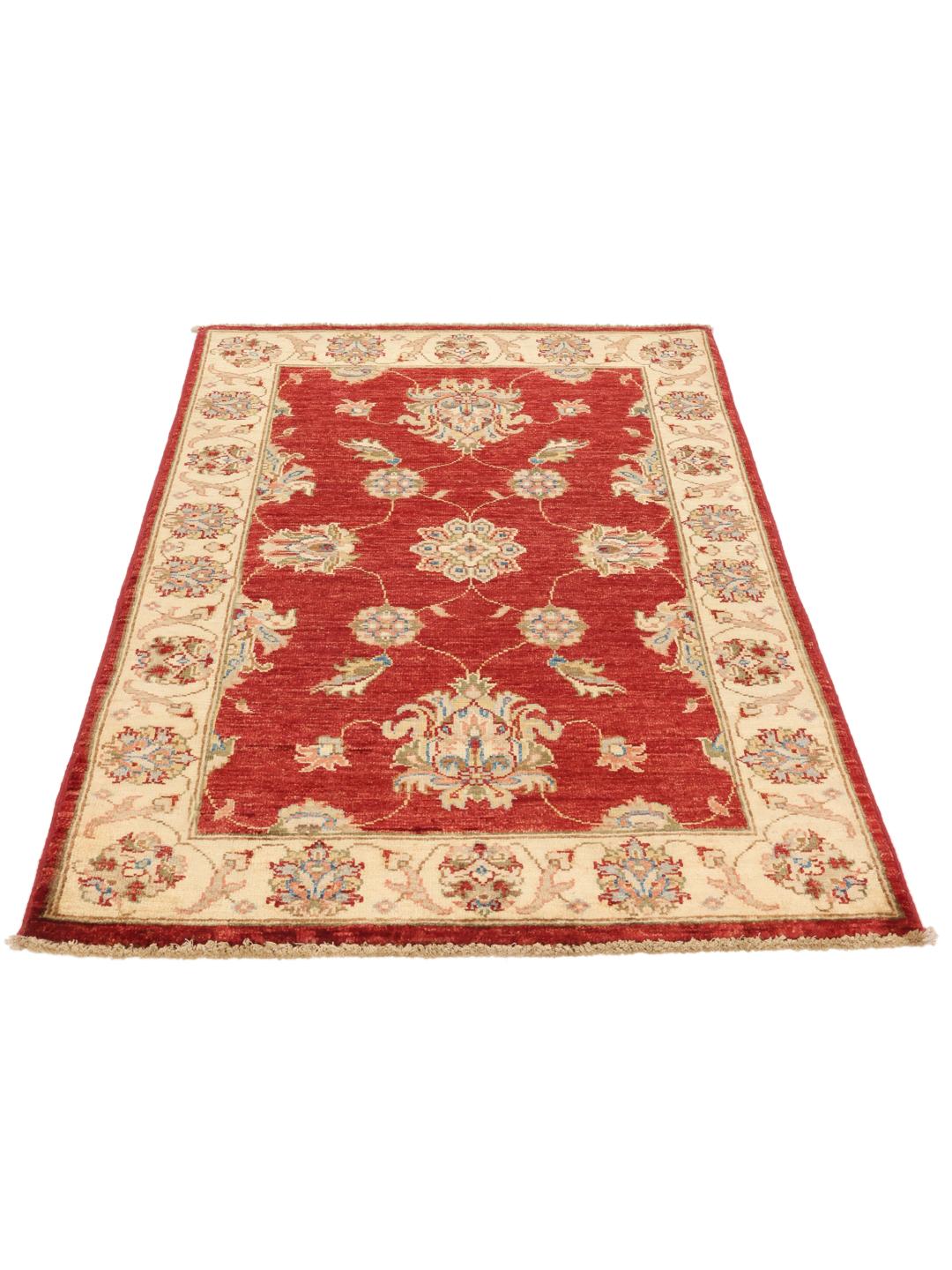
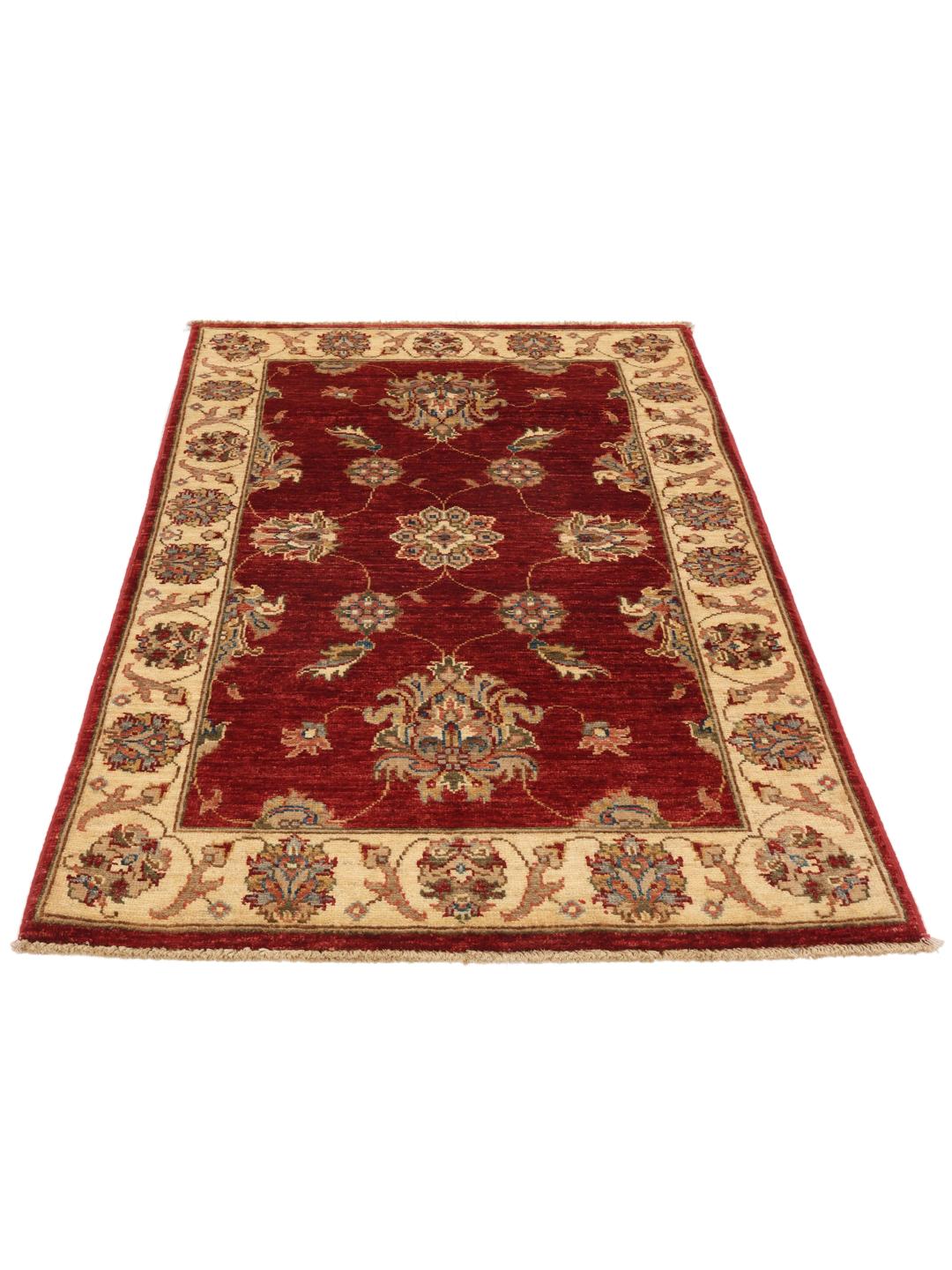
The Ziegler style of rug-making originated in the late 19th century as a collaboration between the Swiss firm Ziegler & Co. and master weavers in the Middle East. Seeking to create rugs that appealed to Western tastes while retaining the authentic techniques of the region, they developed a aesthetic that featured larger, more open floral patterns and softer, muted palettes. This evolution bridged the gap between traditional nomadic designs and the refined interiors of European homes.
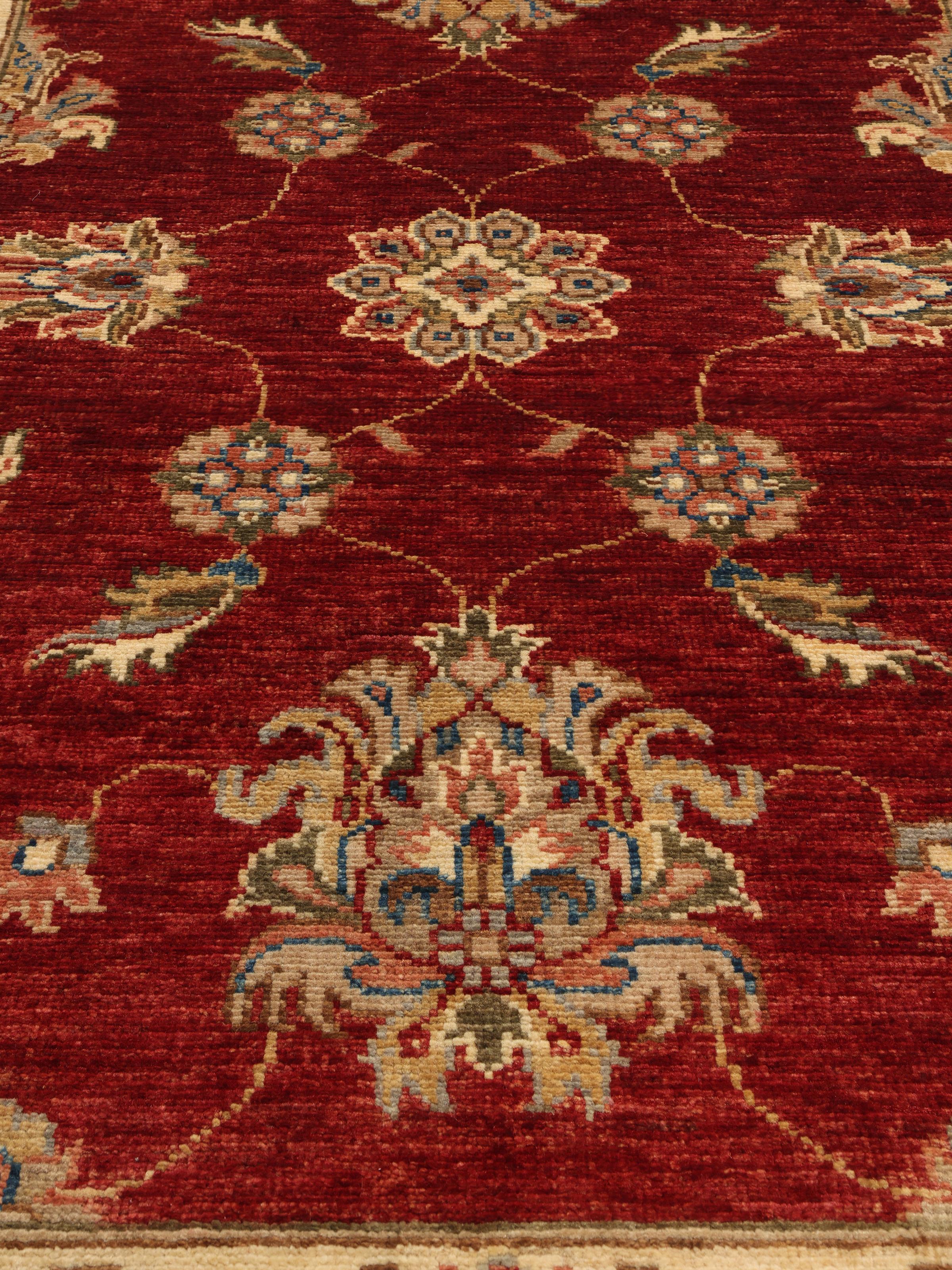
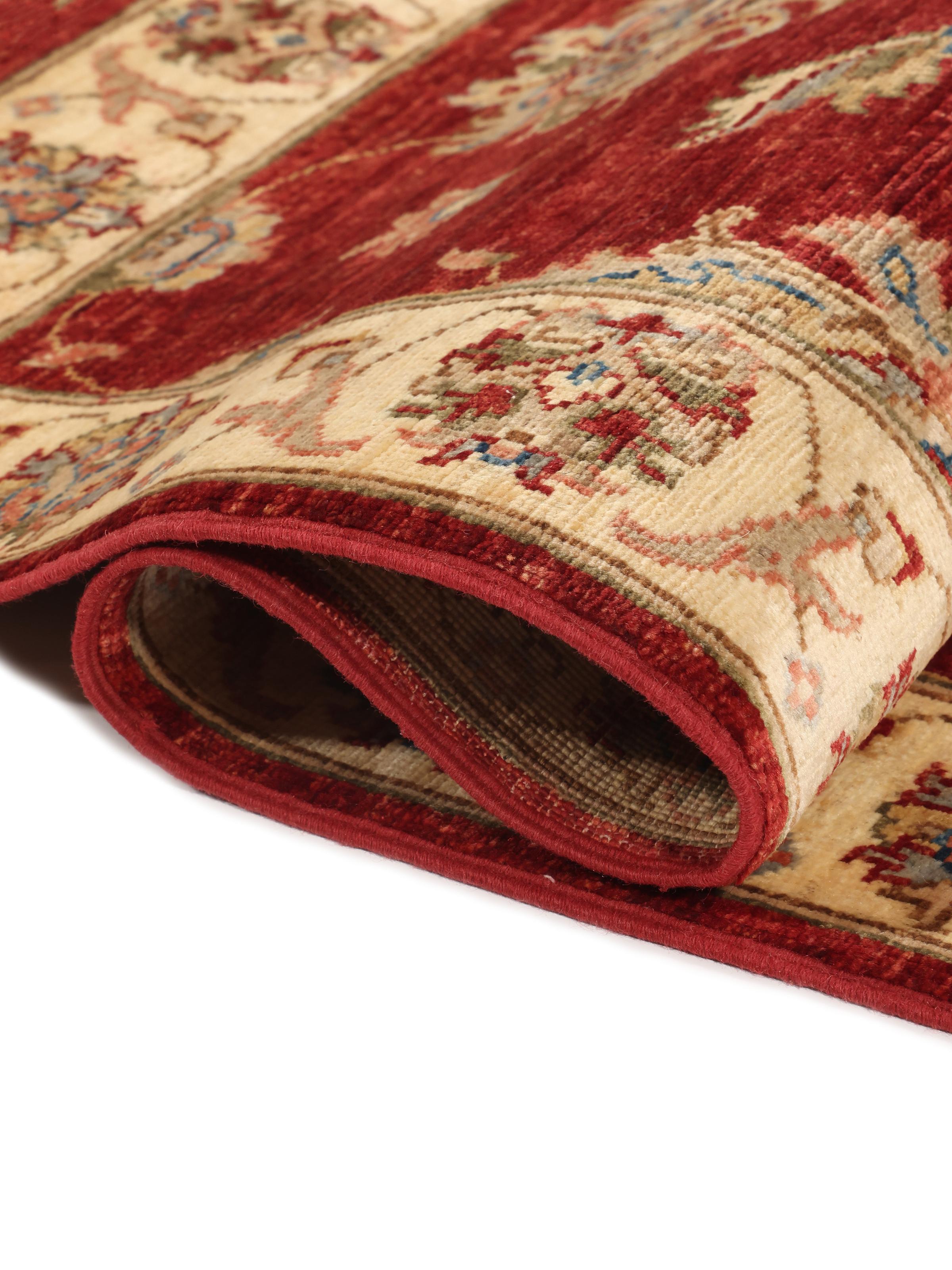
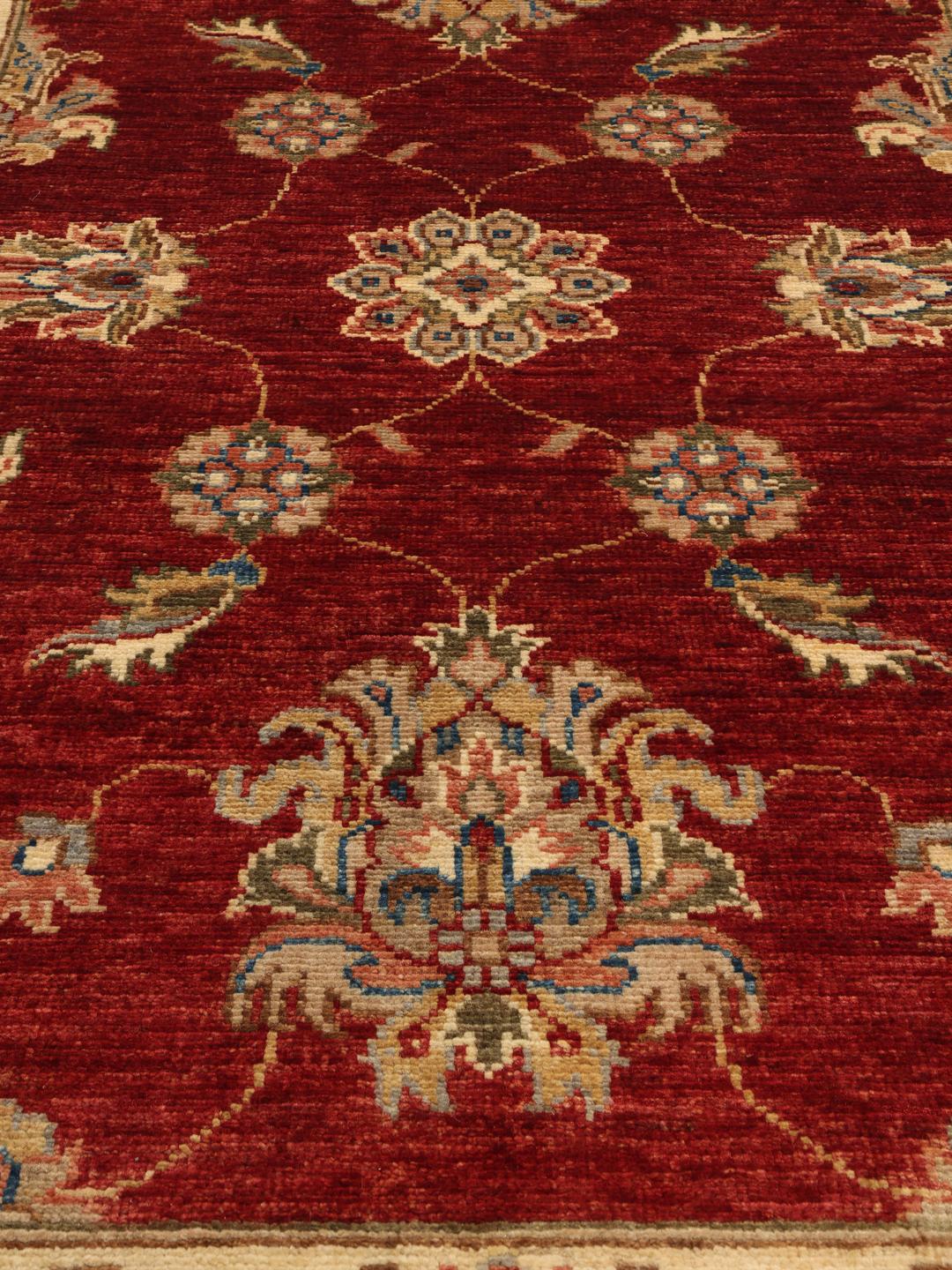
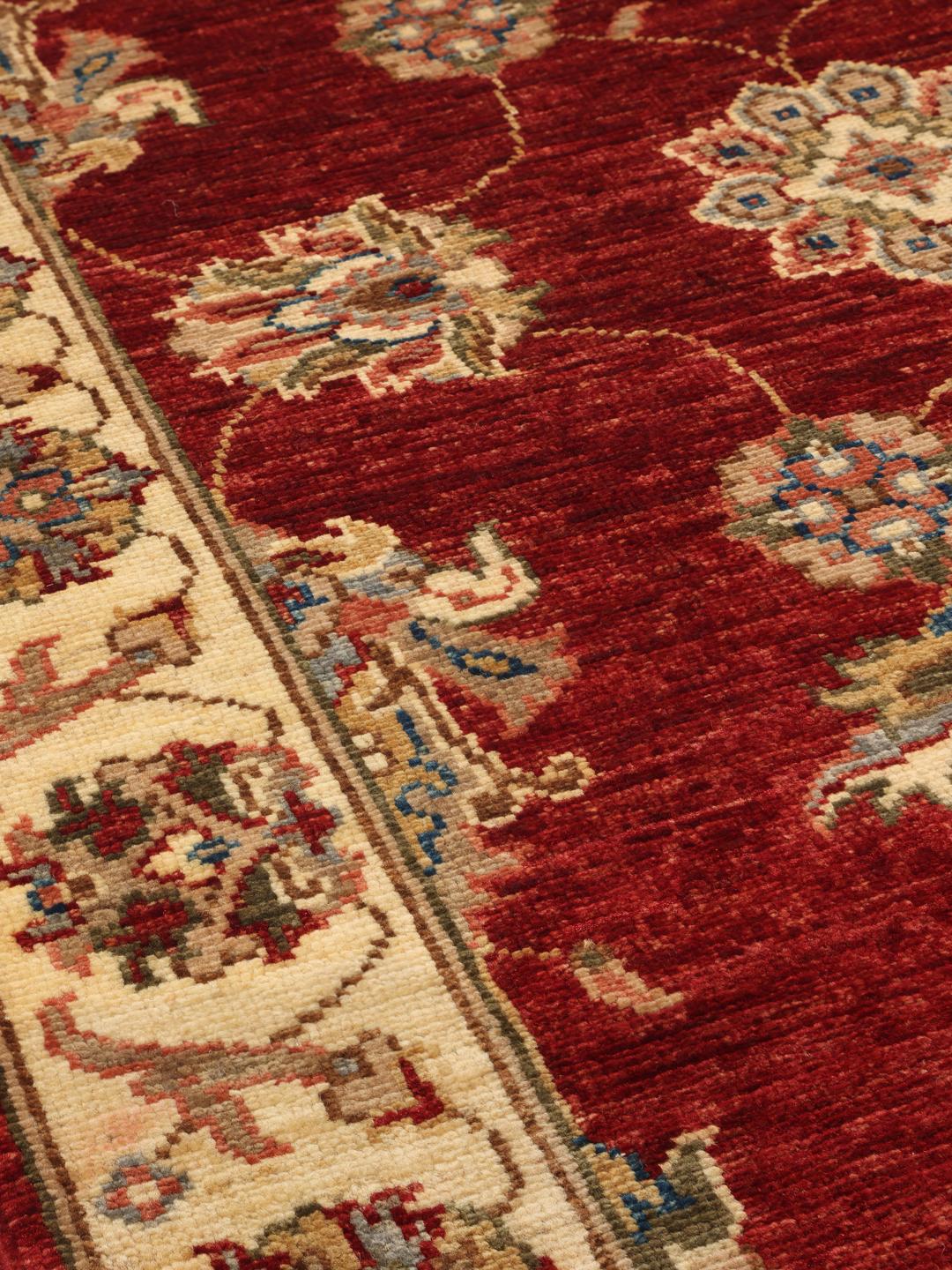
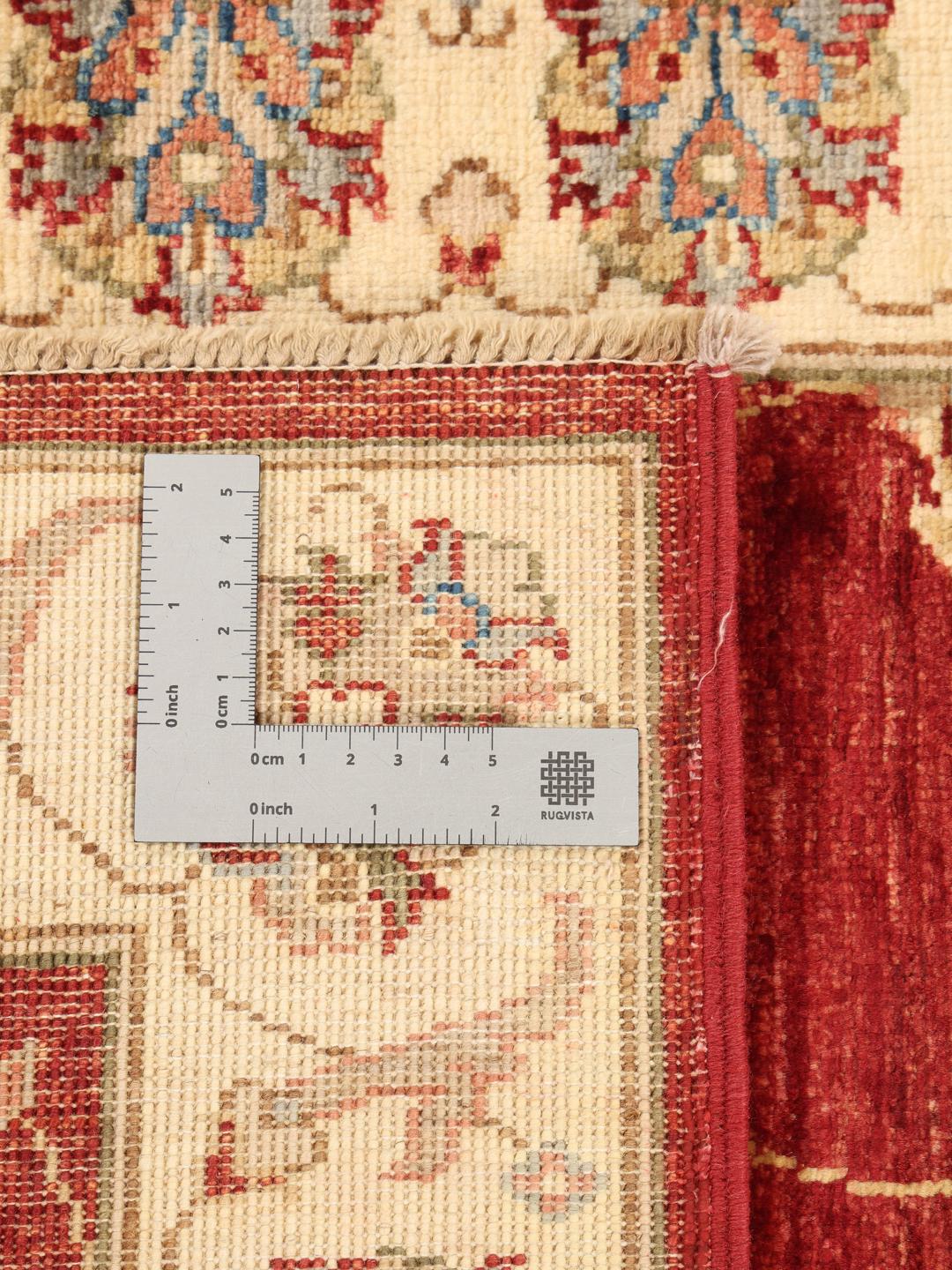
The term 'Fine' in the name refers to the quality of the wool and the precision of the knotting process. Using high-grade wool, often hand-spun to retain natural lanolin, ensures that the rug has a soft, lustrous sheen that develops a beautiful patina as it ages. The knotting technique is essential for the durability of the piece, as it allows for a tight, upright pile that resists crushing and ensures that the intricate motifs remain clear for decades.
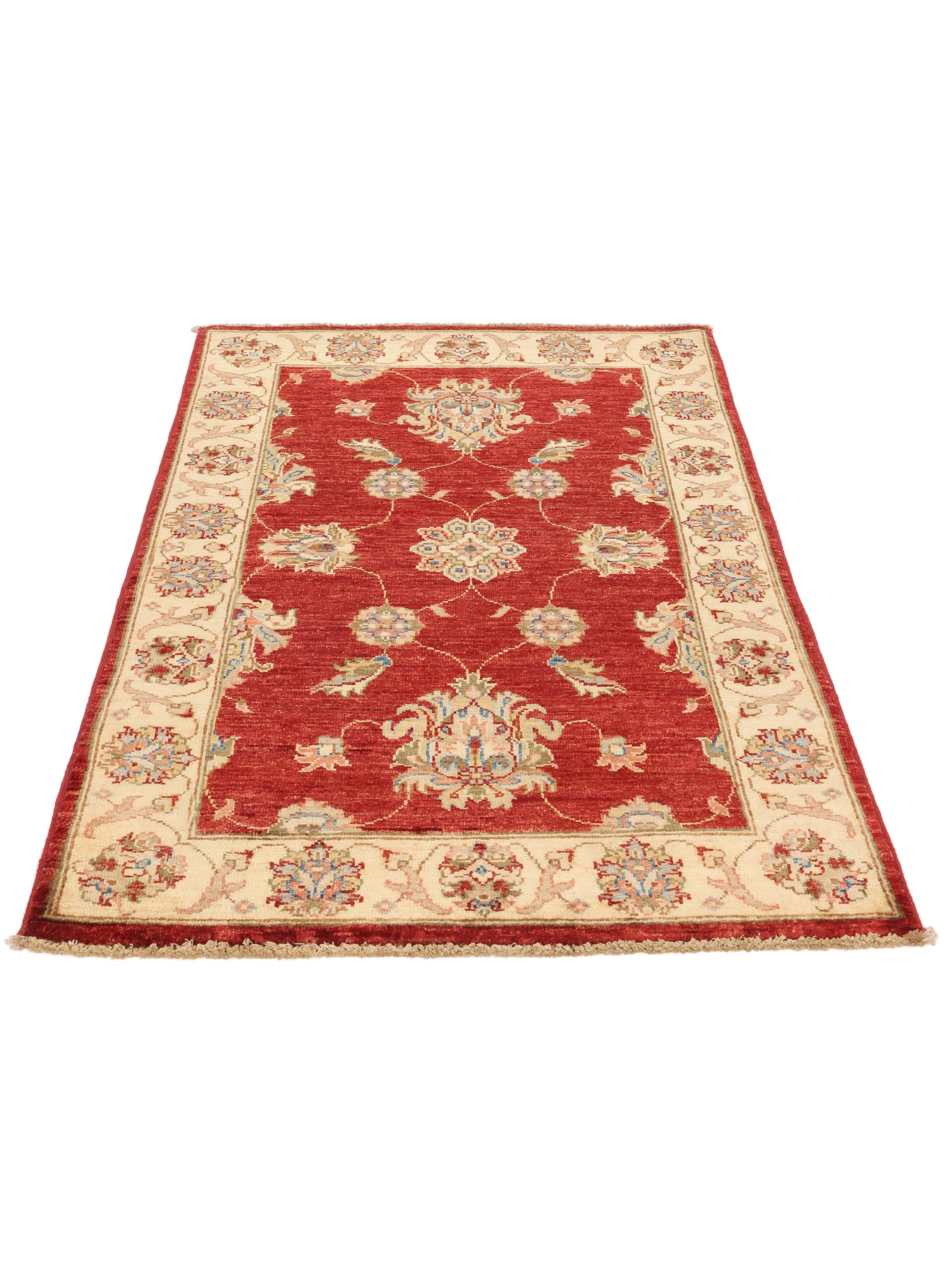
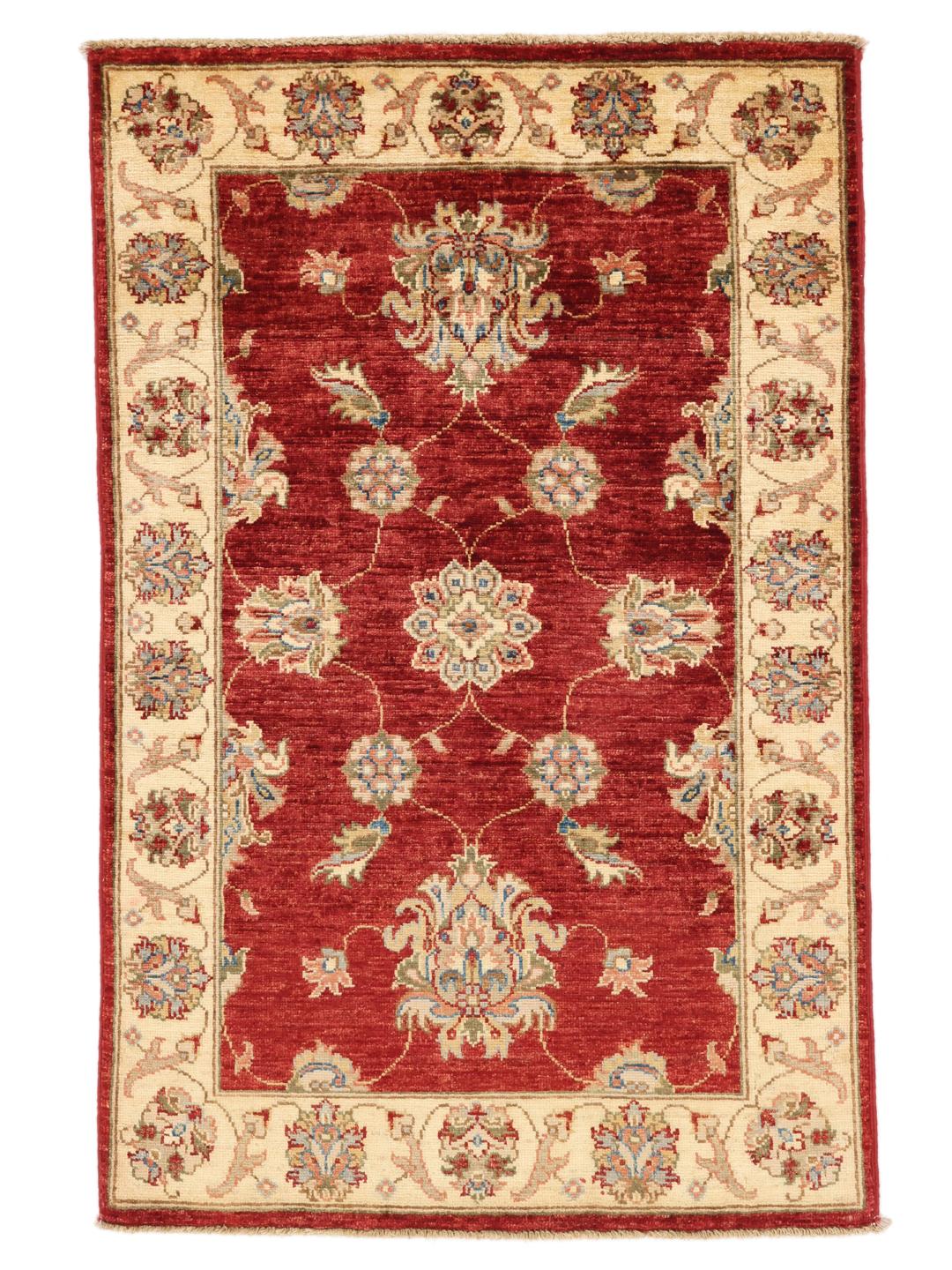
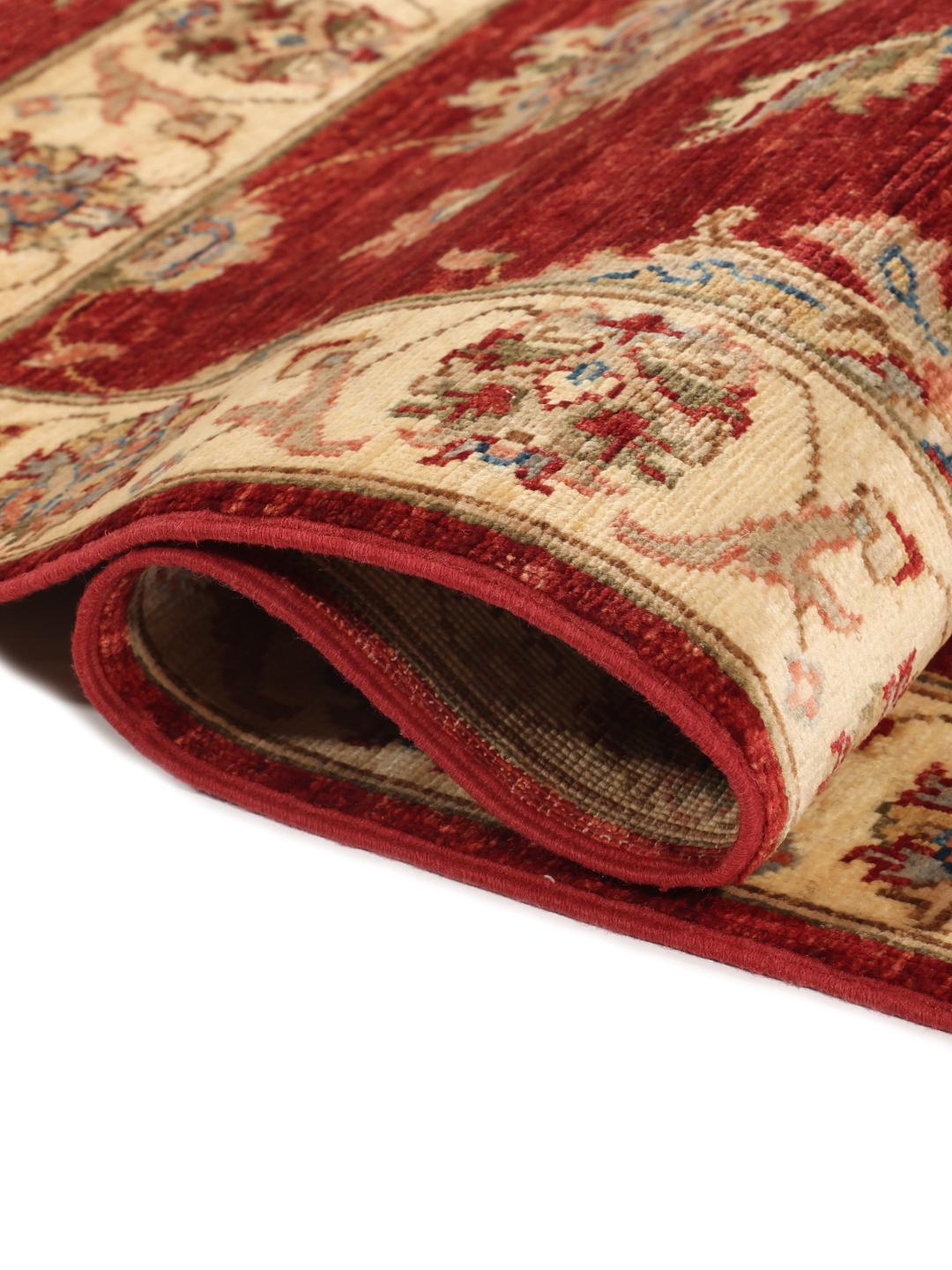
Visually, these rugs are celebrated for their balanced compositions. The field is typically adorned with sweeping floral vines and palmettes, often arranged in a symmetrical layout that draws the eye across the surface. The borders are usually wider and more formal than those found in tribal rugs, providing a frame that grounds the design. The use of natural dyes historically gave these rugs their characteristic soft, glowing appearance, a tradition that continues to influence the craft today.
Collecting a Ziegler-style rug is an investment in cultural heritage and skilled artistry. Because they are produced in limited quantities by master artisans, they carry a sense of history and human presence that mass-produced items lack. Owning such a rug is a way to connect with a long-standing tradition of craft that values quality above all else, ensuring that your home is filled with items that have both character and lasting value.