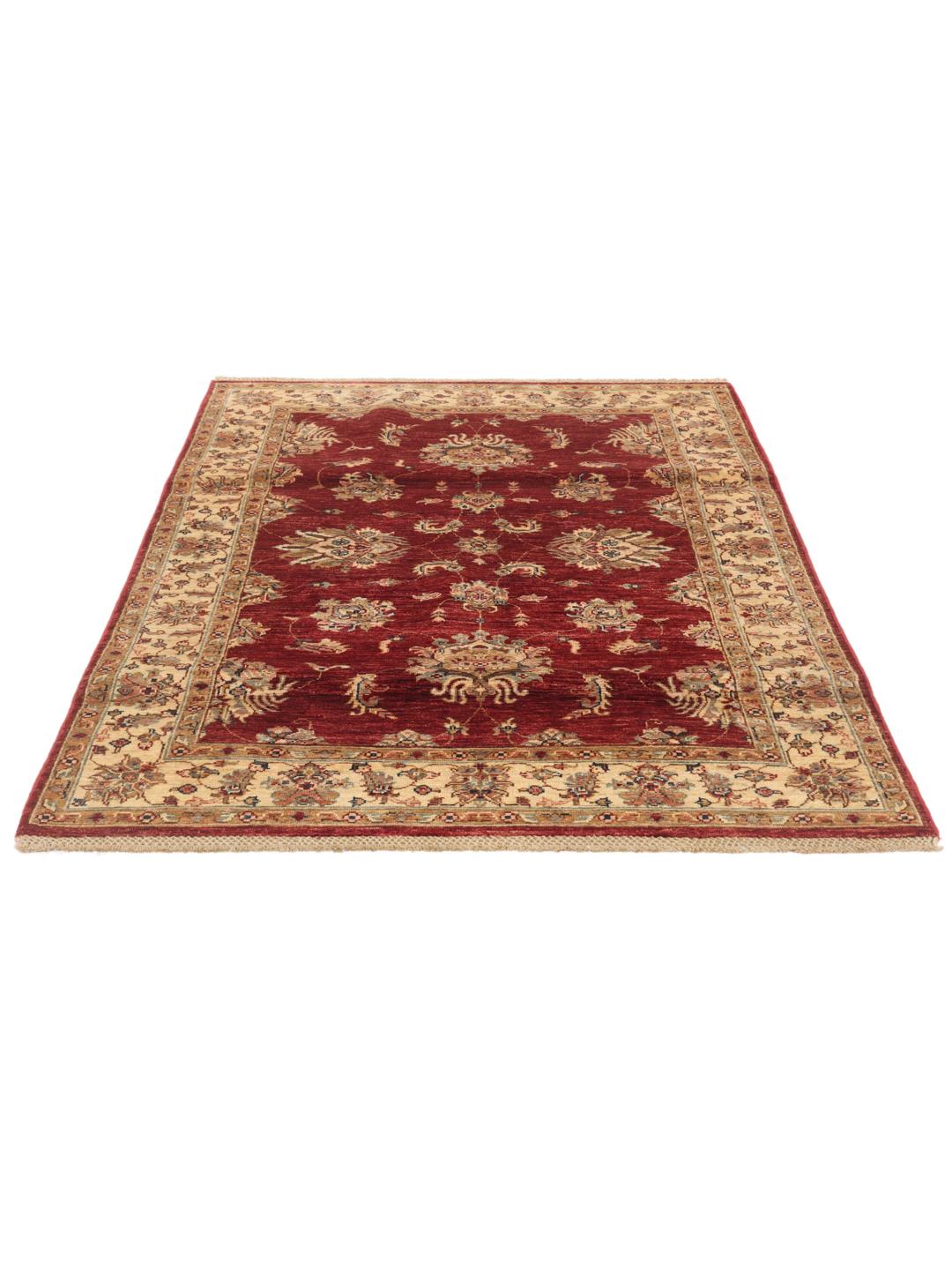
Ziegler rugs trace their historical roots to the late 19th century when the Swiss firm Ziegler and Co. began commissioning rugs in the Middle East specifically for the Western market. They sought to adapt traditional, highly intricate designs into more open, elegant patterns that would complement the refined interiors of European homes. Today, the tradition continues in Afghanistan, where weavers blend these historical design principles with local techniques to create rugs that feel both timeless and accessible.
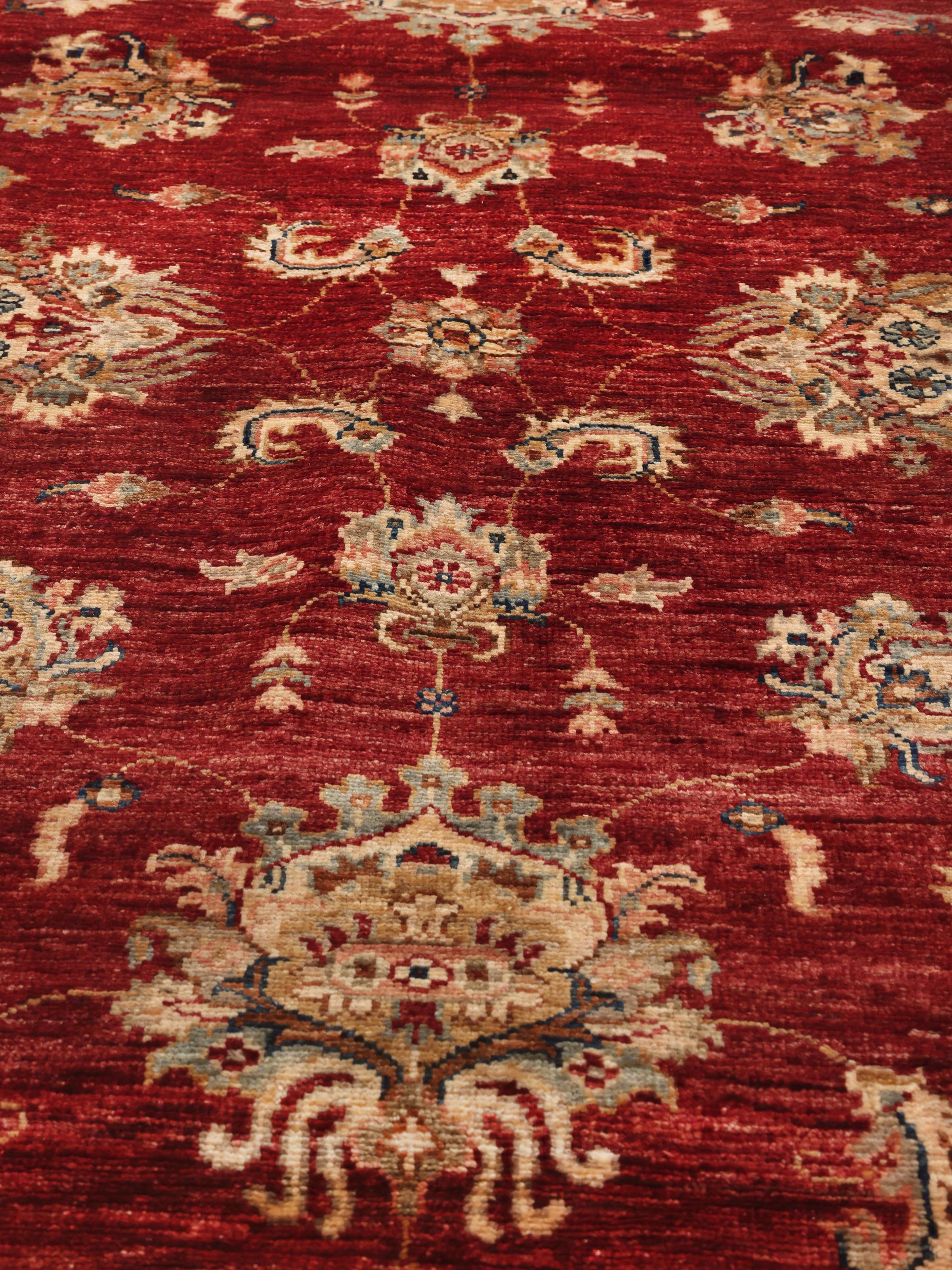
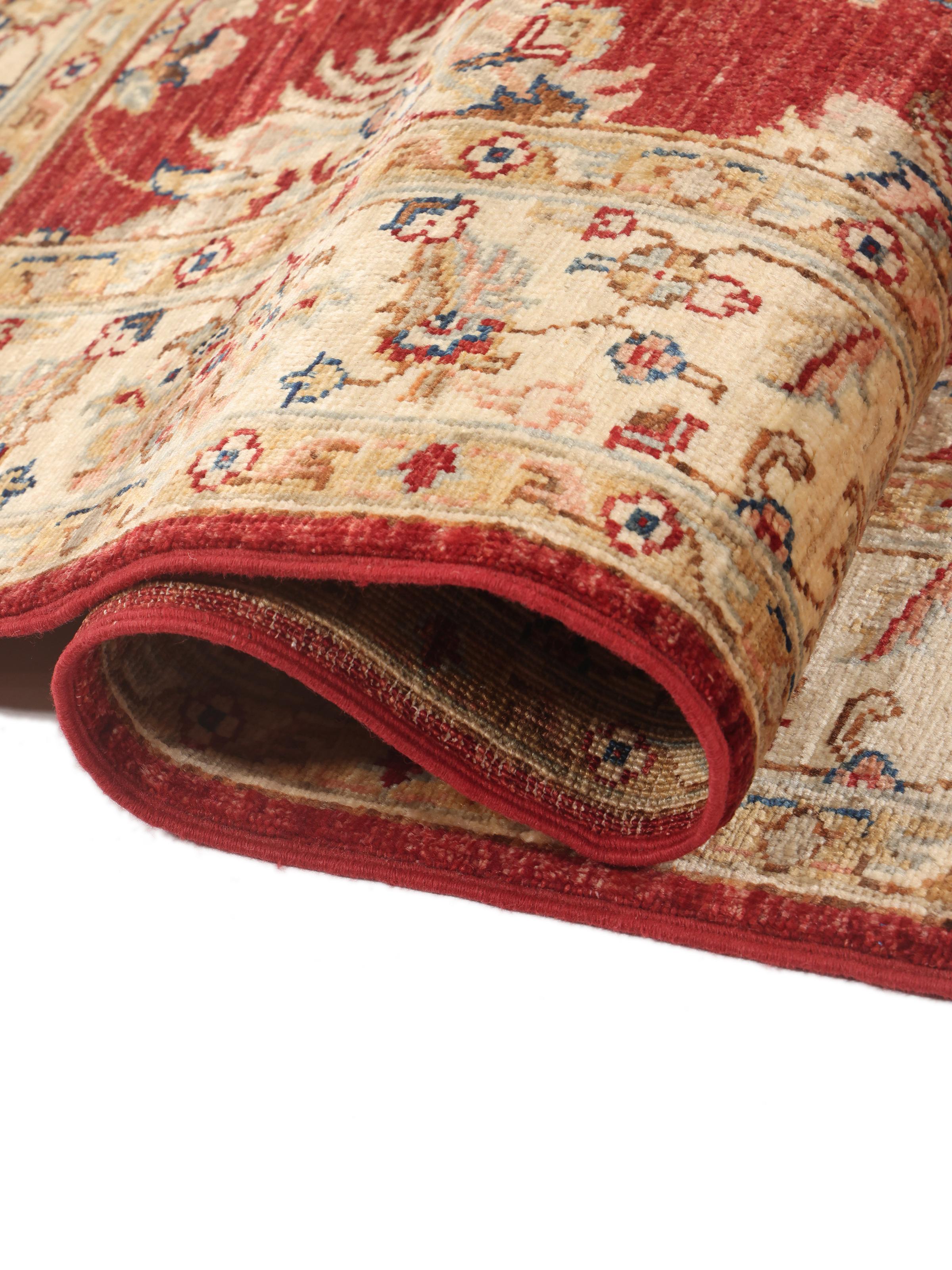
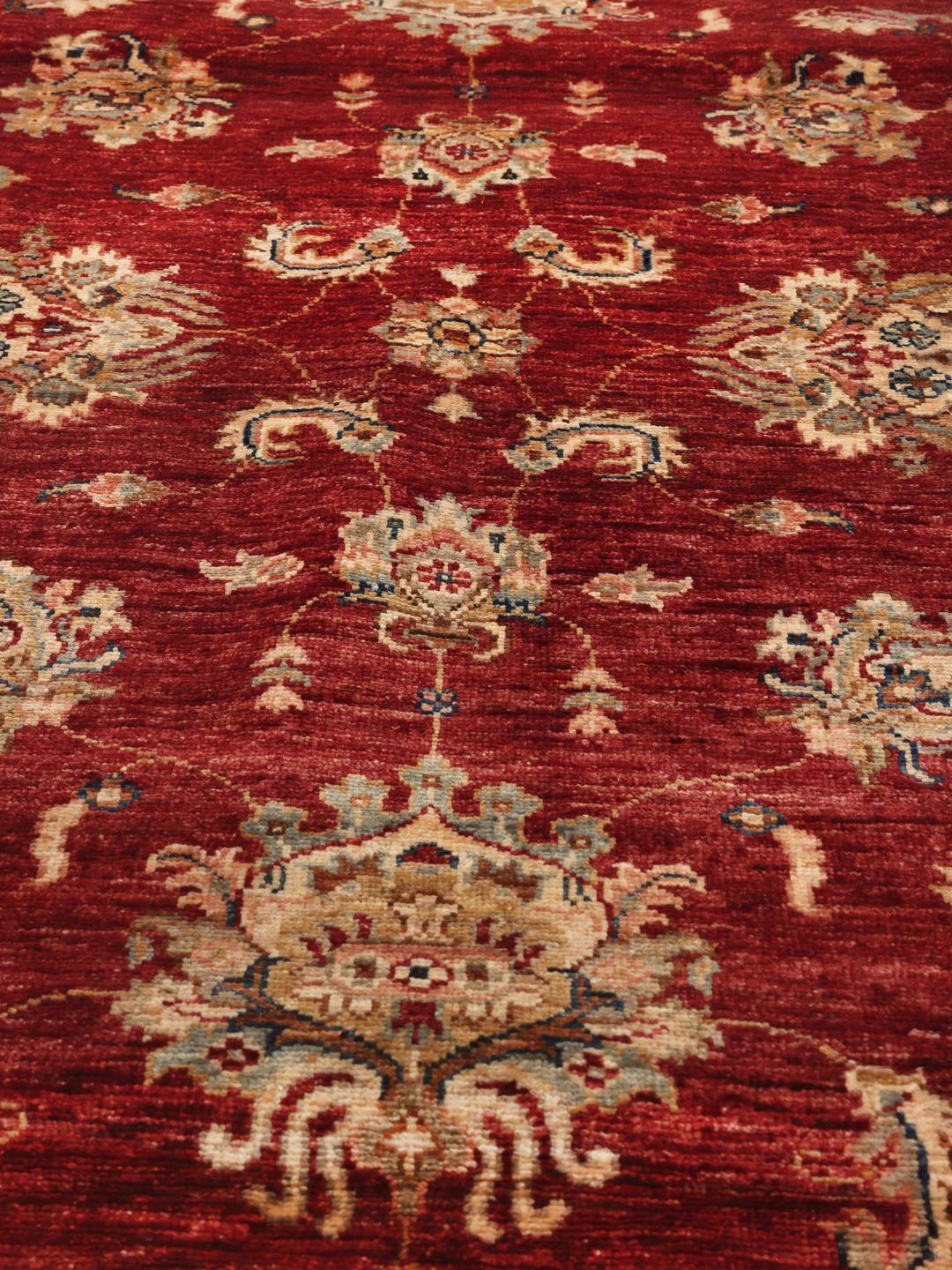
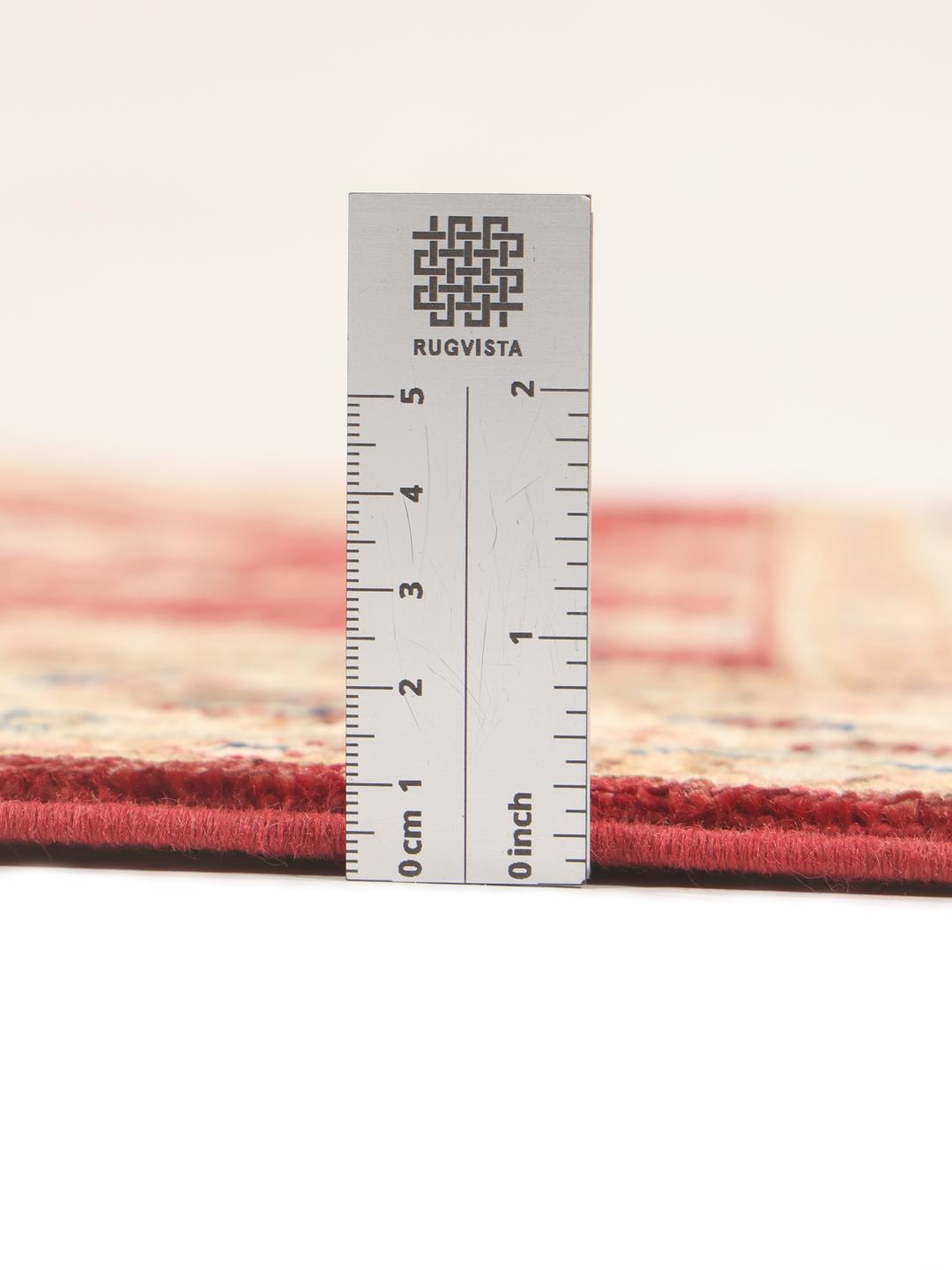
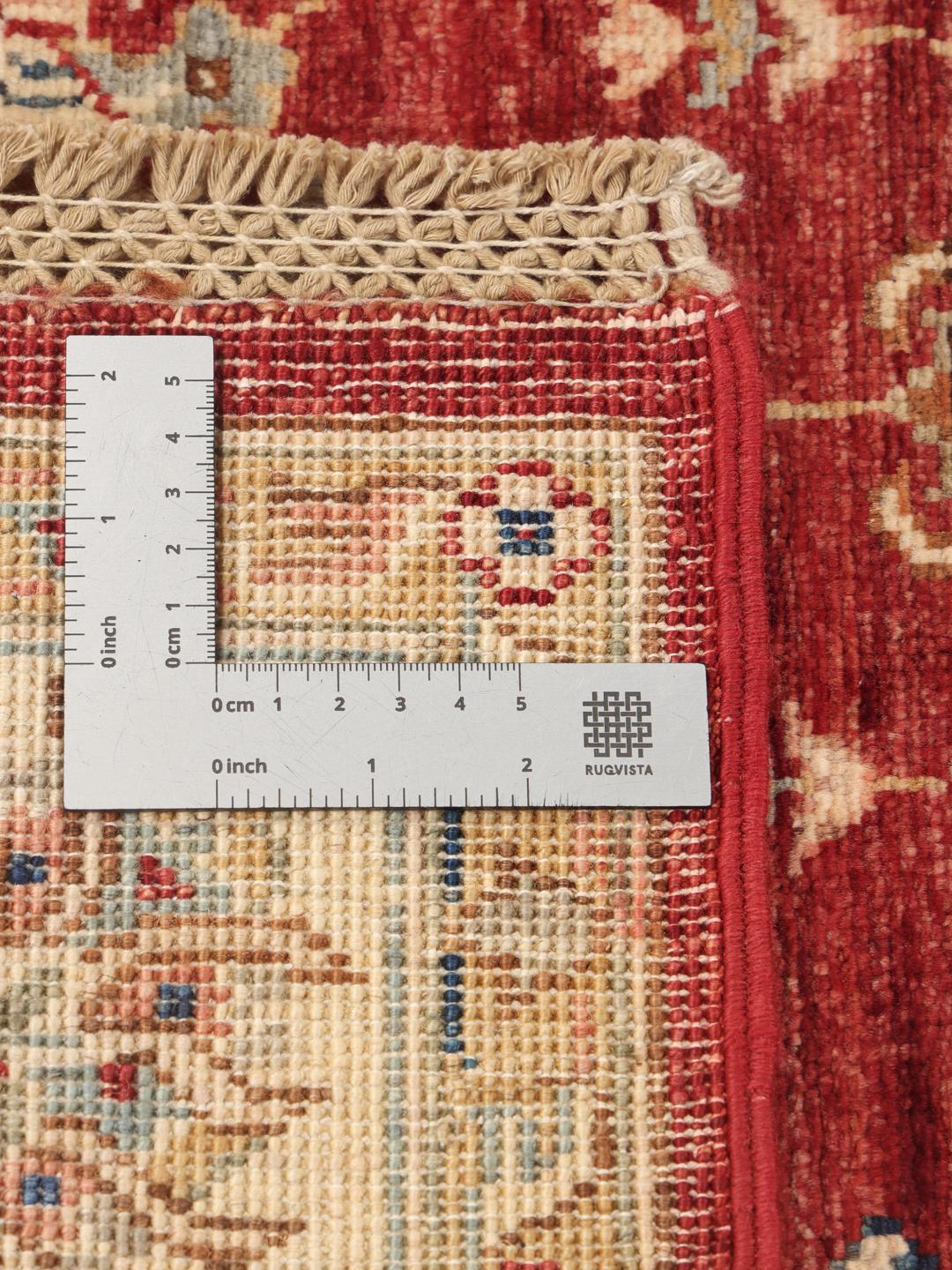
The term hand-knotted refers to the traditional method of weaving where the pile is formed by tying individual strands of wool around the warp threads. This technique is the hallmark of quality in rug making, as it creates a knot structure that is naturally resistant to wear and tear. The density of these knots determines the sharpness of the patterns and the longevity of the rug, as a higher count provides a tighter, more stable surface that resists flattening over time.
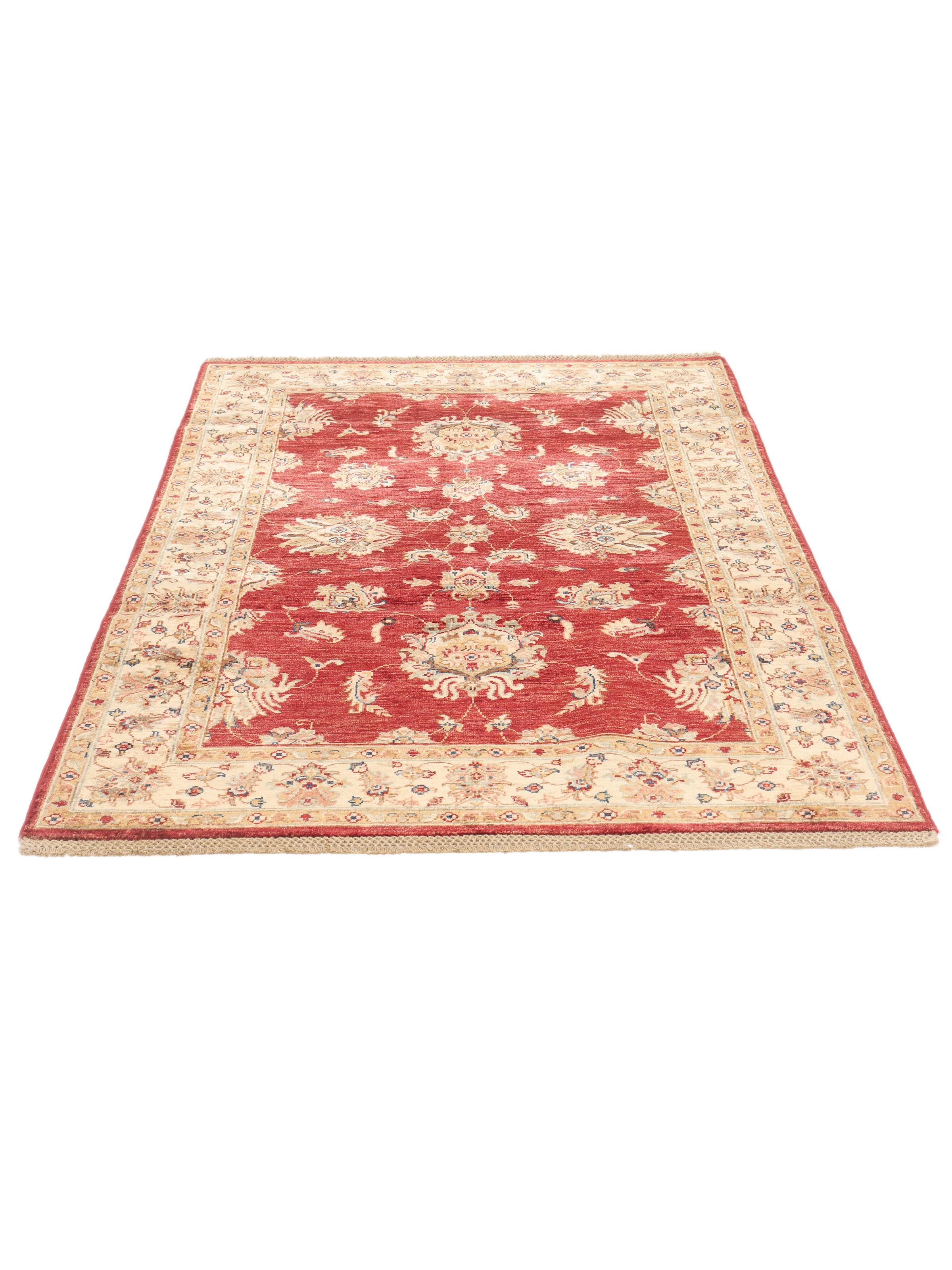
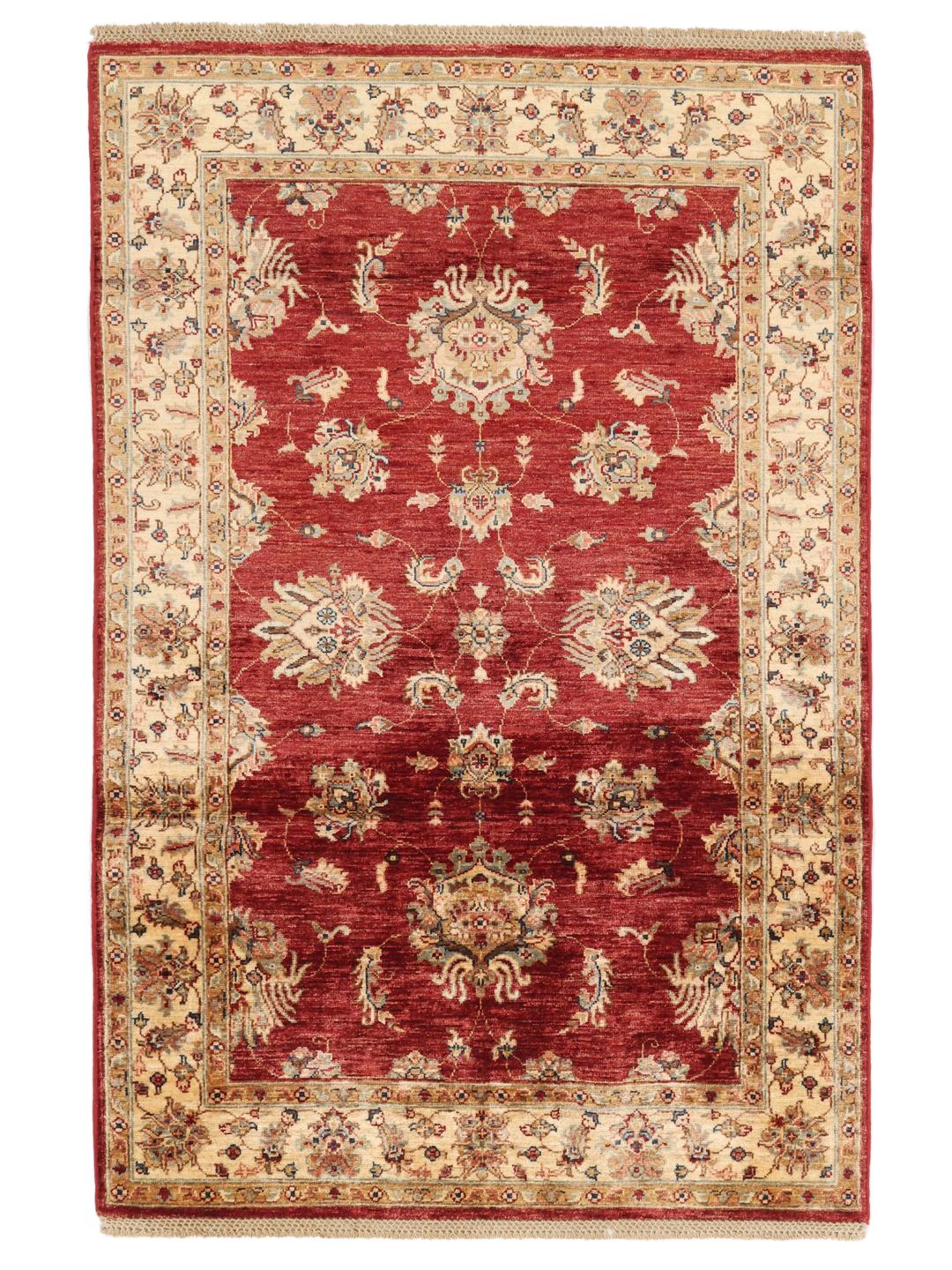
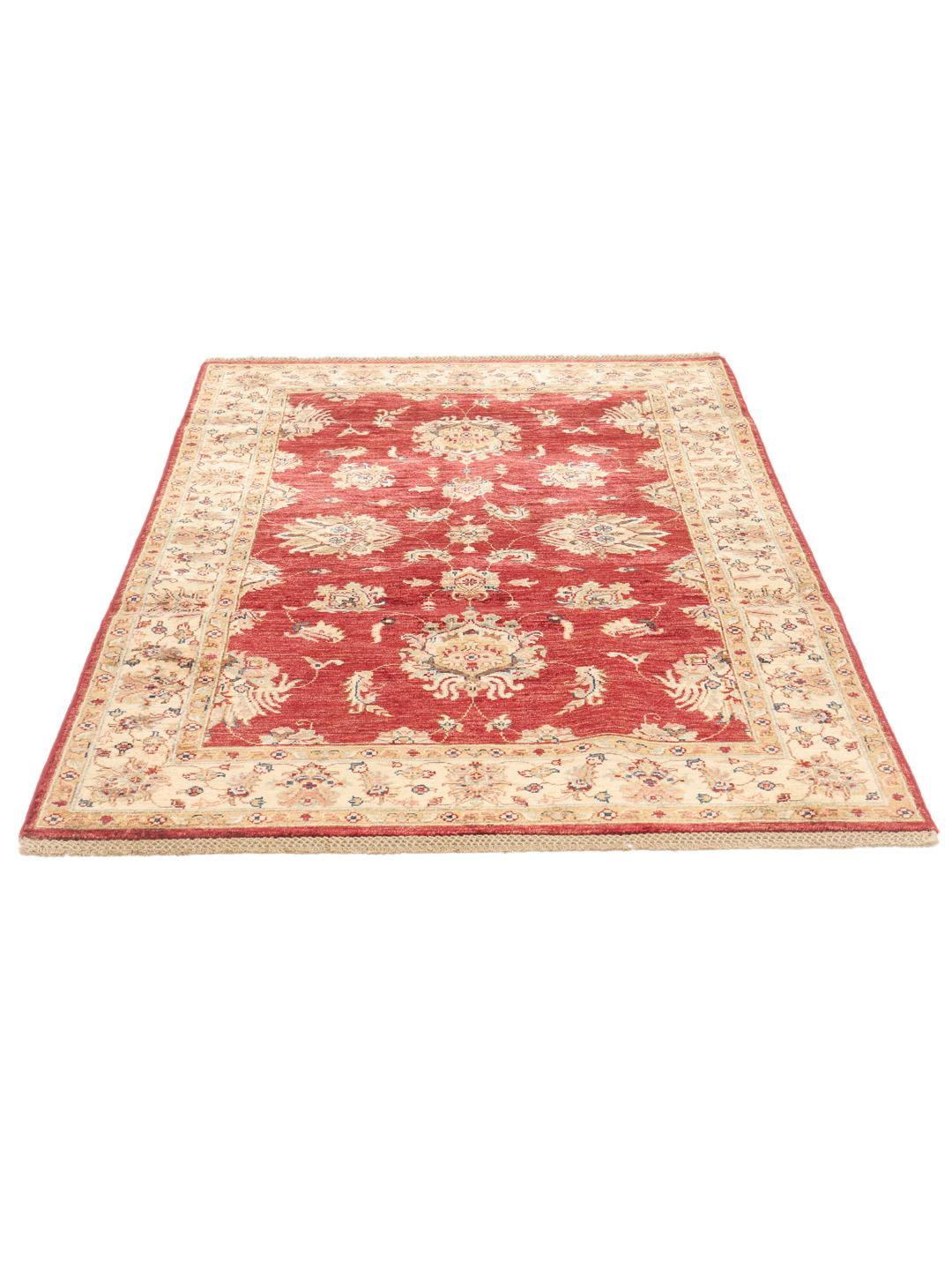
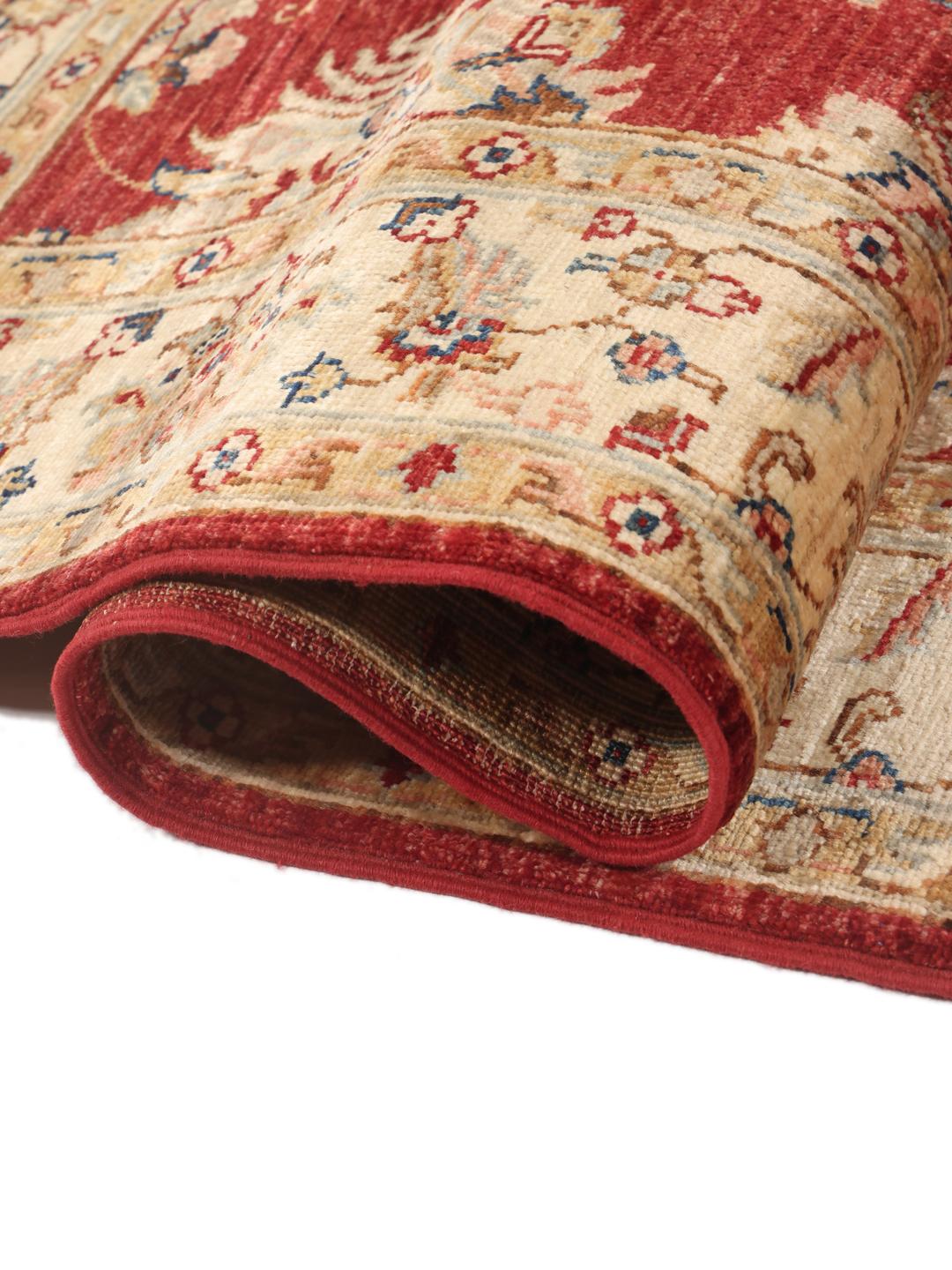
Visually, Ziegler rugs are celebrated for their sophisticated floral and vine-scroll patterns. They often feature a more spacious field than traditional nomadic rugs, allowing the motifs to breathe and creating a sense of balance. The border is usually a formal, decorative frame that anchors the central design, often echoing the floral elements found in the main field. This particular rug captures that classic look with its harmoniously arranged motifs and rich, warm tones.
Owning a hand-knotted rug is more than just a decorative choice, it is an investment in human skill and cultural heritage. These pieces are valued by collectors and homeowners alike for the way they bridge the gap between ancient craft and modern living. By choosing a hand-knotted piece, you are supporting a lineage of artistry that prioritises quality, patience, and the preservation of traditional skills that have been passed down through generations.