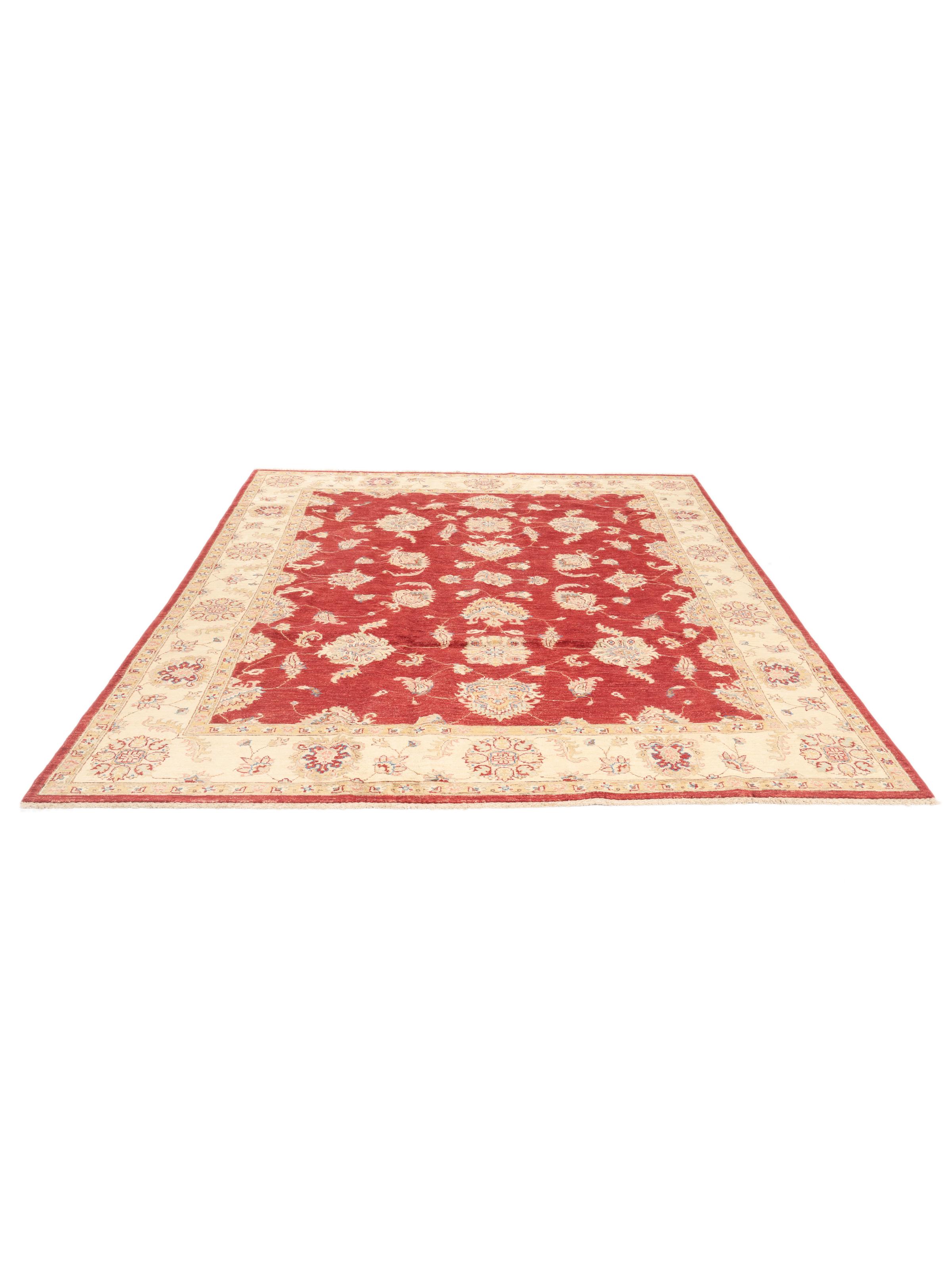
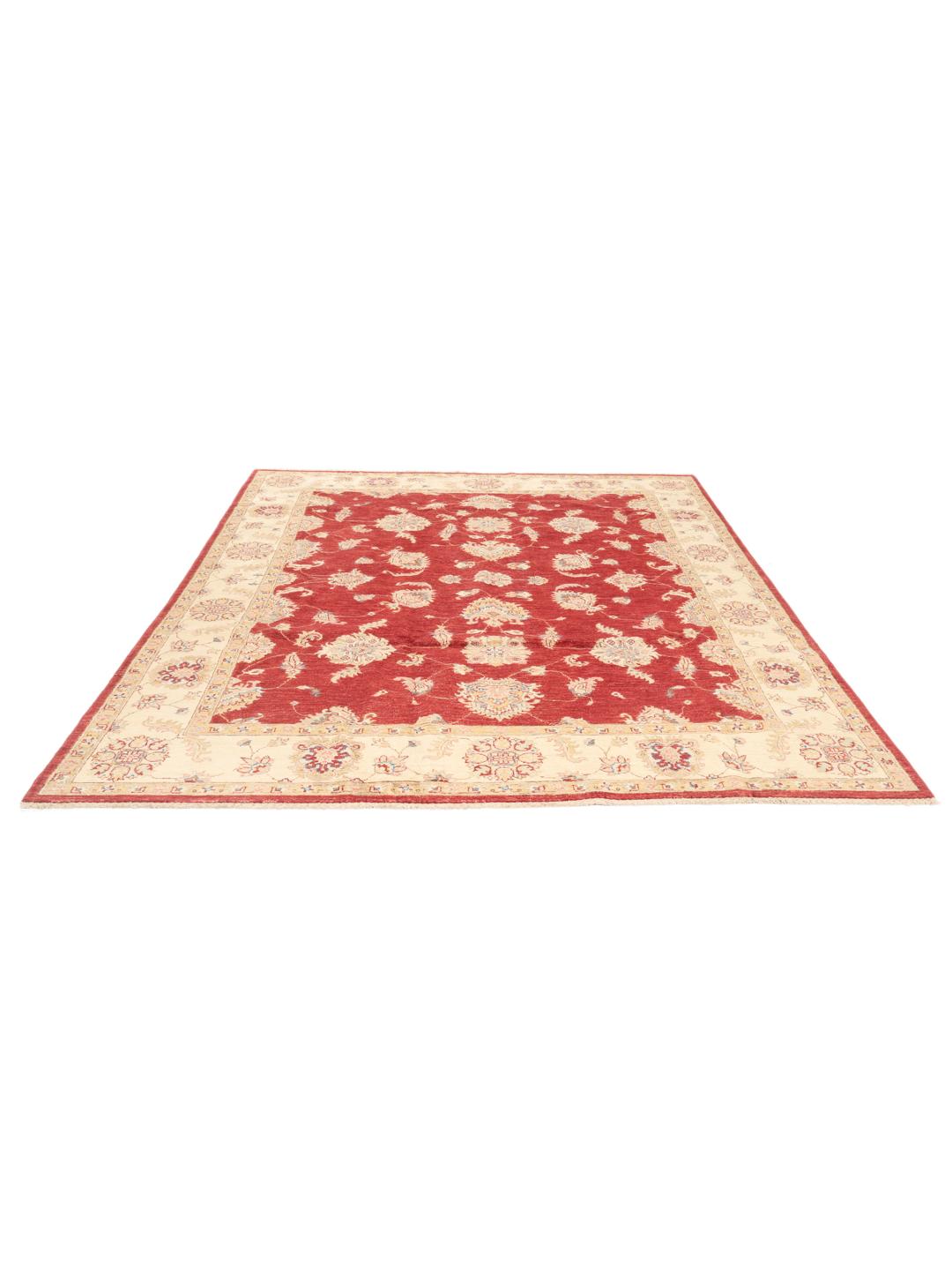
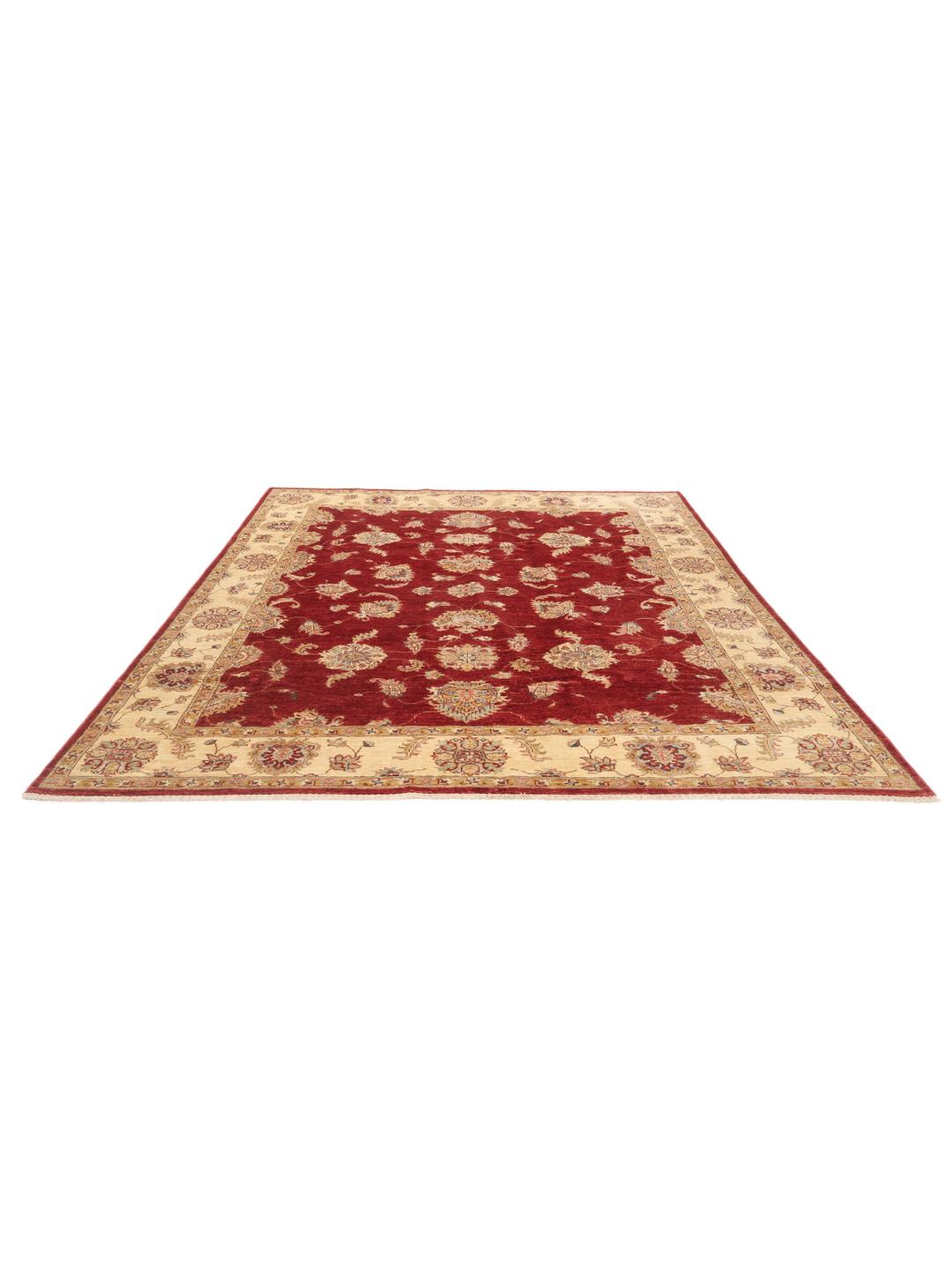
The Ziegler tradition is a fascinating chapter in the story of regional weaving, originating from a 19th-century initiative to bring Middle Eastern rug-making styles to a Western audience. While the designs were inspired by classic patterns, they were specifically adapted to feature softer, more muted colour palettes and more open, spacious compositions that appealed to European aesthetic sensibilities of the time.
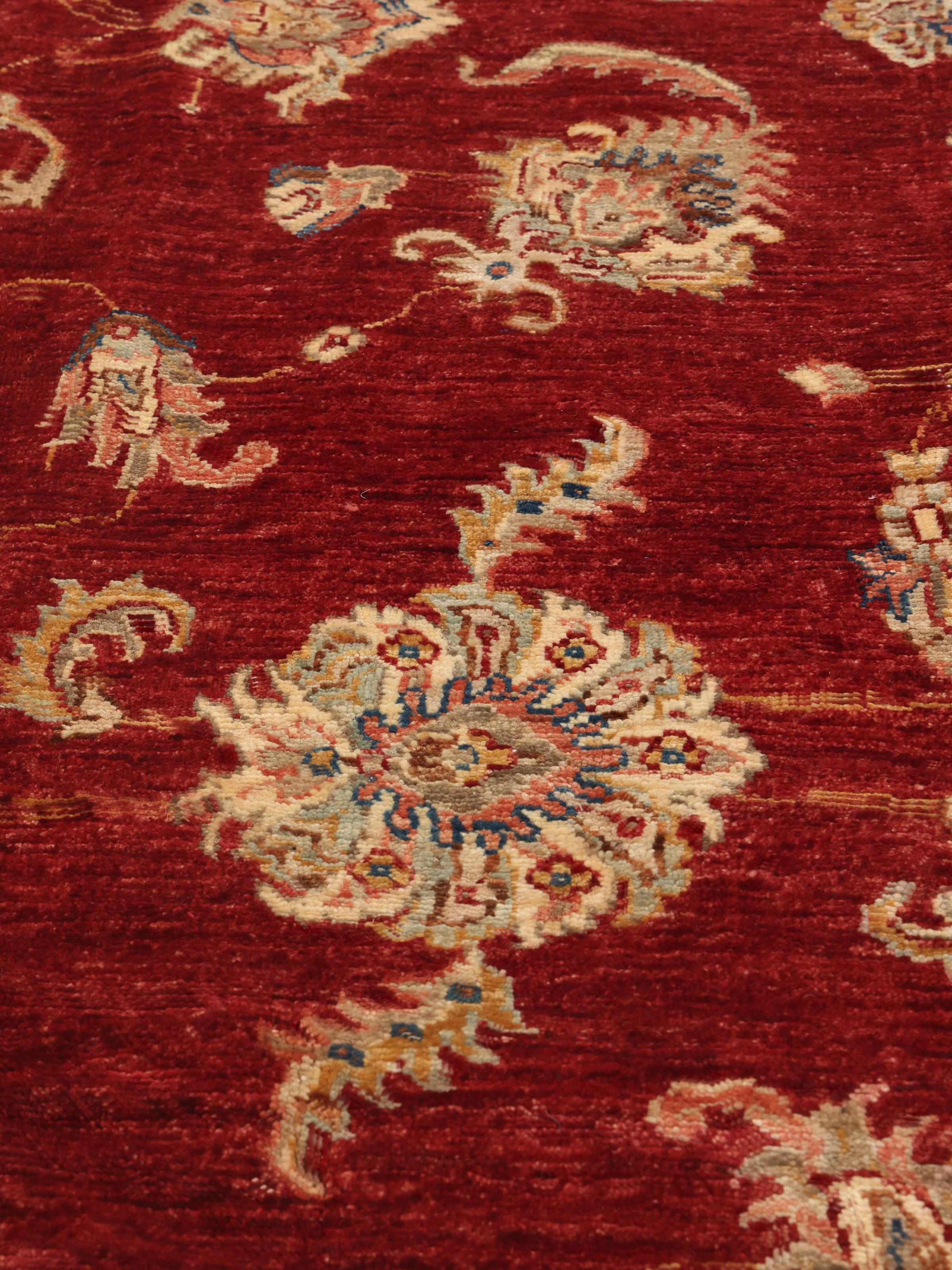
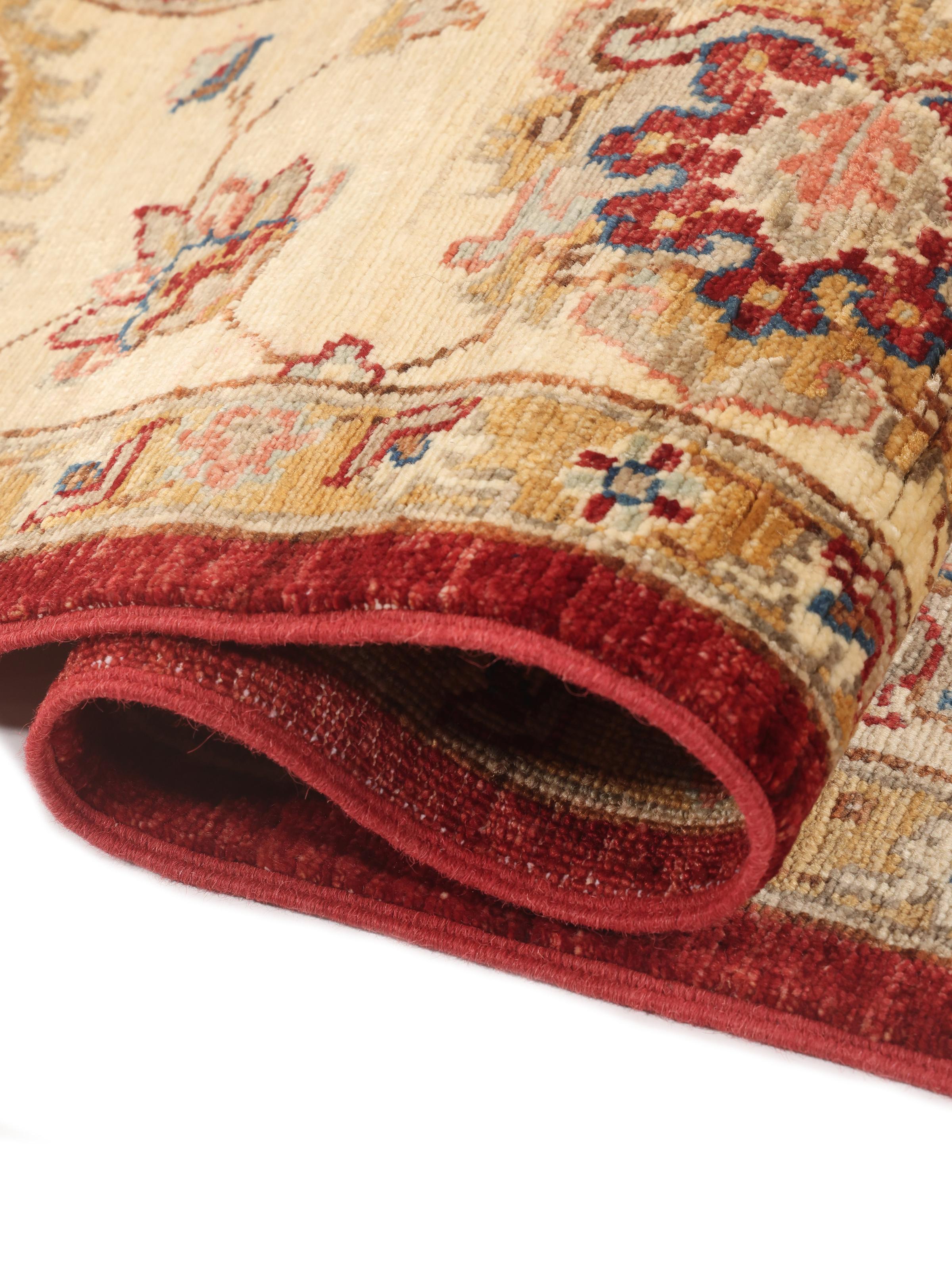
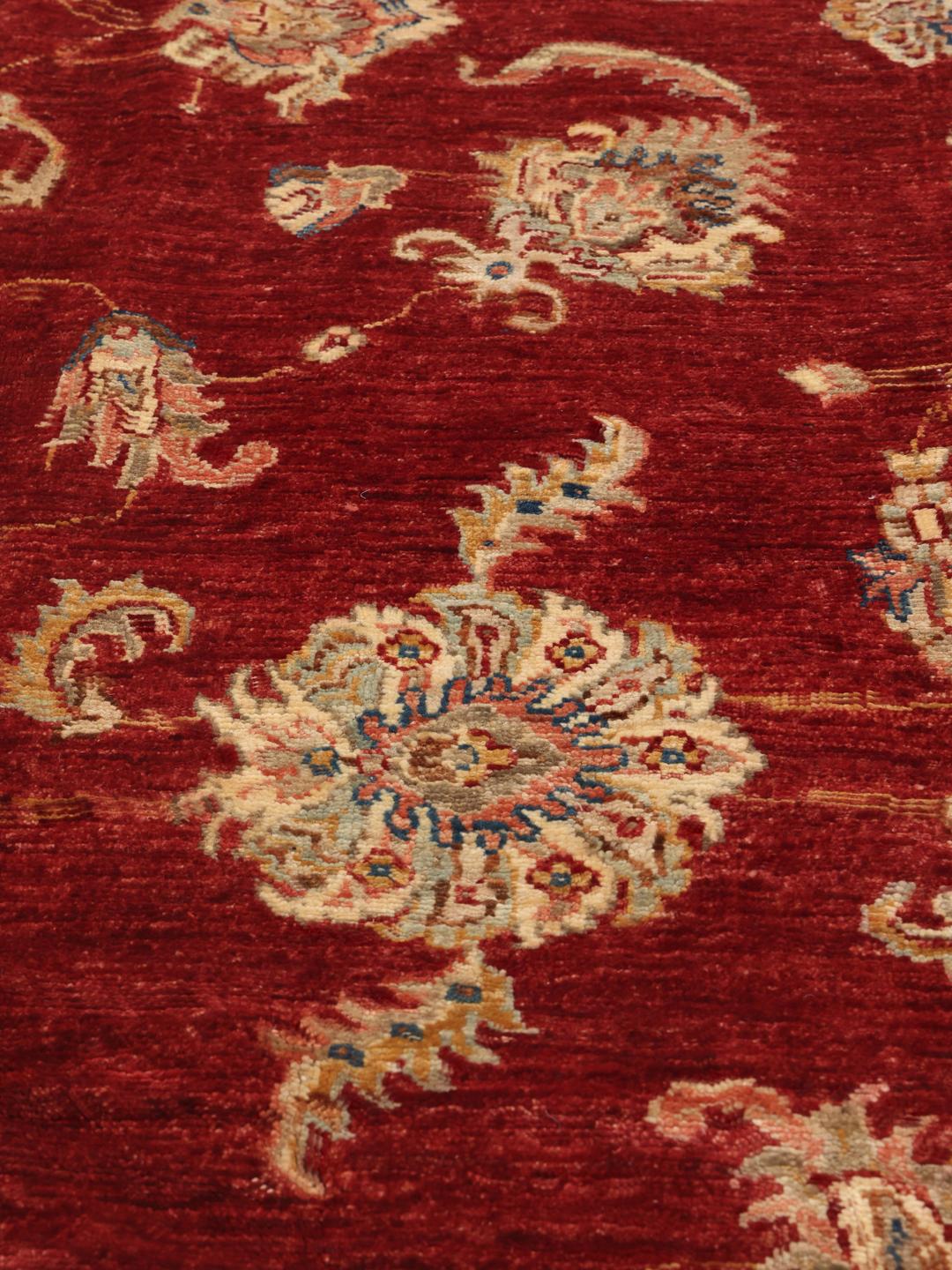
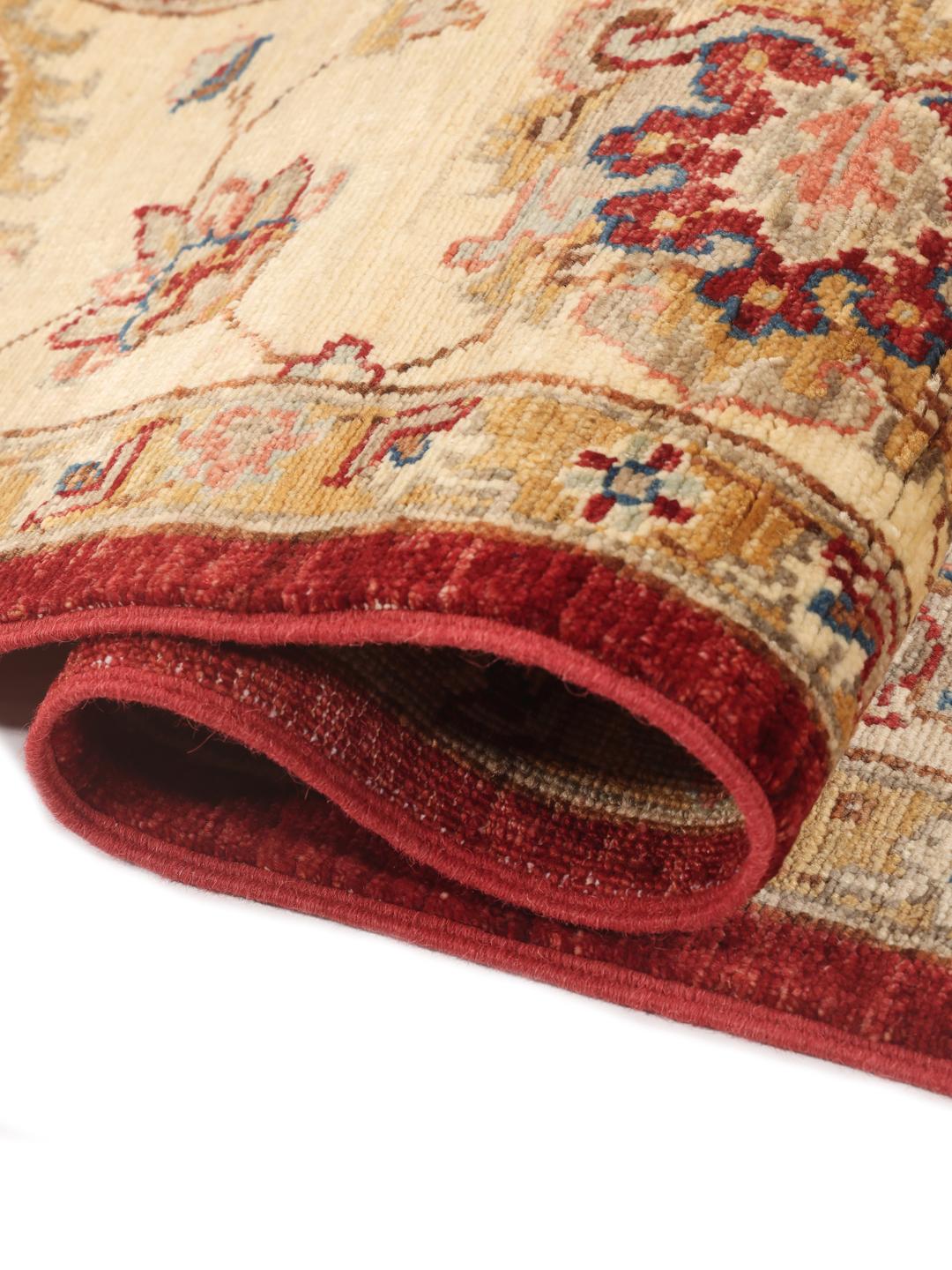
These rugs are defined by their unique construction, which often utilises a high-quality wool pile. The wool is carefully sourced and processed to ensure a soft, lustrous finish that captures light beautifully. This specific approach to material selection is what gives the rugs their characteristic depth and makes them so pleasant to live with, as they age gracefully and develop even more character over time.
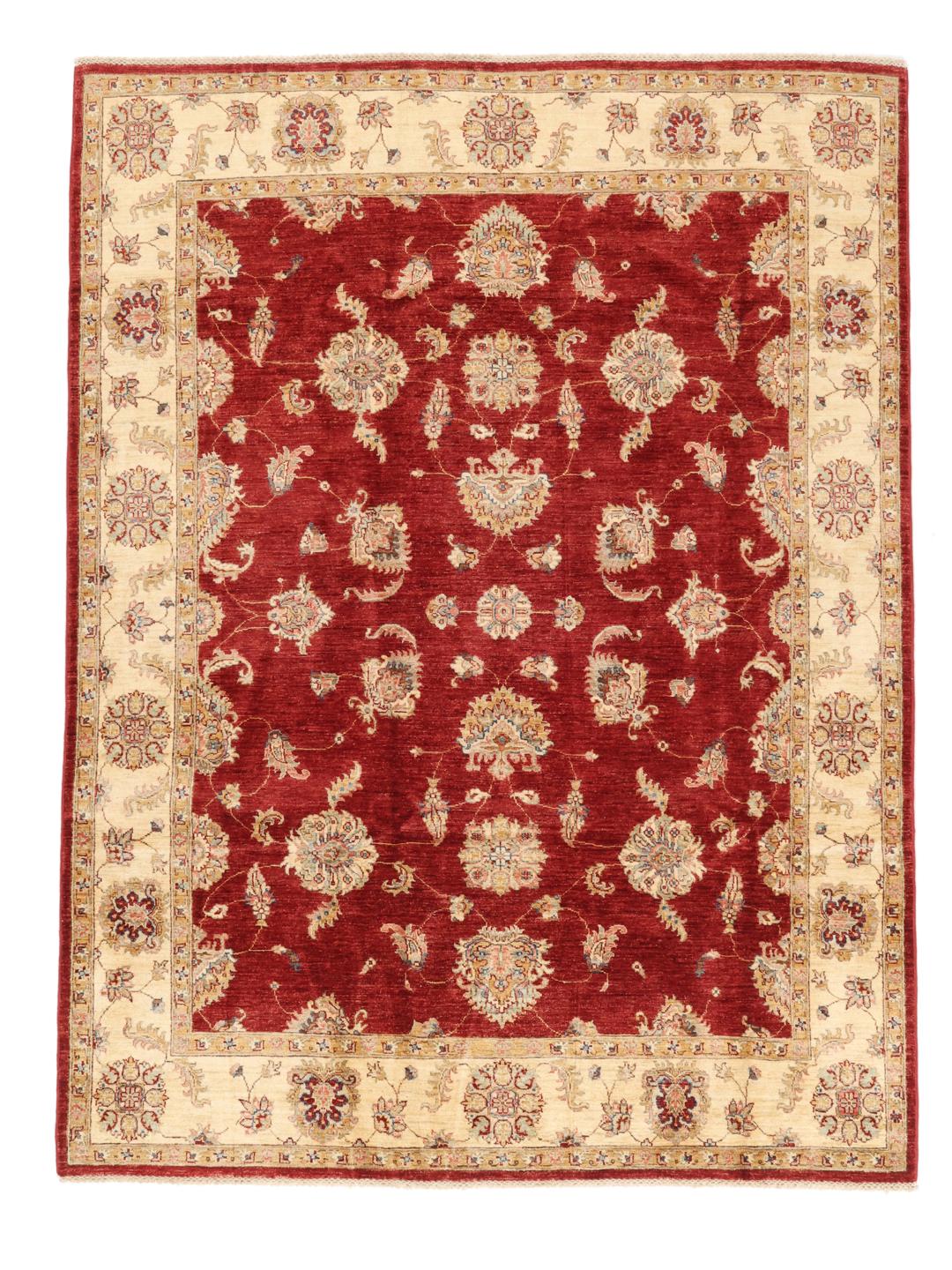
Visually, the Ziegler style is recognised by its large-scale floral motifs, vines, and palmettes, which are typically spread across the field in a balanced, rhythmic layout. The borders are often formal and wide, framing the central design with repeating geometric or floral elements that provide a sense of structure. This particular rug honours those traditions while showcasing the distinct hand of the Afghan weavers who continue this craft today.
Collecting a Ziegler rug is more than just a design choice; it is an appreciation for a tradition that bridges cultures and generations. Because each rug is created by hand, it embodies the specific skill and creative choices of the individual weaver, making it a valuable piece of cultural heritage. Owning one offers a connection to a centuries-old craft that continues to be celebrated for its enduring quality and artistic depth.