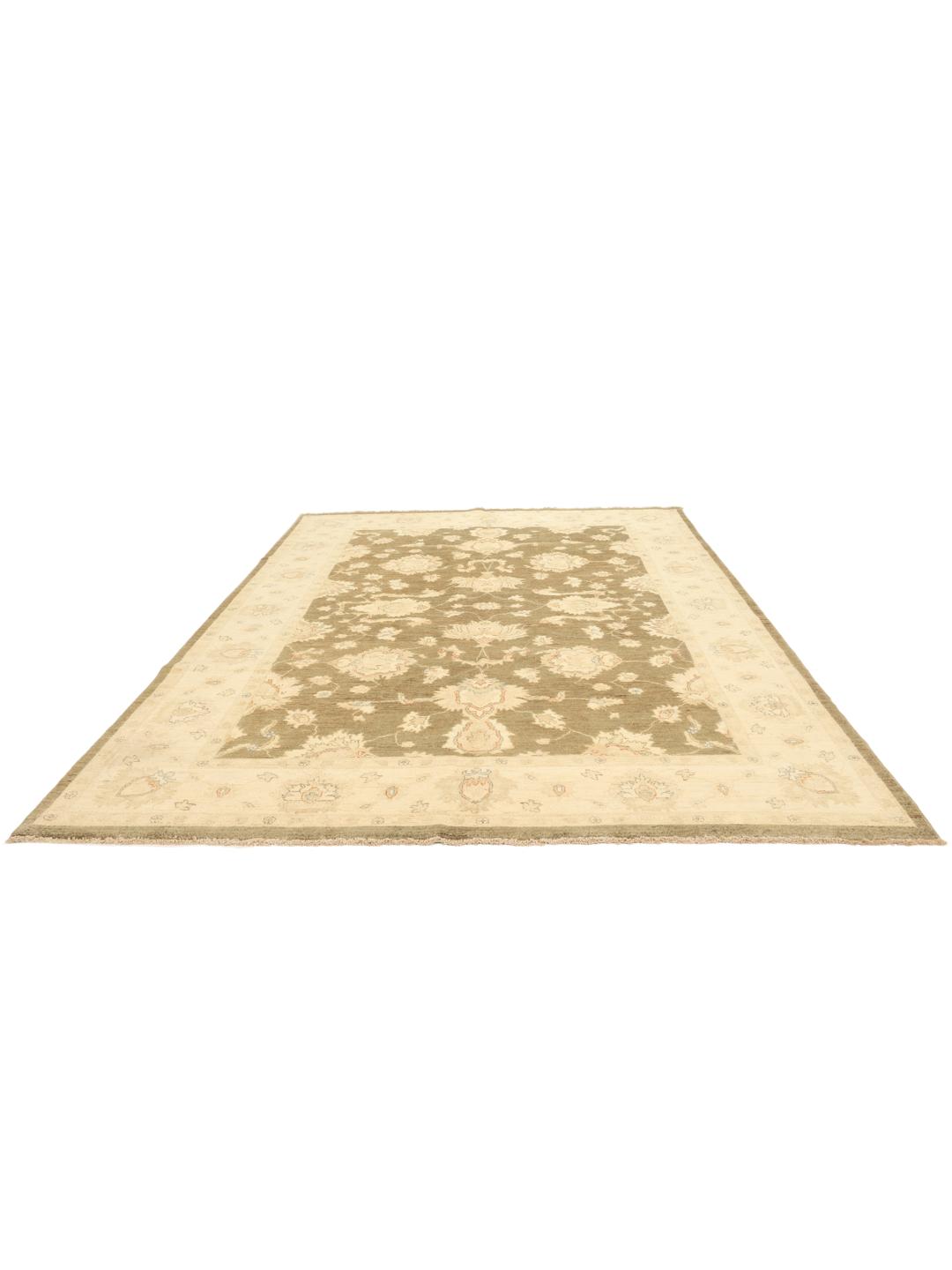
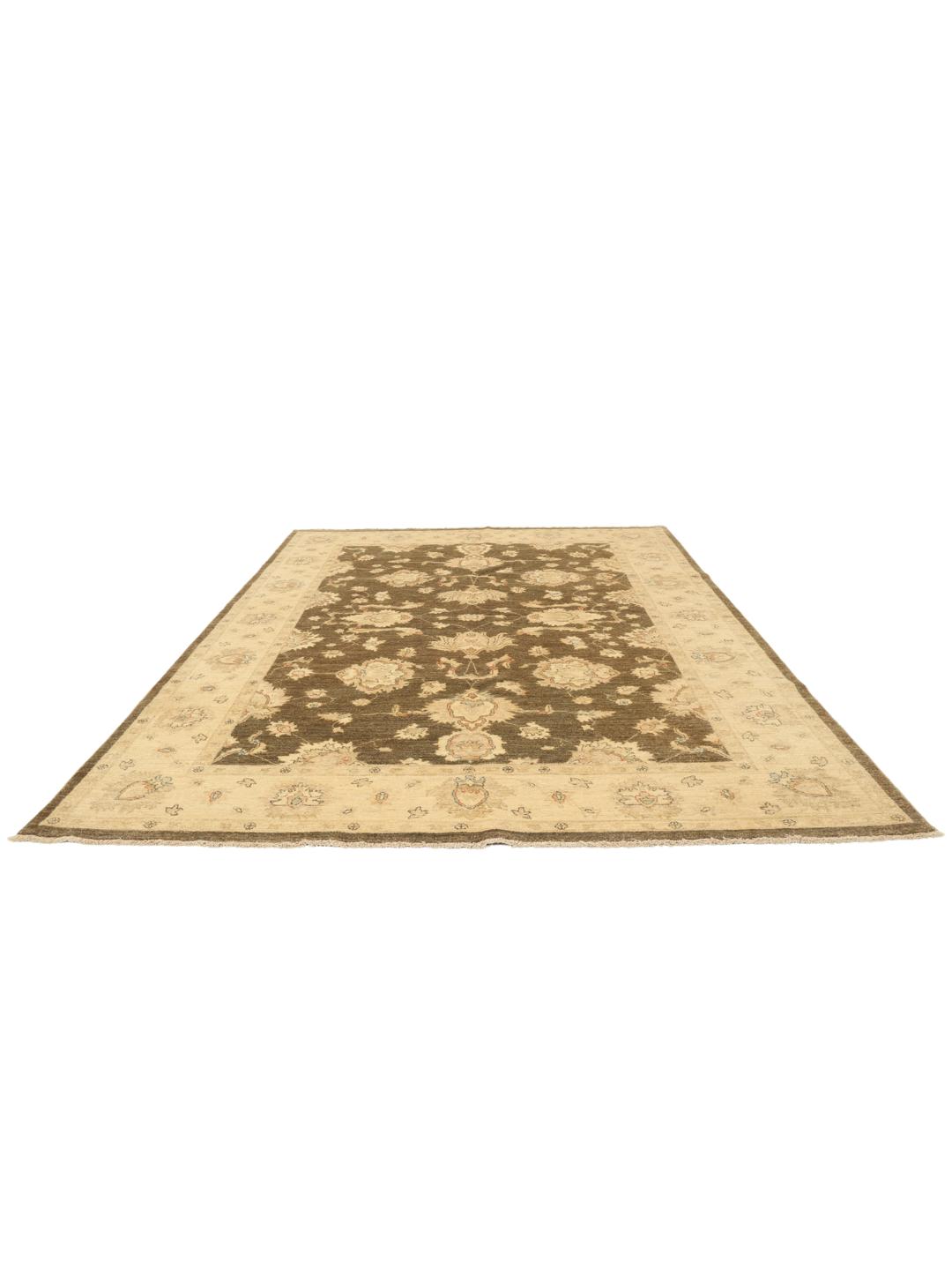
Ziegler rugs trace their origins back to the late 19th century when the Swiss-German firm Ziegler & Co. established weaving operations in the Middle East. Seeking to create floor coverings that would appeal to Western tastes, they commissioned local artisans to produce designs that were slightly more open and simplified than traditional, highly complex patterns. This evolution helped adapt age-old weaving traditions for a new audience while maintaining the integrity of the craft.
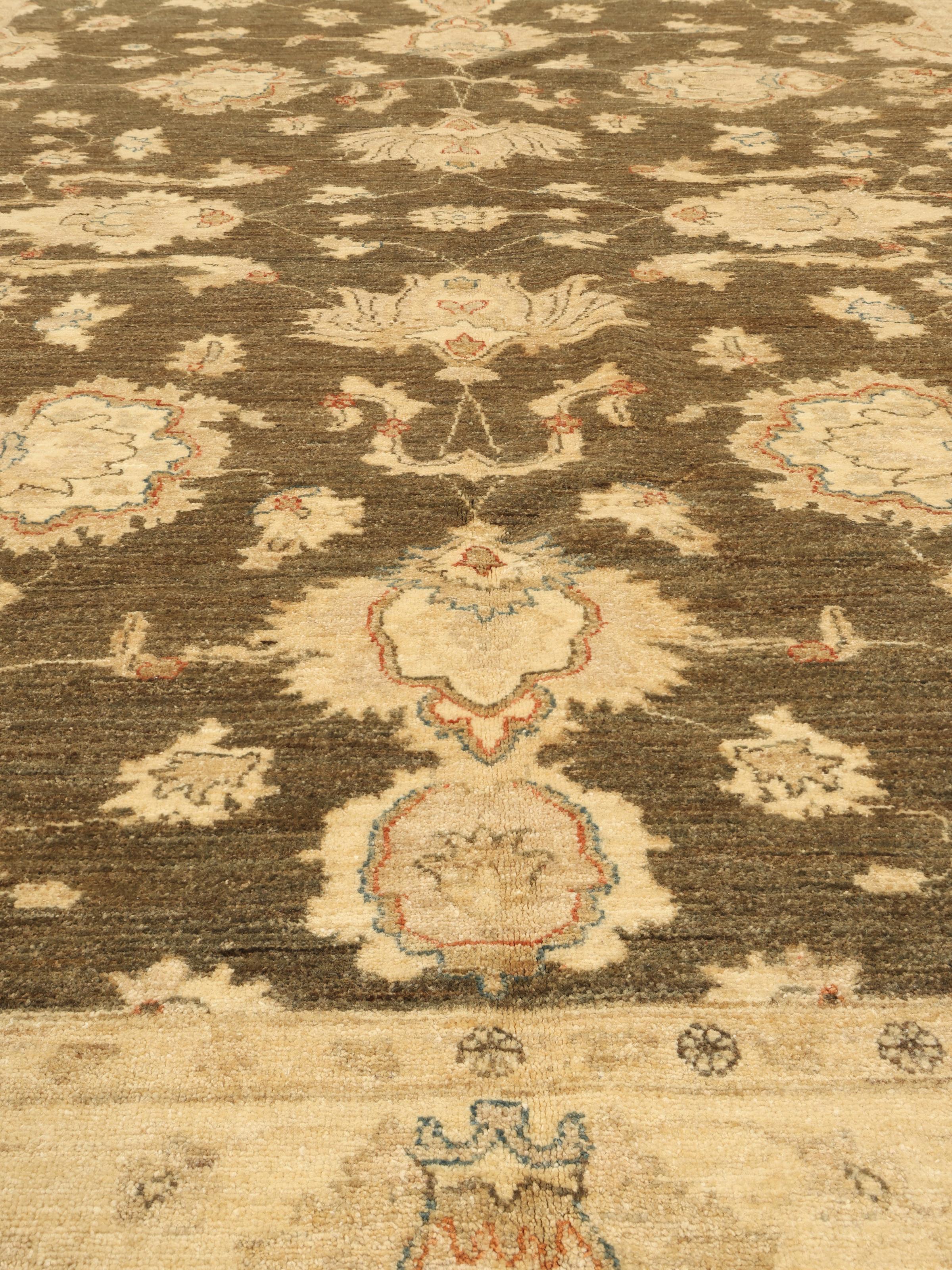
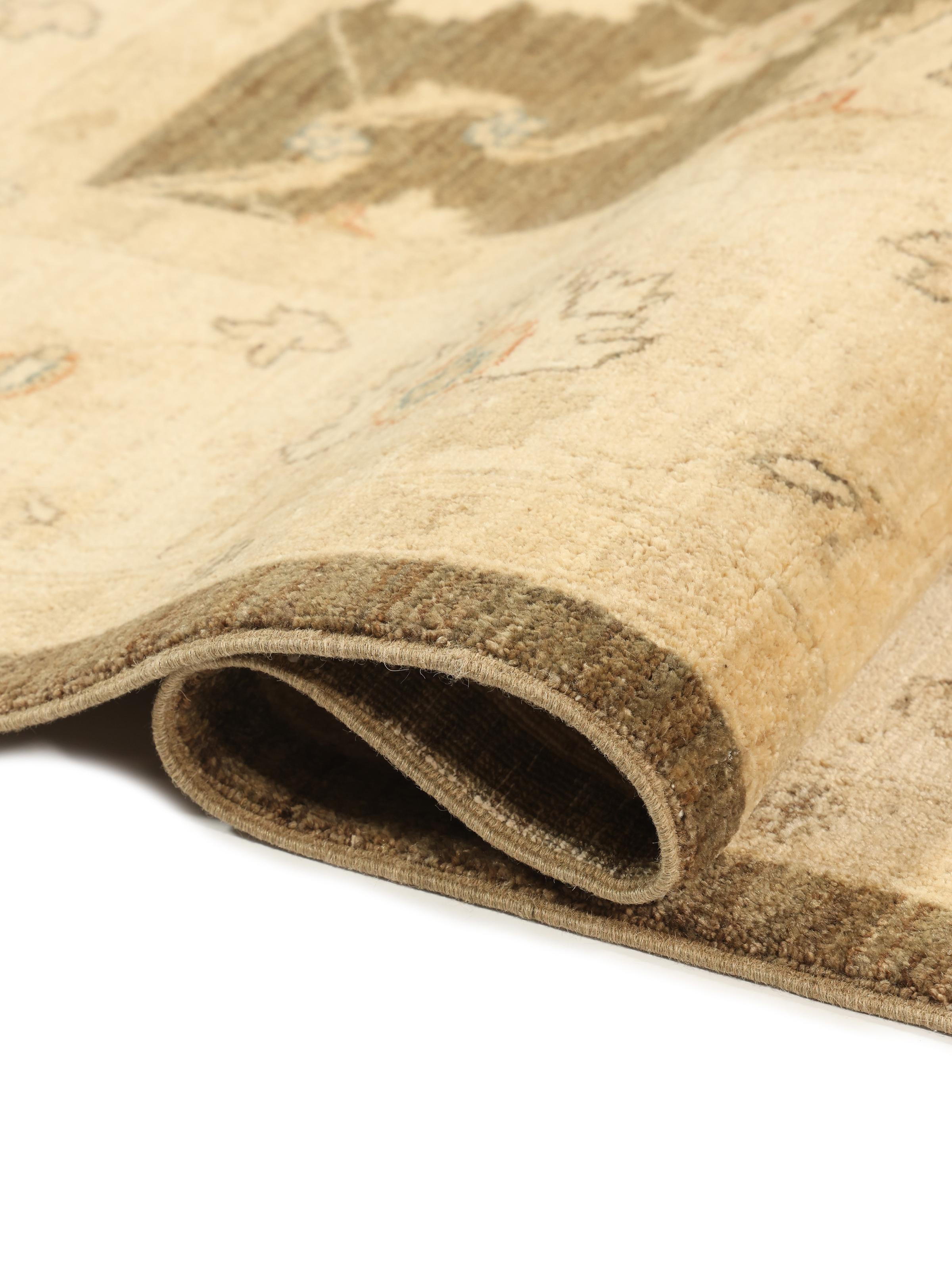
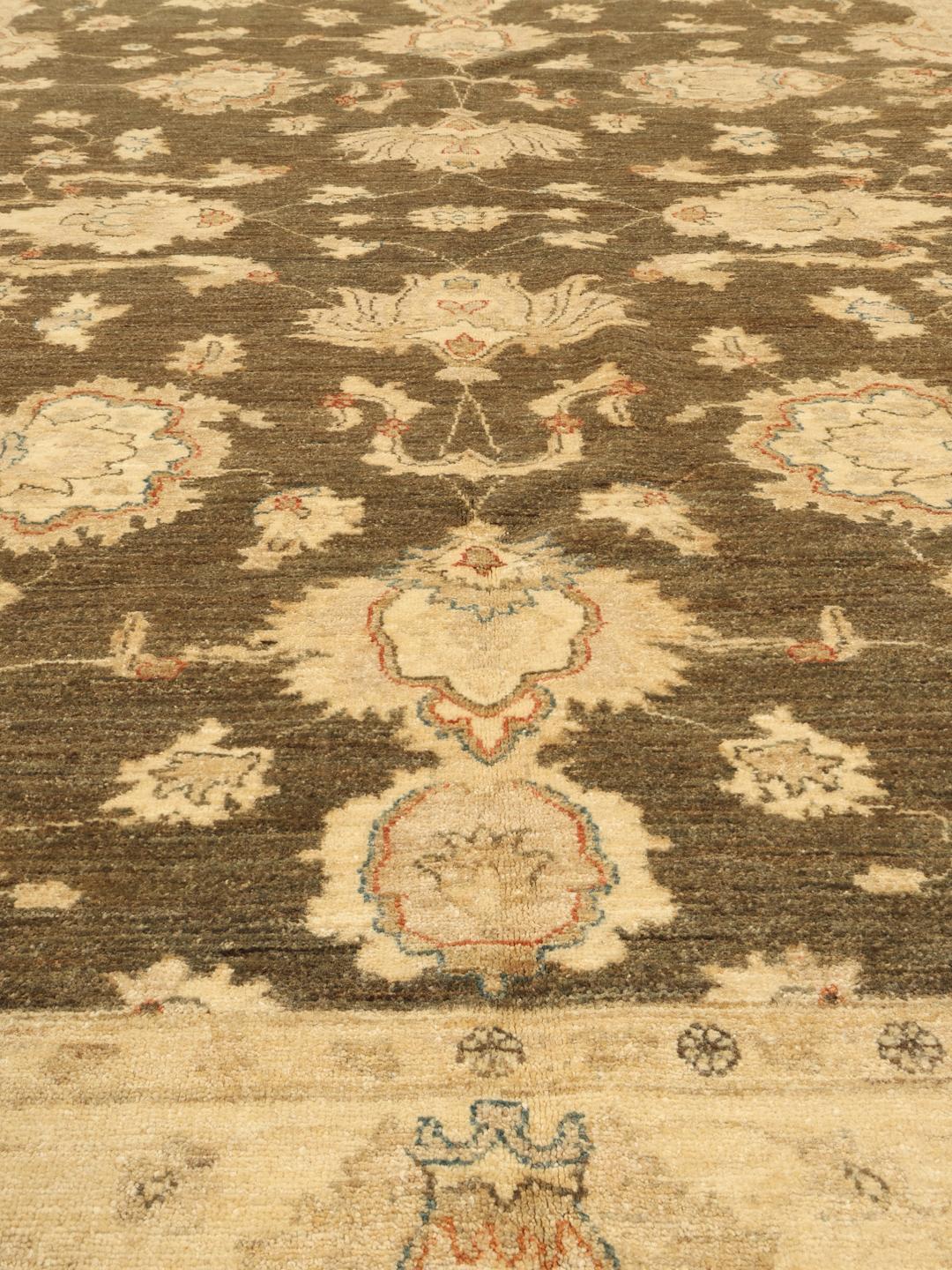
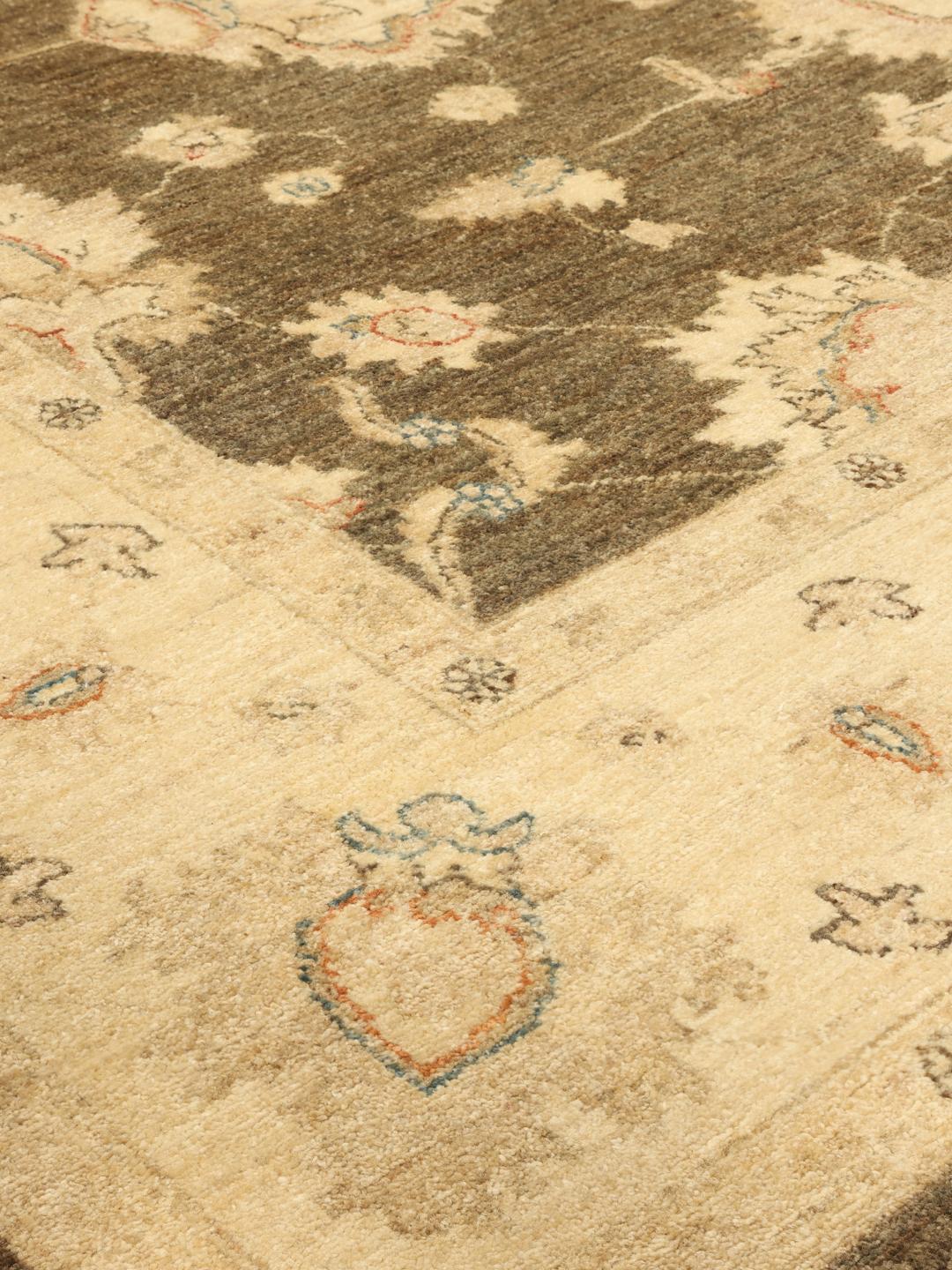
The term 'Ziegler' has since become synonymous with a specific aesthetic that values a slightly distressed, antique appearance. This is achieved through the use of high-quality wool and traditional hand-dyeing methods, which create subtle variations in tone across the rug's surface. These nuances are highly prized by collectors, as they lend the piece a sense of lived-in history and character from the very first day it arrives in your home.
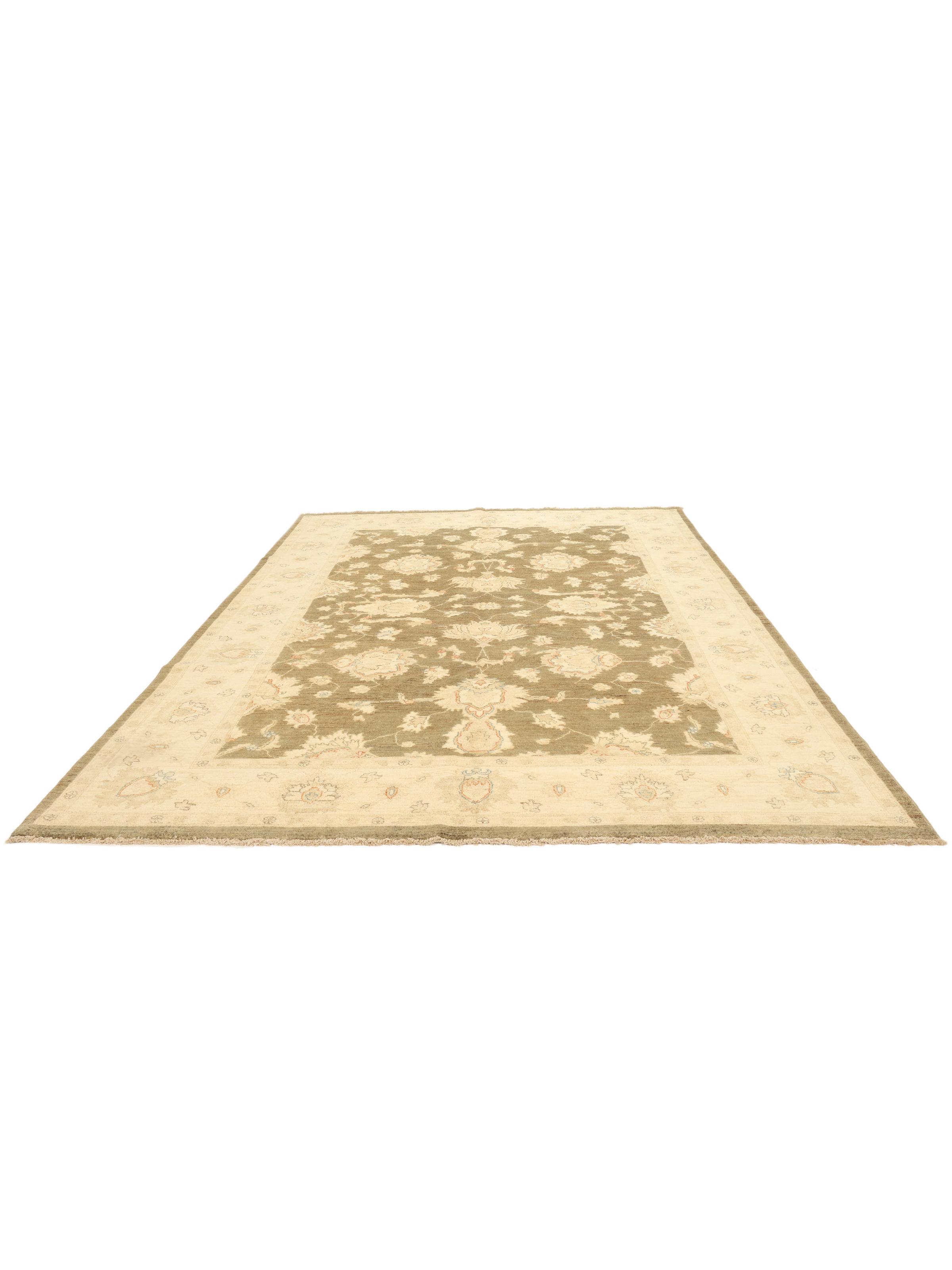
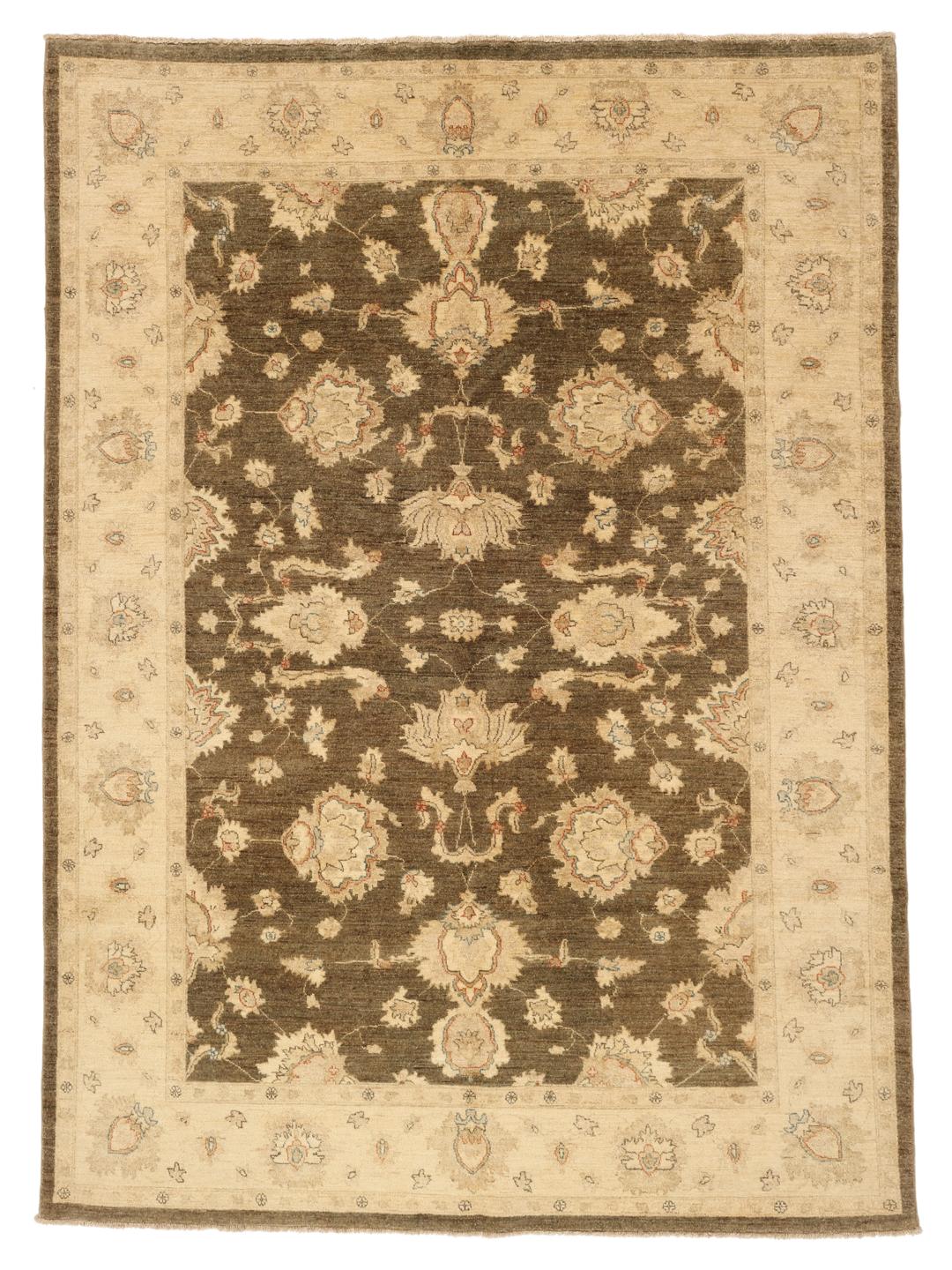
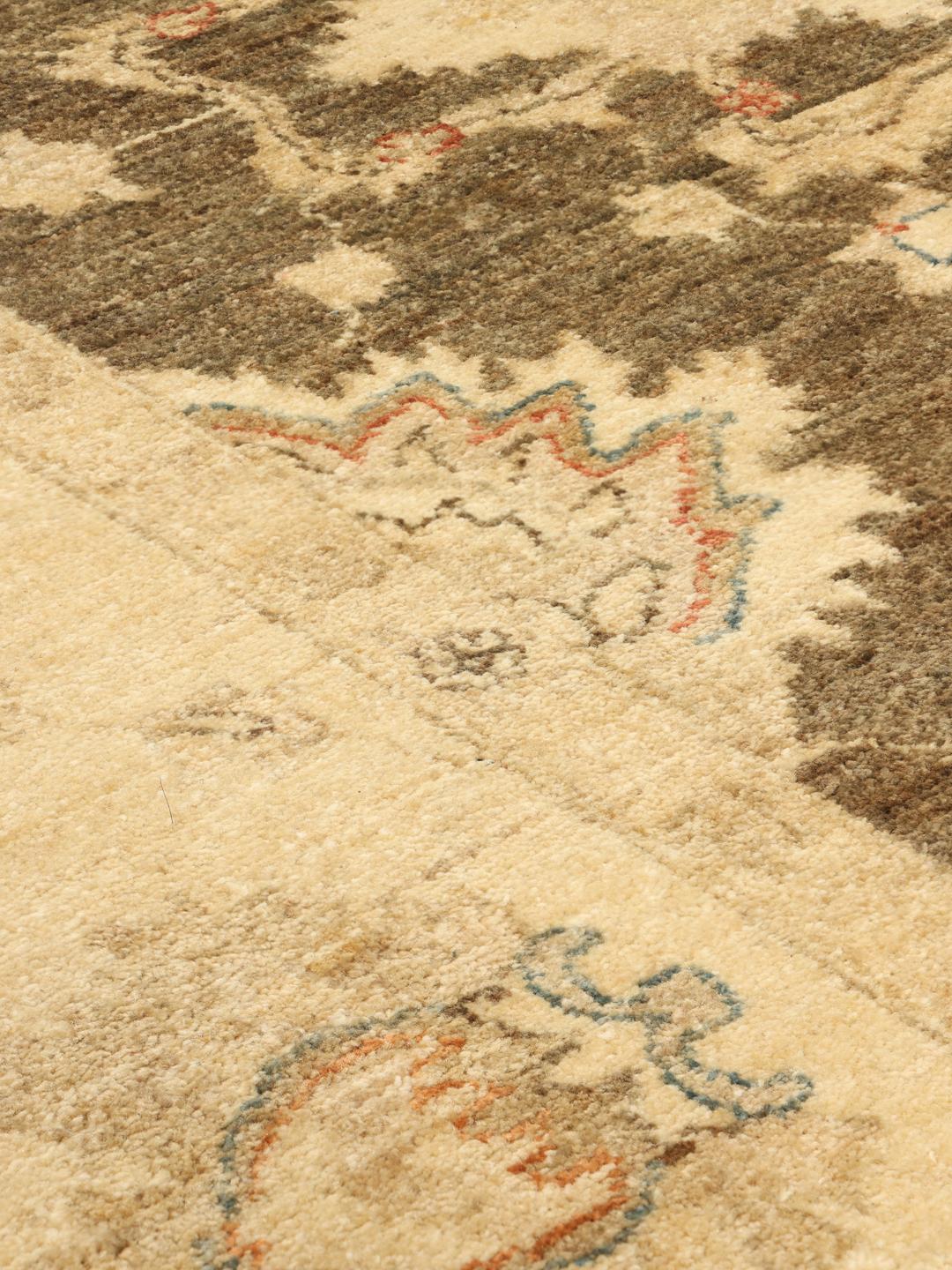
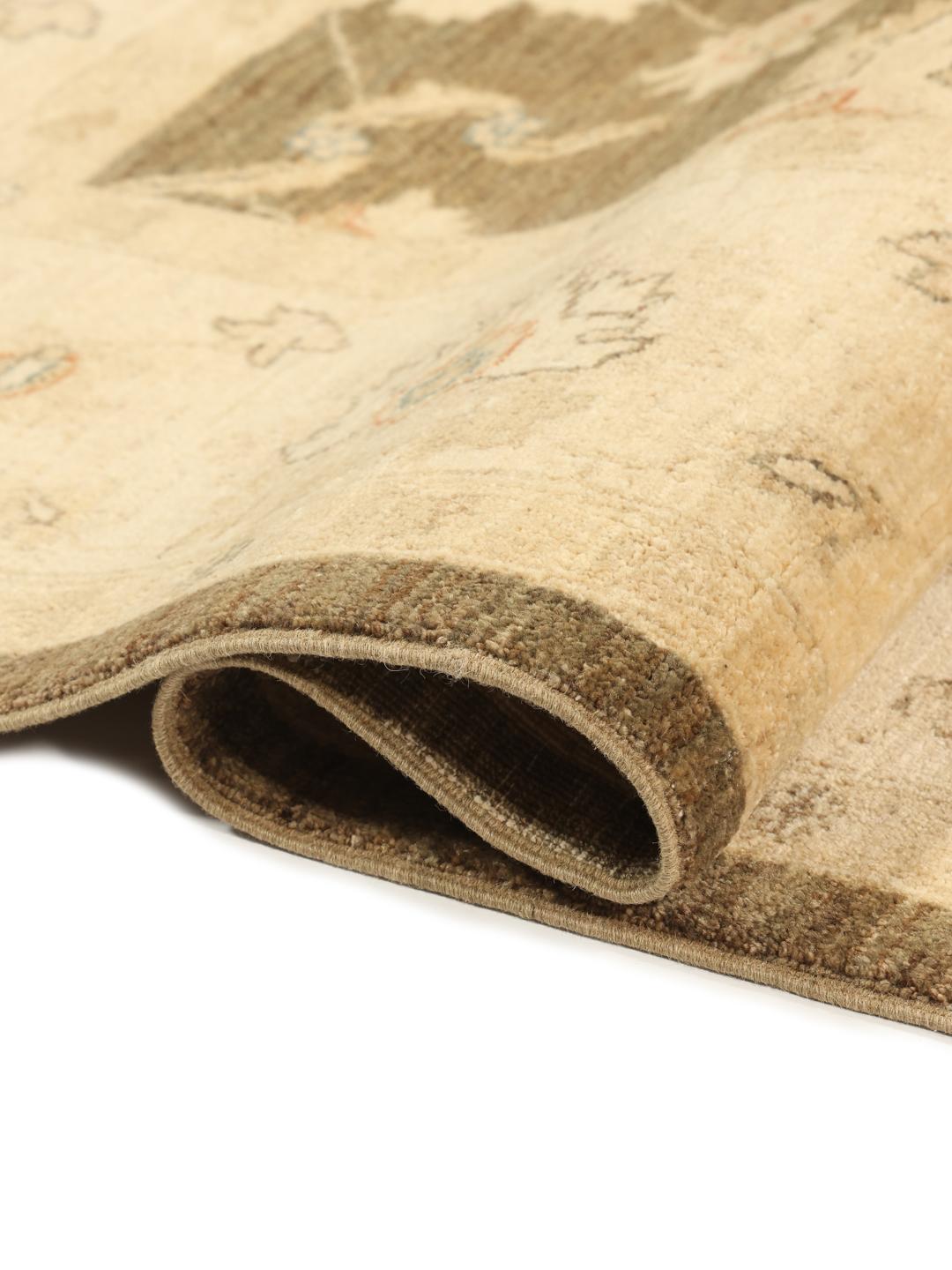
Visually, these rugs are defined by their grand, sweeping floral motifs and spacious compositions. Unlike the dense, all-over patterns found in some other regional styles, Ziegler designs often feature a clear, elegant layout of blossoms and vines, framed by wide, beautifully detailed borders. The colour palette typically leans toward warm, earthy tones like brown, beige, and terracotta, which makes them incredibly versatile in diverse home settings.
Collecting a Ziegler rug is an investment in a rich cultural legacy. By choosing a piece crafted in Afghanistan, you are supporting a tradition that has been passed down through generations of master weavers. These rugs are valued not only for their aesthetic beauty but for the immense skill required to produce them, ensuring that they remain timeless centerpieces that celebrate the enduring human spirit behind the loom.