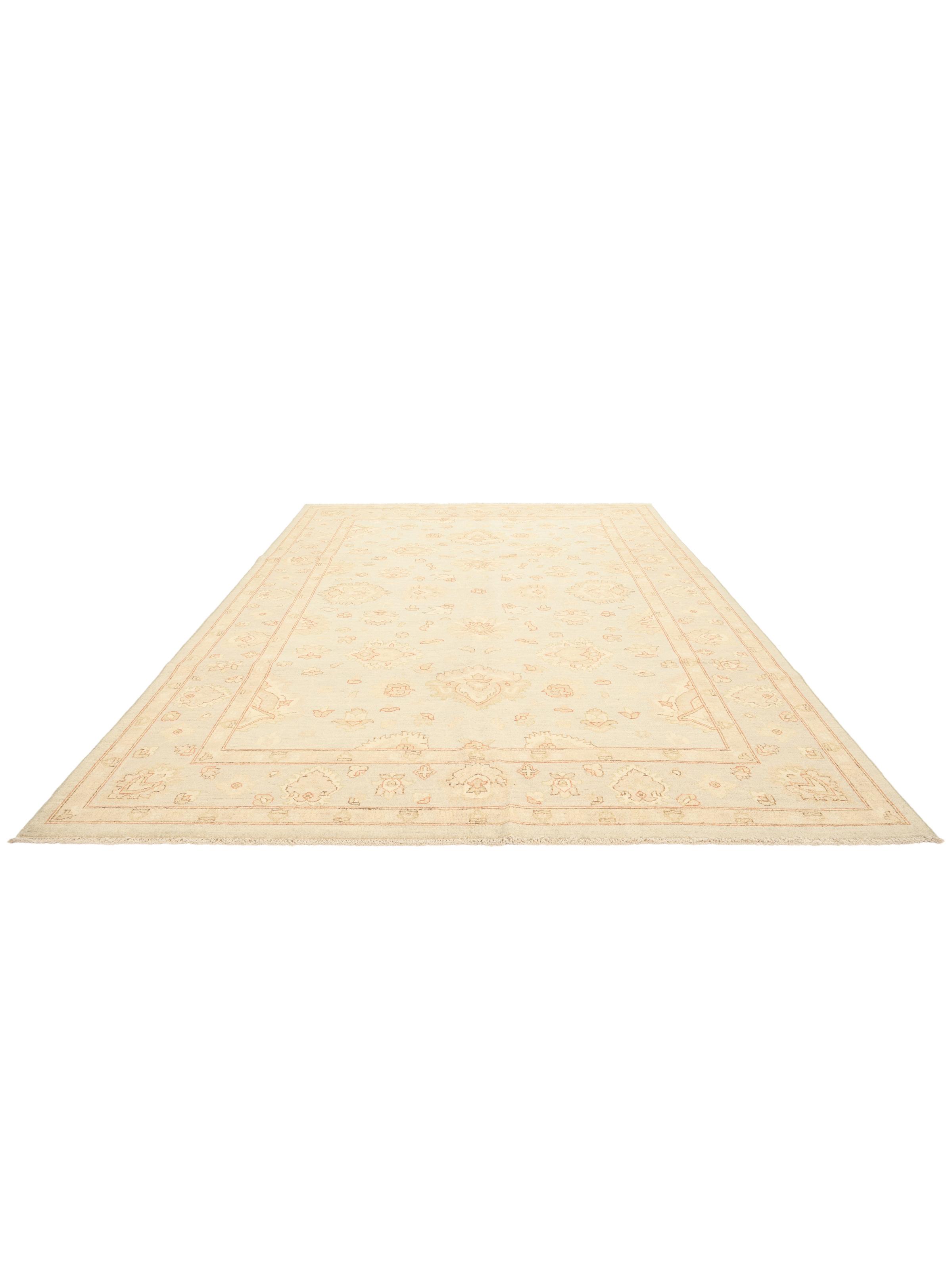
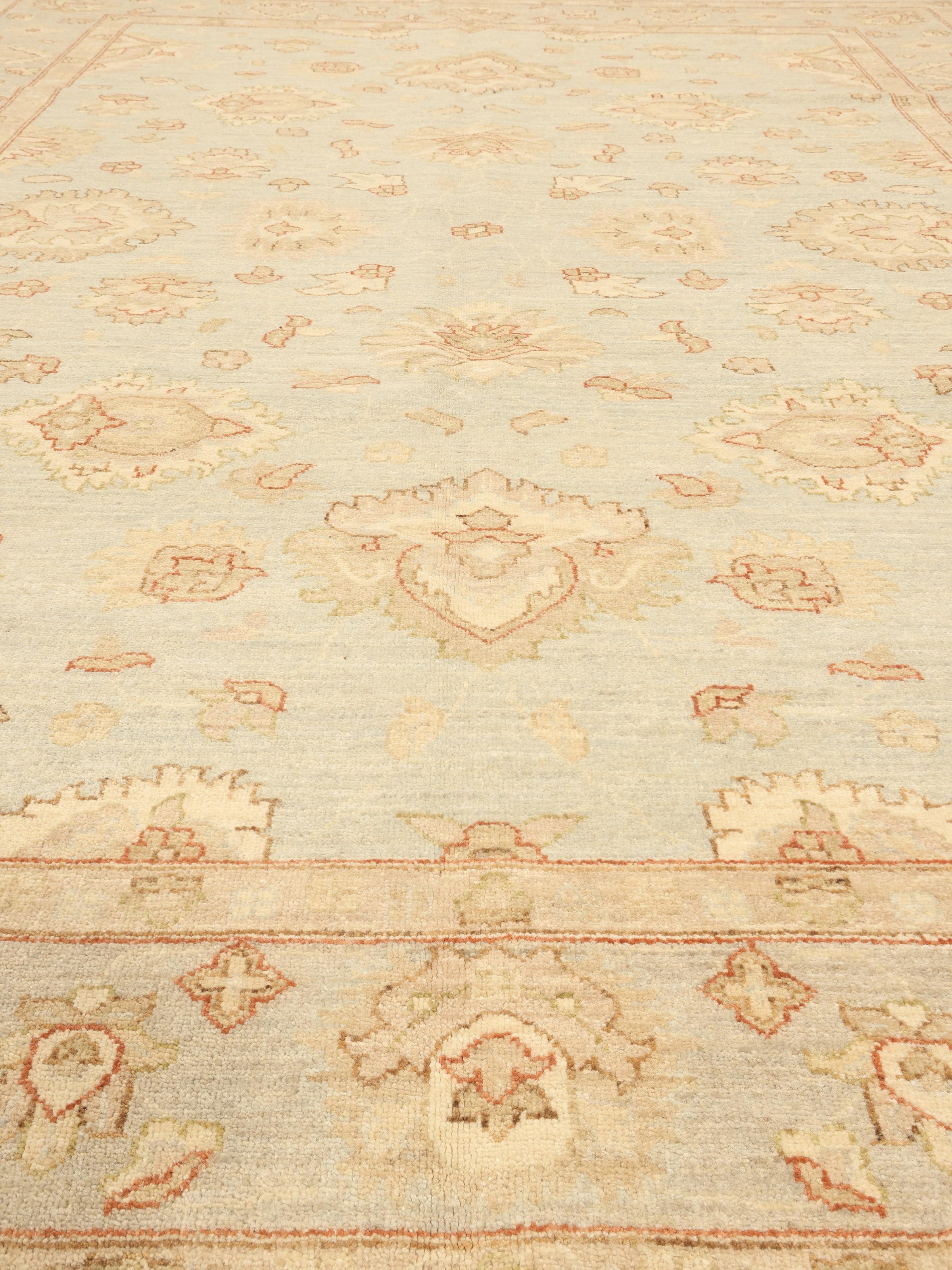
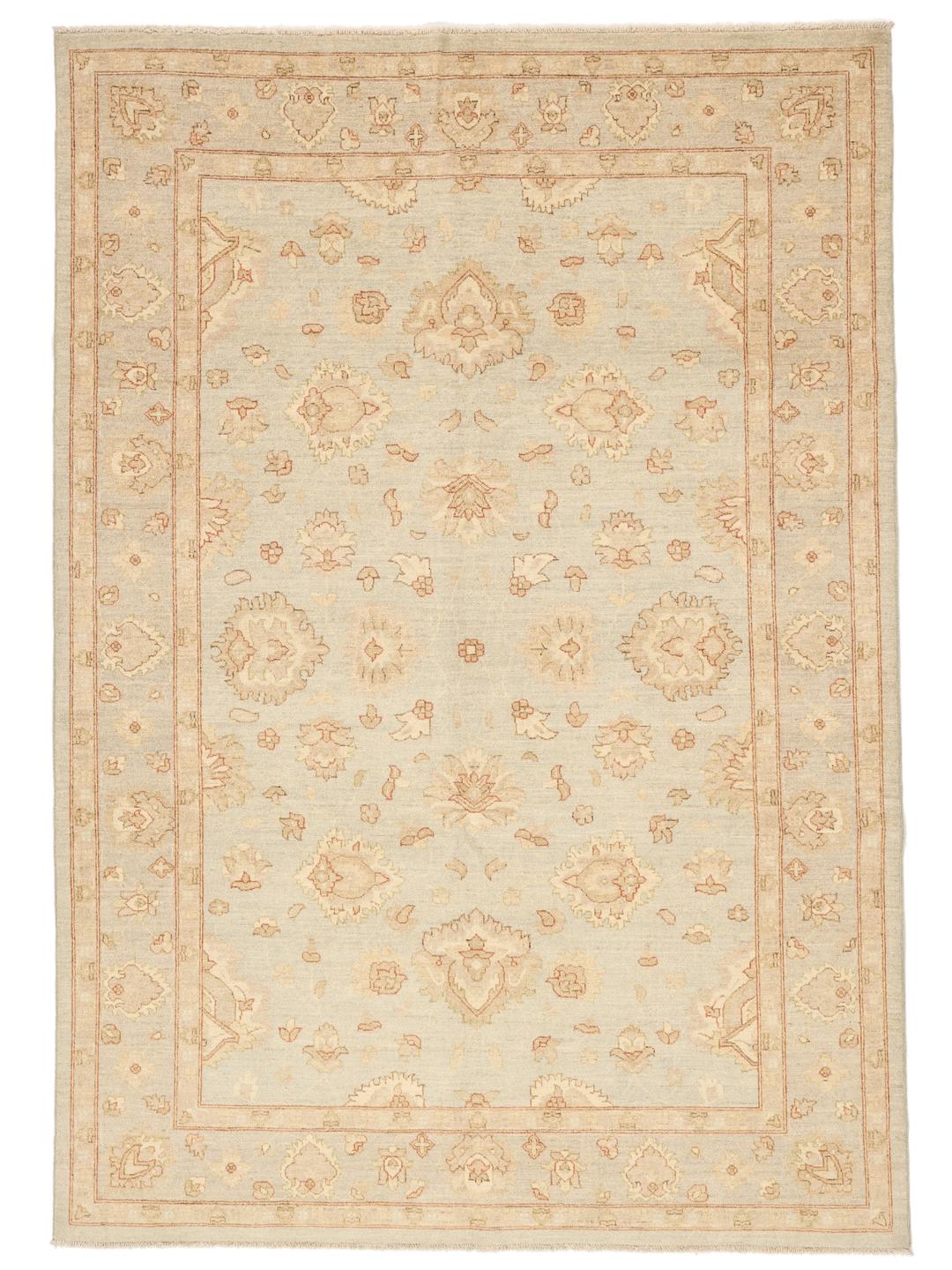
Ziegler rugs trace their origins to the late 19th century when the Swiss firm Ziegler & Co. established production in the Middle East. They sought to create rugs that appealed specifically to Western tastes by utilising softer, more muted colour palettes and larger, more open floral designs compared to the denser, more vibrant styles traditional to the region.
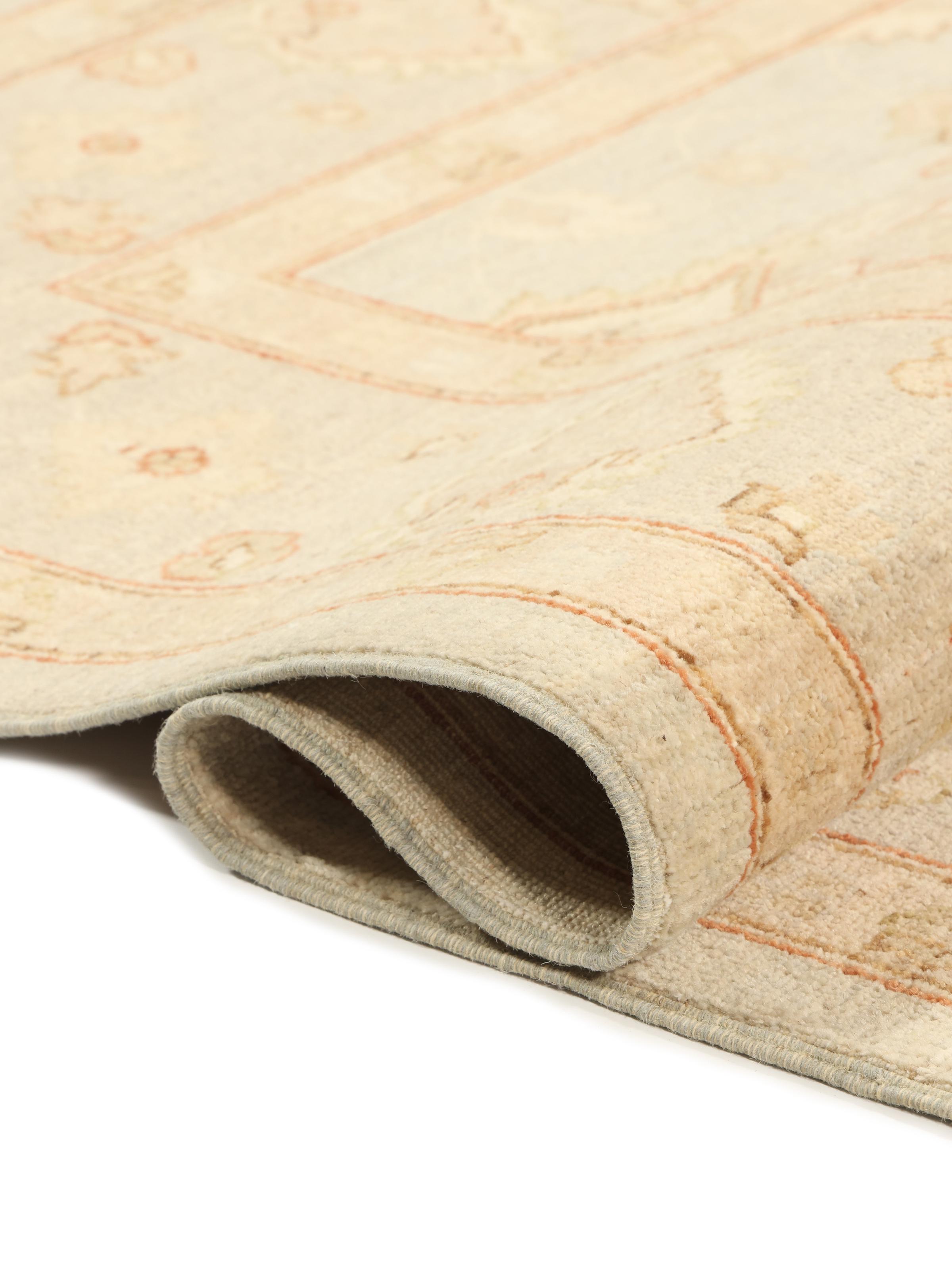
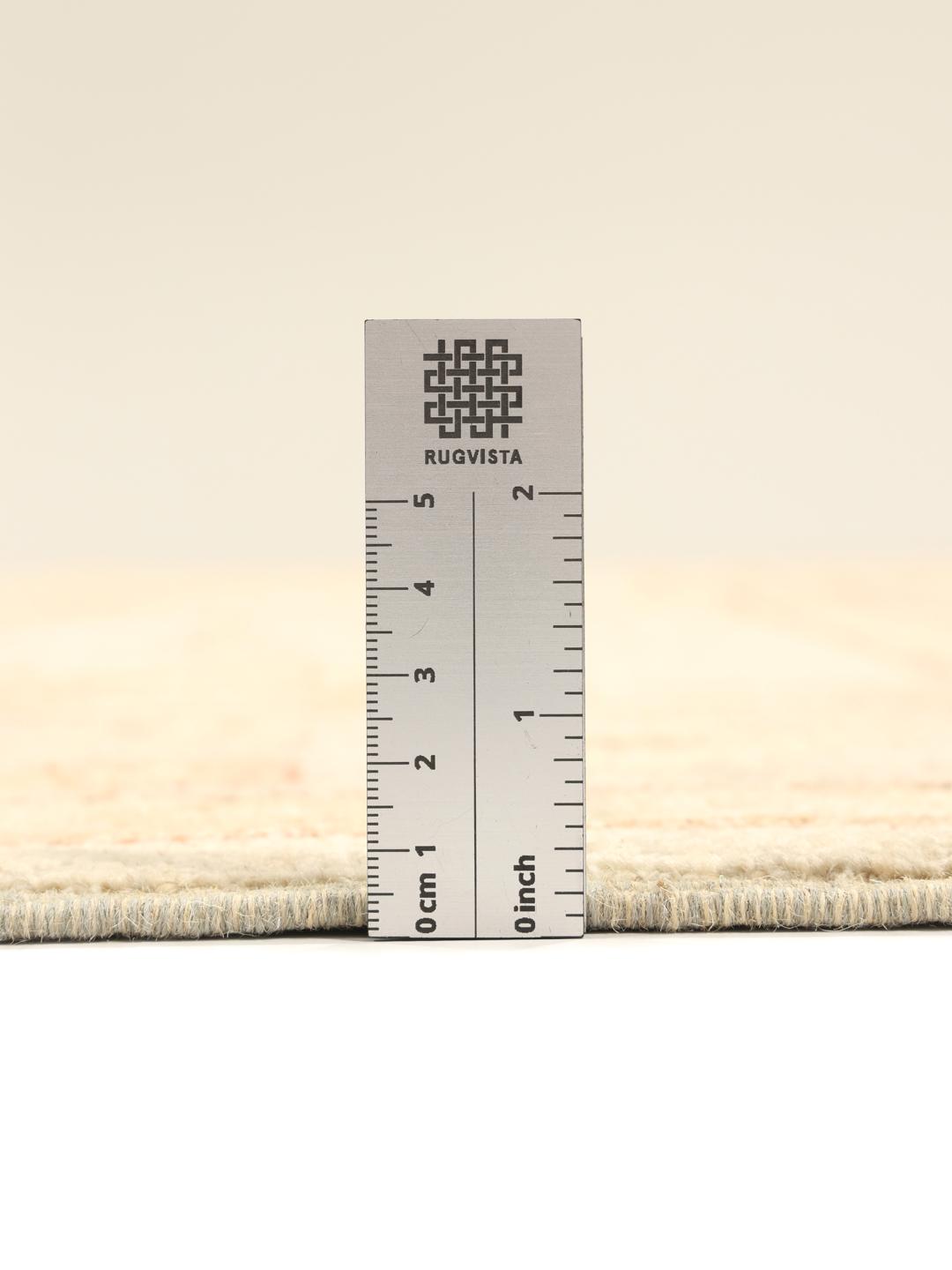
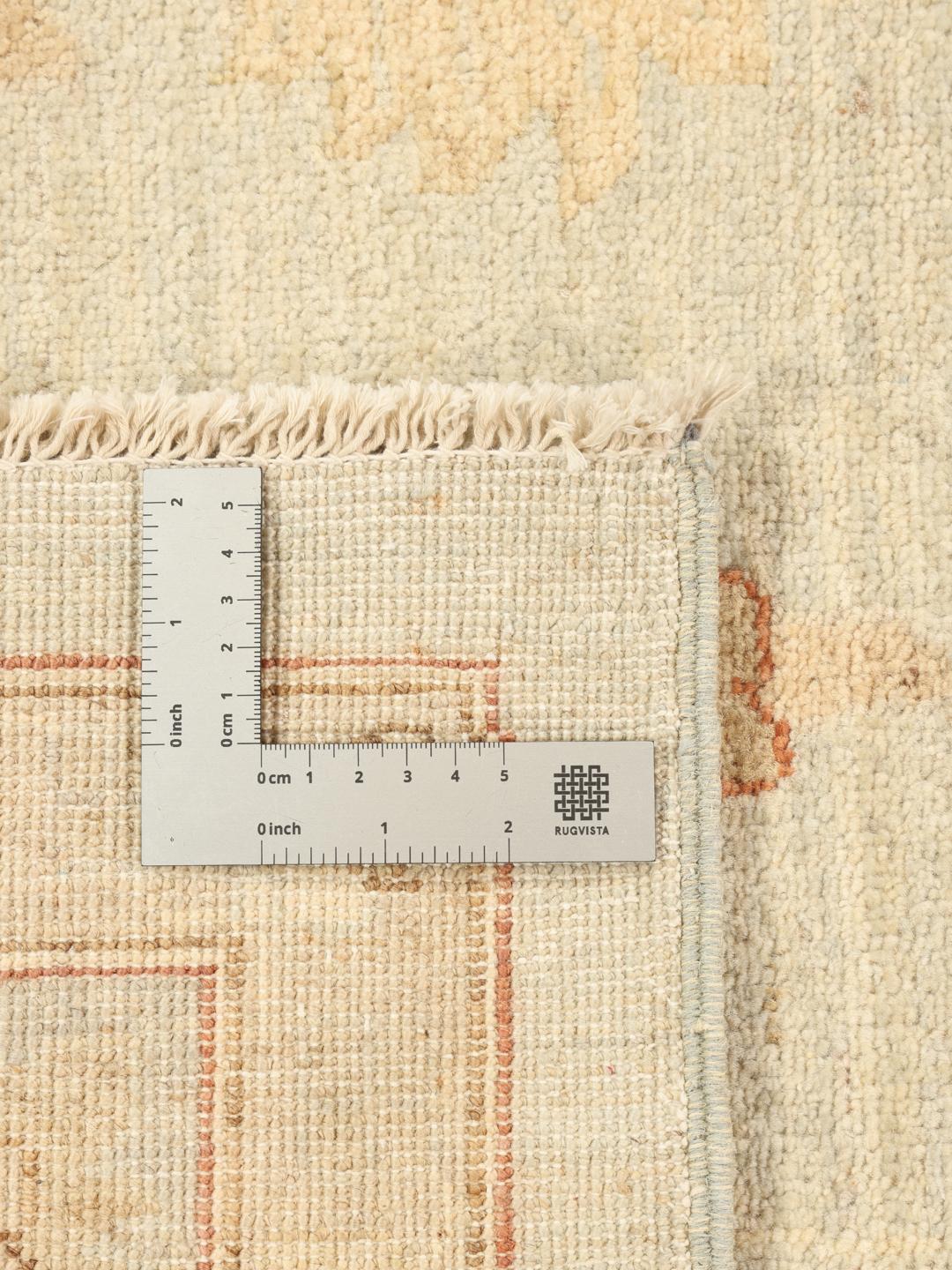
The term Ziegler today refers to this specific design philosophy, which emphasises a refined, decorative aesthetic. These rugs are crafted using techniques that prioritise a balance between visual elegance and functional robustness, often incorporating a soft, lustrous wool pile that is prized for its ability to age beautifully over time.
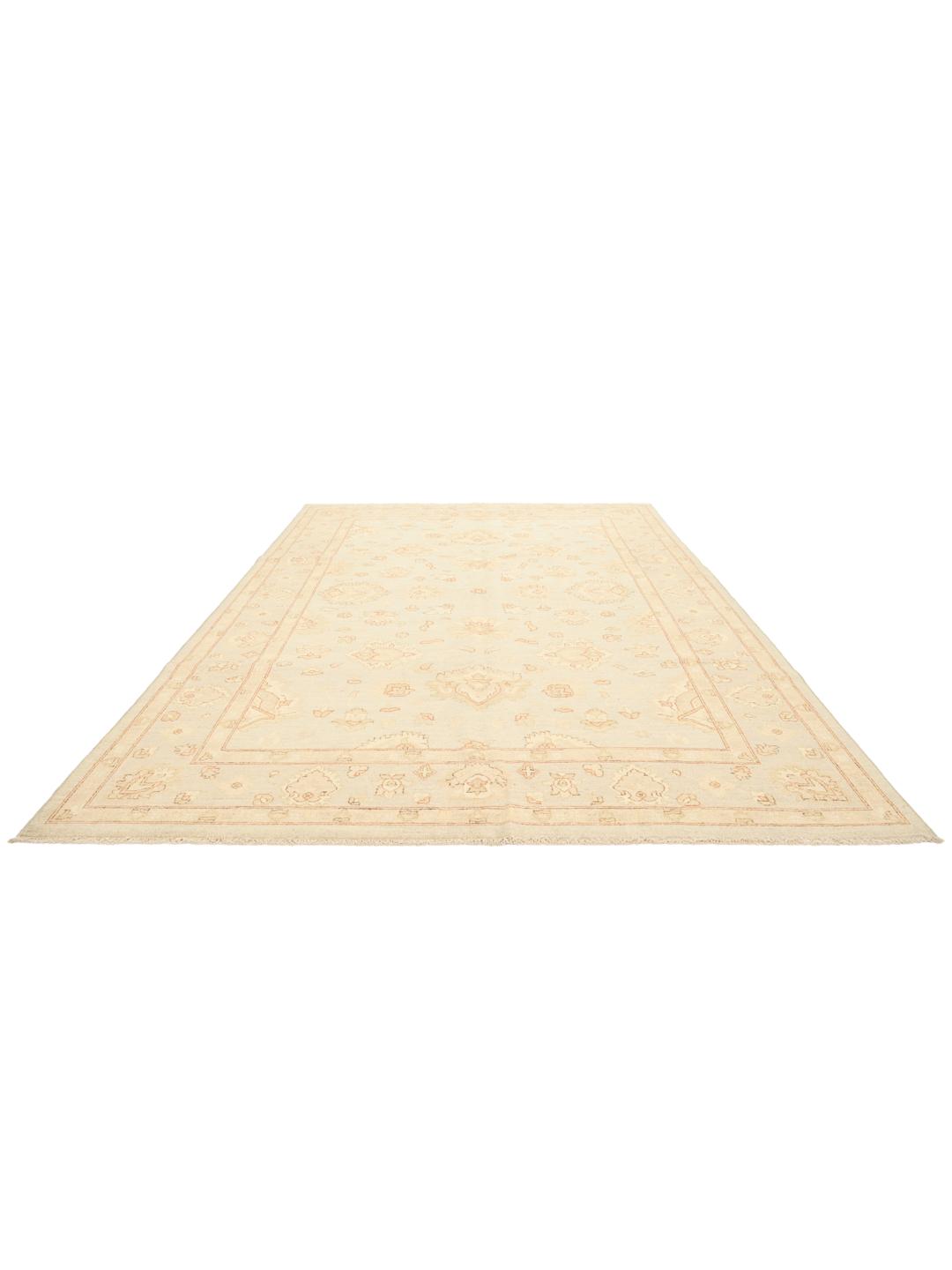
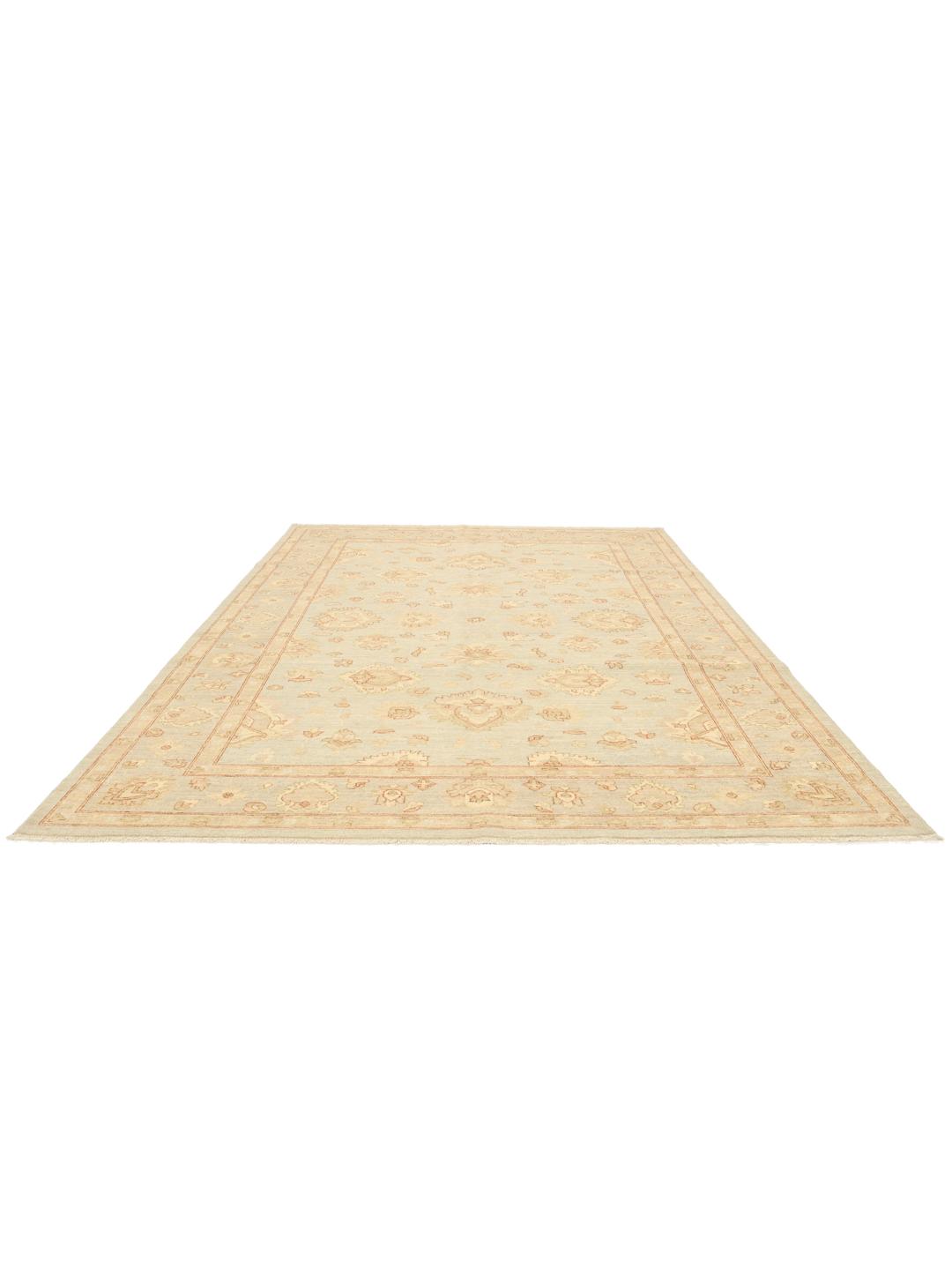
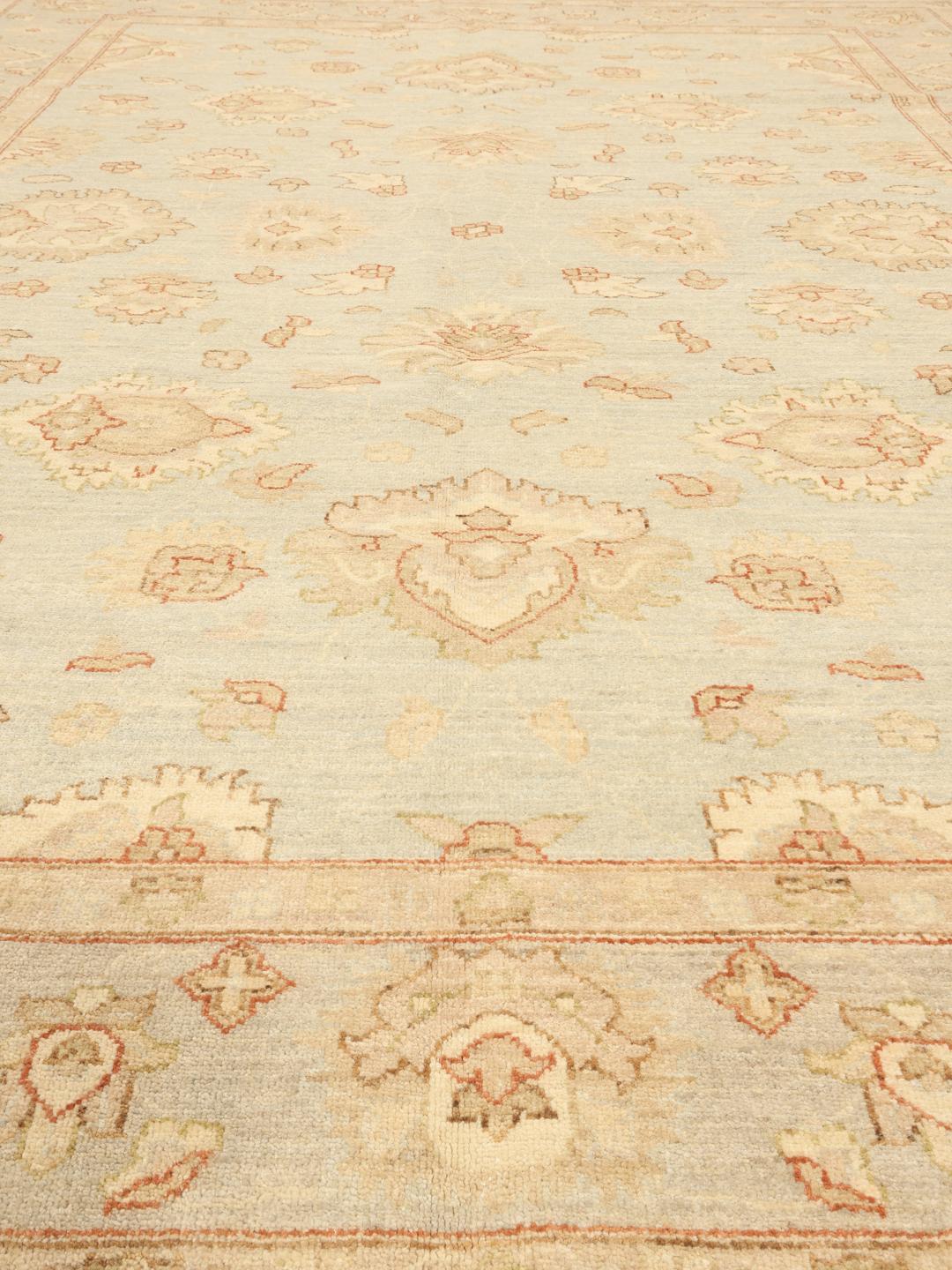
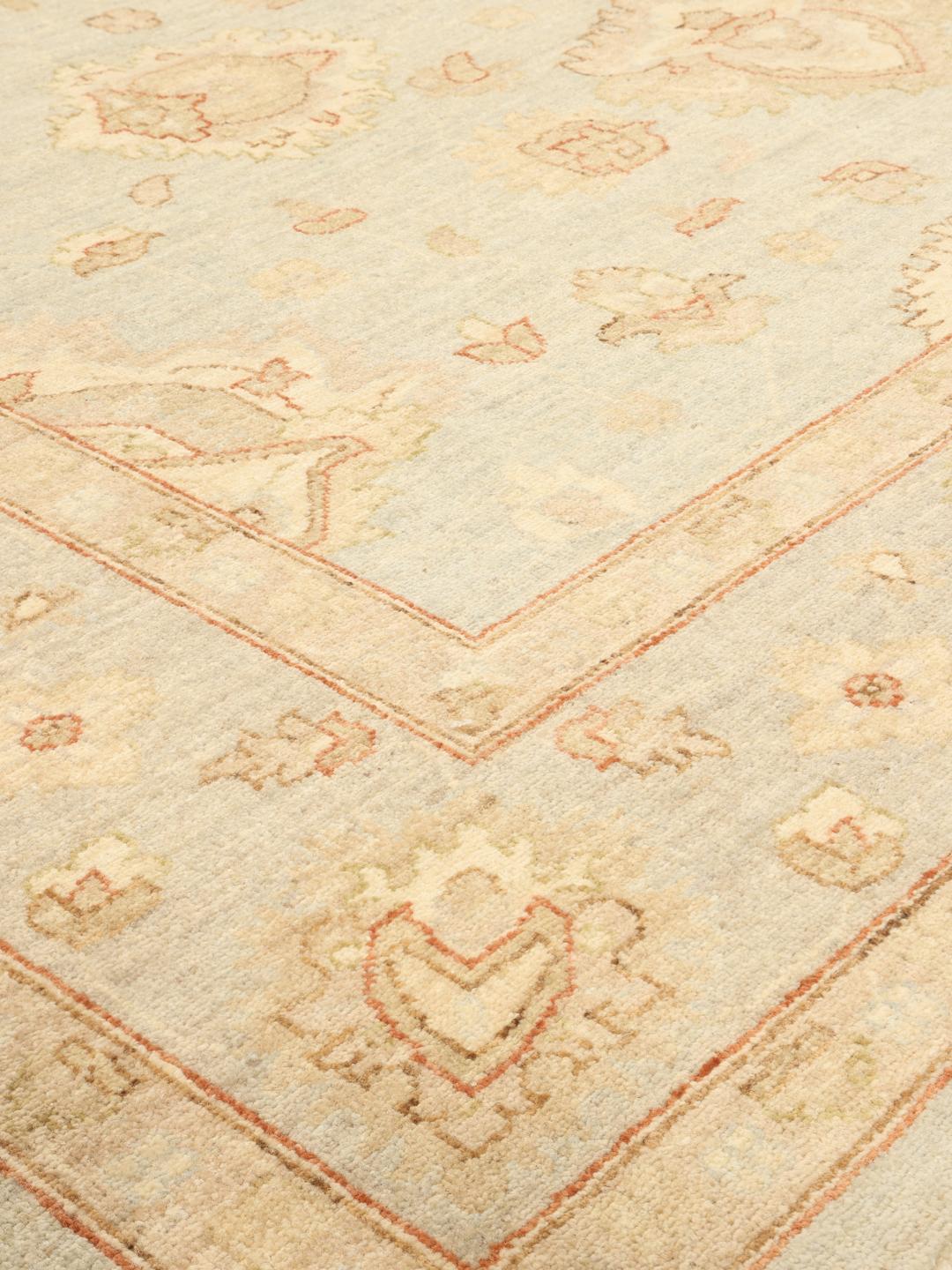
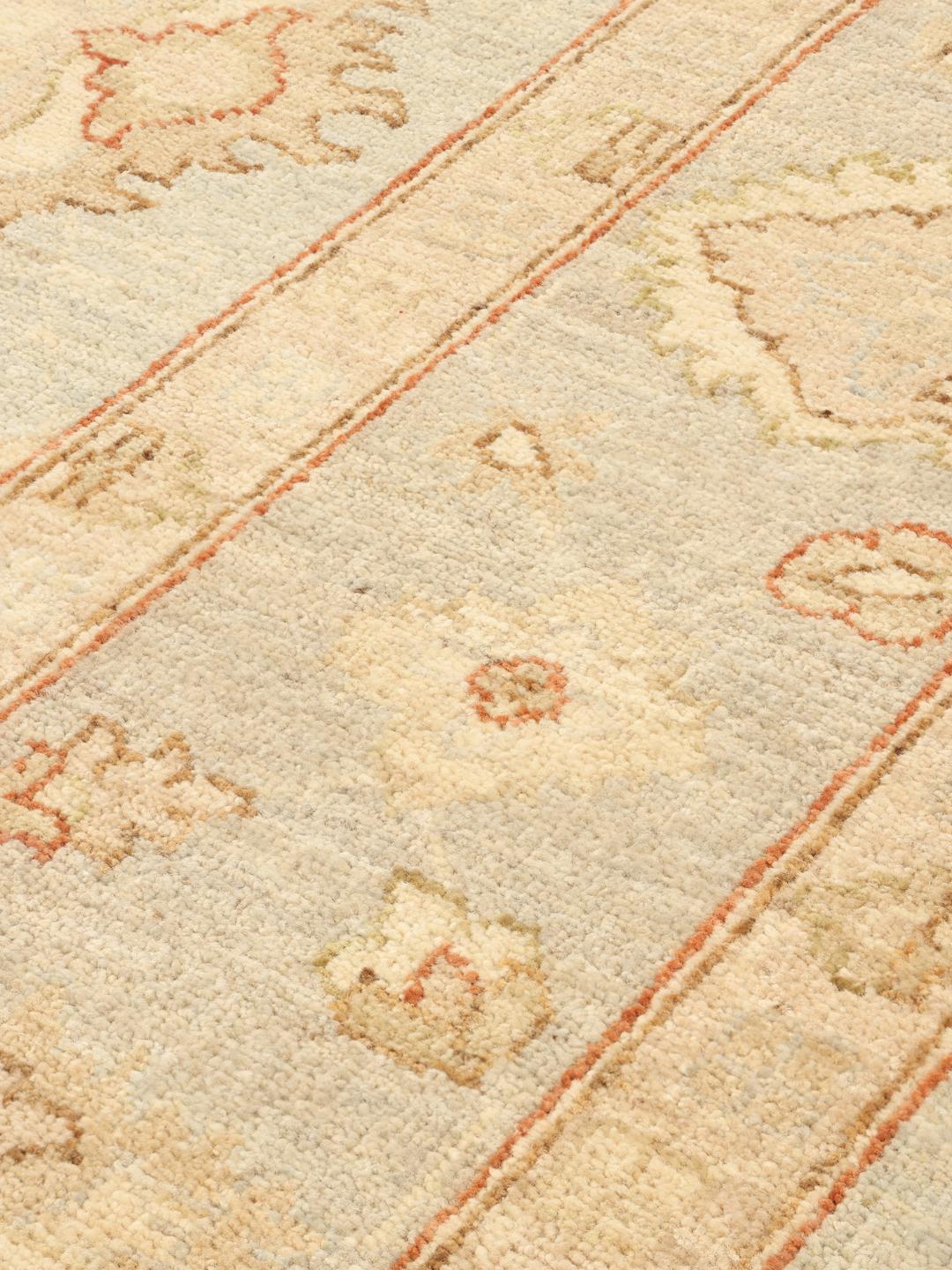
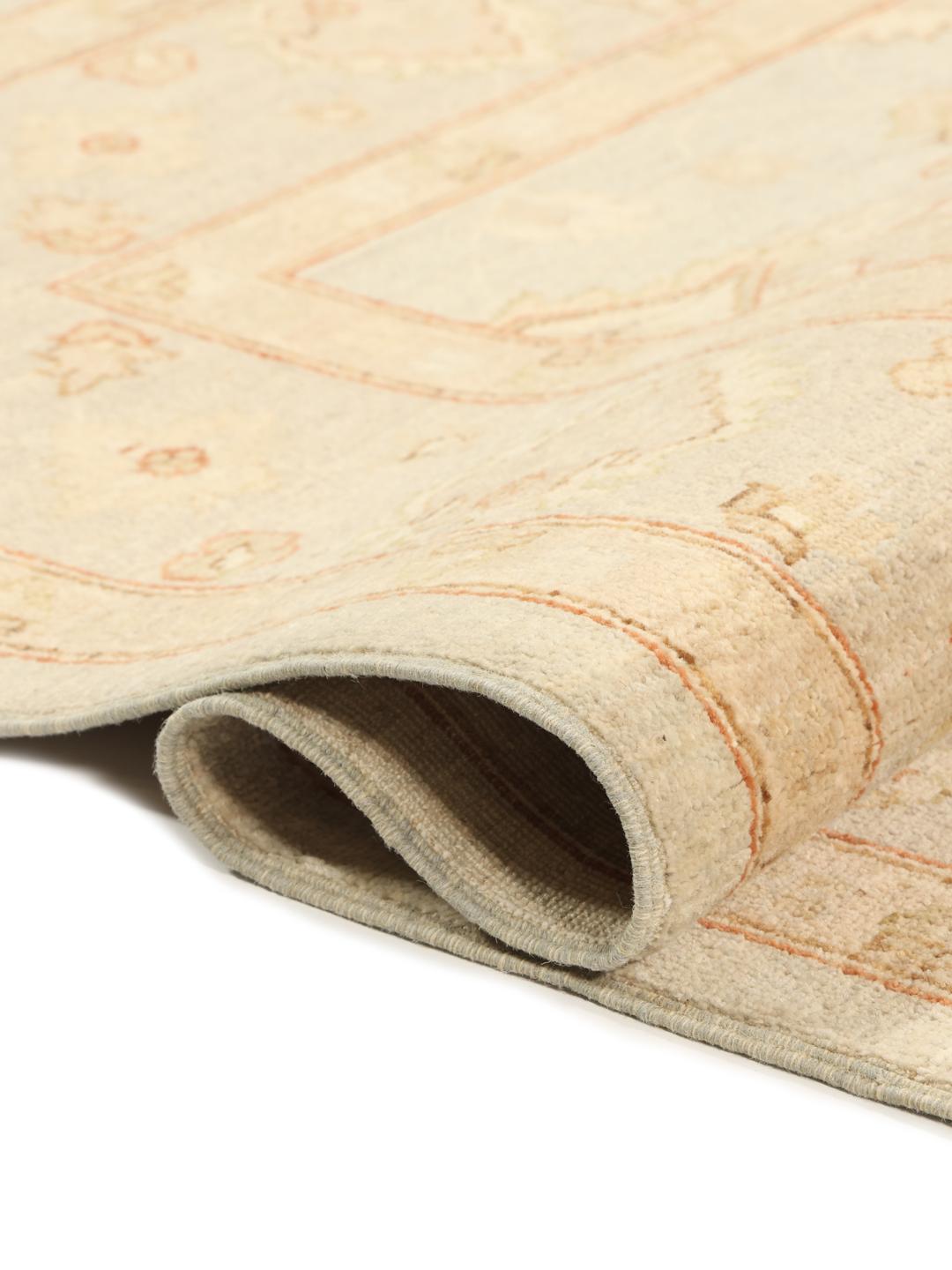
Visually, these rugs are characterised by their expansive, scrolling floral patterns and palmettes, often set against soft, earthy backgrounds. The borders are typically formal and well-proportioned, framing the central field to create a sense of harmony. The light, airy feel of the designs makes them exceptionally popular for modern and classic interiors alike.
Collectors value Ziegler rugs for their ability to bridge the gap between historical craft and contemporary decor. They represent a significant chapter in the history of global rug trade, demonstrating how design traditions can evolve to meet new cultural needs while retaining the core skills and heritage of their artisan makers.