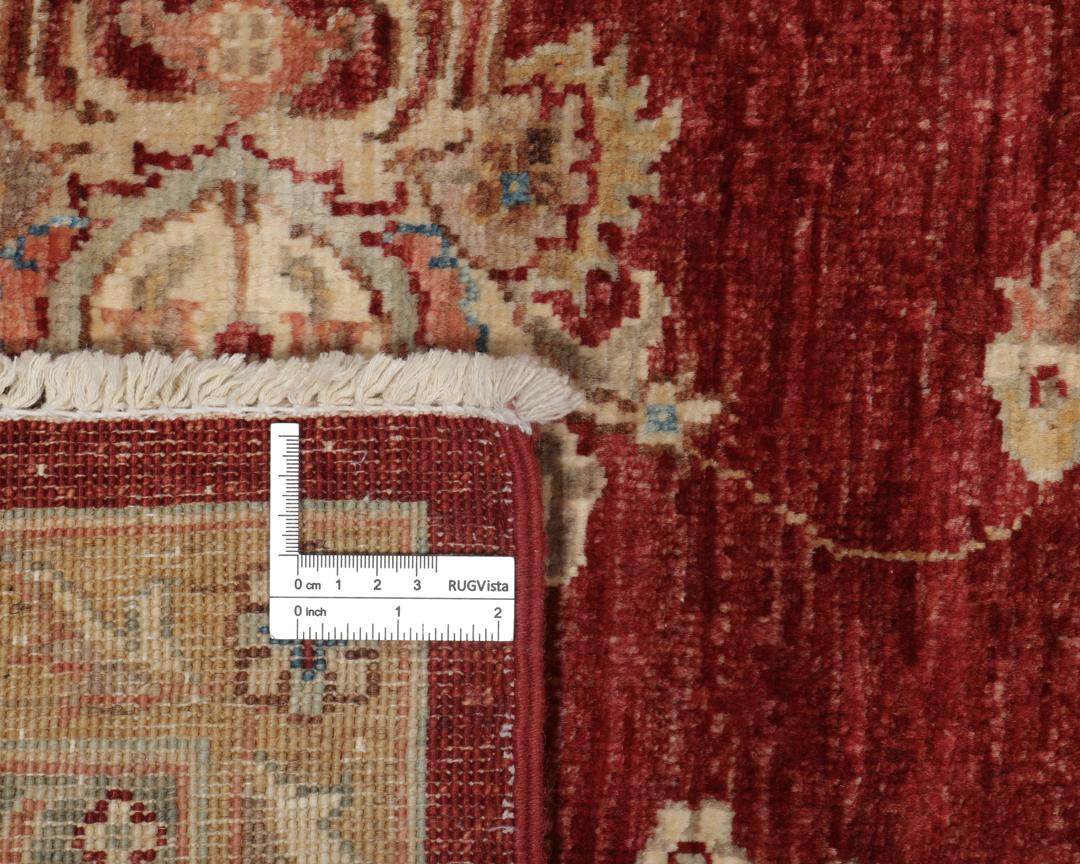
The Ziegler tradition has its roots in the late 19th century, emerging as a collaboration between European design sensibilities and the ancient weaving heritage of the Middle East. Originally commissioned by the Ziegler & Co firm to suit Western tastes for more muted palettes and grander, more open patterns, these rugs became celebrated for their ability to blend traditional craftsmanship with a more transitional aesthetic.
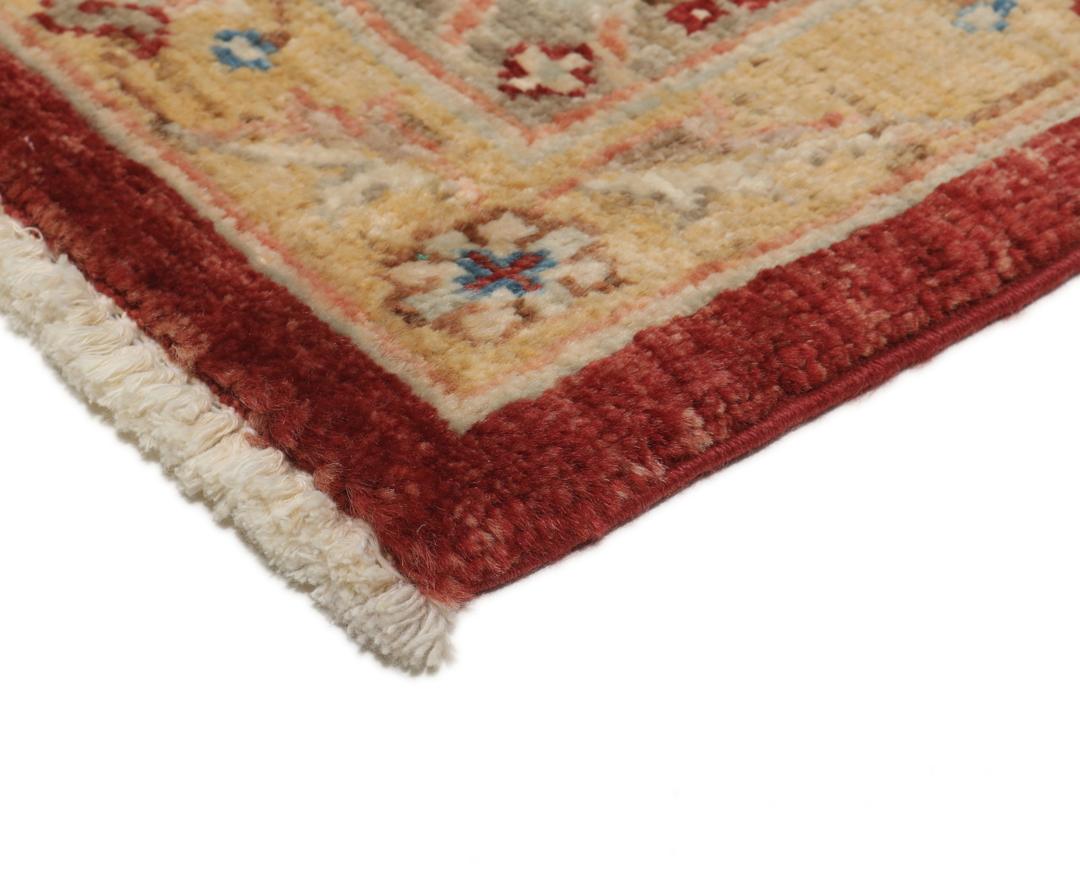
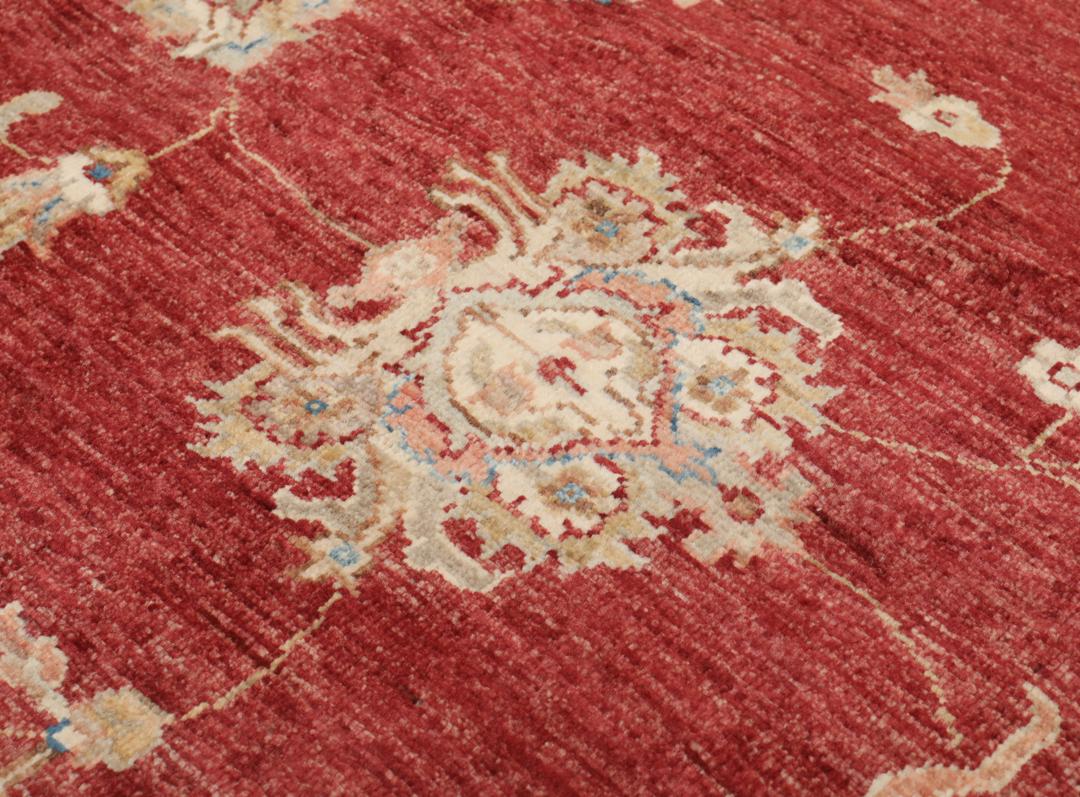
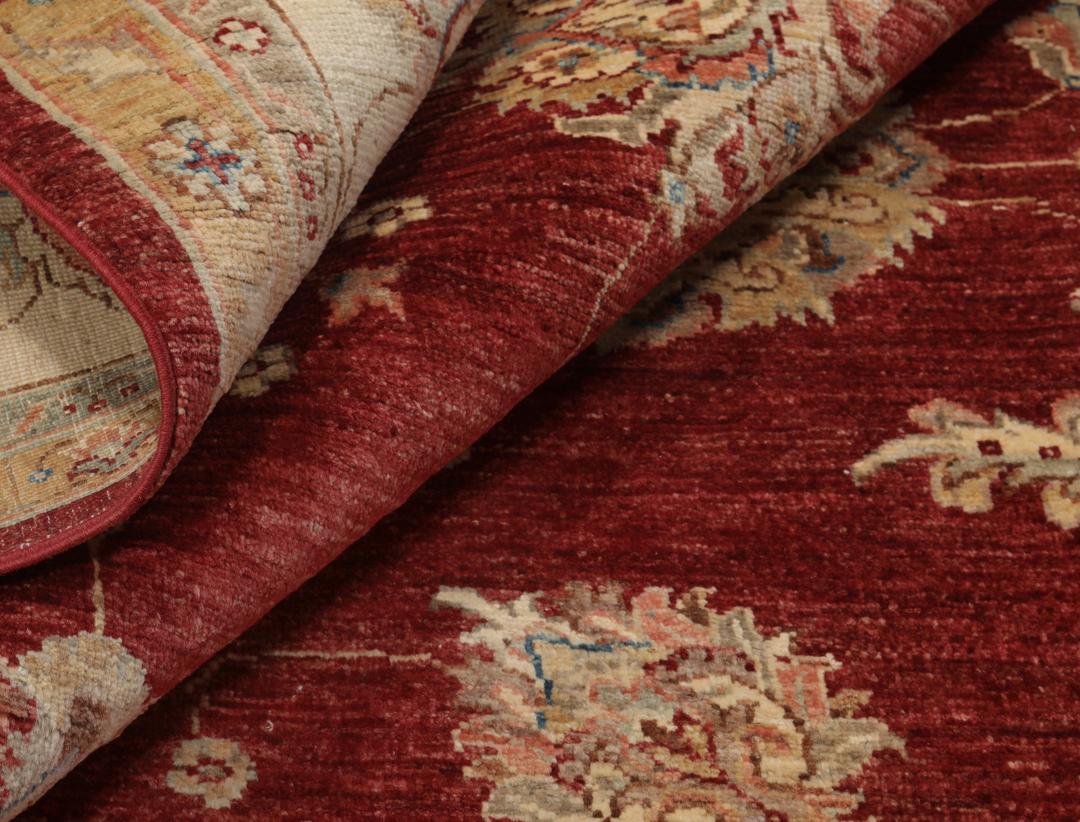
The term Ziegler often refers to the specific style of weaving that utilises a slightly lower knot density compared to formal city rugs, which allows for a softer, more relaxed pile. This technique is paired with a unique dyeing process that creates an antique-like appearance, giving the rug a sense of history and character from the moment it is finished. It is a style that favours a harmonious balance between the complexity of the design and the richness of the natural dyes.
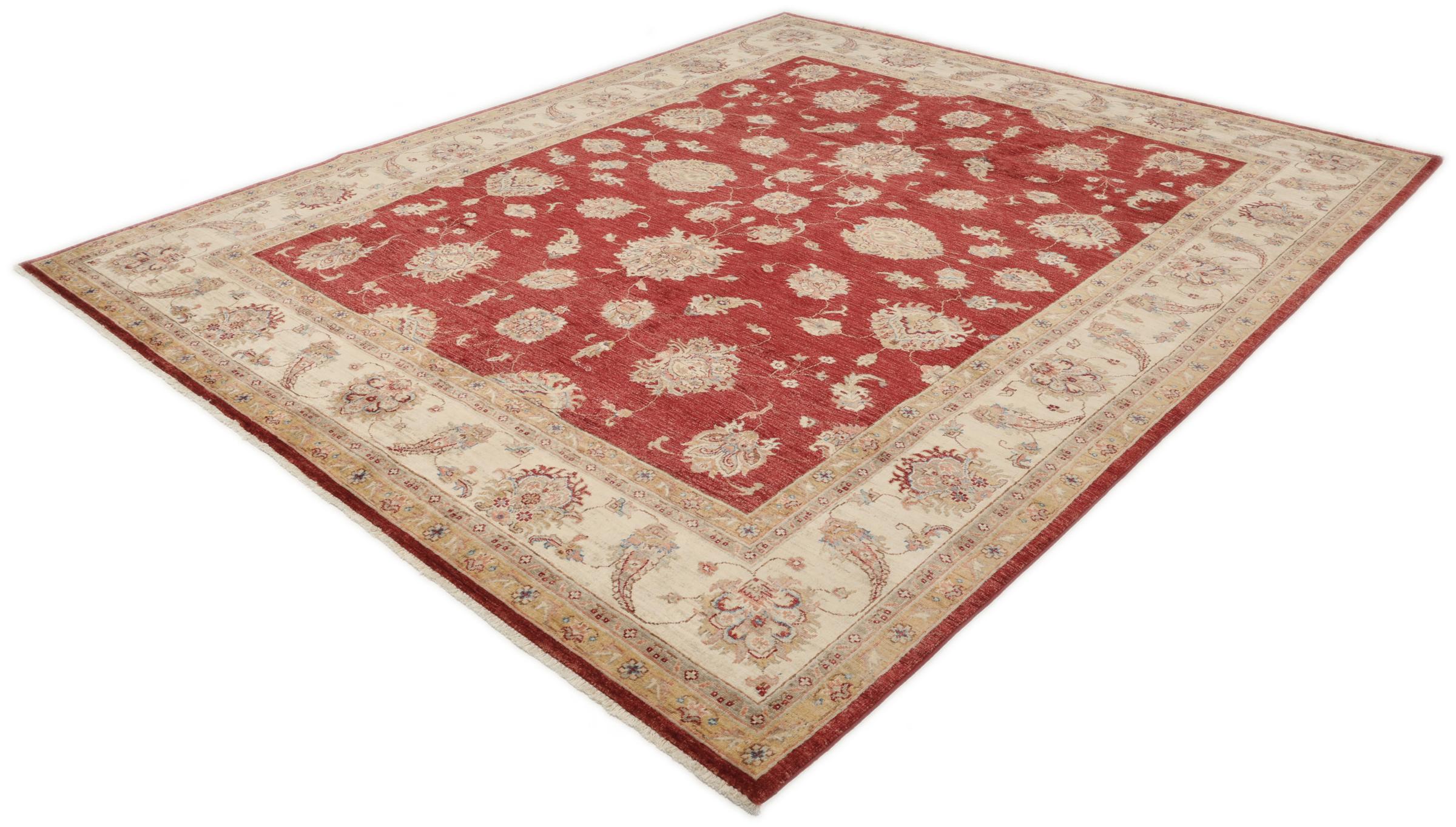
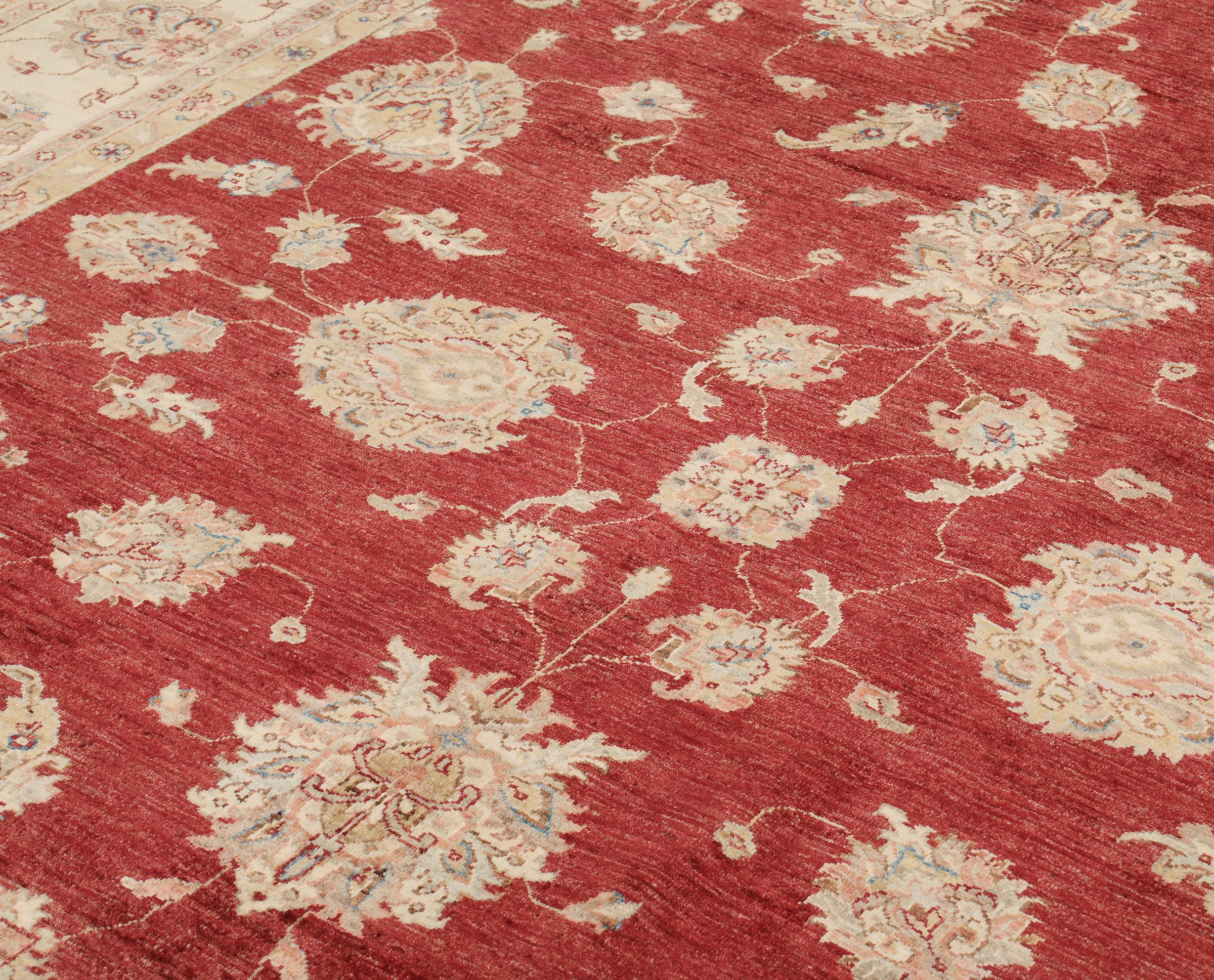
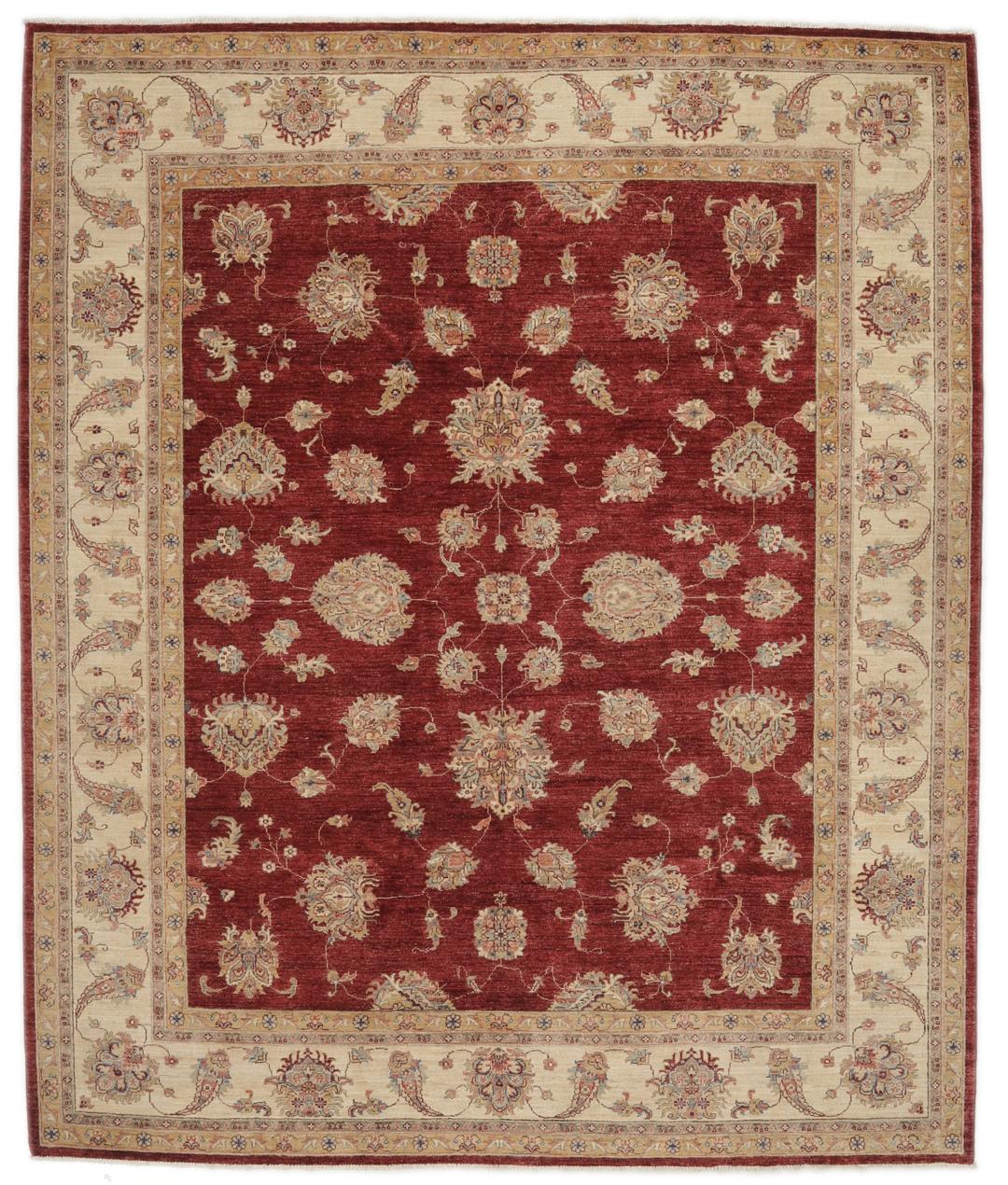
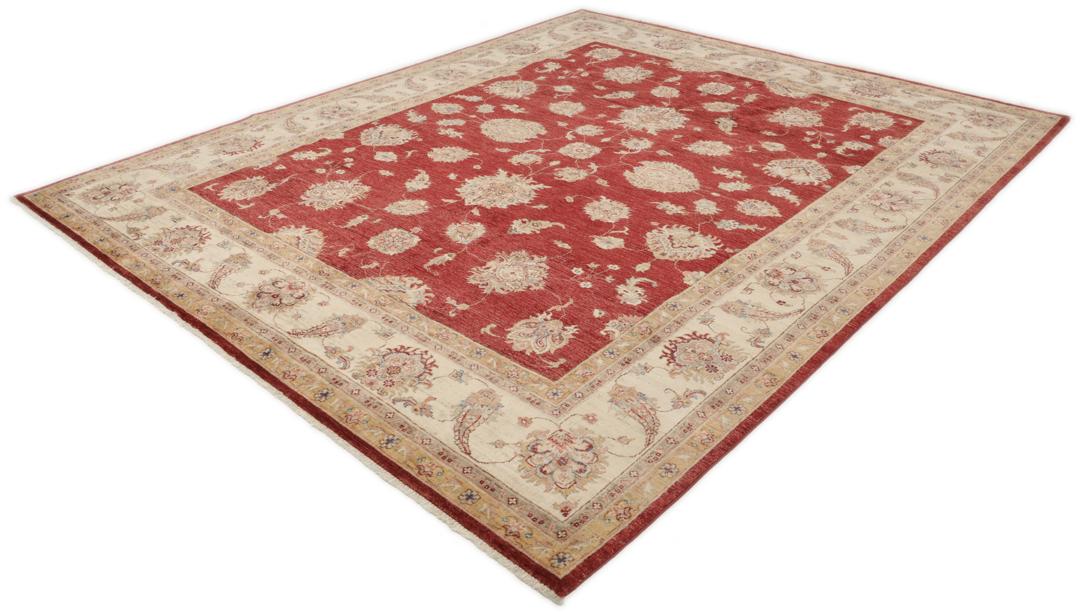
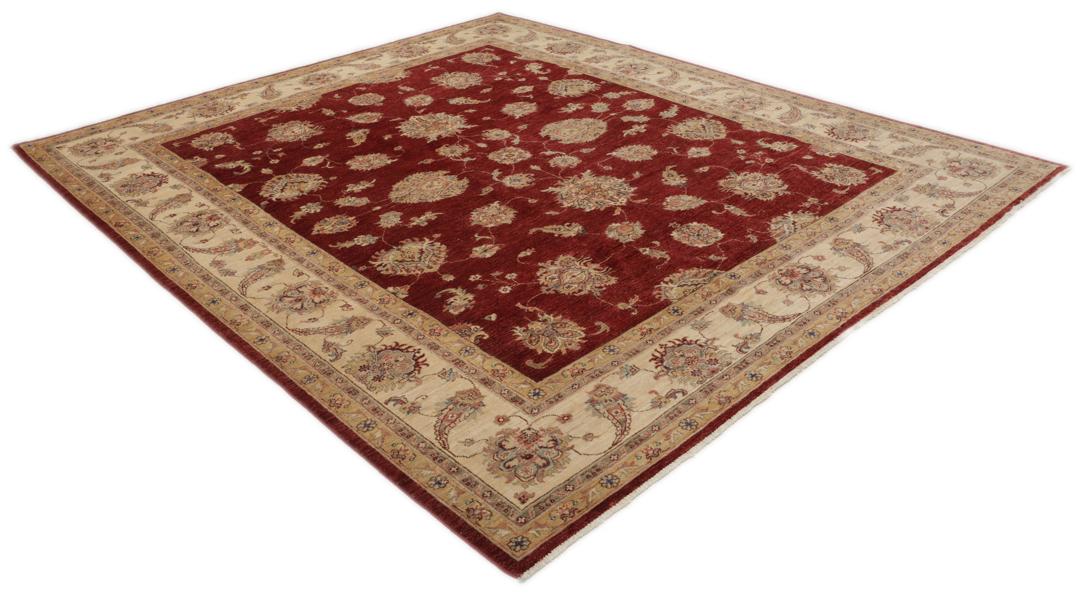
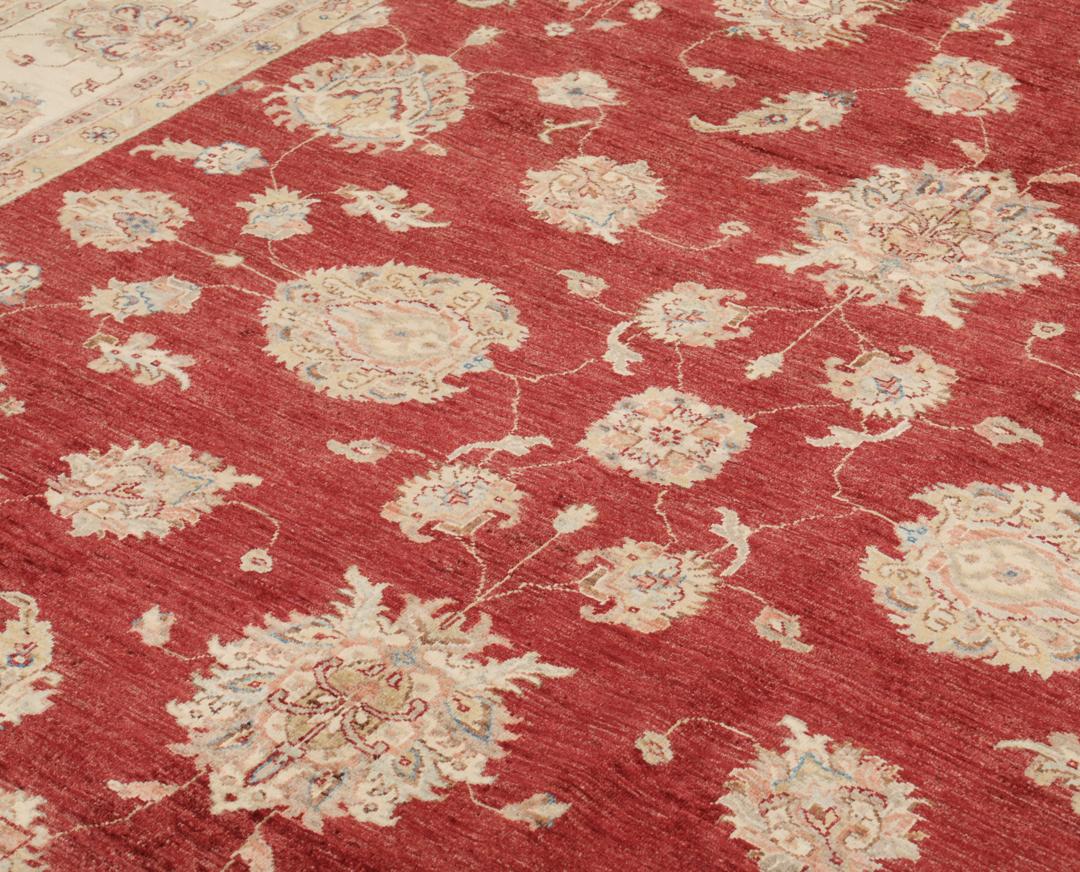
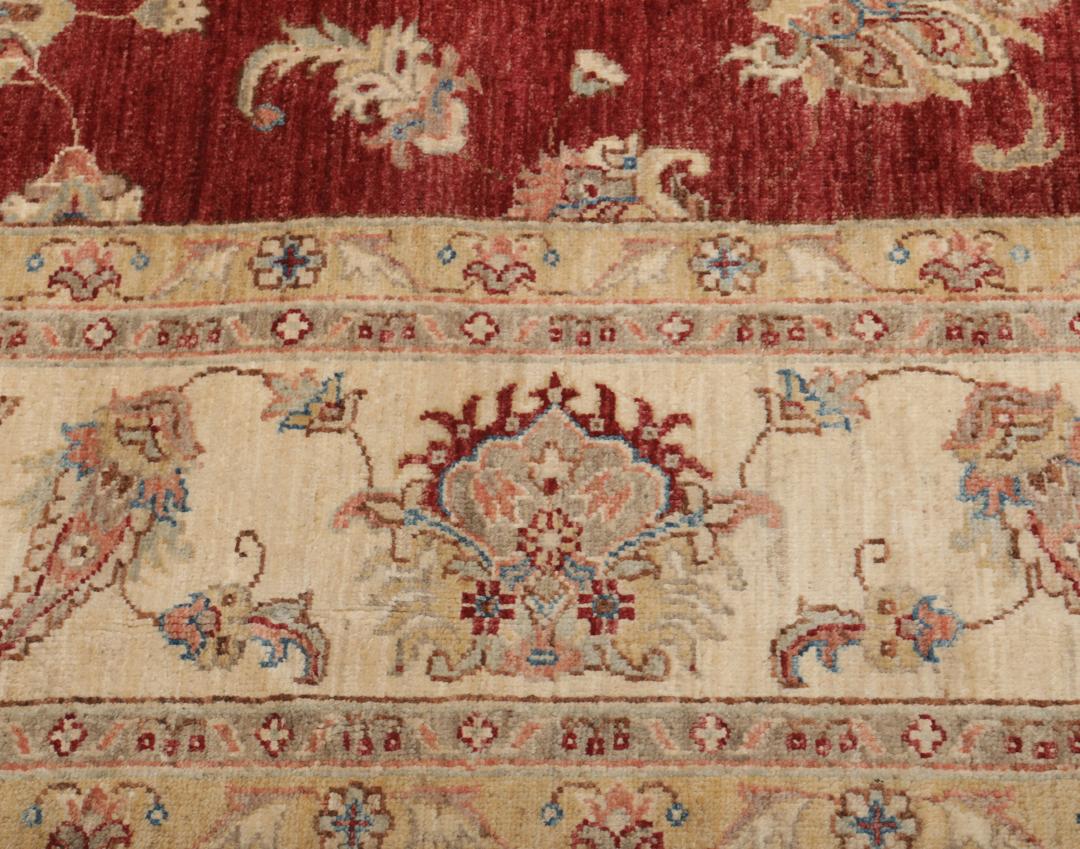
Visually, these rugs are defined by their grand, sprawling floral motifs, often featuring oversized palmettes and sweeping vine scrolls. Unlike the rigid geometry found in some other regional styles, the Ziegler design language is fluid and organic, feeling both formal and inviting. The border is typically a study in symmetry, providing a structured frame for the more expressive, open field of the rug.
Today, rugs from this tradition are highly sought after by collectors and interior enthusiasts alike. Owning a piece of this calibre is a commitment to the preservation of a craft that bridges cultures and generations. It represents a deep appreciation for the human element in design, where the legacy of the weaver is reflected in the subtle variations and the enduring quality of the final product.