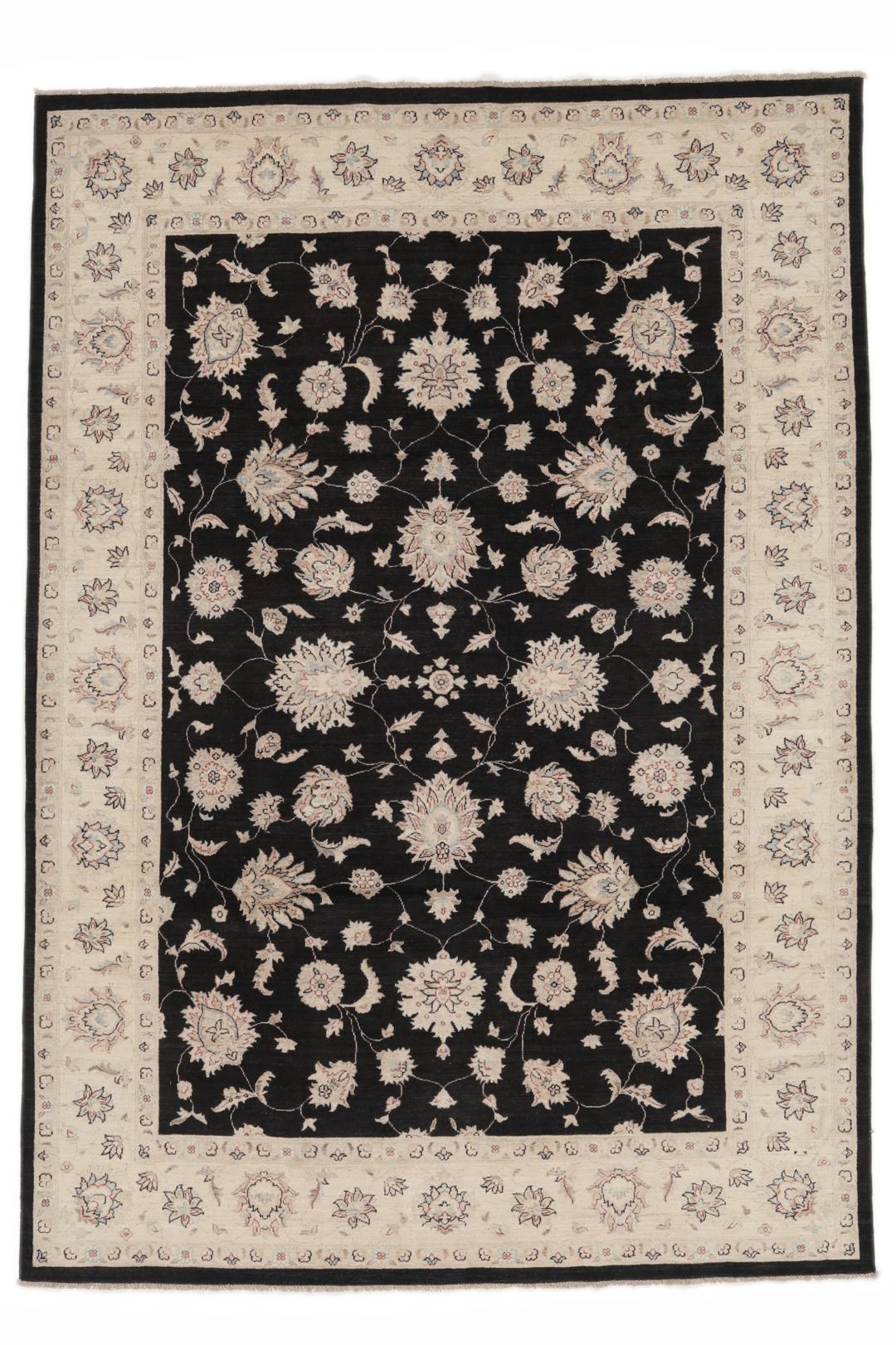
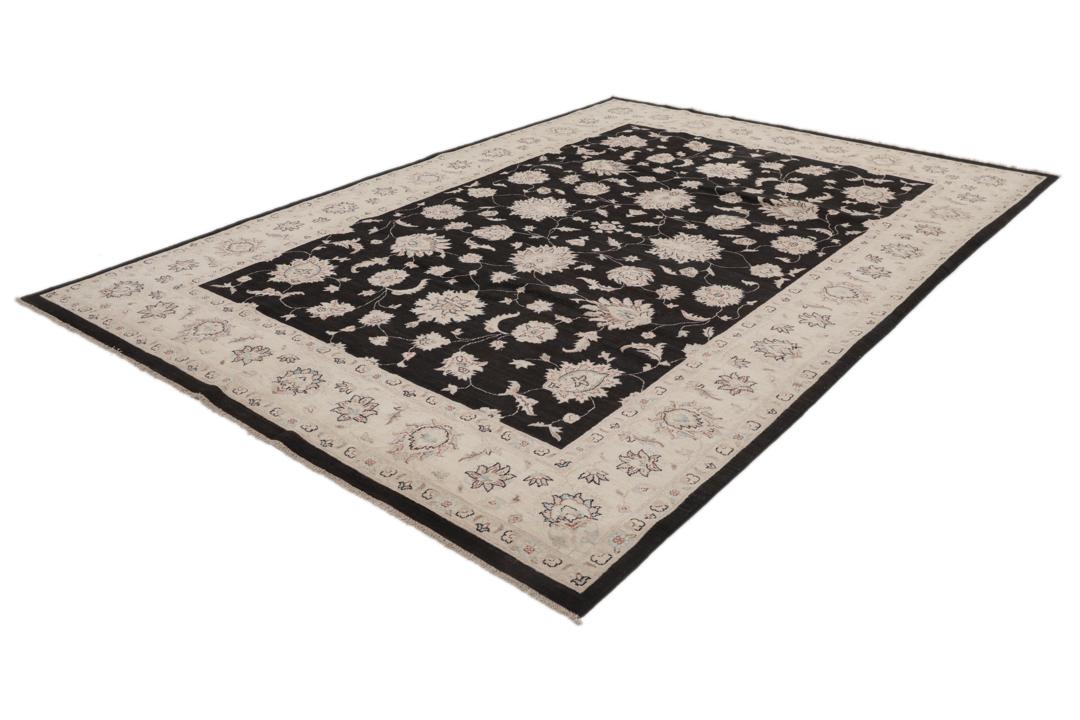
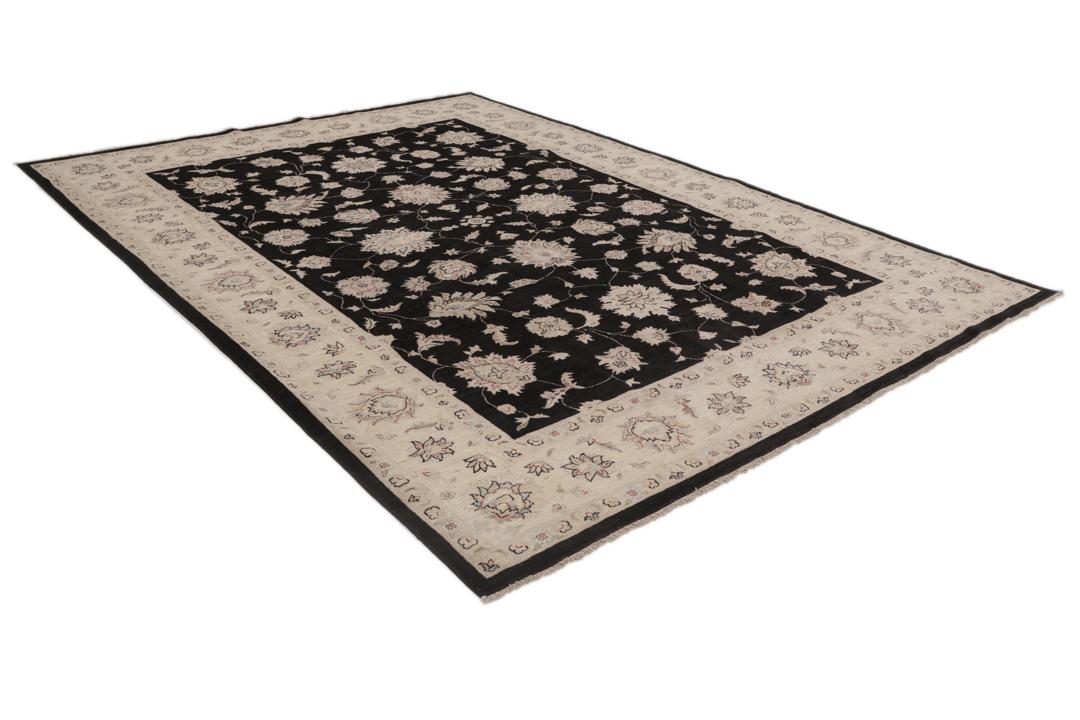
Ziegler rugs trace their origins to the late 19th century, when the Swiss firm Ziegler & Co. commissioned designs specifically for the Western market. These rugs were created in the Middle East, blending traditional weaving techniques with aesthetic sensibilities that appealed to European homes, often featuring slightly more open fields and softer palettes than their predecessors.
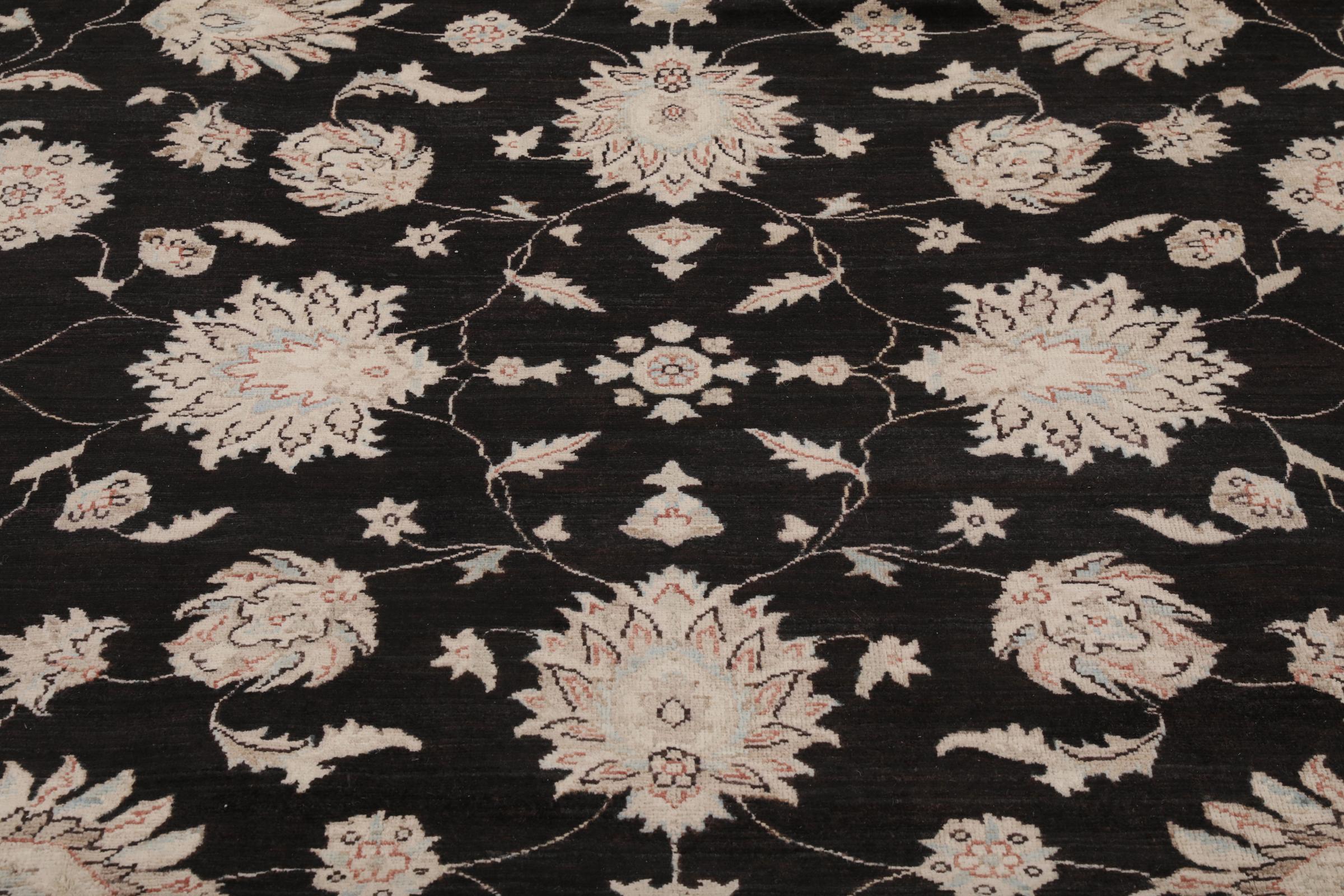
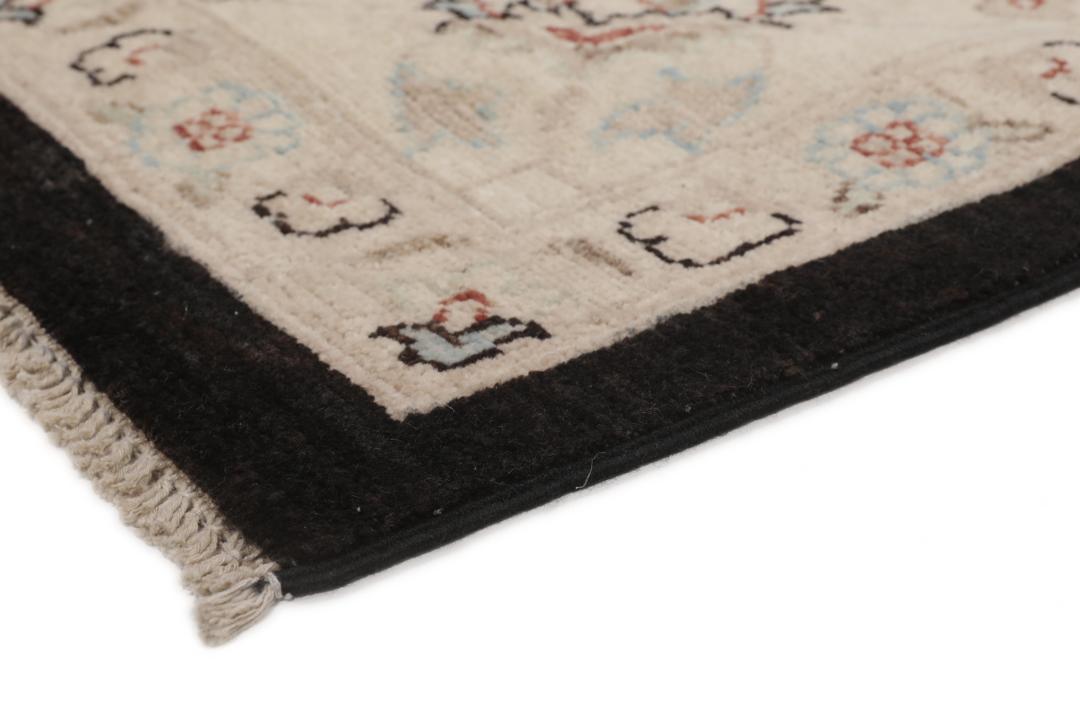
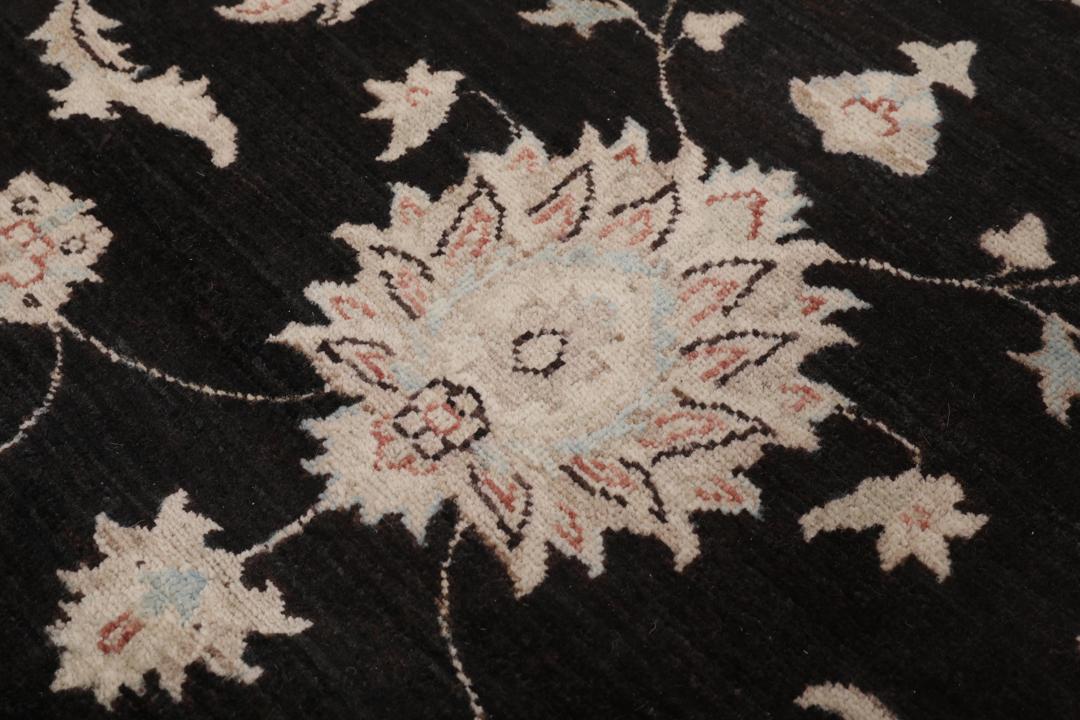
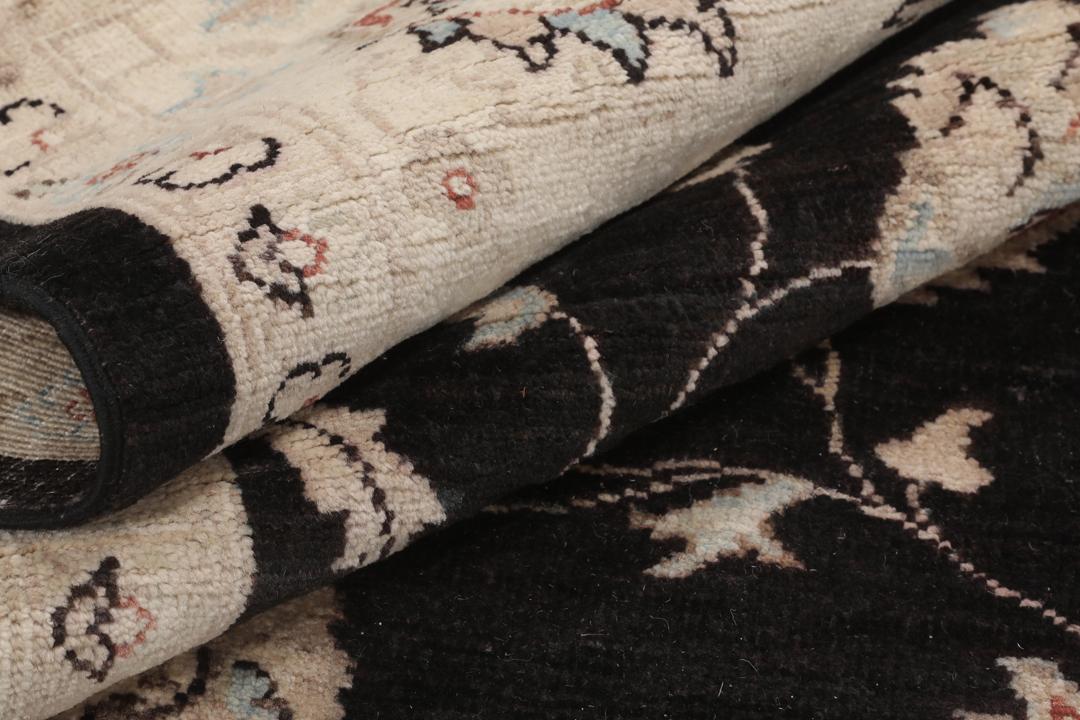
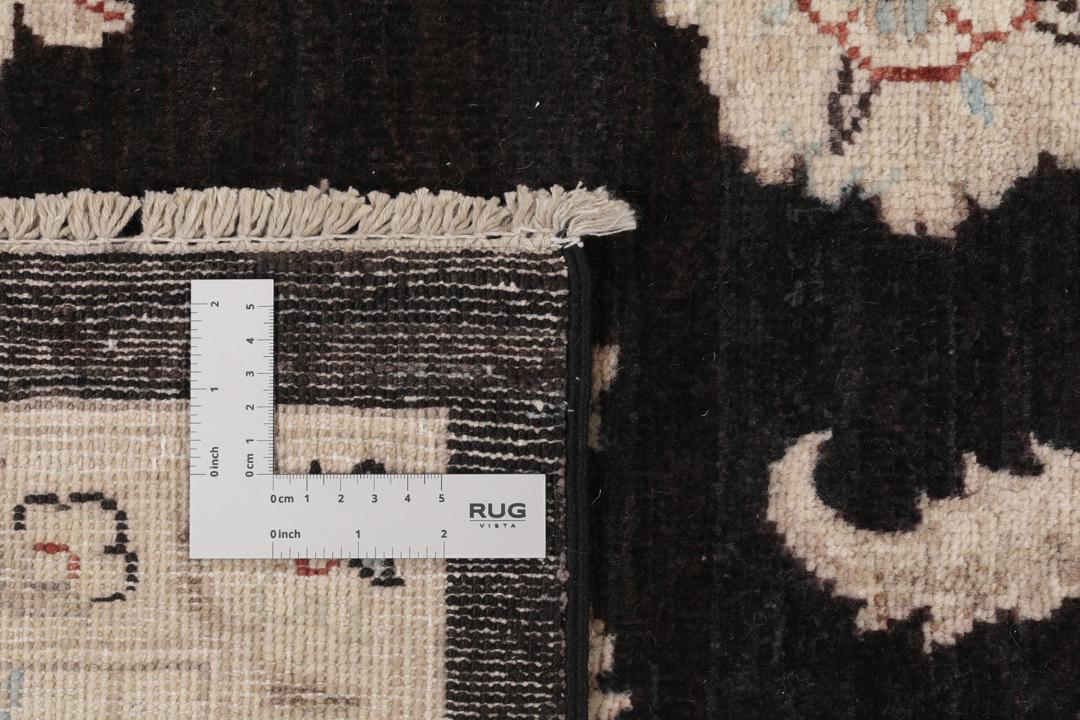
The term 'hand-knotted' refers to the traditional method of securing individual tufts of wool onto a cotton foundation. This technique is essential for the durability and longevity of the rug, as each knot is tied by hand, creating a dense and resilient pile that can withstand daily use while retaining its appearance.
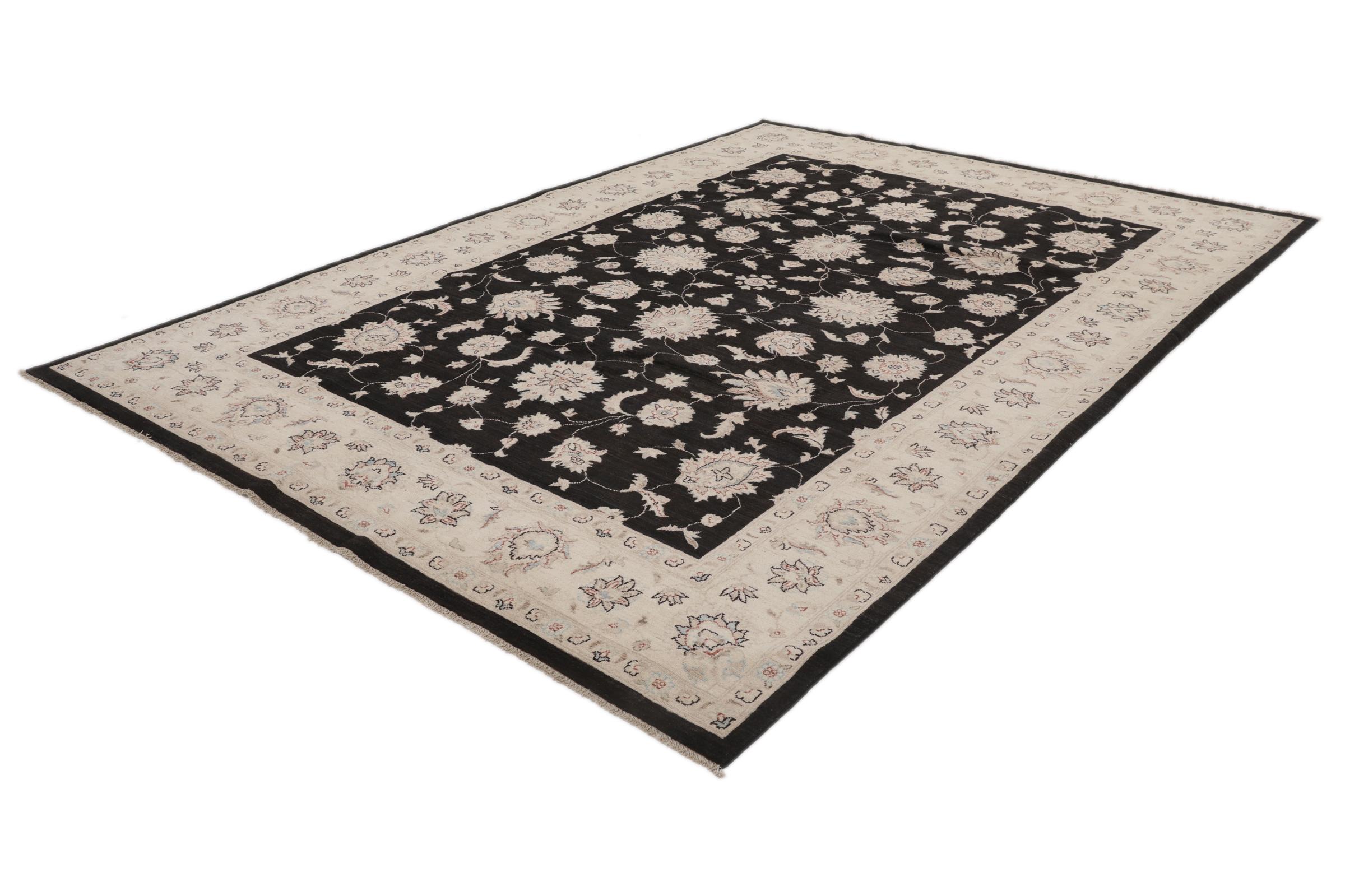
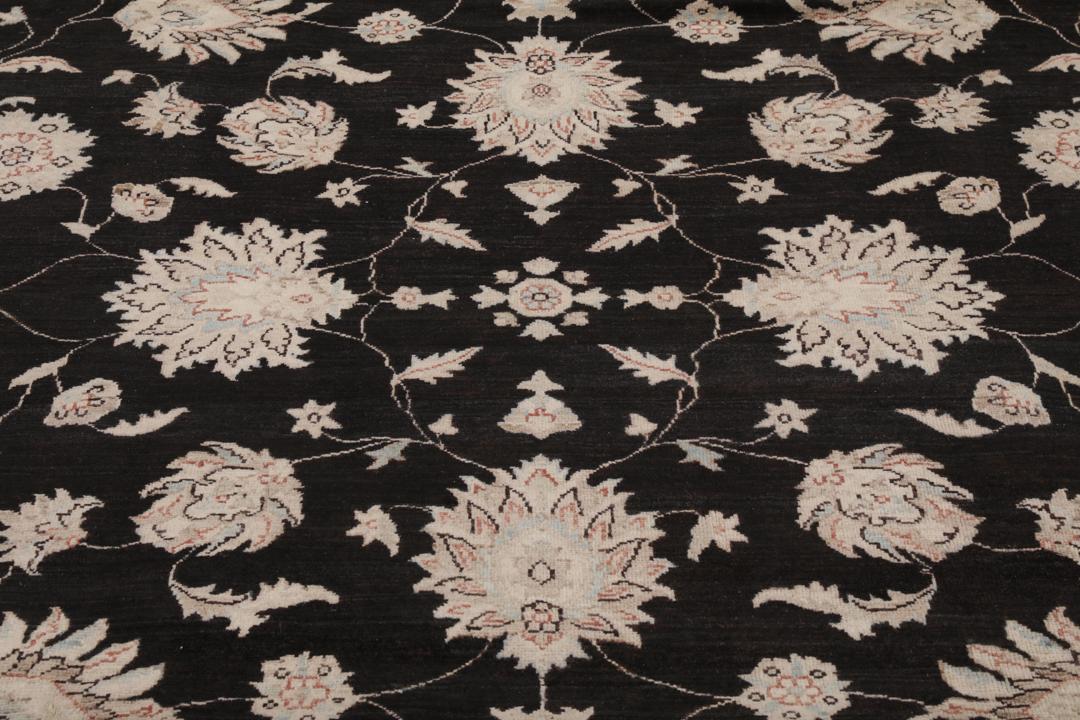
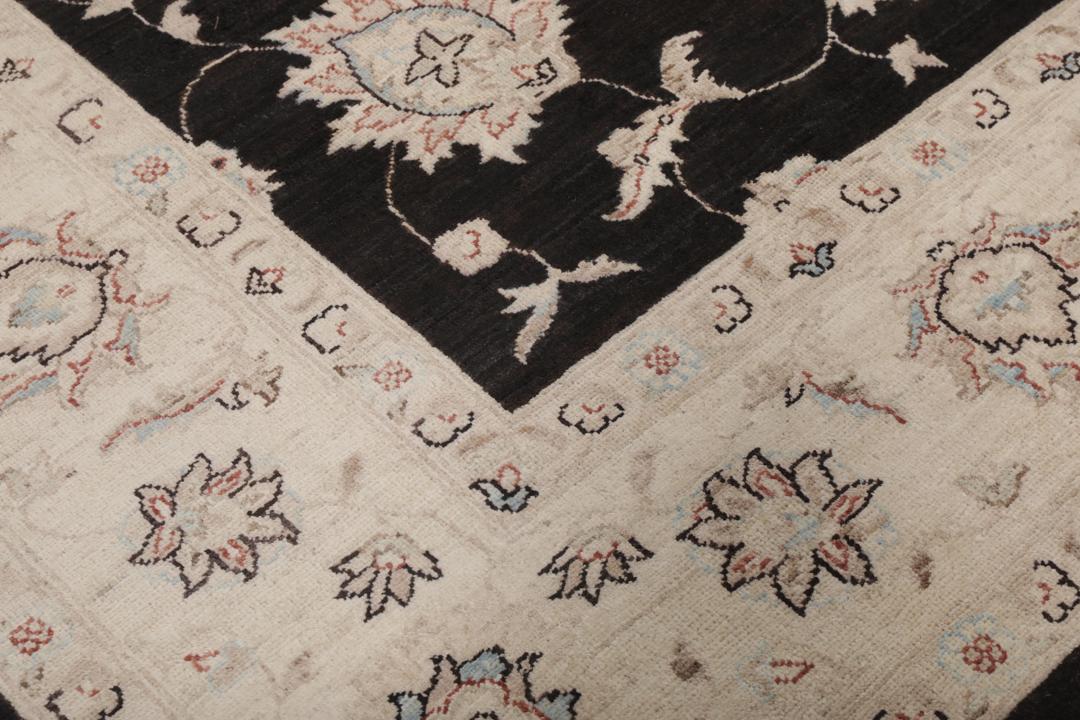
Signature design elements of the Ziegler style include elegant, large-scale floral and vine motifs that appear to float across the field. Unlike some more rigid geometric styles, these rugs favour a fluid, organic look, often framed by a wide, detailed border that complements the central design without overwhelming it.
Today, these rugs are highly valued by collectors and homeowners alike for their blend of historical charm and lasting quality. Owning a Ziegler rug means participating in a legacy of craft that bridges the gap between historical weaving traditions and modern living, making it a piece of cultural heritage that remains functional and beautiful.