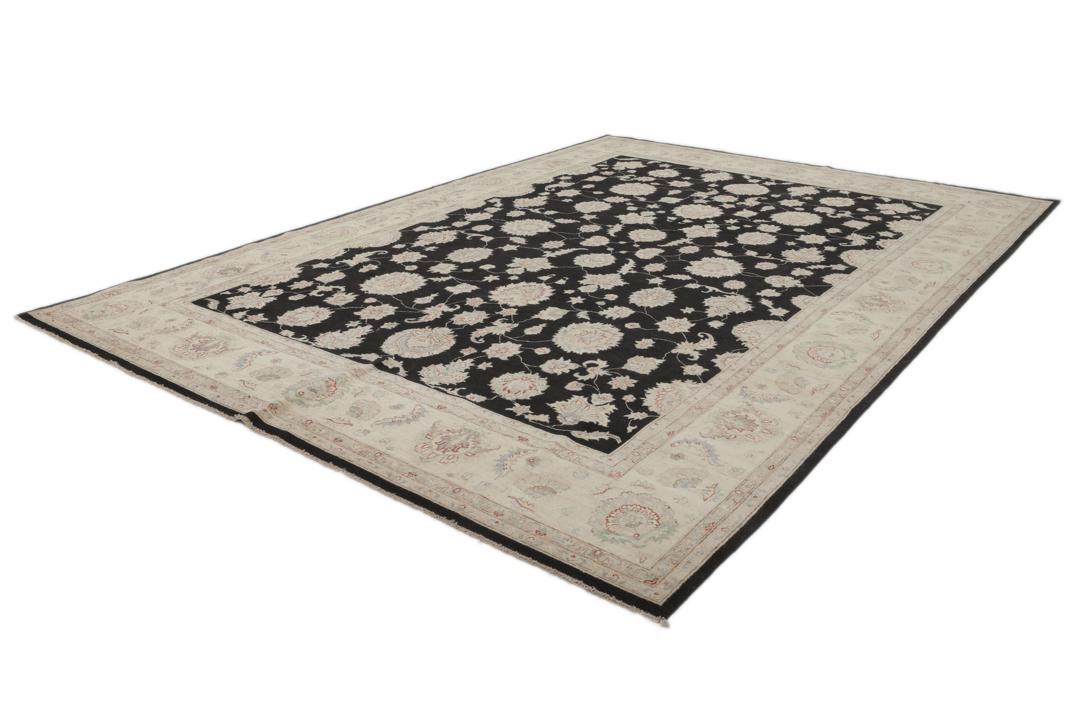
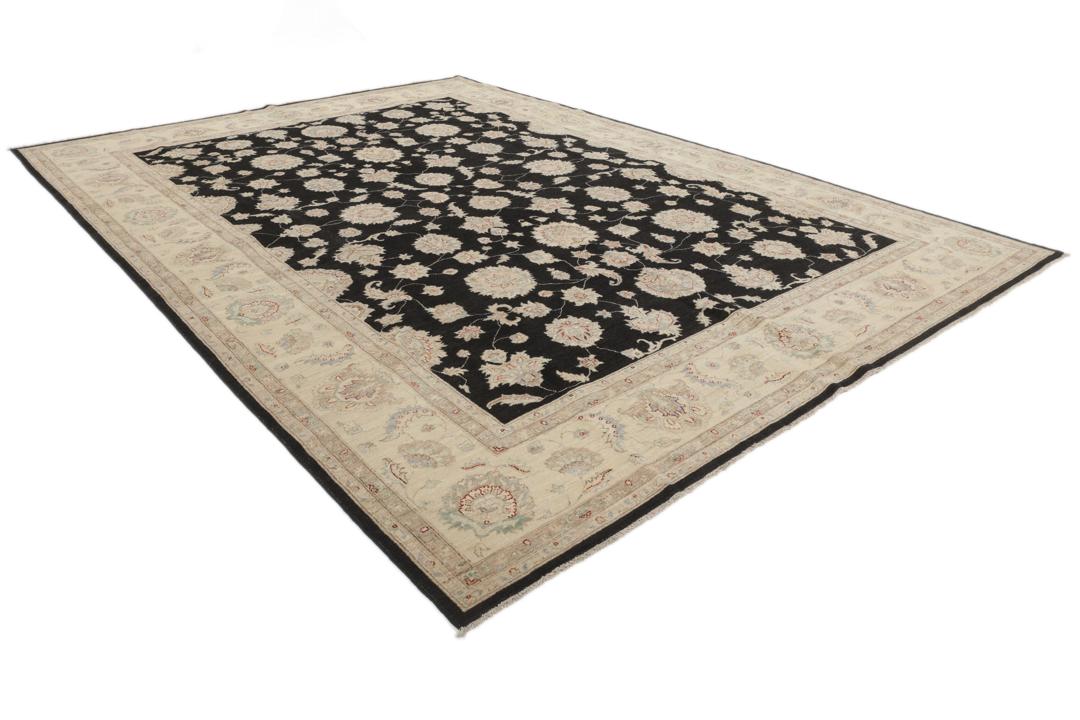
The Ziegler tradition has its roots in the late 19th century when the Swiss firm Ziegler & Co. began commissioning rugs in the Middle East. They sought to adapt traditional patterns for Western tastes, focusing on larger-scale, more open floral motifs and softer, natural dyes that appealed to European and American homes of the era.
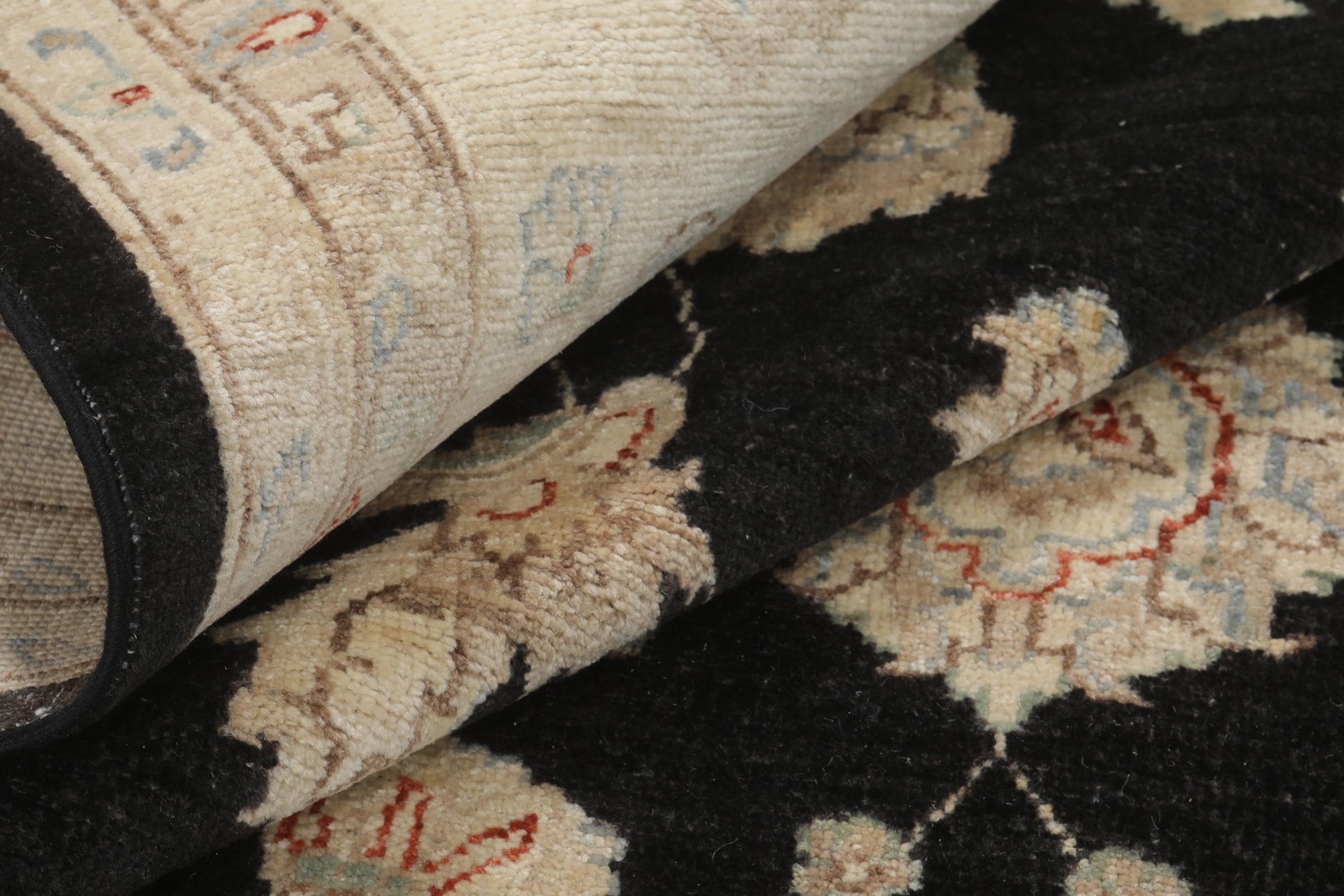
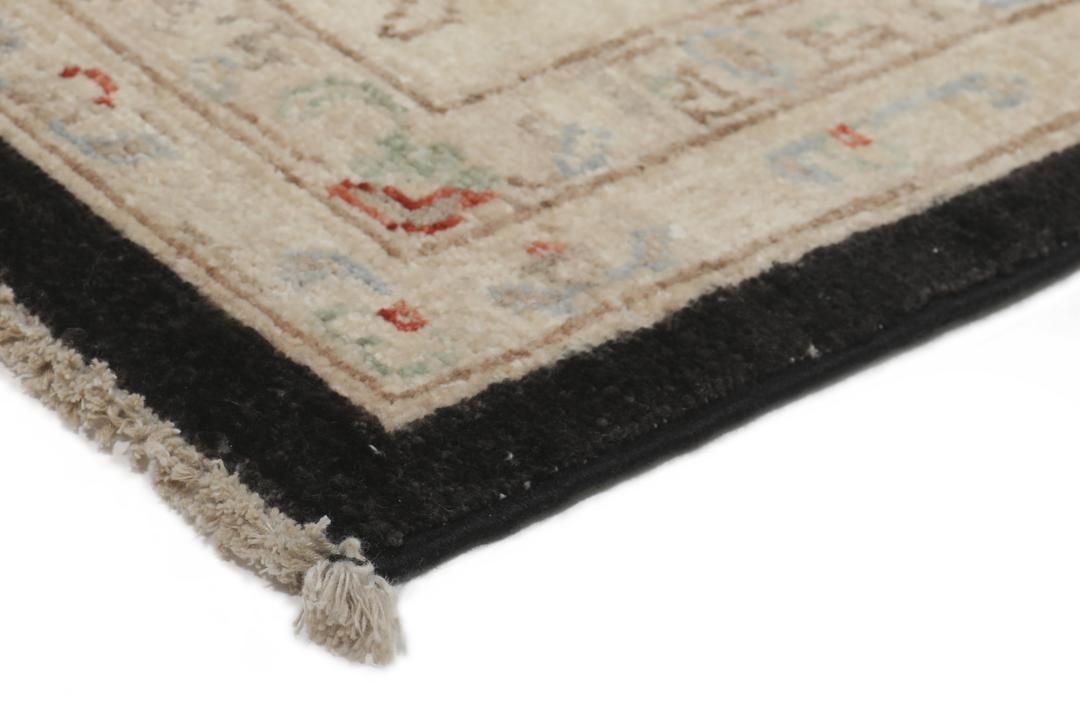
Today, this tradition has found a vibrant new home in Afghanistan, where artisans have mastered these classic designs. The term Ziegler today describes a style defined by its sophisticated, often distressed or antique-inspired aesthetic, which relies on high-quality Wool and careful dyeing processes to achieve a naturally aged look that feels both historic and fresh.
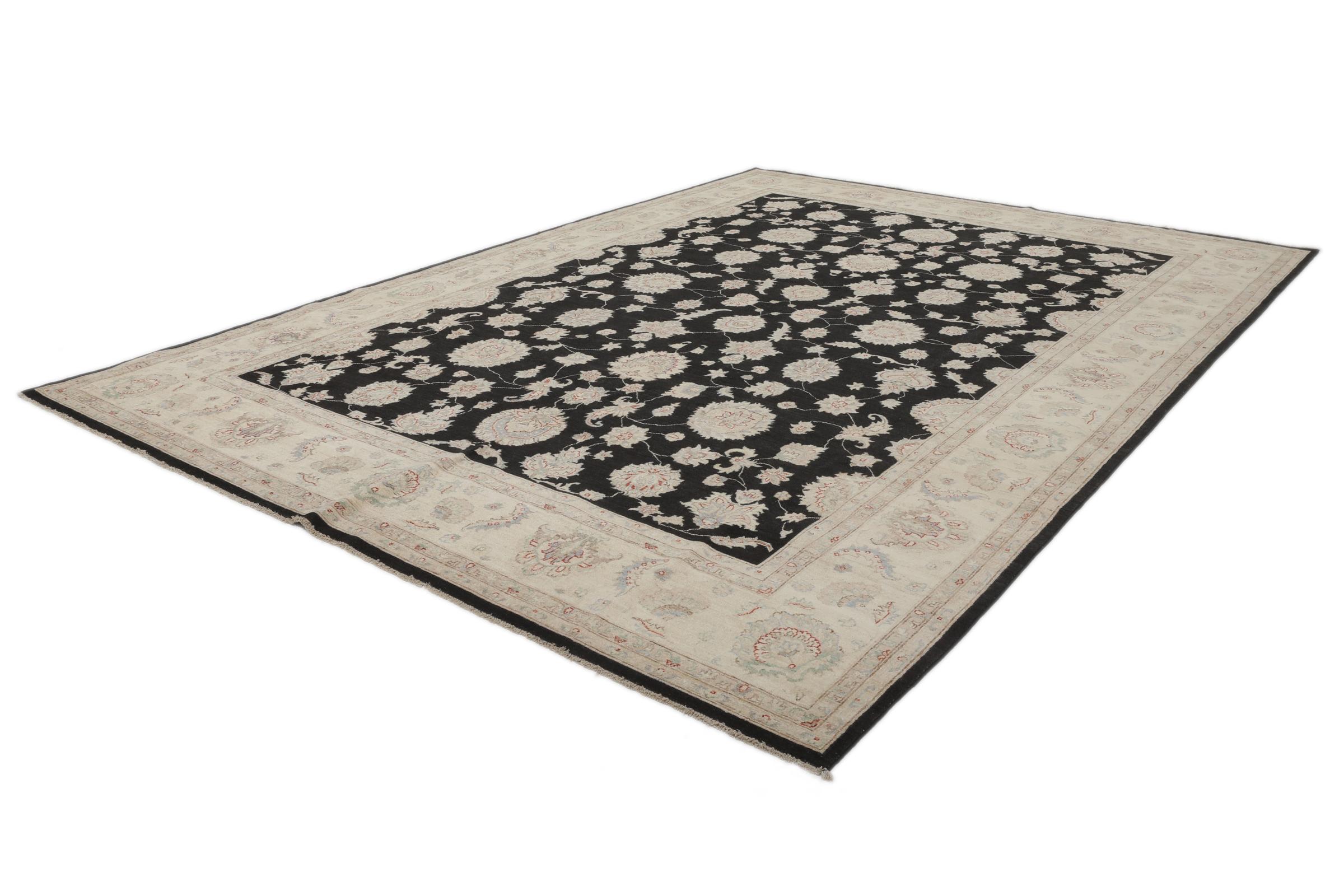
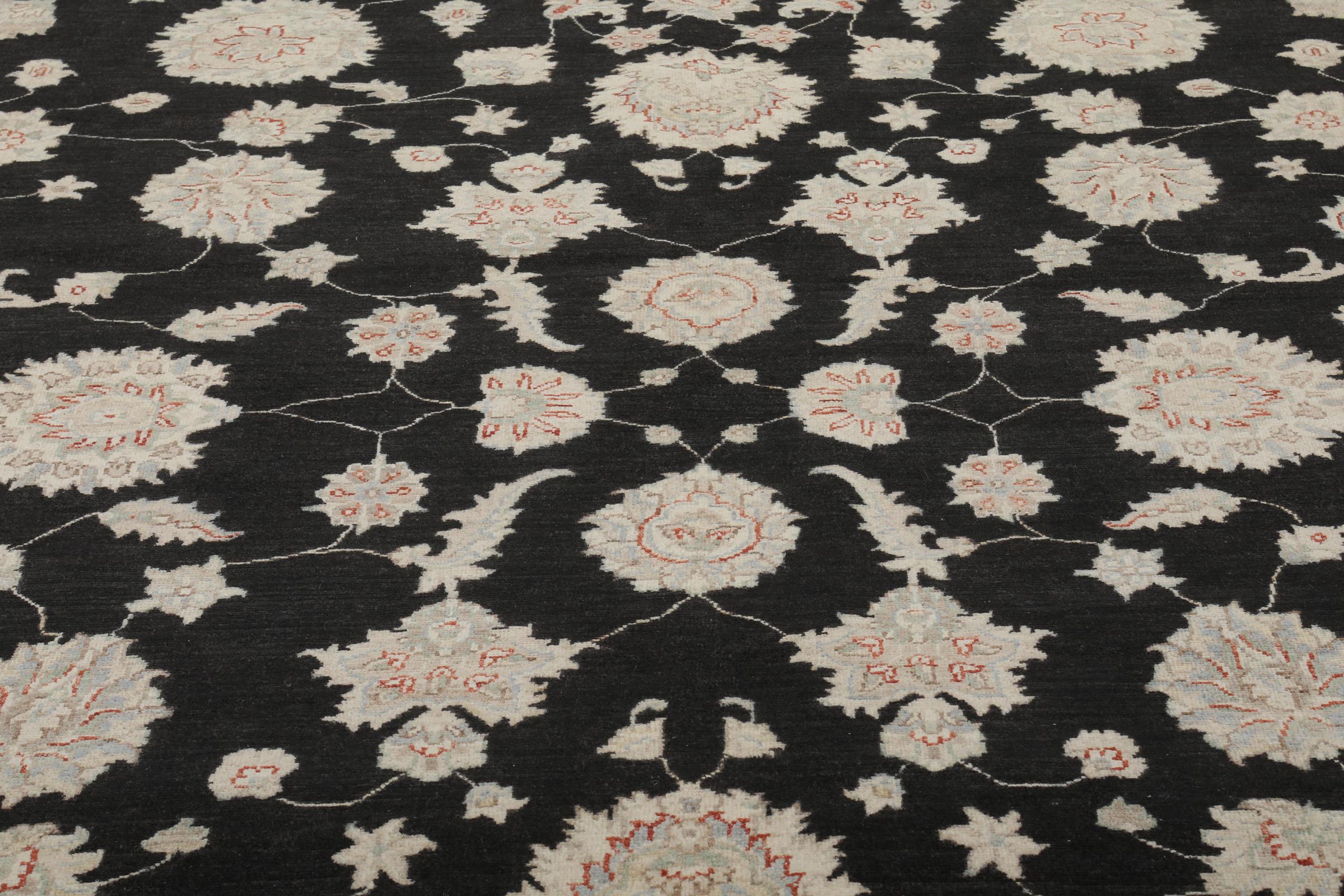
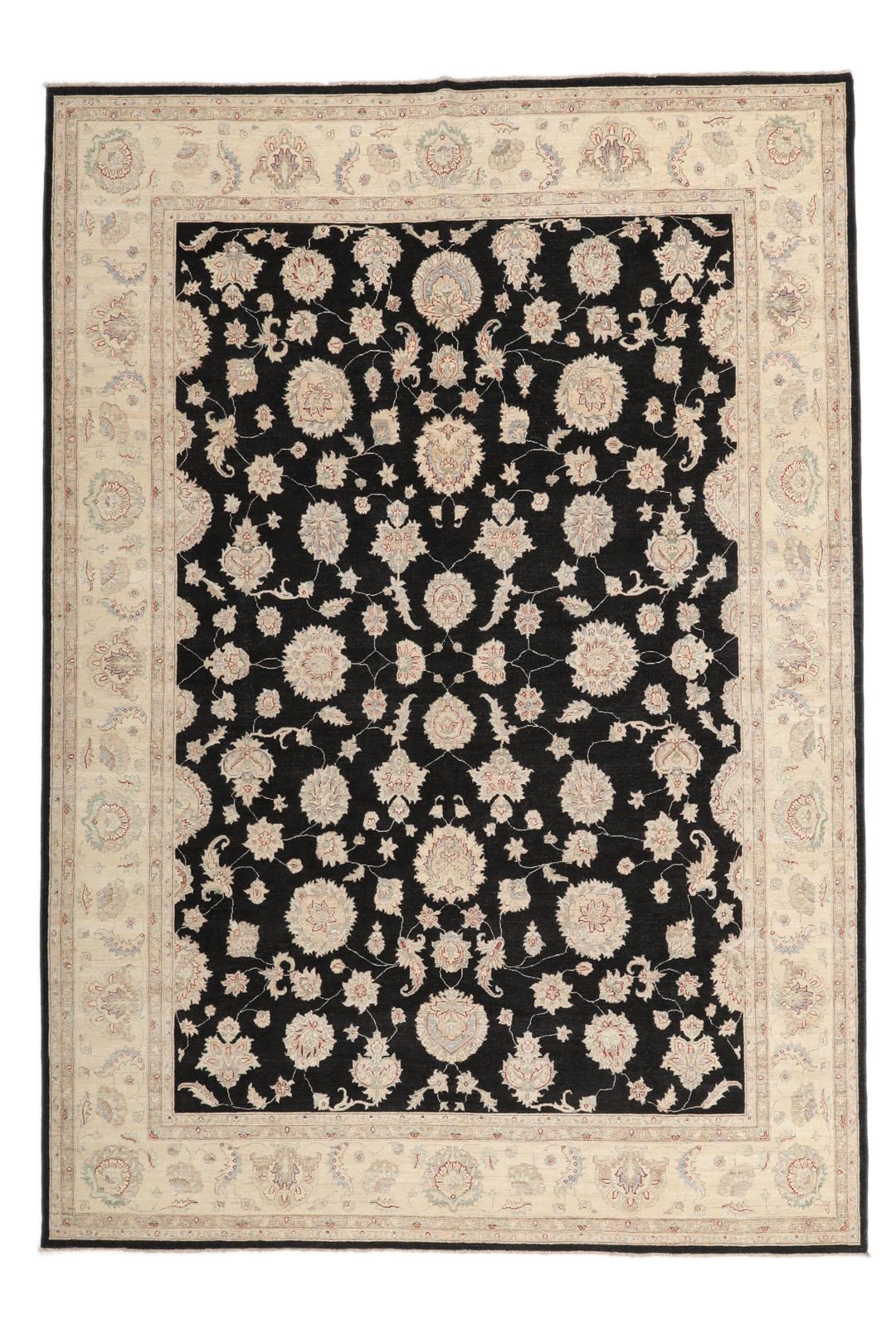
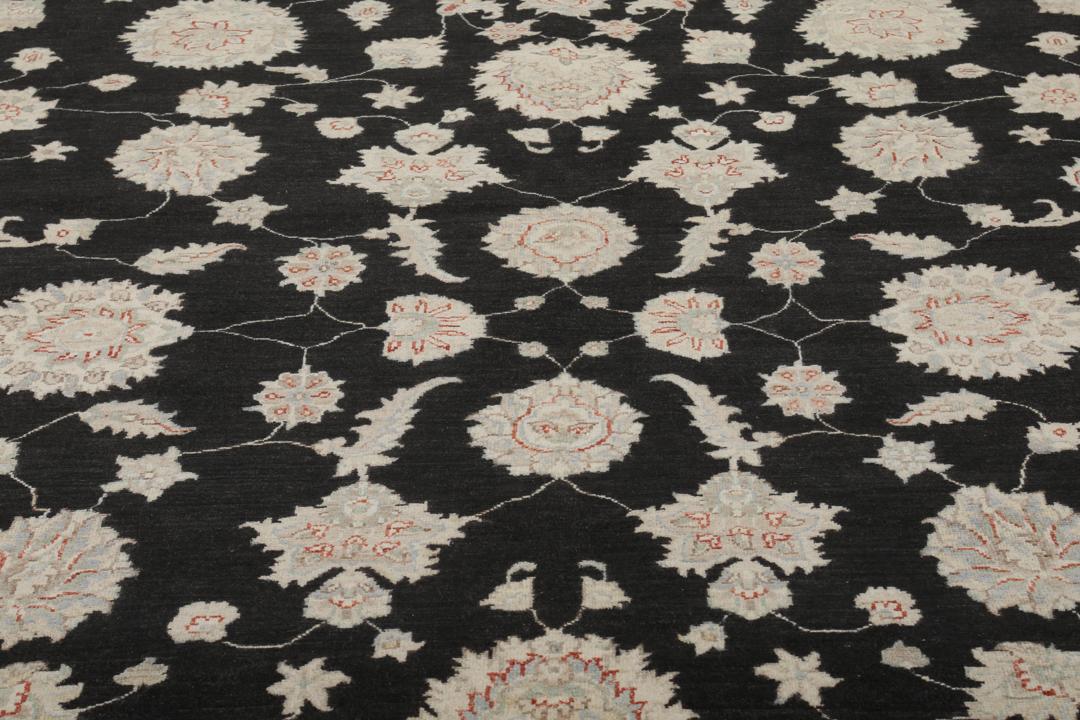
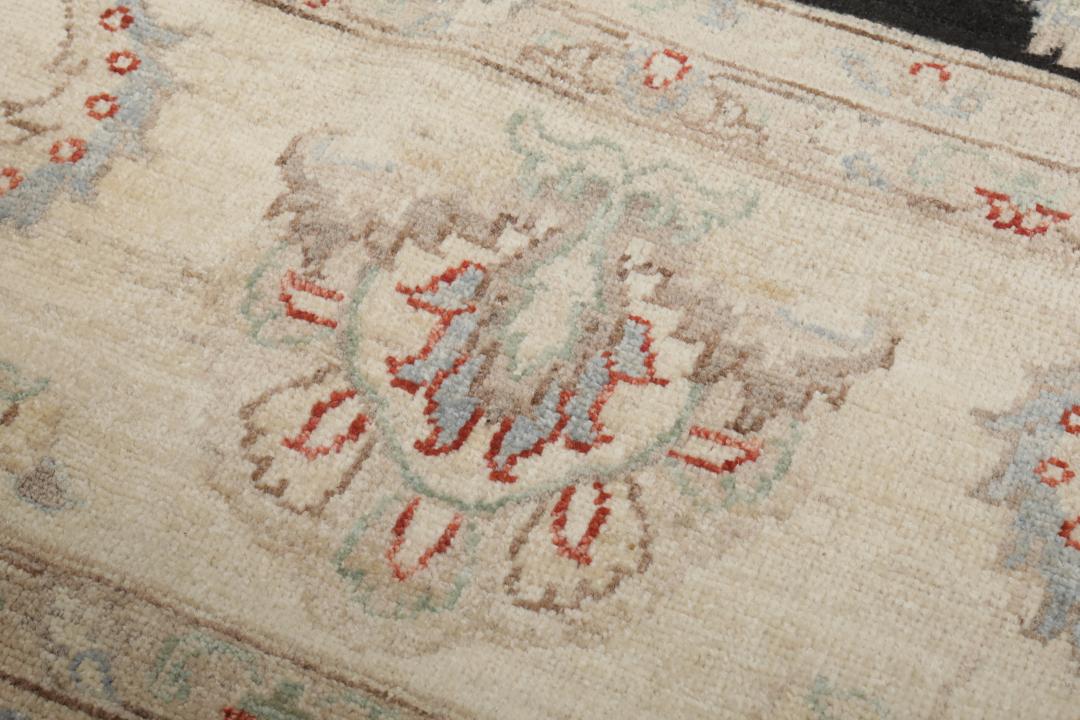
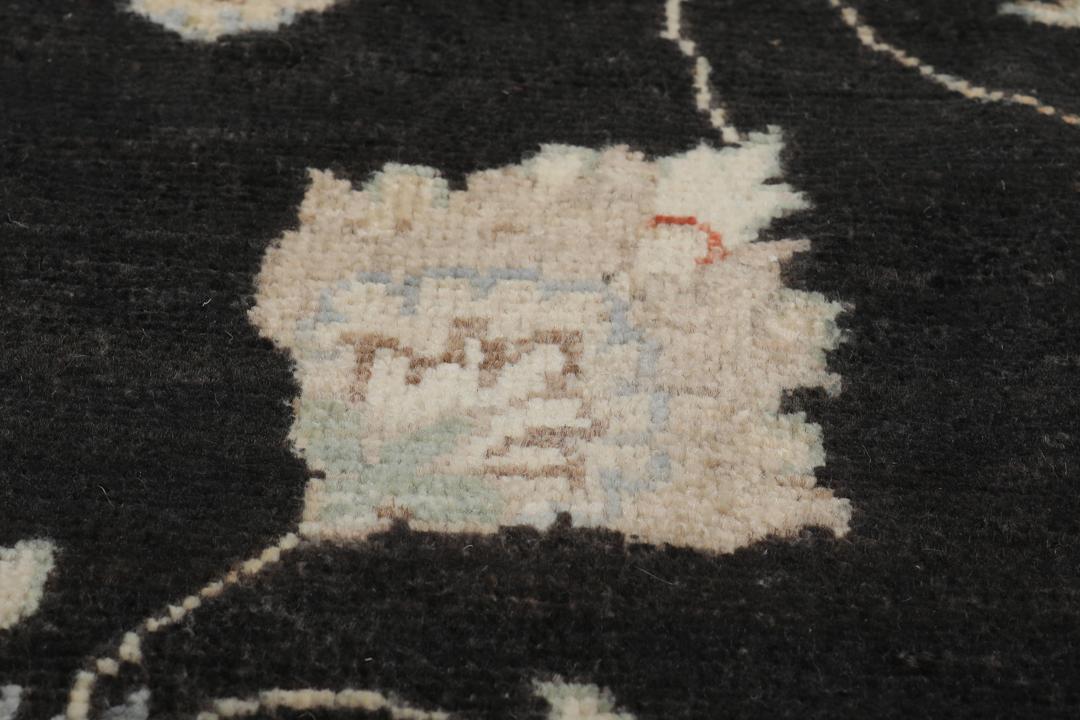
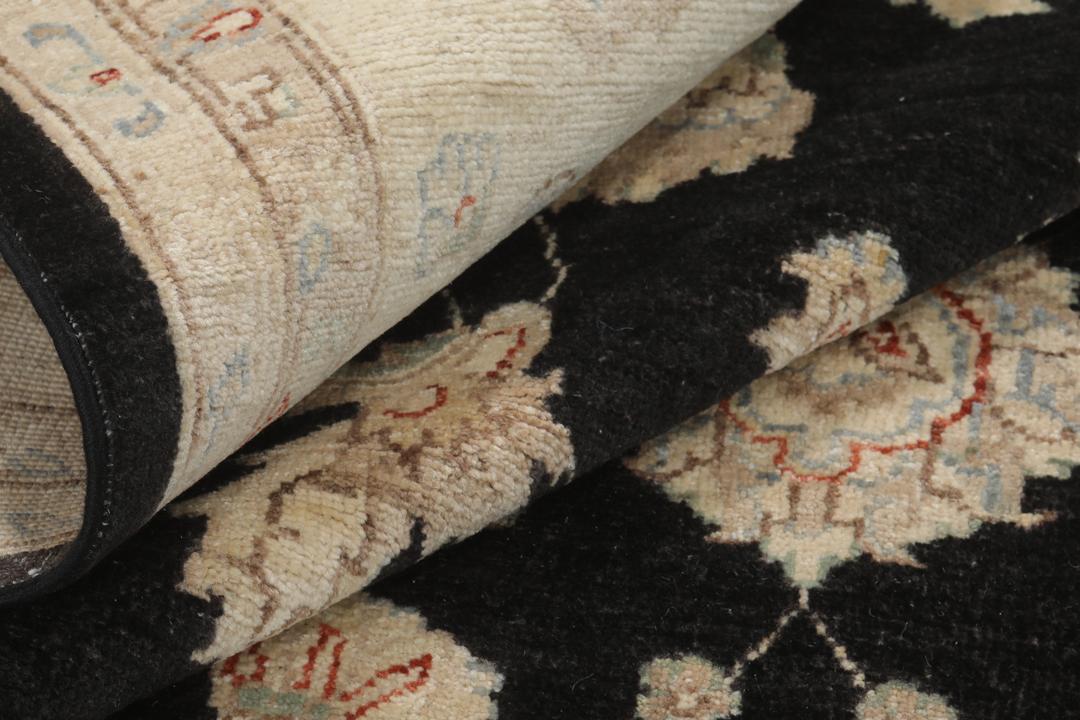
The signature design of a Ziegler rug is its expansive field, often decorated with sweeping floral vines, palmettes, and leaves that seem to float across the surface. This is typically framed by a wide, detailed border that provides a formal structure, grounding the more organic, flowing patterns found in the centre of the rug.
Owning a Ziegler rug is a way to connect with a long-standing history of cross-cultural design. These pieces are highly valued by collectors and homeowners alike for their ability to bring a sense of heritage and refined skill to a room, serving as a reminder of the enduring beauty found in carefully crafted, traditional textiles.