Ziegler rugs originated in the late 19th century as a collaborative effort between Western design sensibilities and traditional Middle Eastern weaving techniques. Originally commissioned by a Swiss firm named Ziegler and Co., these rugs were designed to meet the growing demand for more muted, decorative styles in European homes. They successfully bridge the gap between historic tribal aesthetics and more formal, interior-focused design.
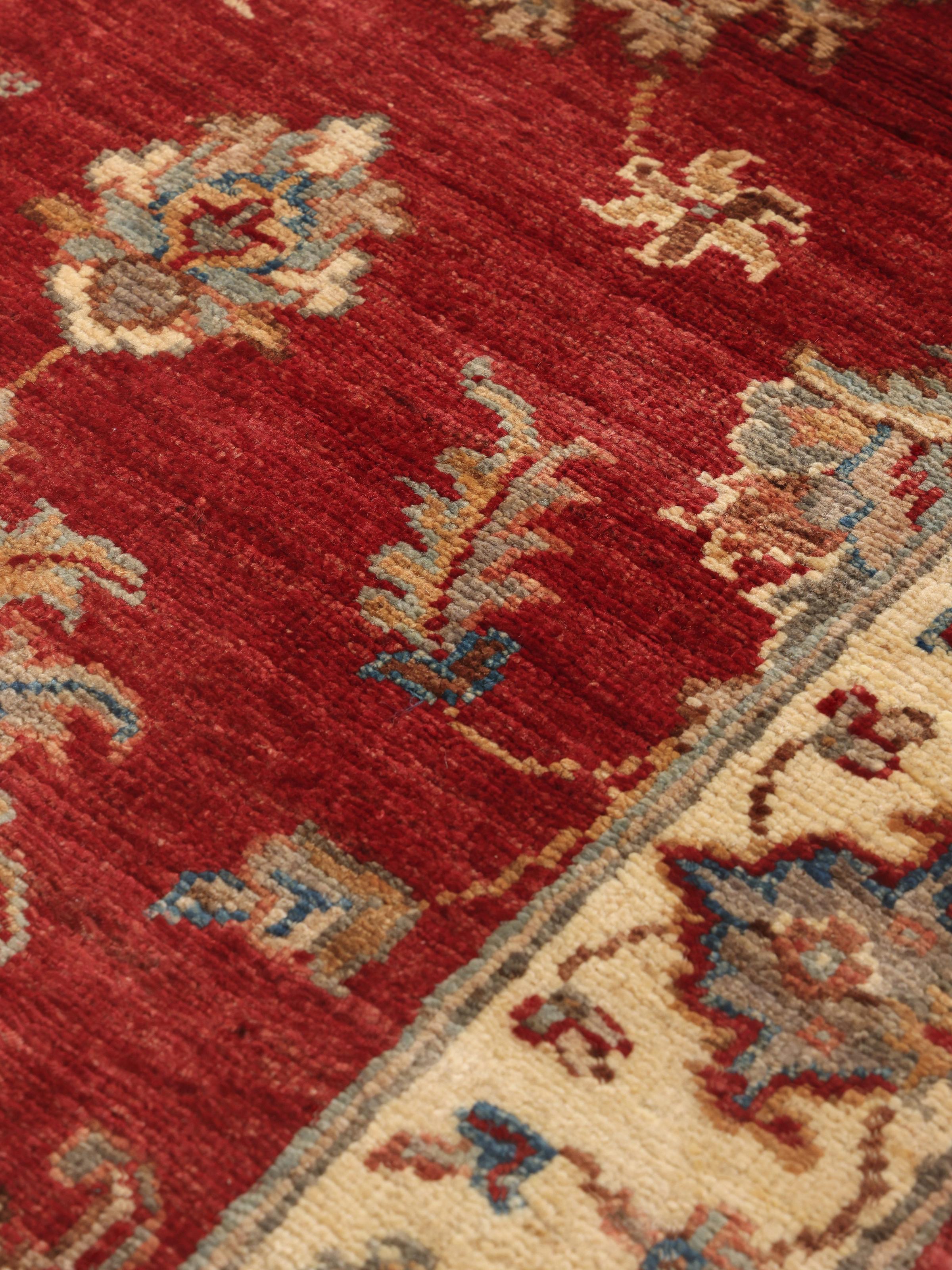
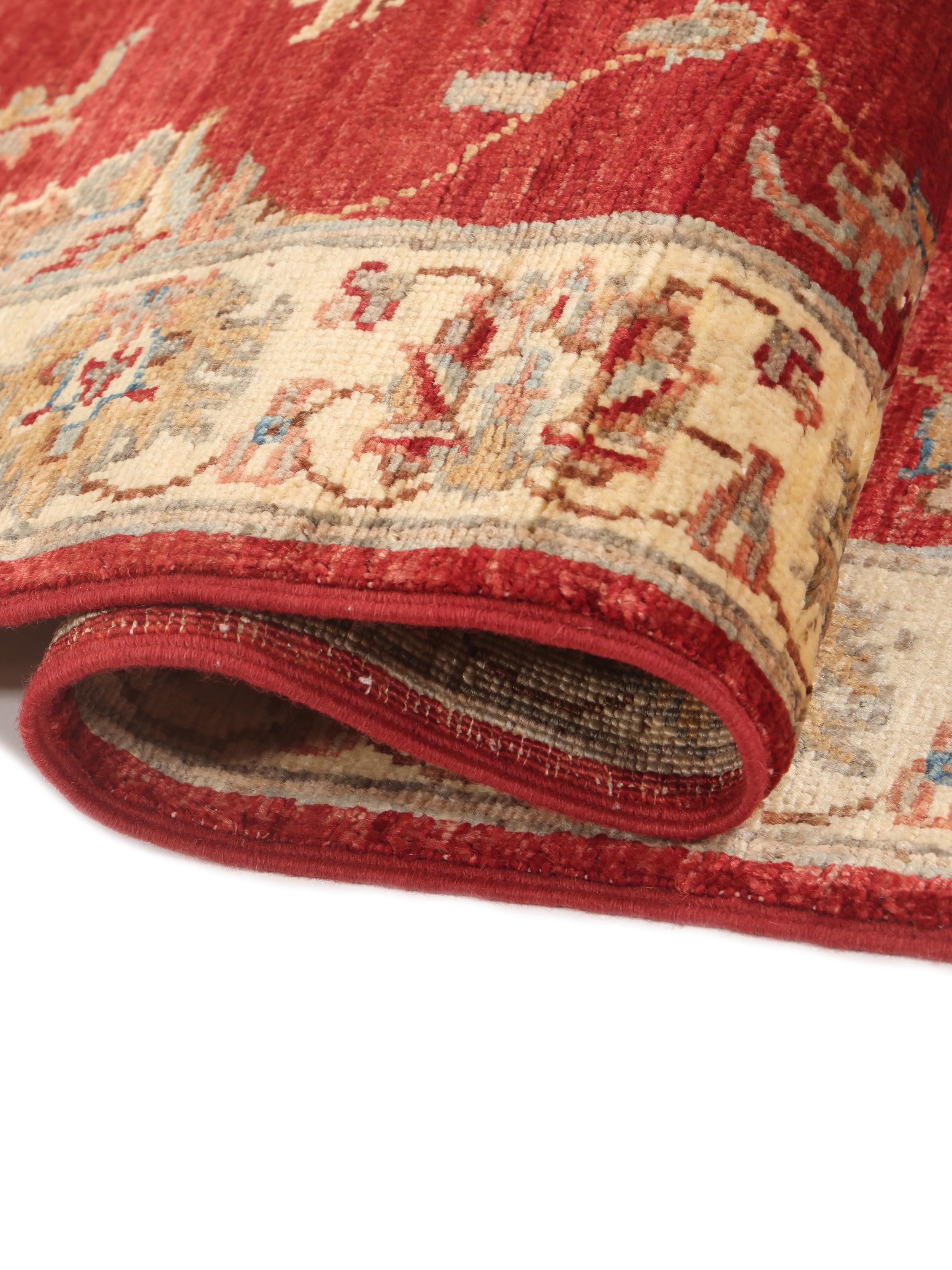
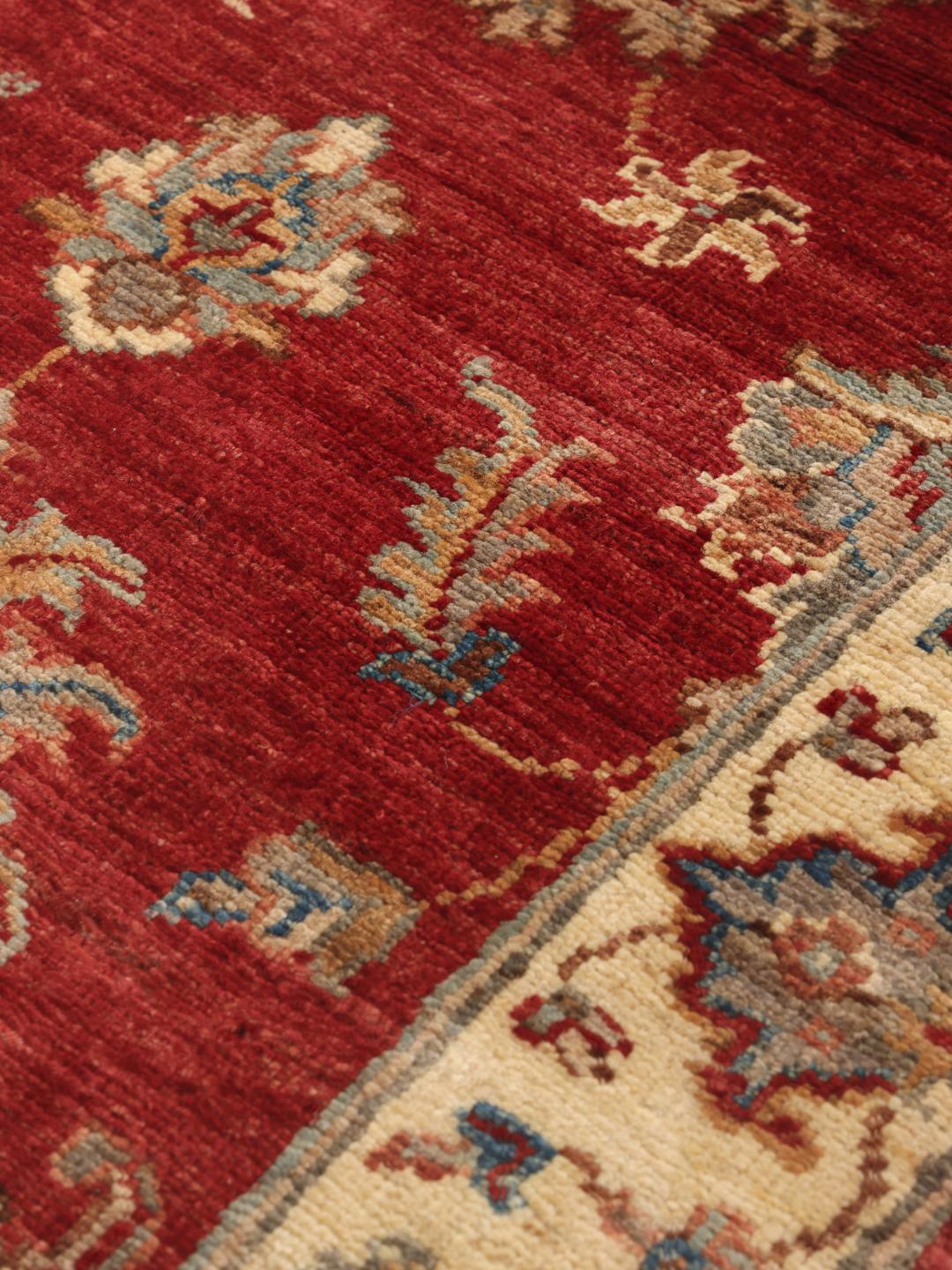
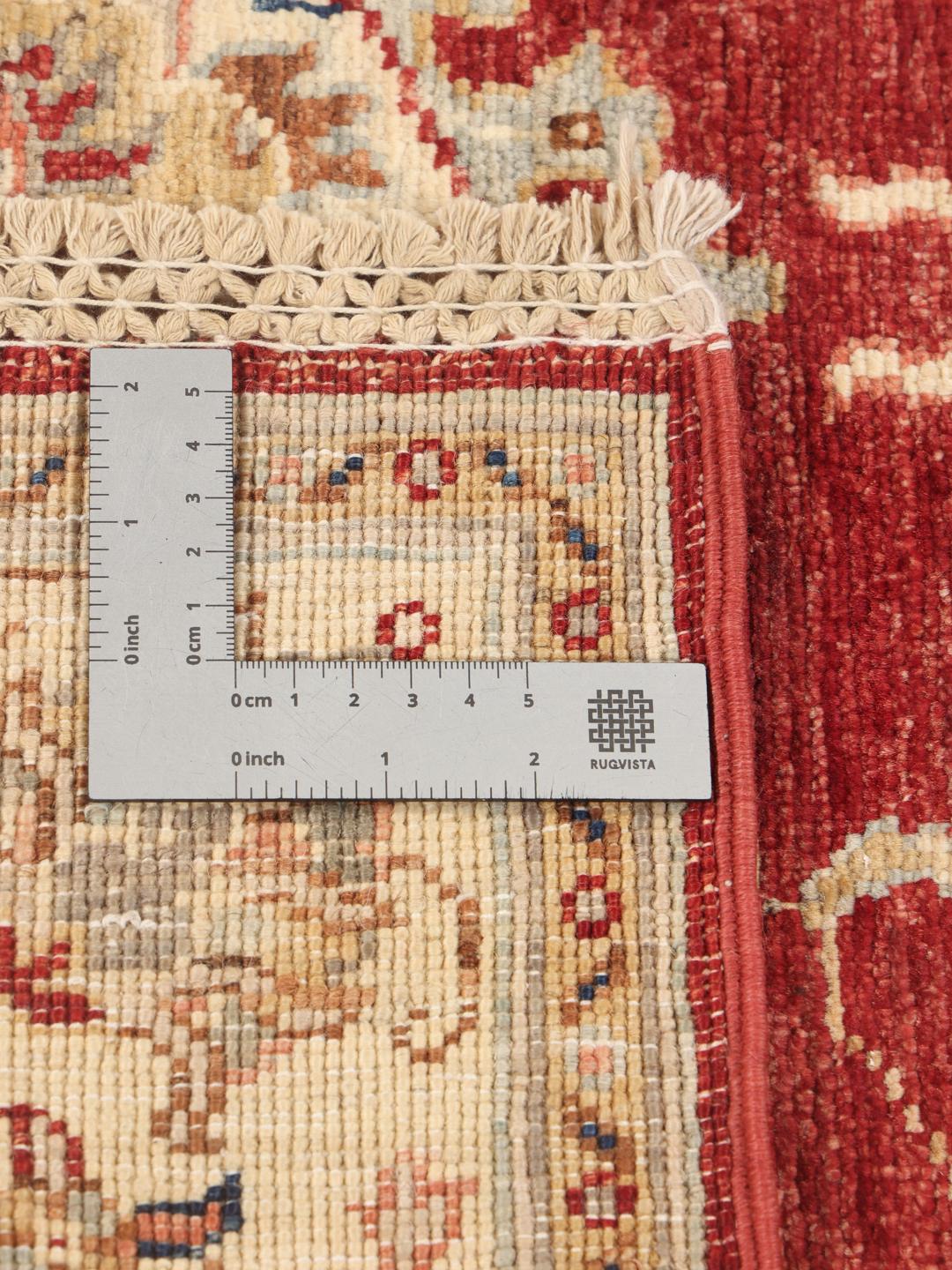
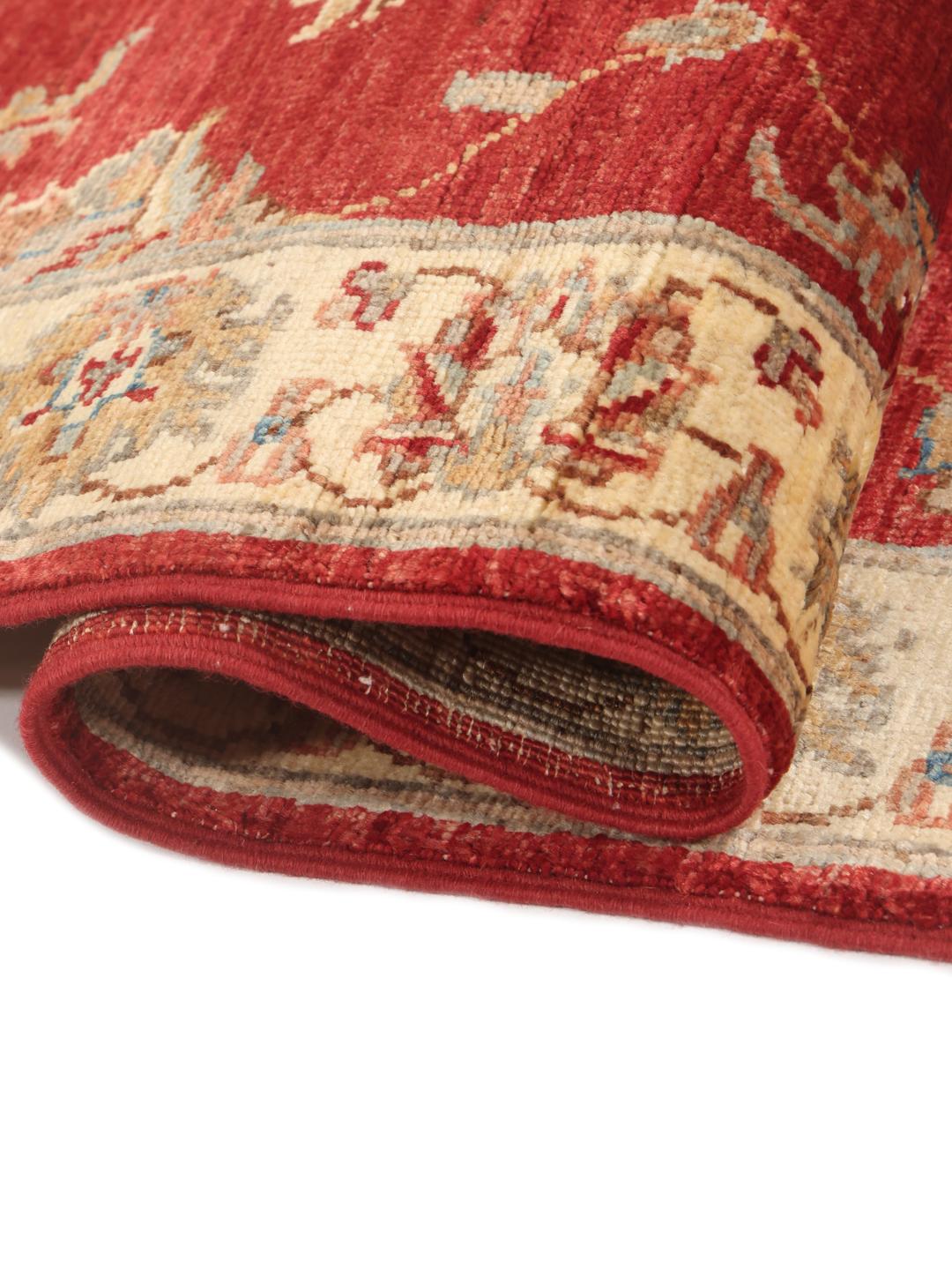
The production of these rugs relies on the use of high-quality hand-spun wool, which is often dyed using traditional natural or vegetable-based pigments. This process gives the wool a subtle, varied coloration that evolves beautifully as the rug ages. The techniques used are deeply rooted in the history of the region, emphasising a sturdy construction that has been perfected over generations of weavers.
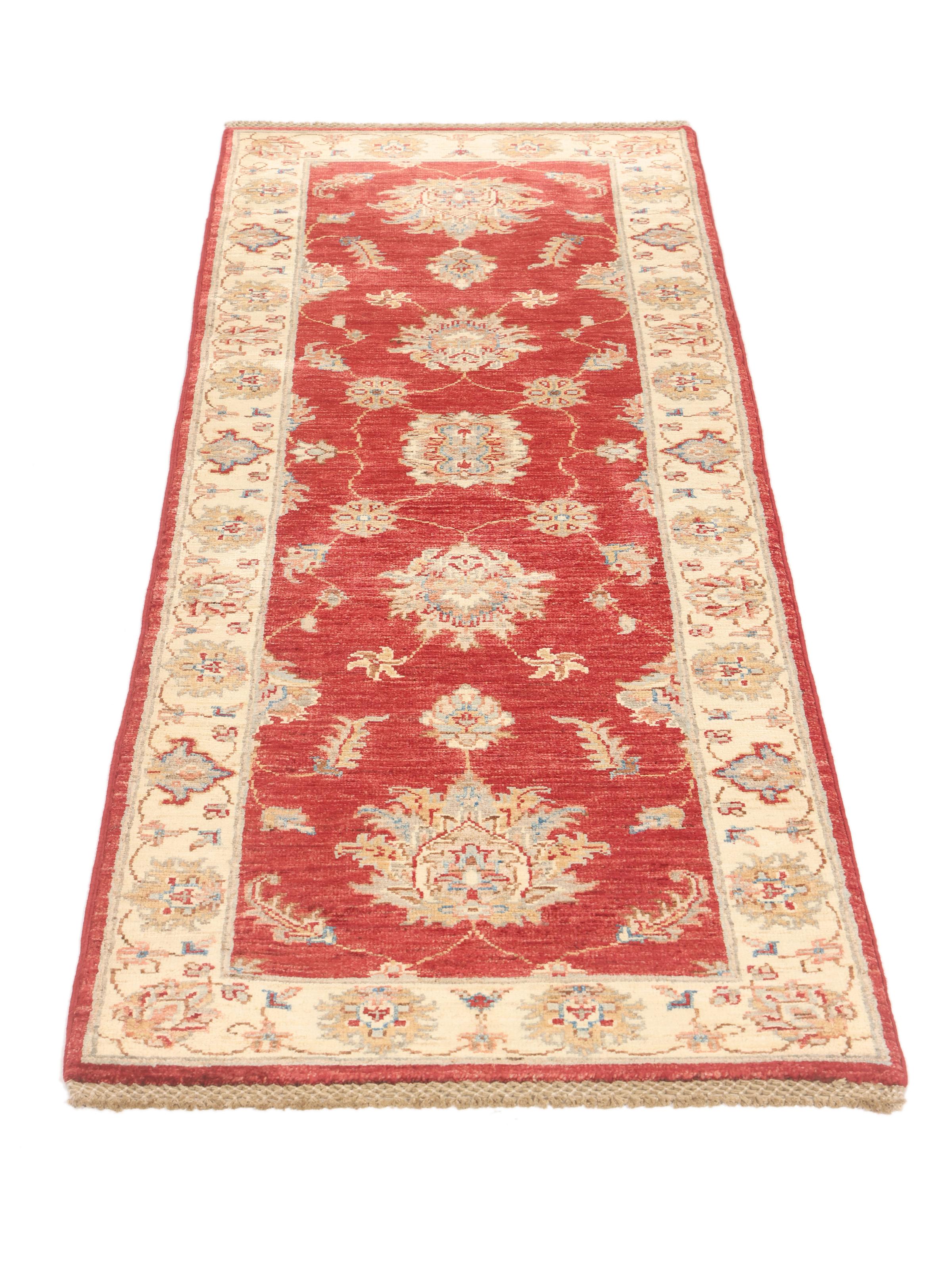
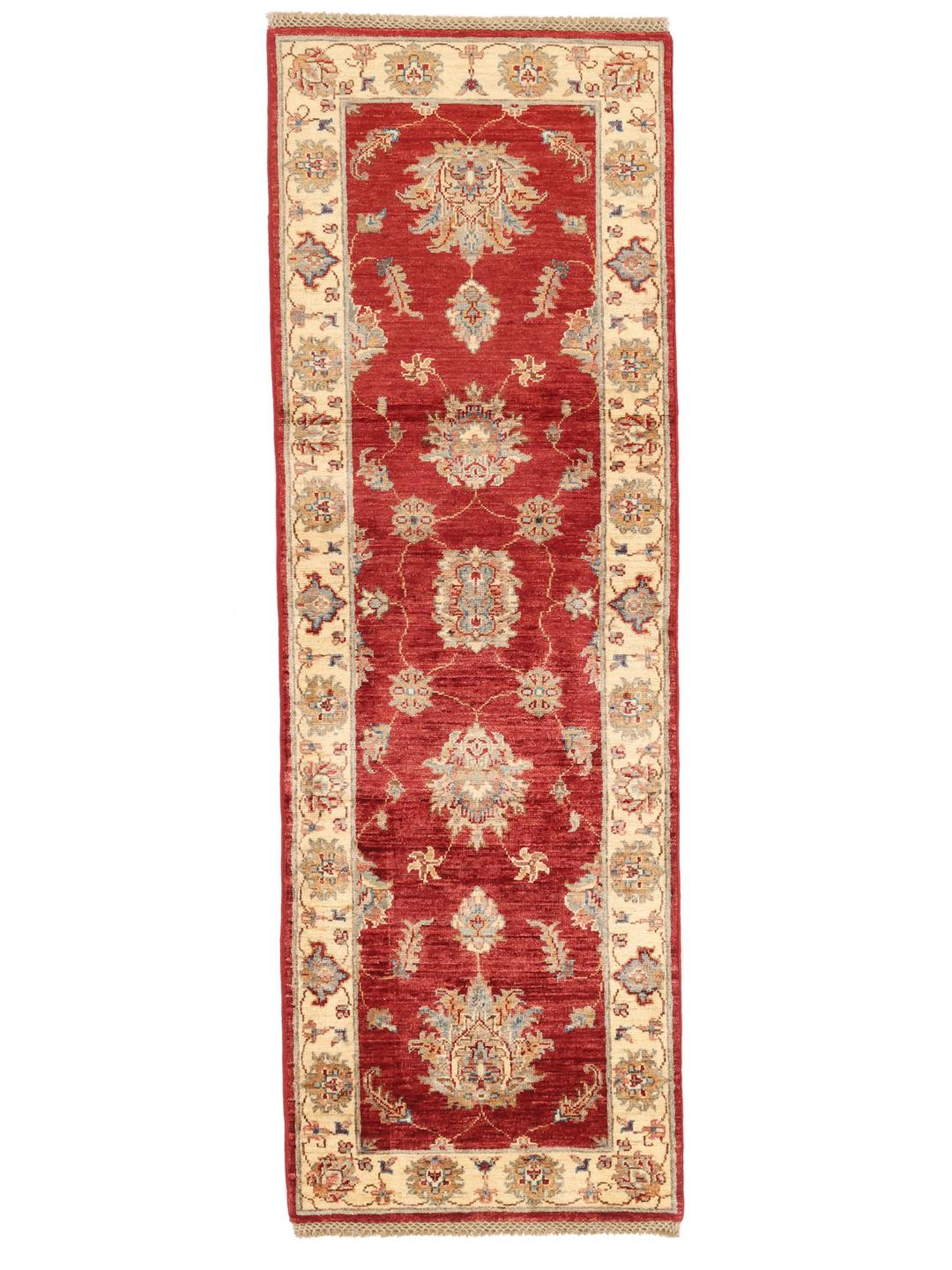
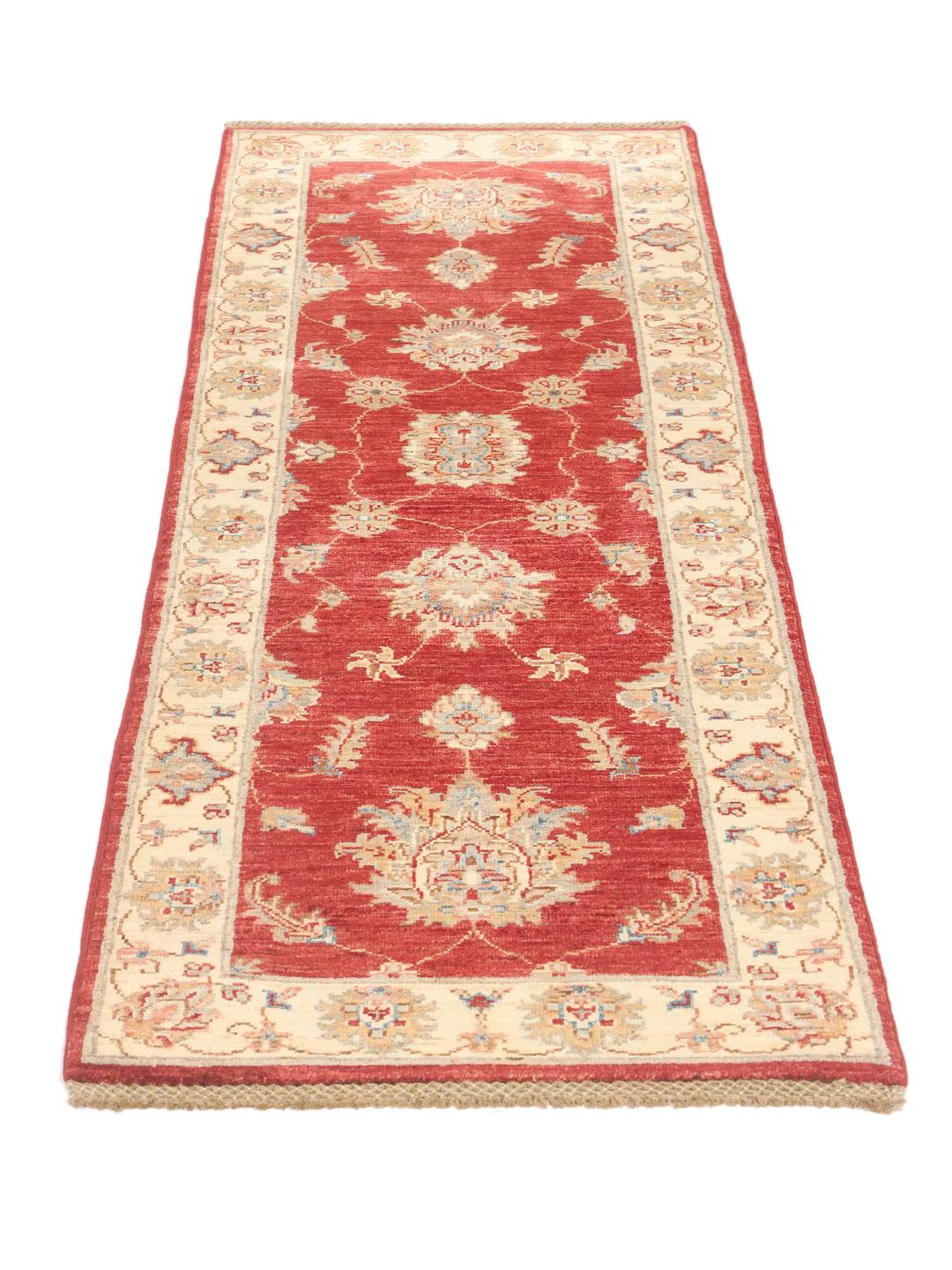
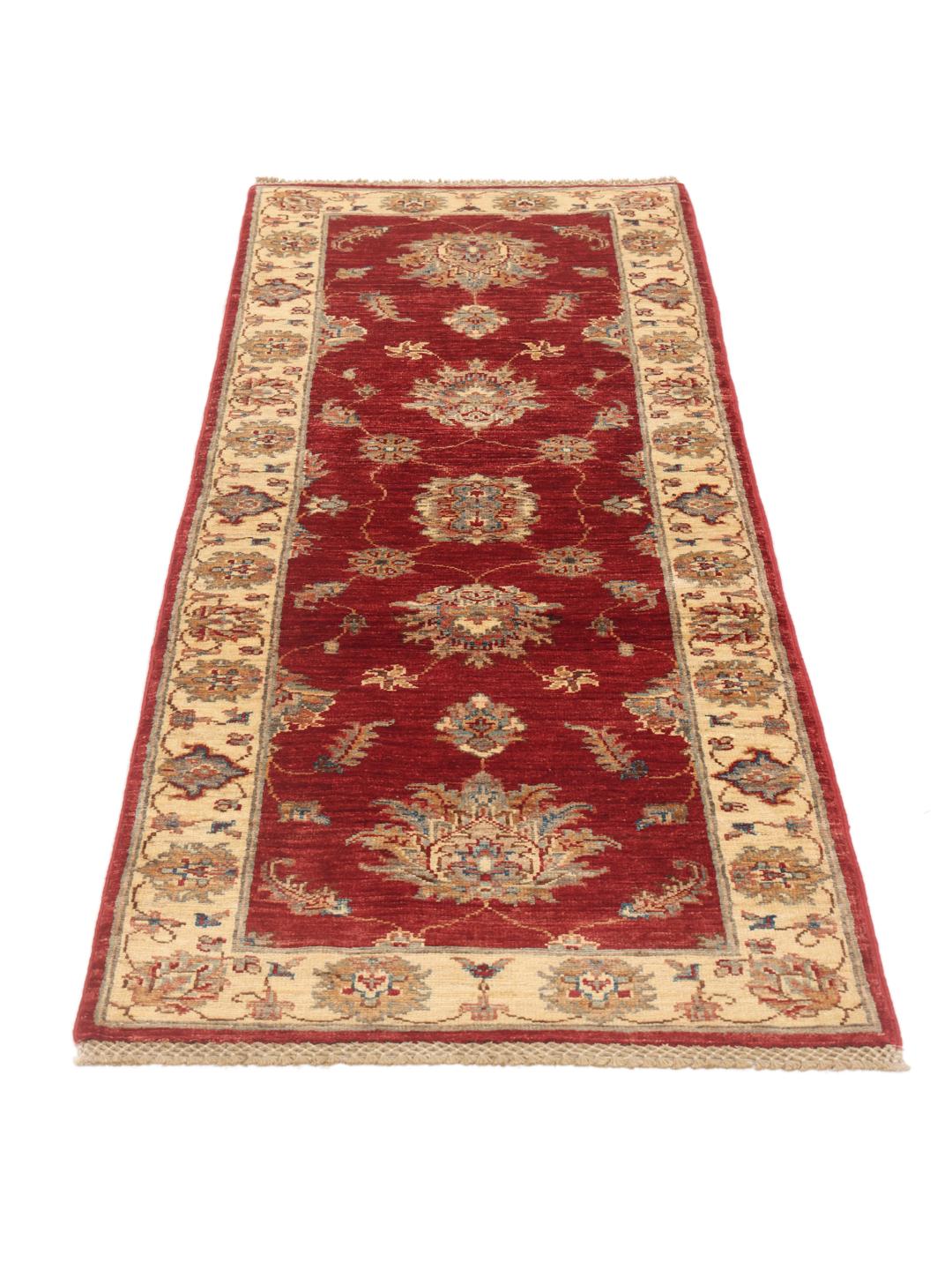
Visually, these rugs are characterised by their expansive, open fields and large-scale floral patterns, often inspired by classic 17th-century designs. Unlike more densely packed traditional rugs, the Ziegler style favours a more balanced, airy composition. The borders are typically well-defined and feature elegant, repeating motifs that frame the central design and provide a sense of architectural structure.
Owning a piece from this tradition is a way to connect with a long-standing history of artistry and cultural exchange. These rugs are highly valued by collectors and homeowners alike for their ability to complement a variety of interiors while remaining deeply rooted in the heritage of the Middle East. Each rug serves as a testament to the skill of the artisans and the enduring appeal of timeless, hand-crafted design.