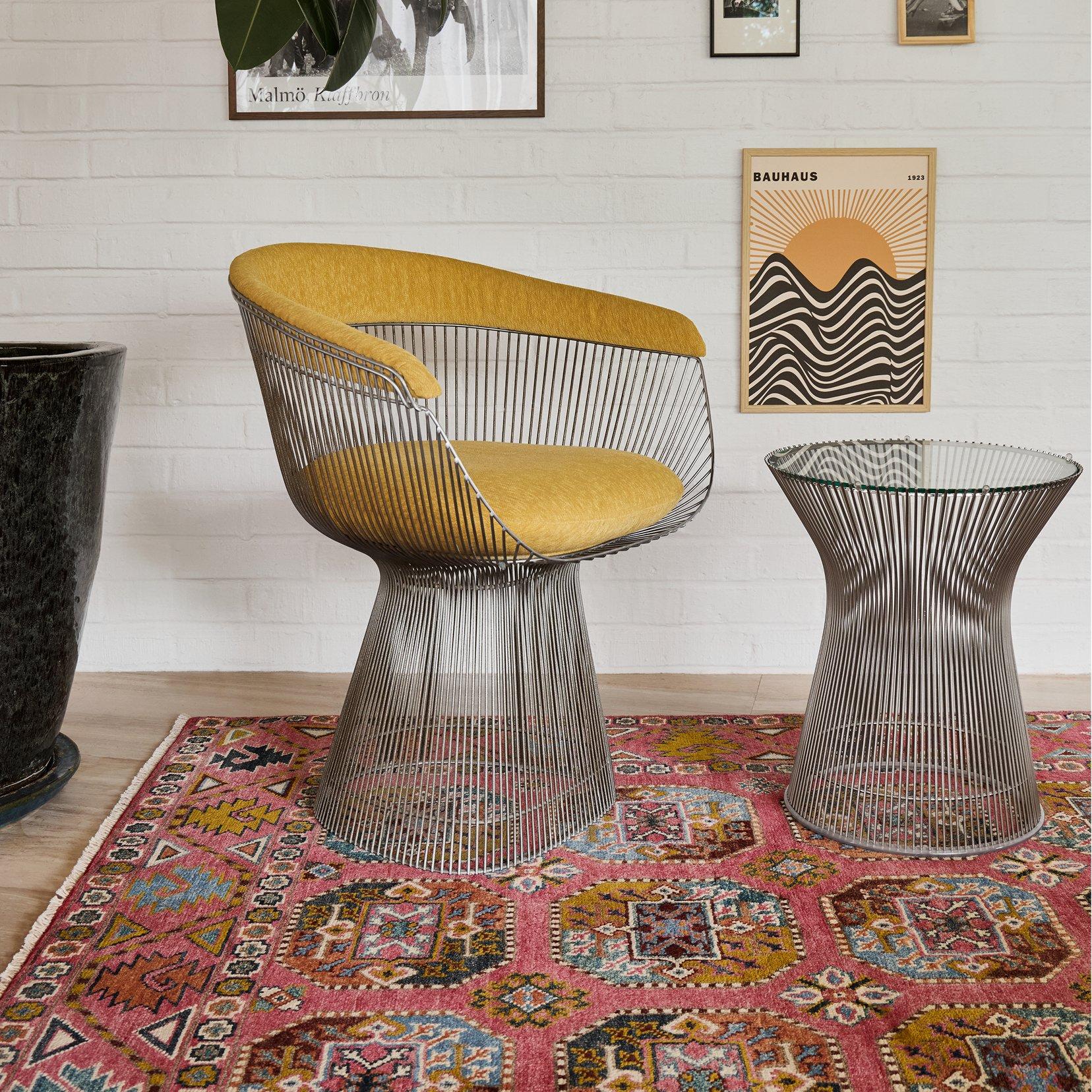
What is a Kazak rug? History and origin
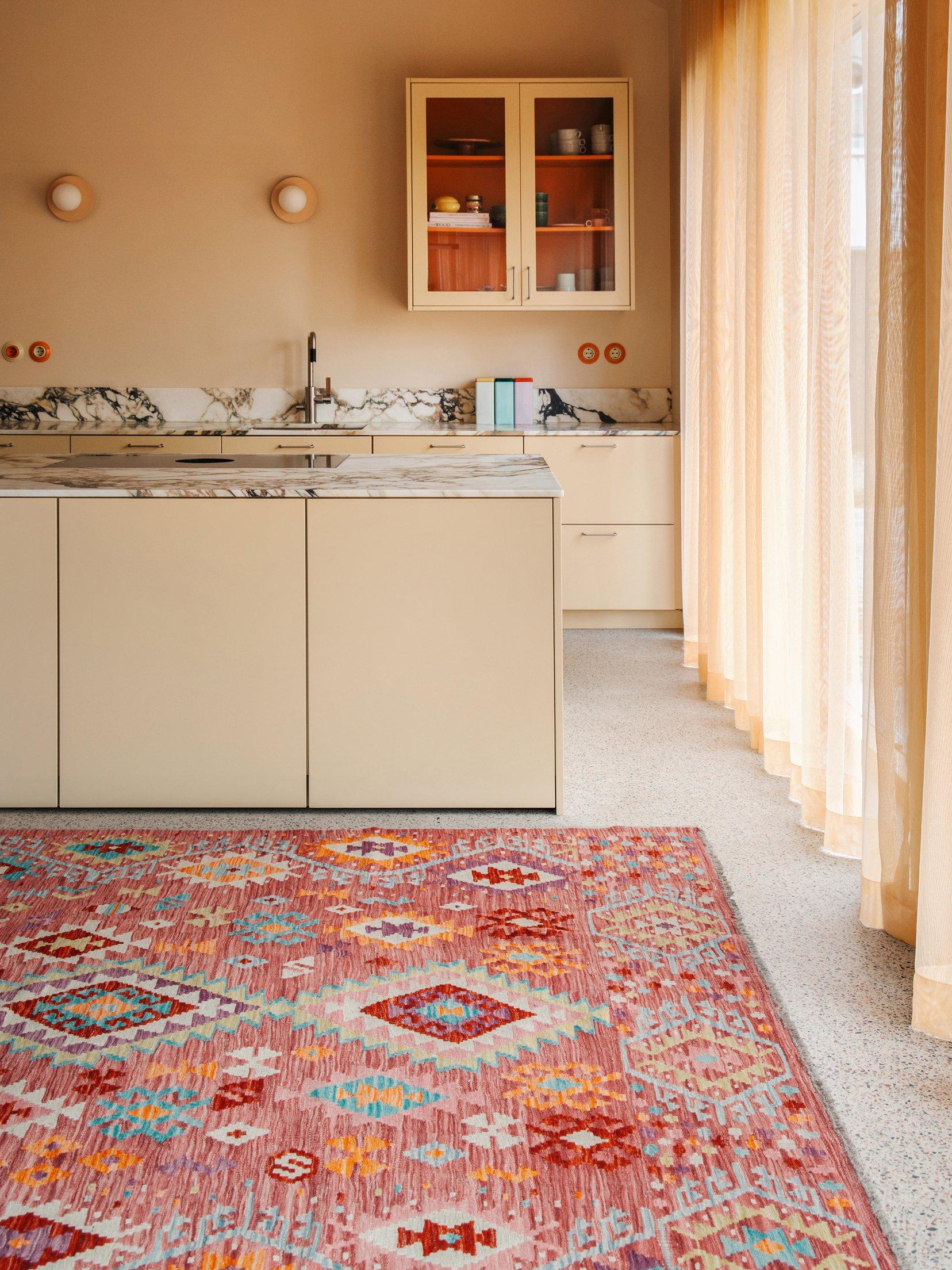
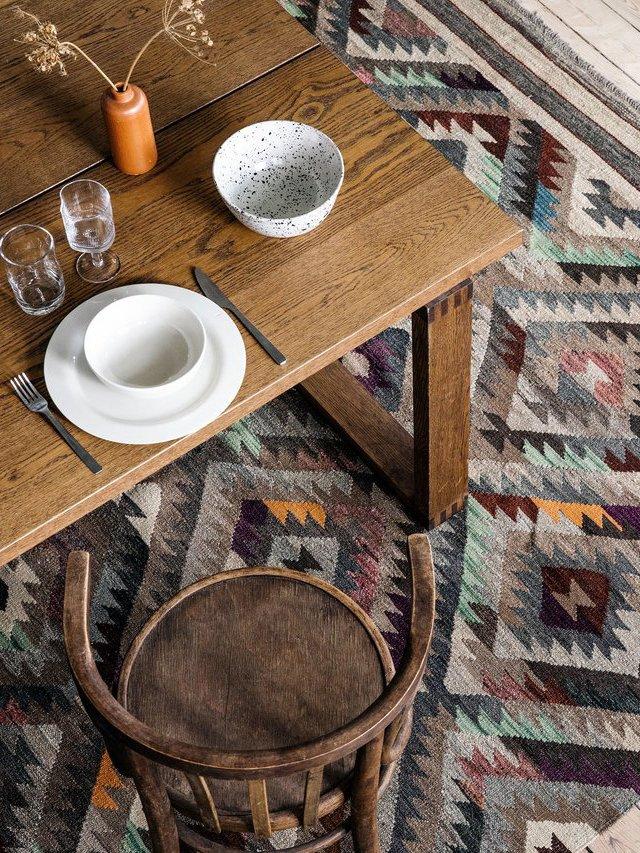
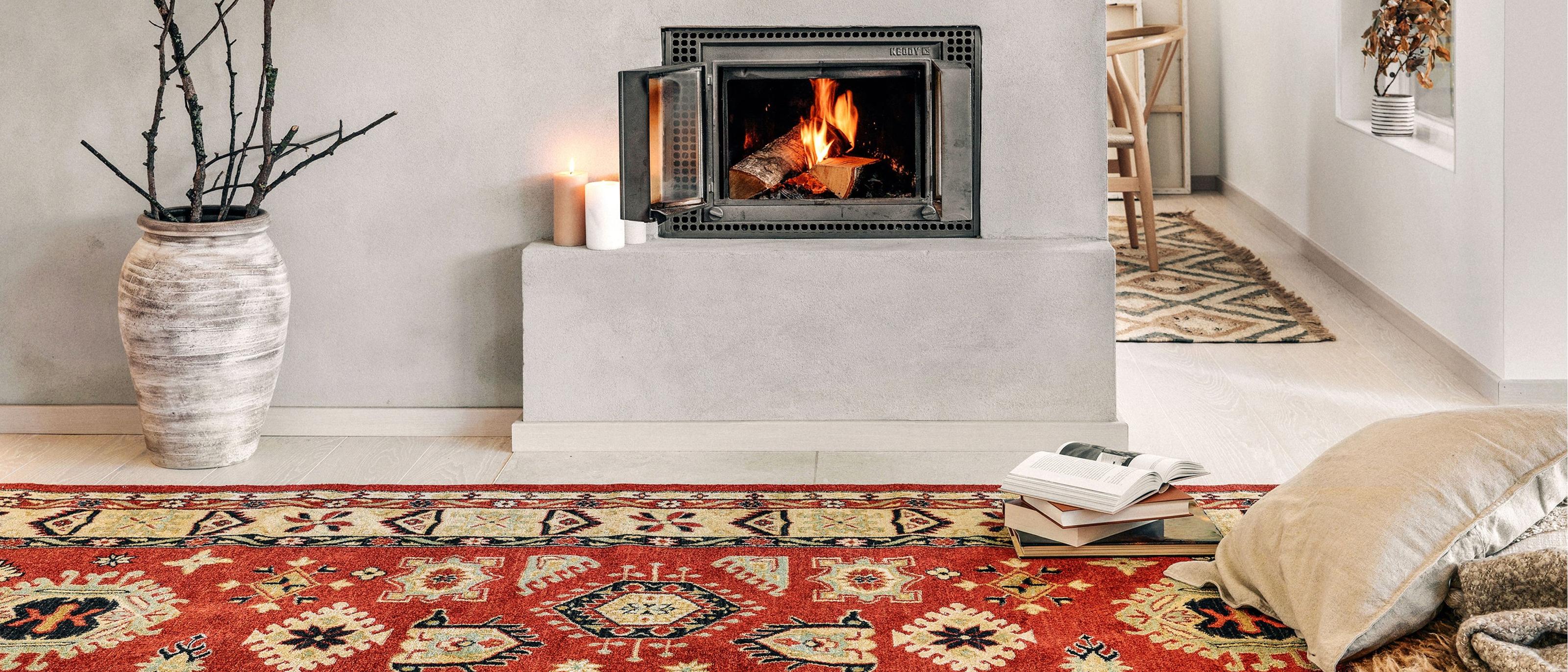
A Kazak rug is a traditional hand-knotted wool rug from the Caucasus region, known for its bold geometric patterns, durable construction, and symbolic motifs such as stars and medallions. Traditionally made for everyday use, Kazak oriental rugs are valued for their strength, clarity of design, and long-lasting quality.
Kazak rugs are part of a long-standing weaving tradition where function and craftsmanship are closely connected. Their balanced compositions and strong visual presence make them versatile, working well in both traditional and modern interiors.
History of Kazak rugs
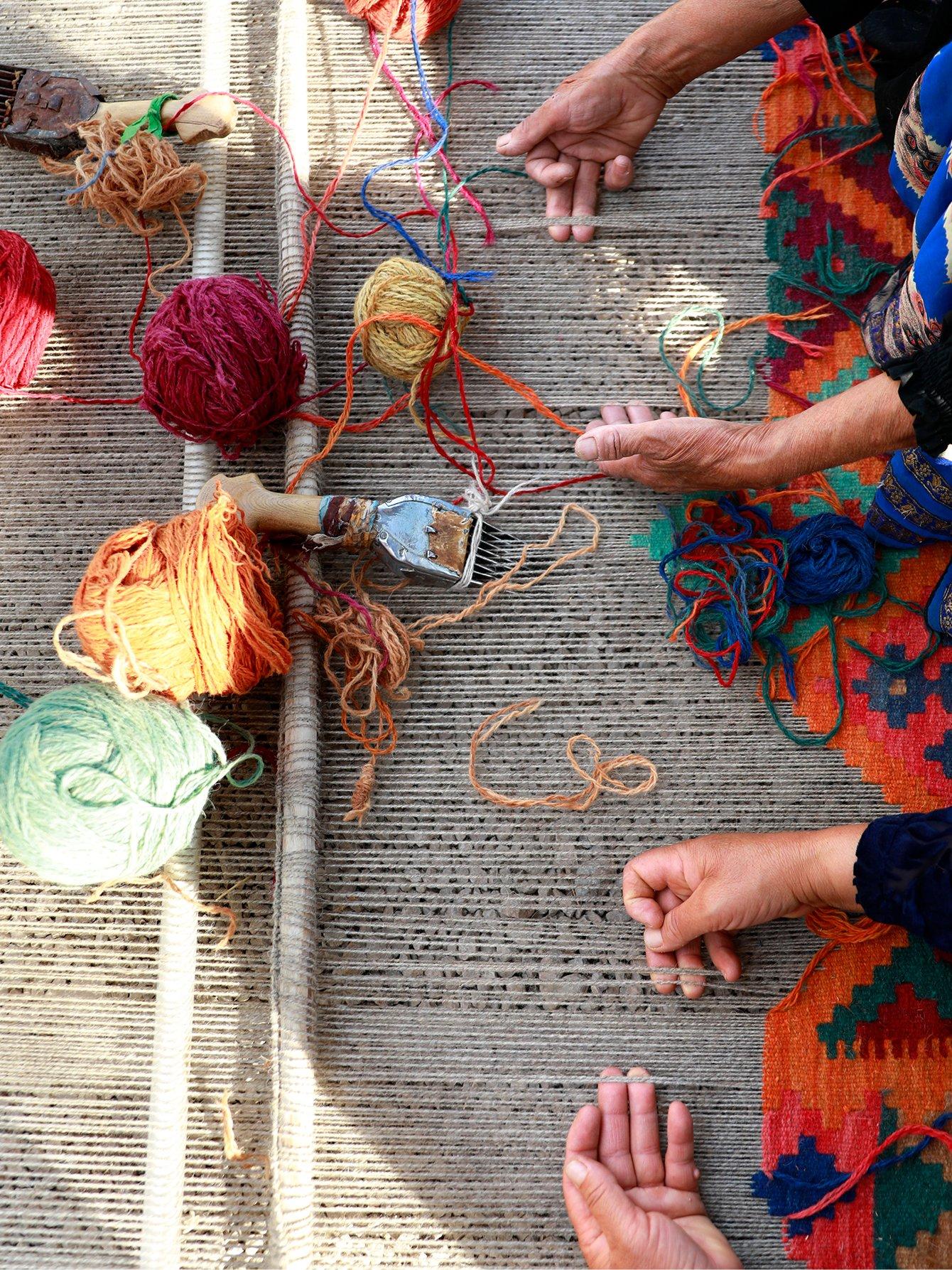
Kazak rugs originate from the Caucasus region, particularly areas of modern-day Armenia, Azerbaijan, and Georgia, where a long tradition of handwoven textiles has developed over centuries. Village communities traditionally produced these rugs for everyday household use, which influenced their durable construction, hand-knotted structure, and use of wool.
Weaving knowledge was passed down through generations, with techniques and geometric motifs preserved through practice rather than written patterns. This process helped maintain the distinctive bold geometric designs and strong visual clarity that define Kazak rugs today.
Kazak rugs became widely recognised for their durability, balanced compositions, and distinctive regional style, setting them apart from more intricate oriental rug traditions.
Although production methods have evolved, traditional hand-knotting techniques and wool materials remain central to Kazak rug making. This continuity has helped preserve their cultural identity and lasting appeal across generations.
Where do Kazak rugs come from?
Kazak rugs come from the Caucasus region, a mountainous area located between the Black Sea and the Caspian Sea. They are traditionally associated with regions in present-day Armenia, Azerbaijan, and Georgia.
While weaving techniques and patterns vary slightly between regions, Kazak rugs are consistently defined by their bold geometric designs, hand-knotted wool construction, and strong emphasis on clarity and symmetry.
What makes Kazak rugs unique?
Kazak rugs are known for their bold geometric patterns, durable hand-knotted wool construction, and strong visual clarity. Their distinctive character comes from a combination of key features:
- Large-scale geometric motifs, such as stars and medallions
- Thick wool pile and sturdy weave, designed for everyday use
- Hand-knotted construction, ensuring durability and longevity
- Symbolic patterns, representing strength, protection, and harmony
These elements give Kazak rugs a strong visual presence and distinguish them from more intricate oriental rug styles, which often feature more detailed and complex designs.
Kazak rug patterns and meanings
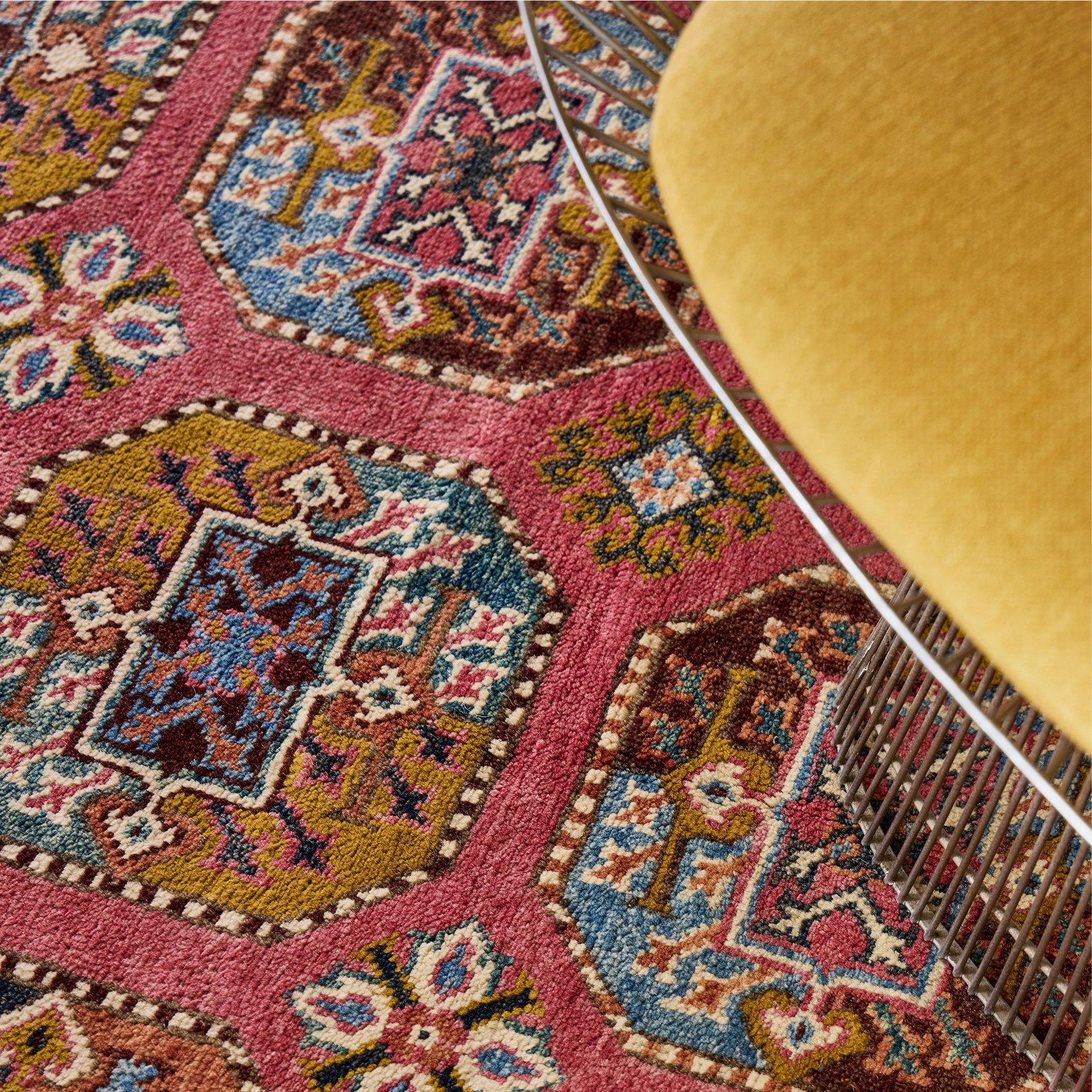
Kazak rug patterns are known for their bold geometric designs and symbolic motifs, often referred to as Kazak rug symbols. These patterns traditionally represent ideas such as protection, strength, and balance rather than purely decorative detail.
Common Kazak rug patterns include:
- Star motifs – associated with guidance, harmony, and continuity
- Geometric medallions – symbolising structure, order, and stability
- Repetitive angular shapes – creating rhythm and visual balance
These patterns are typically arranged in clear, structured layouts, giving Kazak rugs a strong and grounded visual presence. Their combination of symbolism and geometric clarity is a defining feature of Kazak rugs and helps distinguish them from more intricate rug styles.
What are Kazak rugs made of?
Kazak rugs are traditionally made from hand-spun wool, a material valued for its durability, warmth, and natural texture. Wool is well-suited for everyday use and contributes to the rug’s long lifespan and soft, dense feel.
Key characteristics of Kazak rug materials and construction include:
- Wool fibres that provide resilience, insulation, and comfort
- Hand-spun yarn, adding texture and strength
- Hand-knotted construction, creating a dense and stable structure
This combination of high-quality wool and traditional craftsmanship ensures that Kazak rugs are durable, age well over time, and maintain their structural integrity.
Explore our hand-knotted wool rugs.
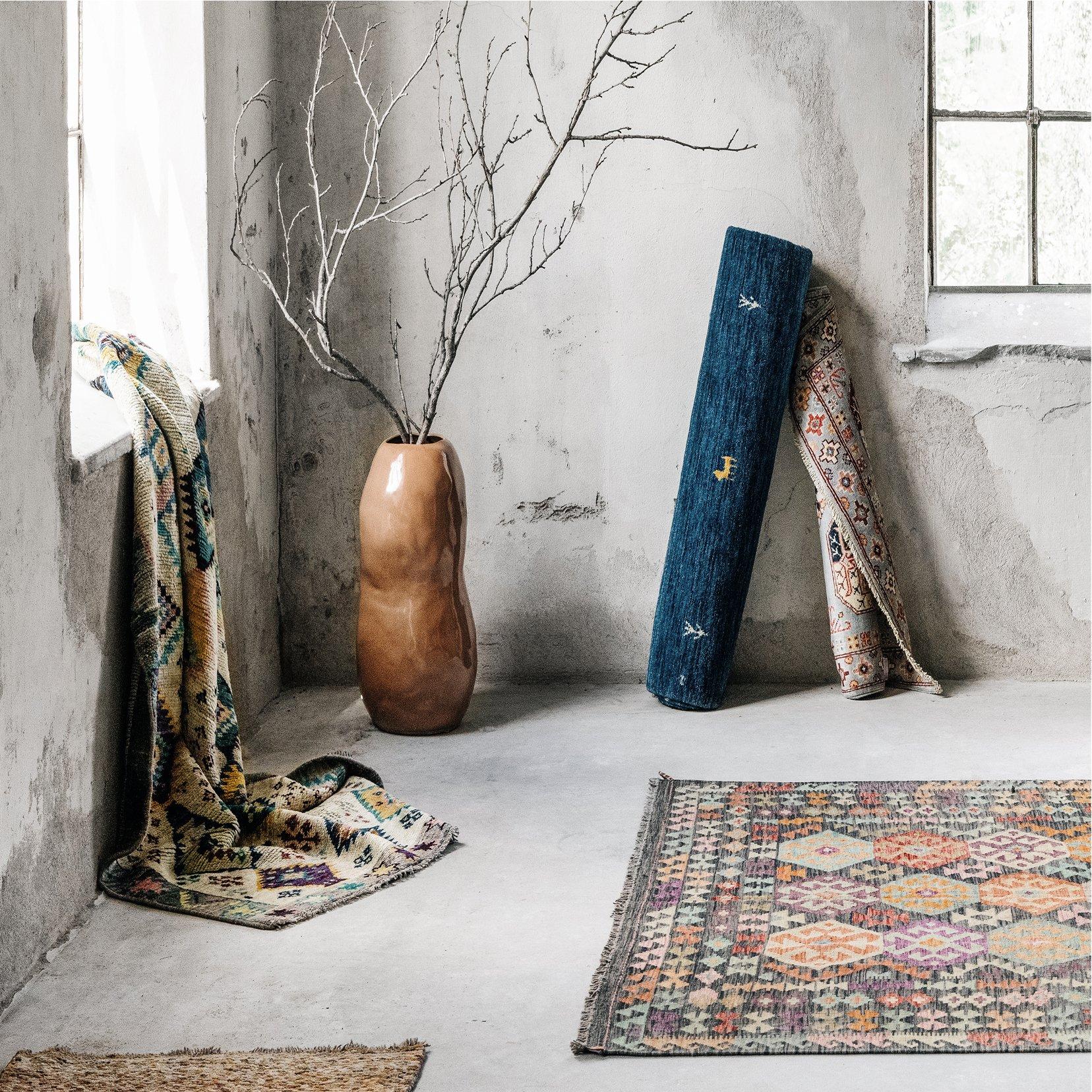
How to identify a Kazak rug
A Kazak rug can be identified by its bold geometric patterns, hand-knotted wool construction, and strong, structured design. These characteristics make Kazak rugs easy to recognise and distinguish from more intricate Oriental rug styles.
Key characteristics of Kazak rugs include:
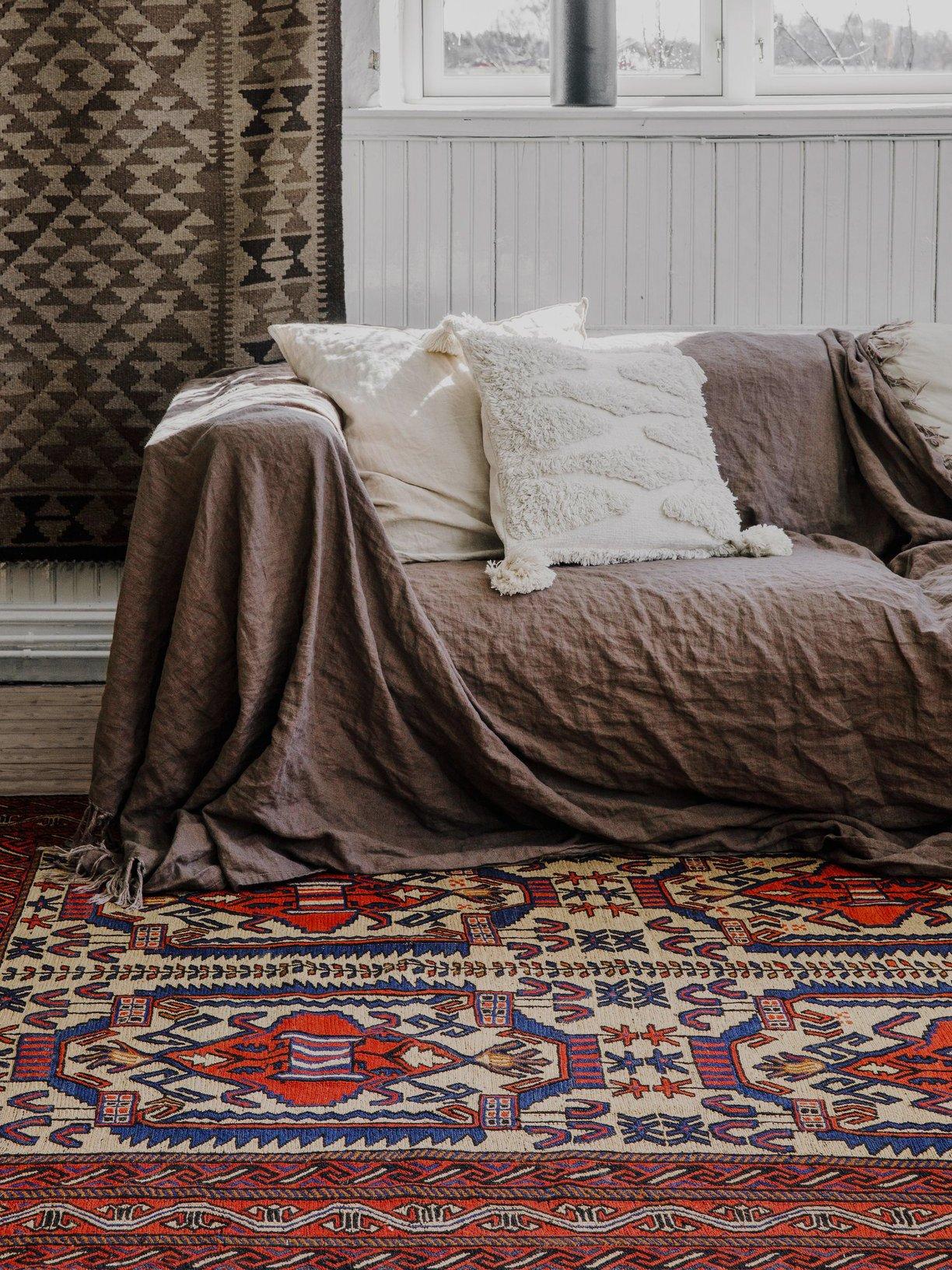
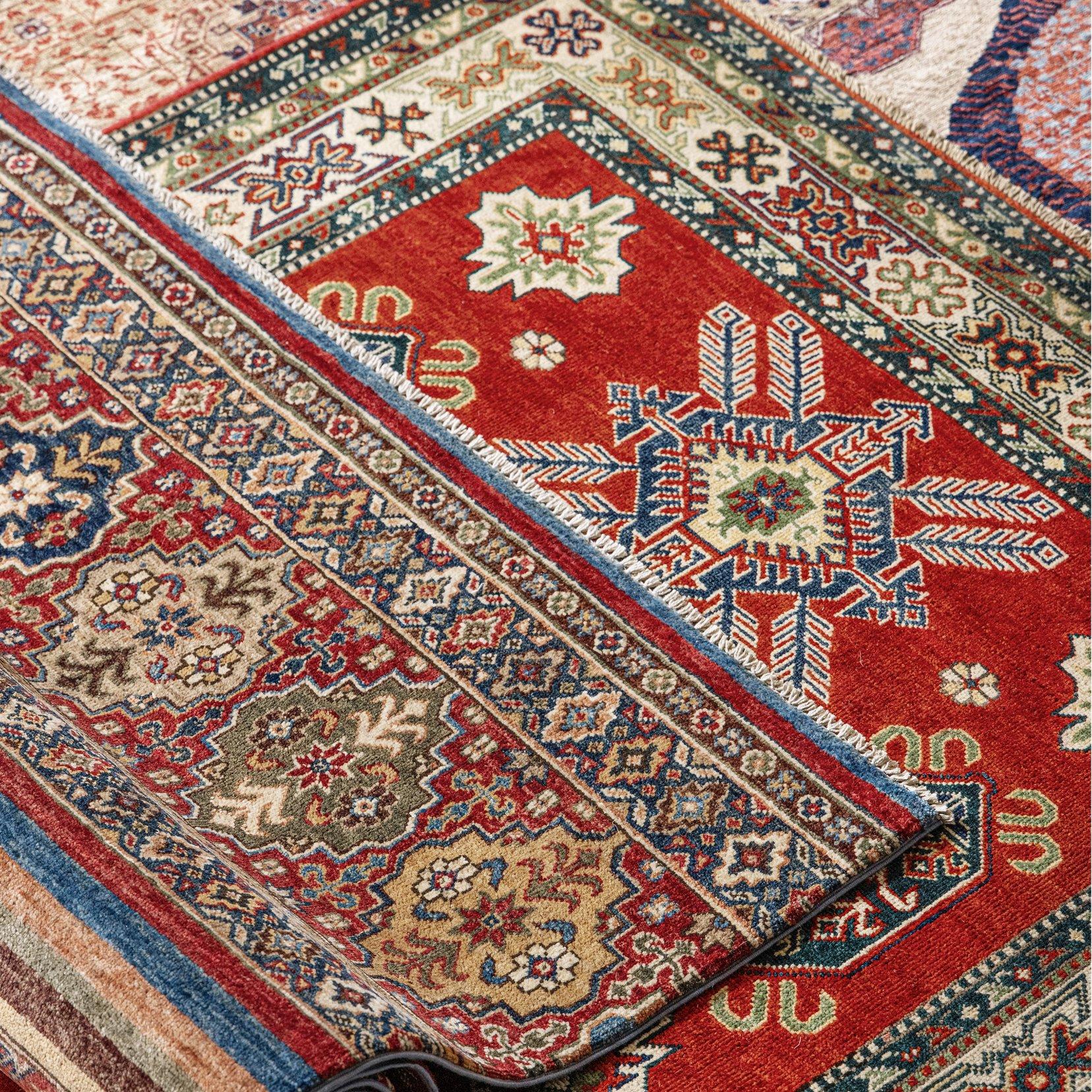
- Geometric motifs, often featuring stars, medallions, and angular shapes
- Bold colours, such as deep reds, blues, and ivory tones
- Hand-knotted wool construction, giving the rug a dense and durable structure
- Thick pile and sturdy weave, designed for long-term, everyday use
- Clear, symmetrical layouts, with well-defined patterns and strong visual balance
Kazak rugs are also typically associated with the Caucasus region, and their designs reflect traditional weaving techniques passed down through generations.
How to care for your Kazak rug
To care for a Kazak rug, focus on gentle cleaning, regular maintenance, and avoiding excess moisture. As these rugs are made from hand-knotted wool, proper care helps preserve their colour, structure, and longevity.
To maintain your Kazak rug:
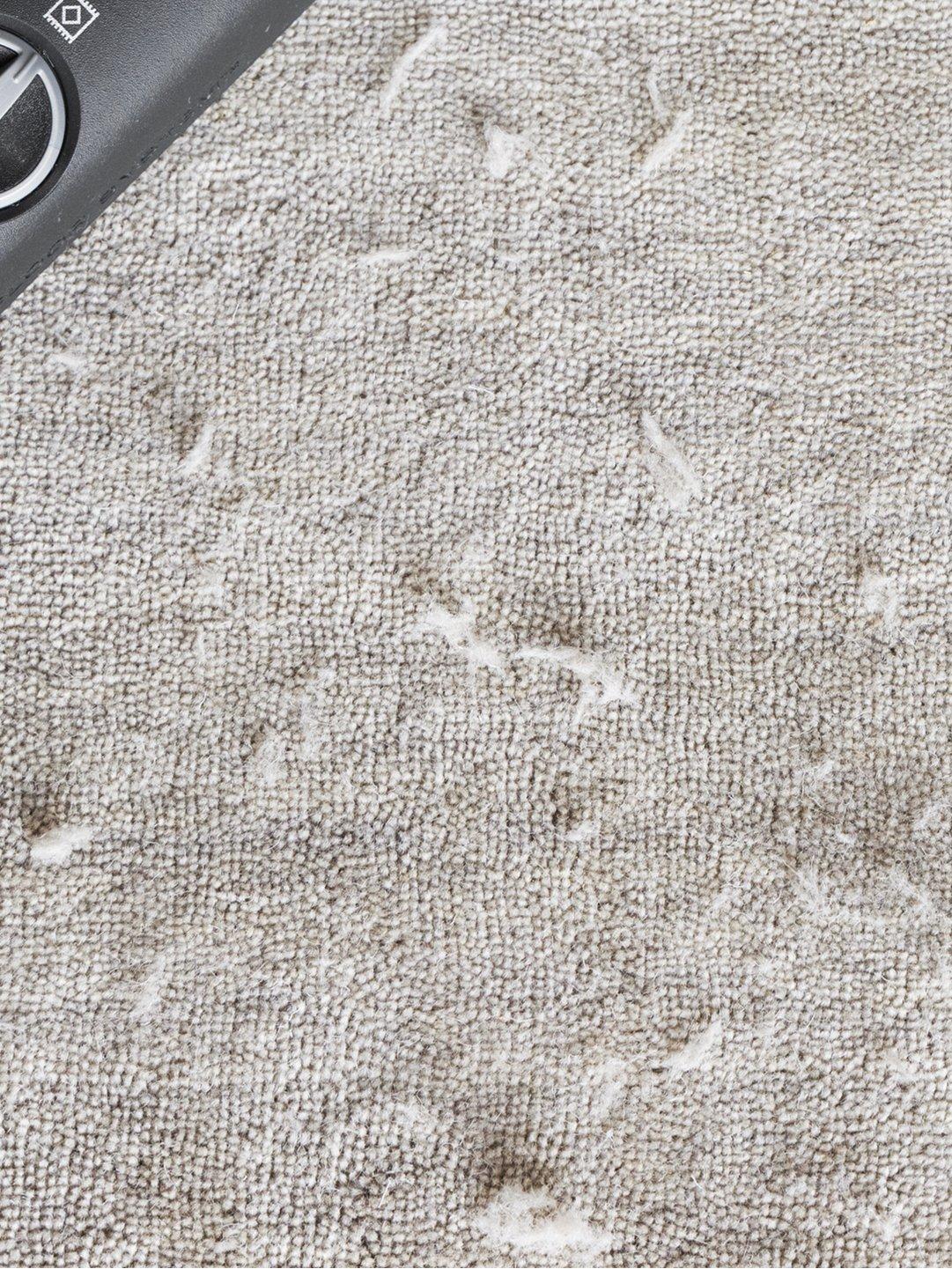
- Hoover gently and regularly: Use a suction-only hoover without a rotating brush to avoid damaging the wool pile.
- Rotate periodically: Turn the rug every 6–12 months to ensure even wear and prevent fading from sunlight.
- Protect from direct sunlight: Prolonged exposure can cause colours, especially natural dyes, to fade over time.
- Blot spills immediately: Use a clean, dry cloth and avoid rubbing, which can damage fibres and spread stains.
- Avoid excessive moisture: Do not over-wet the rug or use steam cleaning, as this can weaken the structure.
- Use an anti-slip underlay: A quality underlay reduces friction, protects the rug, and improves stability.
- Seek professional cleaning when needed: Specialist cleaning helps maintain both the pile and the integrity of the weave.
Kazak rugs FAQ
Yes, Kazak rugs are traditionally handmade using hand-knotting techniques and often made with hand-spun wool. This craftsmanship contributes to their durability, texture, and long-lasting quality.
Yes, Kazak rugs are considered valuable due to their hand-knotted construction, durable wool materials, and distinctive geometric designs. Their value depends on factors such as age, craftsmanship, condition, and whether the rug is antique or newly made.
Kazak rug patterns often represent symbolic ideas such as protection, strength, and harmony, expressed through bold geometric motifs like stars and medallions. These designs reflect traditional meanings rather than purely decorative elements.
A Kazak prayer rug is a type of Kazak rug that features a mihrab motif, an arch-shaped design indicating direction. It typically has a clear top-to-bottom orientation and a more structured, symbolic layout than other Kazak rugs.