Nomad, village and workshop carpets – it’s (almost) all
about location
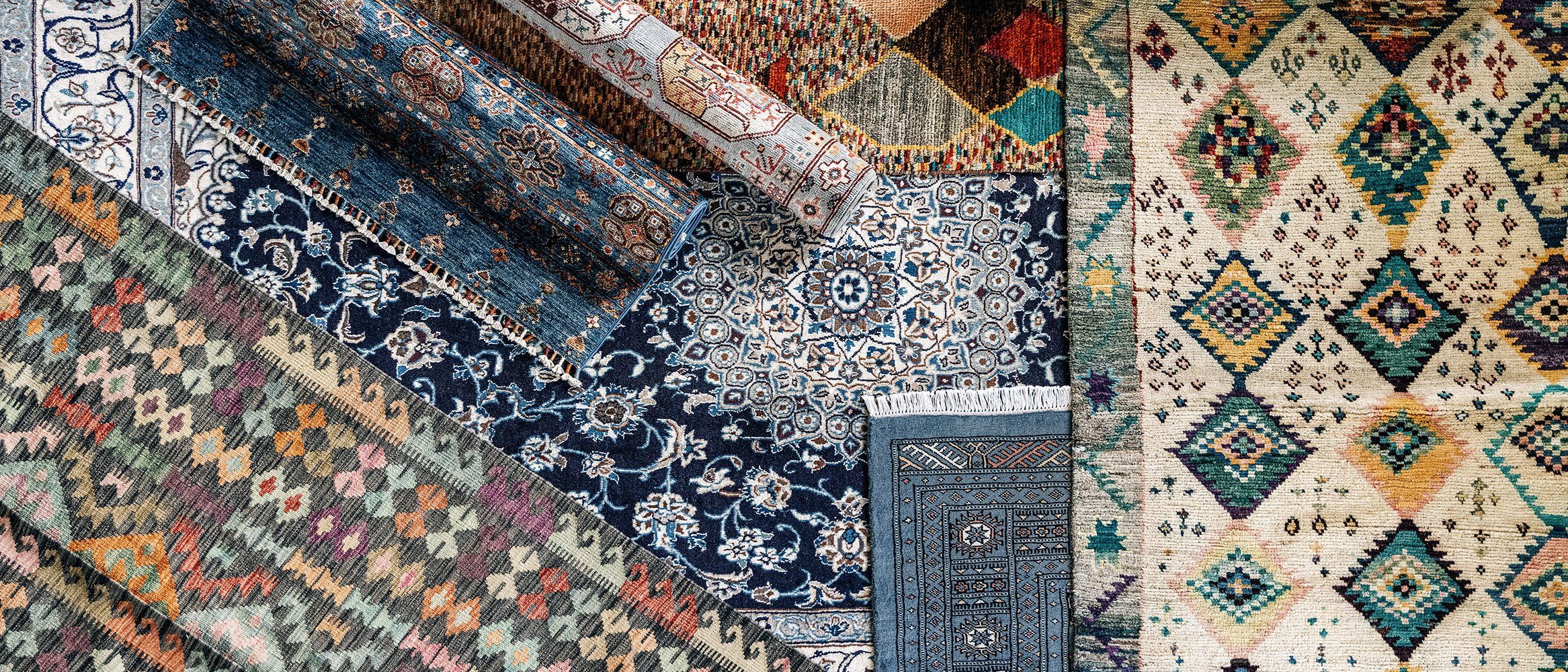
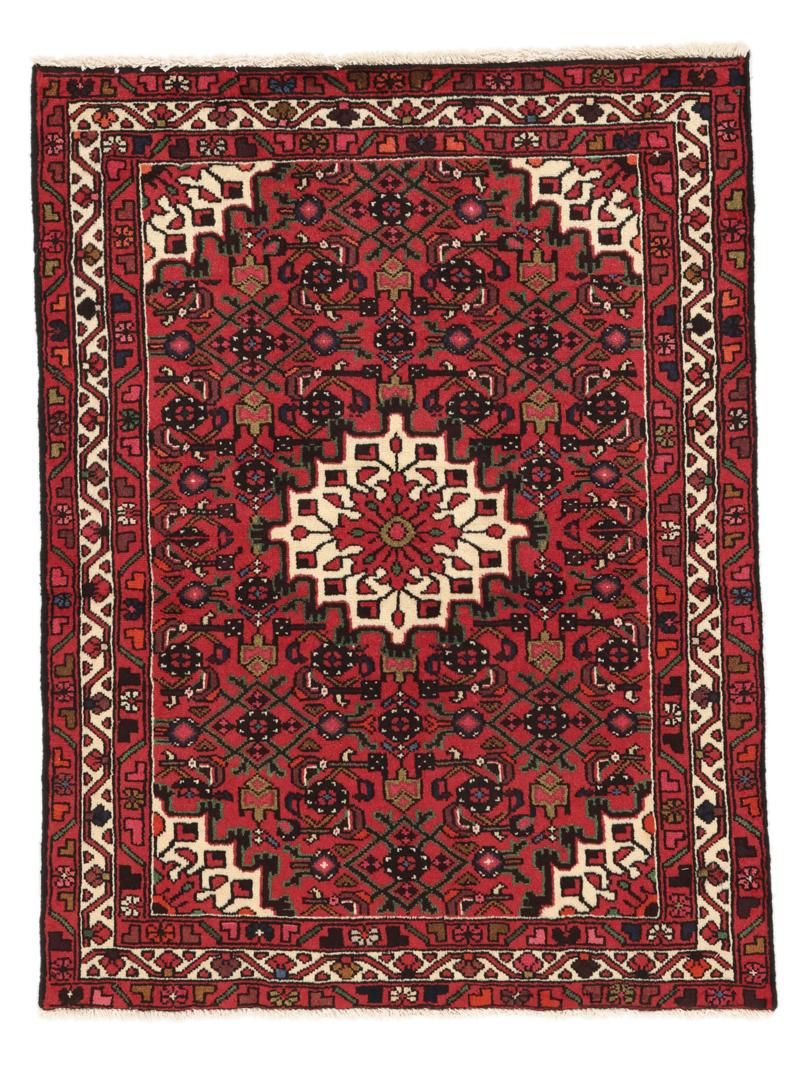
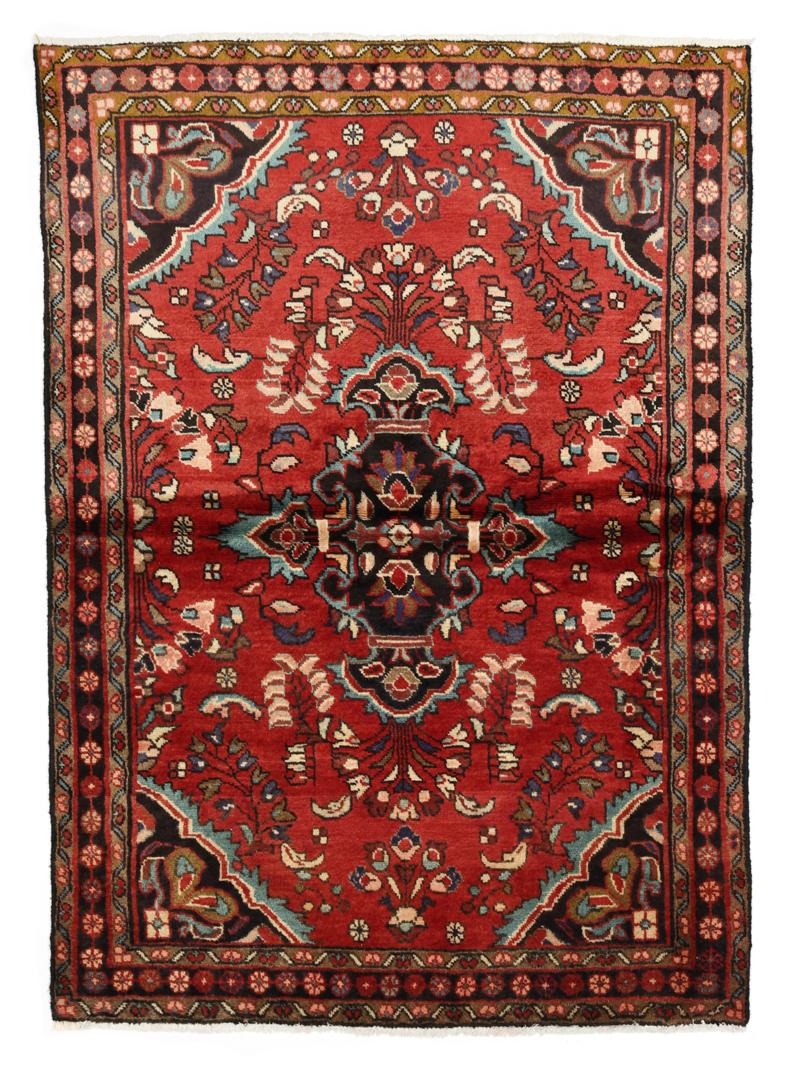
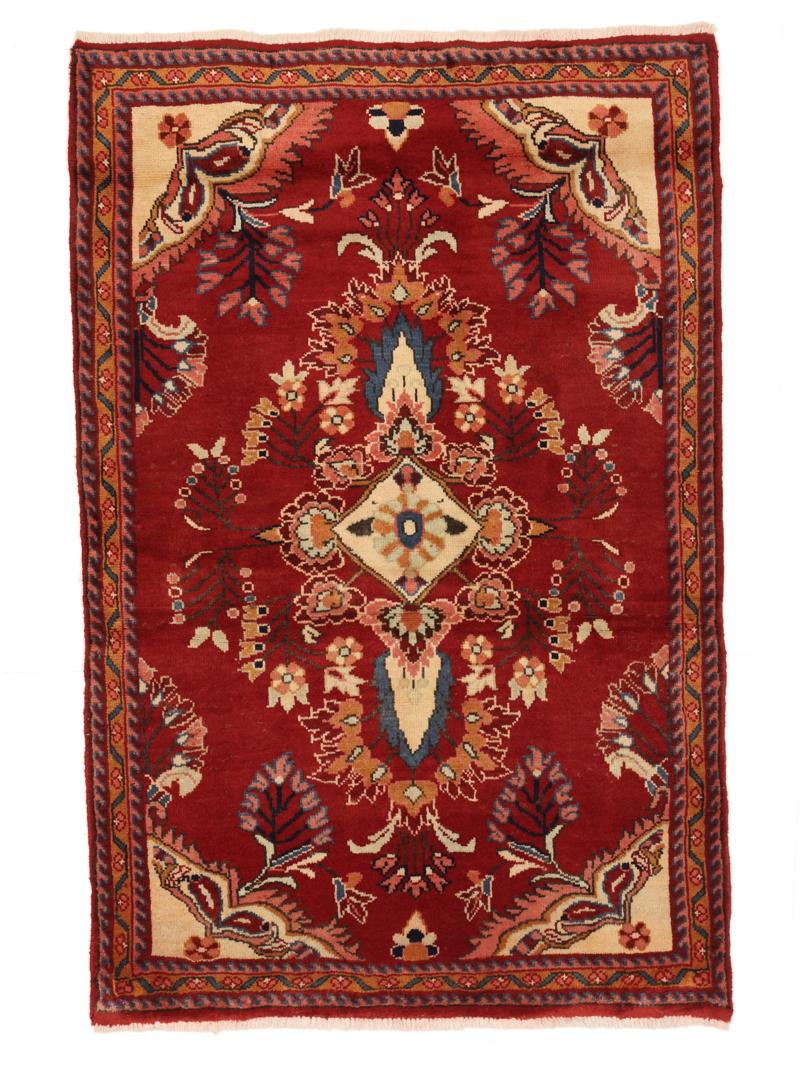
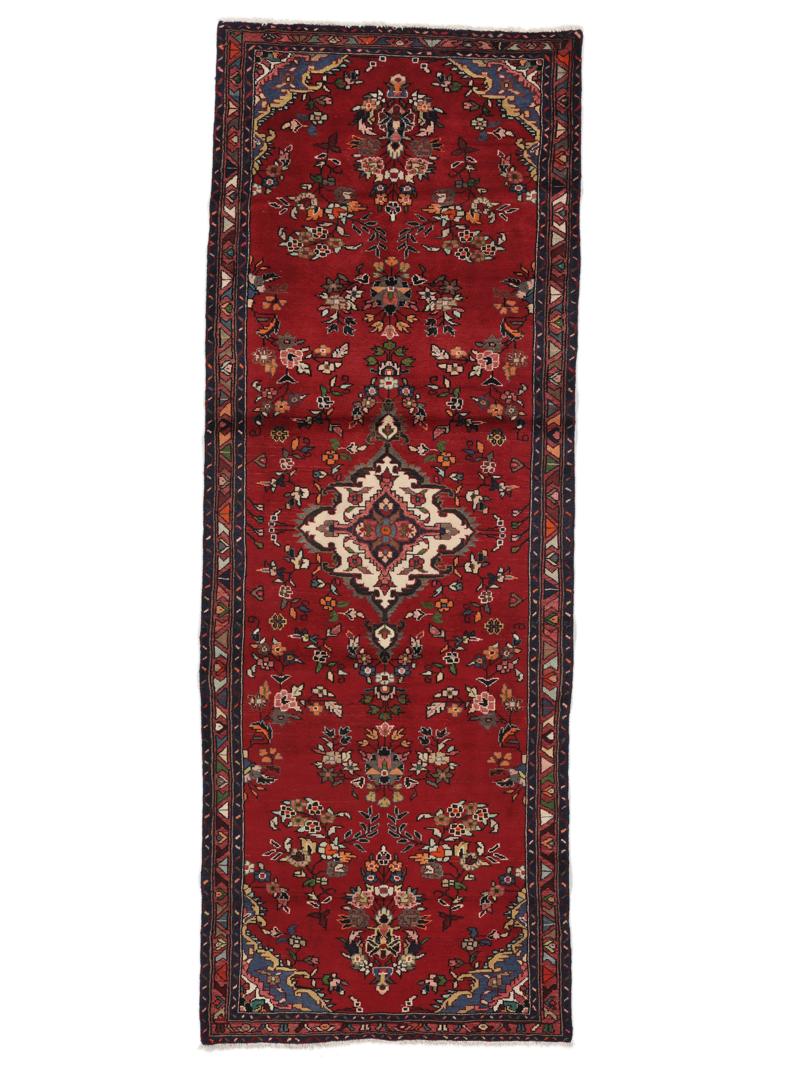
Among the oriental rugs, three central characteristics are commonly referred to as nomad rugs, village rugs and workshop rugs.
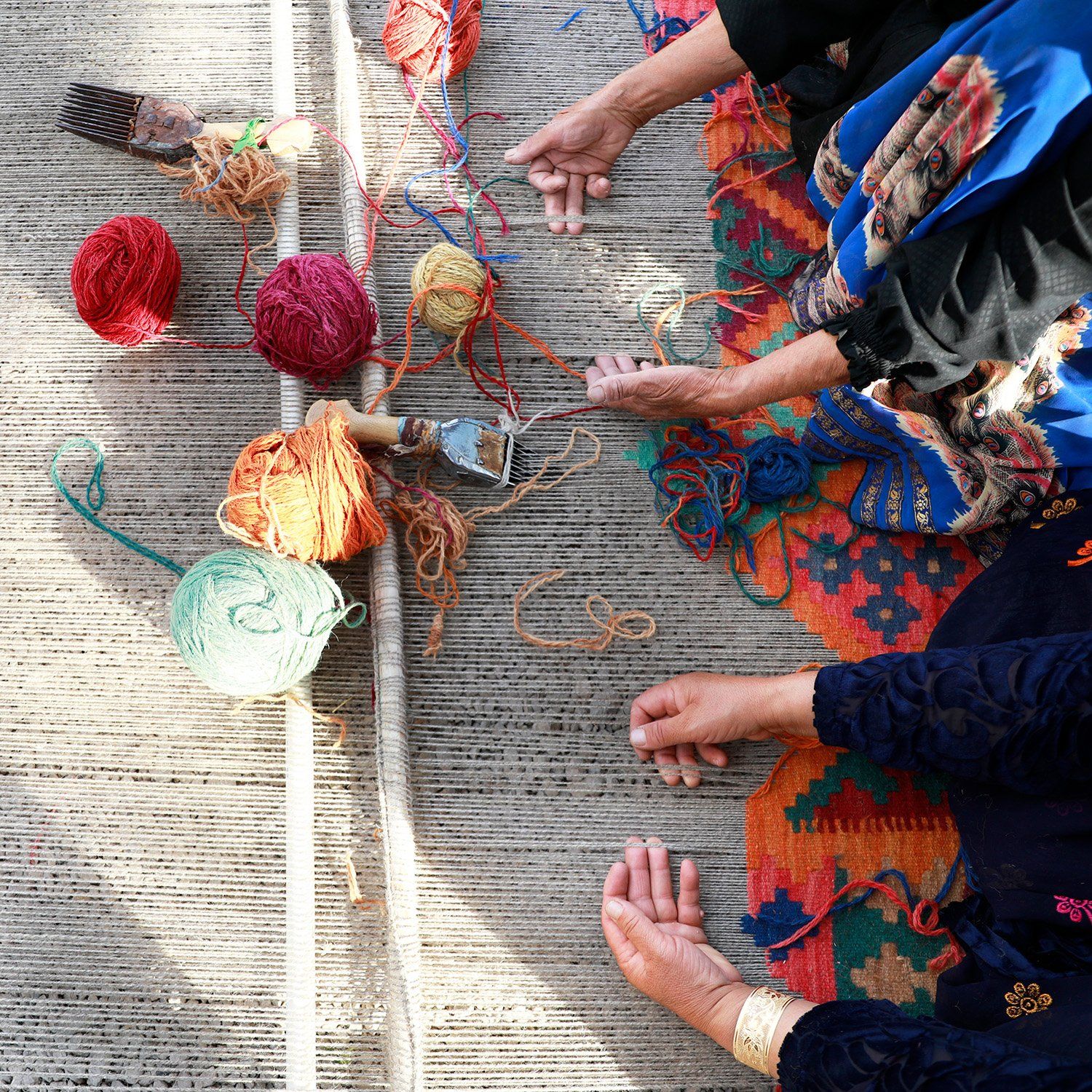
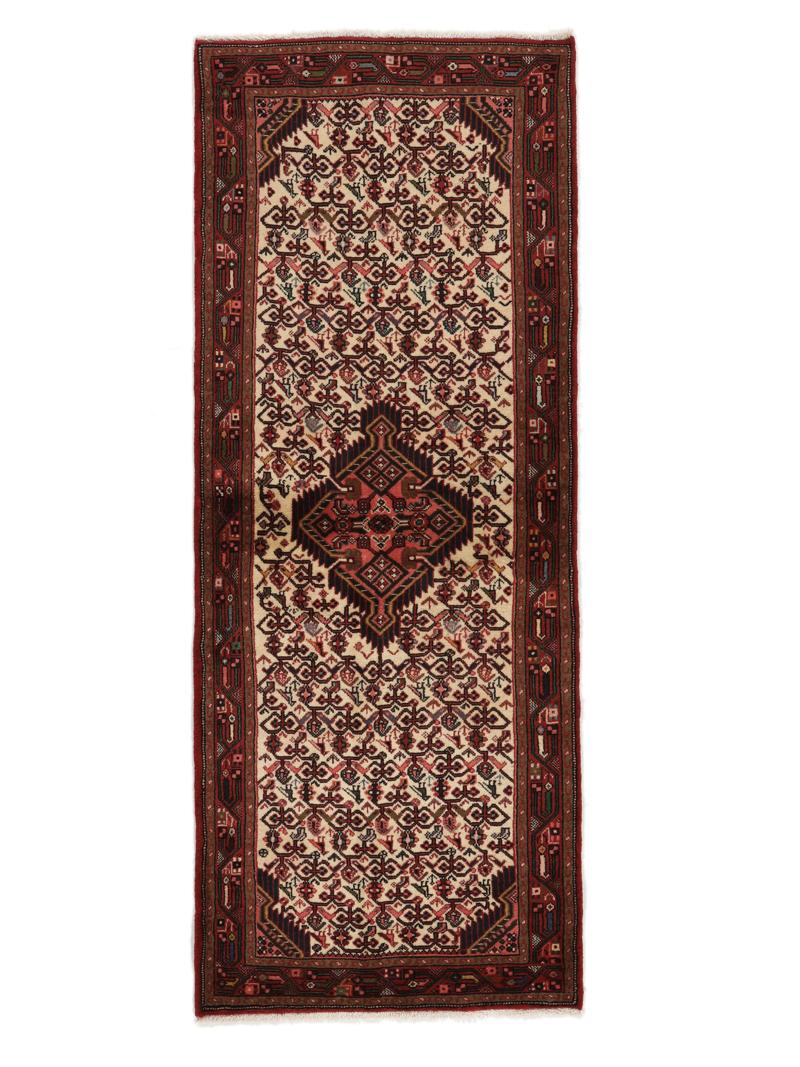
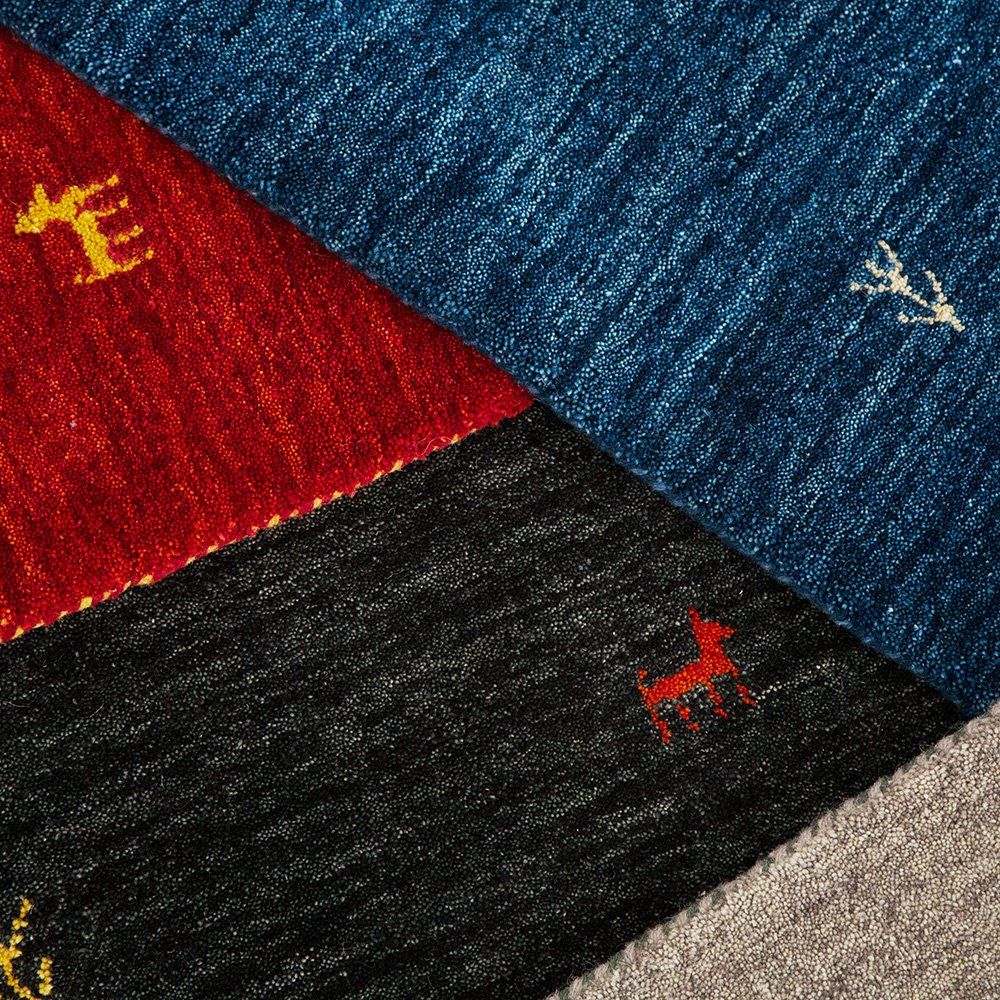
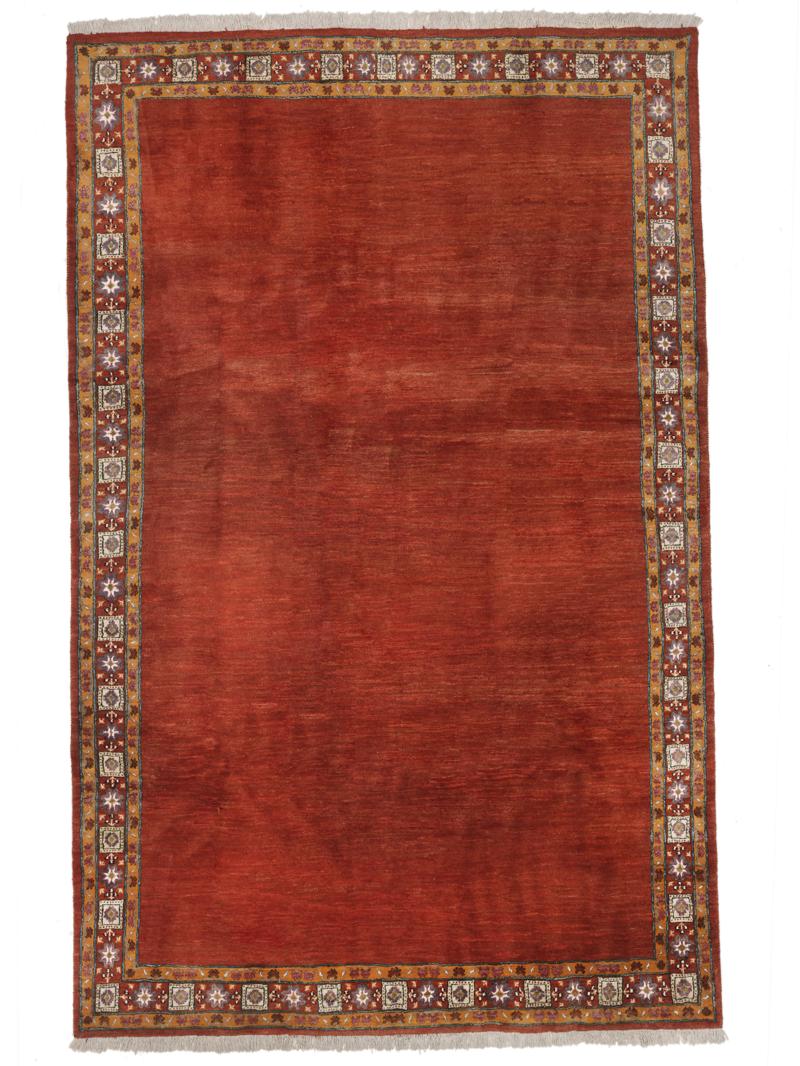
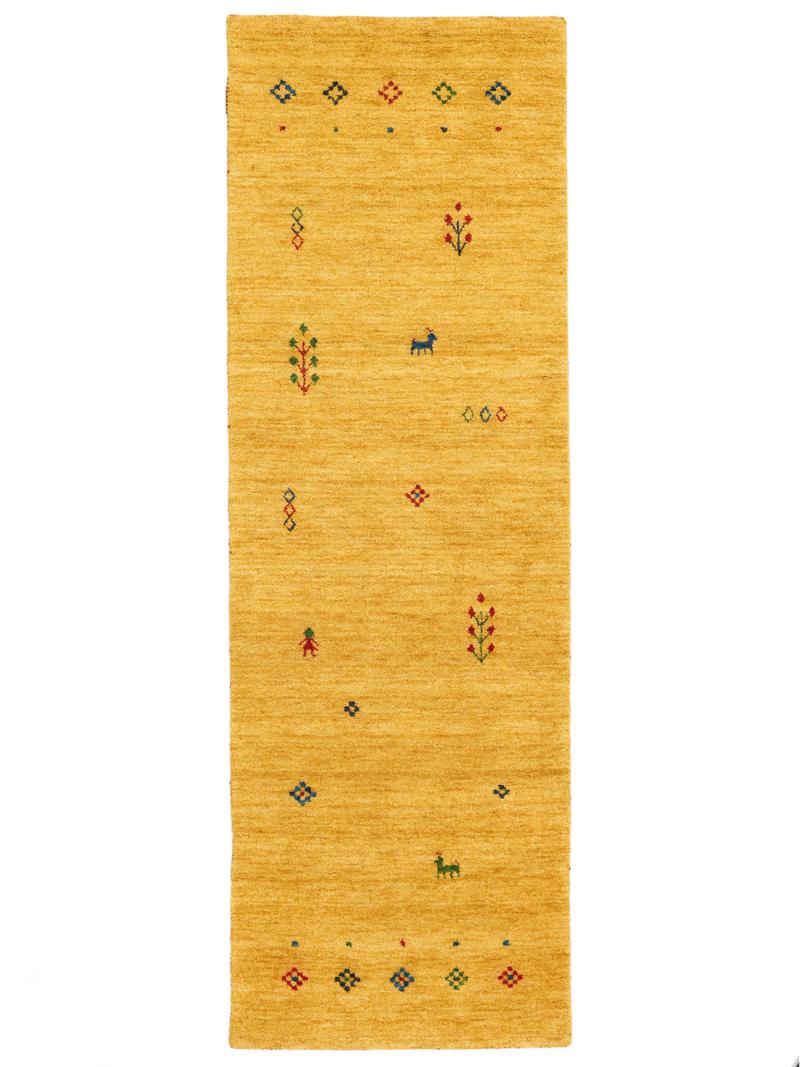
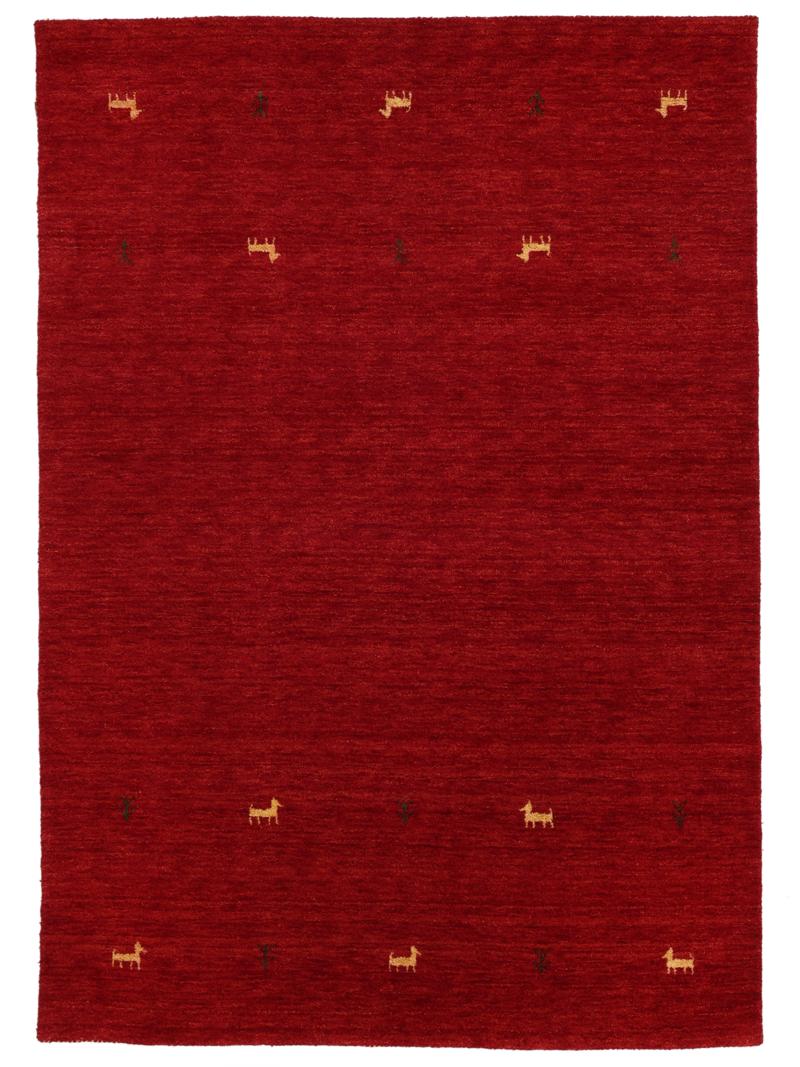
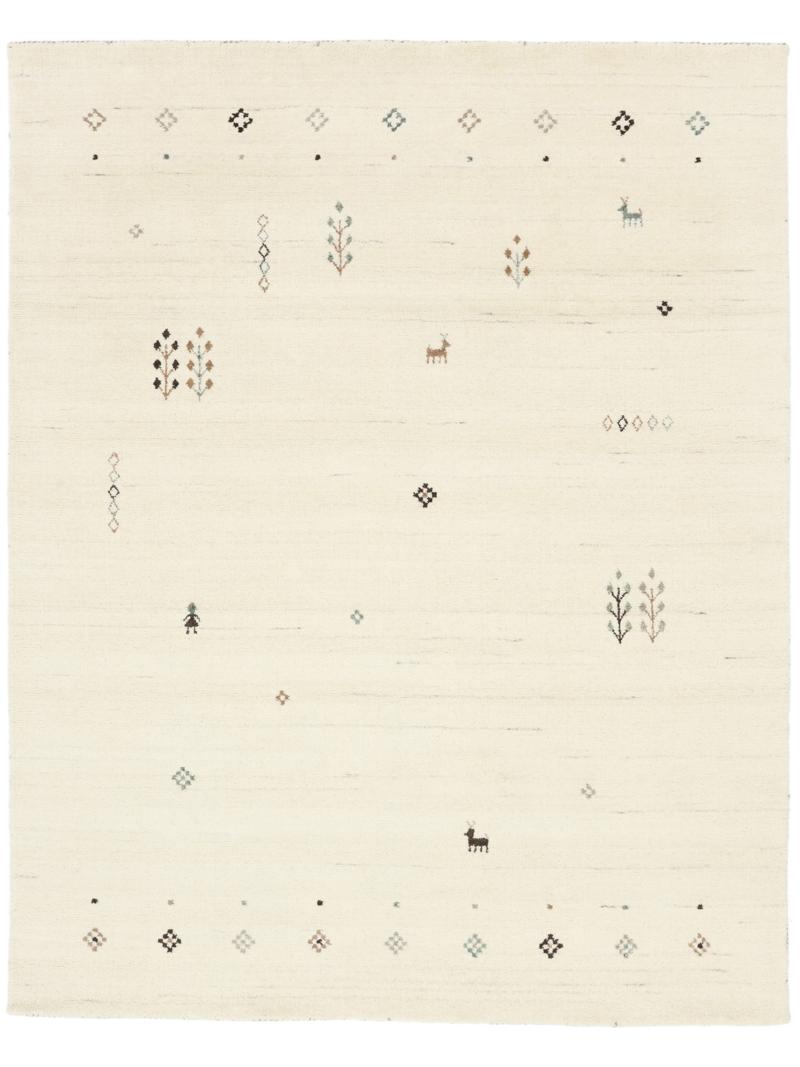
Nomad rugs originate from nomadic weavers, where the craftsmanship was a part of tribal traditions. The rugs are often named after the tribes that created them. They’re decorated with motifs of animals and landscapes that the nomadic tribes would encounter — and every tribe has their unique characteristics. Nomadic rugs are weaved on simple and collapsible looms. The rugs originally served functional purposes like saddle bags and tent decoration. A nomadic carpet must be transportable and filled with a specific purpose. It’s relatively small and might have measurements that we consider odd today.
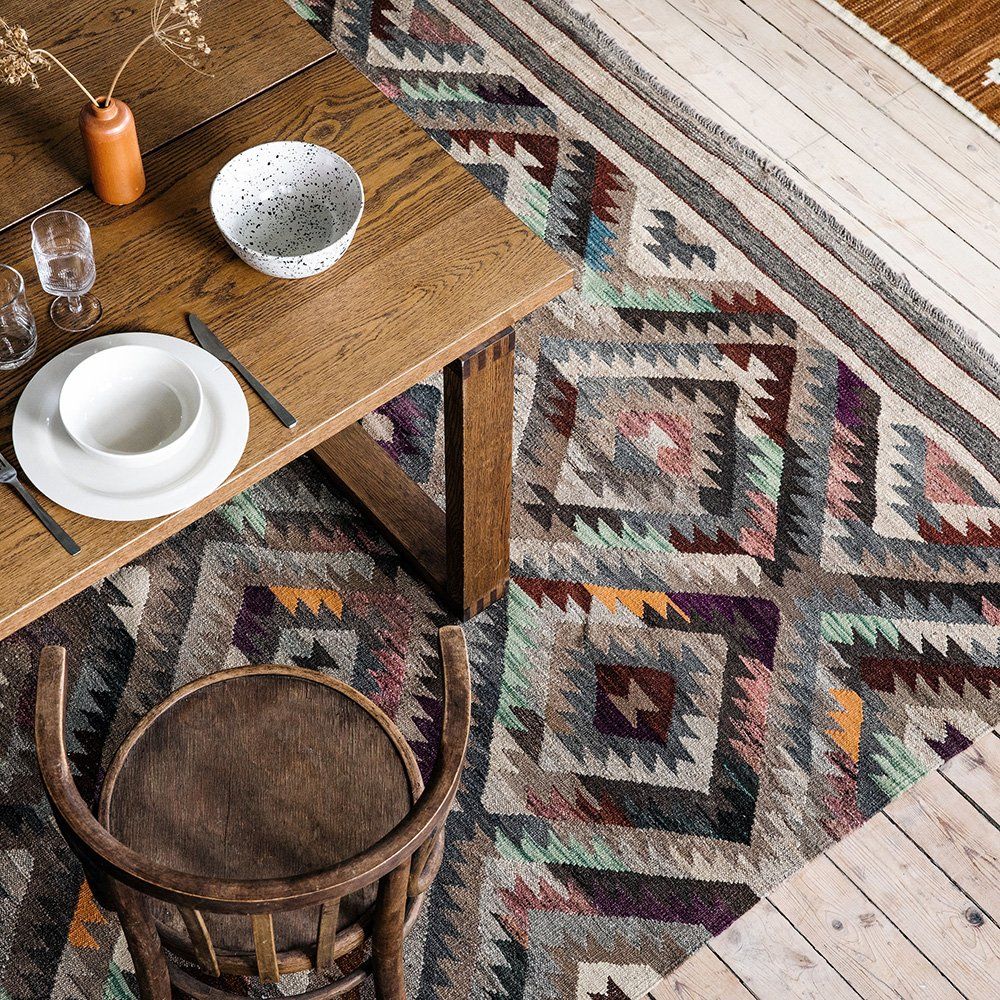
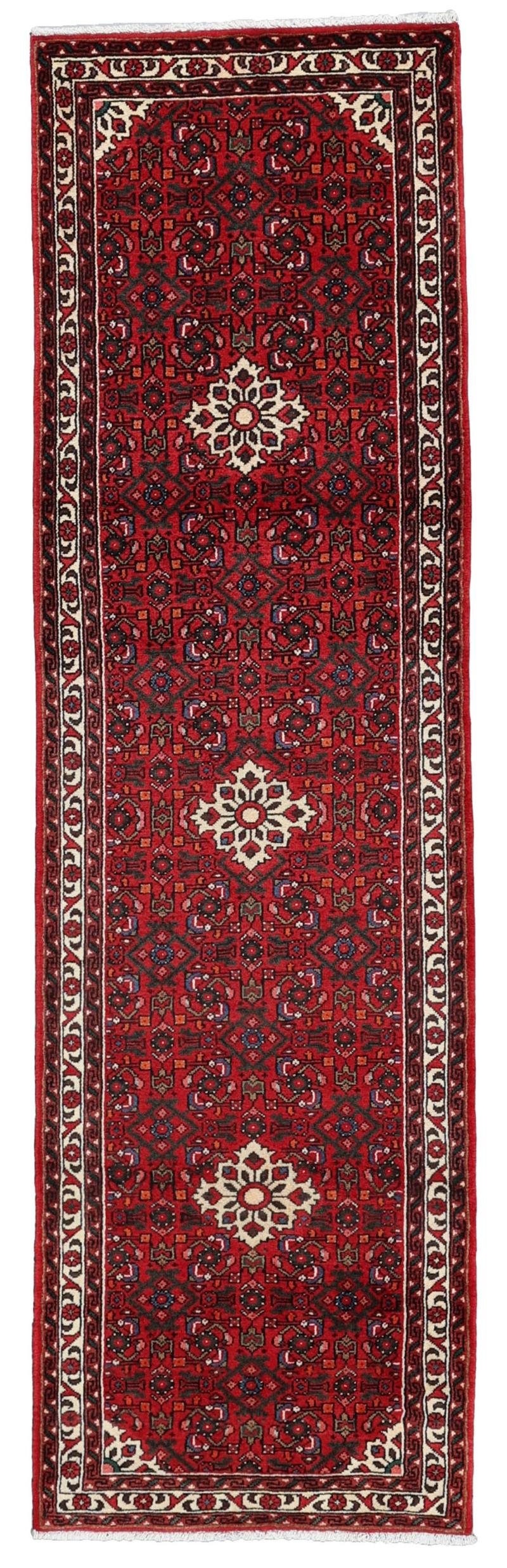
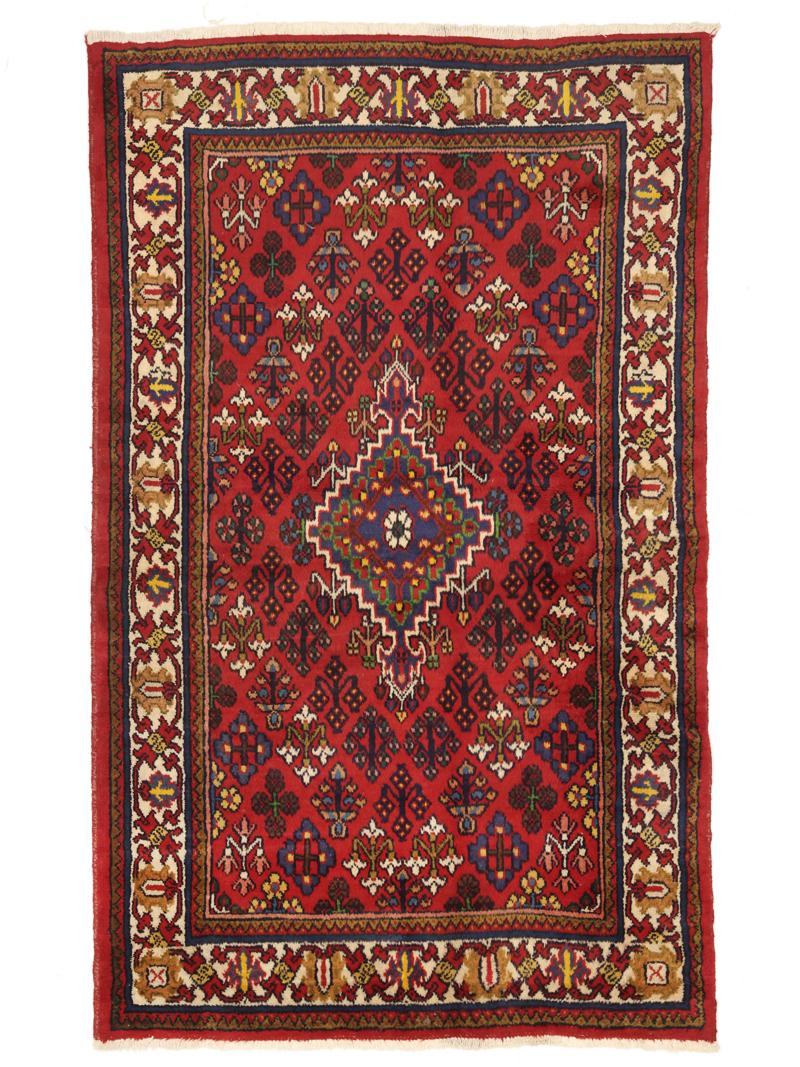
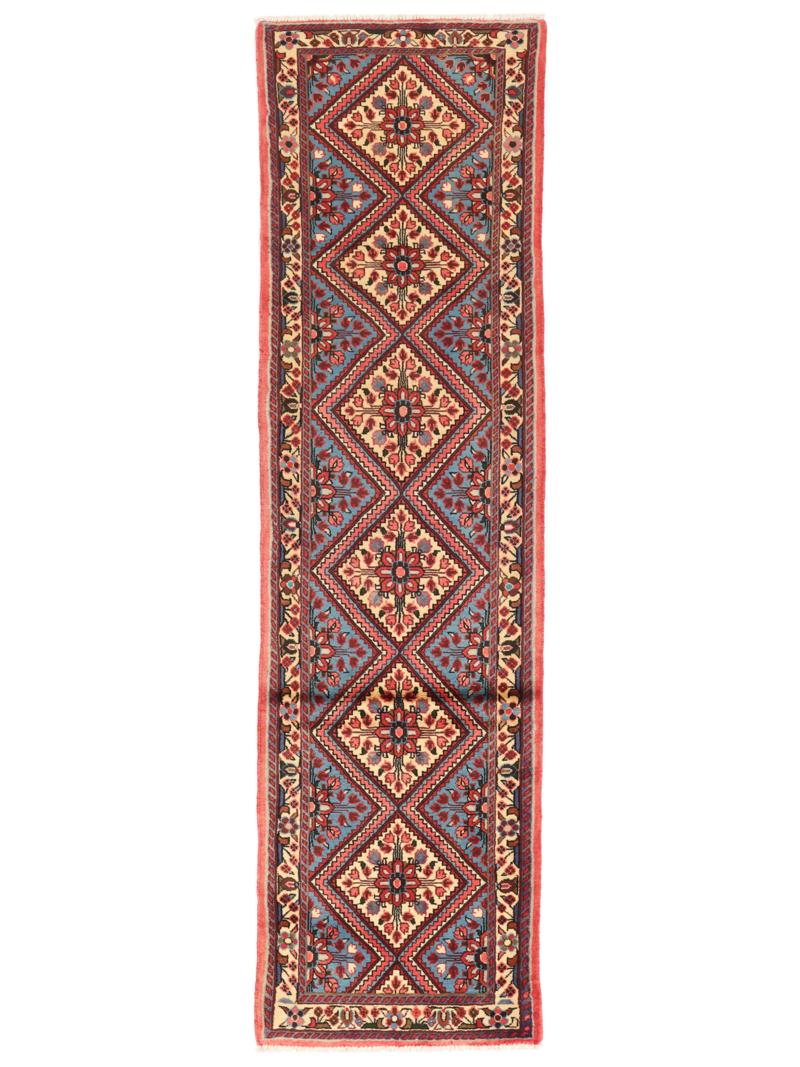
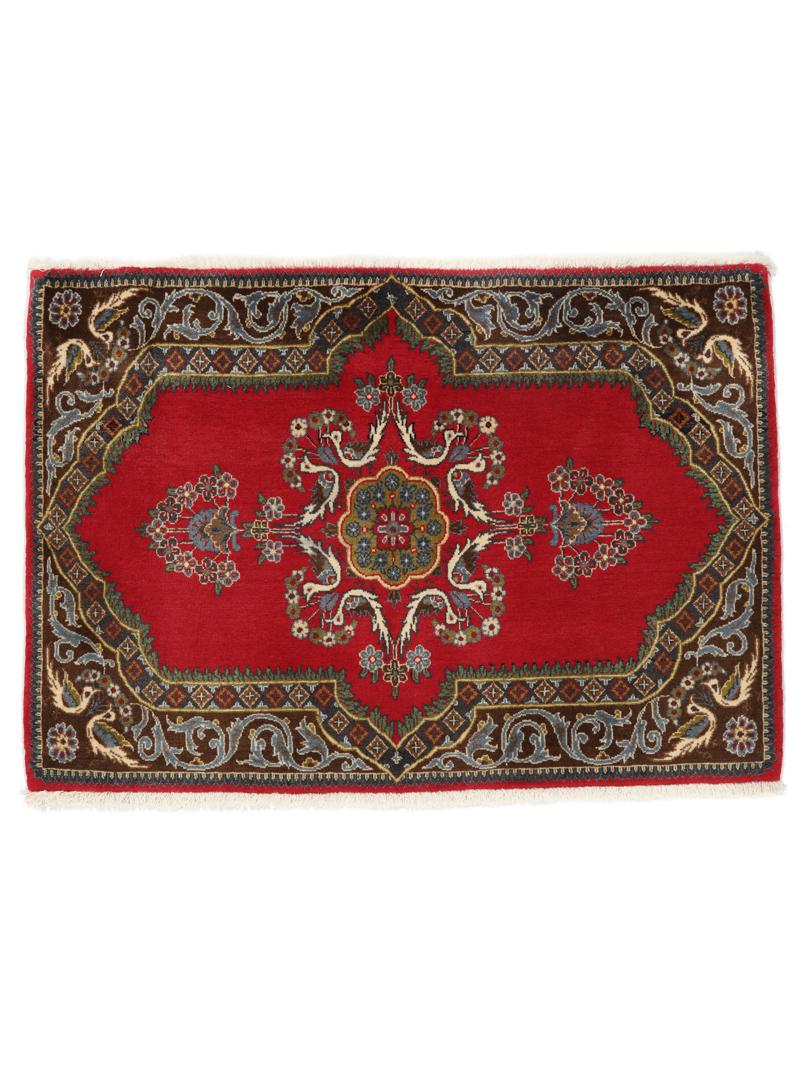
Village rugs, on the other hand, are created by settled villagers and are often named after the village (or a surrounding region) where they’re crafted. They’re usually larger than nomad rugs; their intended purpose is area rugs in homes. The motifs are often geometrical and more detailed than on nomad carpets, following traditions from its specific region. Still, the weaver chooses colours, patterns and designs.
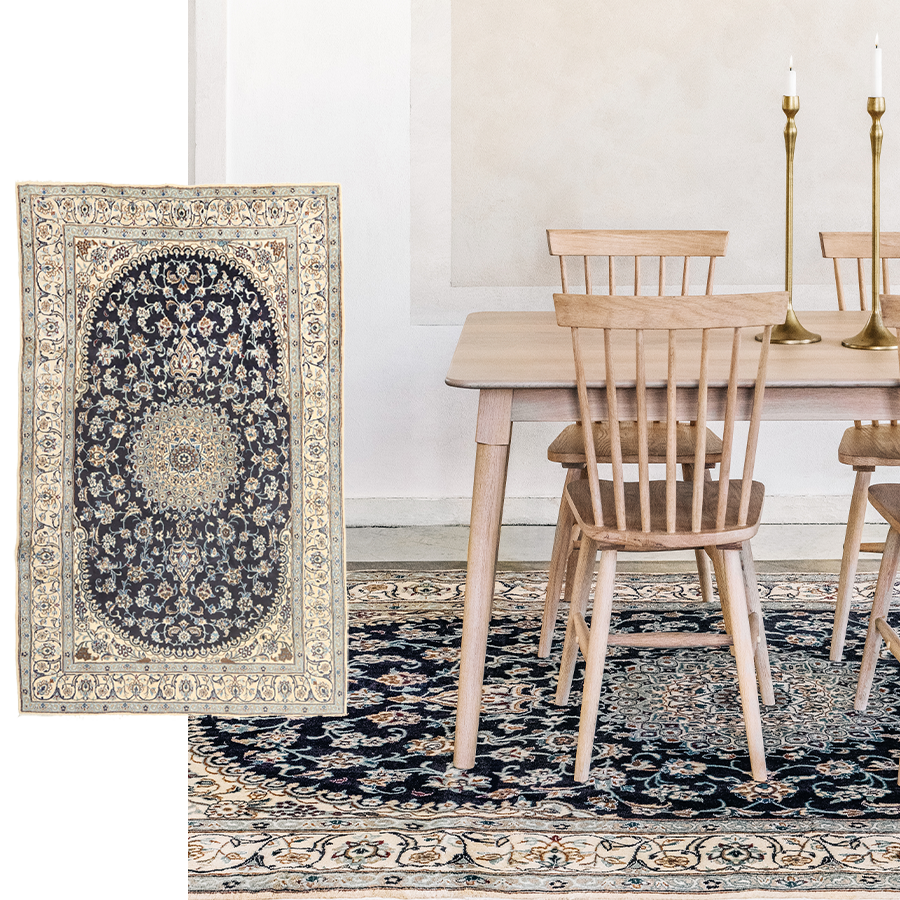
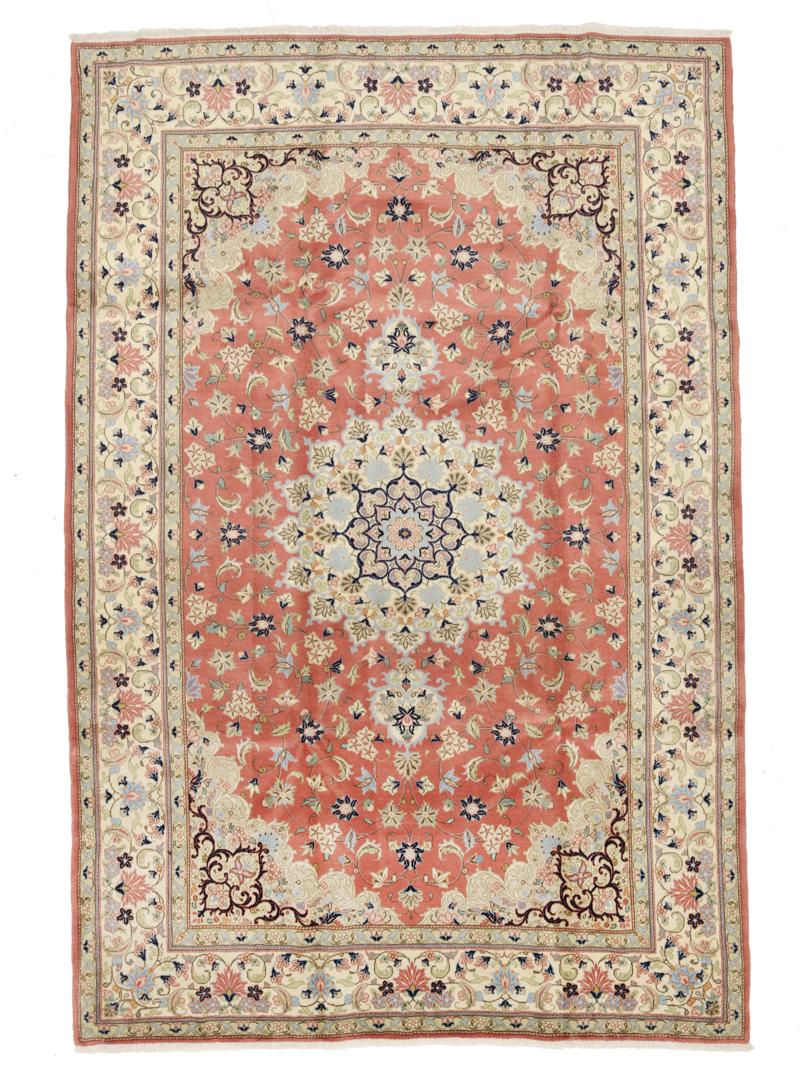
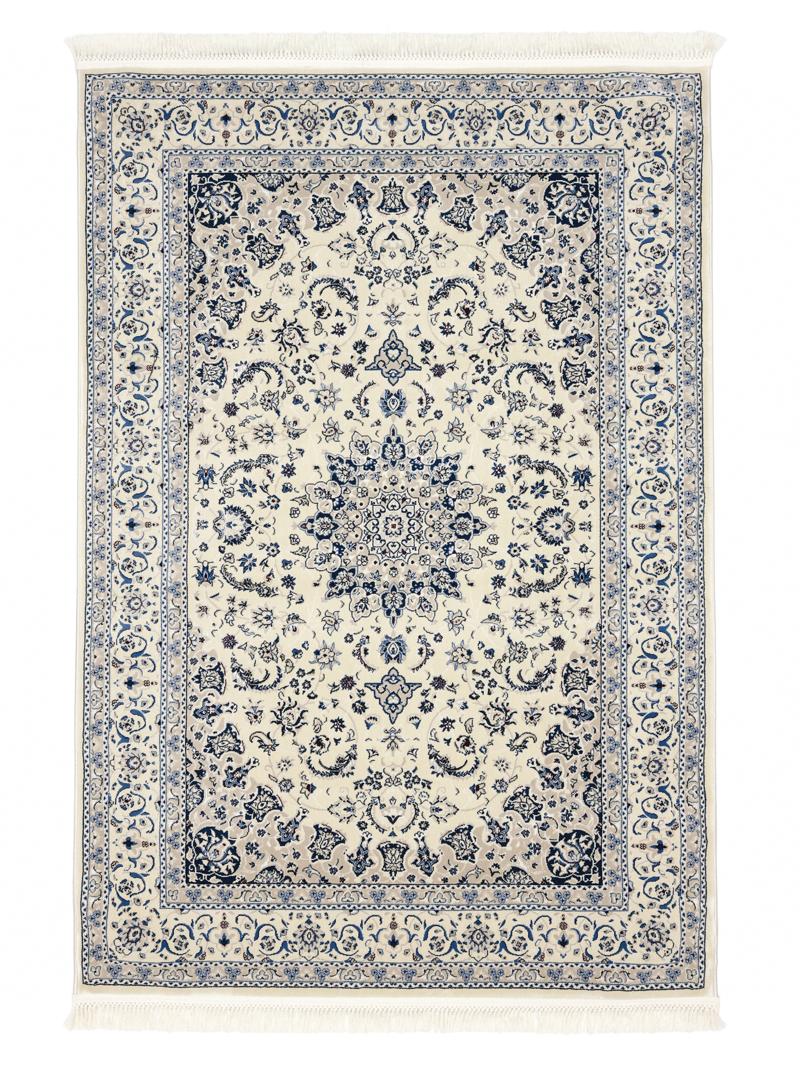
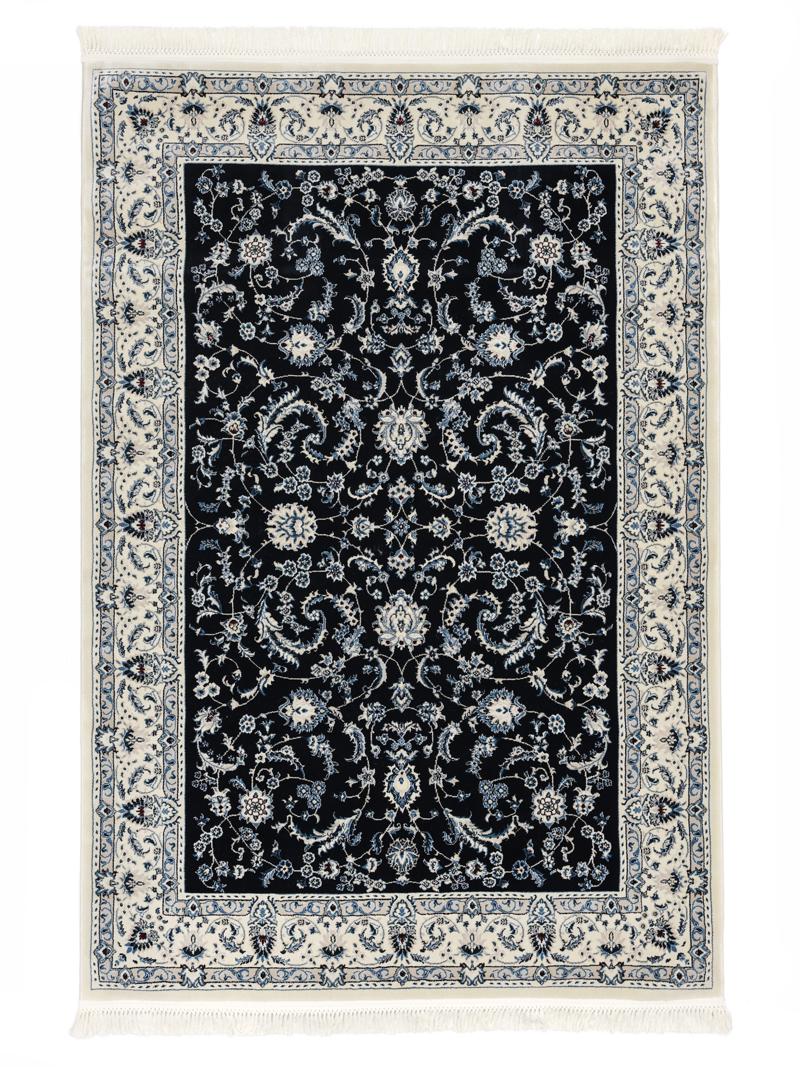
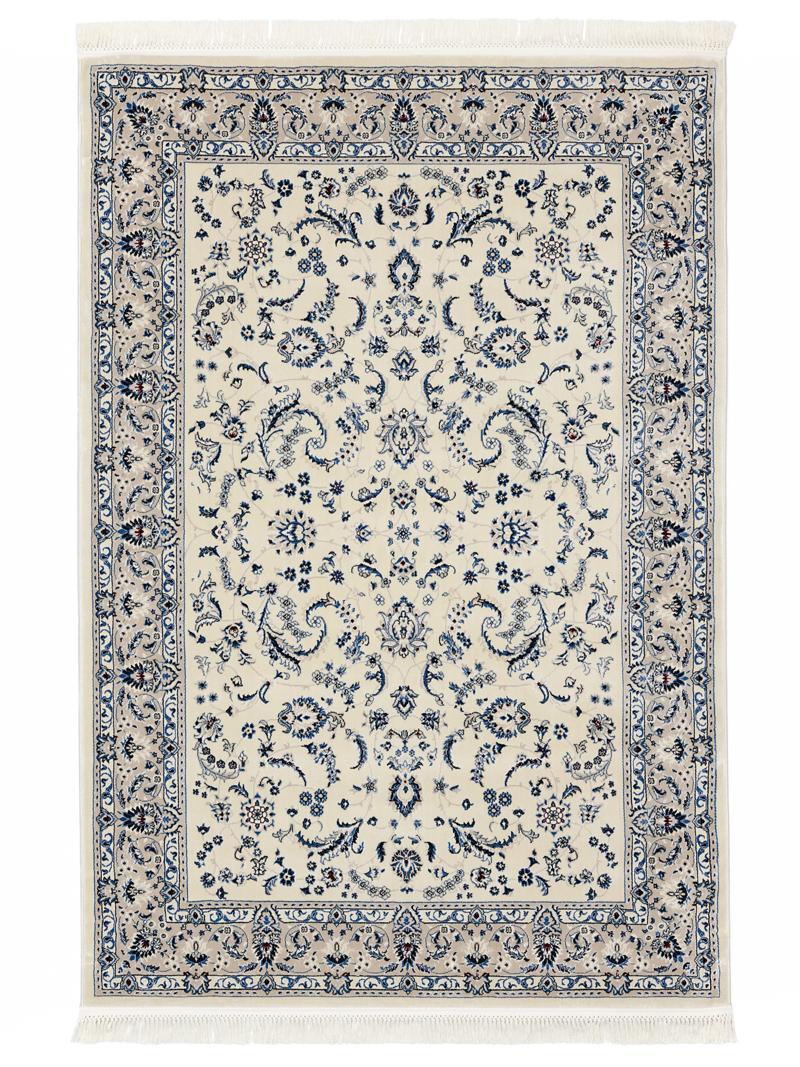
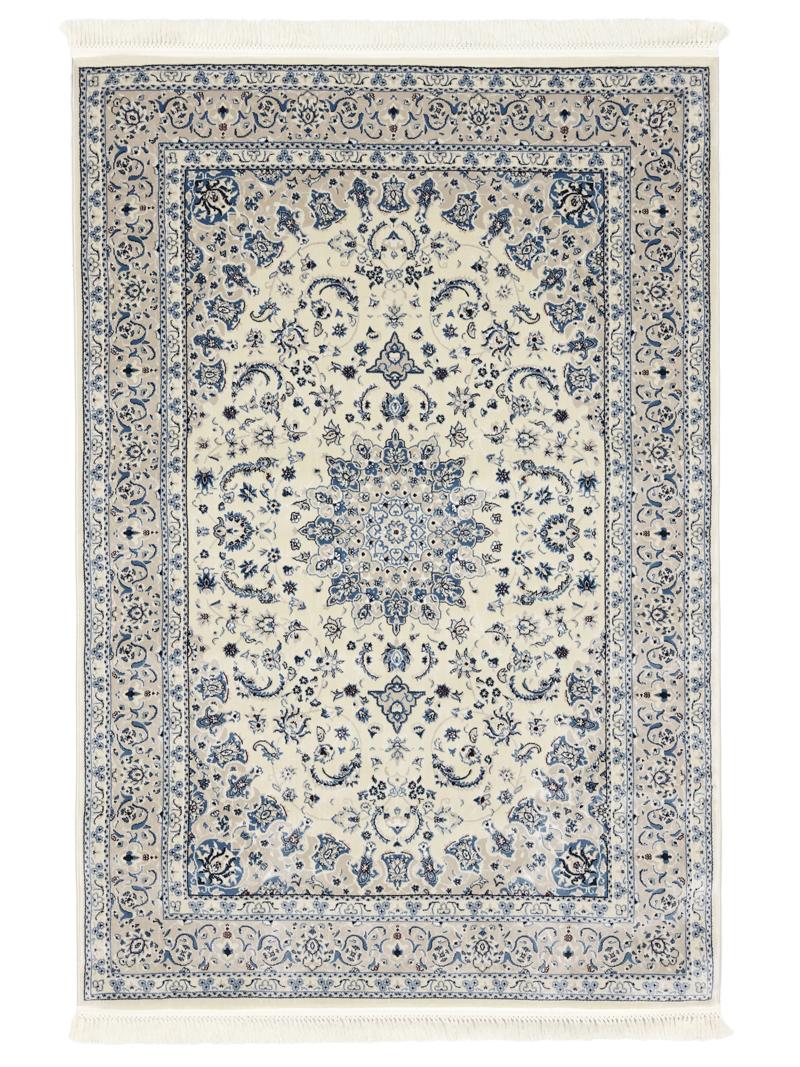
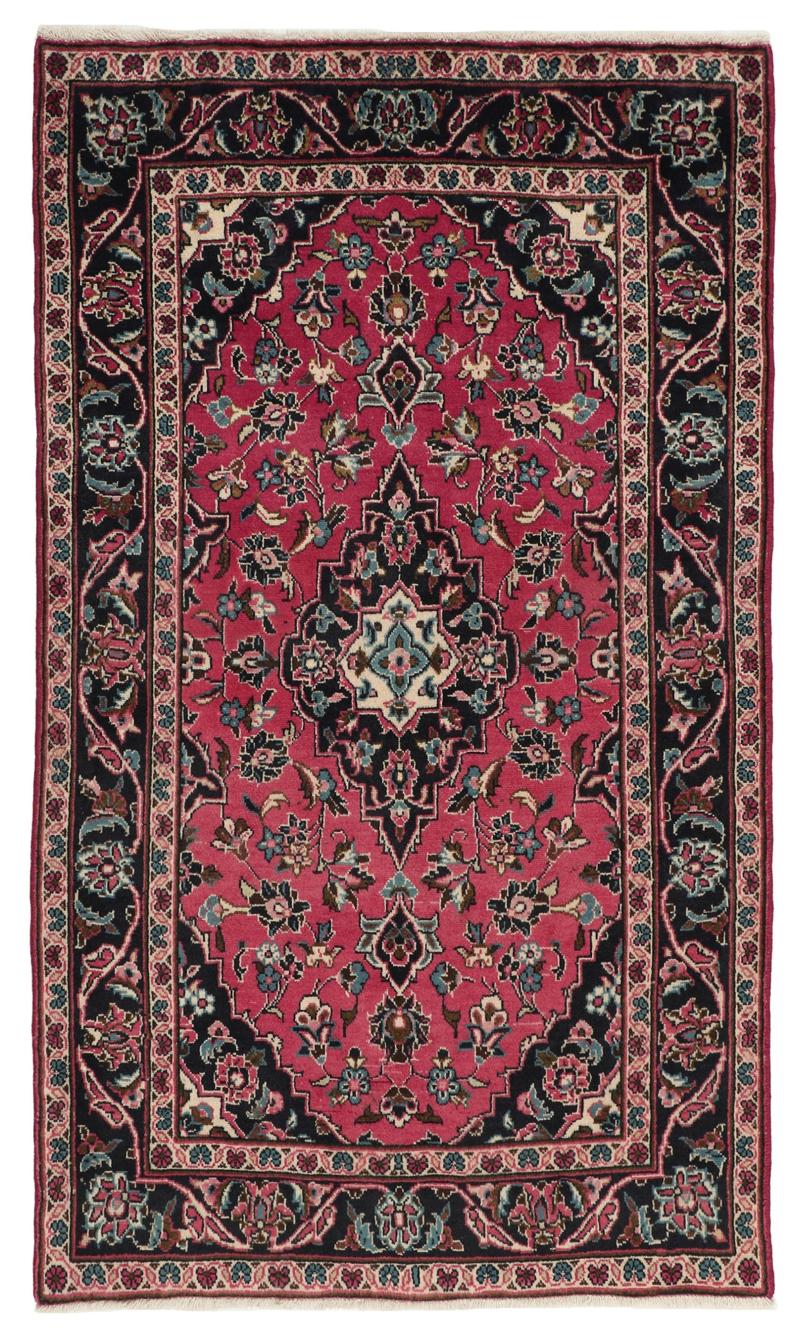
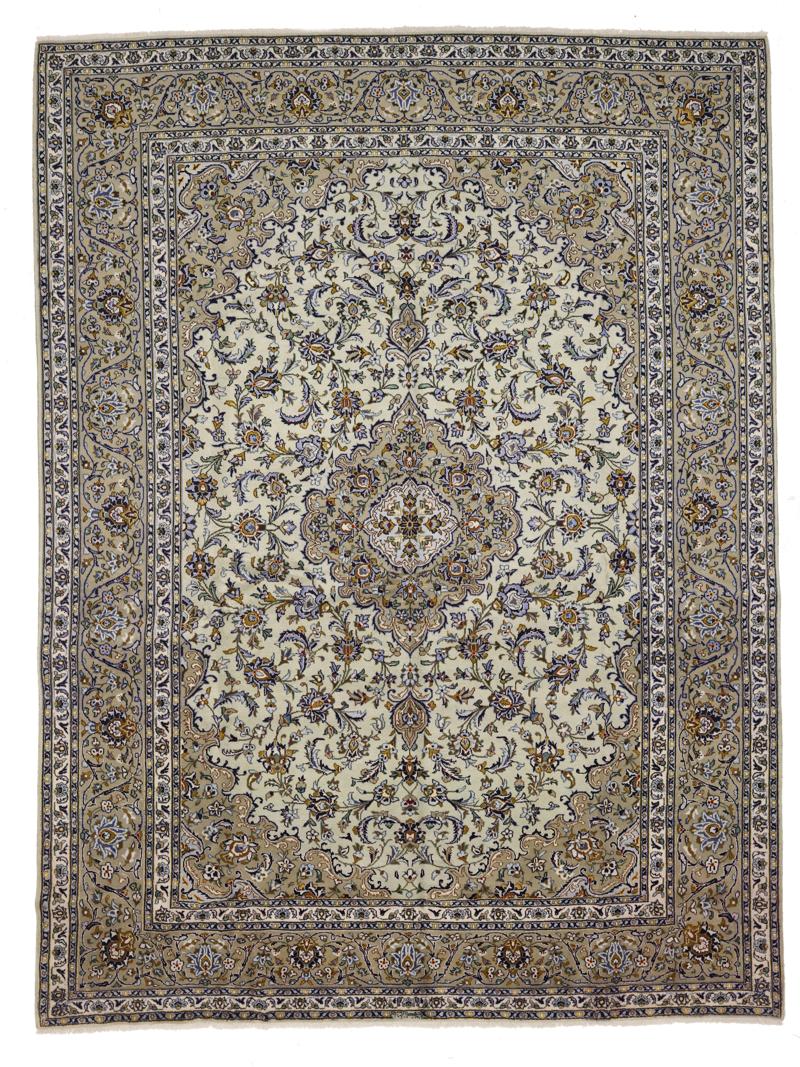
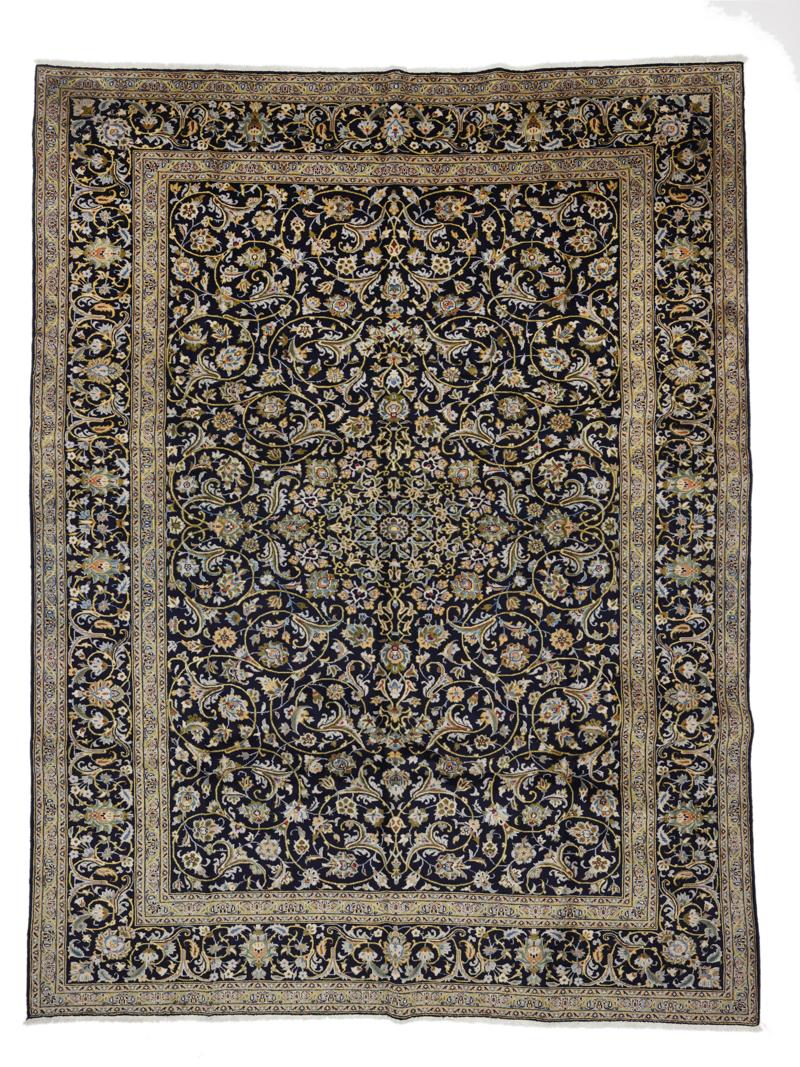
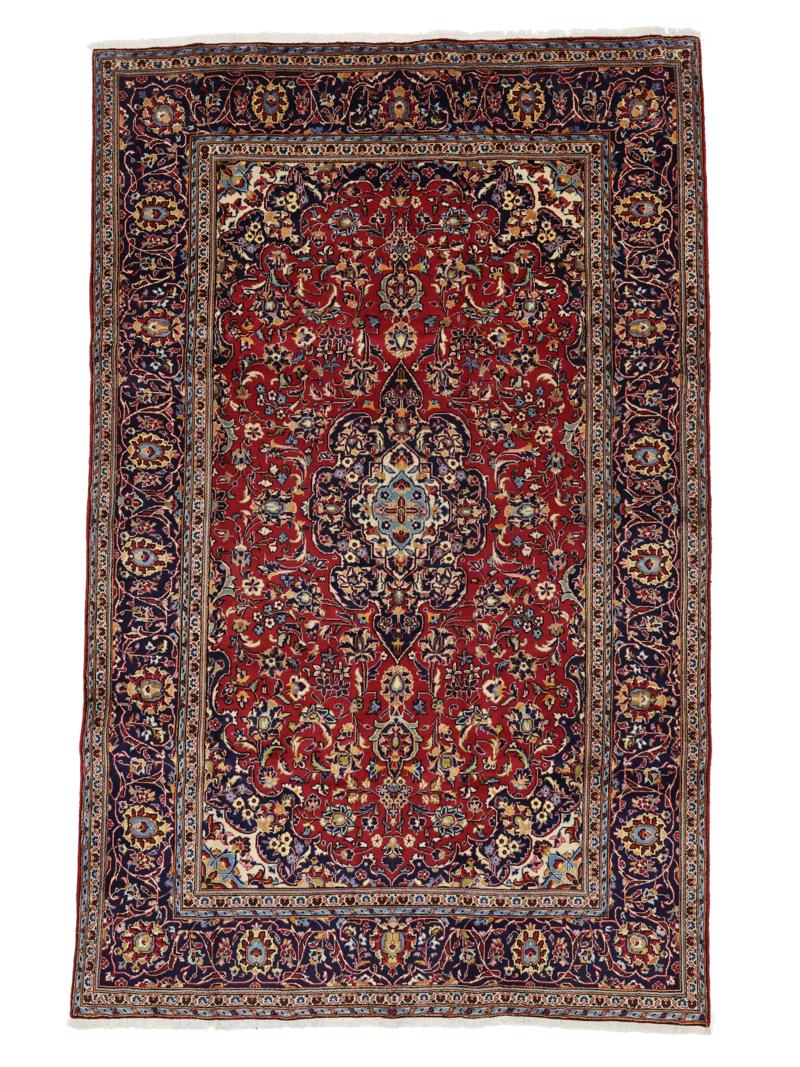
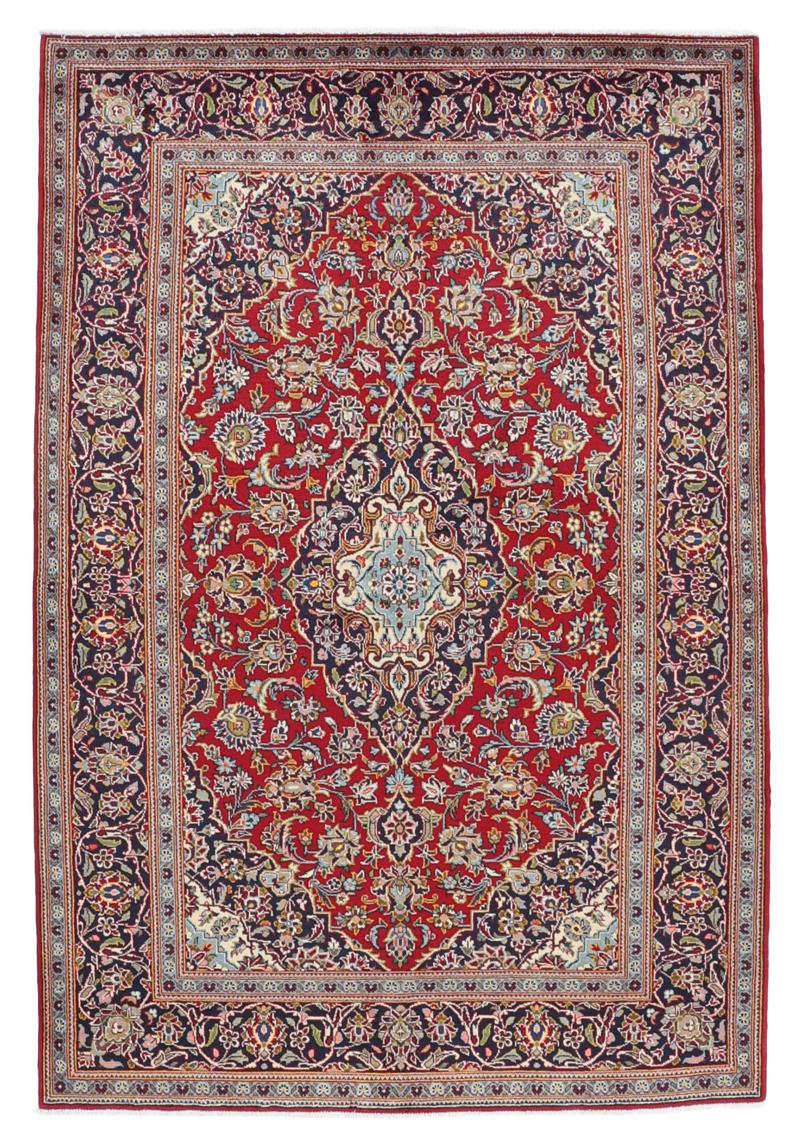
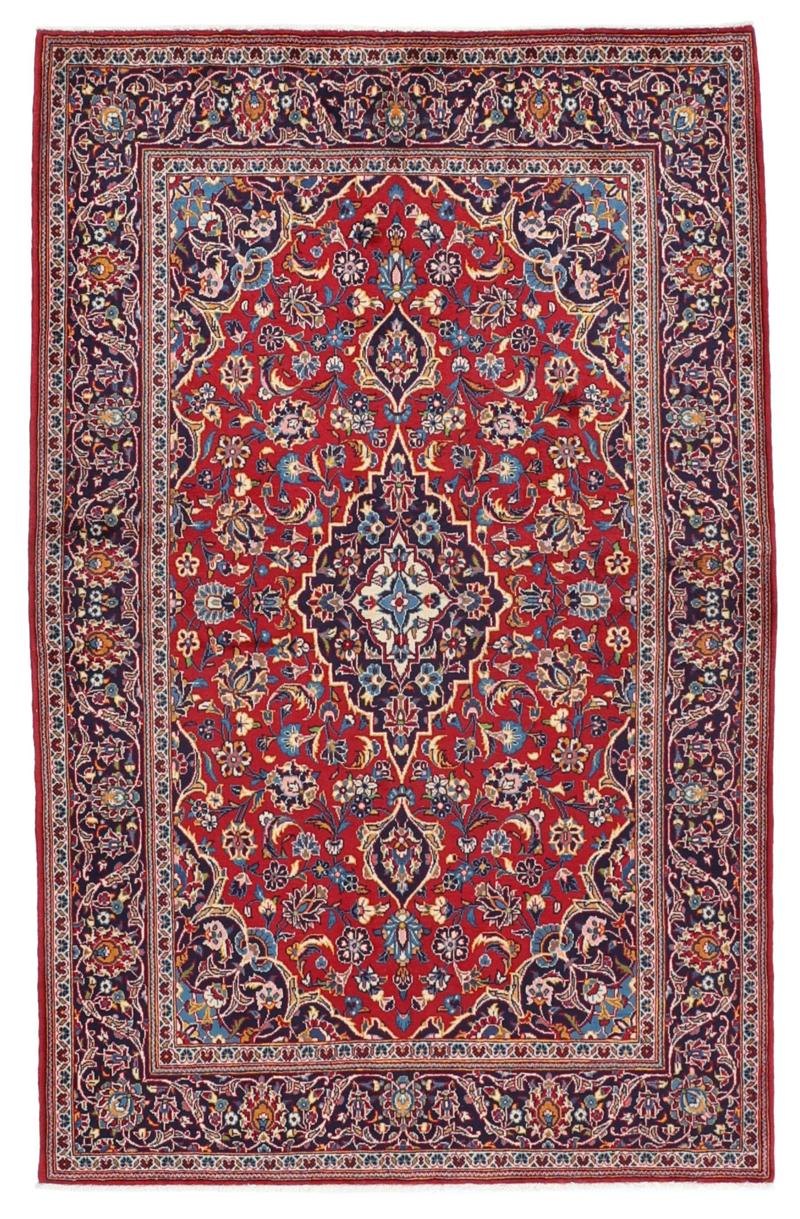
Lastly, workshop rugs are carpets showing off exquisite craftsmanship. As the name implies, these carpets are crafted in ateliers traditionally located in larger cities. The atelier functions as a company where the weavers are employed. The looms are stationary, built to allow the manufacturing of huge carpets, and it’s not unusual that several weavers work simultaneously on a carpet. During the work, the weavers follow a highly detailed pattern drawn on paper, and the irregularities accepted on village and nomad carpets are not allowed here.