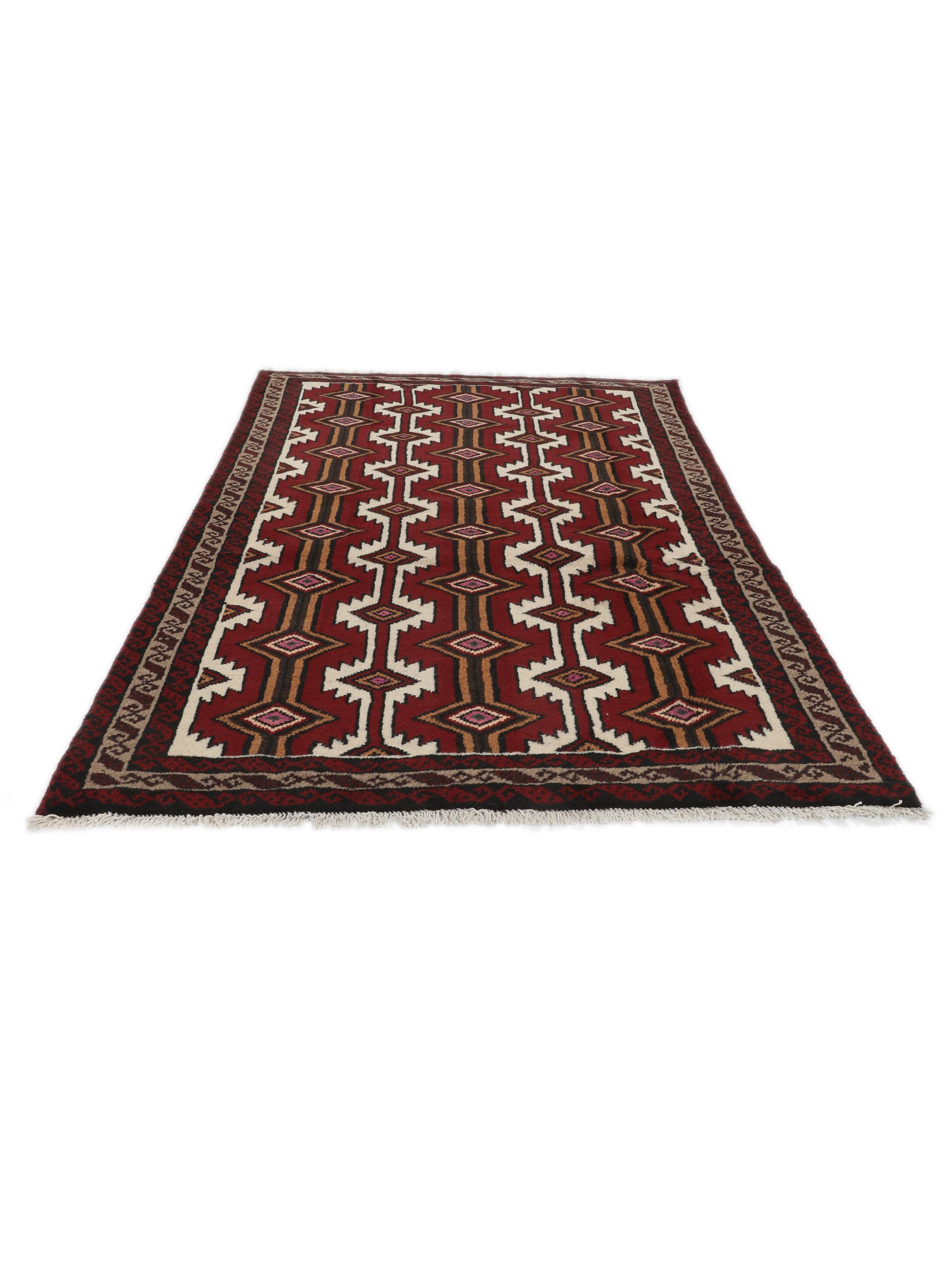
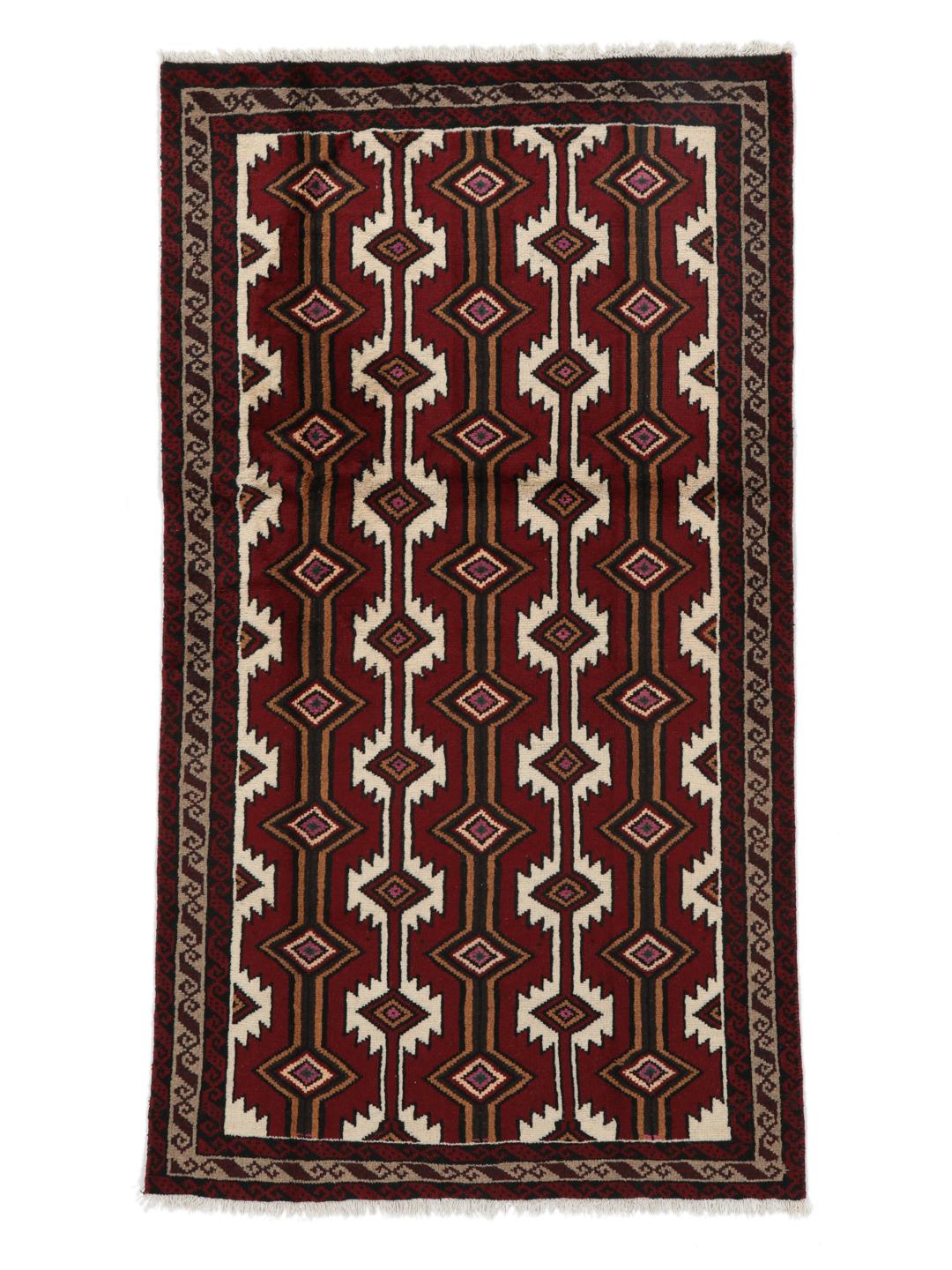
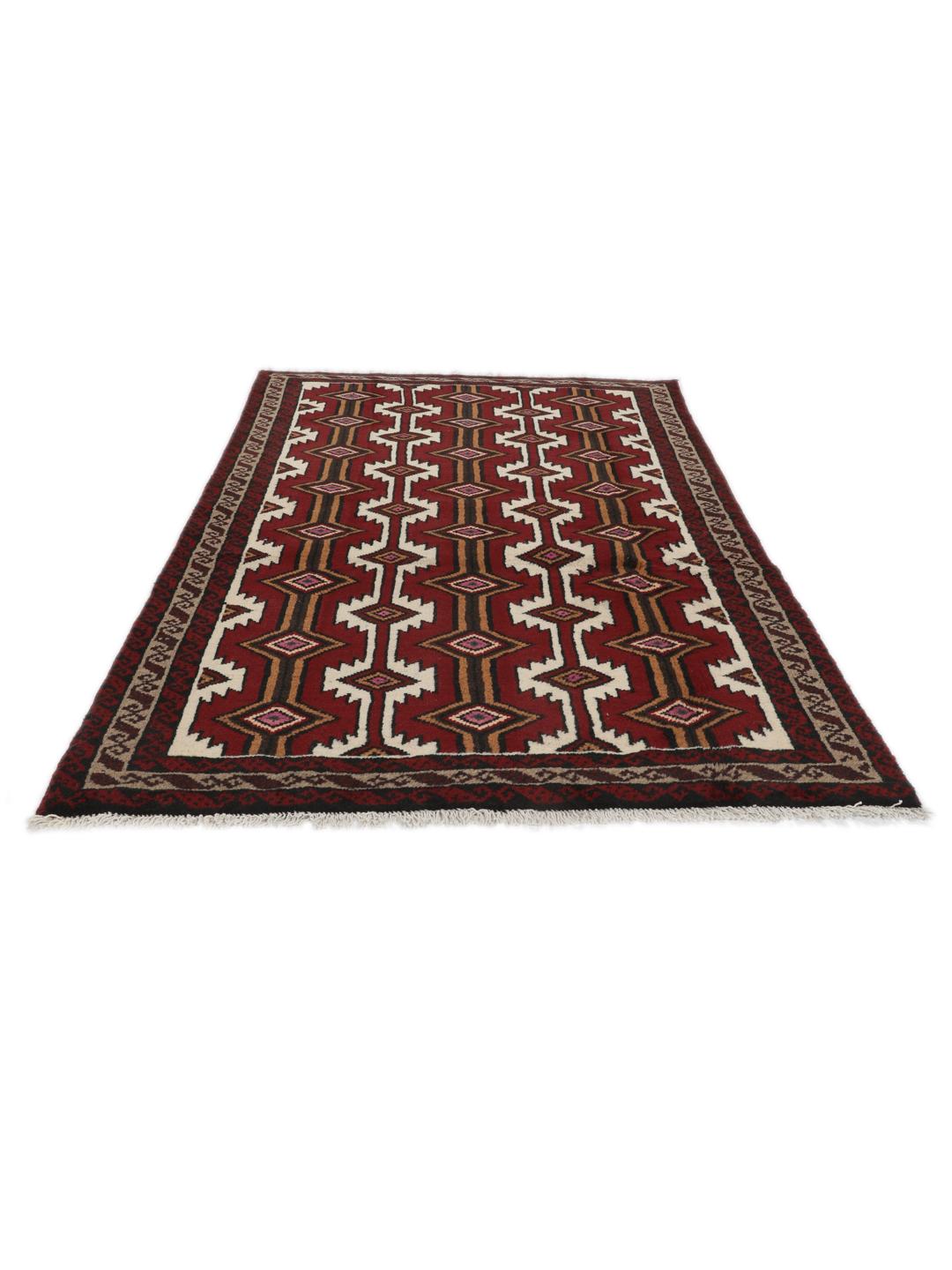
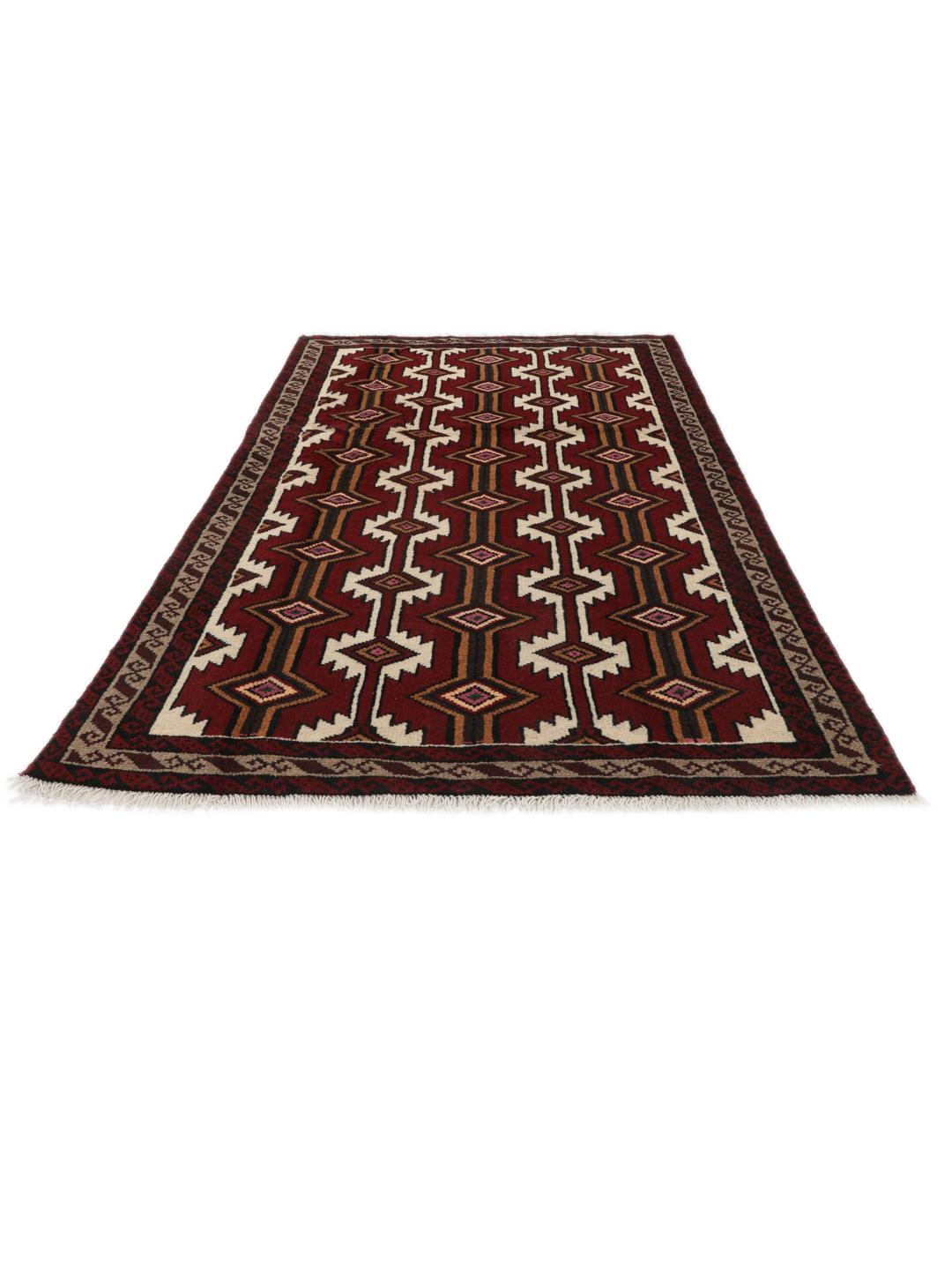
The Beluch rug tradition originates from the nomadic and semi-nomadic tribes of the border regions between the Middle East and neighbouring areas. These weavers are known for their deep connection to the land and their ability to translate the harsh, beautiful landscapes of their home into intricate textile designs. Historically, these rugs were essential items for nomadic life, serving as blankets, saddlebags, and floor coverings.
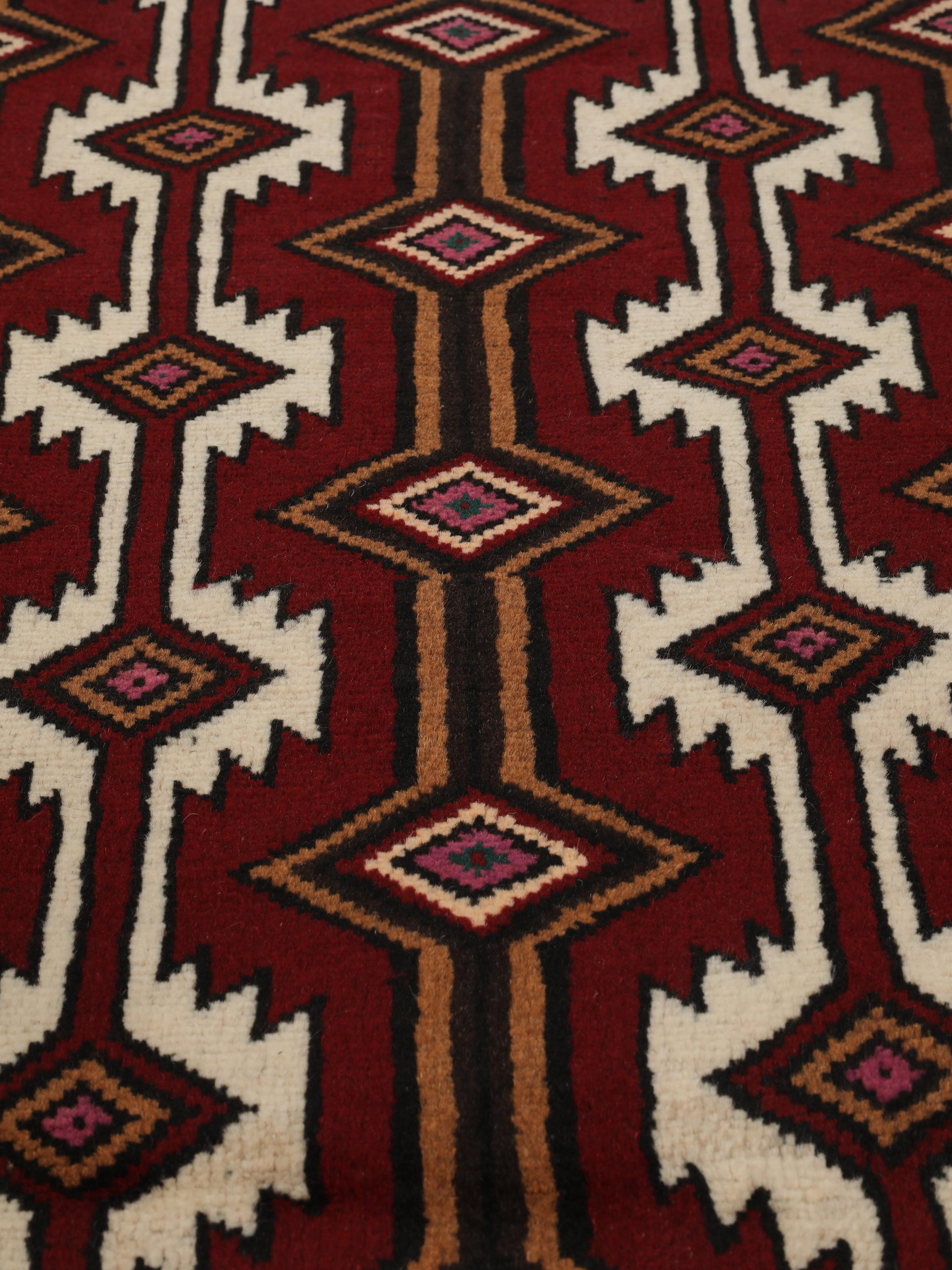
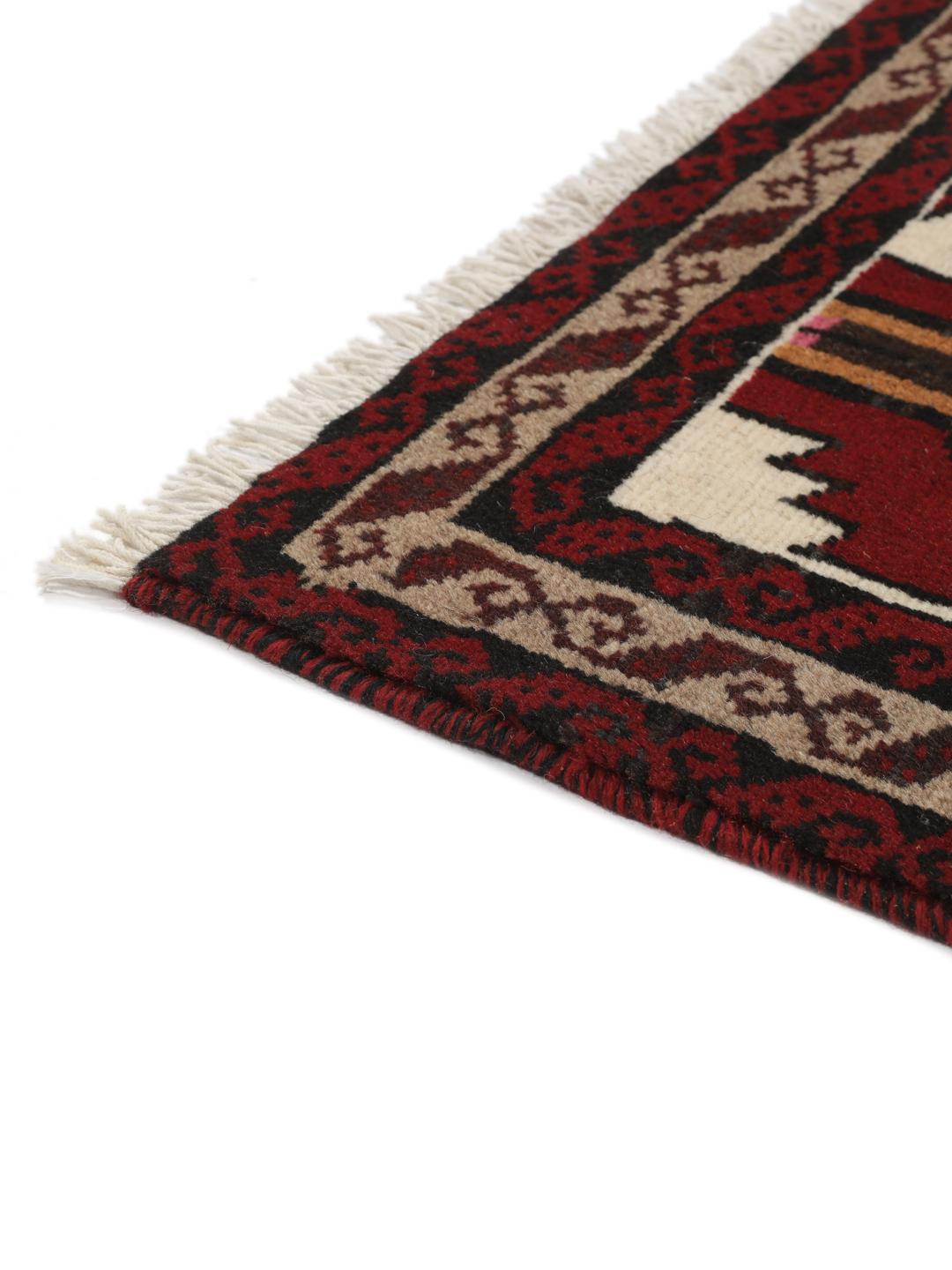
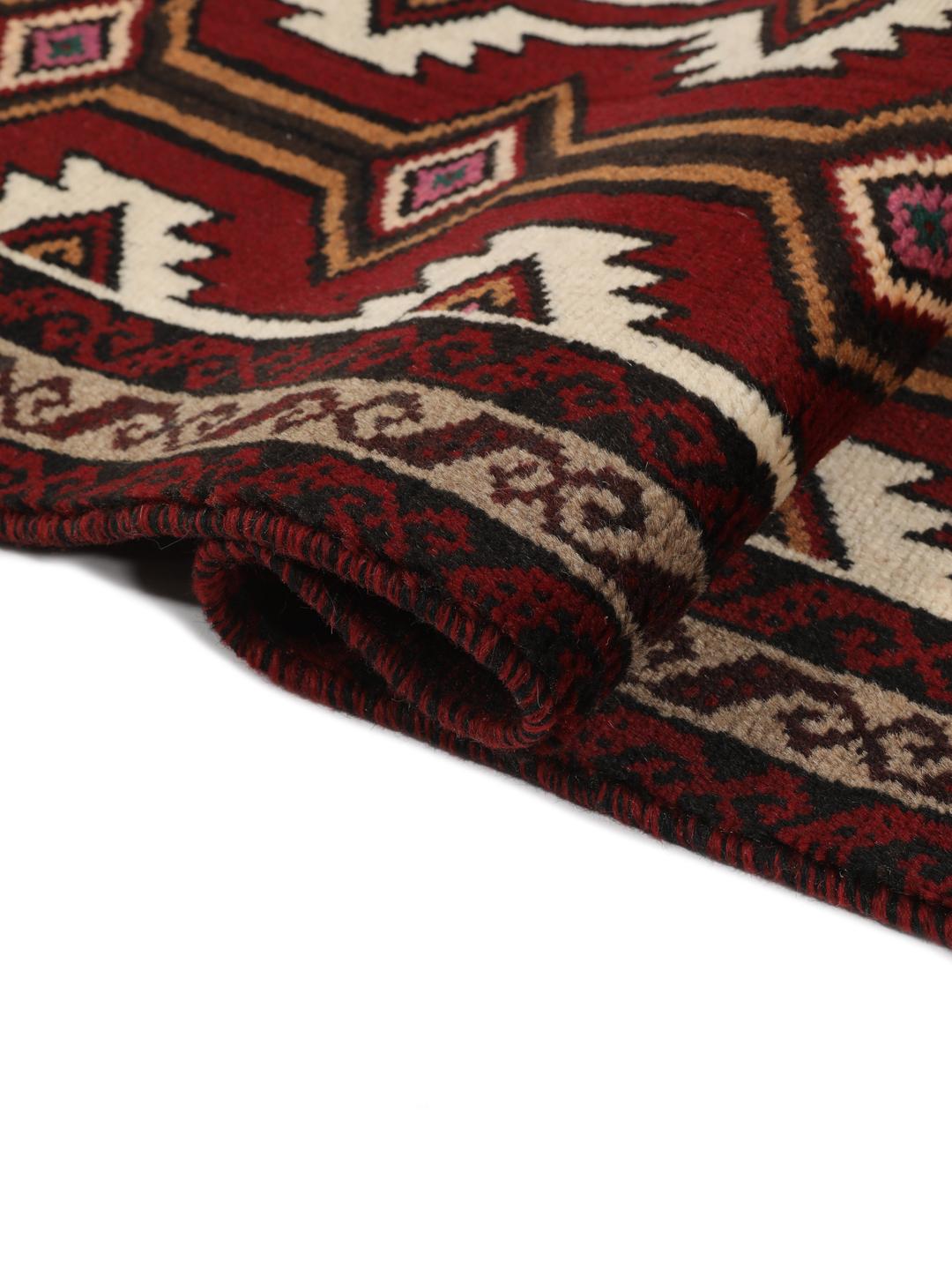
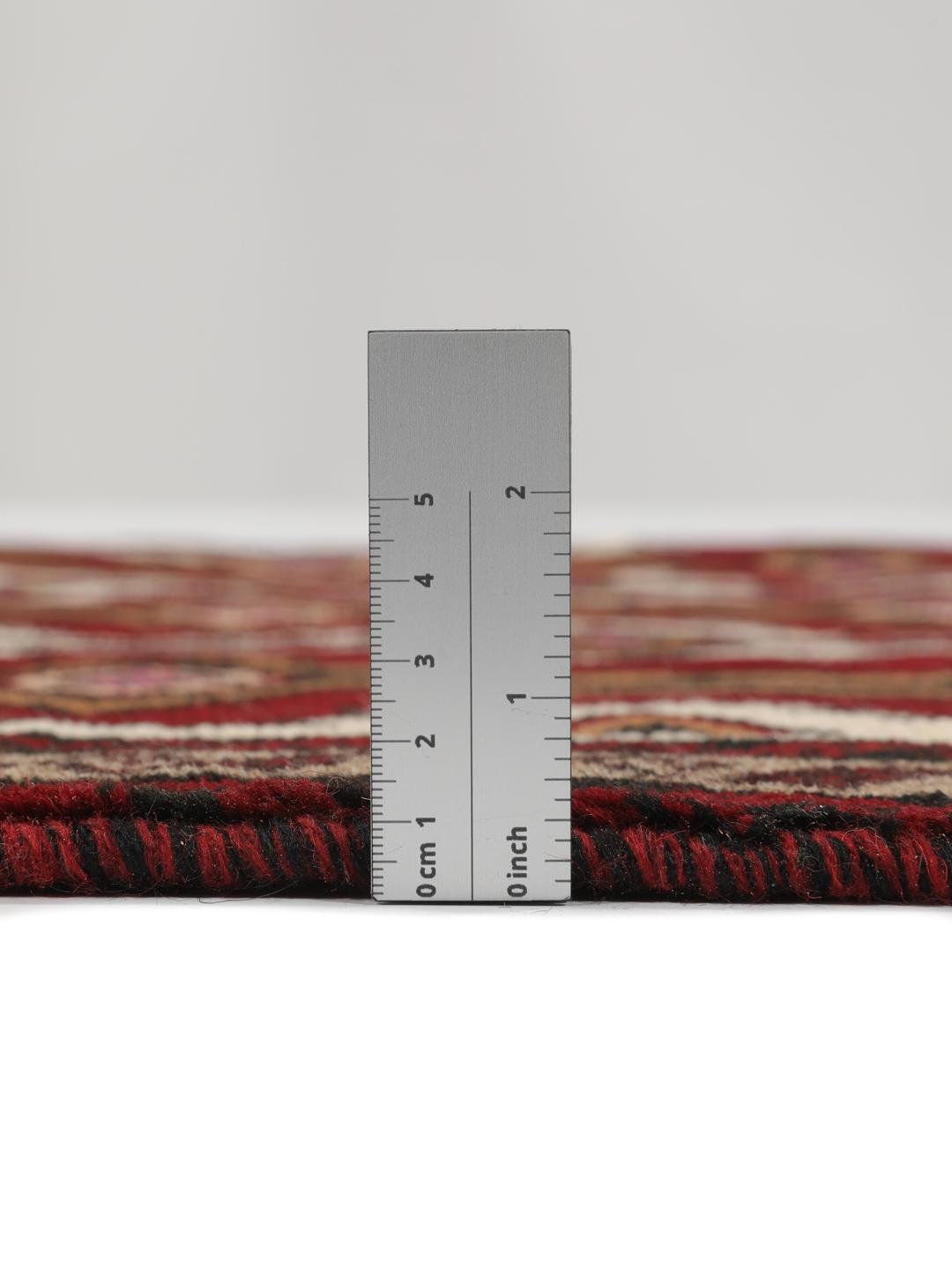
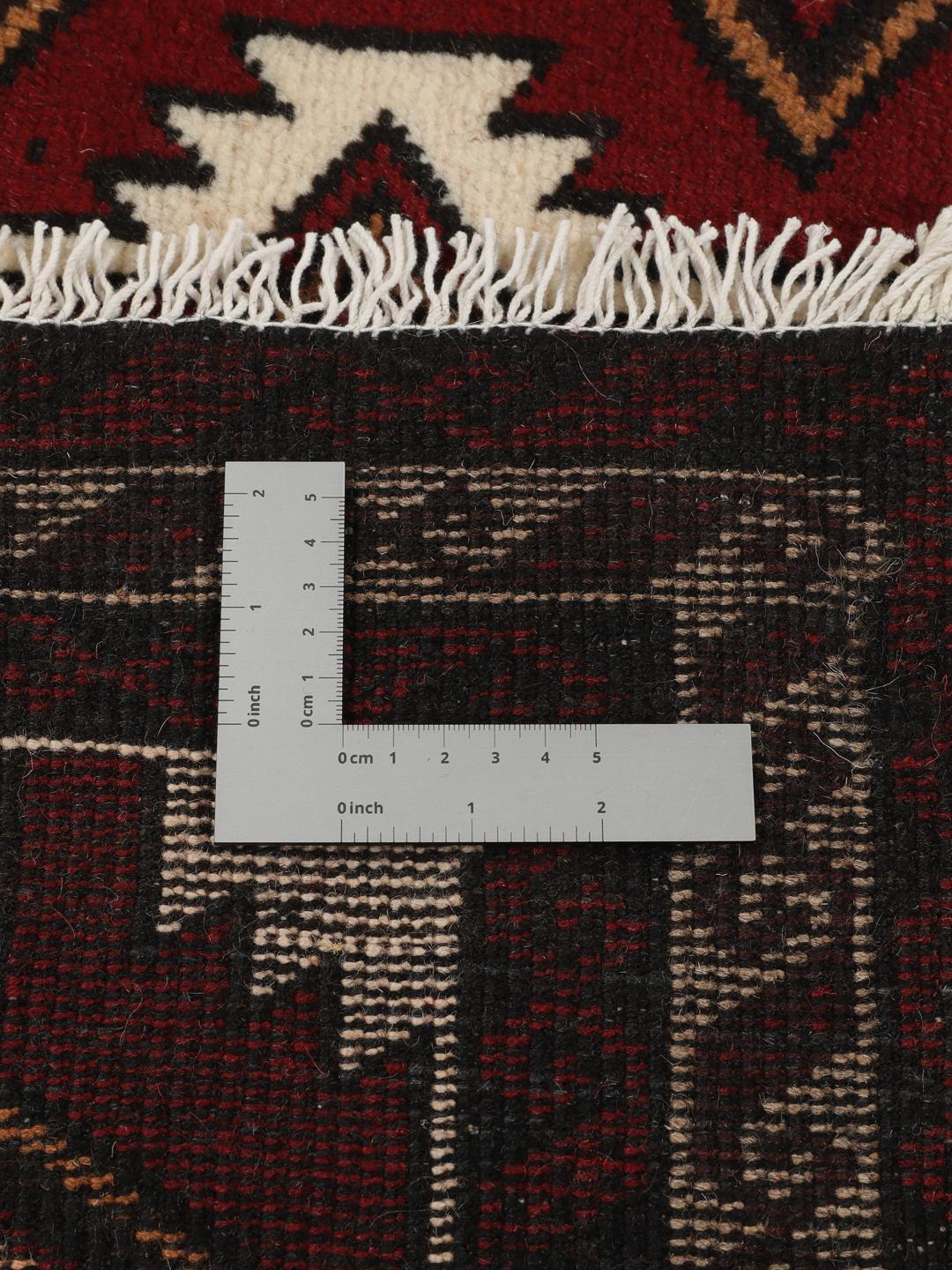
The construction of a Beluch rug typically relies on a dense, hand-knotted structure that balances durability with a manageable weight for travel. The Wool used is often sourced from local sheep, which thrive in the rugged climate, resulting in a fibre that is naturally oily and resilient. This traditional approach to building the foundation and pile is why these rugs have remained sought after by collectors for their longevity and tactile quality.
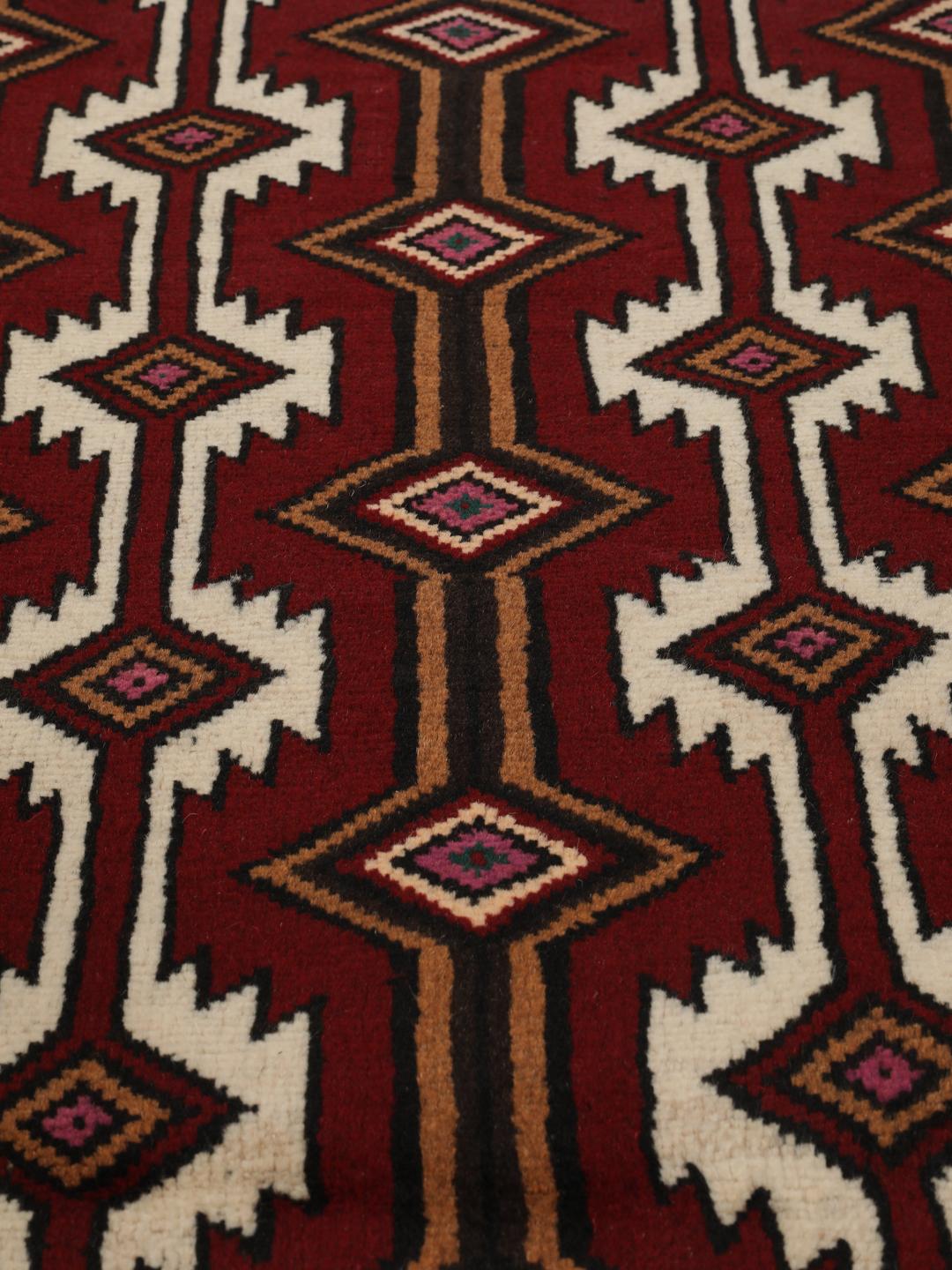
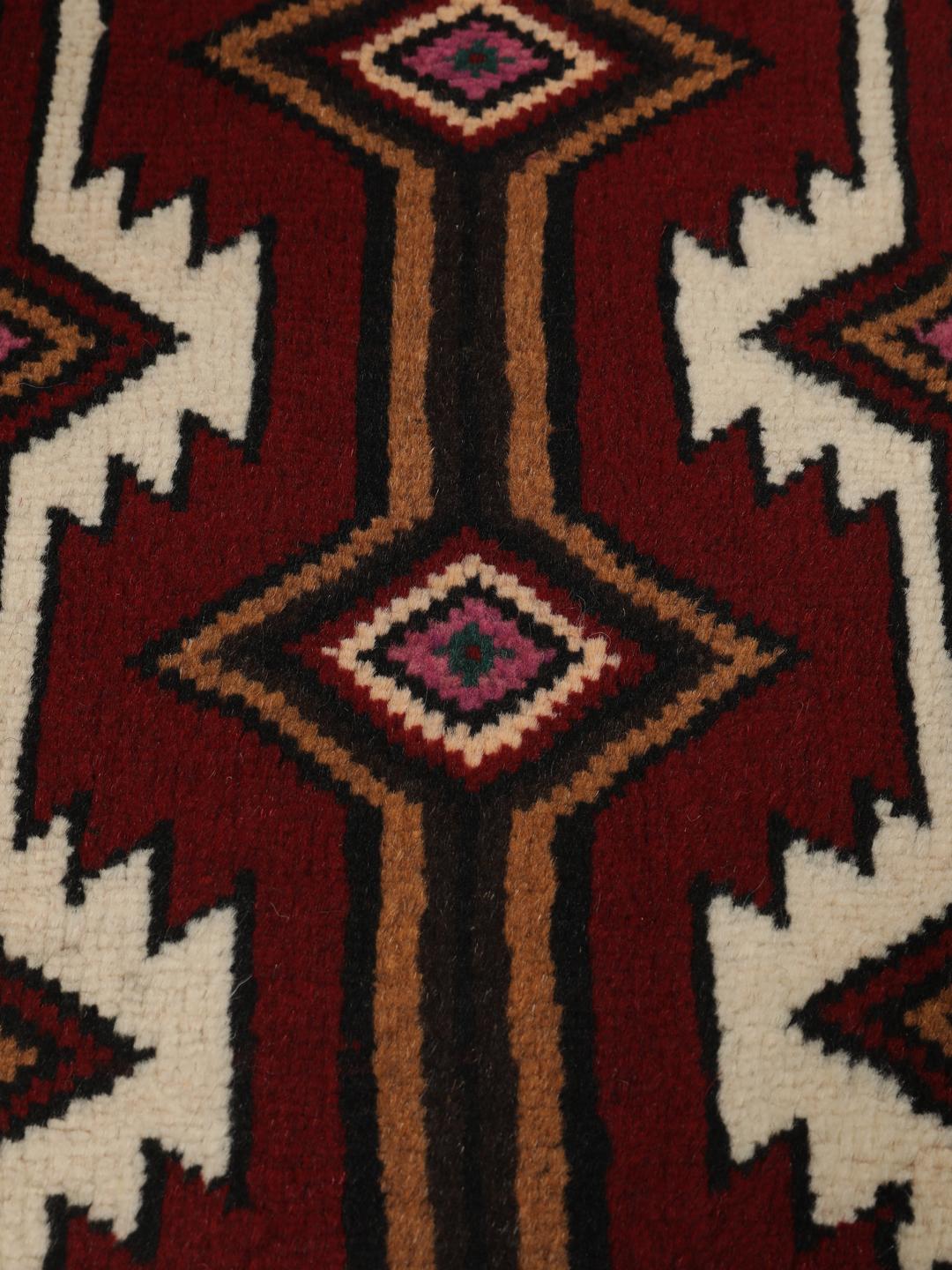
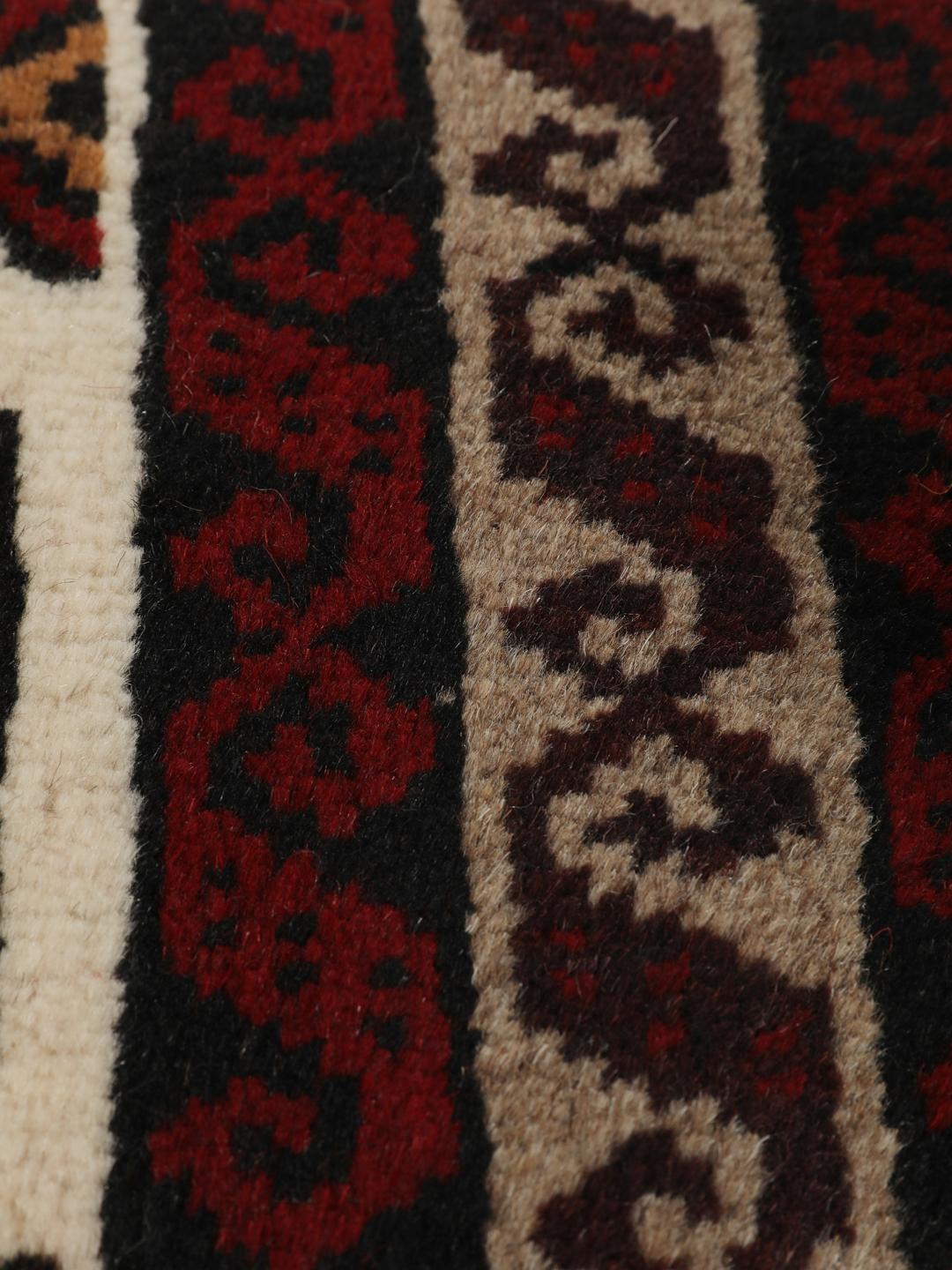
Visually, Beluch rugs are instantly recognisable for their dark, earthy colour palettes and sharp geometric motifs. You will often see repeating diamond shapes, stylised floral elements, and protective symbols woven into the field. The borders are frequently decorated with complex, repetitive patterns that frame the central design, showcasing the weaver's ability to maintain perfect symmetry and detail throughout the entire piece.
Owning a Beluch rug is an opportunity to possess a piece of cultural history. These rugs are highly valued for their authenticity and the human story behind every knot. They represent a bridge between the ancient traditions of Middle Eastern craftsmanship and modern home design, offering a timeless aesthetic that celebrates both artistic skill and the enduring legacy of the tribes that created them.