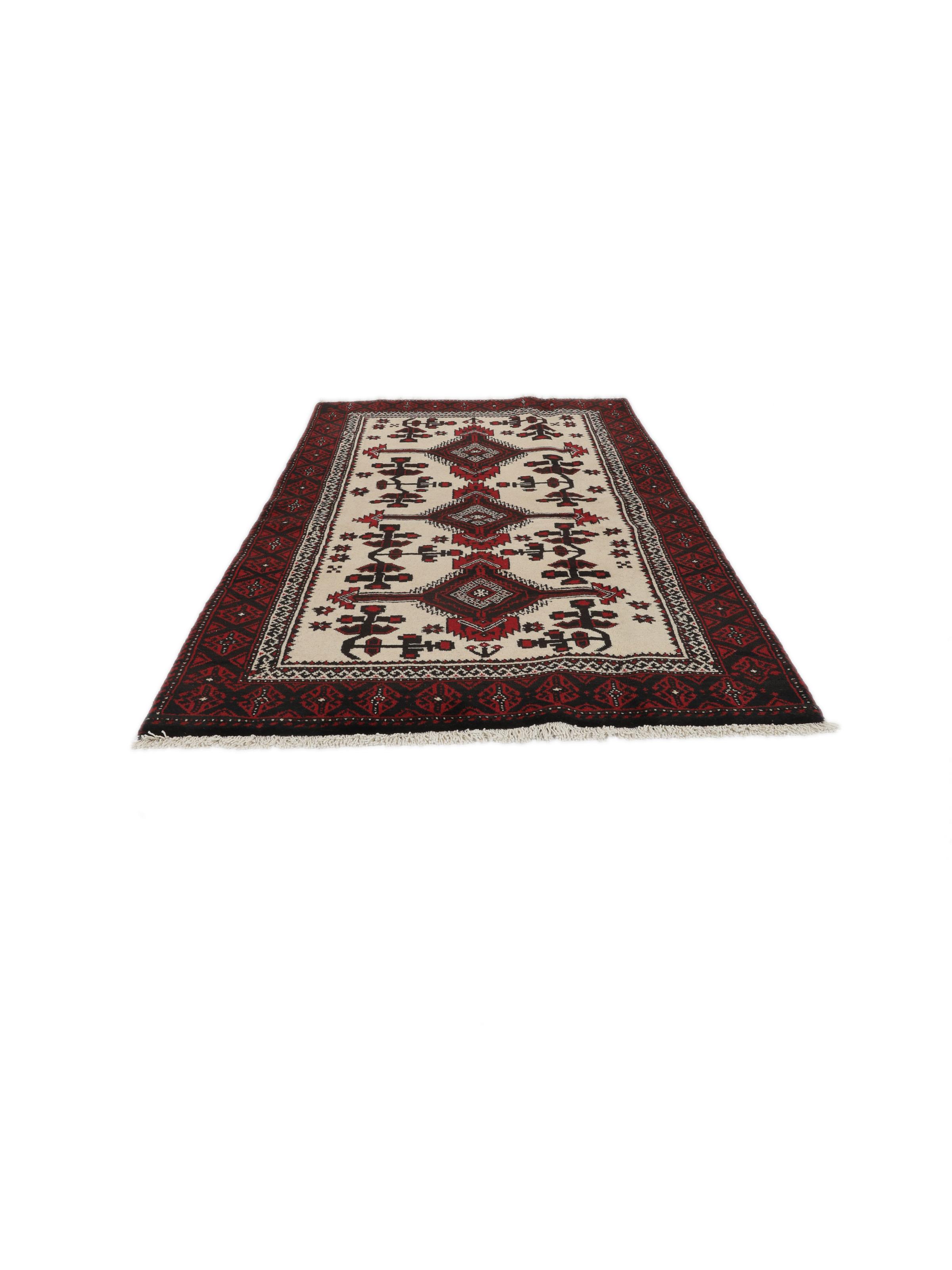
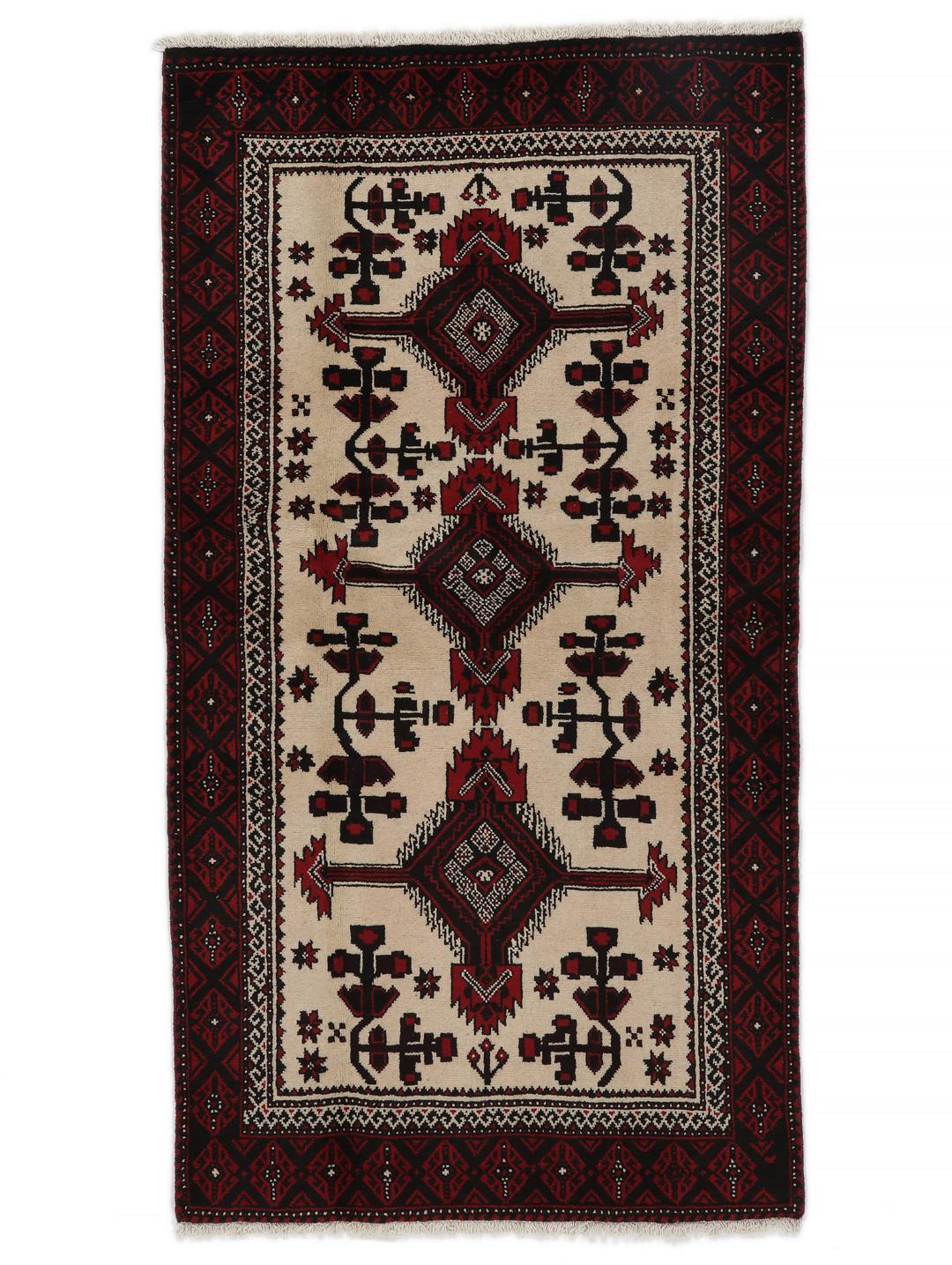
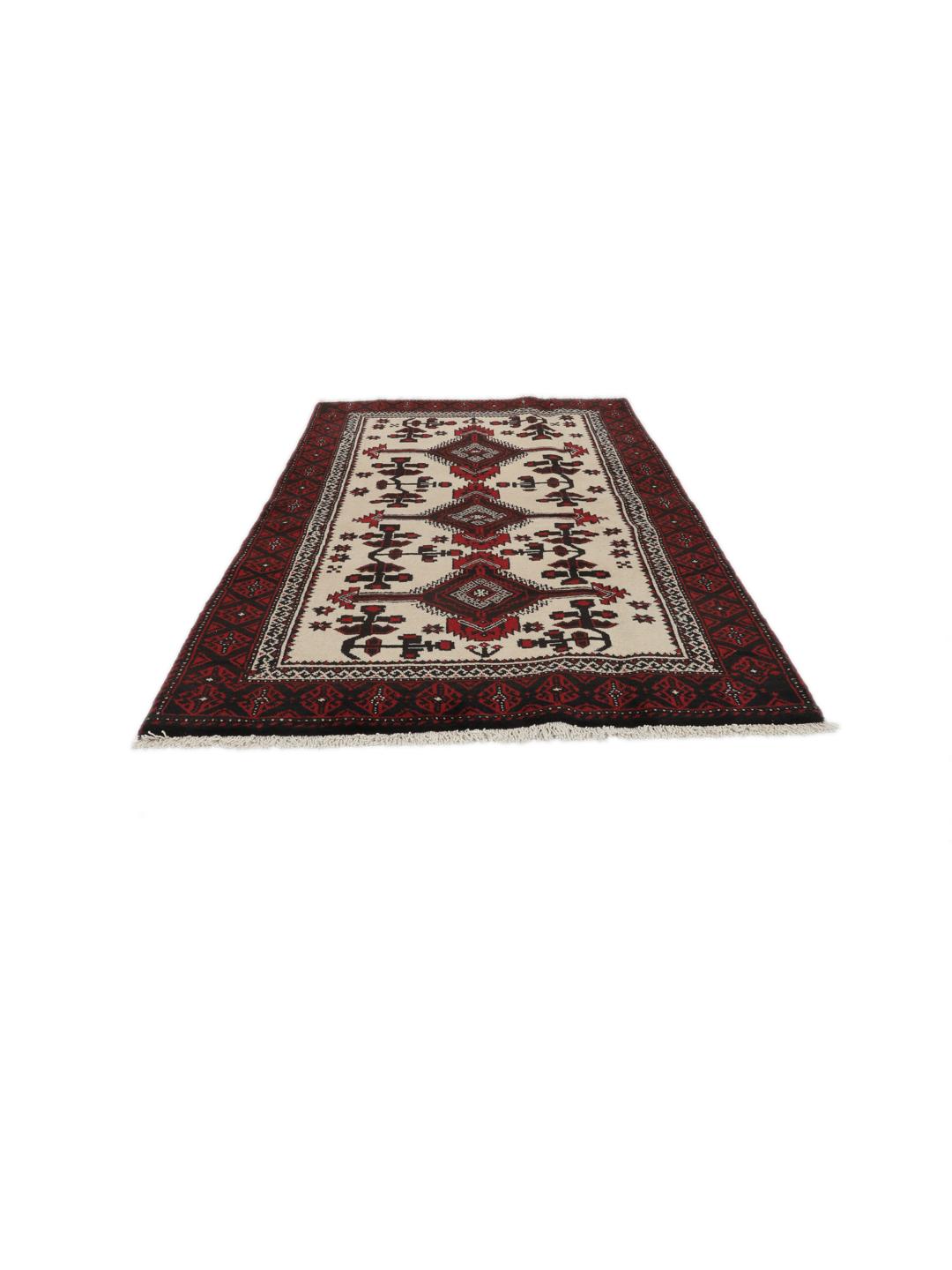
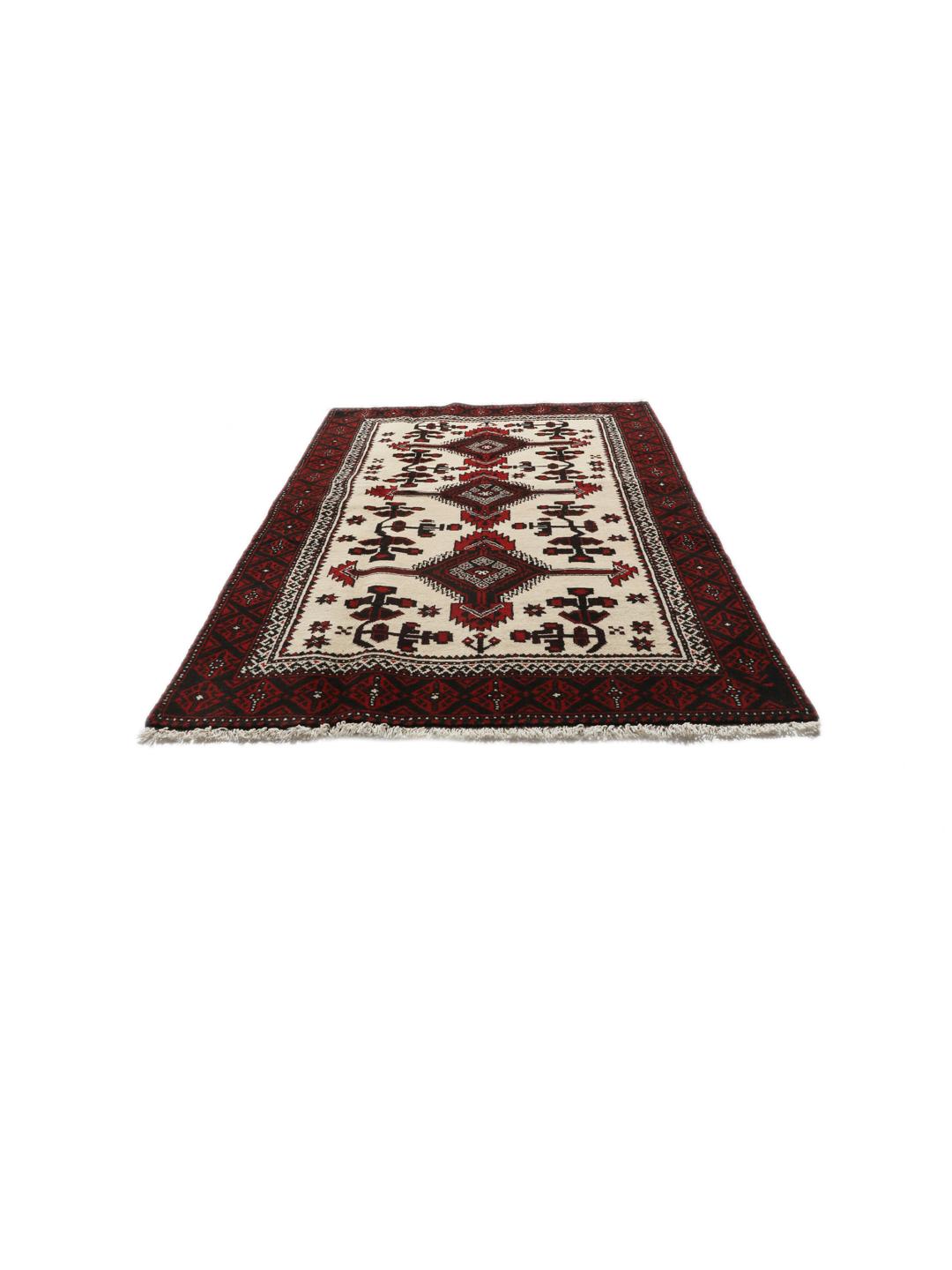
Baluch rugs originate from the nomadic and semi-nomadic Baluchi tribes who traditionally inhabited the border regions between the Middle East, Afghanistan, and Pakistan. These weavers have passed down their craft through generations, creating rugs that reflect their environment and cultural identity. The migration of these tribes across vast, rugged landscapes has influenced the evolution of their designs, blending regional motifs into a distinct aesthetic.
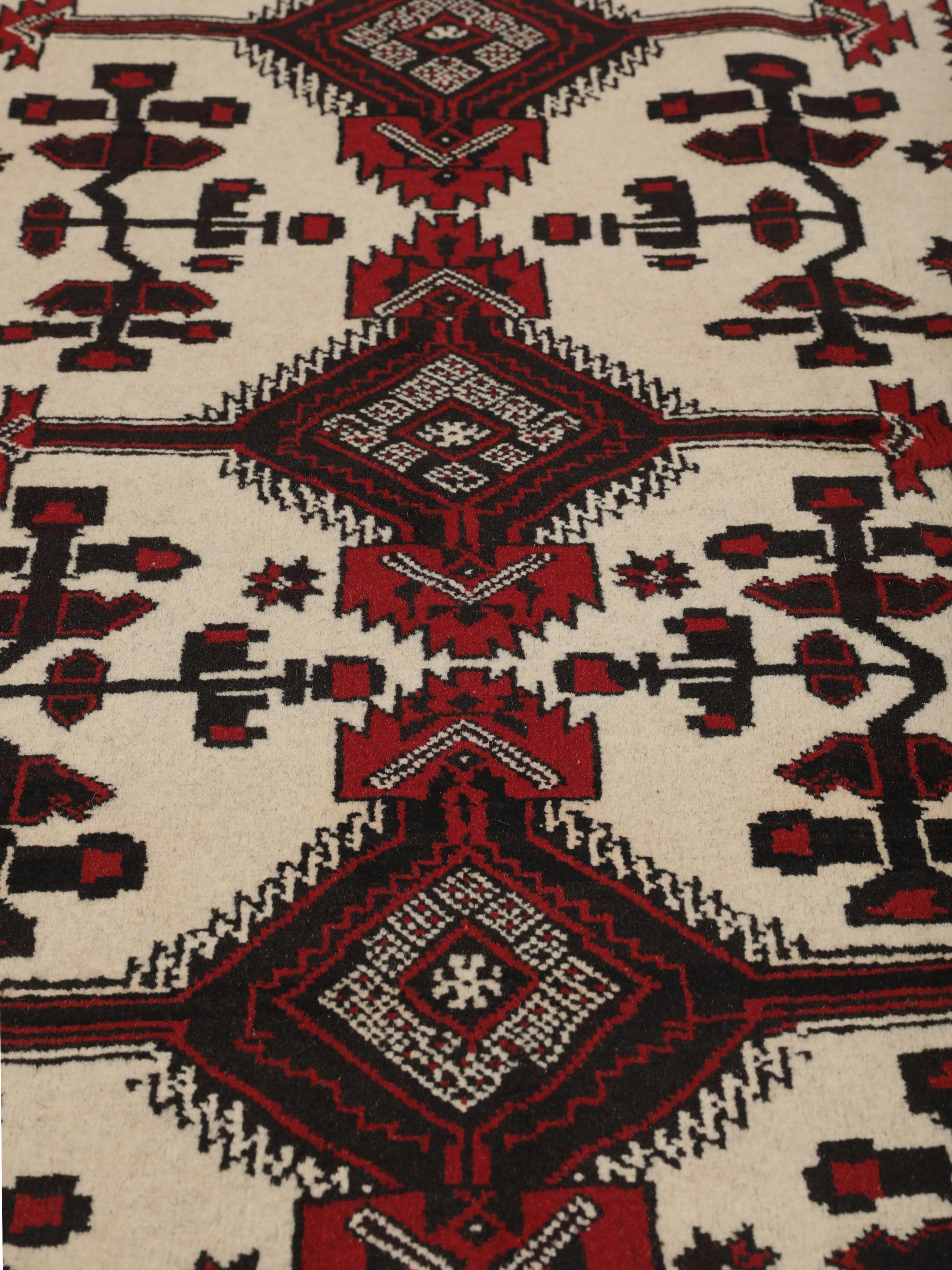
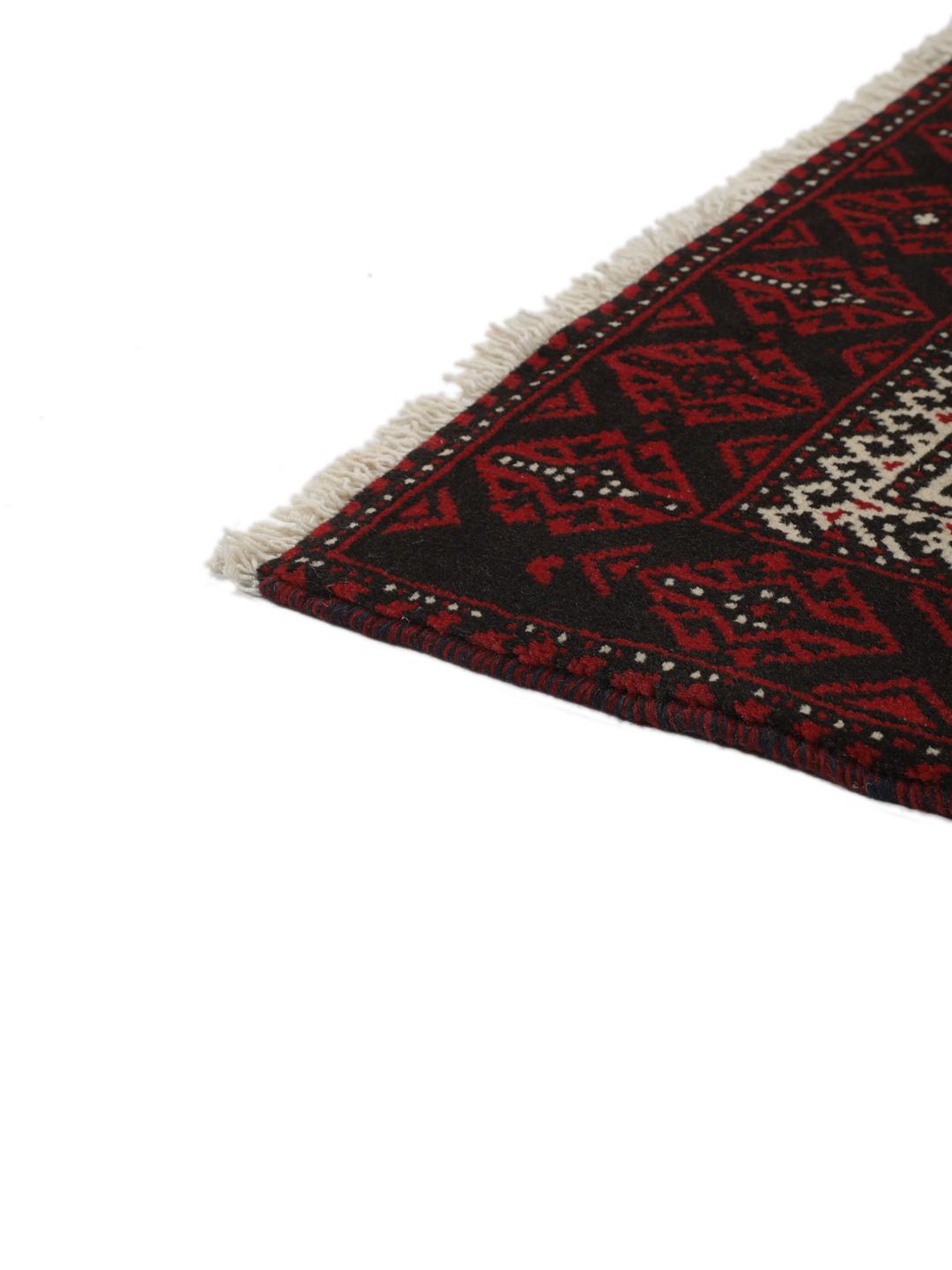
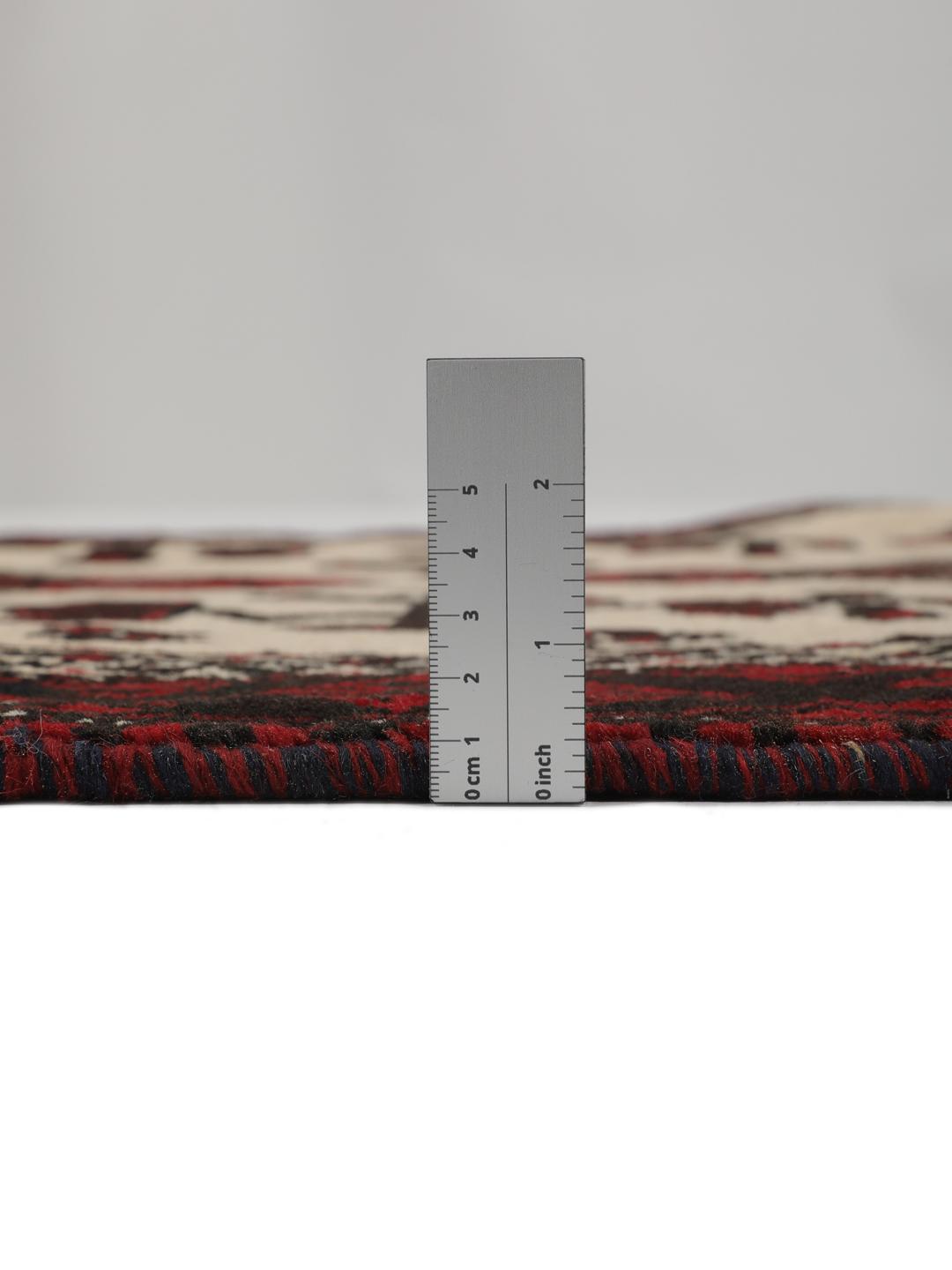
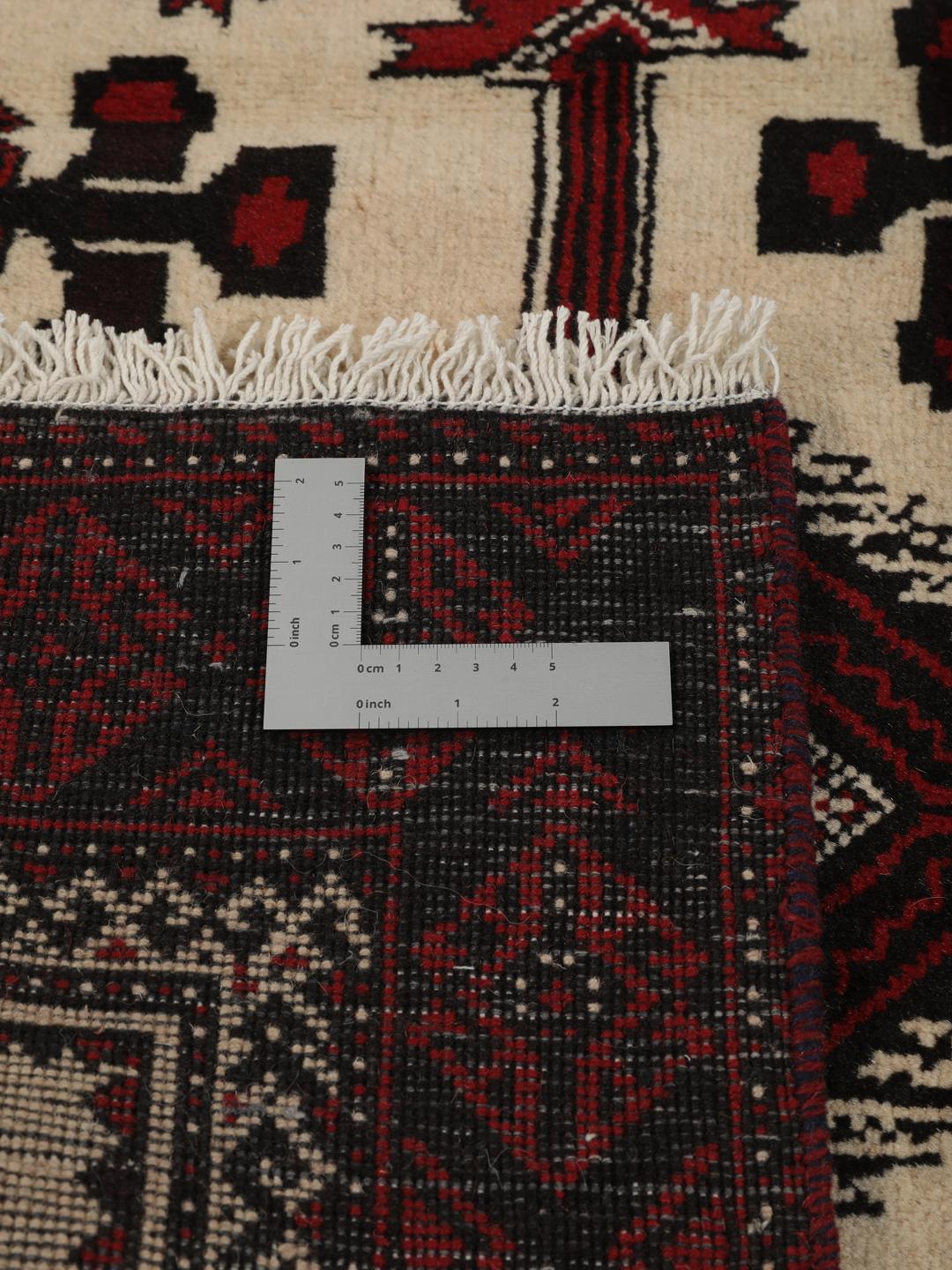
The term Baluch refers to these specific tribal traditions, which are known for their use of durable Wool and deep, rich colours. The construction often involves a foundation of natural fibres, which supports the dense, hand-knotted pile. This technique is essential for creating the characteristic durability that makes these rugs highly prized for their longevity and resistance to wear.
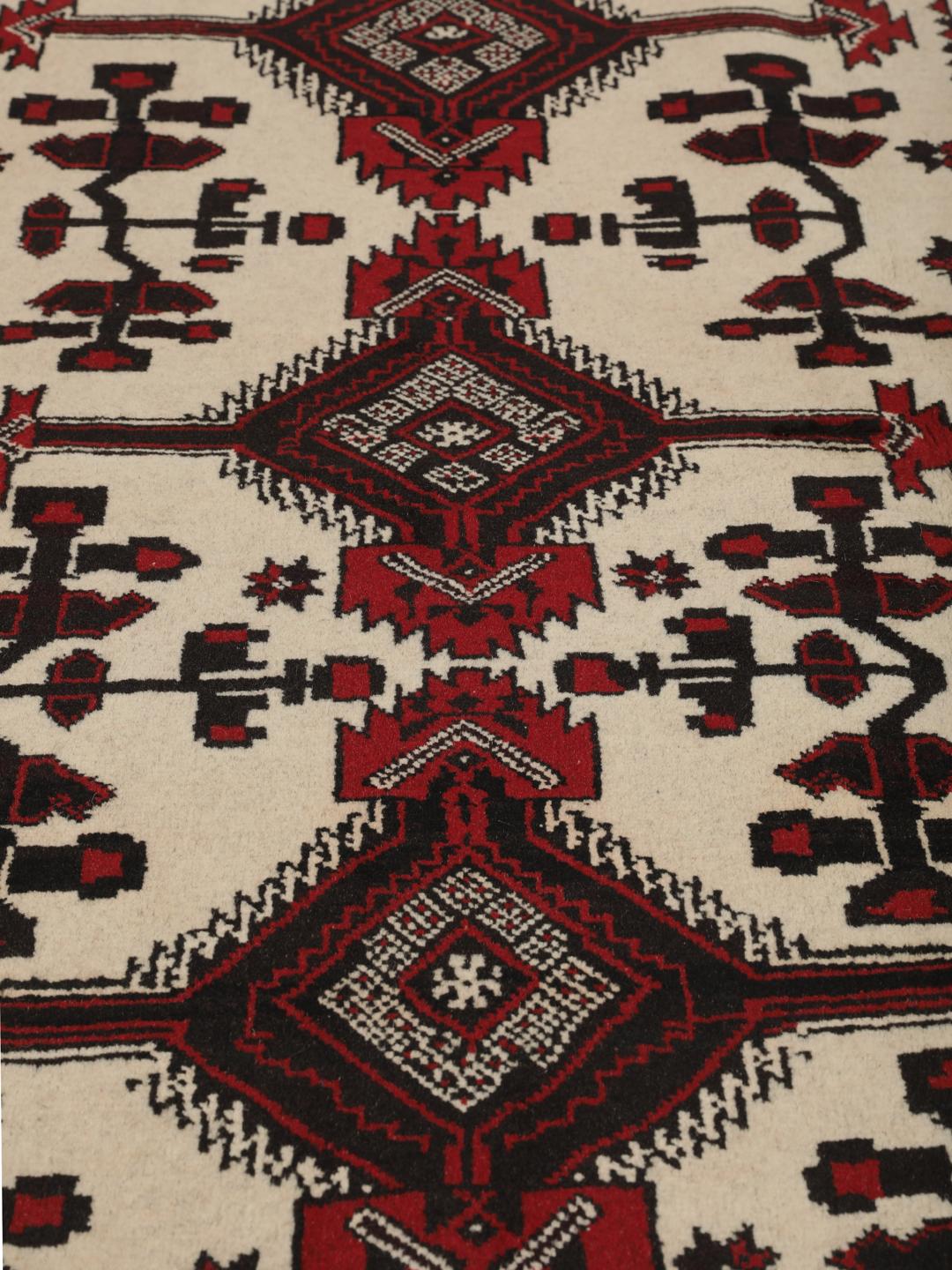
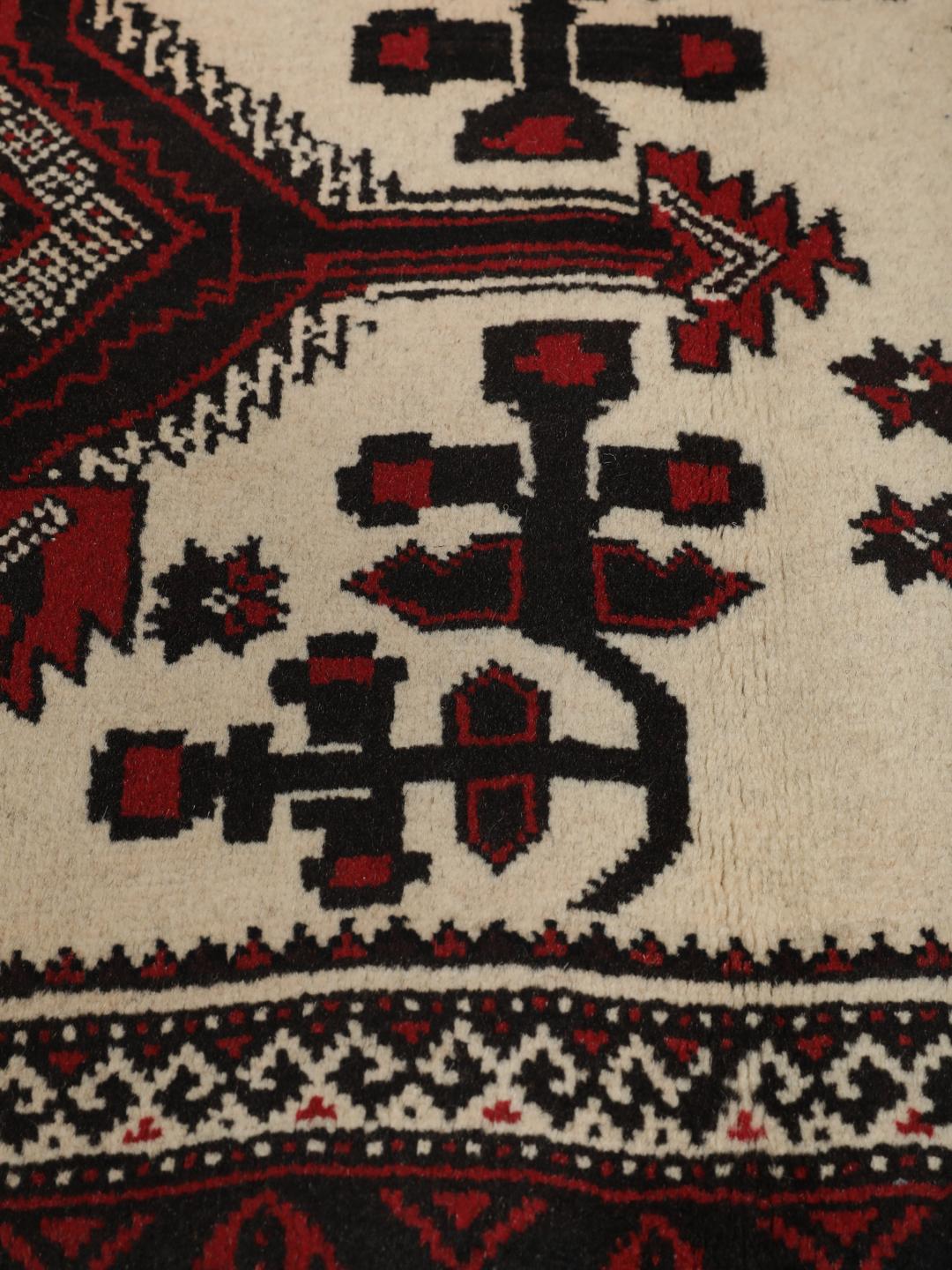
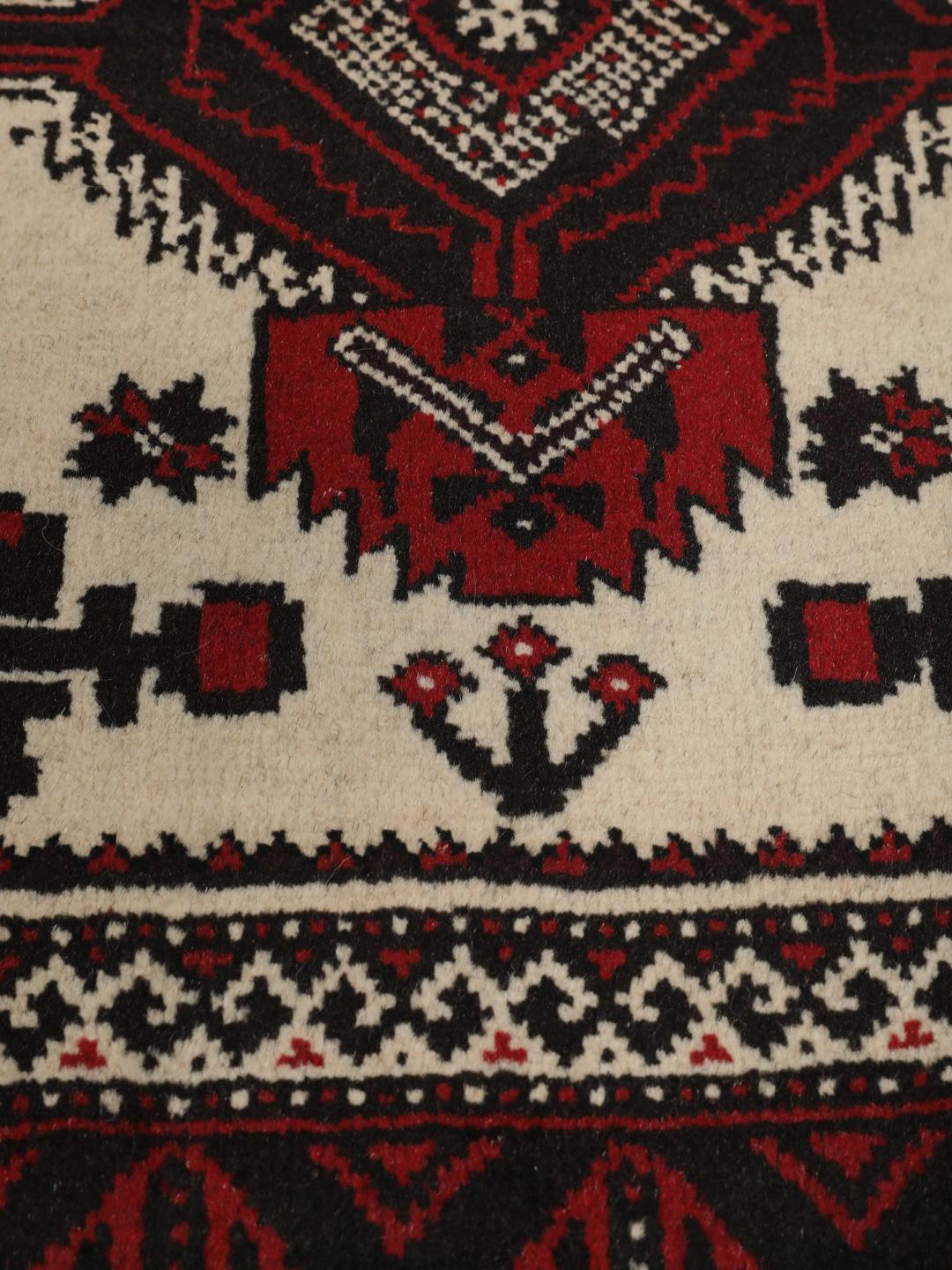
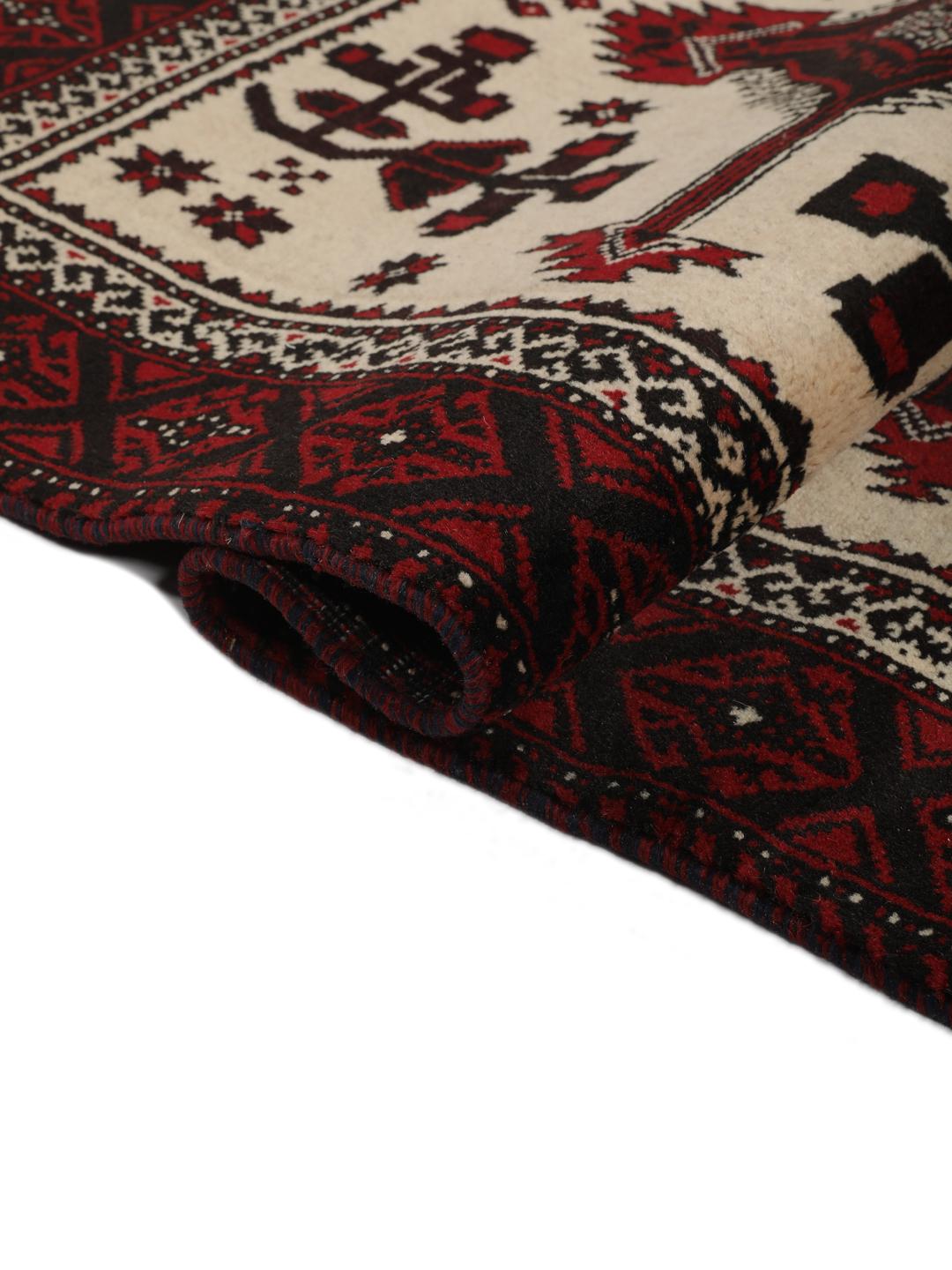
Signature design elements often include geometric medallions, tribal guls, and stylized floral or animal motifs. The borders are typically filled with intricate, repetitive patterns that frame the field, providing a sense of balance and structure. While deep reds and dark blues are common, the use of ivory or beige highlights adds a striking contrast that makes the central motifs stand out beautifully.
Collectors value Baluch rugs for their authentic tribal character and the high level of skill involved in their creation. Owning one is an opportunity to preserve a piece of living history, as these rugs are not merely decorative items but expressions of a long-standing cultural heritage. They are celebrated for their ability to bring warmth, history, and a refined, artisanal quality to any interior.