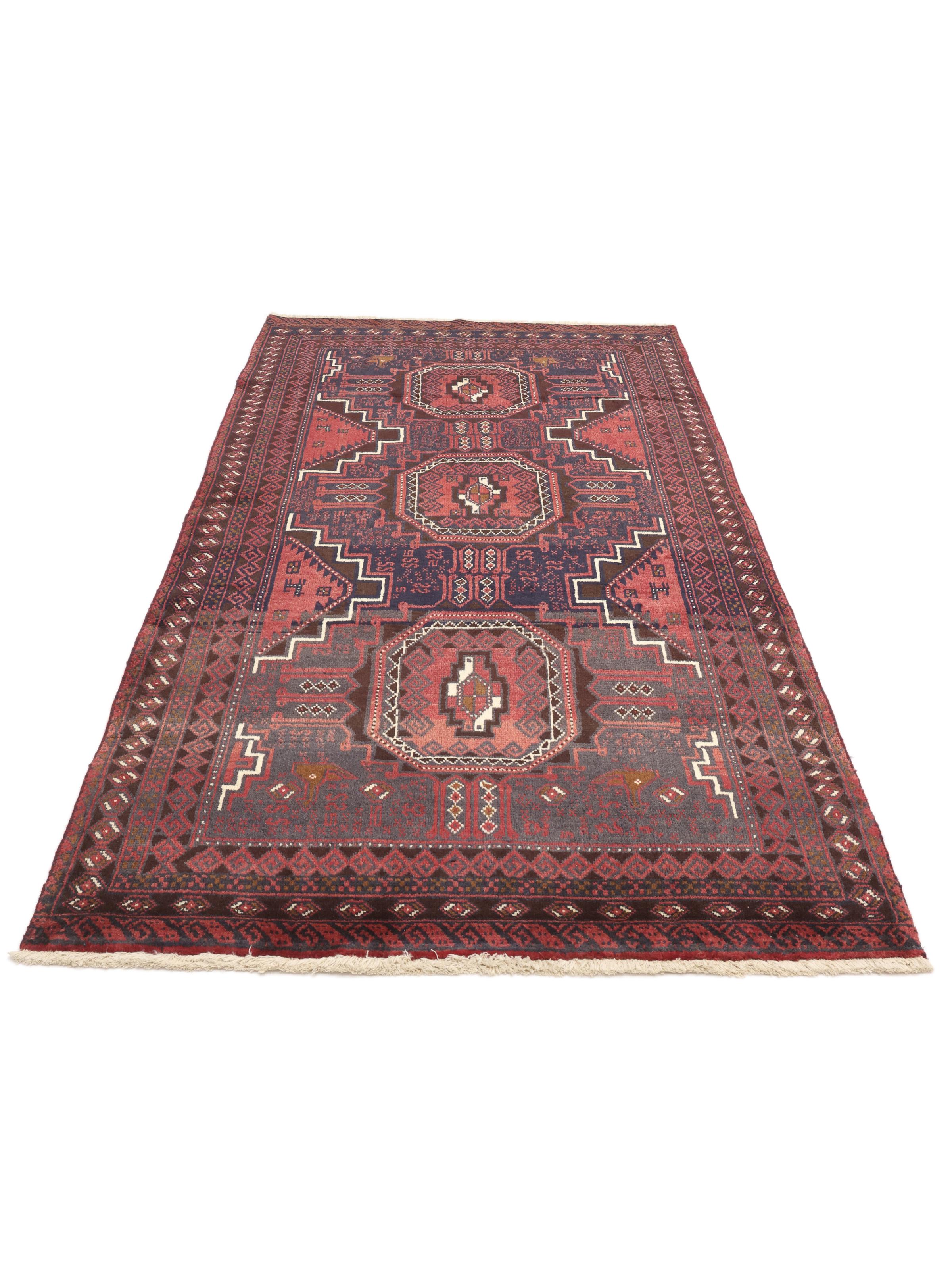
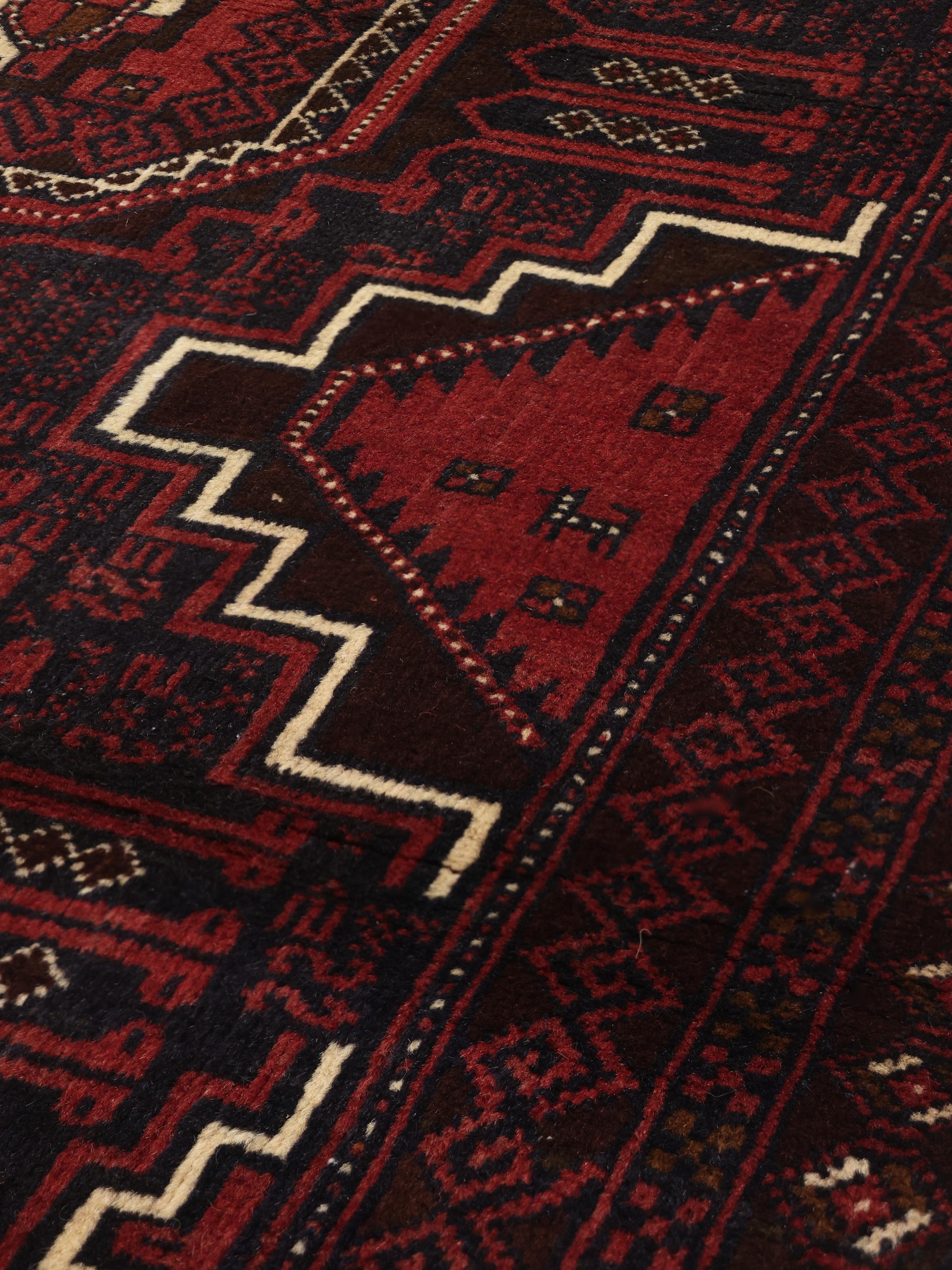
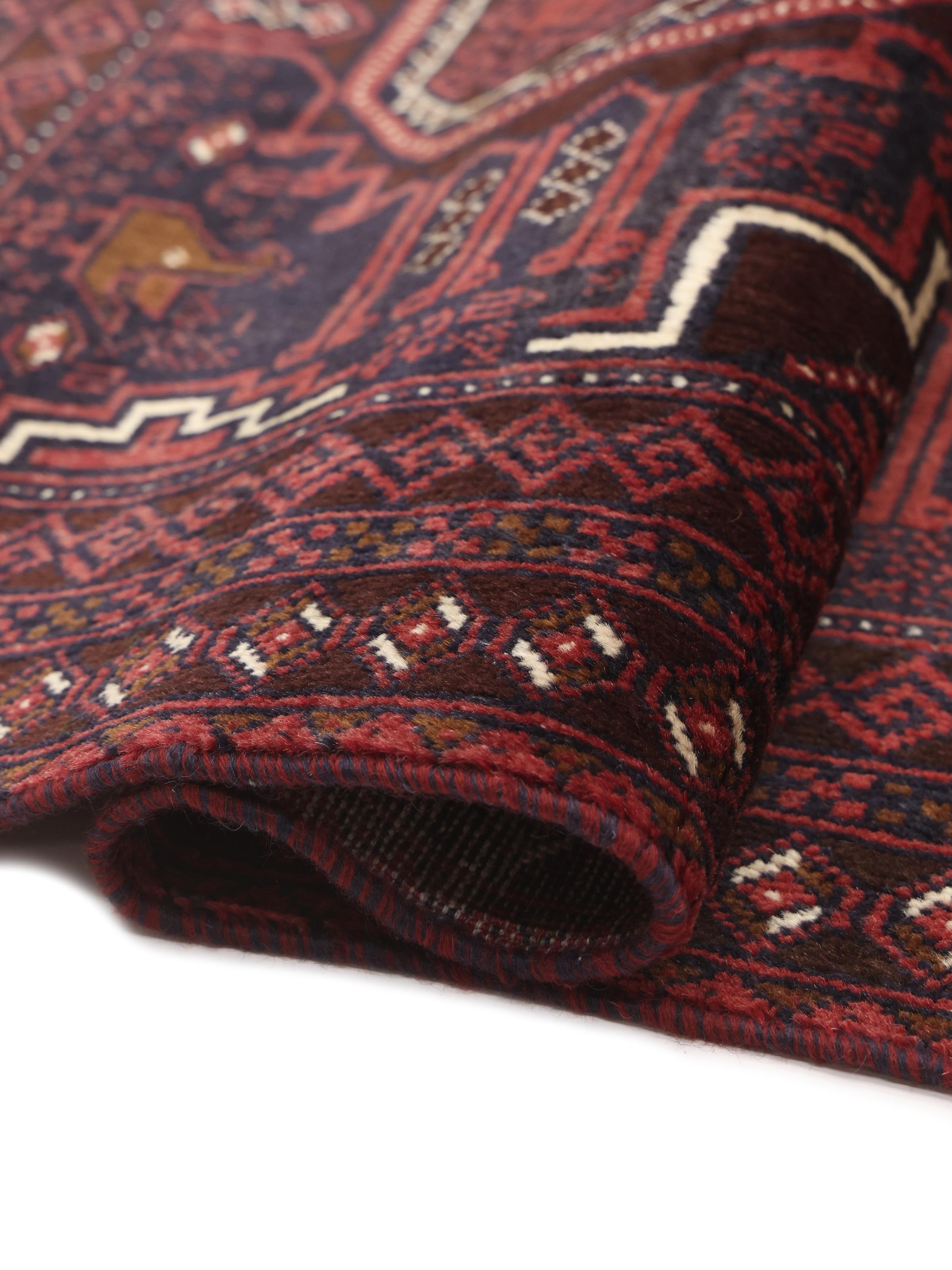
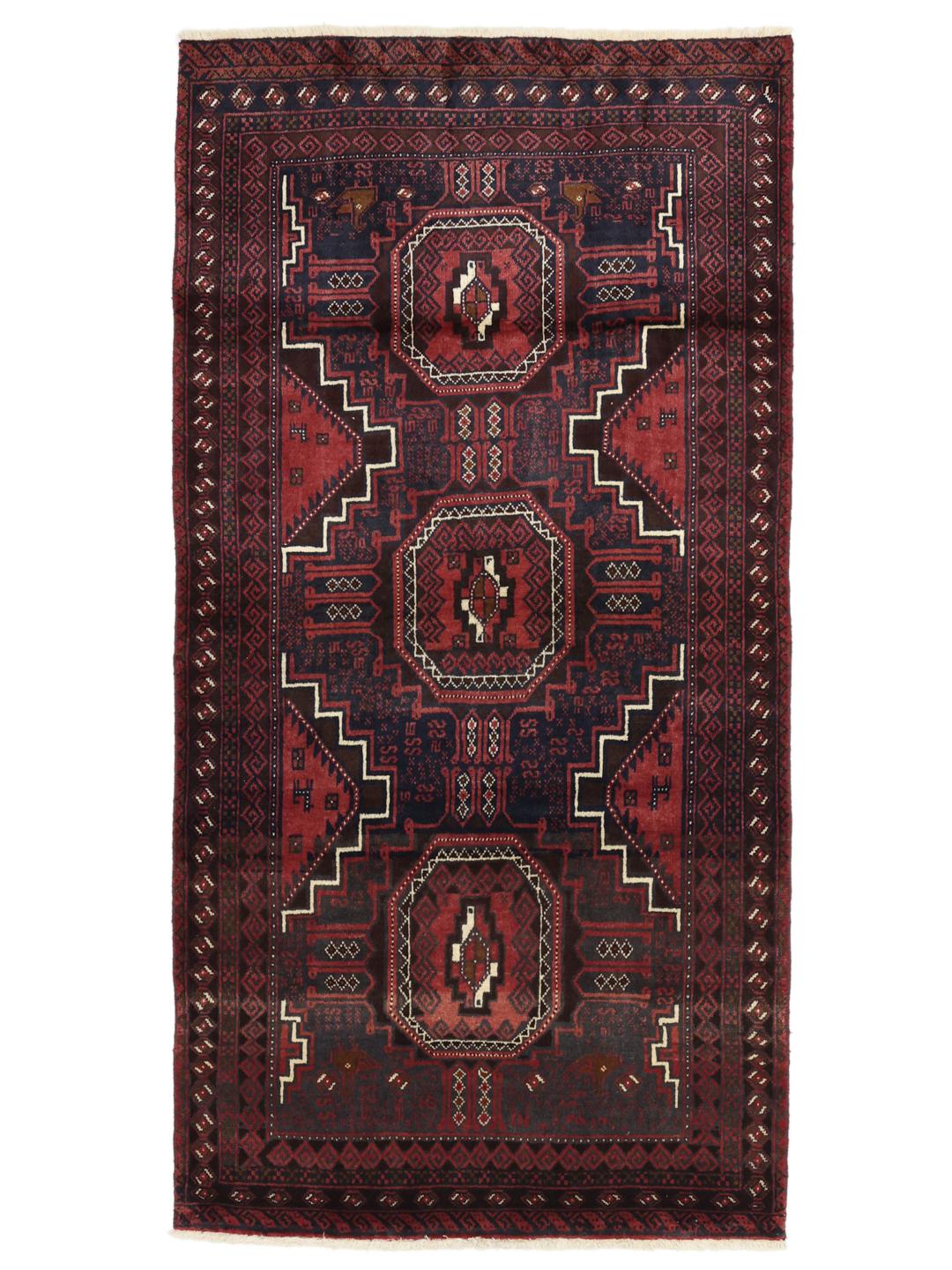
The Baluch rugs originate from the nomadic and semi-nomadic tribes living across the border regions of the Middle East. These tribes have a long-standing tradition of weaving that is deeply connected to their environment and lifestyle. Historically, these rugs were created for practical use in tents, serving as floor coverings, saddlebags, and tent decorations, which necessitated a high level of durability and portability.
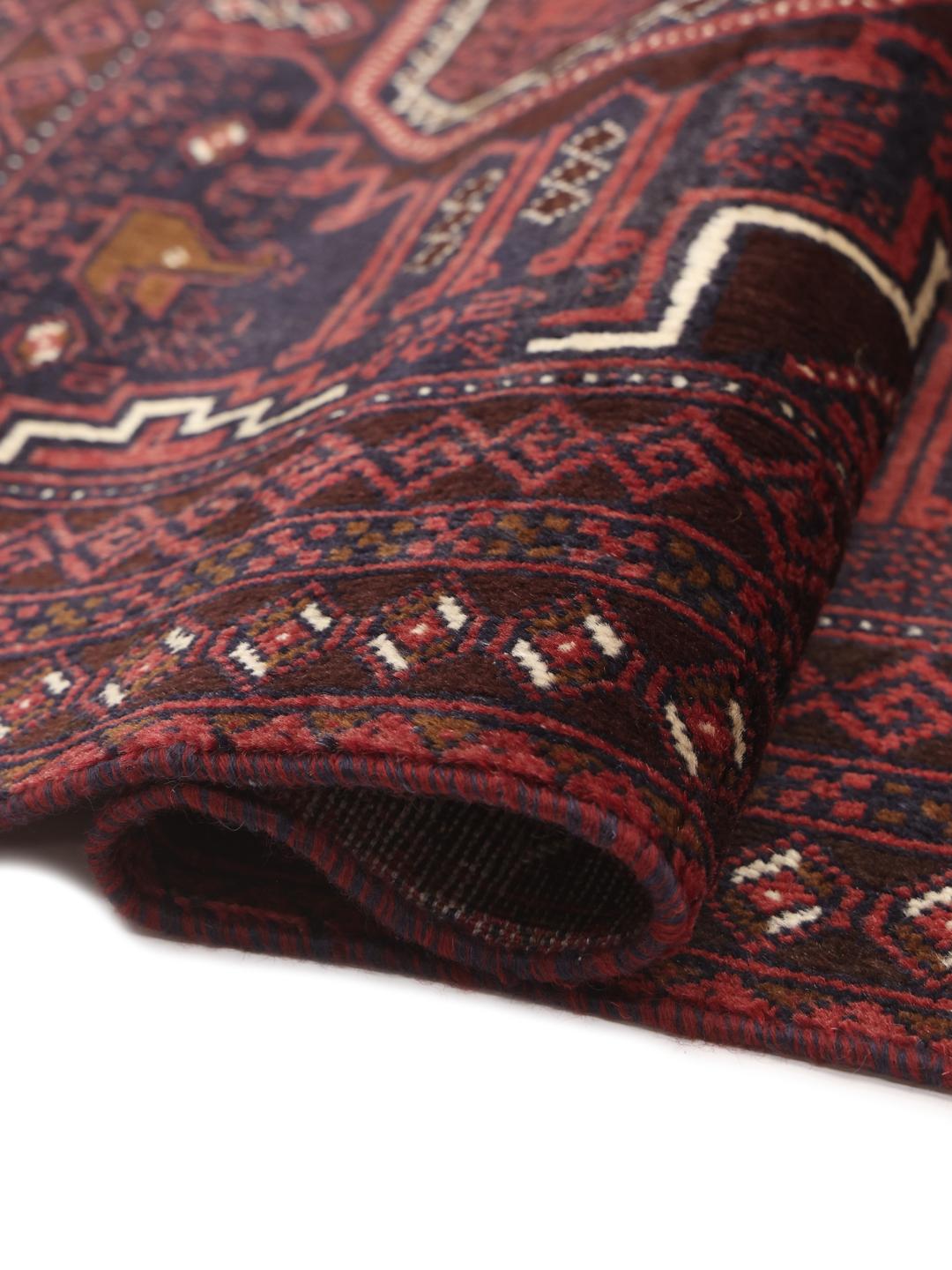
The term Baluch refers to these tribal origins, and the craft is passed down through generations. The technique typically involves using high-quality wool for the pile, which is prized for its natural lanolin content, providing a lustrous sheen and resistance to dirt. The foundation is often made from sturdy materials to ensure that the rug can withstand the demands of nomadic life, a quality that translates perfectly into a modern home setting.
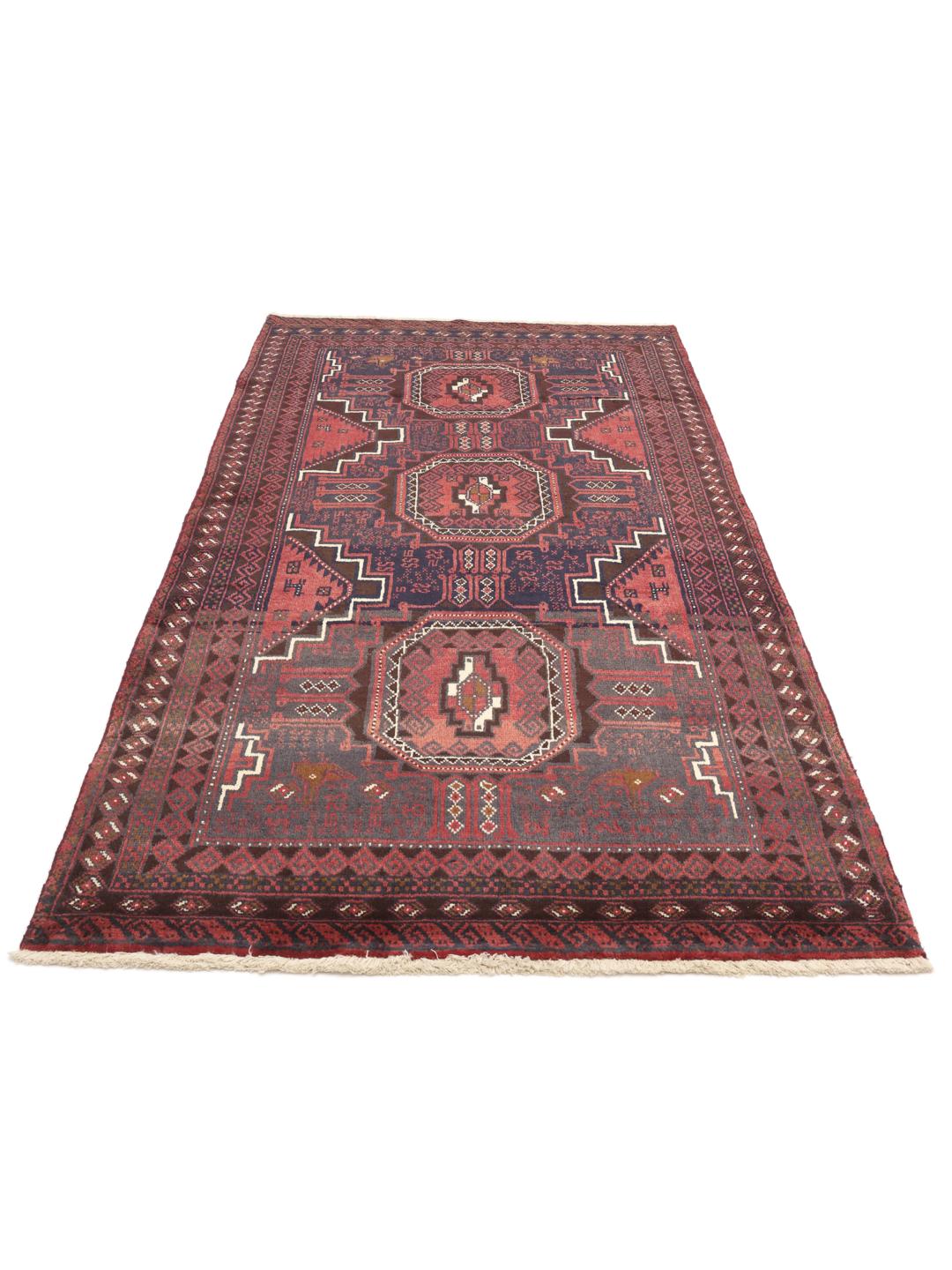
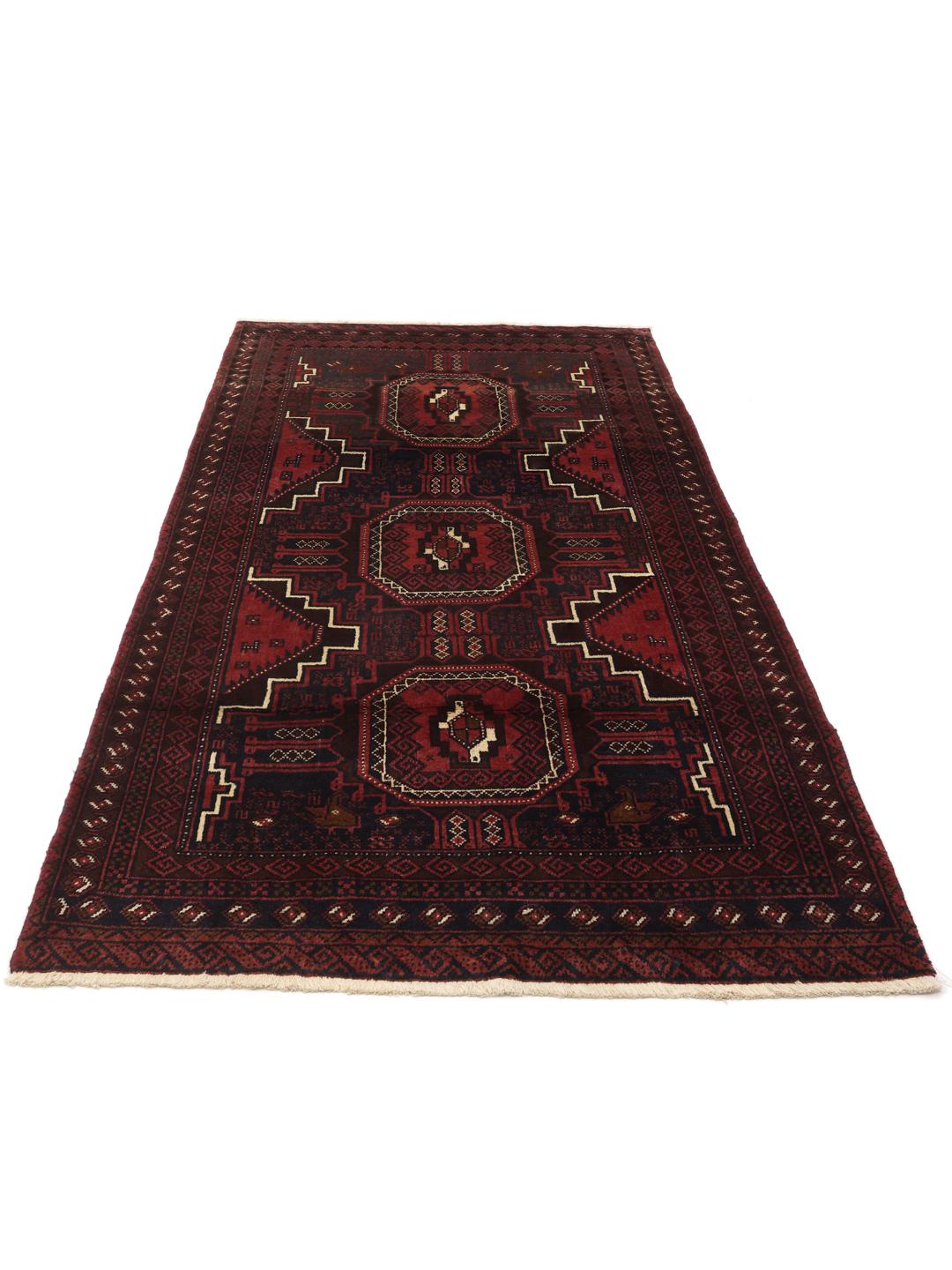
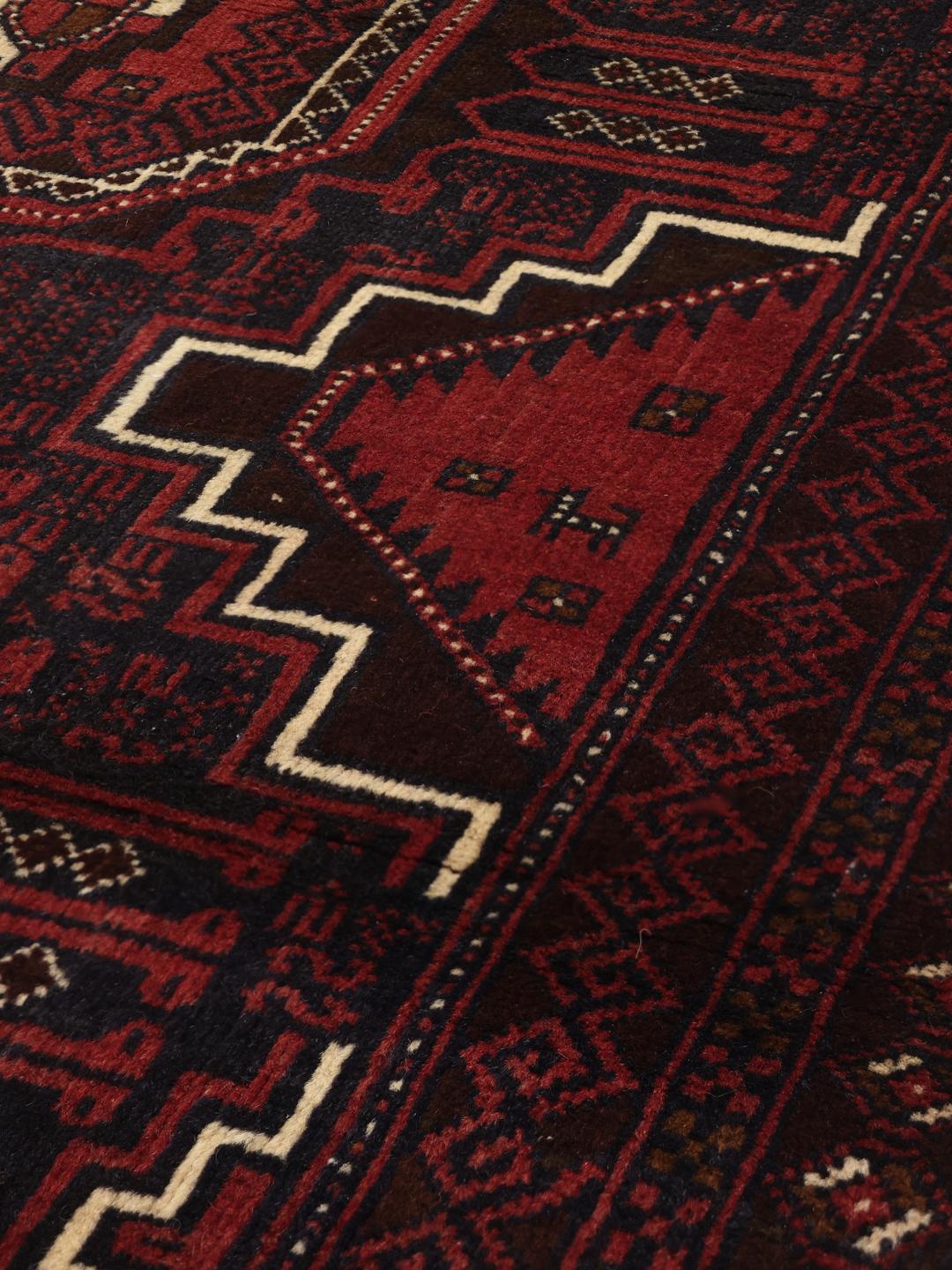
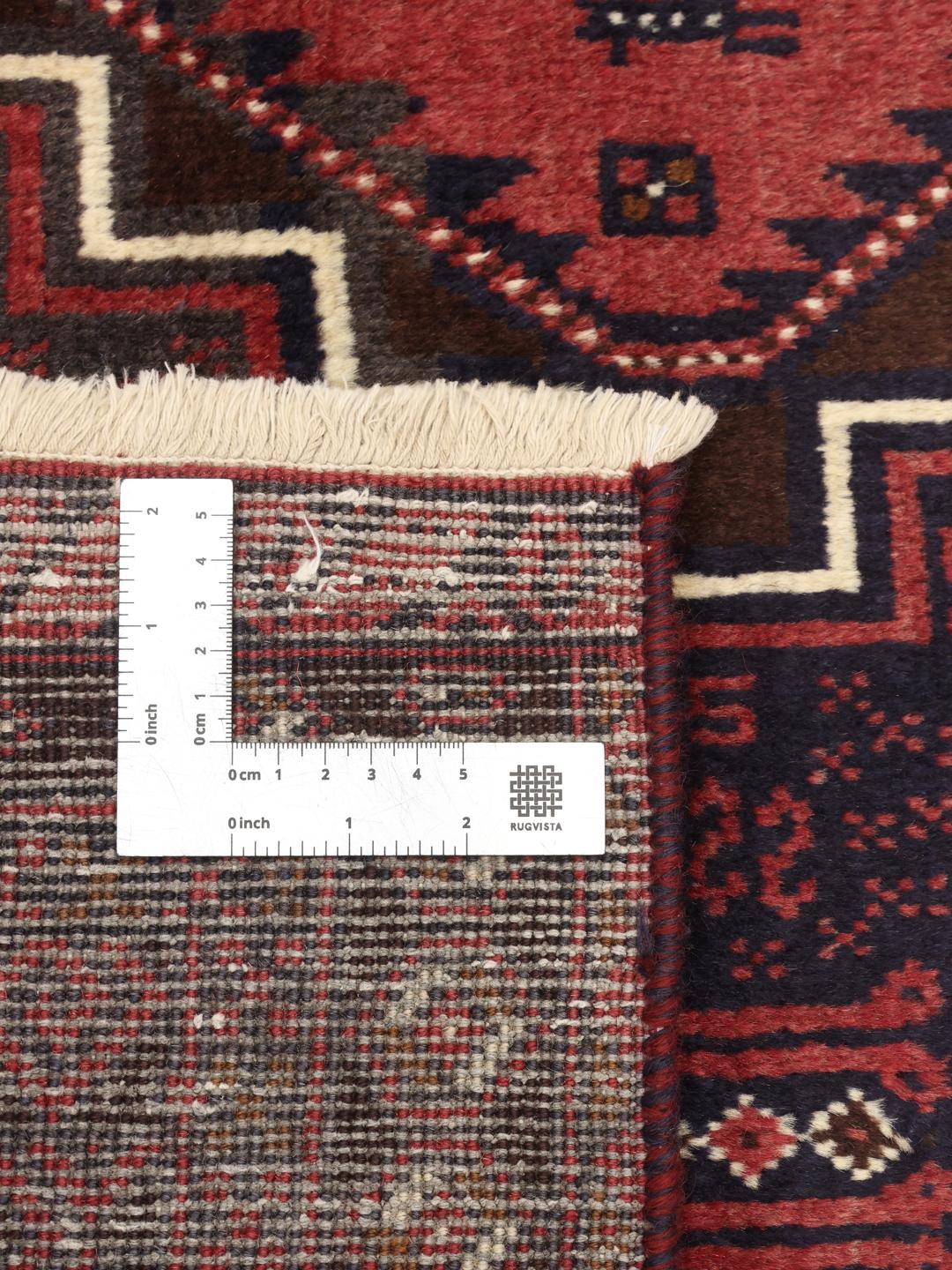
Visually, Baluch rugs are defined by their sophisticated use of dark, earthy palettes, typically featuring deep reds, browns, and dark blues. The designs are almost exclusively geometric, featuring repeating patterns, tribal motifs, and stylized medallions that are often inspired by the weaver's natural surroundings. The borders are frequently complex and formal, framing the central field with precision and elegance.
Today, these rugs are highly sought after by collectors and enthusiasts who value the cultural weight and narrative embedded in every piece. Owning a Baluch rug is an opportunity to connect with a centuries-old tradition of skill and artistic expression. These pieces are celebrated not only for their beauty but for their ability to bring a sense of history and human connection into a modern living space.