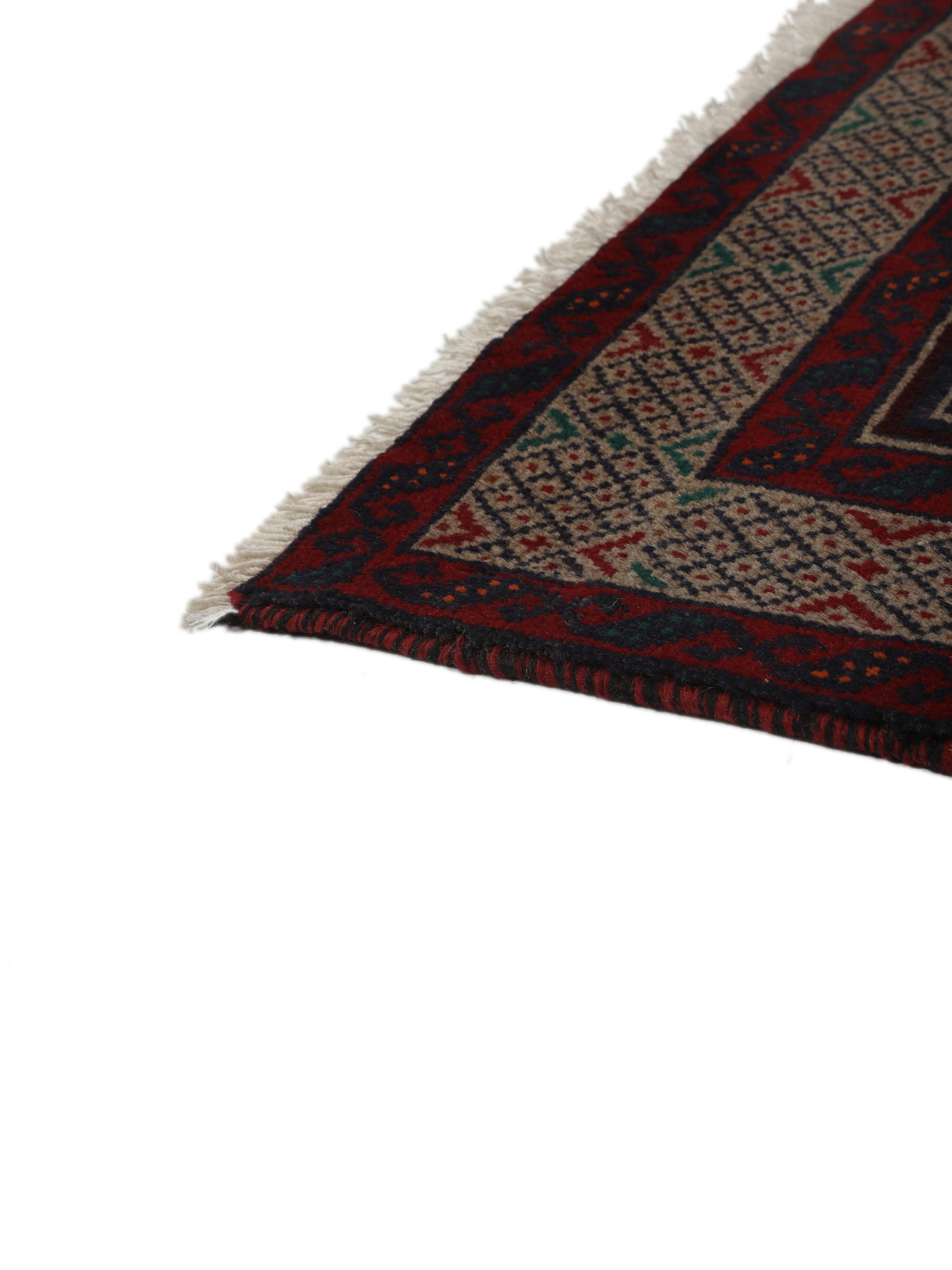
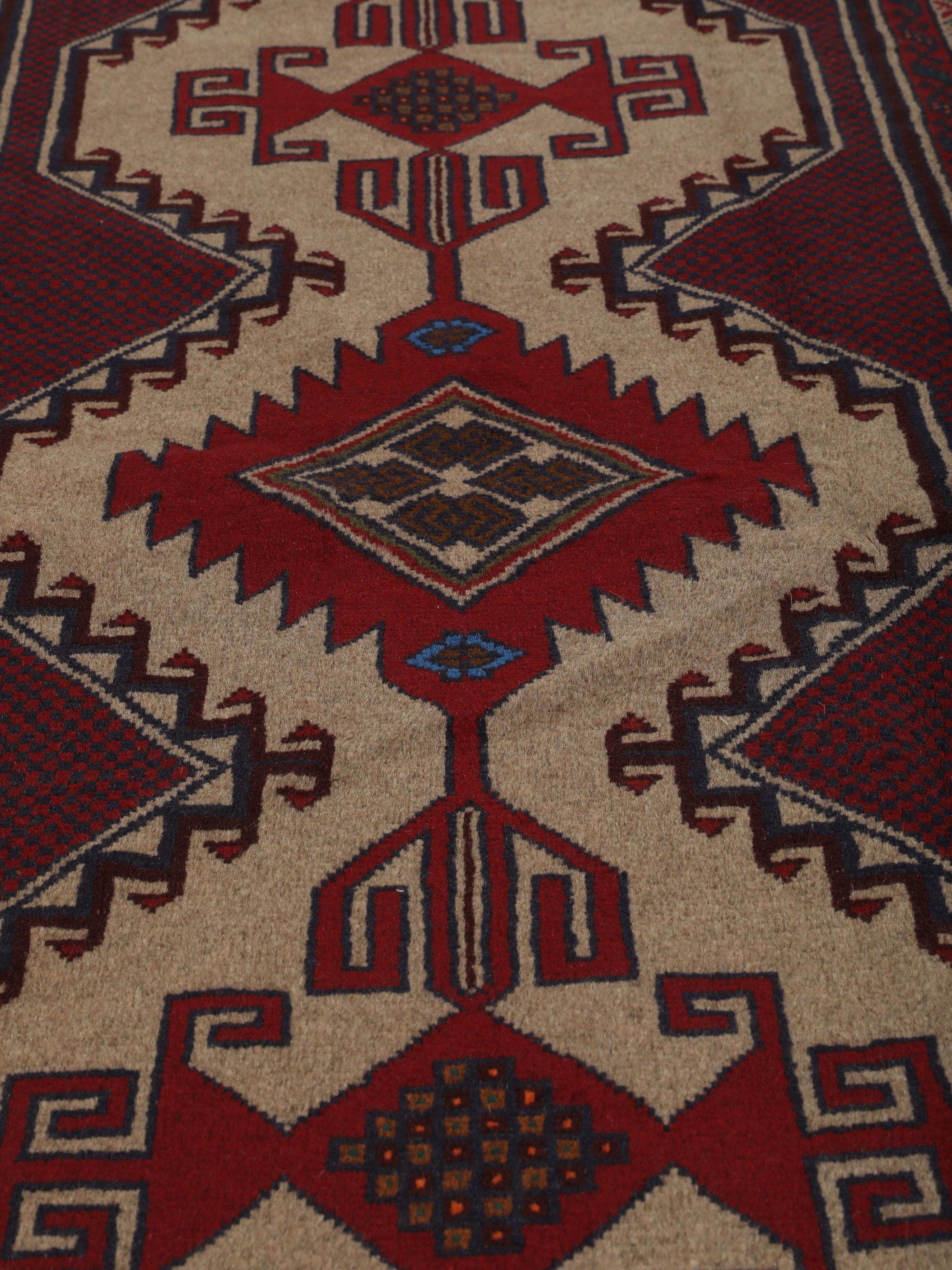
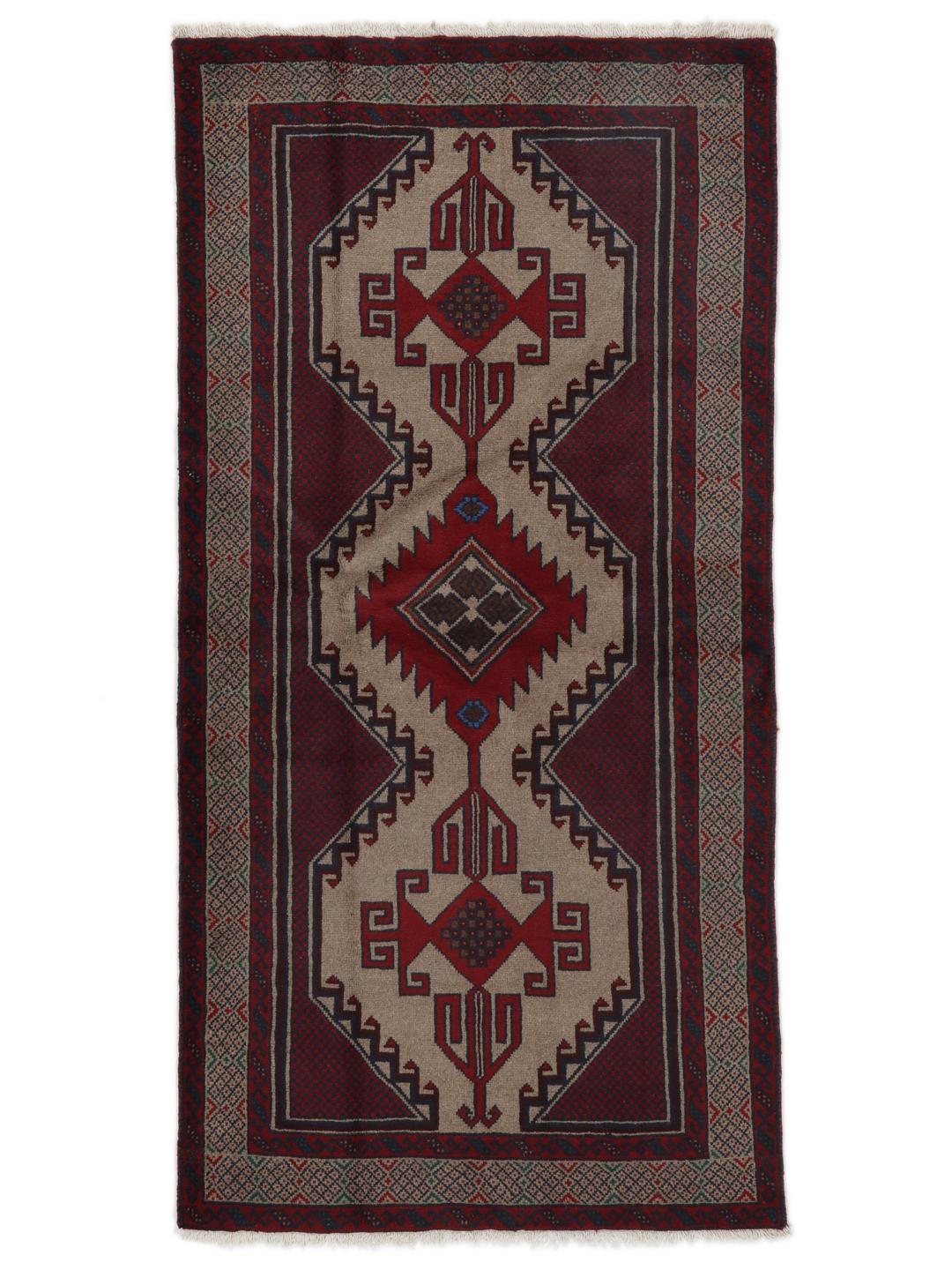
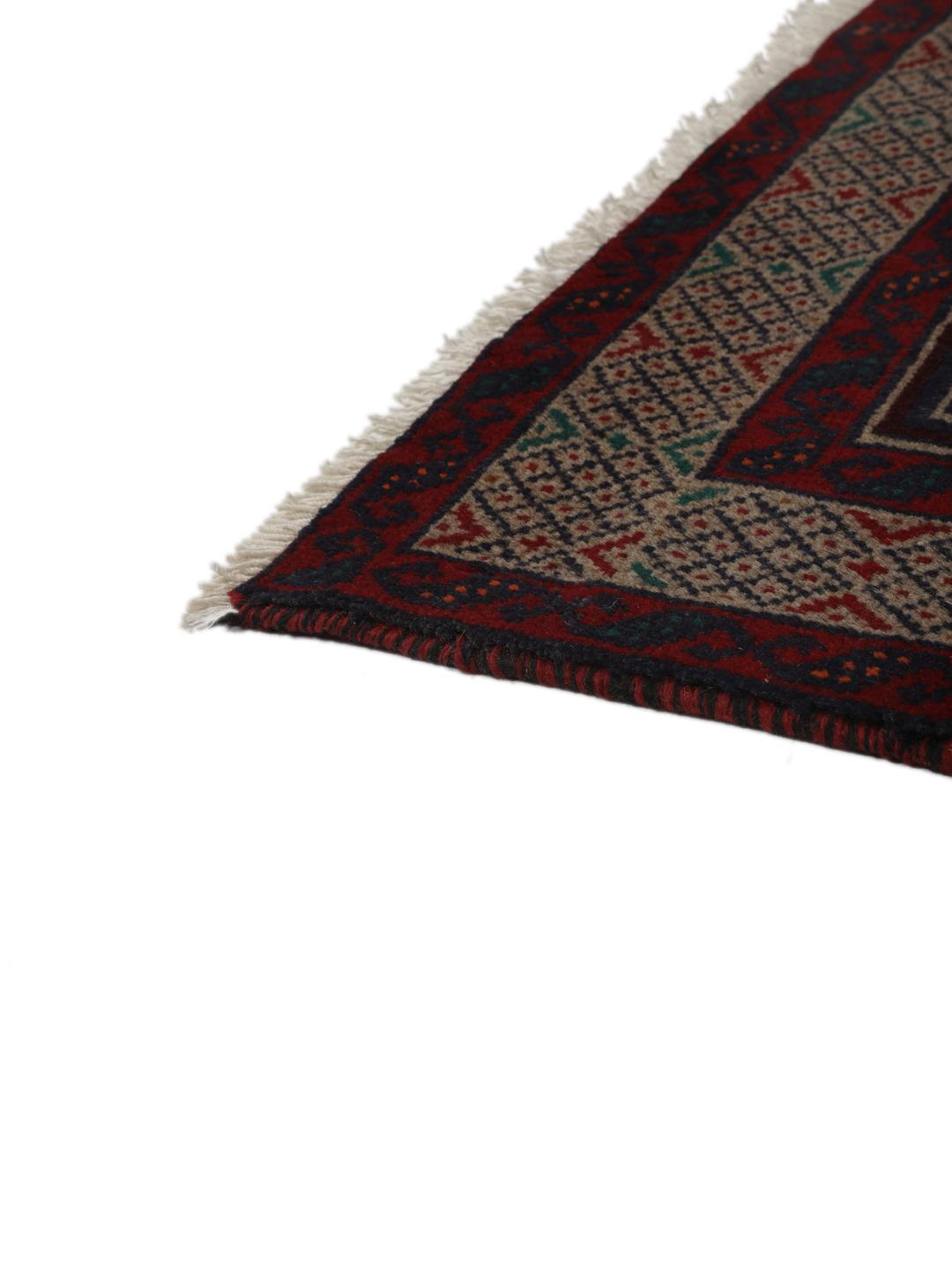
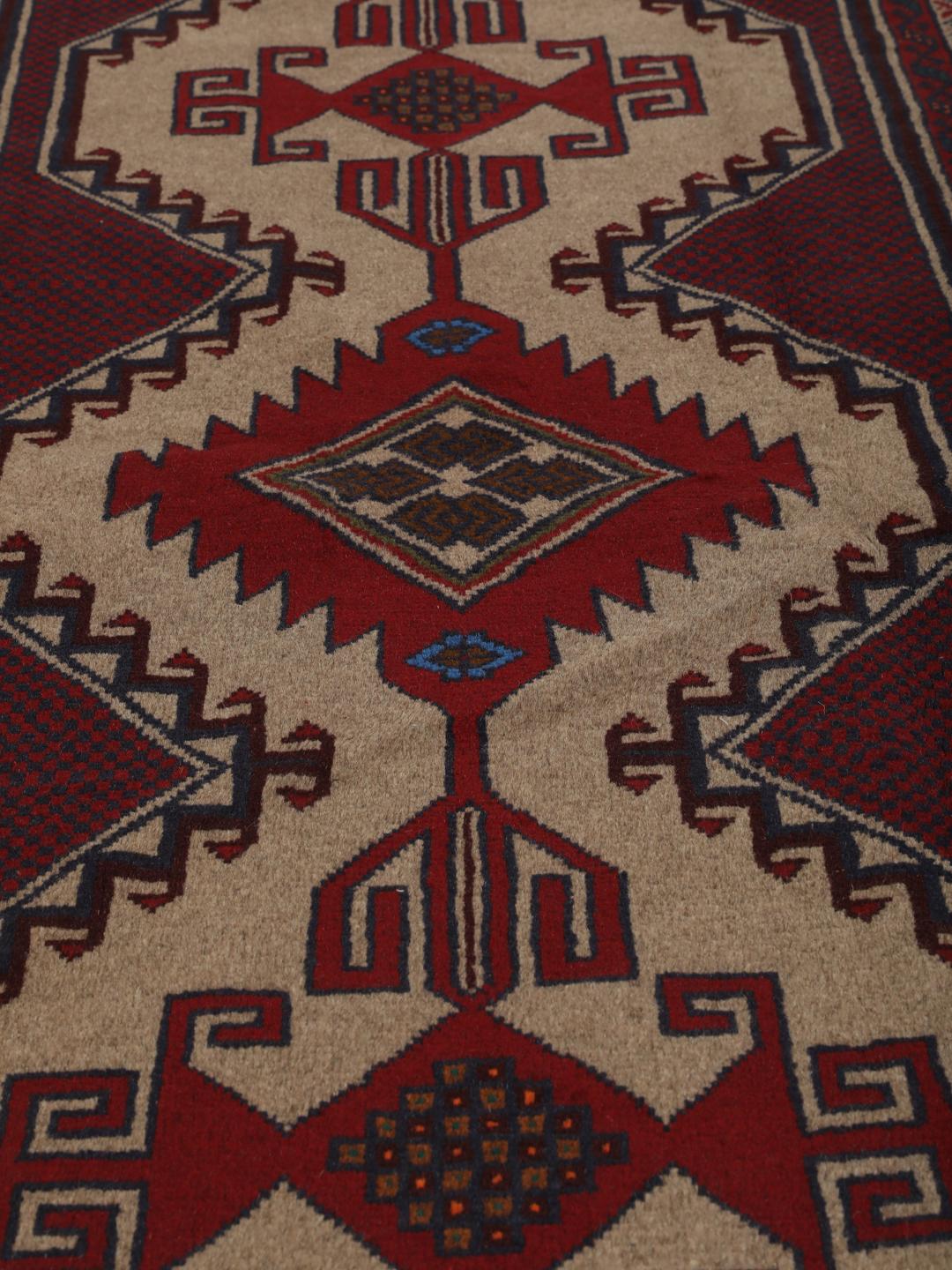
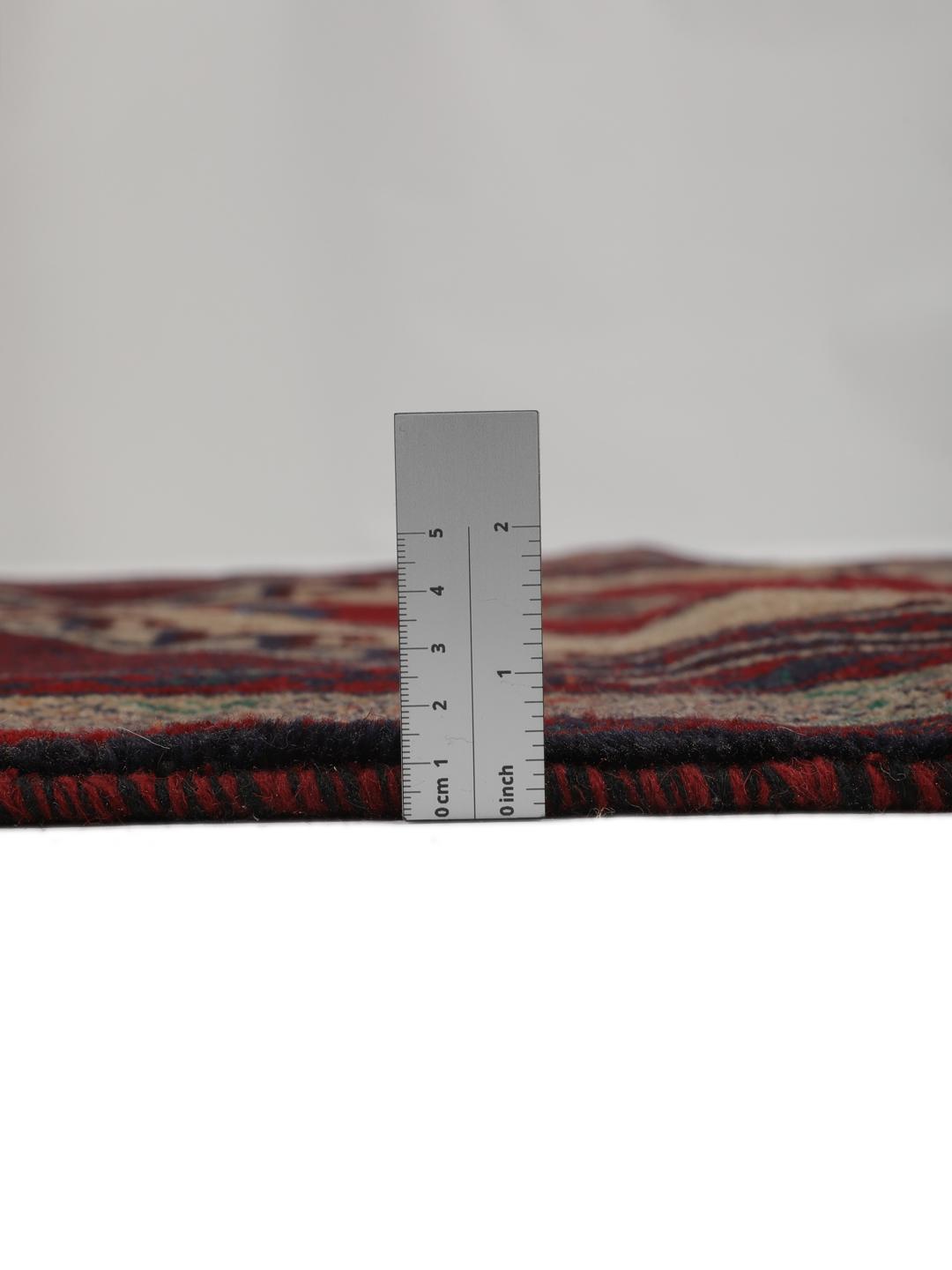
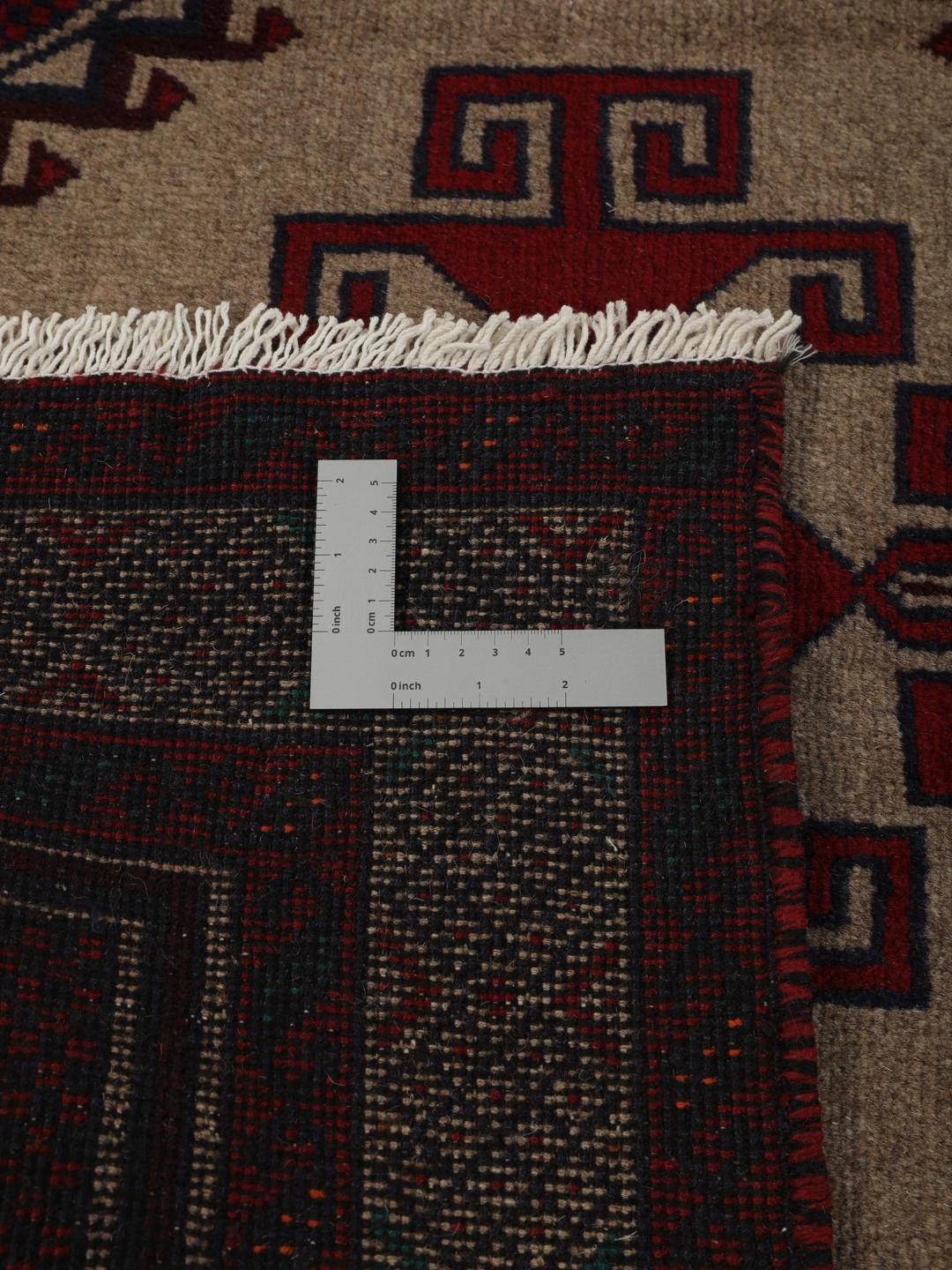
Baluch rugs originate from the nomadic and semi-nomadic tribes living in the border regions of the Middle East. These tribes have a long-standing tradition of weaving that is deeply connected to their ancestral way of life, with designs passed down through generations. The rugs serve as portable art, traditionally used as floor coverings, tent decorations, or saddlebags within the nomadic camp.
The term Baluch refers to these tribal groups who have historically moved across vast landscapes, adapting their craft to the materials available in their environment. Their weaving style is characterised by a sturdy construction that reflects the practical needs of nomadic life, combined with a sophisticated aesthetic sense that prioritises harmony and balance in every piece.
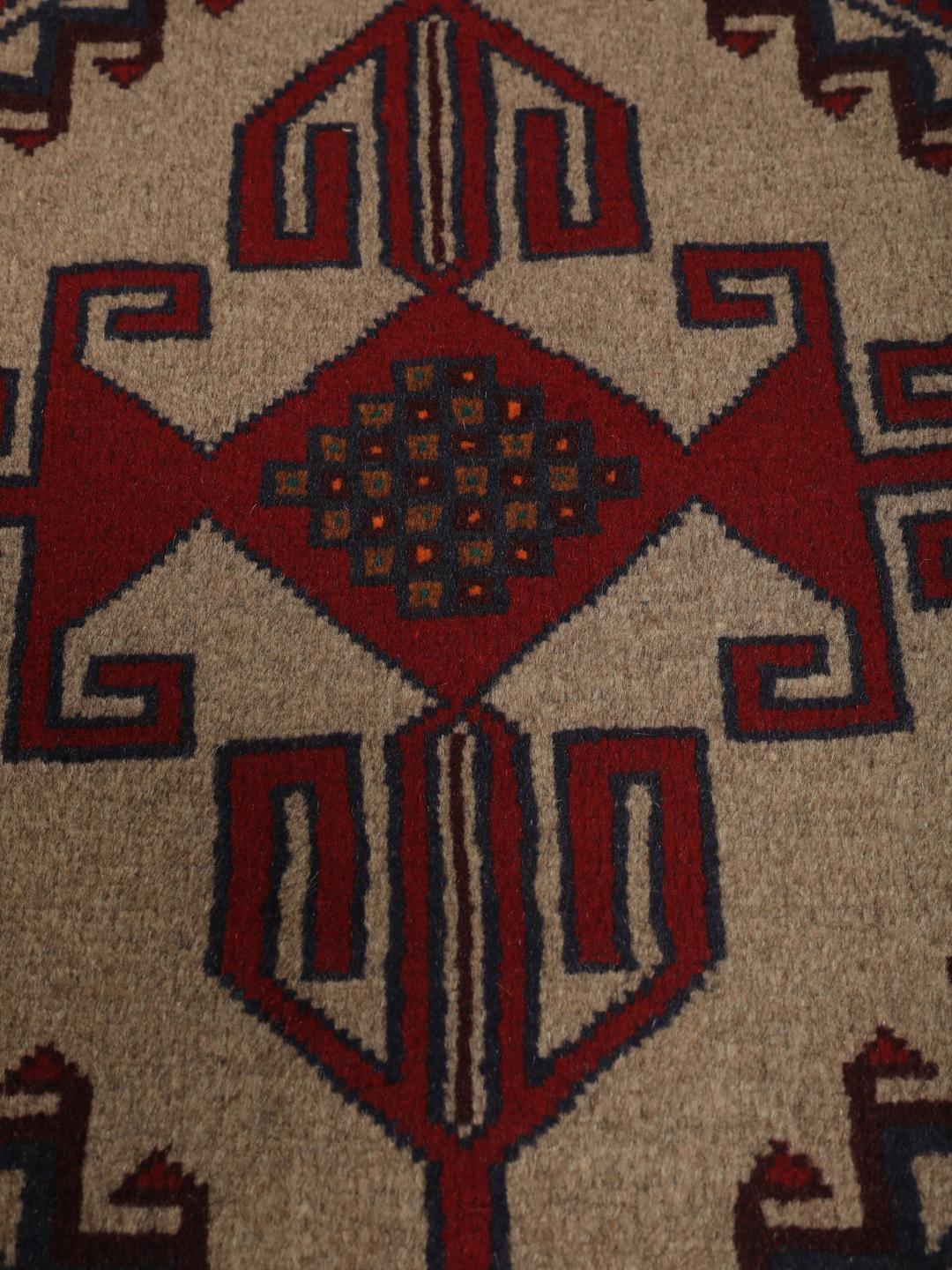
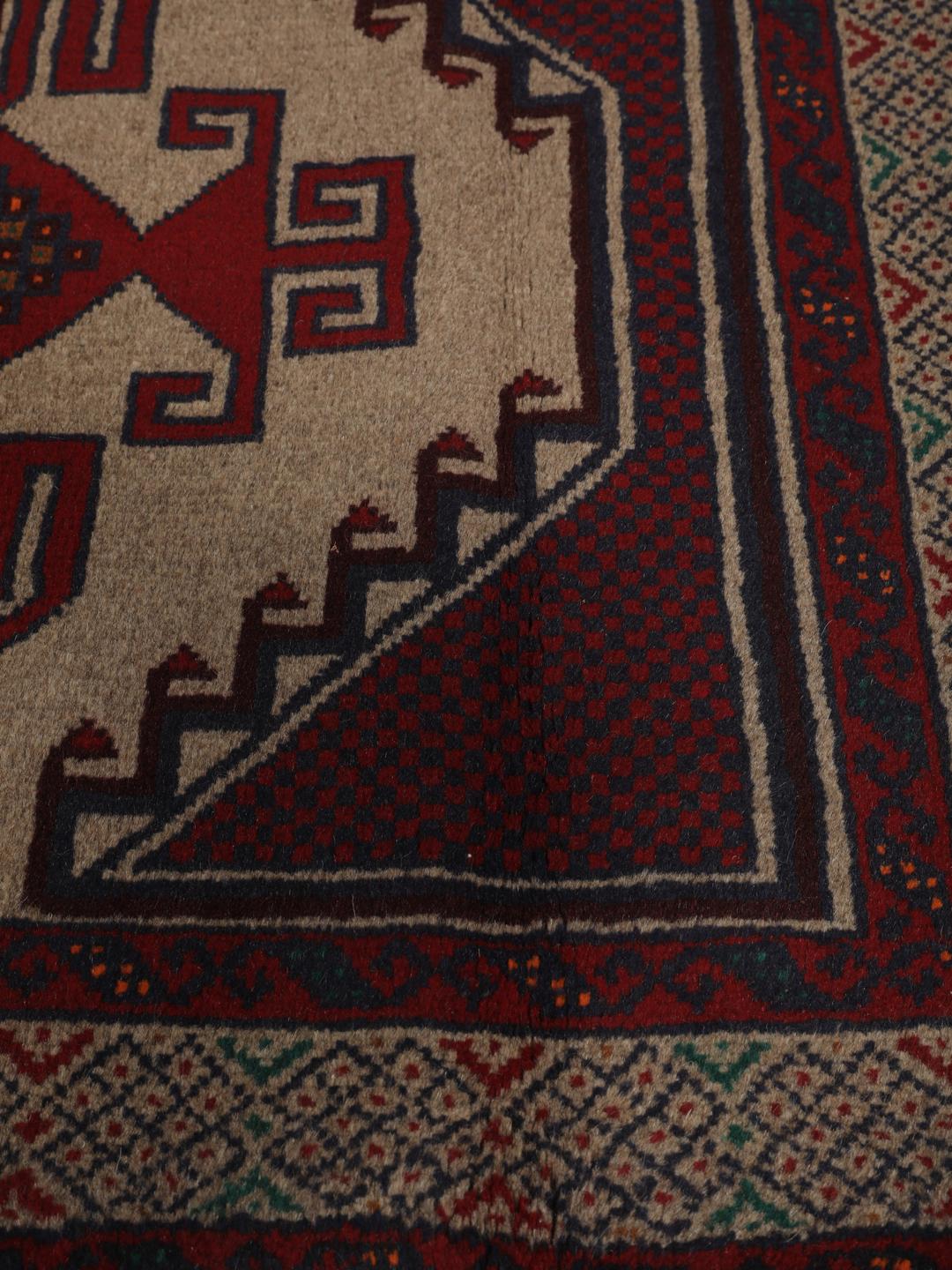
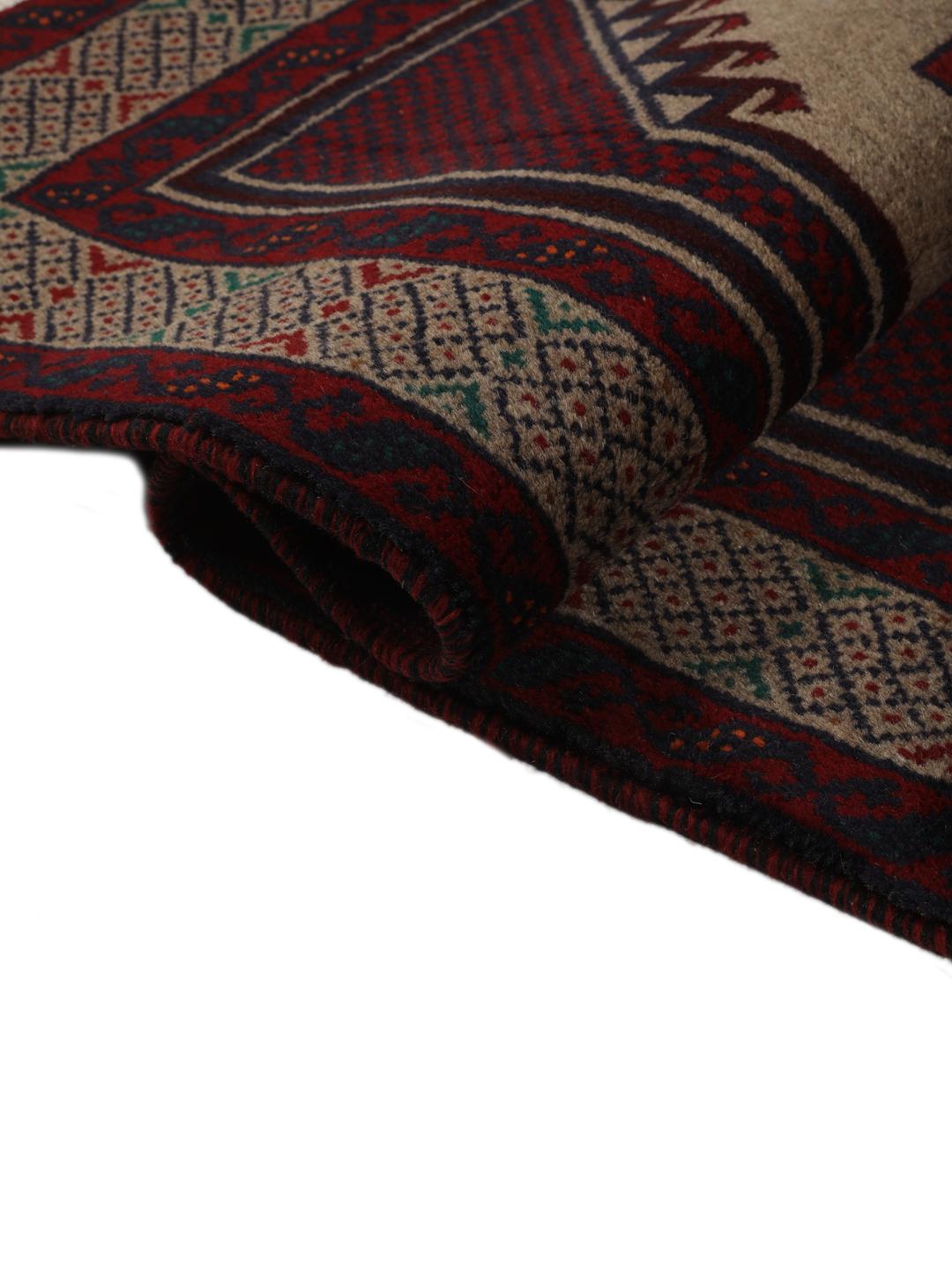
Signature design elements of the Baluch tradition include geometric patterns, often featuring stylised medallions and border designs that are distinct to specific clans. The colour palette is traditionally derived from natural dyes, favouring deep, resonant reds, dark blues, and soft, natural Wool tones. These rugs are recognised for their ability to blend complex, repeating patterns into a cohesive and visually calming field.
Owning a Baluch rug is a way to connect with a rich cultural heritage that values individual expression within traditional design frameworks. Collectors prize these pieces for their authenticity, the skill required to maintain tribal motifs, and the unique character that each weaver brings to their work. These rugs are more than floor coverings; they are tangible links to a historic way of life that continues to influence modern interior design.