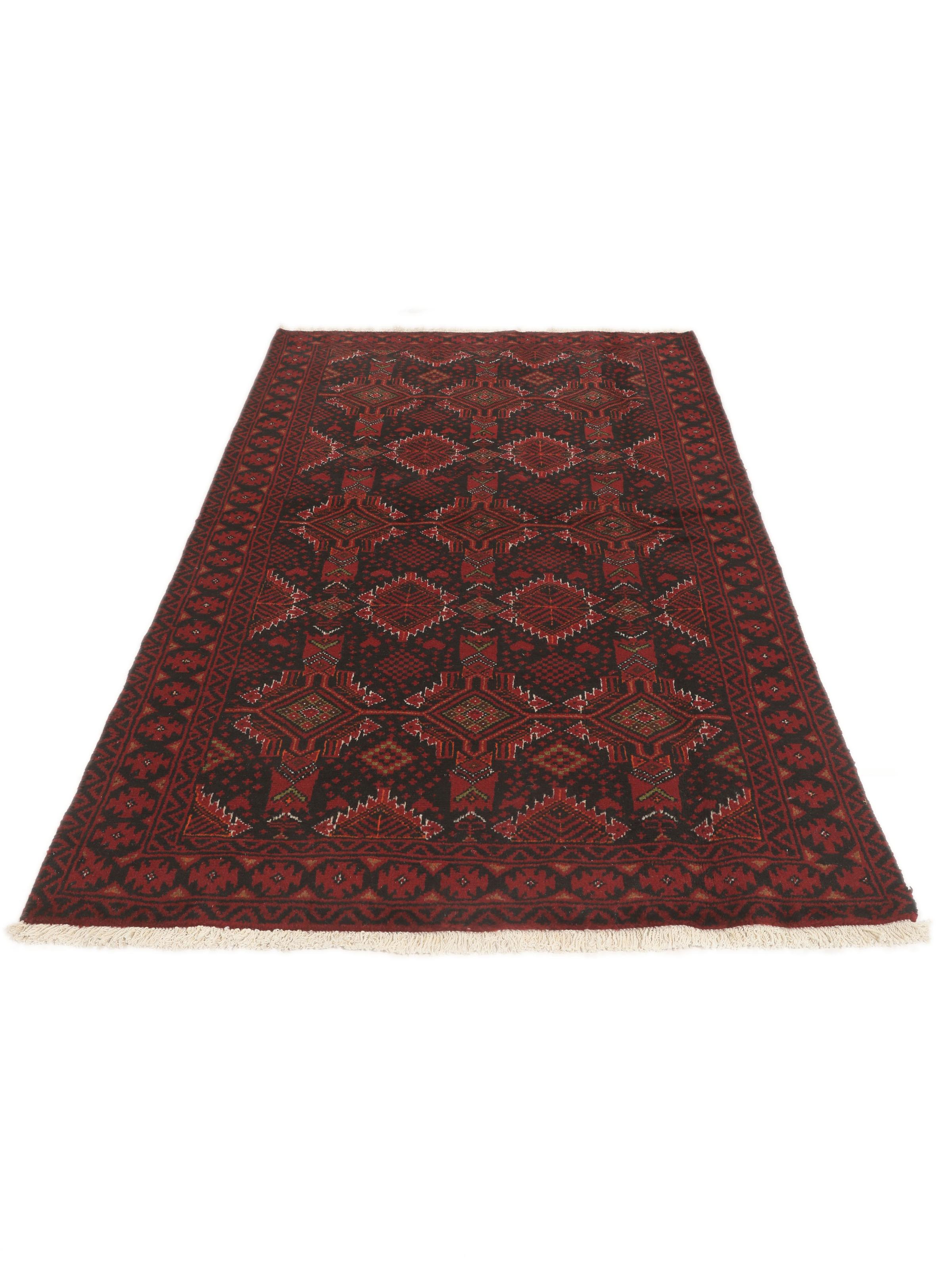
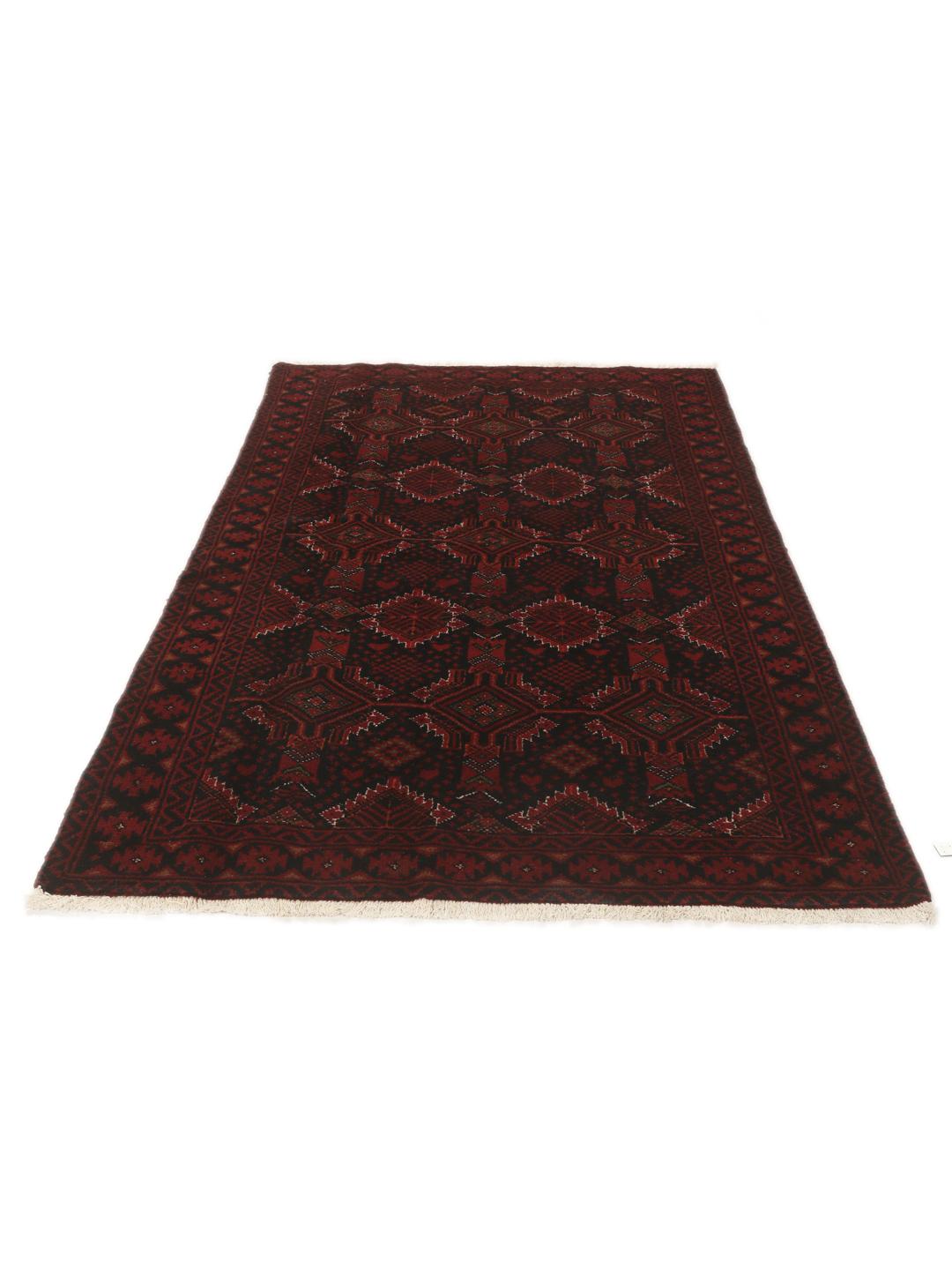
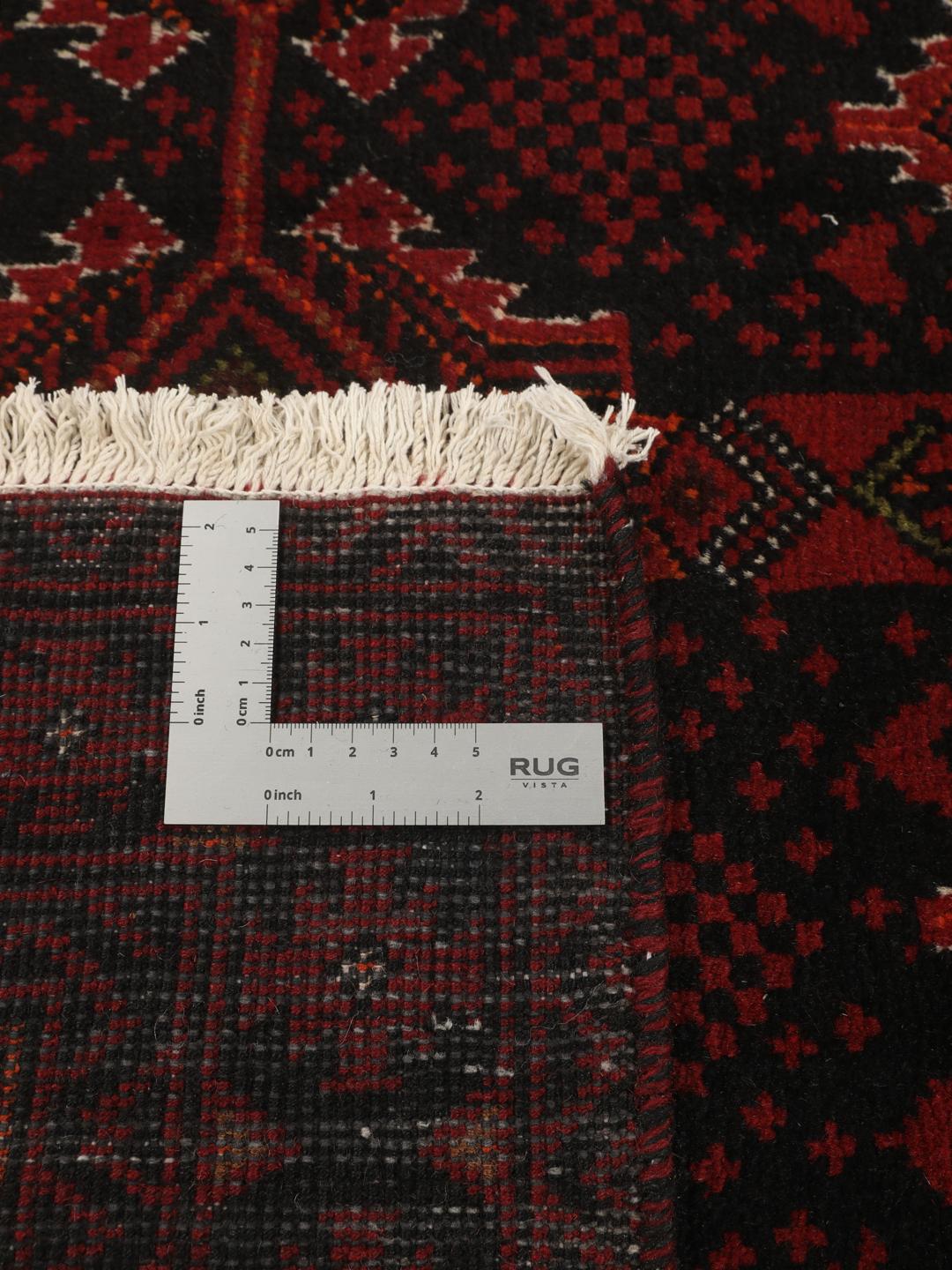
The Beluch rug tradition stems from the nomadic and semi-nomadic tribes residing in the border regions of the Middle East. For centuries, these weavers have created rugs primarily for personal use, such as prayer mats, tent floorings, and saddlebags, which is why the tradition is so deeply rooted in functional, portable artistry.
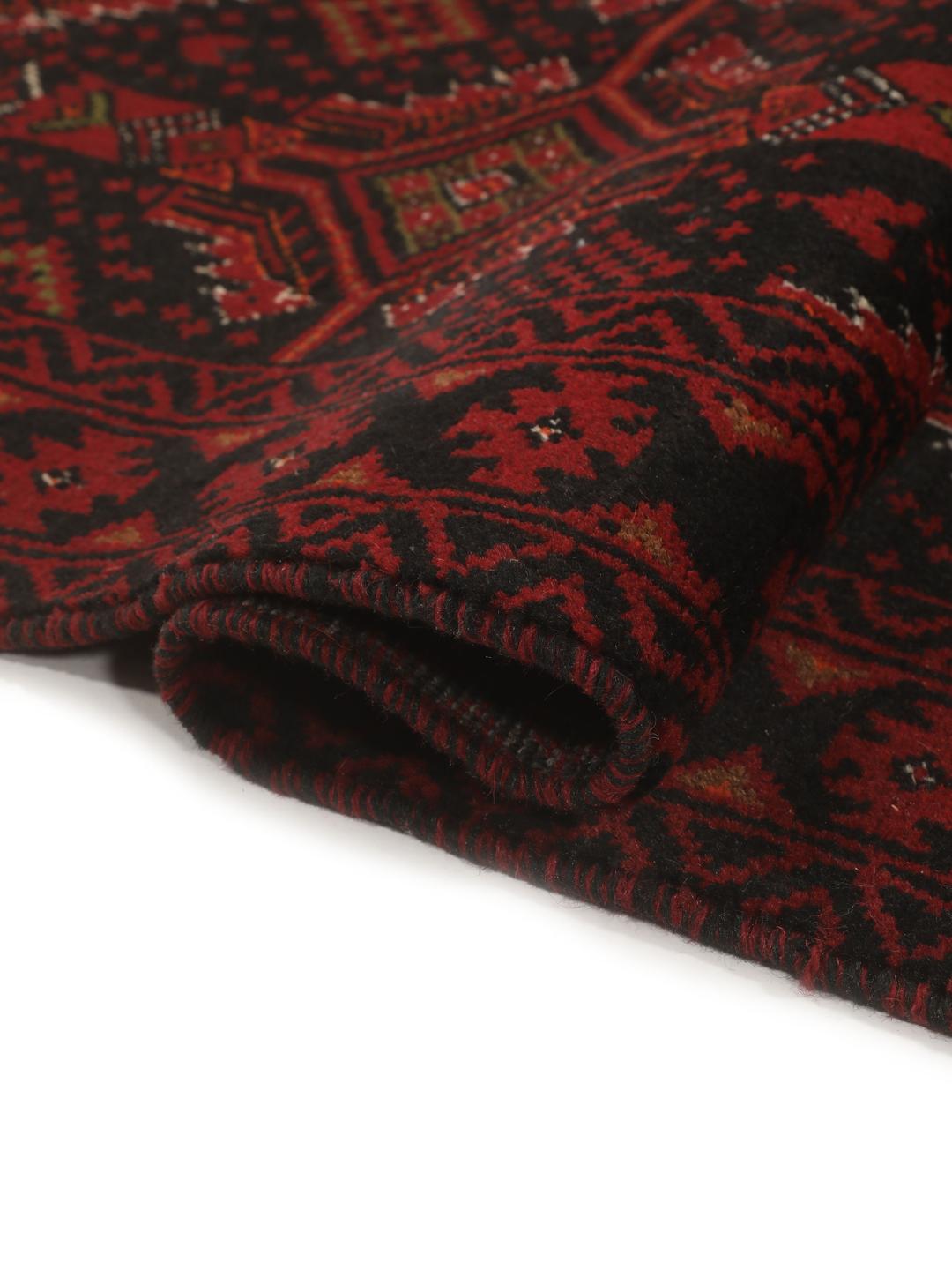
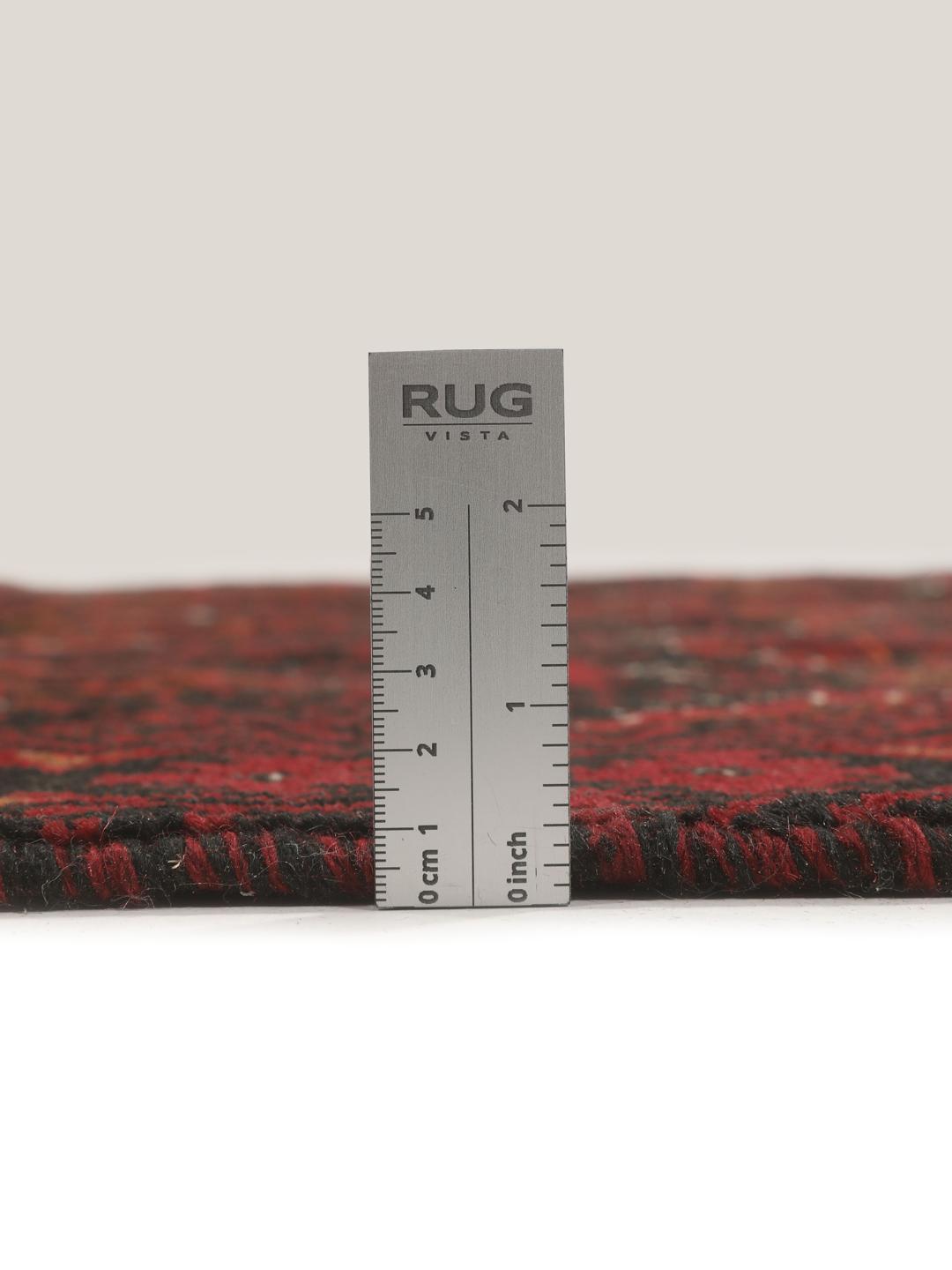
The term 'Beluch' refers to the tribal heritage of the weavers, who often utilise a symmetrical knotting technique that creates a distinct, firm pile. This construction is highly valued for its ability to withstand the harsh conditions of desert life, resulting in a product that is naturally robust and exceptionally long-lasting.
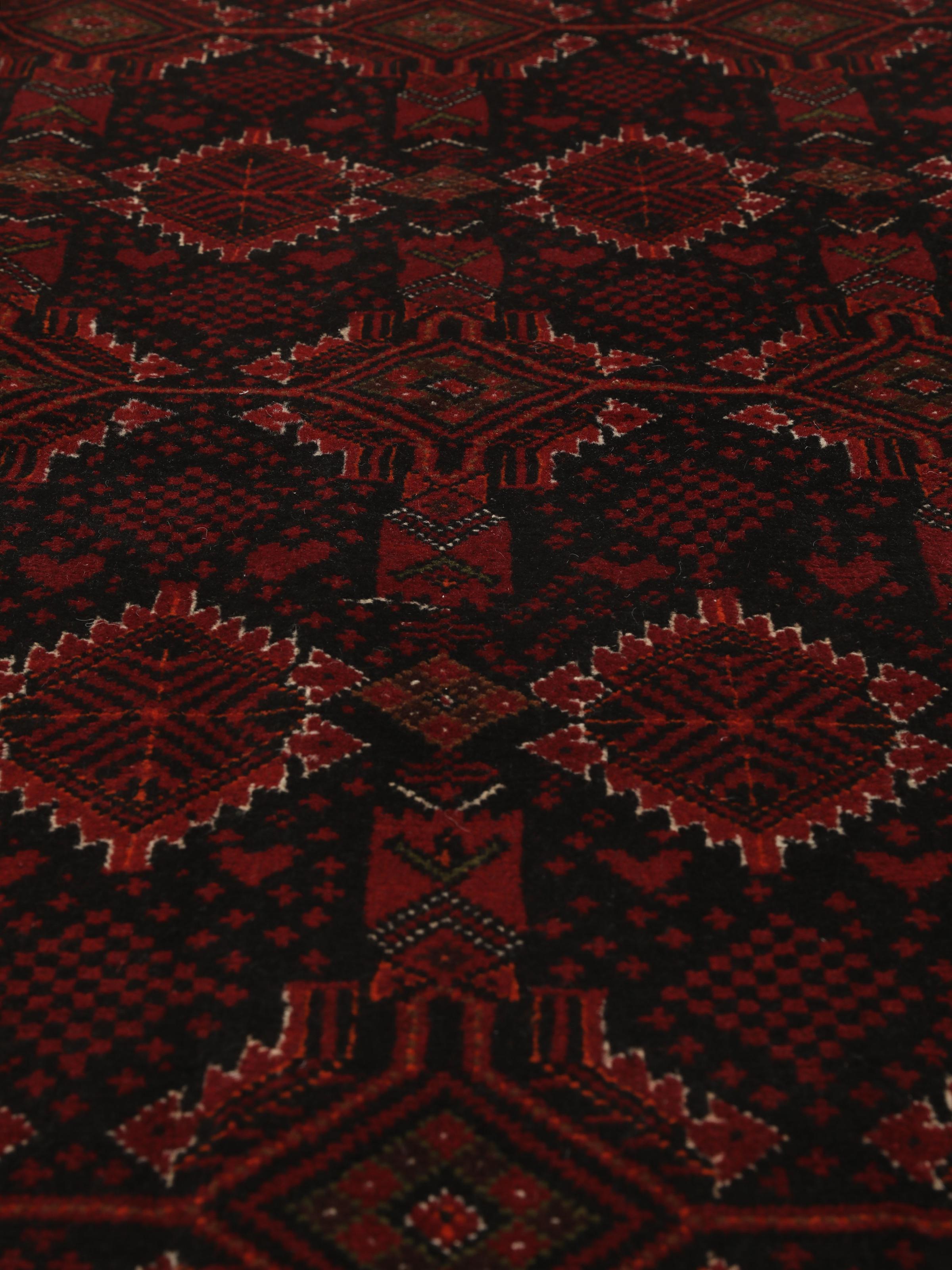
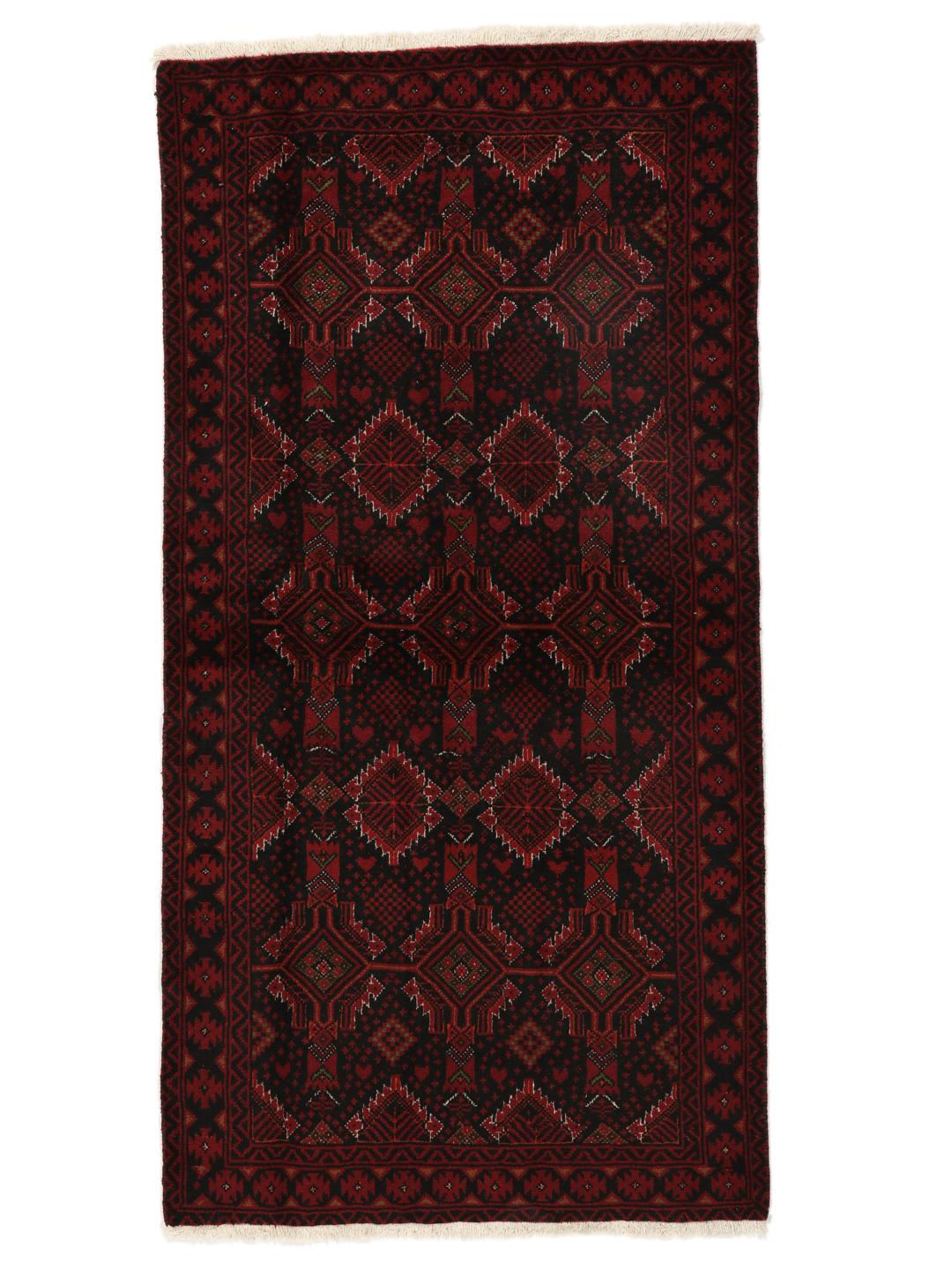
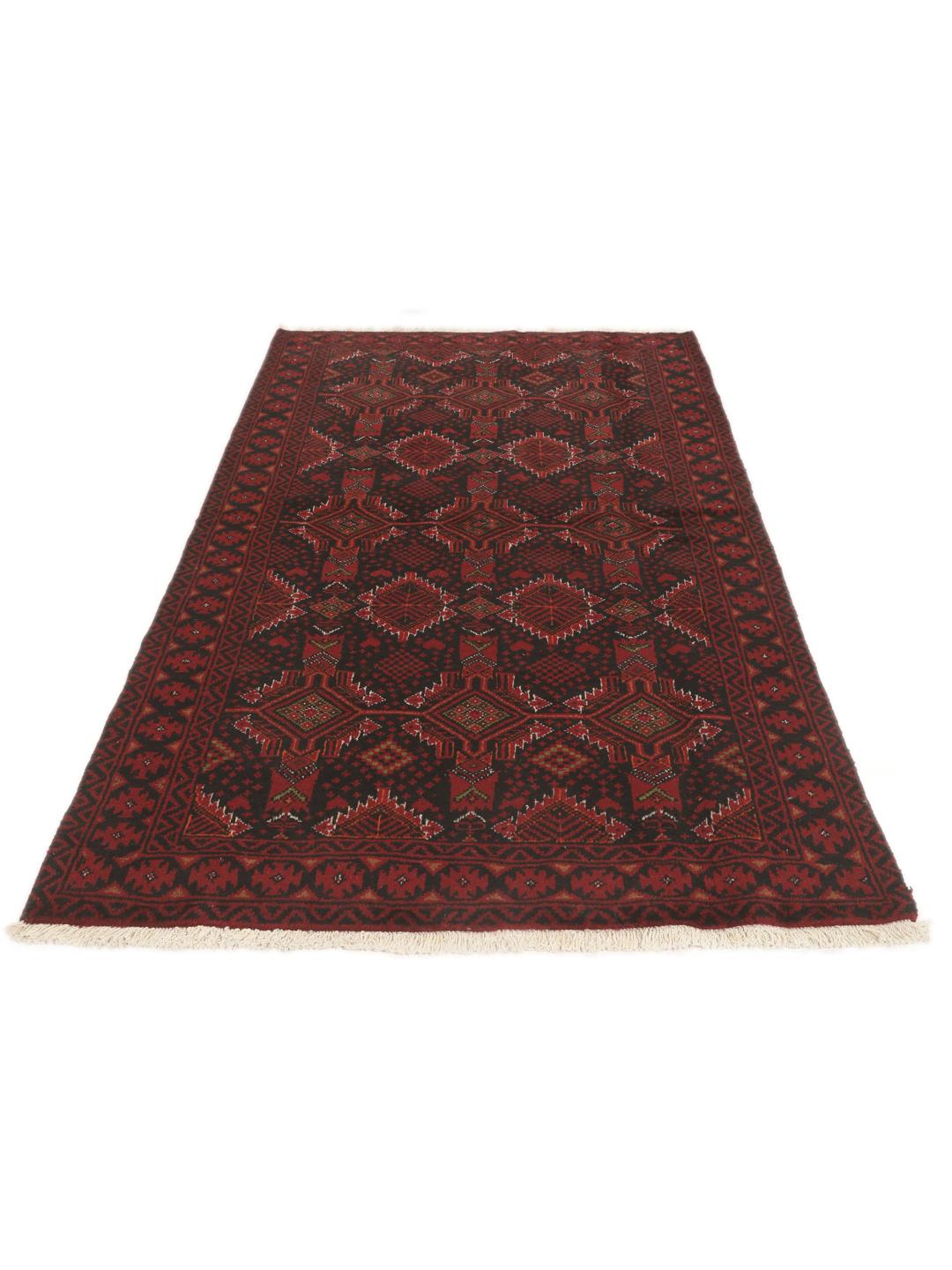
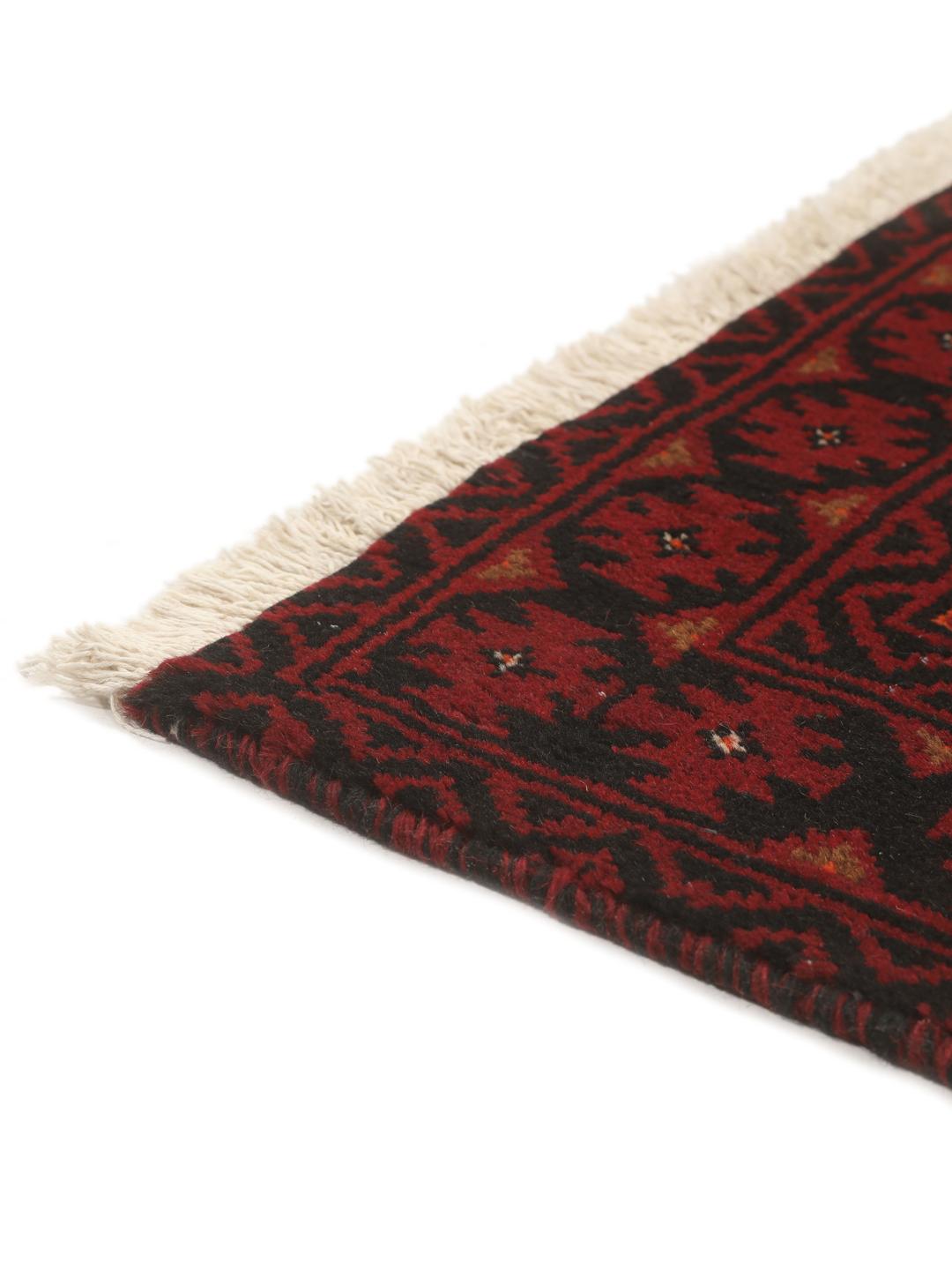
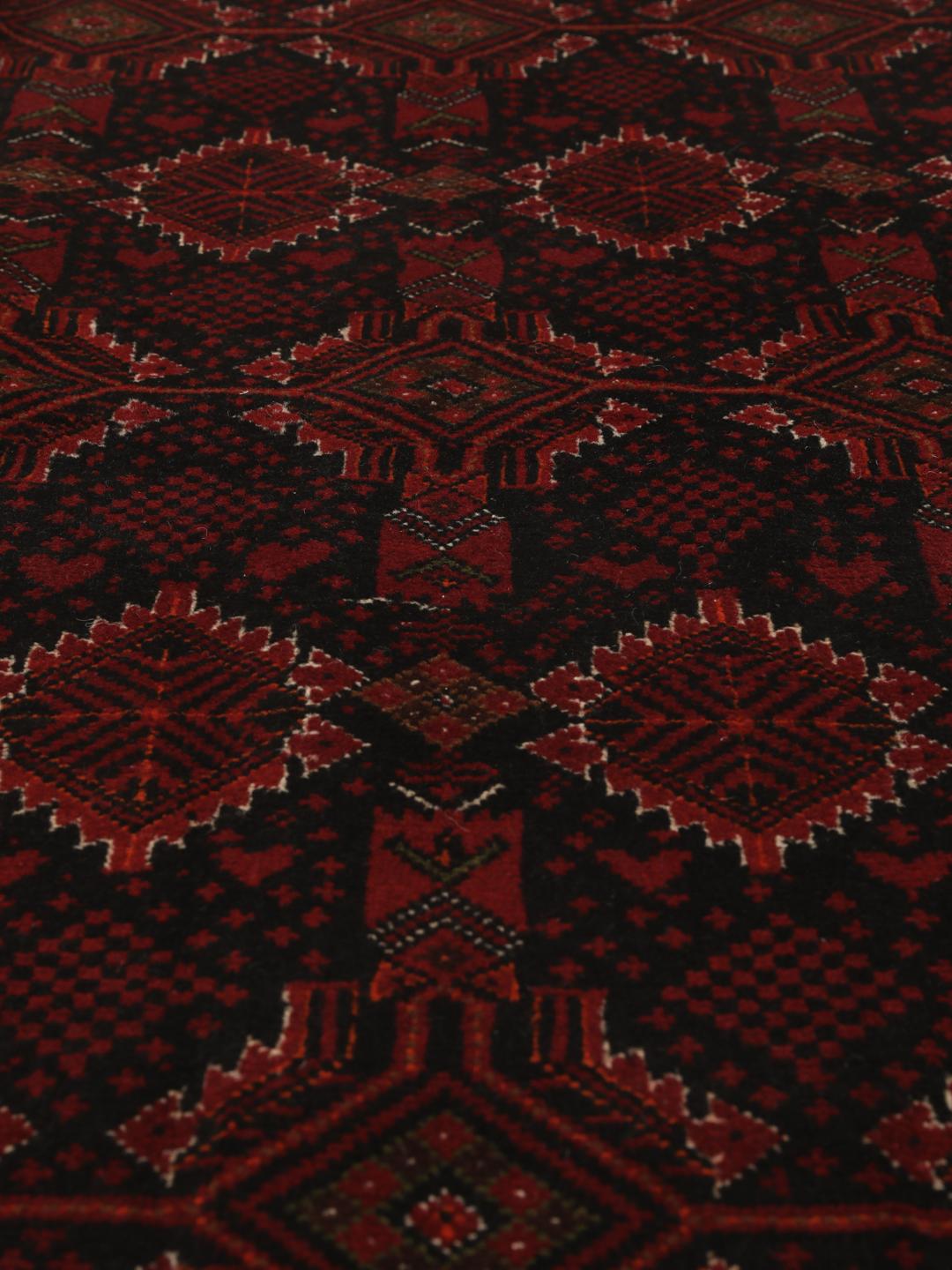
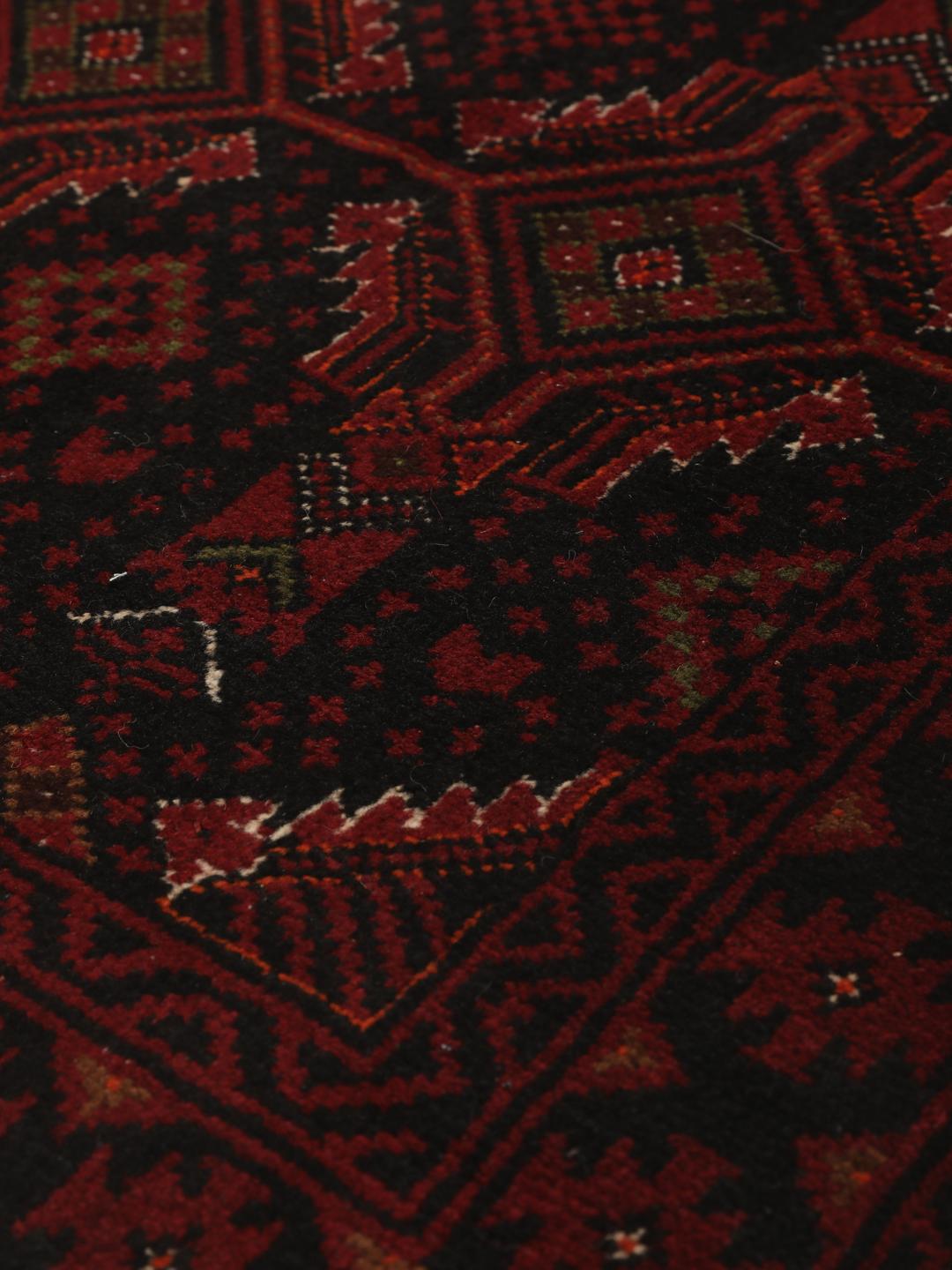
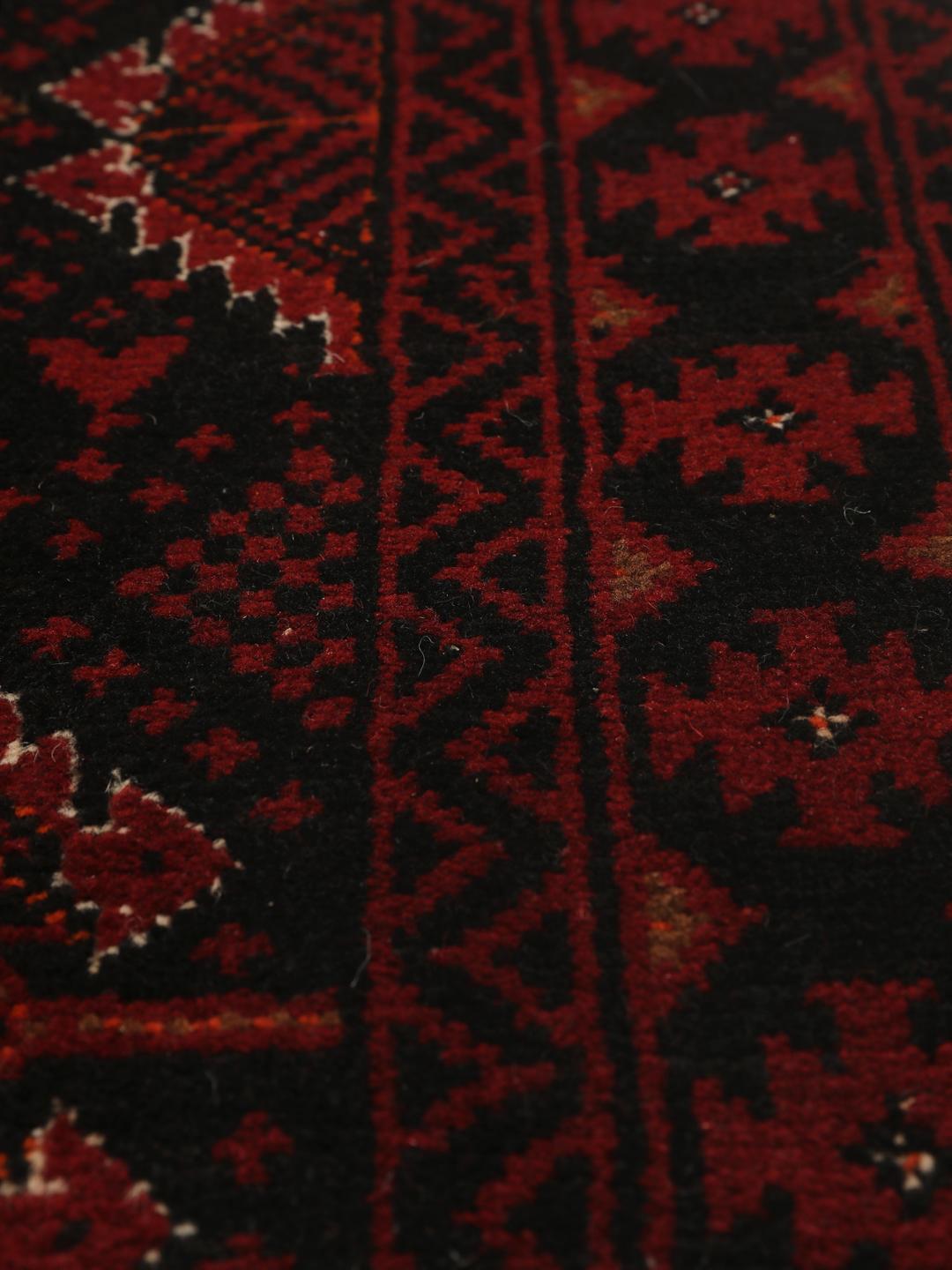
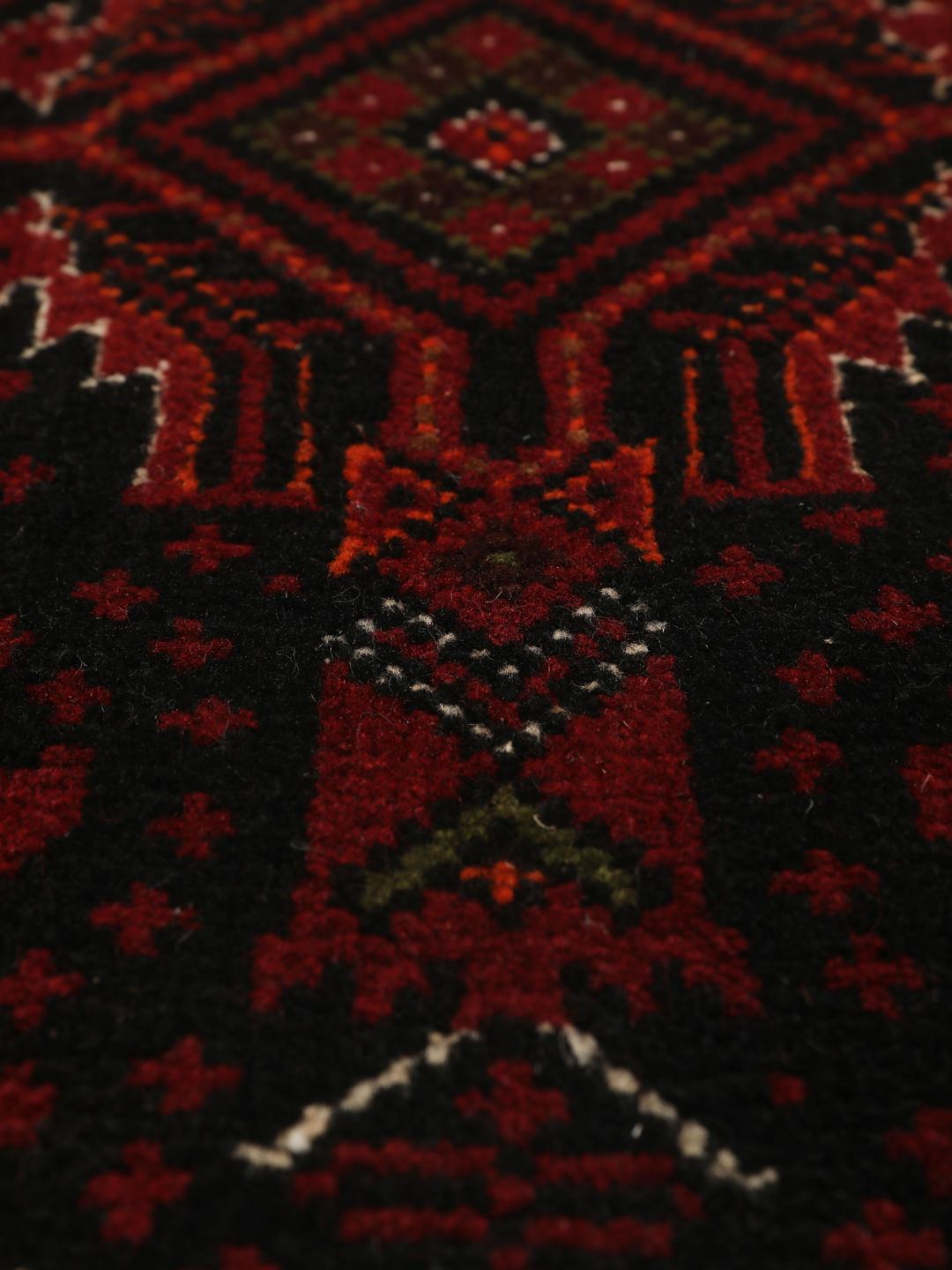
Visually, these rugs are defined by their deep, saturated colours—often derived from natural dyes—and a language of geometric motifs. You will frequently find stylised animal forms, tree-of-life symbols, and hooked diamonds that represent the weaver’s environment and tribal history. These patterns are typically framed by elaborate, repetitive borders that provide a sense of balance to the complex field.
Collectors value Beluch rugs for their authenticity and the human story behind every knot. They are not merely floor coverings, but records of a nomadic culture that prioritises skill, memory, and utility. By bringing one into your home, you are preserving a craft tradition that has been passed down through generations of tribal weavers.