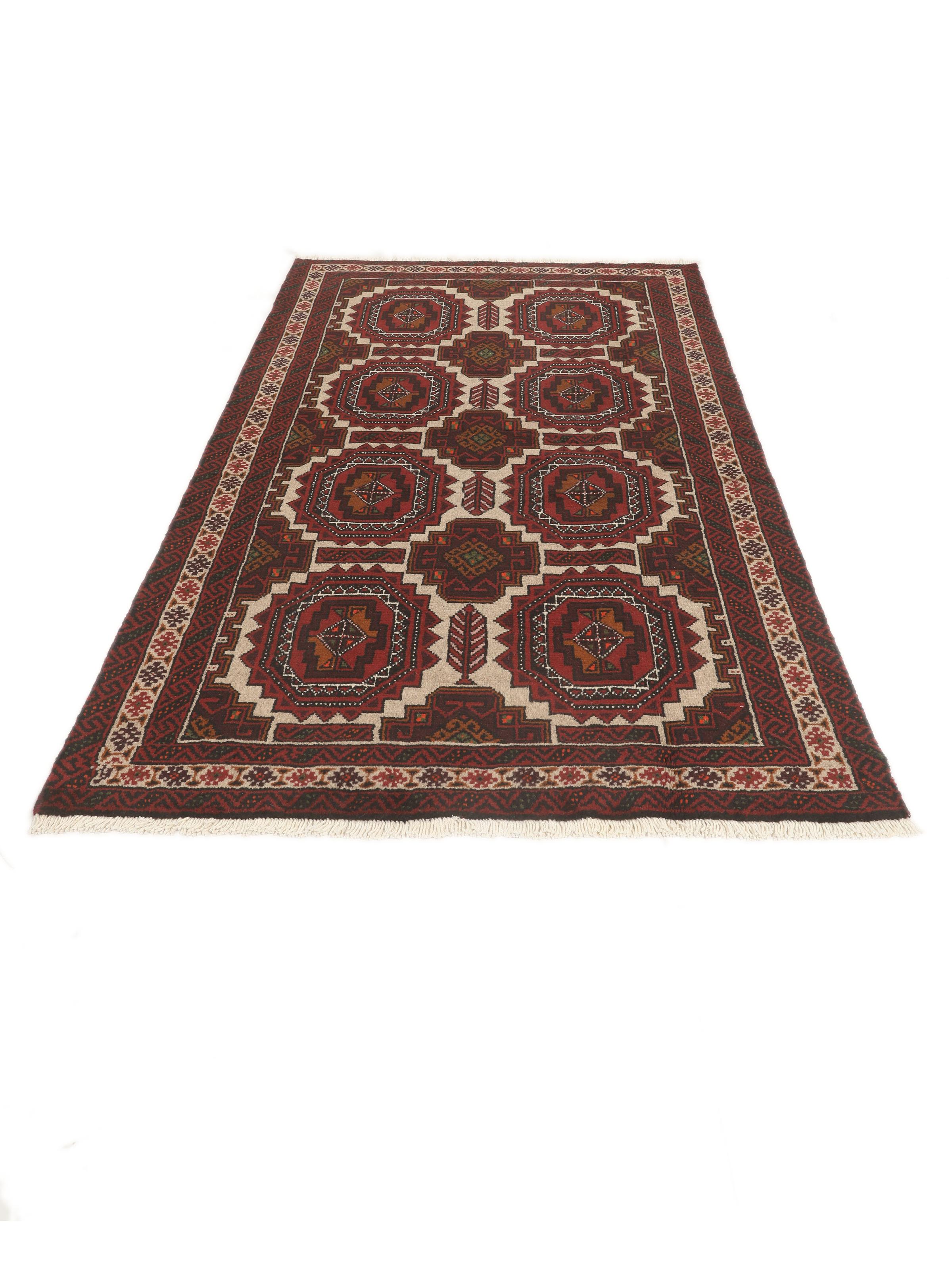
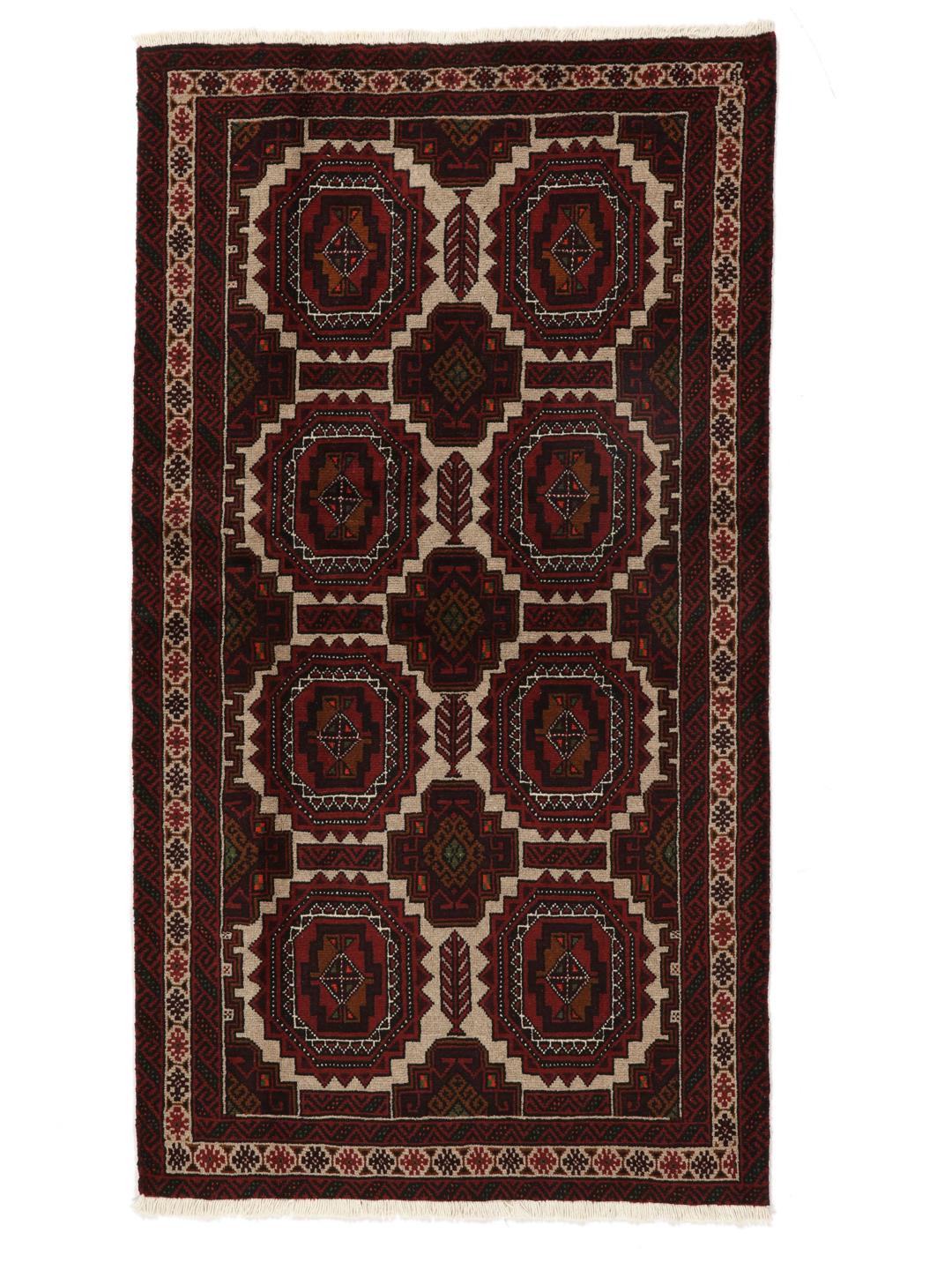
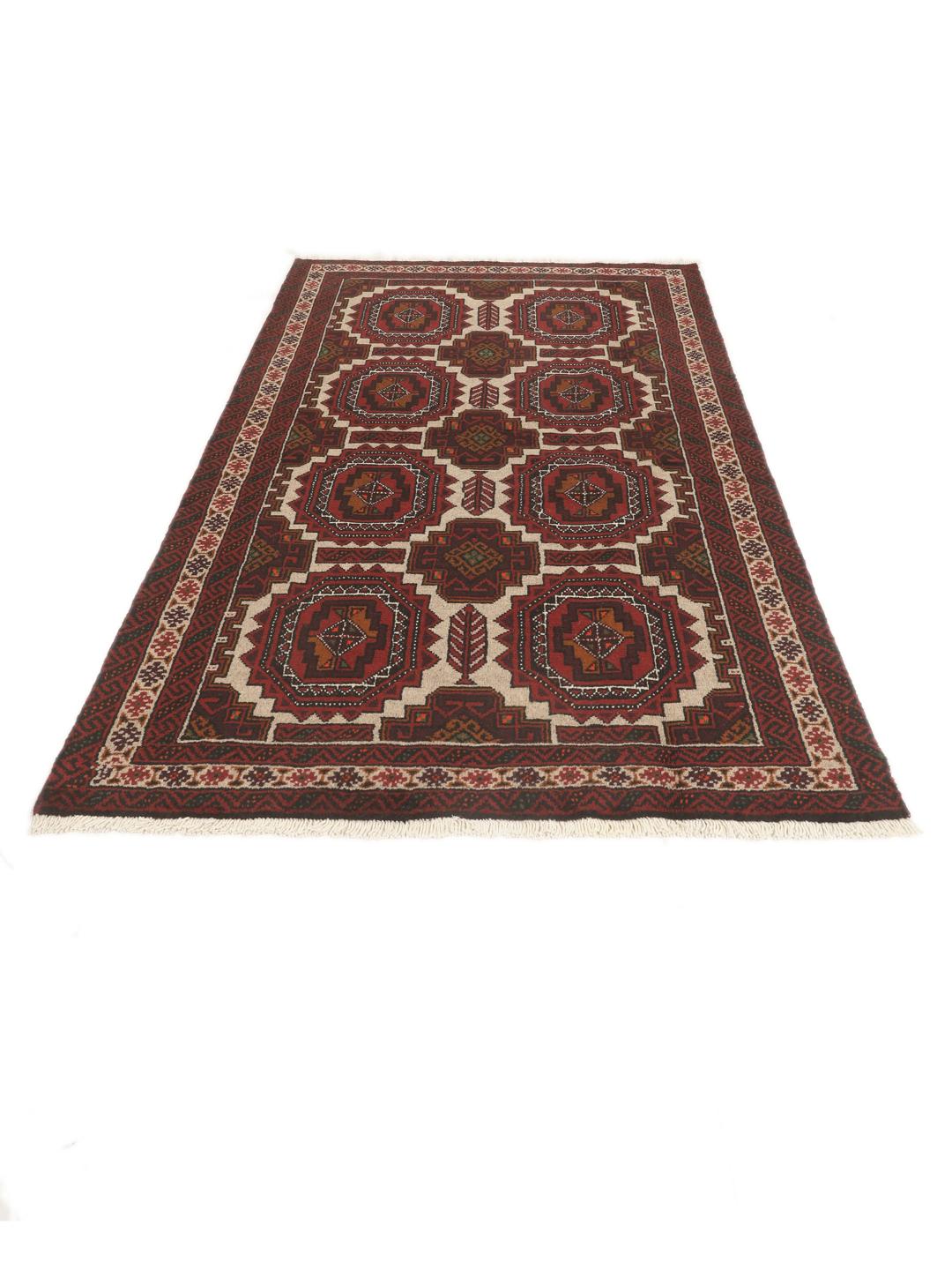
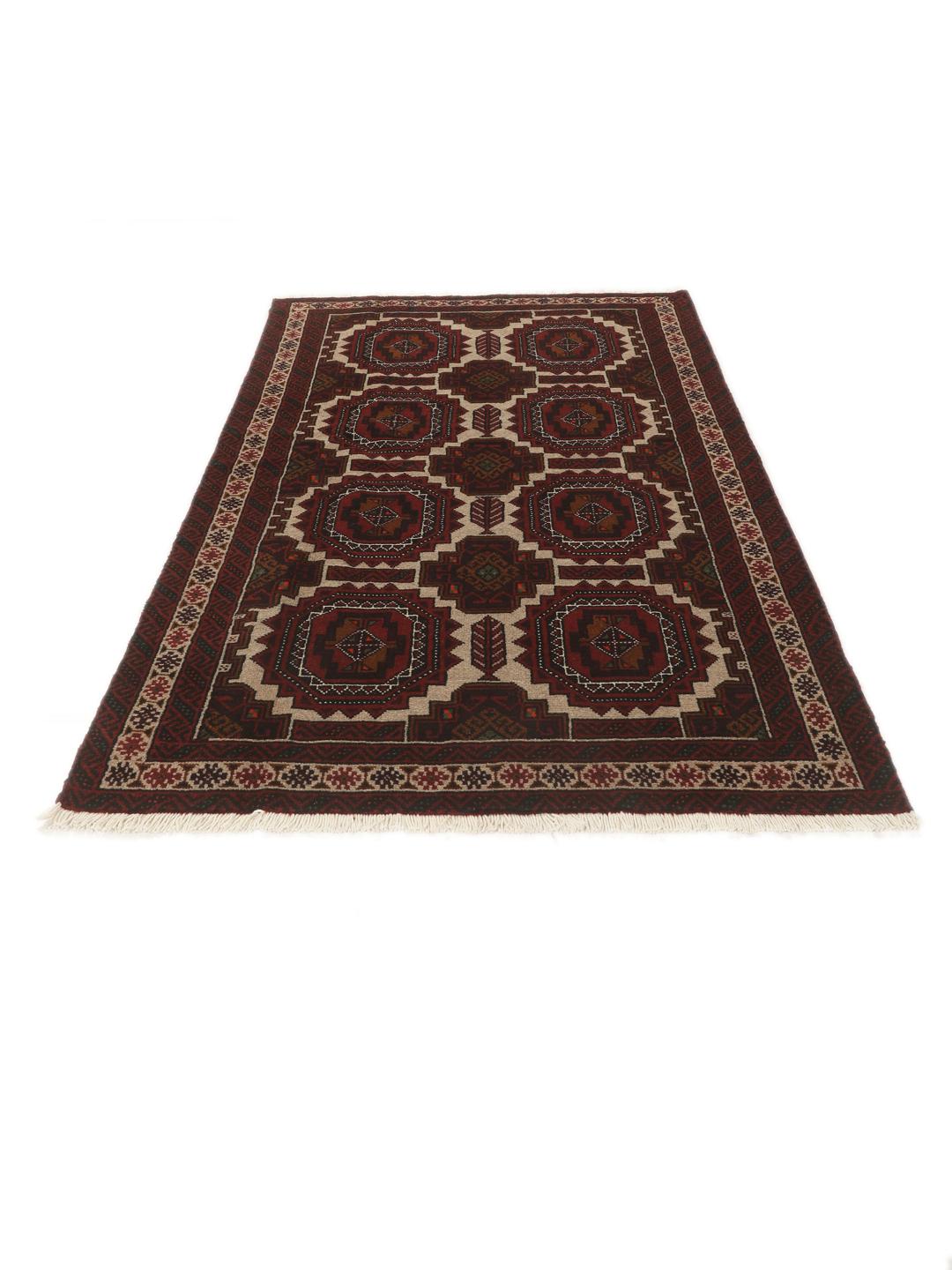
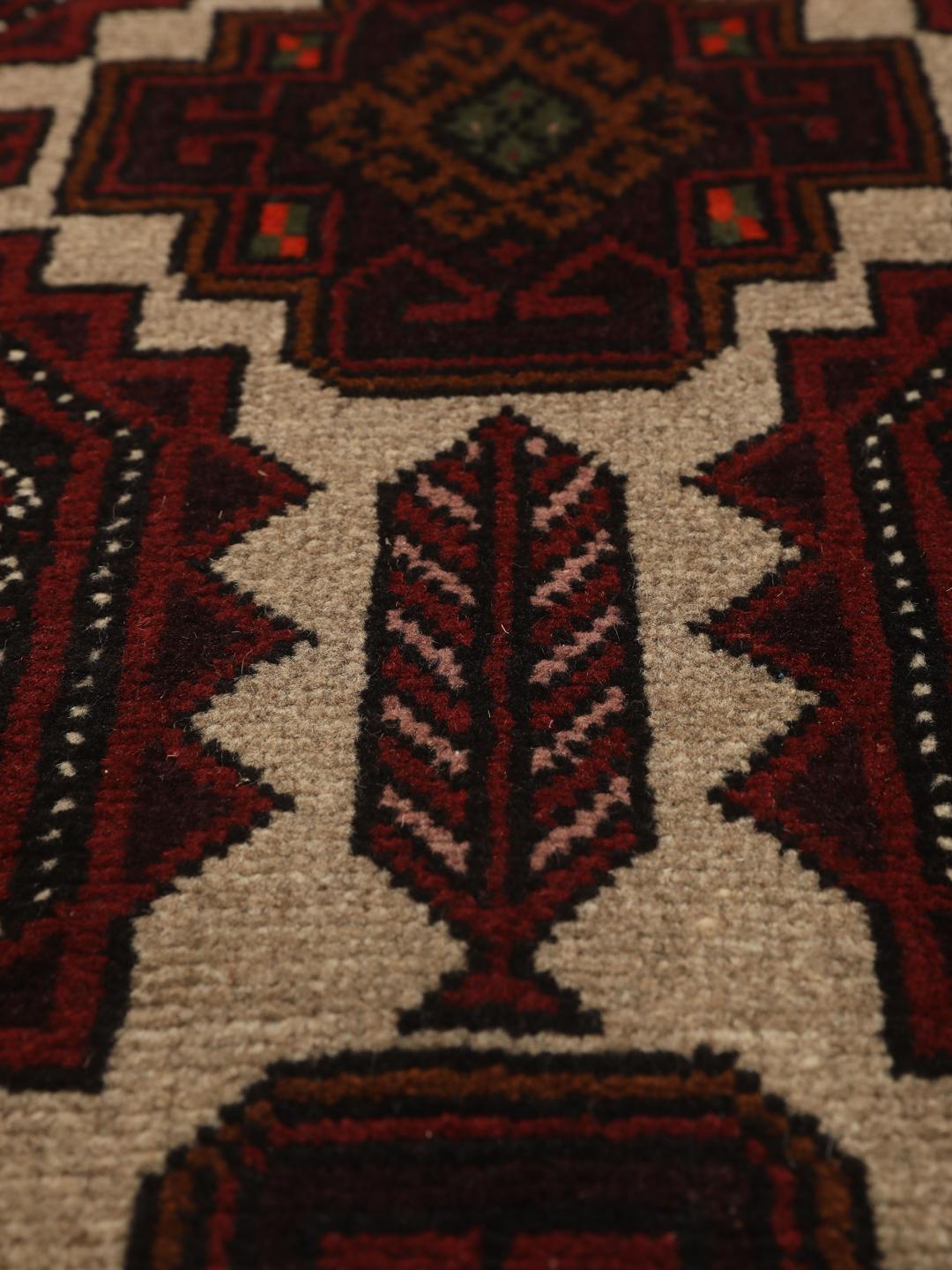
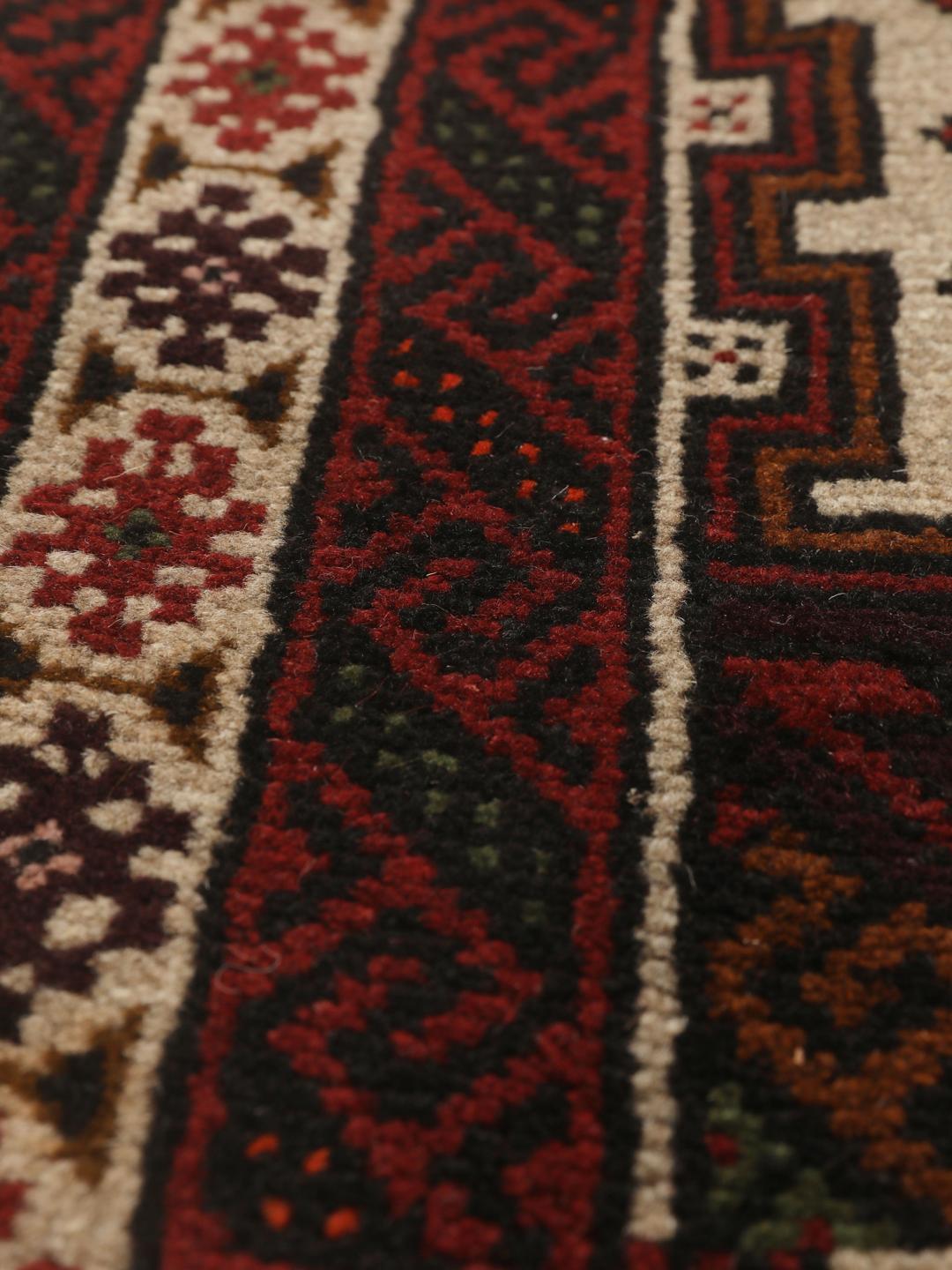
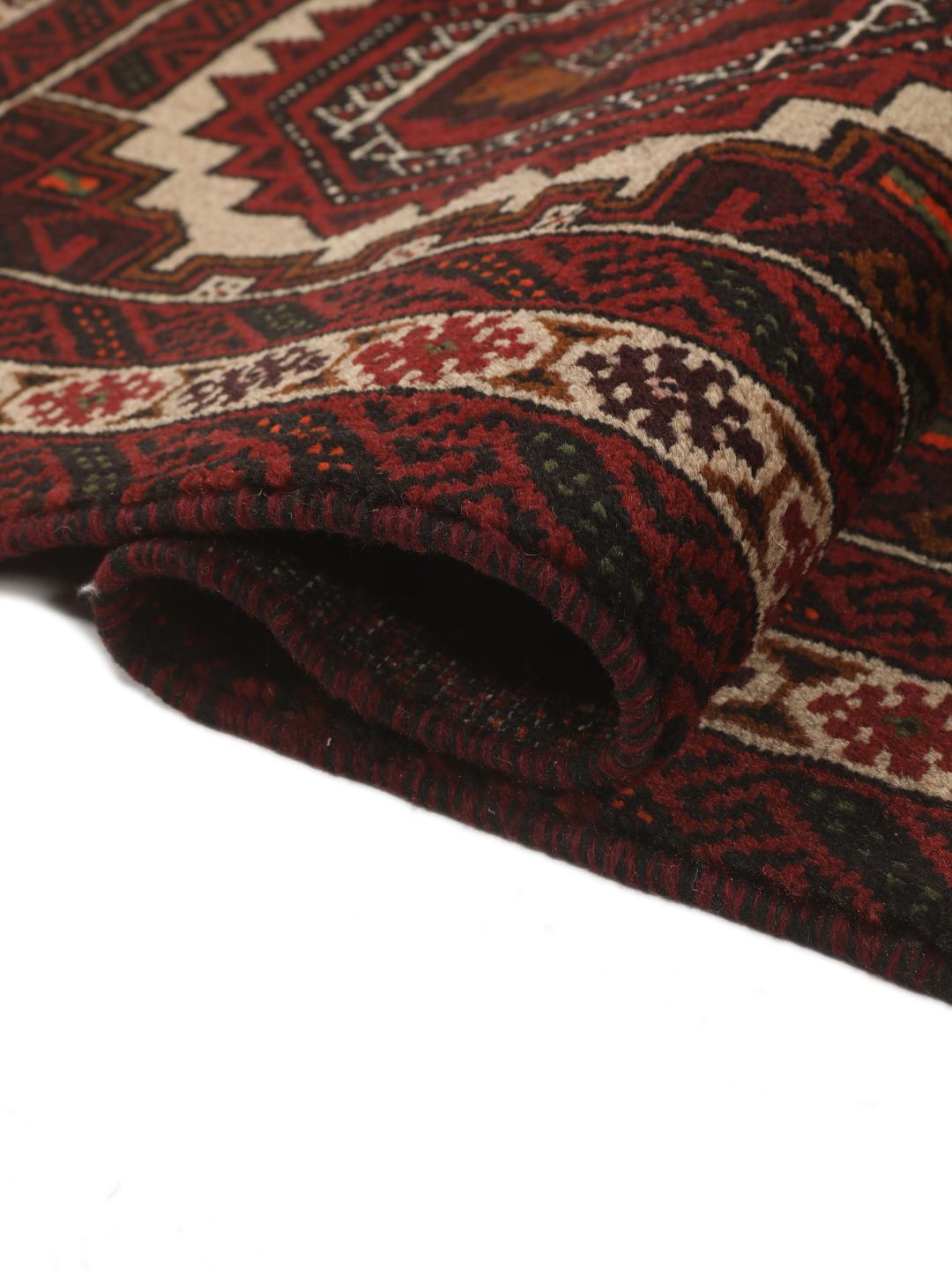
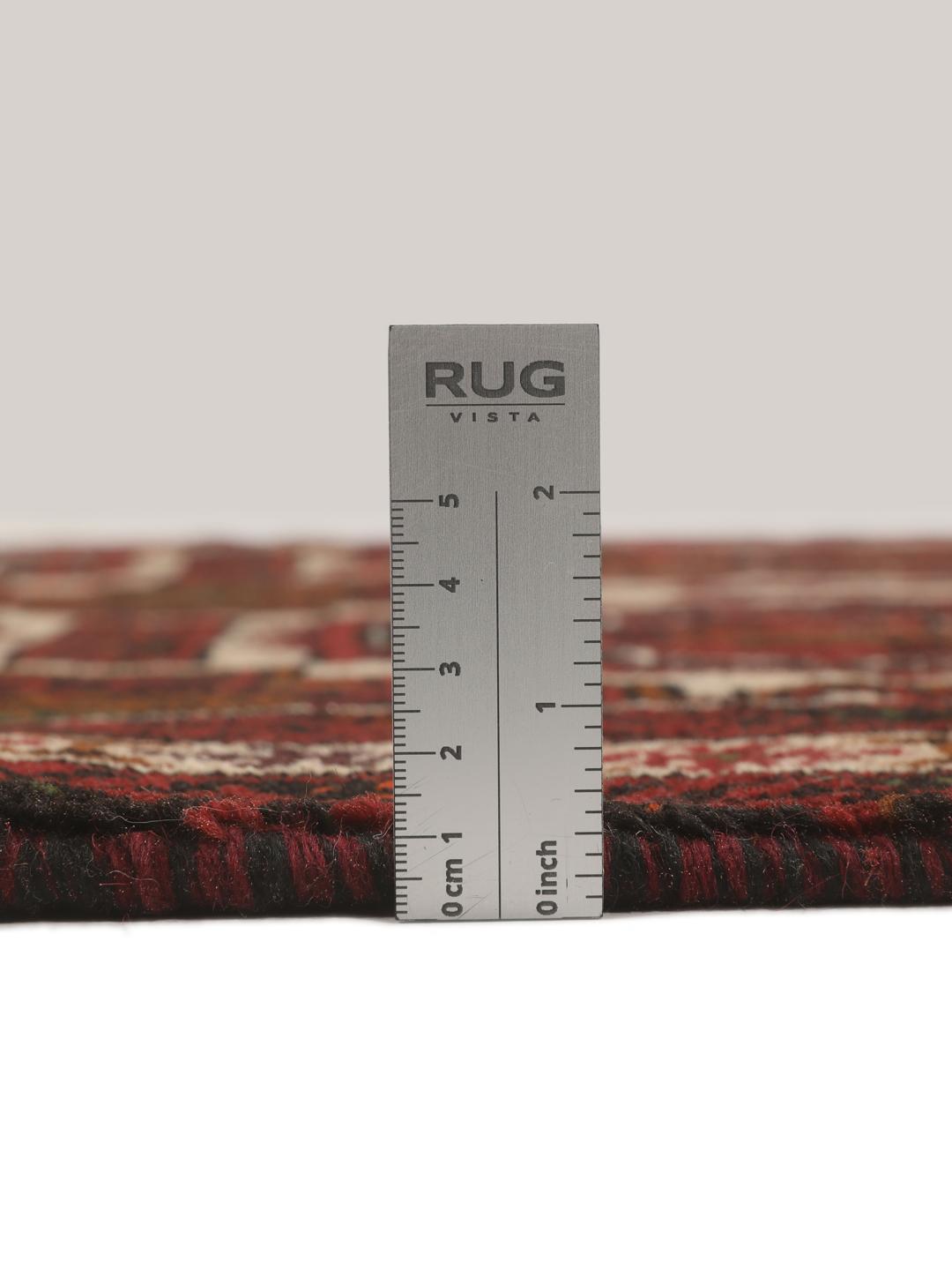
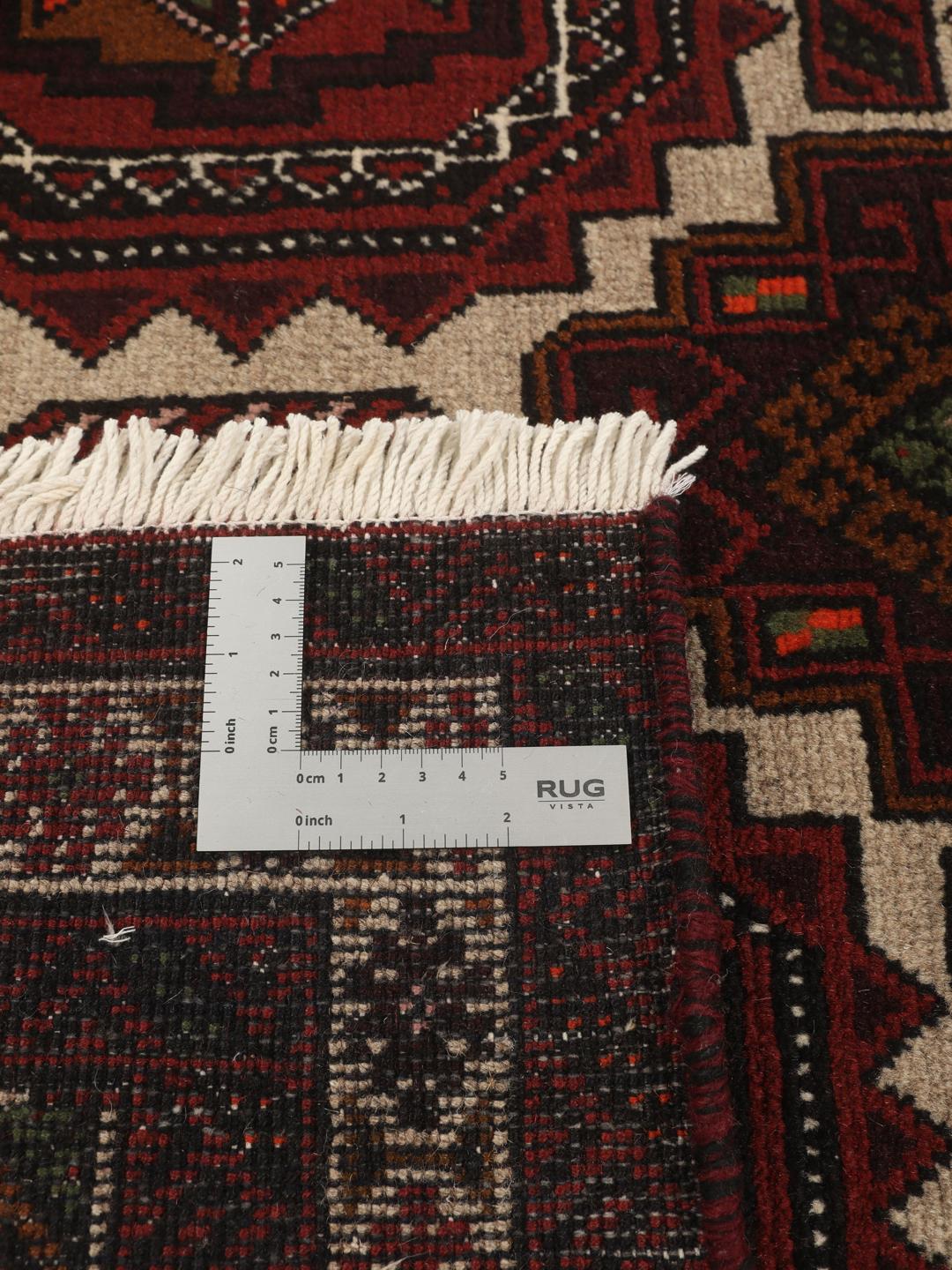
Baluch rugs originate from the nomadic and semi-nomadic tribes residing in the border regions between the Middle East, Afghanistan, and Pakistan. These weavers have historically travelled across vast, rugged landscapes, carrying their loom techniques and design traditions with them. This migratory lifestyle has allowed their craft to evolve into a distinct style that is instantly recognisable for its deep, moody colour palettes and intricate, tribal aesthetic.
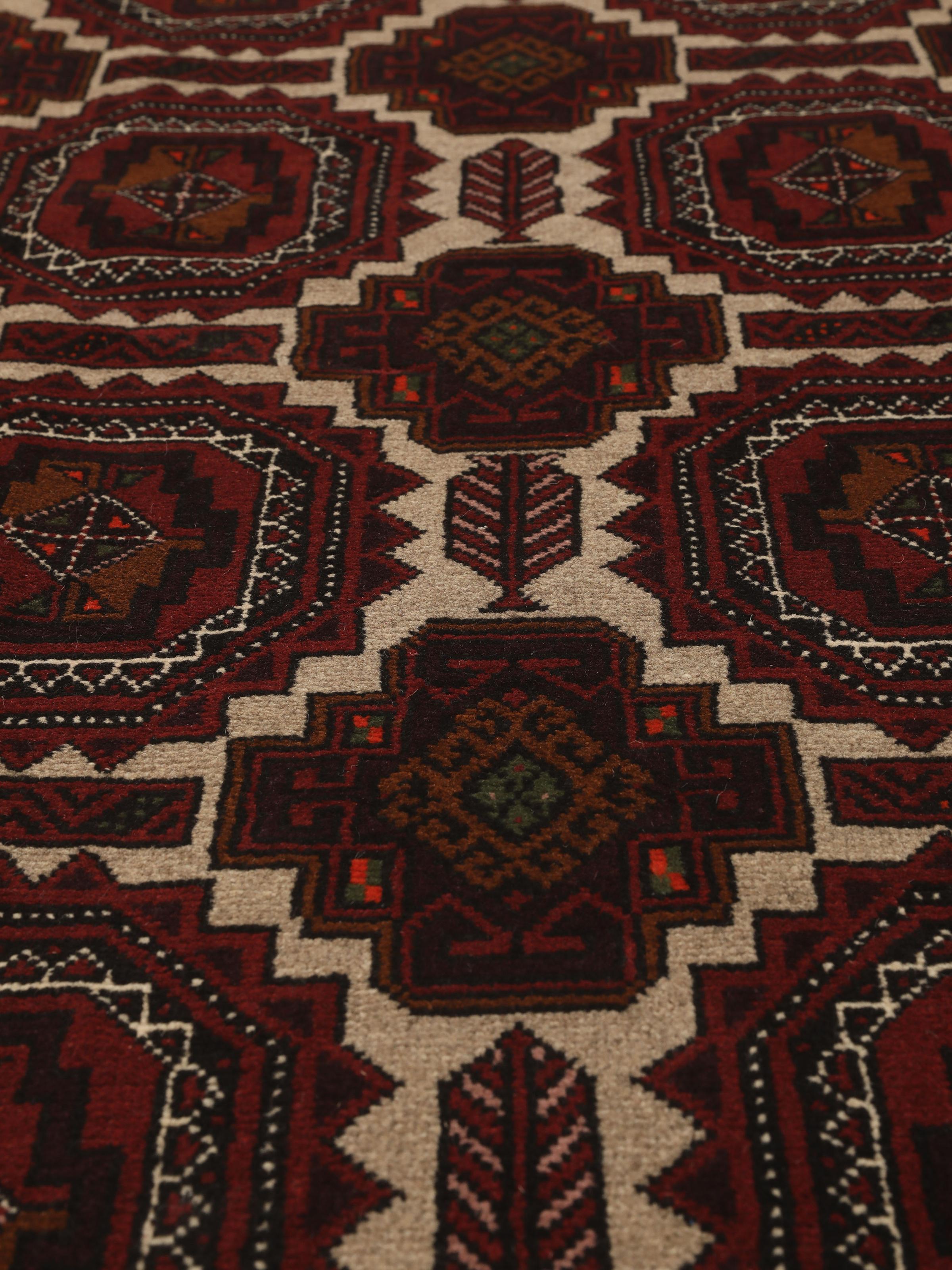
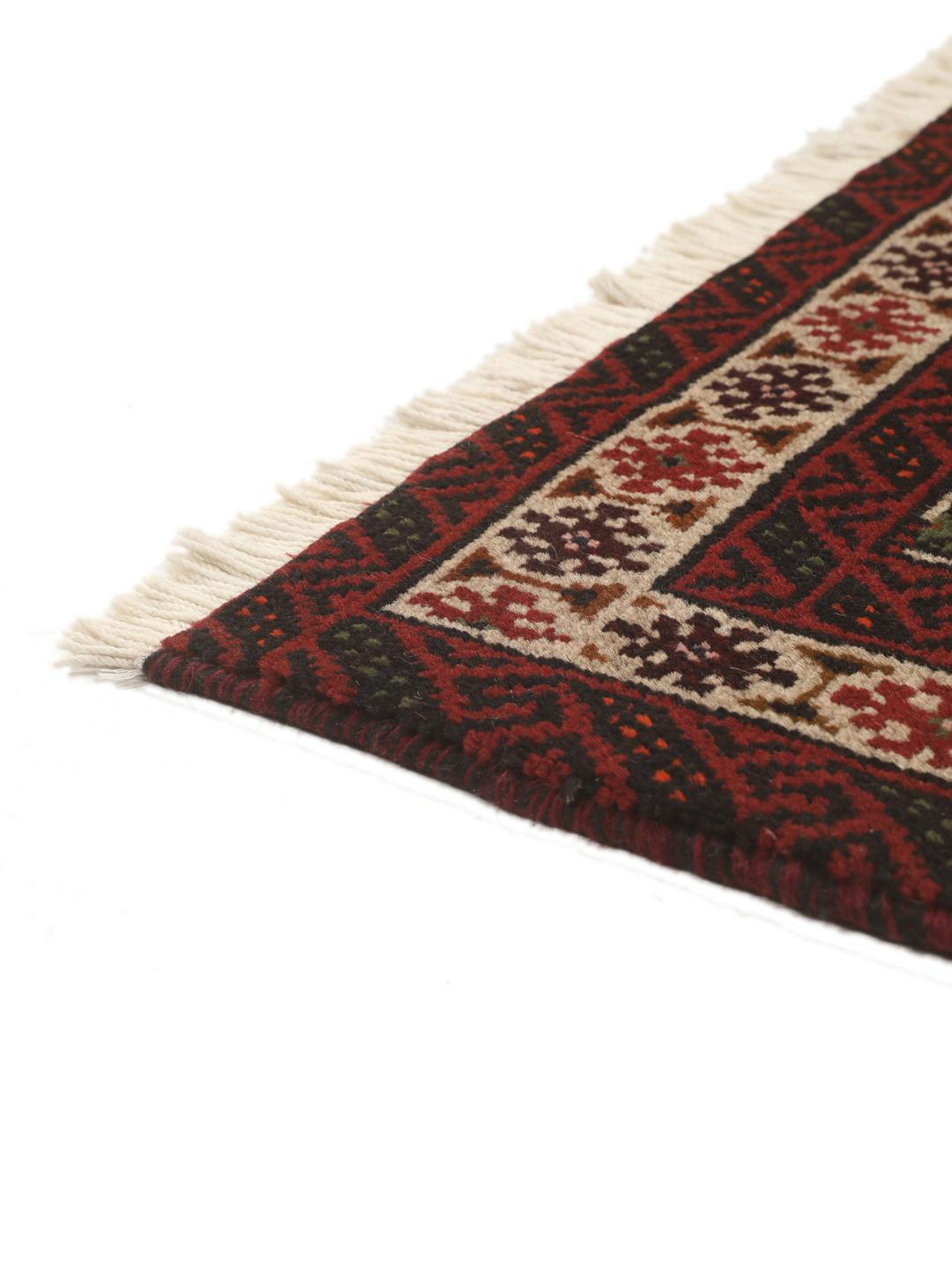
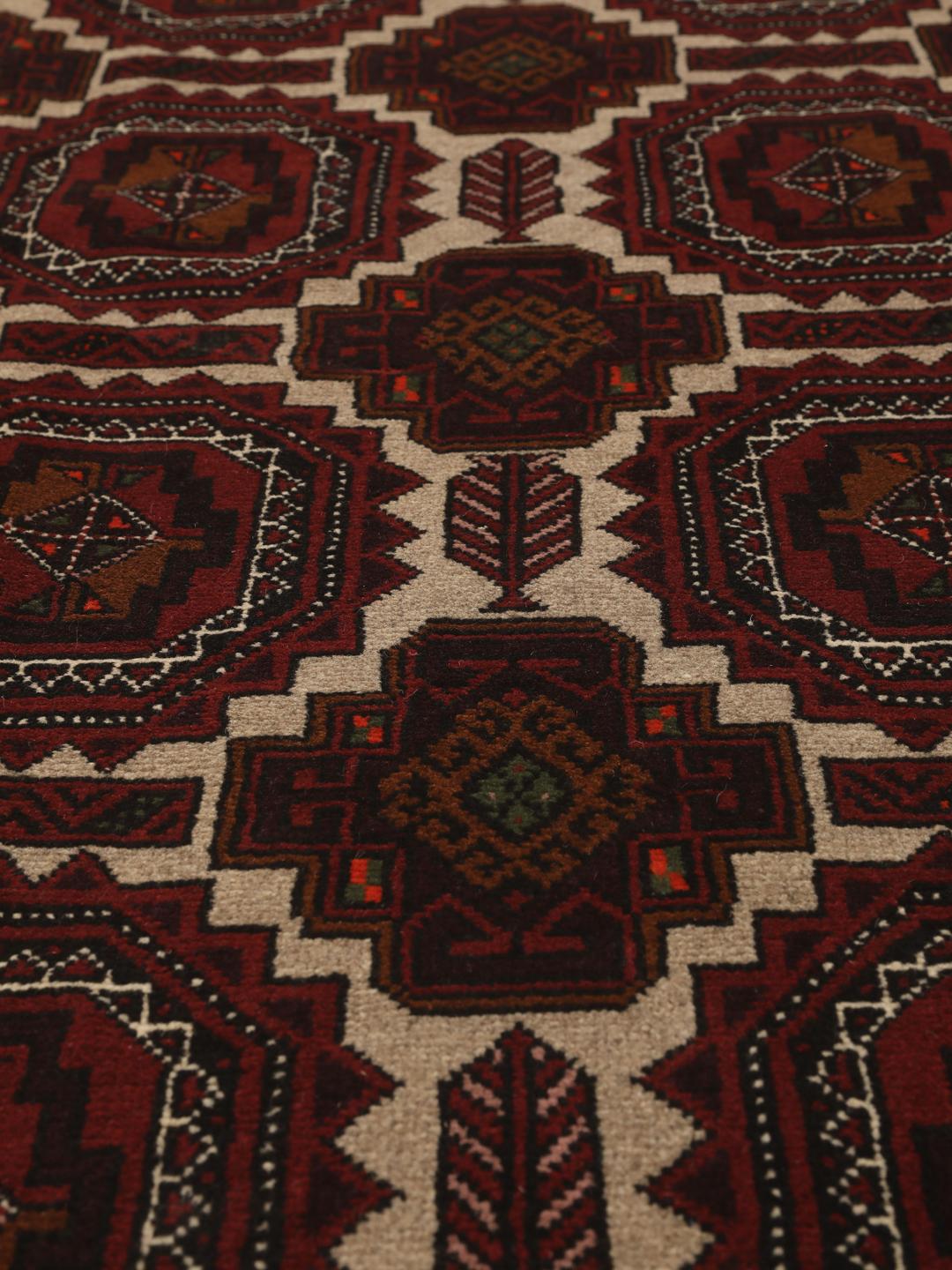
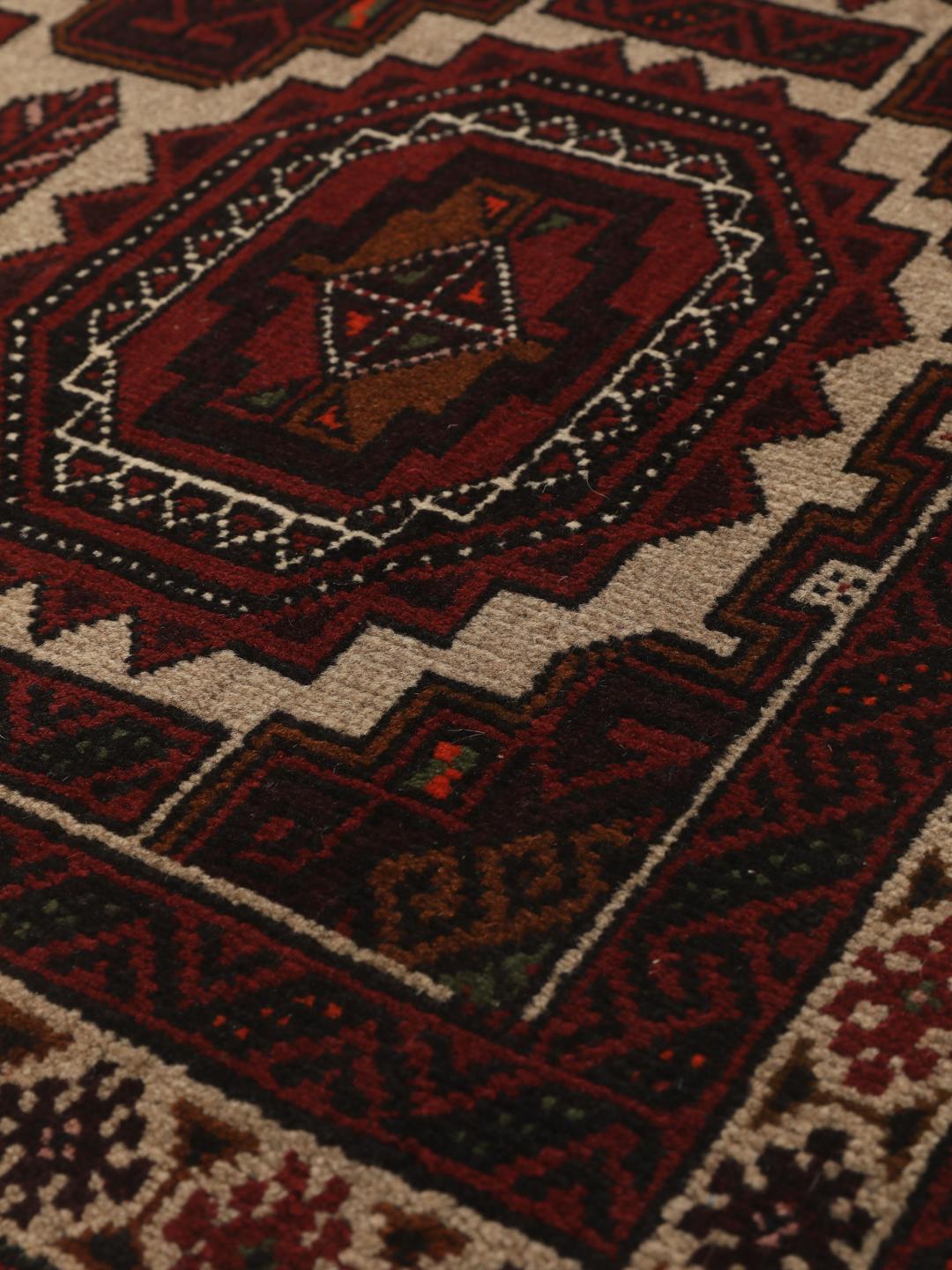
Technical terms such as hand-knotted are vital to understanding the longevity of these pieces. When a rug is hand-knotted, each strand of Wool is looped around the warp and weft threads, creating a pile that is incredibly secure and capable of enduring generations of use. This construction is vastly different from machine-made alternatives, offering a depth of texture and a lustrous sheen that only natural Wool can provide.
The signature design elements of a Baluch rug often include geometric medallions, stylised floral forms, and repeating patterns that hold deep cultural significance for the weaving tribes. These motifs are frequently framed by elaborate, multi-layered borders that demonstrate the weaver's immense skill and attention to detail. The use of dark, rich tones is a traditional choice, providing a sense of depth and warmth that characterises the aesthetic of this region.
Collectors value Baluch rugs for their genuine connection to tribal heritage and the sheer human effort required to create them. Owning a piece from this tradition is more than just a decor choice; it is an act of preserving a craft that has been passed down through centuries. Each rug serves as a testament to the weaver's creativity and the enduring legacy of Middle Eastern textile arts.