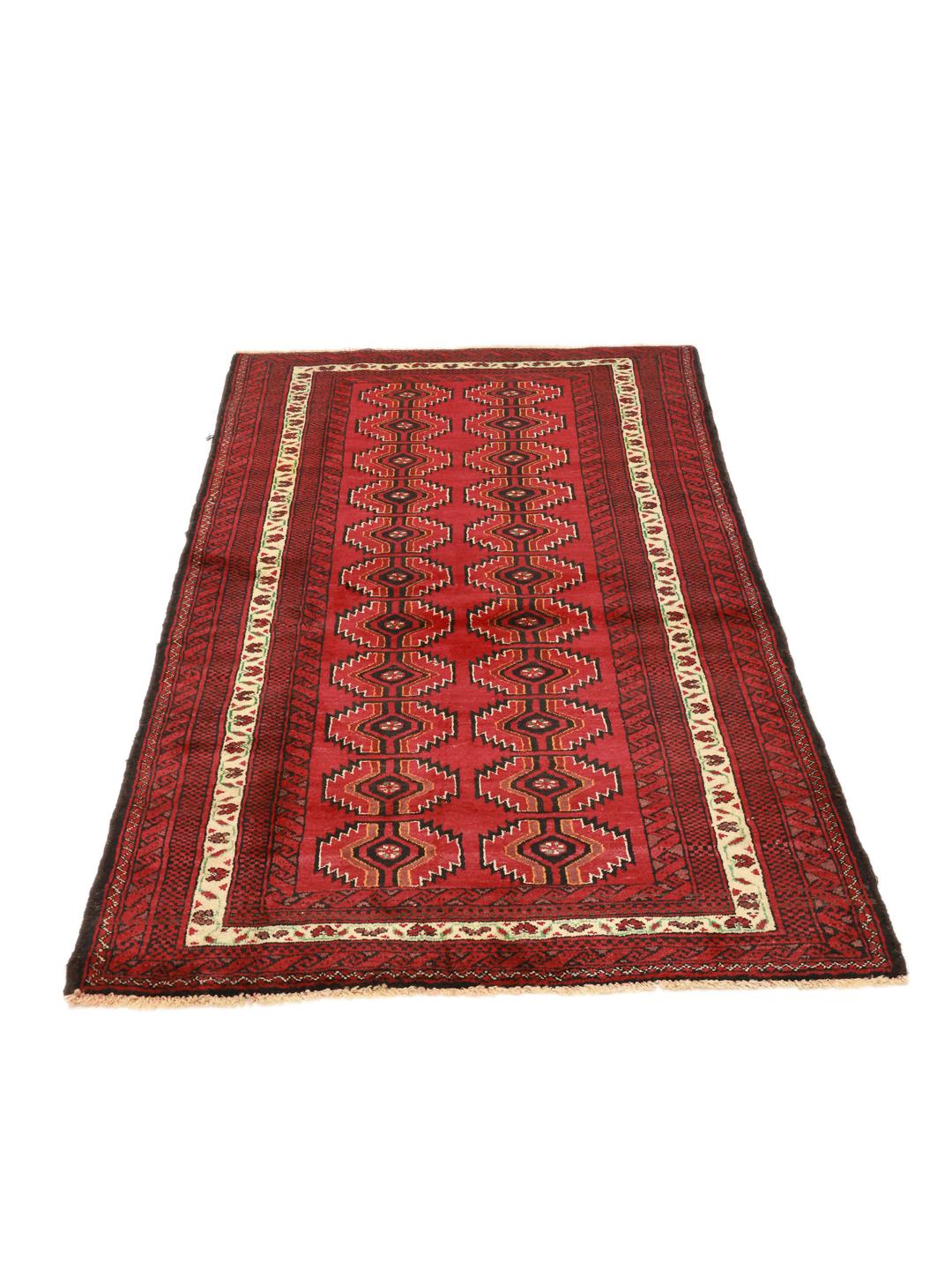
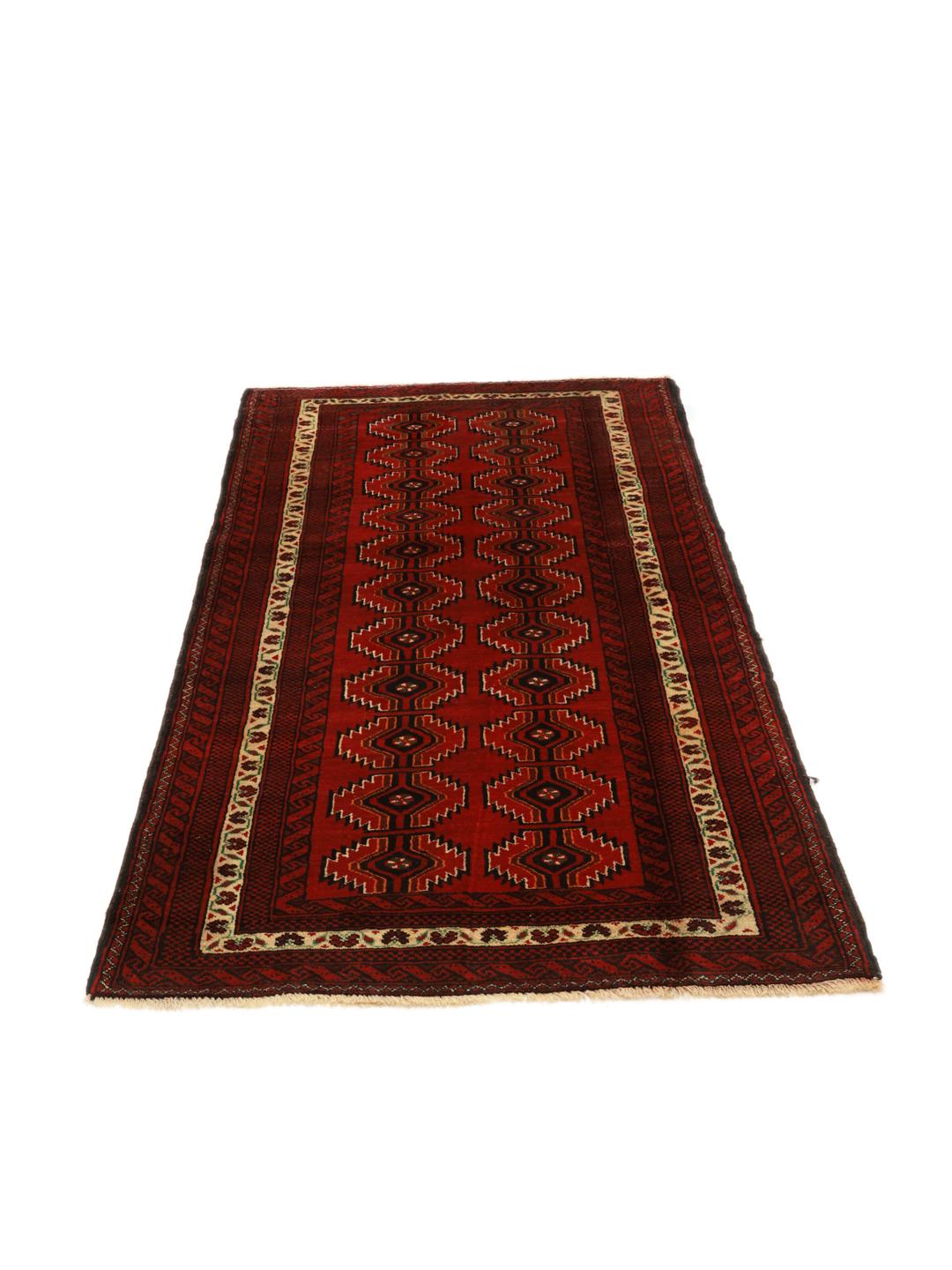
The Beluch rug tradition originates from the nomadic and semi-nomadic tribes of the border regions between the Middle East and Central Asia. These rugs are deeply rooted in a culture of migration, where weaving was not only a practical necessity for creating warm shelter and floor coverings but also a primary medium for artistic expression.
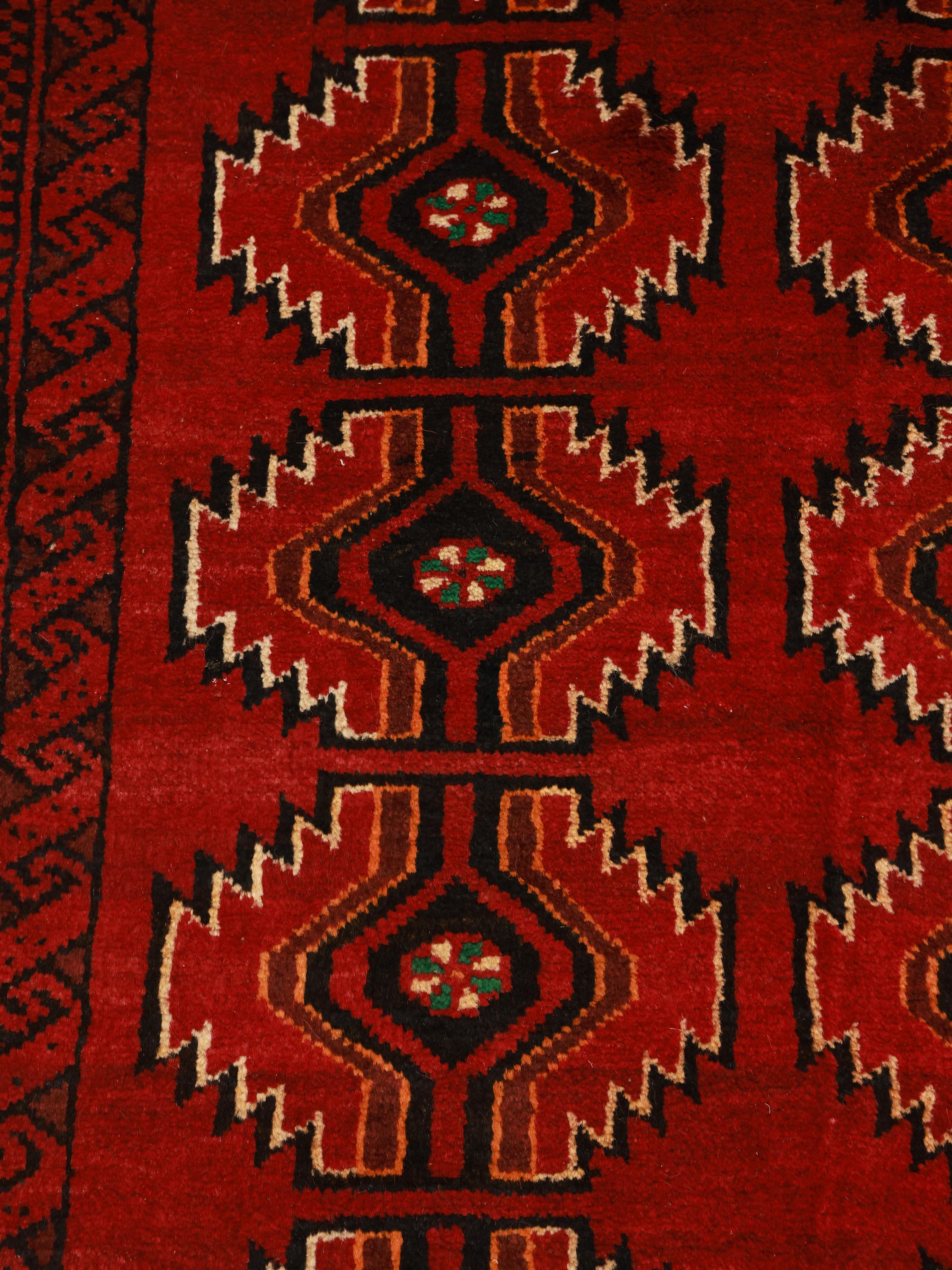
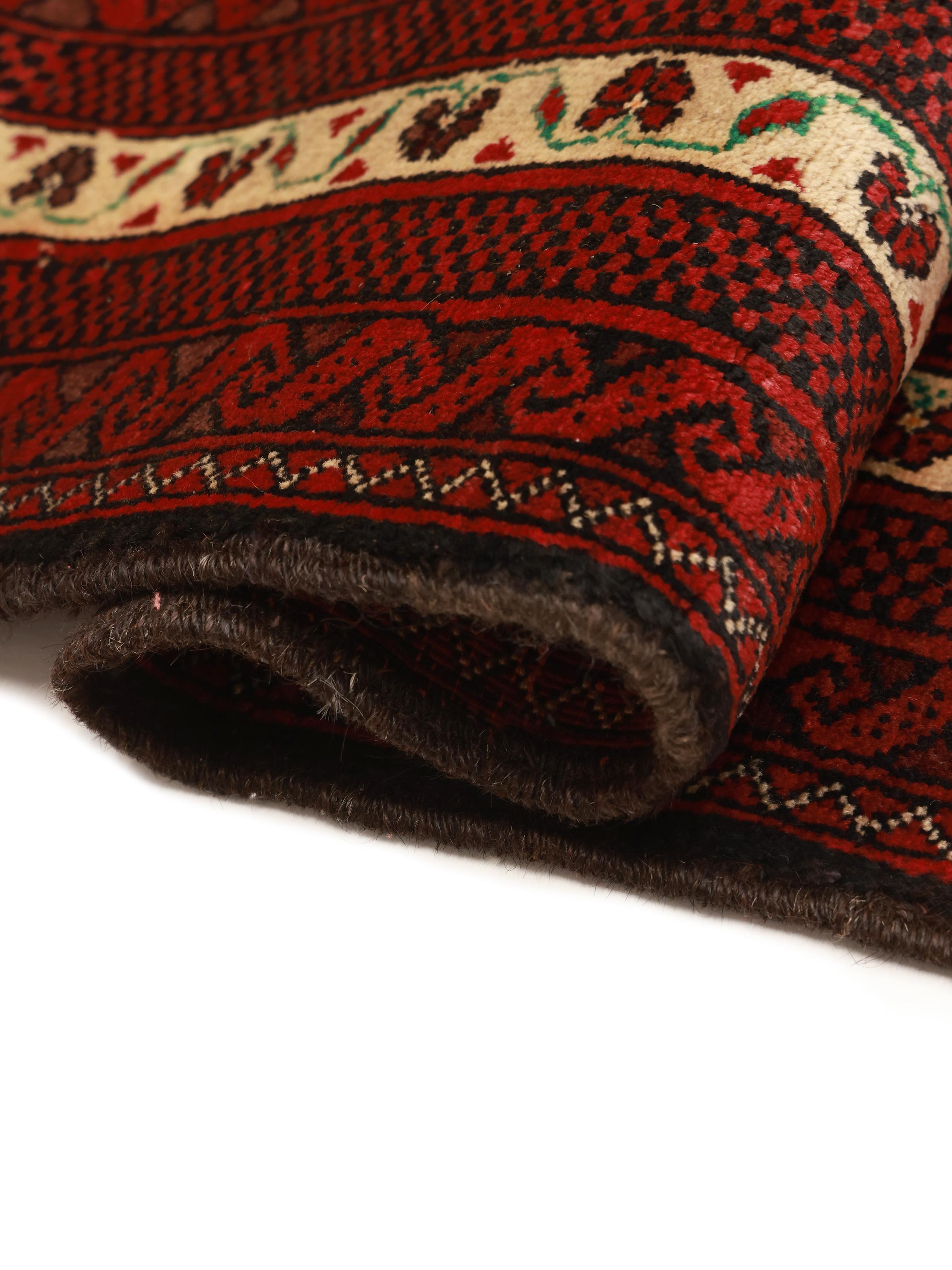
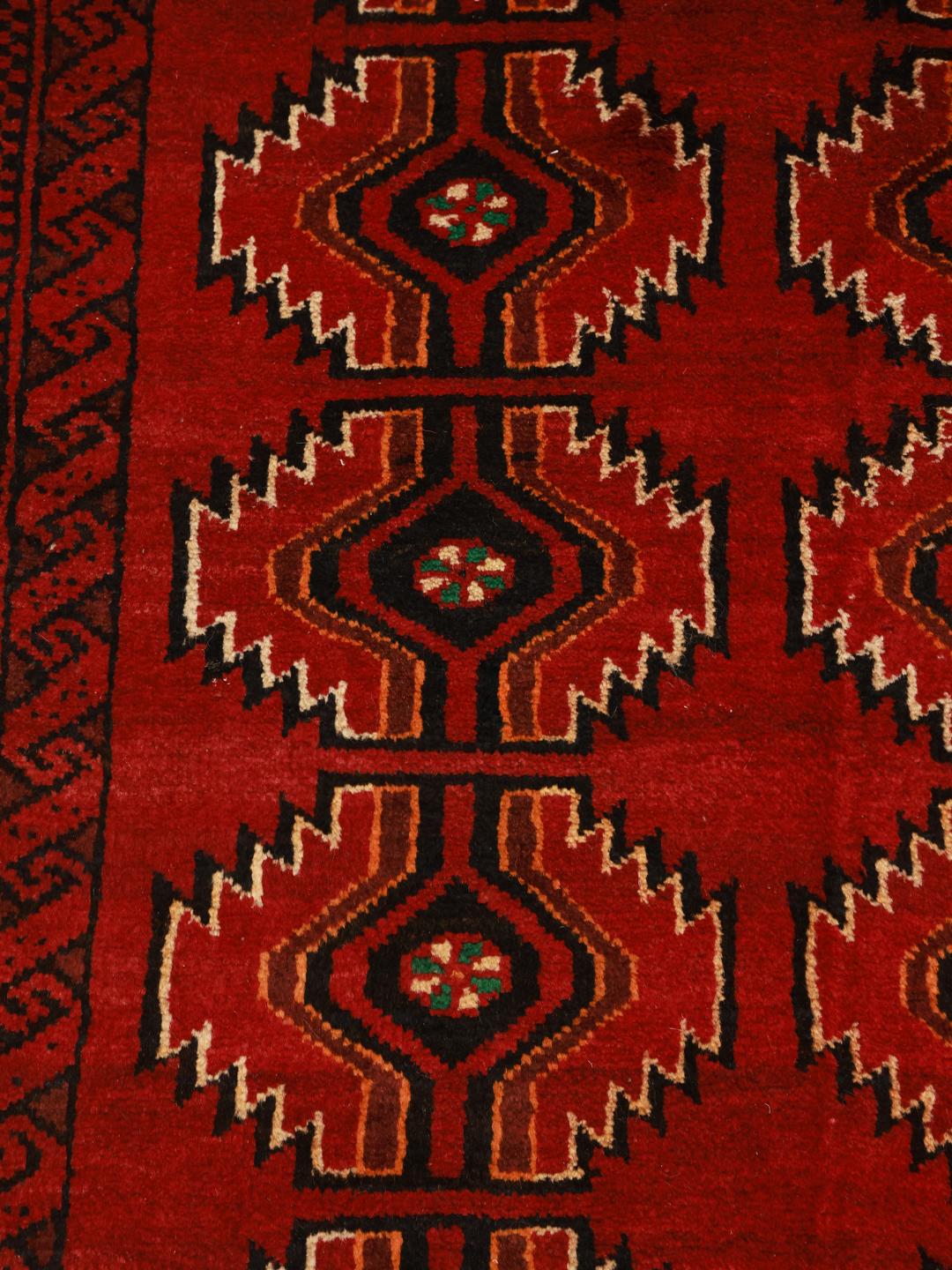
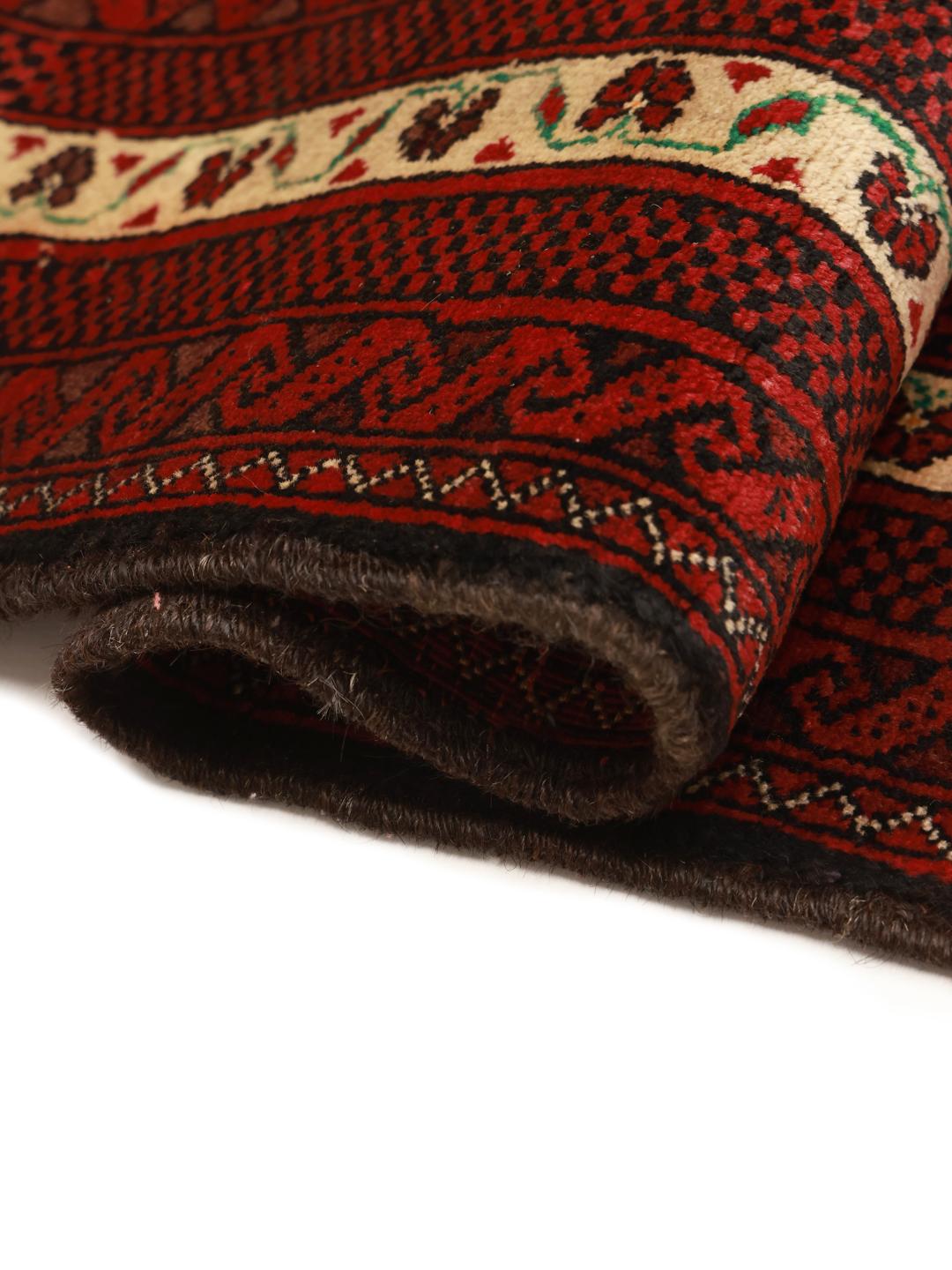
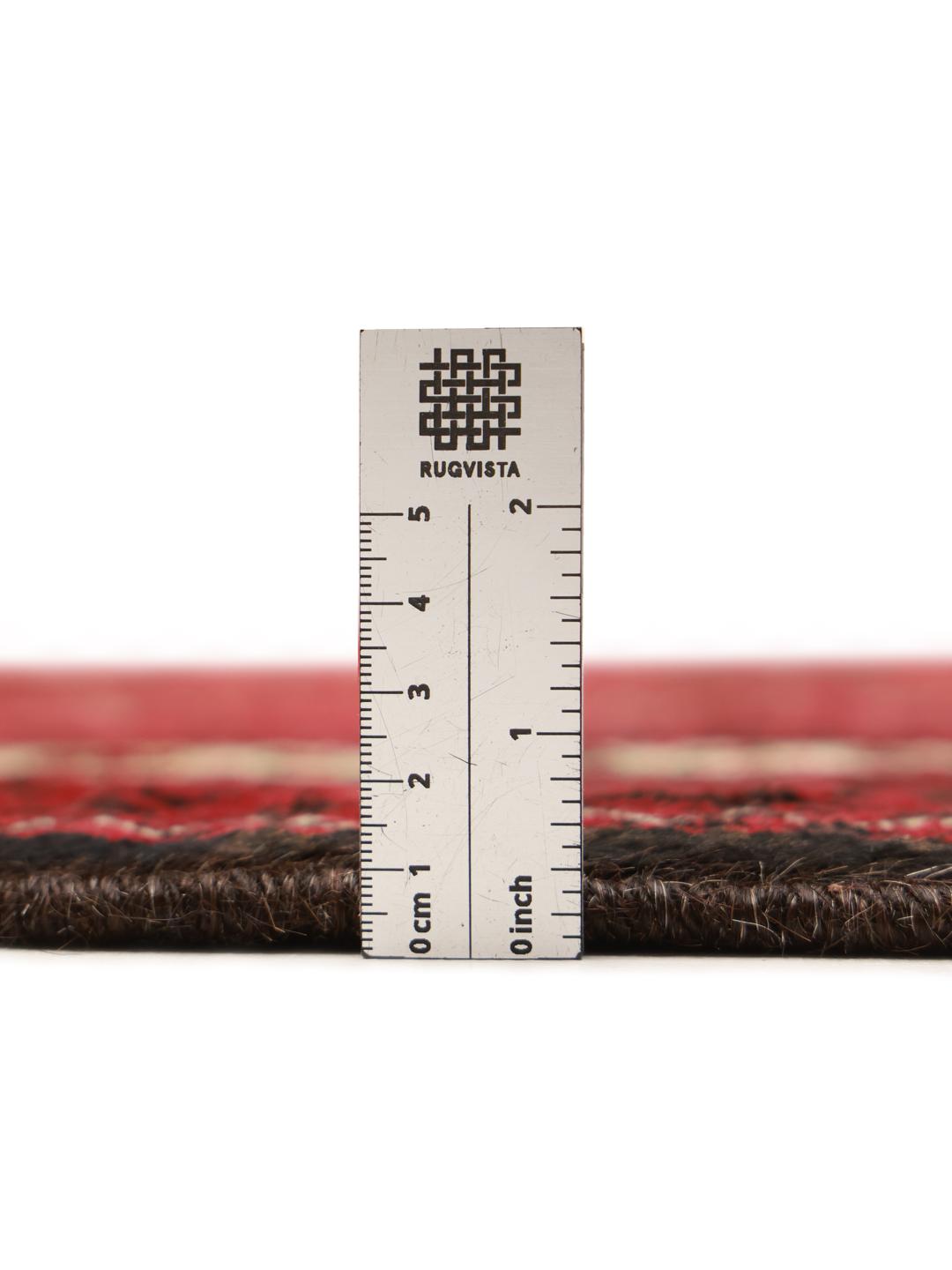
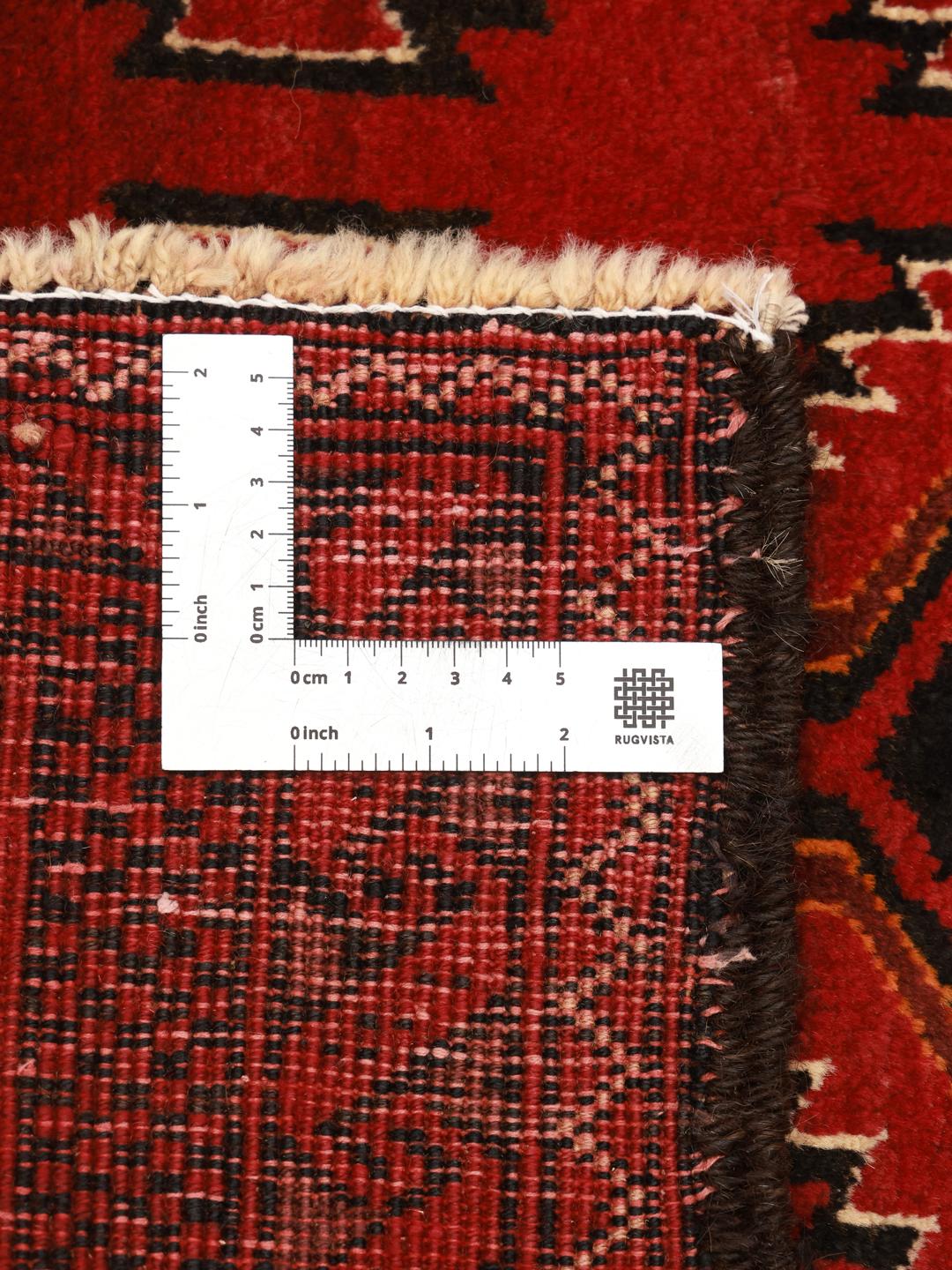
Technically, these rugs are known for their sturdy construction and the use of high-quality, long-staple wool. The weaving technique often involves a foundation that provides a firm base, which allows the intricate geometric motifs to remain crisp and clear over decades of use. This construction is a hallmark of the nomadic craft, designed to withstand the rigours of travel and daily life.
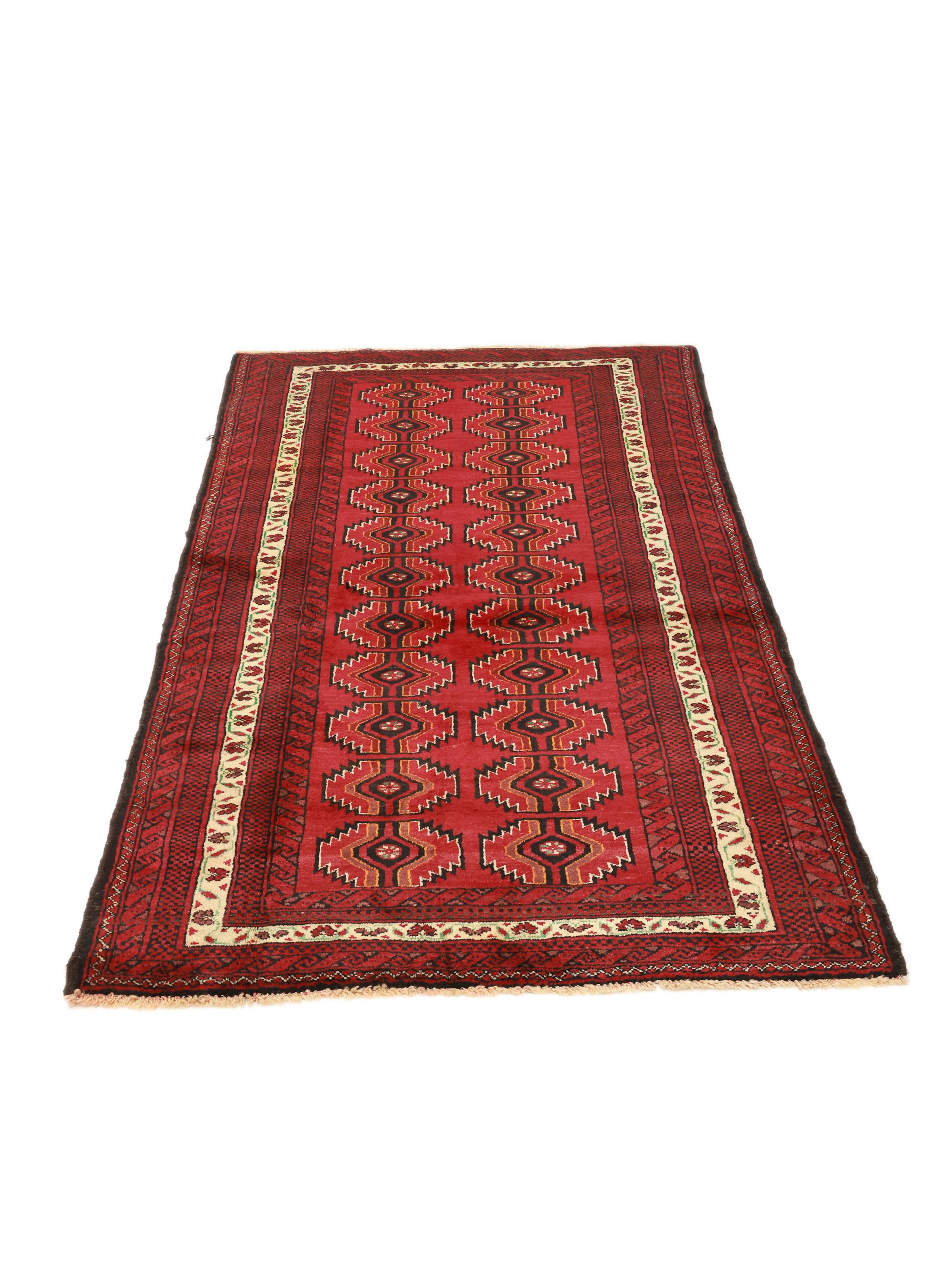
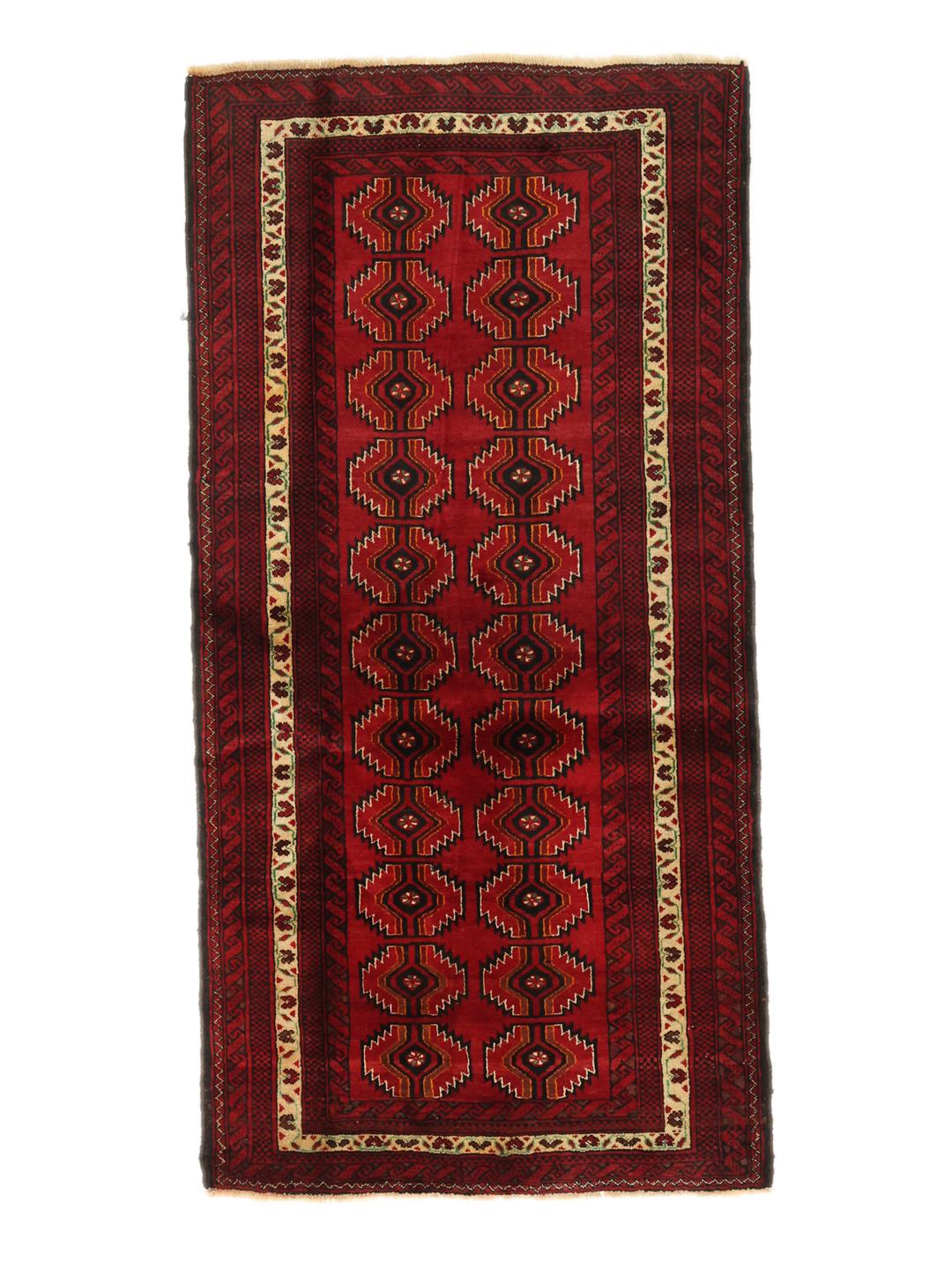
Visually, Beluch rugs are characterised by their deep, earthy colour palettes—often featuring dark-reds, browns, and blacks—and their highly stylised geometric motifs. These patterns frequently include repeating medallions, tribal symbols, and elaborate borders that carry deep cultural significance for the weavers, often passed down through generations as a visual language.
Today, these rugs are highly sought after by collectors who value the authenticity and human story behind each piece. Owning a Beluch rug is an investment in a living tradition, offering a tangible connection to the heritage of the Middle Eastern tribes who have perfected this craft over centuries.