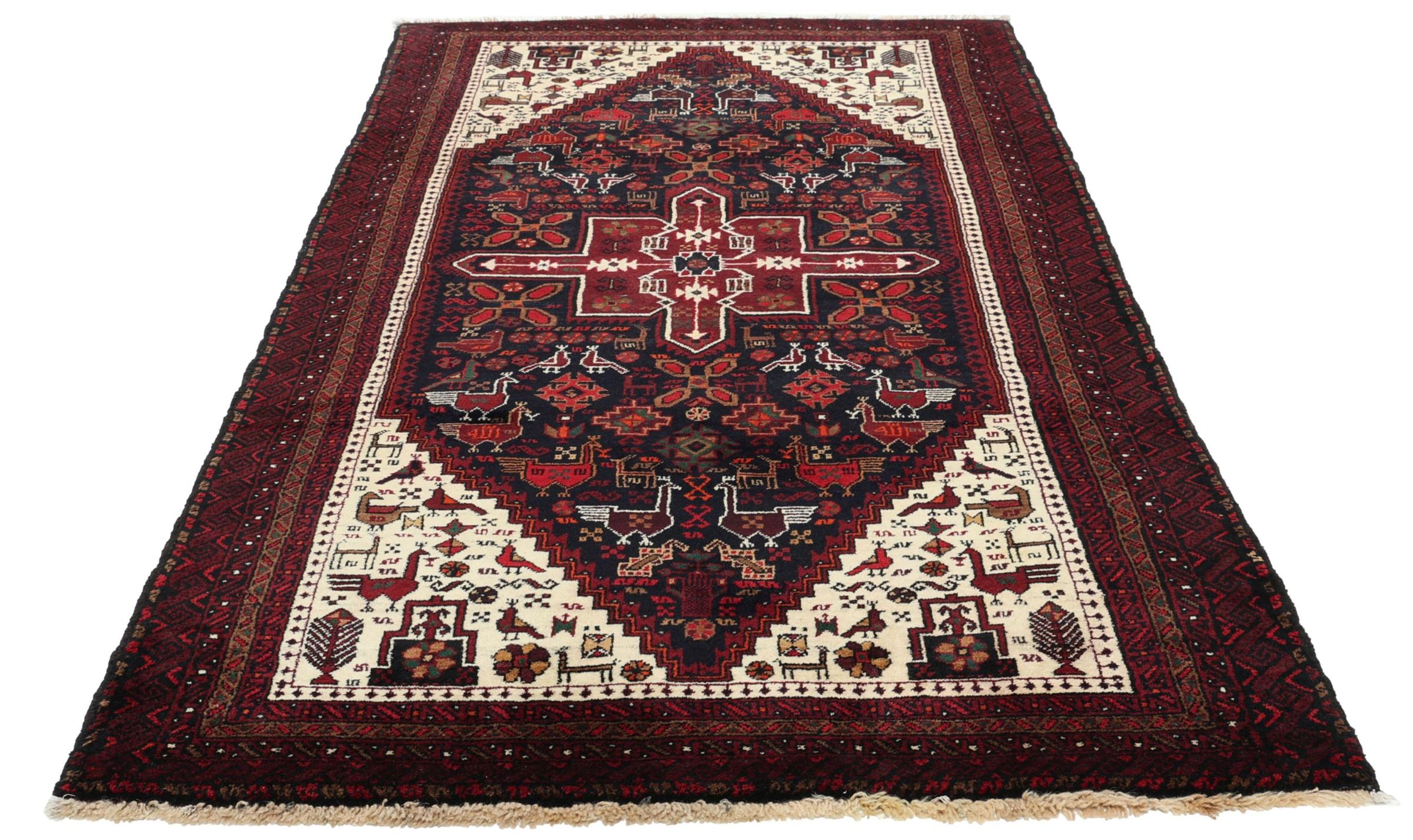
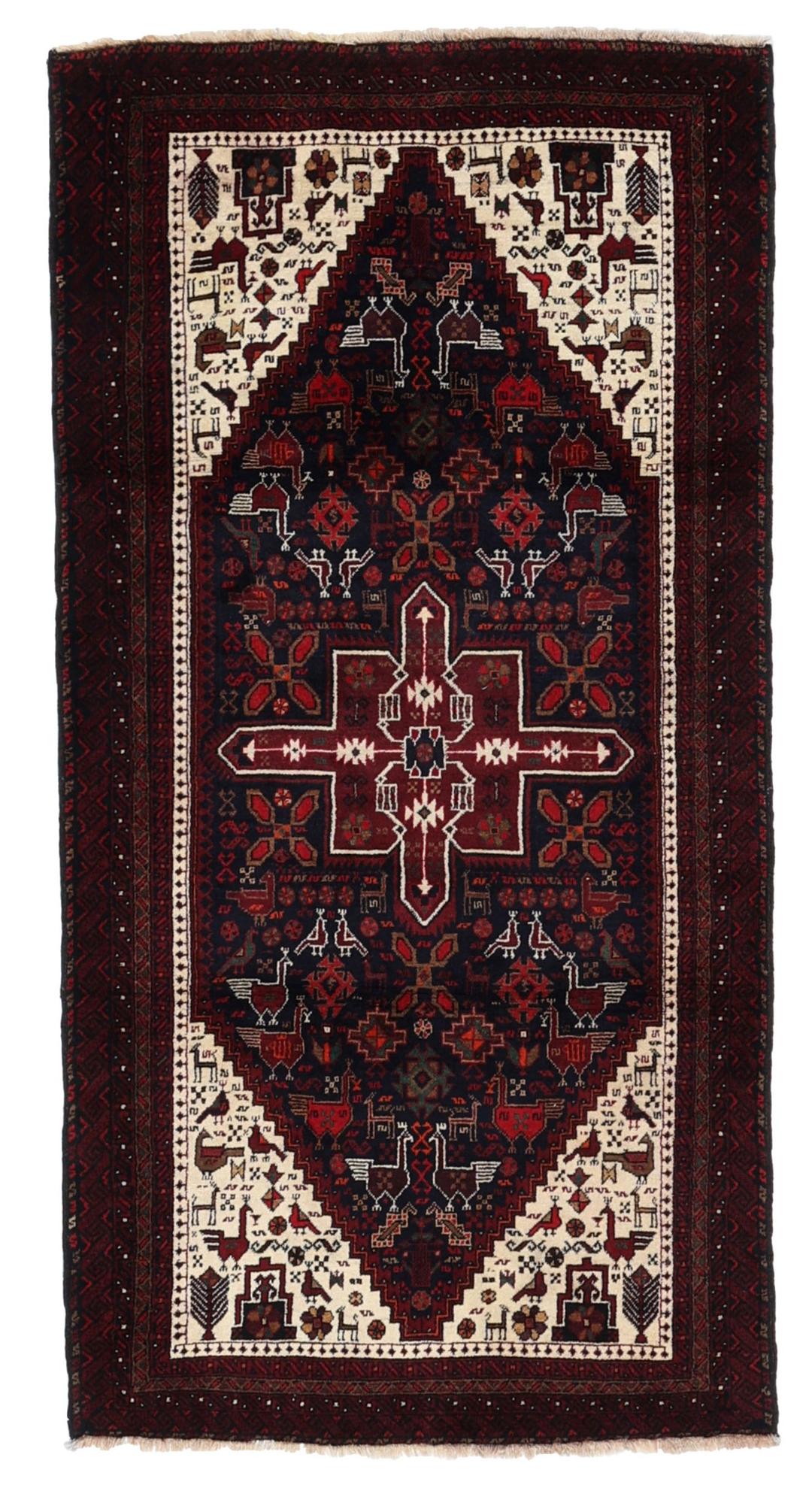
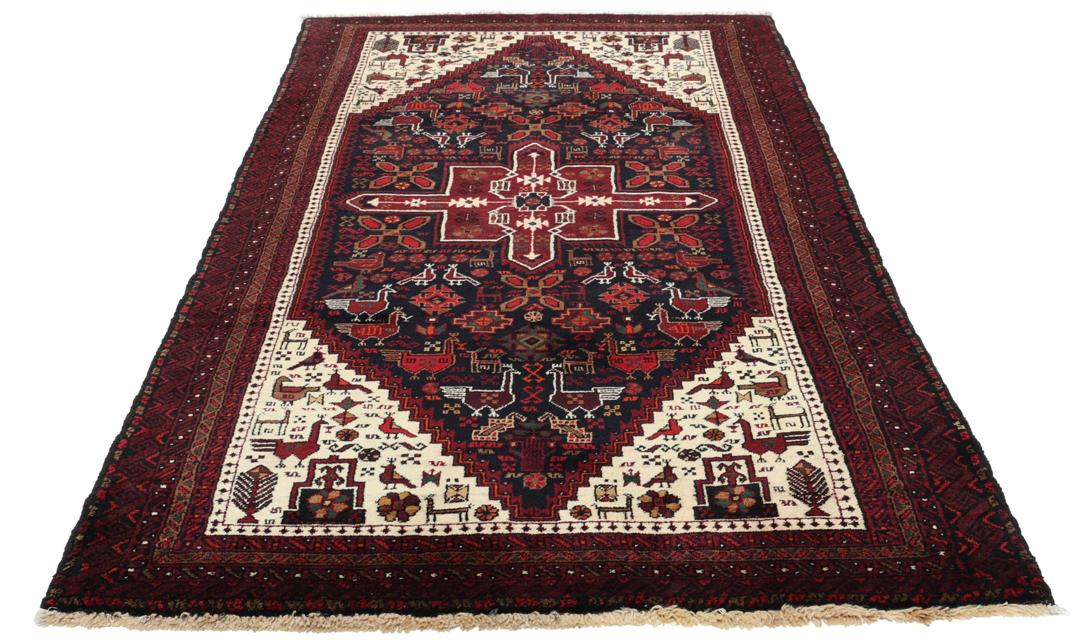
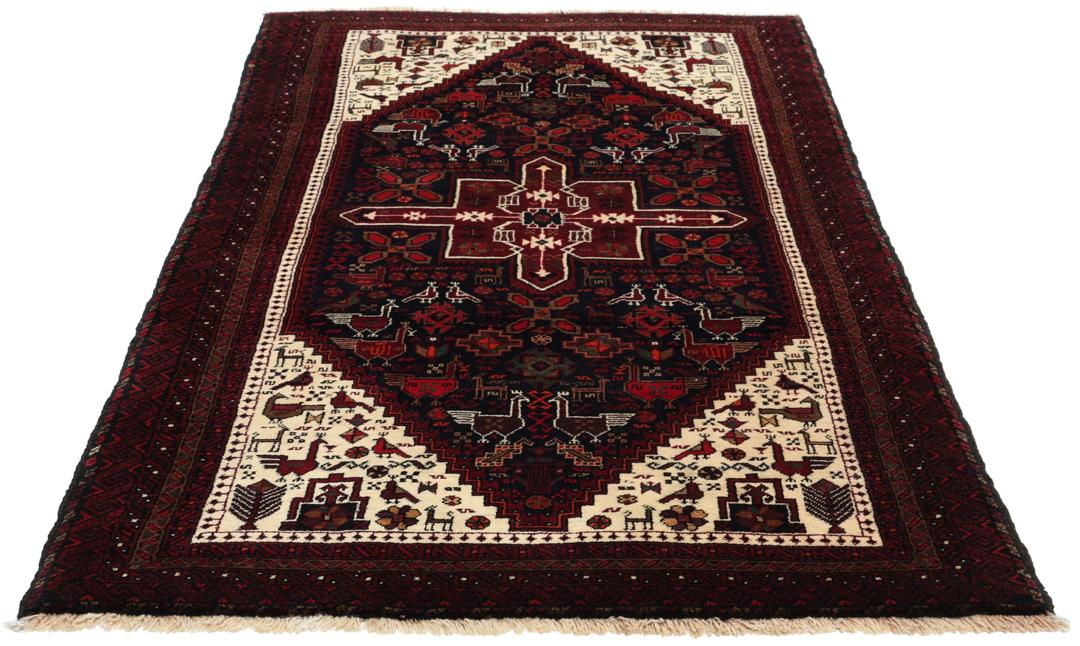
Baluch rugs originate from the nomadic and semi-nomadic tribes residing in the borderlands between the Middle East and Central Asia. These people have a long history of weaving, creating textiles that were historically essential for daily life, serving as transport bags, floor coverings, and tent decorations during their seasonal migrations.
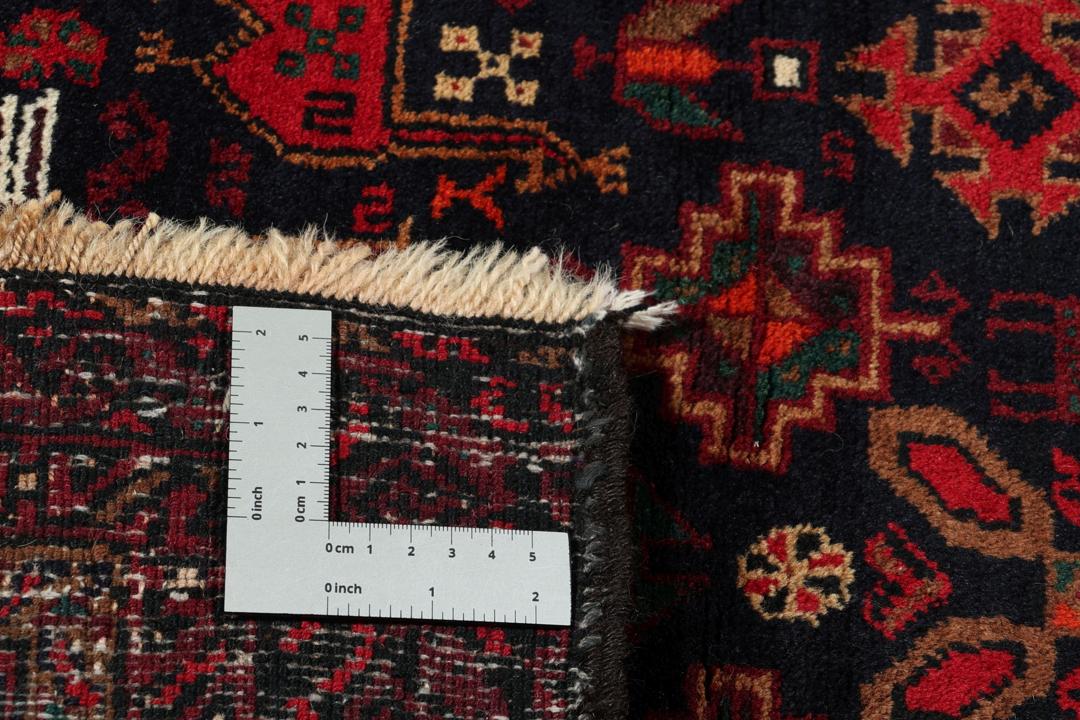
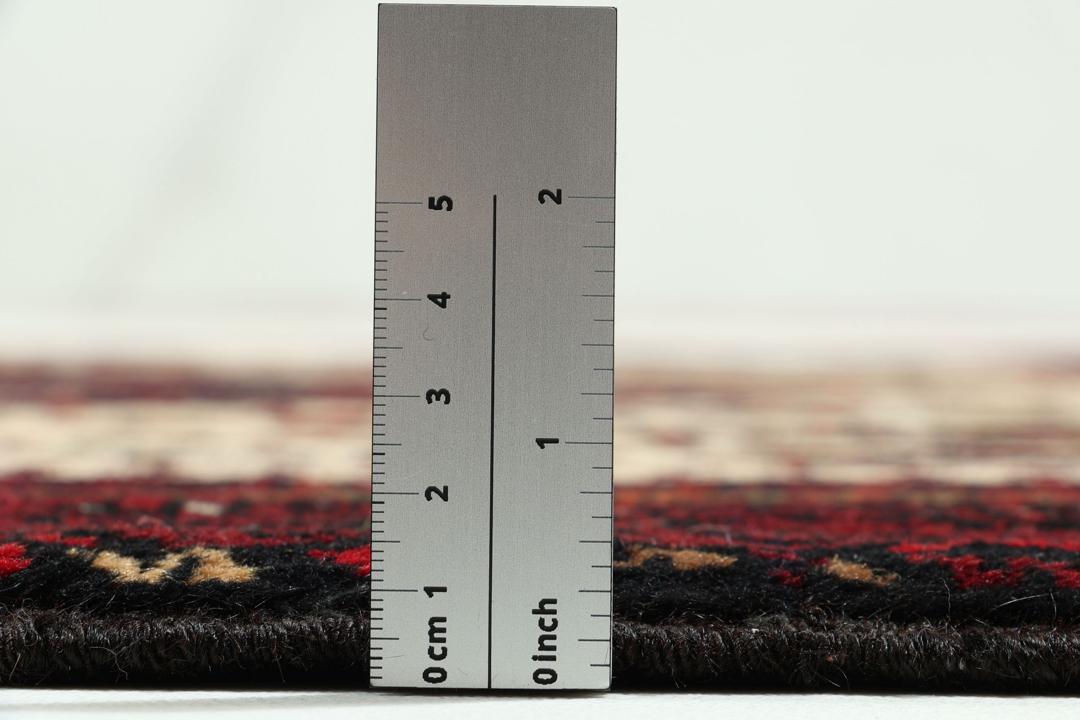
The term Baluch refers to these tribal origins and the specific weaving techniques that have been passed down through generations. These rugs are typically hand-knotted using wool for the pile, which is highly valued for its natural lanolin content, providing a soft yet incredibly durable finish that ages gracefully over time.
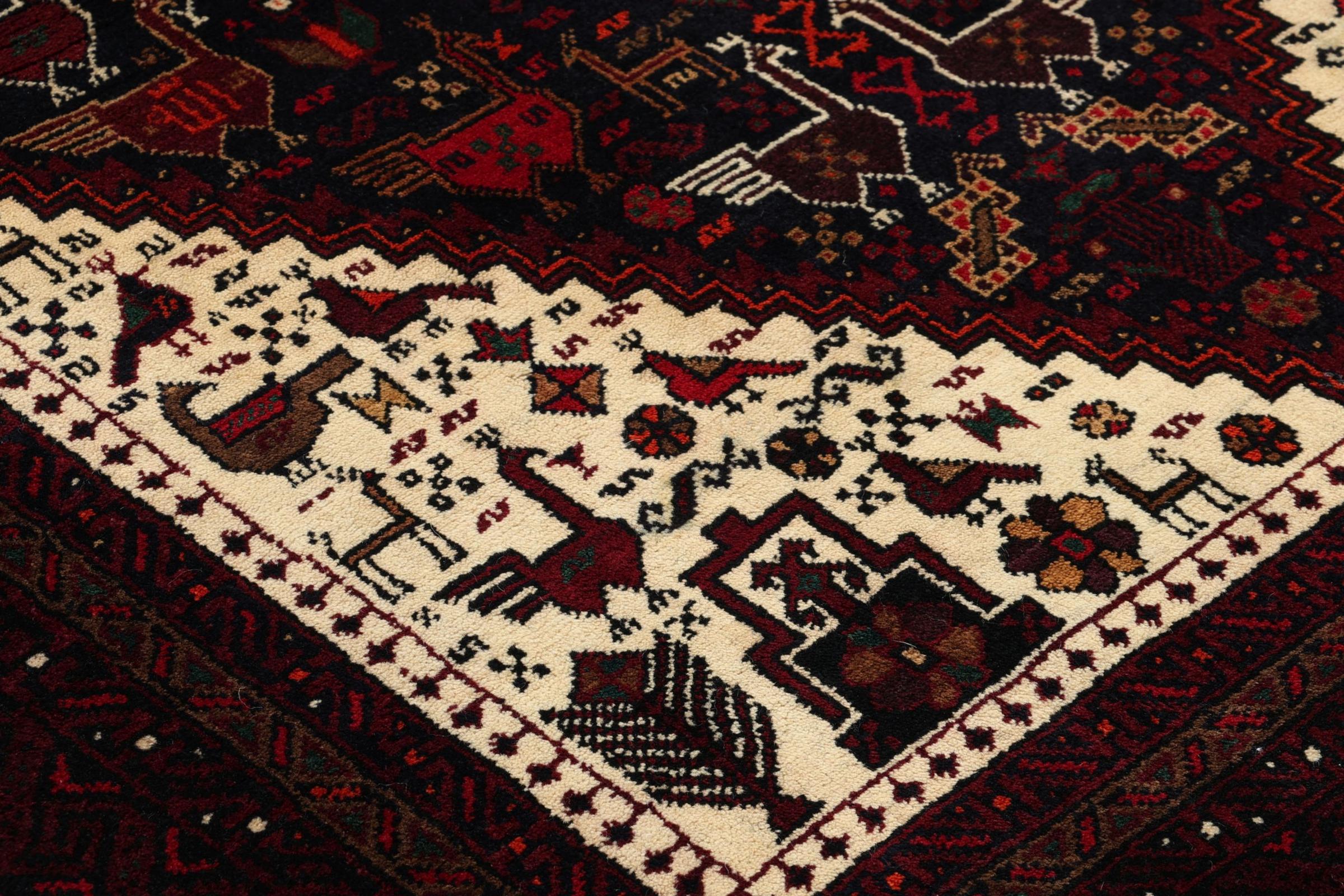
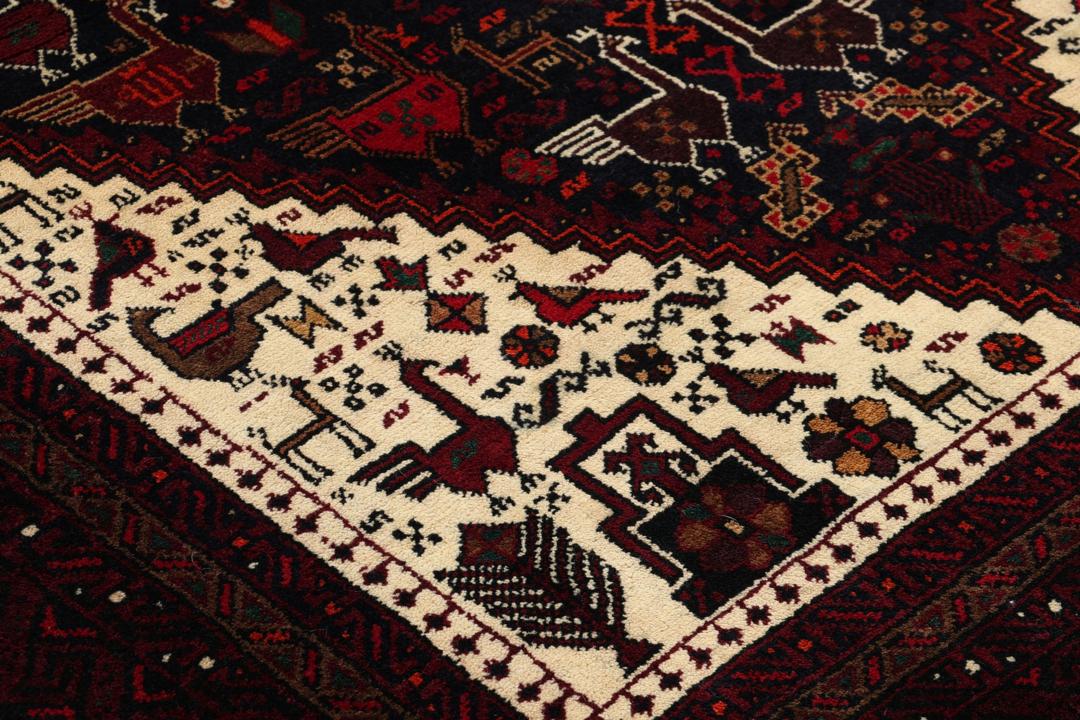
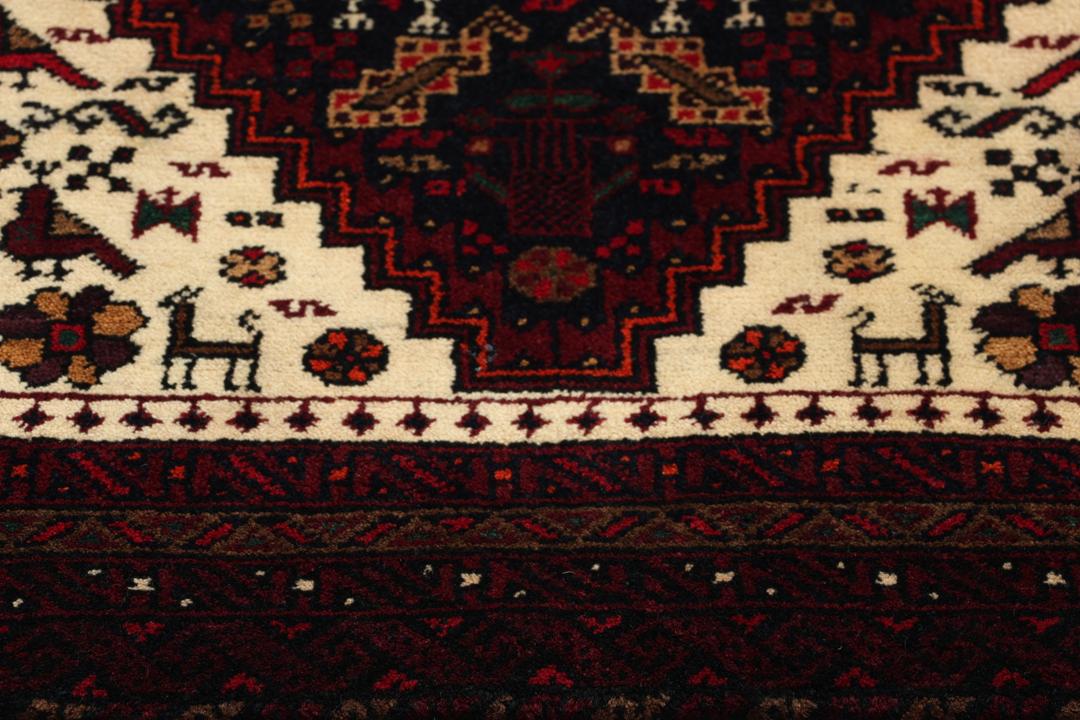
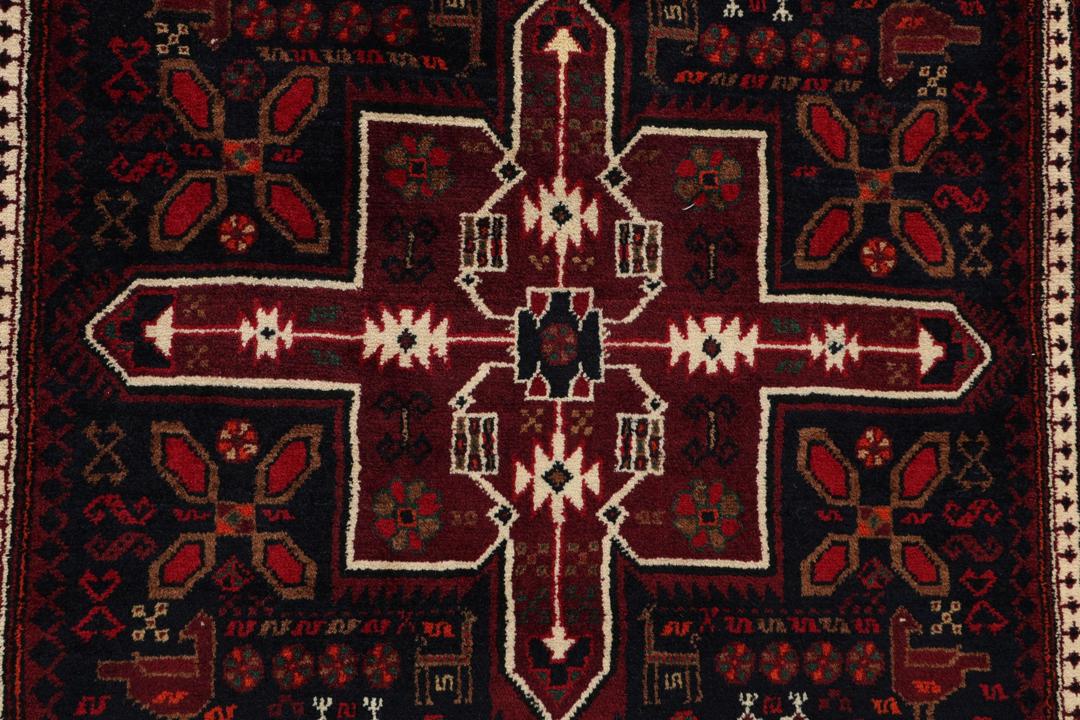
Signature design elements of these rugs often include geometric or pictorial motifs, such as stylized animals, birds, and intricate borders. The use of deep, earthy colours, particularly dark-reds and dark-blues, is traditional, though each weaver brings their own creative interpretation to the composition, making every rug a unique reflection of the weaver's personal vision and tribal heritage.
Collecting these rugs is an investment in cultural history. Because they are produced in limited numbers by individual families, they are highly regarded by enthusiasts who value the human element behind the craft. Owning a piece from this tradition means preserving a legacy of skill and creativity that has survived for centuries.