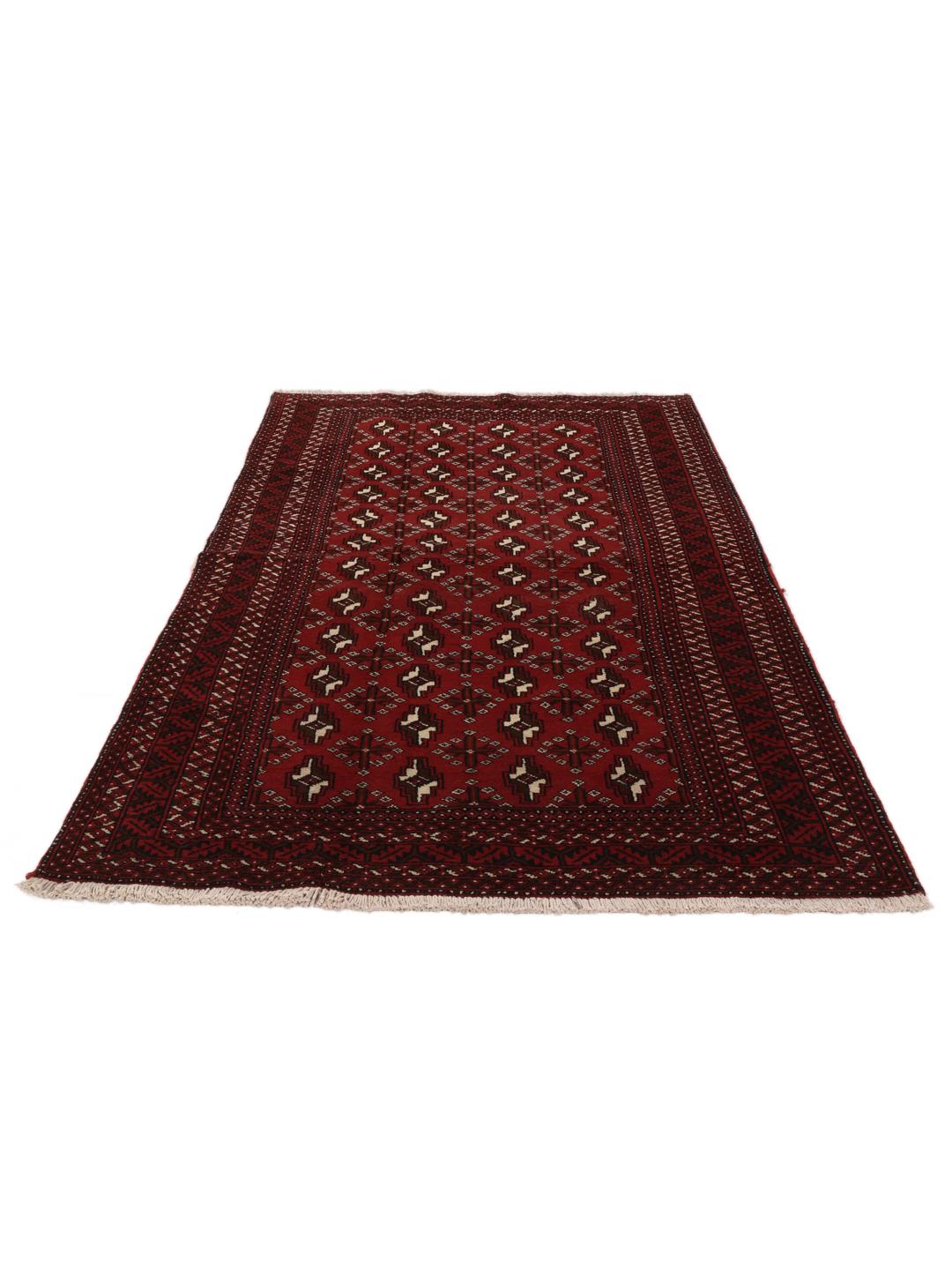
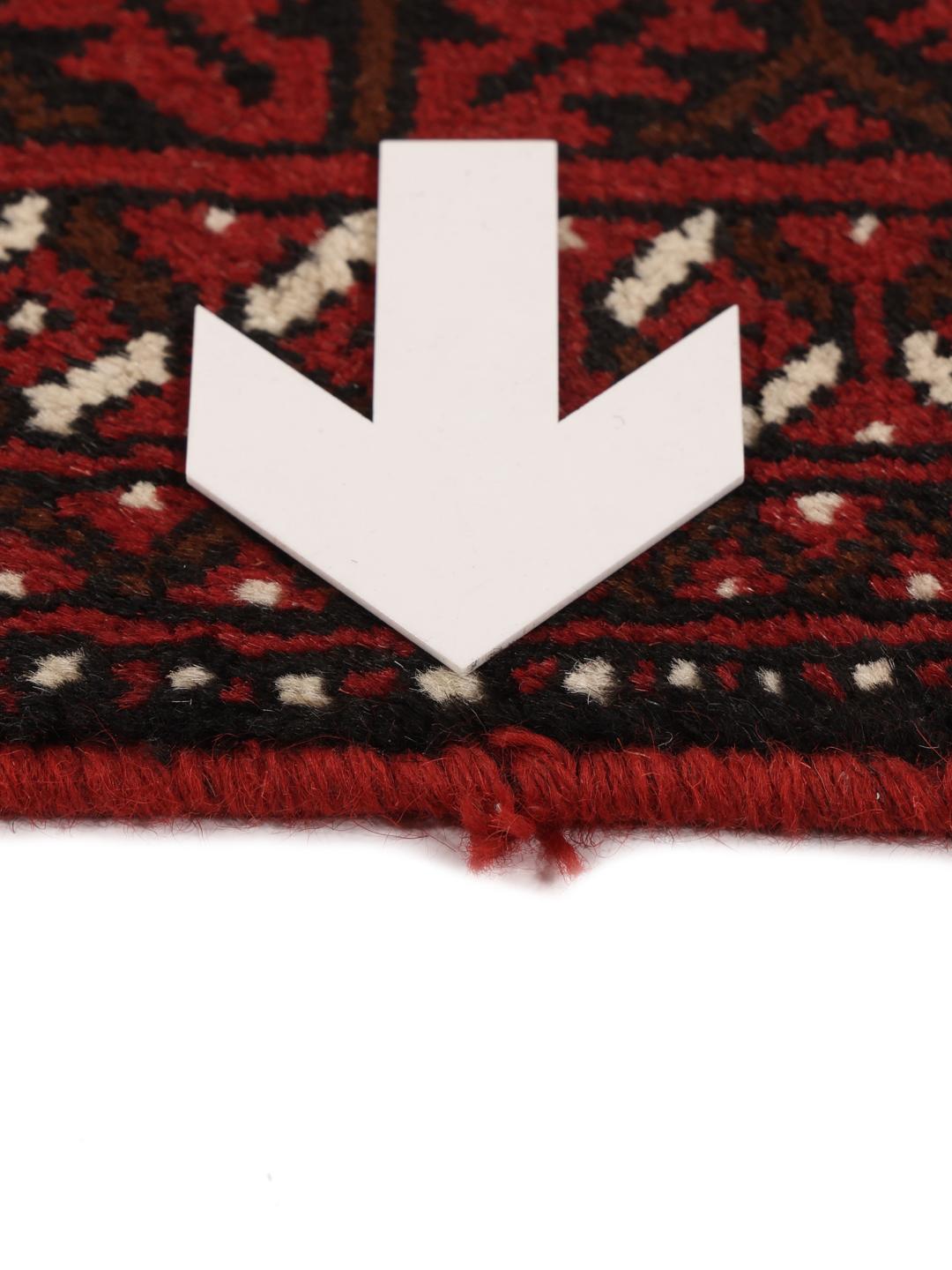
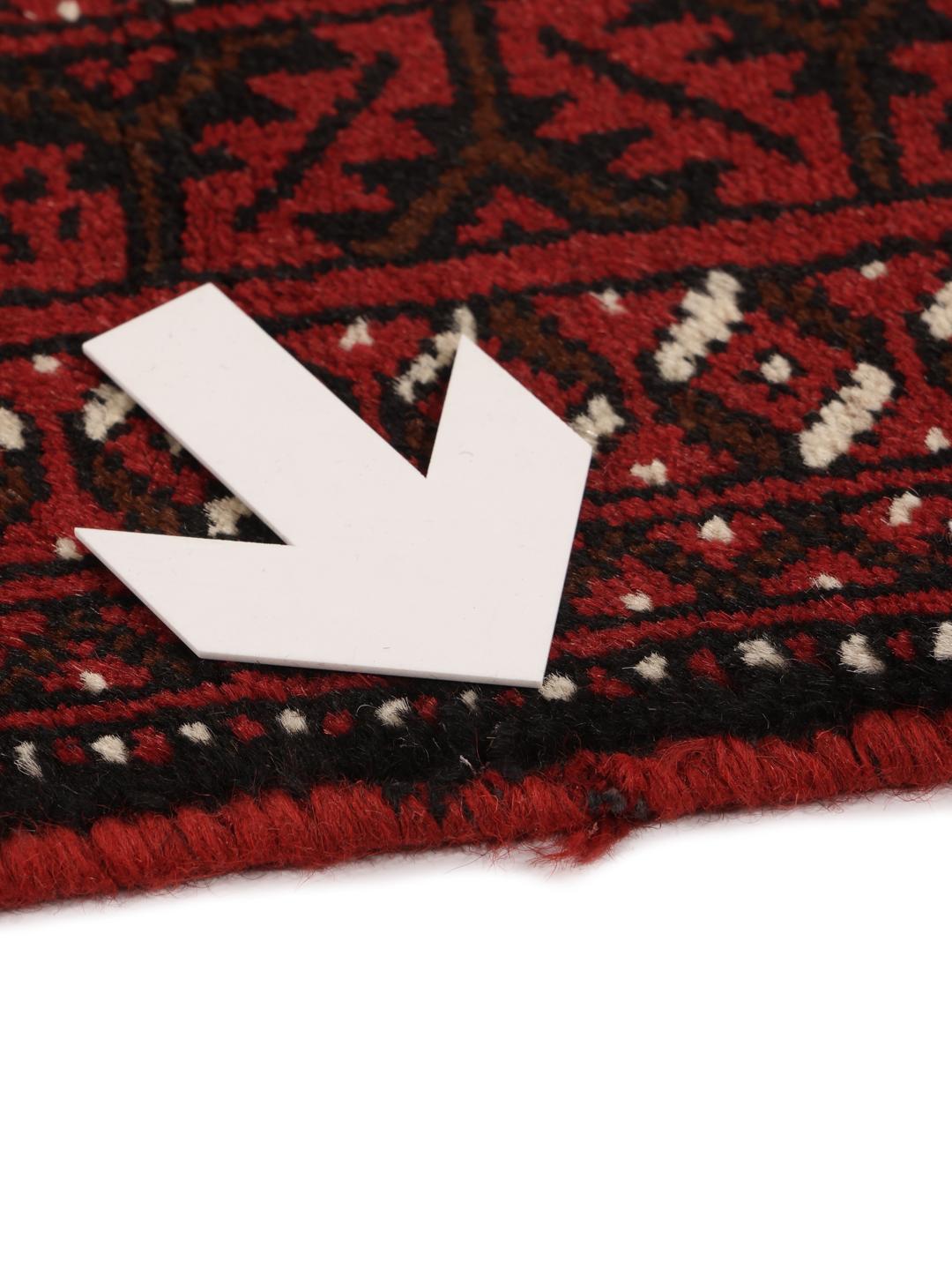
The Baluch rugs originate from the nomadic and semi-nomadic tribes residing in the border regions of the Middle East. Historically, these tribes moved across vast, rugged landscapes, and their weaving traditions reflect a deep connection to their environment. The rugs were originally created for practical use, such as floor coverings, bags, and blankets, and were designed to be portable yet incredibly durable.
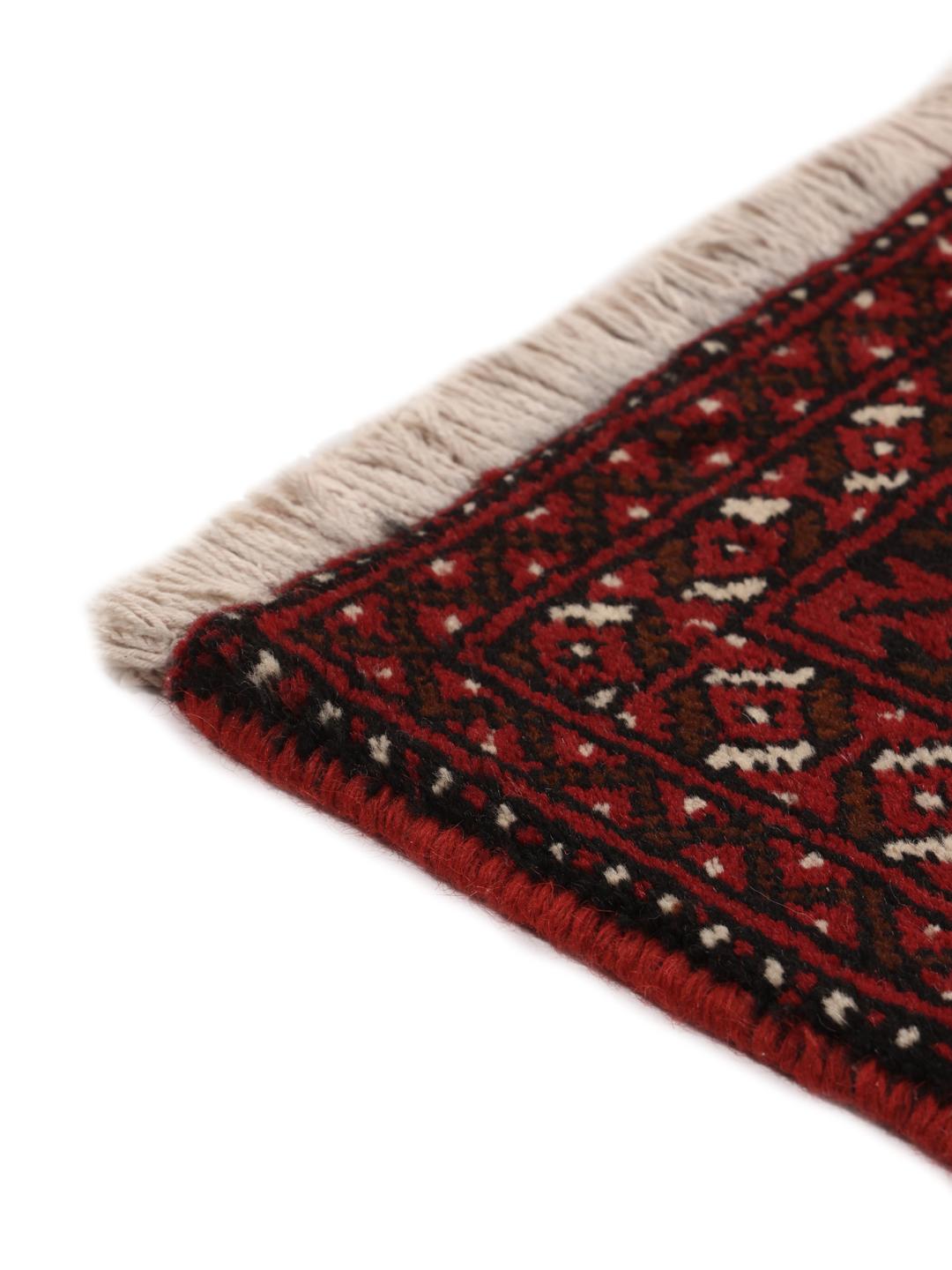
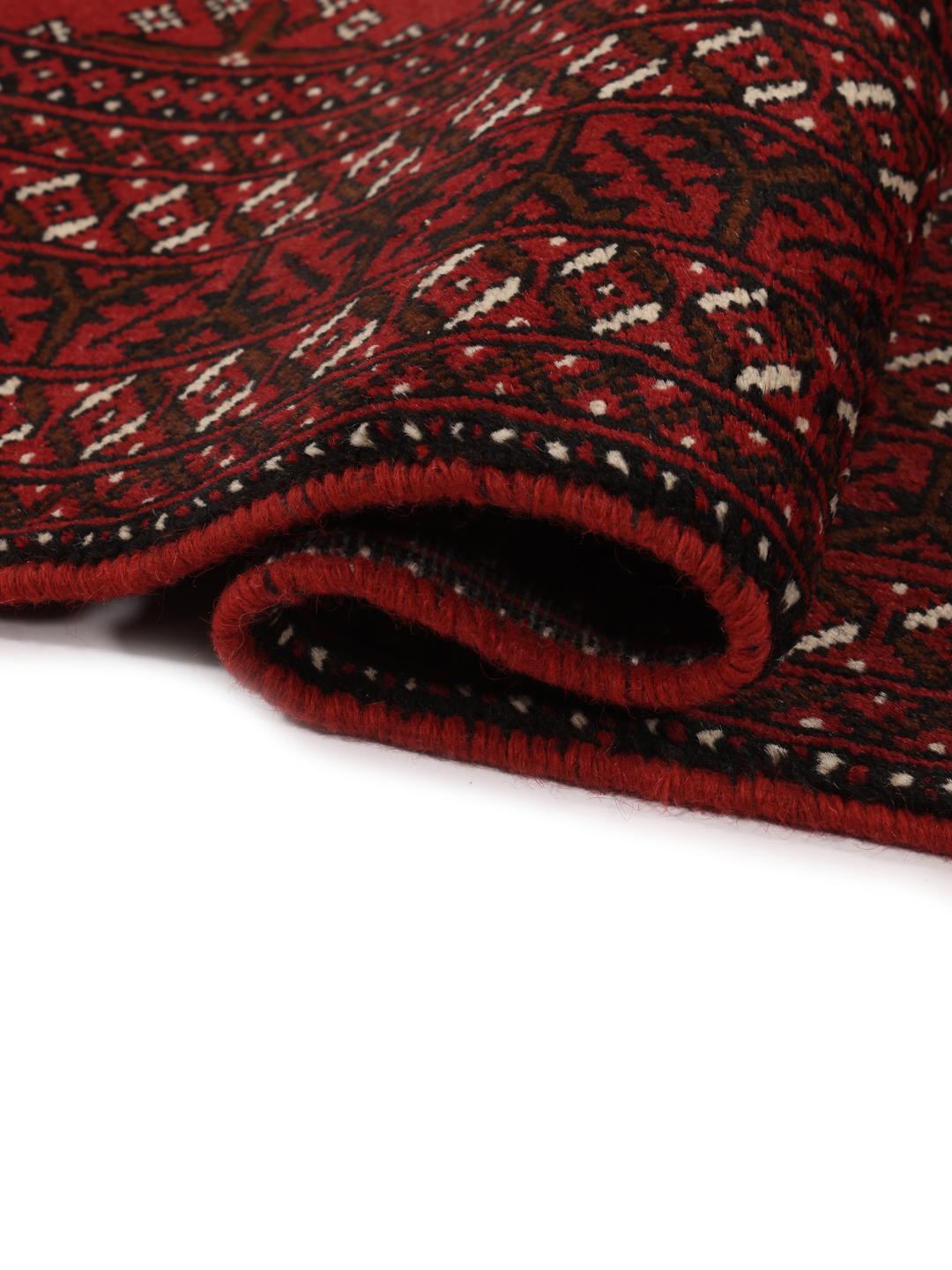
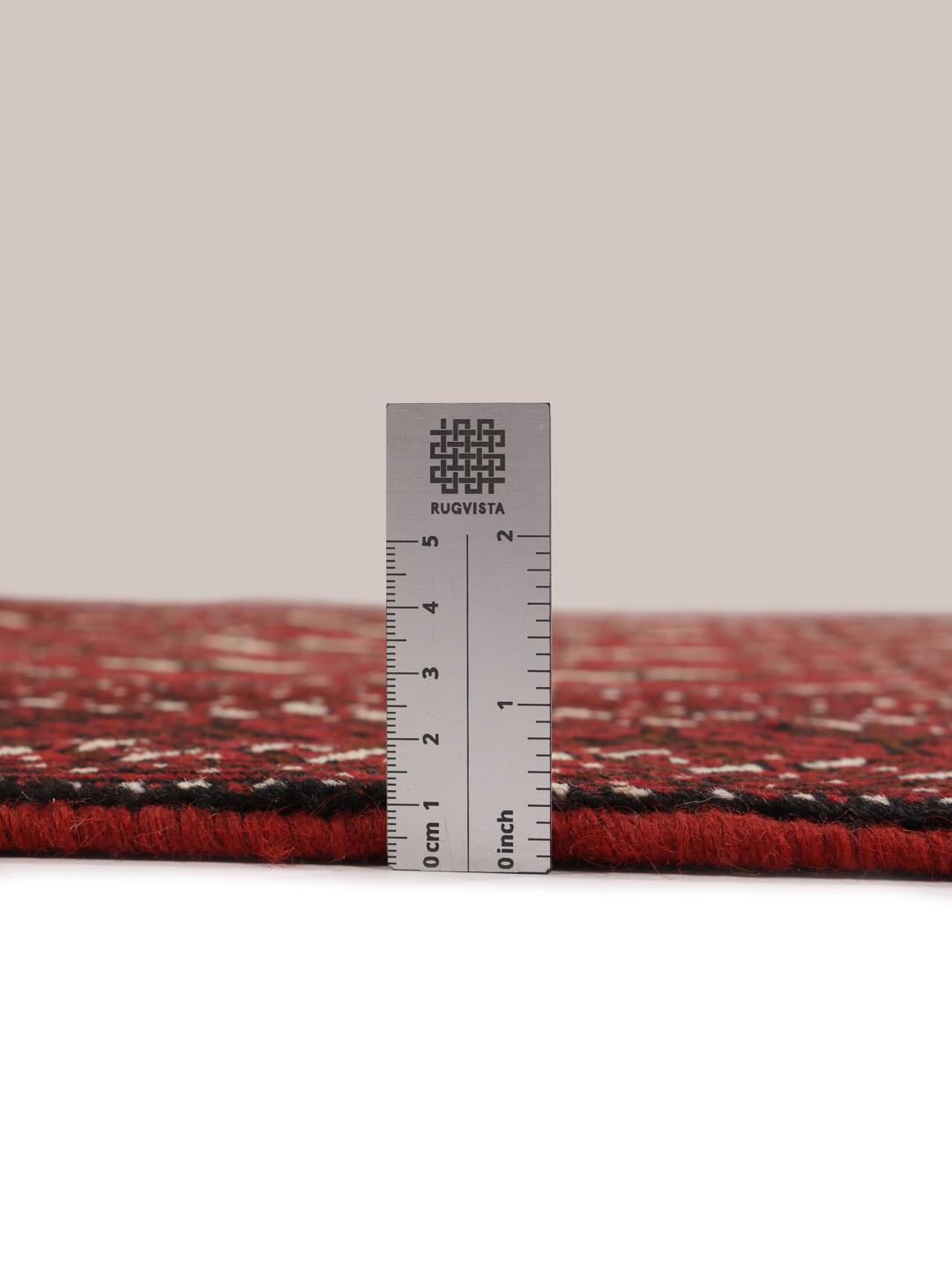
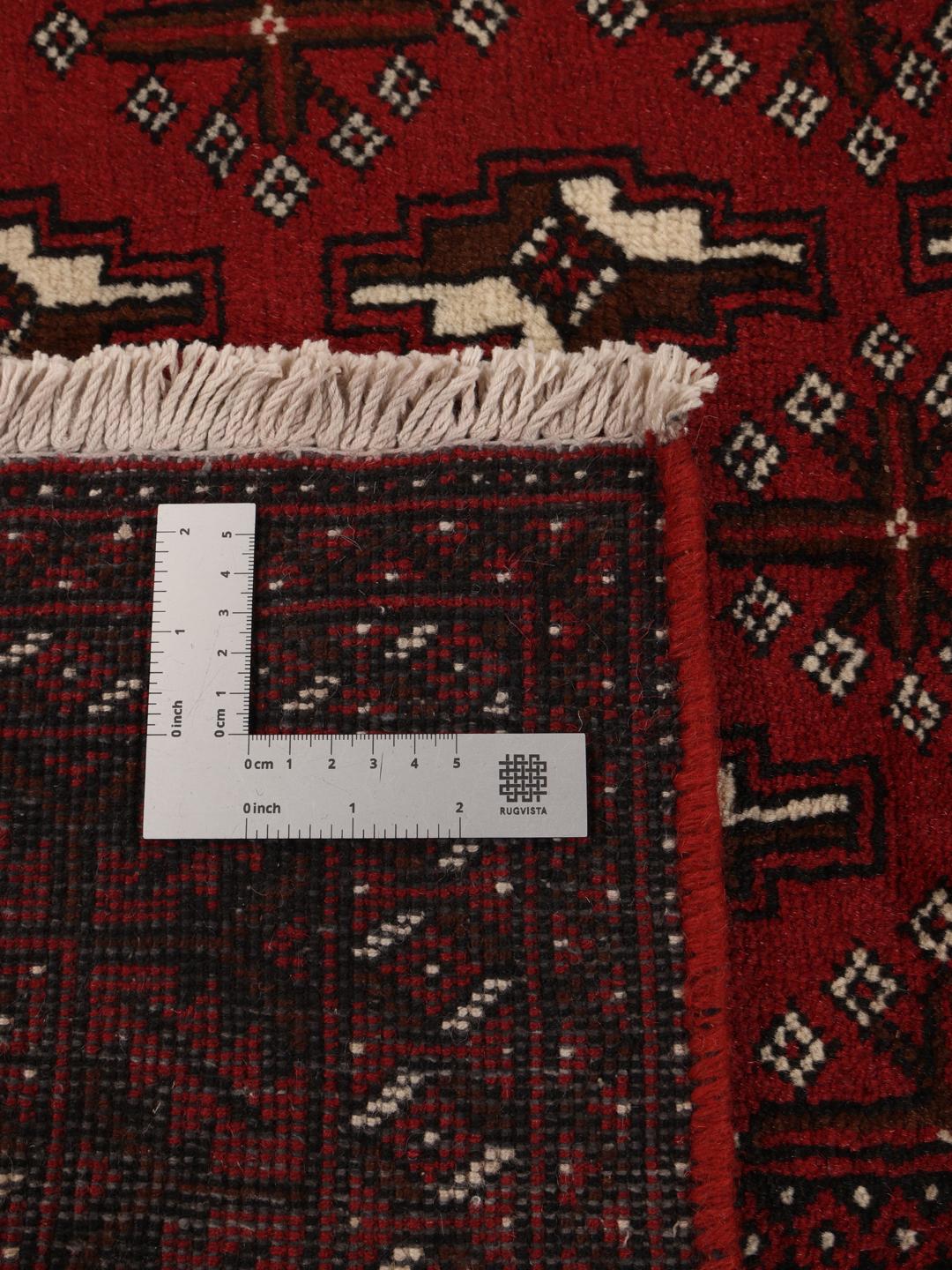
Technical excellence is at the heart of Baluch weaving, often utilising a specific construction that emphasises durability. The wool used is typically sourced from sheep raised in the region, which is known for its high lanolin content, providing a natural lustre and resistance to wear. This quality of material, combined with expert knotting, results in a finish that is both soft to the touch and remarkably resilient against the passage of time.
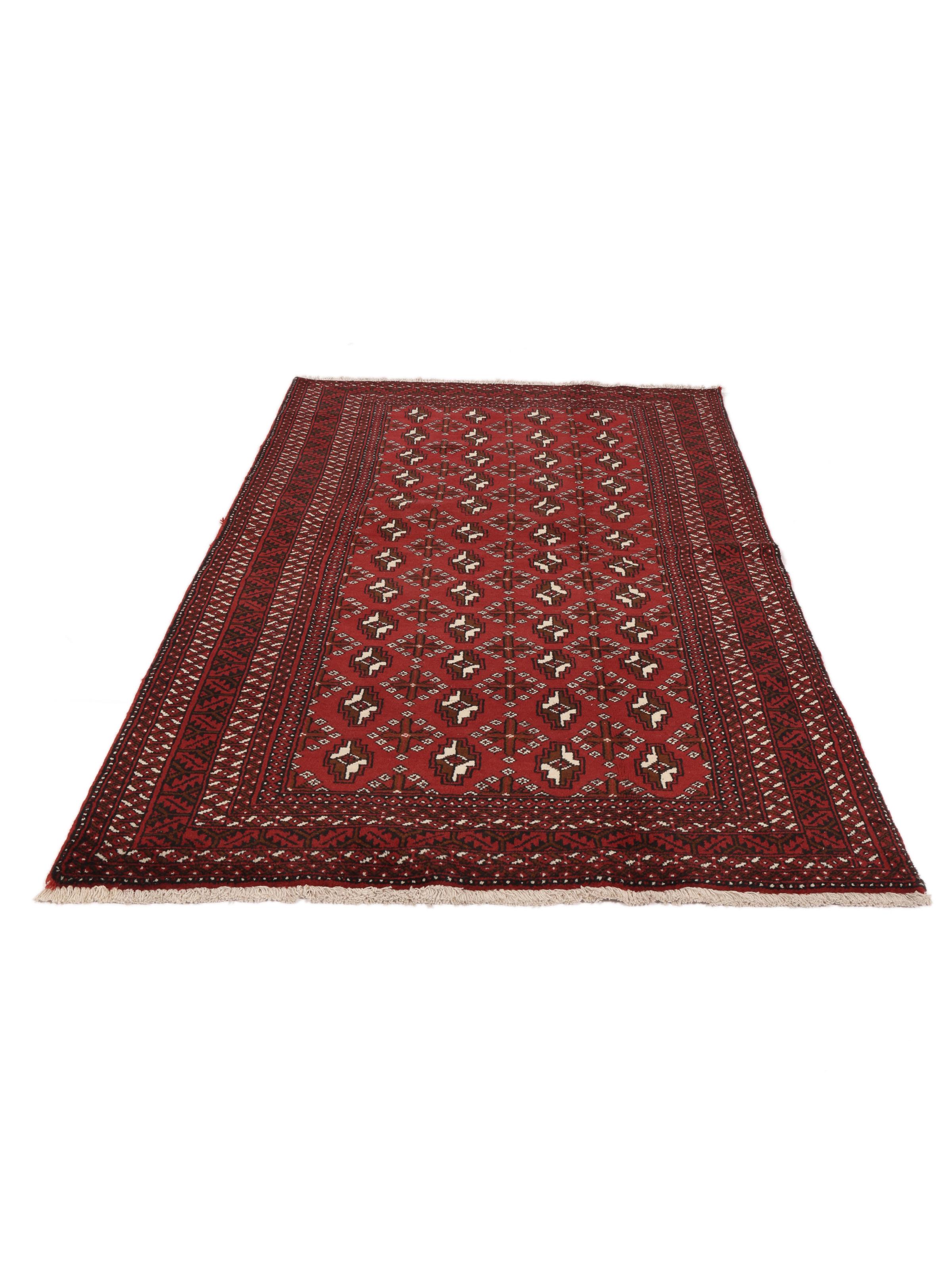
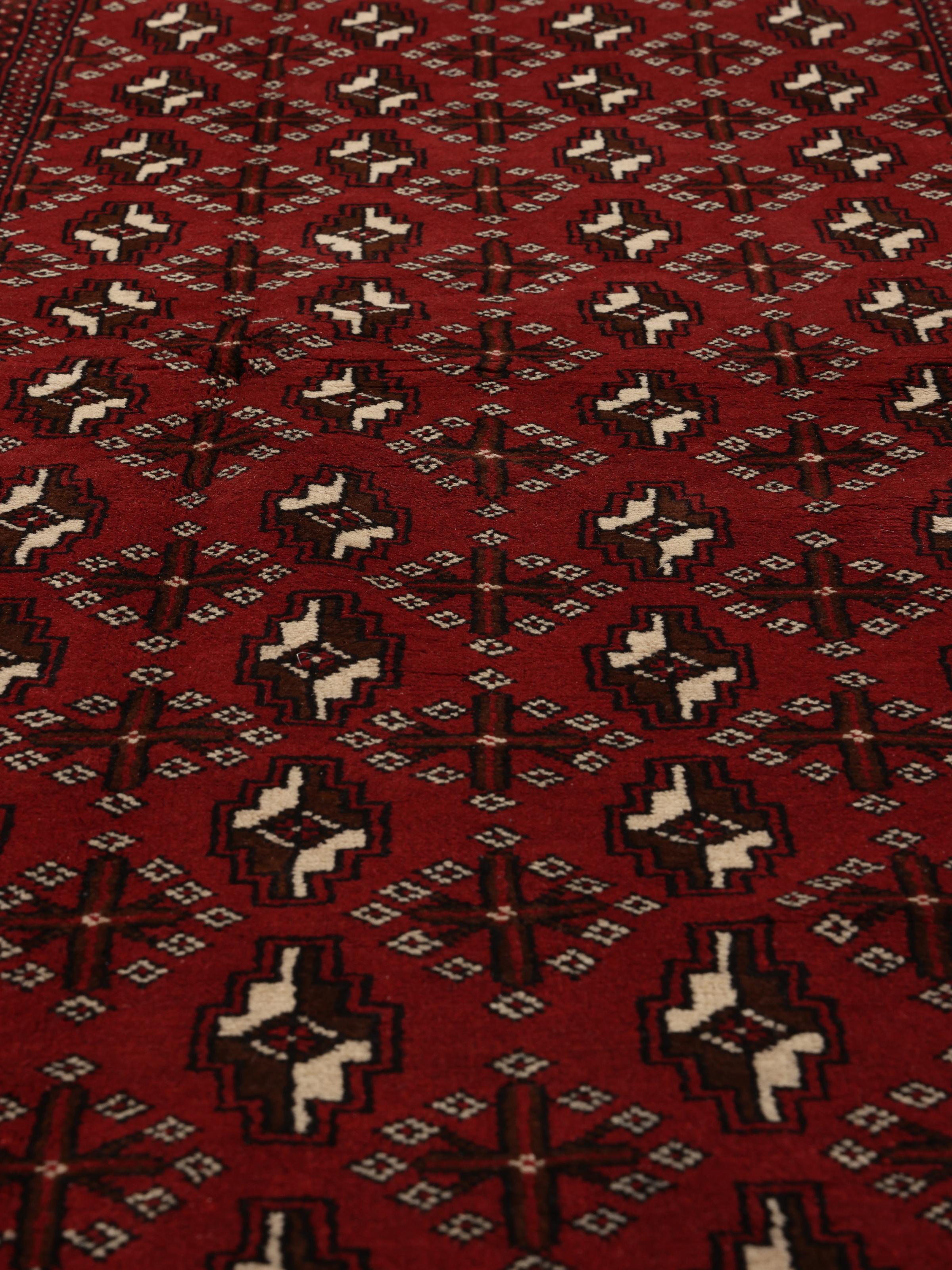
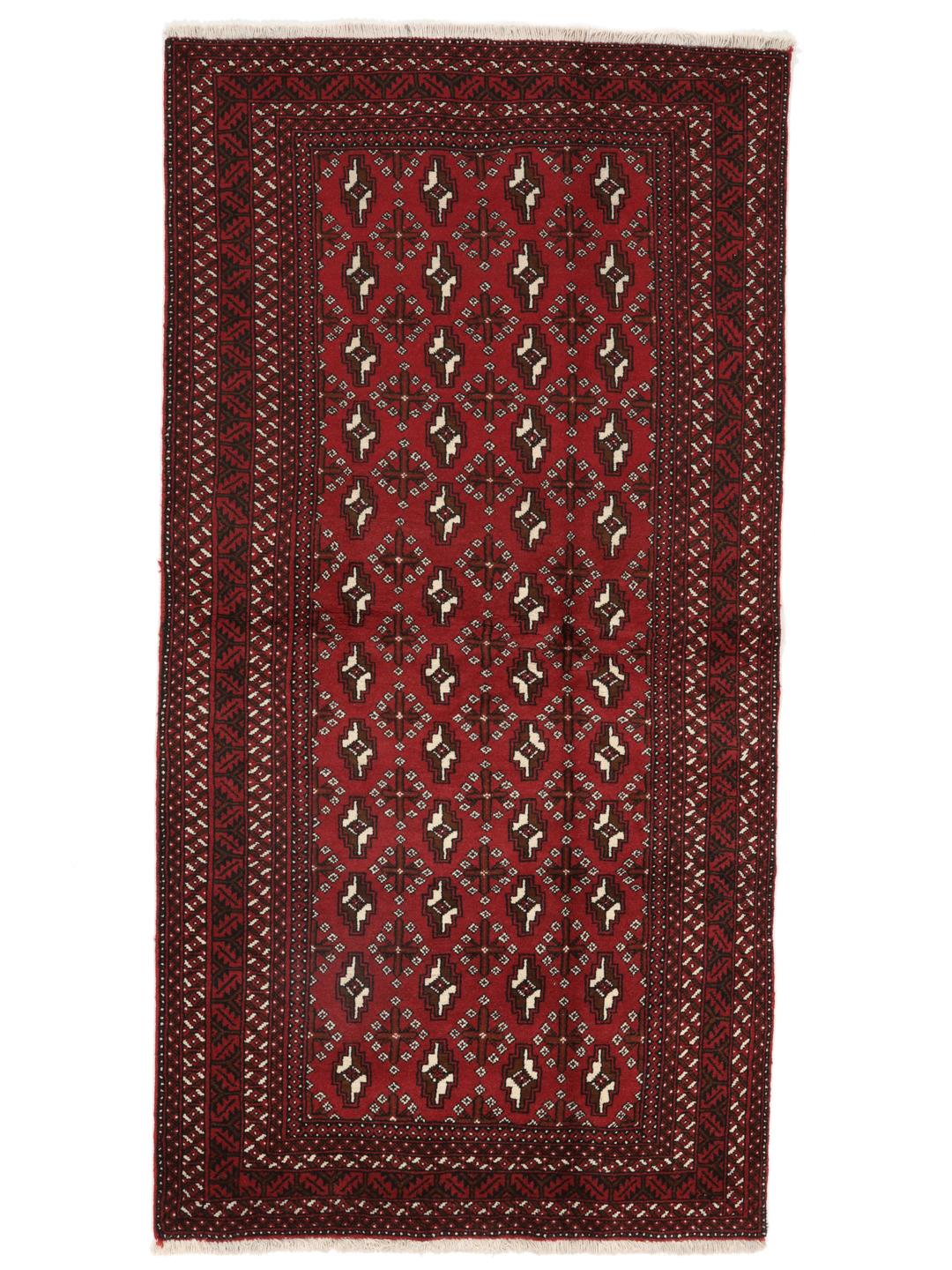
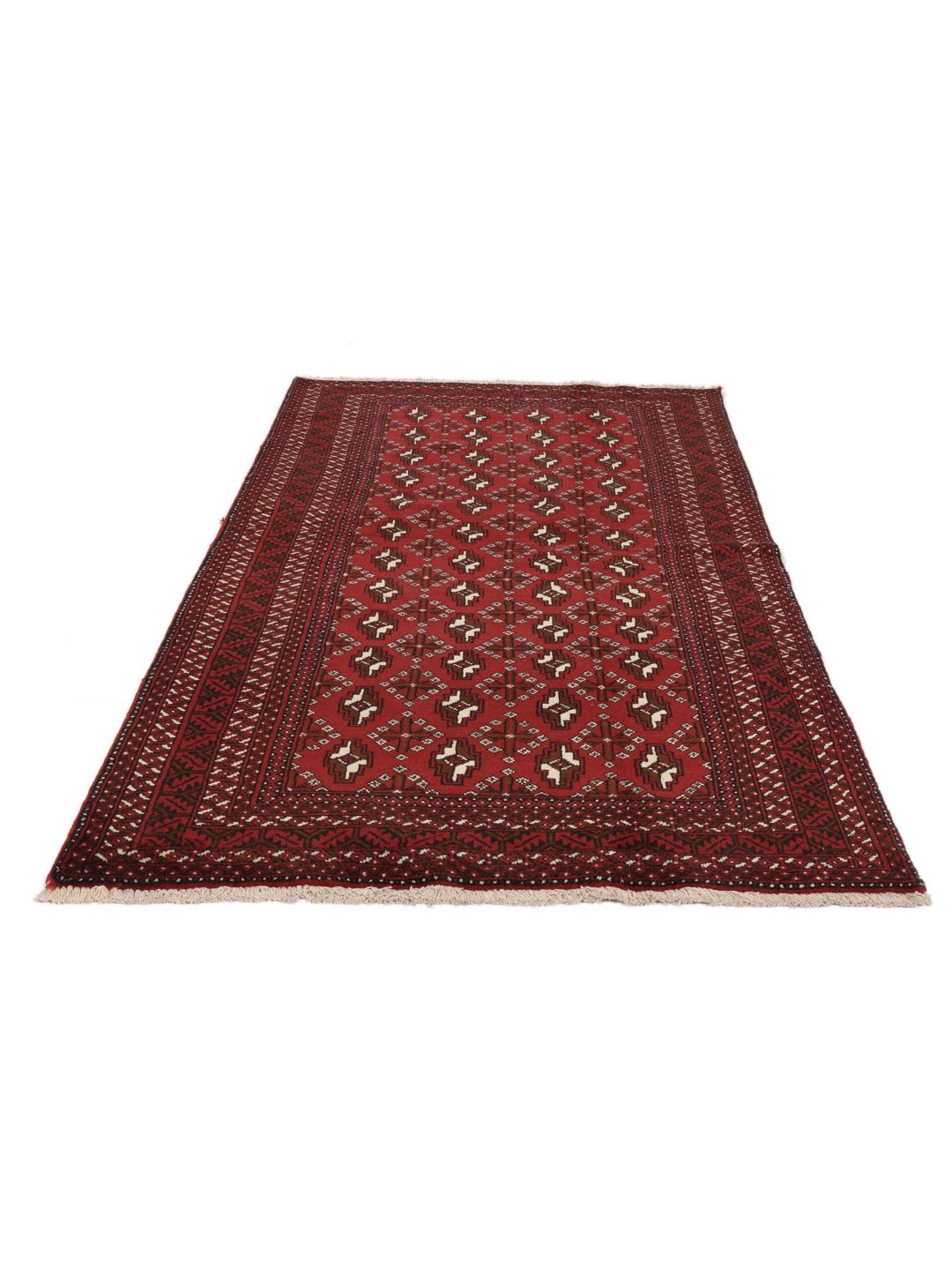
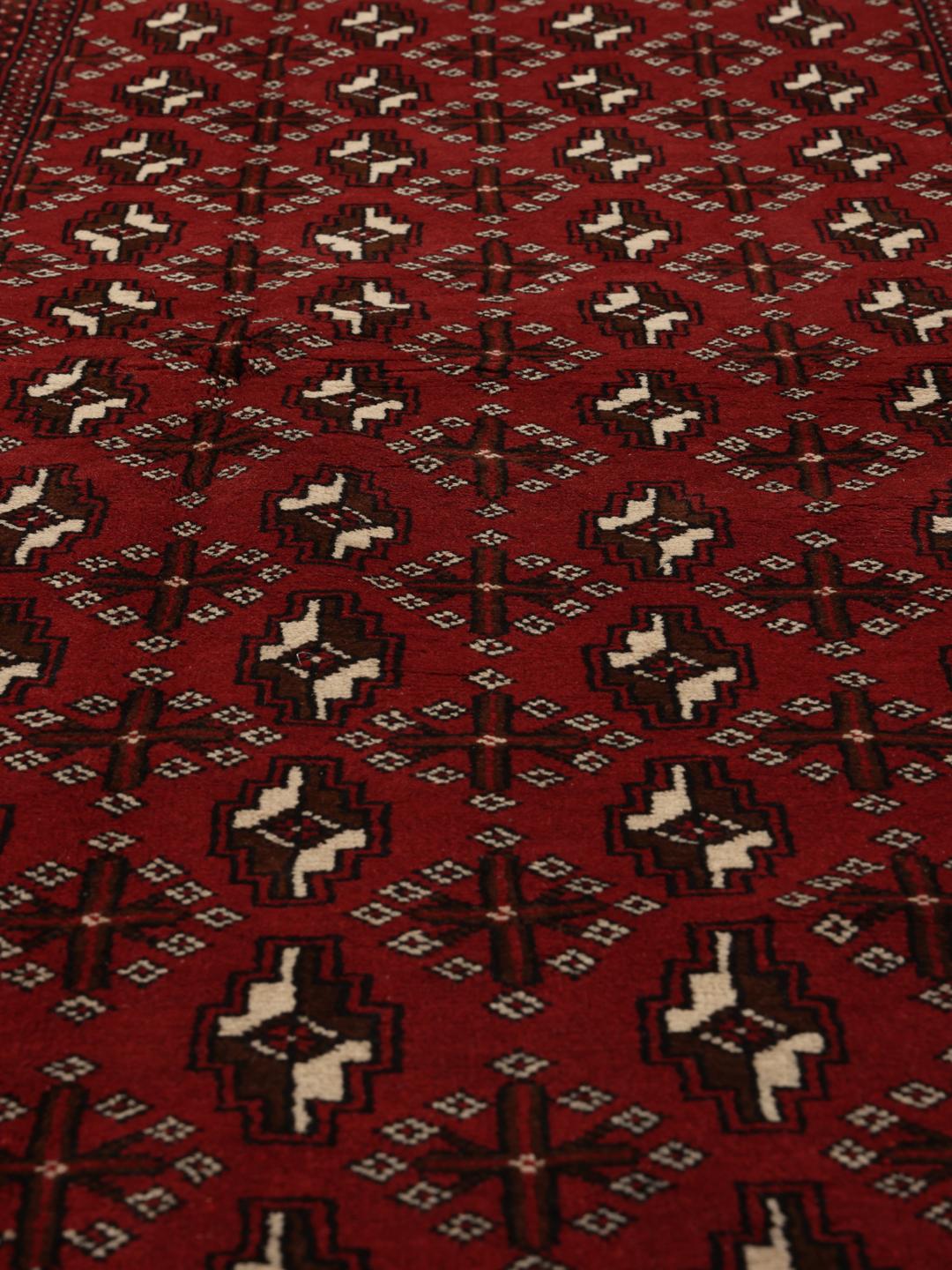
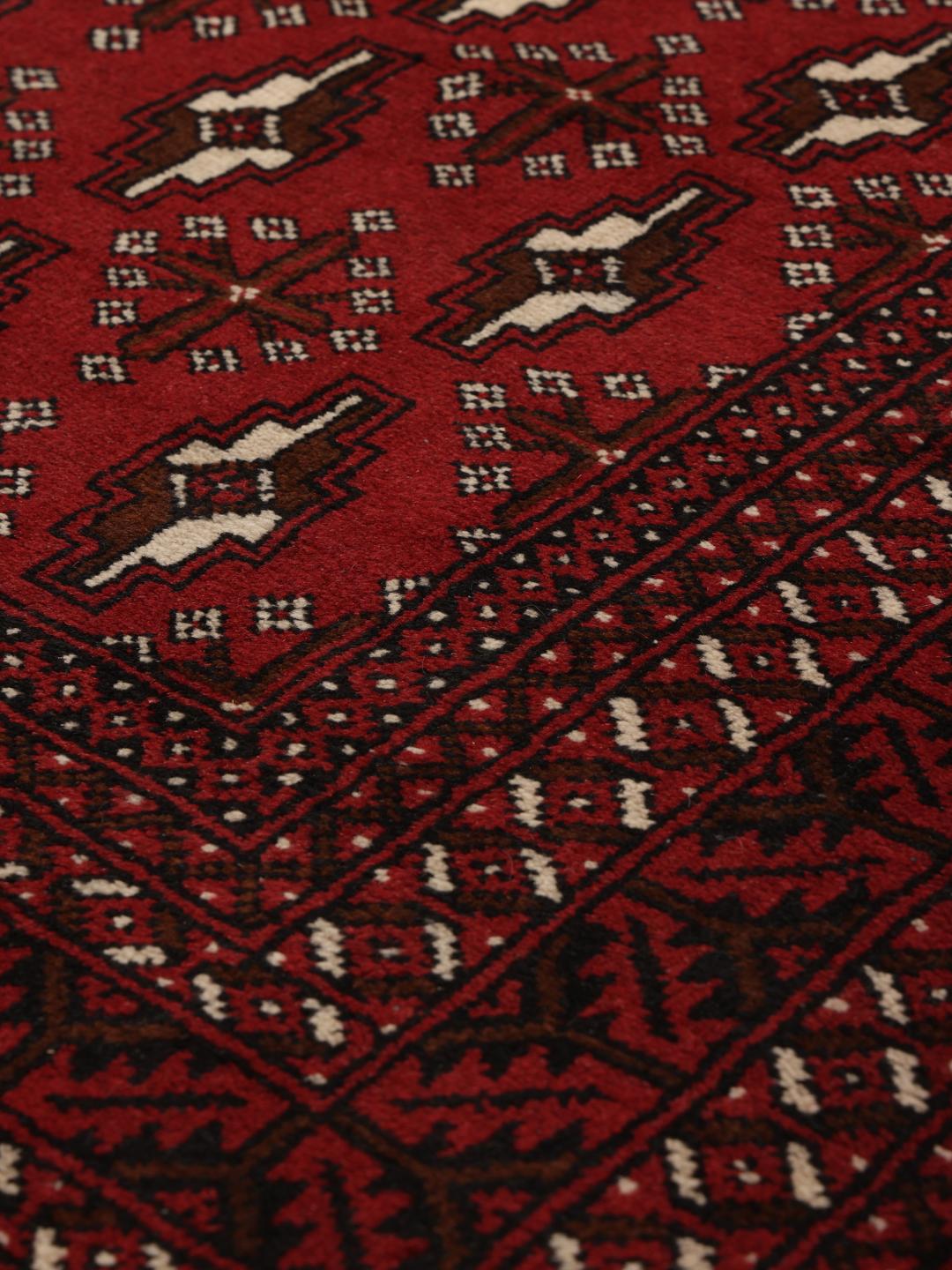
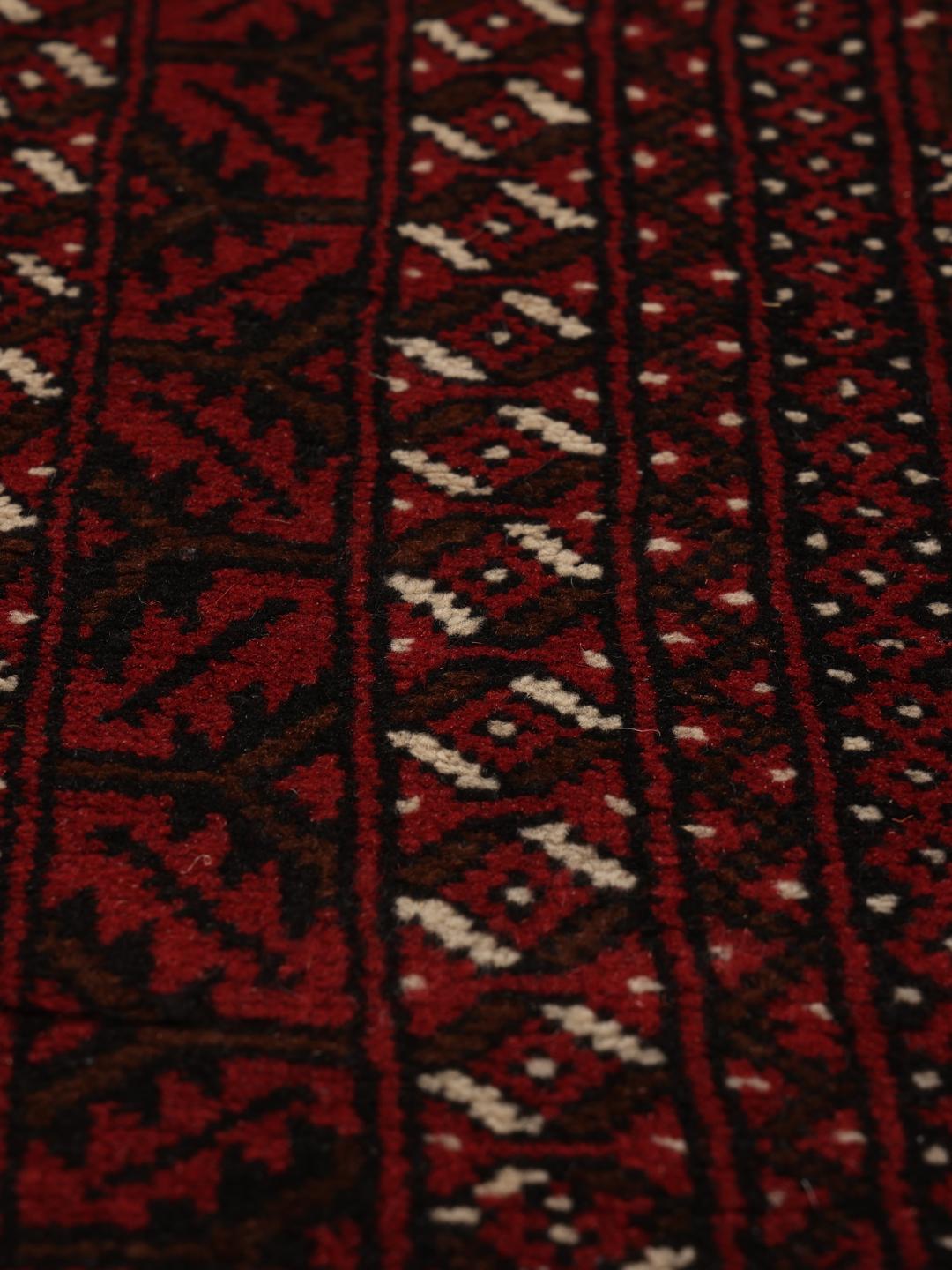
The visual language of these rugs is defined by a distinctive tribal aesthetic, often featuring geometric motifs, stylised floral elements, and symbolic patterns that have been passed down through generations. The borders are frequently decorated with intricate, repetitive designs that frame the central field. While traditional colour palettes often focus on deep reds, browns, and blacks derived from natural dyes, each weaver adds their own creative touch to the composition.
Today, these rugs are highly sought after by collectors and enthusiasts who value the cultural narrative and the artistic skill they represent. Owning a Baluch rug is more than just a decor choice; it is an acquisition of a heritage craft that connects your modern home to a long, rich history of nomadic artistry. They are cherished for their ability to bring a grounded, authentic presence into any space, standing as a testament to the skill and cultural identity of their makers.