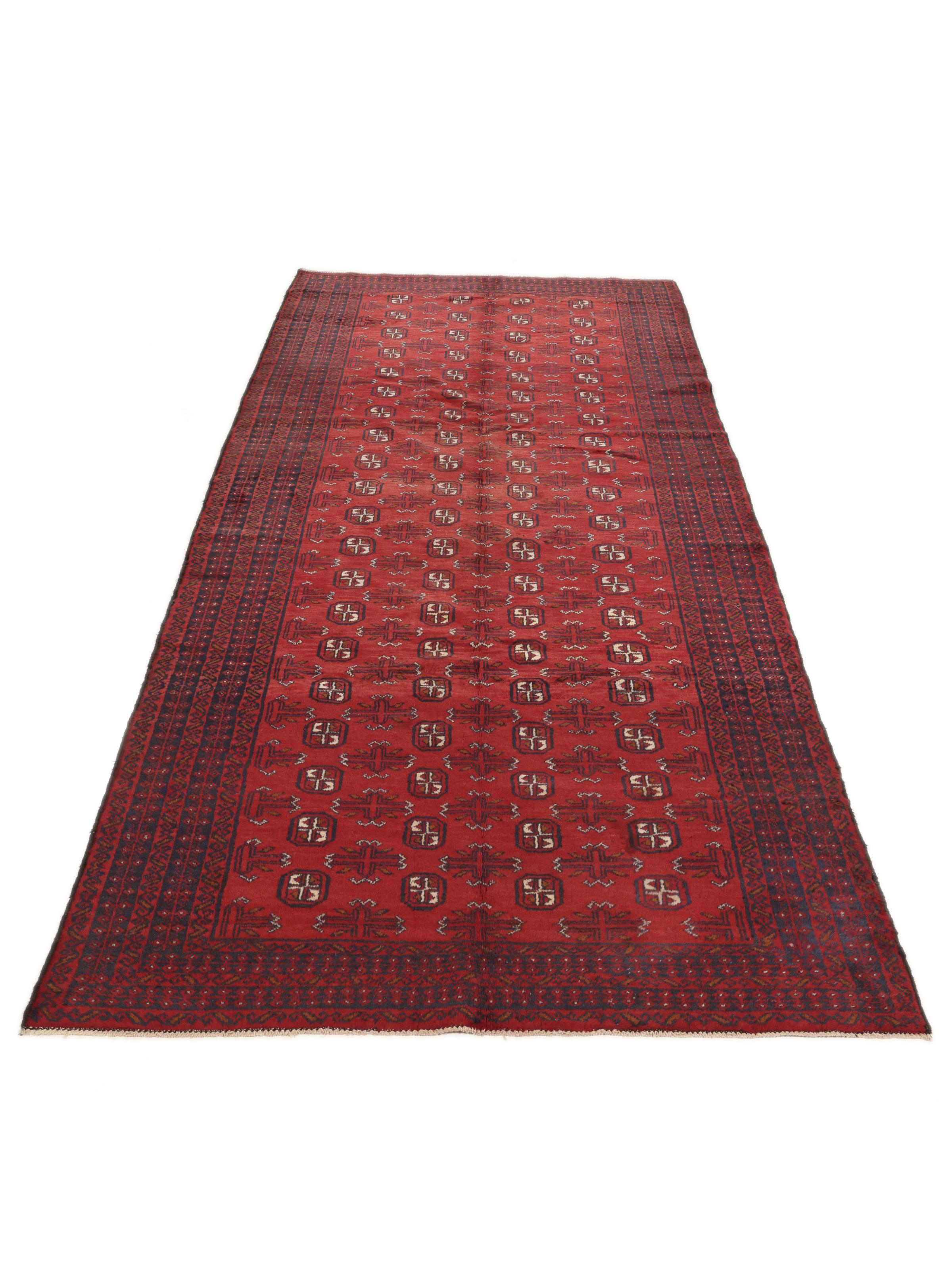
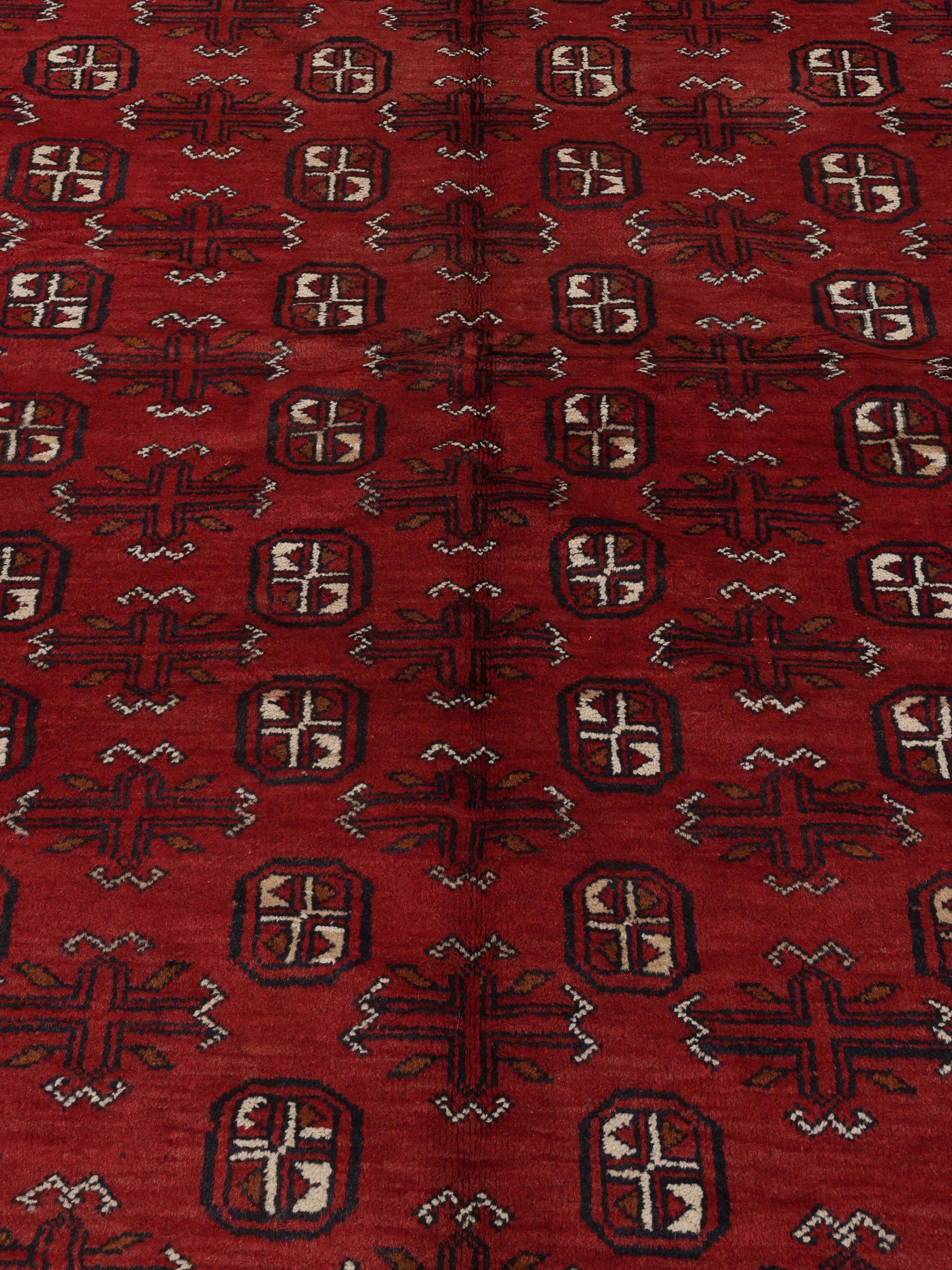
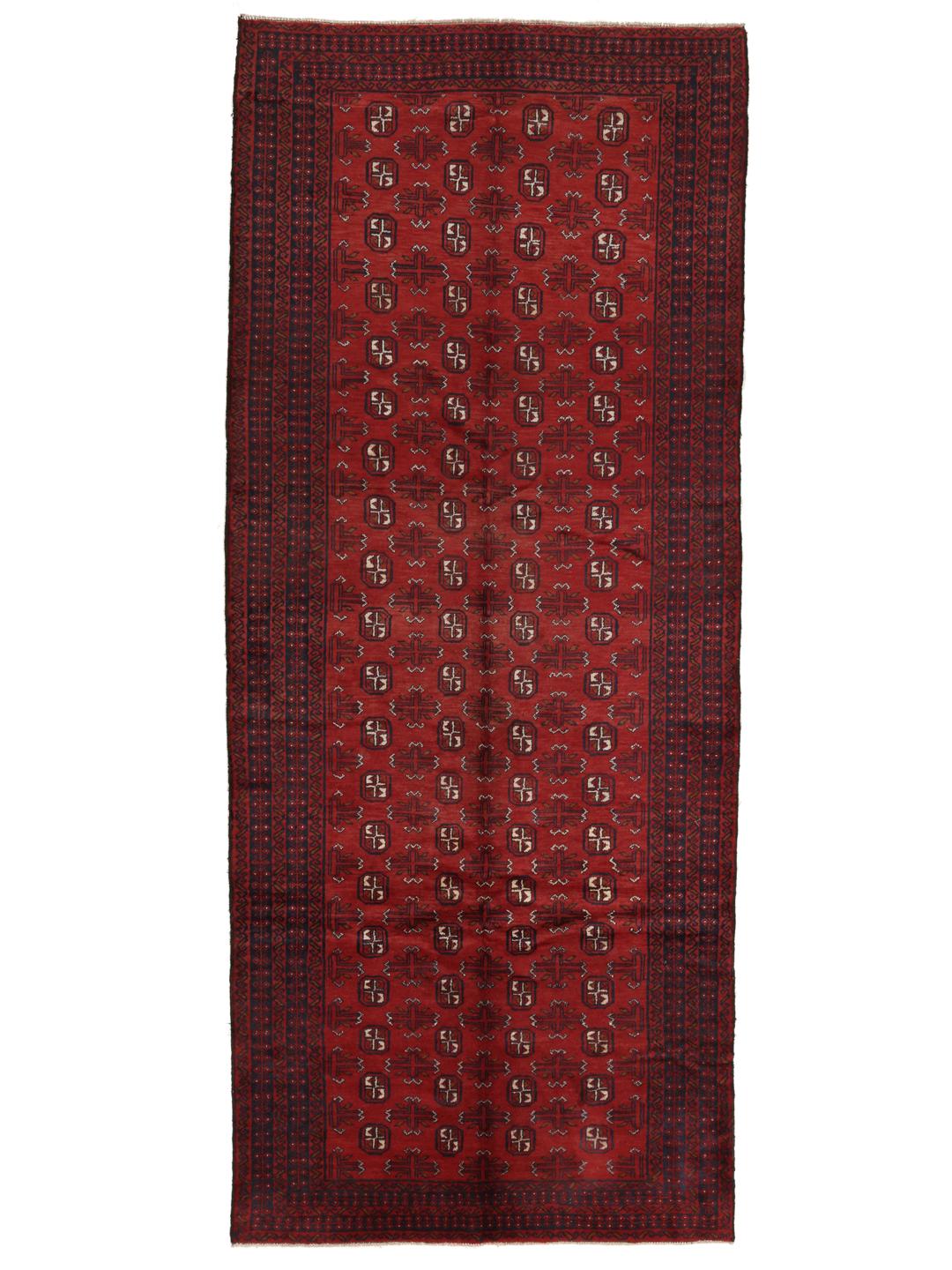
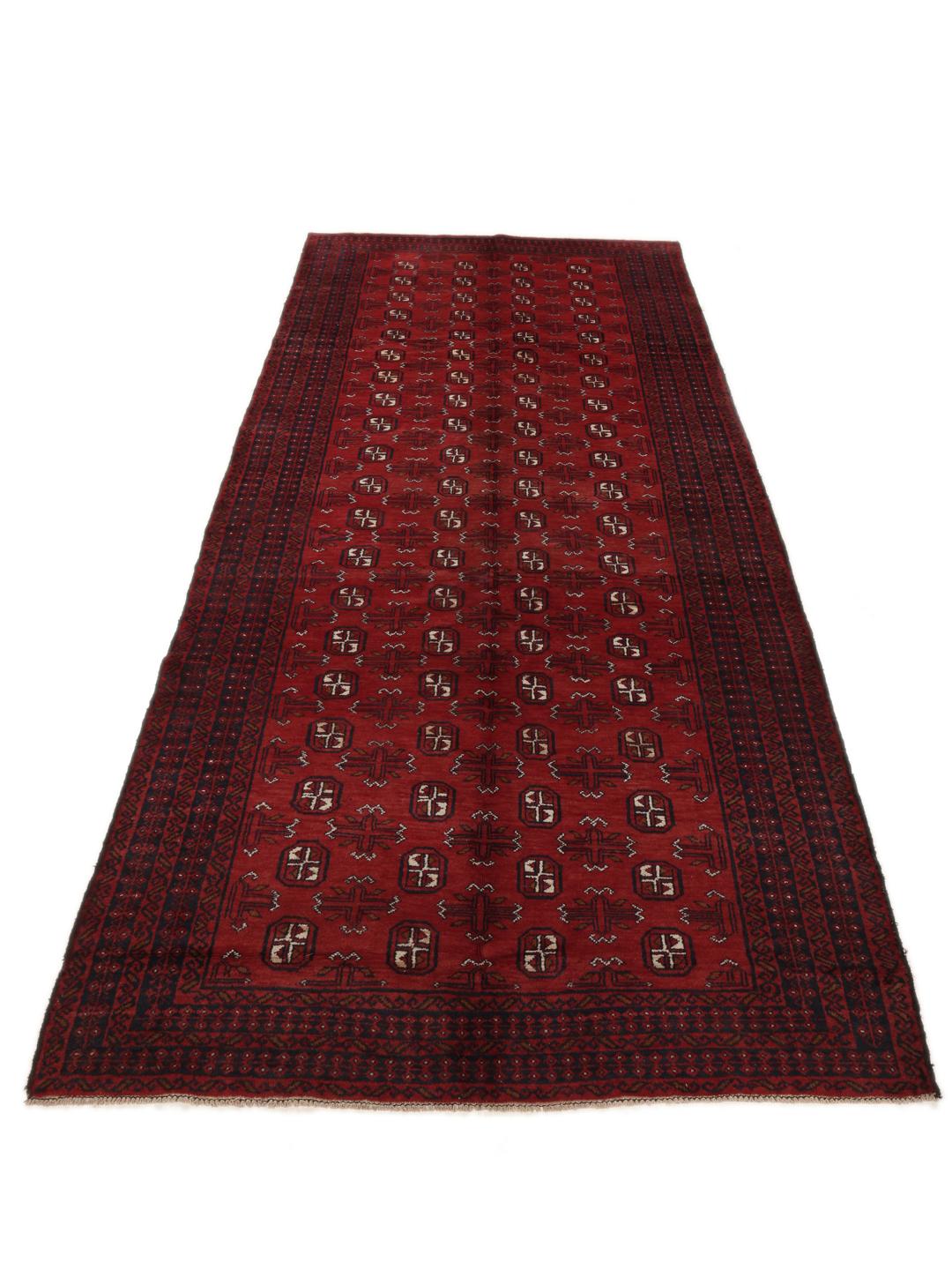
The Beluch rugs originate from the nomadic and semi-nomadic tribes of the Baluchistan region, a vast area spanning parts of Afghanistan, the Middle East, and Pakistan. These rugs have long been a means of artistic expression for the tribal weavers, who draw upon a visual vocabulary passed down through centuries of migration and cultural exchange.
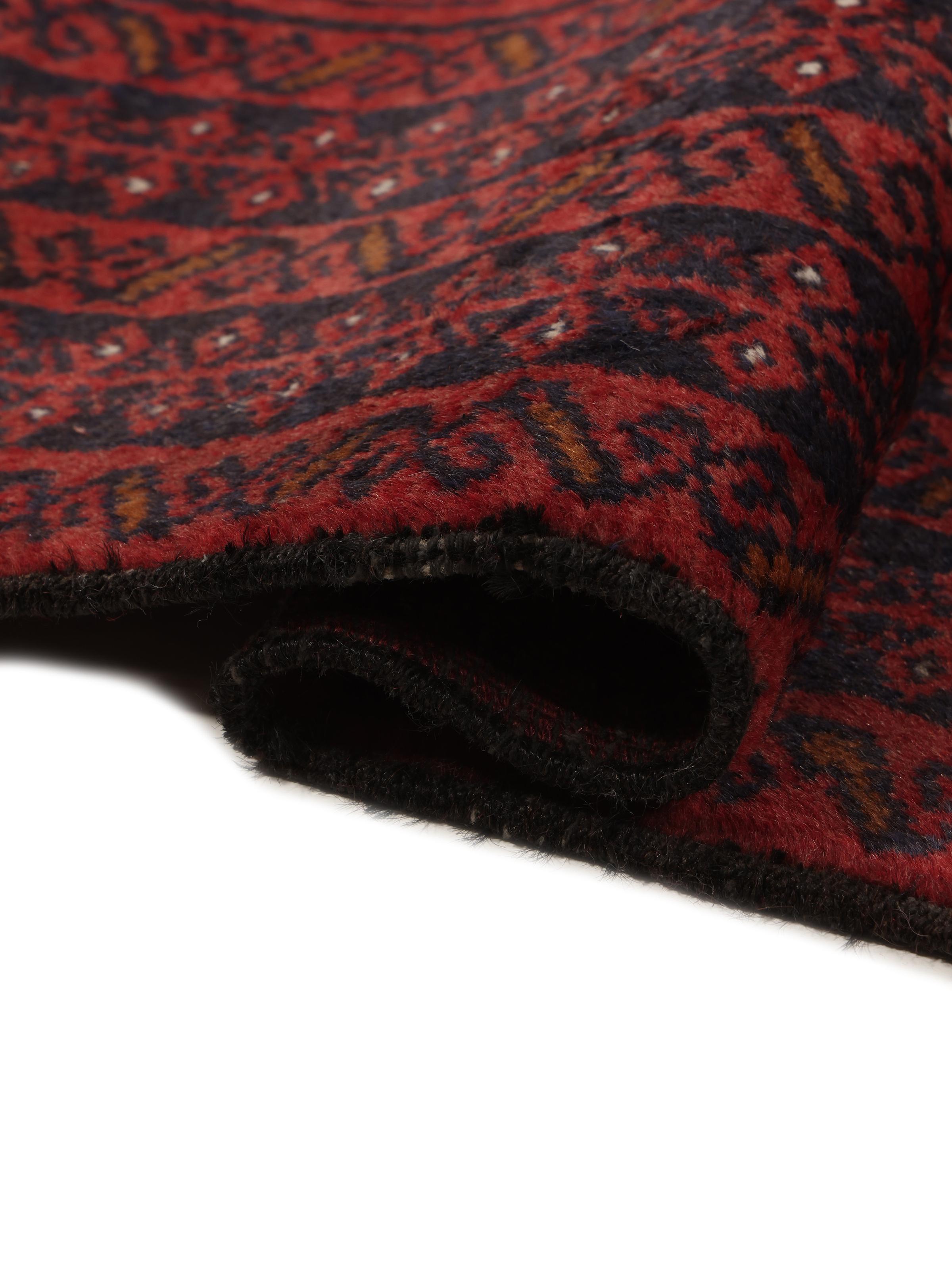
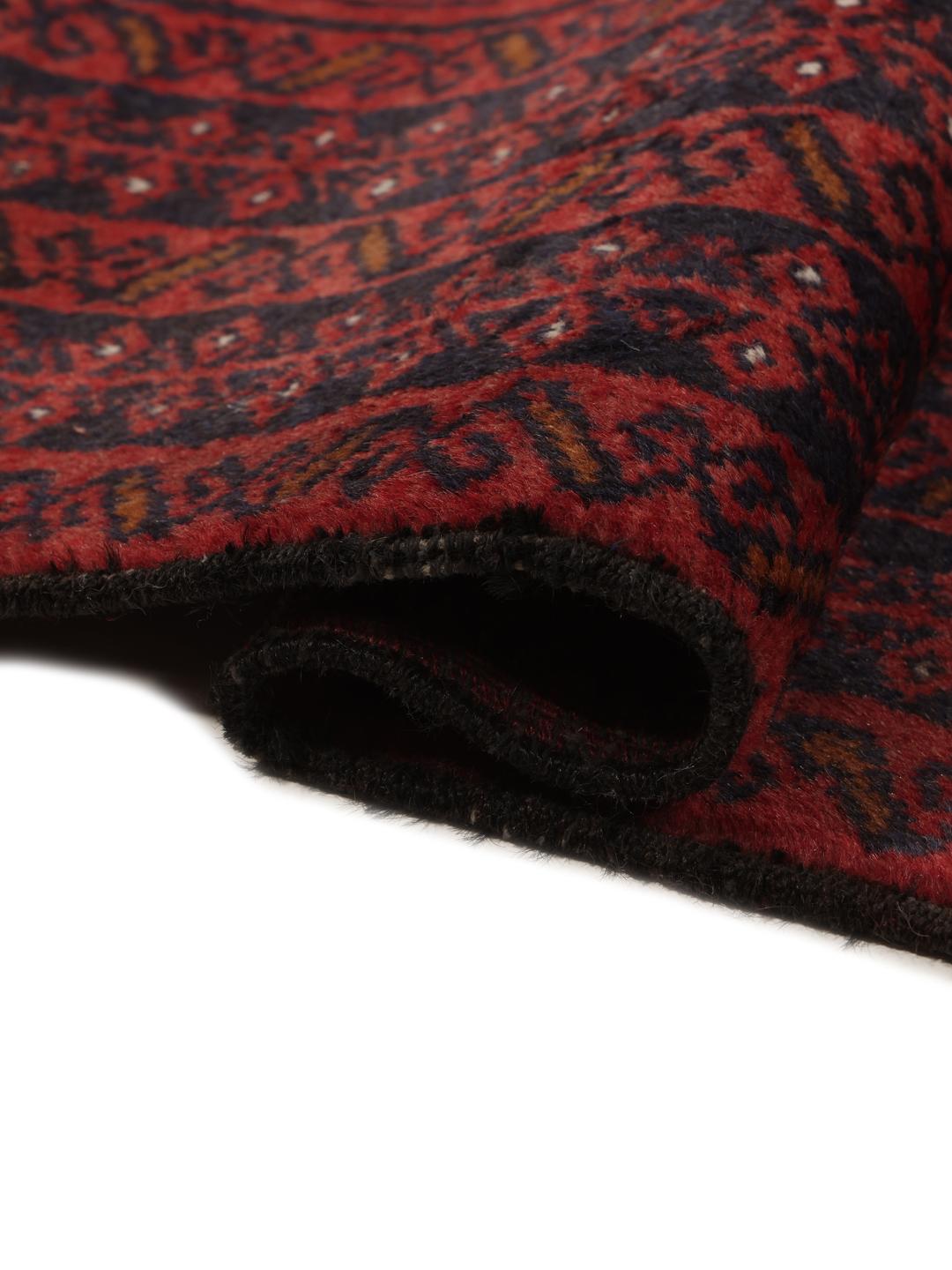
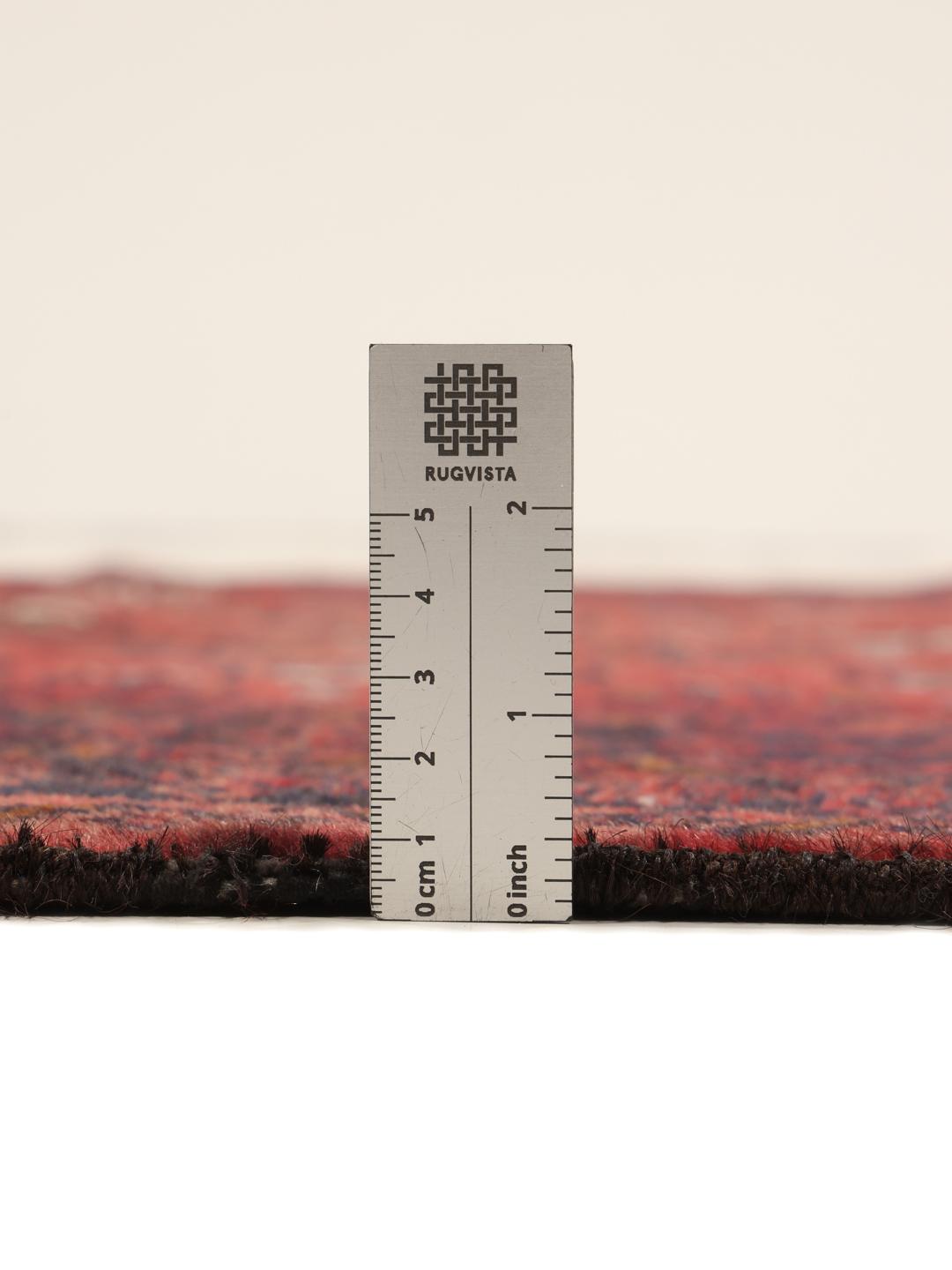
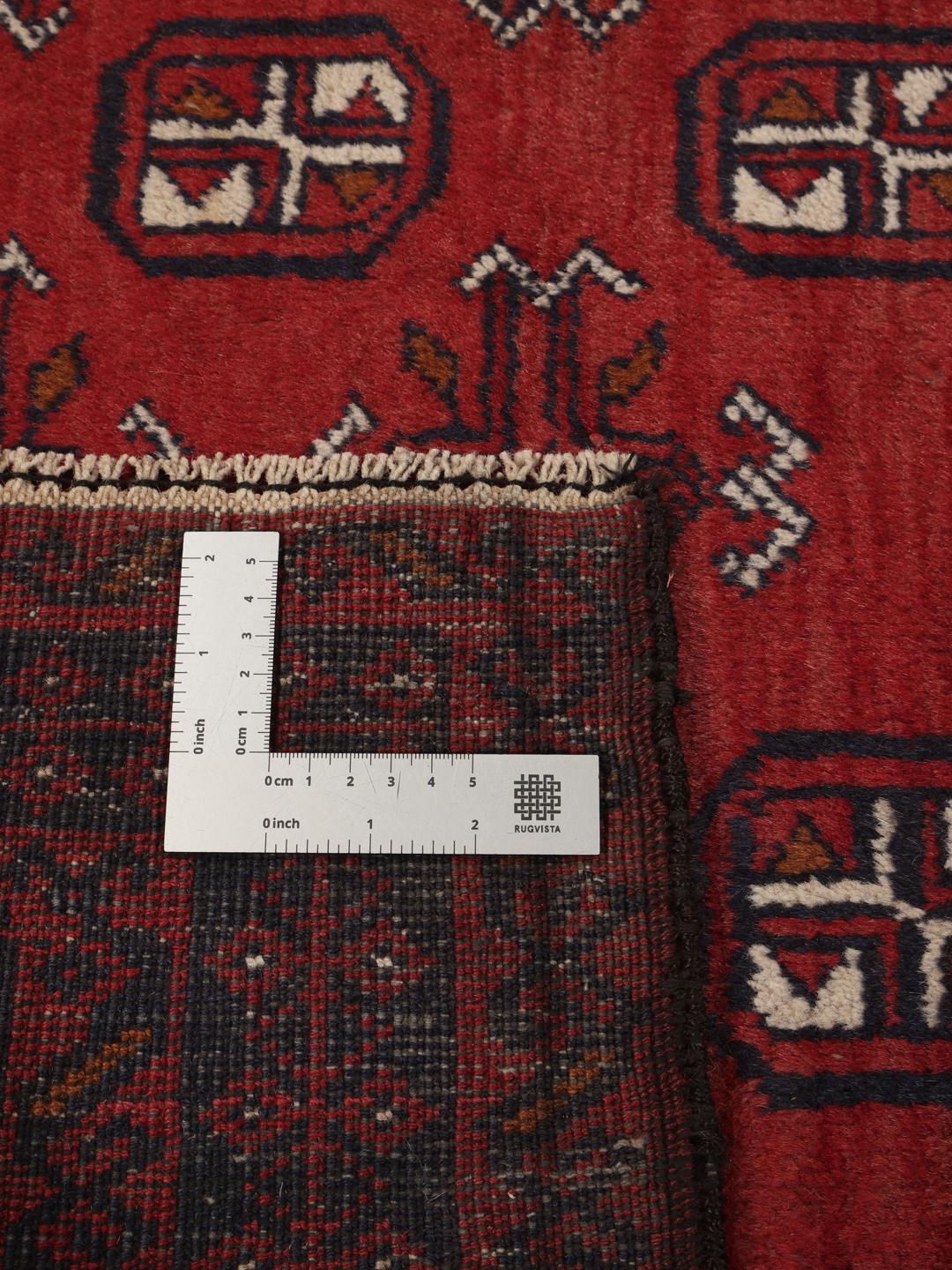
The terminology used to describe these pieces often reflects the specific tribal lineage and the traditional techniques employed by the weavers. The use of hand-knotted techniques in this region is legendary, with weavers utilising local wool to create a sturdy foundation that can survive the harsh, changing environments of their ancestral lands.
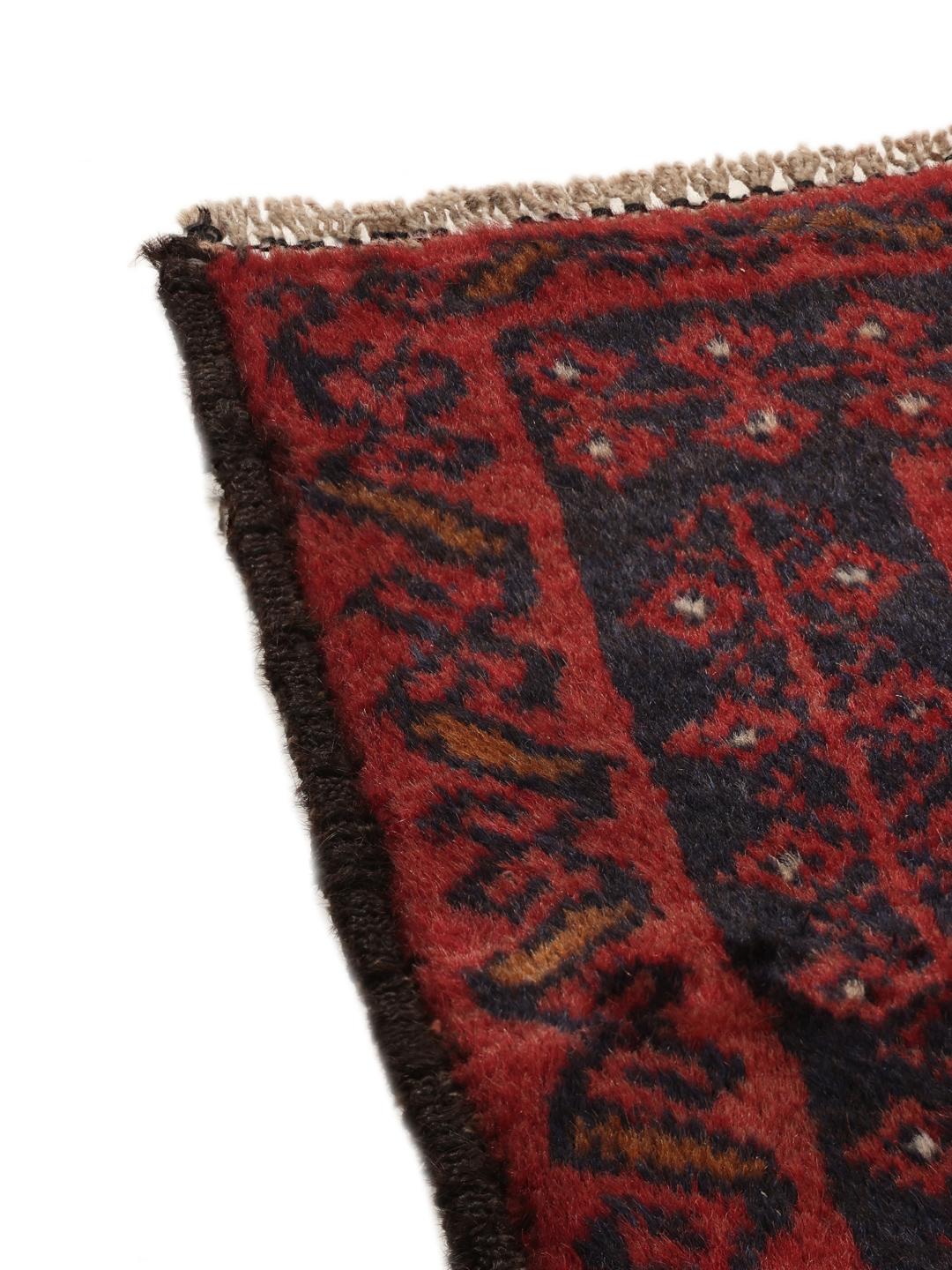
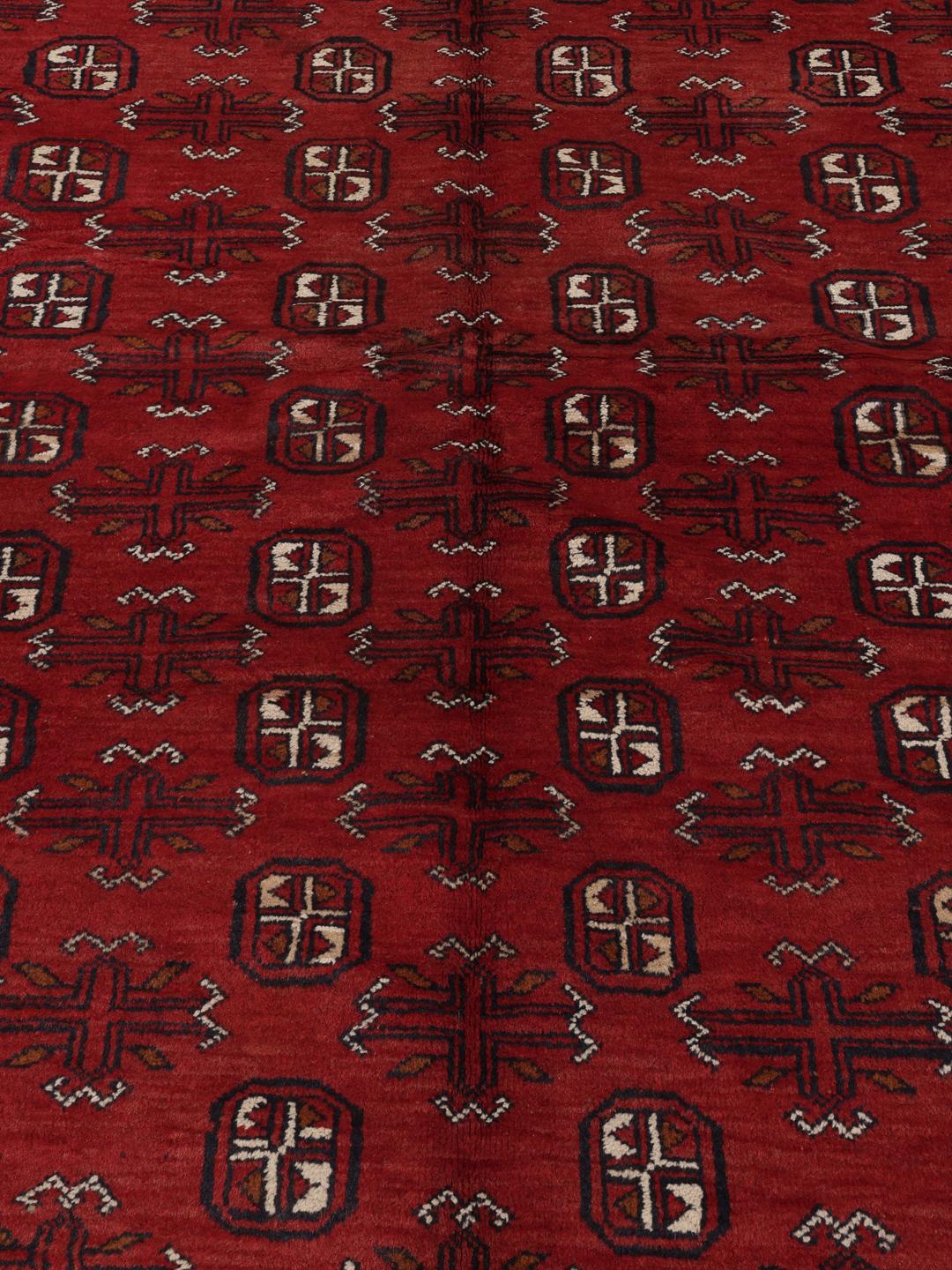
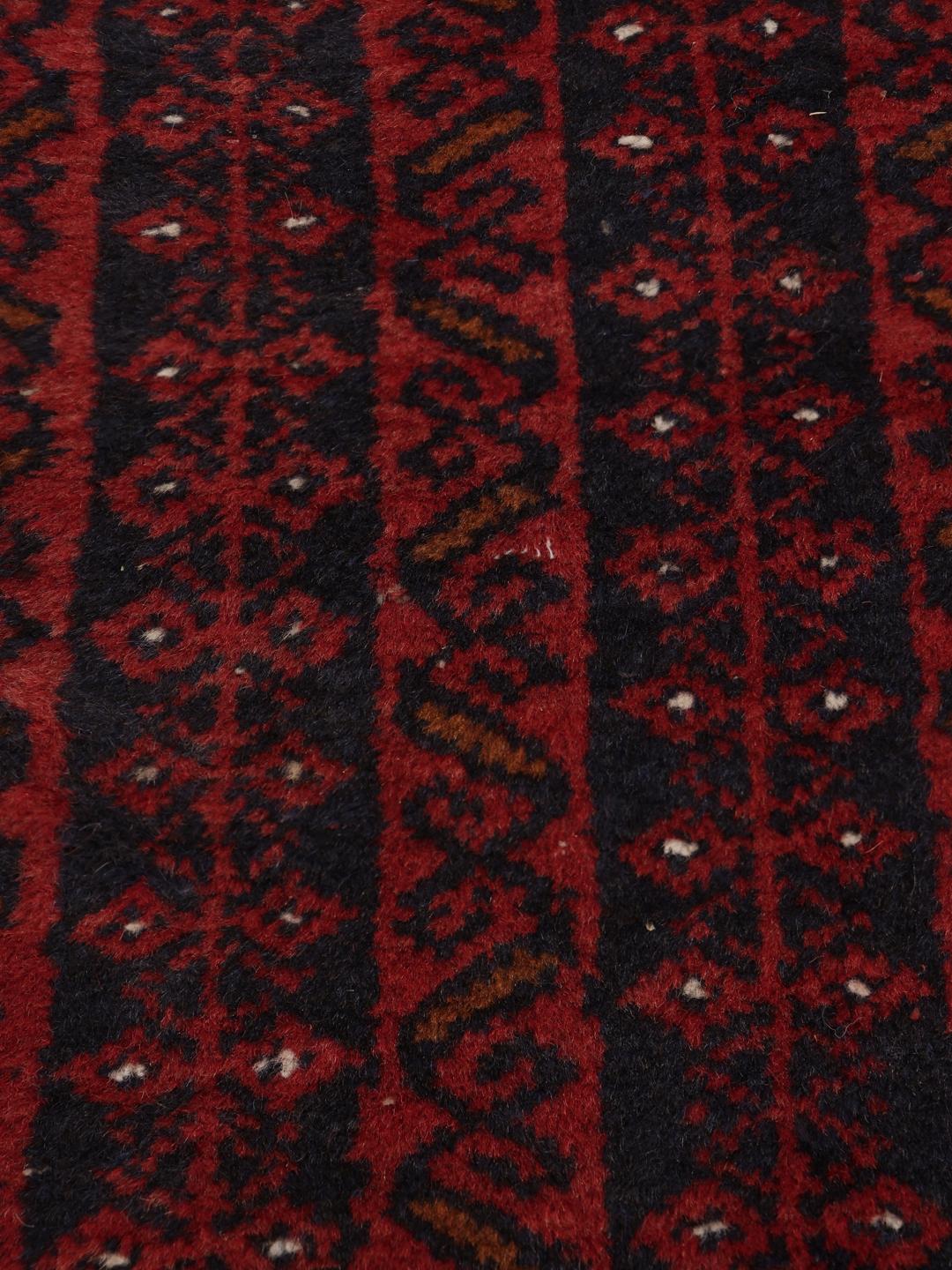
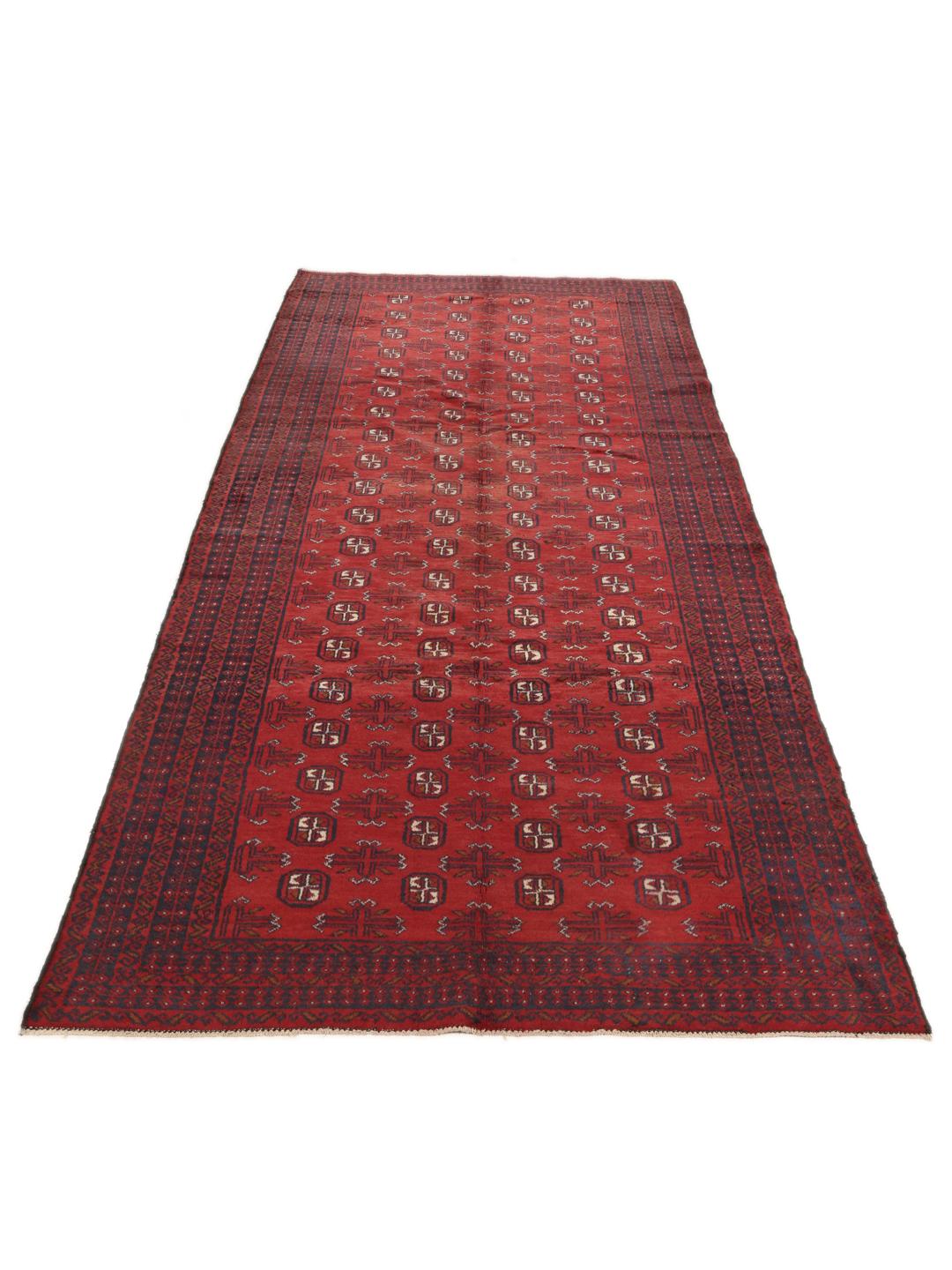
Signature design elements for these rugs often include geometric motifs, stylised floral patterns, and deep, saturated colour palettes dominated by reds, browns, and dark blues. The repeating patterns seen here are characteristic of the tribal style, where symmetry and symbolic representations of the natural world are carefully balanced within the border.
Collectors value these rugs not only for their durability but for the cultural narrative woven into every thread. Owning a piece from this tradition is an act of preserving a heritage of skill and human connection, as each rug serves as a tangible record of the weaver's life, environment, and creative spirit.