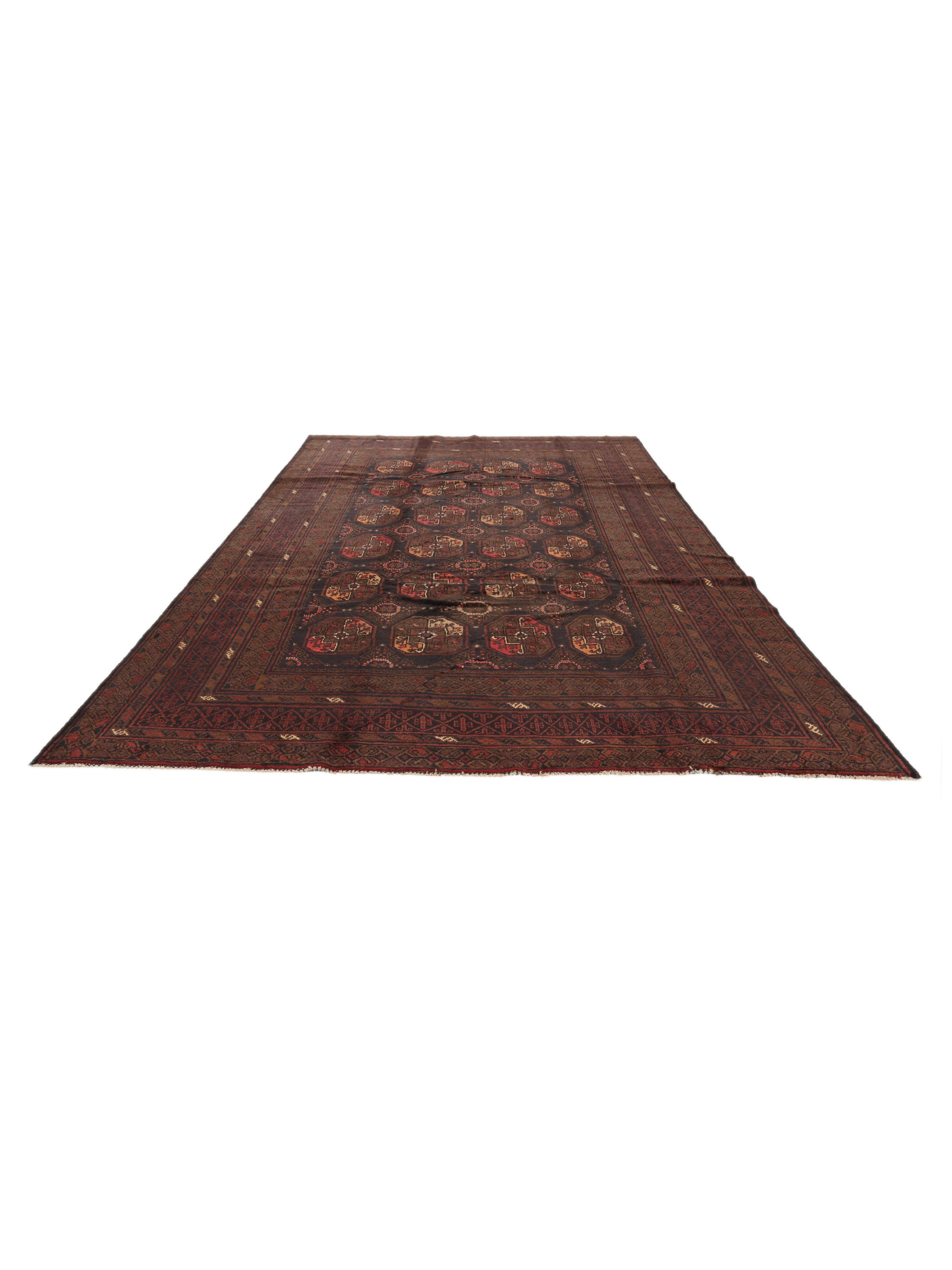
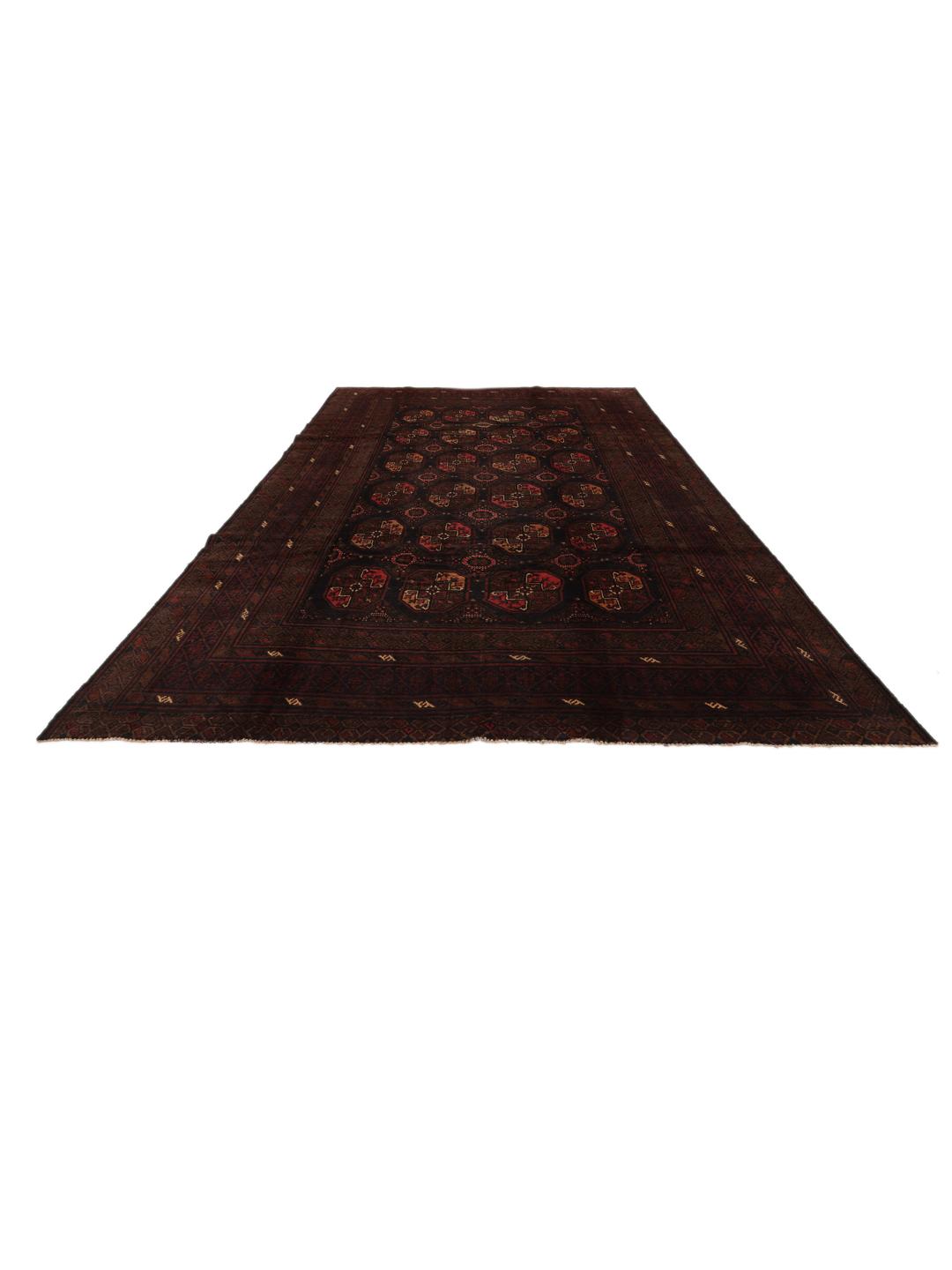
The Baluch tradition originates from the nomadic and semi-nomadic tribes residing in the border regions of Afghanistan, the Middle East, and Pakistan. These rugs are deeply connected to the desert landscape and the migratory lifestyle of the Baluchi people, who have historically expressed their cultural identity through the intricate patterns woven into their textiles. Over generations, these designs have been passed down, reflecting a lineage of artistry that prioritises storytelling through geometric and tribal motifs.
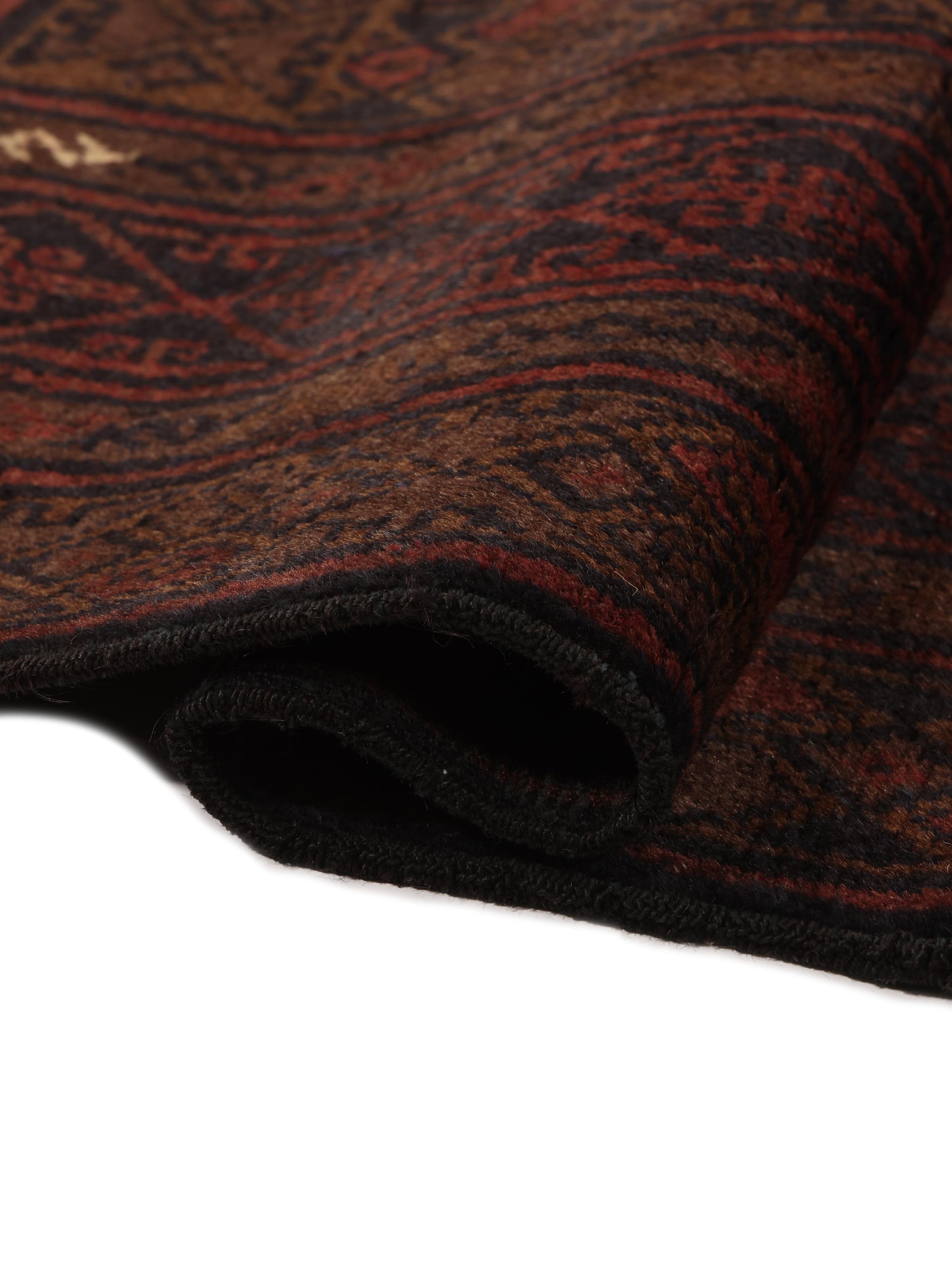
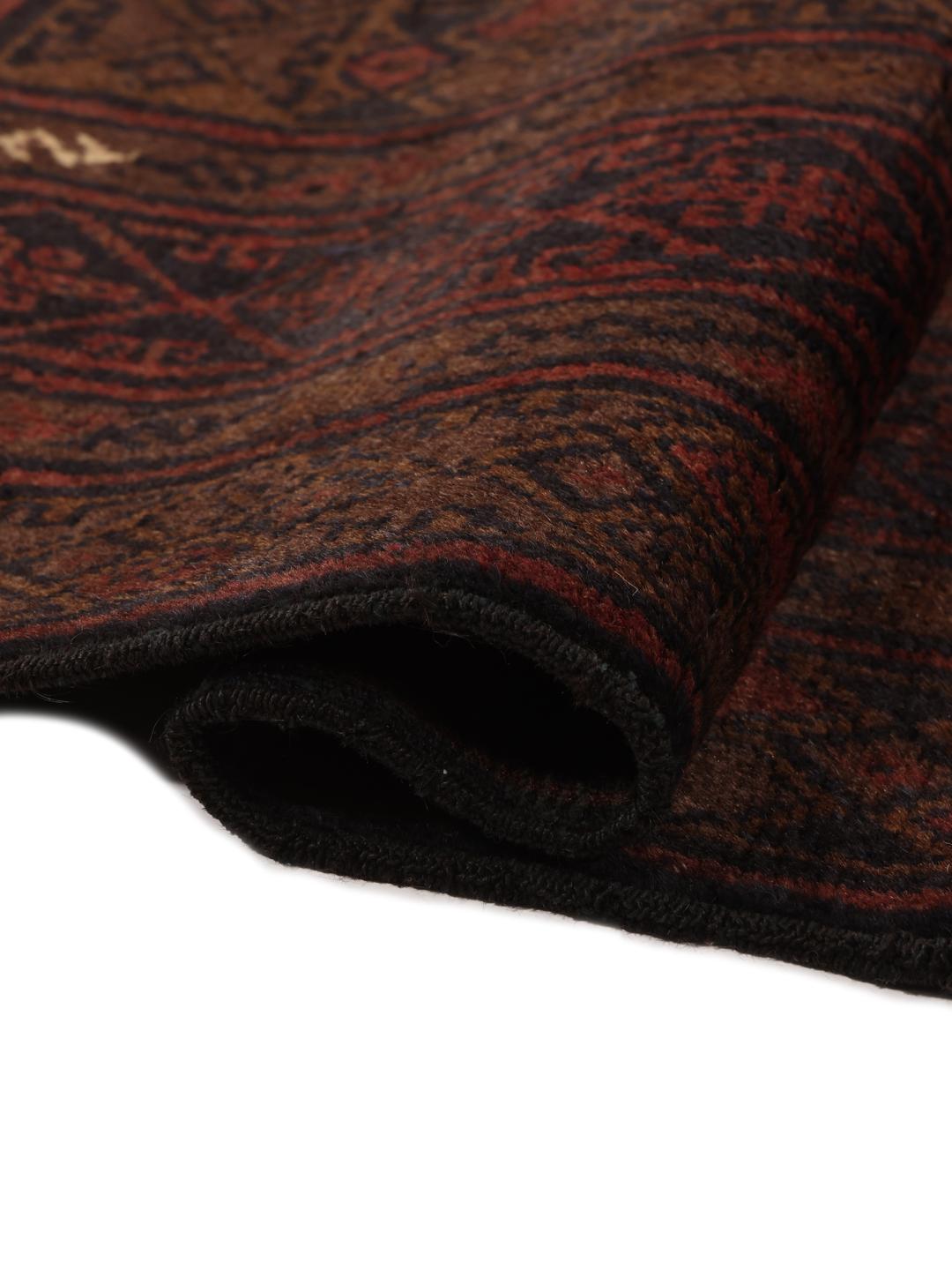
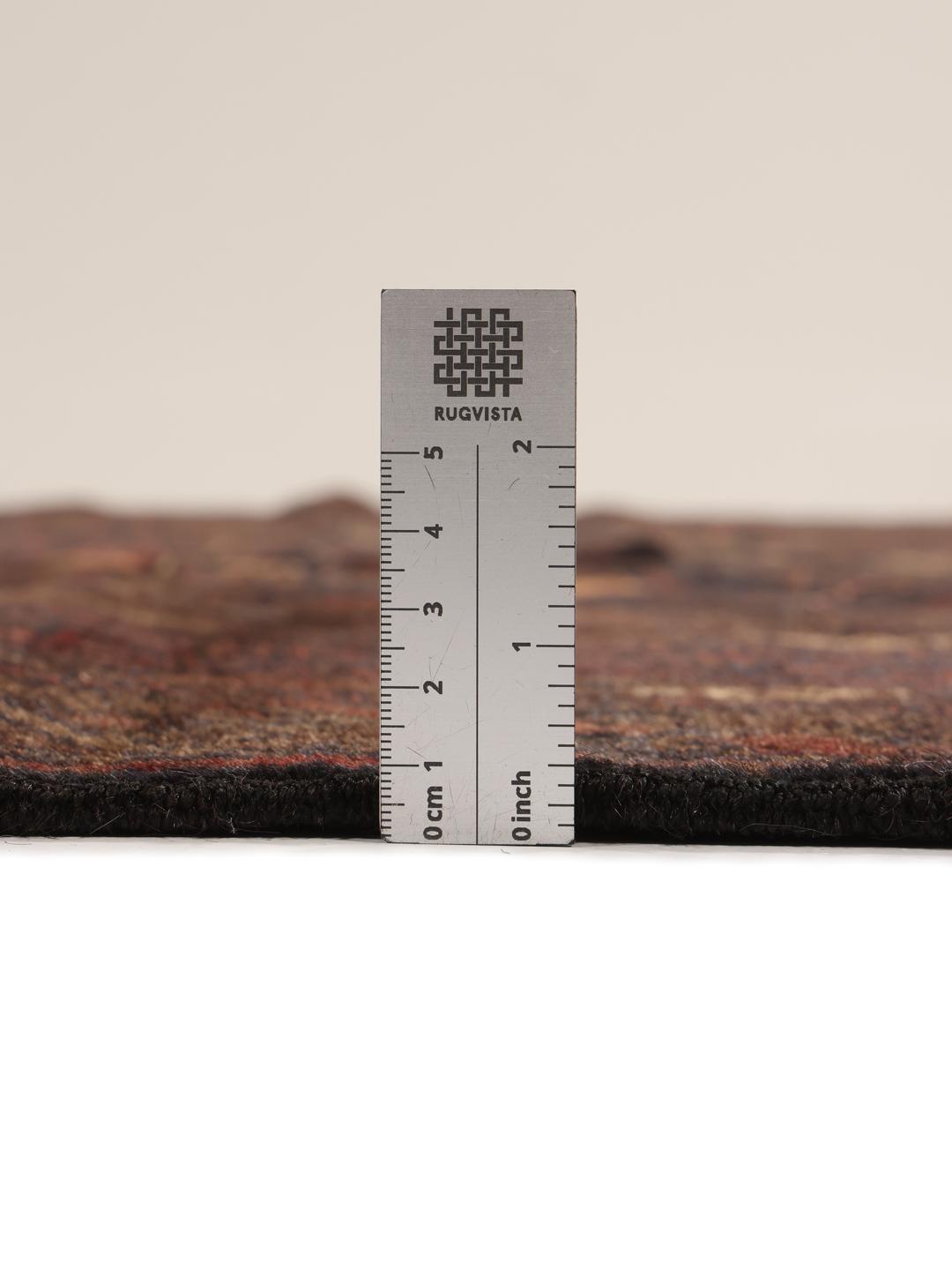
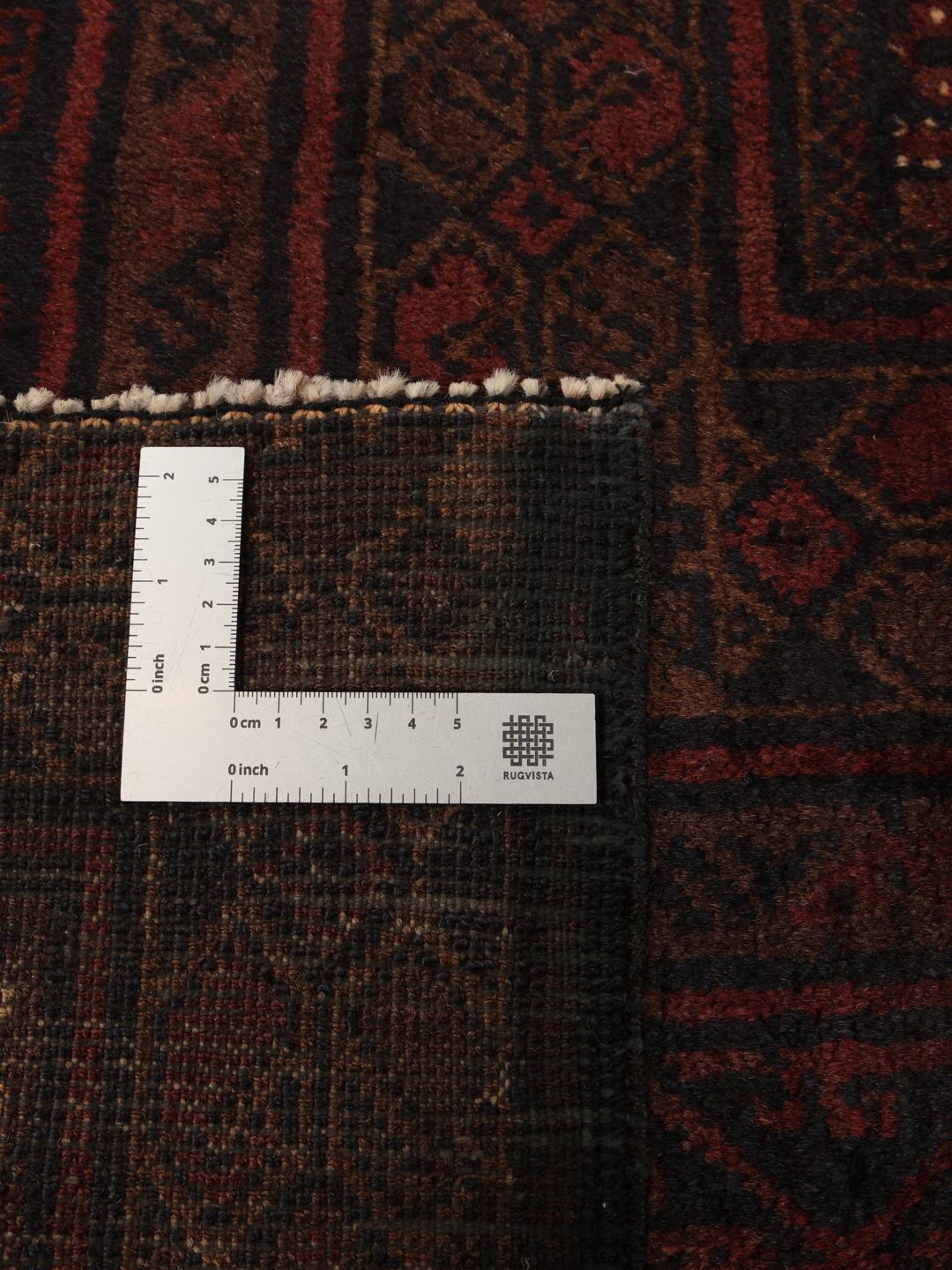
Technically, the term Baluch refers to a style of weaving rather than a specific geographic location. These rugs are celebrated for their use of high-quality, hand-spun wool, which is often dyed using natural pigments to achieve deep, rich colours. The traditional construction focuses on a sturdy foundation, ensuring that the finished piece is not only visually stunning but also practical enough for the demanding conditions of nomadic life.
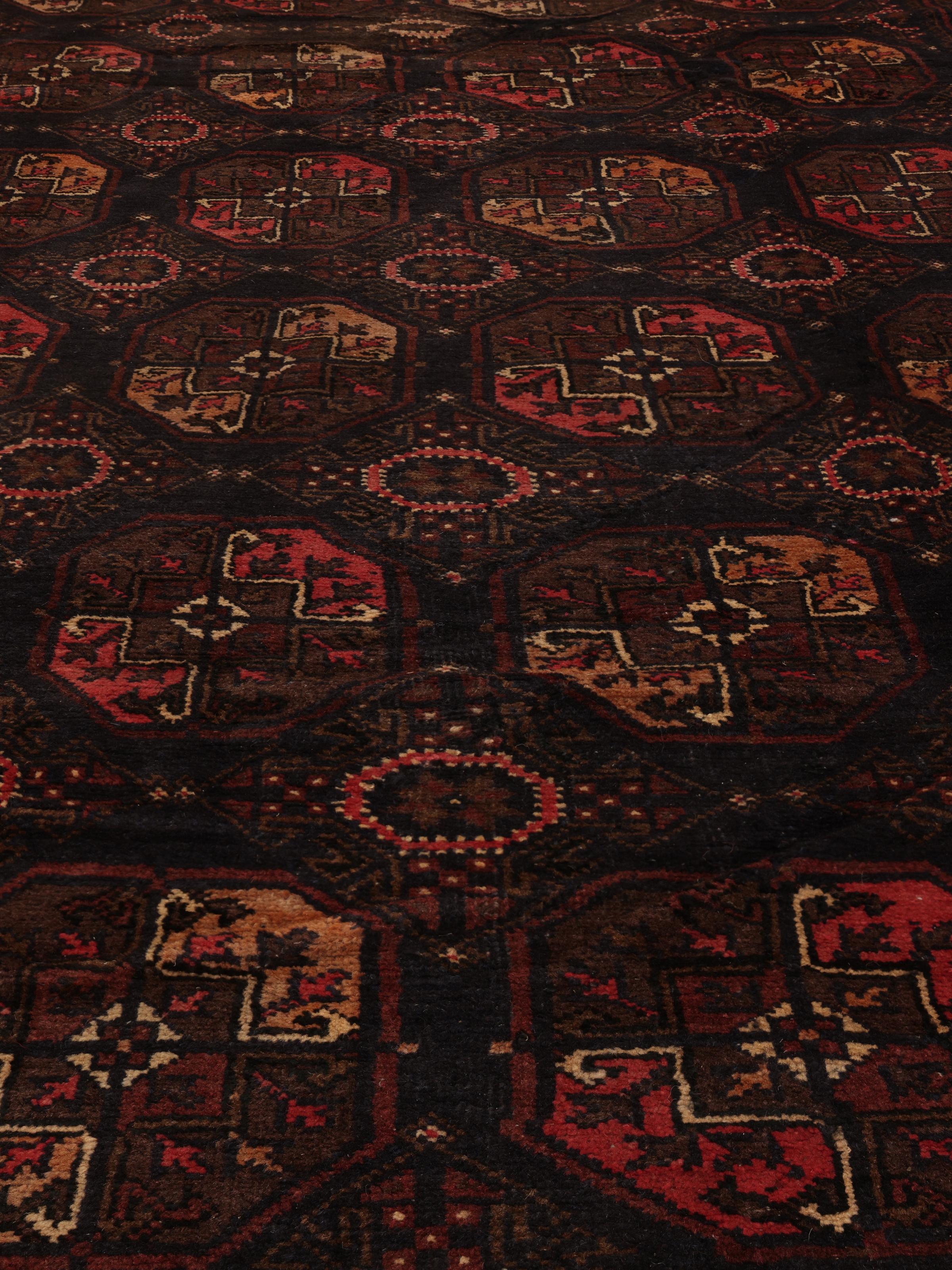
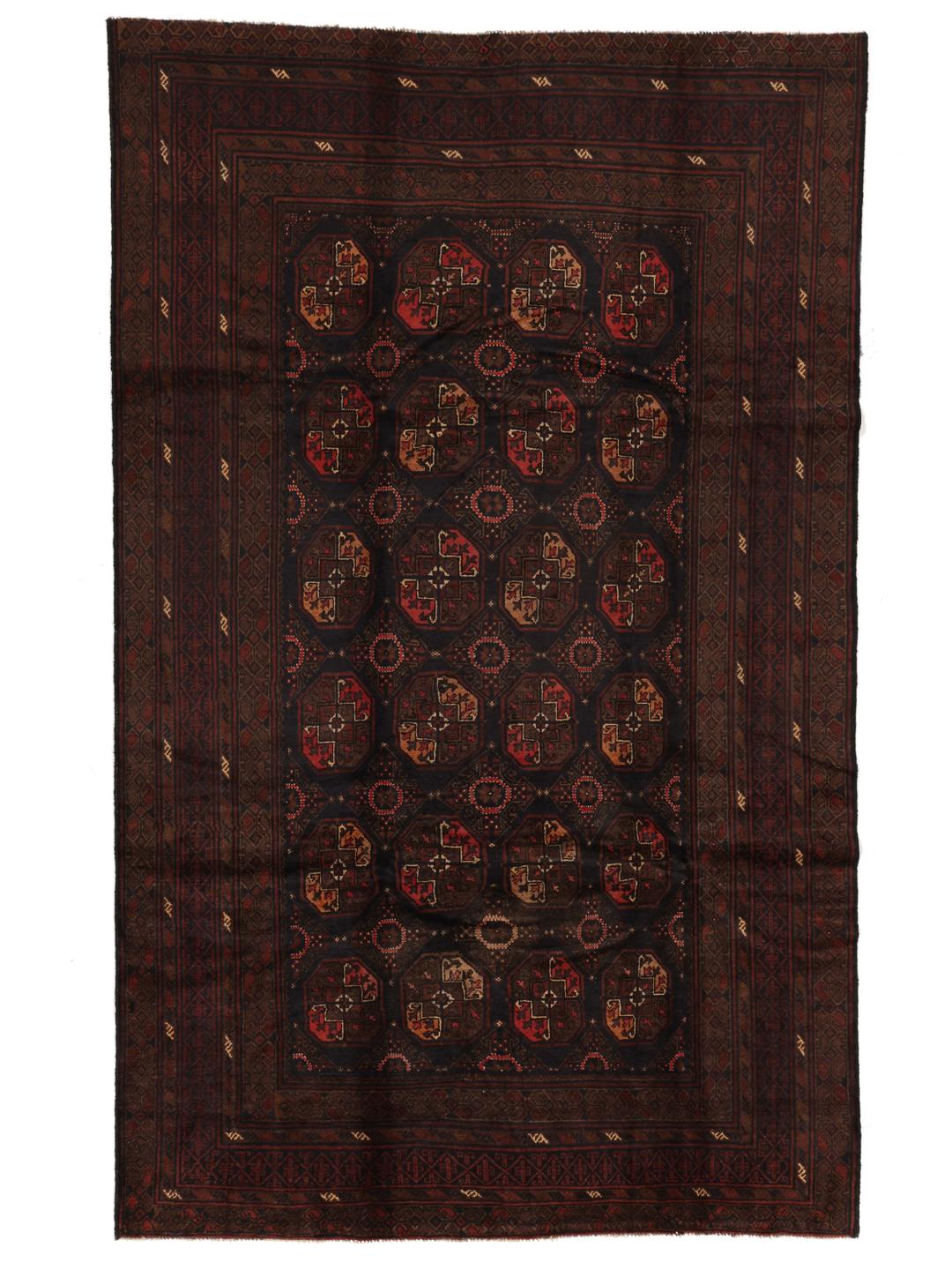
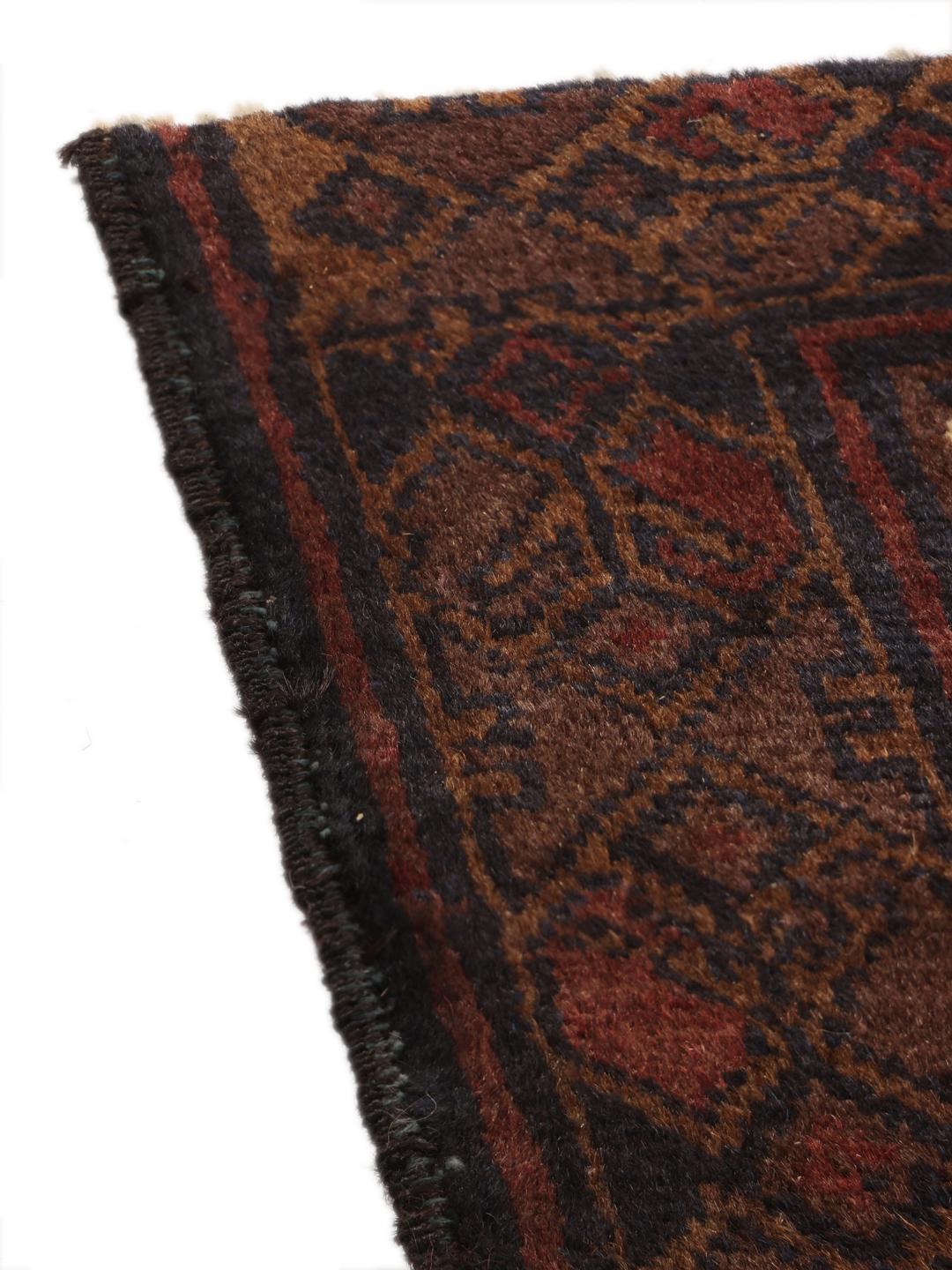
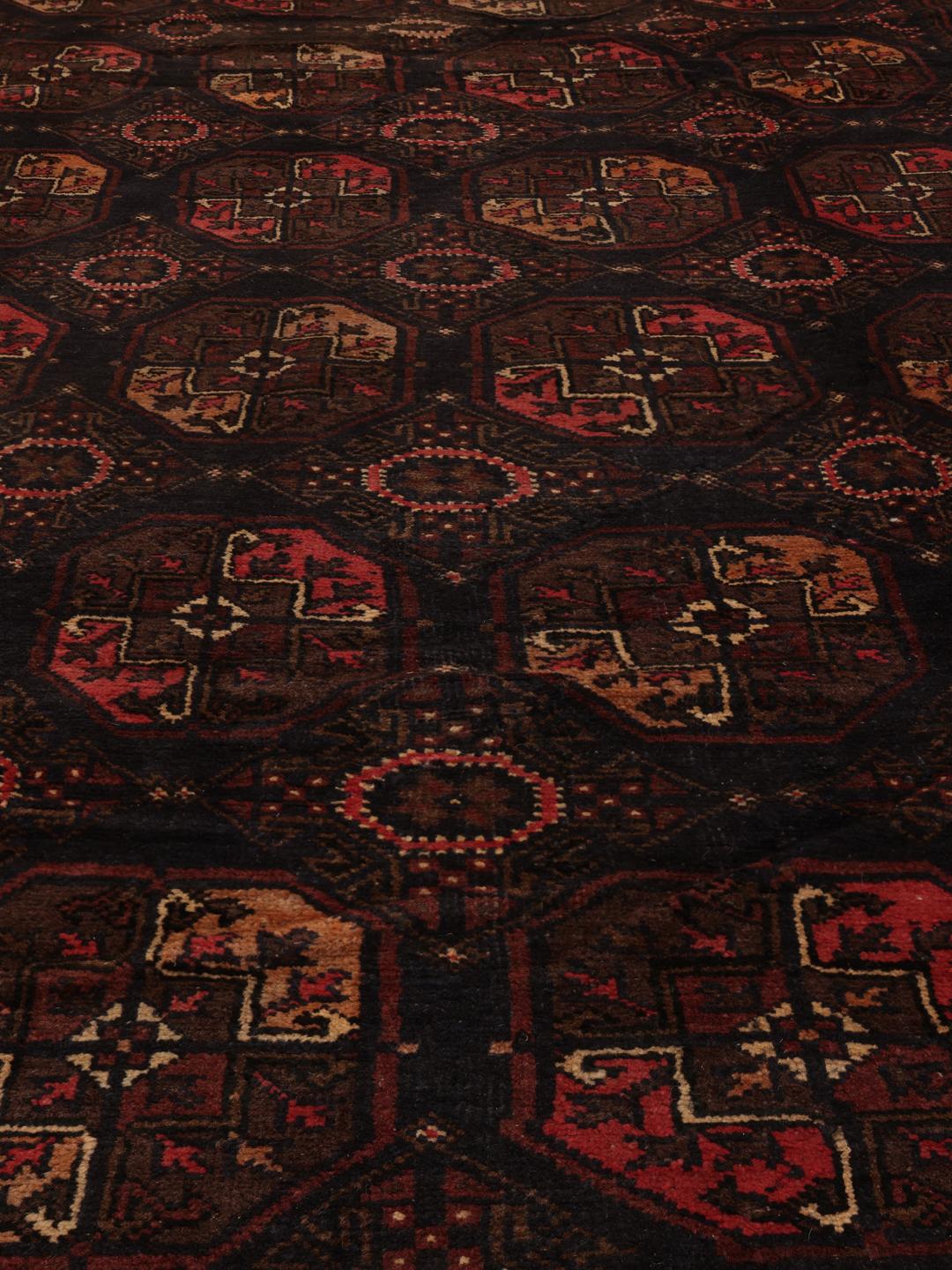
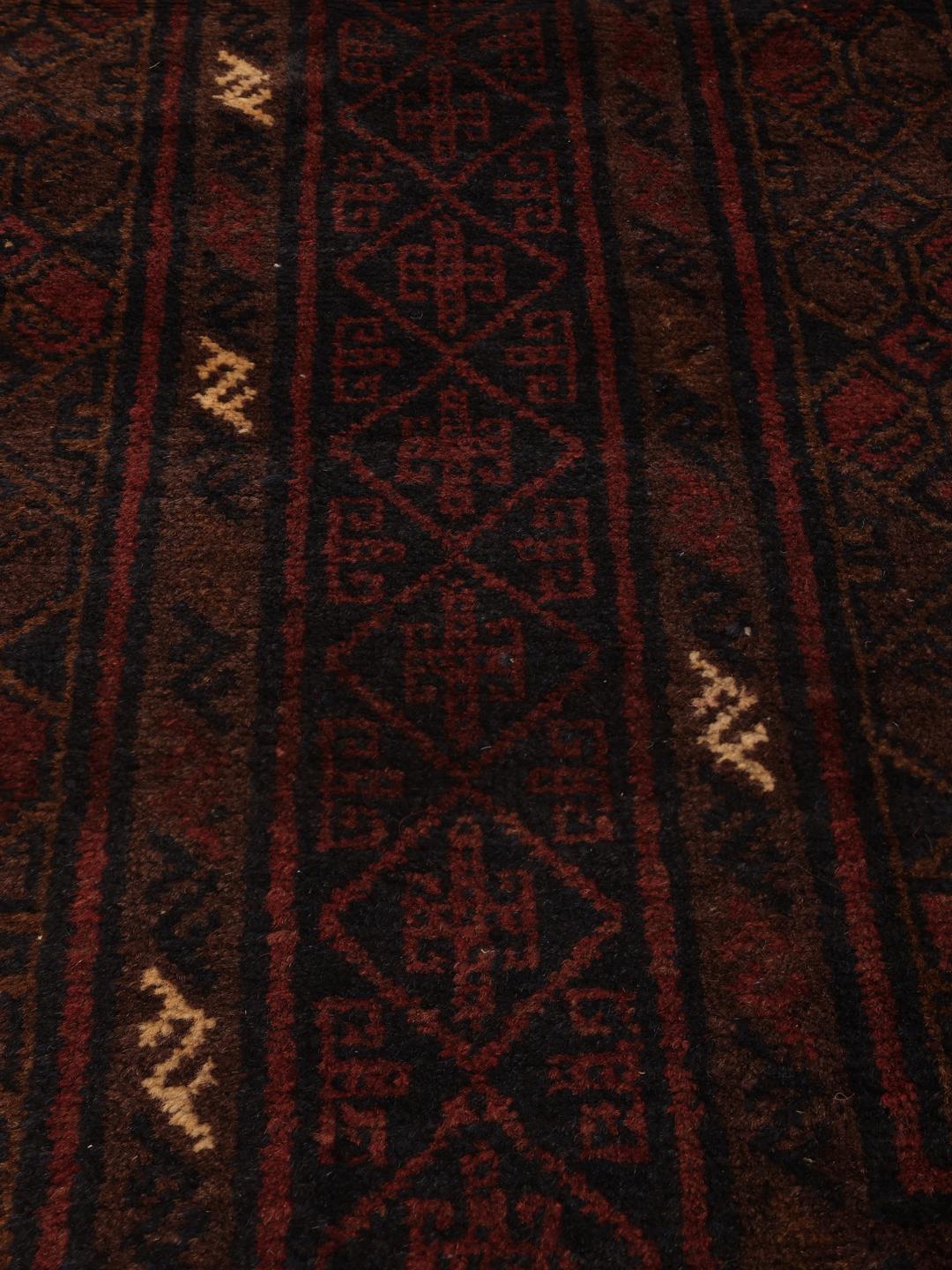
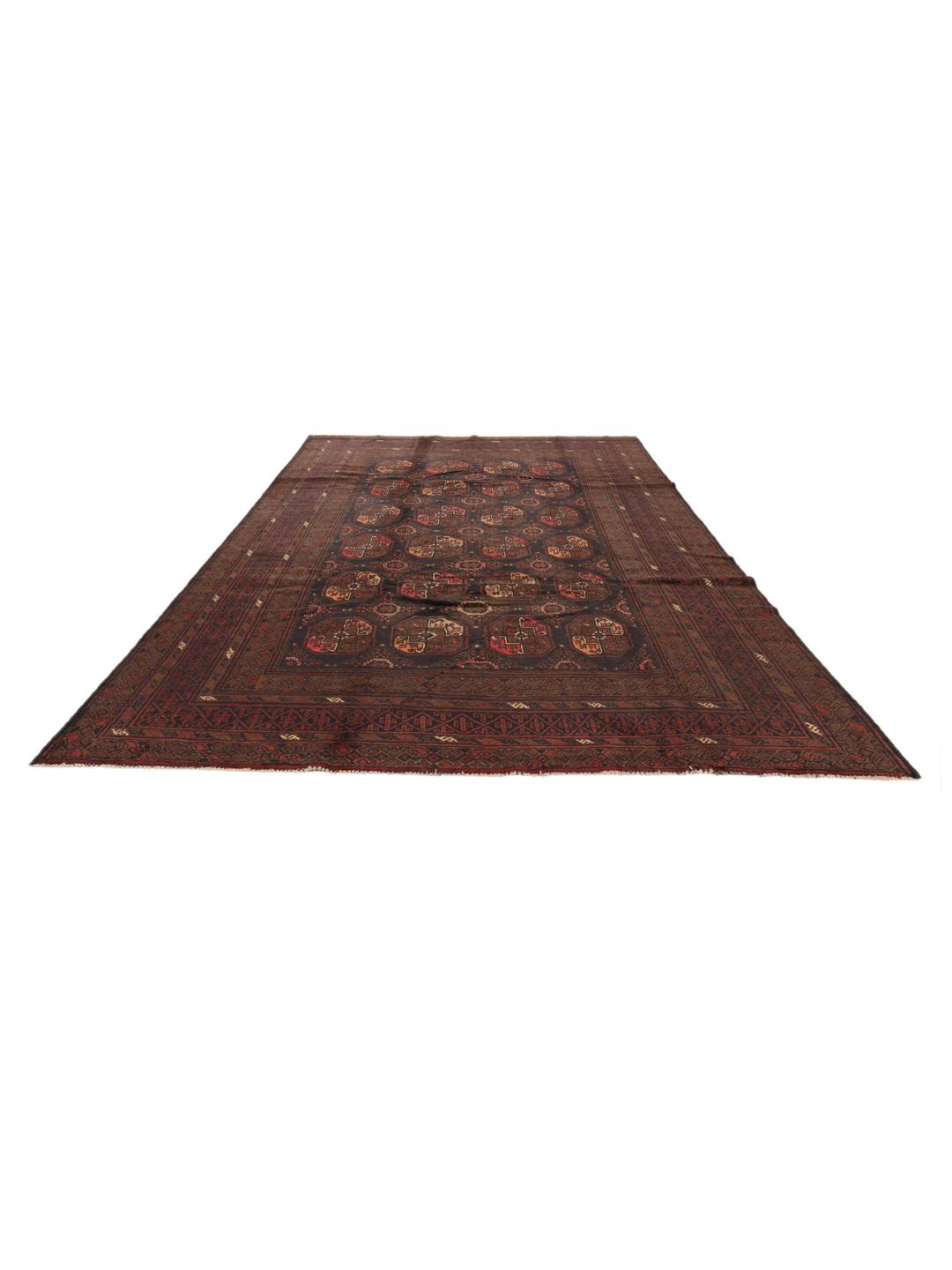
Signature design elements of these rugs typically include repeating geometric patterns, such as the gul, and stylised floral or animal motifs that hold specific symbolic meaning within the tribe. The borders are often heavily detailed, framing the central field with complex, interlocking patterns that demonstrate the weaver's mastery of symmetry and proportion. The dark, moody colour palette is a hallmark of the style, often utilising deep reds, browns, and blacks to create a sophisticated and harmonious look.
These rugs are highly valued by collectors not only for their aesthetic beauty but for their cultural significance. Owning a Baluch rug is an opportunity to preserve a piece of living history, as each rug embodies the skill, patience, and artistic vision of its creator. They are more than just floor coverings; they are heirlooms that carry the weight of tradition and the warmth of human effort, making them a centrepiece in any home that values authenticity and craftsmanship.