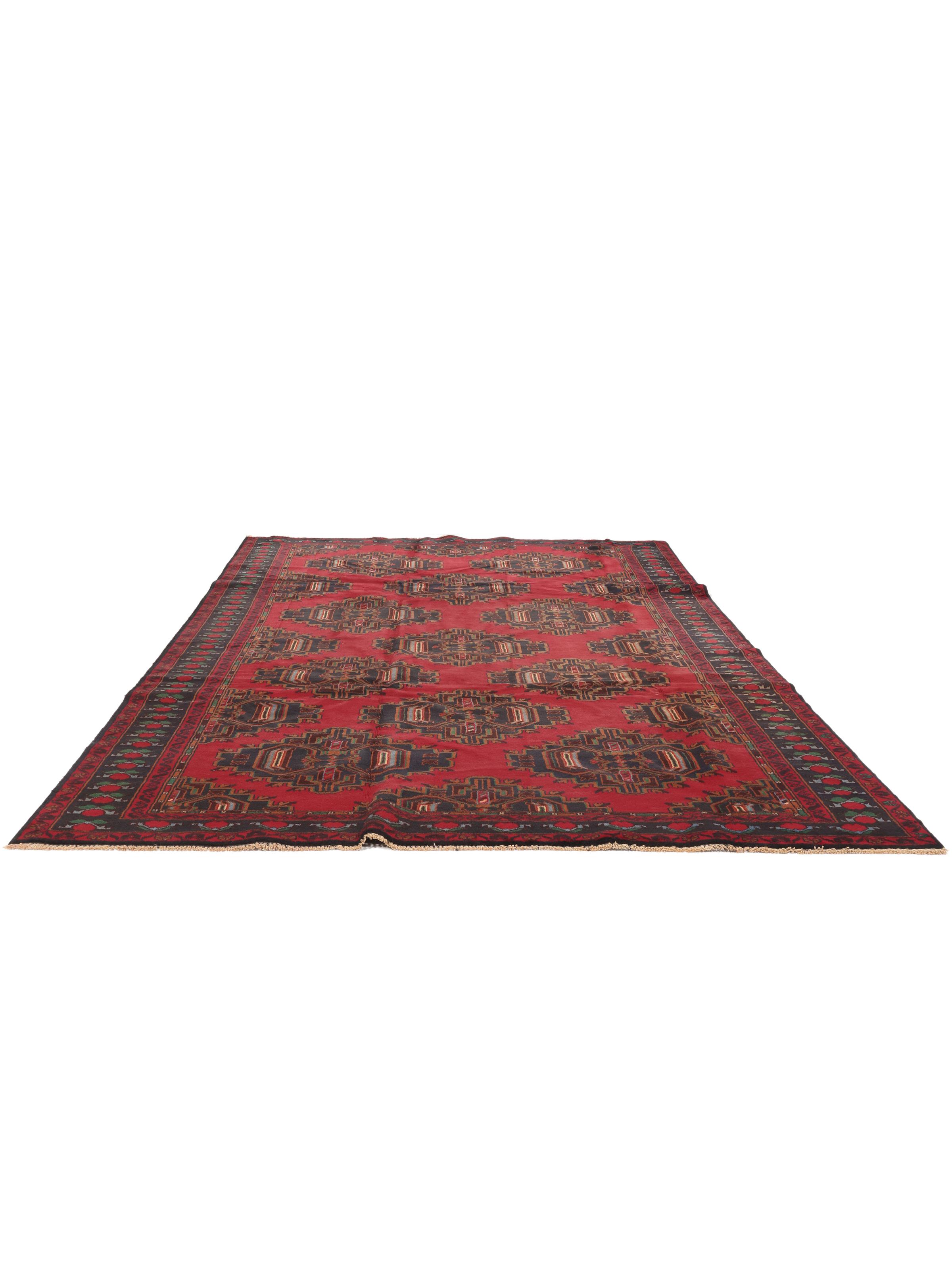
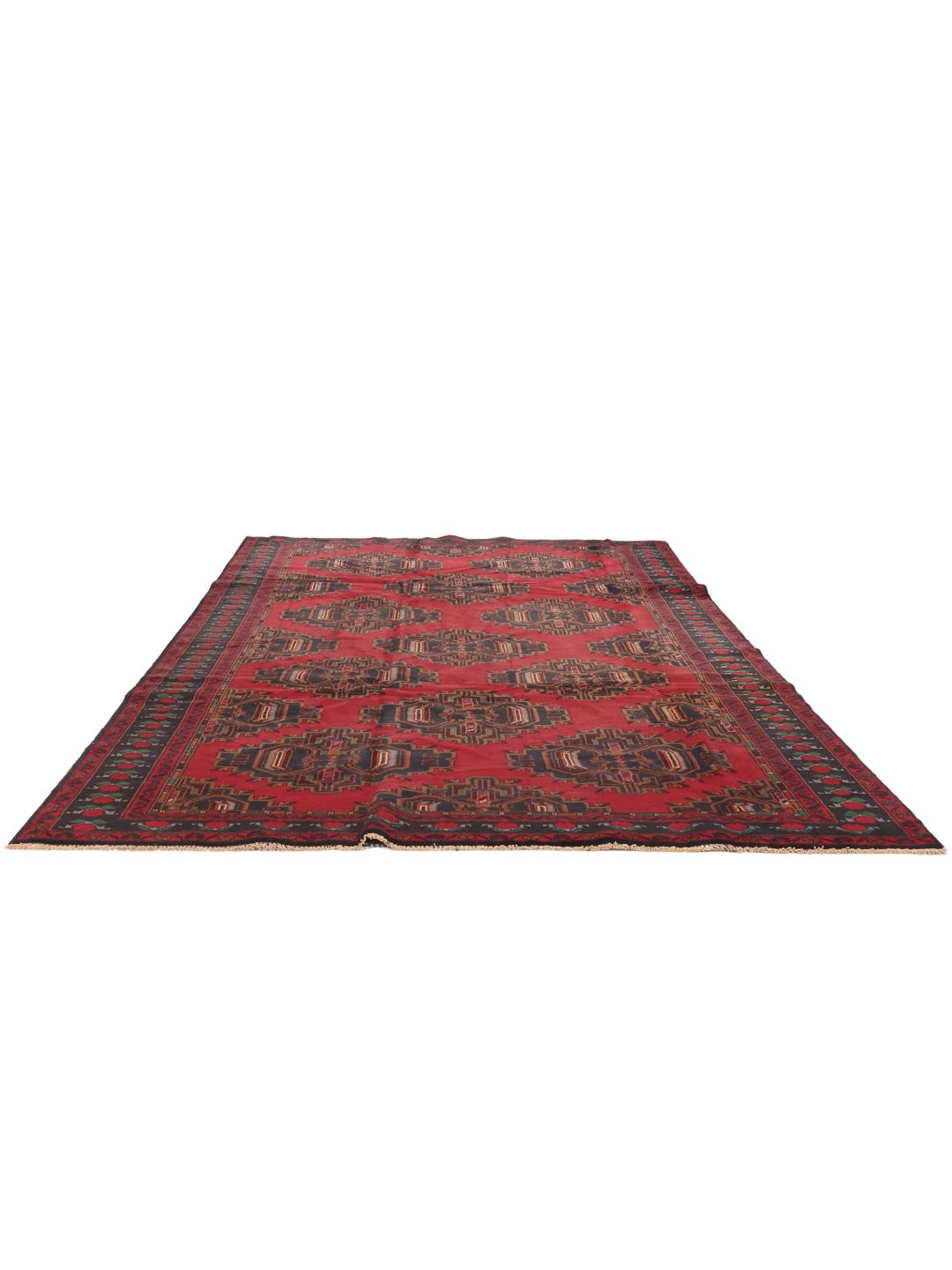
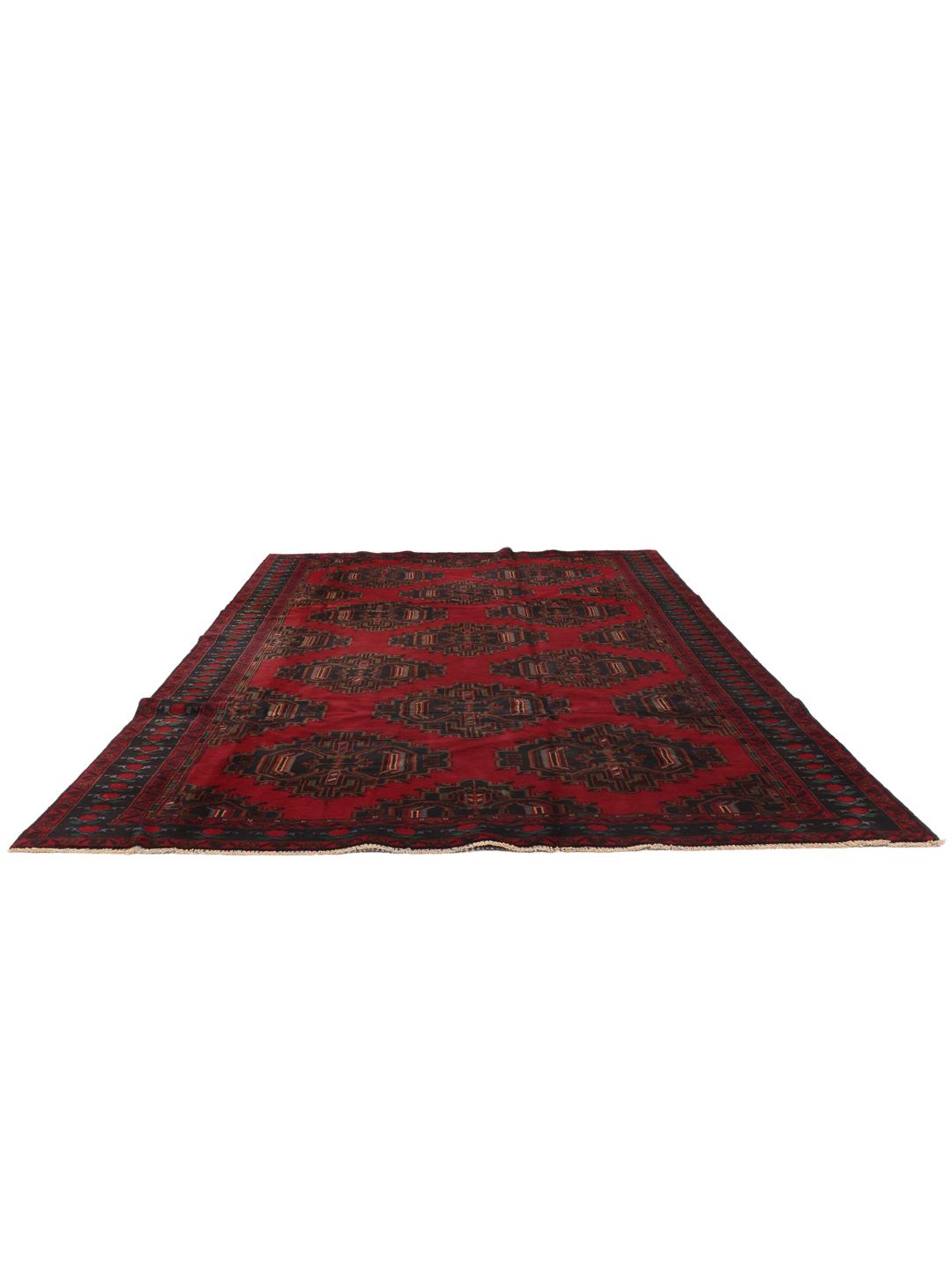
Beluch rugs take their name from the Baluchi people, a nomadic and semi-nomadic group whose traditional lands span across the border regions of Afghanistan, the Middle East, and Pakistan. These rugs are deeply rooted in the cultural history of these tribes, who have utilised weaving as a way to document their heritage, status, and artistic expression for centuries. The tradition of weaving is passed down through generations, with each rug reflecting the unique stylistic nuances of the specific tribal group that created it.
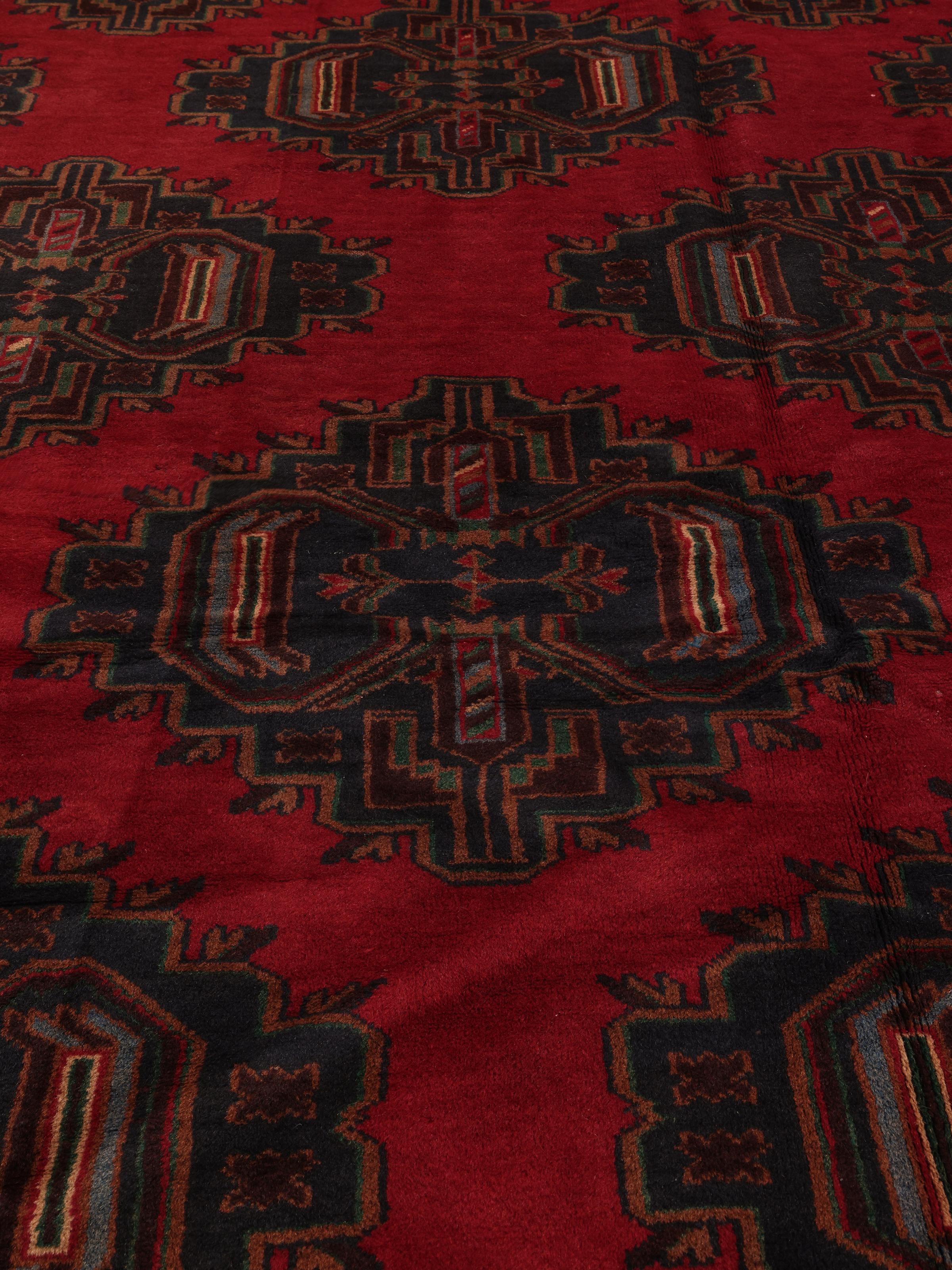
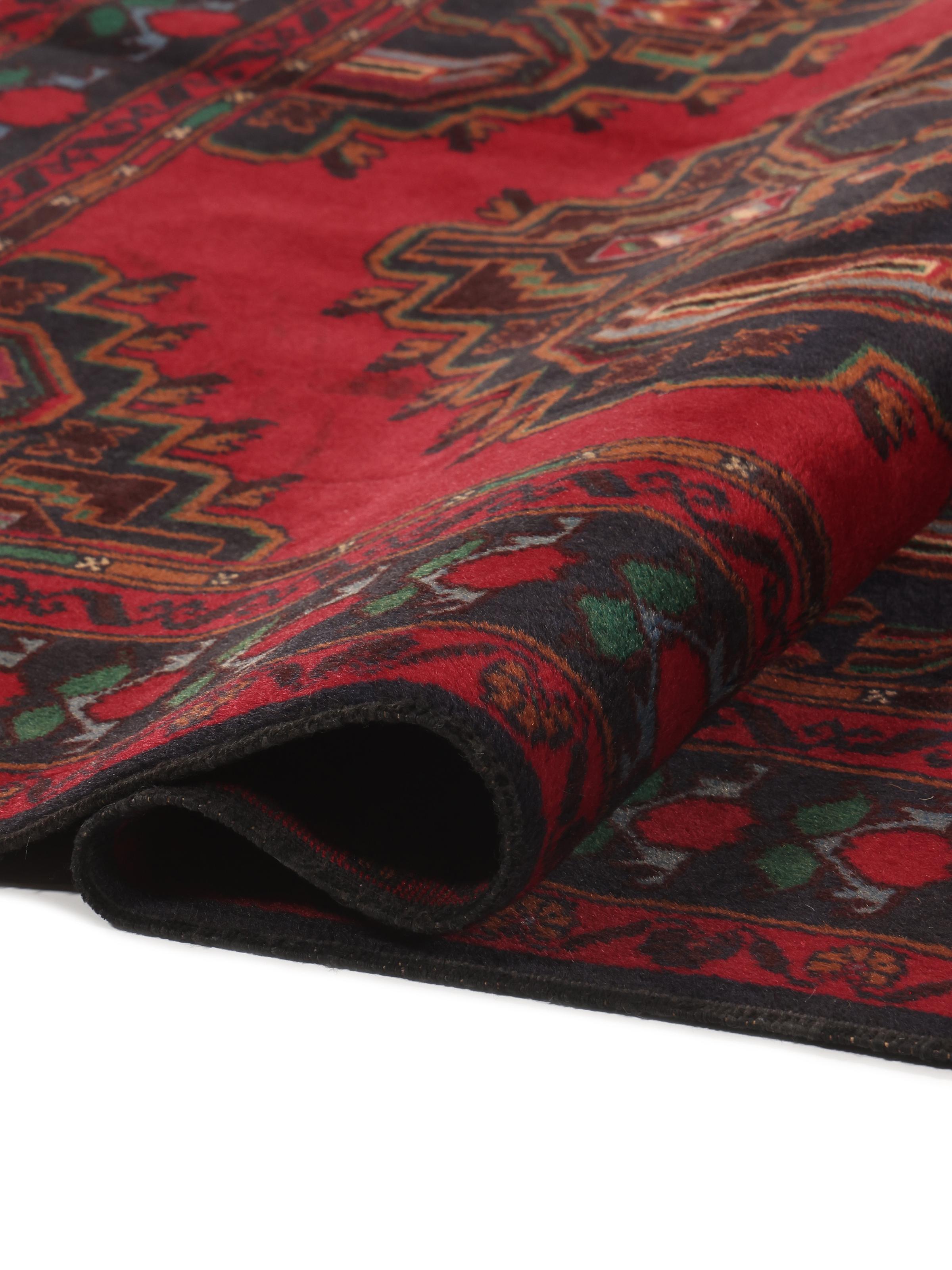
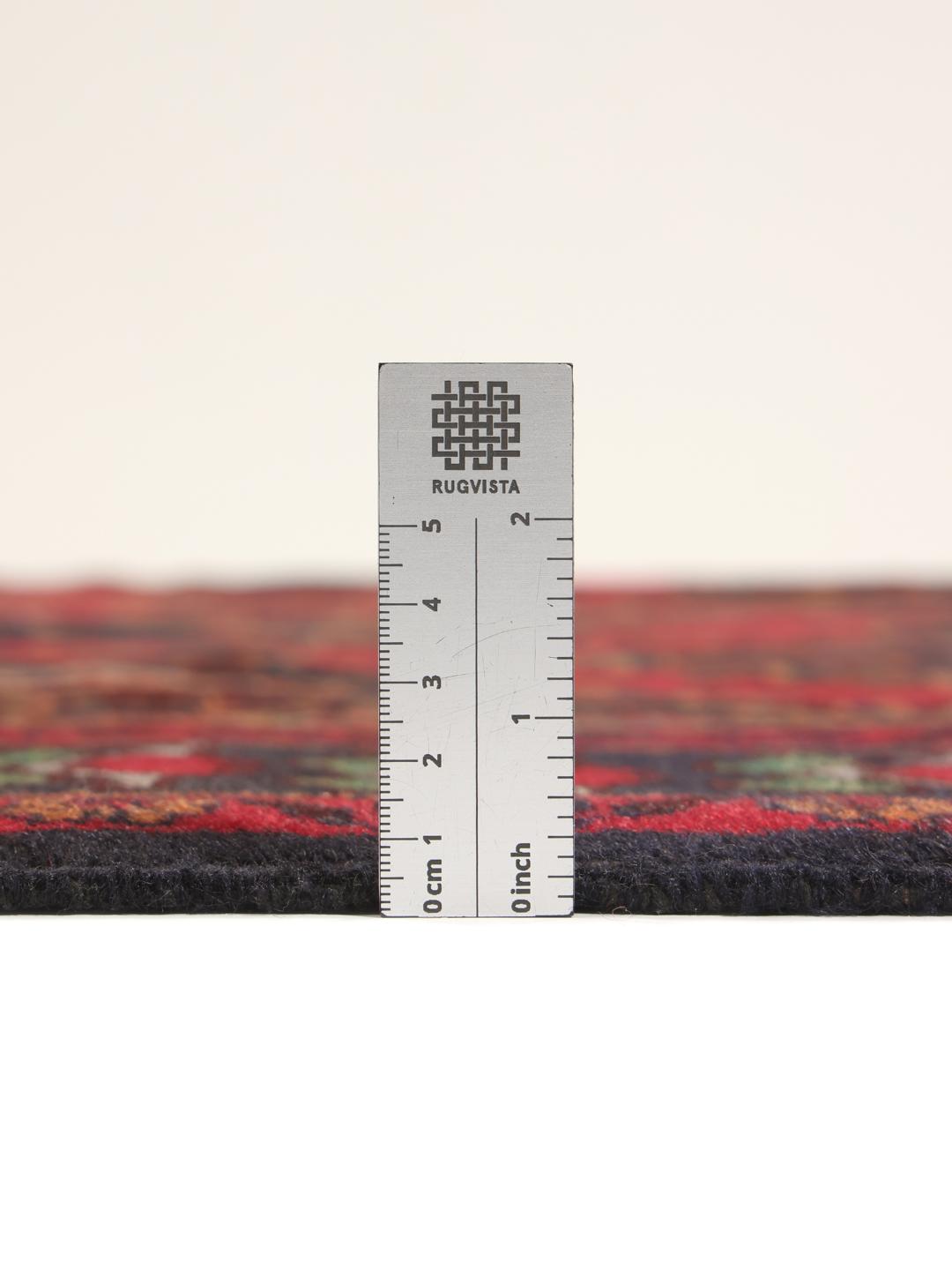
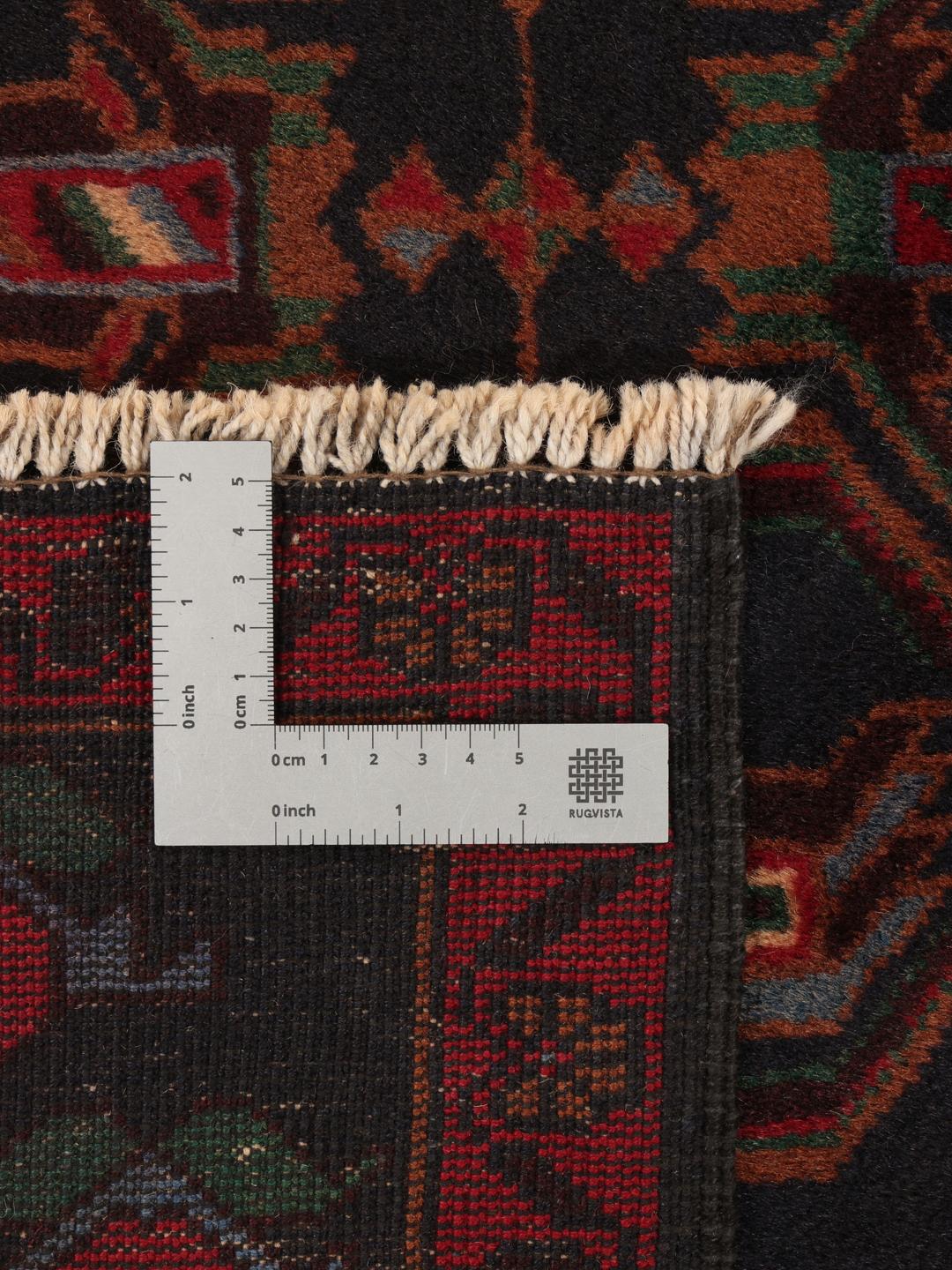
The construction of these rugs is a testament to the skill of the weavers, who traditionally work on portable horizontal looms. This nomadic heritage has led to a style that is both functional and highly decorative. The use of wool, often sourced from the tribes' own flocks, results in a durable, lustrous pile that is prized for its ability to retain its appearance over time. The craftsmanship involved in hand-knotting these pieces ensures that each rug is a solid, long-lasting investment.
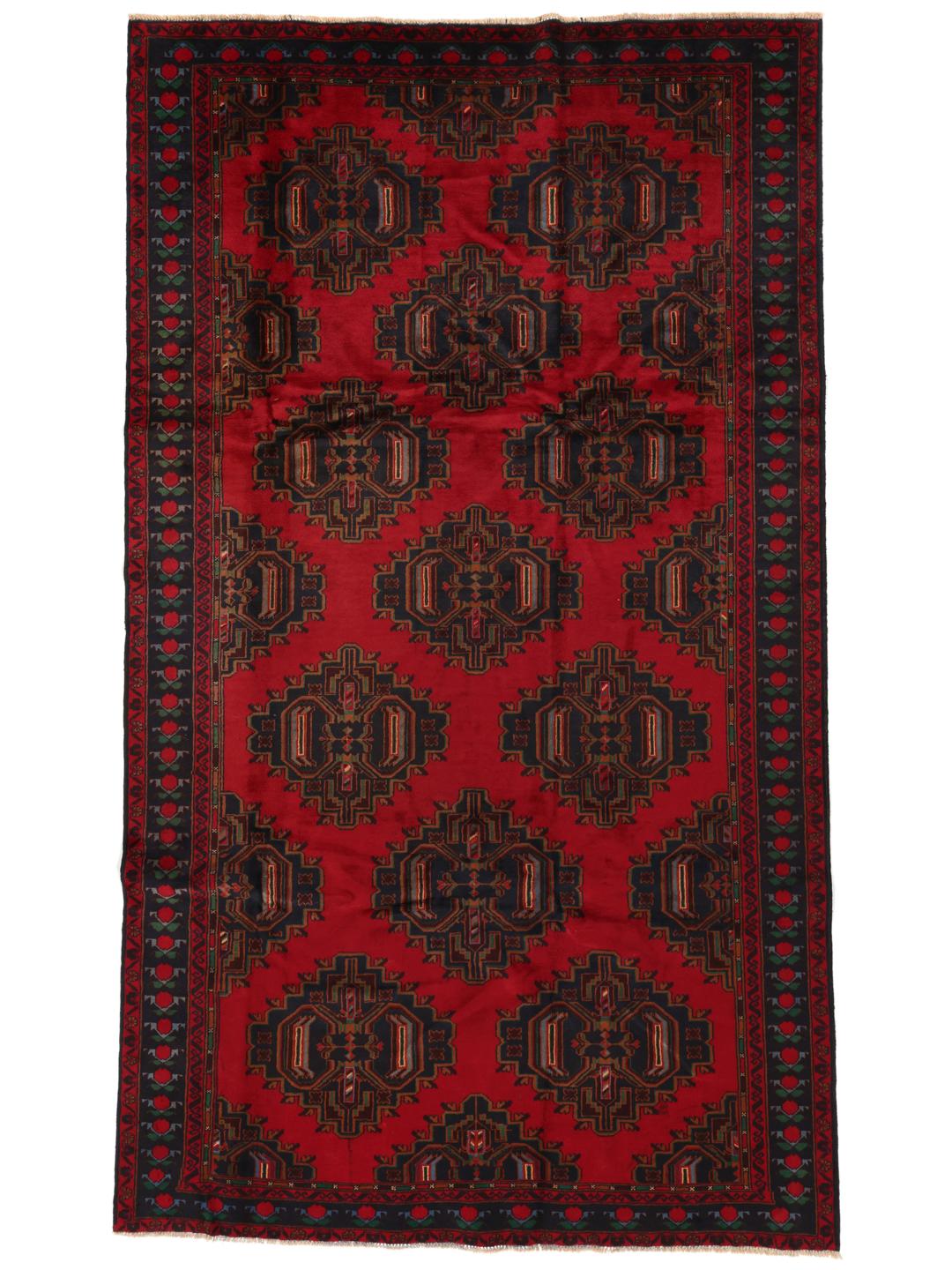
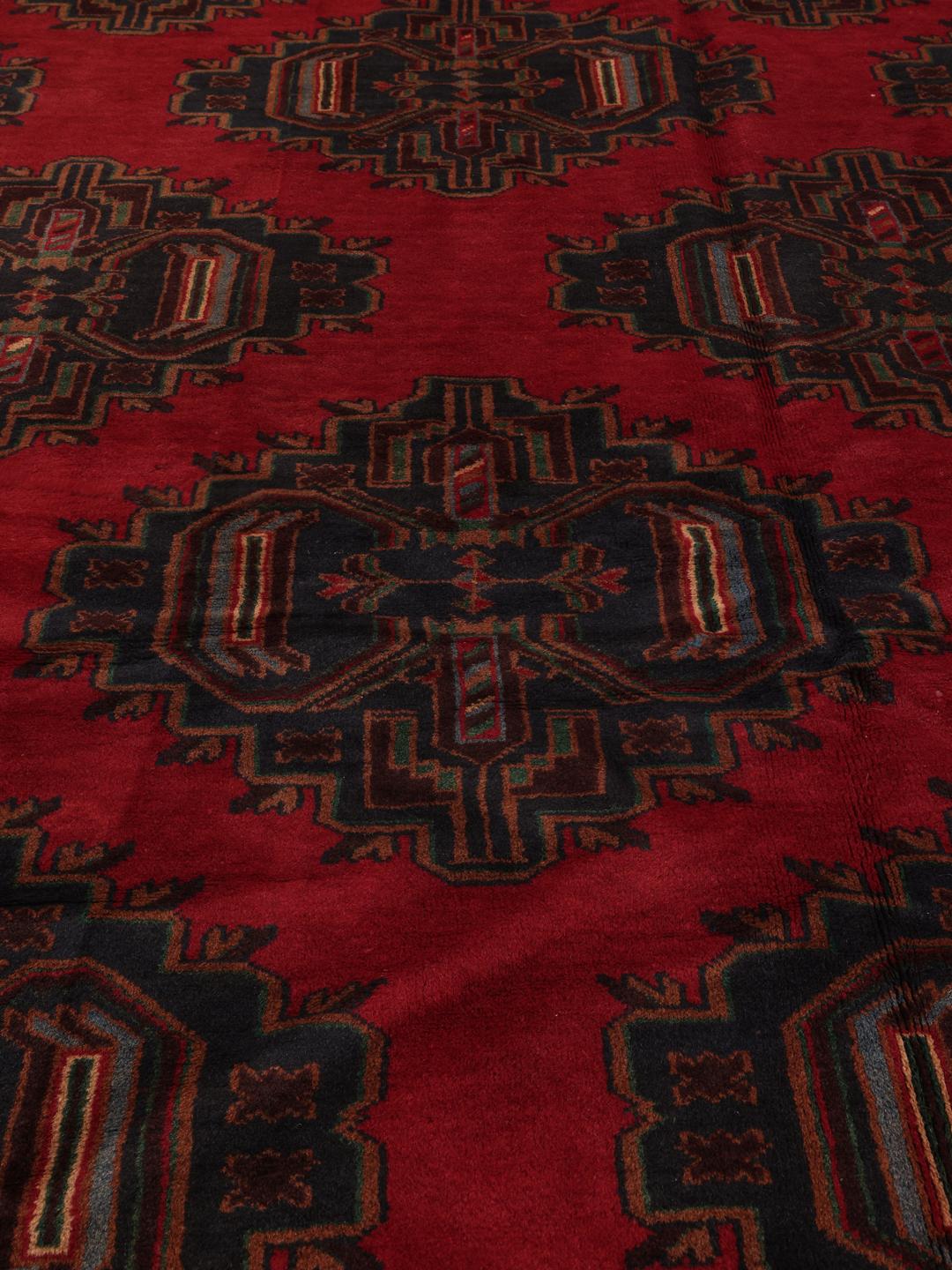
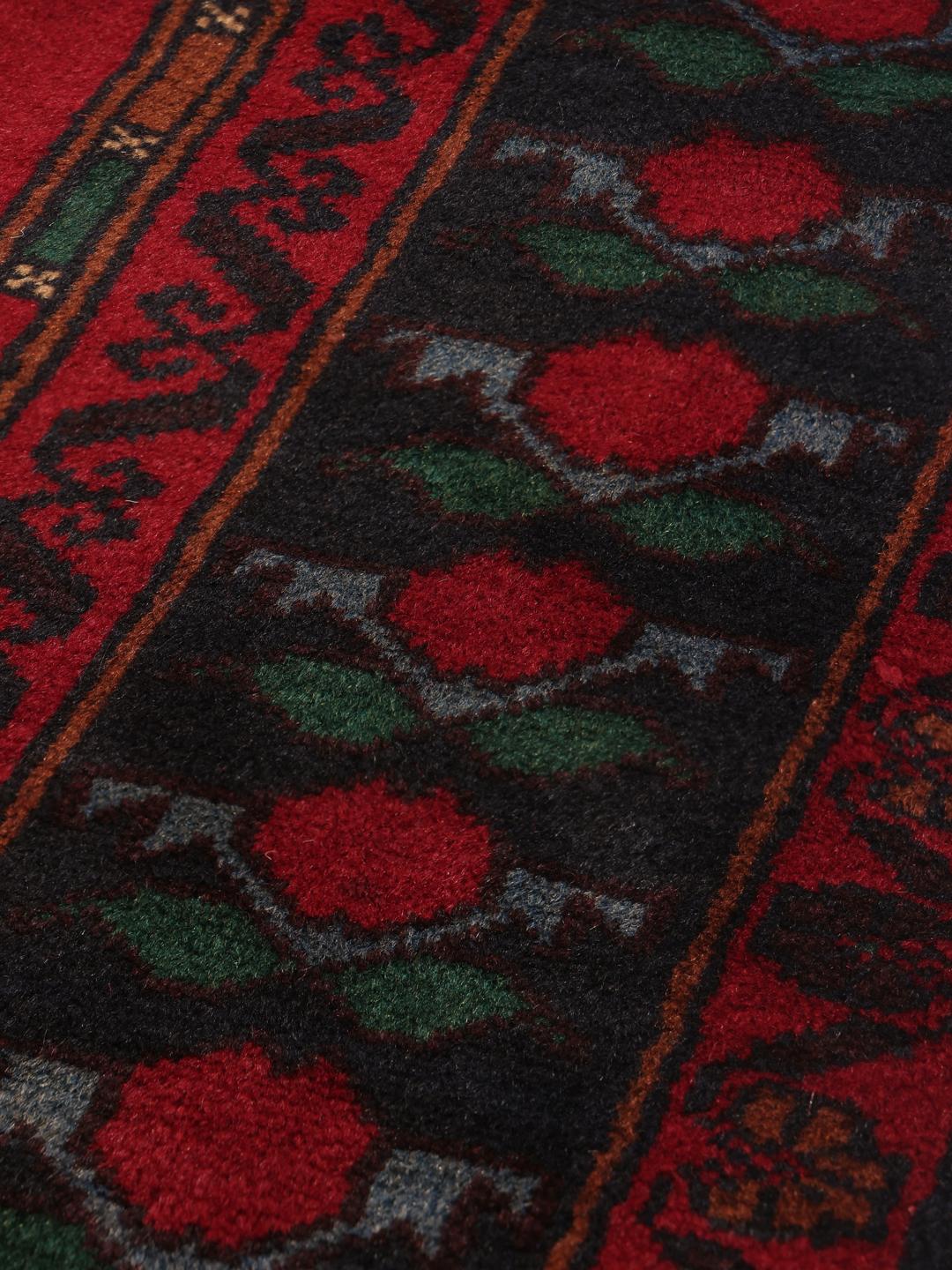
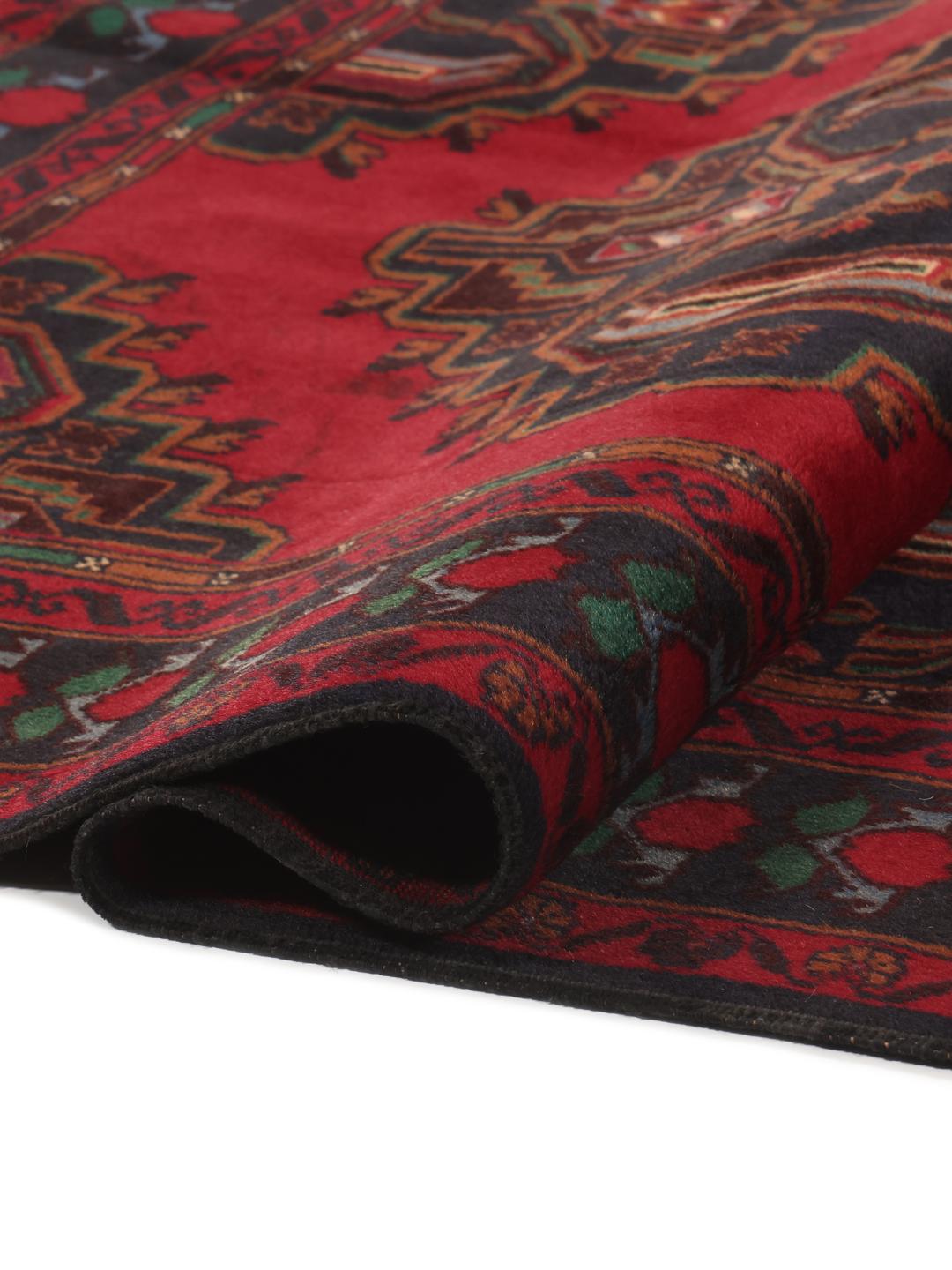
Signature design elements of Beluch rugs typically include geometric medallions, tribal guls, and intricate borders that frame the field. While deep, earthy reds are a classic choice, these rugs often incorporate dark blues, browns, and blacks to create high-contrast patterns that are instantly recognisable. The patterns are usually symbolic, often representing the weaver's environment, beliefs, and the natural world, giving each rug a narrative quality that transcends simple decoration.
Owning a Beluch rug is an opportunity to connect with a rich artistic lineage. They are highly sought after by collectors and enthusiasts who appreciate the authenticity of tribal work and the human story behind every knot. By bringing one of these pieces into your home, you are not only acquiring a beautiful floor covering but also preserving a piece of cultural history and honouring the incredible skill of the artisans who continue to practice this ancient craft.