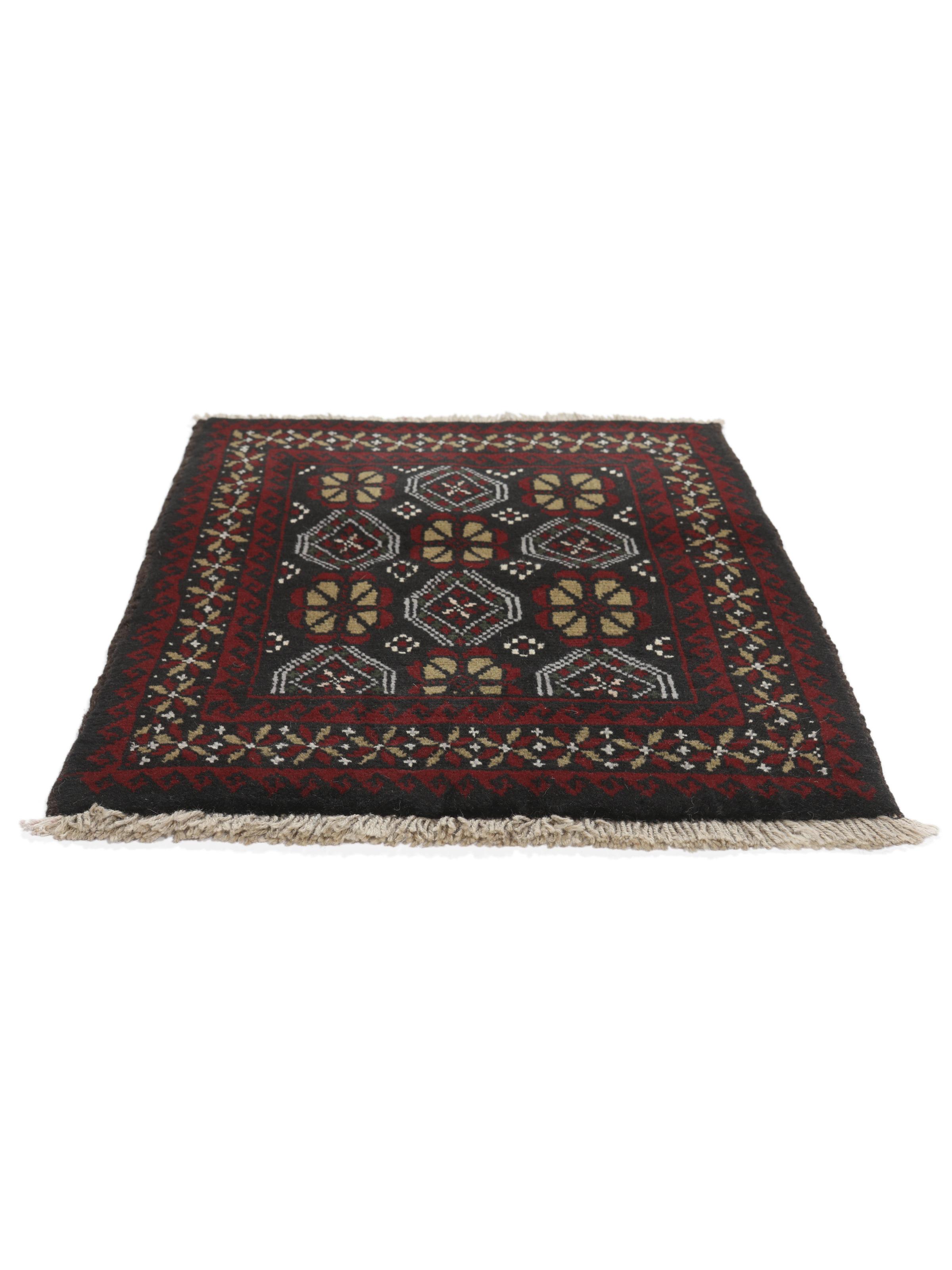
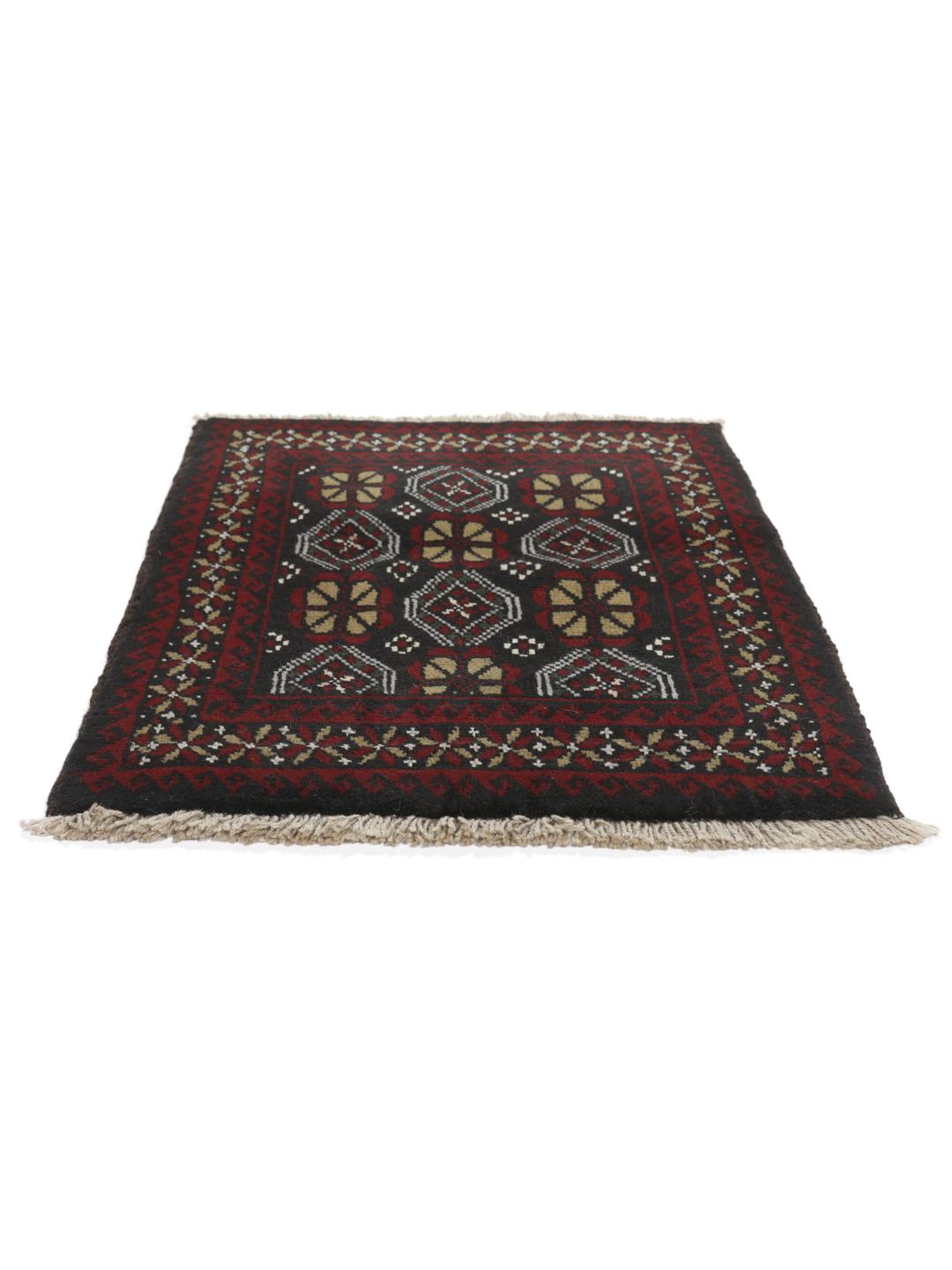
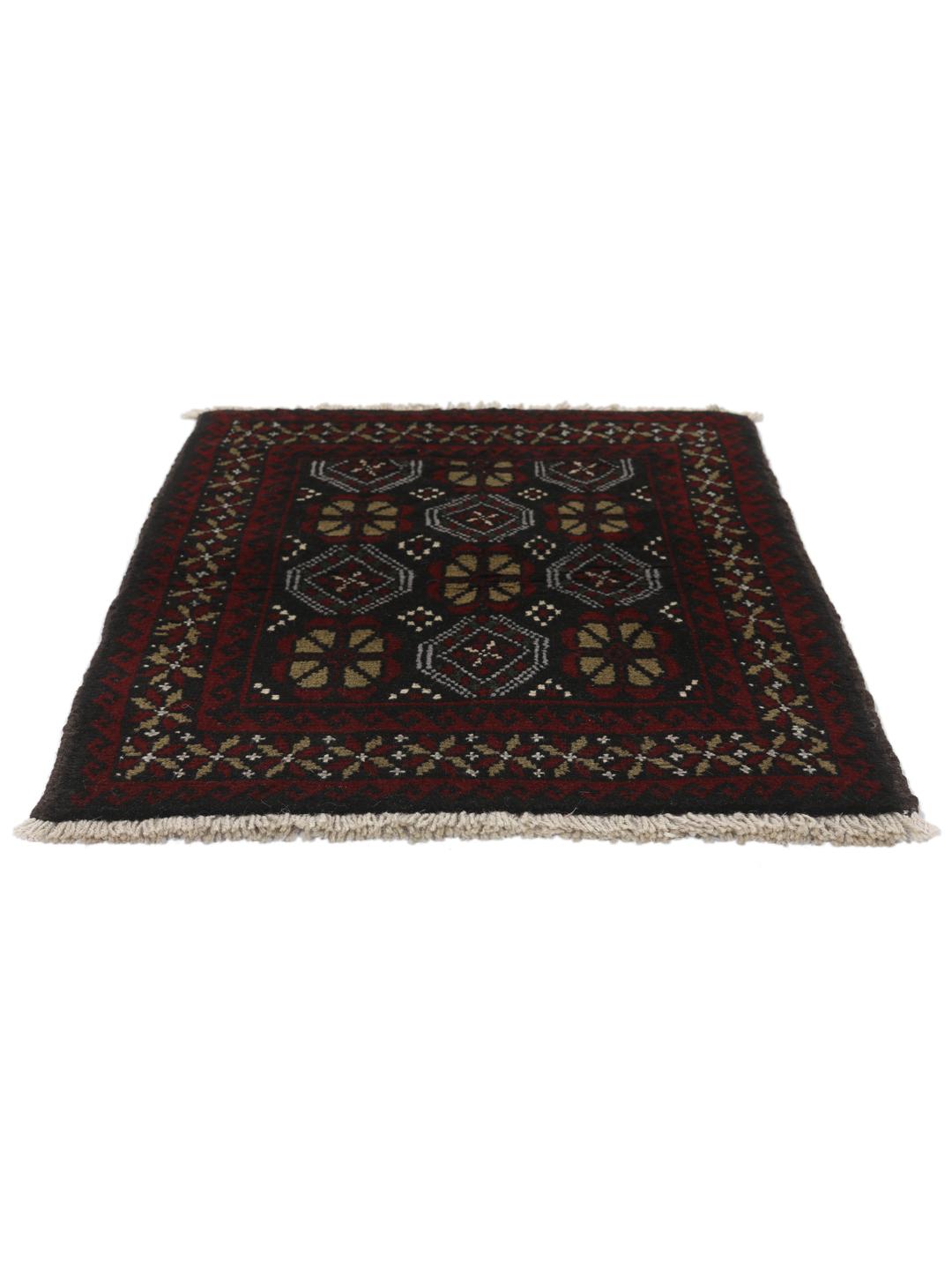
Baluch rugs are deeply rooted in the nomadic heritage of the tribes inhabiting the borderlands of the Middle East. These weavers have historically travelled across vast, rugged landscapes, carrying their looms with them. As they moved, they adapted their designs, incorporating the symbols and stories of their environment into their textiles, which were traditionally used as saddlebags, floor coverings, and tent decorations.
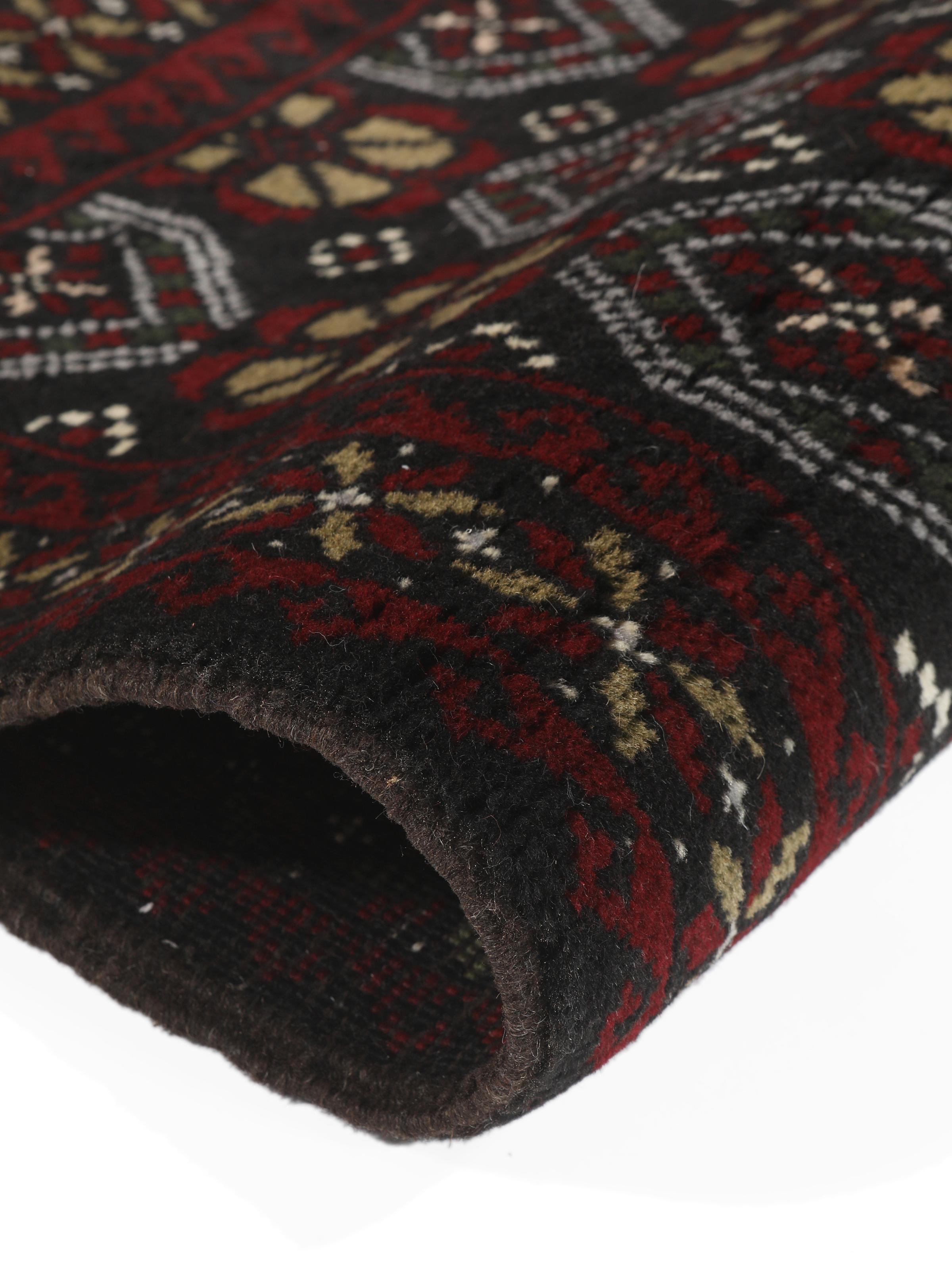
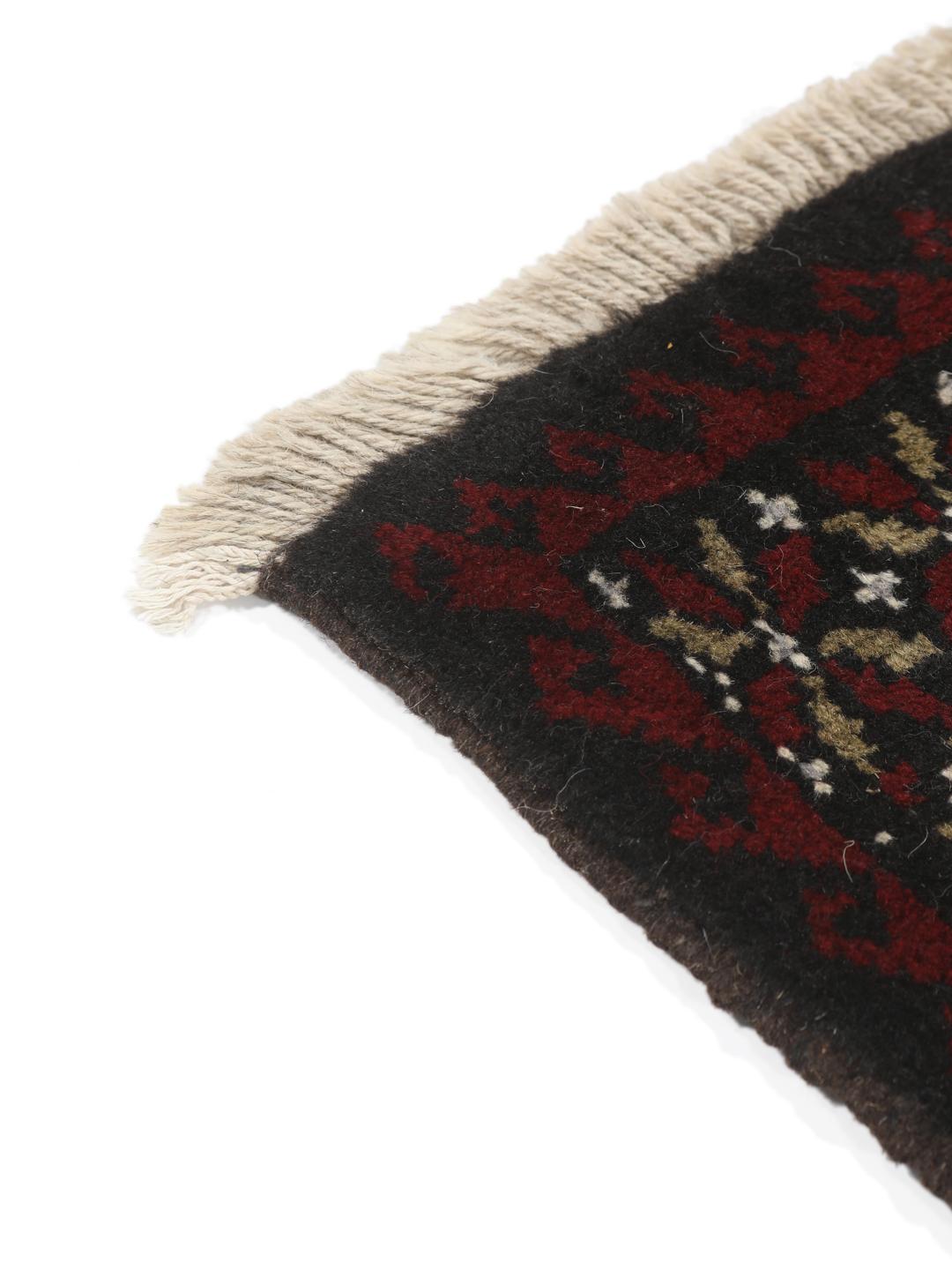
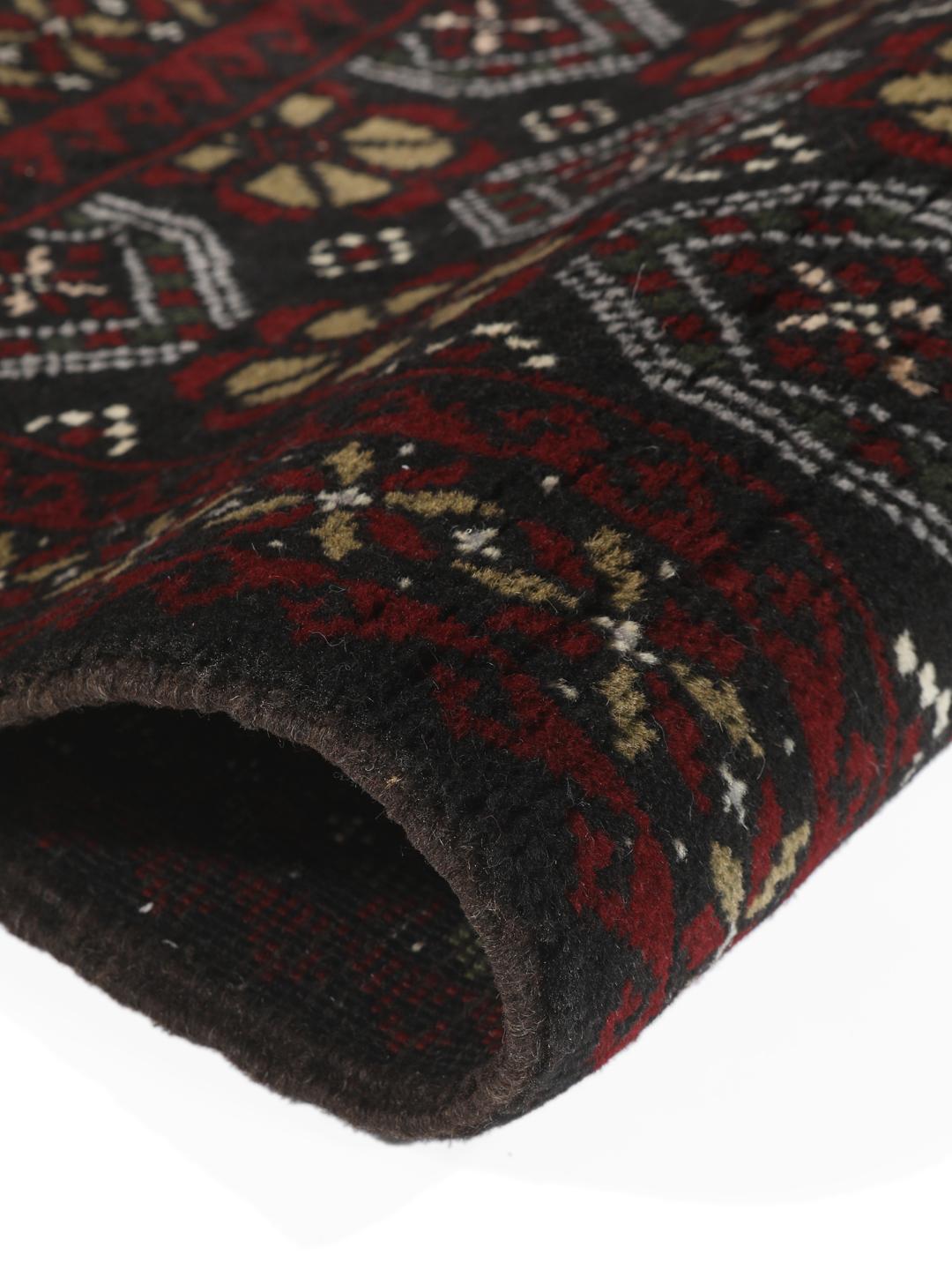
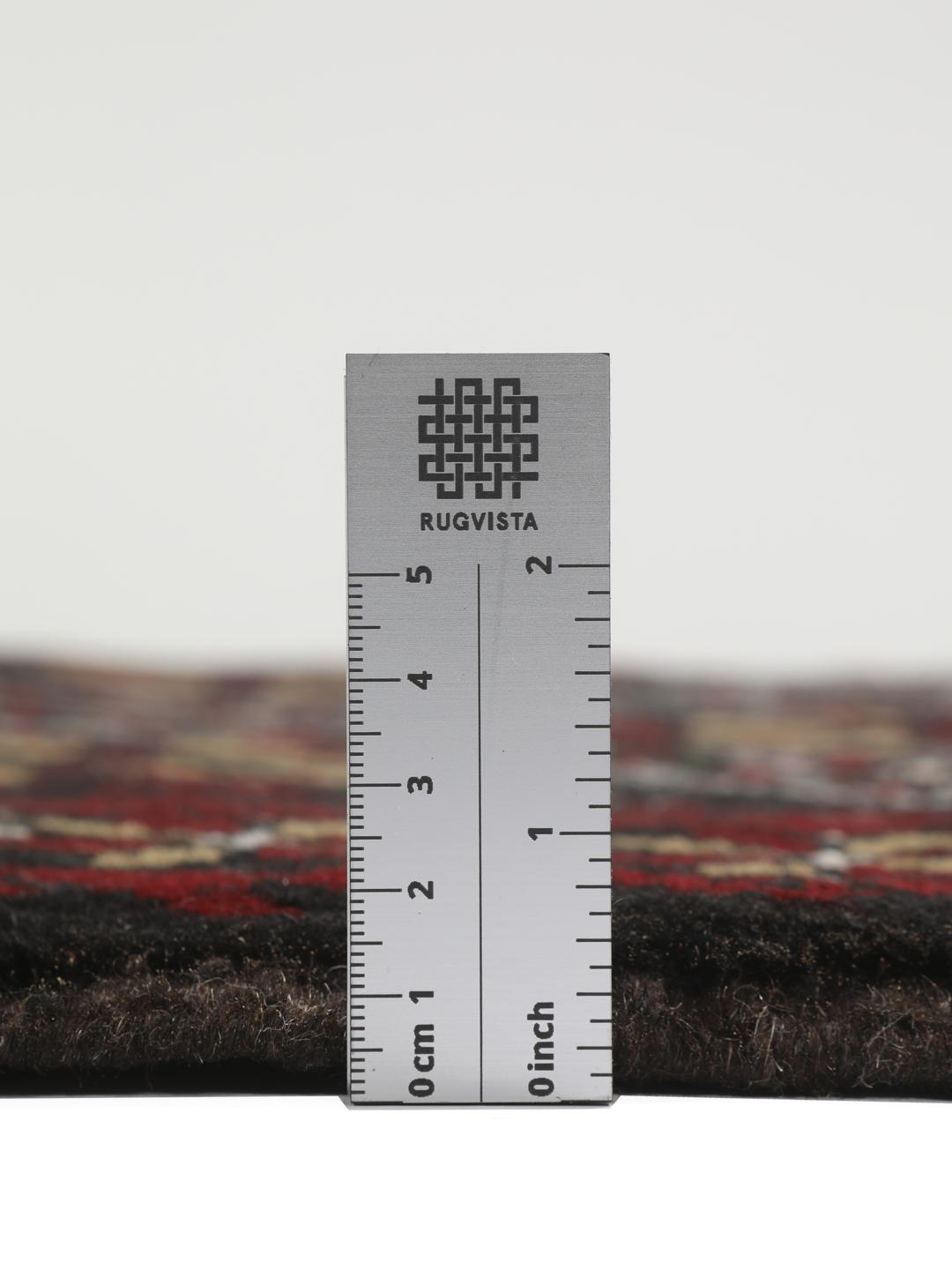
The term Baluch refers to these distinct tribal styles, which are celebrated for their focus on durability and intricate, often geometric, design language. The wool used in these rugs is typically sourced from local flocks, resulting in a high-quality pile that is both robust and soft to the touch. The deep colours often achieved through natural dyes have become a signature of the tradition, providing a look that is both understated and profoundly elegant.
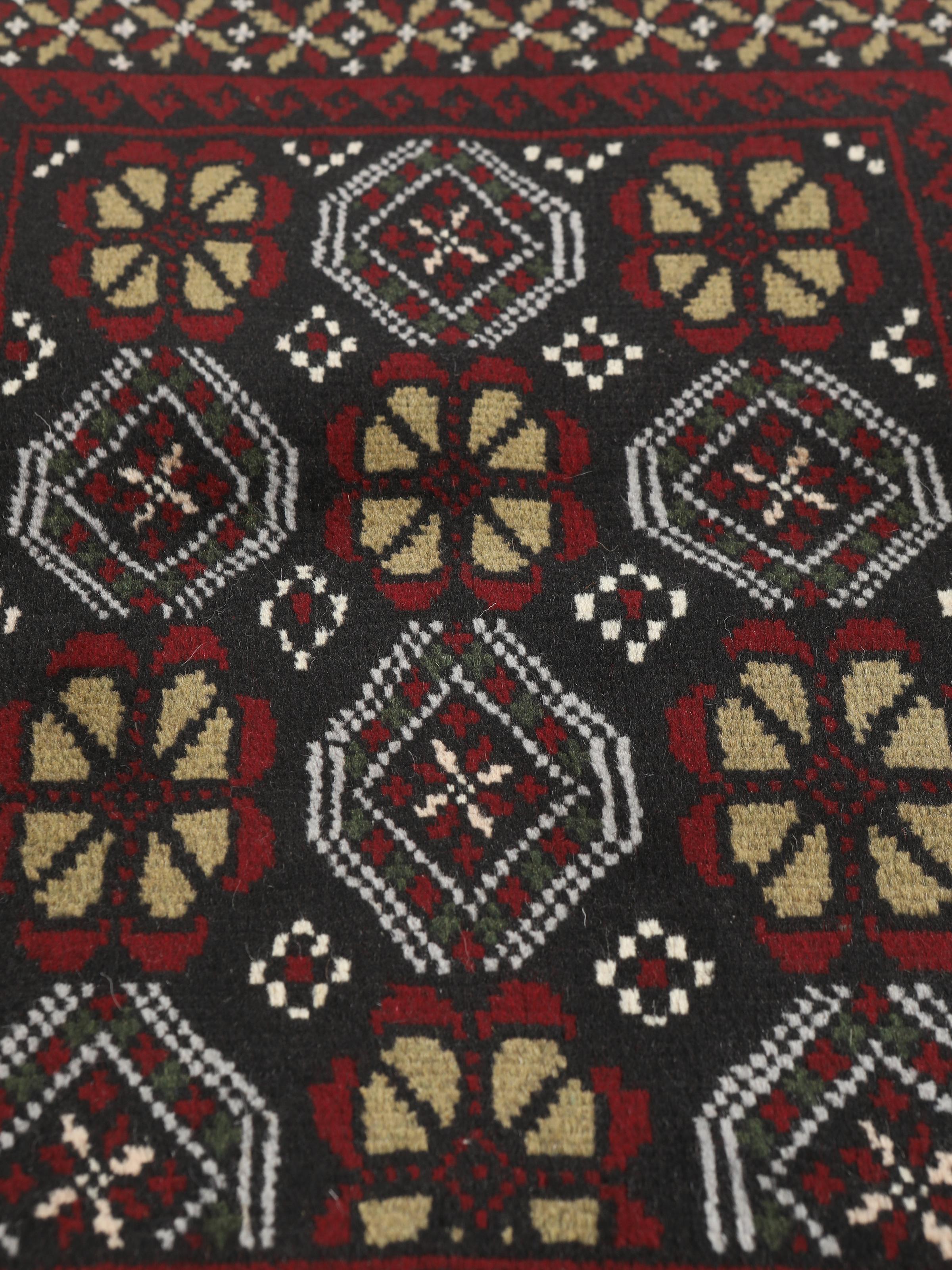
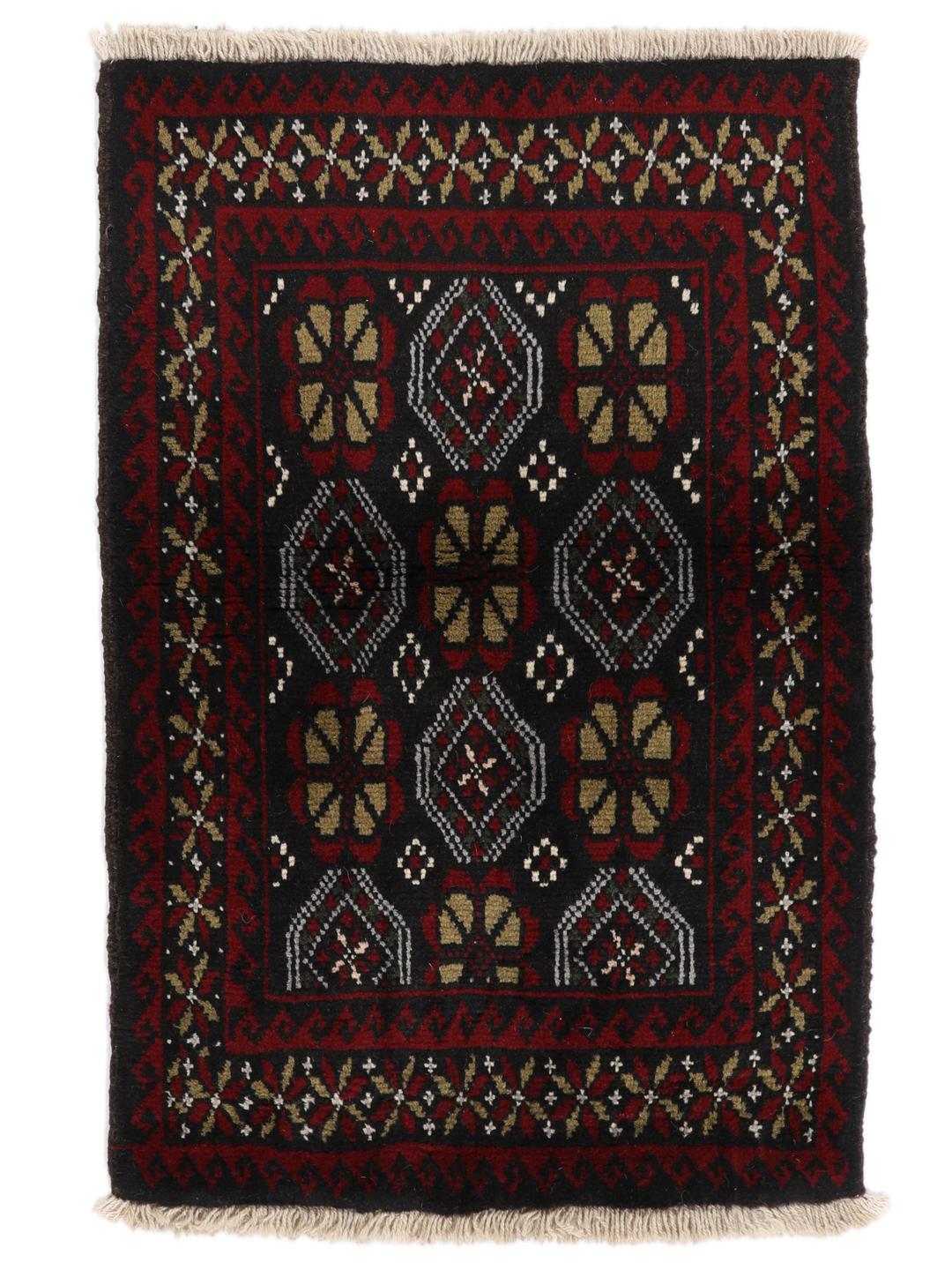
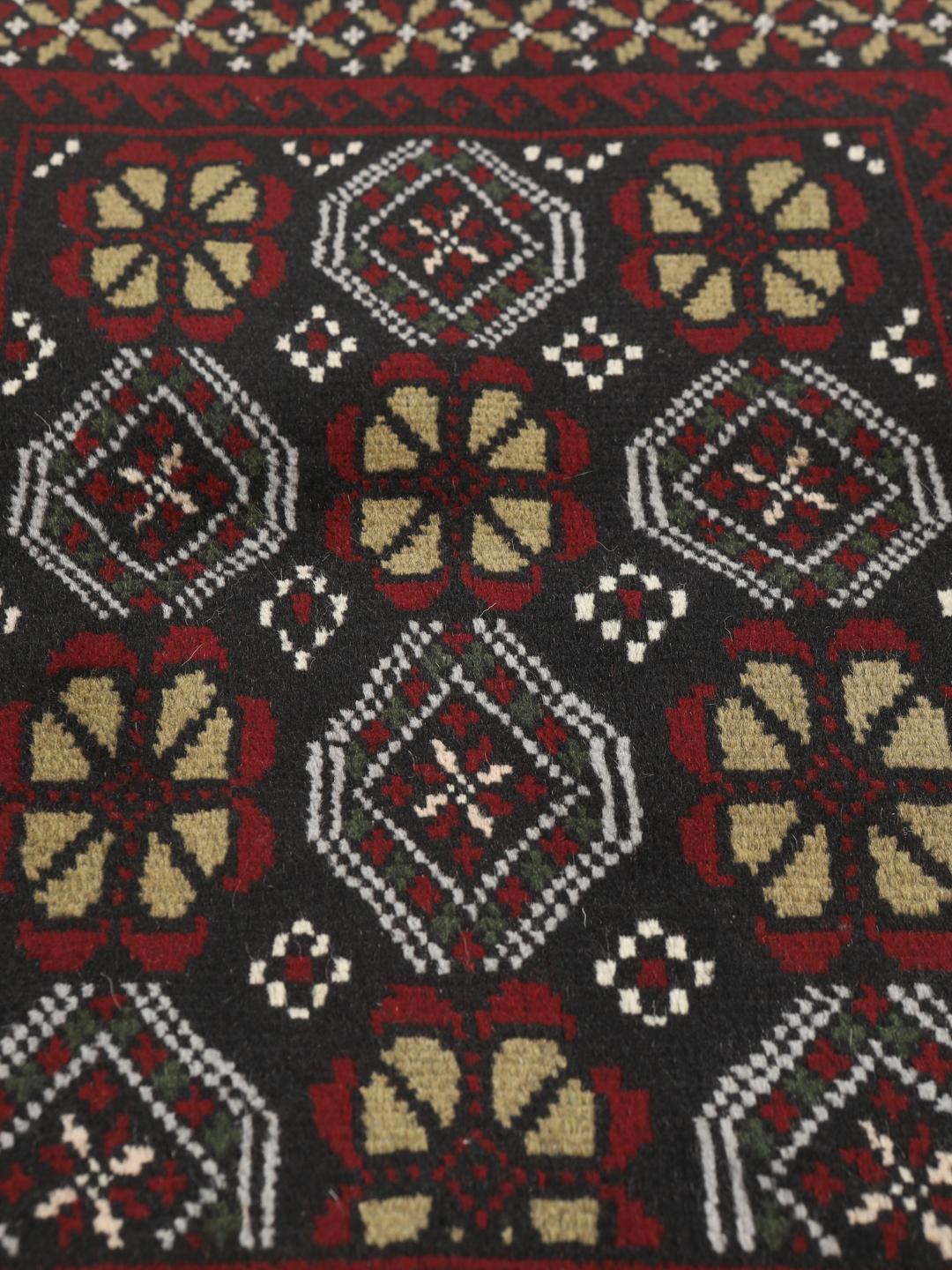
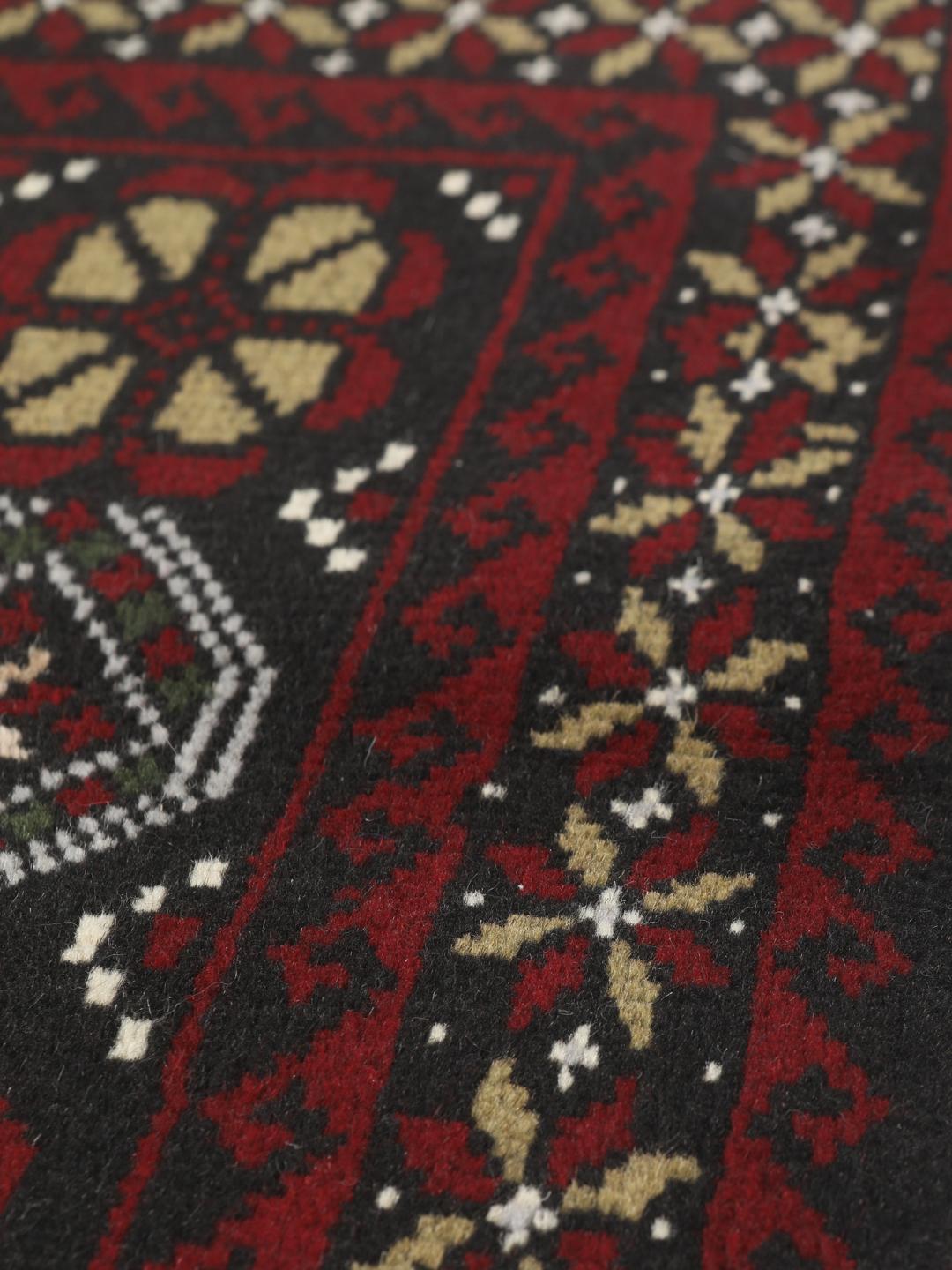
Visually, these rugs are defined by their complex geometric motifs, often featuring stylised medallions and repeating patterns known as guls. The borders are frequently decorated with serrated edges or intricate floral-inspired motifs, framing the central field with precision. It is common to see a rich, dark colour palette, which allows the subtle shifts in tone and the clarity of the patterns to shine through, creating a sense of depth that is rare in modern factory-made alternatives.
Owning a Baluch rug is more than just a decorative choice; it is an investment in a living history. Collectors value these pieces for their authenticity, the skill required to maintain complex patterns without modern guides, and the way they bring a sense of historical narrative into a contemporary home. Each rug is a repository of cultural heritage, representing a craft that has been passed down through generations.