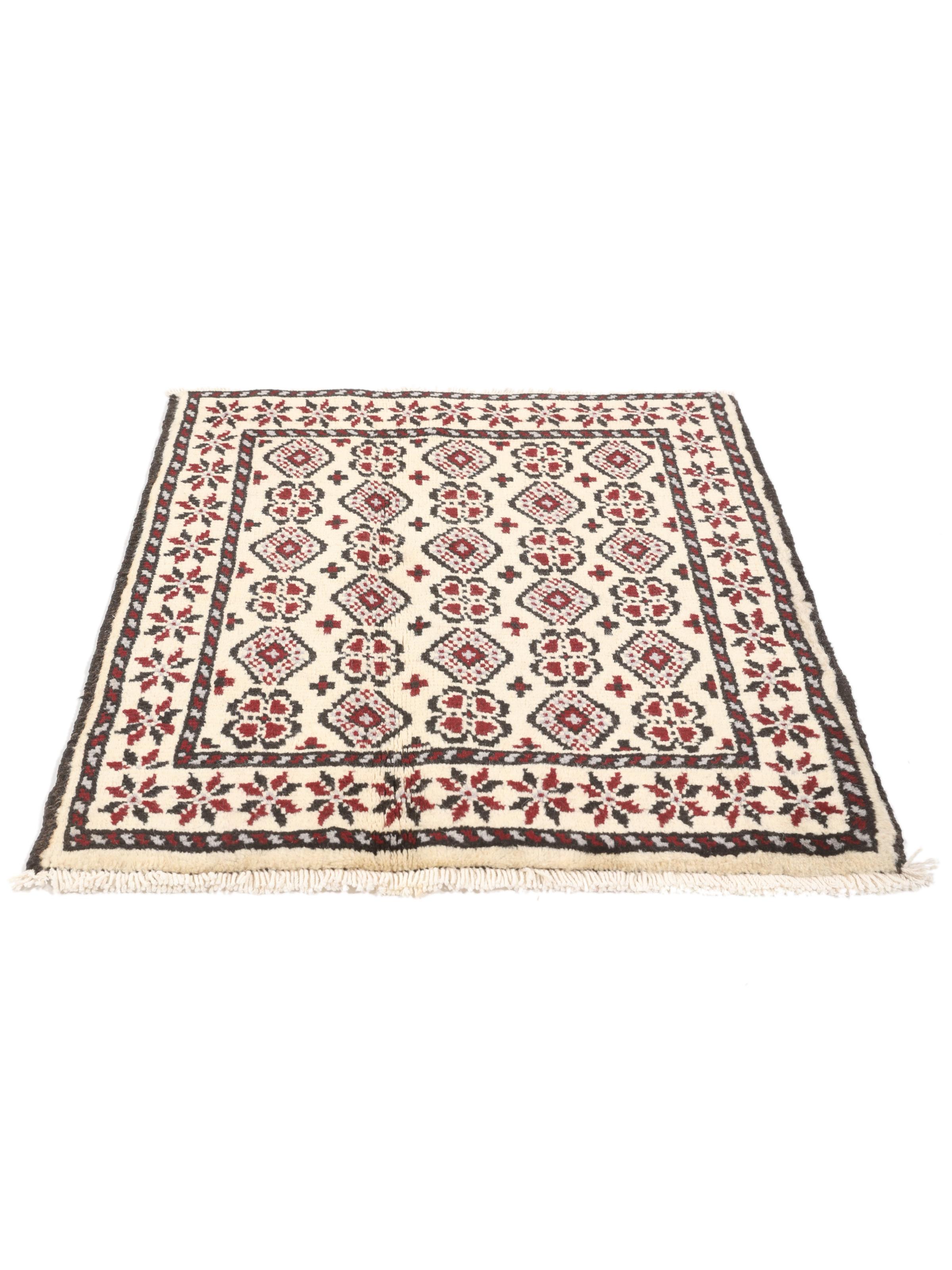
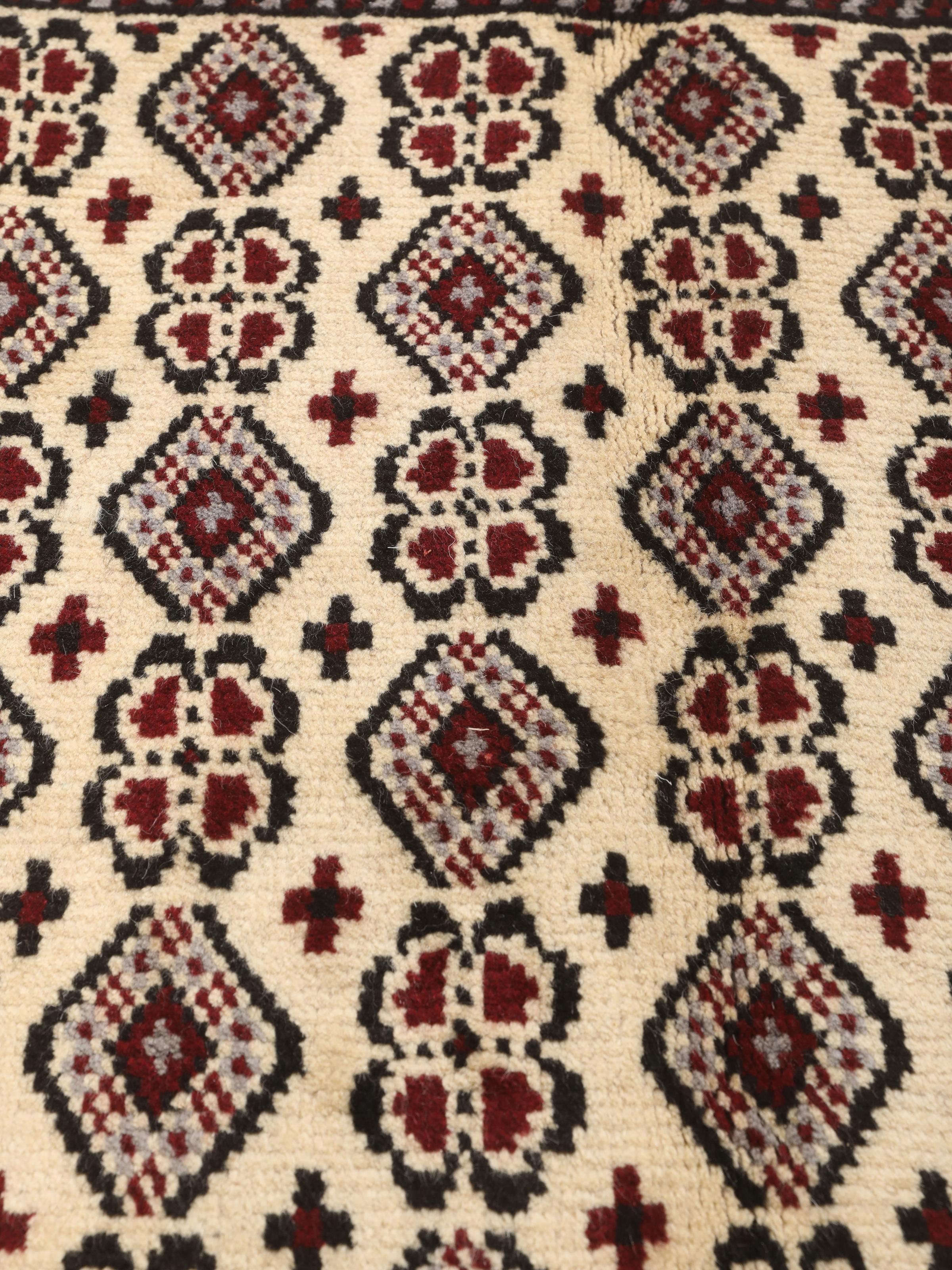
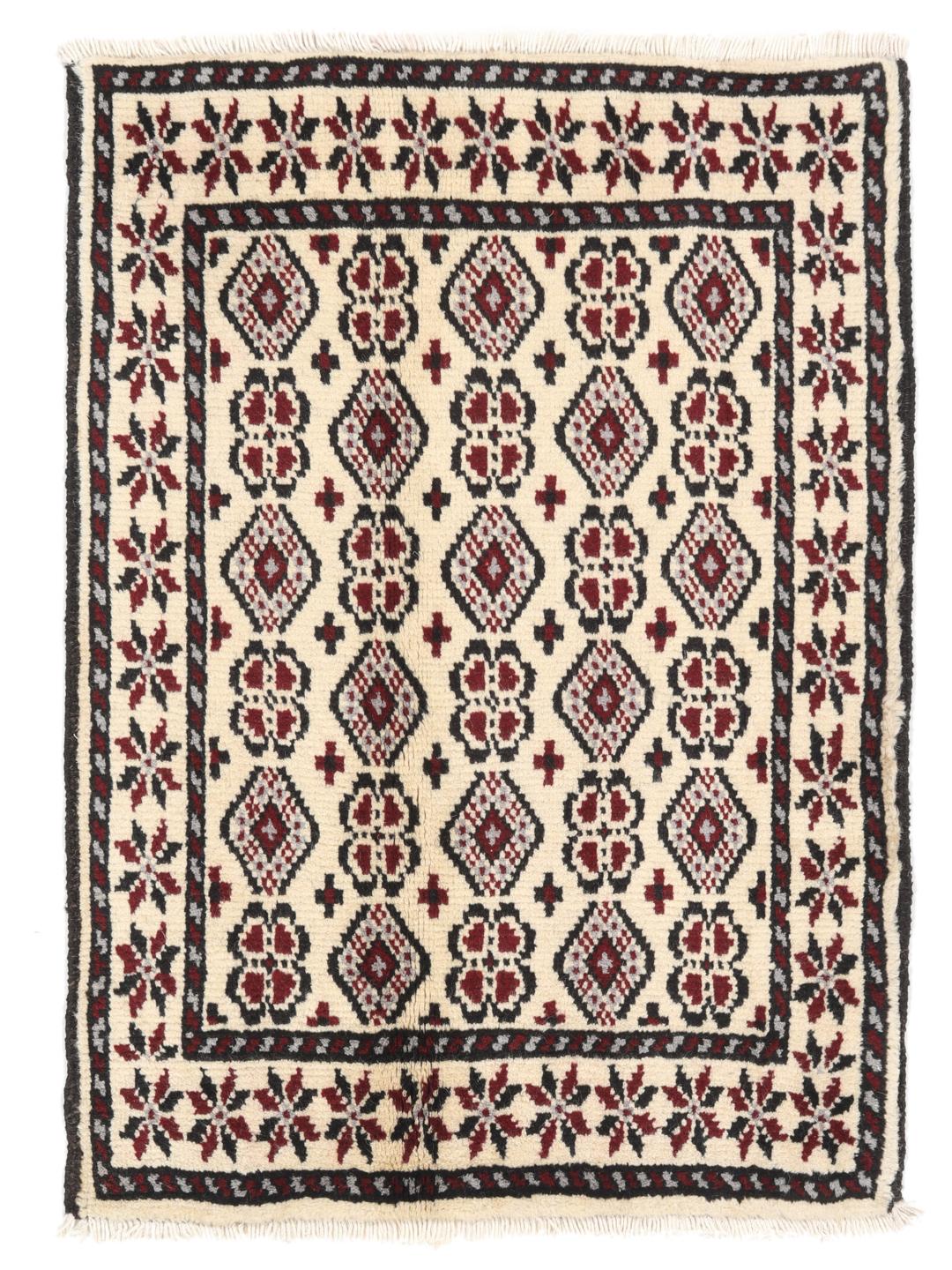
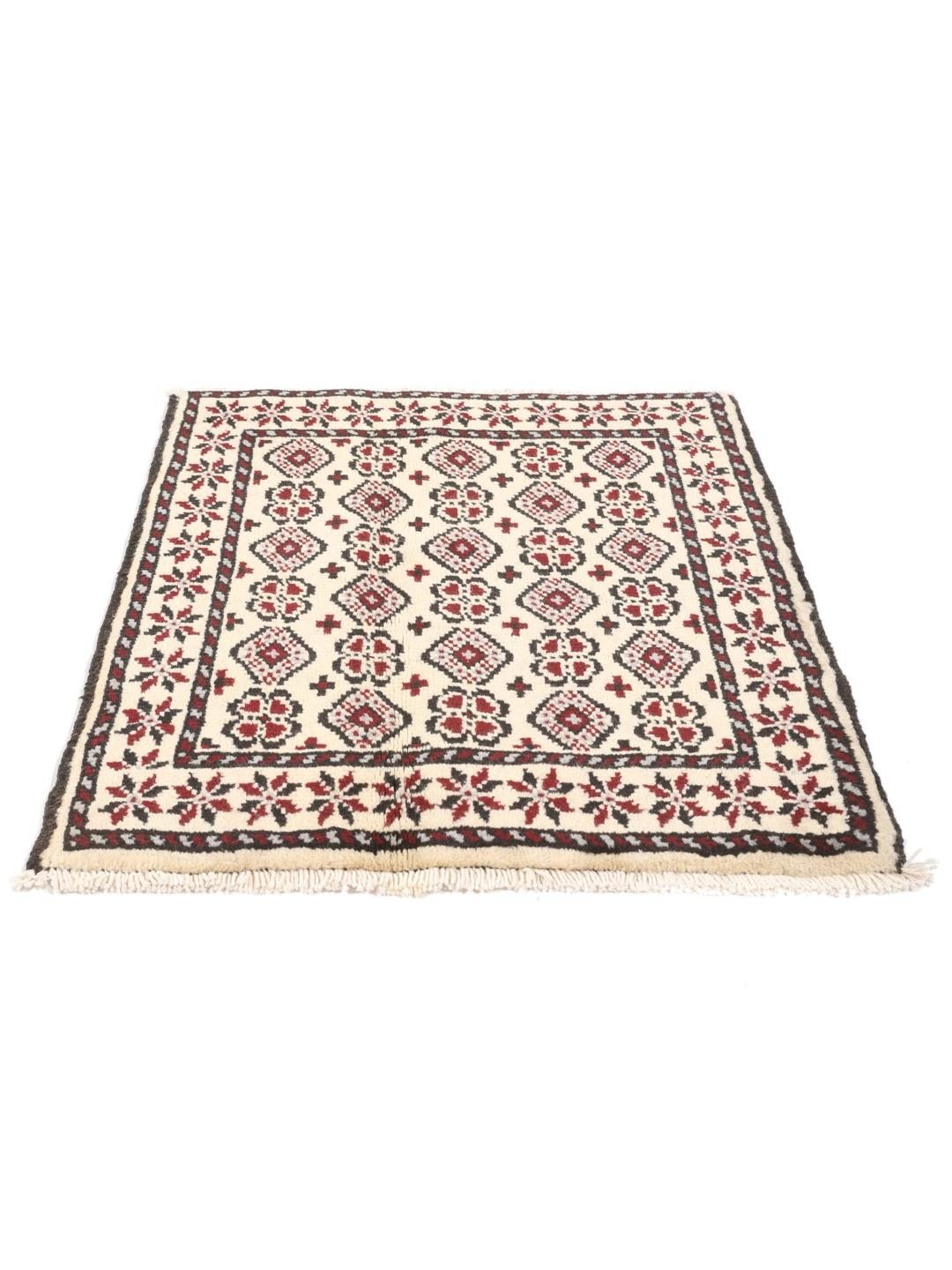
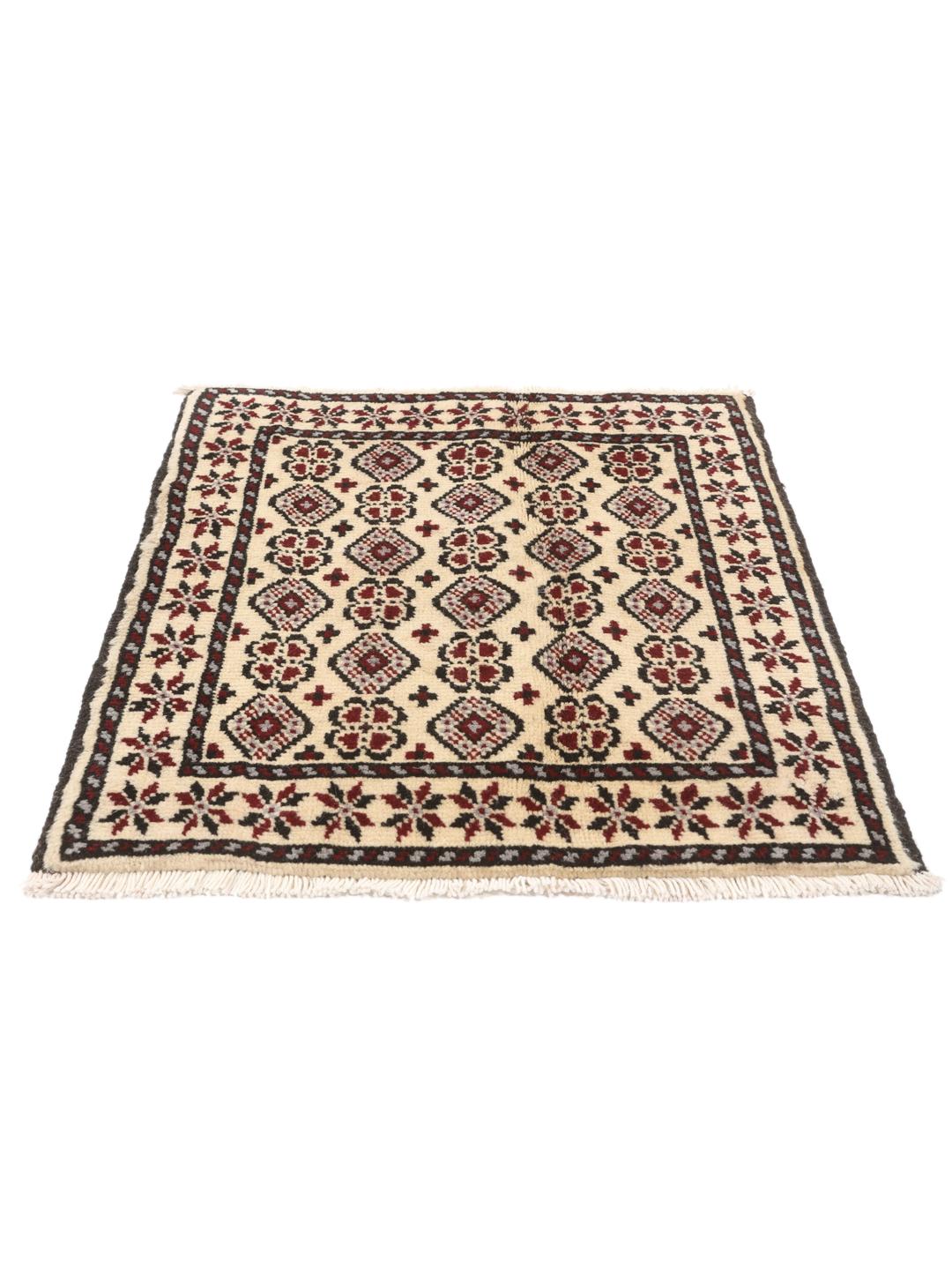
Baluch rugs originate from the nomadic and semi-nomadic tribes residing in the border regions of the Middle East. These tribes have long been renowned for their ability to weave durable, portable, and visually complex textiles that reflect their environment and cultural heritage. The tradition of weaving is passed down through generations, with each generation adding its own nuance to the established tribal visual language.
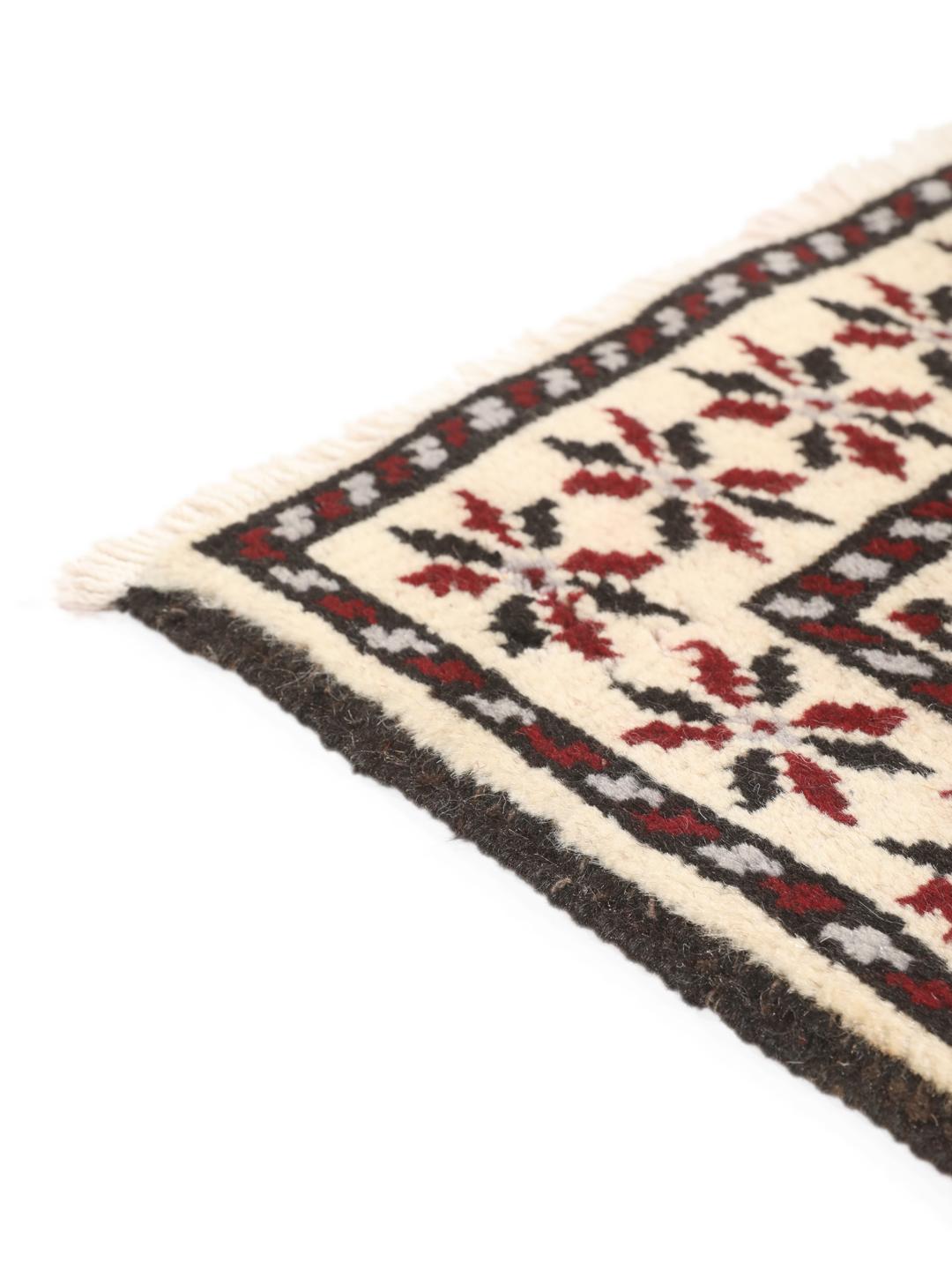
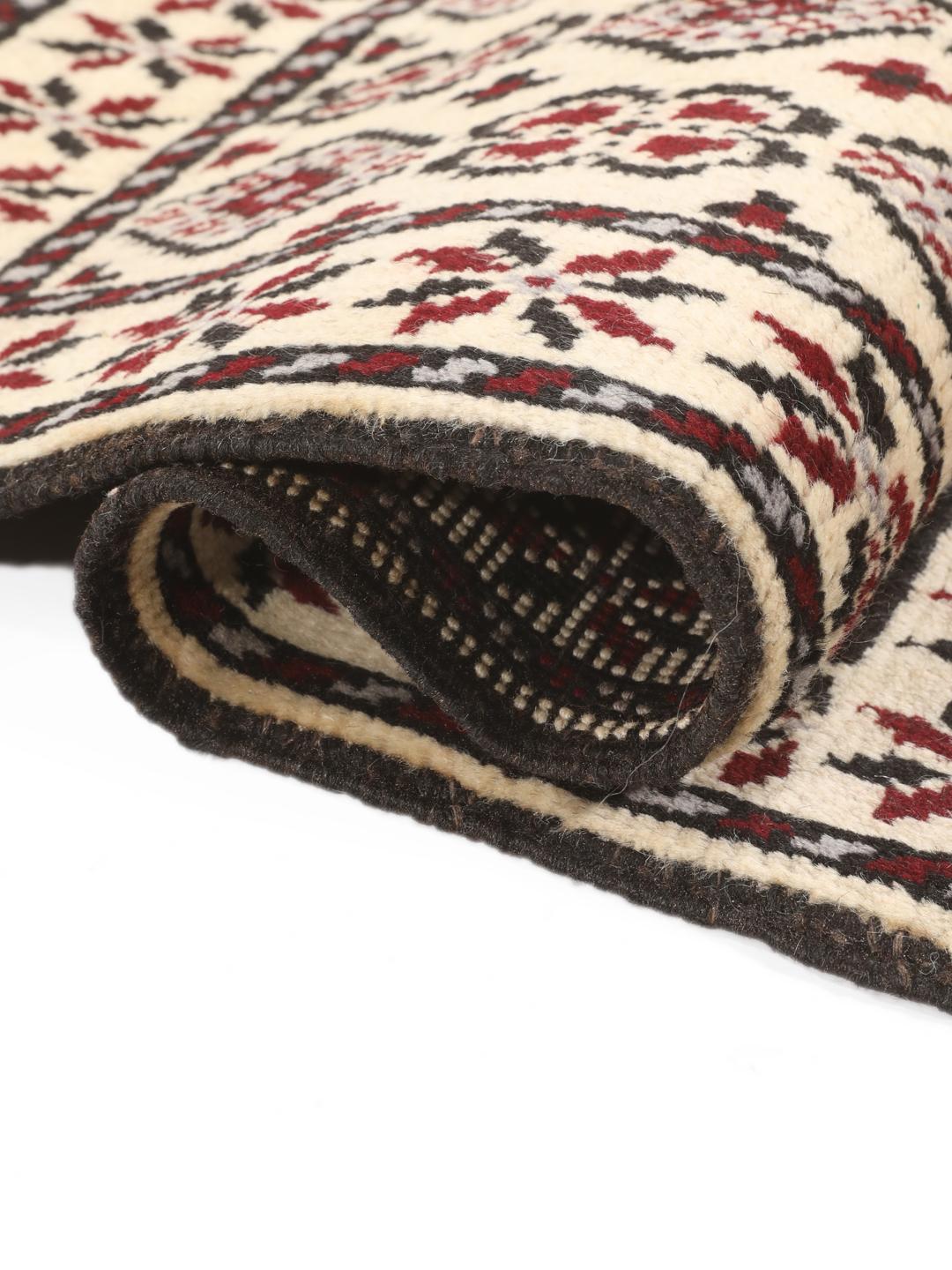
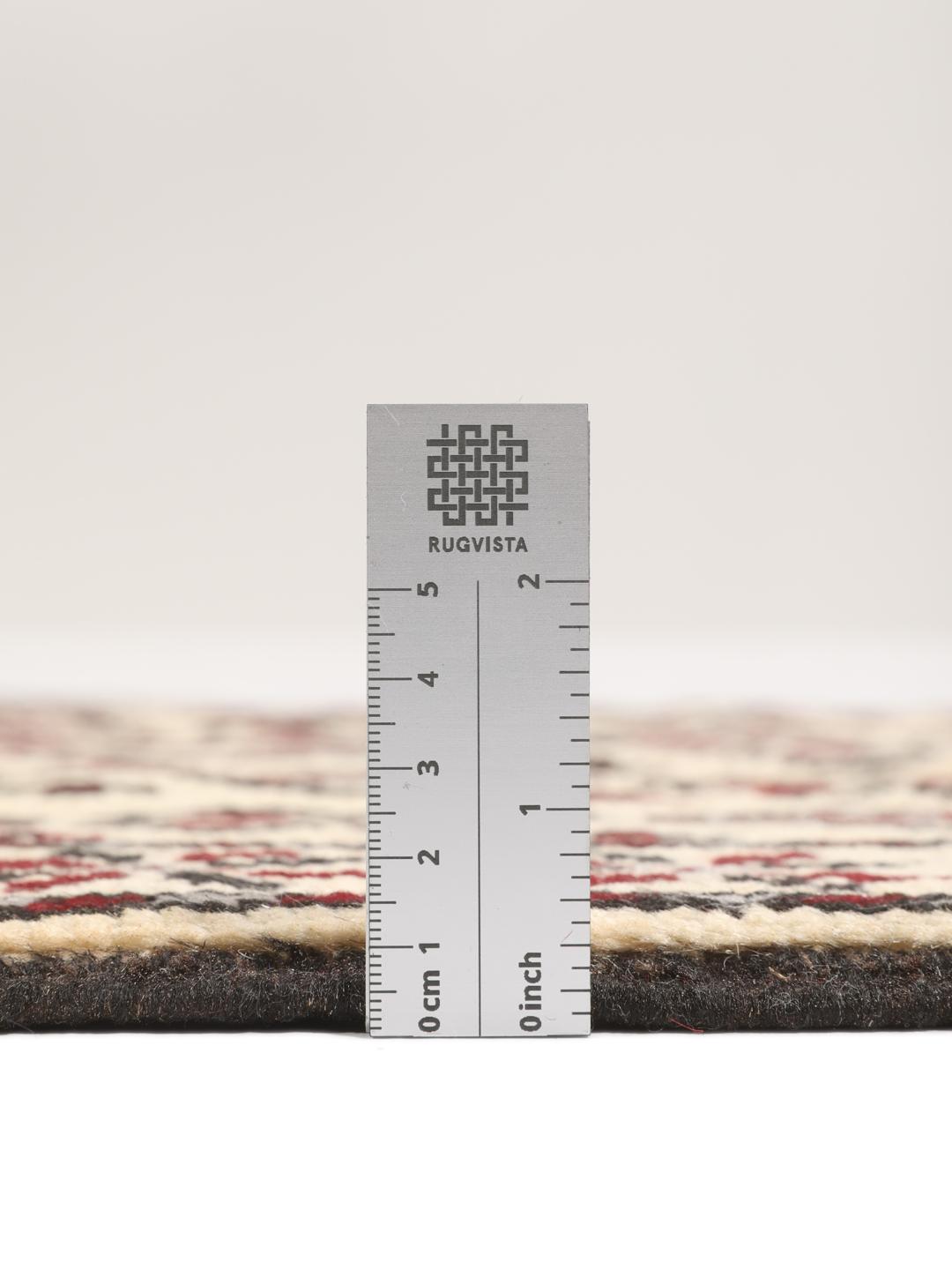
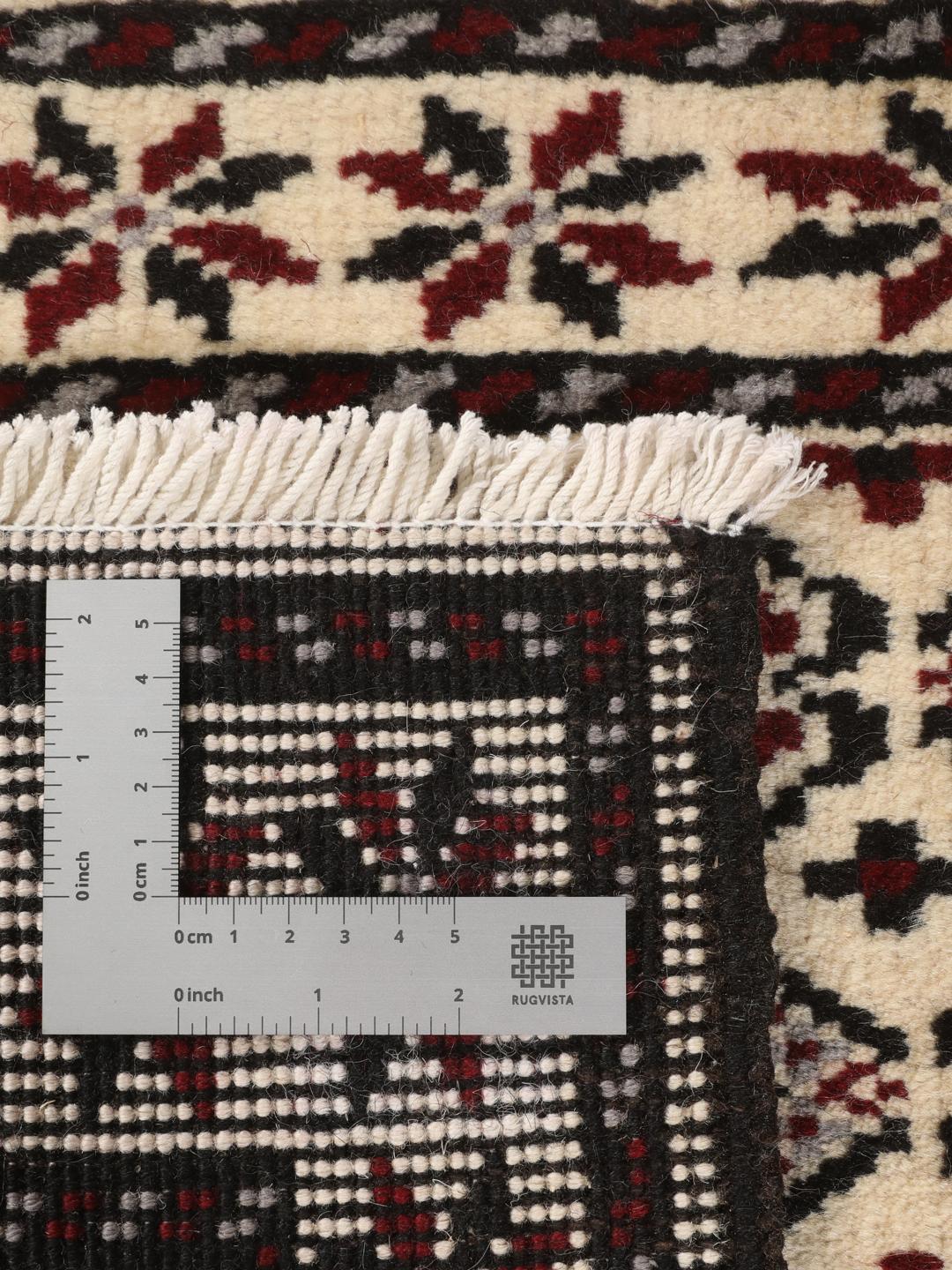
The term Baluch refers to the tribal origin, and the rugs are highly regarded for their use of high-quality wool, which is often sourced from their own flocks. This wool is known for its natural lustre and resilience, which is essential for rugs that were traditionally used in both tents and homes. The construction, often featuring a sturdy foundation, is designed to accommodate the nomadic lifestyle, ensuring the rug can endure travel and daily wear.
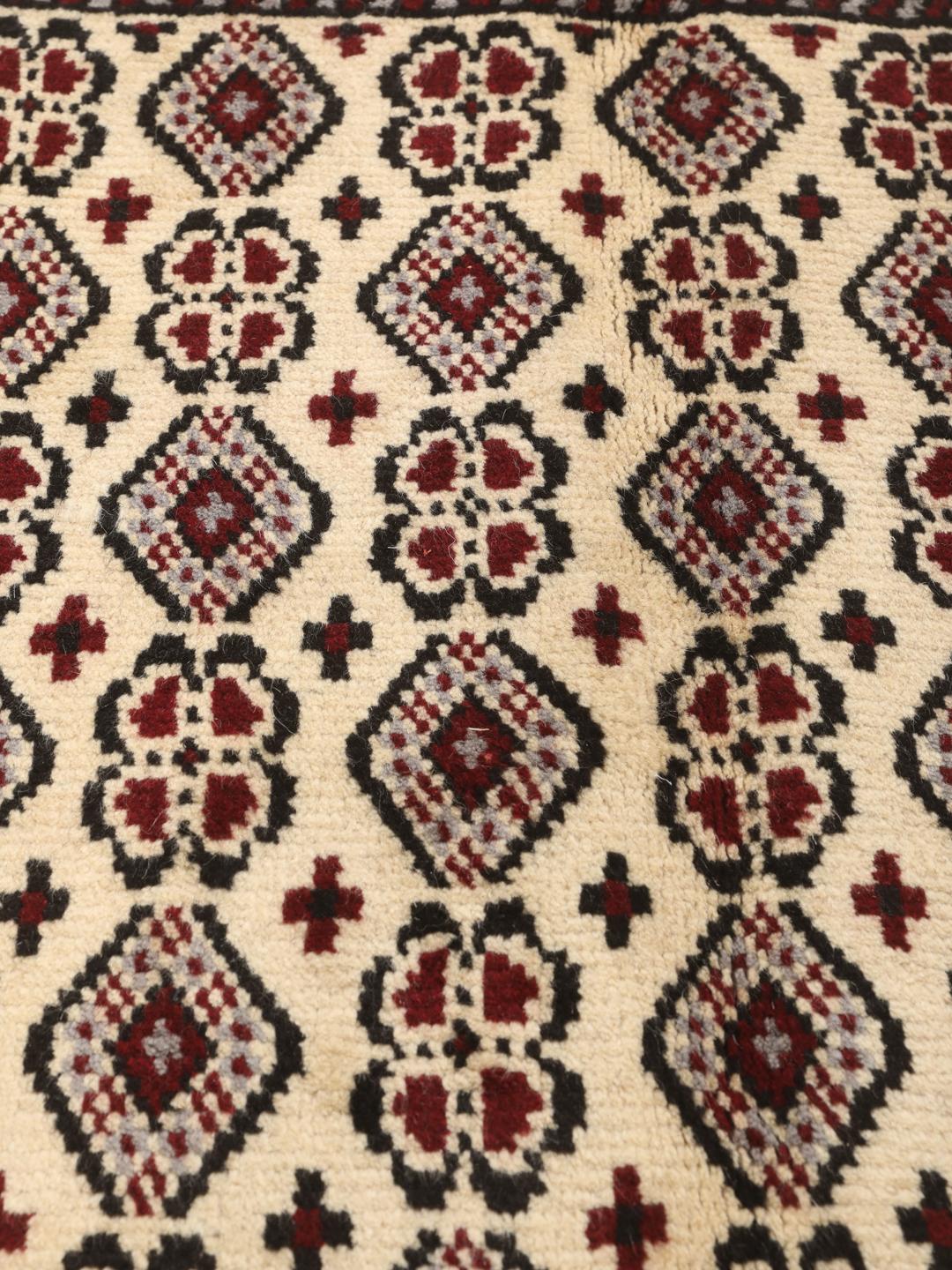
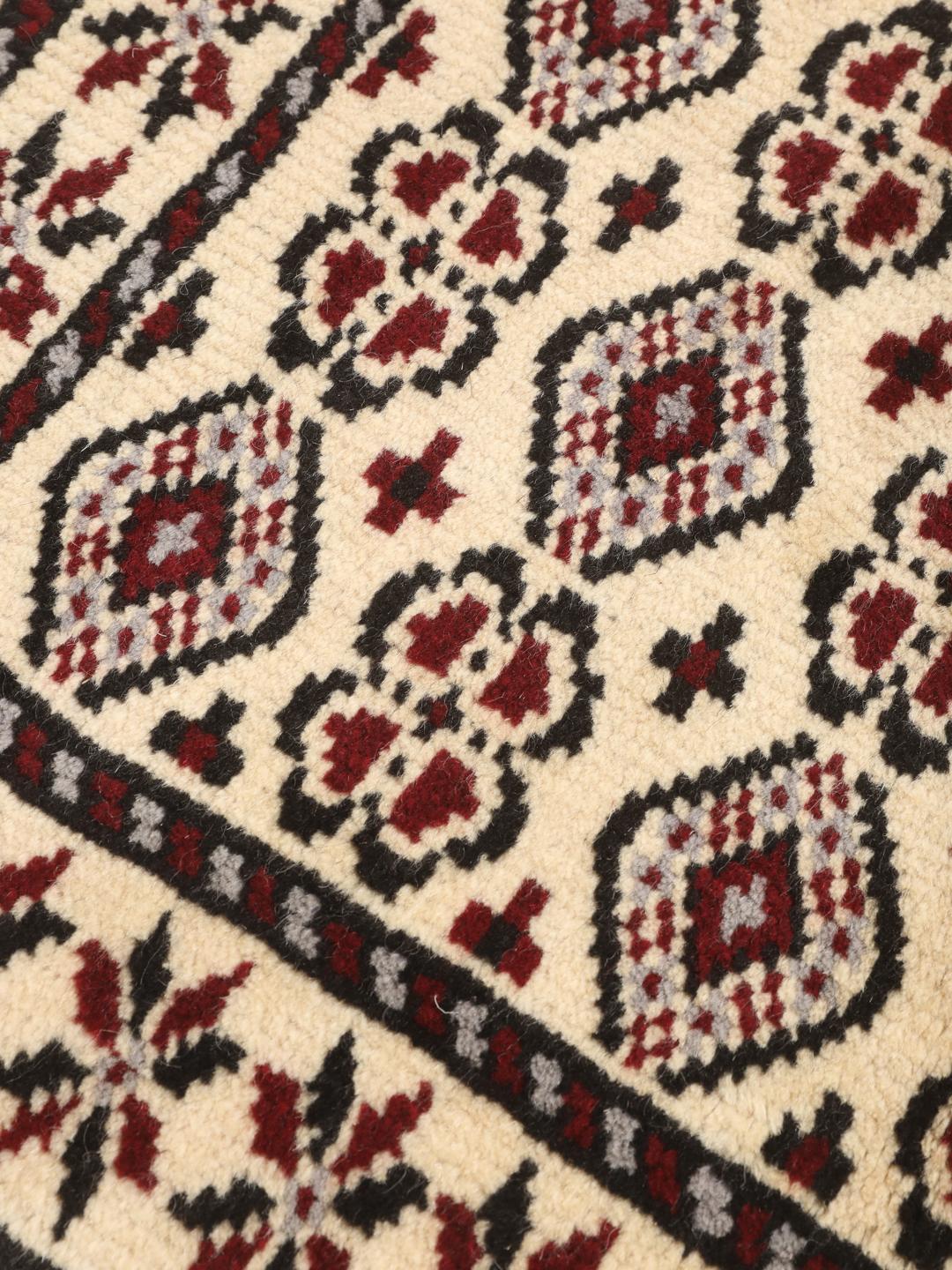
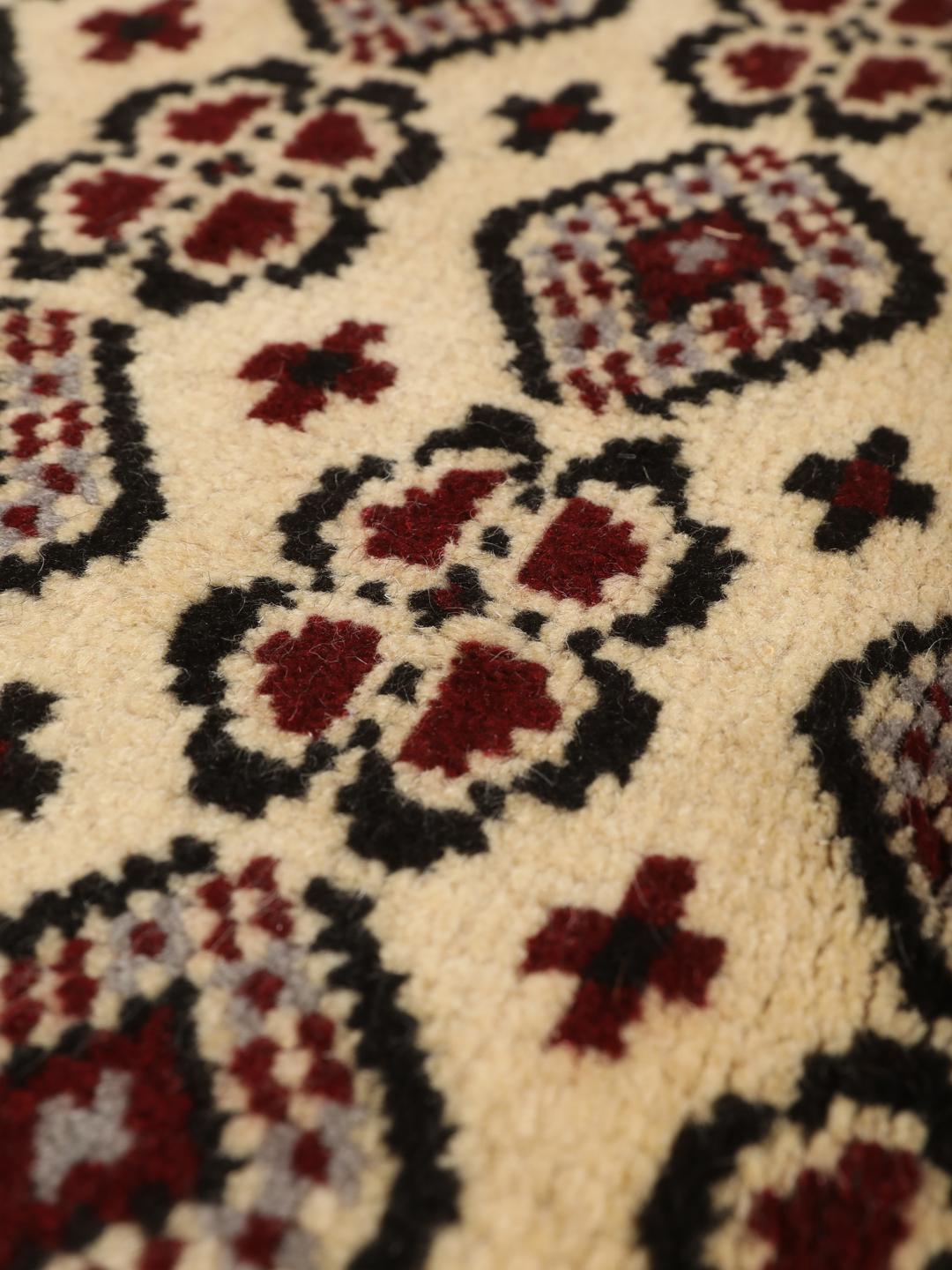
Signature design elements of Baluch rugs typically include repeating geometric medallions, often referred to as guls, and intricate, stylised floral or tribal motifs. The borders are usually as ornate as the central field, framing the composition with precise, rhythmic patterns. While deep reds and dark blues are traditional, the use of ivory or beige fields is a classic variation that allows the darker, more intricate details to stand out vividly.
Collecting these rugs is an appreciation of the skill and cultural identity of the weavers. They are valued not just for their utility, but for the stories woven into their patterns and the raw, honest quality of their construction. Owning a piece from this tradition is an investment in a living heritage, connecting your home to a long-standing practice of artistic expression.