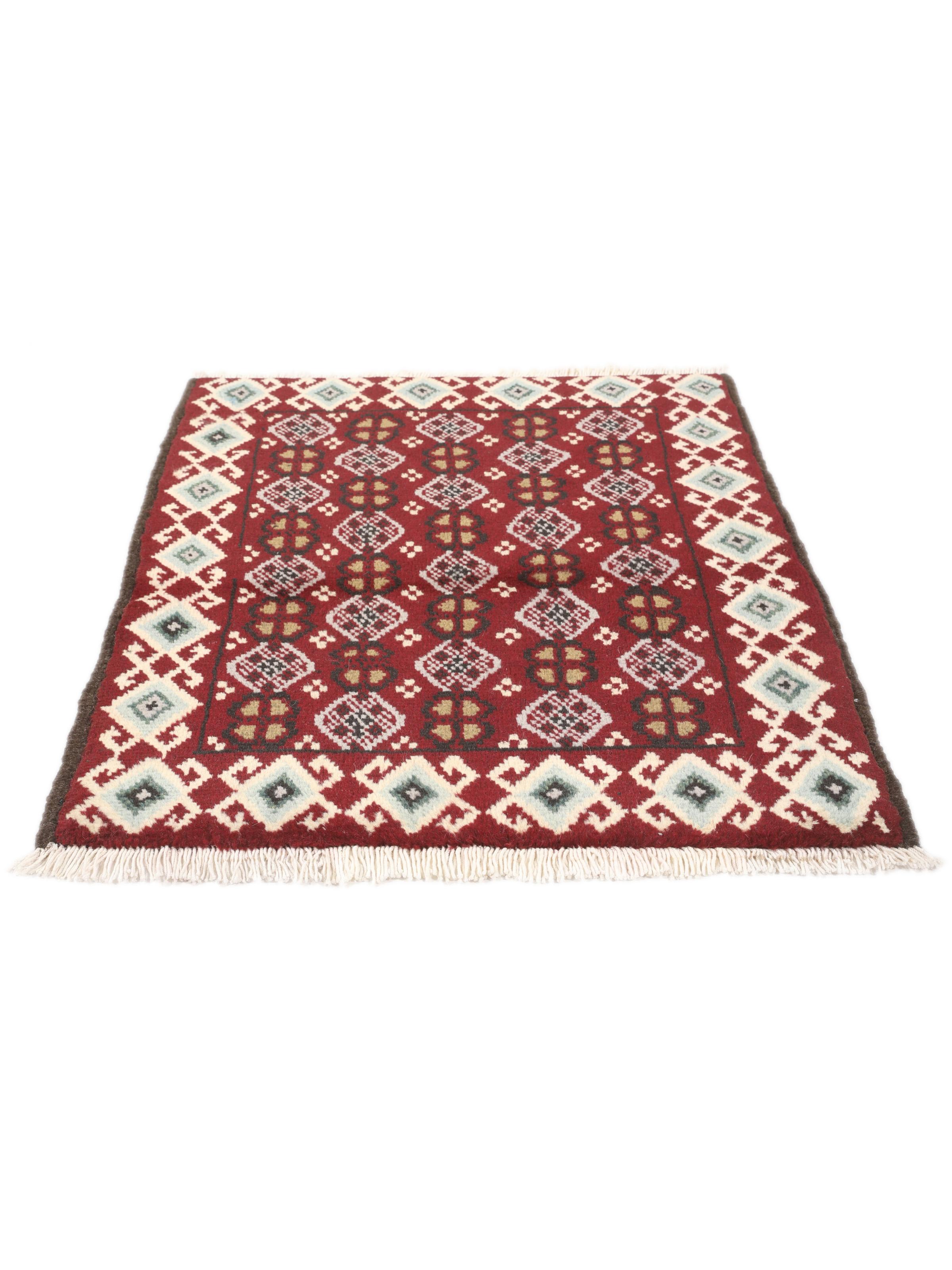
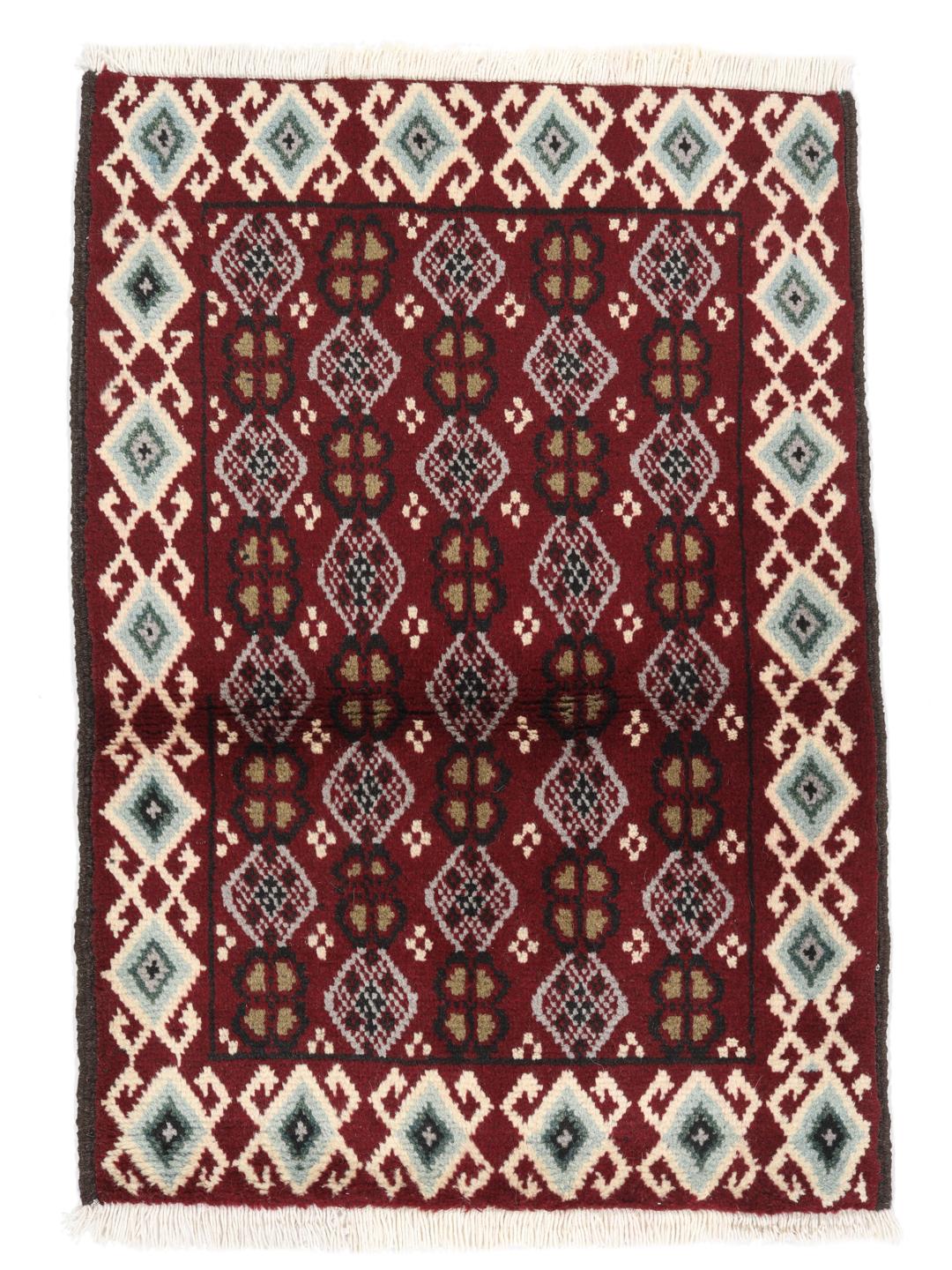
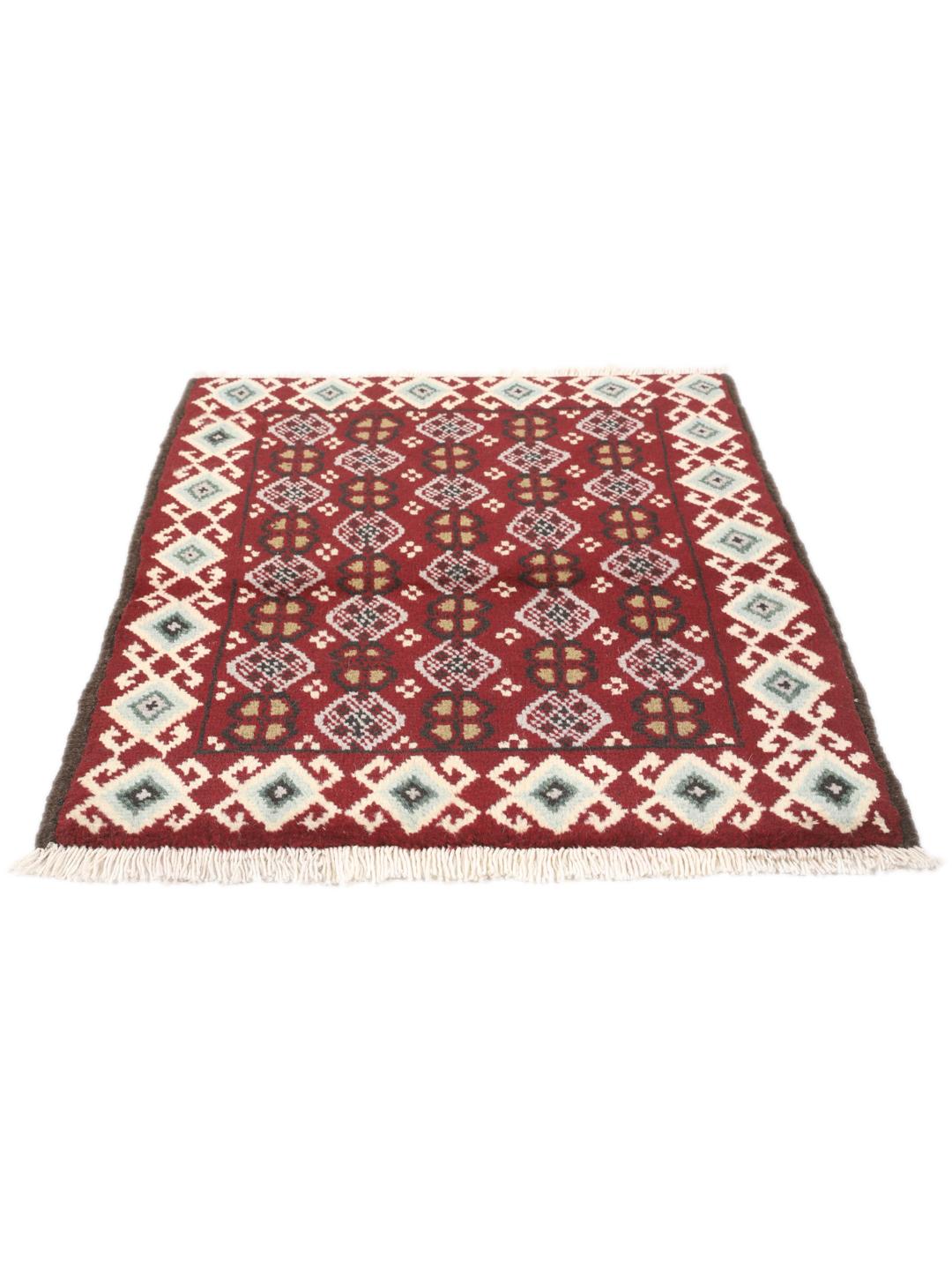
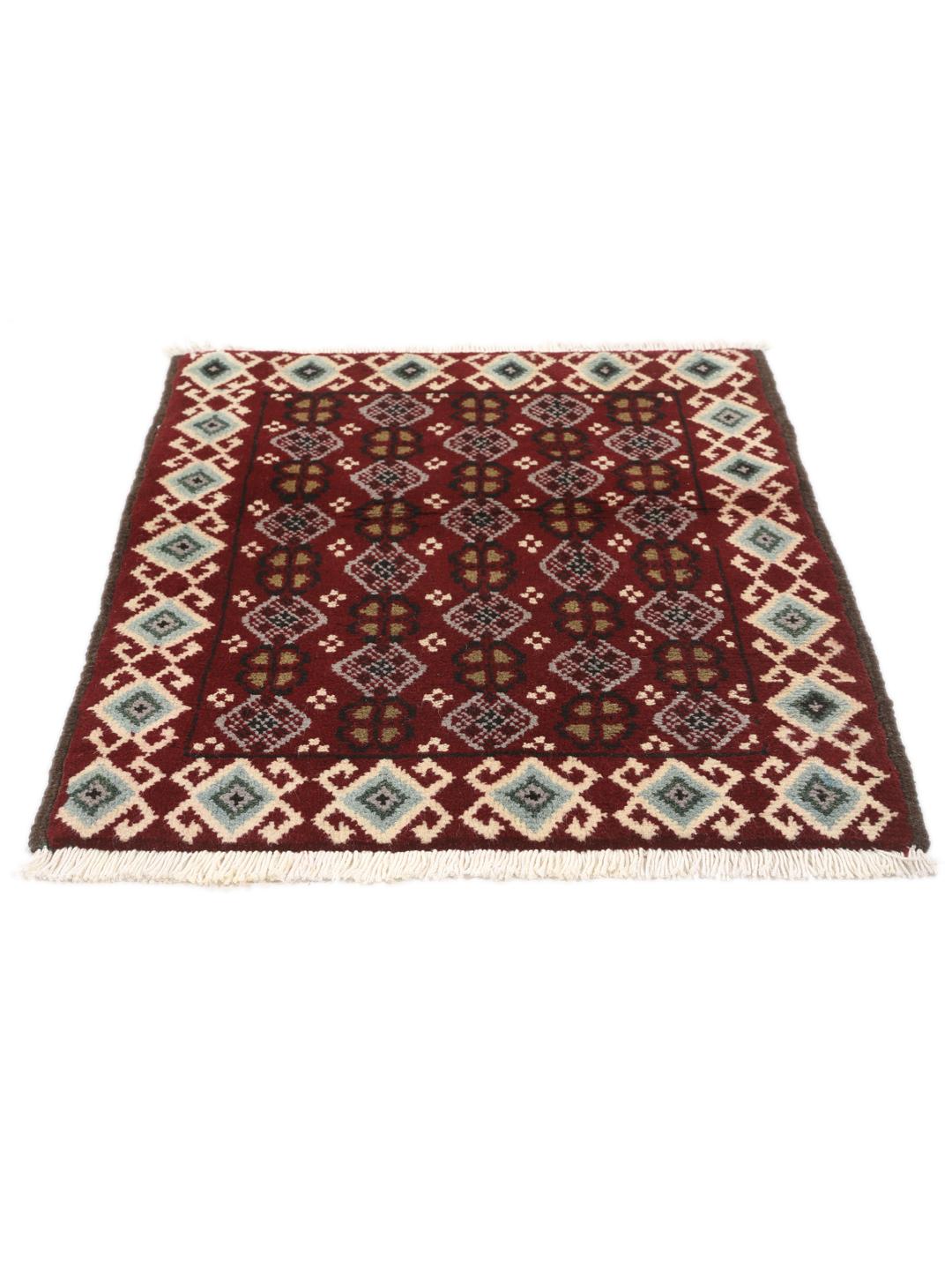
The Baluch rug tradition originates from the nomadic and semi-nomadic tribes residing in the borderlands between the Middle East, Afghanistan, and Pakistan. These weavers have long been known for their ability to create intricate, highly symbolic designs that reflect their natural environment and ancestral heritage, often working on portable looms during seasonal migrations.
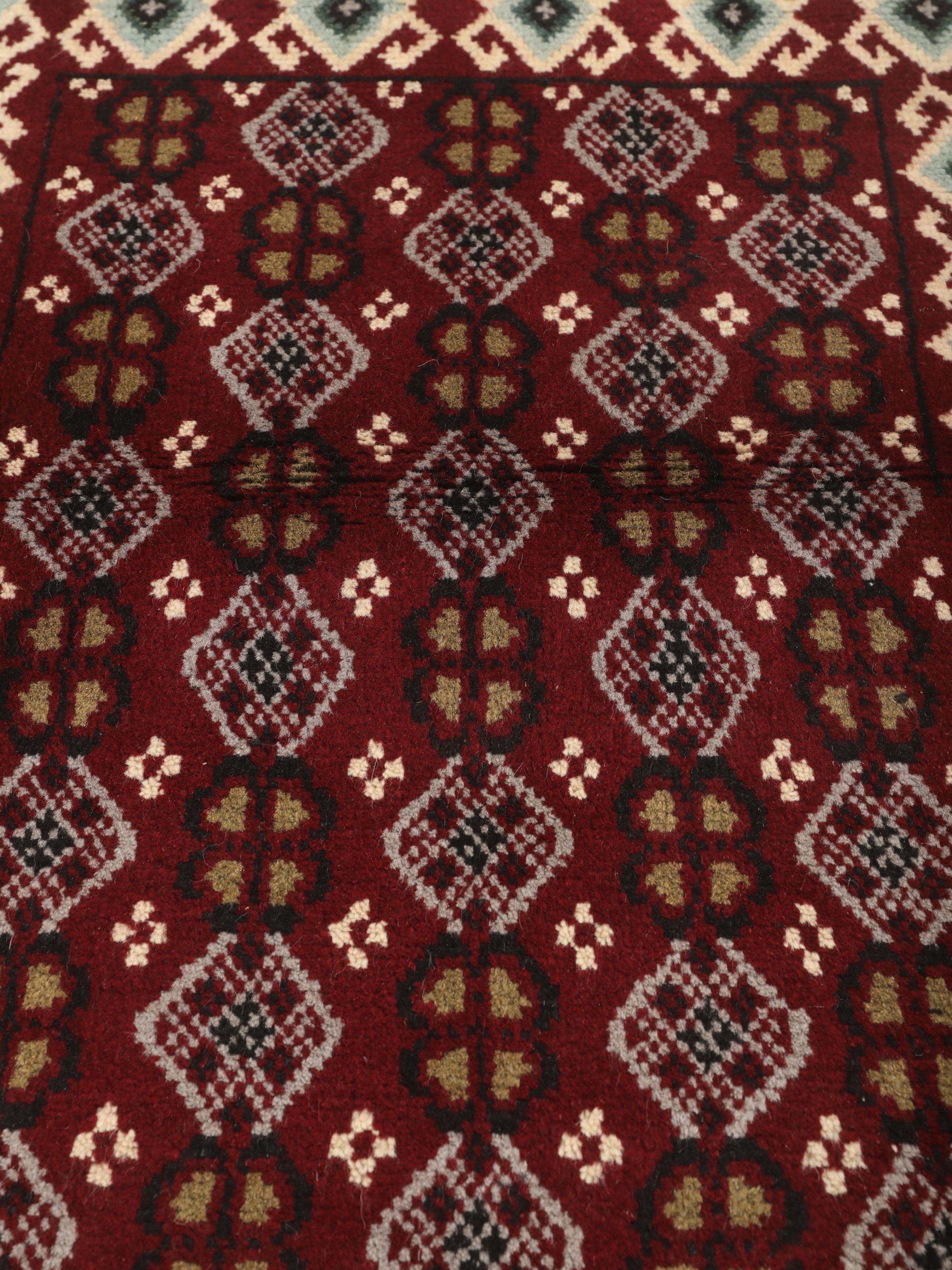
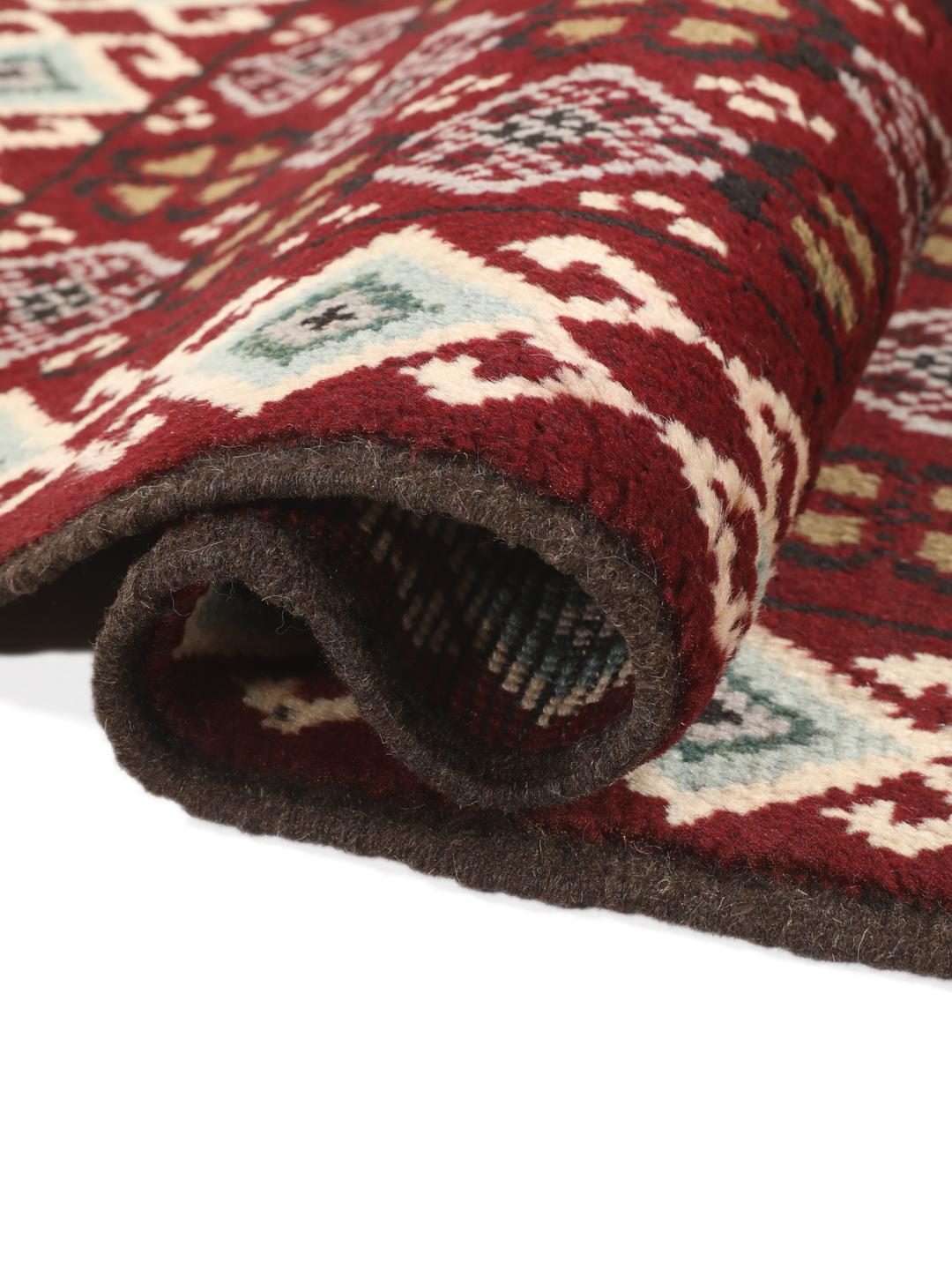
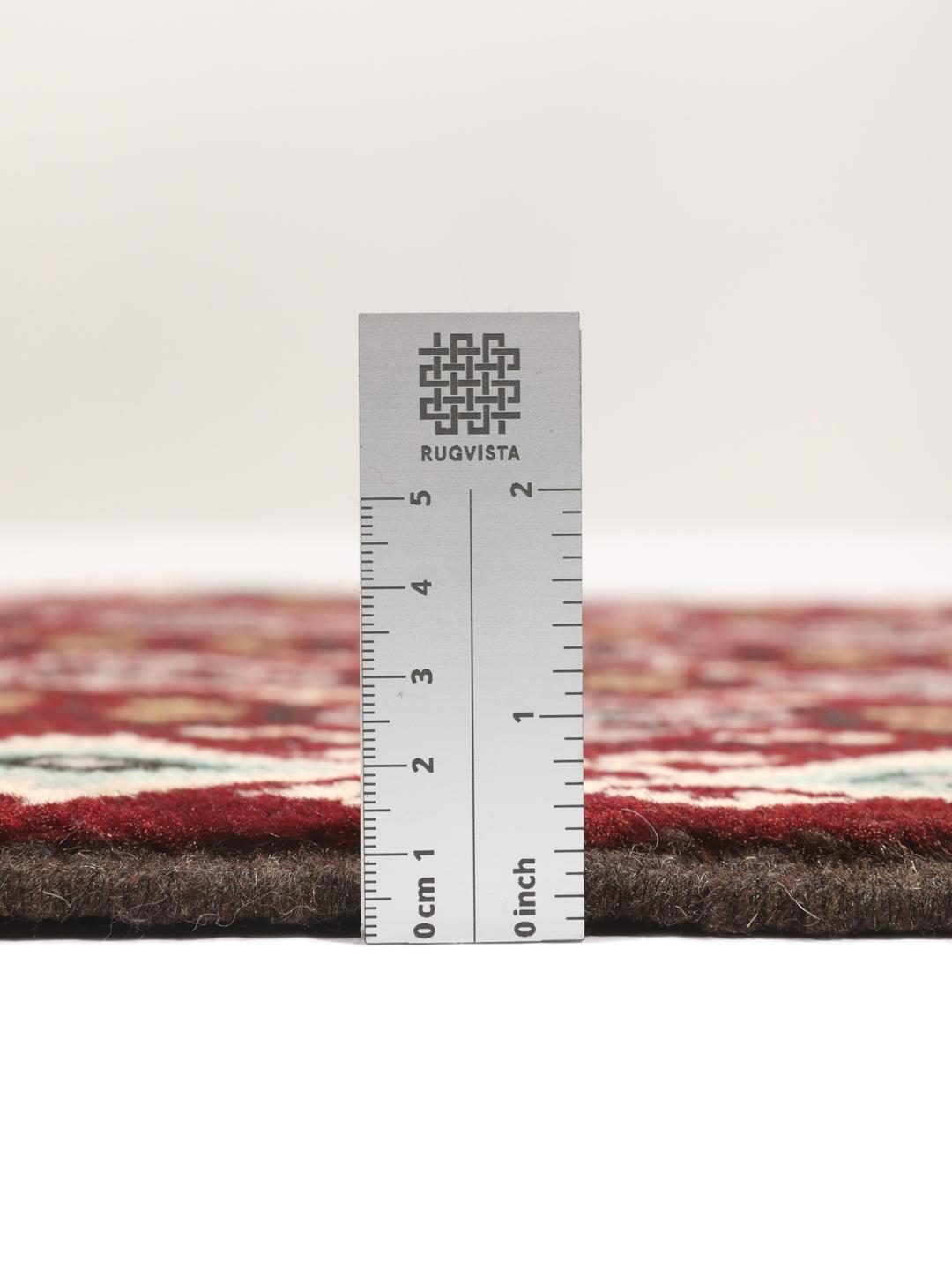
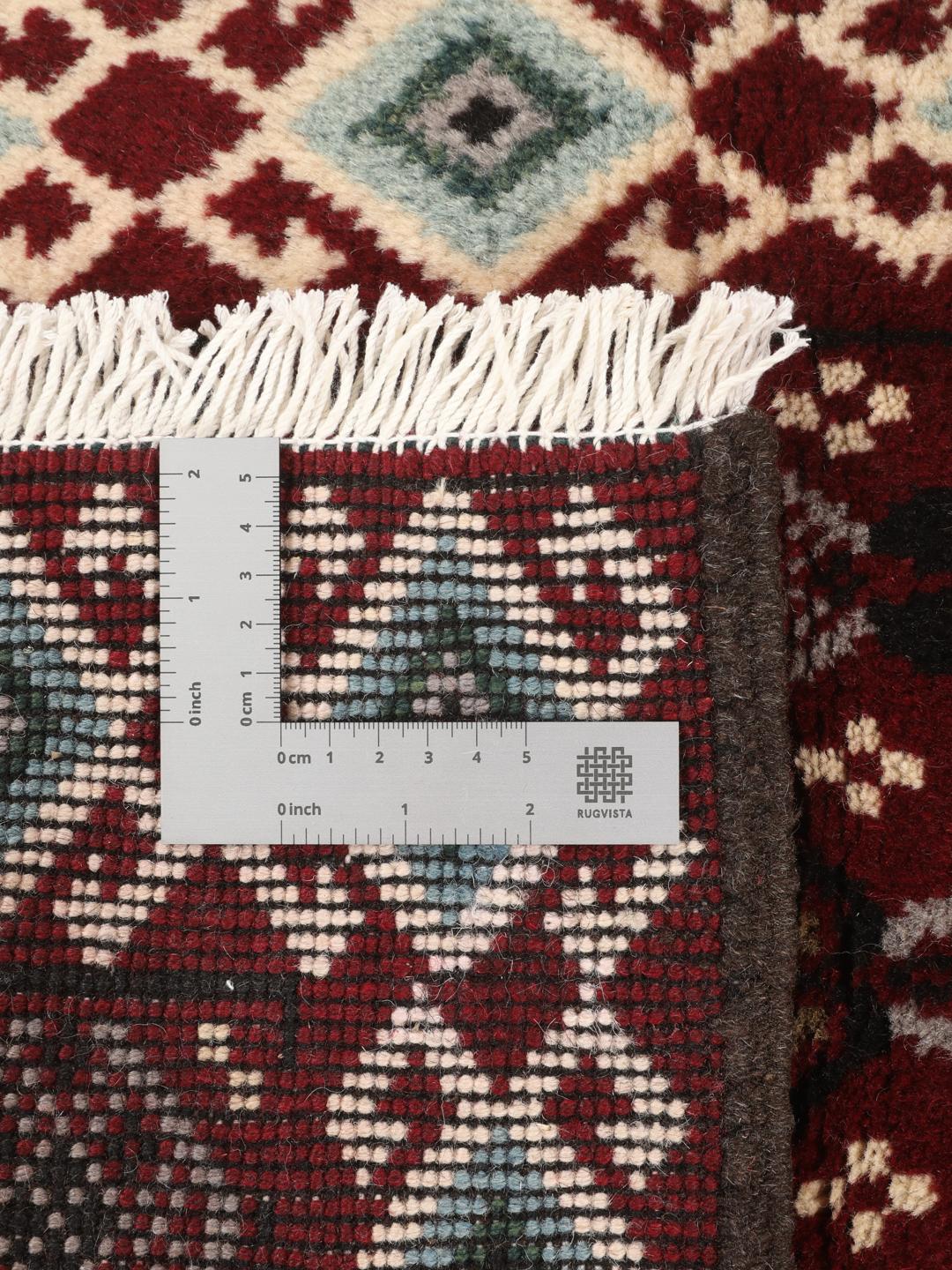
The term Baluch refers to the specific tribal weaving tradition that emphasises deep, saturated colours and complex geometric arrangements. These rugs are recognised for their durability and the use of high-quality wool, which is often sourced from the tribe's own flocks. The technical mastery required to produce these designs involves a disciplined approach to knotting, resulting in a dense and lustrous pile that is both functional and decorative.
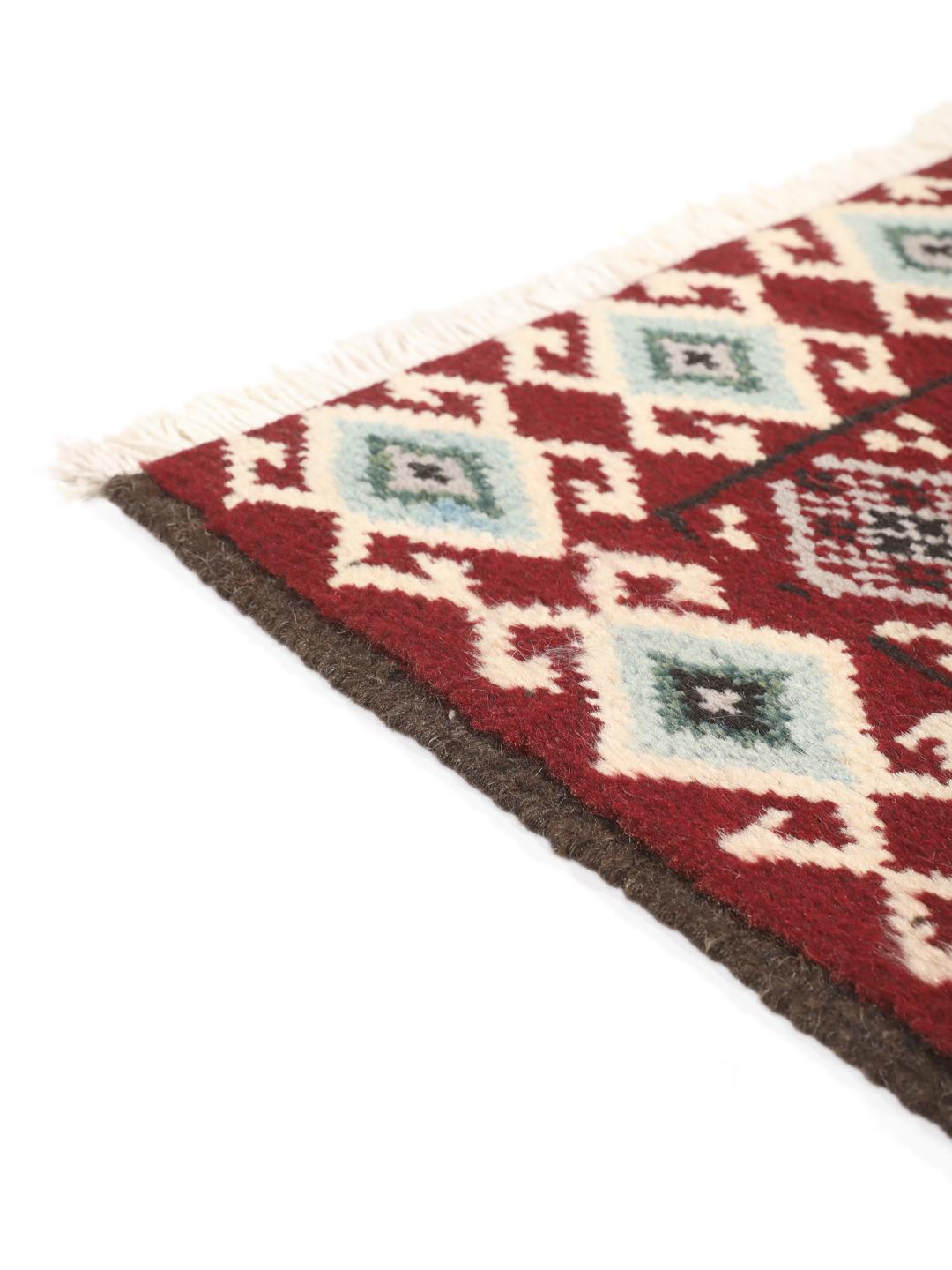
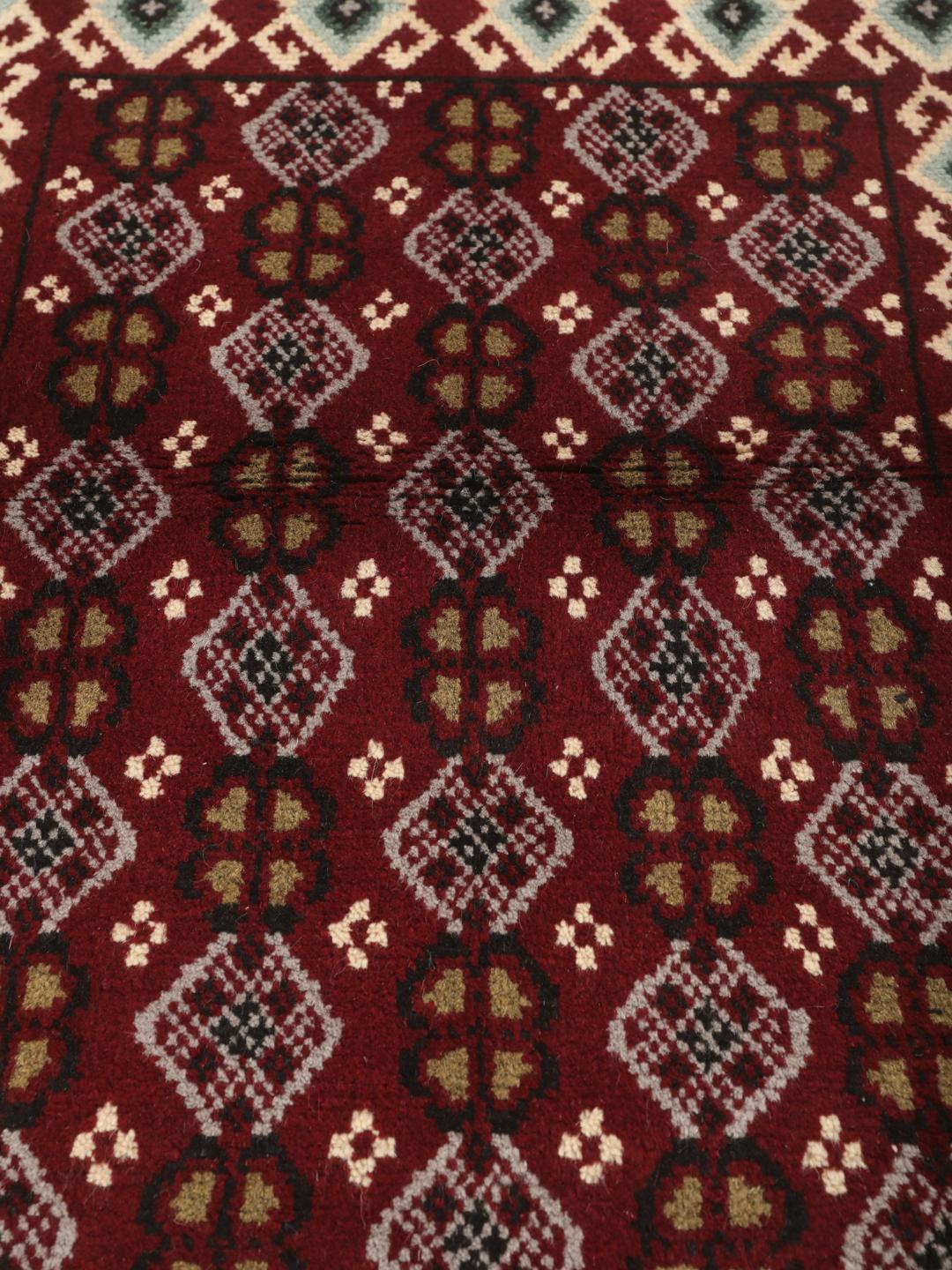
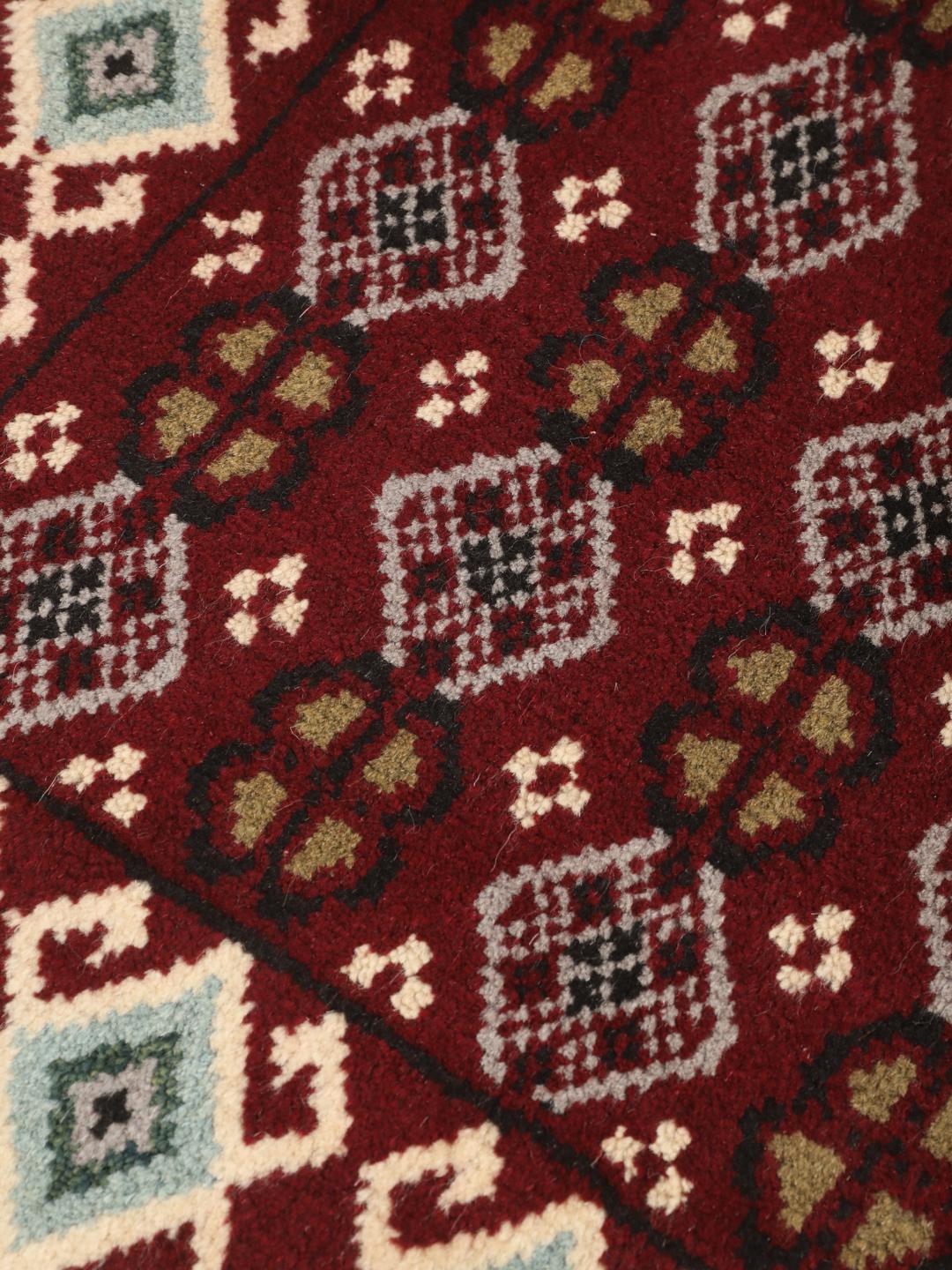
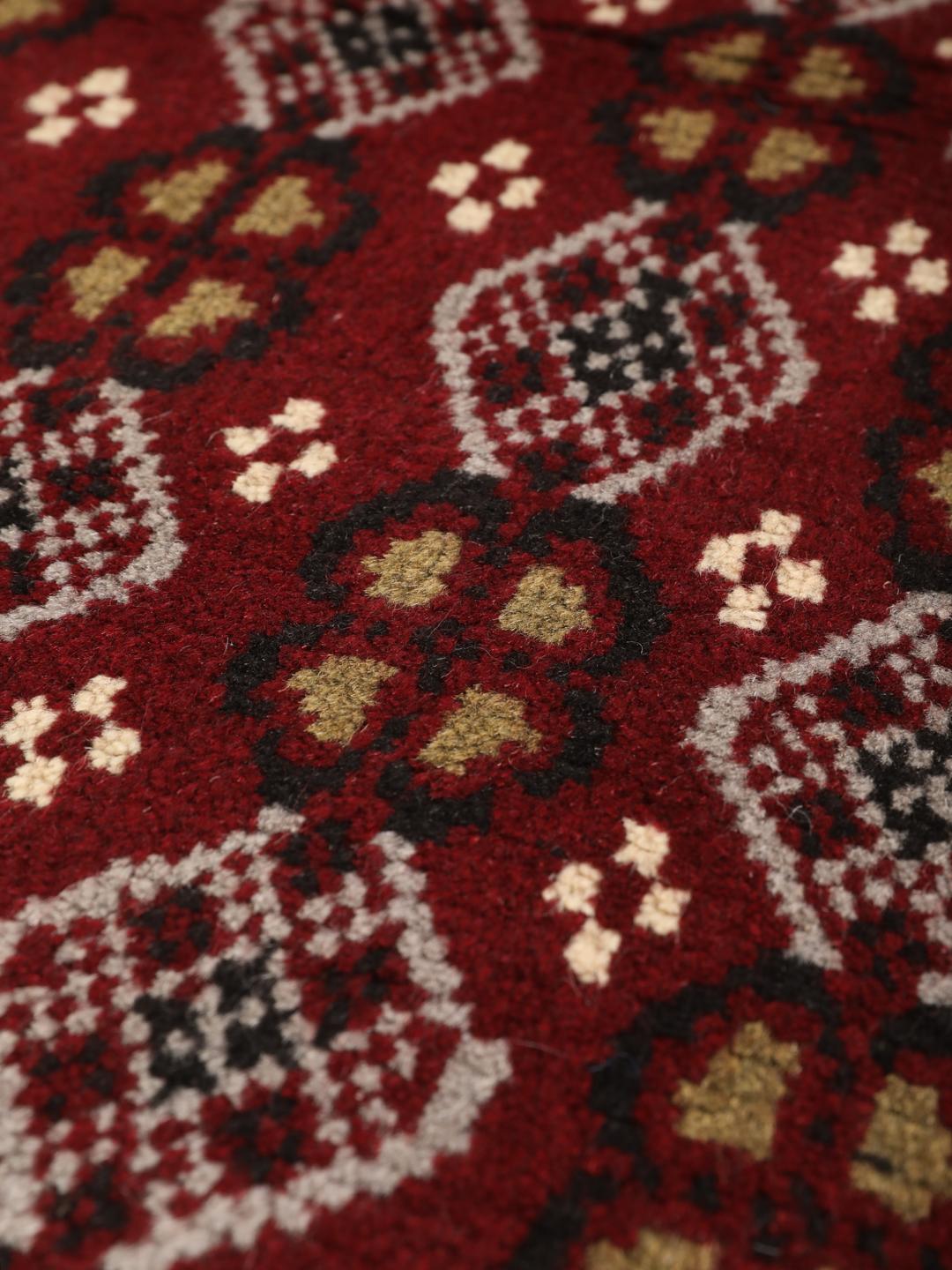
Signature design elements in Baluch rugs frequently include repeating geometric motifs, often diamond or latch-hook shapes, arranged in balanced, orderly fields. The colour palettes are traditionally dominated by deep earth tones, particularly dark-red, which is achieved through natural dyes. The borders are typically filled with intricate, repeating geometric patterns that frame the field, providing a sense of cohesion and order to the overall composition.
Collecting a Baluch rug is an investment in cultural history. These pieces are highly valued by collectors for their authenticity and the skill required to maintain a tradition that has survived for centuries. Owning one is a way to celebrate the resilience of nomadic art, as each rug serves as a tangible connection to the creative spirit and heritage of the tribes who meticulously crafted it.