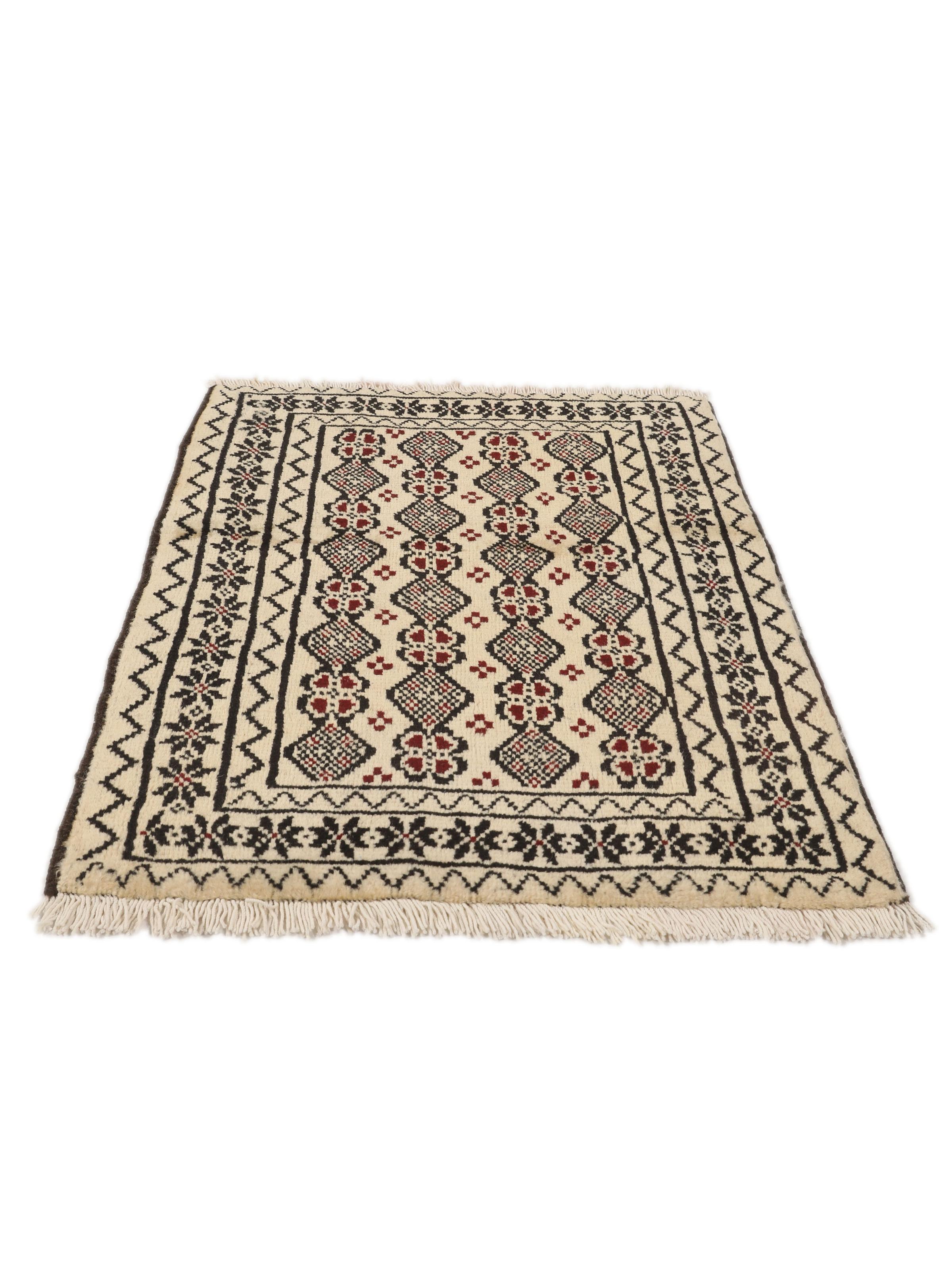
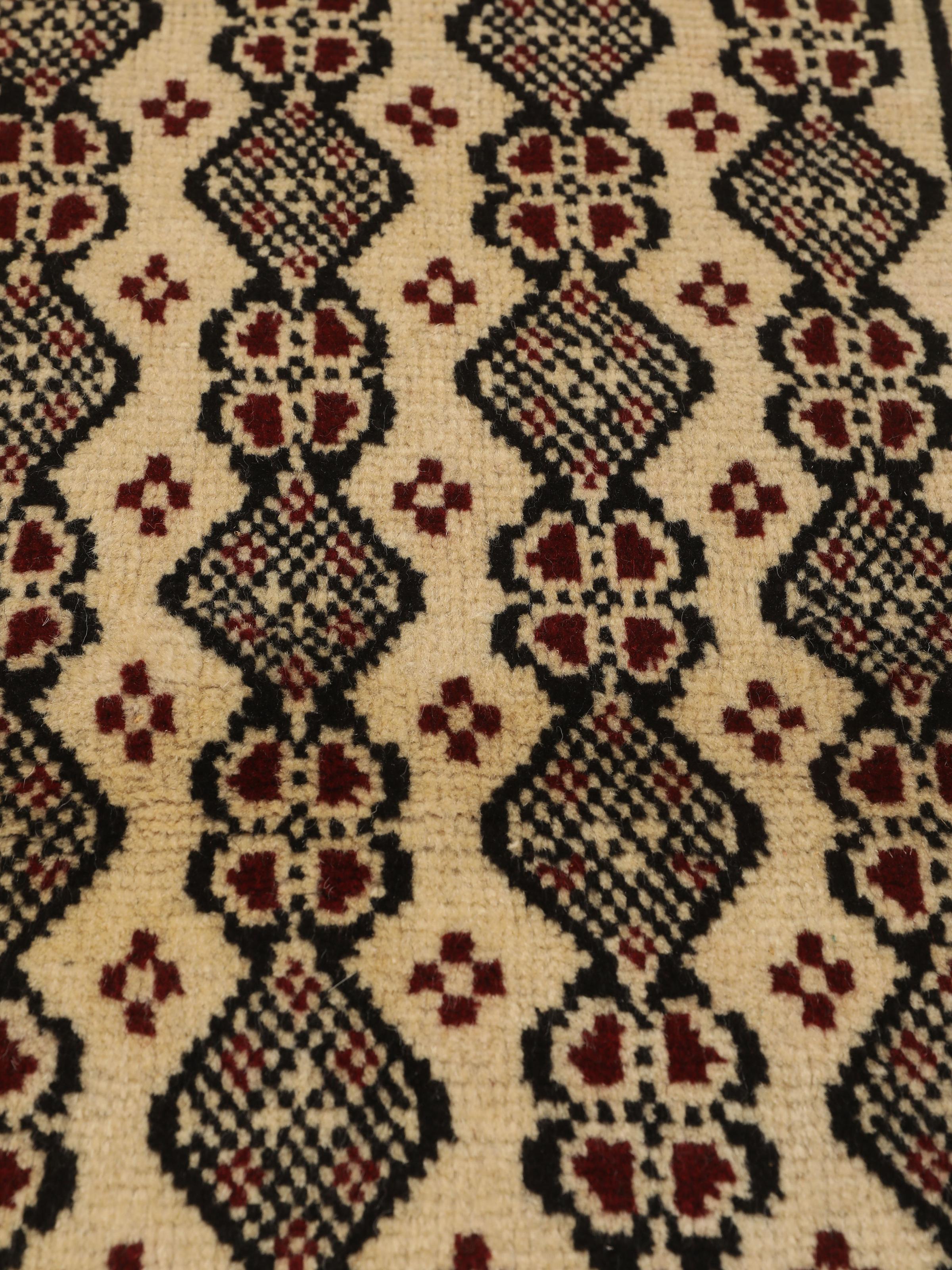
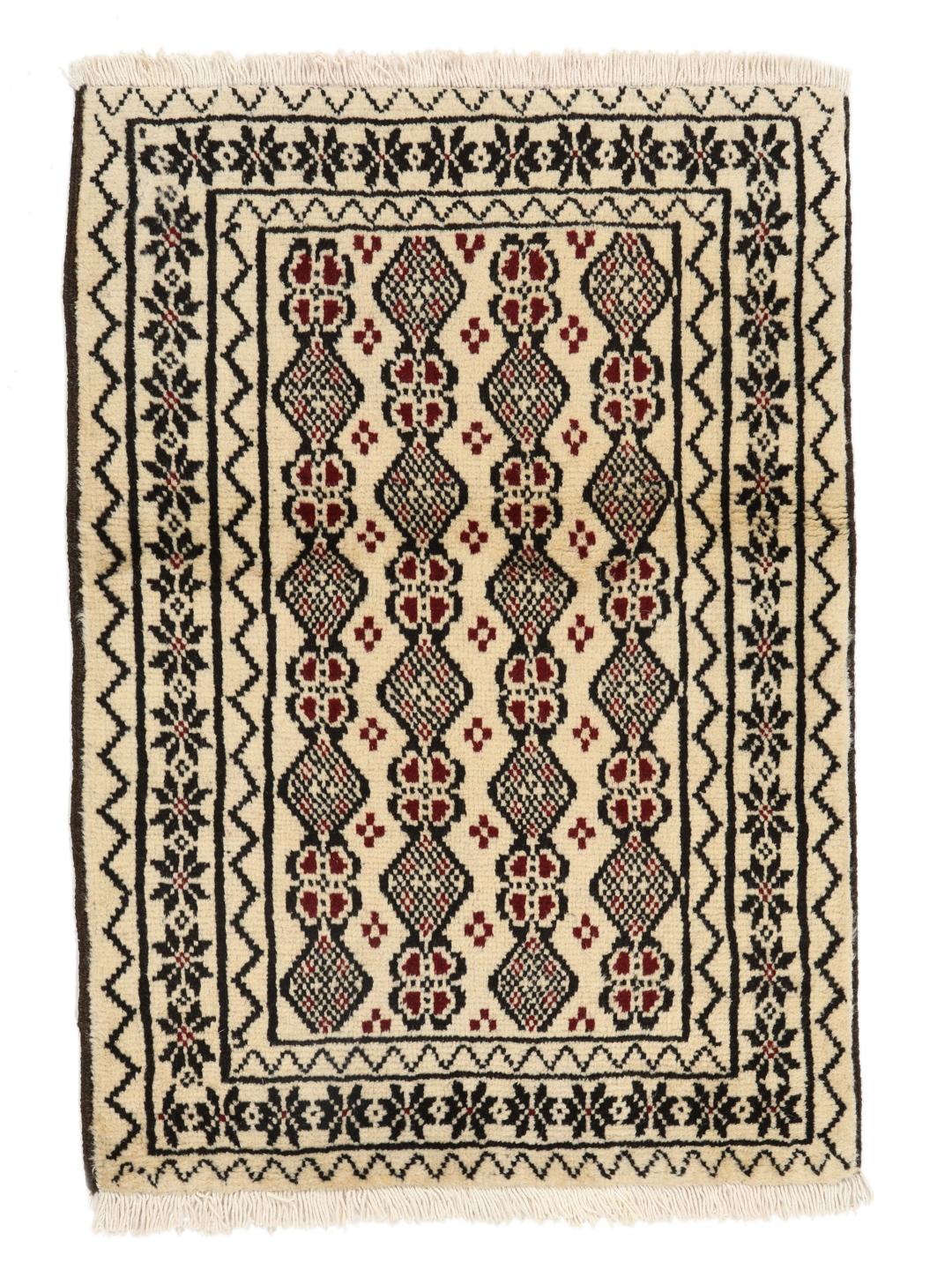
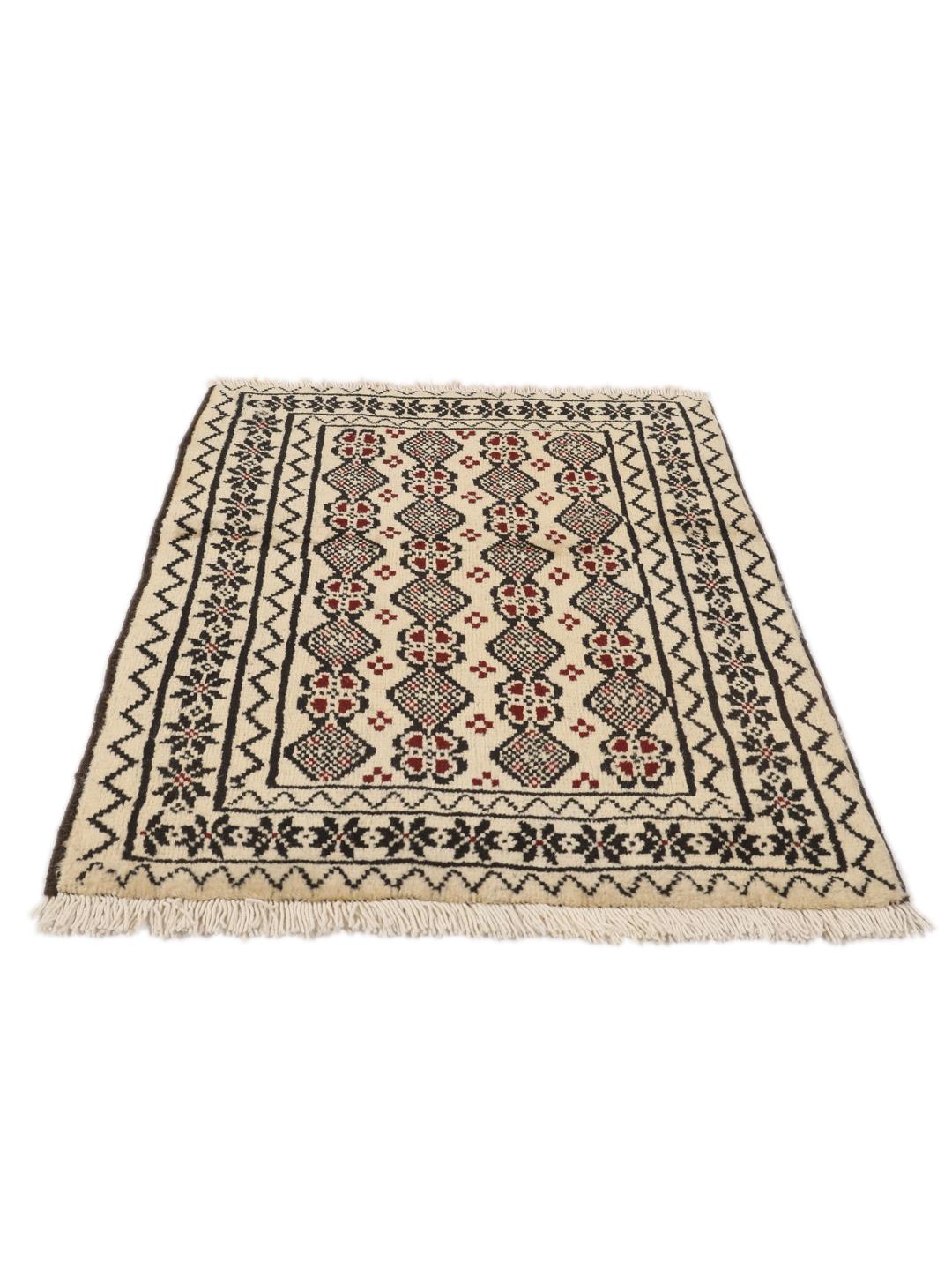
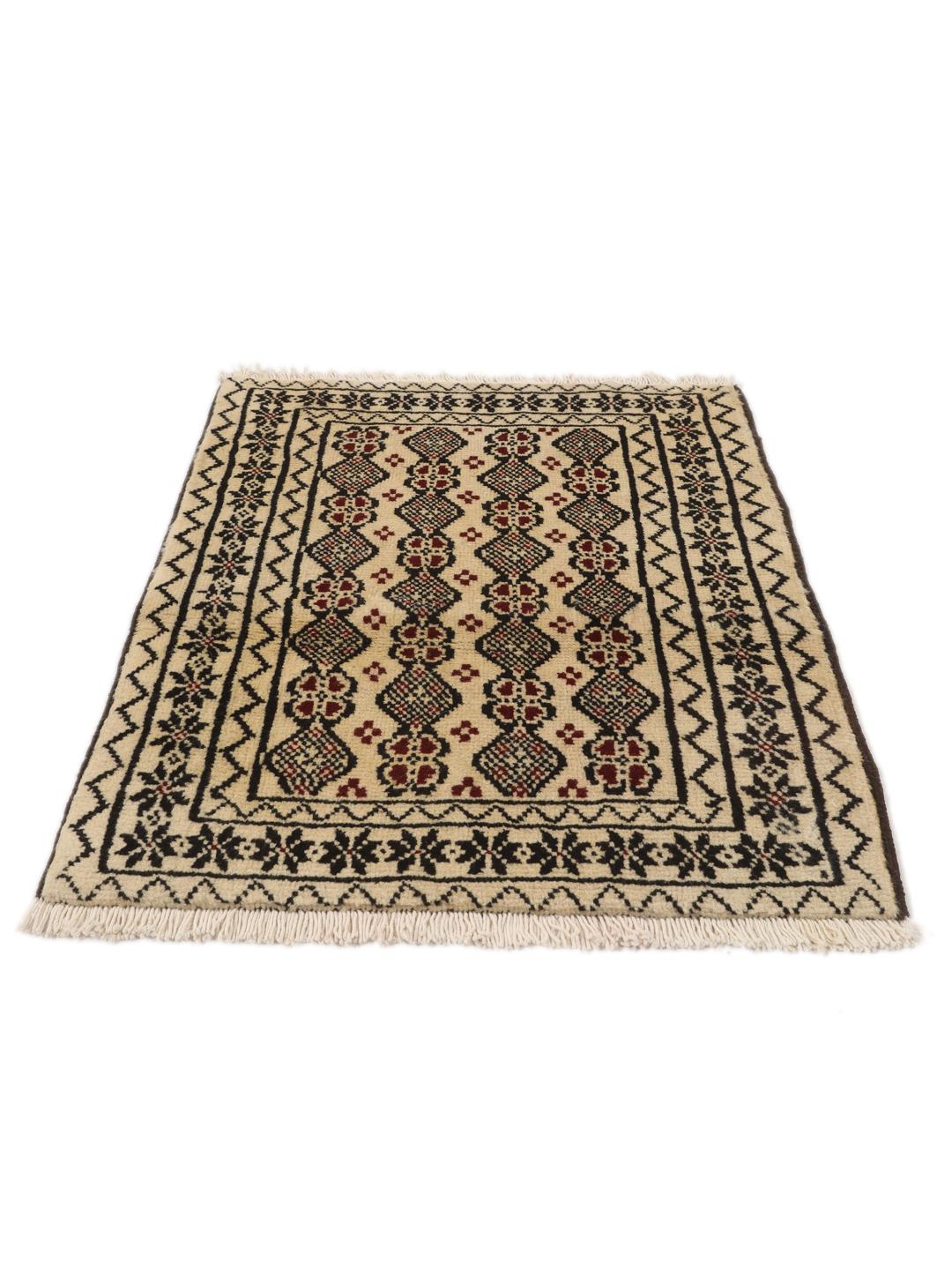
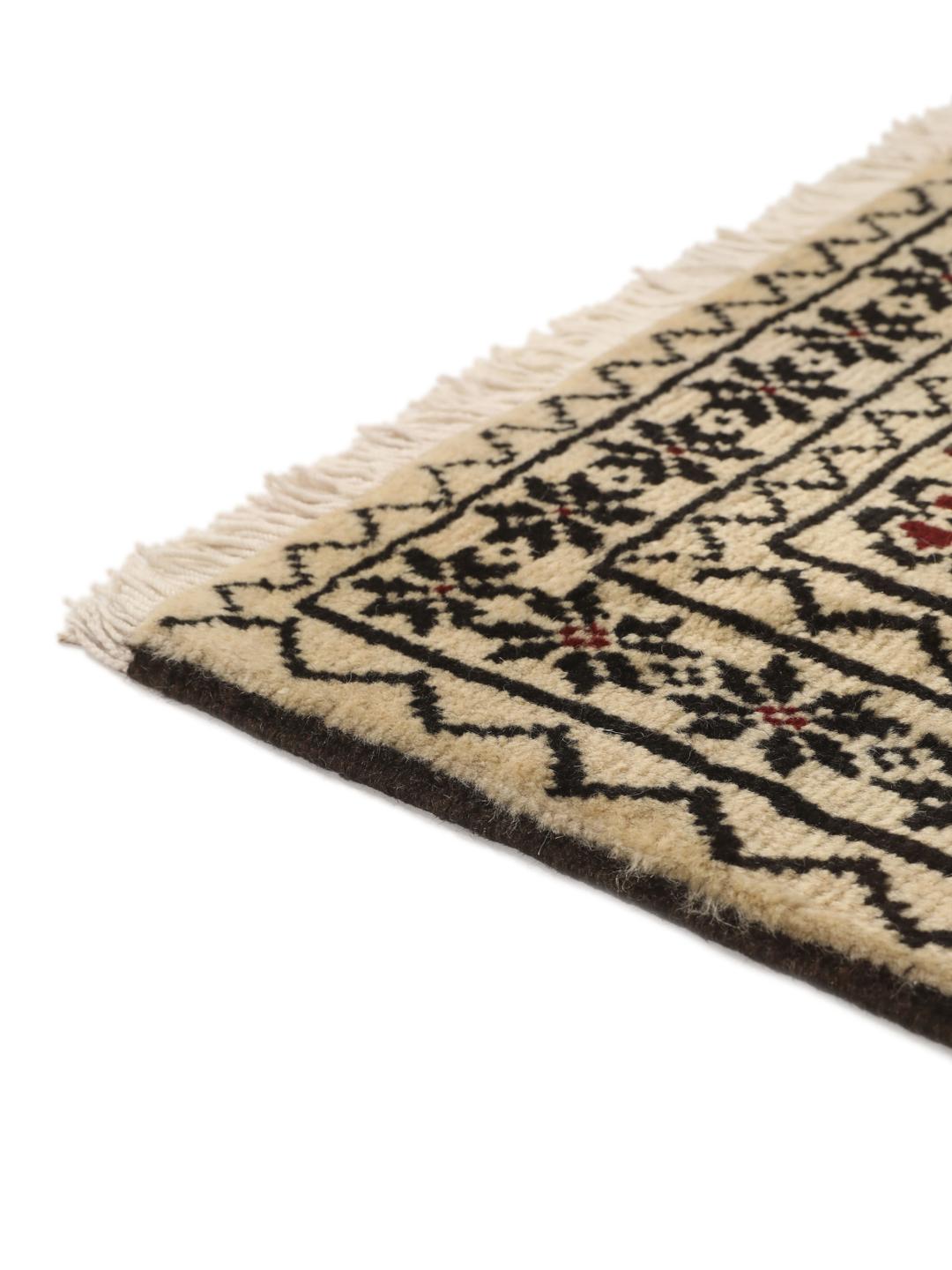
Beluch rugs originate from the nomadic and semi-nomadic Beluch tribes who have historically inhabited the border regions between the Middle East and Central Asia. These rugs are deeply rooted in a tradition of migration, where the weaving techniques and design vocabularies were passed down through generations, reflecting the environment and cultural identity of the weavers.
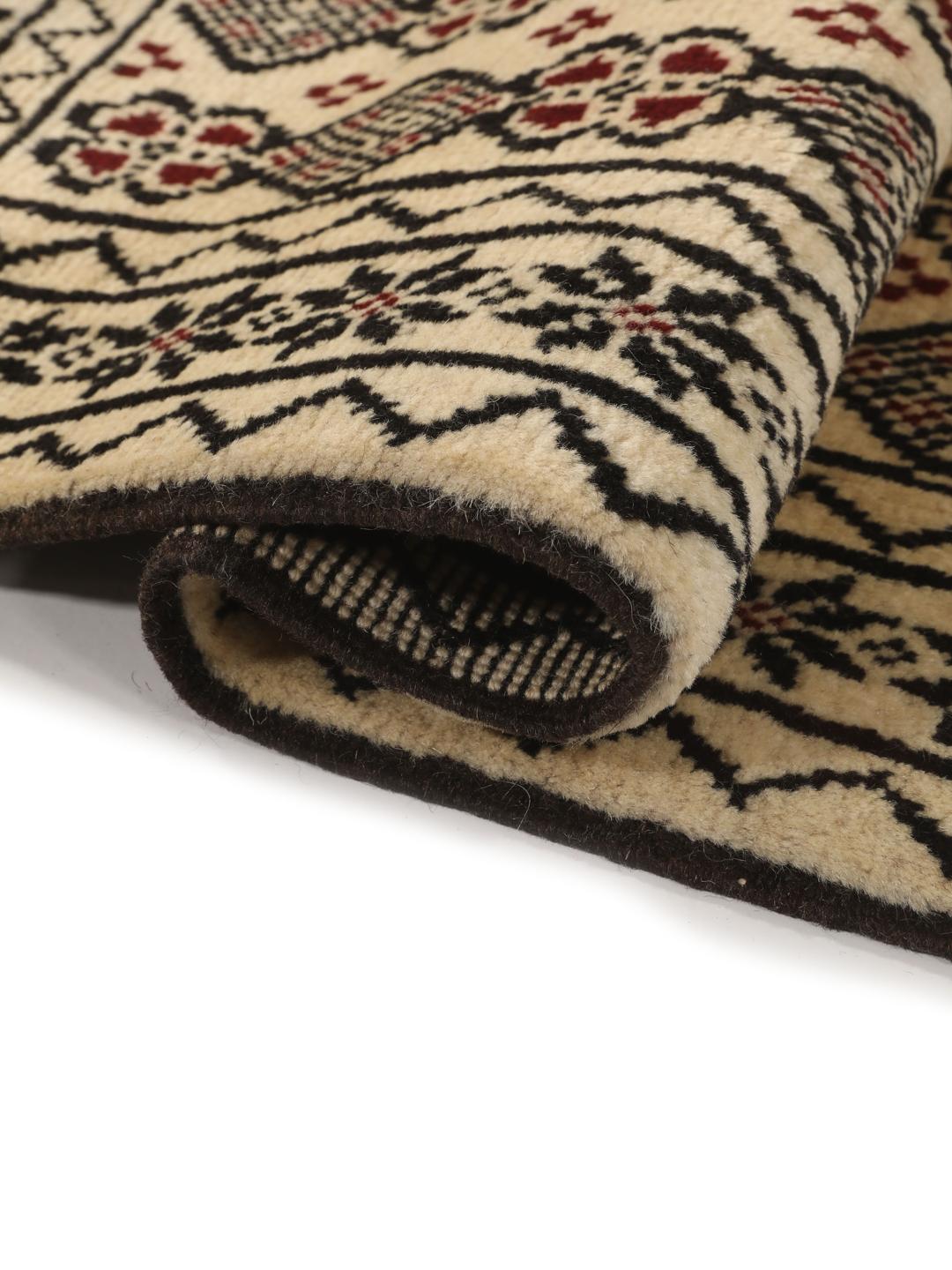
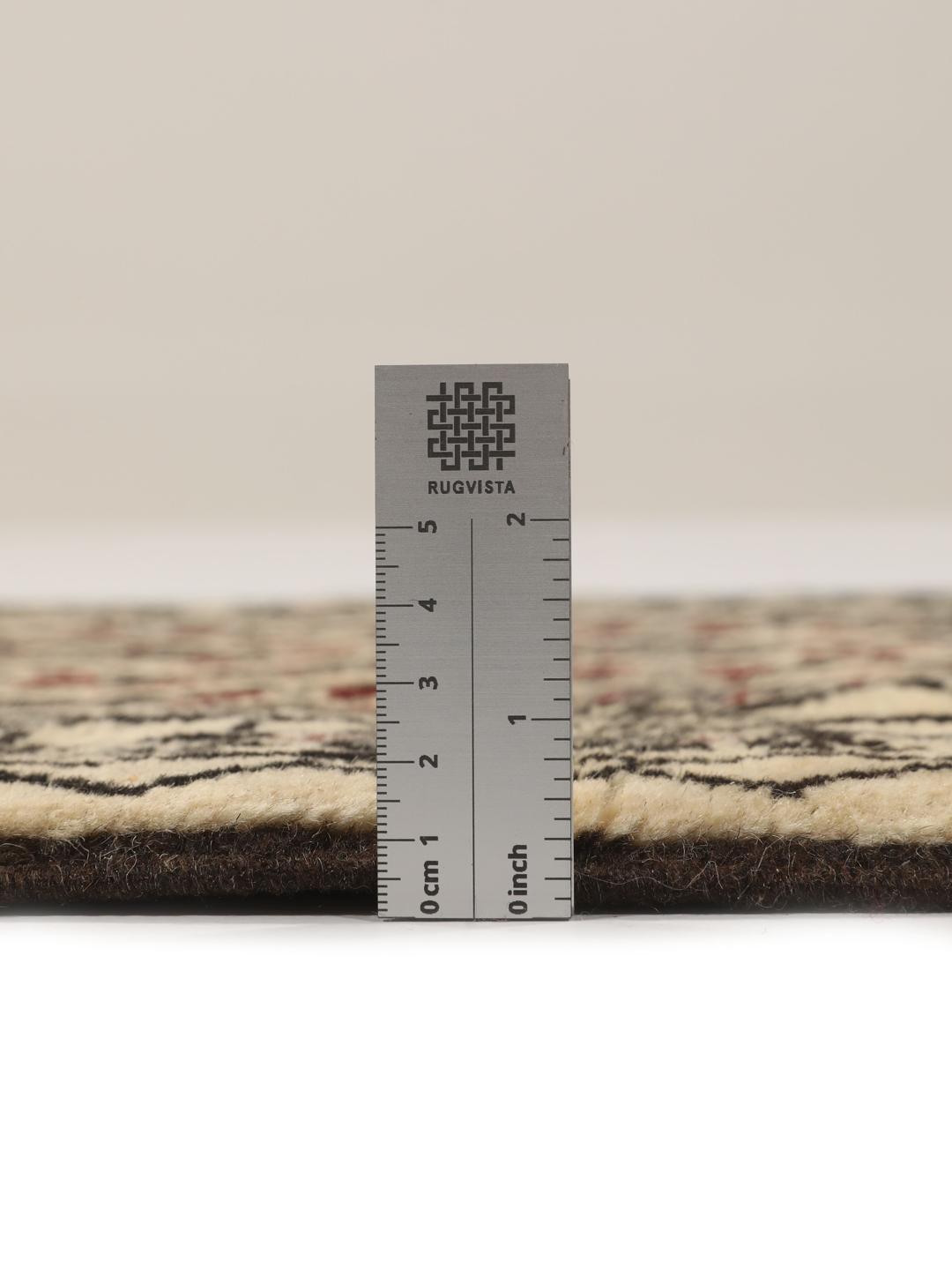
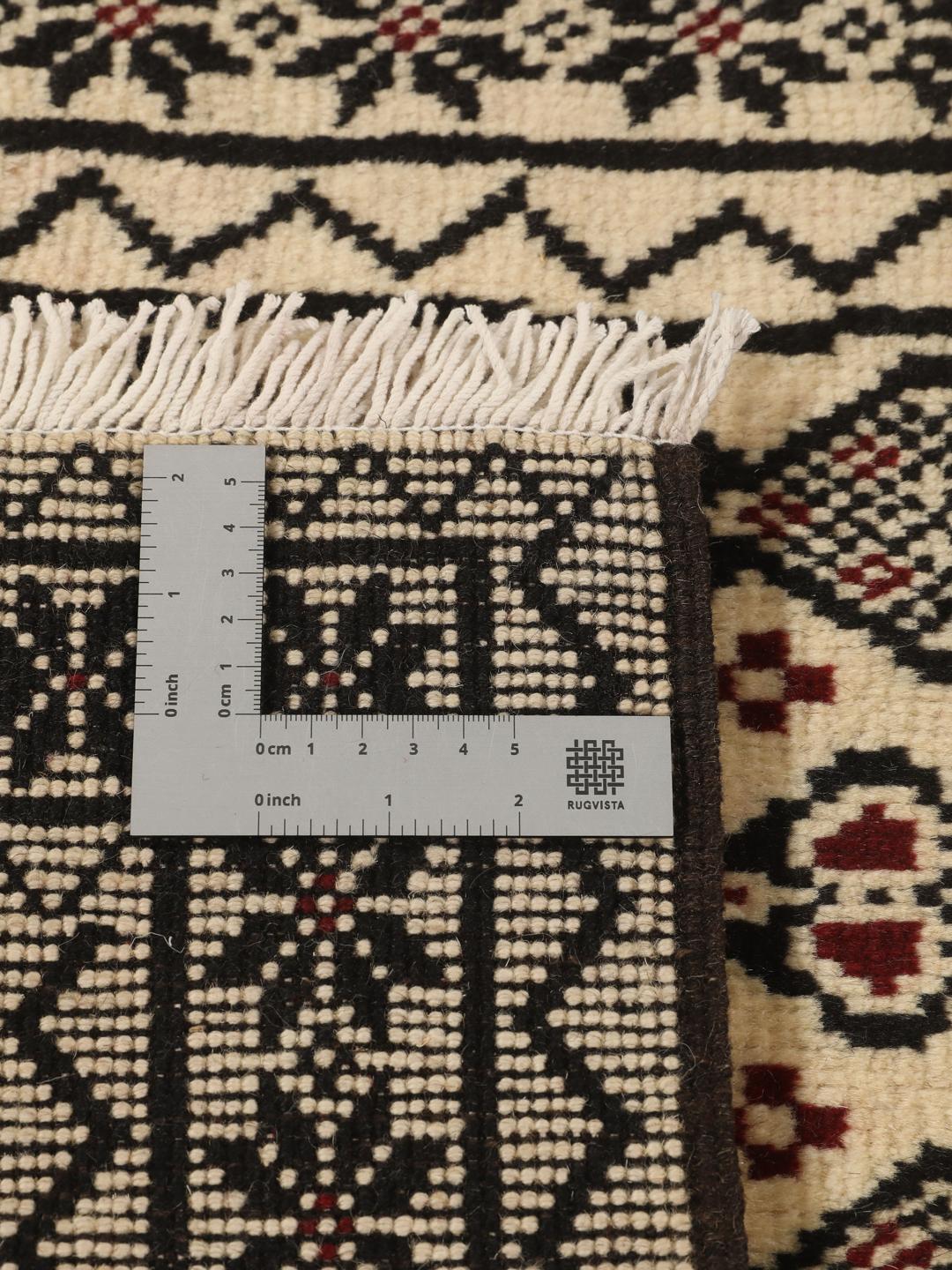
The term Beluch refers to the distinct weaving style practised by these tribes, which is characterised by its focus on portability and durability. Historically, these rugs were created for use in nomadic tents as floor coverings or saddlebags, necessitating a sturdy construction that could withstand constant movement and harsh conditions while remaining visually beautiful.
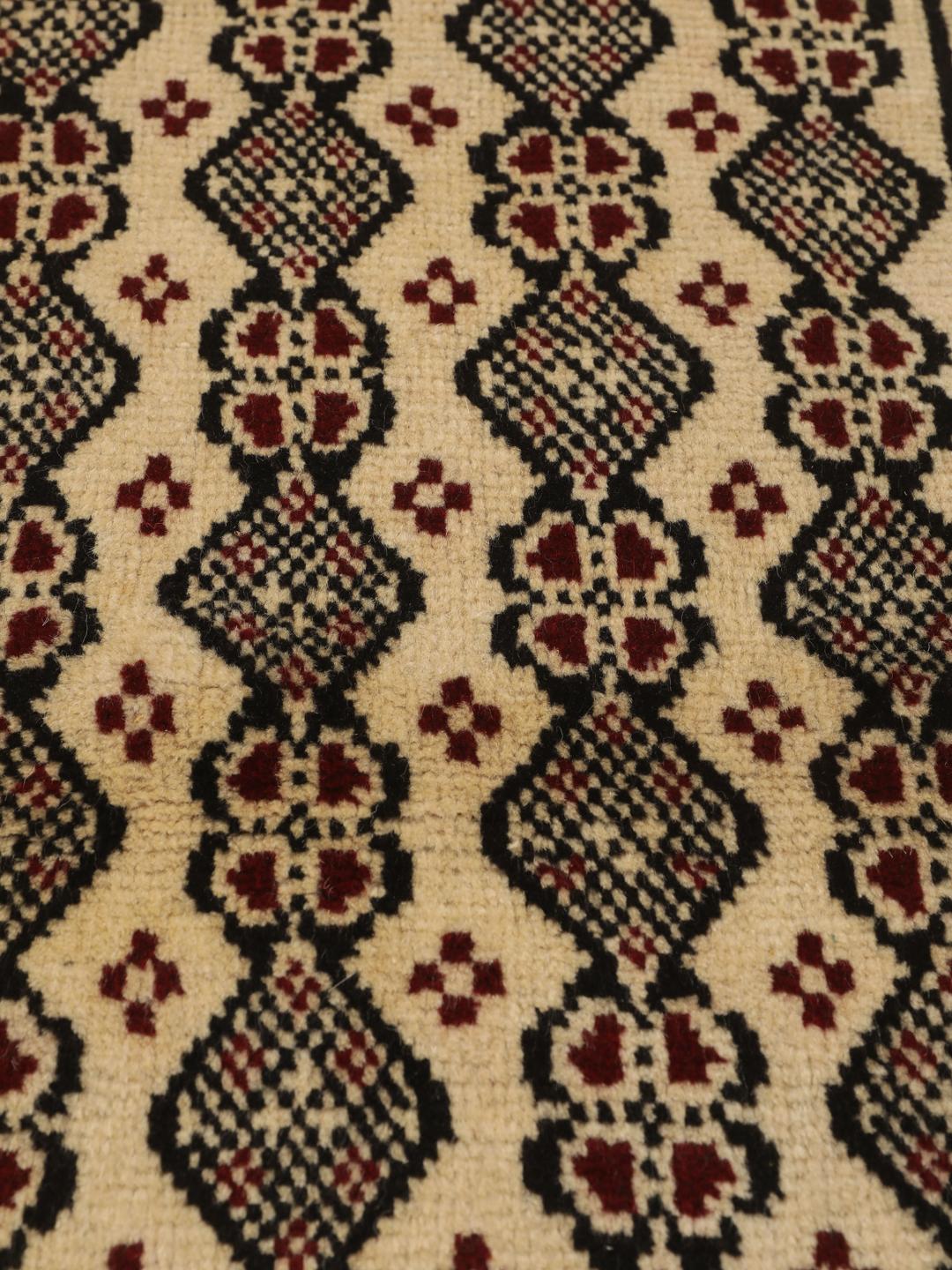
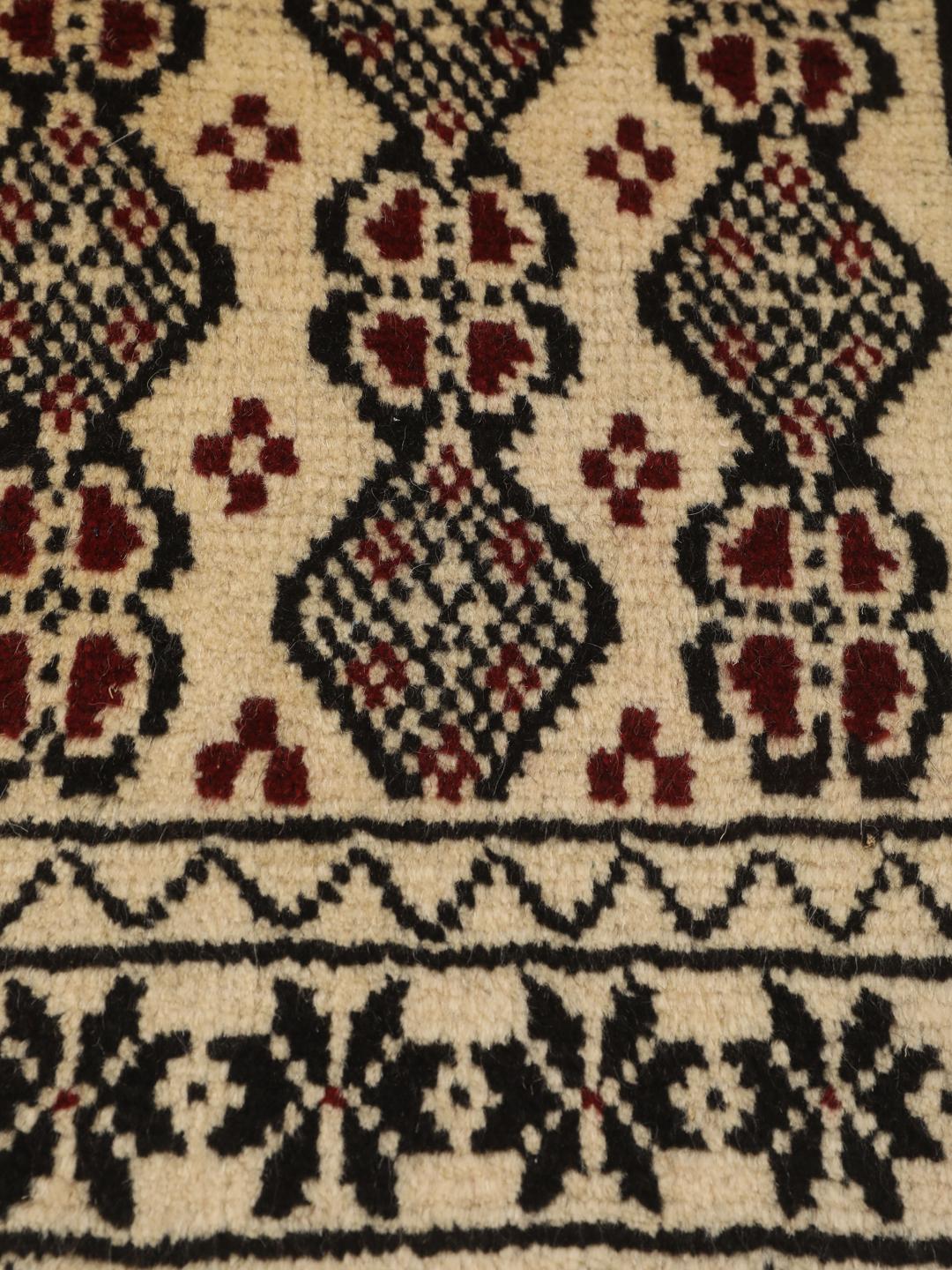
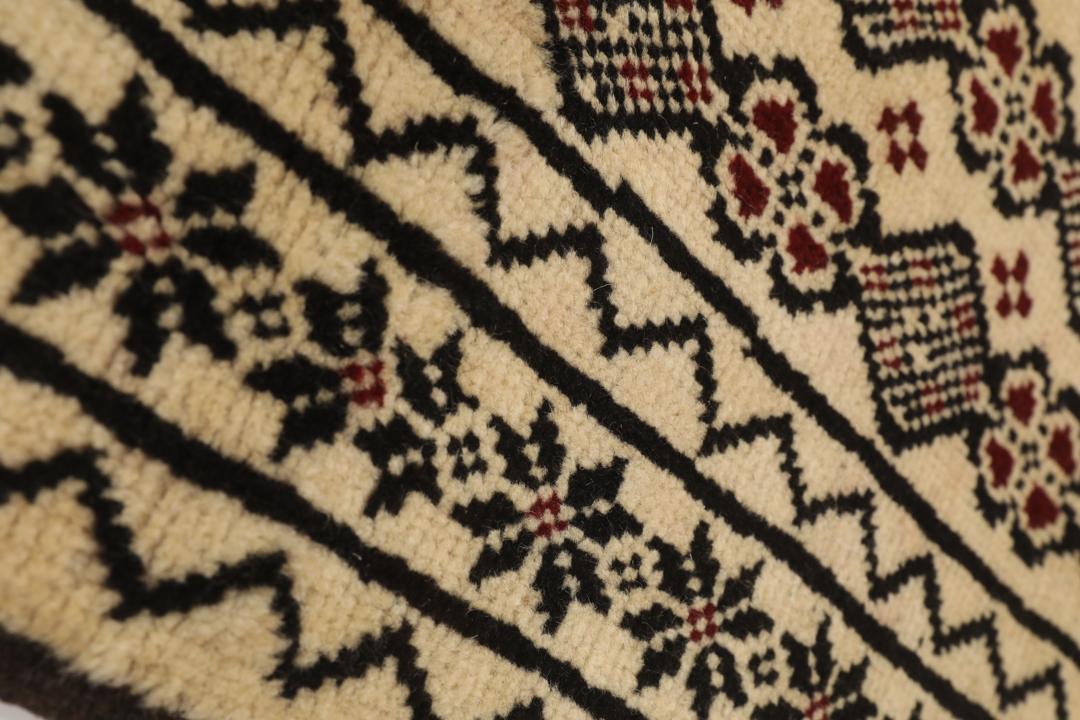
Signature design elements of the Beluch tradition include geometric patterns, often featuring stylised medallions and complex borders. The colour palette typically relies on deep, earthy tones, with rich reds and dark accents being common, all achieved through natural dyeing methods. These motifs often carry symbolic meanings, representing protection, fertility, or the natural world, serving as a visual language for the tribes.
Owning a Beluch rug is an opportunity to preserve a fading art form that values human skill and historical continuity over mass production. Collectors and enthusiasts value these pieces for their authenticity and the way they connect a contemporary home to the nomadic heritage of the Middle East, offering a level of cultural weight and artistic integrity that is rare in today's market.