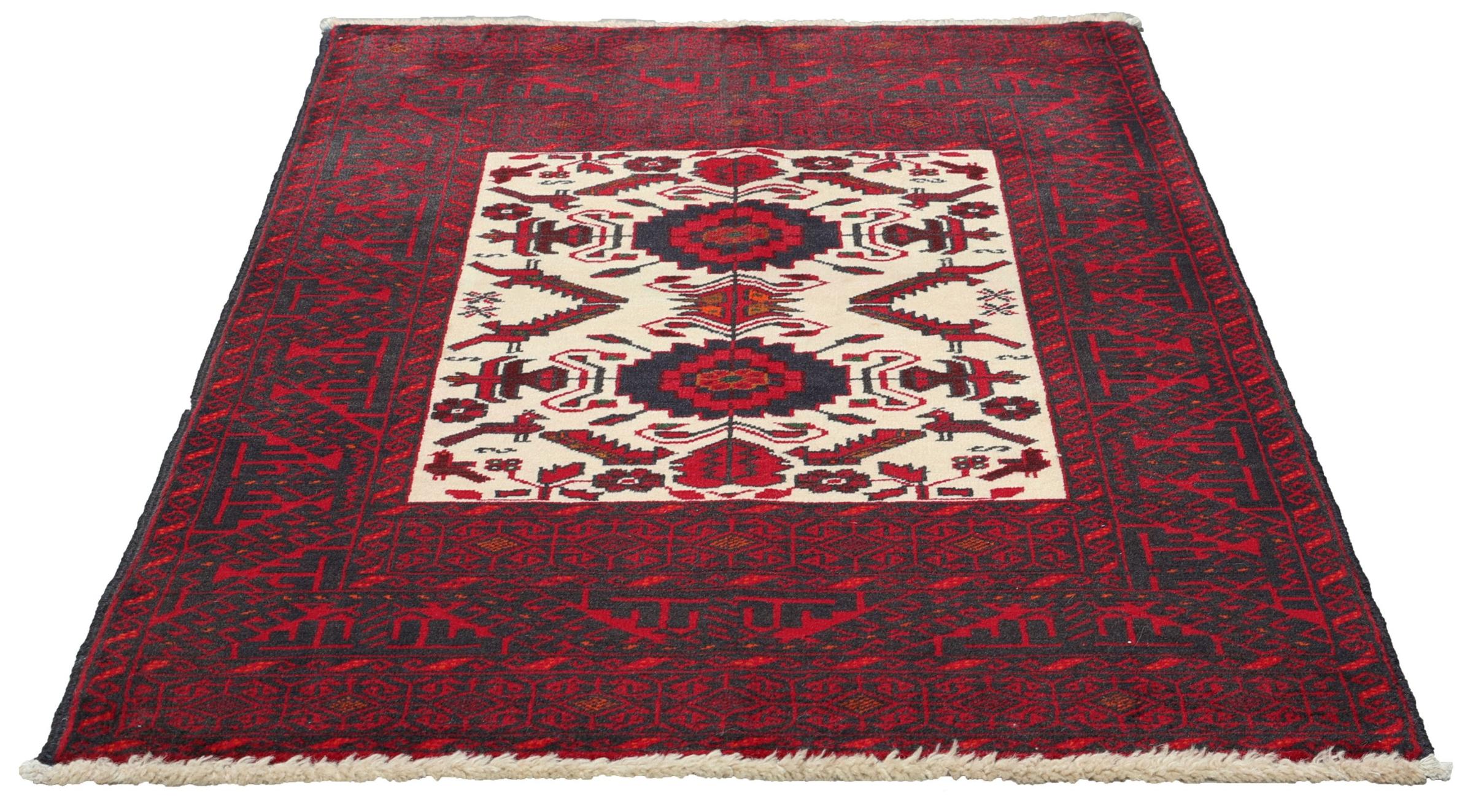
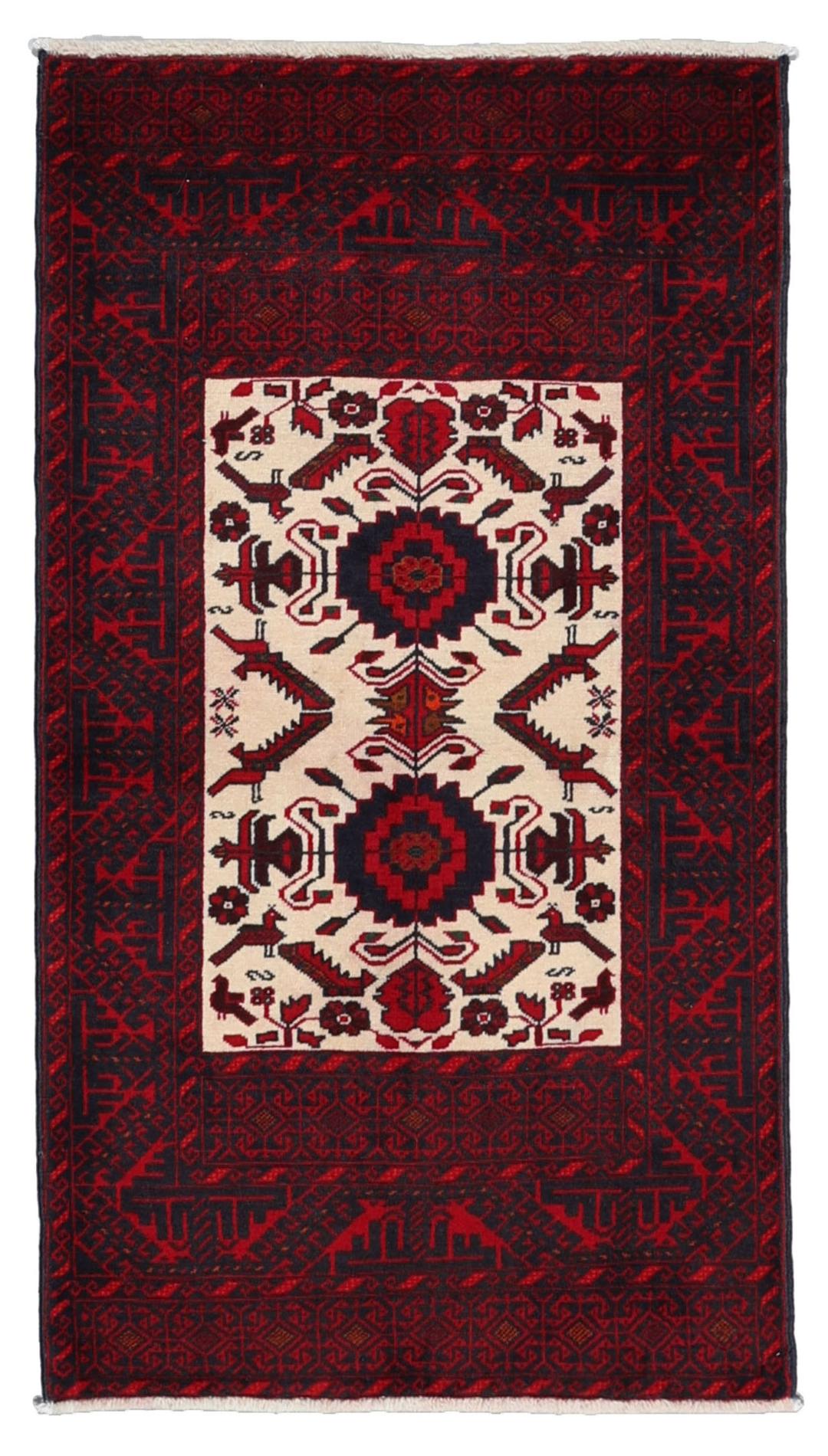
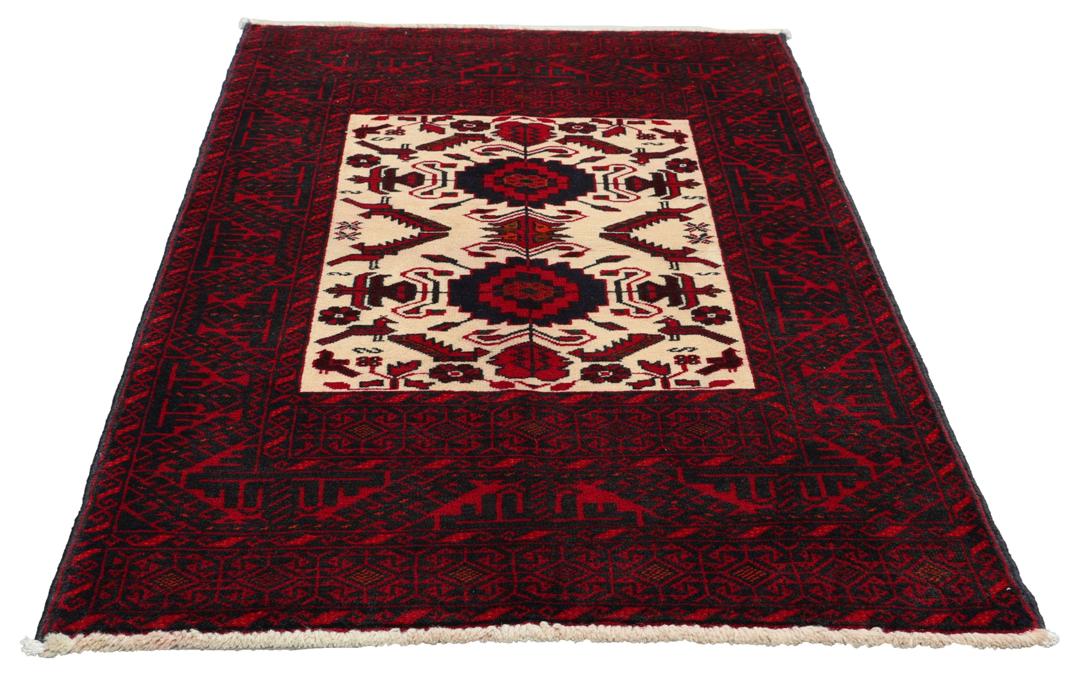
The Beluch rugs originate from the nomadic and semi-nomadic tribes of the border regions between the Middle East and neighbouring areas. These weavers have long been celebrated for their ability to create rugs that are deeply personal, reflecting the landscapes, beliefs, and artistic heritage of their tribal cultures.
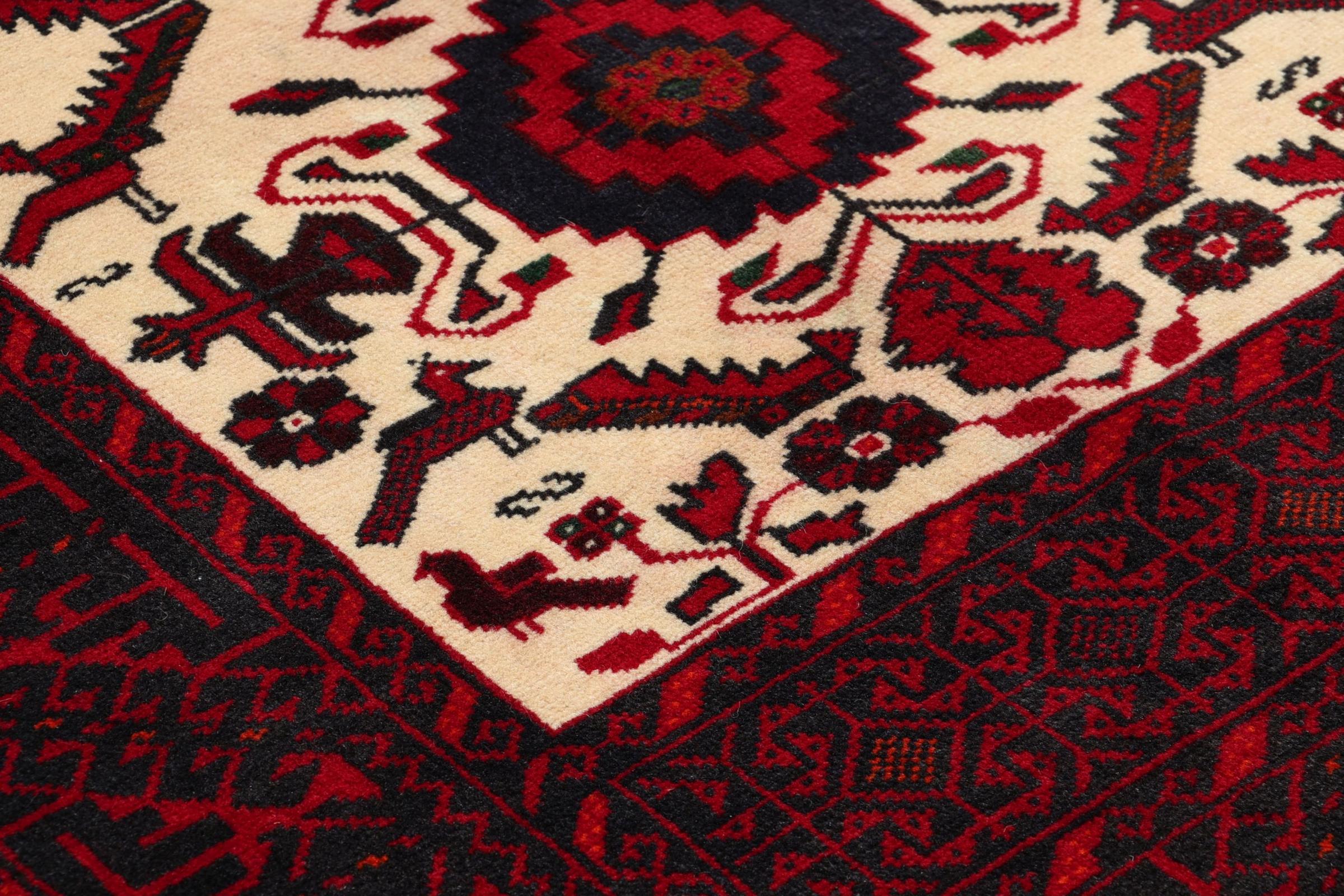
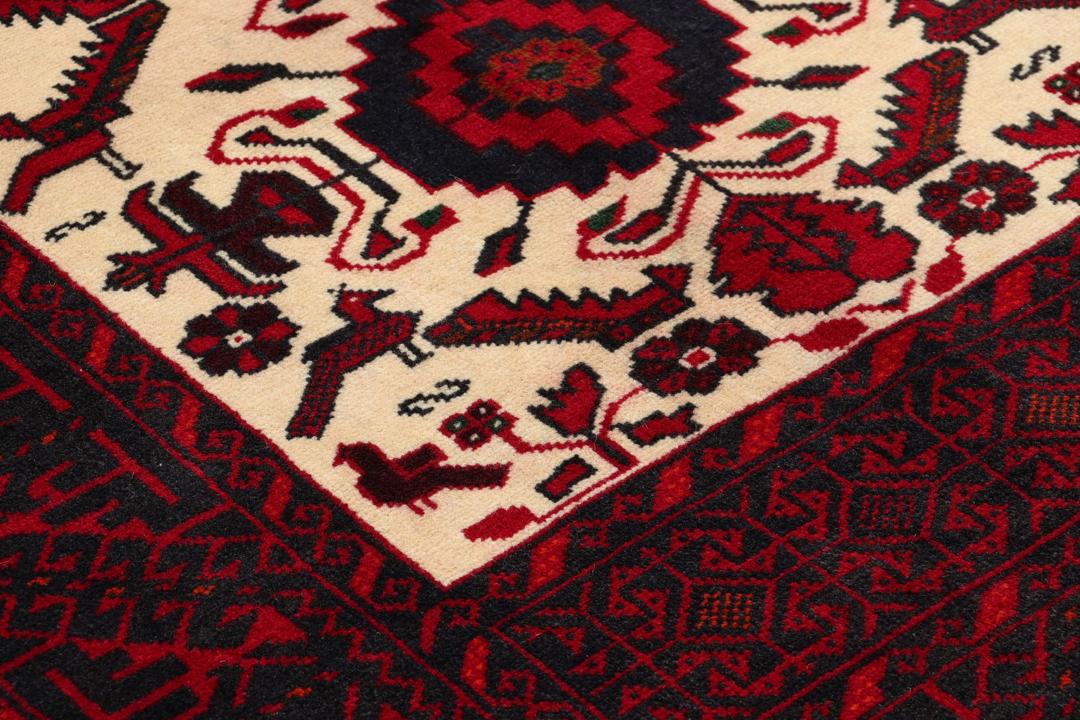
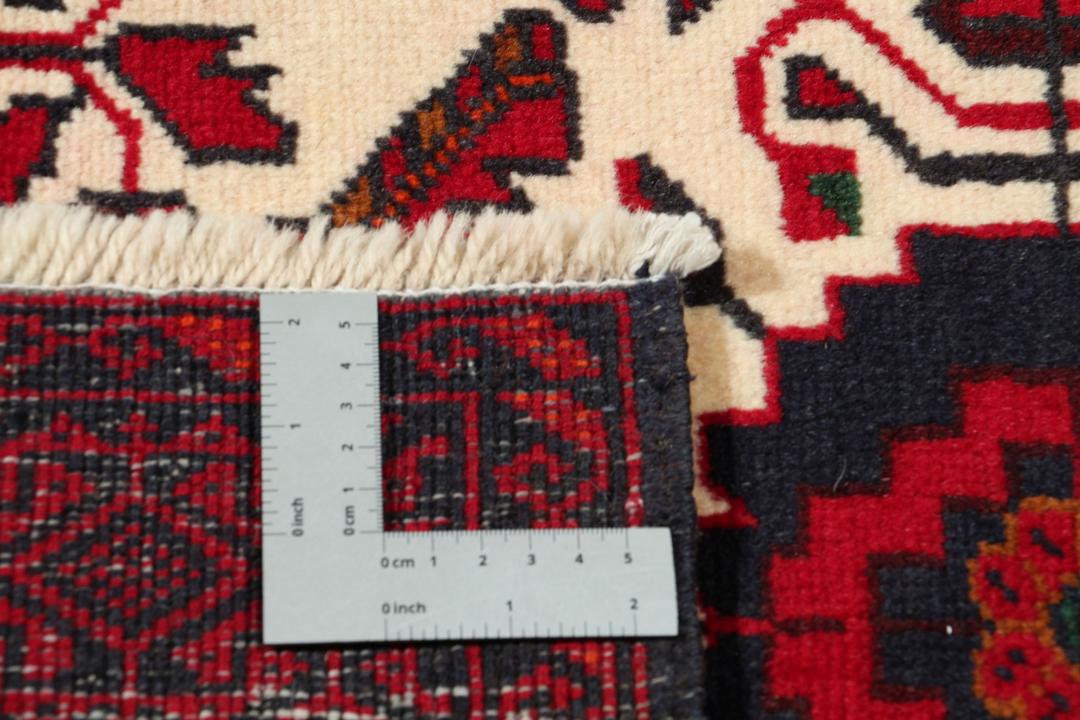
Technically, the name Beluch refers to a distinct style of hand-knotting that emphasises resilience and intricate pattern work. The use of Wool, which is naturally durable and easy to maintain, is a hallmark of this tradition. The artisans utilise traditional upright looms to ensure consistent tension, which is essential for the longevity of the rug.
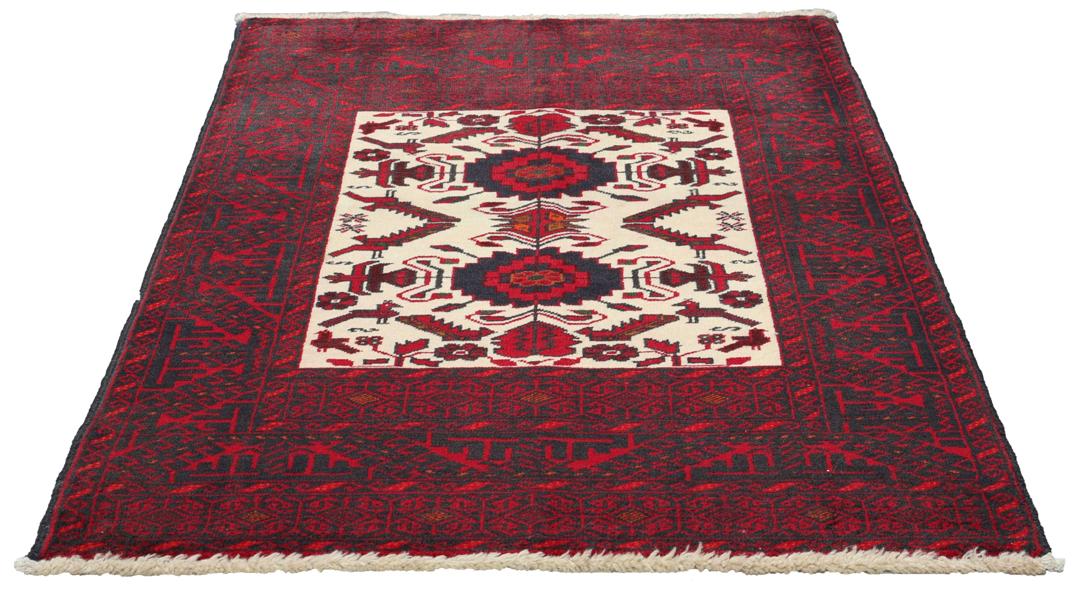
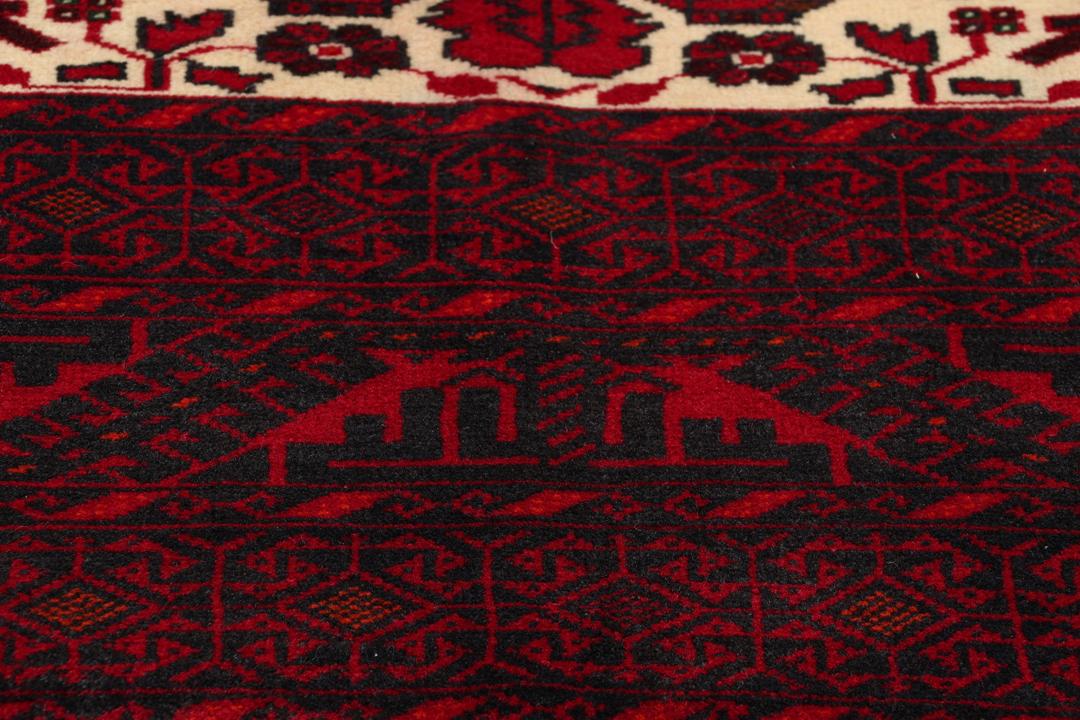
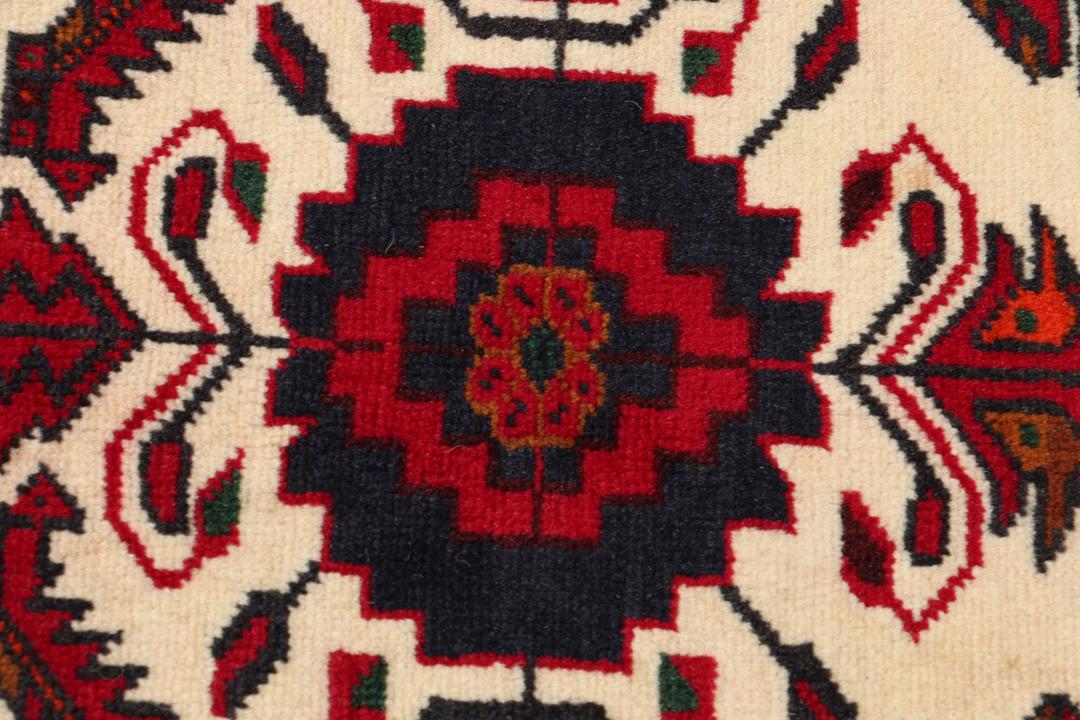
The signature design elements often include stylised geometric motifs, such as guls, hooked diamonds, and animal-inspired figures, all framed by elaborate decorative borders. The colour palettes are typically derived from natural dyes, favouring deep, earthy tones that ground the complex, repeating patterns in a sophisticated, muted aesthetic.
Owning a piece from this tradition is an act of preserving cultural history. These rugs are highly valued by collectors for their authenticity and the human story woven into every thread. Each rug serves as a narrative of the weaver's life, making it much more than a simple floor covering; it is a legacy of skill and tradition.