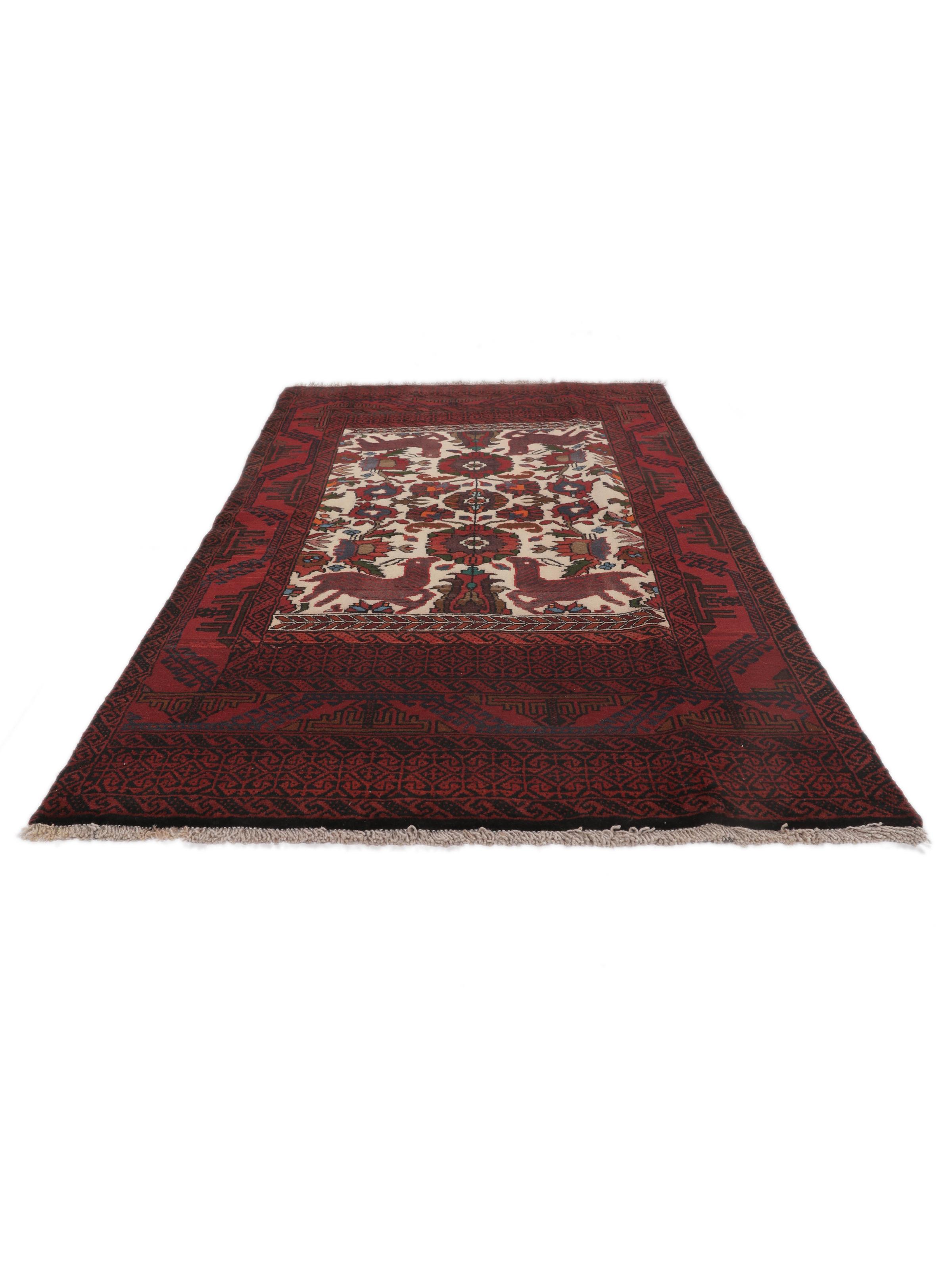
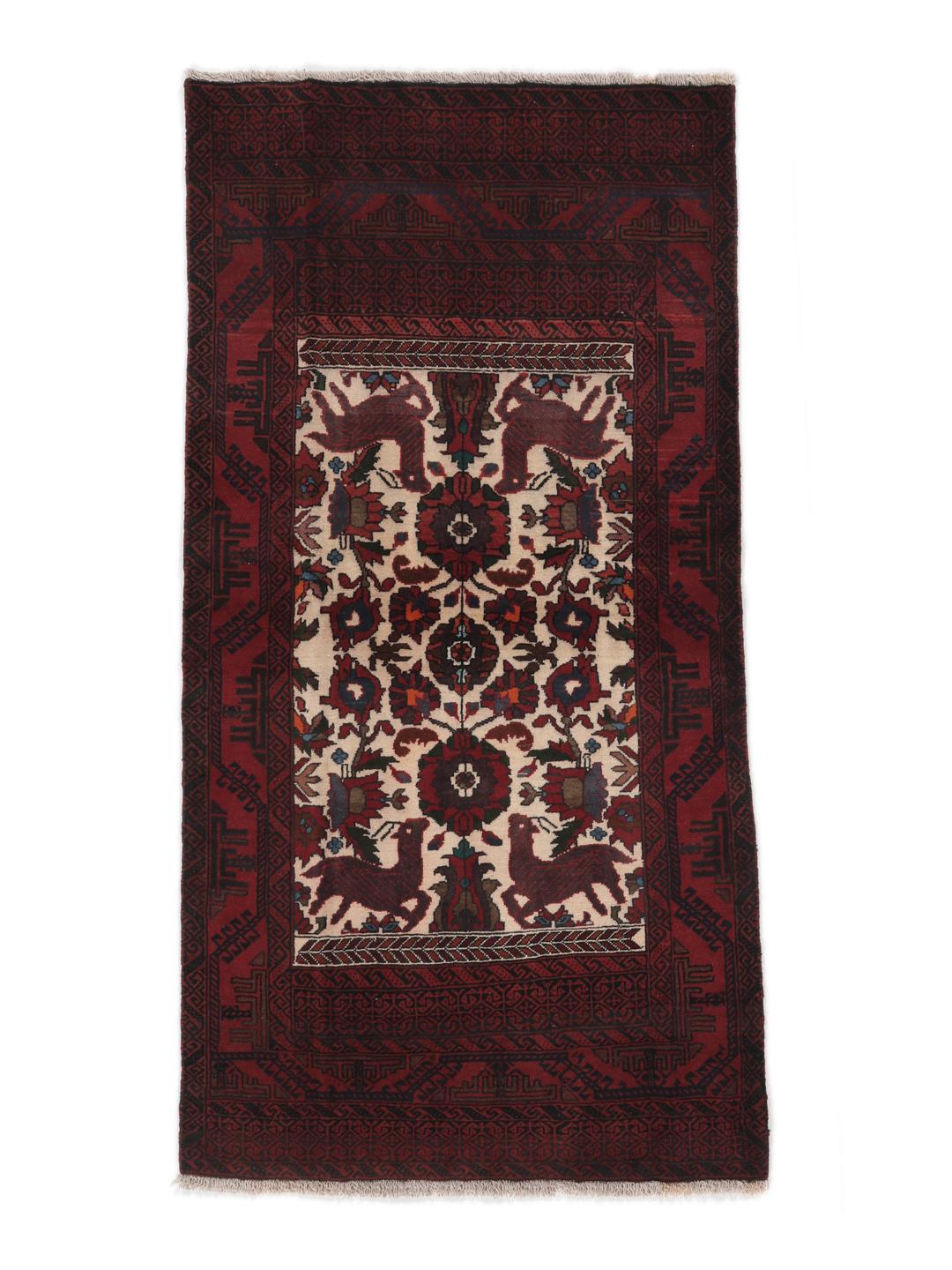
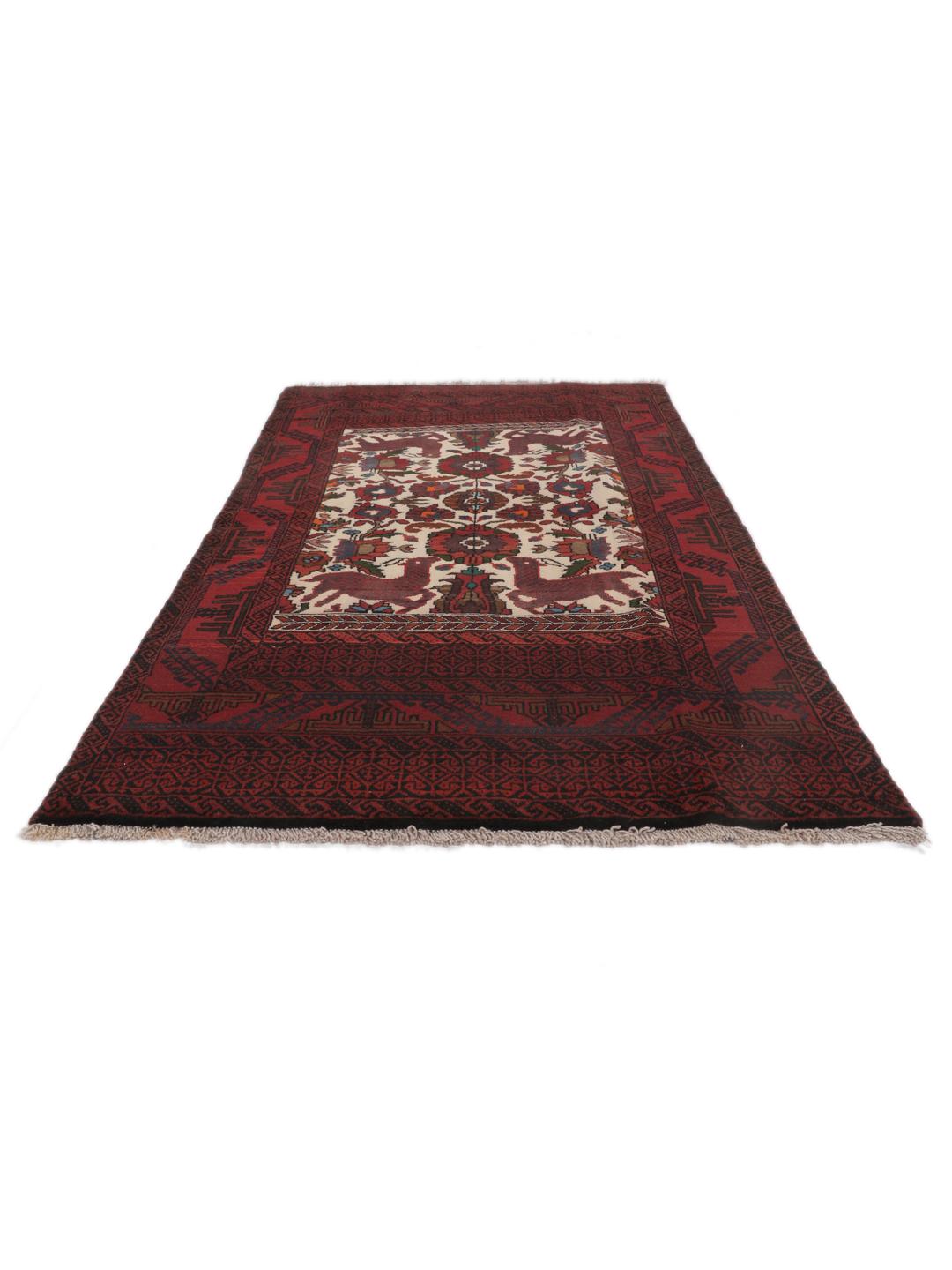
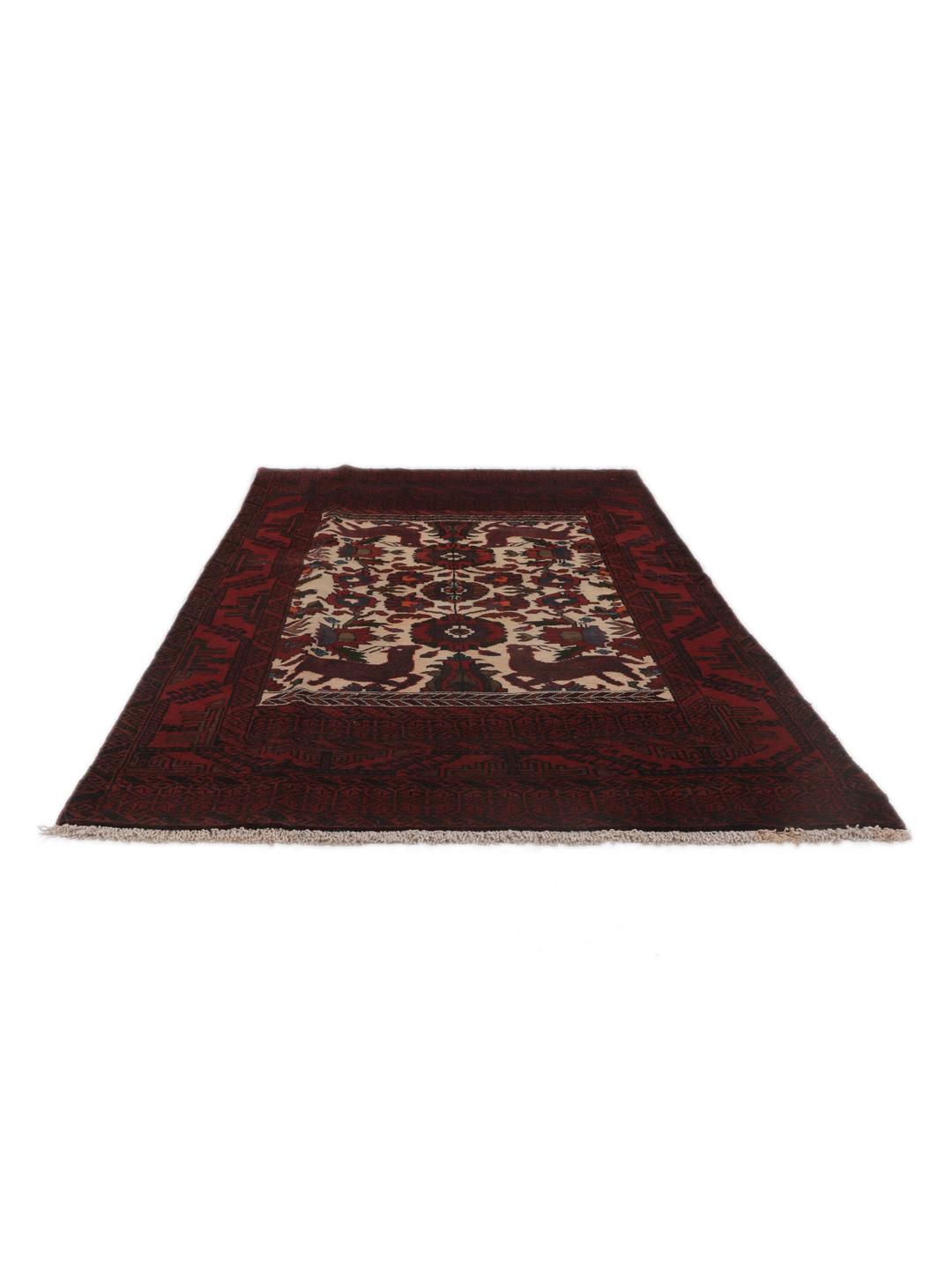
The Baluch rugs originate from the nomadic and semi-nomadic tribes residing in the borderlands of the Middle East. These tribes have a long history of weaving rugs for both practical use, such as floor coverings and tent bags, and for artistic expression, often drawing from the landscapes and cultural symbols of their ancestral lands.
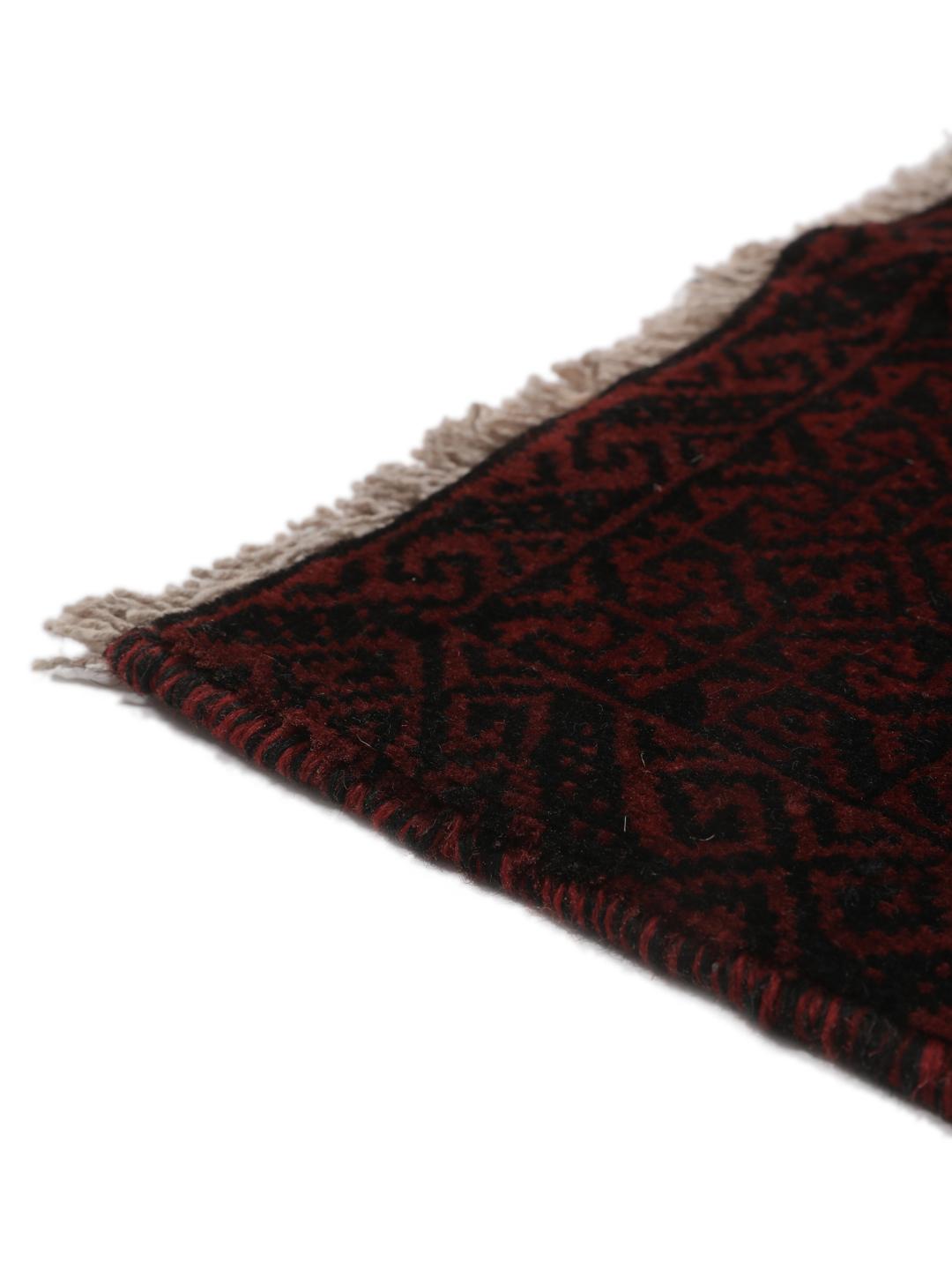
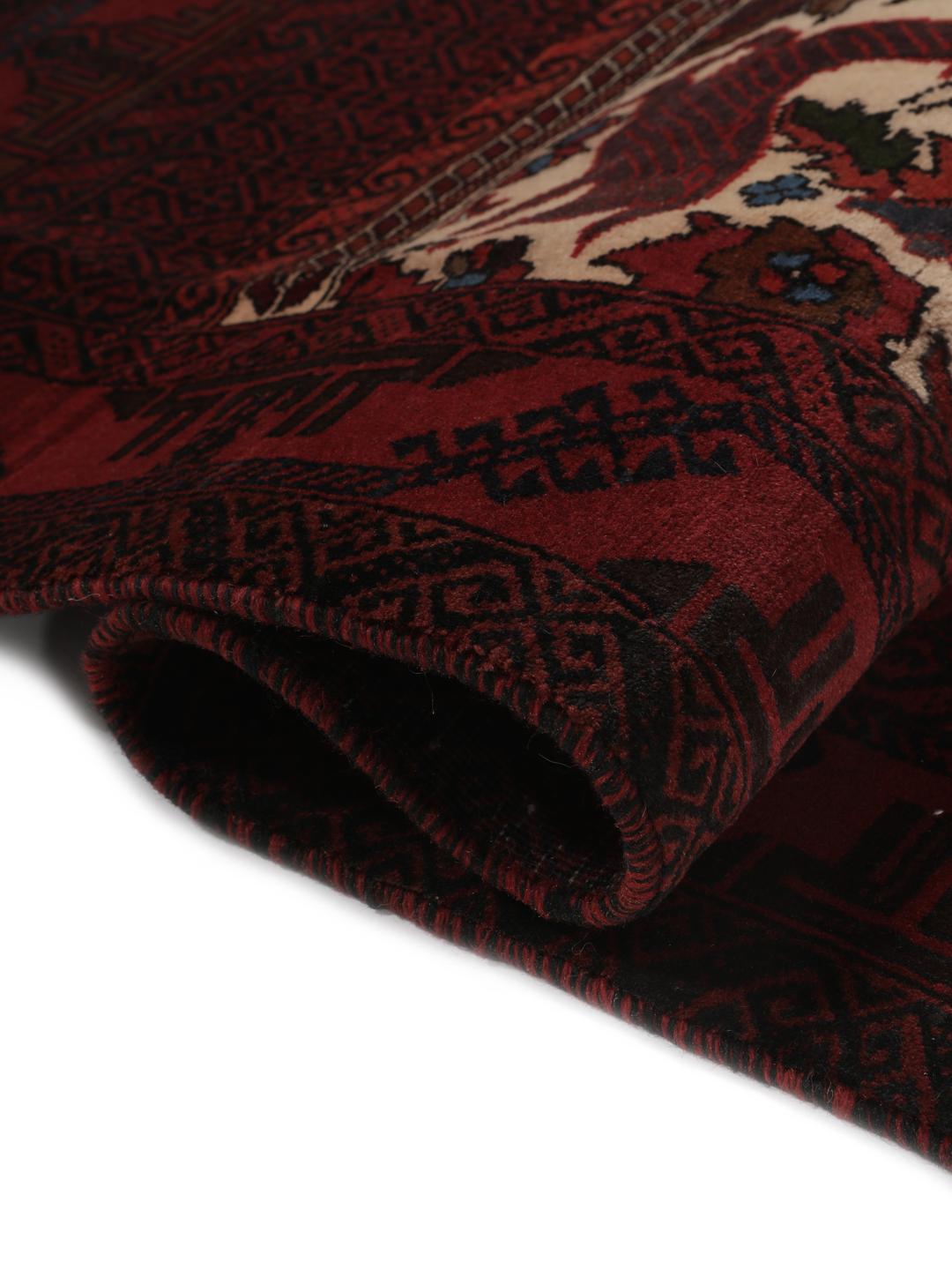
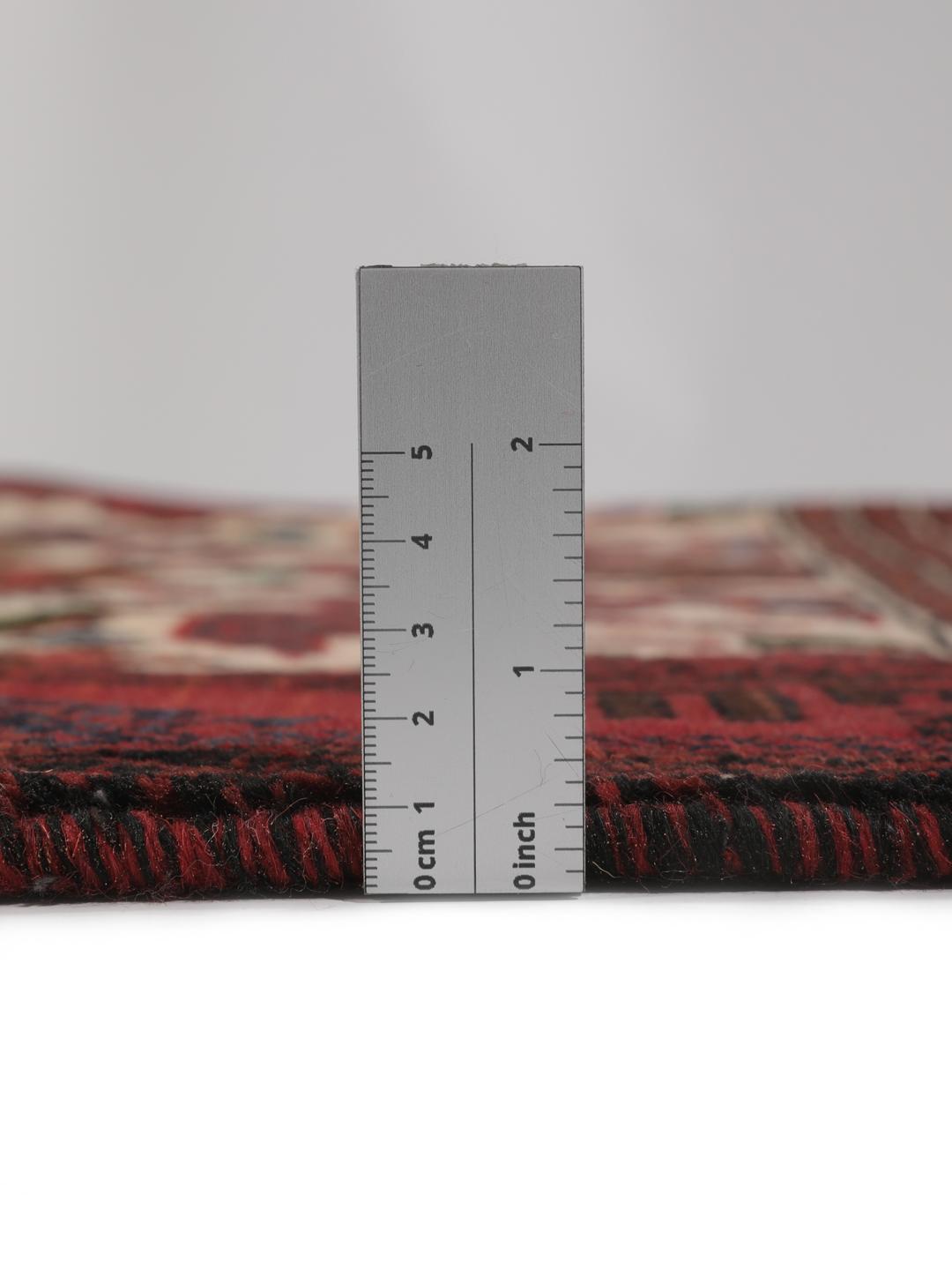
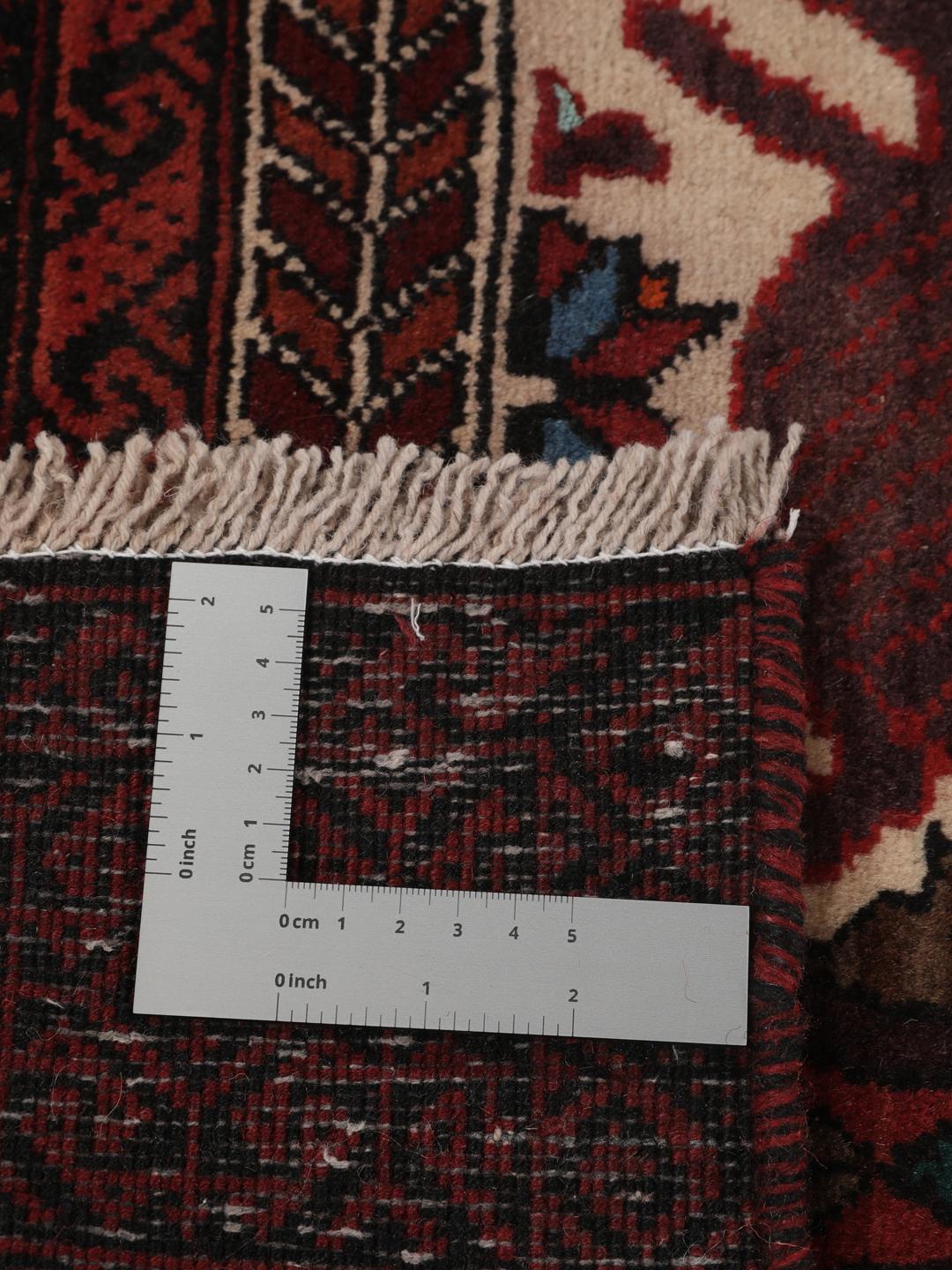
Baluch weaving is characterised by a specific approach to construction that prioritises durability and warmth. The use of high-quality, hand-spun Wool is central to their tradition, resulting in a pile that is known for its lustre and ability to age gracefully, developing a deeper character over time.
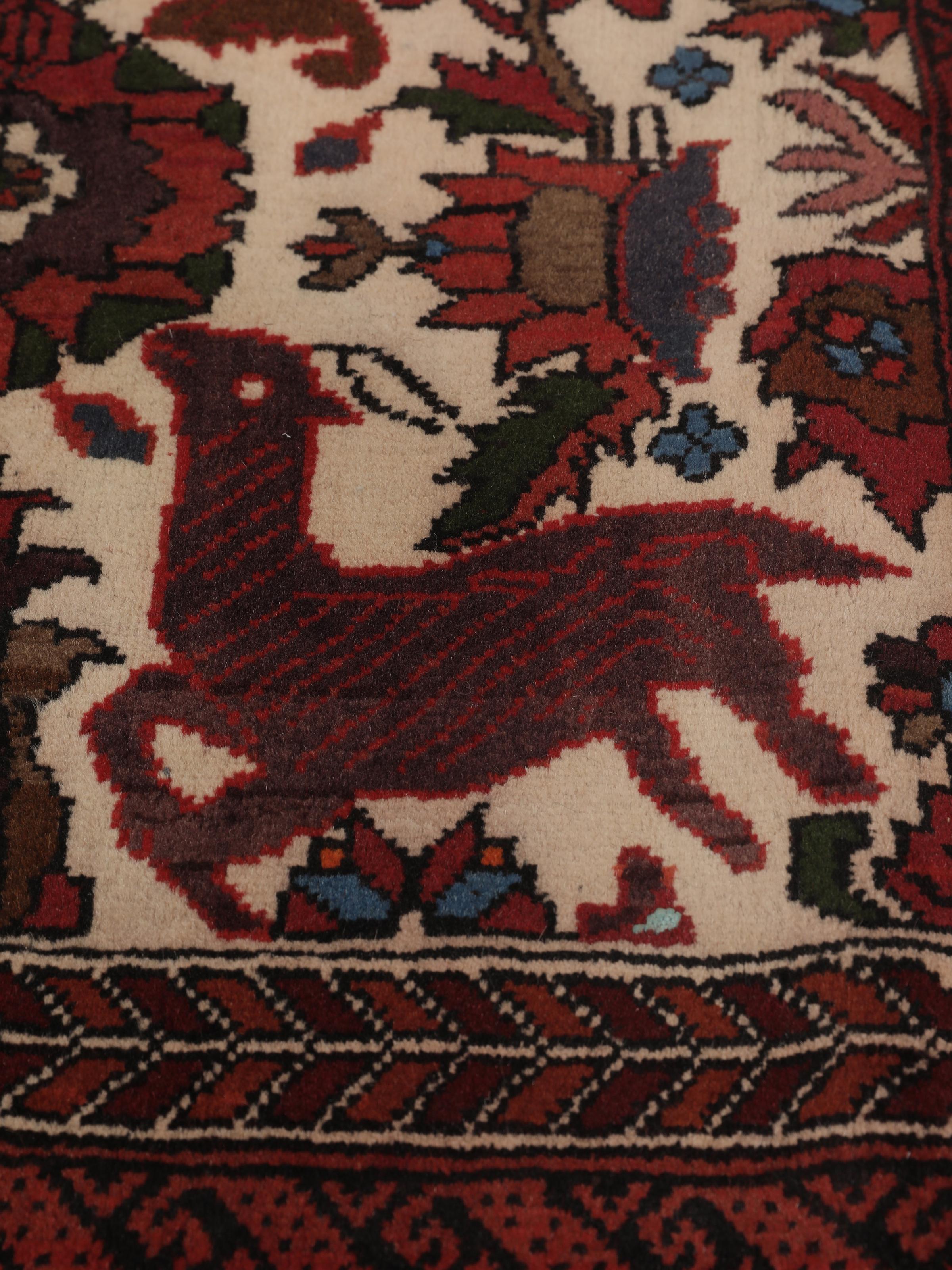
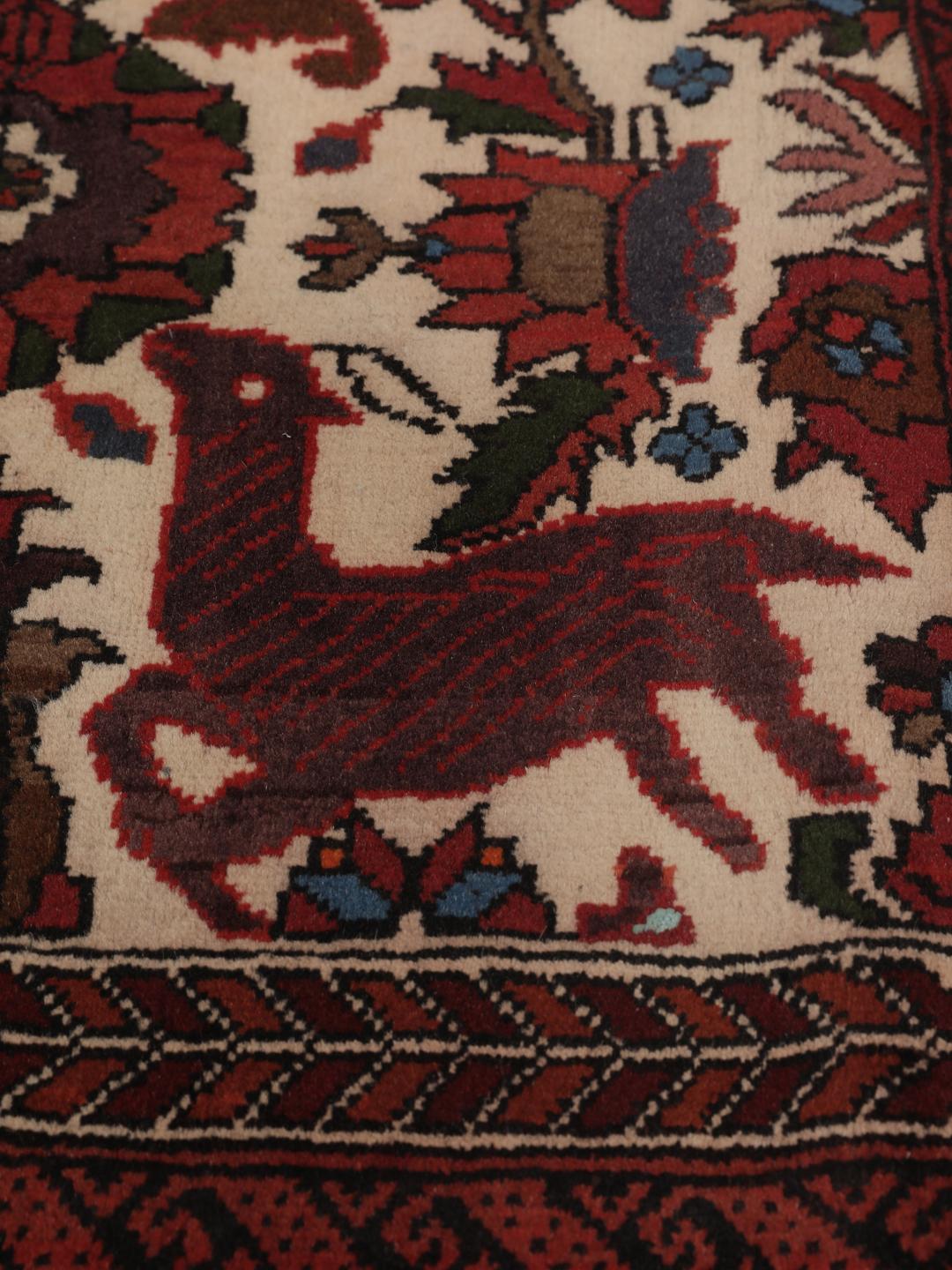
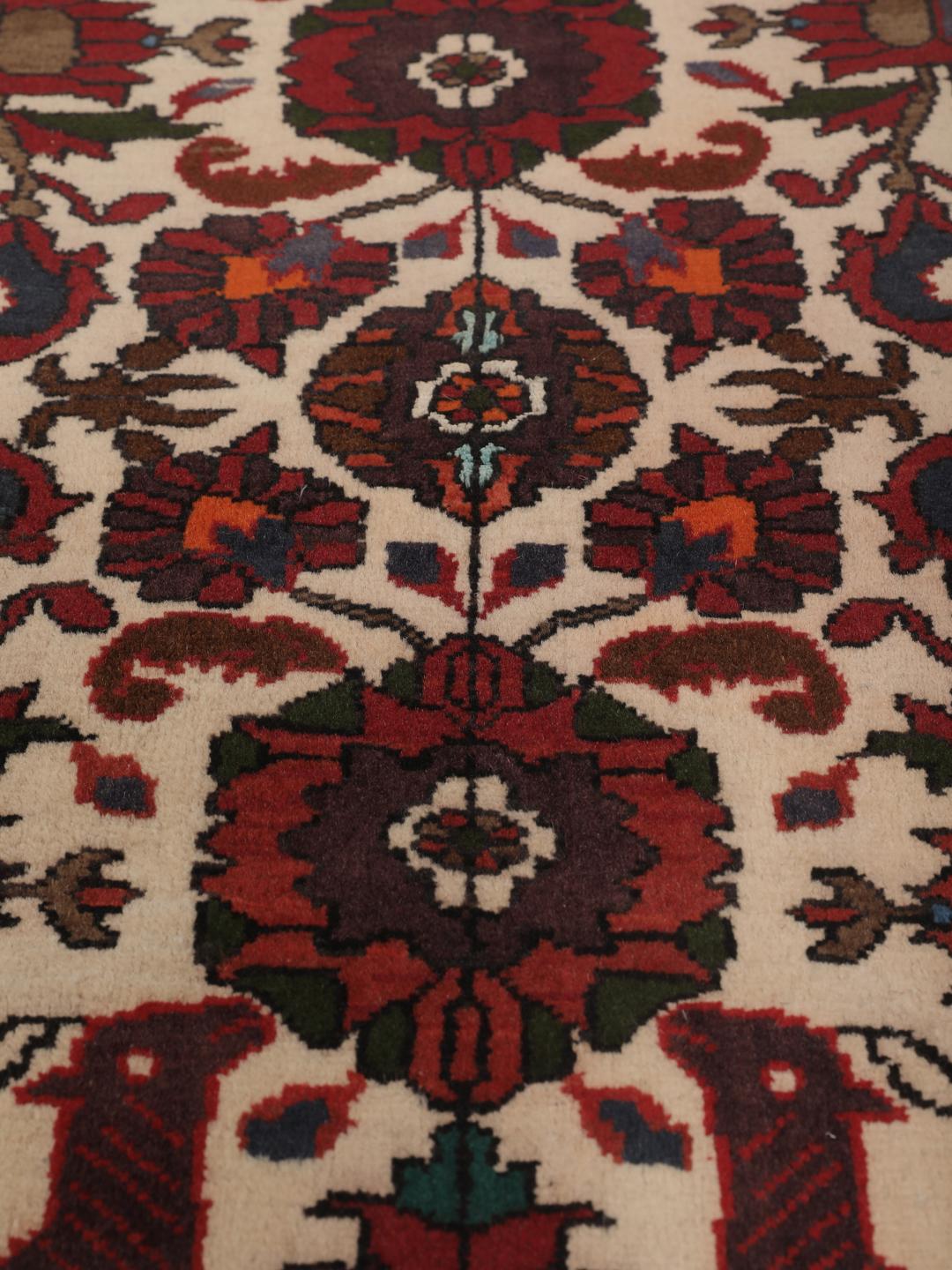
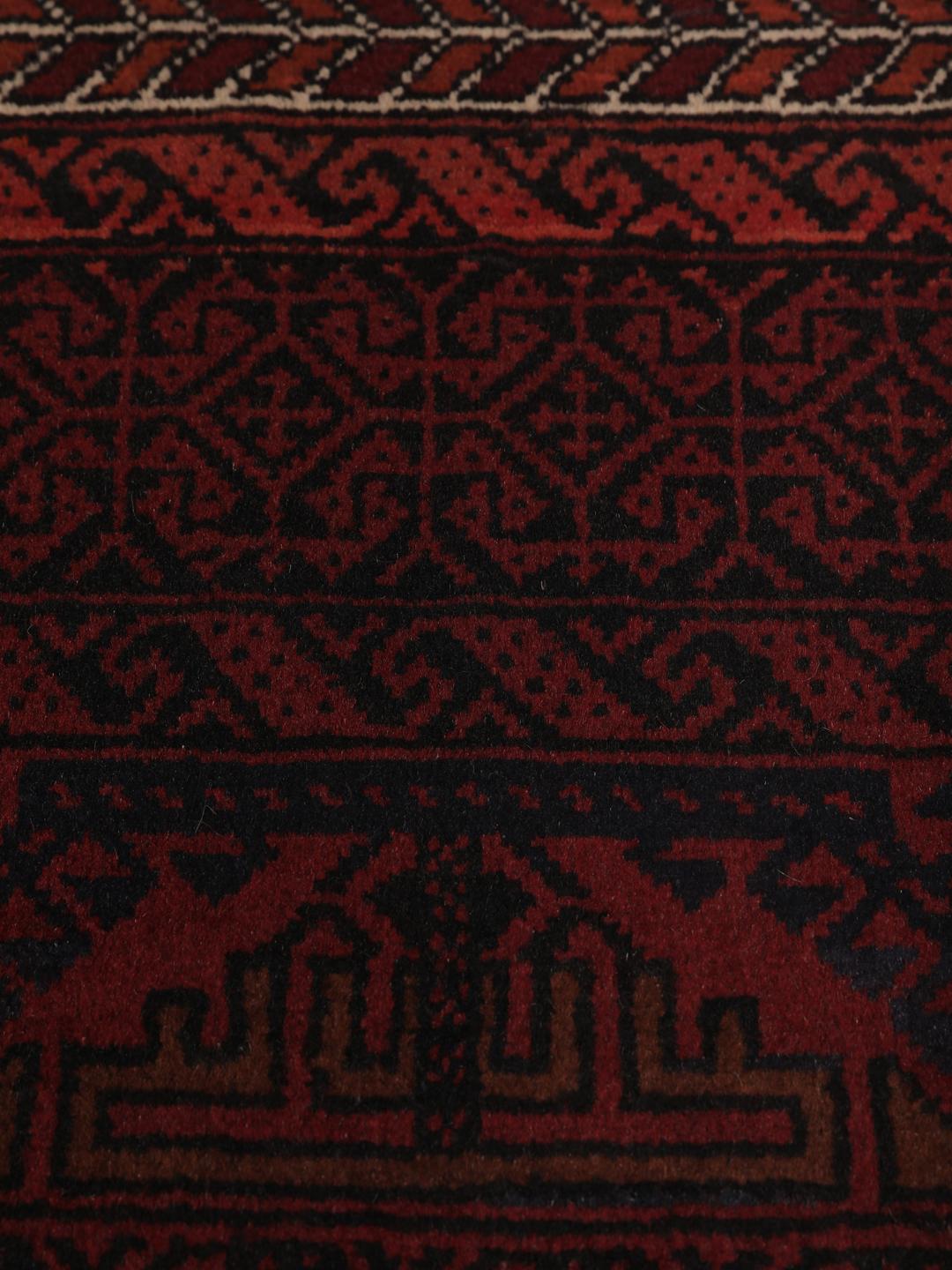
The design language of these rugs is deeply rooted in tribal identity, frequently featuring geometric patterns, stylised floral elements, and animal motifs like the ones seen here. These symbols often hold specific meanings for the weaving communities, acting as a visual language that connects the maker to their heritage and environment.
Collectors value Baluch rugs for their authentic, unpretentious beauty and the high level of skill required to produce them. Owning one is an opportunity to preserve a piece of living history, as these rugs represent a bridge between ancient nomadic traditions and the modern home.