The Baluch rug tradition originates from the nomadic and semi-nomadic tribes residing in the border regions between the Middle East and neighbouring countries. For generations, these weavers have translated their cultural heritage into textiles, utilising patterns that have been passed down through families. These rugs are deeply connected to the desert landscape and the migratory lifestyle of the tribes, reflecting a legacy of resilience and artistic expression.
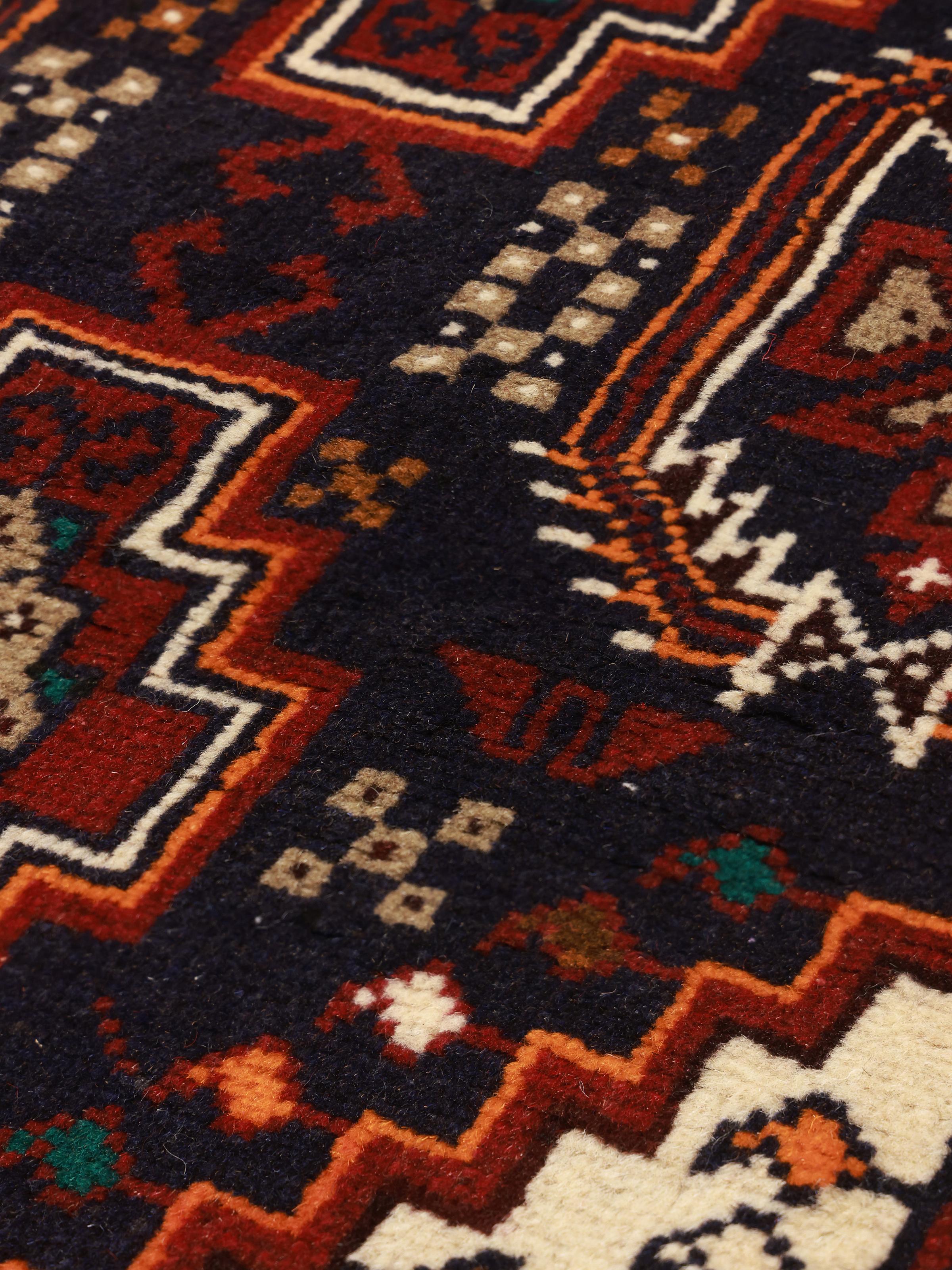
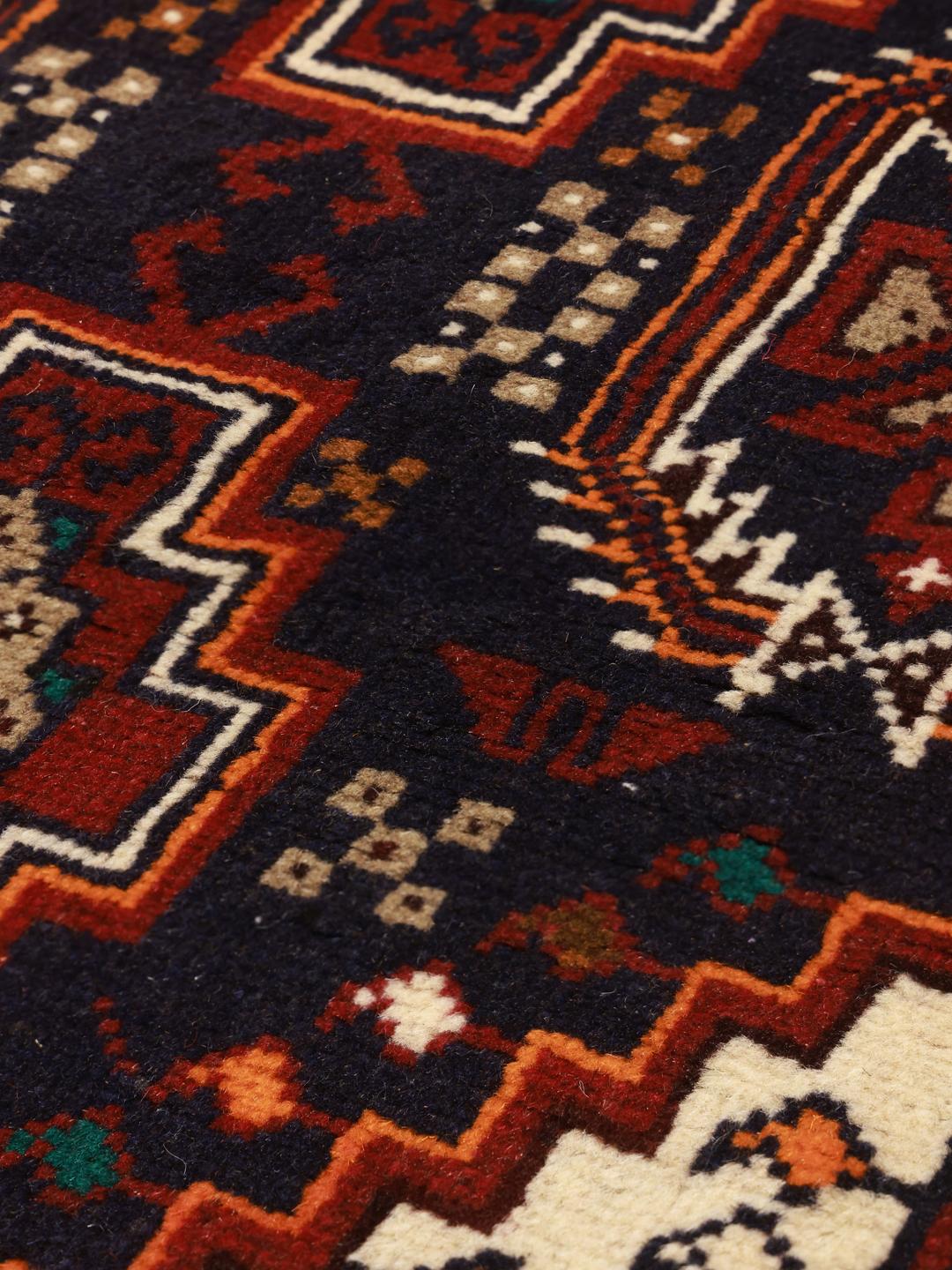
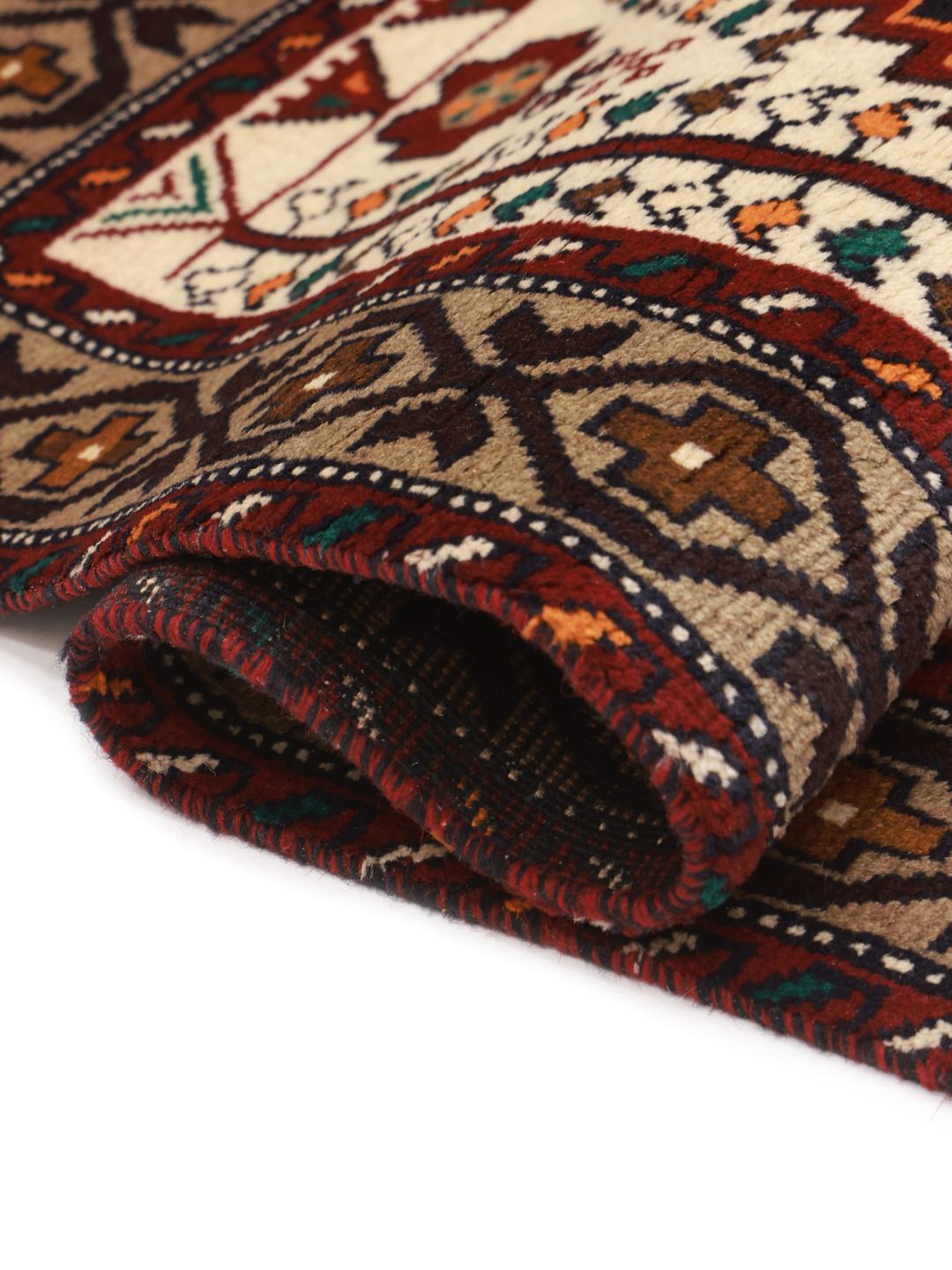
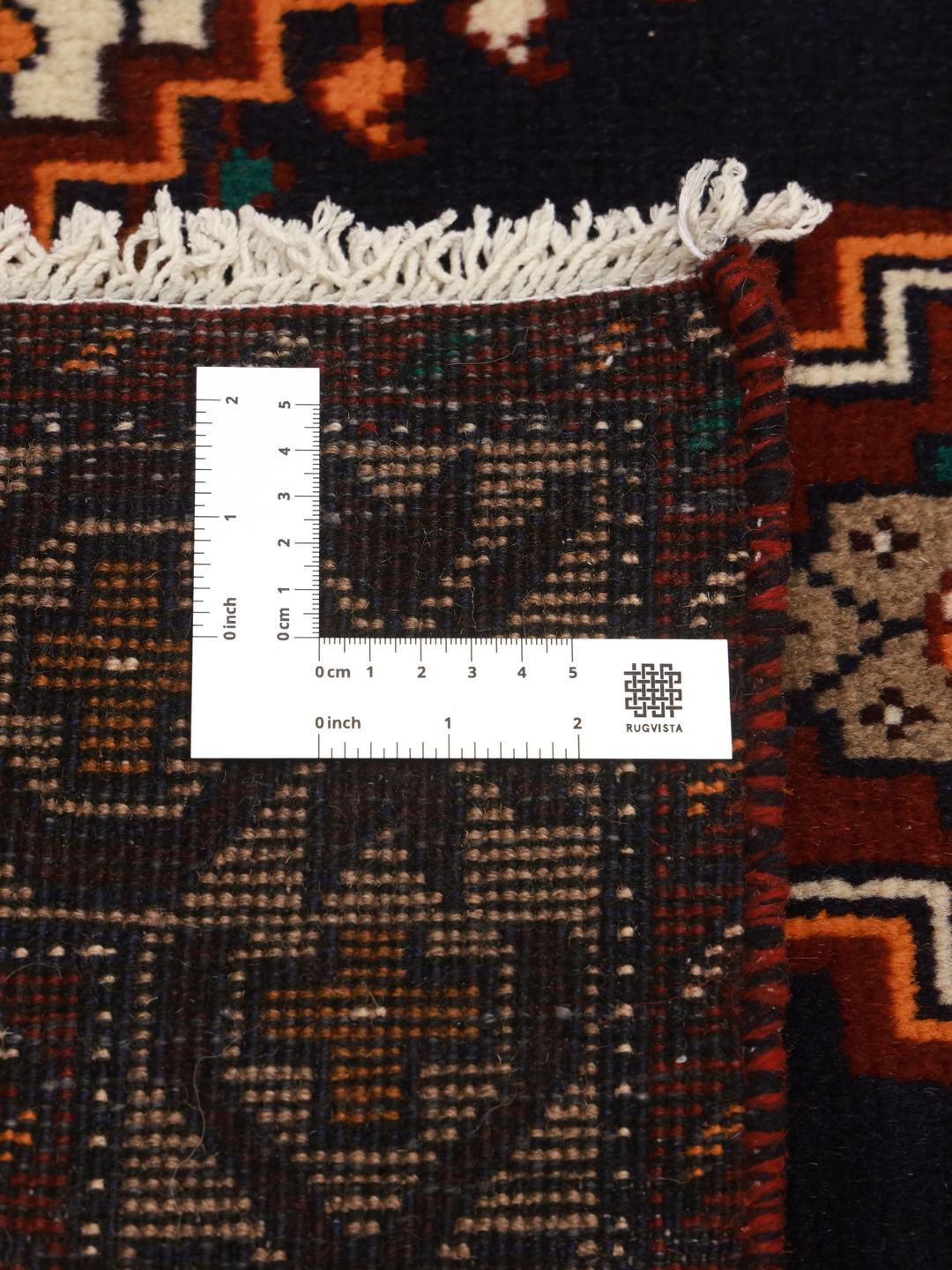
The term Baluch refers to both the people and the distinctive style of weaving they have perfected. These rugs are highly regarded for their use of durable materials and specific technical construction, which results in a pile that is known for its lustre and strength. The use of traditional knotting techniques creates a surface that is both resilient and exceptionally soft, making these pieces as practical as they are beautiful.
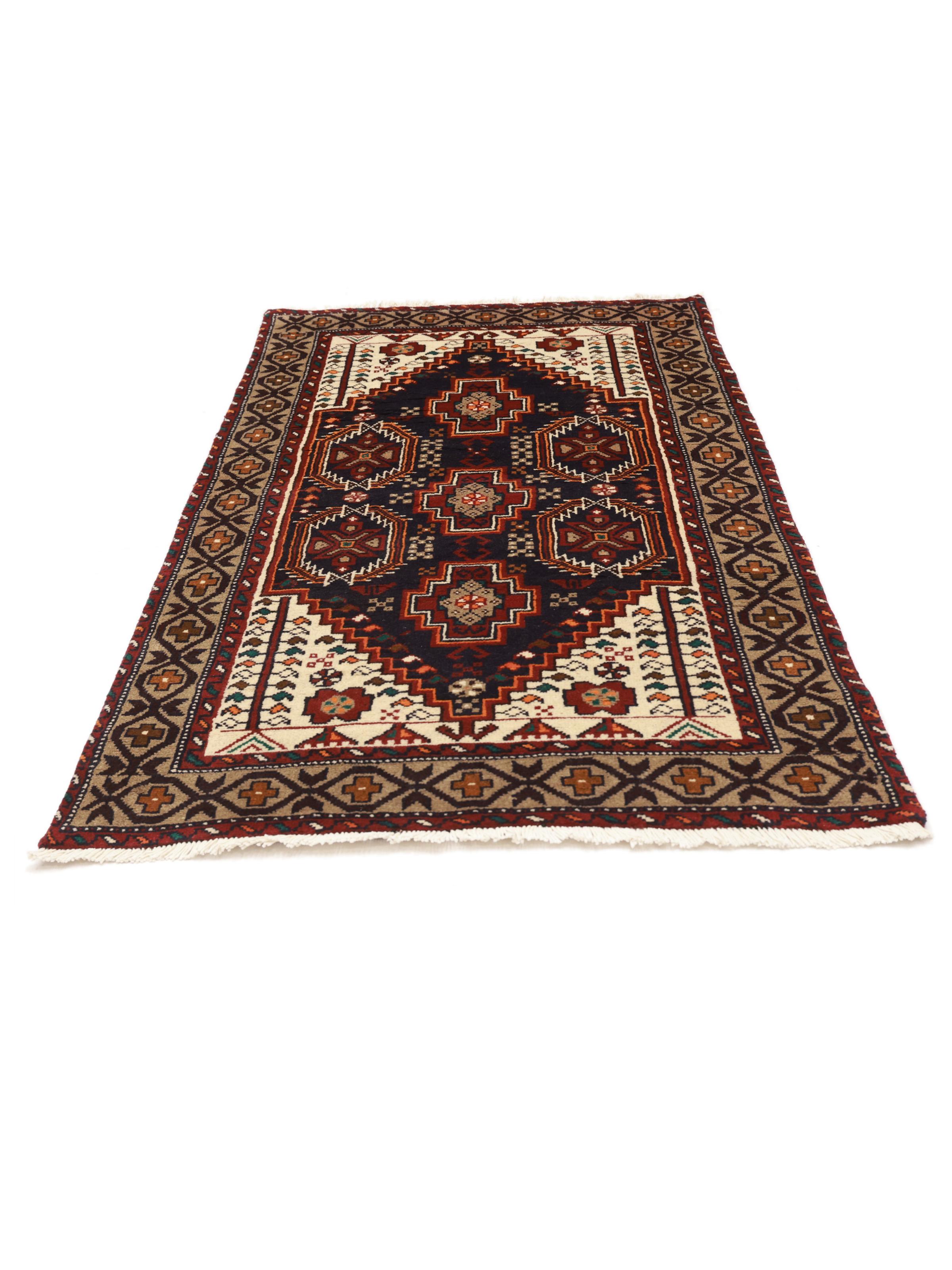
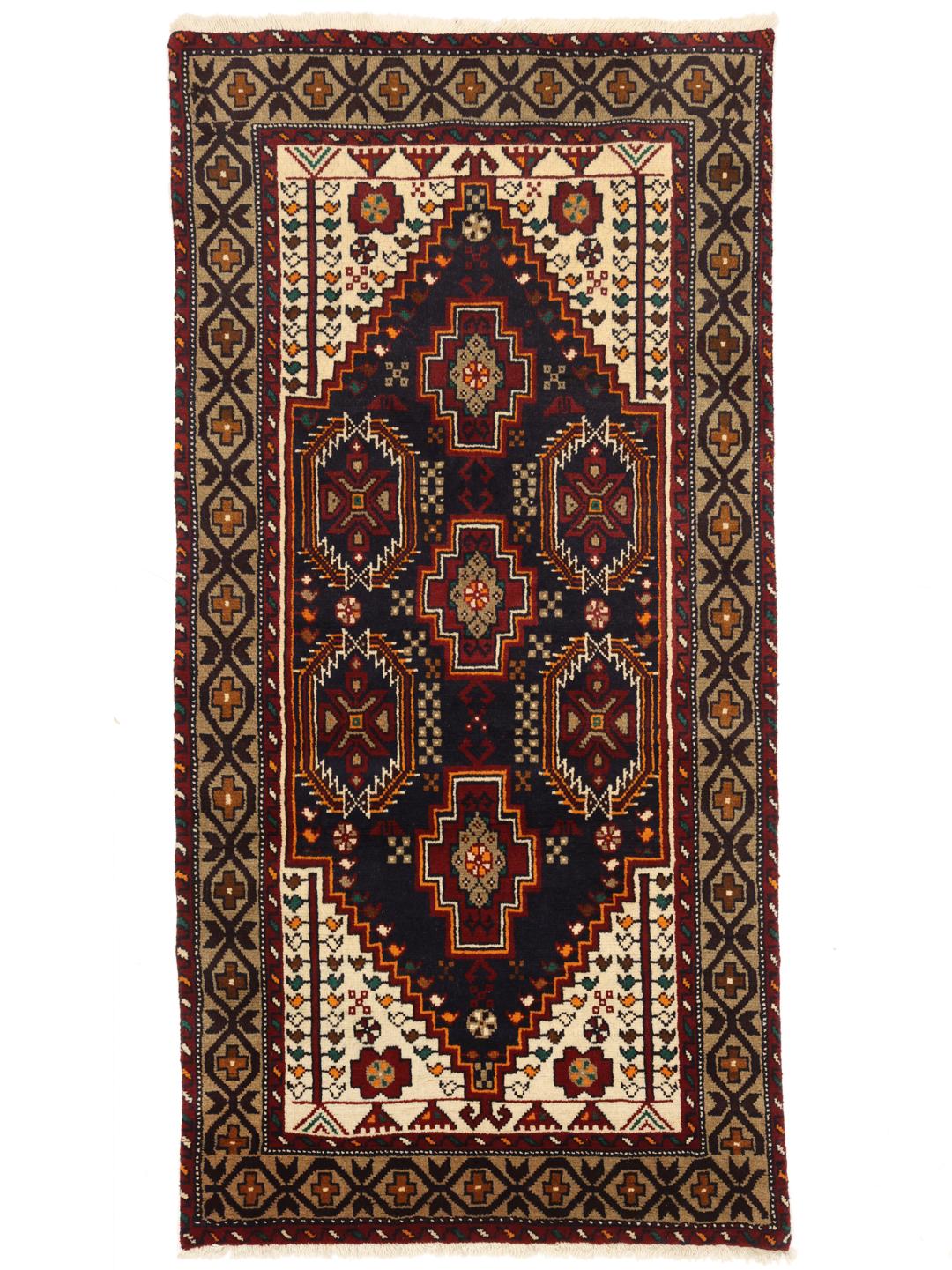
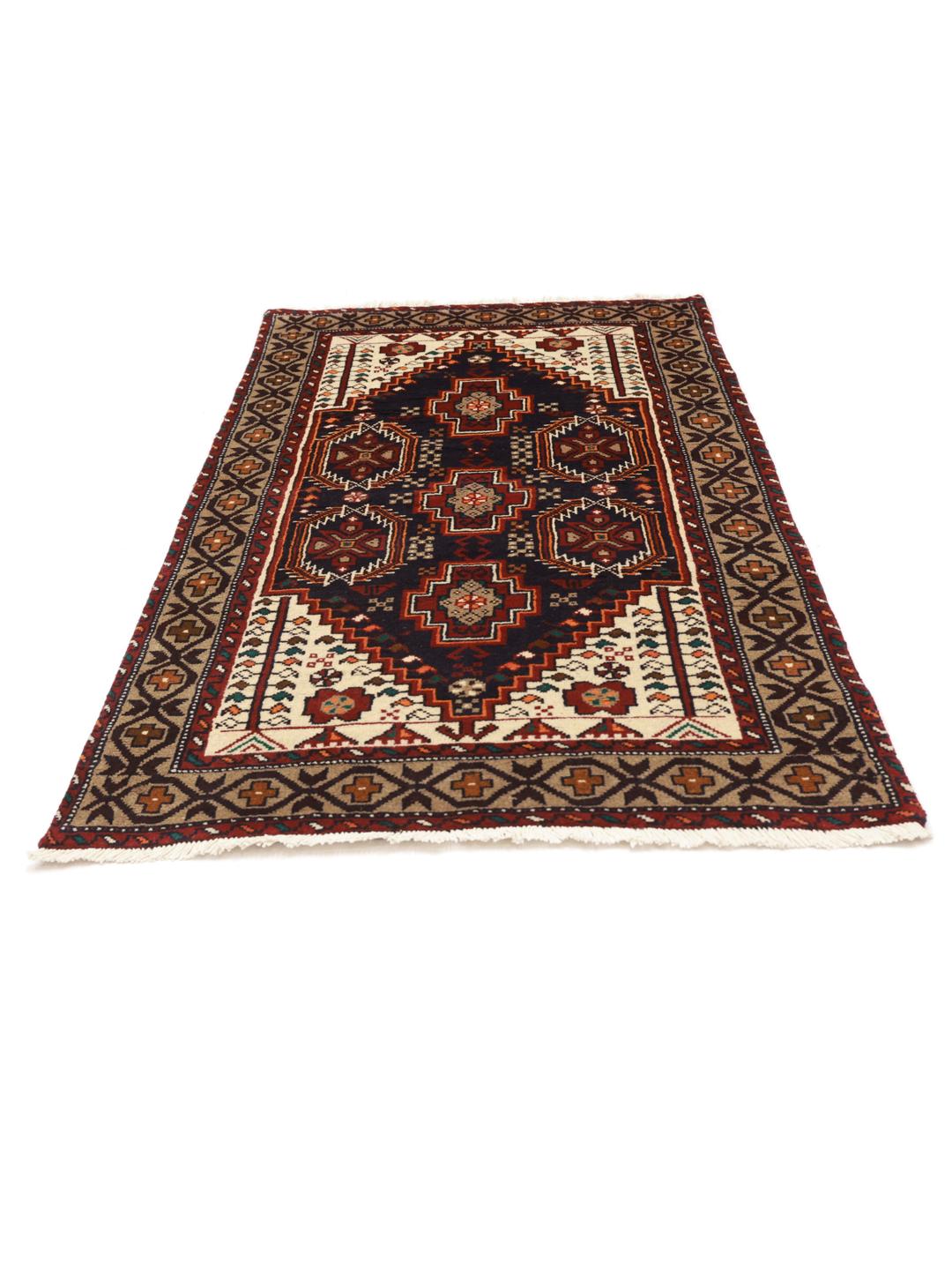
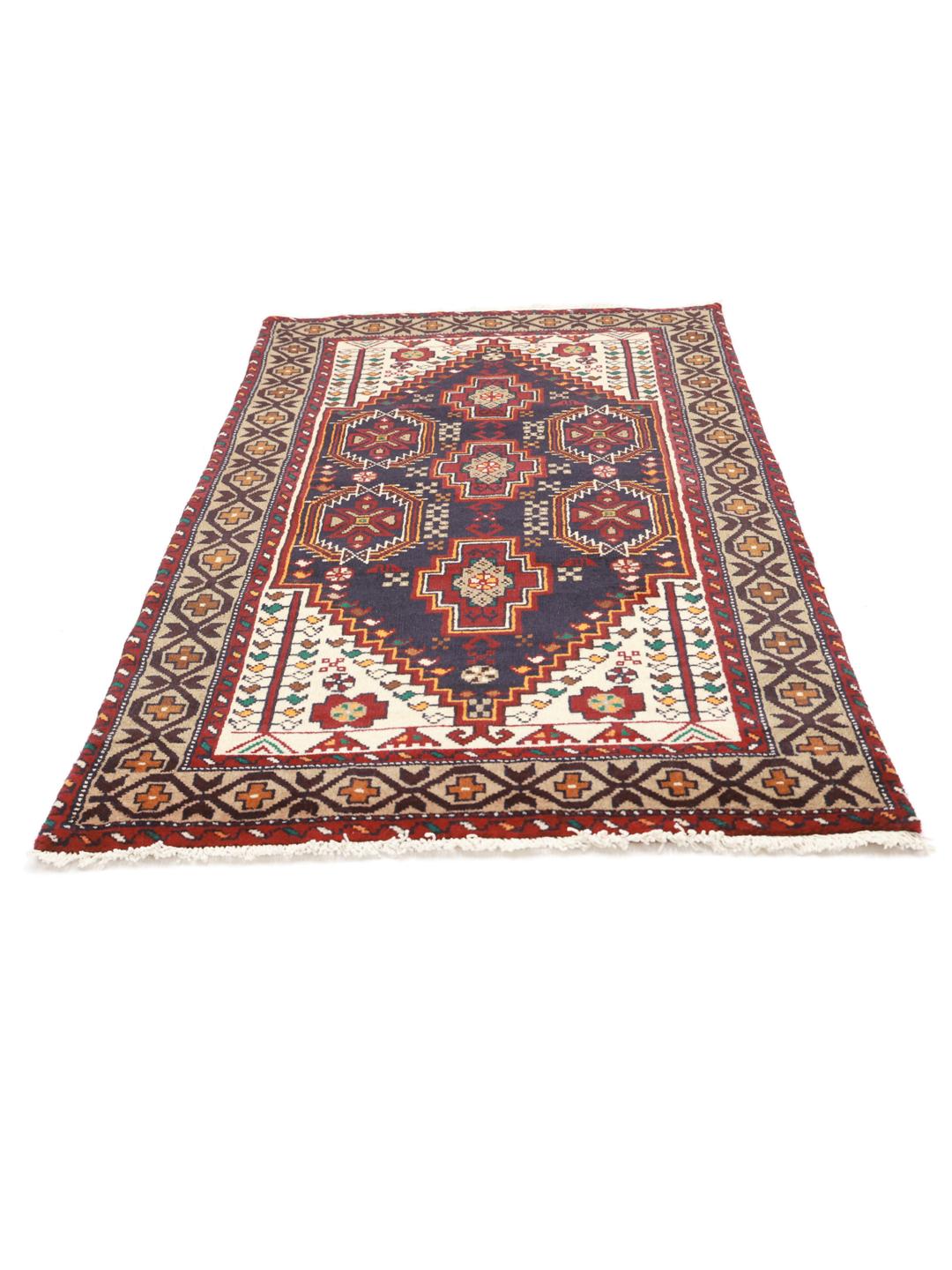
Visually, Baluch rugs are defined by a sophisticated geometric language. They often feature intricate medallions, repeating motifs, and elaborate borders that frame the field in a formal yet tribal aesthetic. The colour palette typically draws from natural dyes, featuring deep, earthy tones such as dark blues and rich reds. This particular piece showcases these signature design elements, with a central medallion layout that serves as a hallmark of the tradition.
Owning a Baluch rug is an opportunity to connect with a rich history of craftsmanship. These rugs are prized by collectors for their authenticity and the human story woven into every thread. They represent a bridge between the past and the present, offering a piece of cultural history that enhances the home with its depth of colour, intricate design, and the enduring quality of its hand-knotted construction.