The Baluch rugs originate from the nomadic and semi-nomadic tribes living across the border regions of the Middle East. These tribes have a long history of weaving, creating textiles that were traditionally used for floor coverings, bags, and tent decorations. The designs are deeply rooted in the environment and the cultural identity of the weavers, often passed down through generations as a visual language of tribal heritage.
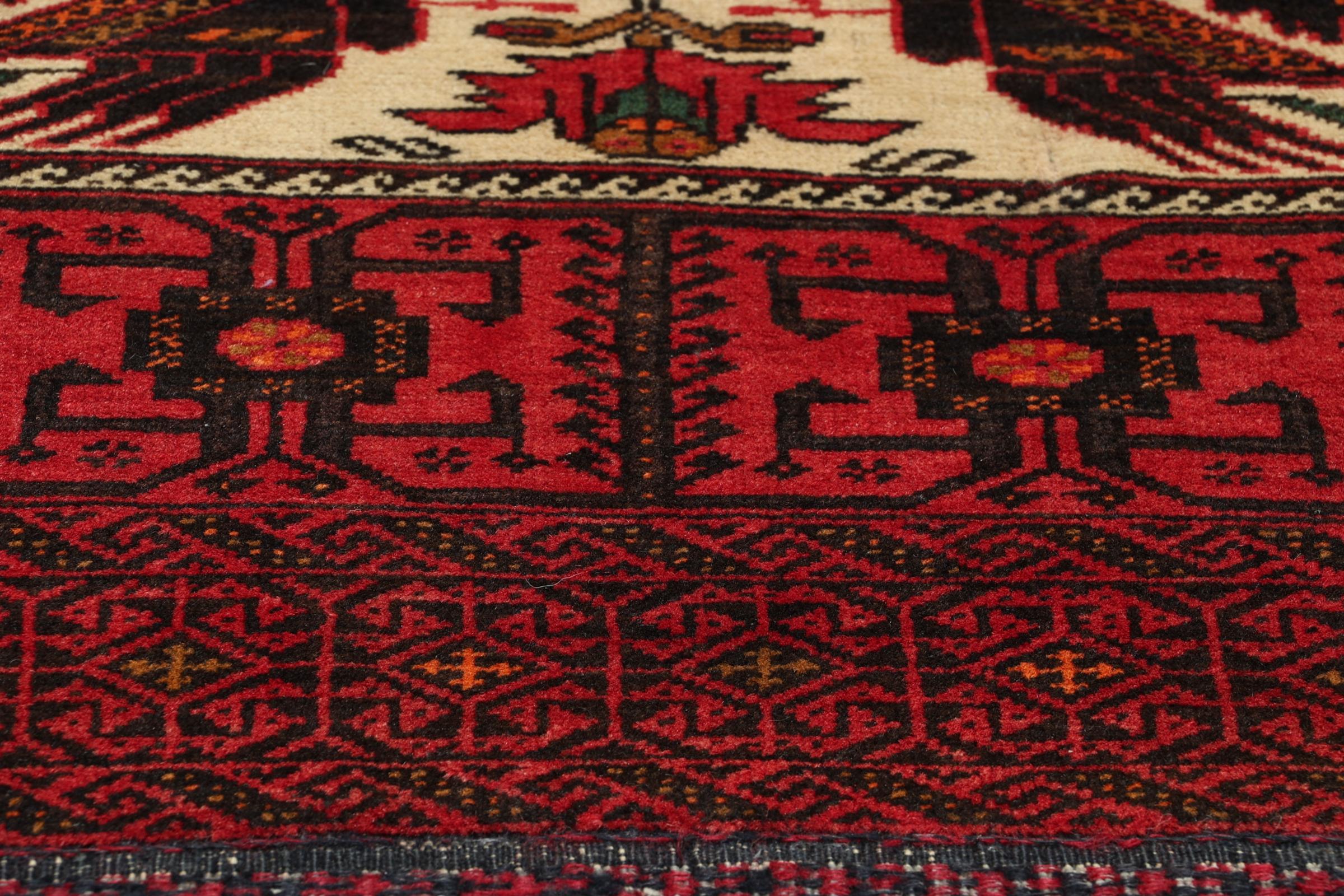
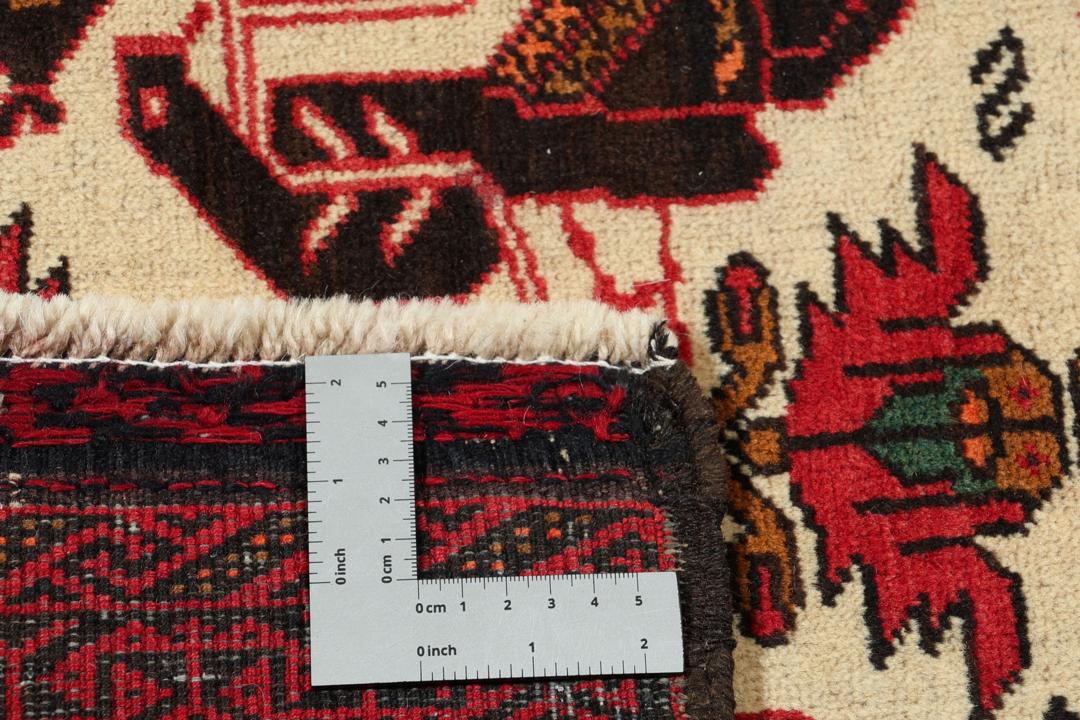
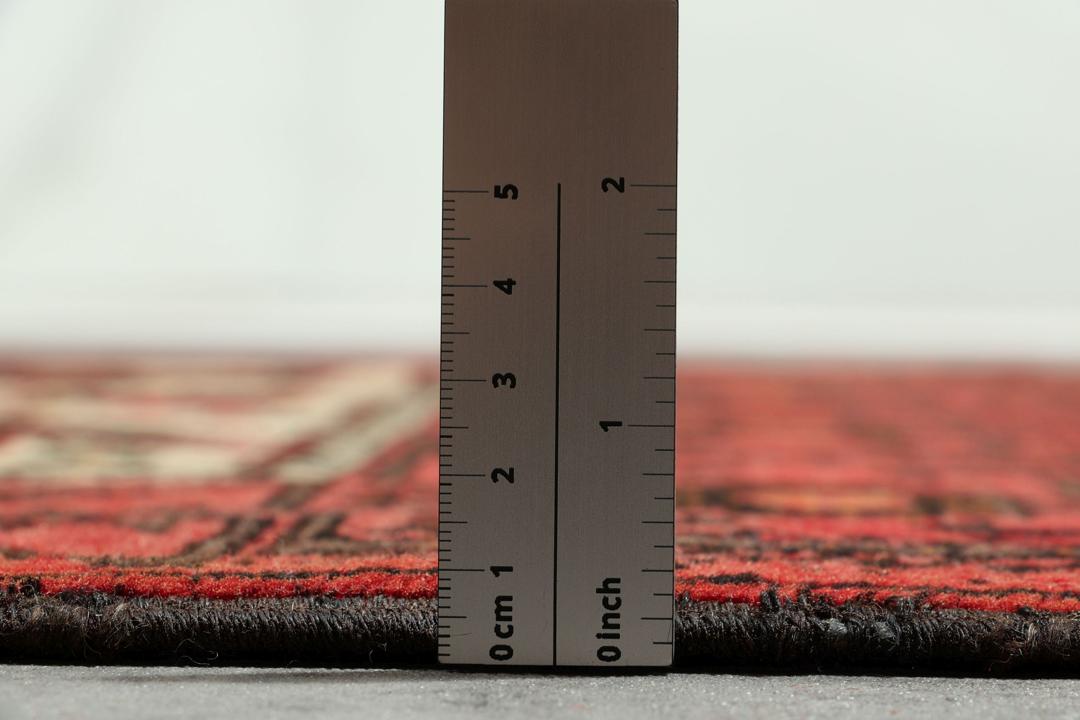
The term Baluch refers to the specific tribal tradition, which is known for its focus on utility and intricate, symbolic storytelling. The construction typically involves a foundation that provides a sturdy, flexible base, allowing the rug to be durable enough for nomadic life. Understanding these technical foundations helps explain why these rugs are prized for their longevity and their ability to remain vibrant and intact despite years of use.
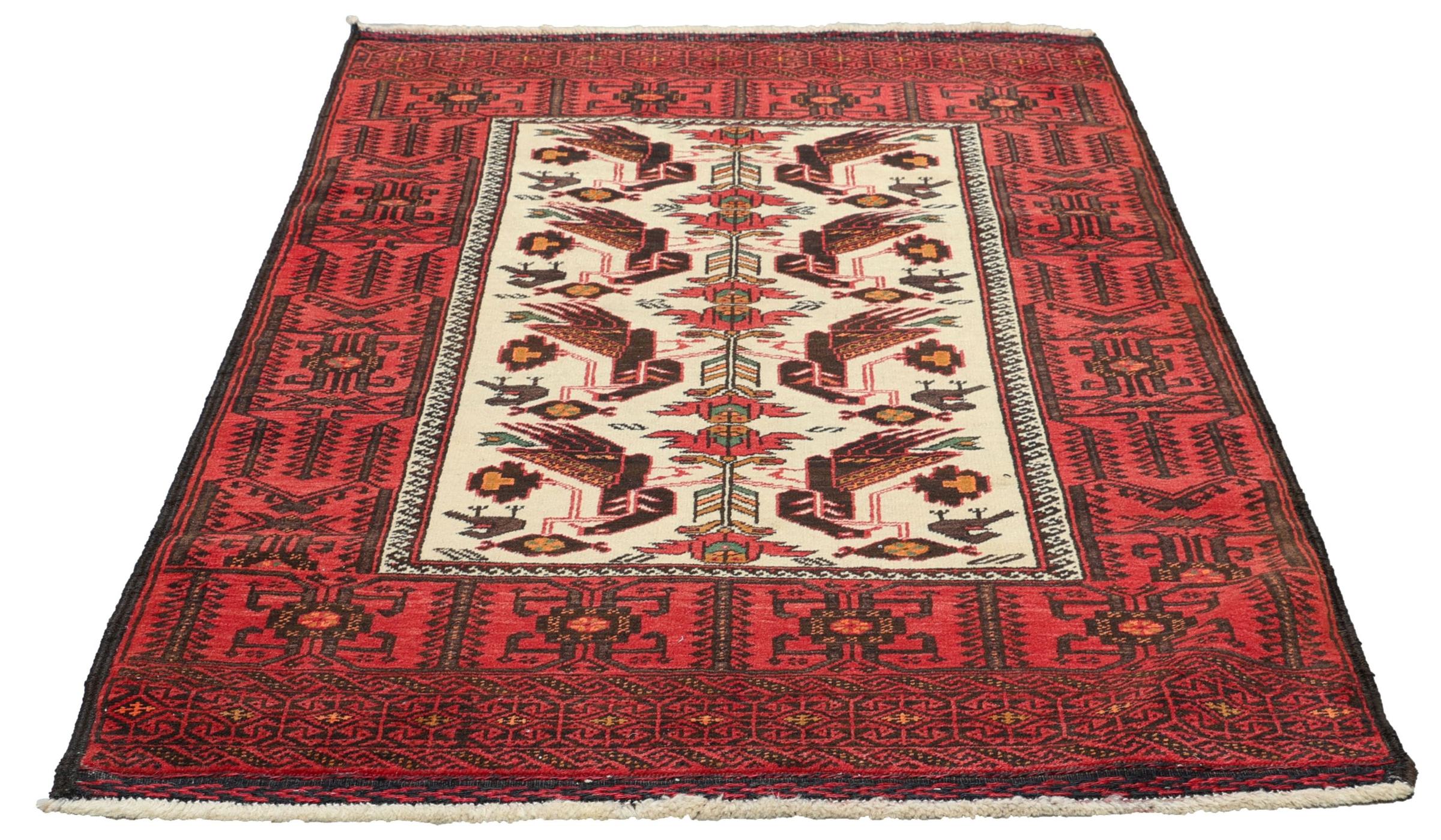
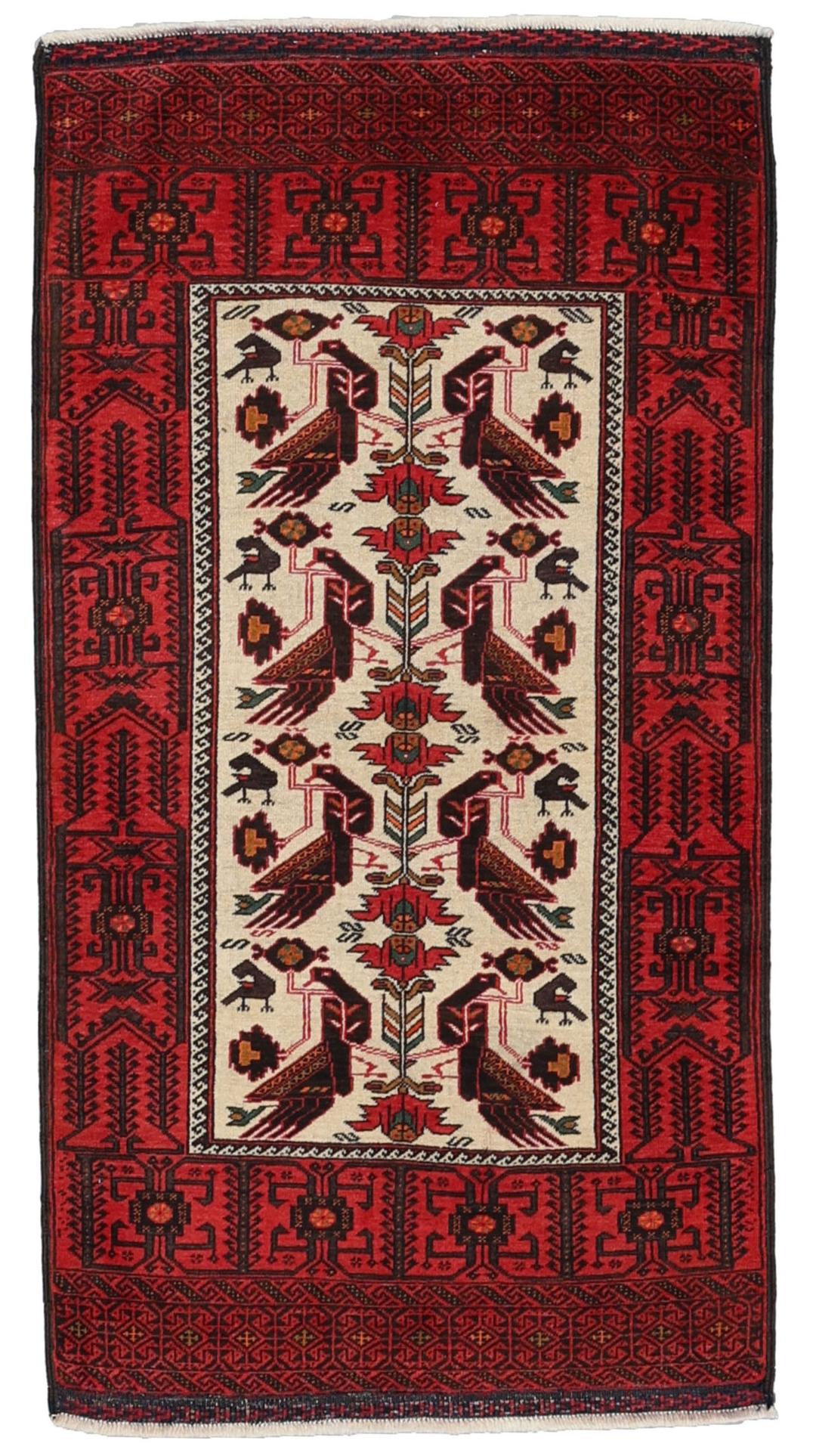
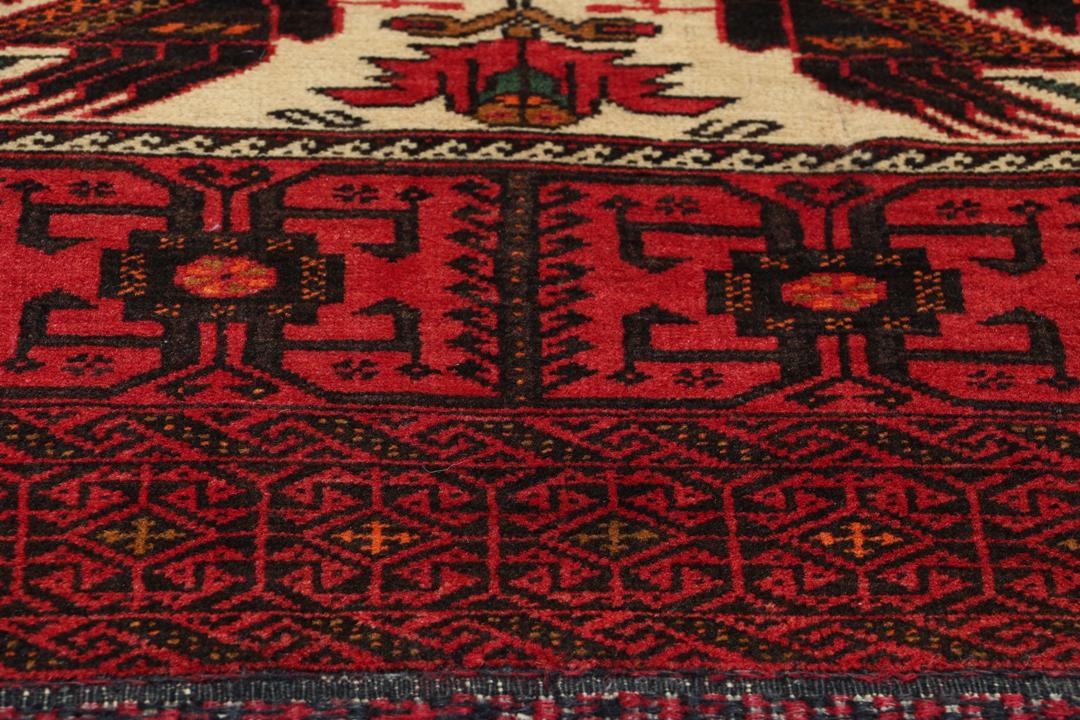
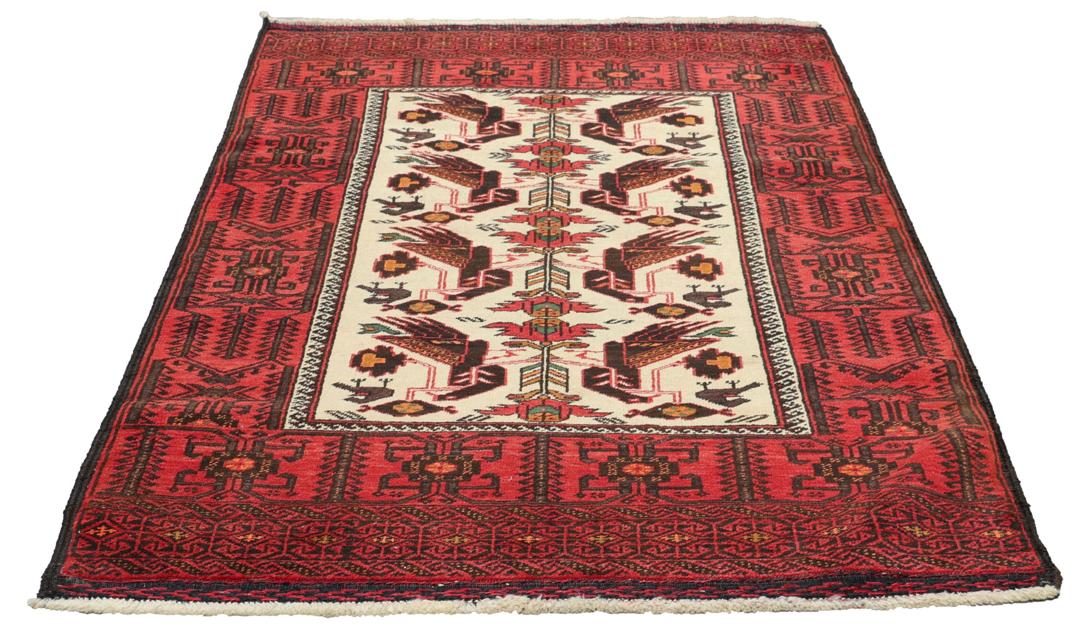
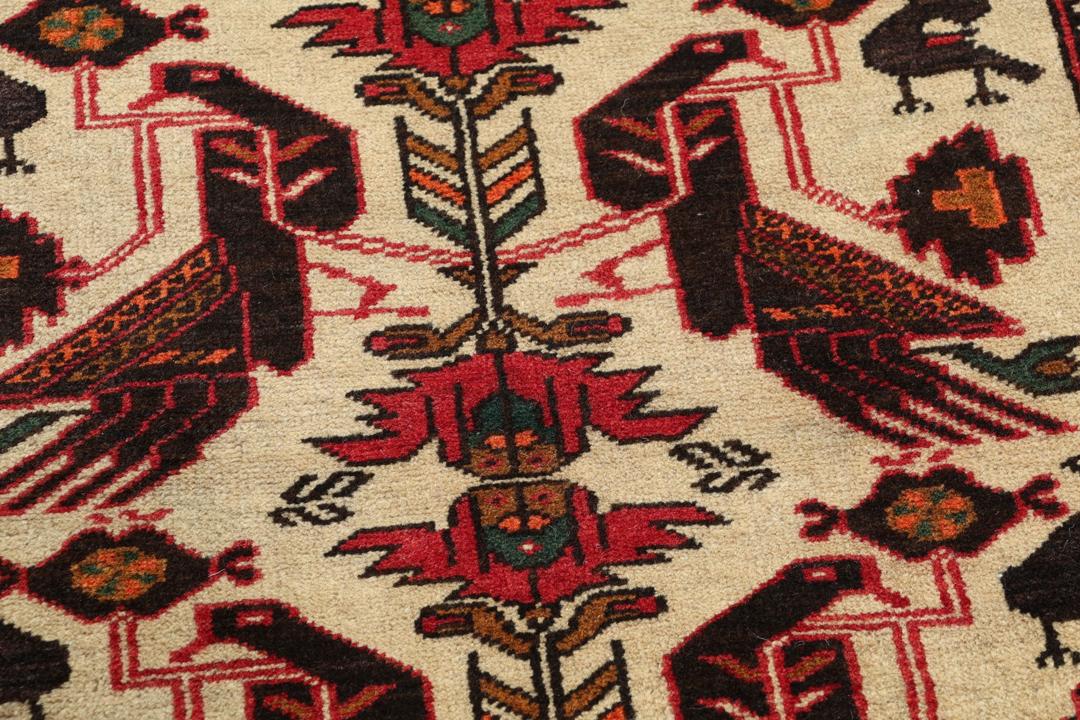
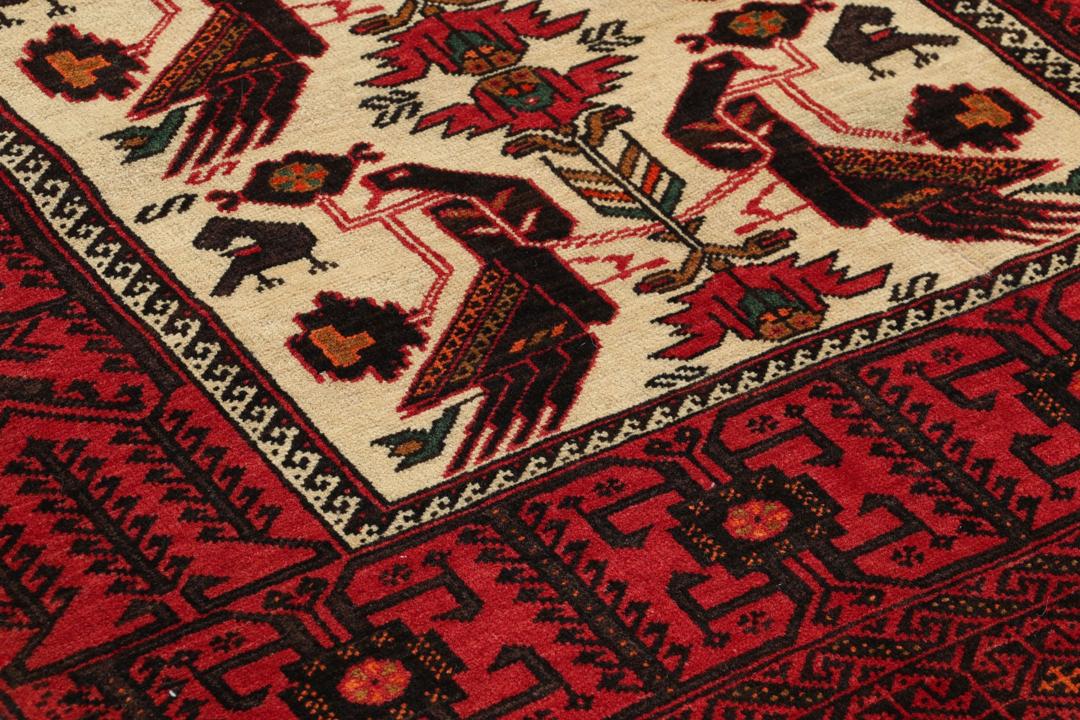
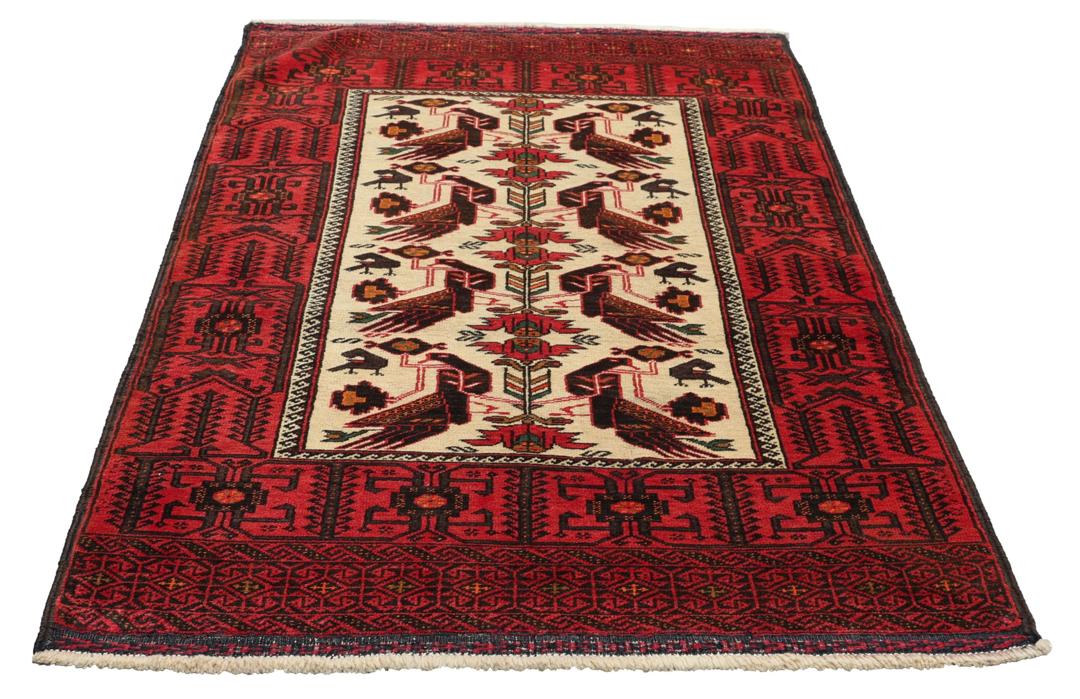
Signature design elements of these rugs often include geometric patterns, stylised animals, and elaborate borders. Common motifs include the tree of life, birds, and angular floral forms, all rendered in a distinctive palette of deep reds, browns, and creams. This particular piece showcases a masterful use of space, where the central figures are framed by a formal, intricate border that anchors the entire composition.
Owning a piece from this tradition is an act of preserving a unique cultural history. These rugs are highly sought after by collectors who value the authenticity of tribal art and the undeniable skill required to produce such detailed work. By bringing this rug into your home, you are acquiring a piece of living history that reflects the dedication and creative spirit of its makers.