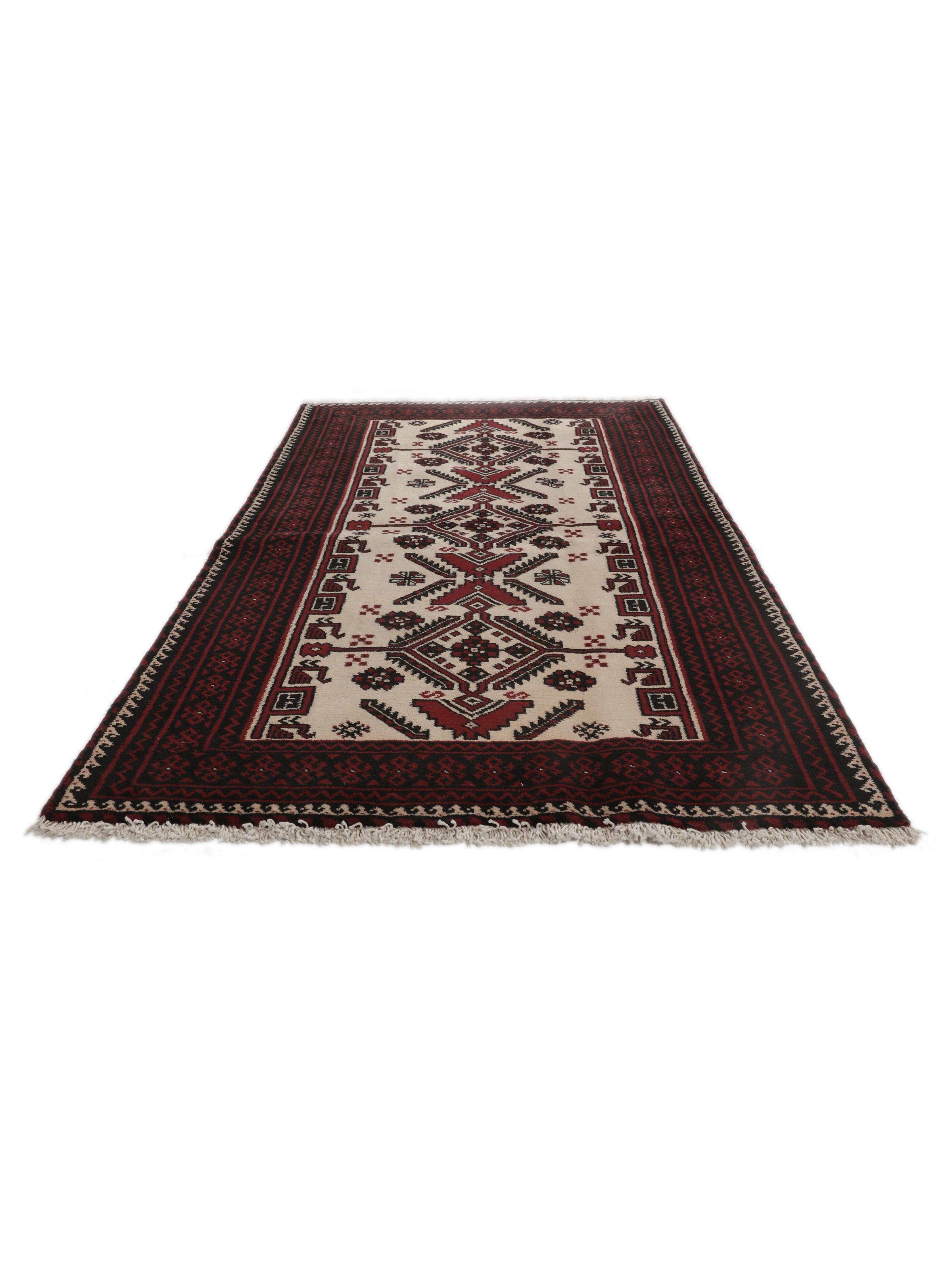
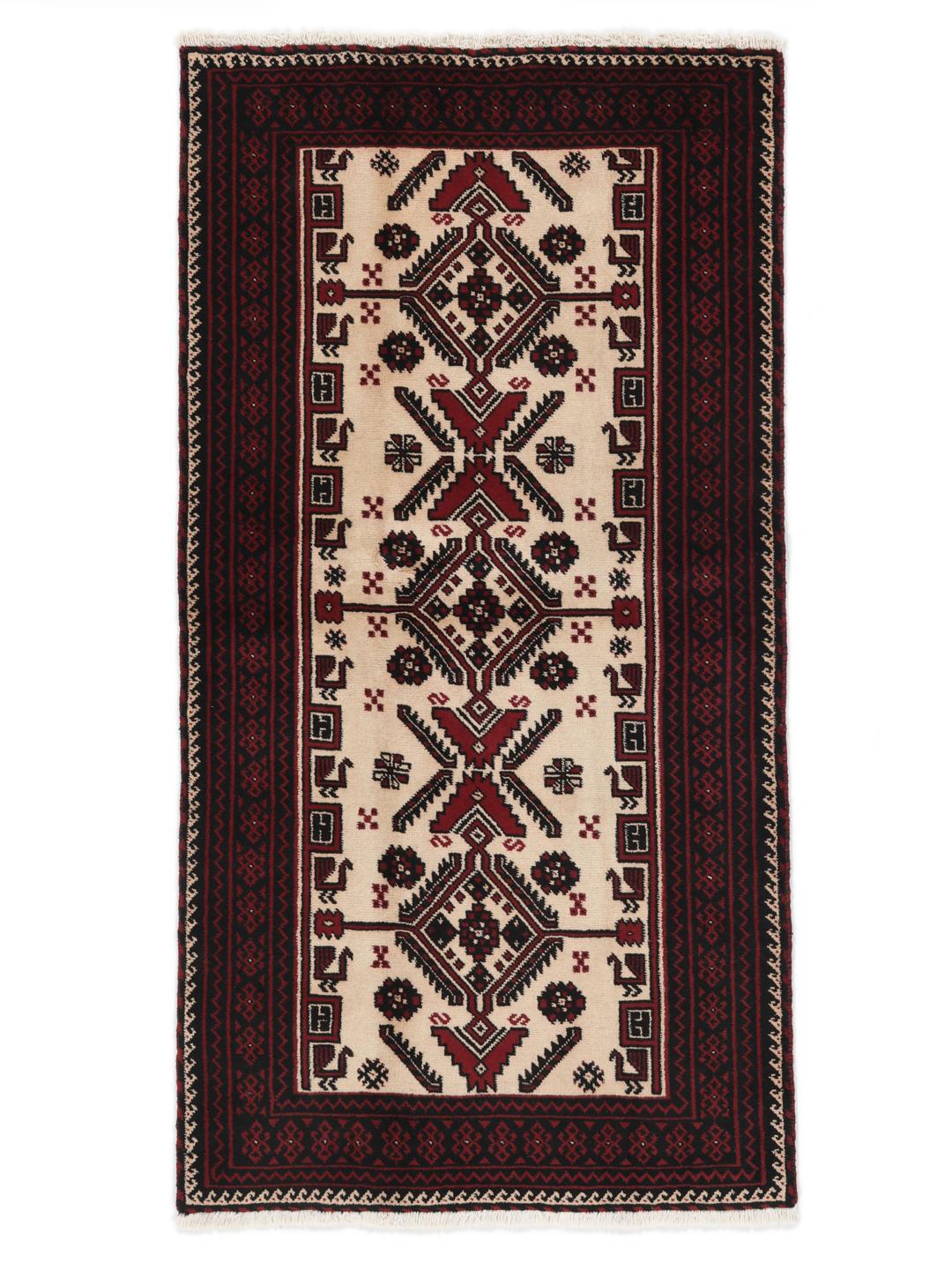
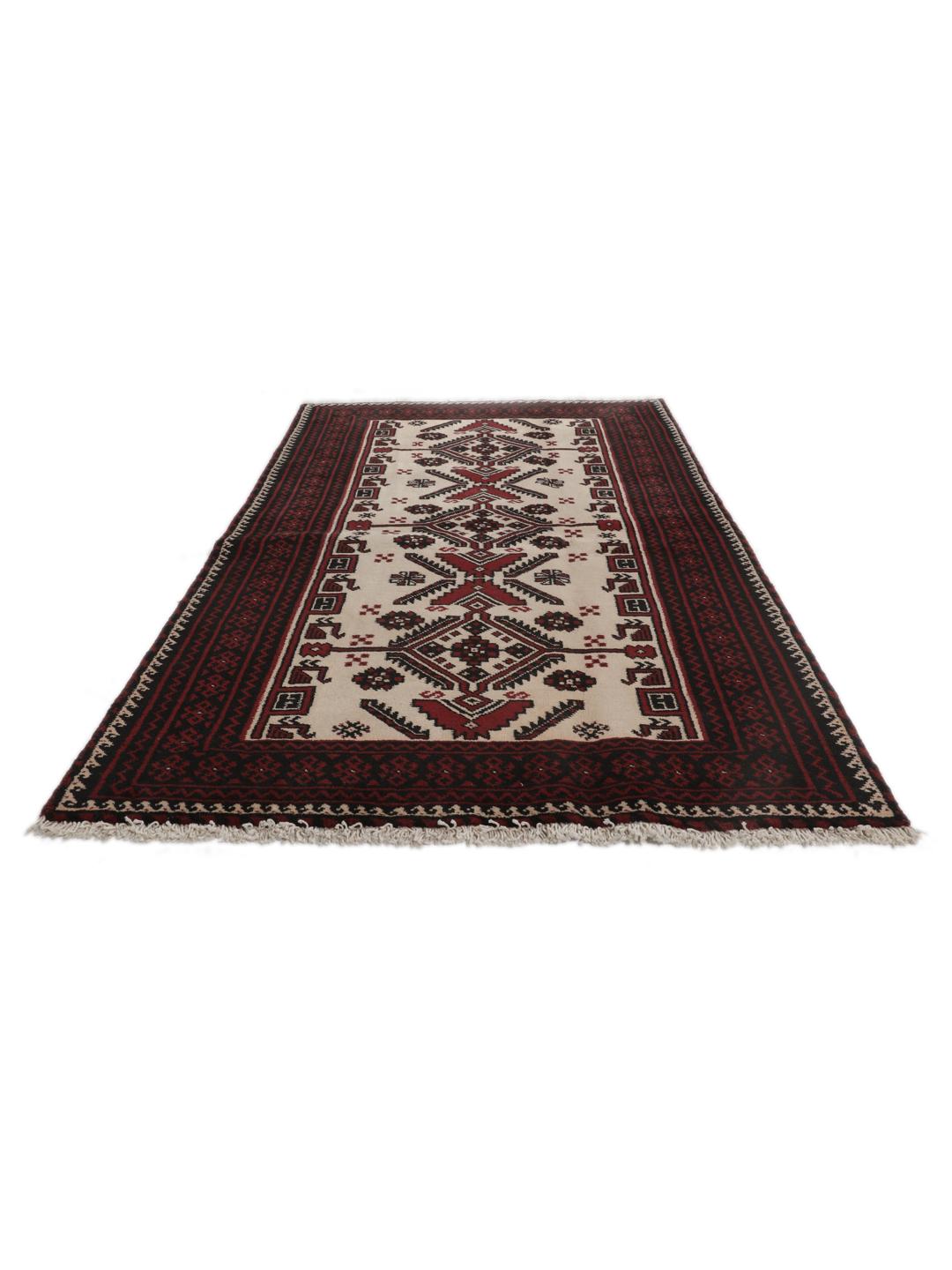
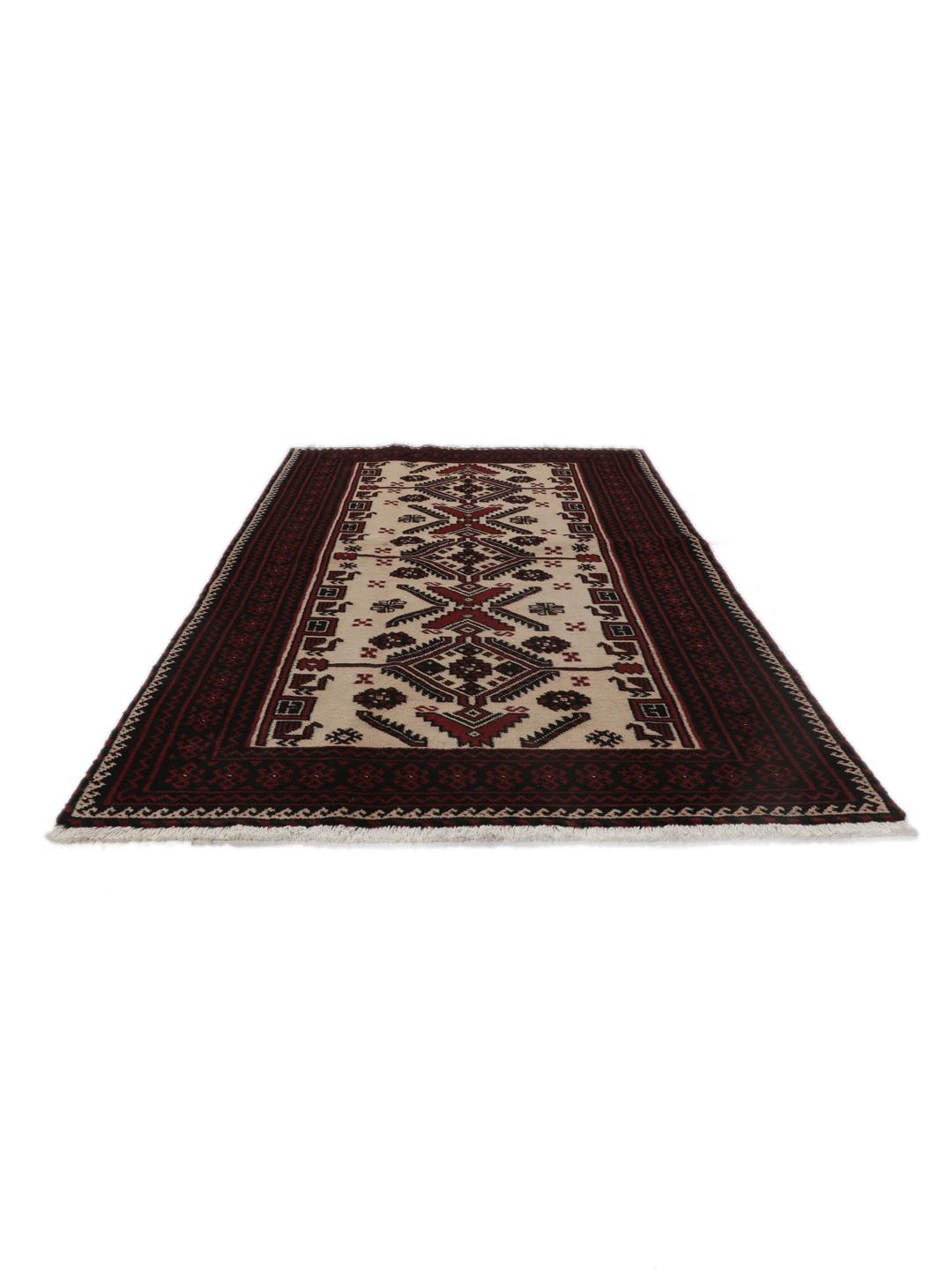
The Baluch rugs originate from the nomadic and semi-nomadic tribes residing in the border regions of the Middle East. These tribes have a long history of weaving, creating textiles that were historically essential for nomadic life, serving as floor coverings, bags, and blankets. The tradition has been passed down through generations, with each tribe developing its own unique visual language and symbolic vocabulary.
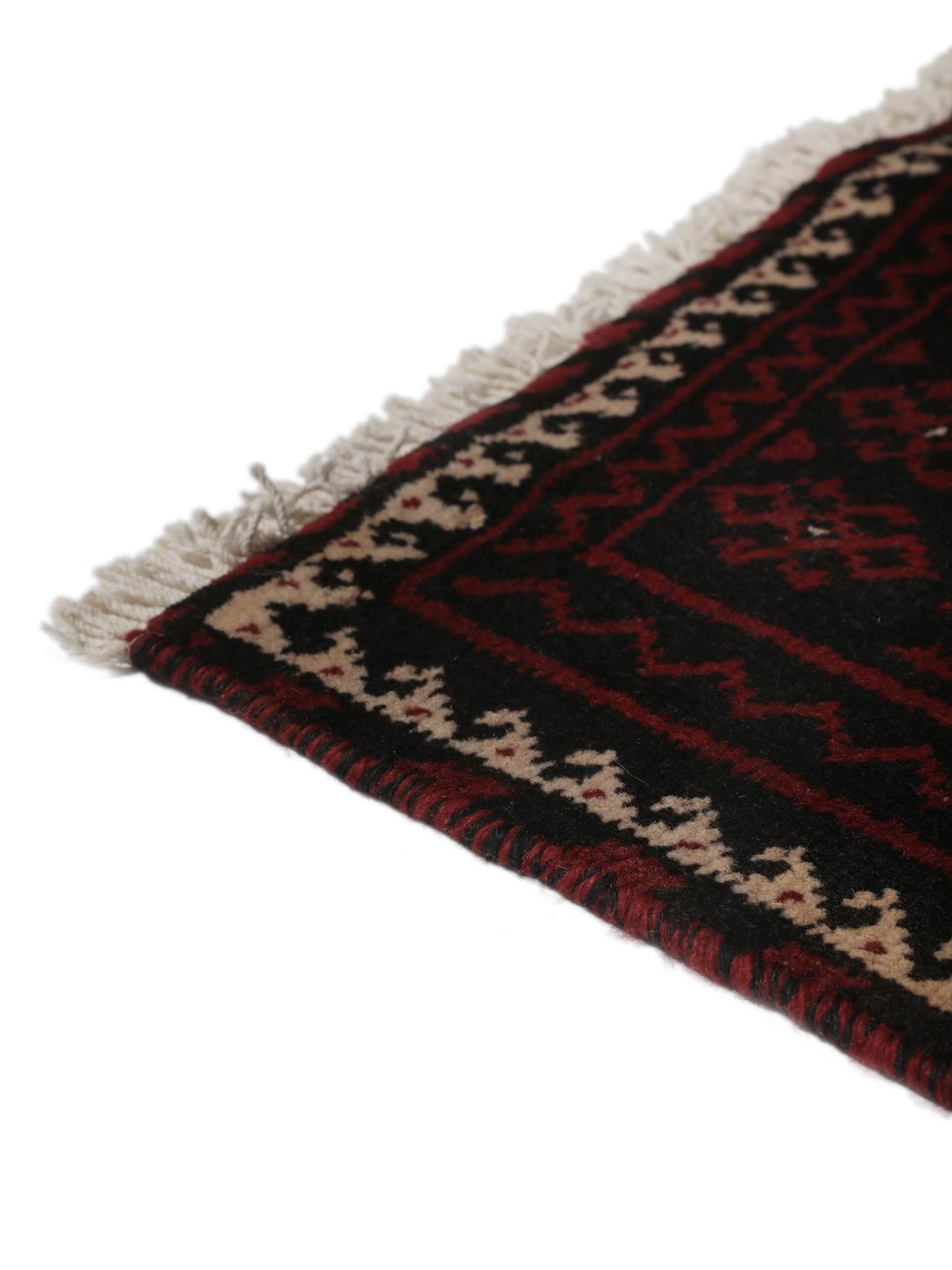
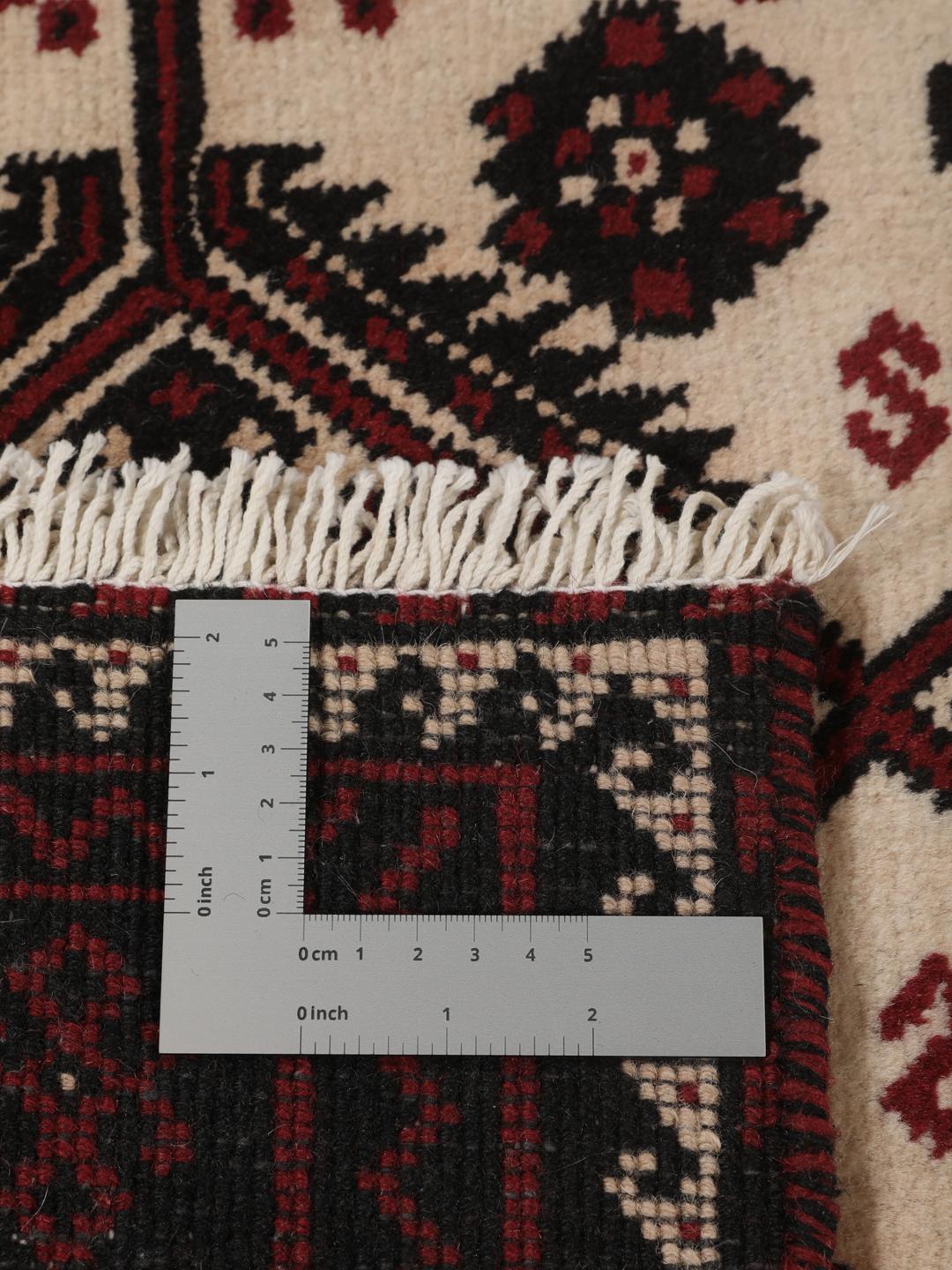
The term Baluch refers to these specific tribal traditions rather than a single geographic location. Weaving techniques in this region are characterised by a focus on durability and intricate pattern work. The use of high-quality wool, often sourced from the tribe's own livestock, ensures that the resulting textiles are both resilient and capable of developing a beautiful patina over time, which is highly valued by collectors.
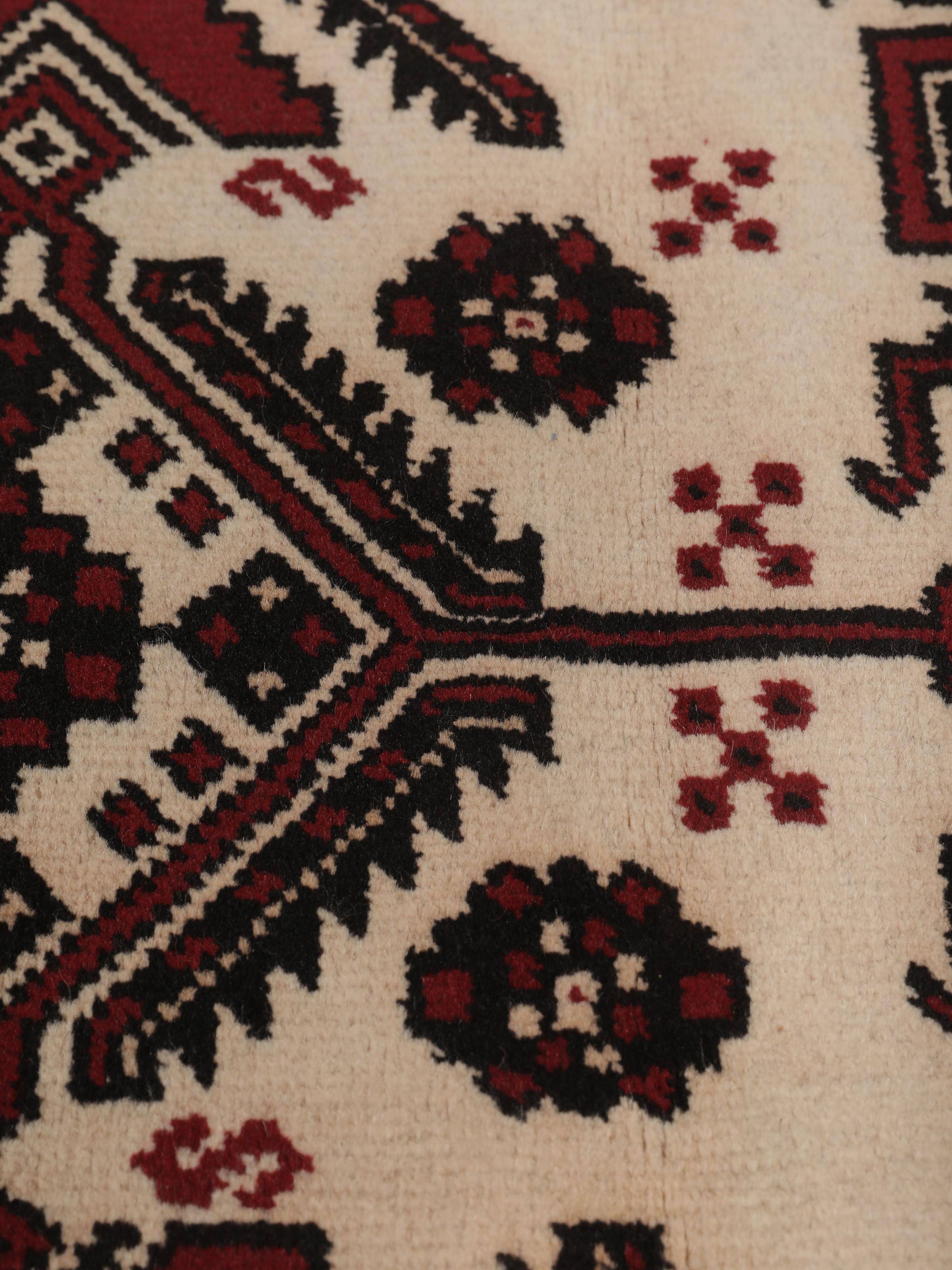
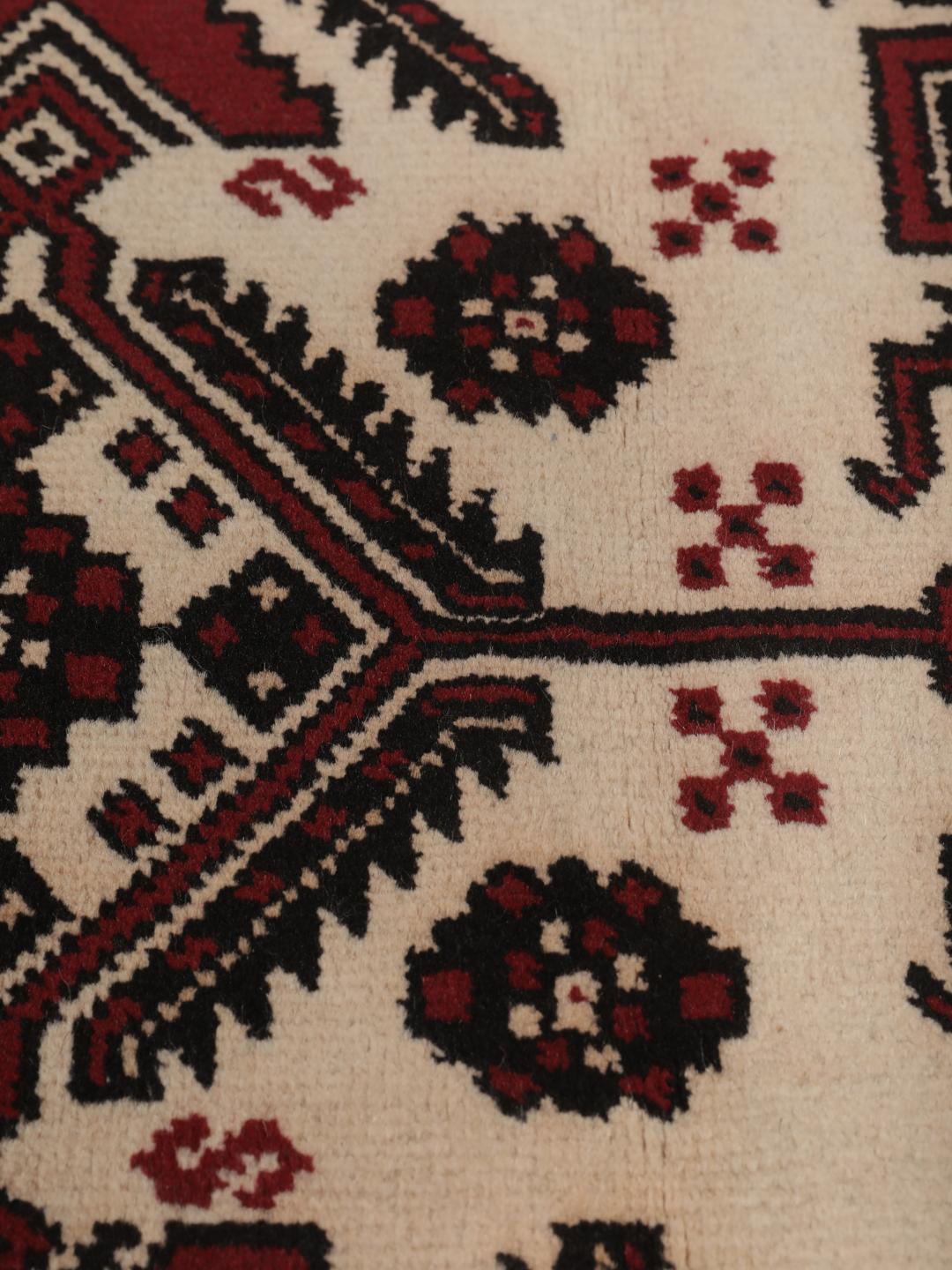
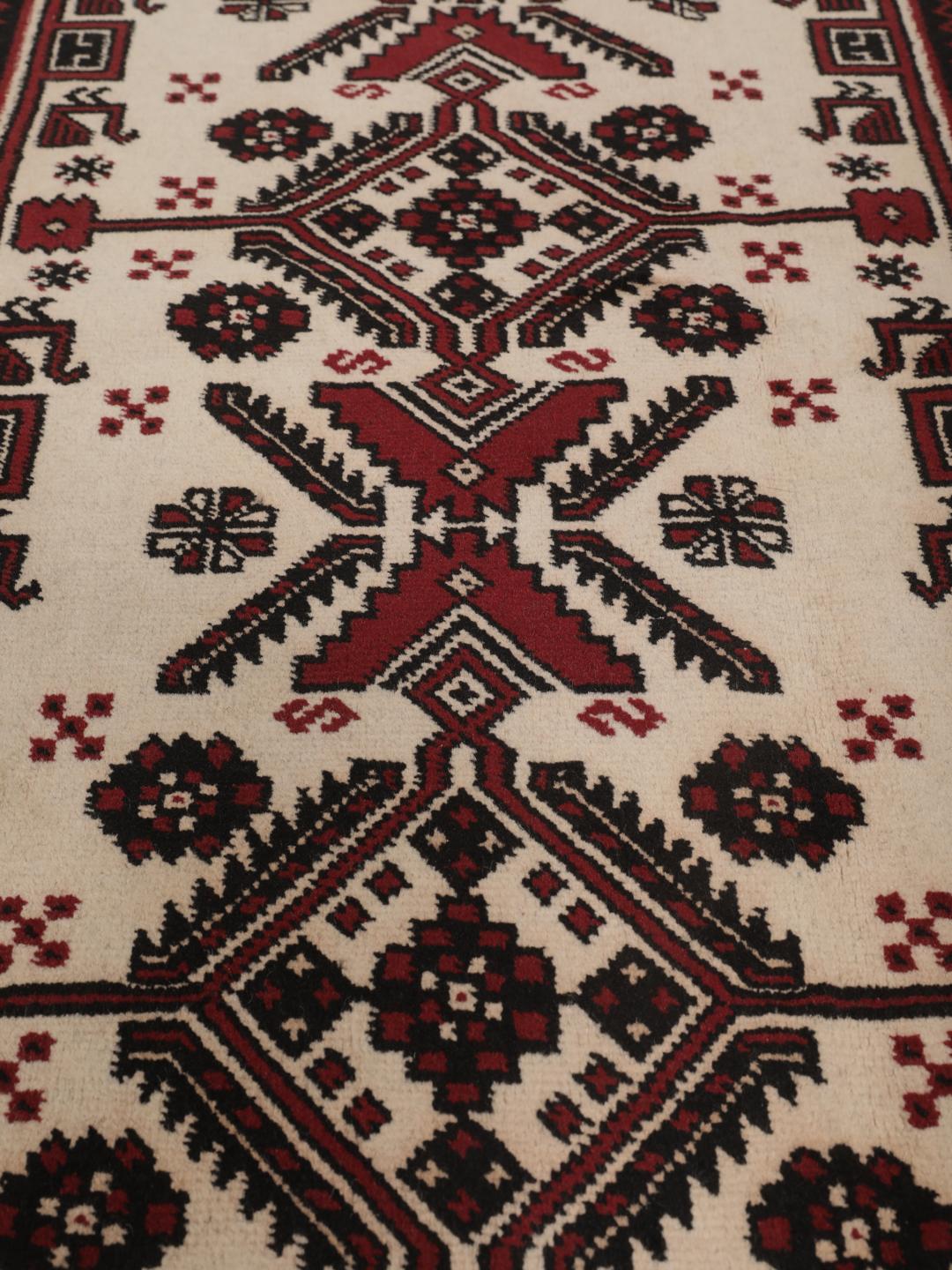
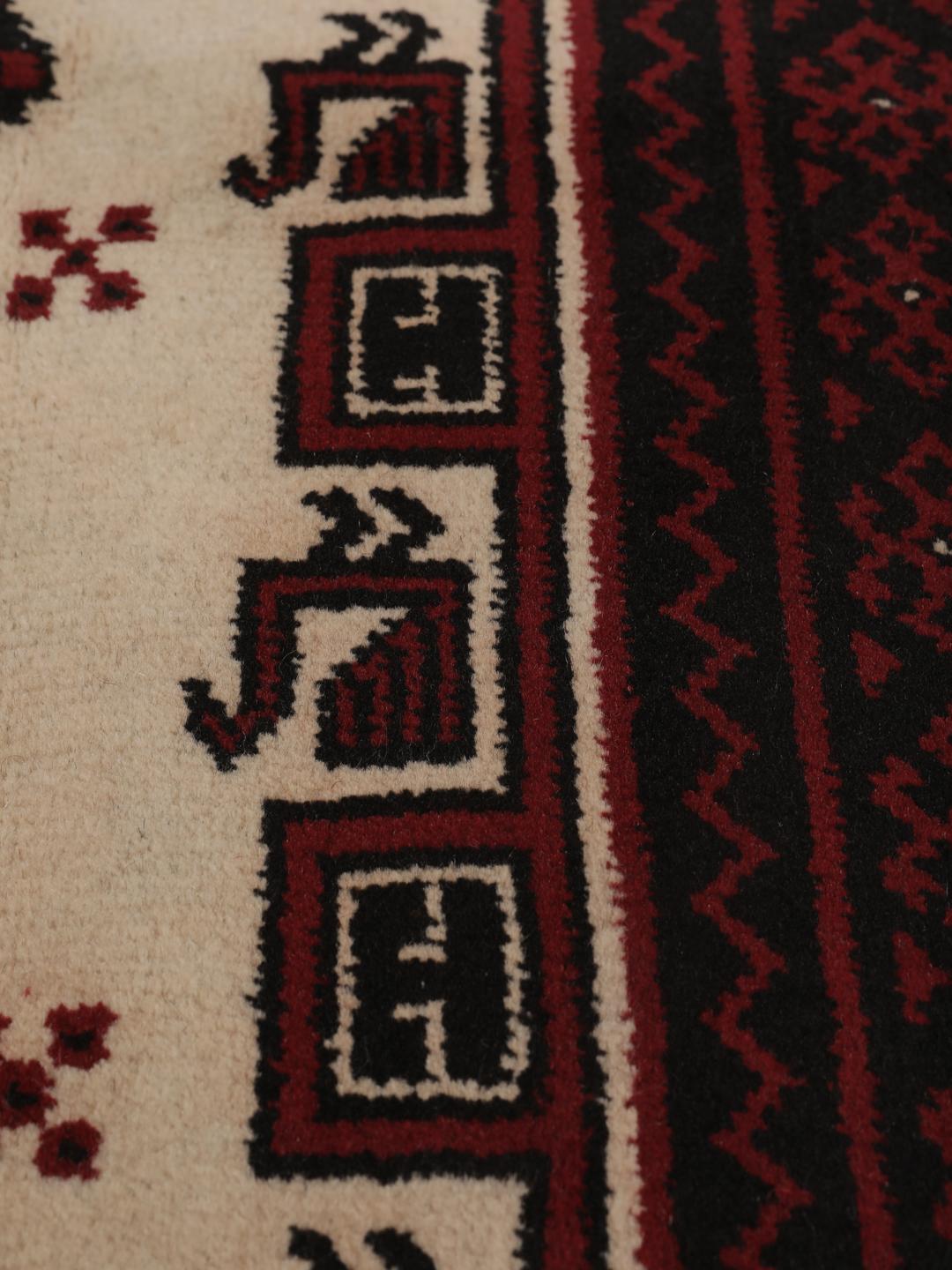
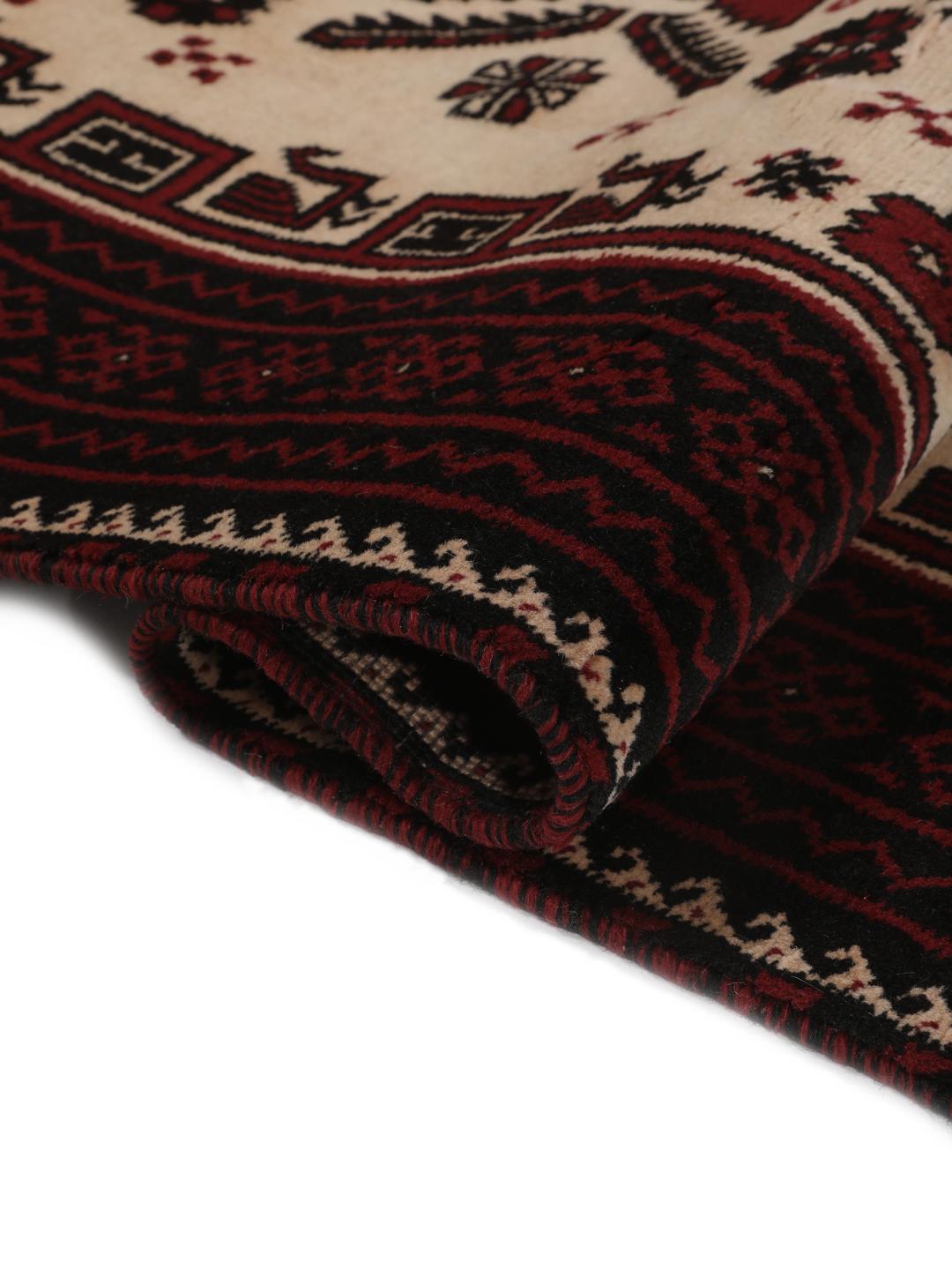
Signature design elements often include geometric patterns, stylised animal motifs, and repeating guls or medallions. The colour palette is traditionally derived from natural dyes, favouring deep, earthy tones like dark red, brown, and ivory. This specific rug reflects these traditions, with its bold, angular lines and symbolic motifs that have been used for centuries to tell stories of tribal identity and heritage.
Collecting Baluch rugs is a way to preserve a rich cultural history. These pieces are valued not only for their aesthetic beauty but also for the incredible skill and tradition they represent. Owning one means holding a piece of a legacy that is slowly evolving, making these rugs a significant addition to any collection that values authentic craftsmanship and the human stories behind the objects we live with.