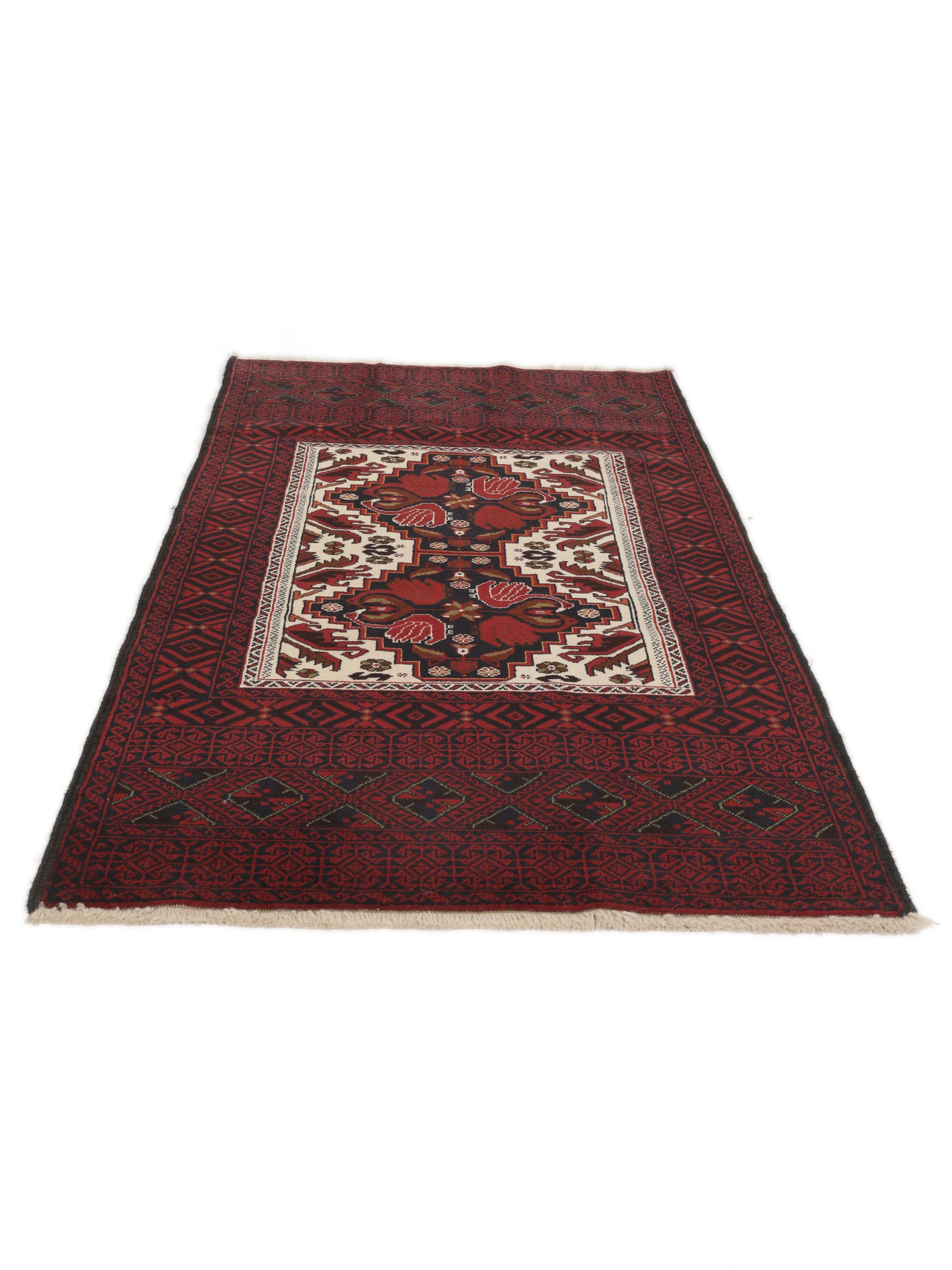
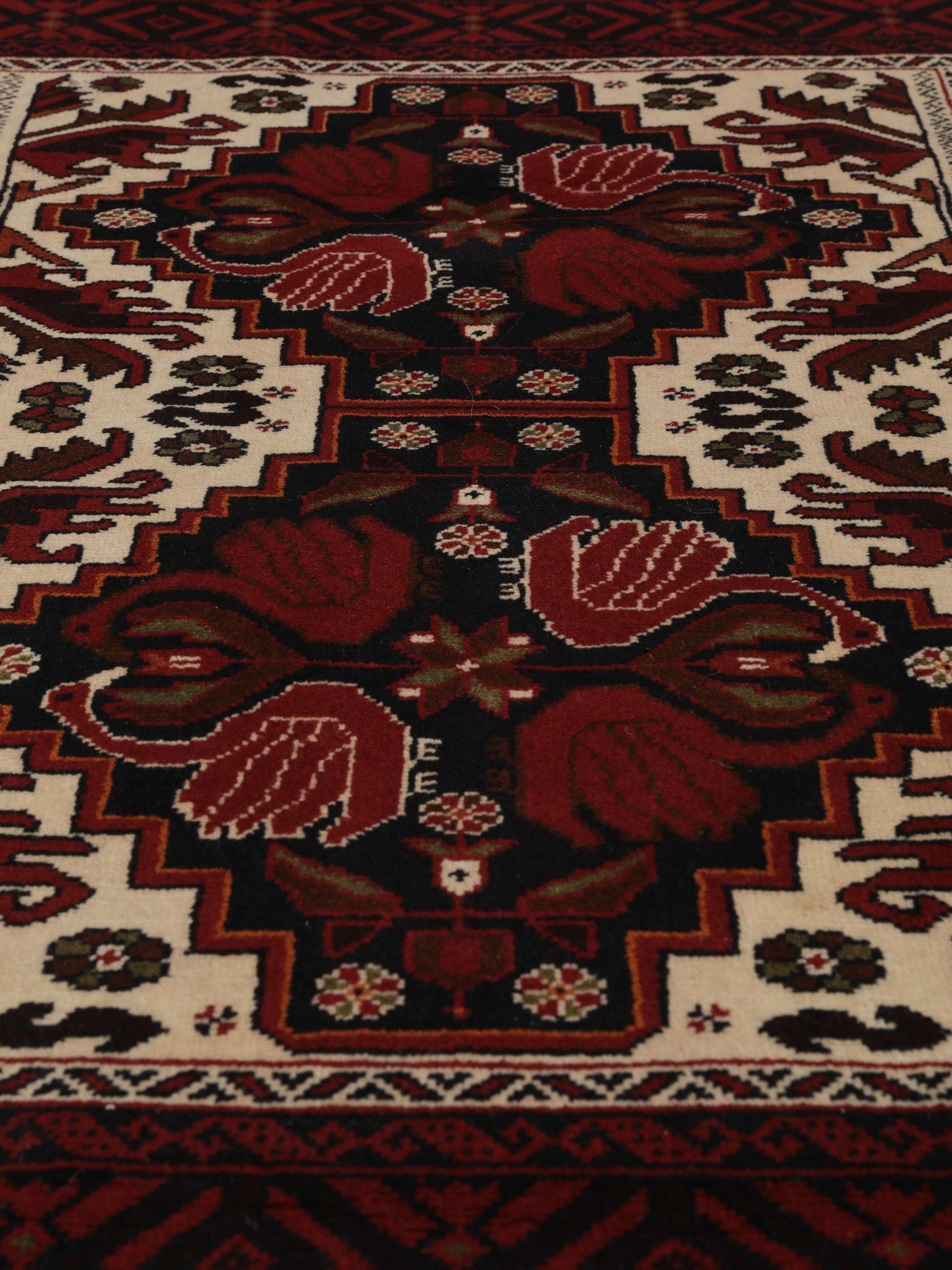
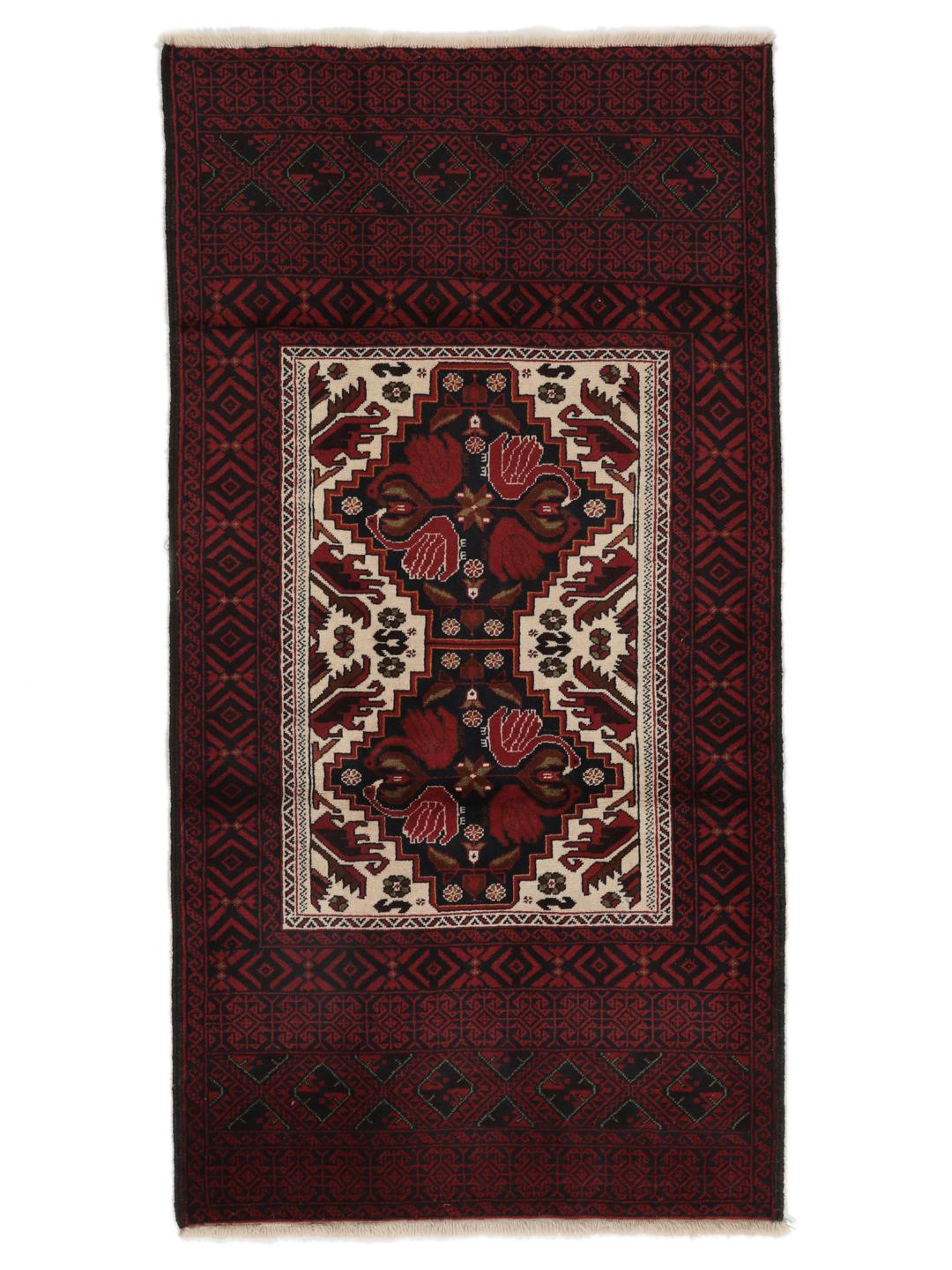
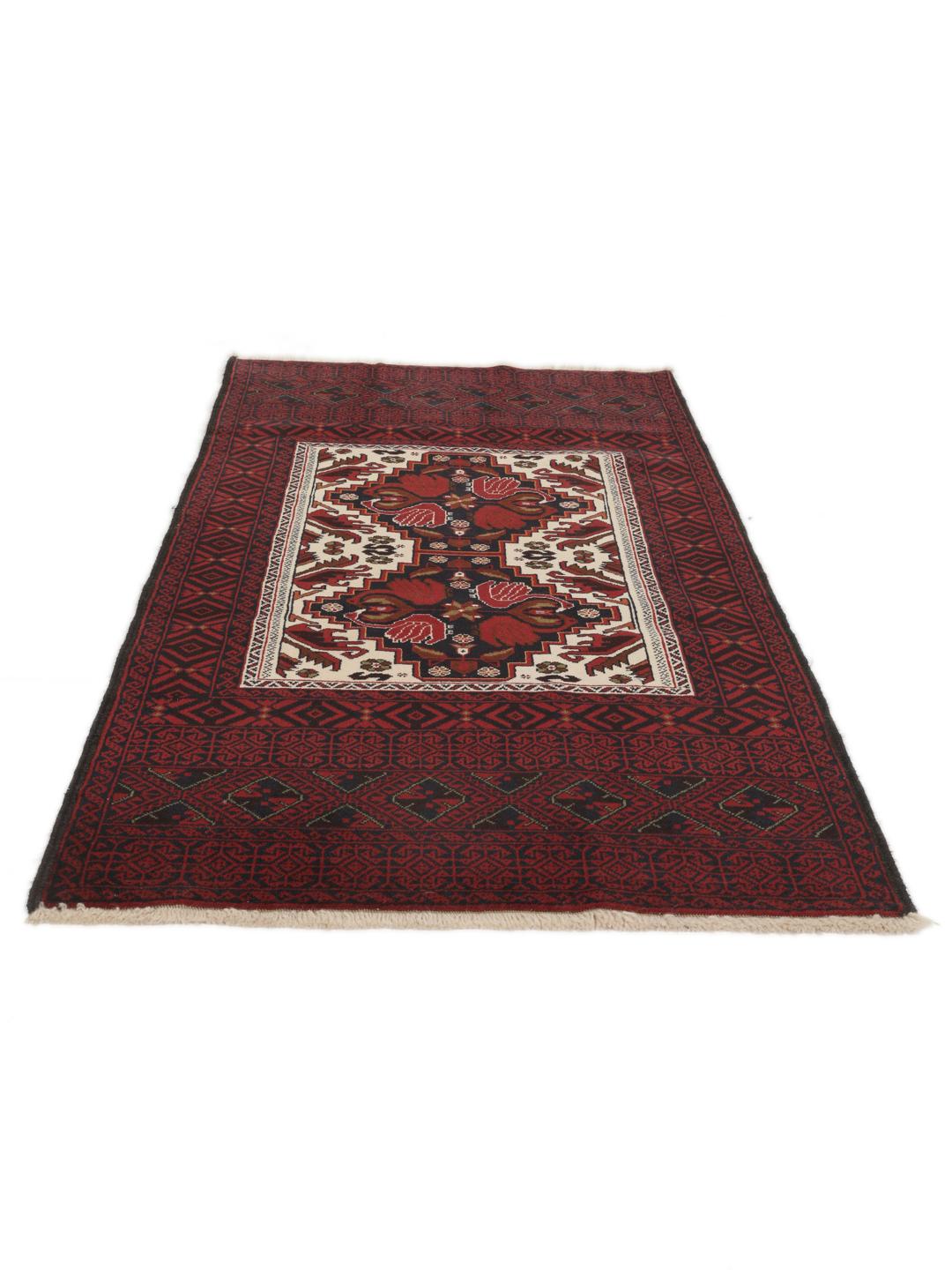
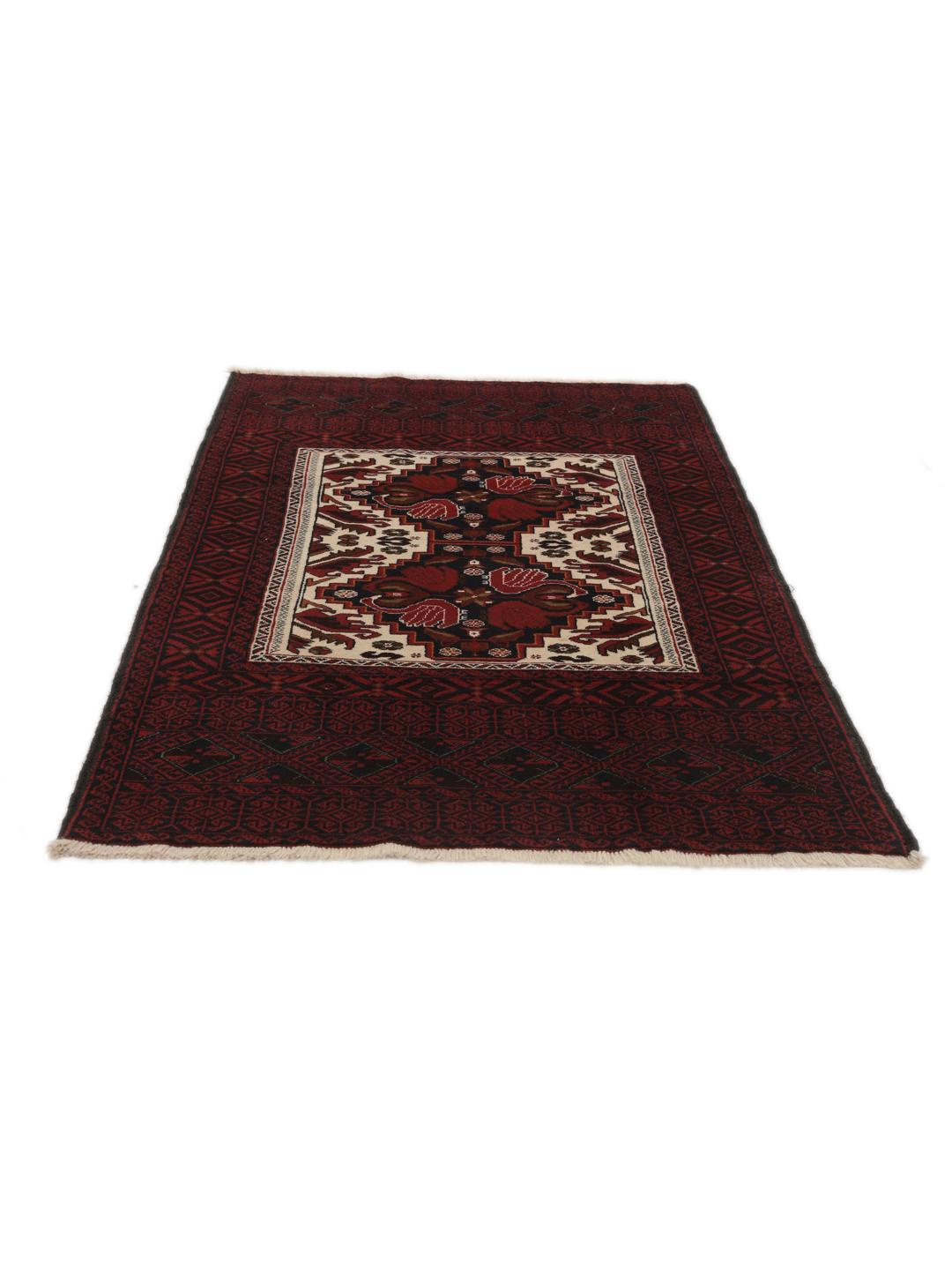
Baluch rugs are named after the nomadic and semi-nomadic Baluchi people who have historically inhabited the borderlands between the Middle East and neighbouring regions. These tribes have a long-standing tradition of weaving, which has been passed down through generations, reflecting their lifestyle and the environment of the vast, rugged landscapes they traverse. The rugs are deeply tied to the cultural identity of these weavers, often serving as both functional items for their tents and expressions of tribal heritage.
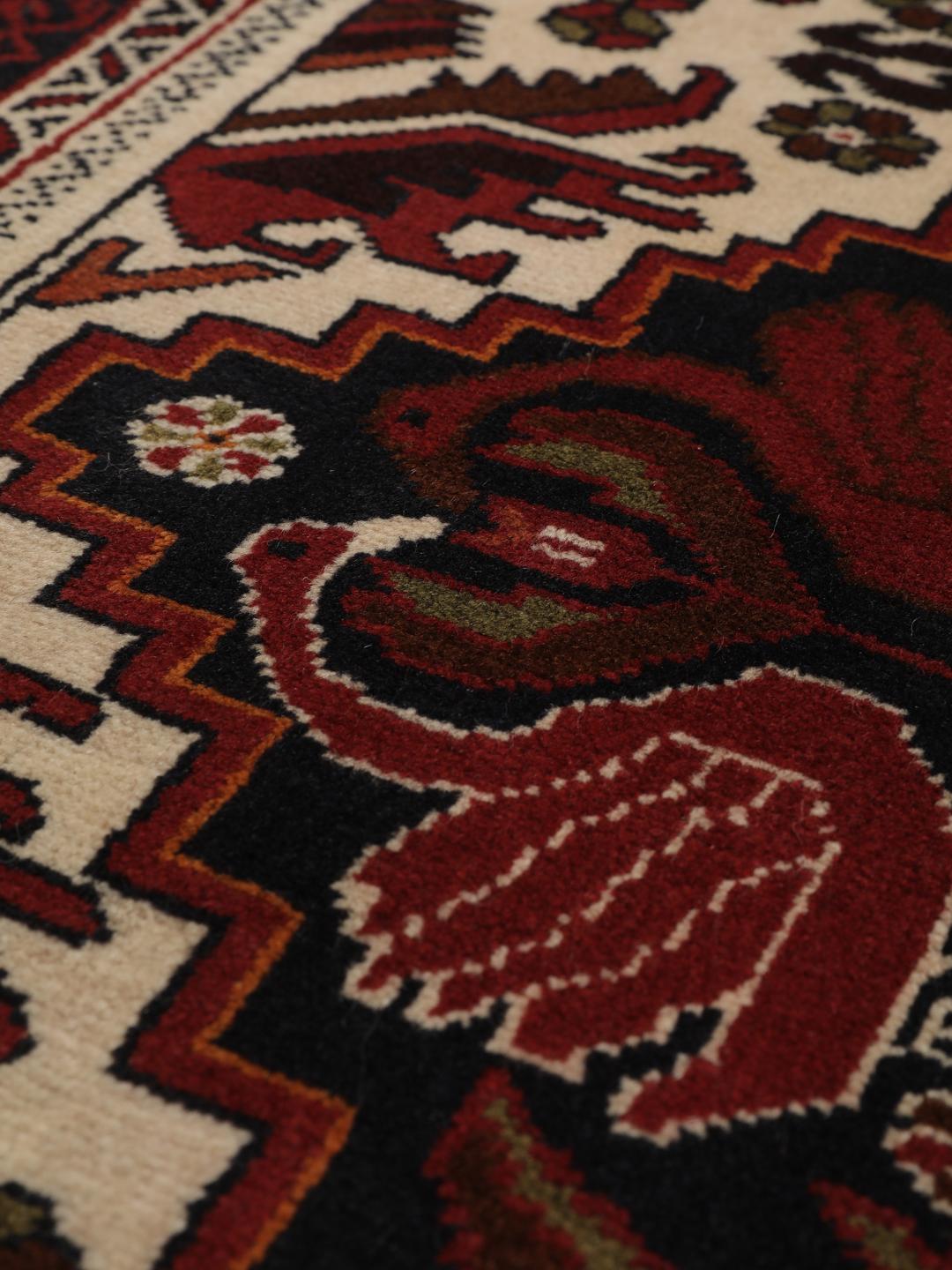
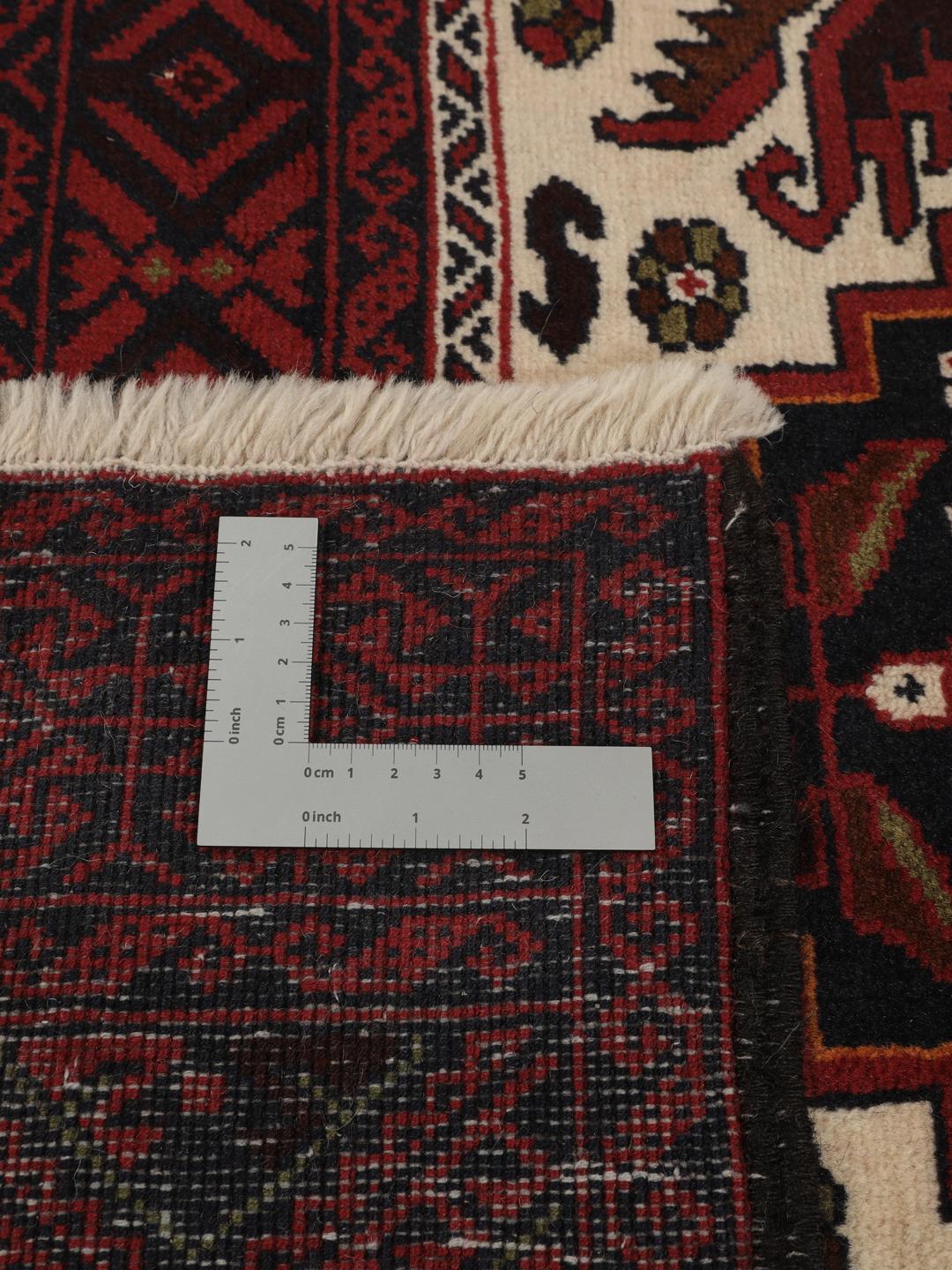
The terminology used to describe these rugs often refers to the specific blend of wool and the foundation materials used in their construction. In traditional Baluch weaving, high-quality wool is prized for its natural sheen and durability, while the foundation is often constructed to provide just the right amount of flexibility and strength. Understanding these elements highlights the quality of the materials and the expertise required to turn raw, natural fibres into a durable and aesthetically pleasing textile.
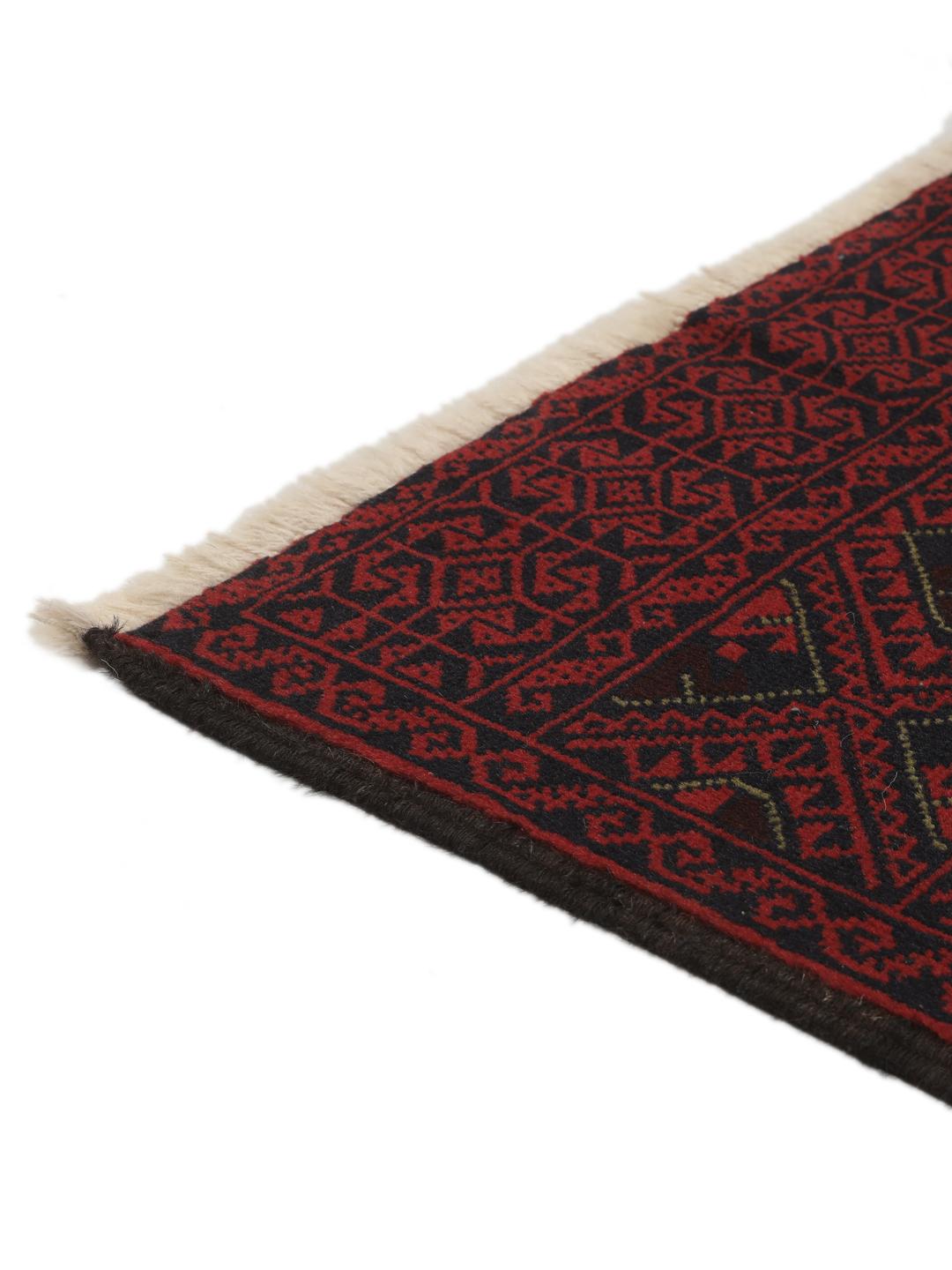
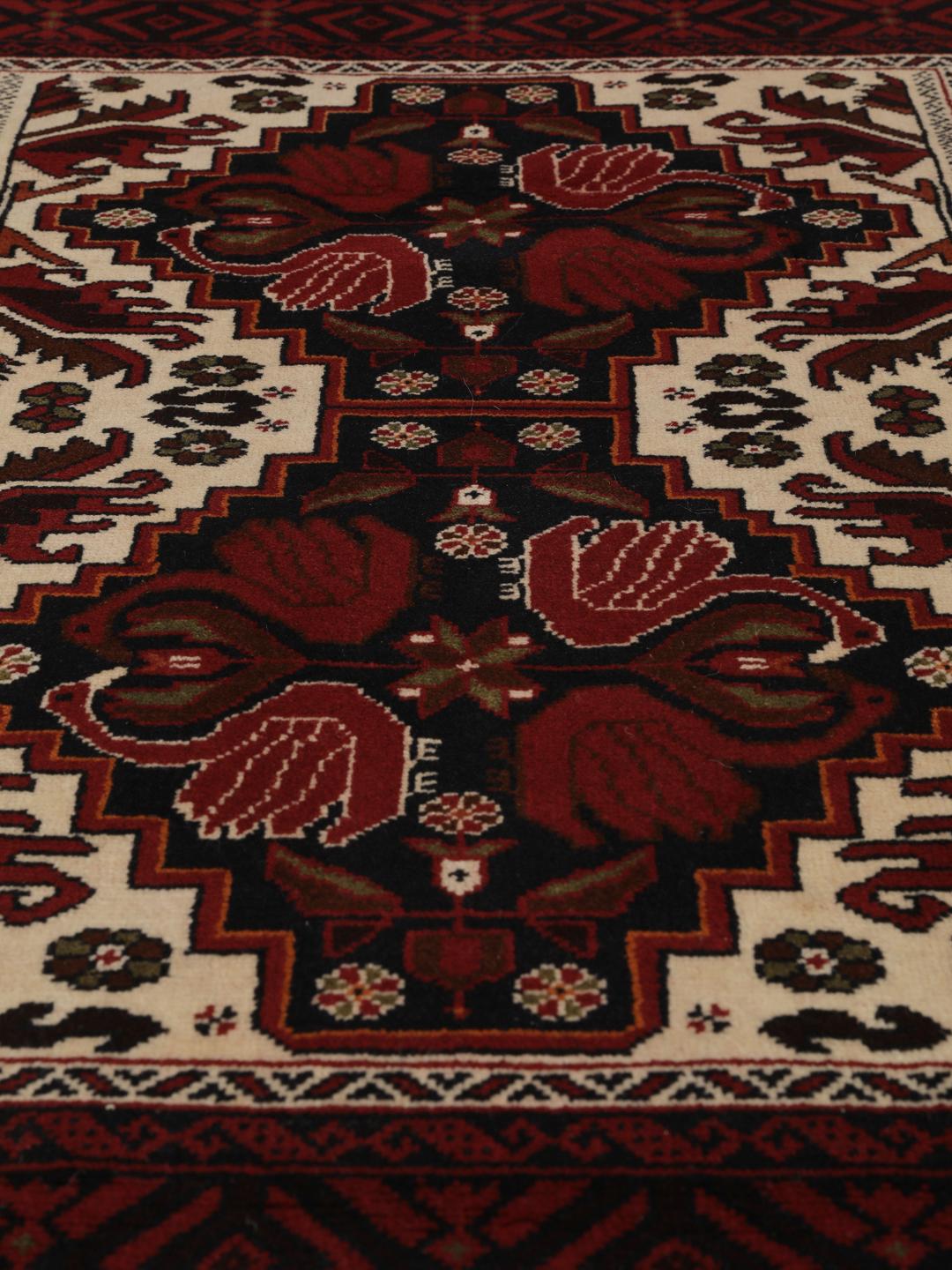
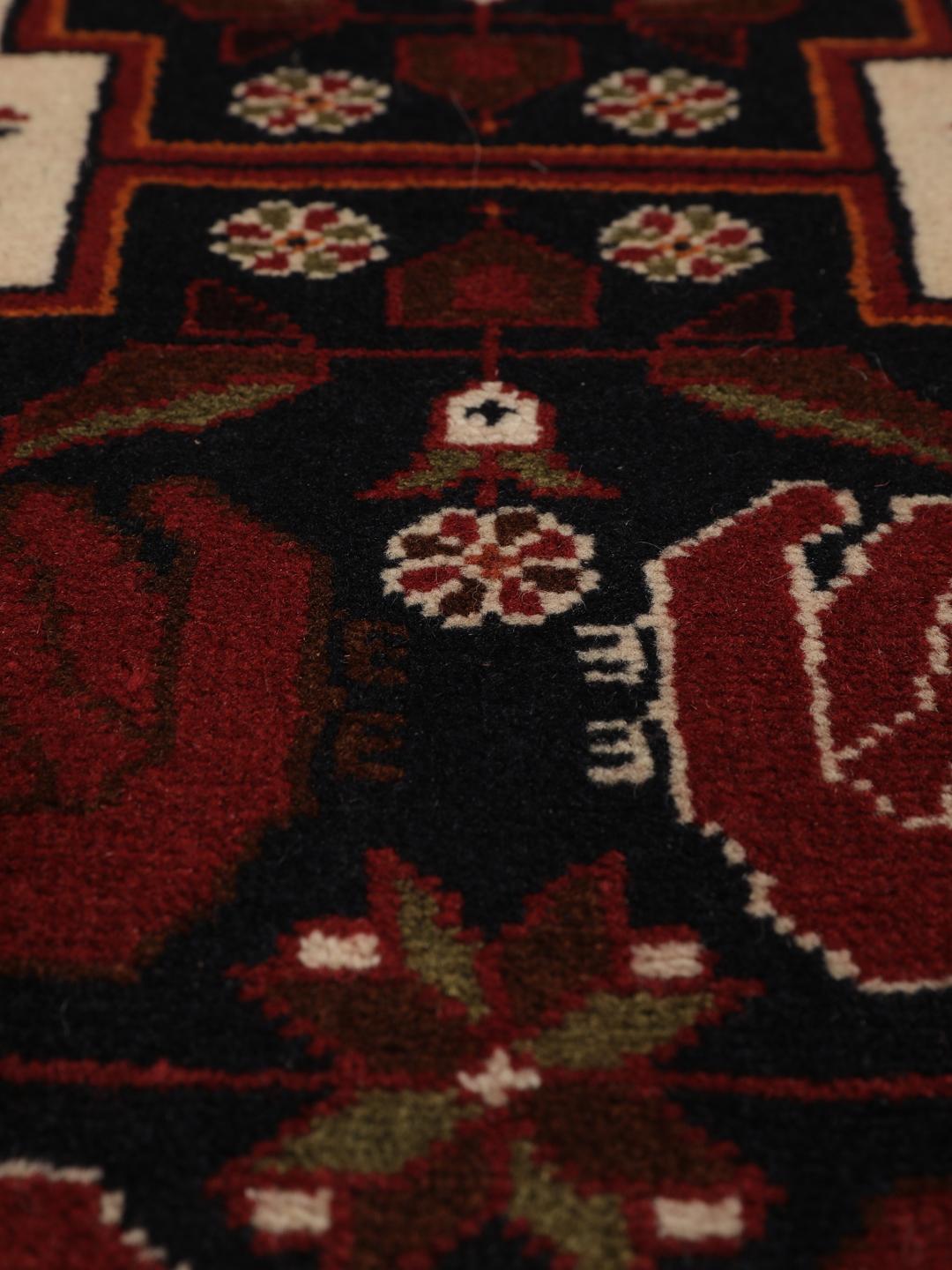
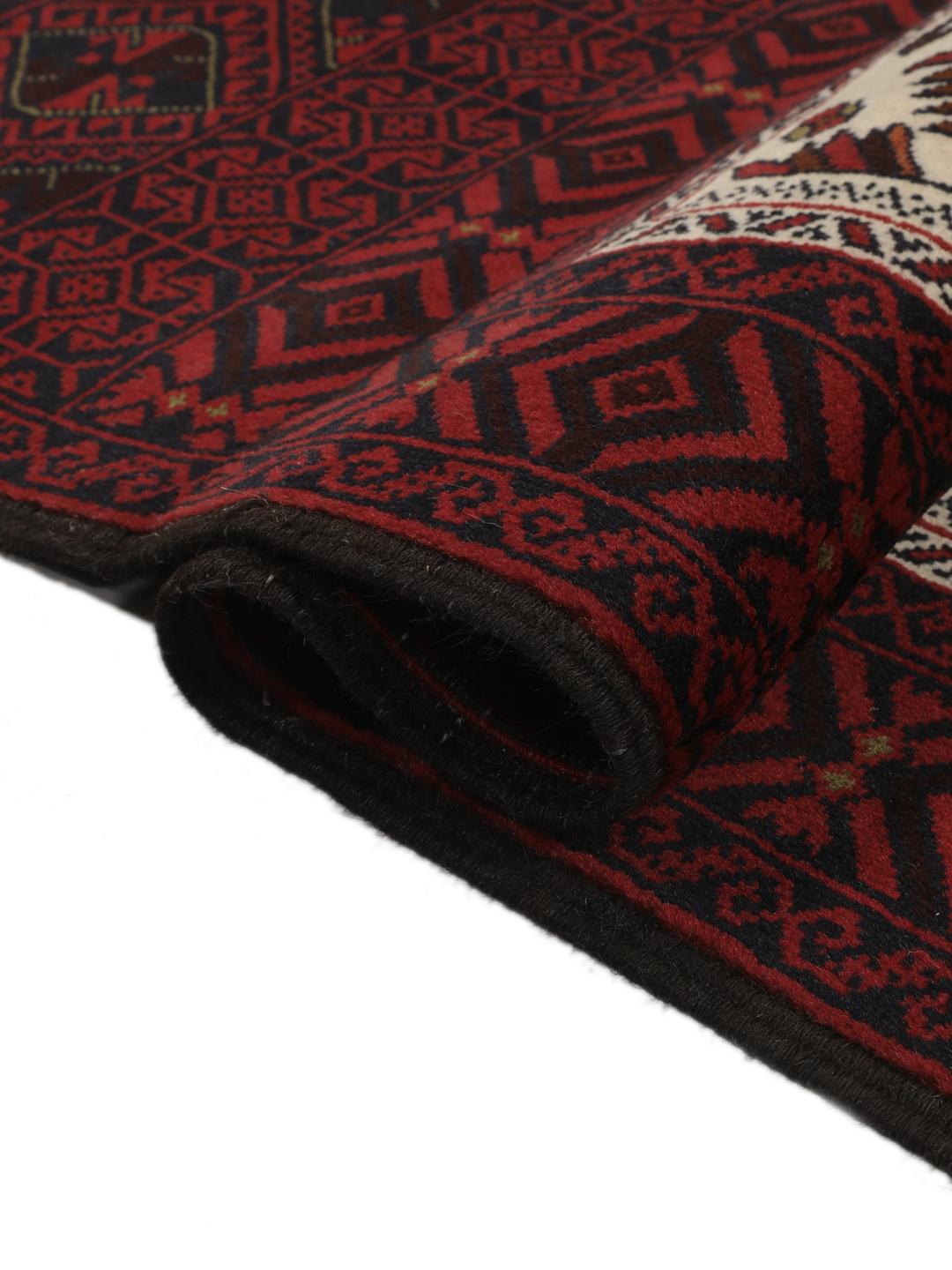
Visually, these rugs are defined by their deep, earthy colour palettes and geometric motifs. You will often find intricate, repeating patterns such as stylised flowers, diamonds, or tribal symbols that are inspired by the weavers' surroundings and cultural mythology. The borders are typically ornate, framing the central field with a rhythmic repetition of shapes that demonstrate the weaver's mastery of symmetry and scale, even without the use of pre-drawn patterns.
Collecting a Baluch rug is an investment in cultural history and artisanal skill. These pieces are highly valued by collectors for their authenticity and the human story woven into every inch. Owning one means preserving a craft tradition that has survived for centuries, bringing a piece of genuine tribal artistry into your own home that is as intellectually rewarding as it is visually beautiful.