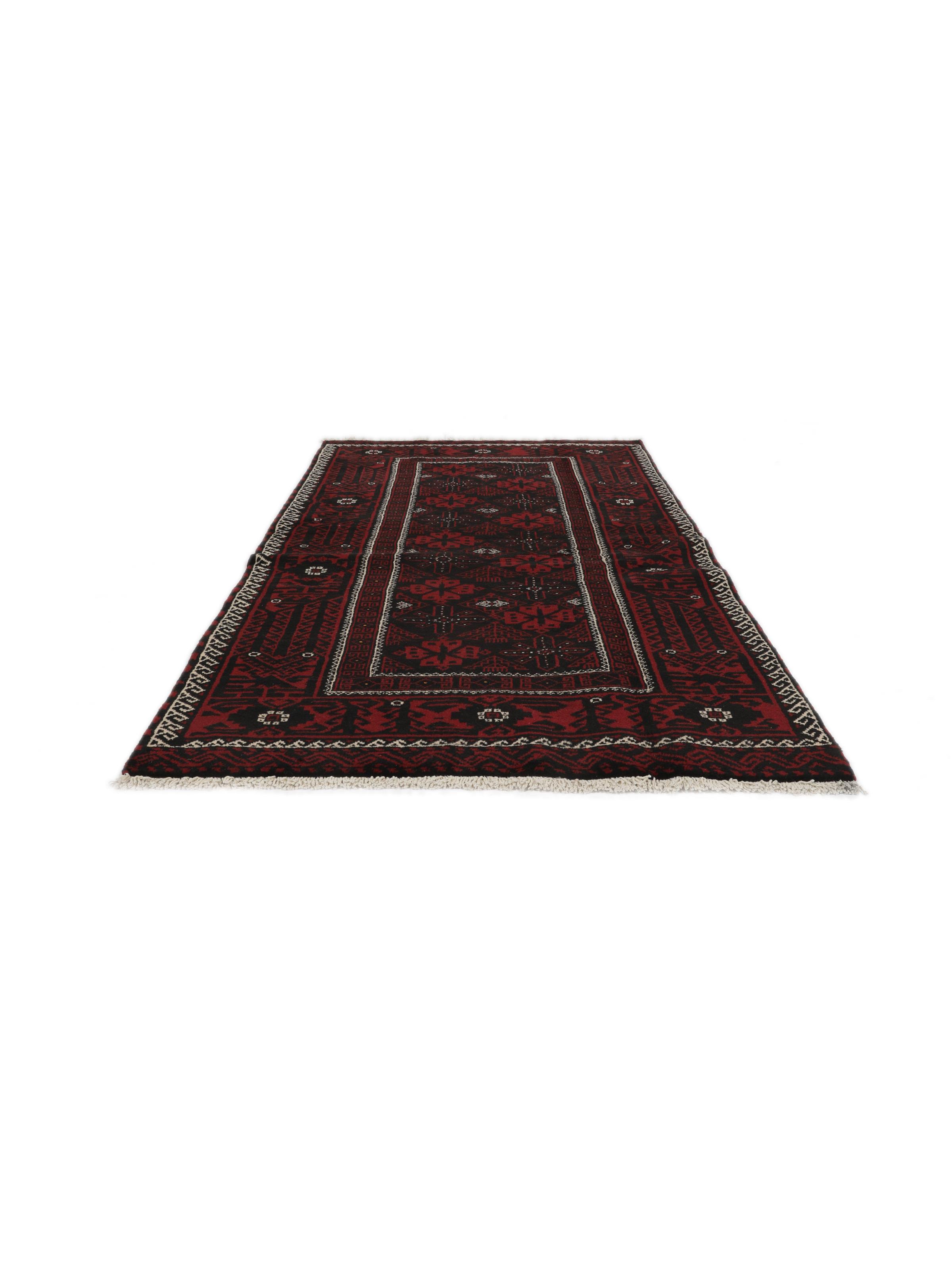
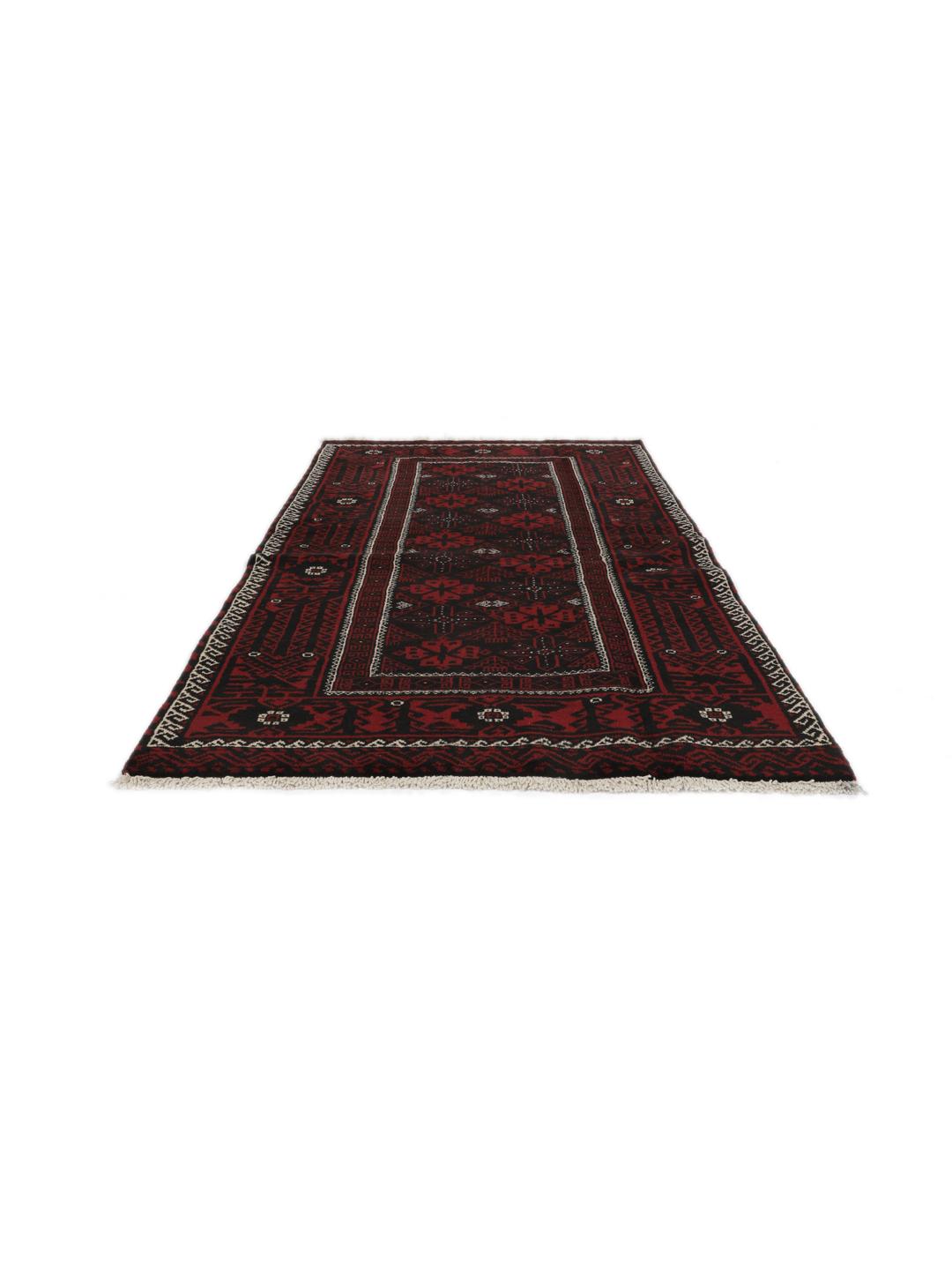
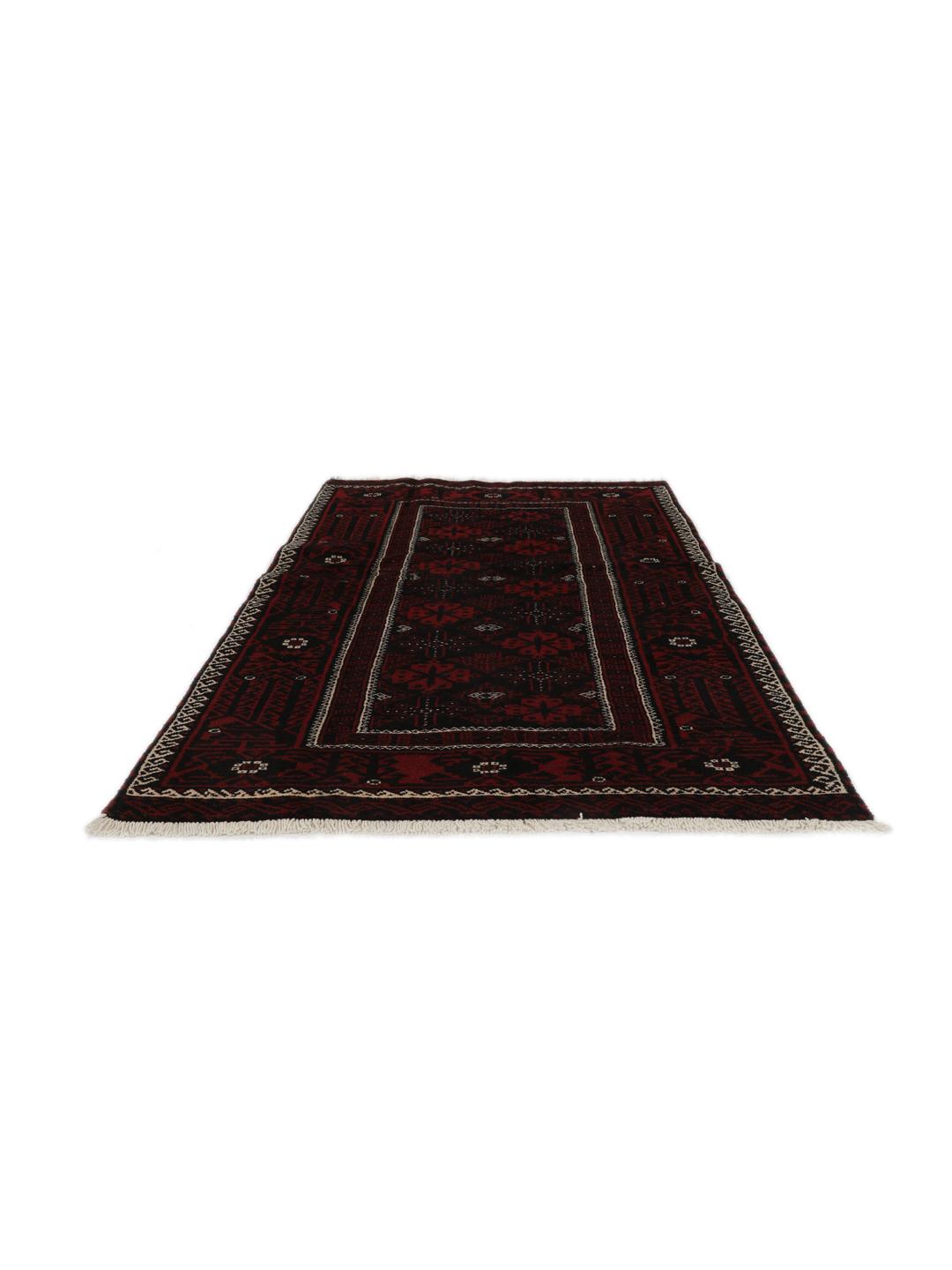
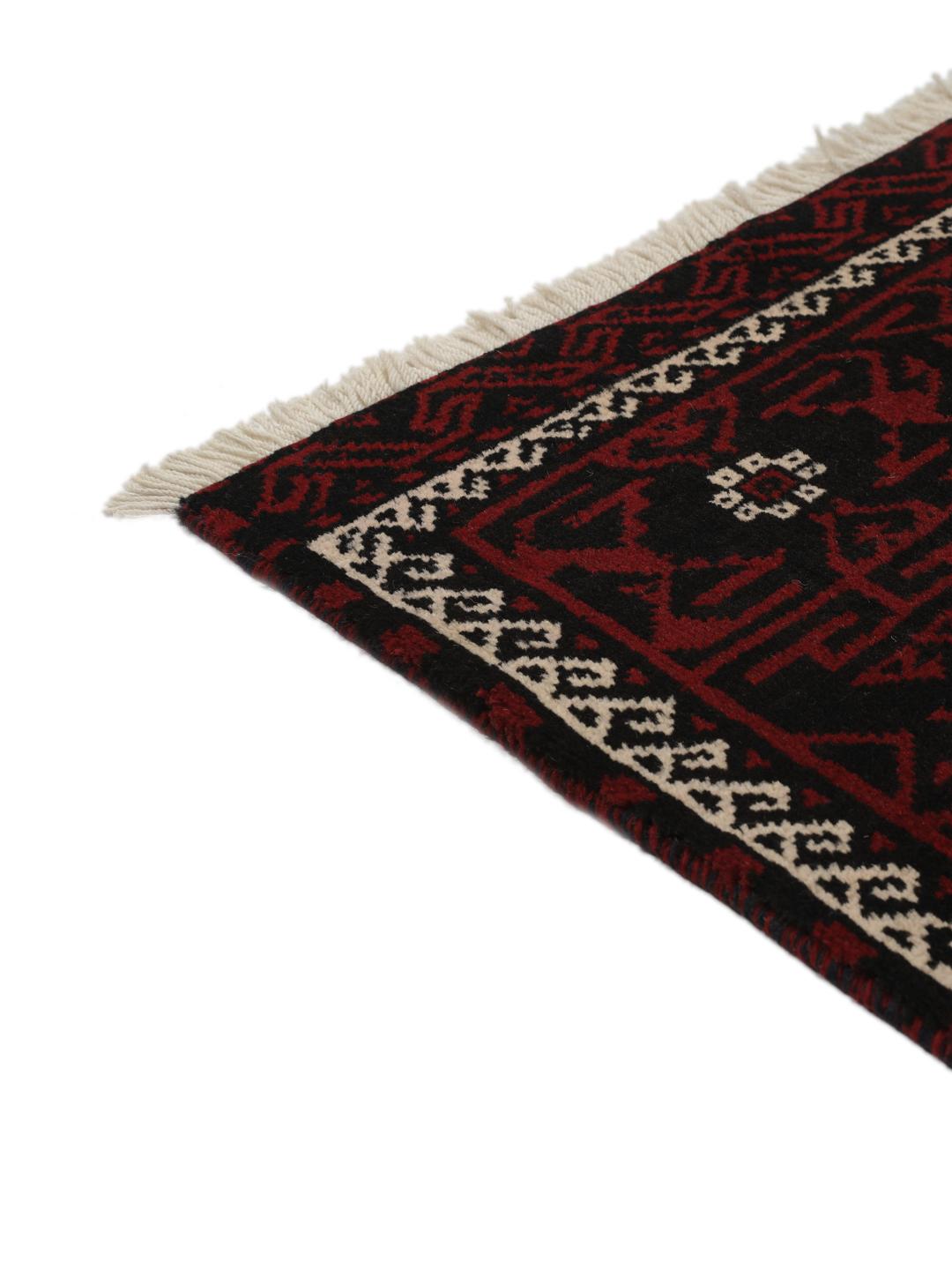
The Beluch rugs originate from the nomadic and semi-nomadic tribes of the border regions between the Middle East and neighbouring countries. These rugs are deeply tied to the lifestyle of the Baluchi people, who have historically navigated harsh desert environments. Their weaving tradition is a reflection of this environment, characterised by practical durability and a rich, symbolic visual language that has been passed down through generations.
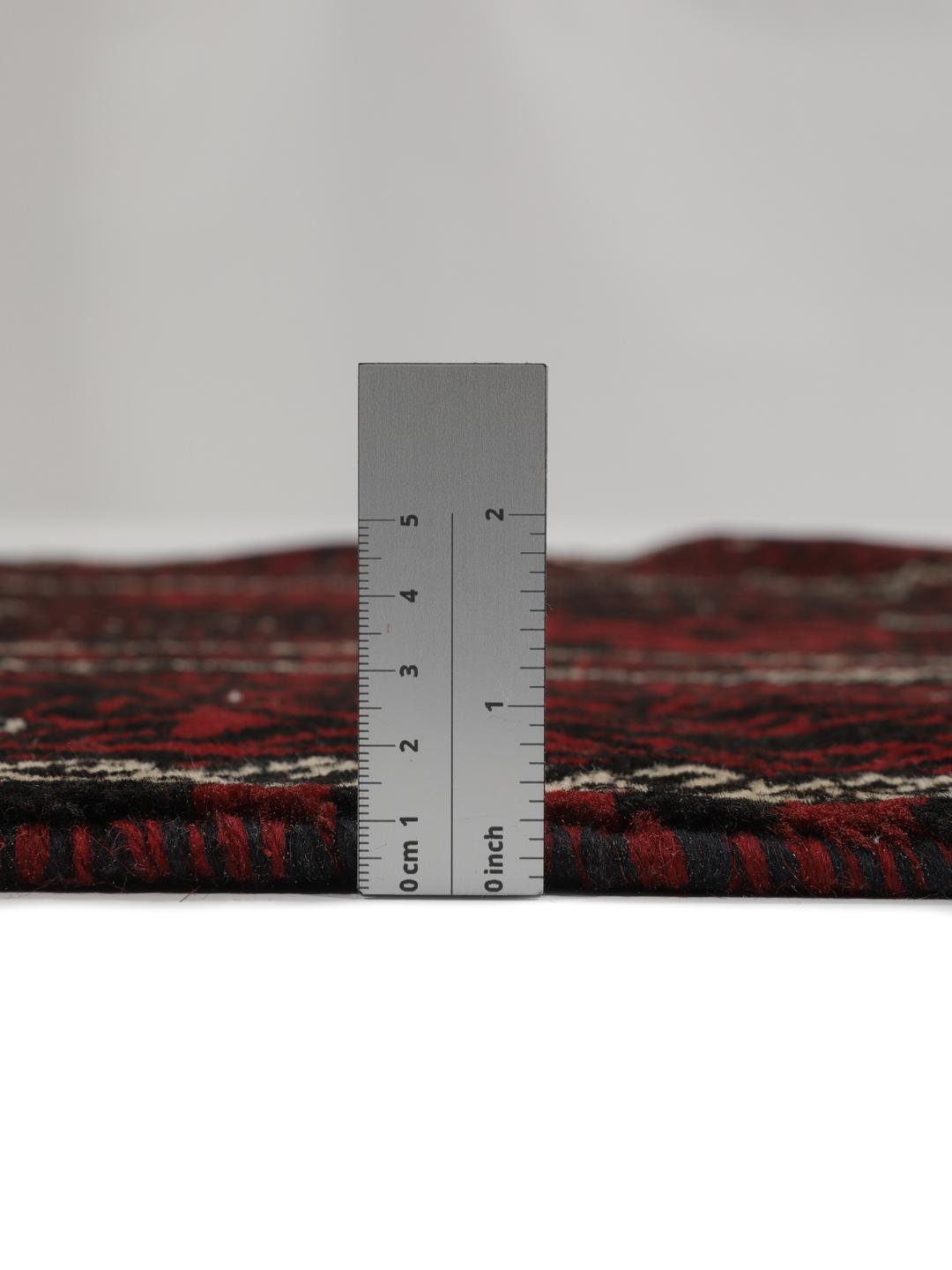
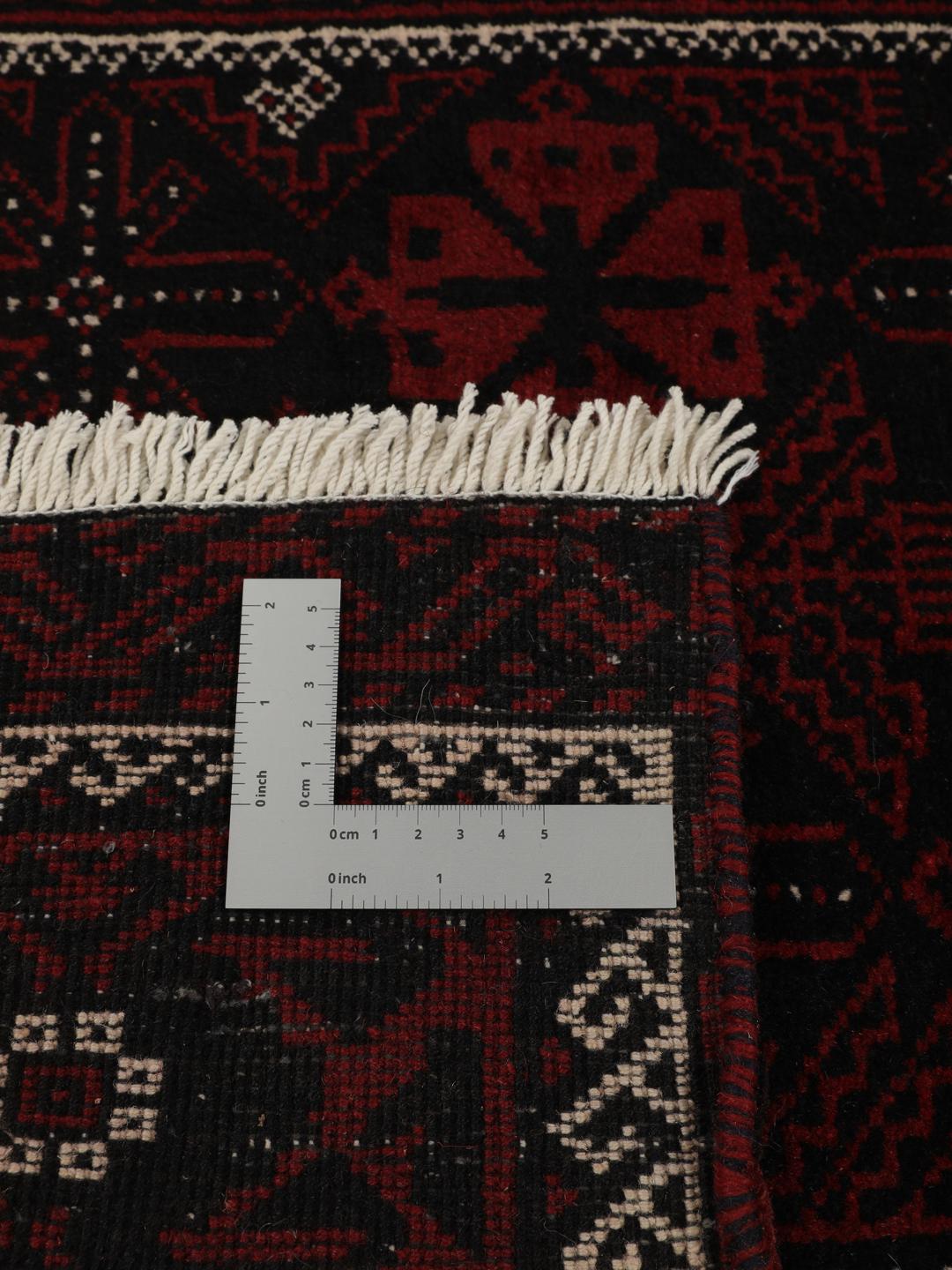
The technical quality of a Beluch rug is defined by its careful construction. The weavers often work on portable horizontal looms, allowing them to carry their craft with them. This nomadism has influenced the way these rugs are made, often resulting in slightly smaller, manageable sizes that are perfect for modern homes. The use of high-quality wool, often sourced from the tribe's own flocks, ensures that the rugs remain resilient even with daily use.
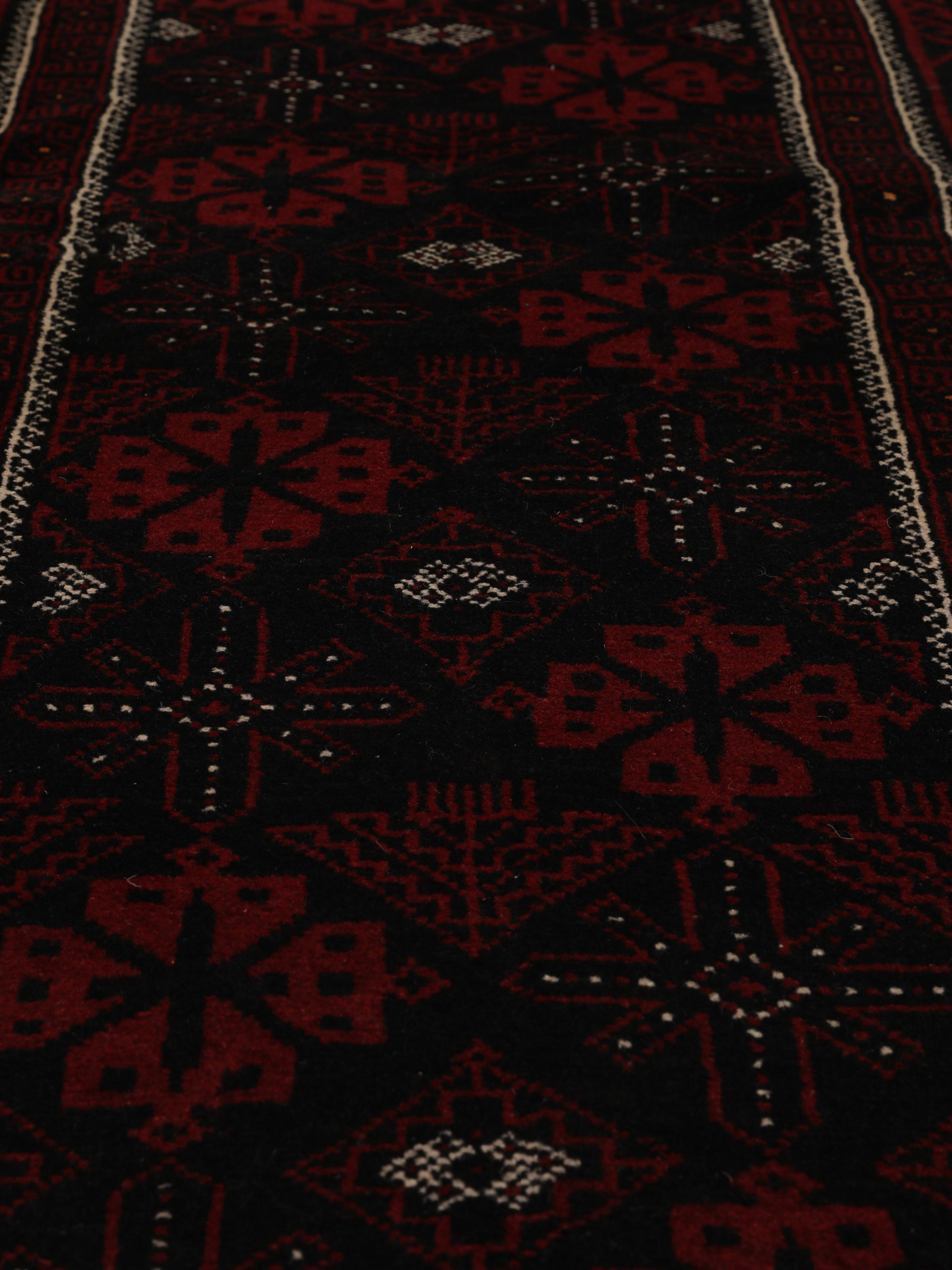
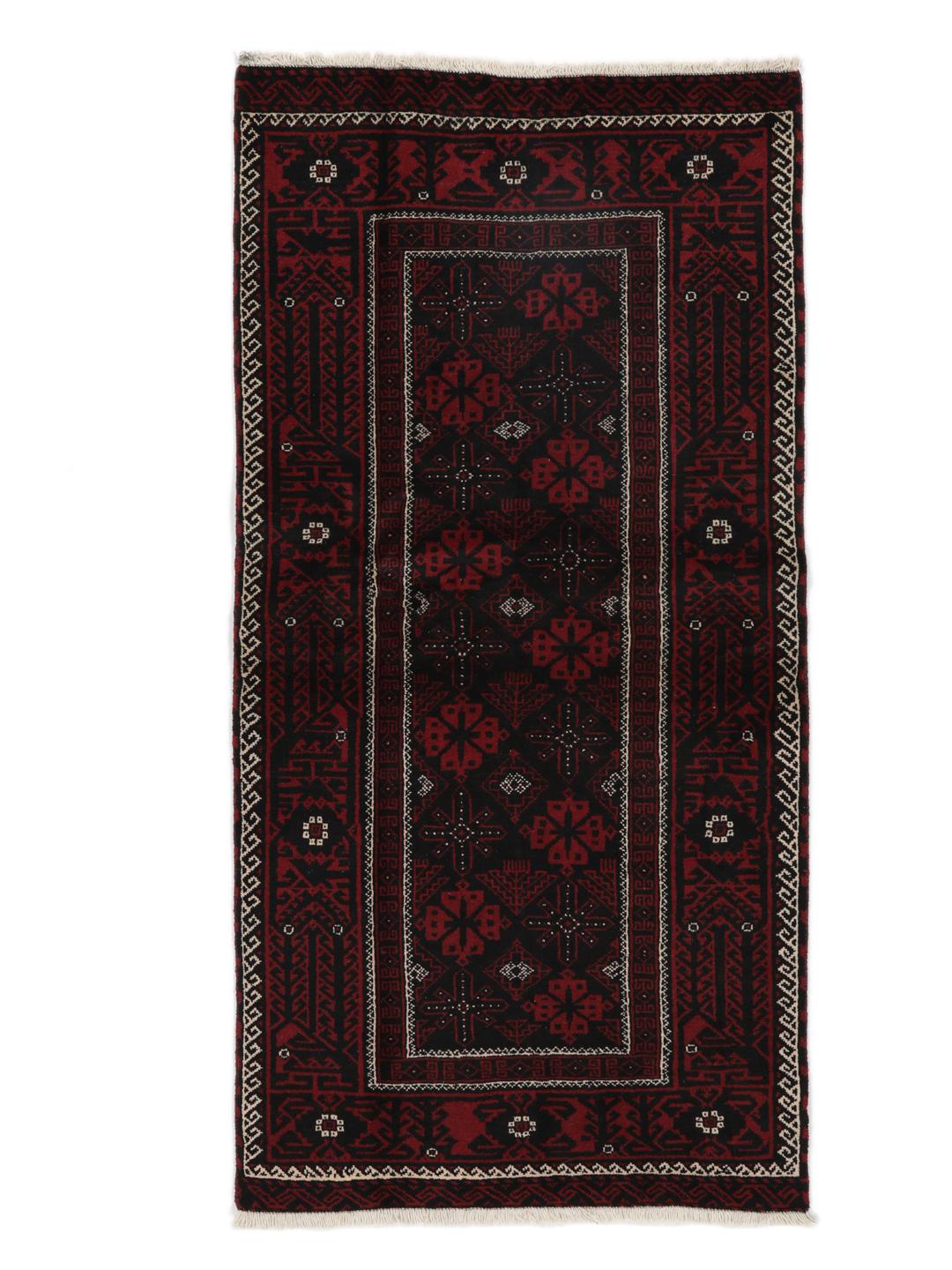
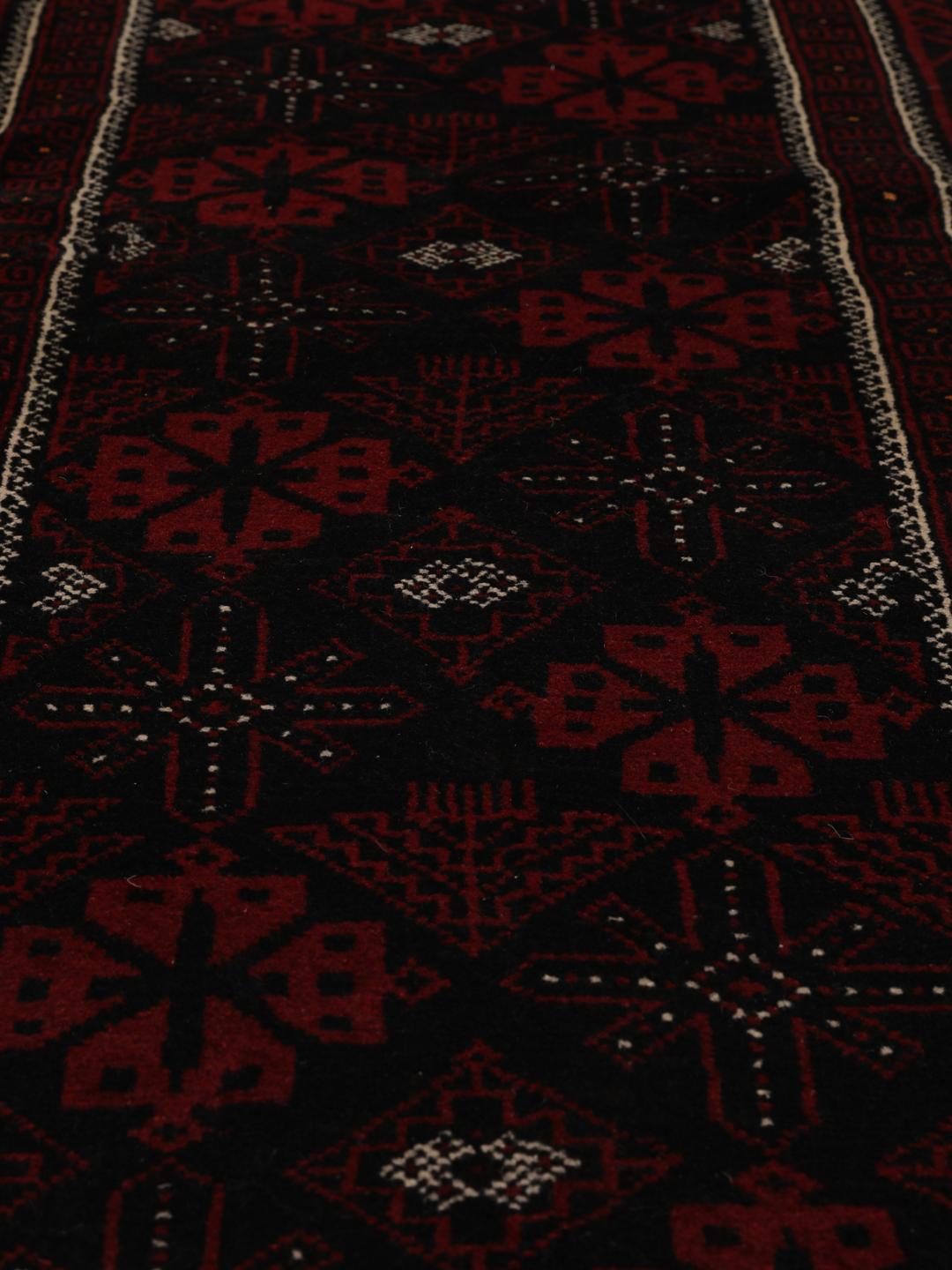
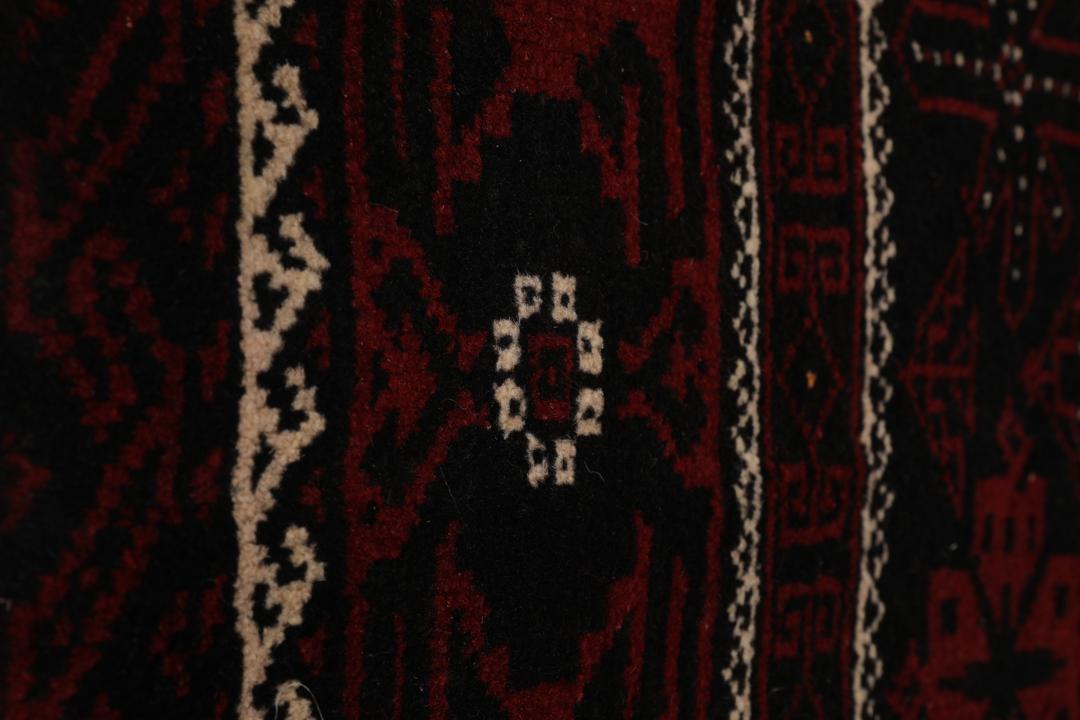
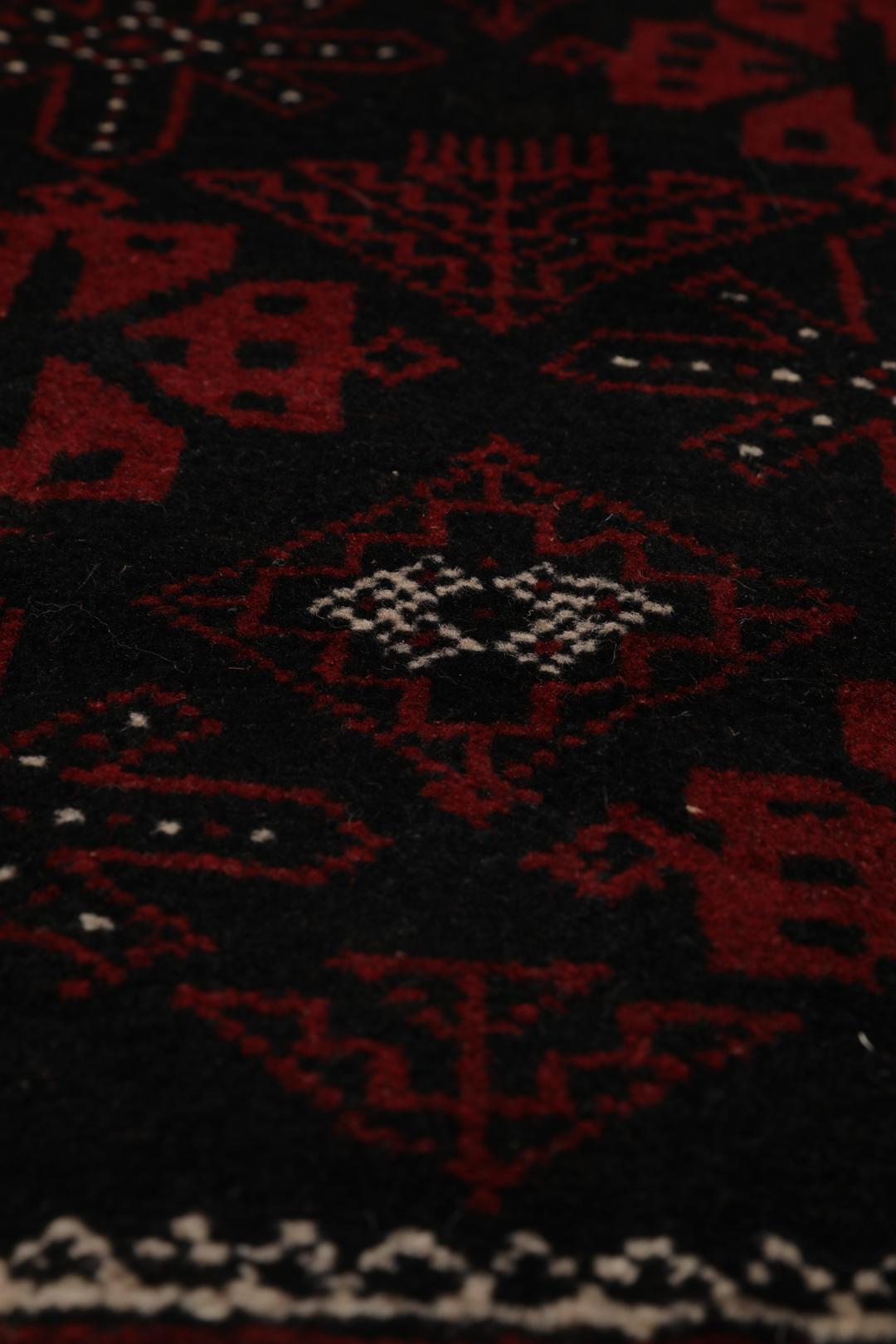
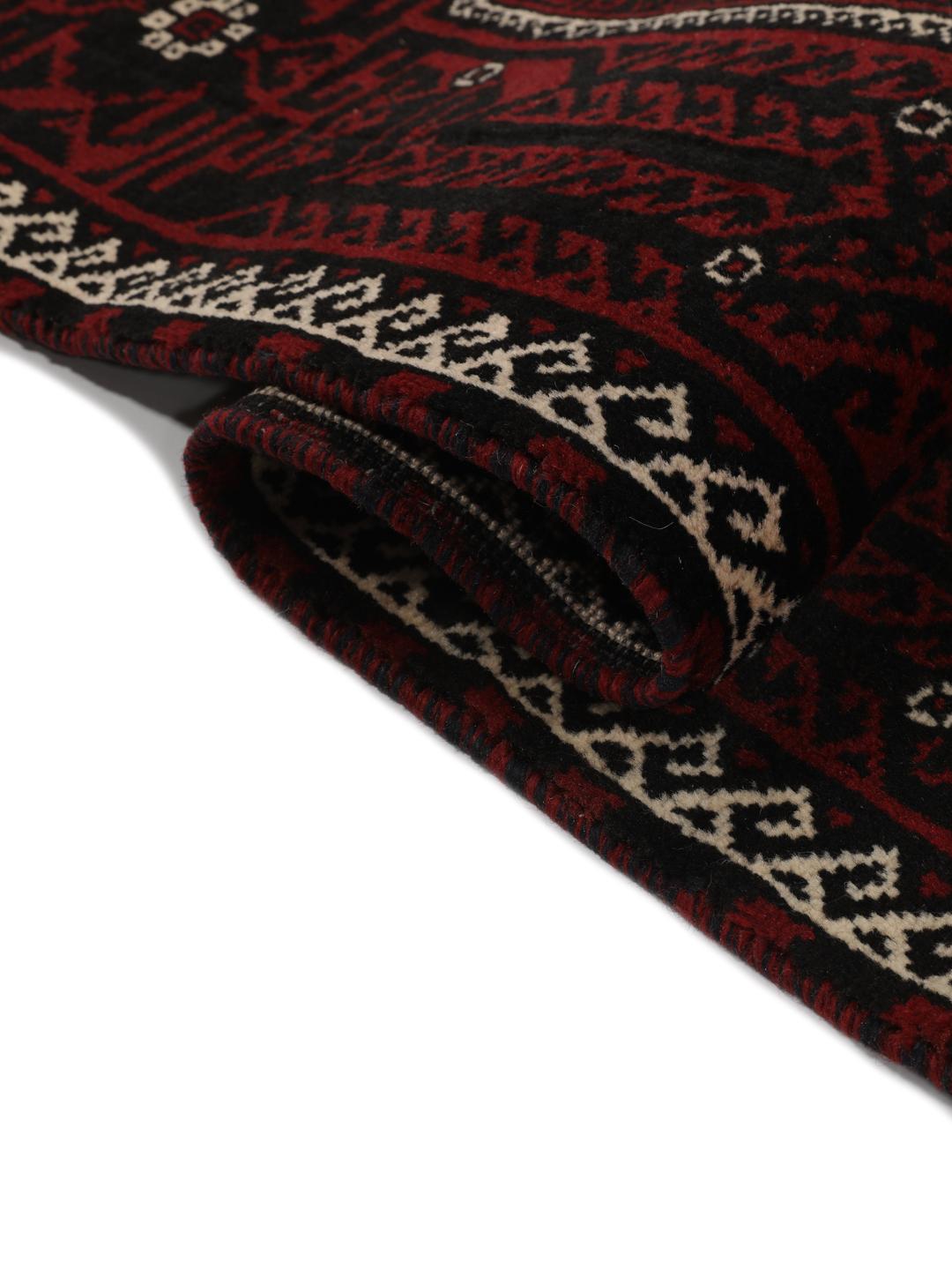
The design of these rugs is famously geometric, often featuring intricate medallions and repeating patterns known as guls. The borders are typically decorated with complex, angular motifs that frame the field, providing a sense of order to the tribal designs. Deep reds, browns, and blacks are the hallmark colours of this tradition, achieved through traditional dyeing methods that have been refined over centuries to produce rich, lasting tones.
Collecting a Beluch rug is an investment in cultural heritage. Because they are produced in small quantities by individual weavers, each rug is an expression of the artisan's personal interpretation of traditional motifs. Owning one means holding a piece of history that continues to be relevant in contemporary interiors, prized for its raw beauty, its connection to ancient trade routes, and the human effort woven into every thread.