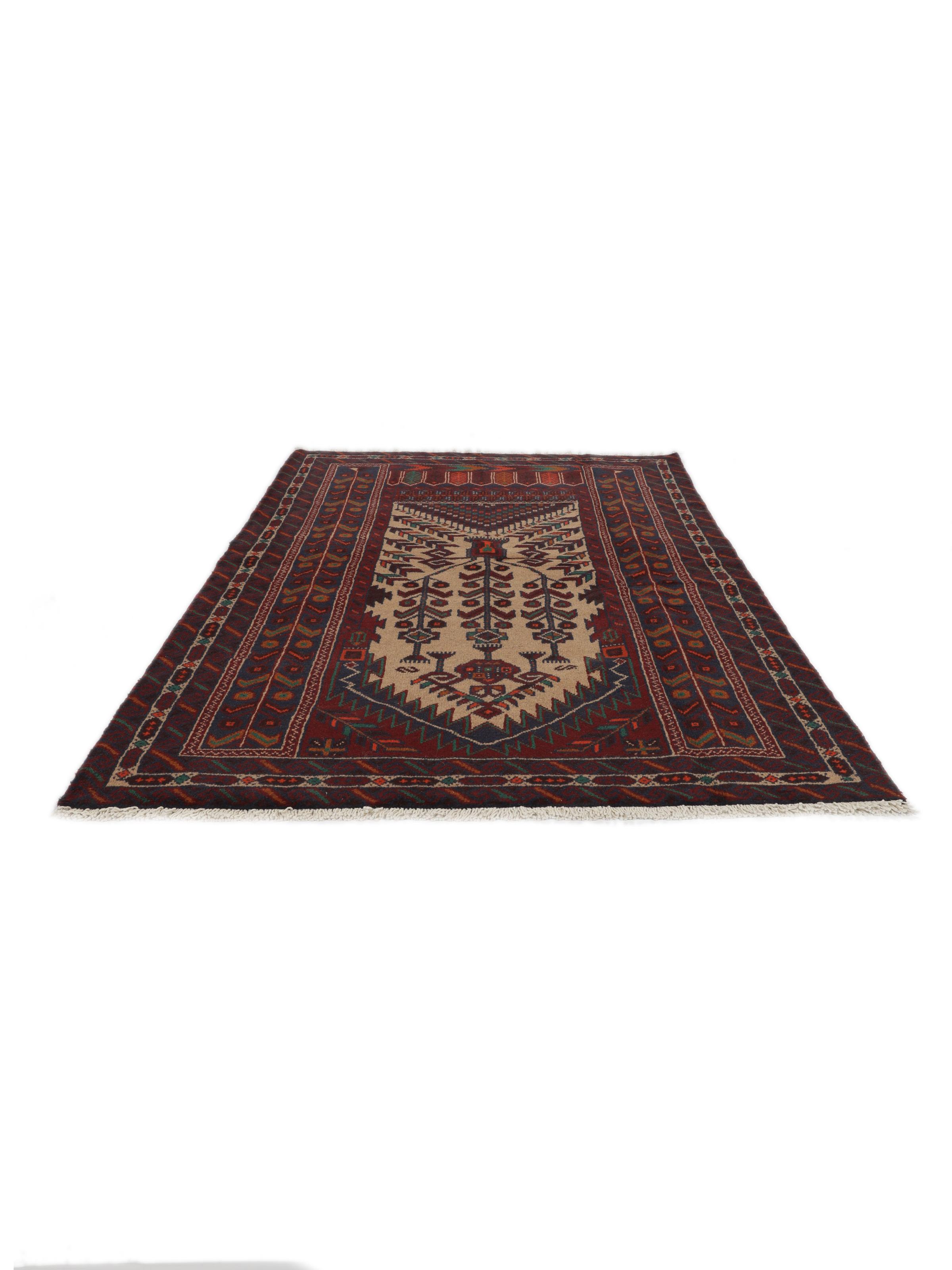
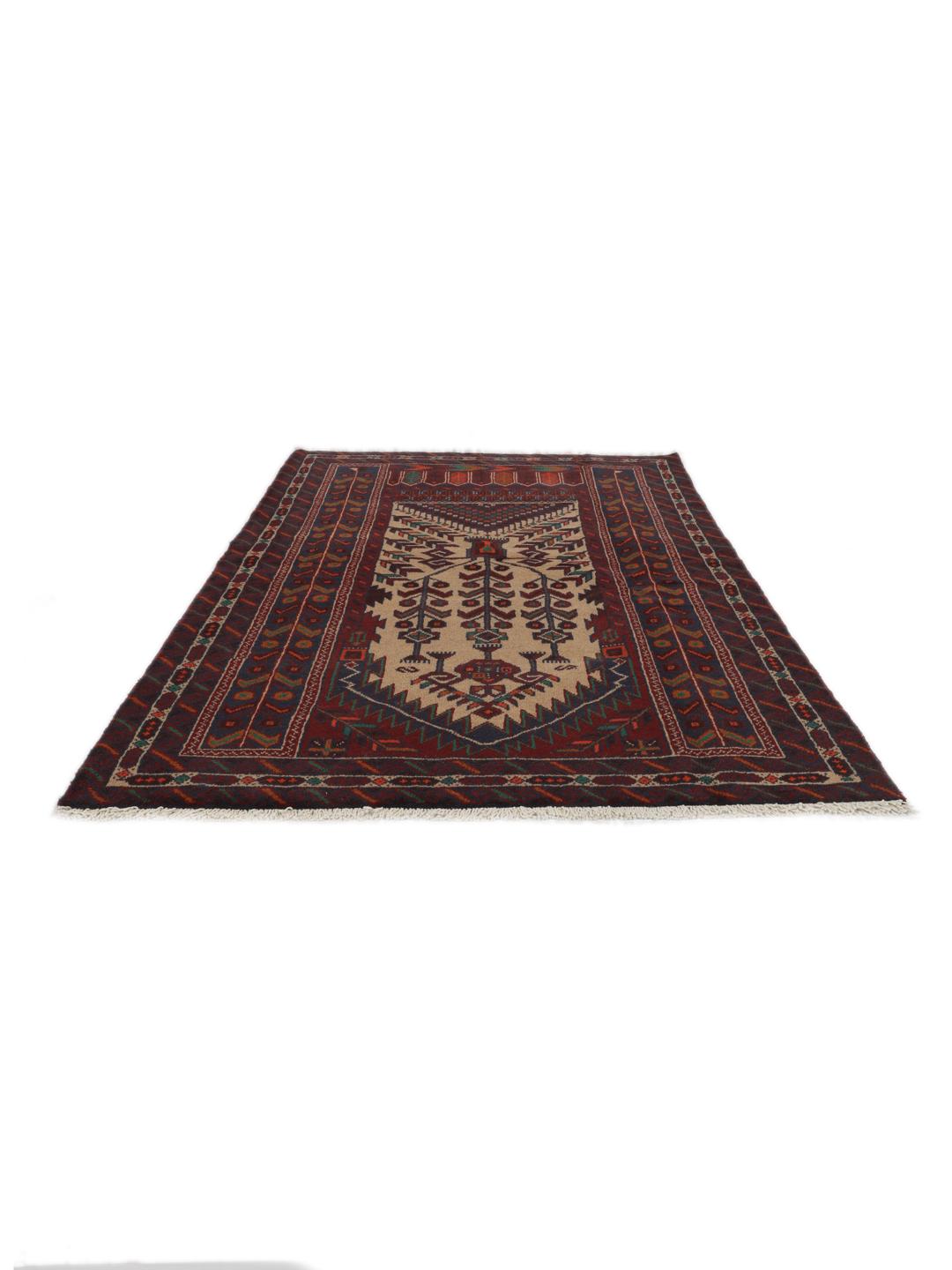
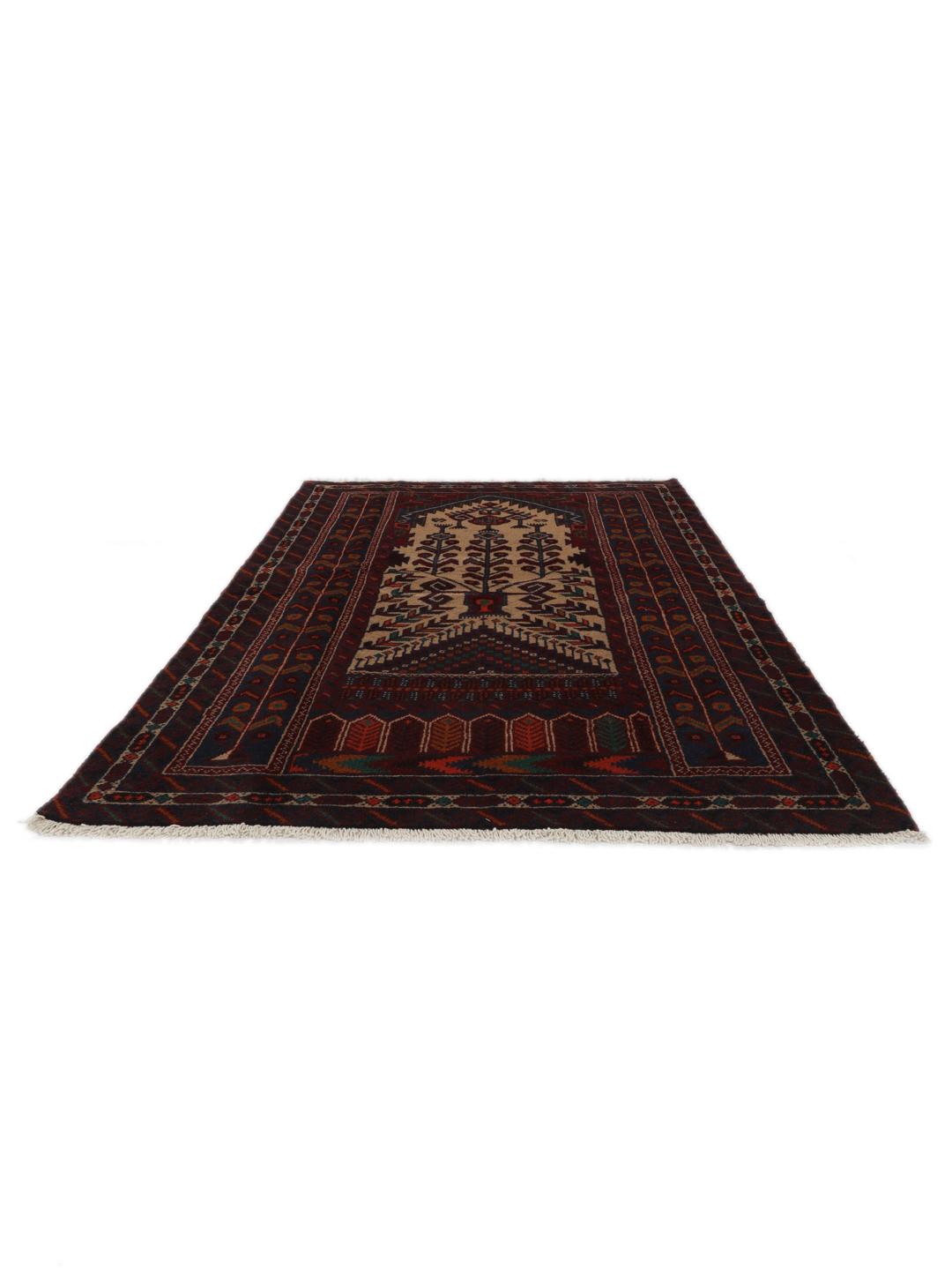
Baluch rugs are deeply rooted in the nomadic traditions of the Middle Eastern borderlands. Traditionally crafted by Baluchi tribes who migrated across vast, arid landscapes, these rugs served as essential, portable items for nomadic life, ranging from floor coverings to storage bags. Their designs are a reflection of the environment and the cultural identity of the weavers, often passed down through generations.
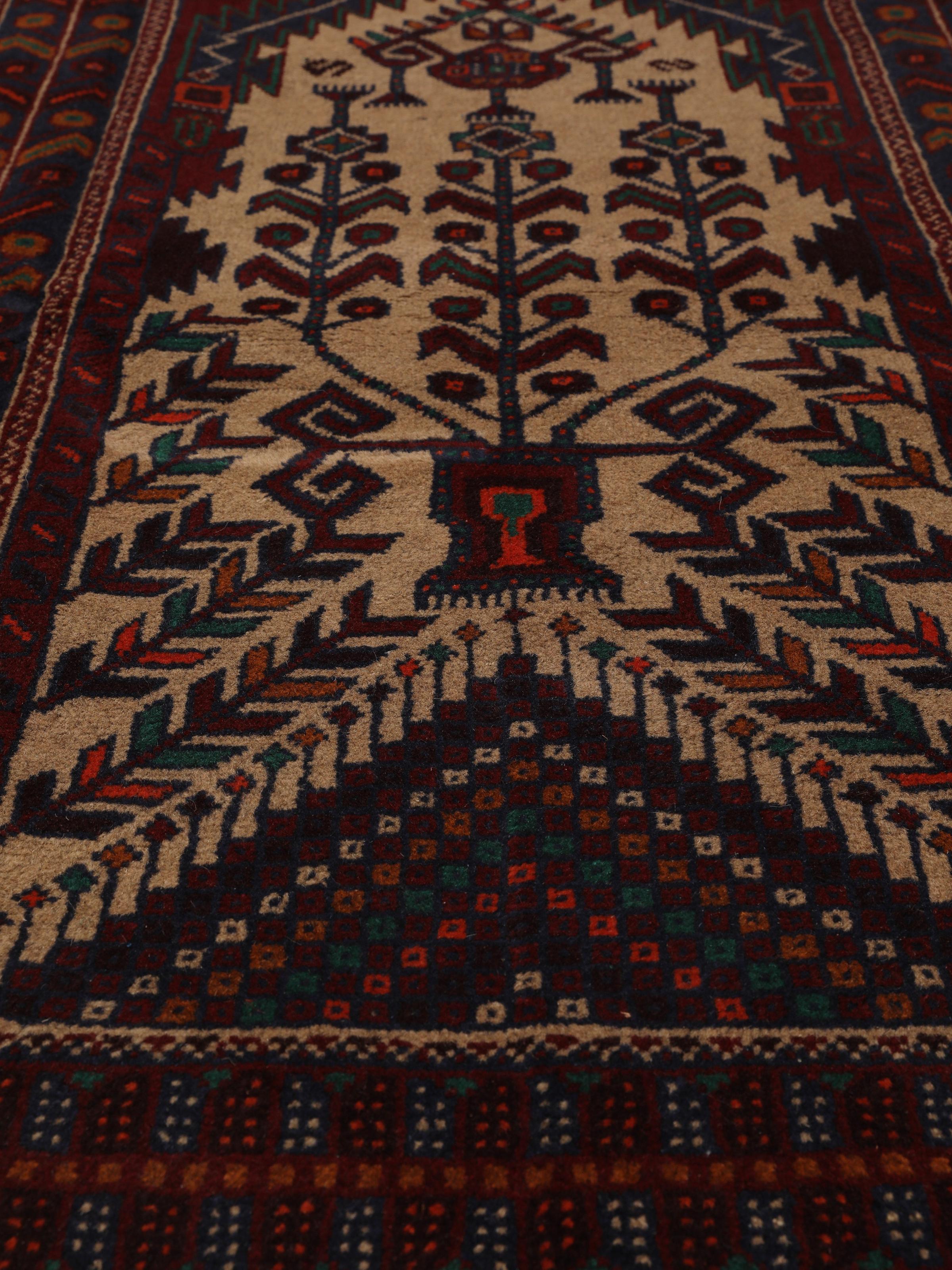
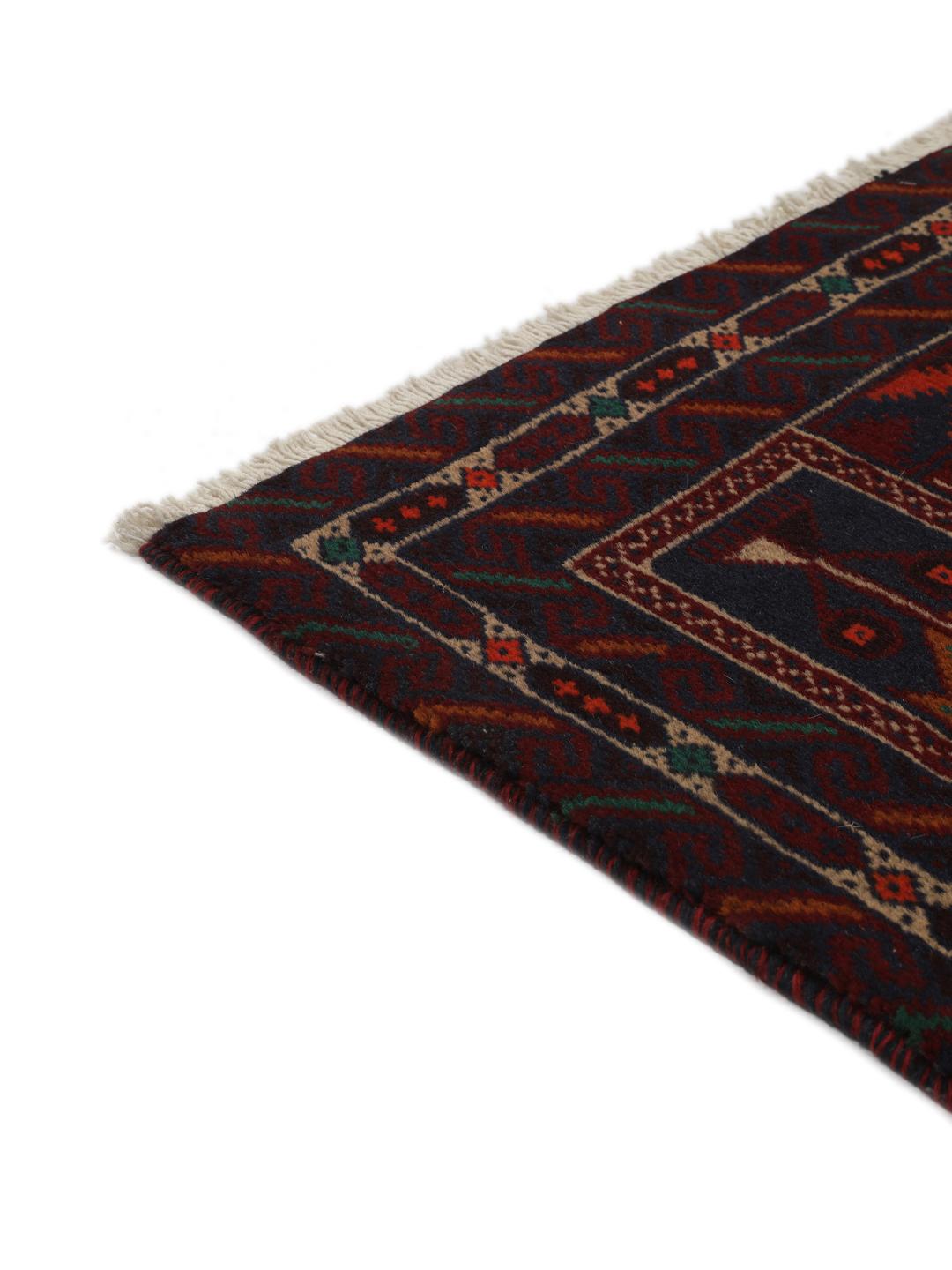
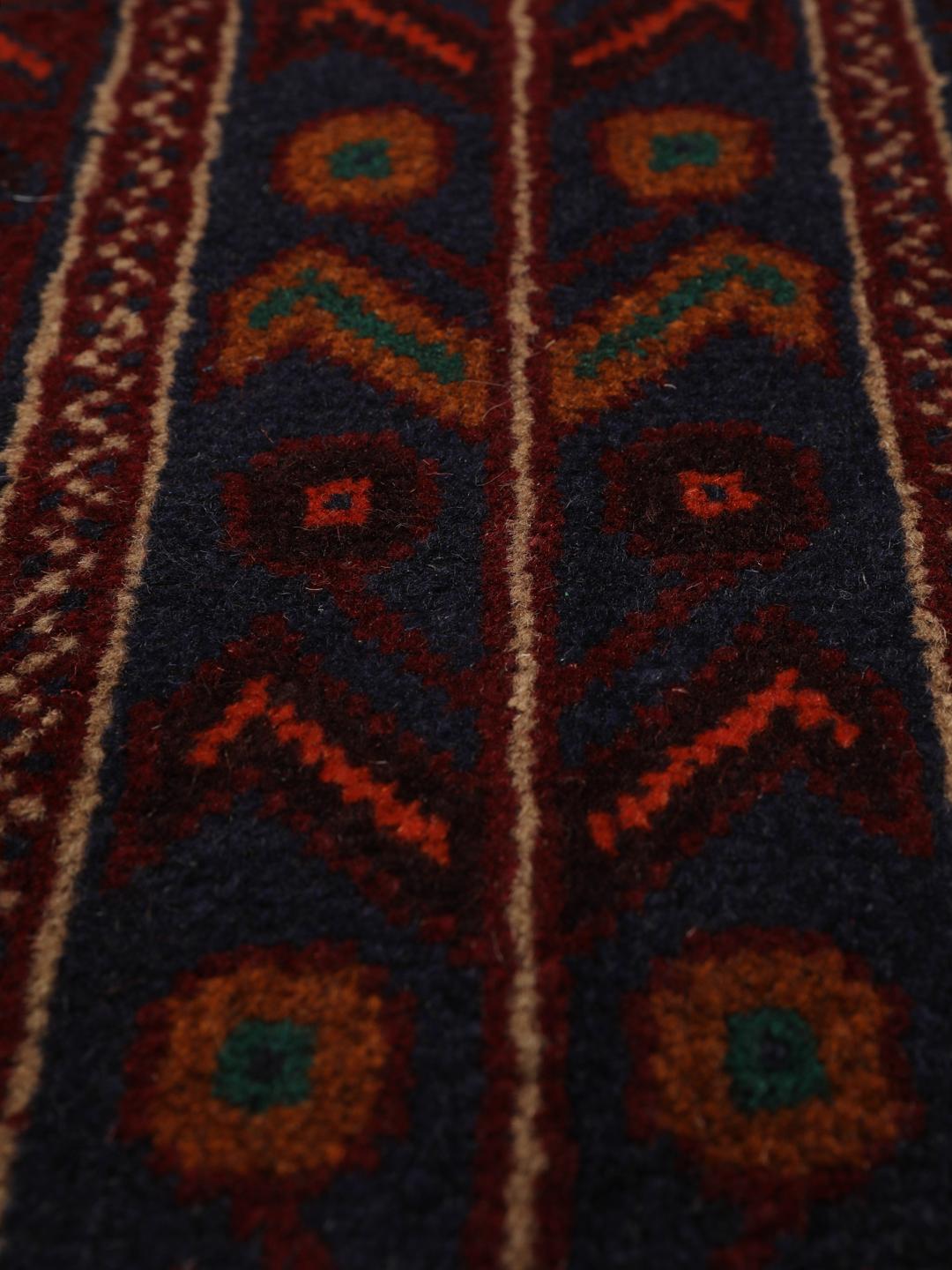
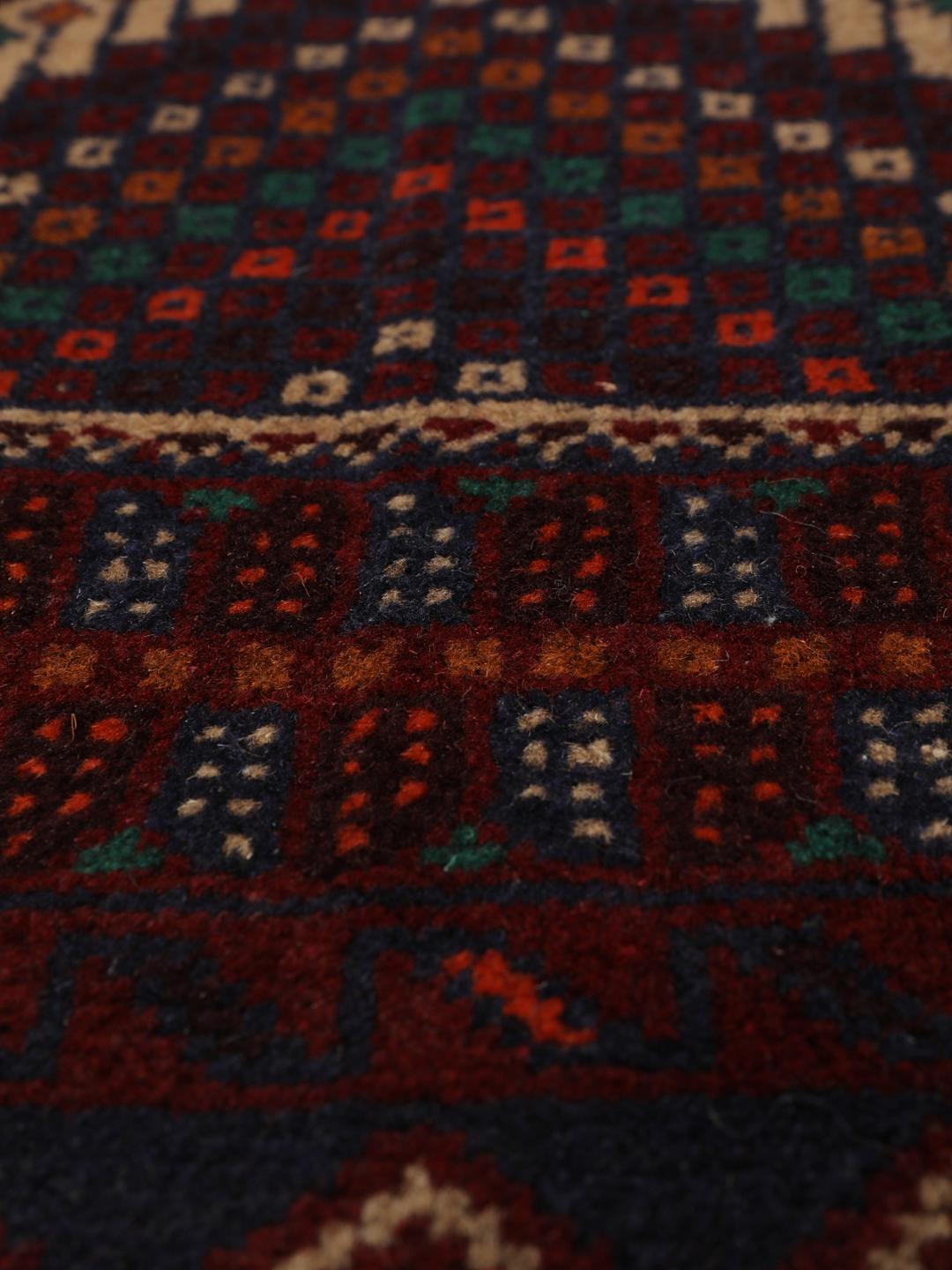
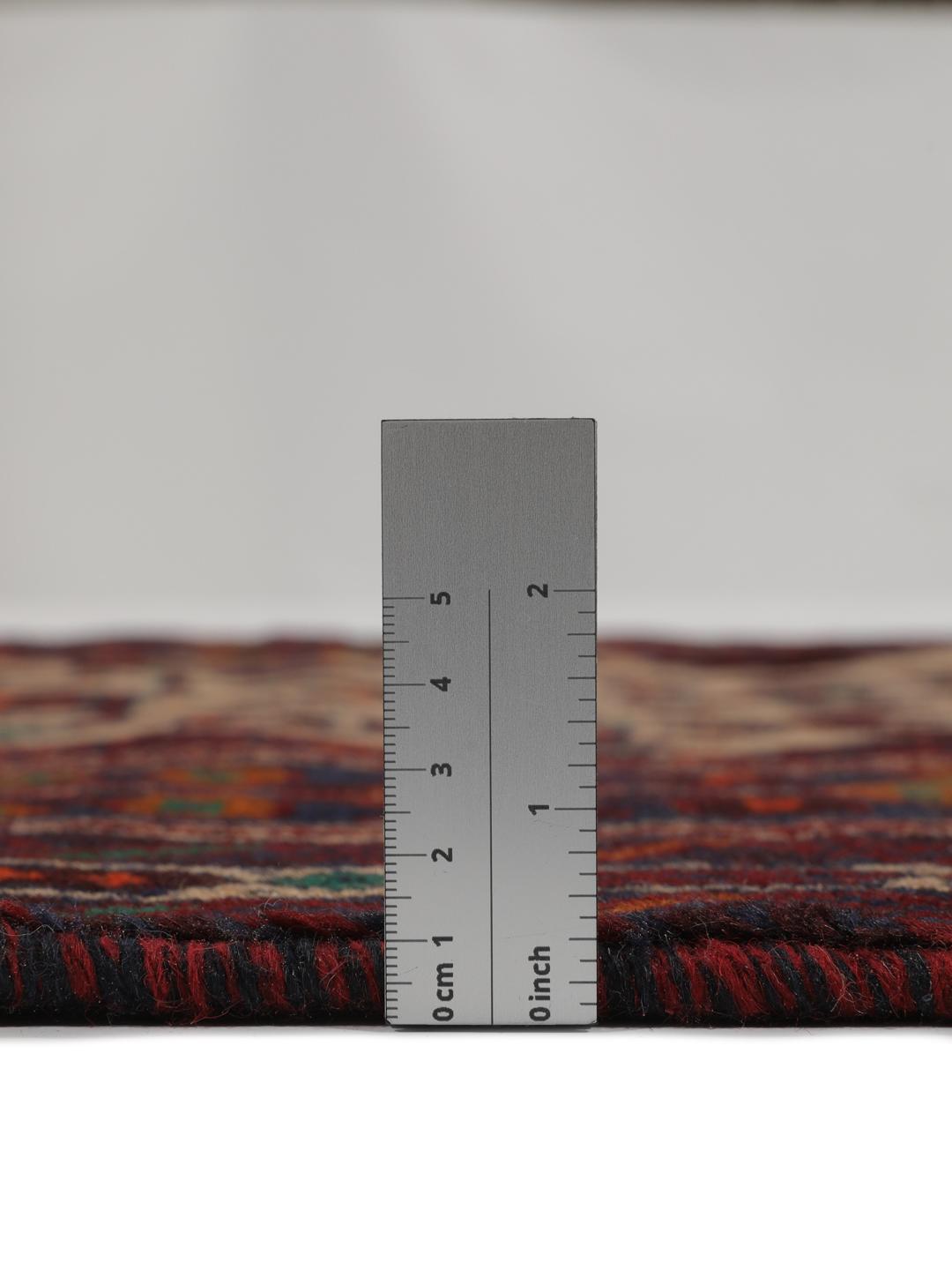
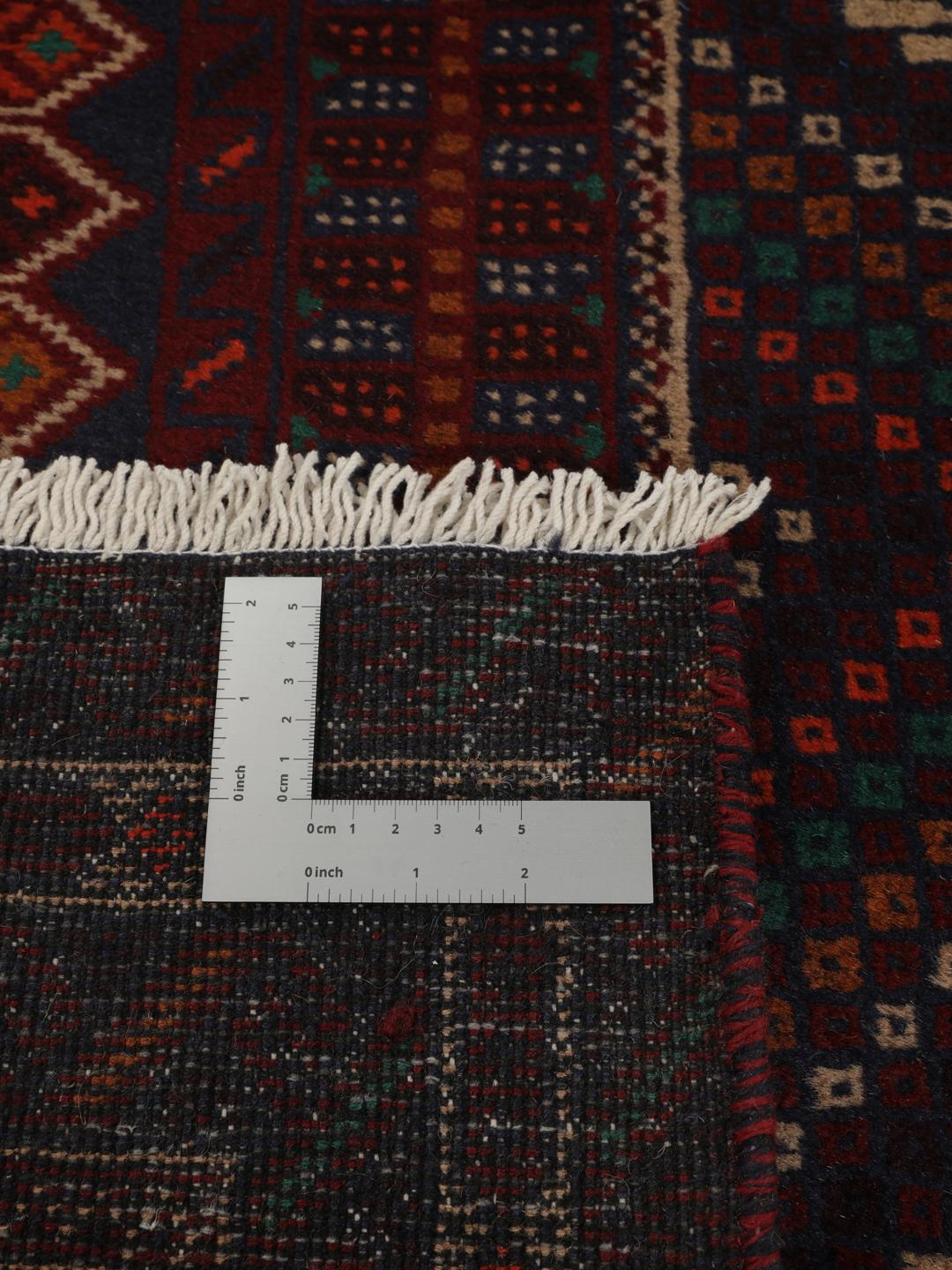
The term 'hand-knotted' refers to the fundamental technique where individual strands of Wool are wrapped around the warp threads and tied into knots. This creates a dense, durable pile that is synonymous with quality. This construction method allows for the intricate, precise patterns that are characteristic of the Baluch tradition, ensuring that the design remains sharp and clear even after years of use.
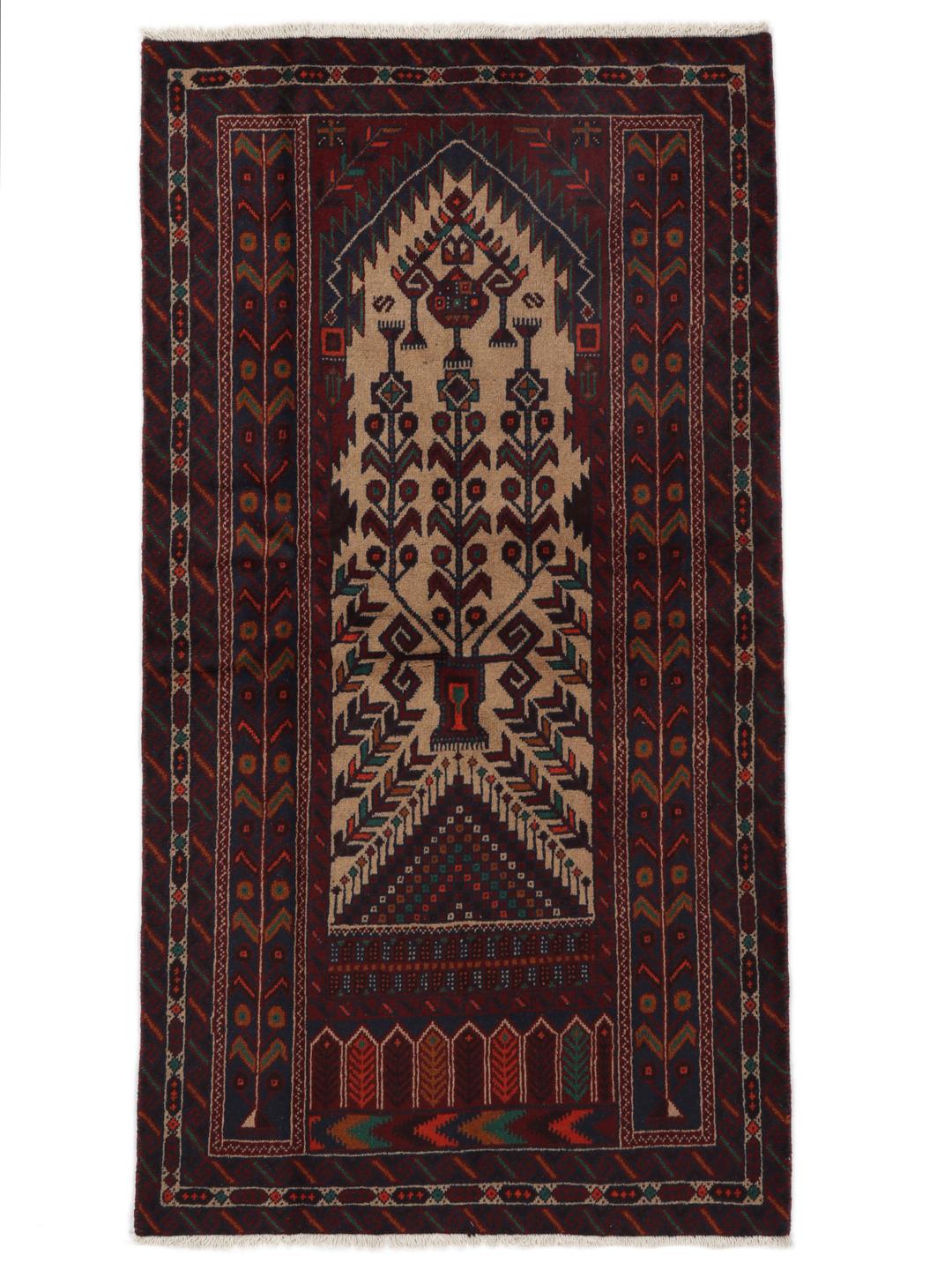
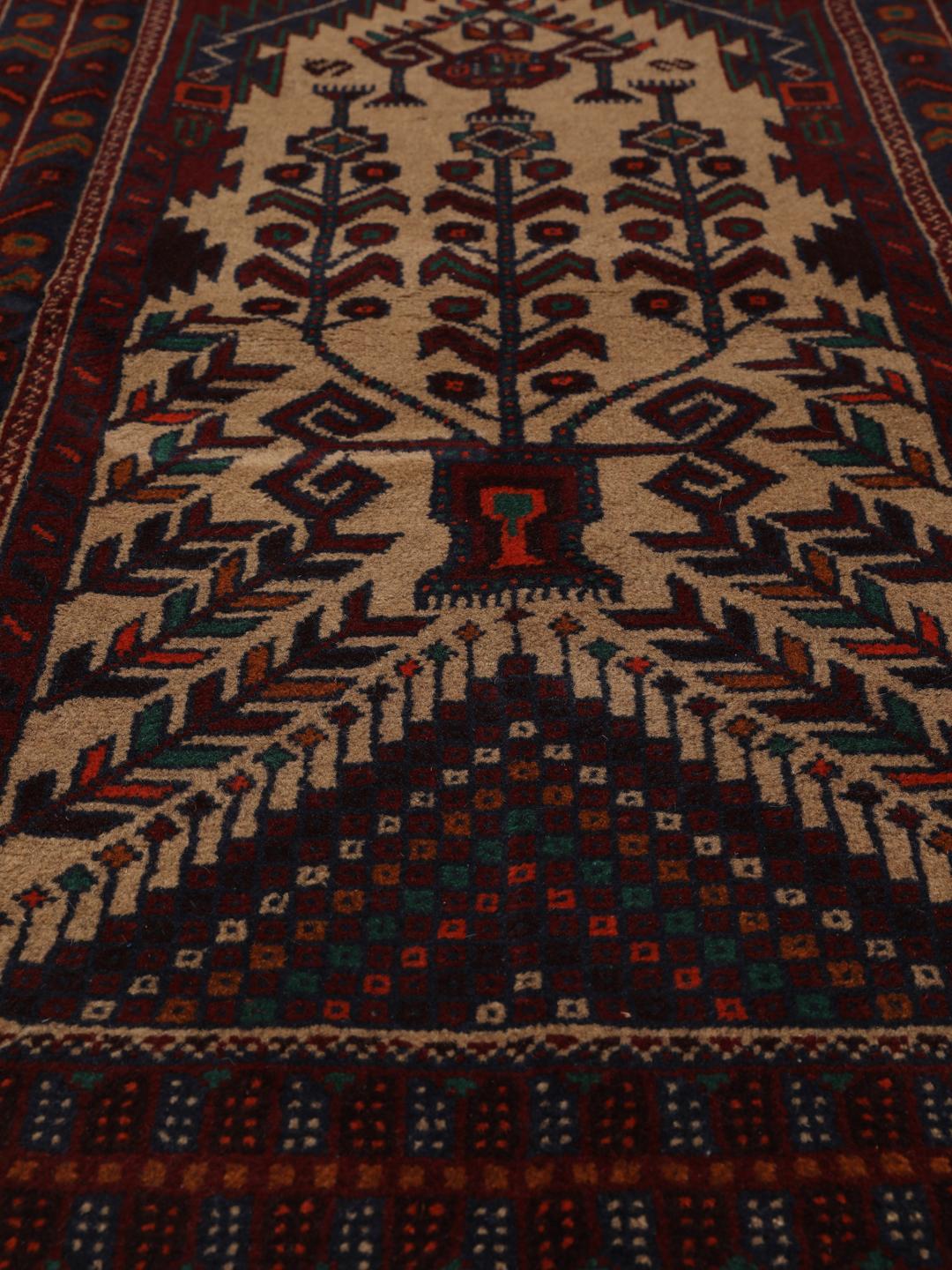
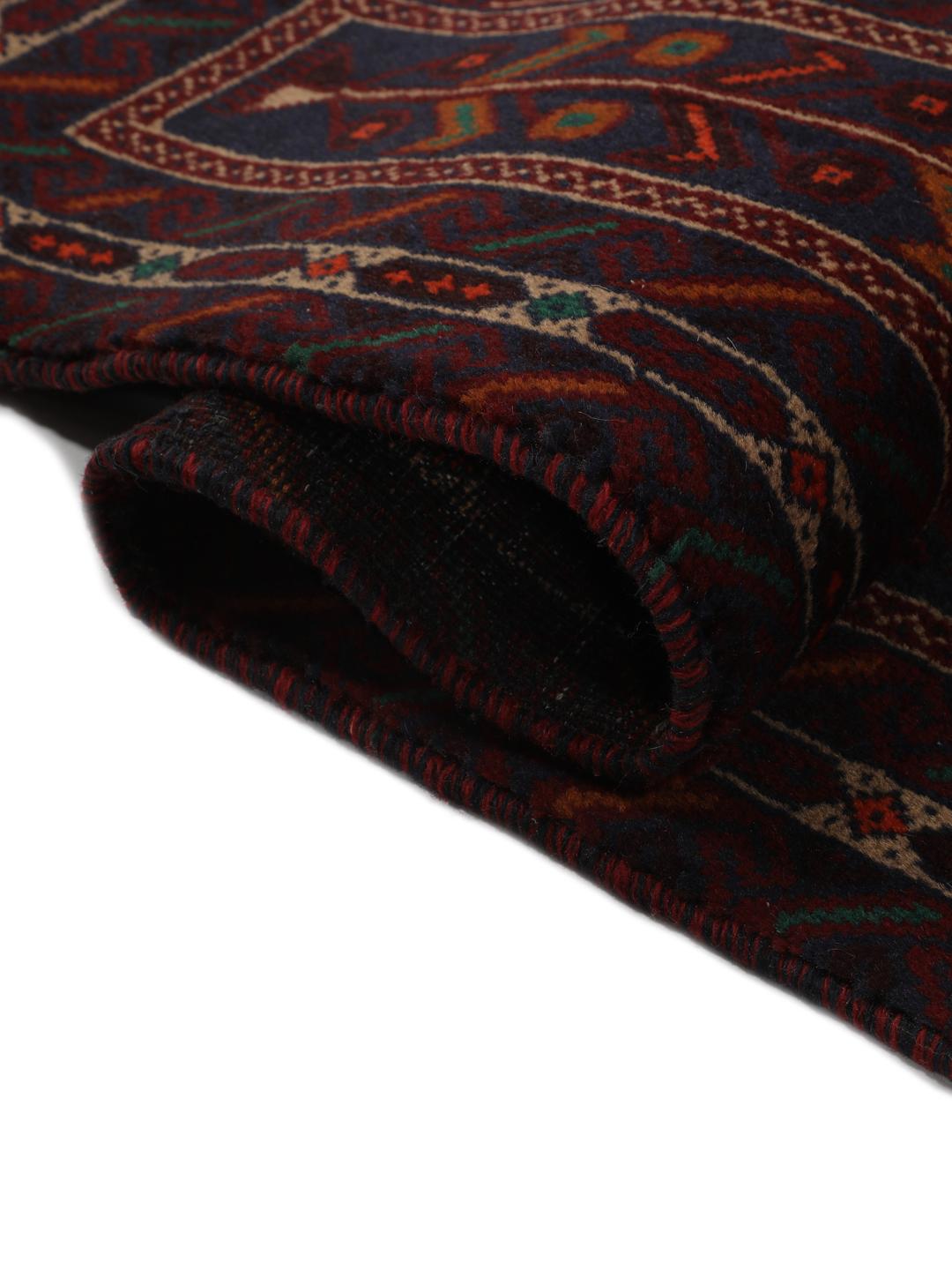
Signature design elements in Baluch rugs often include geometric motifs, stylized tree-of-life patterns, and deep, saturated colour palettes. The use of dark-red and earthy tones is a hallmark of the style, often contrasted with ivory or darker accents. The borders are frequently decorated with intricate, repetitive symbols that carry protective or symbolic meanings within the tribe's visual language.
Collectors value Baluch rugs for their authentic tribal character and the skill involved in their creation. Owning a Baluch rug is more than just a decorative choice; it is an investment in a piece of cultural heritage. These rugs are highly regarded for their ability to bring a sense of history, warmth, and artistic weight to any interior, making them prized possessions for those who appreciate traditional craftsmanship.