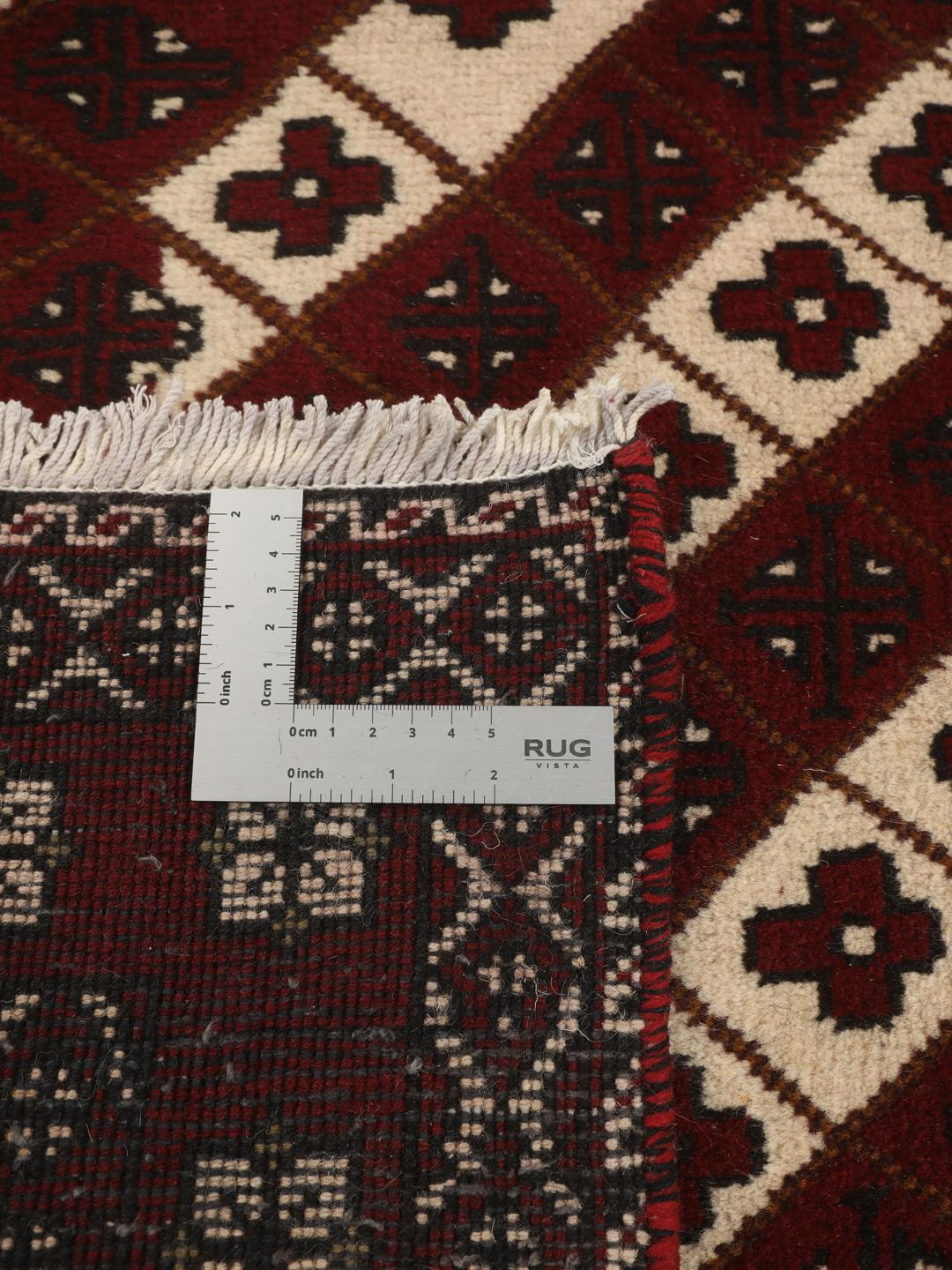
Baluch rugs are named after the nomadic and semi-nomadic Baluchi tribes who historically traversed the border regions between the Middle East and Central Asia. These people have a long history of weaving rugs that are as functional as they are beautiful, often creating them for use in their tents as floor coverings, saddlebags, or sleeping mats.
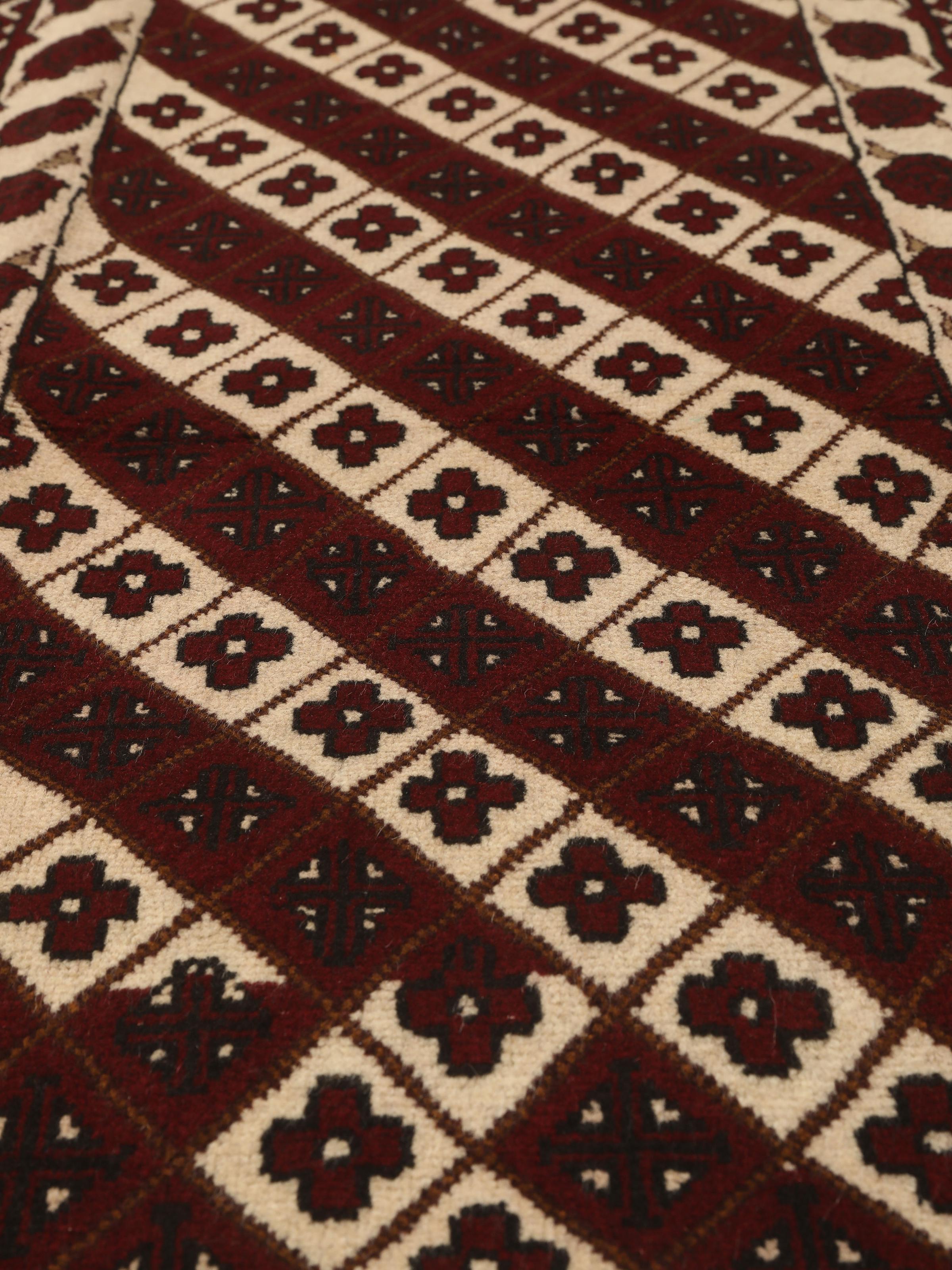
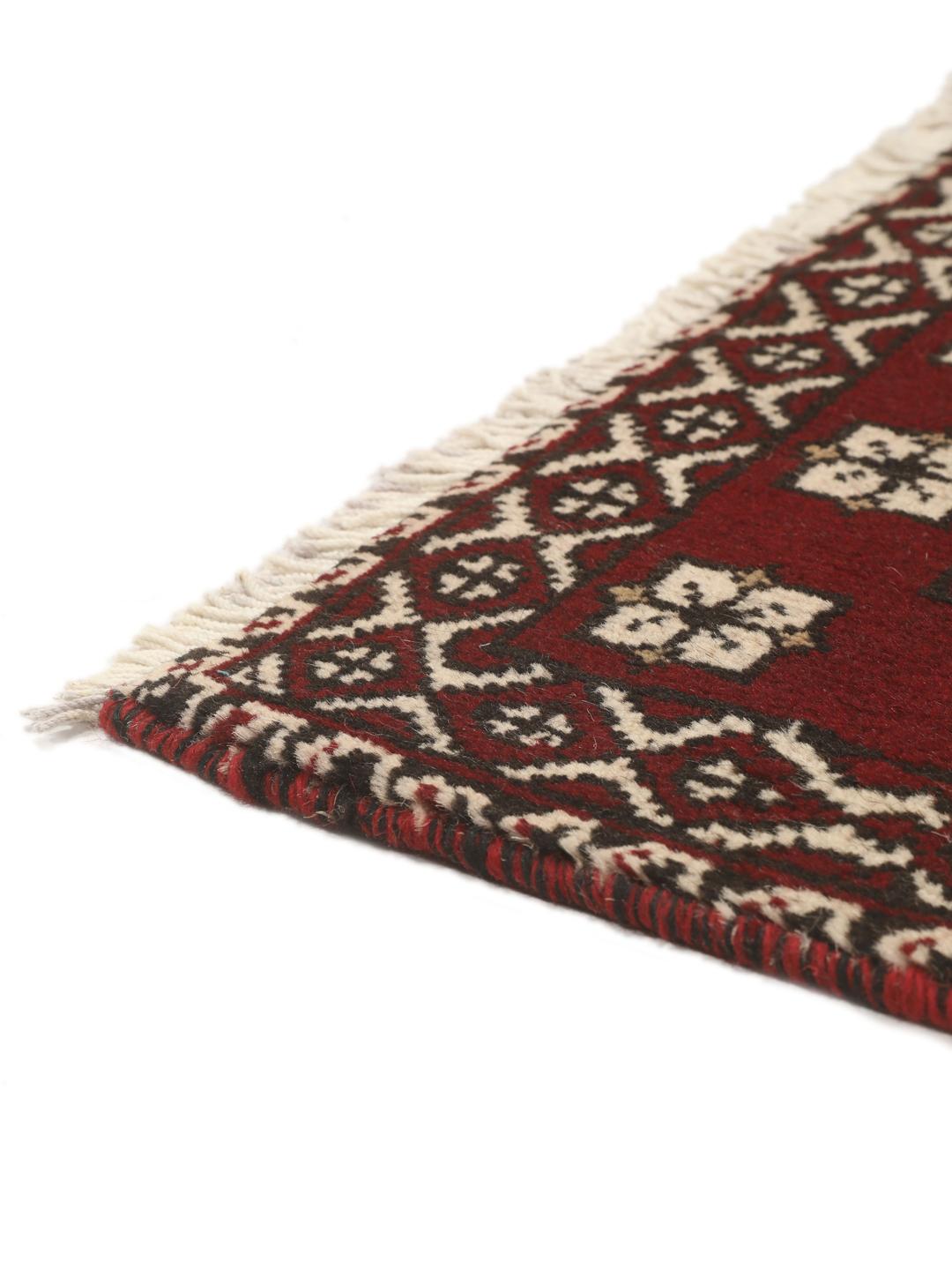
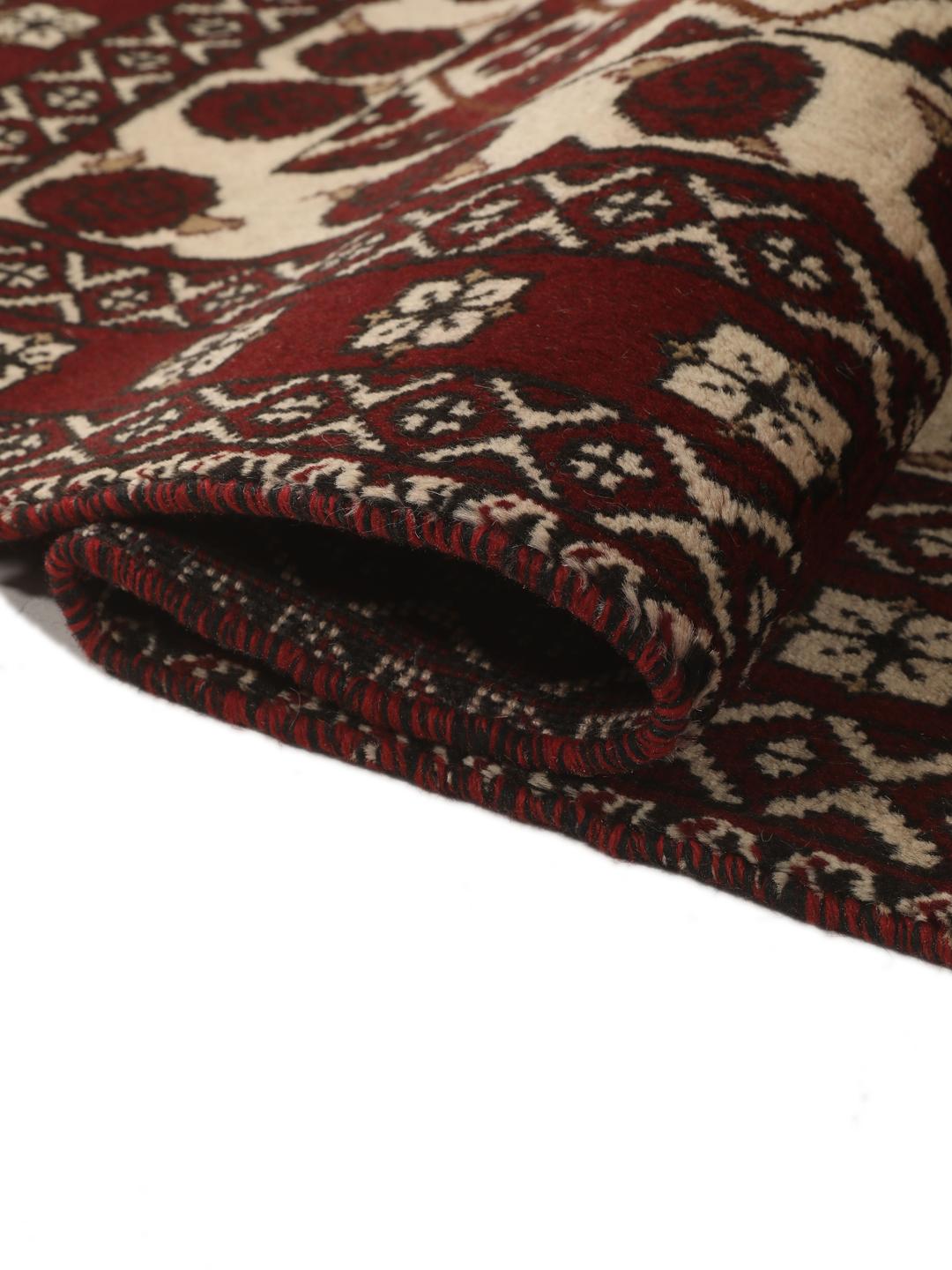
The construction of these rugs is deeply tied to the environment, with weavers using local wool that is prized for its soft, lustrous quality. The traditional hand-knotting process is passed down through generations, with each family or tribal group maintaining its own specific approach to structure and tension, which ensures that each rug is a reflection of its specific origin.
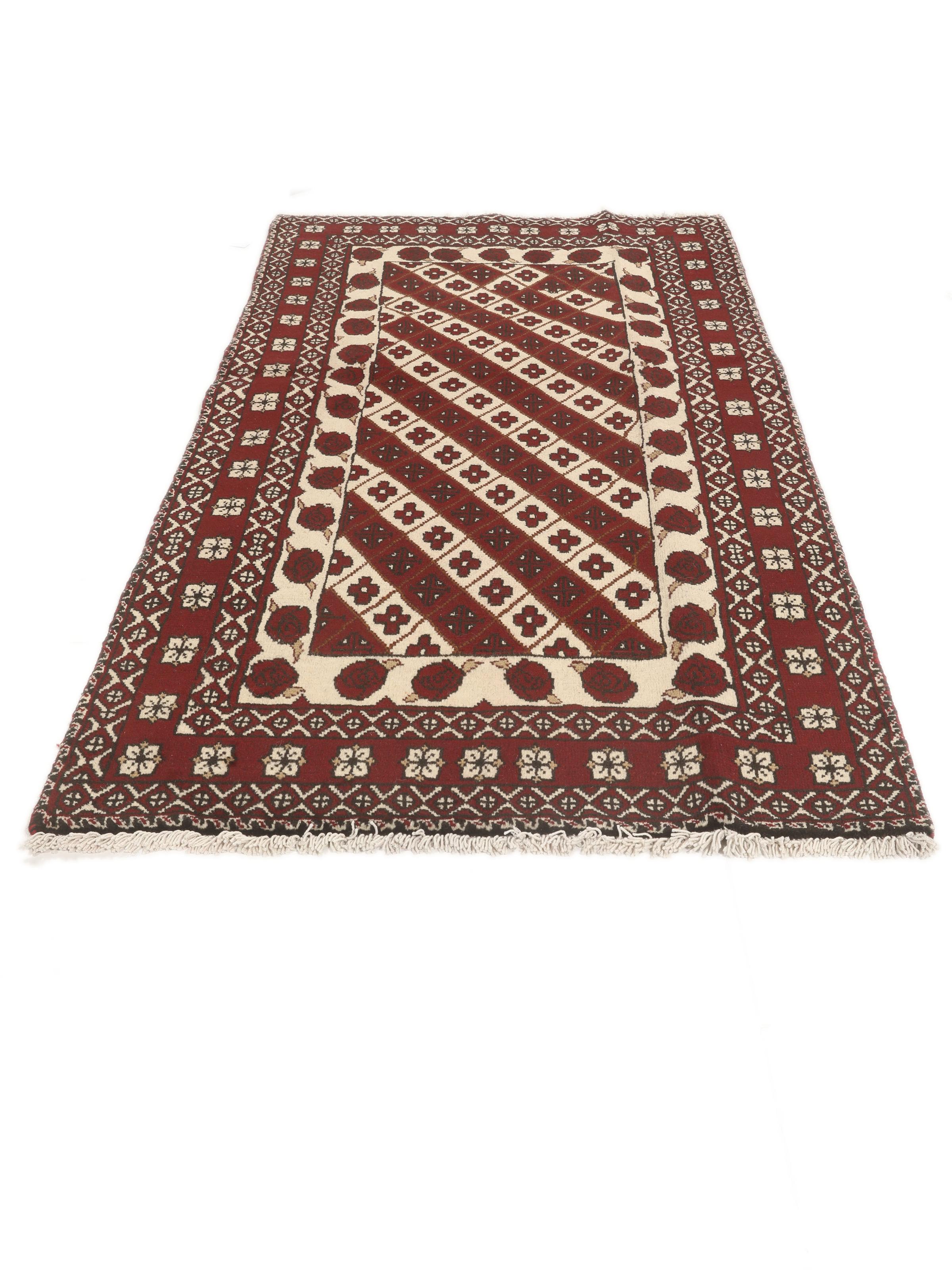
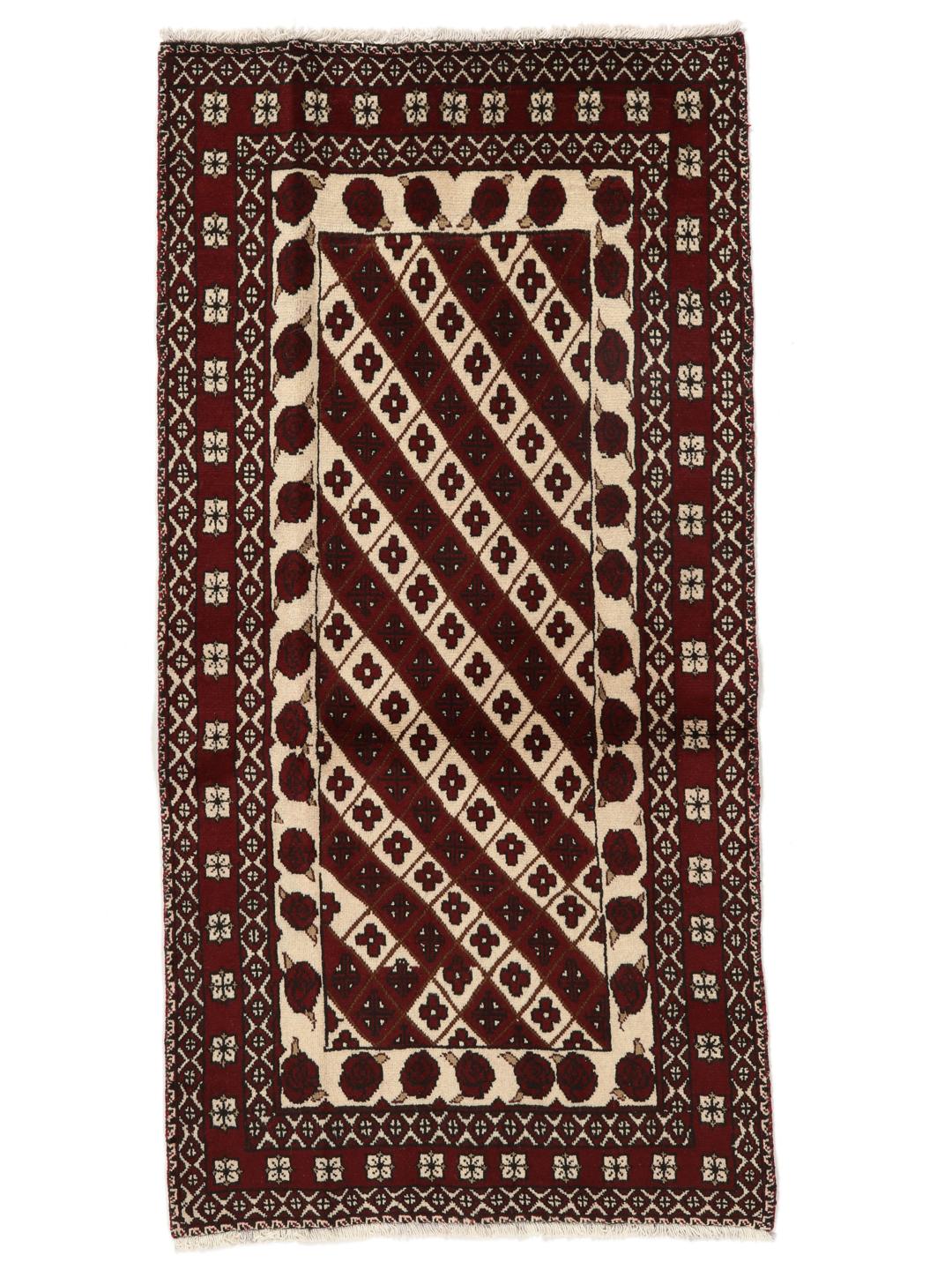
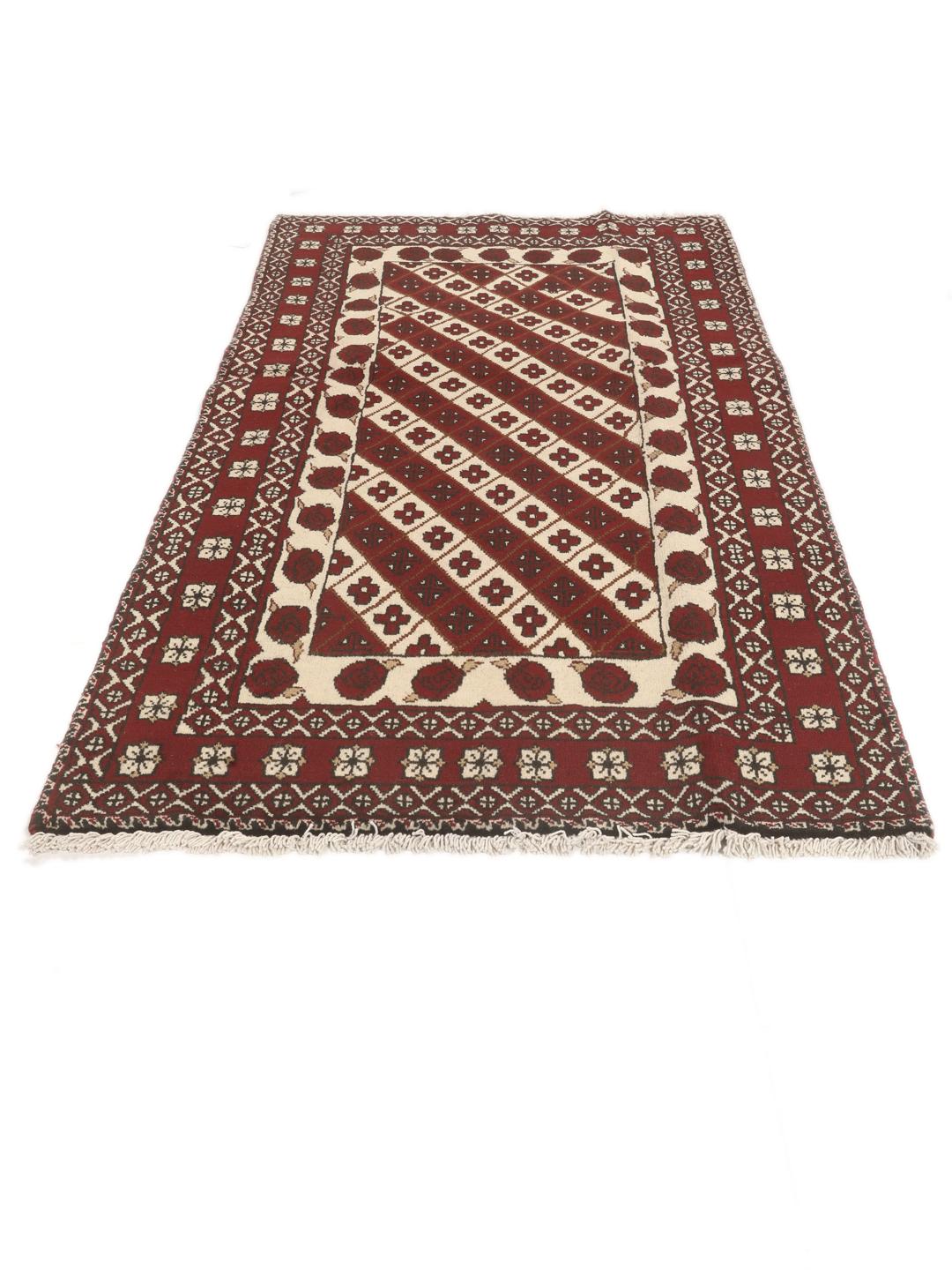
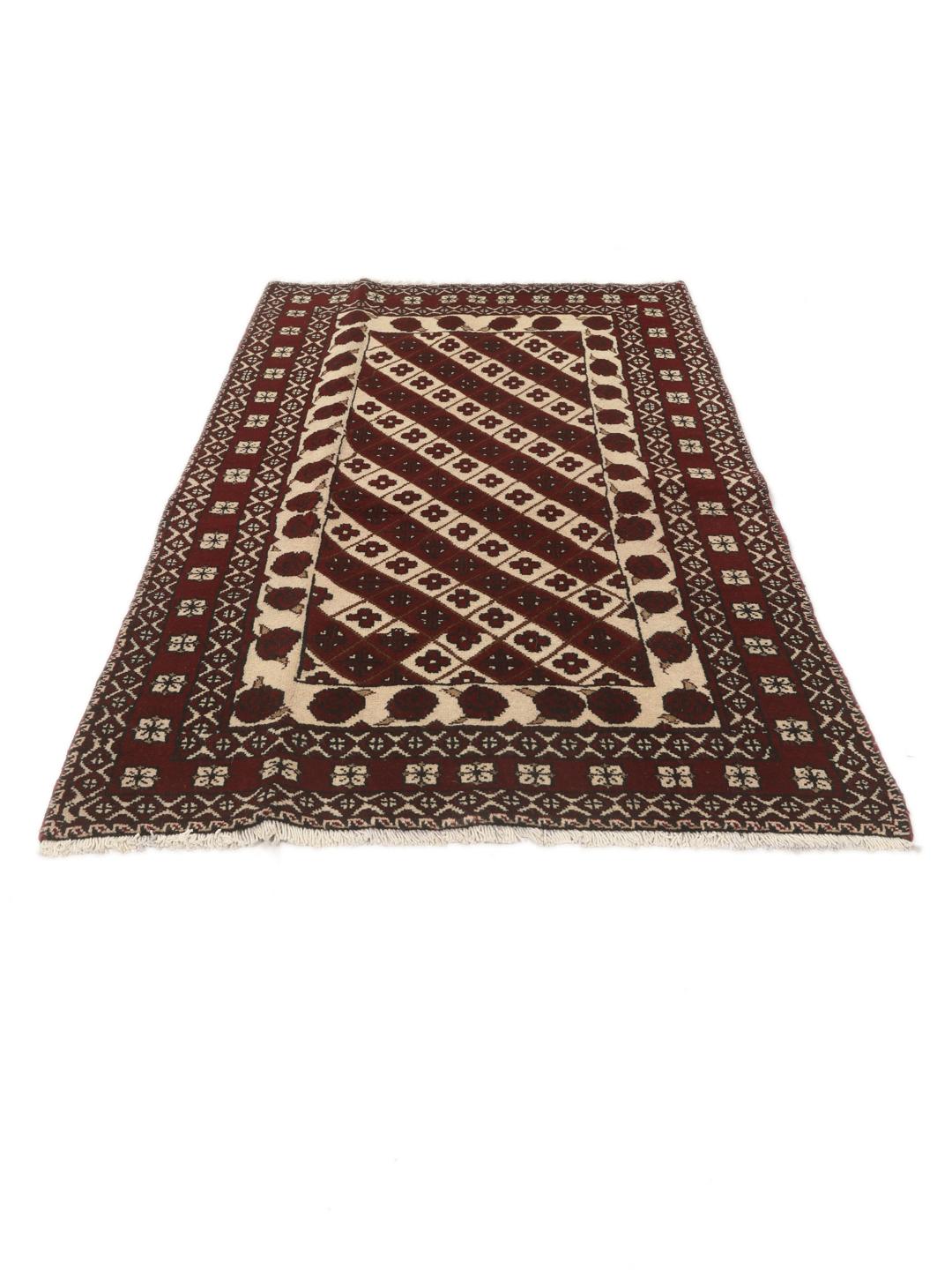
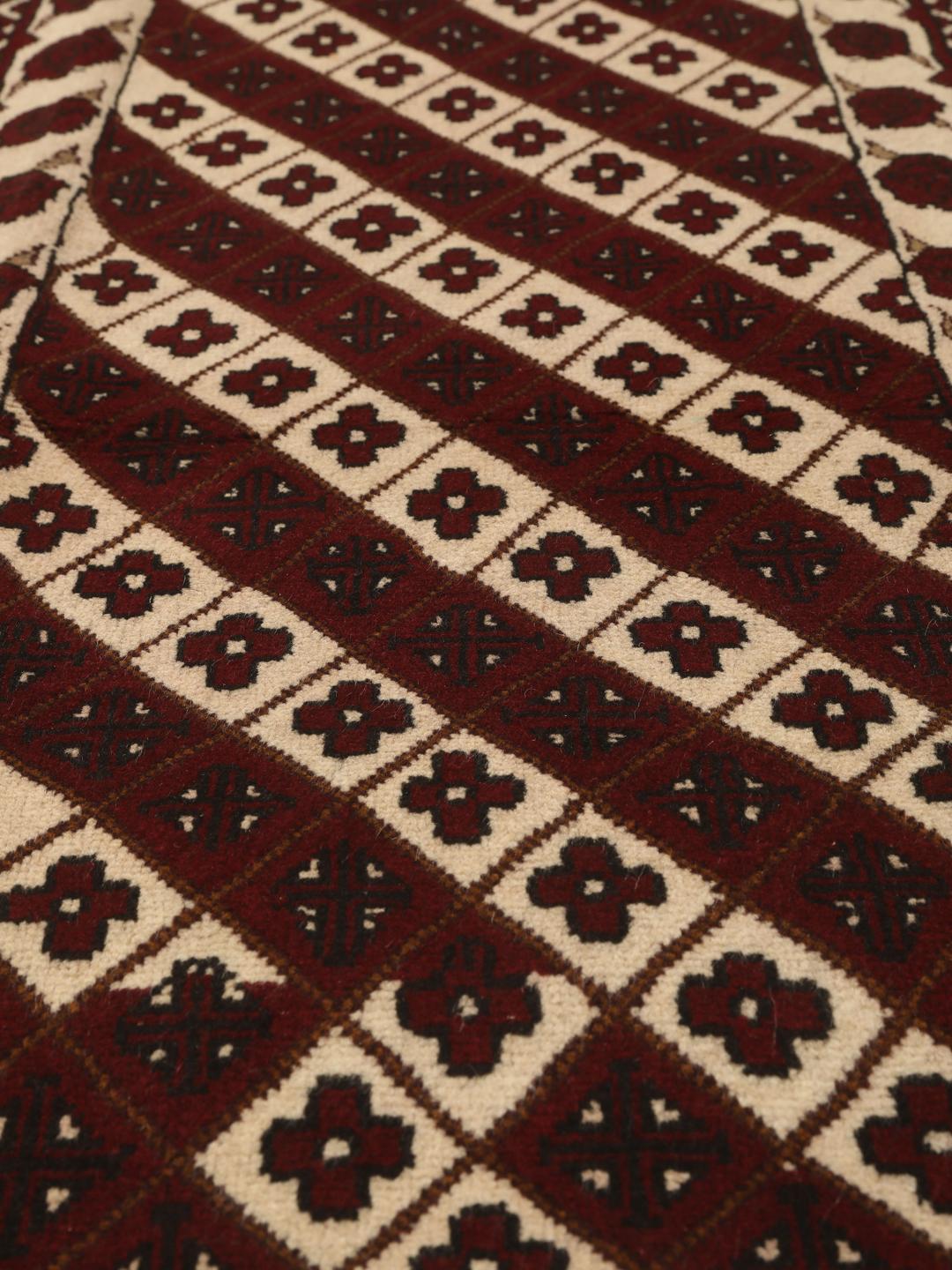
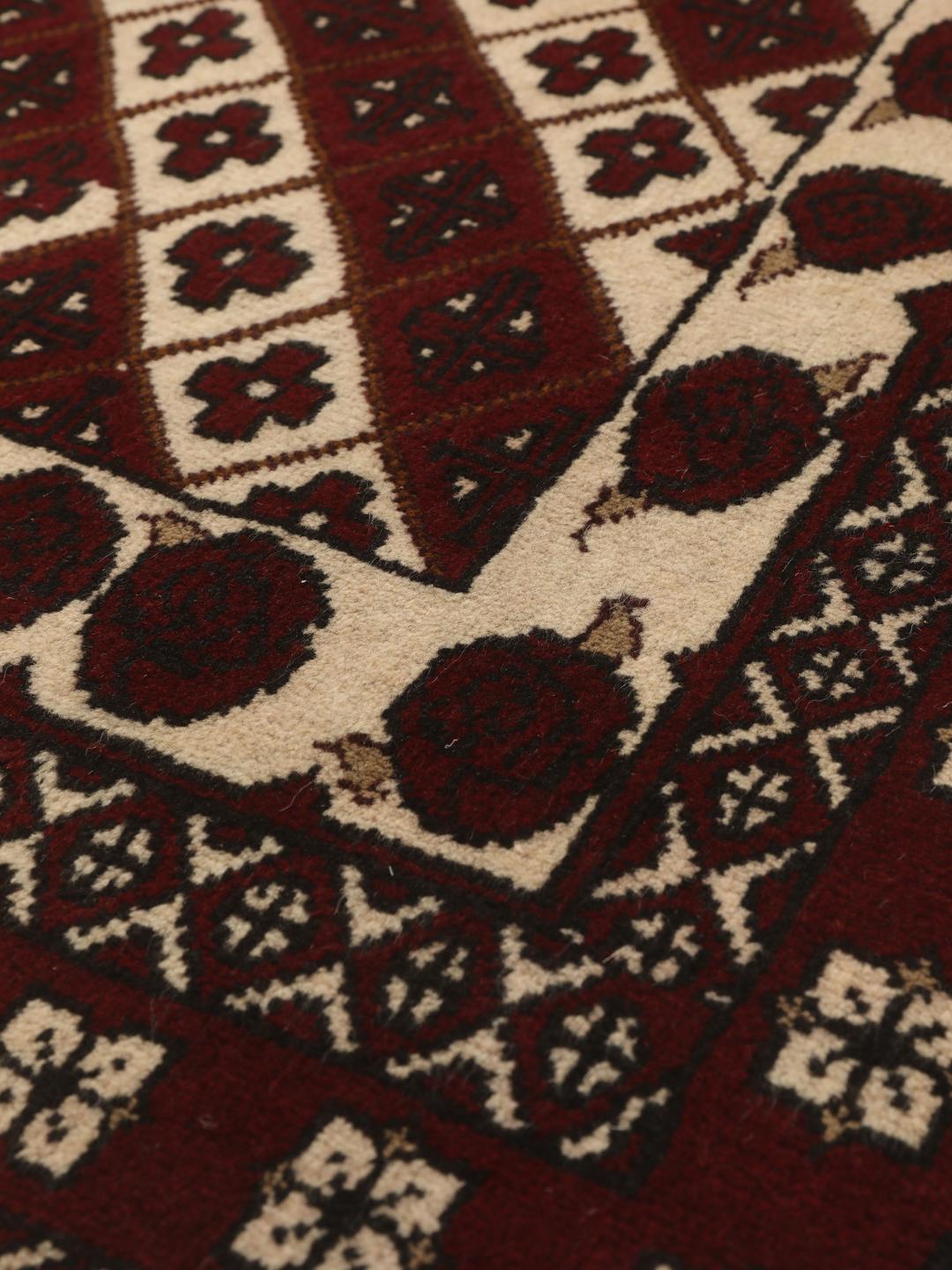
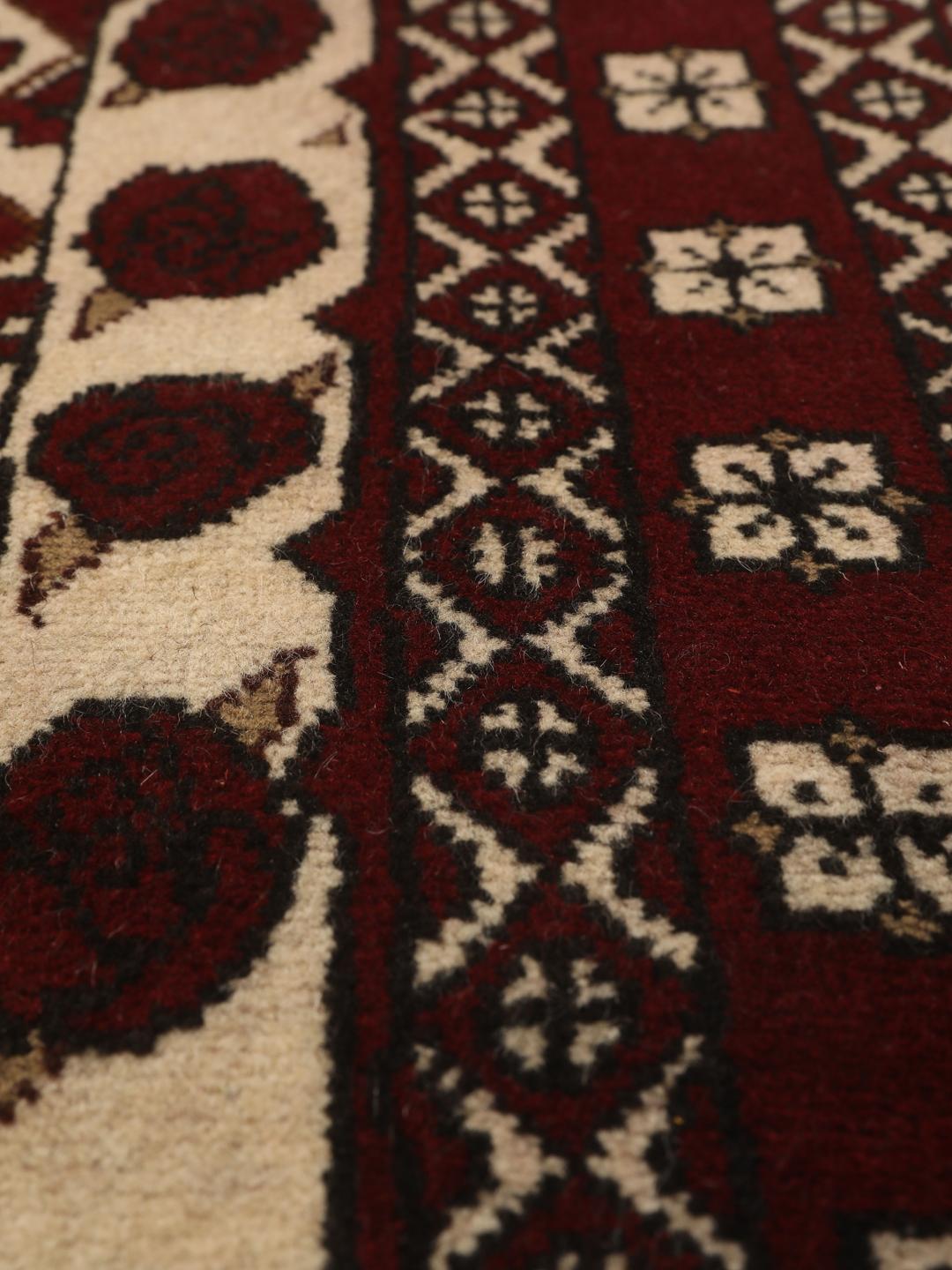
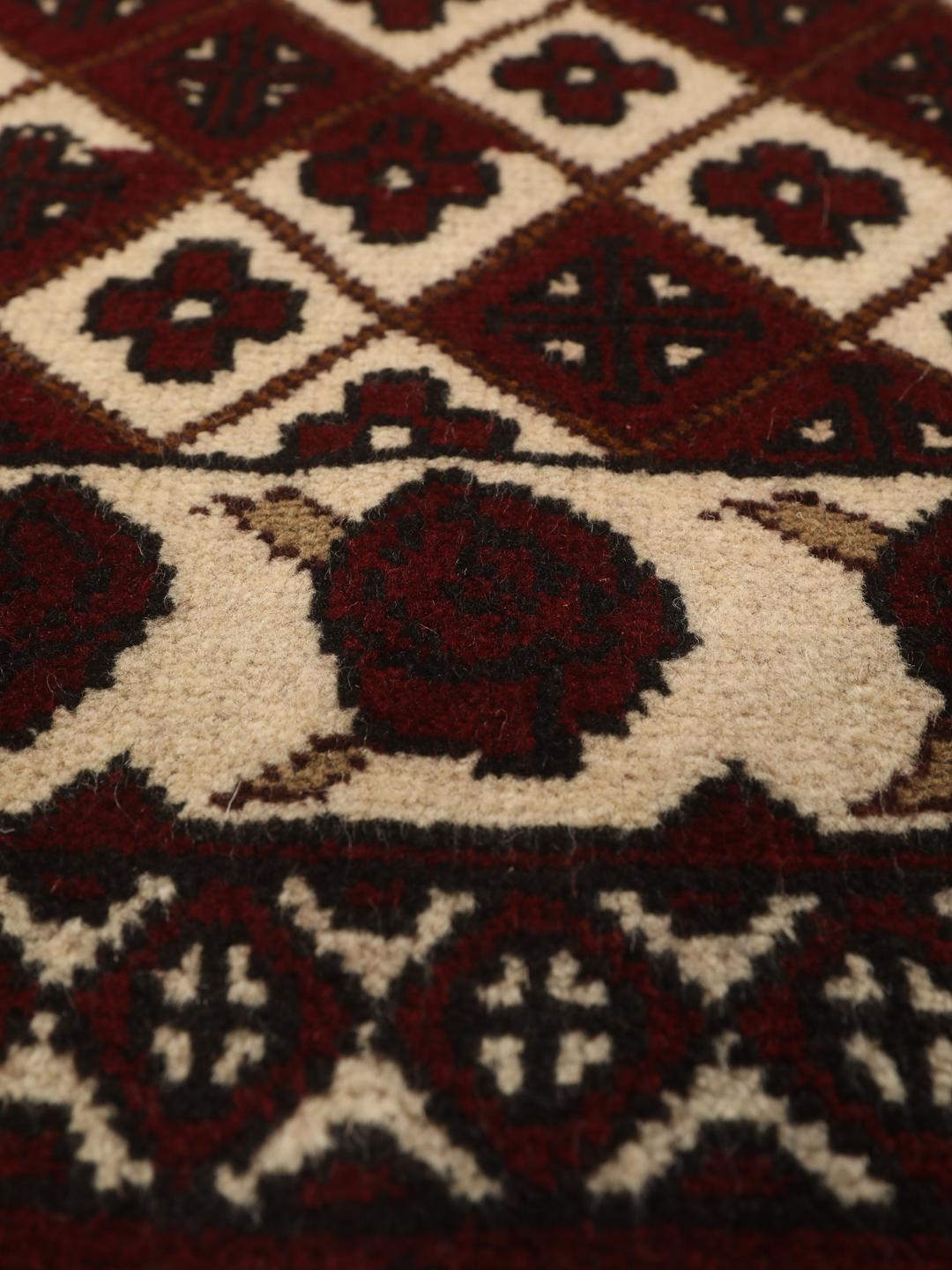
The visual language of Baluch rugs is dominated by geometric patterns, often incorporating repeating motifs like diamonds, hooked polygons, and stylized floral elements. The borders are frequently as intricate as the central field, providing a framed effect that draws the eye inward. The deep, rich colour palette is traditionally derived from natural dyes, which give the wool an organic, varied appearance that changes beautifully in different lighting.
Today, these rugs are highly sought after by collectors who value the authenticity and cultural narrative embedded in every knot. Owning a Baluch rug is not merely about decorating a floor; it is about preserving an ancient craft and bringing a piece of nomadic history into your modern home.