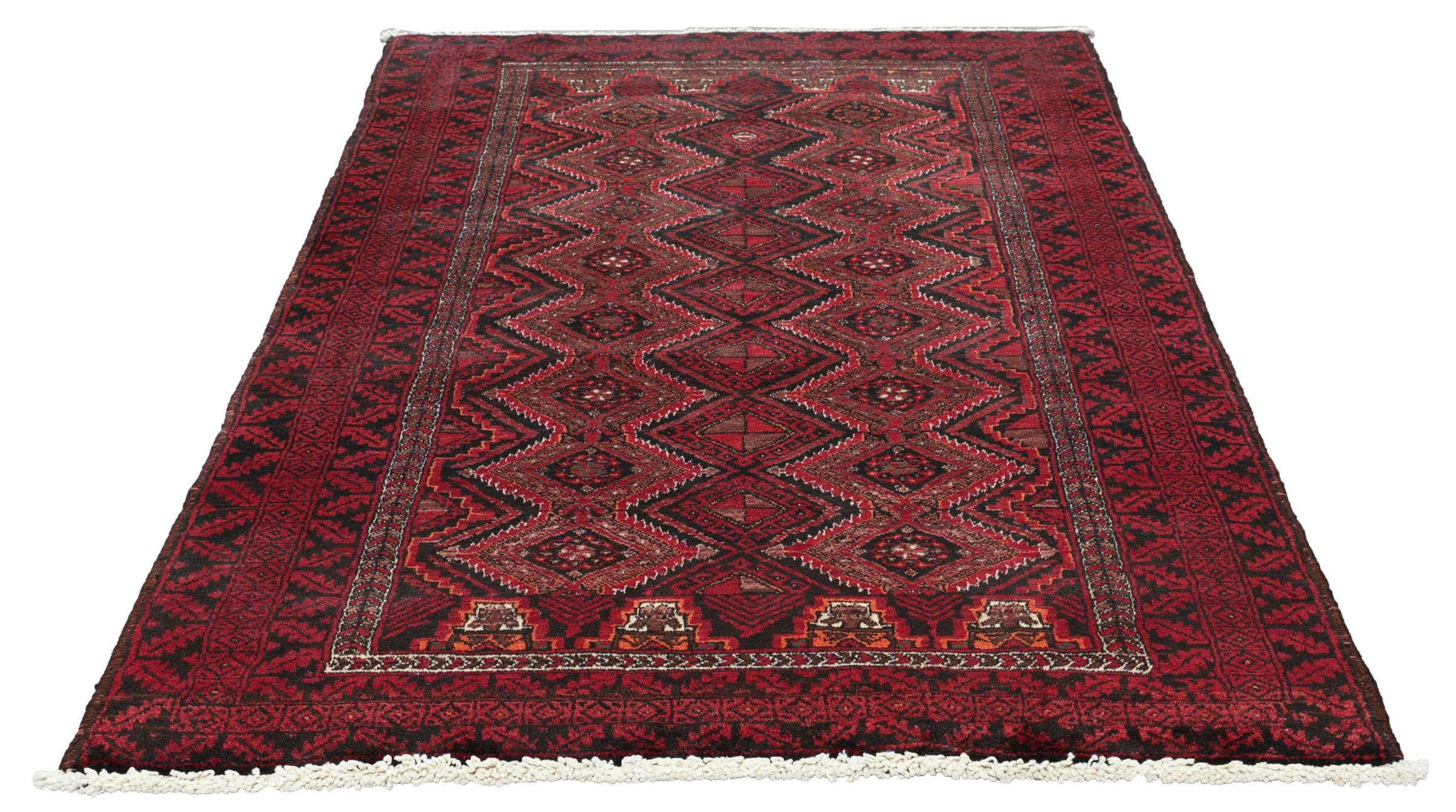
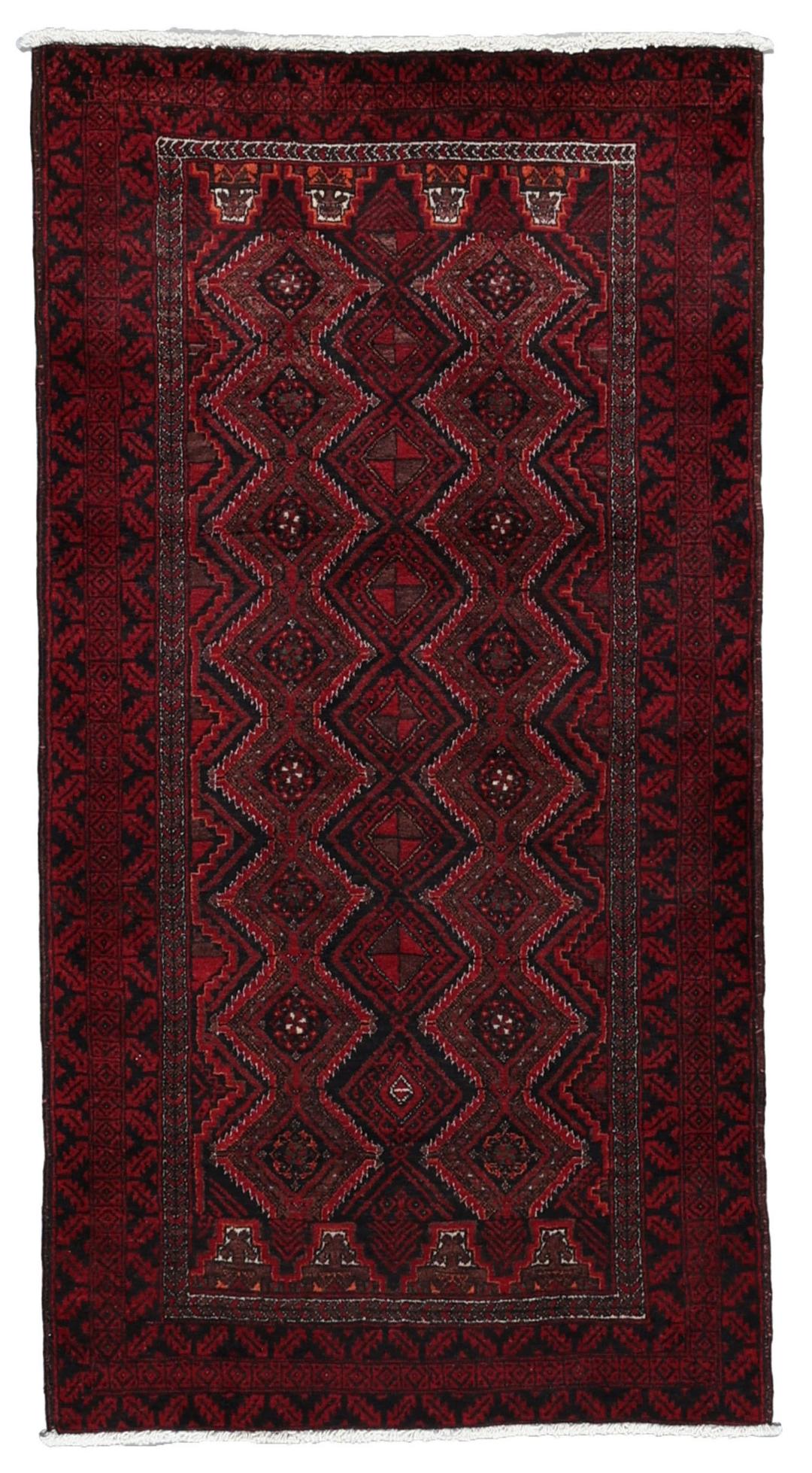
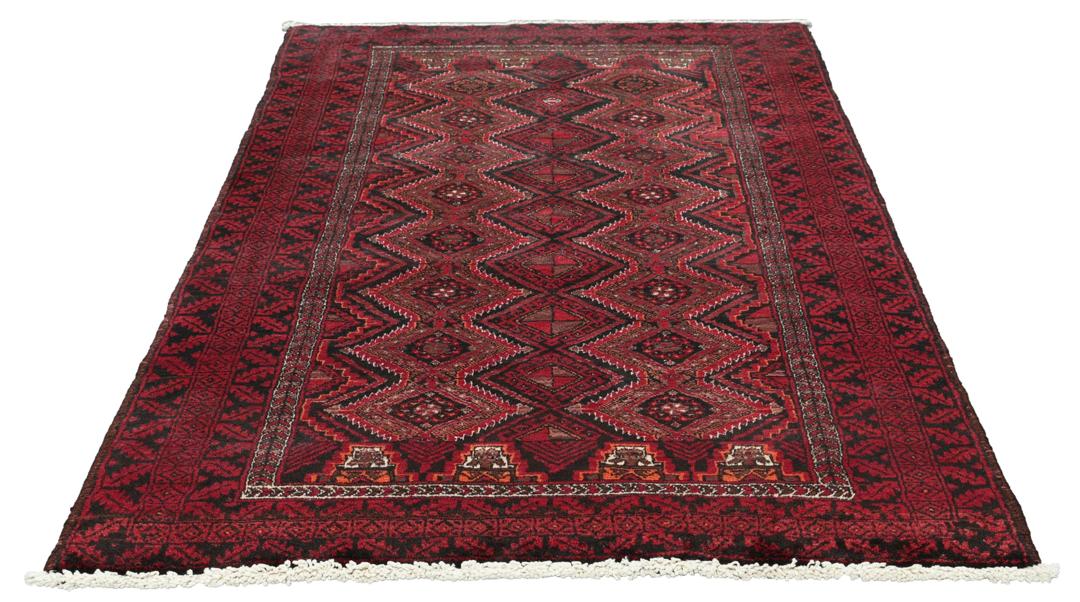
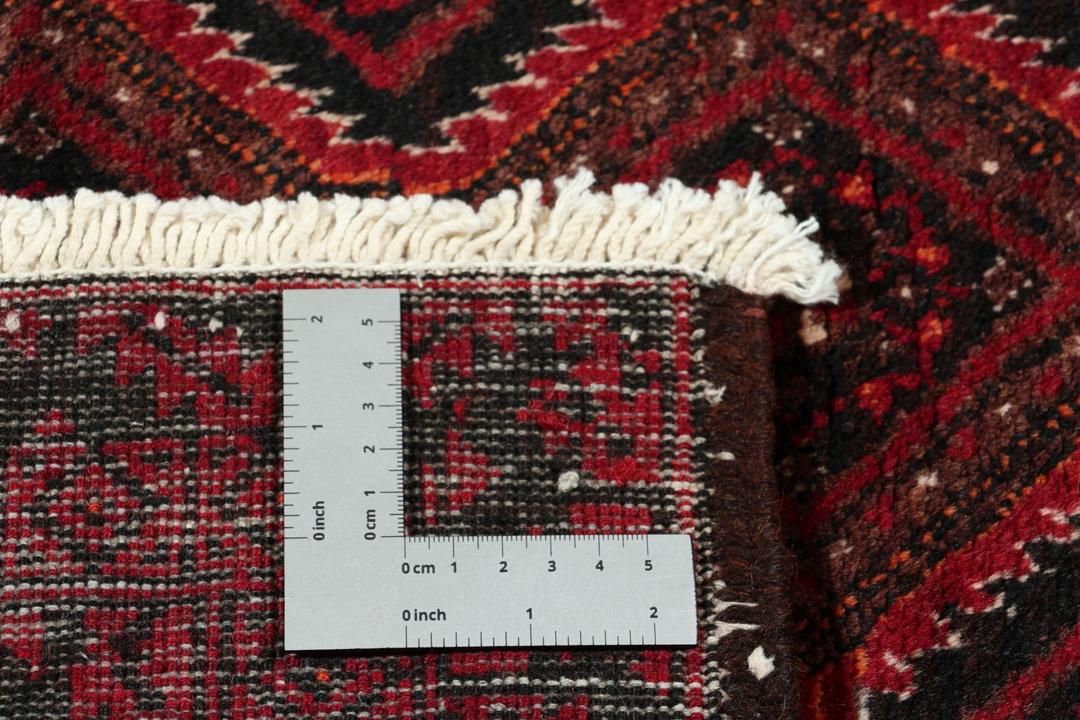
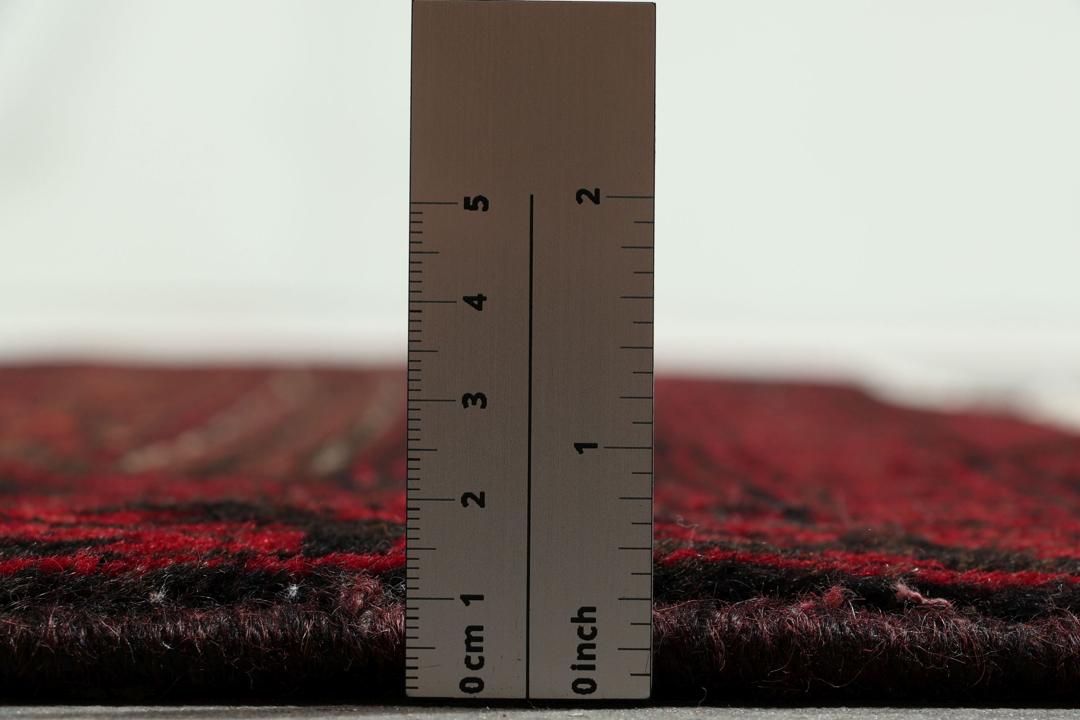
Baluch rugs are deeply connected to the nomadic and semi-nomadic tribes of the border regions between the Middle East and neighbouring areas. Traditionally, these rugs were woven by tribal women on portable horizontal looms, allowing them to carry their craft as they moved across the landscape. This nomadic heritage is reflected in the rug's compact size and durable construction, designed to withstand the rigours of camp life.
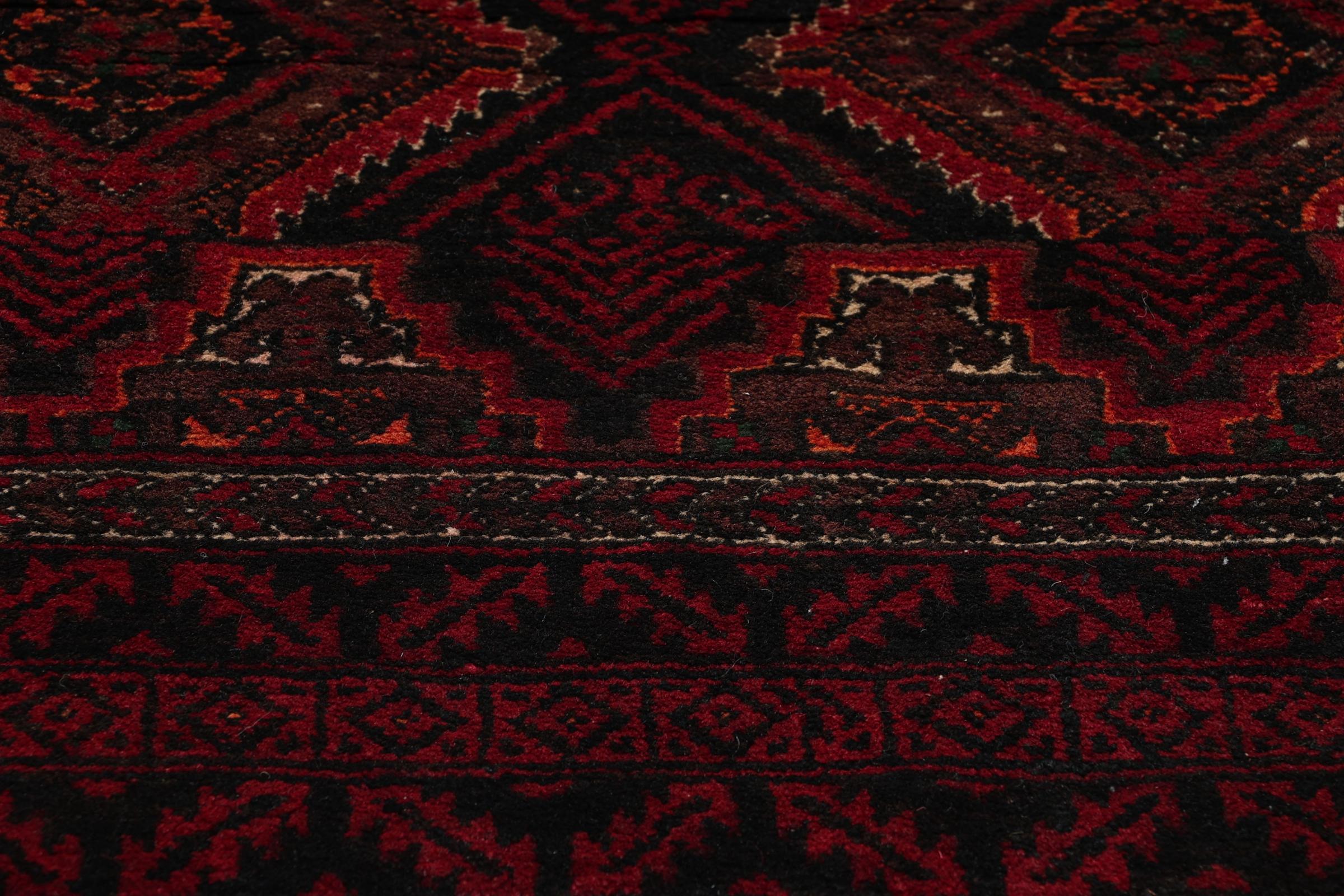
The term 'Baluch' refers to these tribal groups who have preserved their unique weaving traditions over generations. The construction often involves wool sourced from local flocks, which is hand-spun to create a pile that is both robust and soft. The use of natural dyes, traditionally derived from local plants and minerals, gives these rugs their characteristic deep and earthy colour palettes.
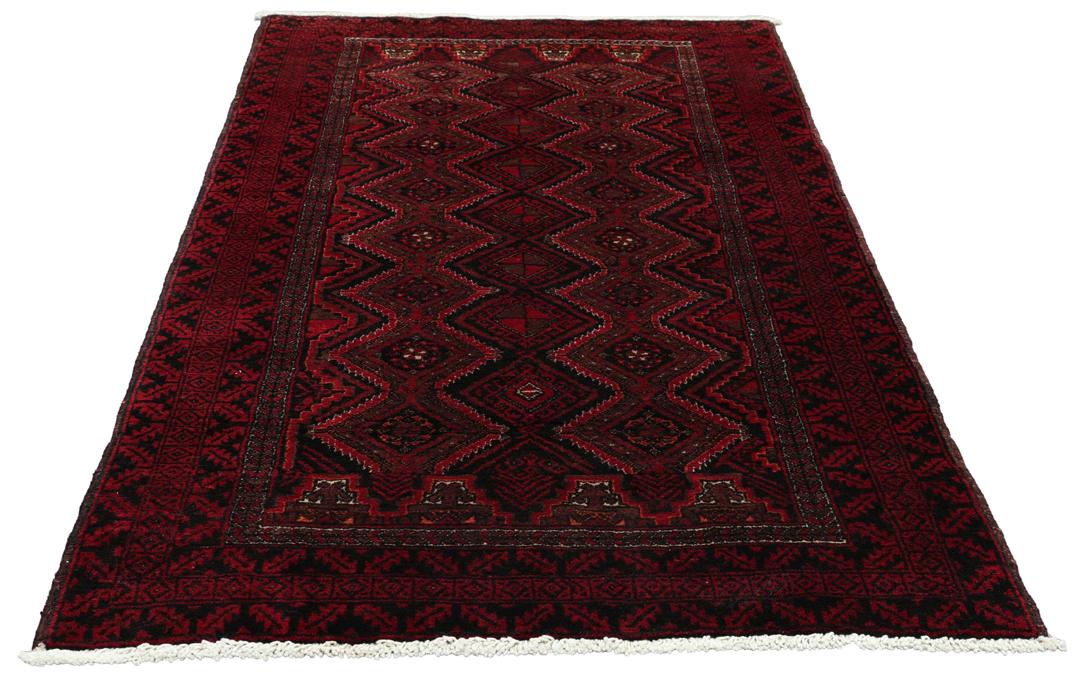
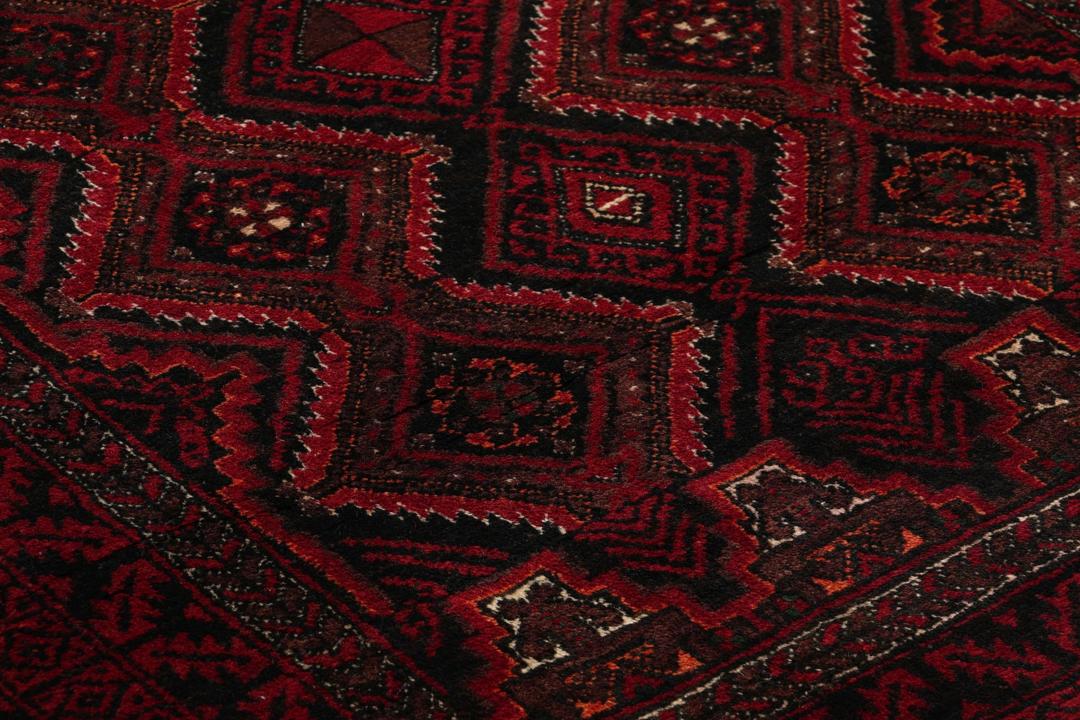
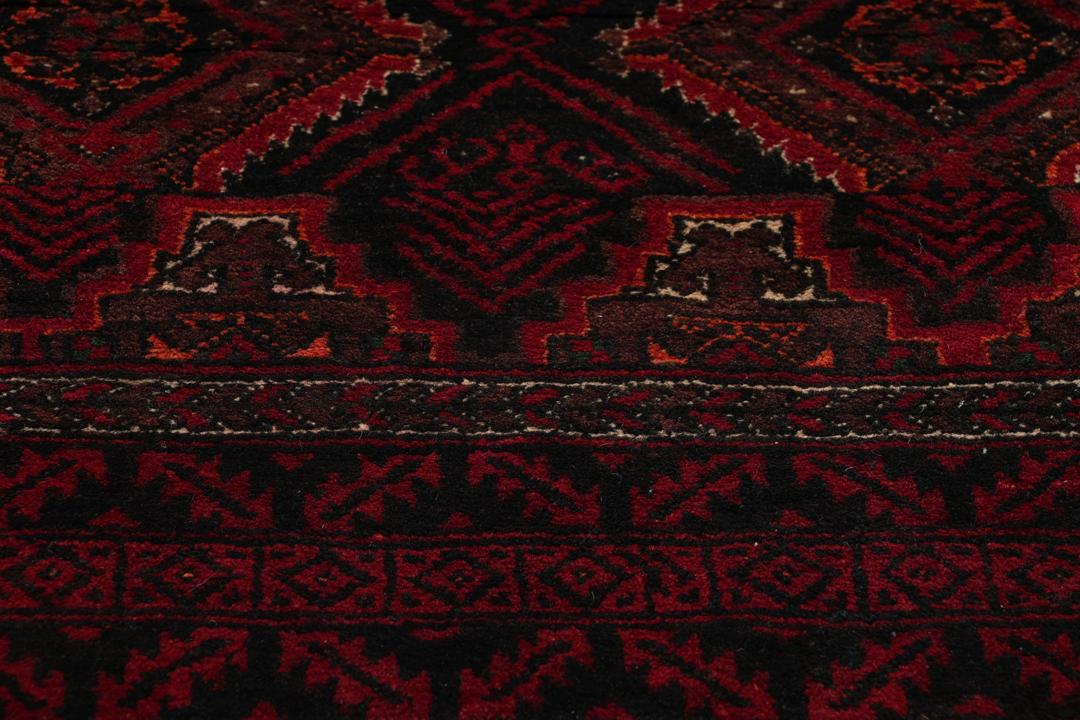
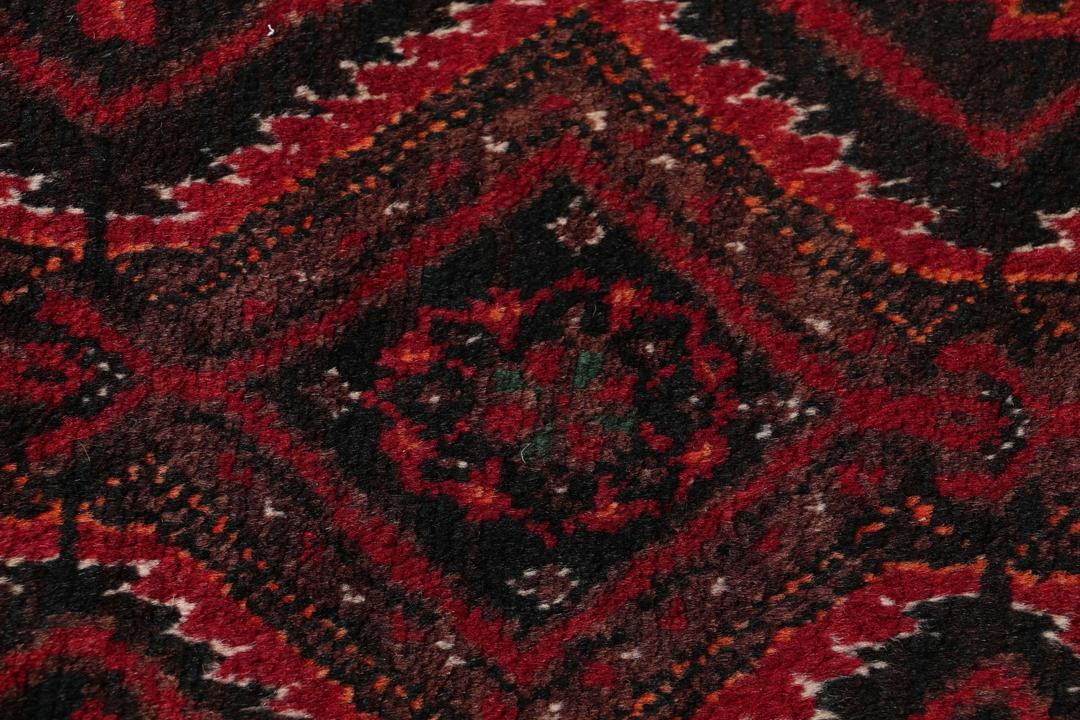
Visually, these rugs are defined by a distinct geometric vocabulary. You will often see repeating diamond or medallion motifs, sharp angular lines, and complex borders that frame the field. The design language is highly symbolic, often incorporating motifs that tell stories of tribal identity, protection, and the natural environment, making each rug a canvas for cultural storytelling.
For collectors and enthusiasts, a Baluch rug represents more than just a floor covering; it is a piece of cultural history. Because they are produced in small quantities by individual weavers, they are highly valued for their authenticity and the human skill they embody. Owning one is a way to preserve a rich, ancestral craft that continues to be a vibrant part of the Middle Eastern artistic legacy.