How to flatten a rug:
Remove waves, creases and curled edges
New rugs can develop waves, creases, or curled edges after being rolled or folded during shipping or storage. This is completely normal and usually temporary.
To flatten a rug, lay it flat and allow the fibers time to relax. If needed, reverse roll the rug, place light weights along the edges, or use an anti-slip pad to keep it in place. Most rugs flatten within a few days to two weeks, depending on the material, thickness, and how tightly they were rolled.
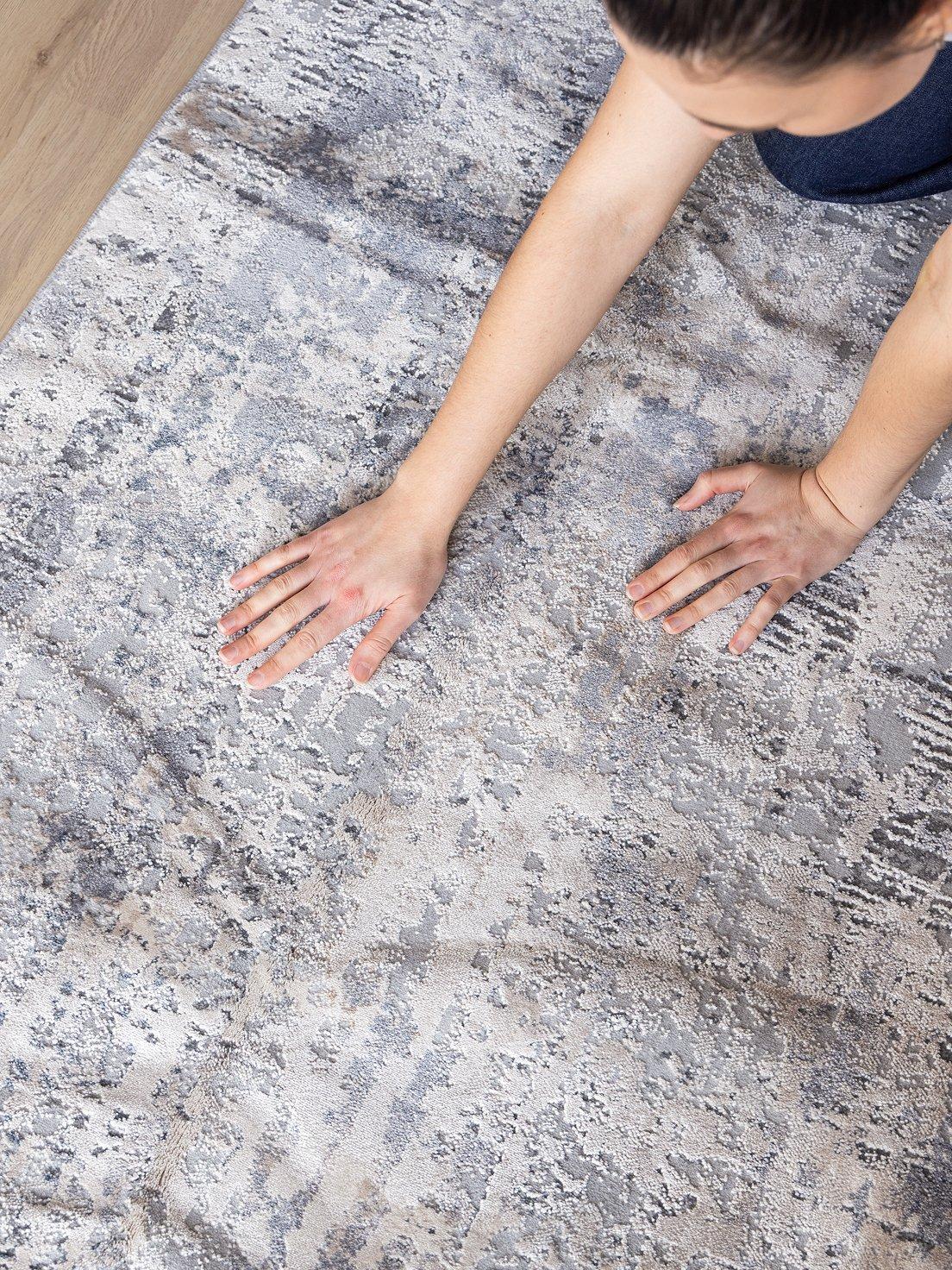
Why rugs develop waves, creases, and curled edges
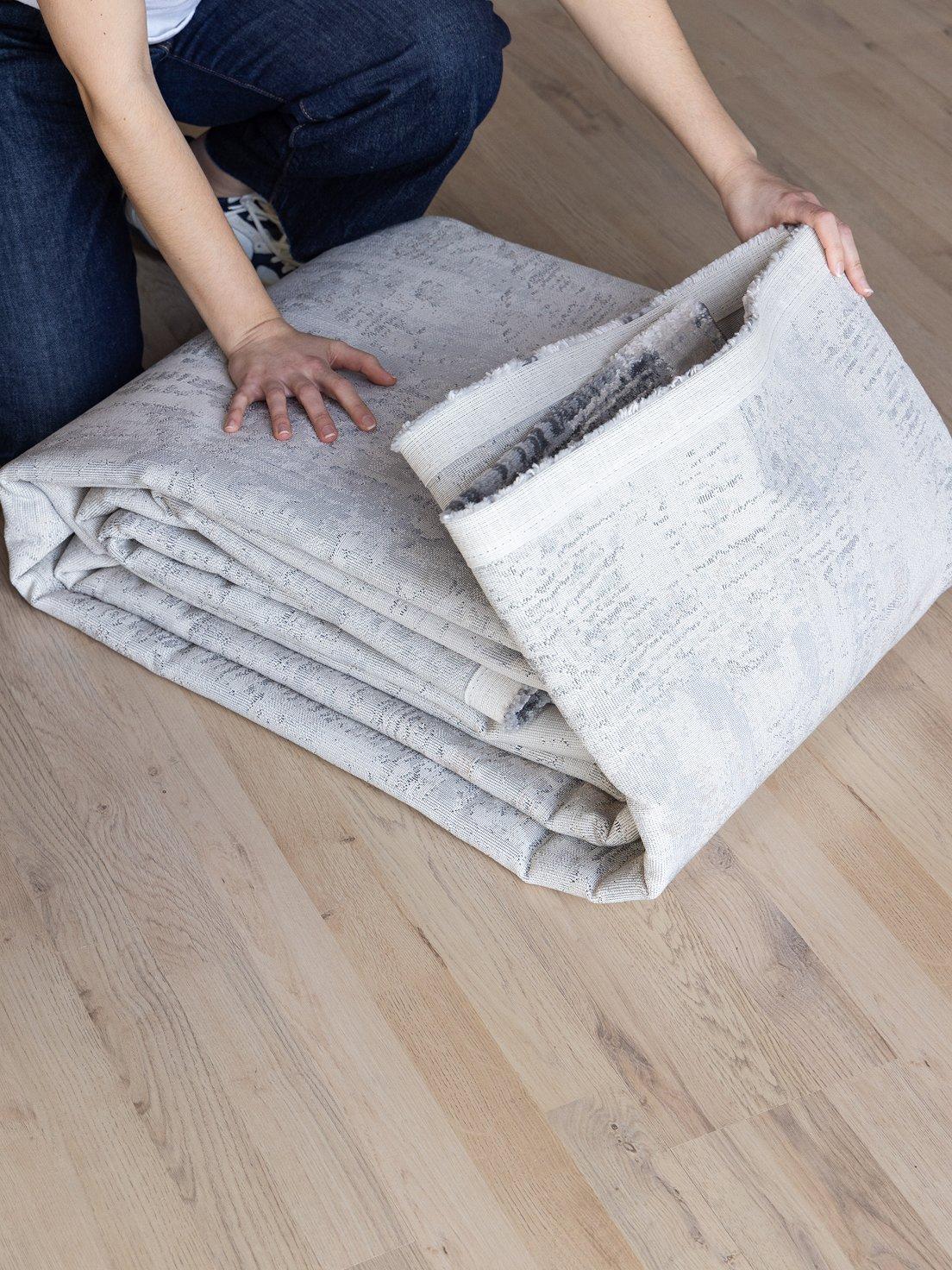
After being rolled or folded during transport or storage, a rug may develop creases, waves, or curled corners when first unrolled. This is normal and usually temporary as the fibres gradually relax, although folded rugs may show slightly sharper crease lines at first.
Fortunately, there are several safe and simple ways to flatten a rug, depending on its material, thickness, and how tightly it was rolled or folded.
Several methods can help flatten a rug, including reverse rolling, using light weights along curled edges, placing the rug on an anti-slip, or allowing it to settle naturally.
Reverse roll the rug
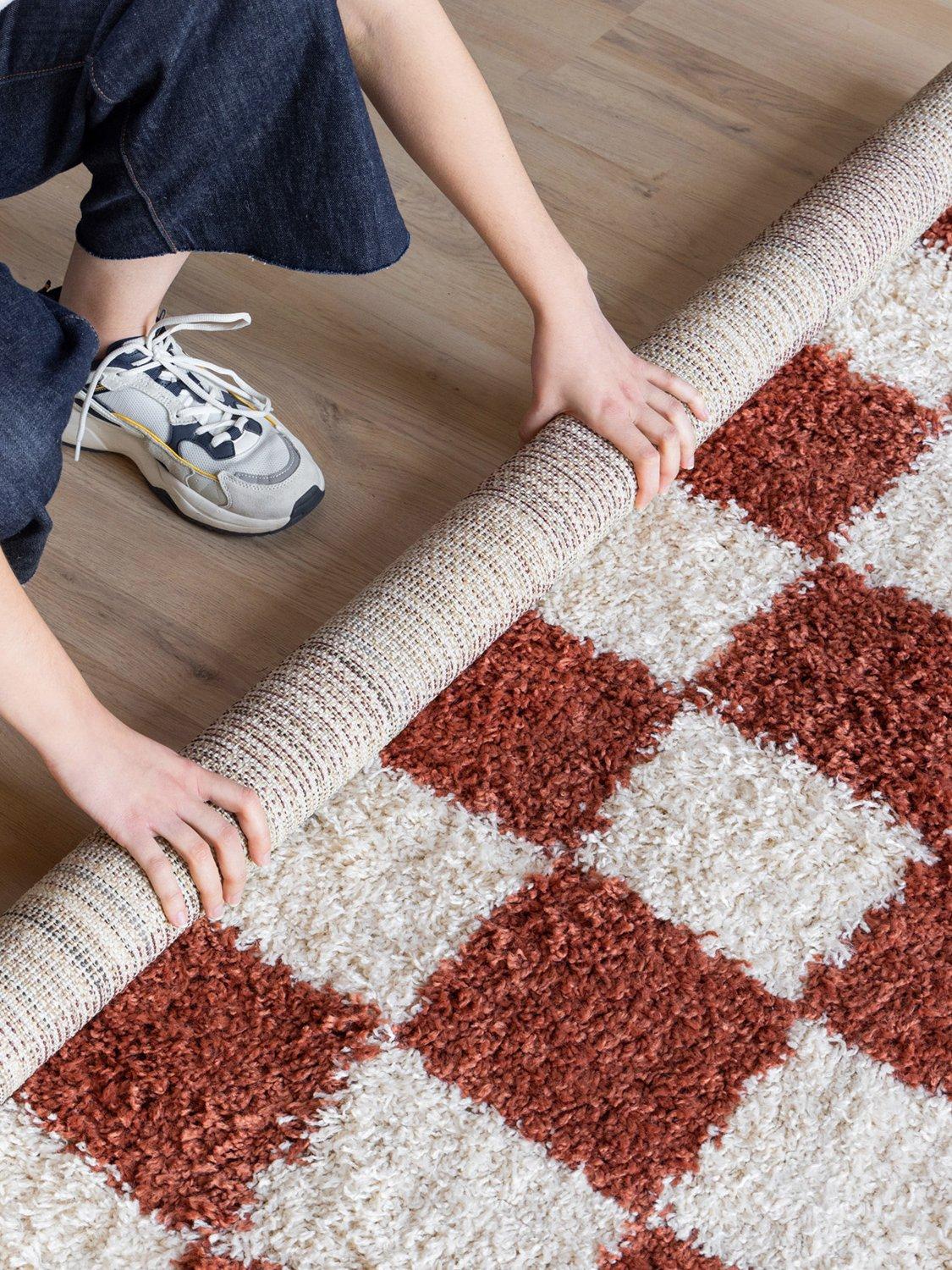
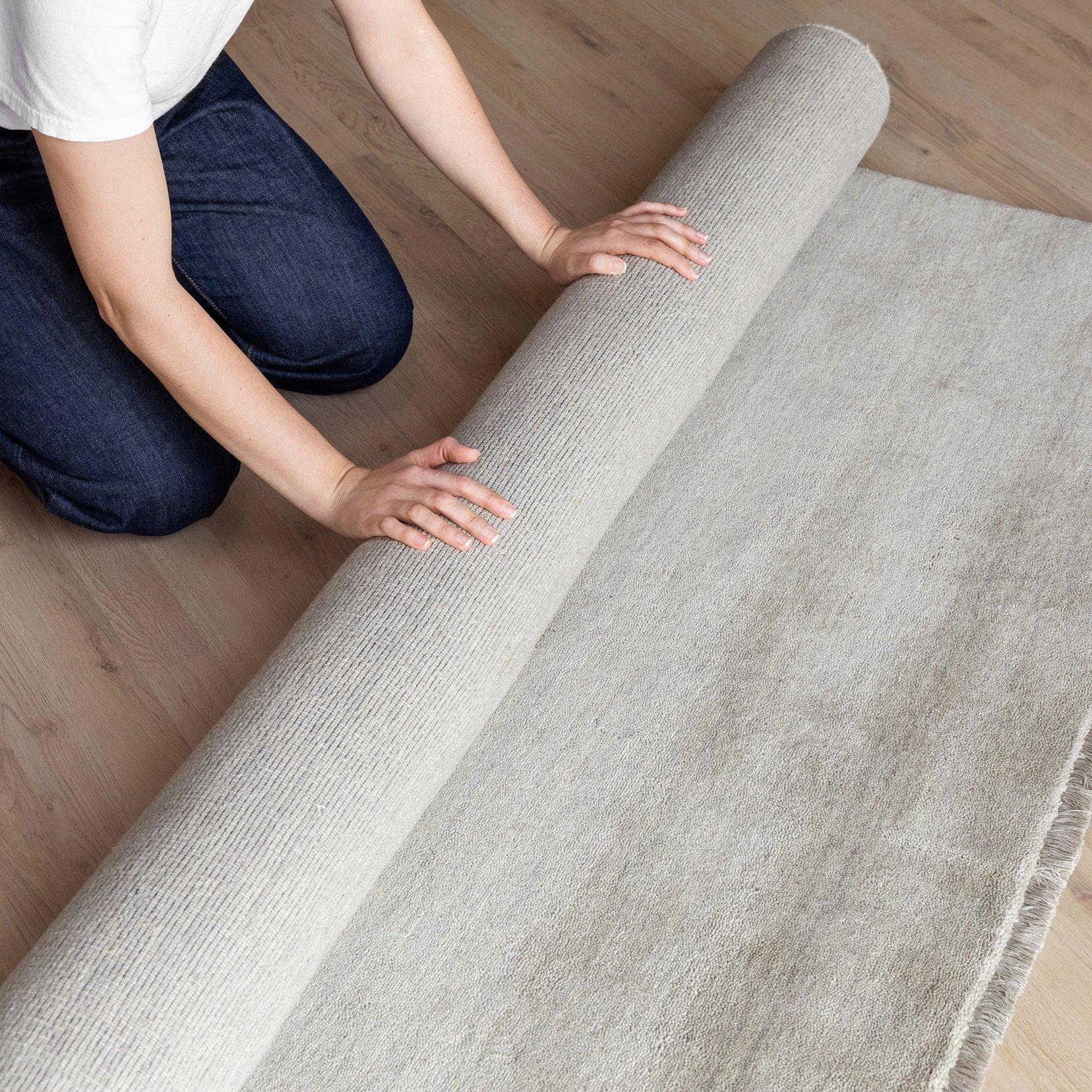
Reverse rolling is one of the most effective ways to flatten a rug that has been tightly rolled during shipping.
- Gently roll the rug in the opposite direction to how it was originally rolled.
- Leave it rolled for several hours or overnight.
- Unroll the rug and lay it flat on the floor.
This method helps the fibres relax and release curl memory, making it especially effective for rugs delivered rolled.
Flattening a rug using weights
Placing light weights on curled rug edges is a simple way to flatten corners and remove creases. This method works well for rugs that were folded during shipping, as gentle pressure helps the fibres relax and smooth out fold lines. Use only light weight, since heavy objects can damage the rug’s pile or fibres.
- Place flat objects such as books or small boxes along curled edges or across wrinkles.
- Leave the weights in place for up to 72 hours.
- Check occasionally to make sure the rug fibres are not compressed for too long.
This method is most effective for corners, edges, and small waves.

Using an anti-slip pad
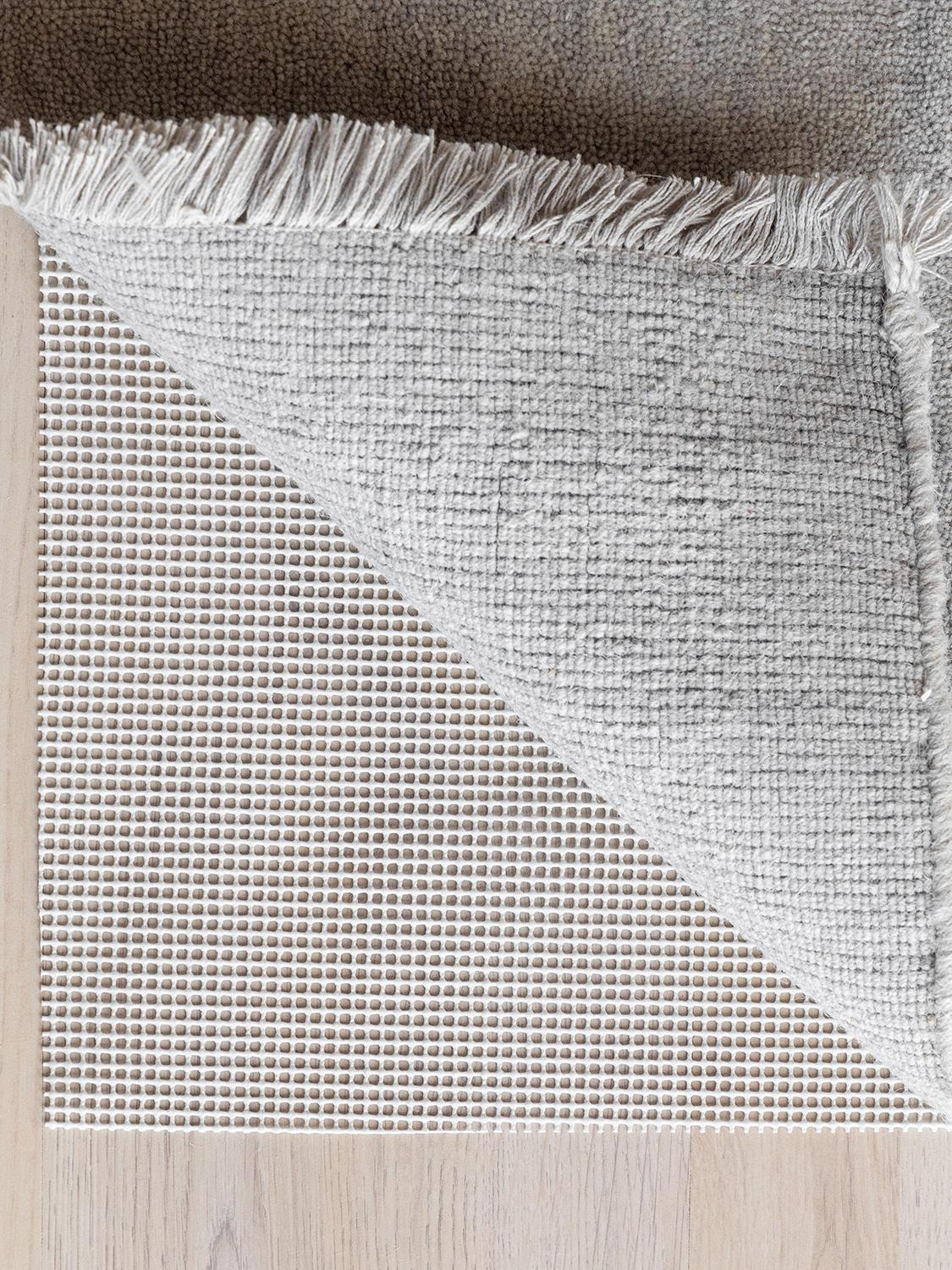
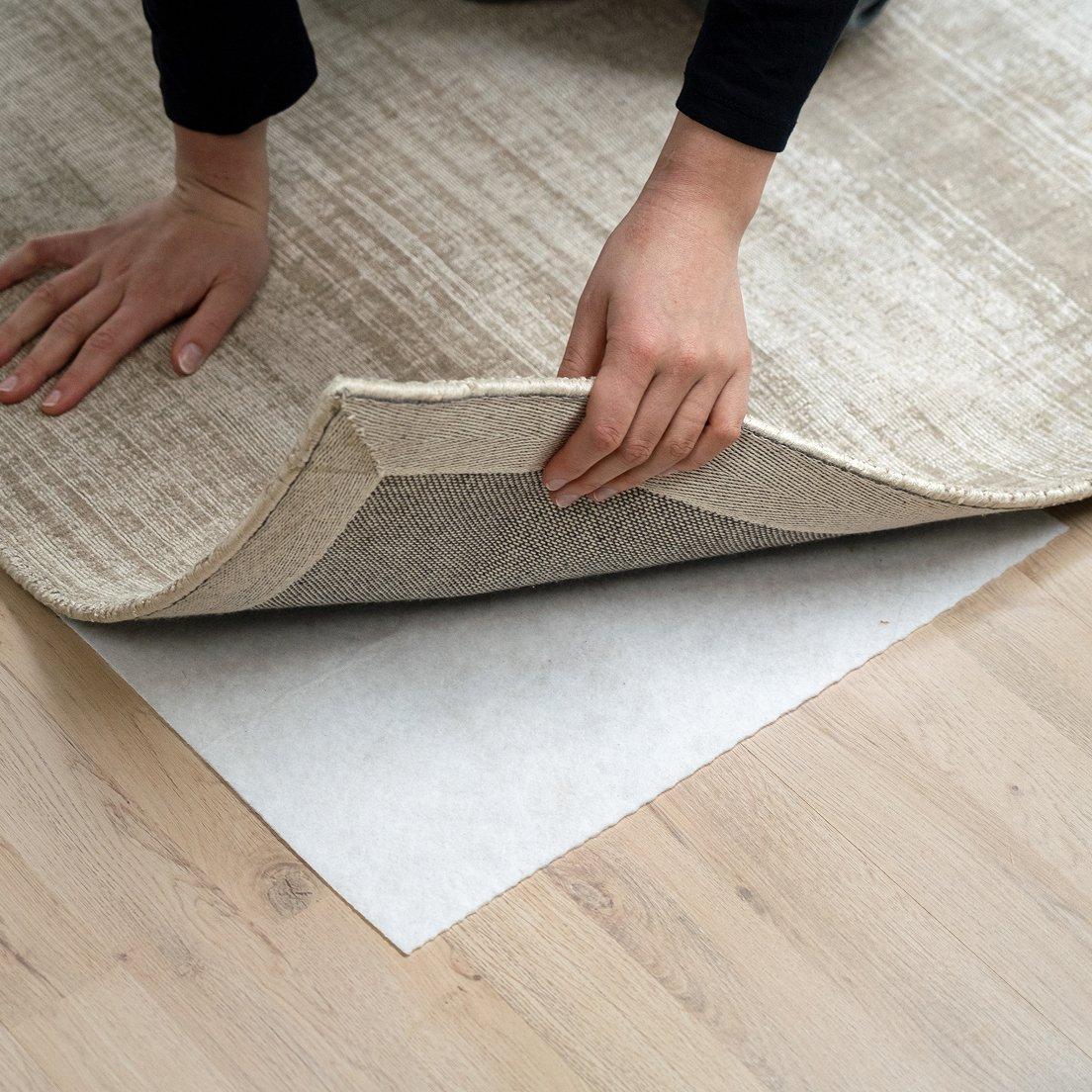
An anti-slip pad can help flatten a rug by providing grip and gentle support underneath it, helping the rug settle evenly over time.
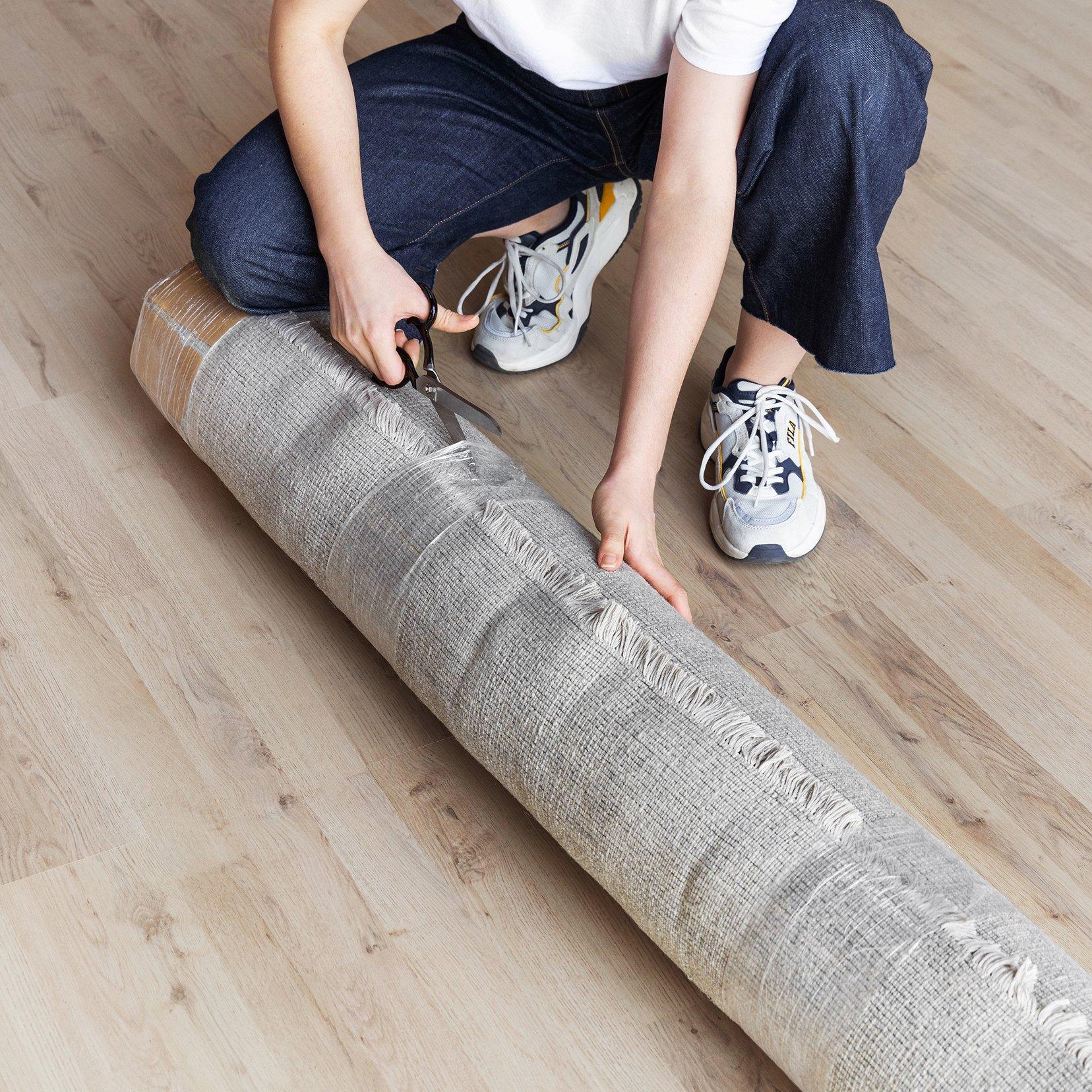
- Choose an anti-slip that matches your rug size and trim it if necessary.
- Lay the rug on top of the anti-slip and align the edges and corners.
- Smooth the rug from the centre outward to remove waves.
Over time, the added grip and structure help reduce curling and creasing
Letting the rug settle naturally
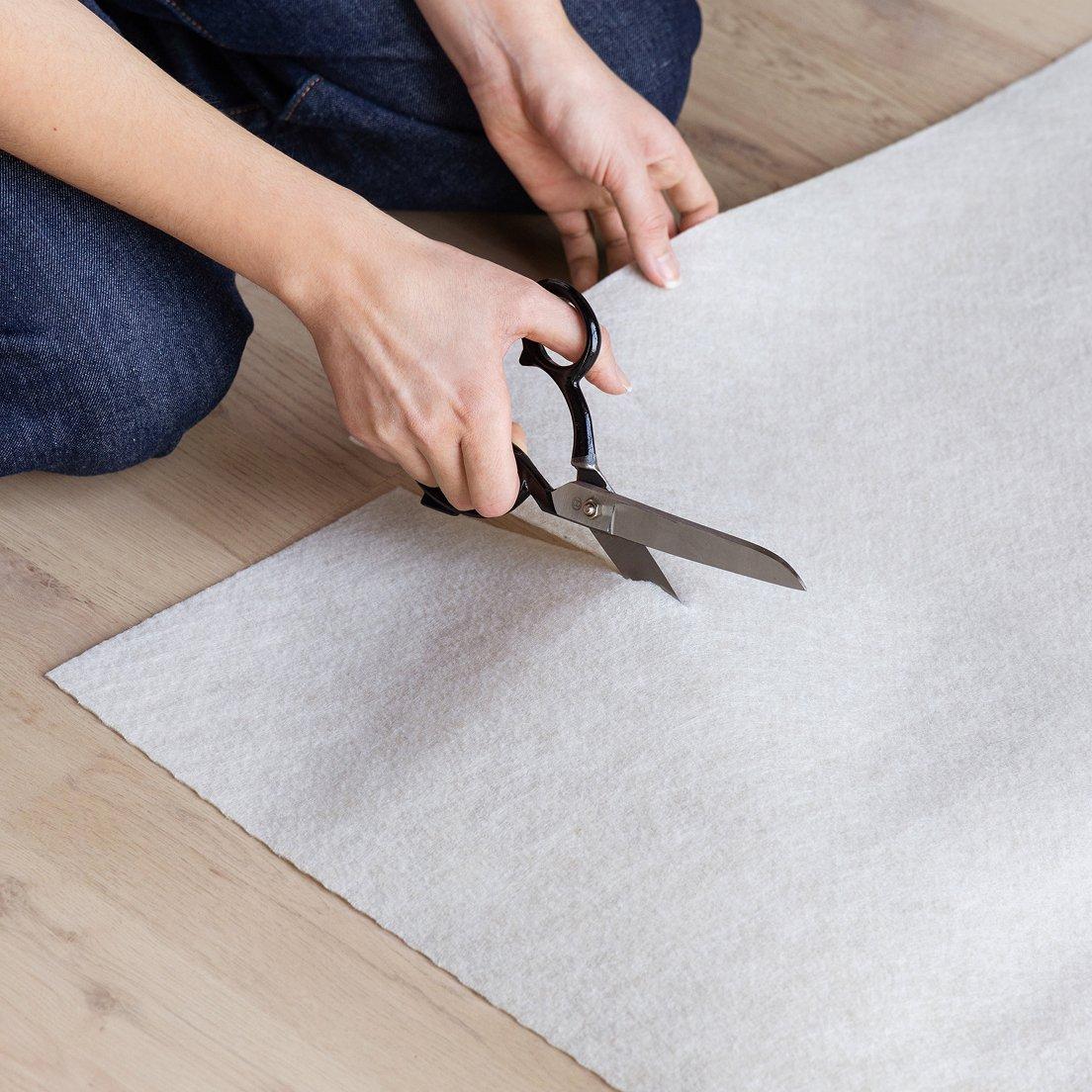
Sometimes the easiest solution is simply time and gravity. Lay the rug flat and allow the fibres to relax naturally. Most rugs will gradually flatten on their own after being unrolled.
Depending on the rug’s material and thickness, this process usually takes a few days to two weeks. This method works especially well for new rugs that were tightly rolled or folded during shipping.
How long does it take for a rug to flatten?
Most rugs flatten within a few days to two weeks after being unrolled. The exact time depends on the rug’s material, thickness, and how tightly it was rolled or folded during transport or storage.
It’s common for a new rug to need a short adjustment period before it lies completely flat. Packaging and transport can create temporary folds, waves, or raised corners that gradually relax as the rug adjusts to room temperature and everyday use.
Several factors can affect how quickly a rug settles.
Rug thickness
Thin or flatweave rugs often flatten within a few days, while thicker pile rugs may take longer.
Rug material
Natural fibres such as wool may retain their shape longer than synthetic fibres, so creases can take more time to relax.
Floor surface
Rugs placed on smooth floors may take longer to settle than those placed on carpet, where the added friction helps hold them in place.
If a rug continues to curl or crease after this period, methods such as reverse rolling, using weights, or placing the rug on an anti-slip pad can help it flatten more quickly.
Does rug material affect how you flatten it?
Yes, the material of a rug affects how quickly and safely it flattens. Different fibres react differently to pressure, heat, and moisture, so some rugs release creases more quickly than others.
Understanding the rug’s material can help you choose the safest and most effective method for flattening it.
Flattening a wool rug
Wool rugs are resilient but may retain curl memory if they have been tightly rolled for a long period. Because wool is a natural, absorbent fibre, it reacts to moisture and temperature changes and may take longer to flatten than synthetic rugs. Reverse rolling and applying light, evenly distributed weight are usually the safest ways to flatten a wool rug. Avoid direct heat or excess moisture, as wool fibres can shrink, felt, or distort if exposed to improper flattening methods.
Flattening synthetic rugs
Synthetic rugs such as polypropylene or polyester are generally more flexible and less sensitive to environmental changes than natural fibres. These rugs typically respond well to reverse rolling, steady weighted pressure, and gentle indirect warmth, such as sunlight in a well-ventilated room. Creases in synthetic rugs often release faster than in wool or jute rugs.
Flattening cotton and flatweave rugs
Cotton rugs and flatweave rugs usually flatten relatively quickly because of their thin and flexible construction. These rugs typically respond well to consistent pressure and time. However, deeper fold lines may require several days under evenly distributed weight to fully smooth out.
Flattening jute rugs
Natural fibre rugs such as jute rugs require extra care when flattening. These fibres are sensitive to moisture, which can cause staining, weakening, or fibre damage. Dry flattening methods, such as anti-slip pads, corner grippers, or weighted edges, are usually the safest options. If the rug still shifts on smooth floors, using an anti-slip solution can help keep it securely in place.
Common mistakes to avoid when flattening a rug
Flattening a rug is usually simple, but using the wrong methods can slow the process or damage the rug’s fibres and shape. Avoid these common mistakes when trying to remove waves, creases, or curled edges.
Using heavy objects or excessive weight
Avoid placing heavy objects on a rug to force it flat. Excessive weight can crush the pile, damage fibres, or leave permanent marks. If using weights, choose light and flat objects such as books and leave them in place for a limited time.
Rushing the process
Many rugs, especially new rugs, need time to settle naturally after being unrolled. Trying to force the rug flat too quickly can stress the fibres.
Using high or direct heat
Avoid using hair dryers, steamers, or direct heat sources. Excess heat can damage the rug’s fibres or backing and may cause shrinkage or distortion.
Pulling on curled edges
Pulling or stretching curled corners can distort the rug’s shape. Instead, use gentle methods such as reverse rolling or placing light weights along the edges.
Expecting immediate results
Flattening a rug often takes several days to two weeks, depending on the rug’s material and thickness.
Skipping a rug pad
An anti-slip helps hold the rug in place and prevents edges from lifting over time.
FAQs: How to flatten a rug
Most rugs flatten within a few days to two weeks after being unrolled. The exact time depends on the rug’s material, thickness, and how tightly it was rolled or folded during transport or storage.
Rug corners often curl because the rug was rolled tightly during shipping or storage. This curl memory is common in new rugs and usually disappears once the fibres relax.
Methods such as reverse rolling, placing weights along the edges, or using a rug pad can help flatten the corners more quickly.
It is generally not recommended to use direct heat to flatten a rug. Hair dryers, steamers, or heaters can damage the rug’s fibres or backing.
Instead, use gentle methods such as reverse rolling, placing weights along the edges, or letting the rug settle naturally.
Yes. An anti-slip rug pad helps flatten a rug by providing grip and support underneath it.
This helps prevent the rug from shifting and can reduce waves, creases, and curled edges over time.
A rug may not lie flat if it was tightly rolled or folded, if the material holds curl memory, or if the floor surface is very smooth.
Using methods such as reverse rolling, weights, or a rug pad usually helps the rug flatten over time.