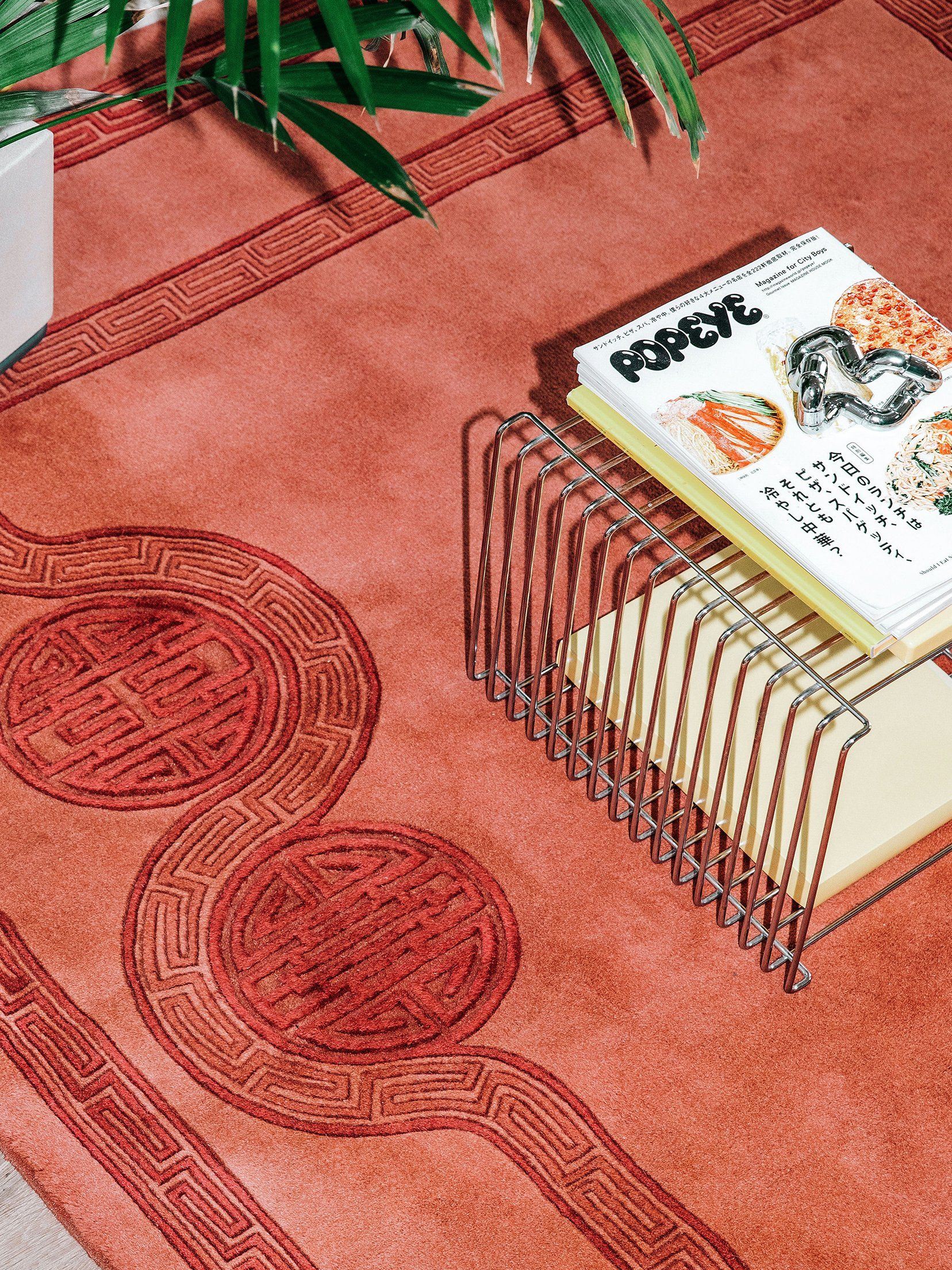
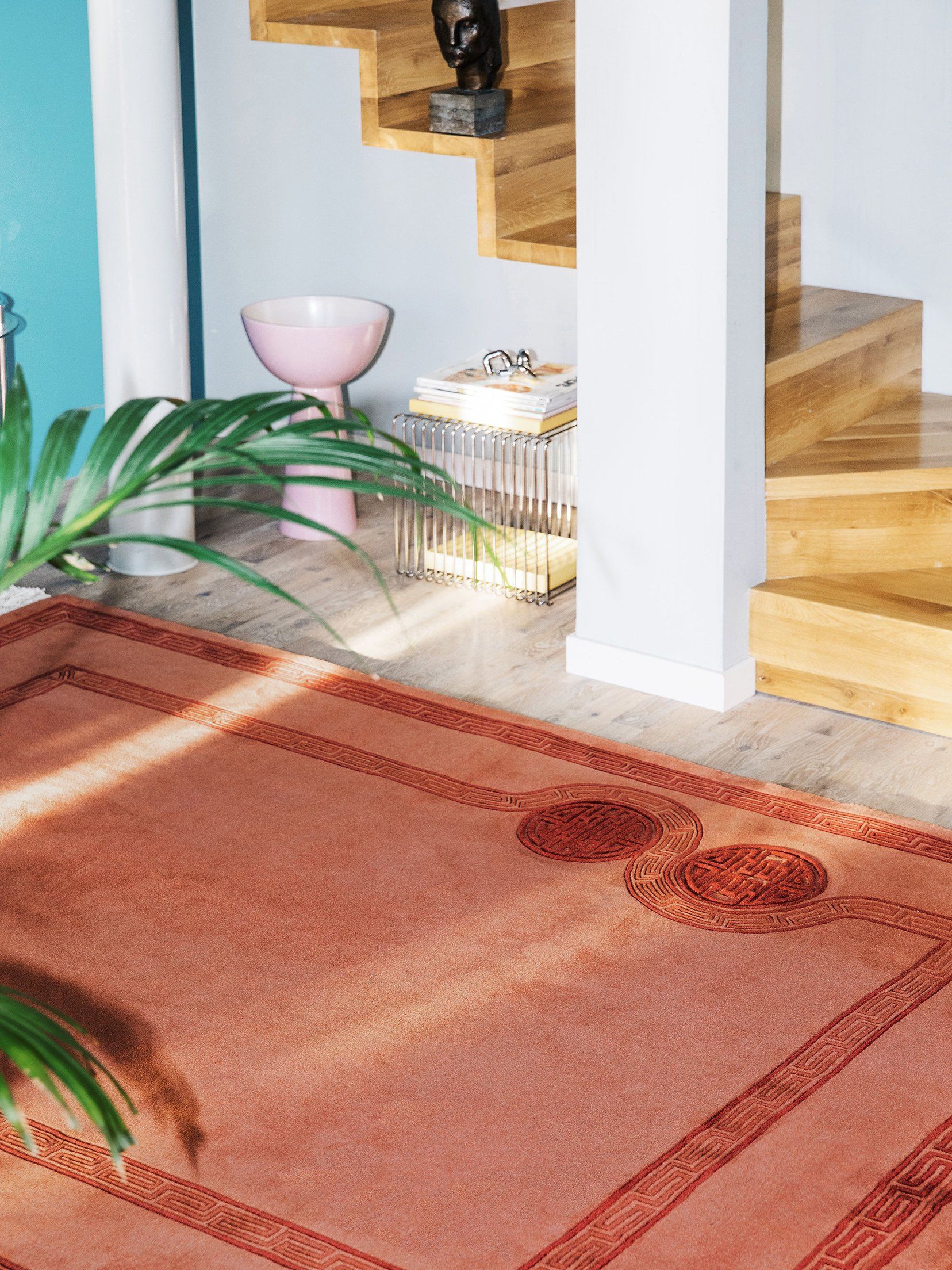
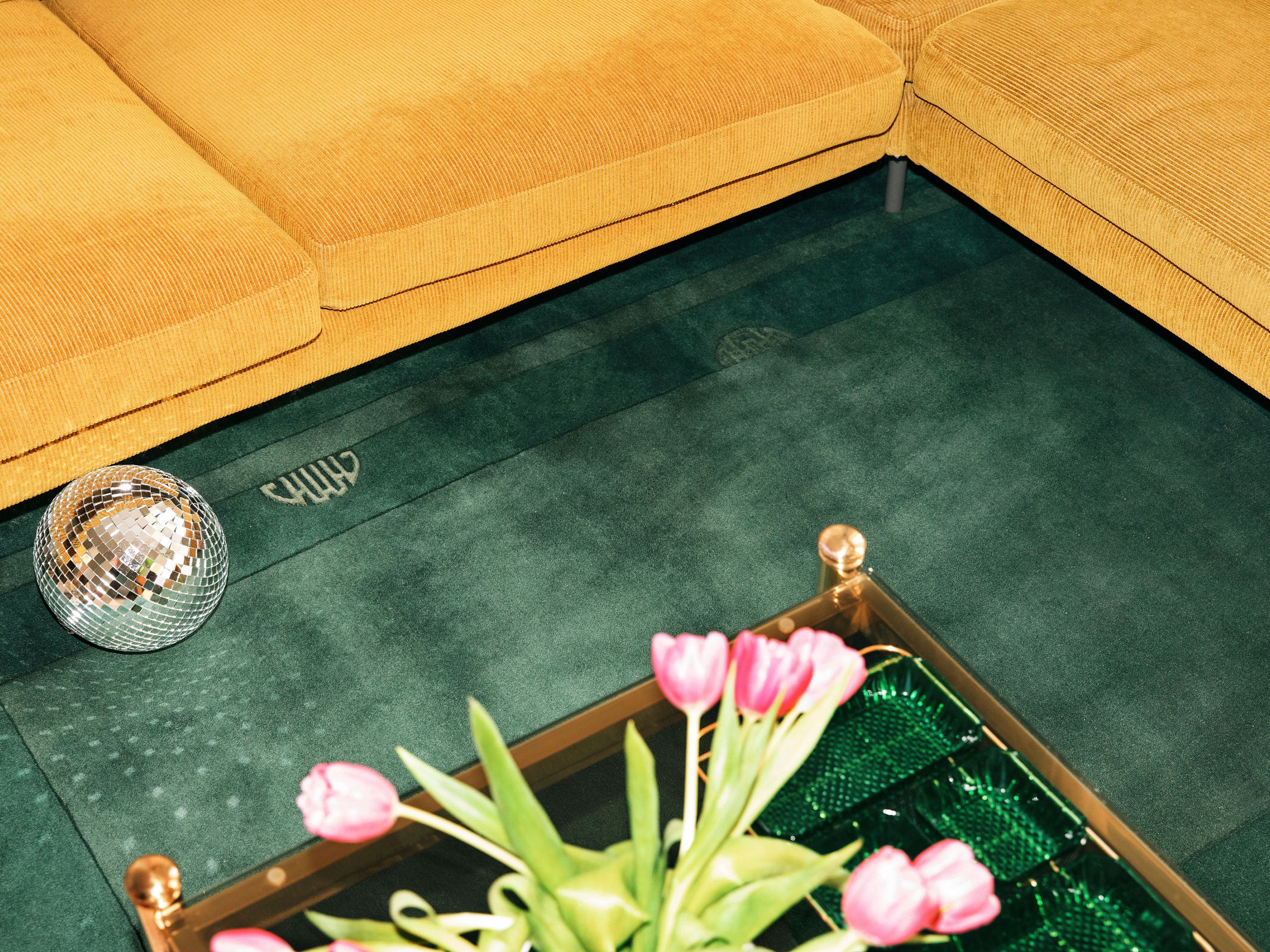
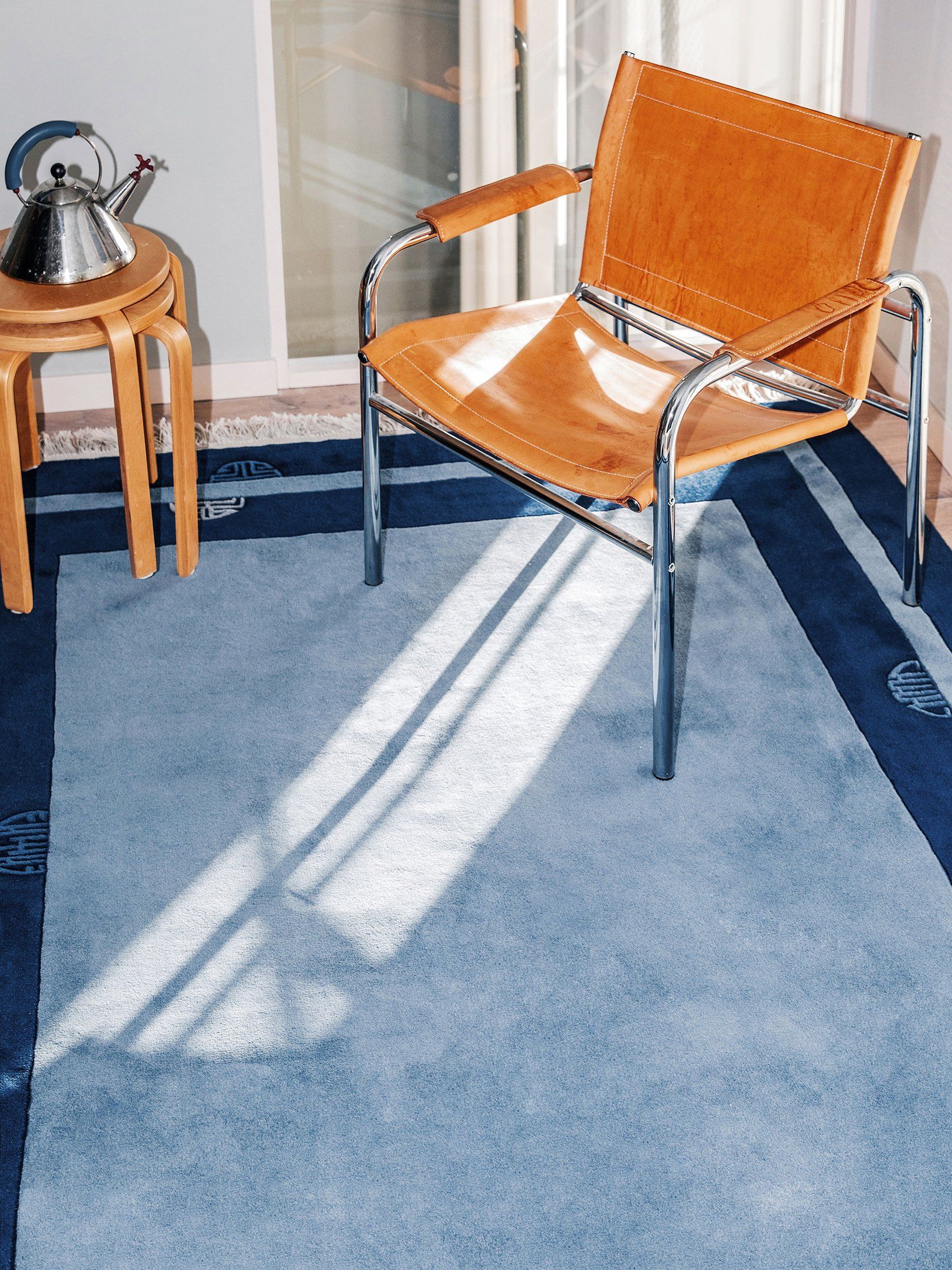
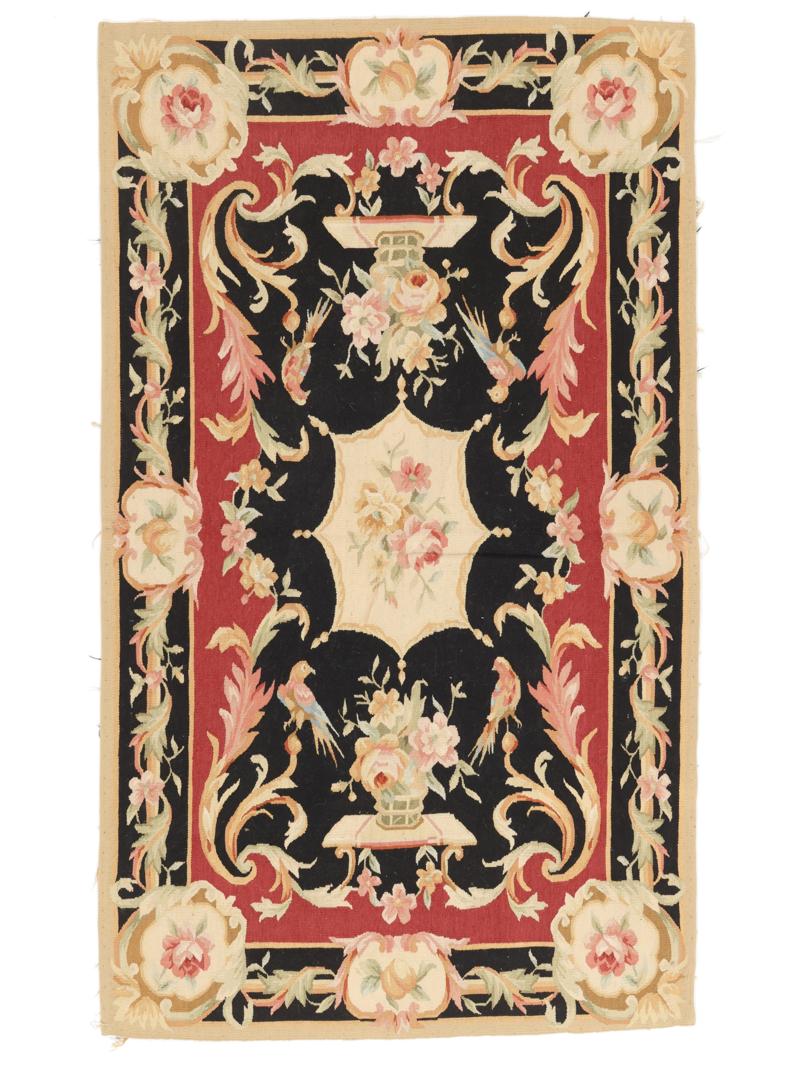
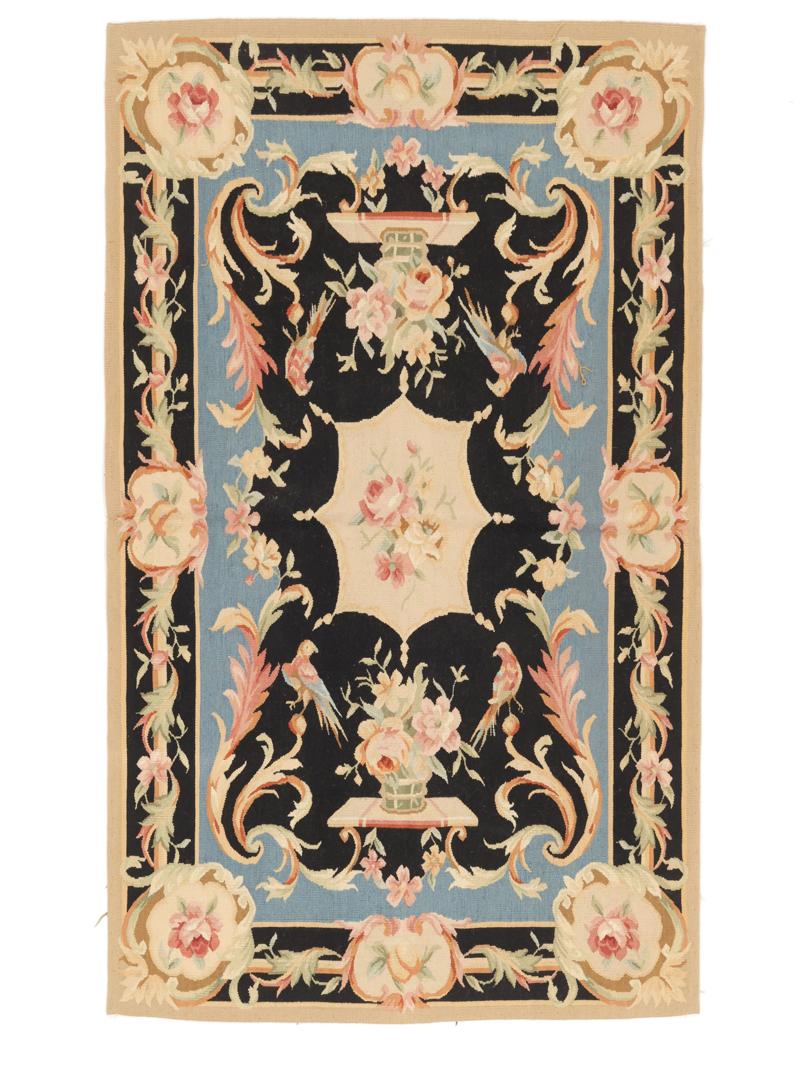
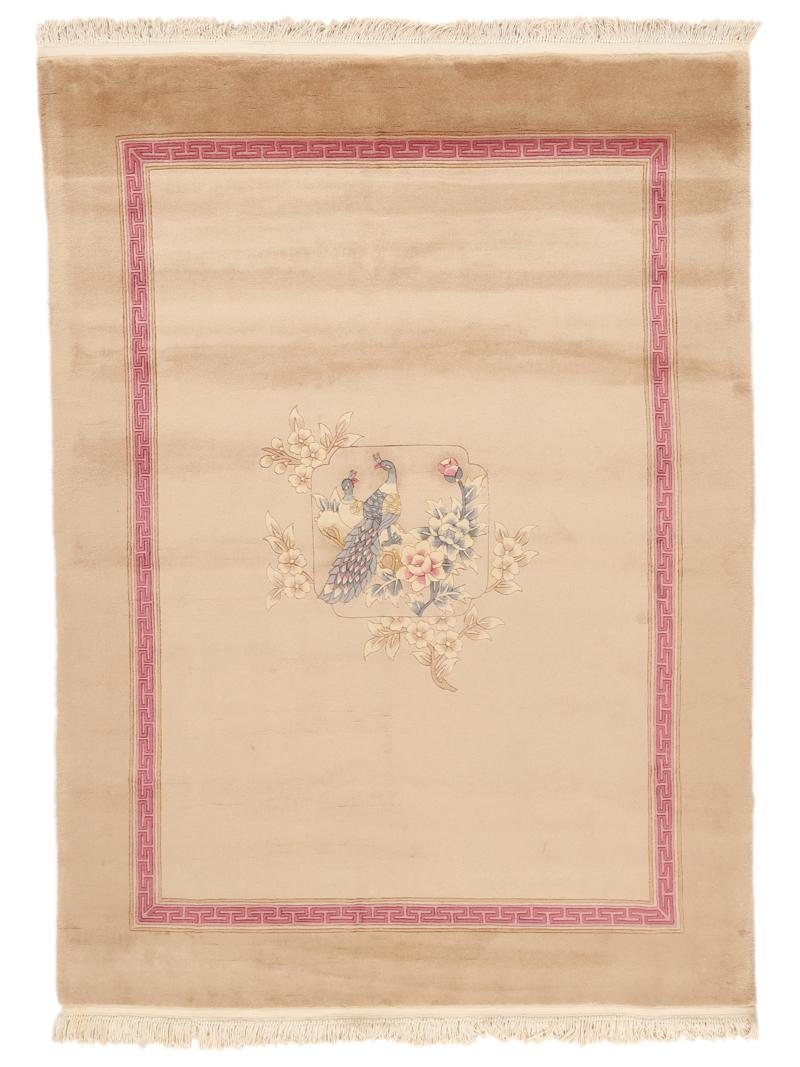
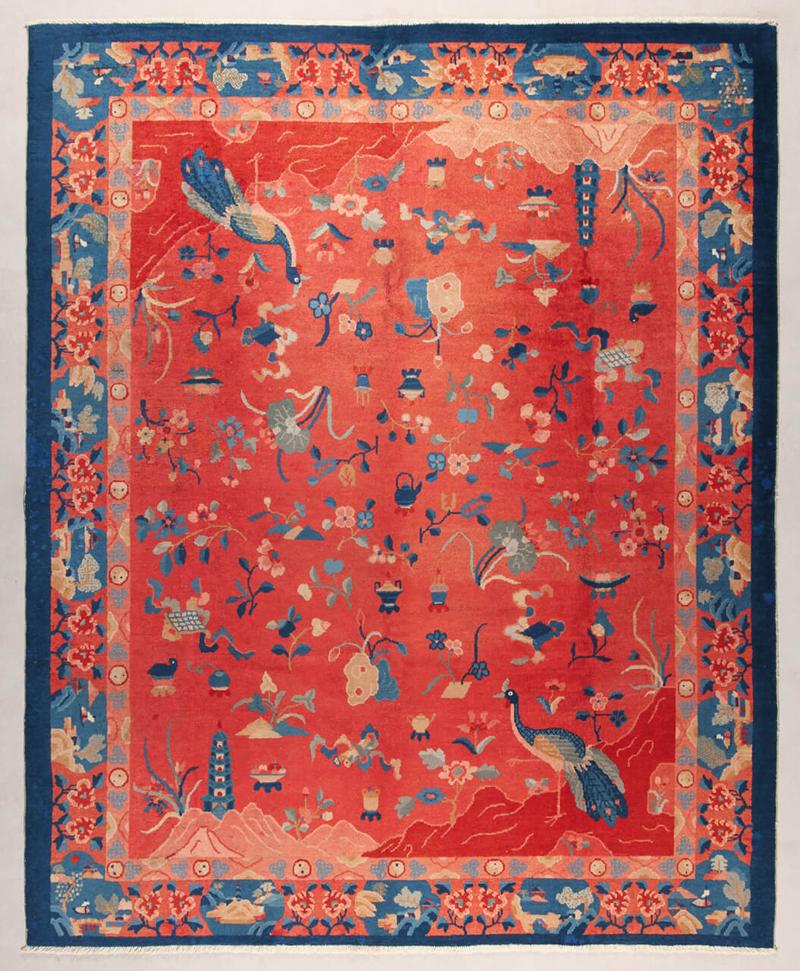
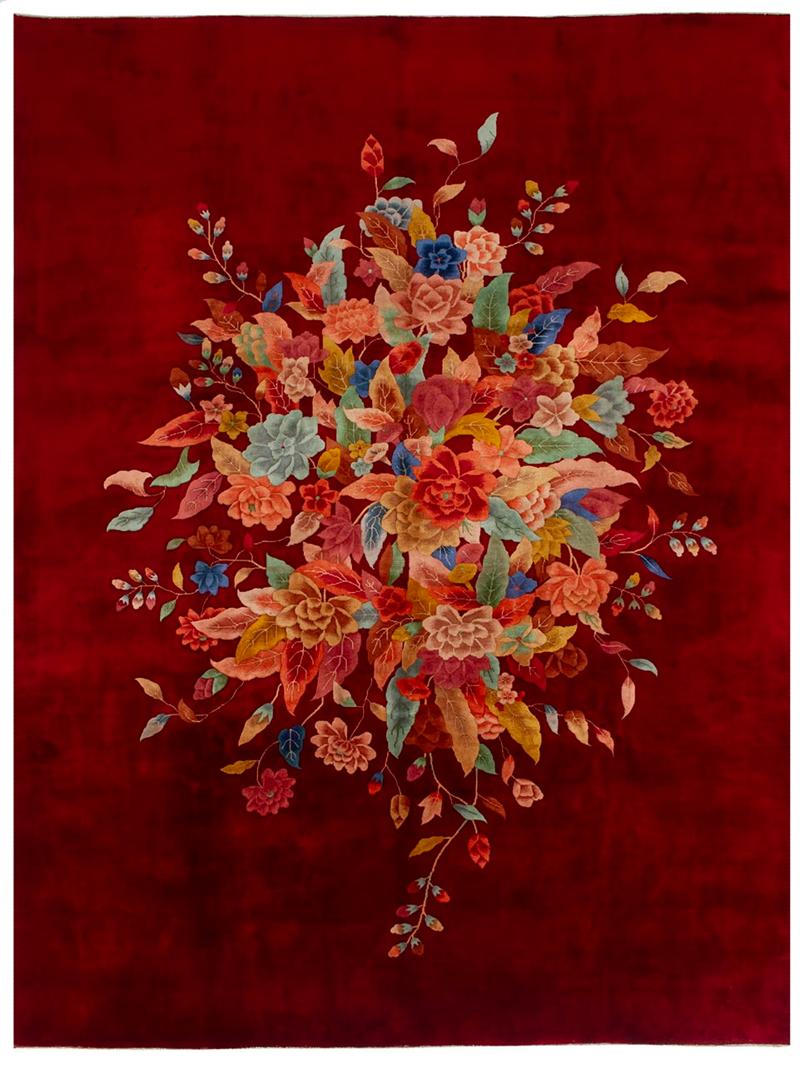
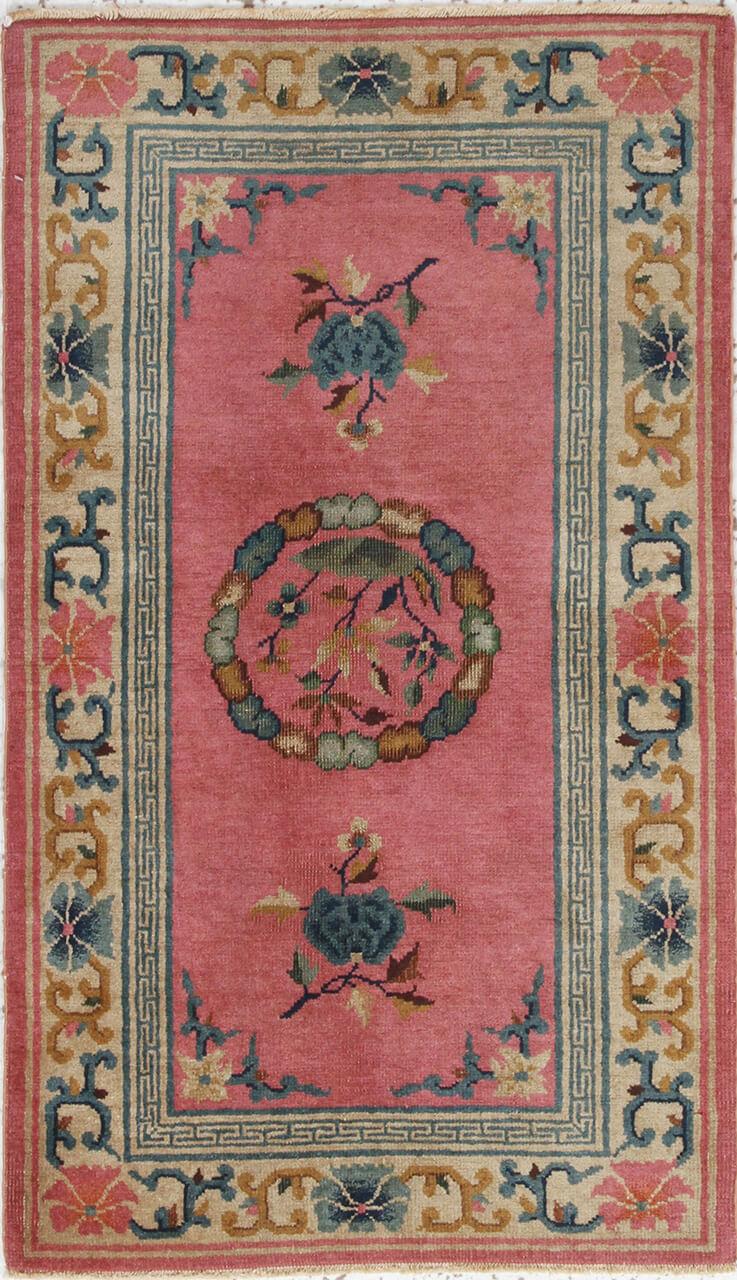
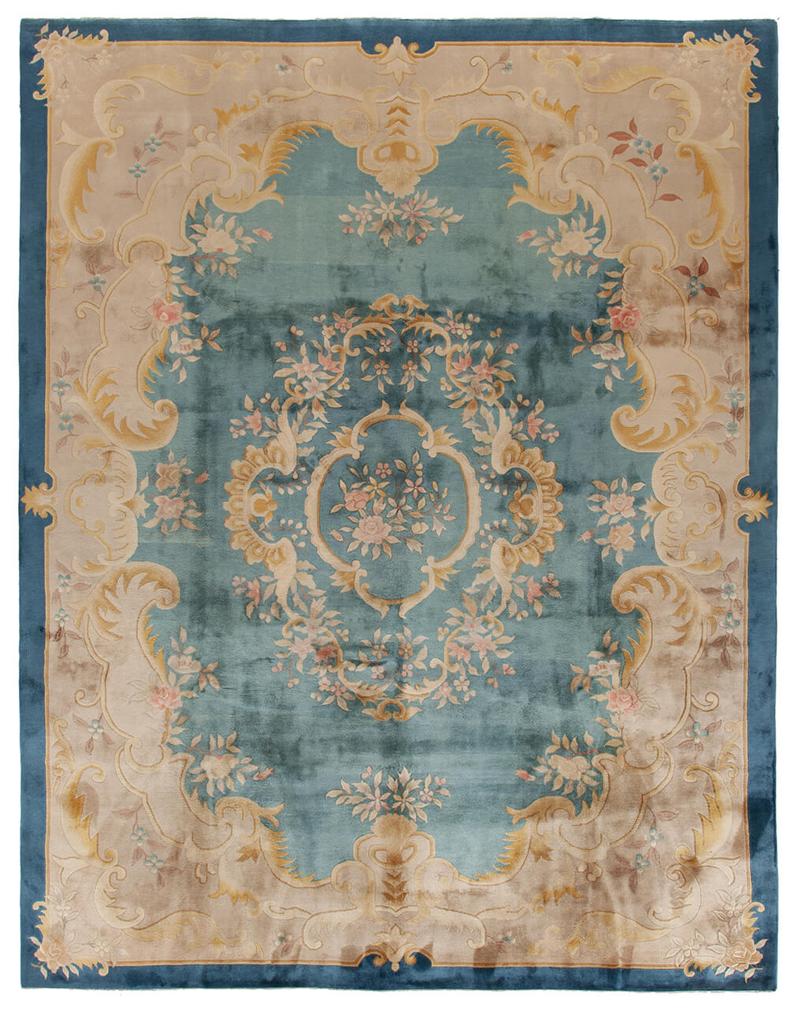
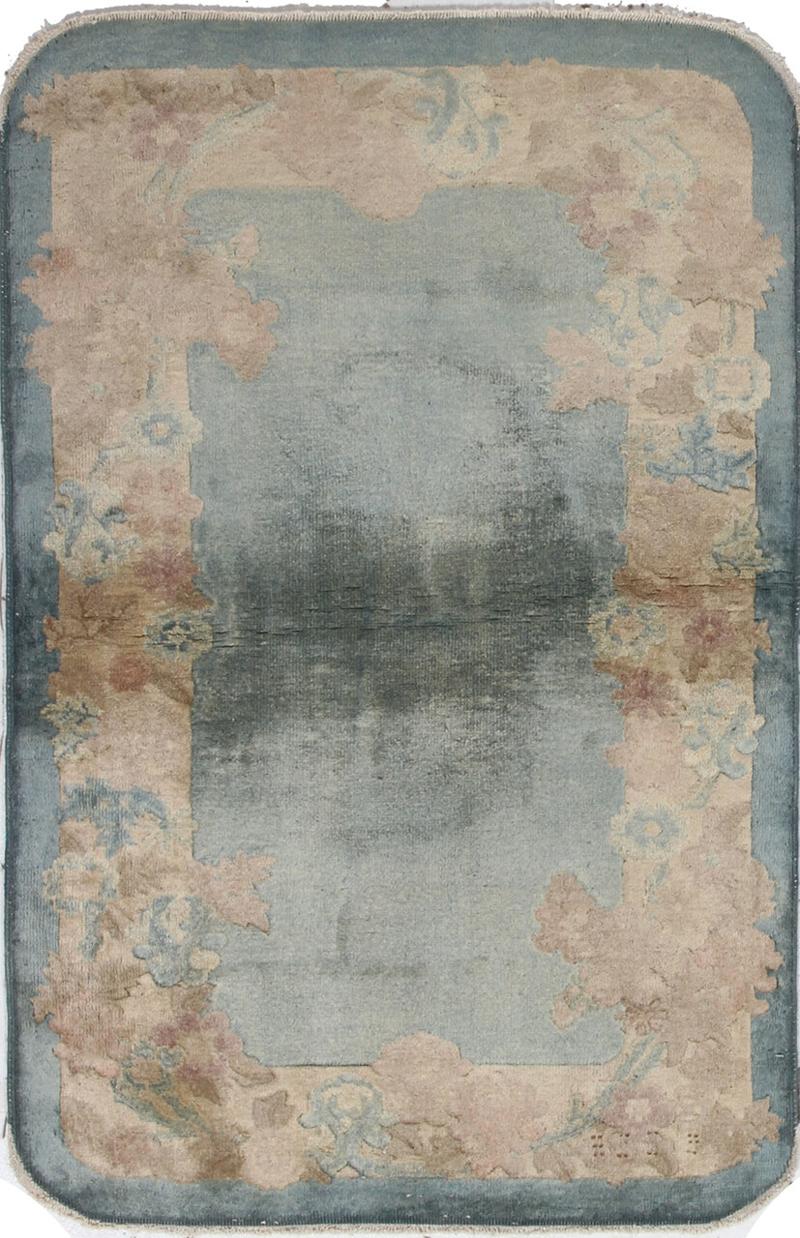
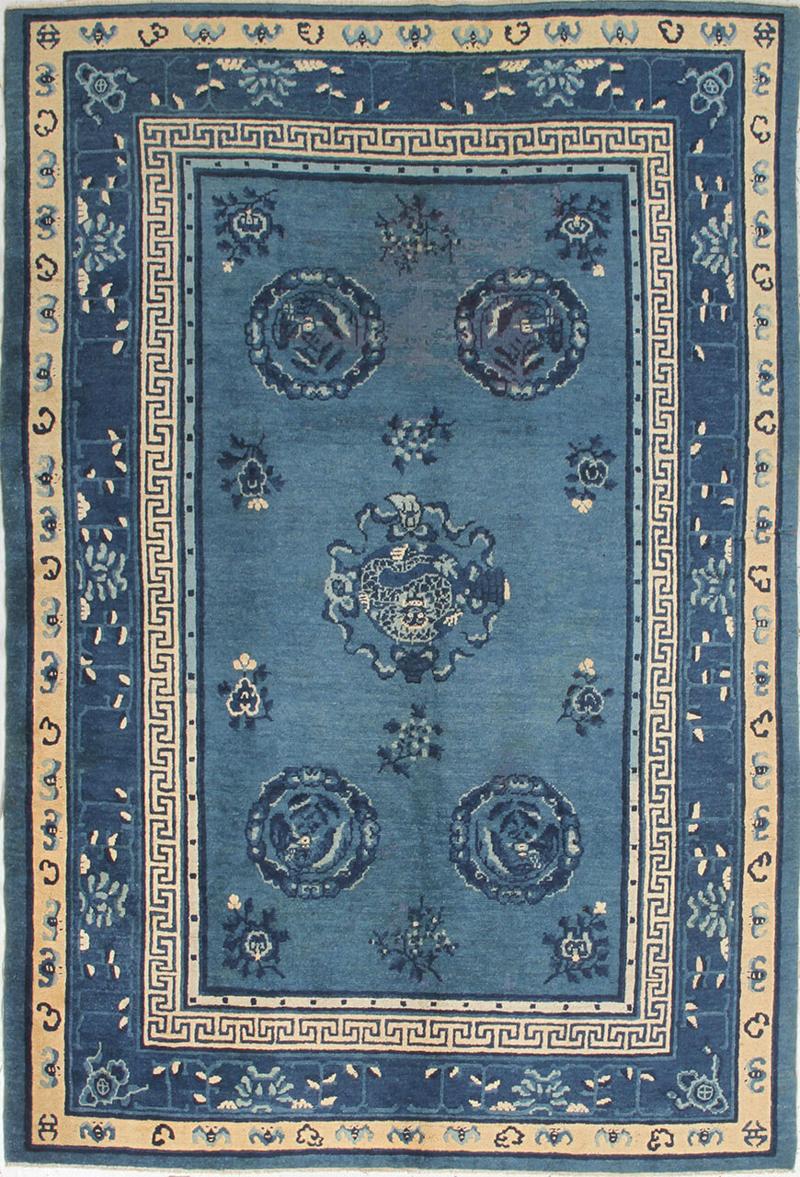
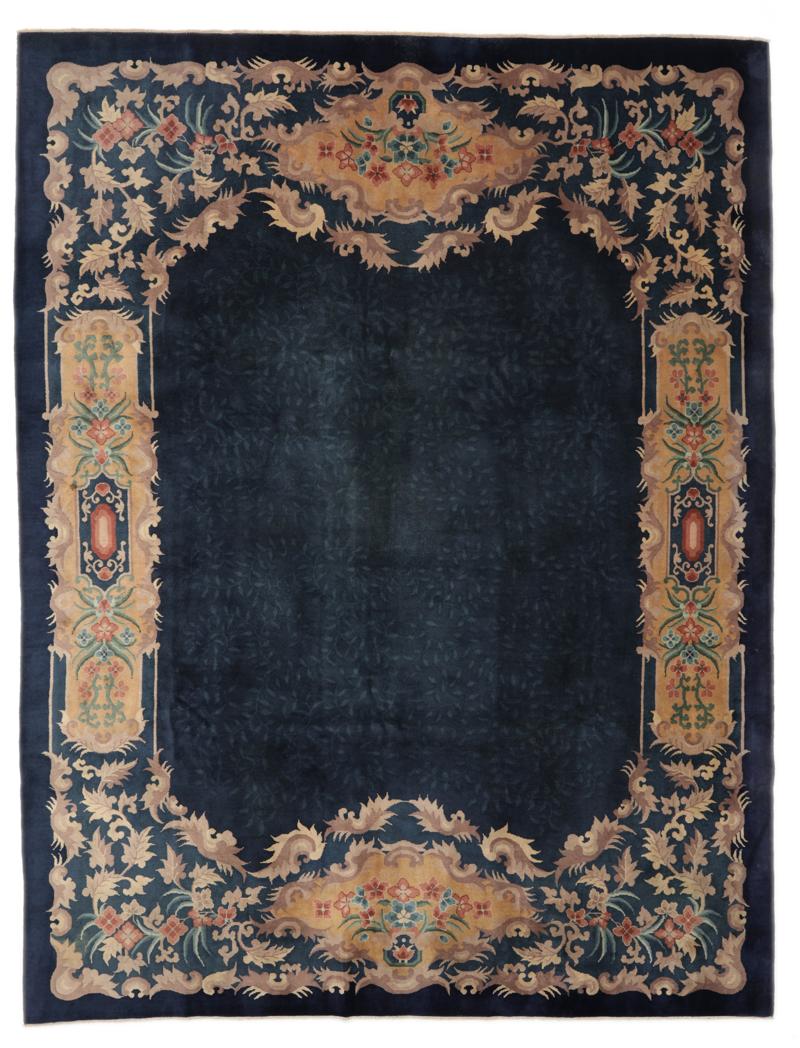
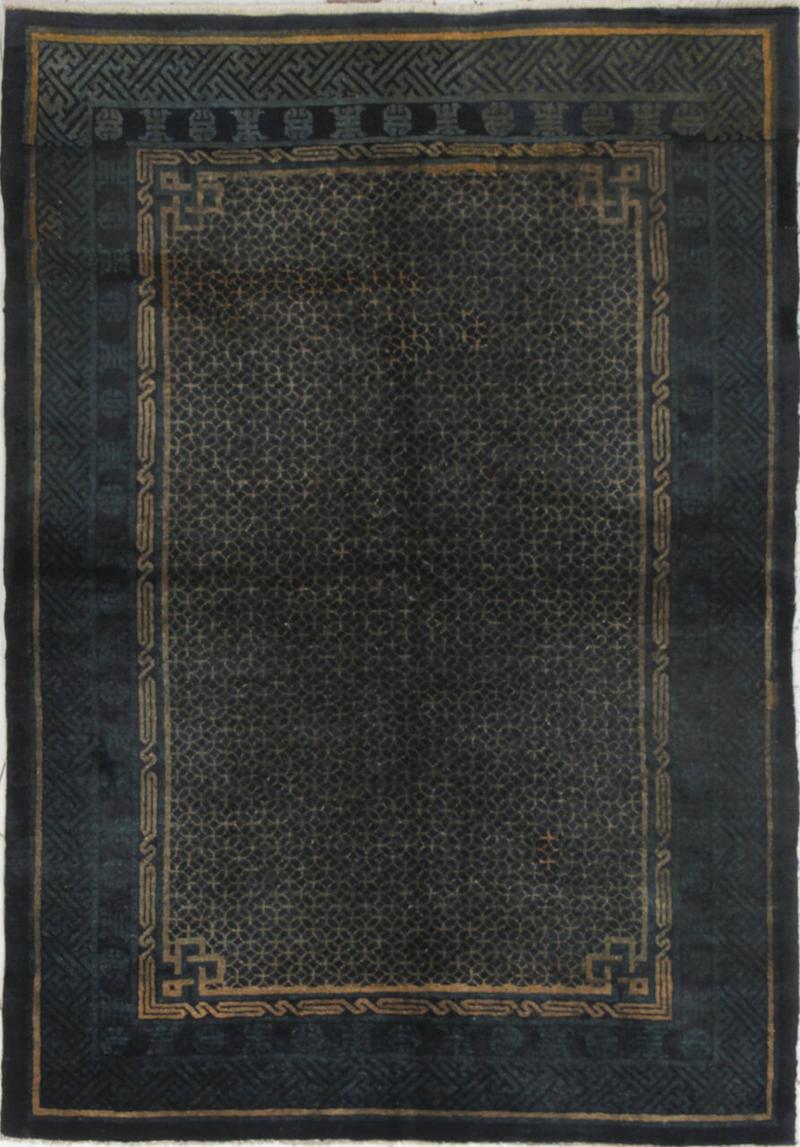
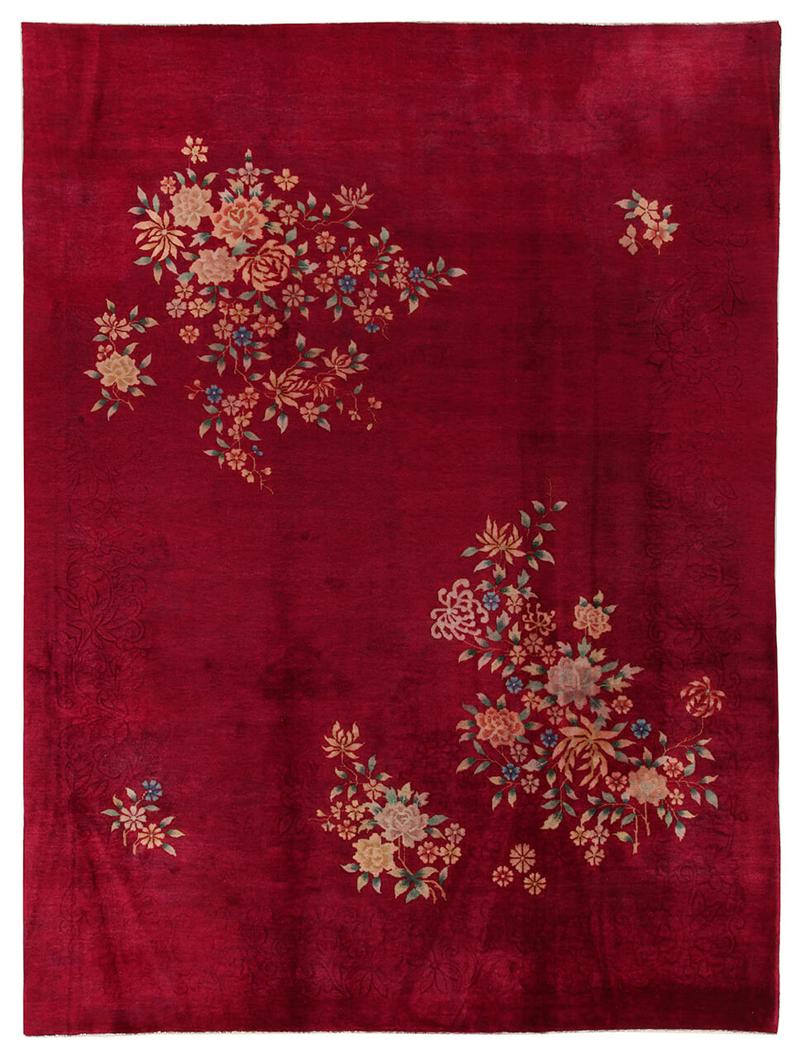
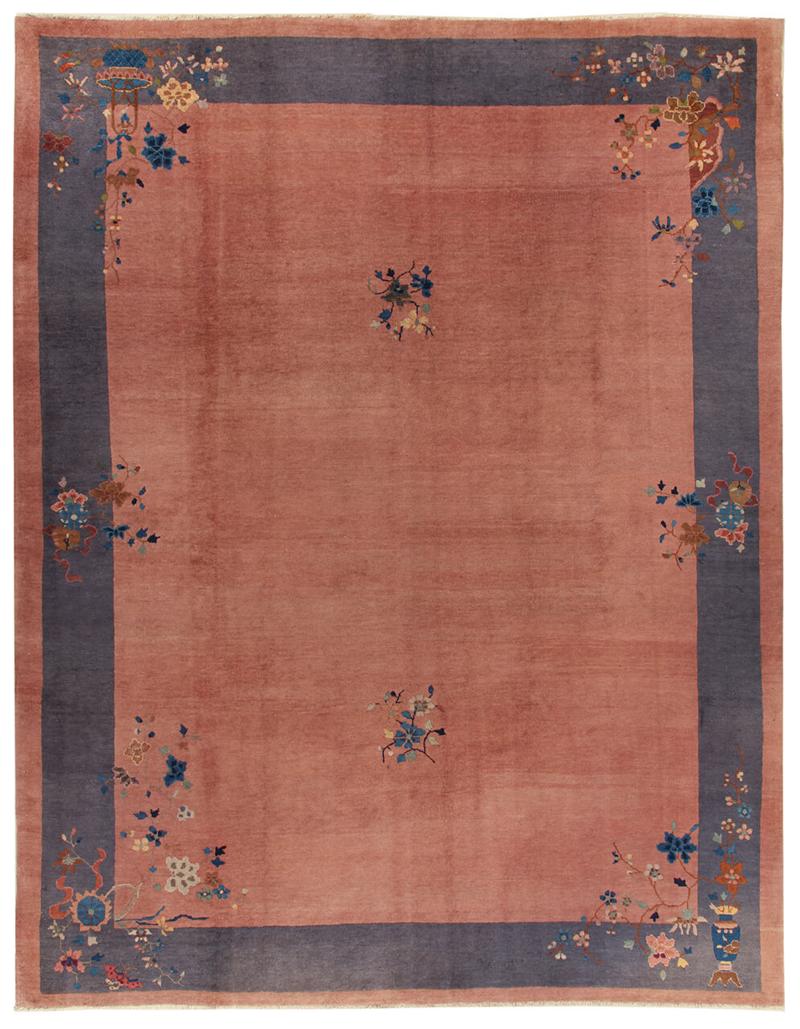
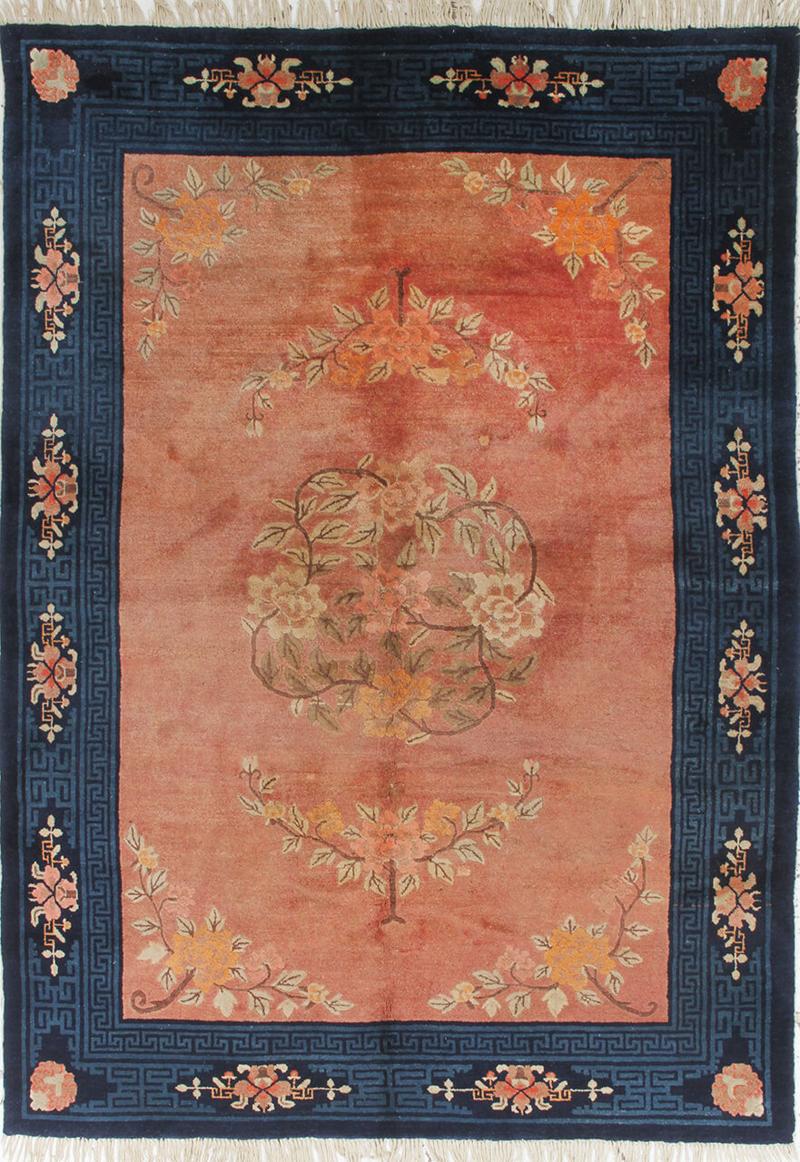
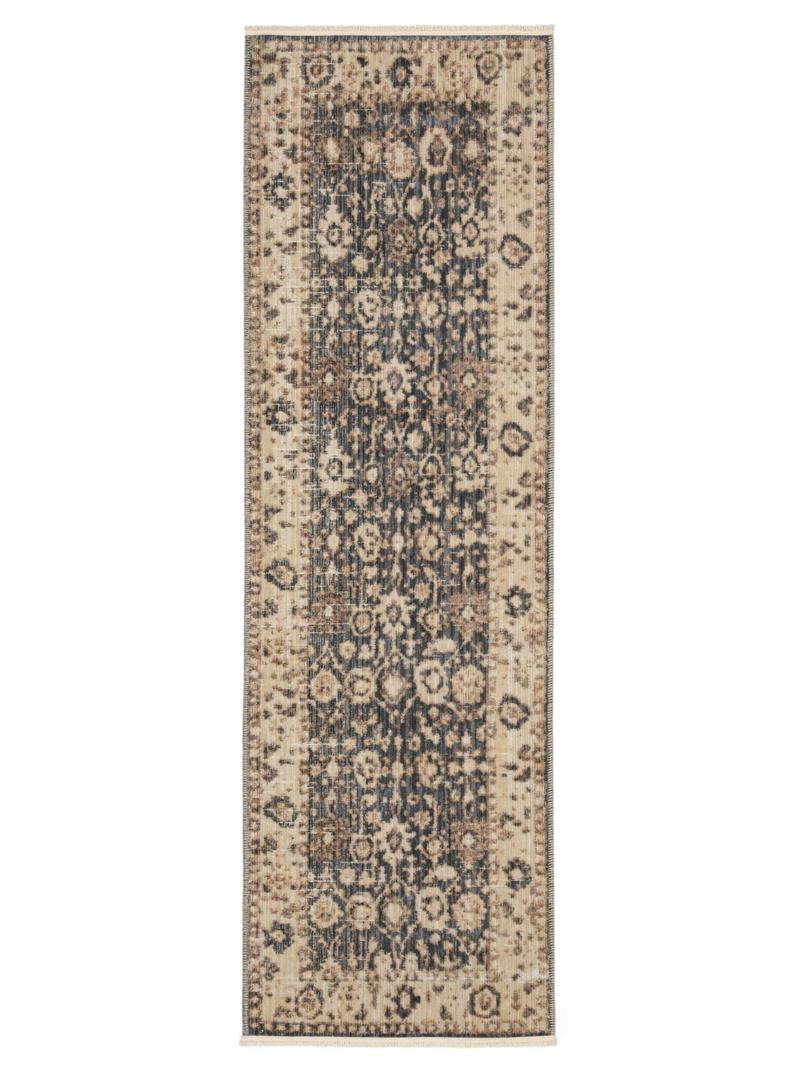
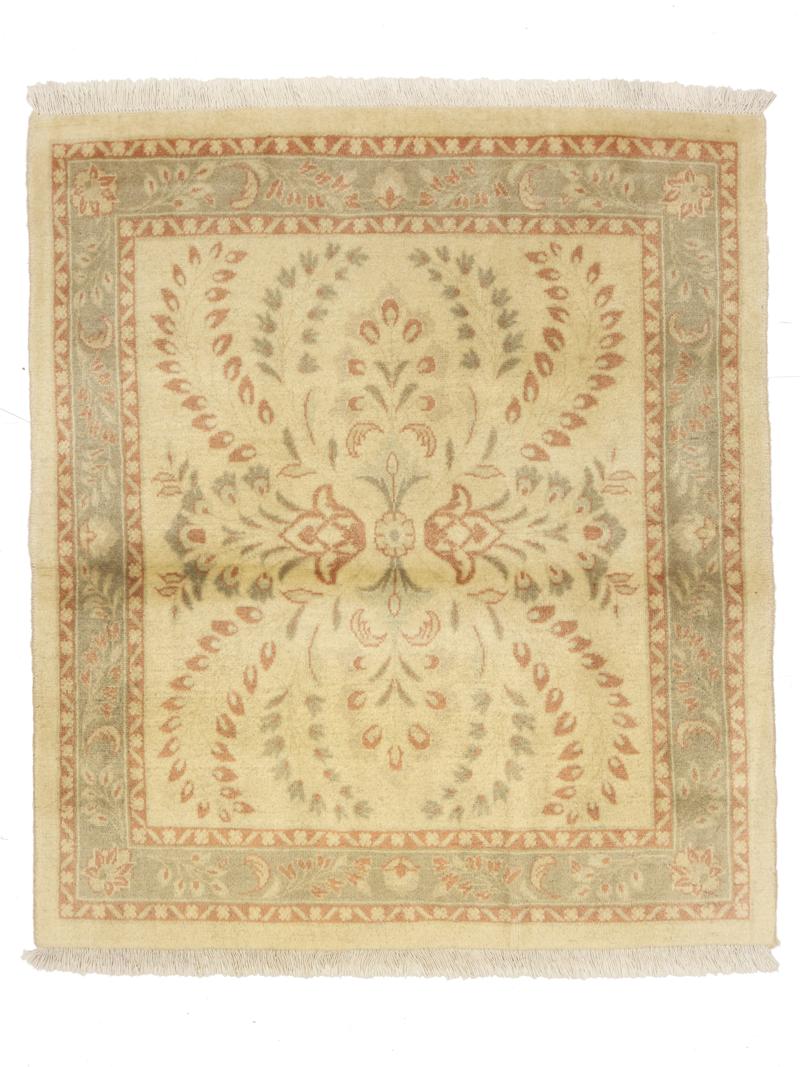
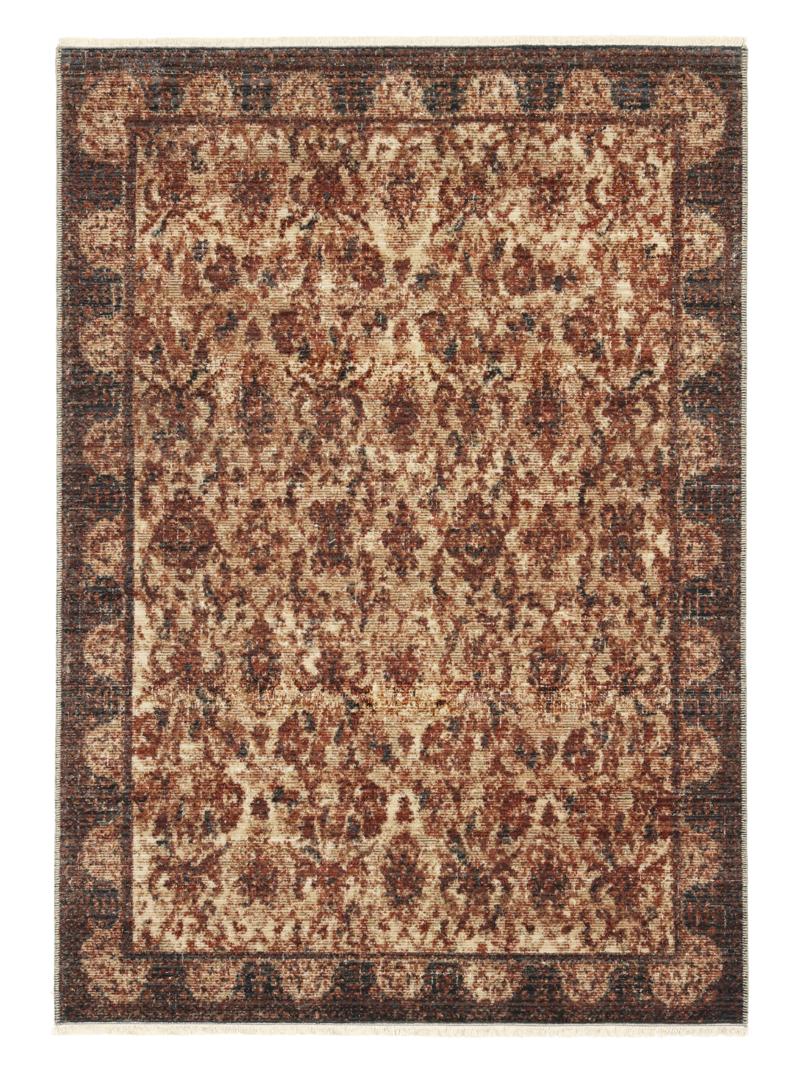
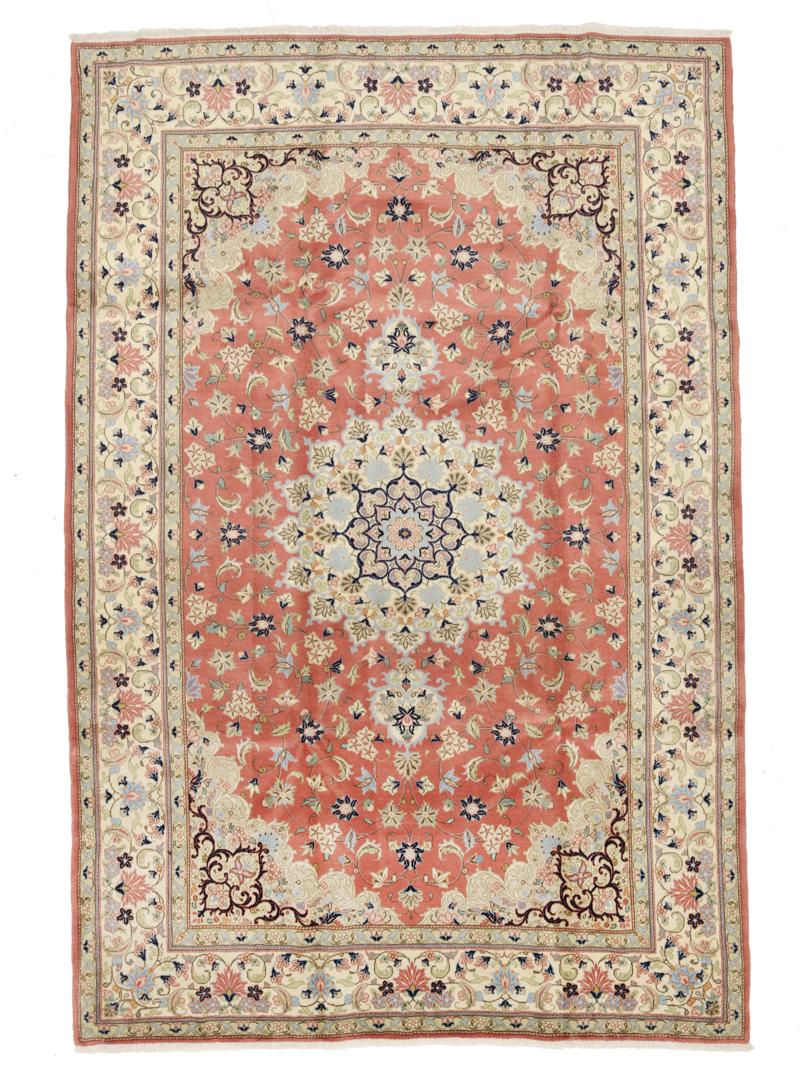
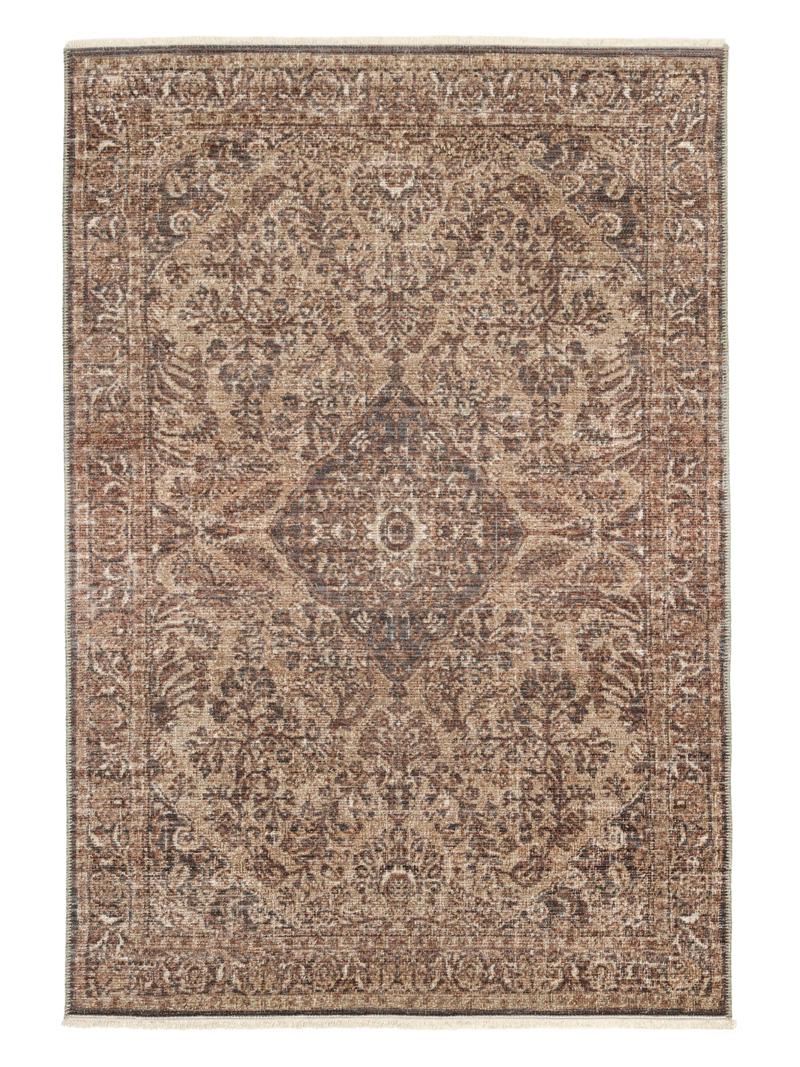
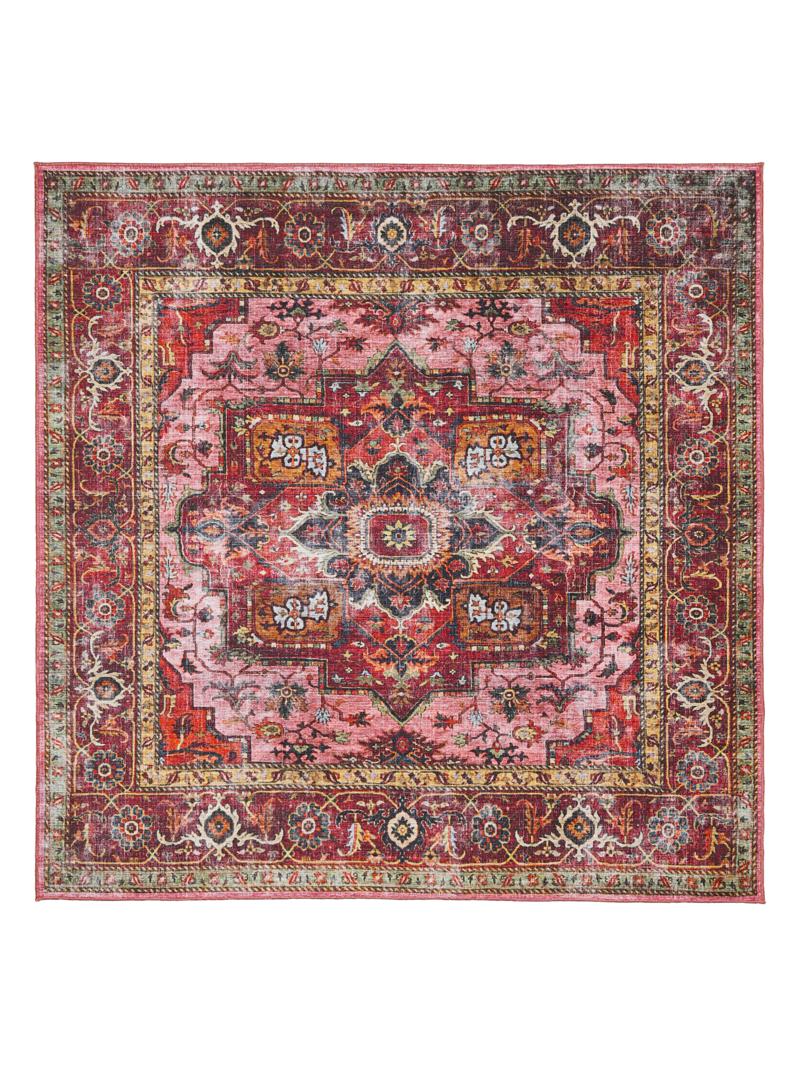
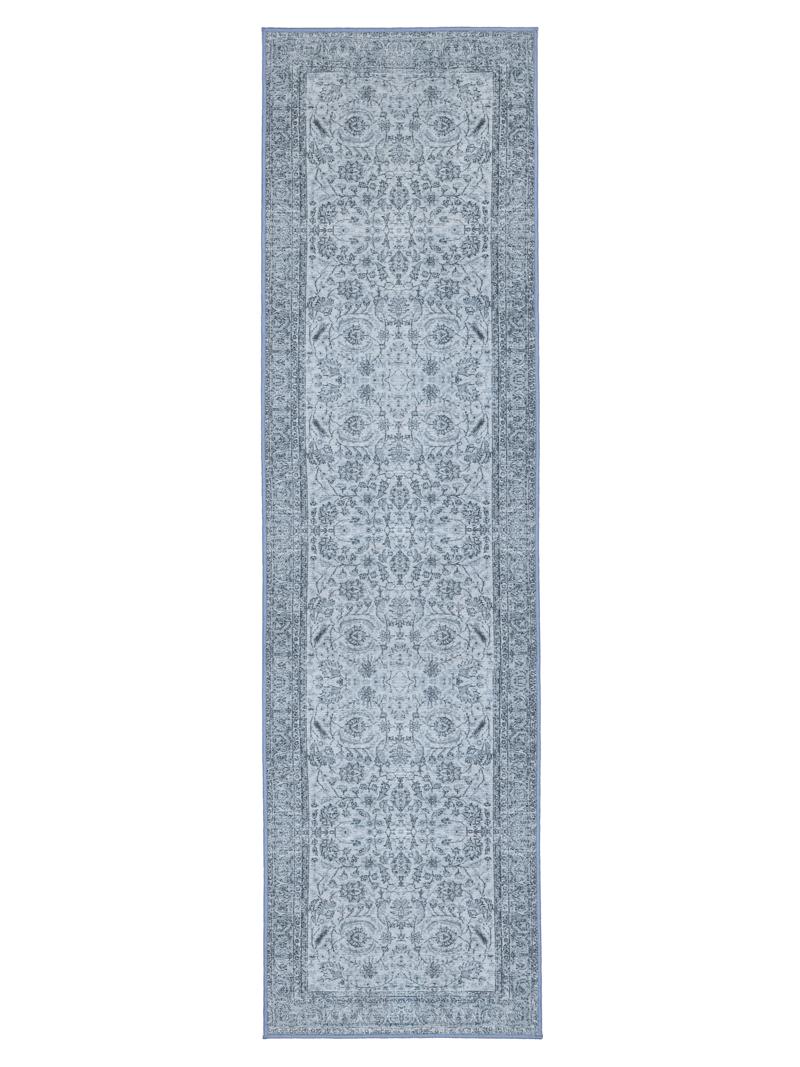
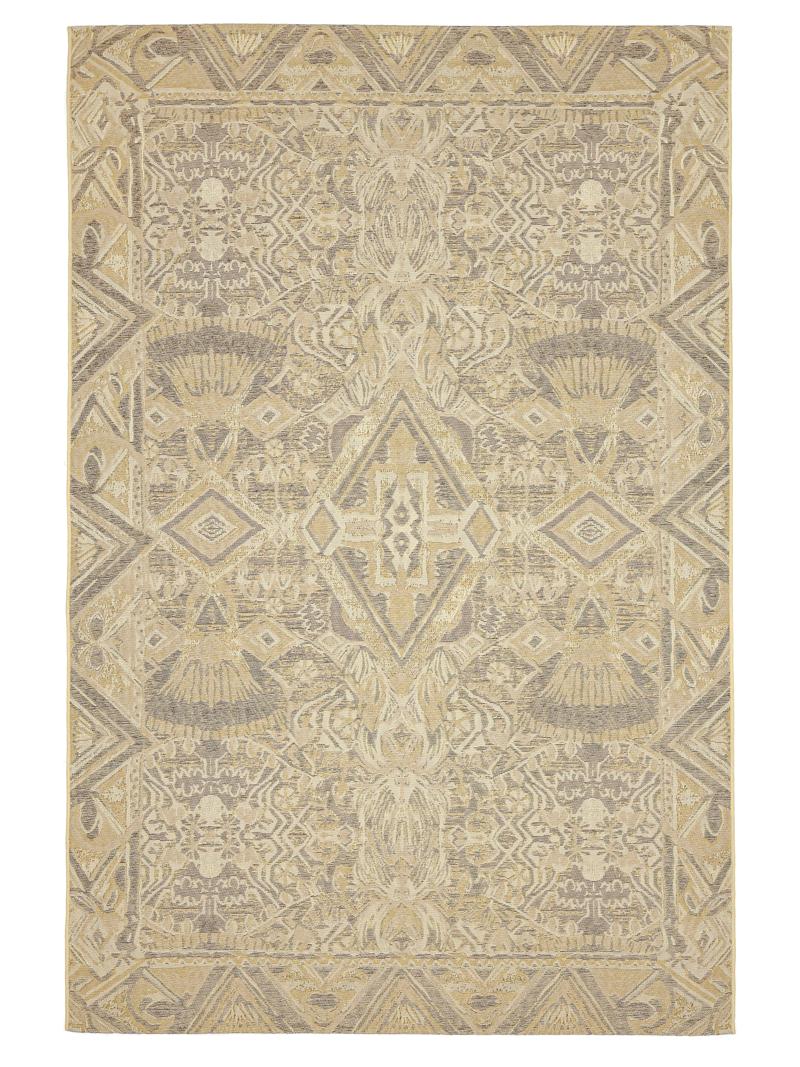
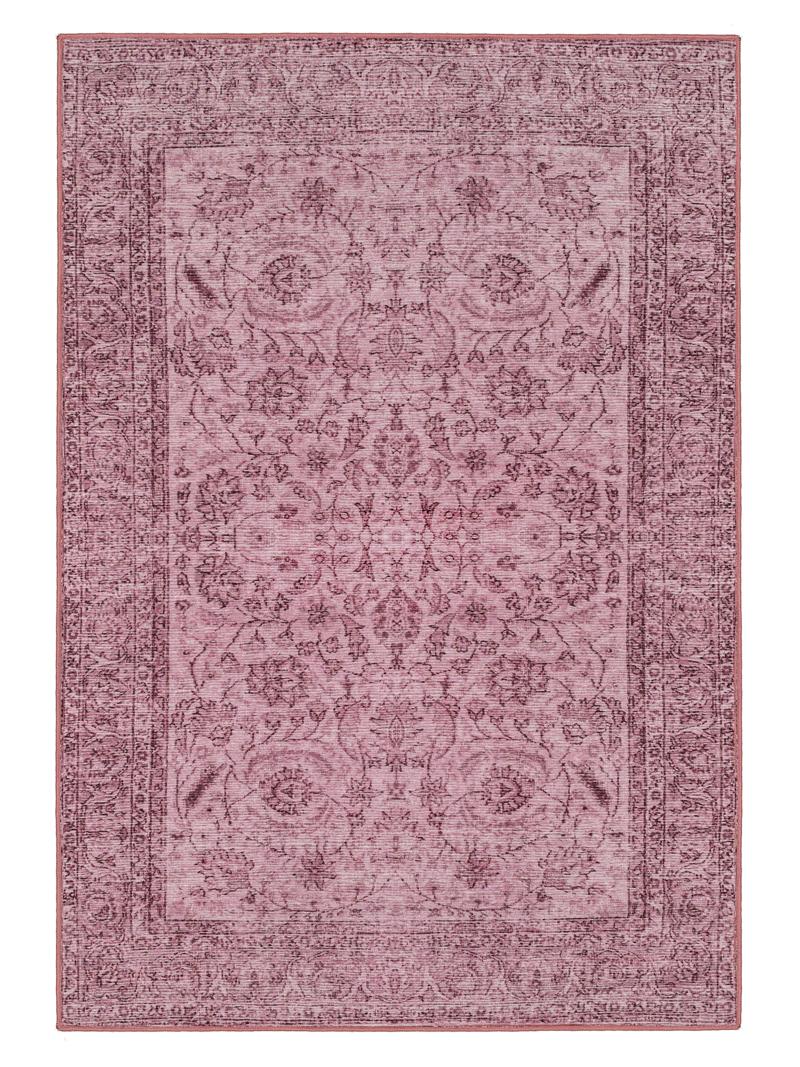
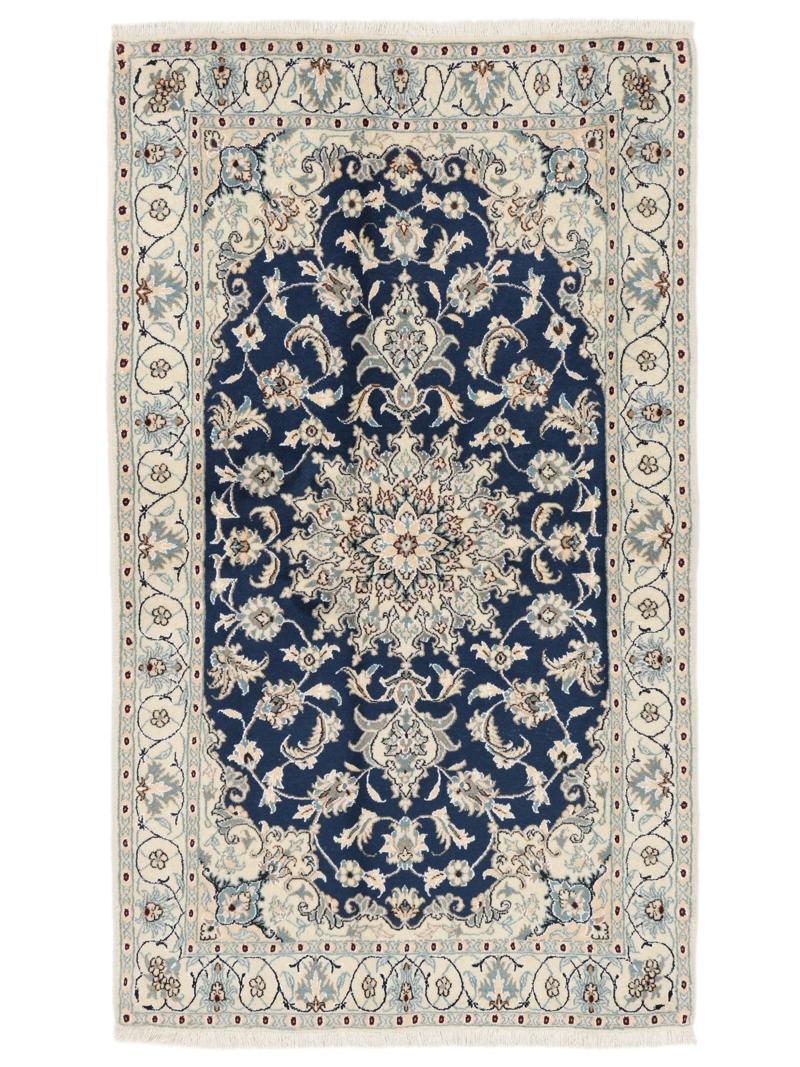
Chinese rug weaving is believed to have developed over many centuries, drawing influences from both Chinese decorative arts and the weaving traditions of neighbouring regions in Central Asia and Tibet. By the Qing Dynasty (1644–1912), rug weaving had become a well-established craft, with finely woven carpets produced for imperial palaces, Buddhist temples, and the homes of wealthy families. Many designs reflected traditional Chinese symbolism, featuring dragons, lotus flowers, peonies, bats, and cloud motifs that represented prosperity, longevity, protection, and harmony.
The main weaving centres were located in northern China, particularly around Beijing, Tianjin, and Ningxia, where access to high-quality wool supported the production of thick, durable rugs with a soft texture. Each region developed its own distinctive style, although Chinese rugs generally remained recognisable for their spacious compositions, balanced layouts, and restrained colour palettes.
During the twentieth century, Chinese rugs became increasingly popular in Europe and North America, leading to greater production for export while retaining many traditional design elements. Most vintage Chinese rugs available today were woven between the early 1900s and the 1980s. Since then, the production of traditional hand-knotted Chinese rugs has declined significantly, making original vintage examples increasingly sought after by collectors and homeowners who appreciate their craftsmanship, cultural heritage, and timeless aesthetic.