What is a Baluch rug? History, origin and types
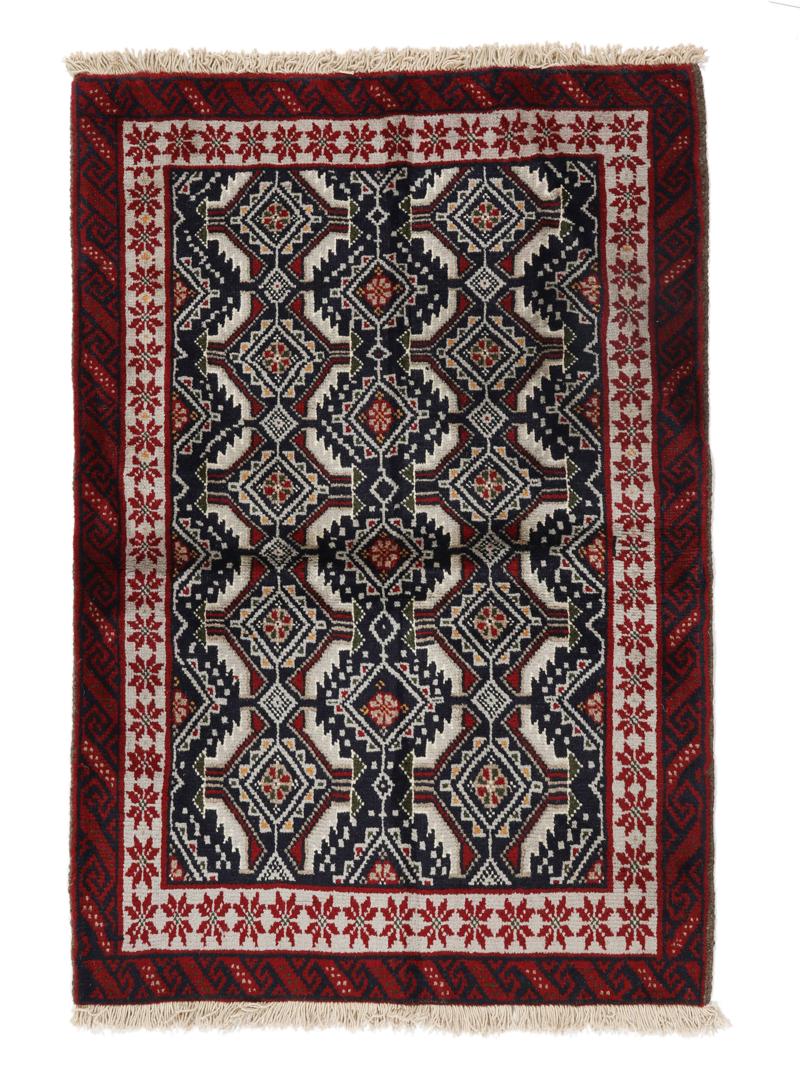
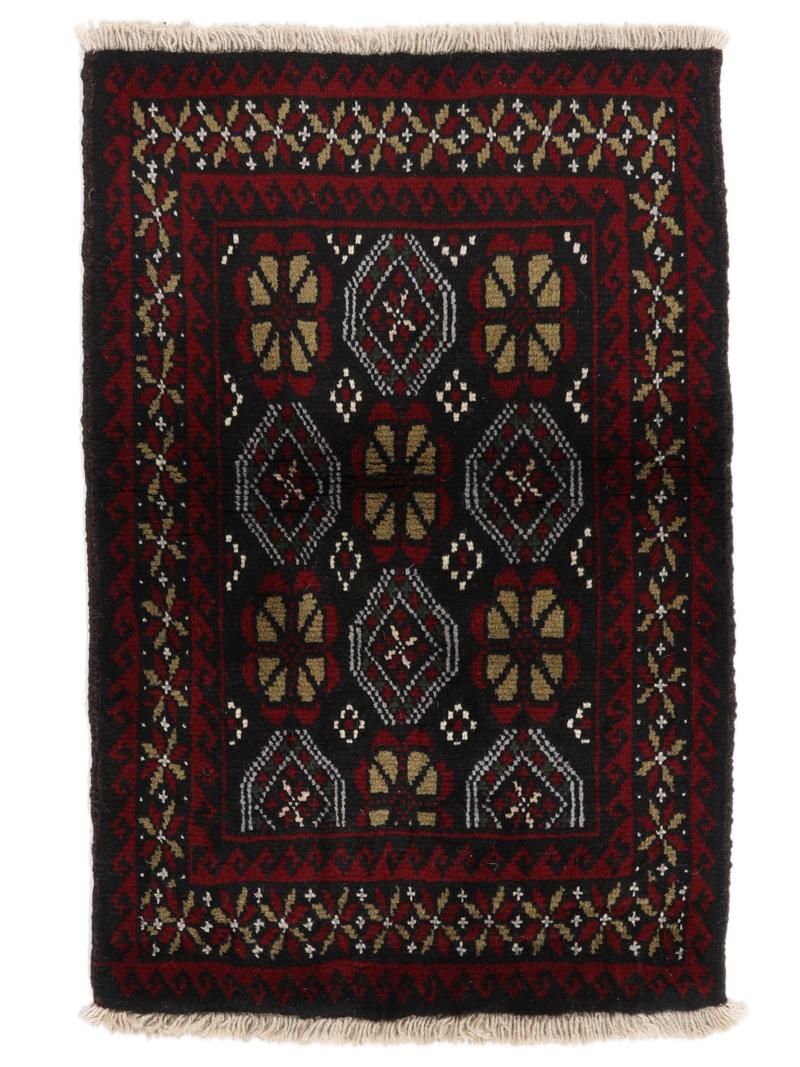
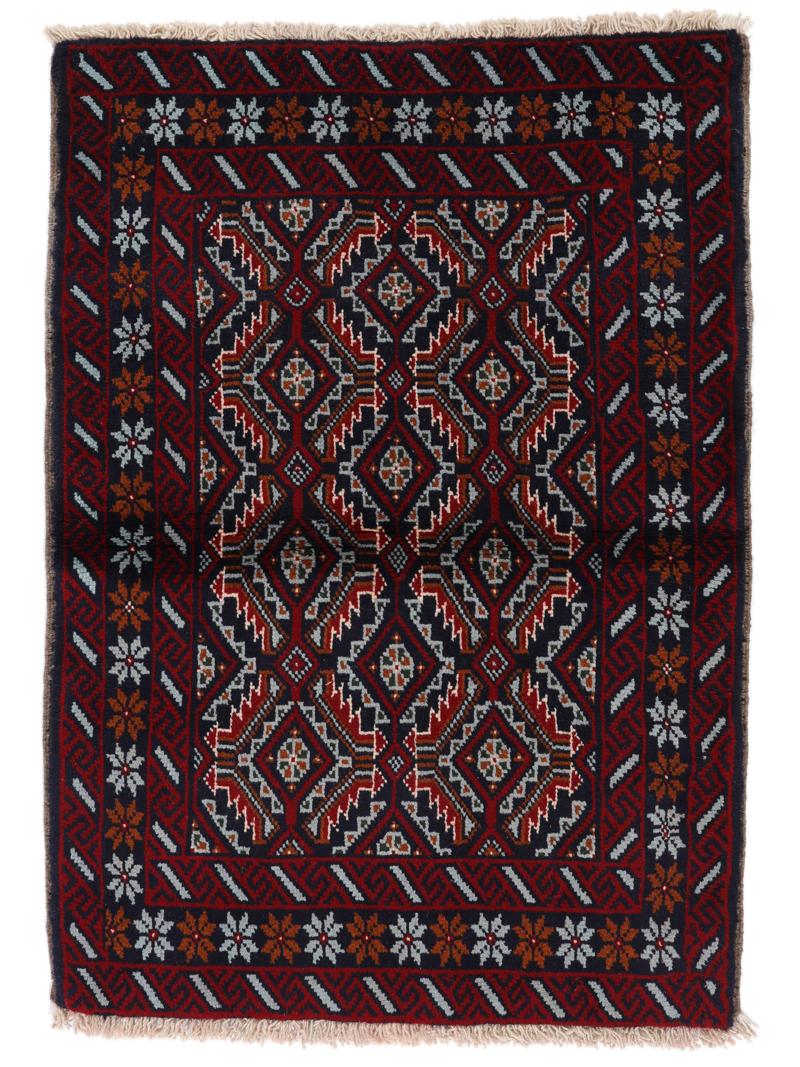
A Baluch rug is a traditional hand-knotted textile woven within Baluch tribal communities in countries such as Afghanistan and Pakistan. Known for their deep colours and geometric patterns and compact sizes, these rugs reflect a weaving tradition shaped by practical needs, local materials and cultural symbolism.
Originally produced for everyday use, Baluch rugs combine function and craftsmanship. Their designs, structure and colour palette offer insight into a rich textile heritage that continues to be studied and appreciated today.
History and origin of Baluch rugs
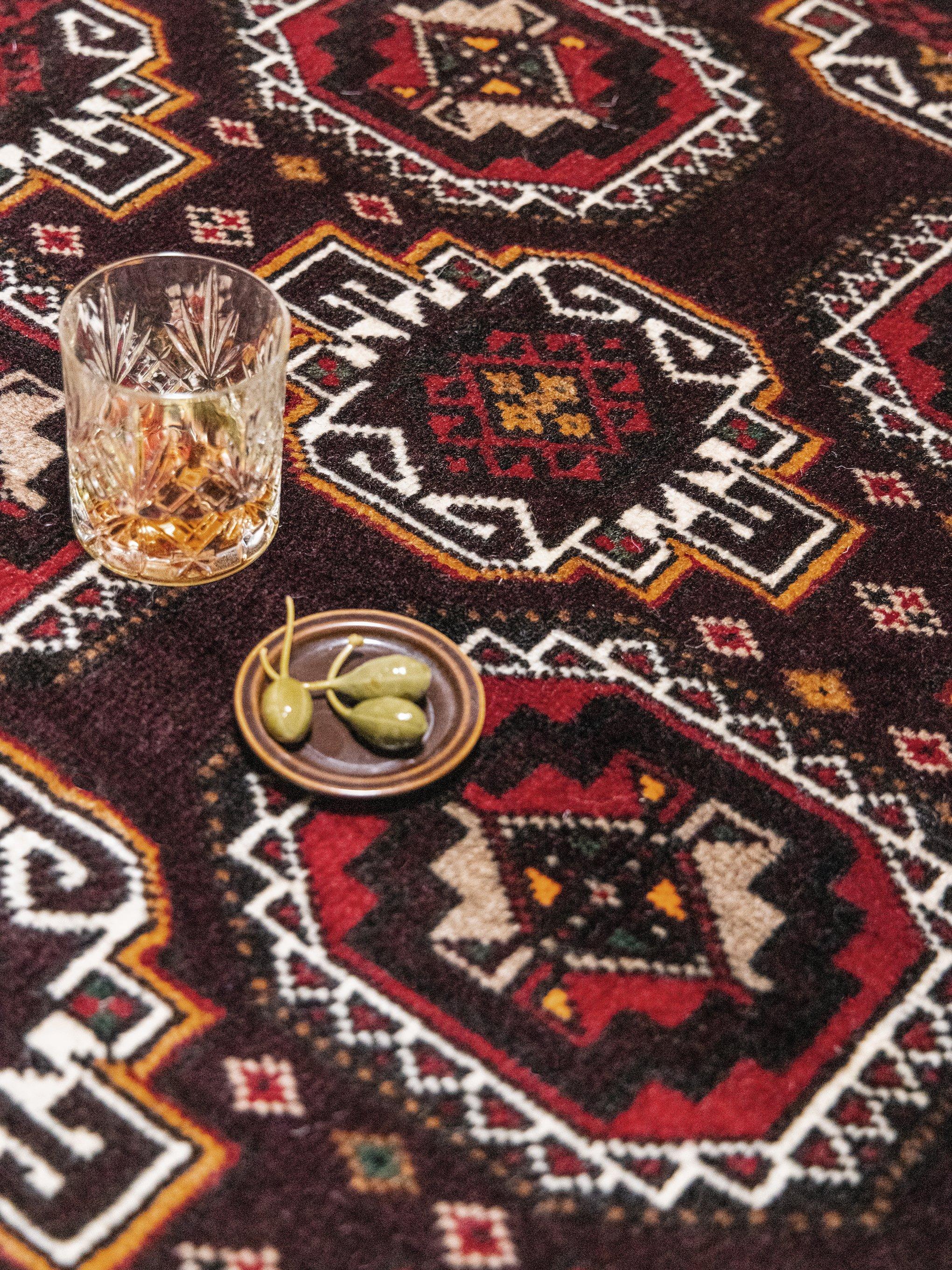
Baluch rugs originate from the weaving traditions of Baluchi tribes, developed over centuries as part of a nomadic and semi-nomadic lifestyle. These rugs were made for everyday use, including floor coverings and prayer rugs, which shaped their durable construction and practical sizes.
Techniques and patterns were passed down through generations, resulting in rugs with strong individuality and cultural character. Today, antique Baluch rugs are valued for their craftsmanship and connection to Baluchi heritage.
How are Baluch rugs made?
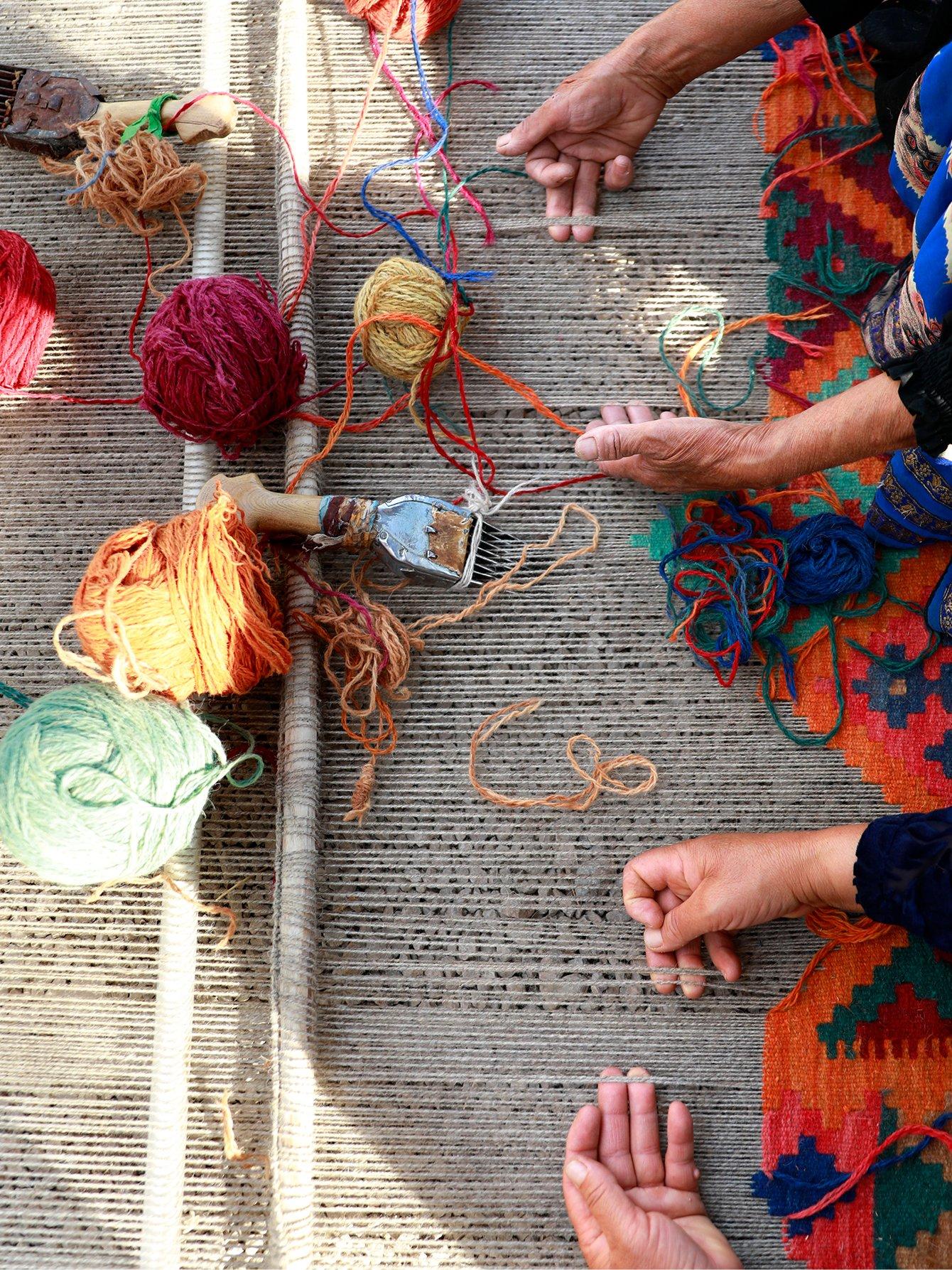
Baluch rugs are traditionally made by hand using techniques passed down through generations of Baluchi weavers. They are typically woven from locally sourced wool, often hand-spun to create subtle variations in texture and character. Rather than following drawn patterns, many weavers traditionally worked from memory, producing rugs that combine durable construction with distinctive, individual designs.
Wool and hand-spun yarn
Wool has long been the primary material used in Baluch rugs because of its strength and natural insulating properties. Hand-spun yarn adds depth and variation to the finished rug, with slight irregularities that reflect its handmade origin. In some older examples, camel wool is also used to create naturally warm brown tones, particularly in borders and decorative details.
Hand-knotting techniques
Baluch rugs are hand-knotted using techniques that vary between weaving communities and regions. Most examples feature either asymmetrical knots or symmetrical knots, with the choice often reflecting local weaving traditions rather than indicating quality. Regardless of the knot type, Baluch rugs are appreciated for their durable construction and handcrafted character.
Traditional colours in Baluch rugs
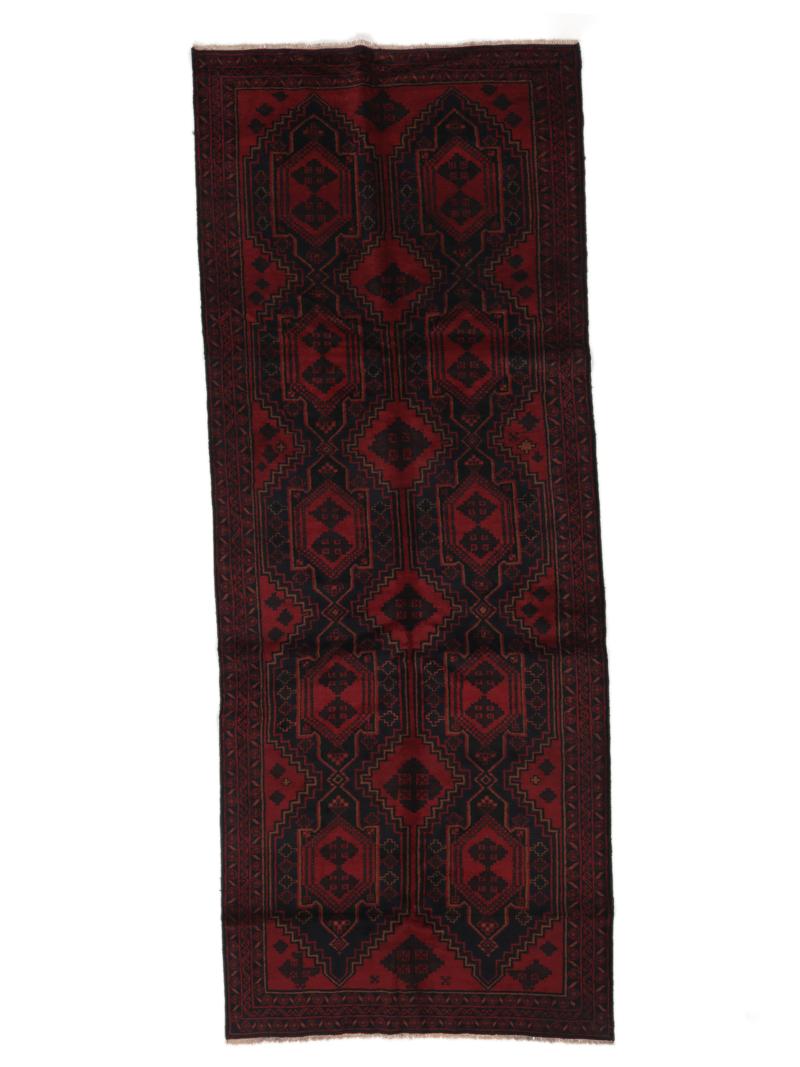
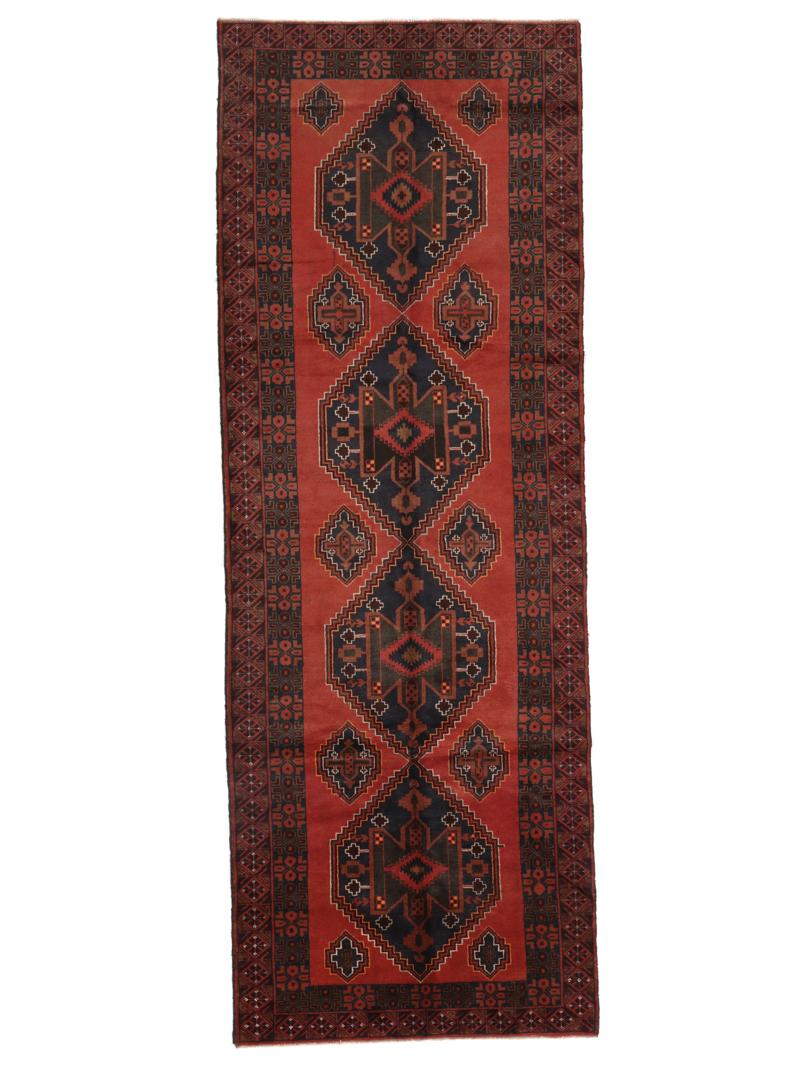
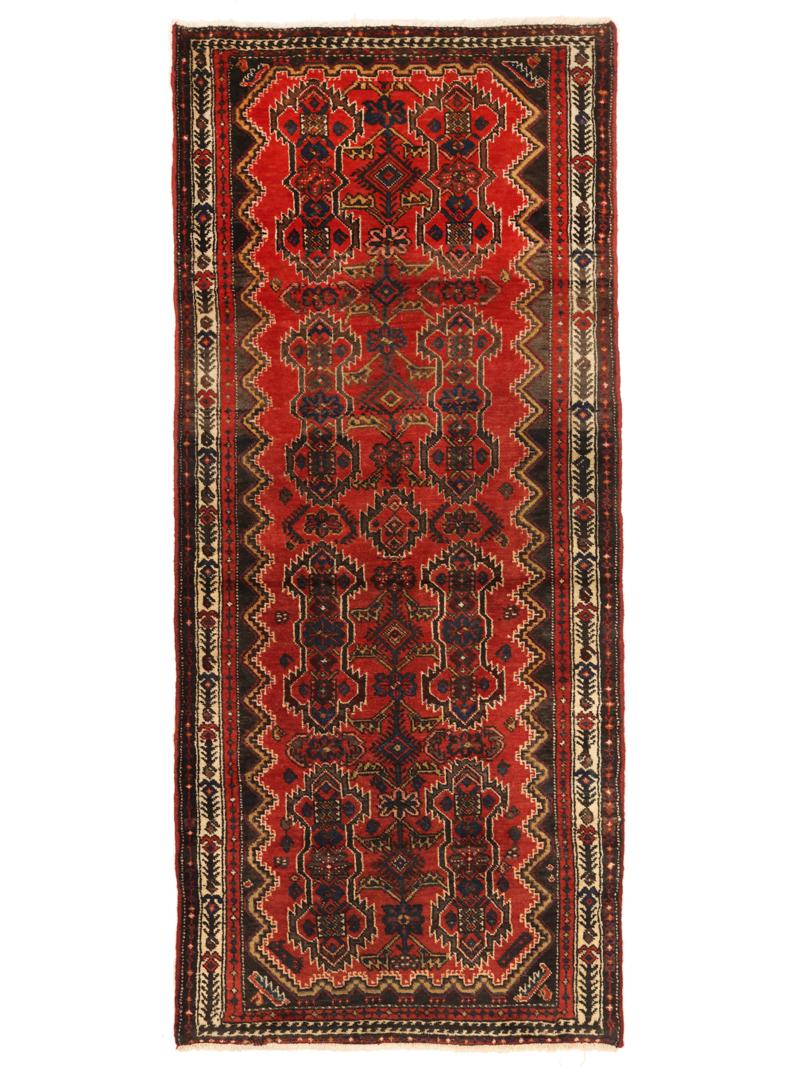
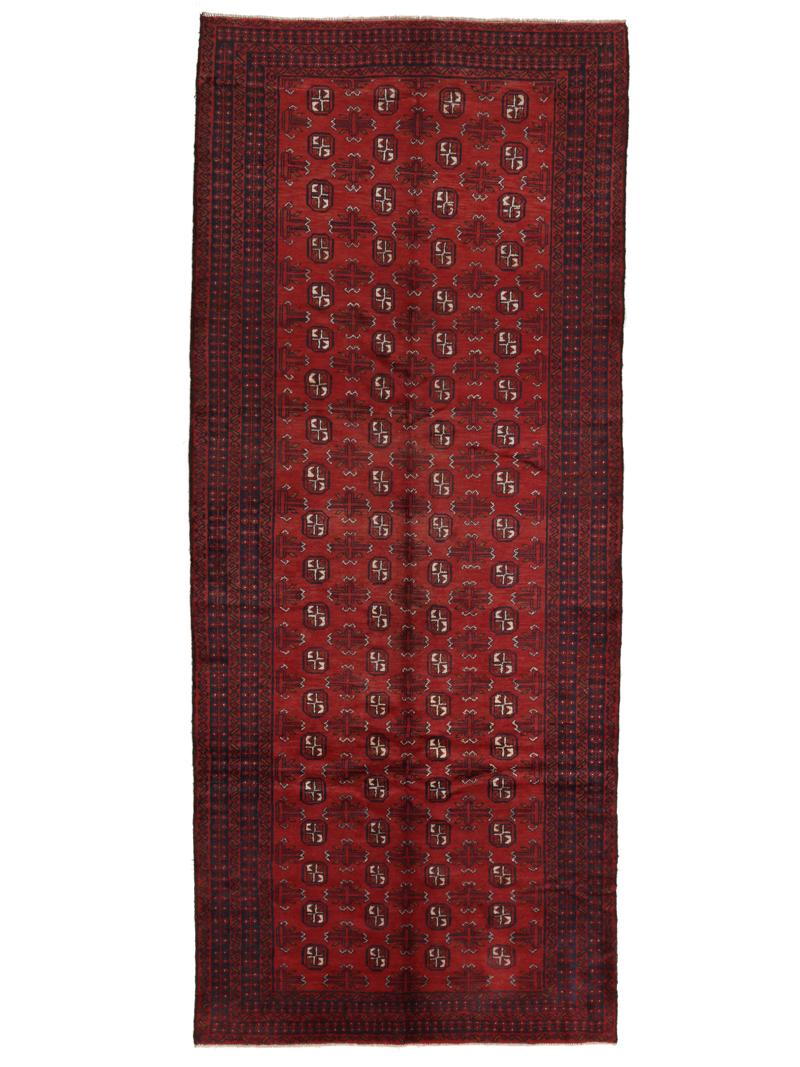
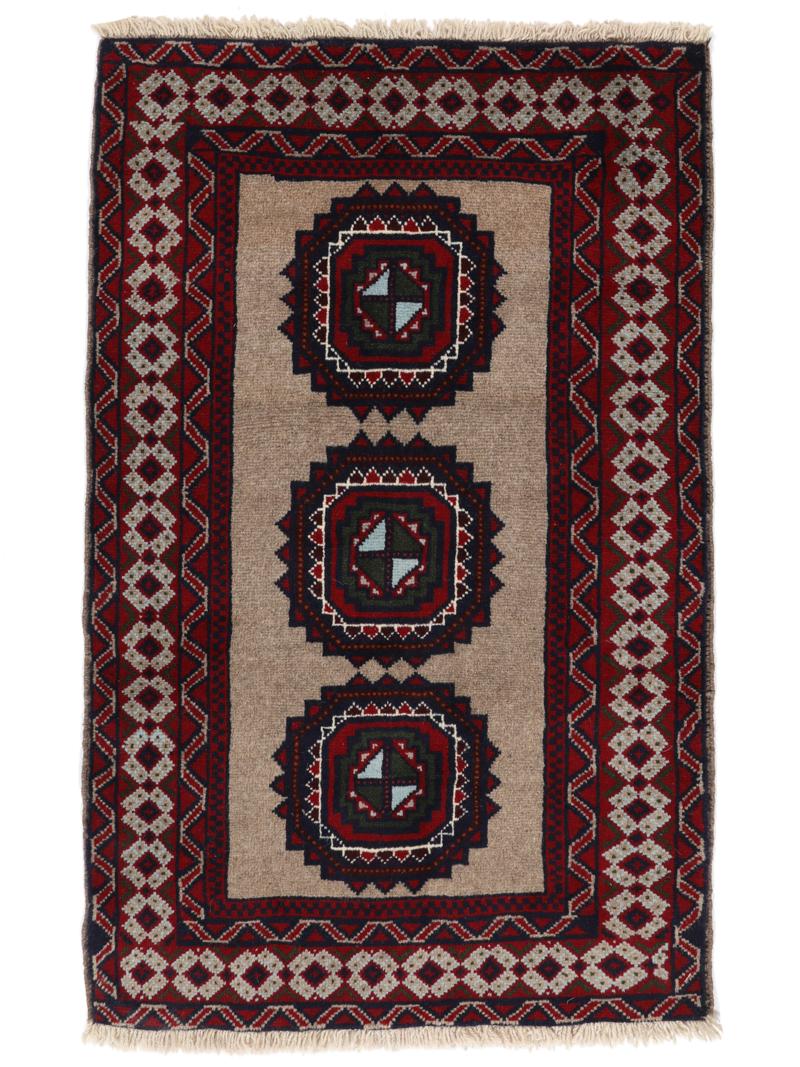
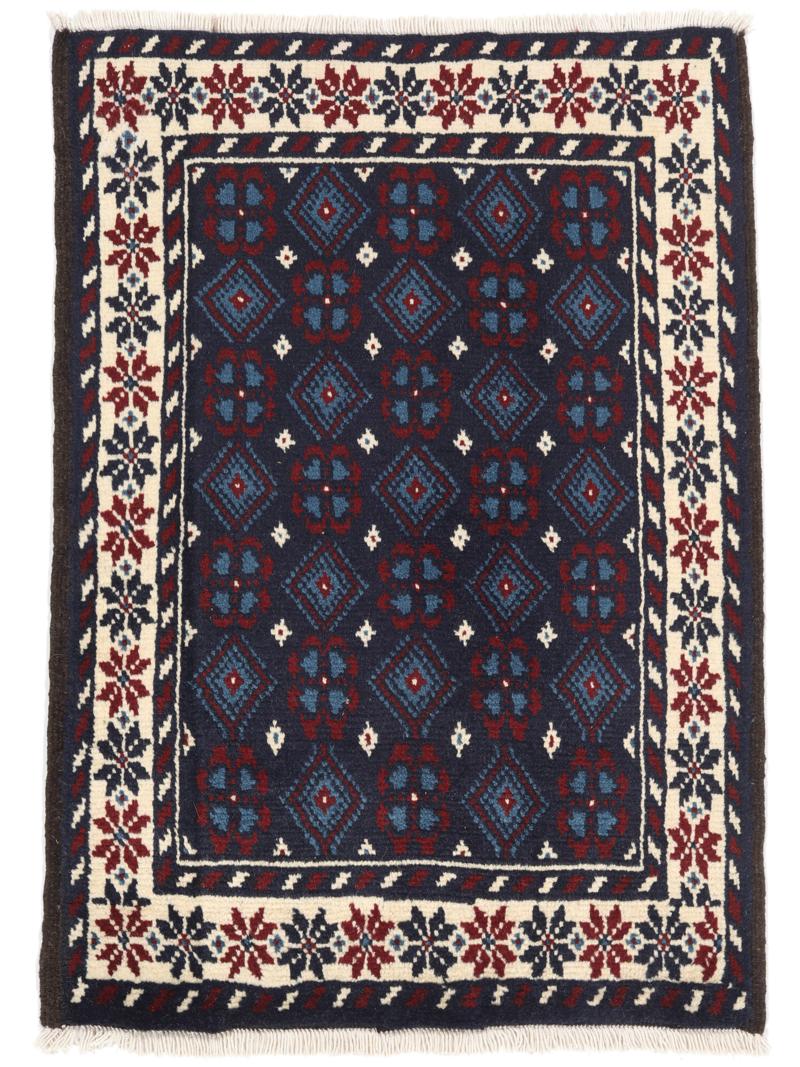
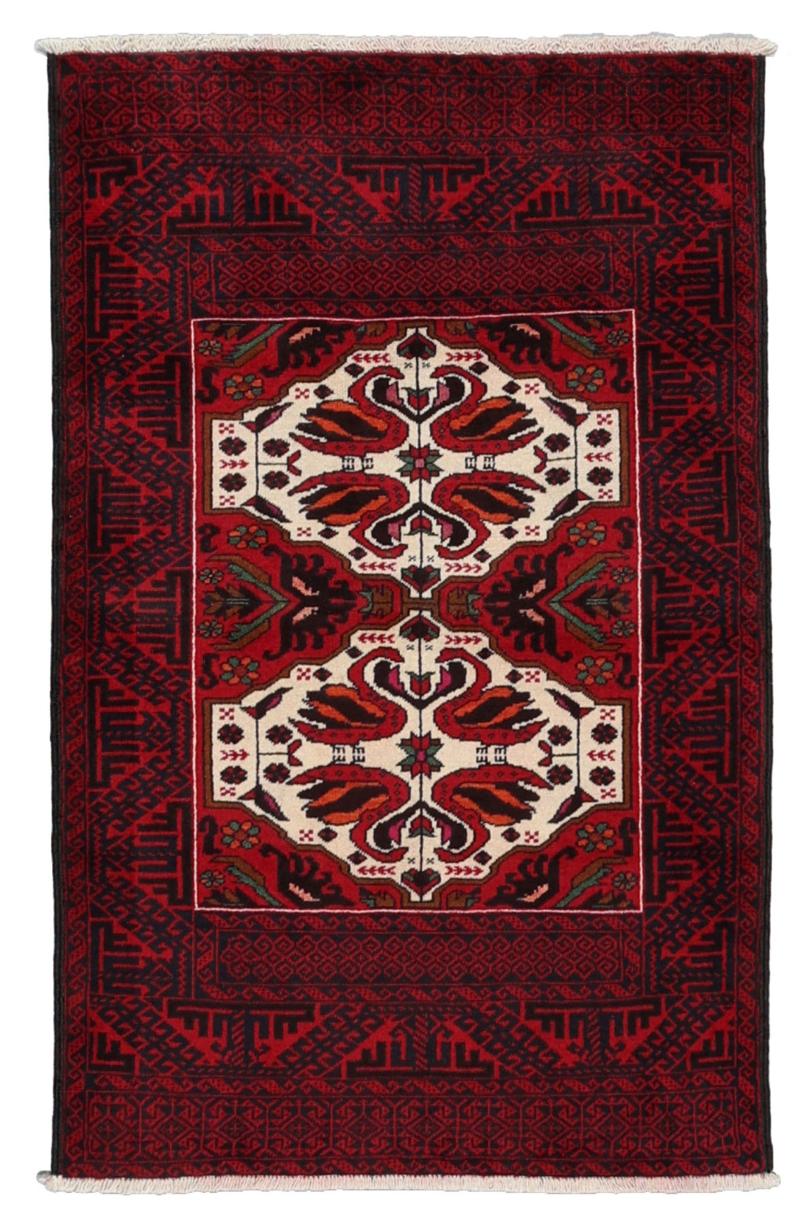
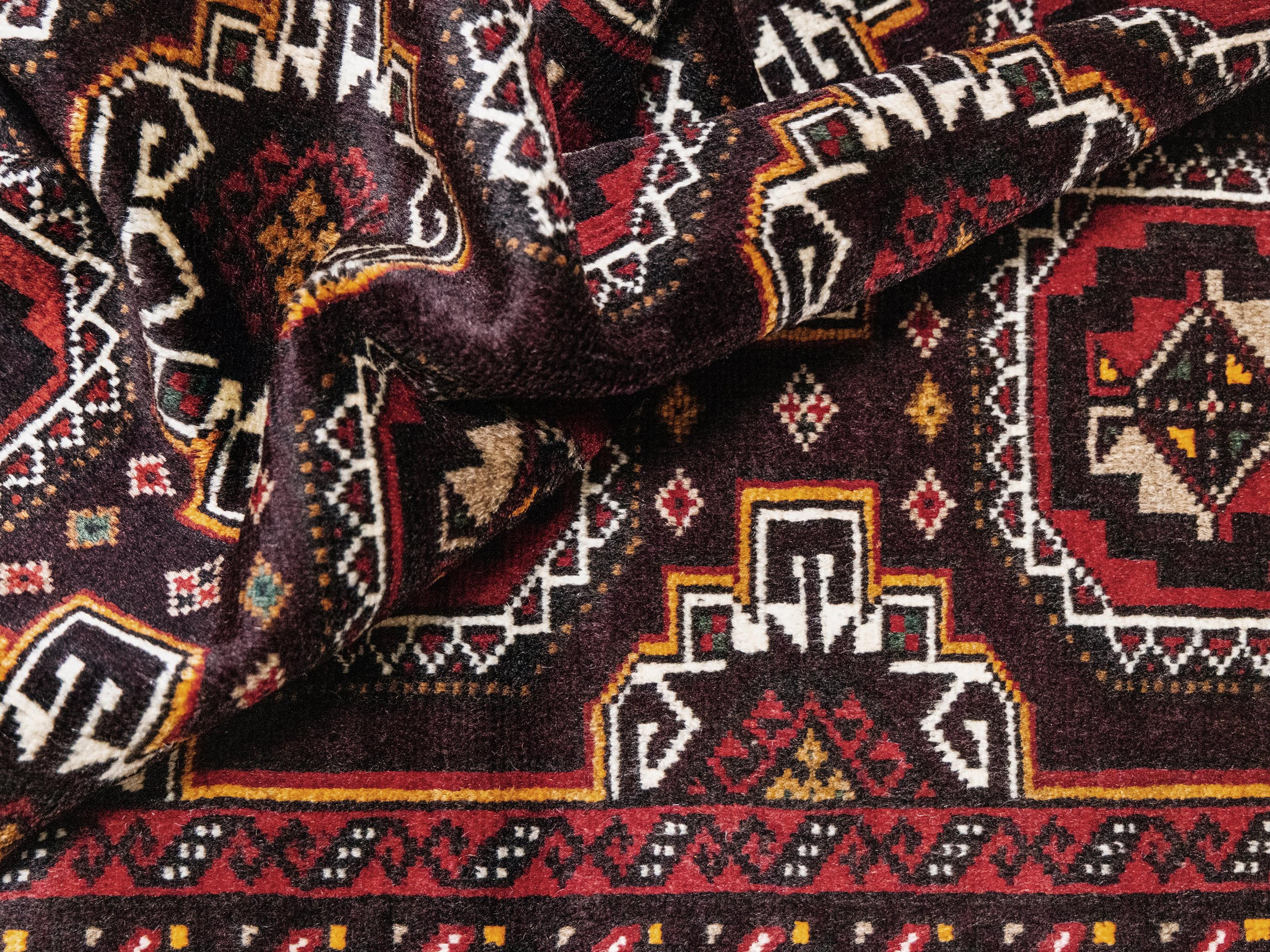
Baluch rugs are recognised for their rich, earthy colour palette, which complements their bold geometric designs. Deep reds, dark blues, browns, ivory and black are among the colours most commonly associated with traditional Baluch weaving. Many older and antique rugs were dyed using natural materials, creating subtle variations in tone that give each piece a unique appearance.
Natural dyes
Traditional Baluch weavers often used natural dyes derived from plants and minerals available in their local environment. These dyes produce soft tonal variation and develop a gentle patina over time, contributing to the distinctive character of antique Baluch rugs.
Madder, indigo and walnut
Among the most common natural dyes were madder root for shades of red, indigo for deep blues and walnut husks for warm brown tones. Combined with undyed wool, these colours create the understated palette that has become a defining characteristic of many traditional Baluch rugs.
Brown camel wool
Some Baluch rugs incorporate naturally brown camel wool instead of dyed fibres, particularly in borders or decorative details. While not found in every rug, its use adds warmth and subtle colour variation and is a characteristic feature of certain Baluchi weaving traditions.
Traditional patterns and symbols
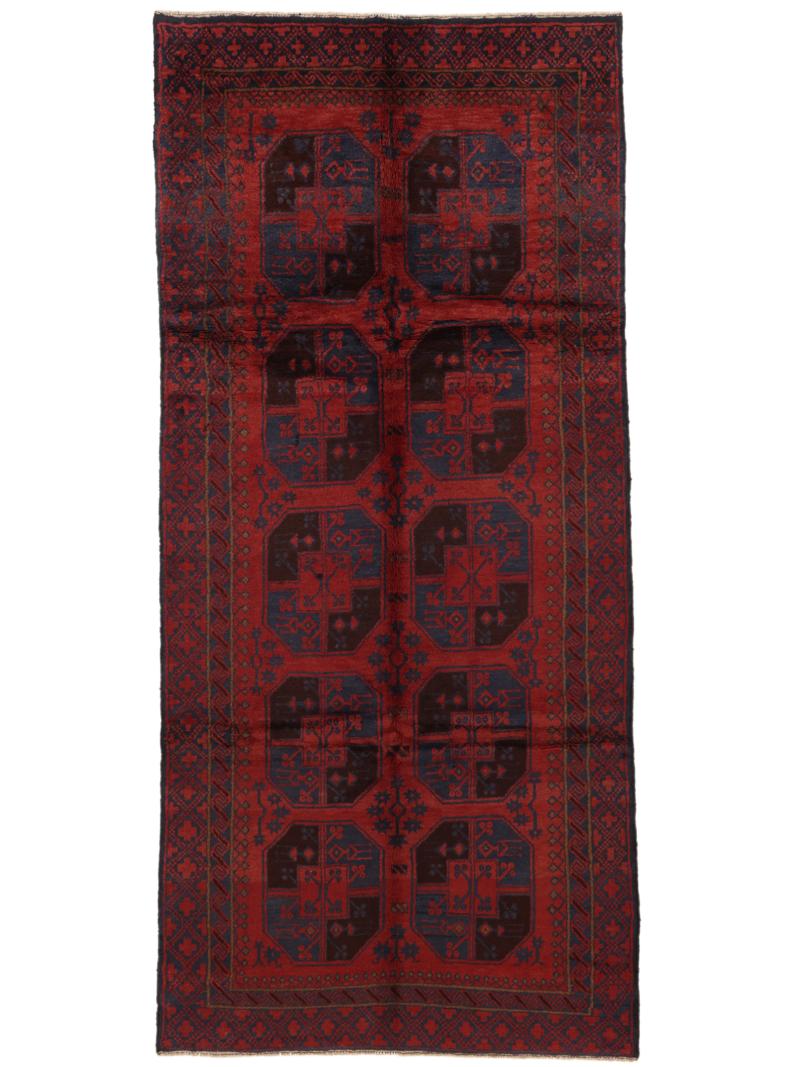
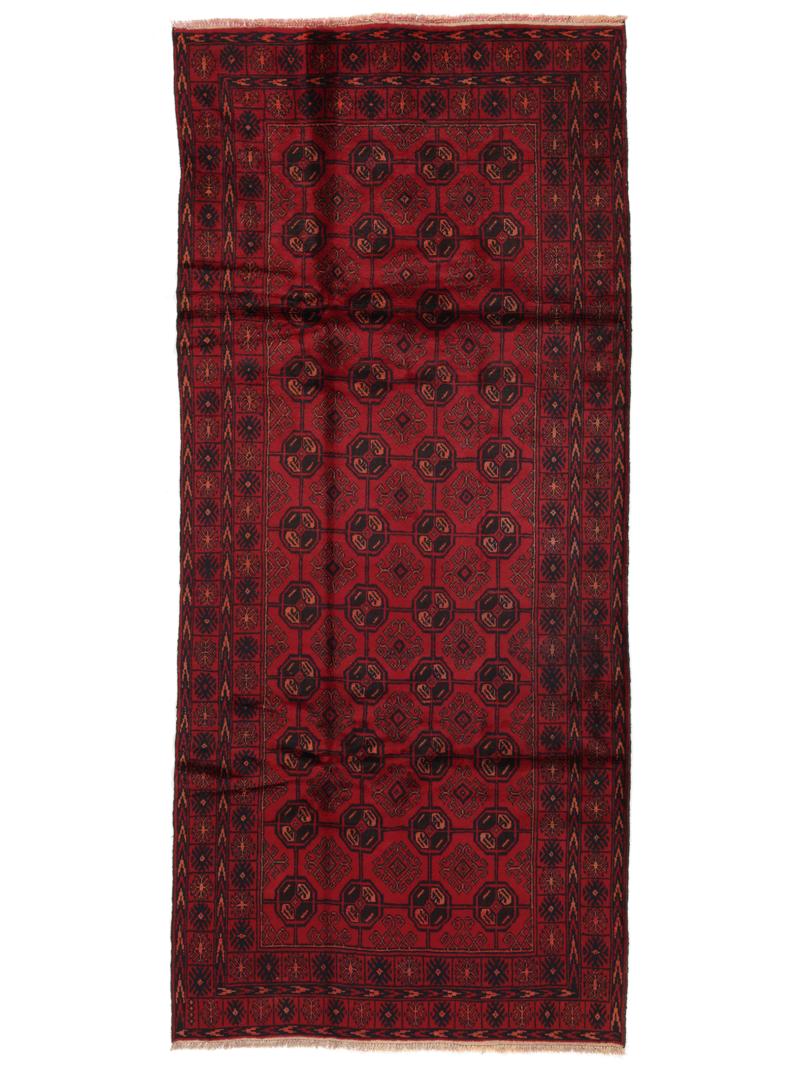
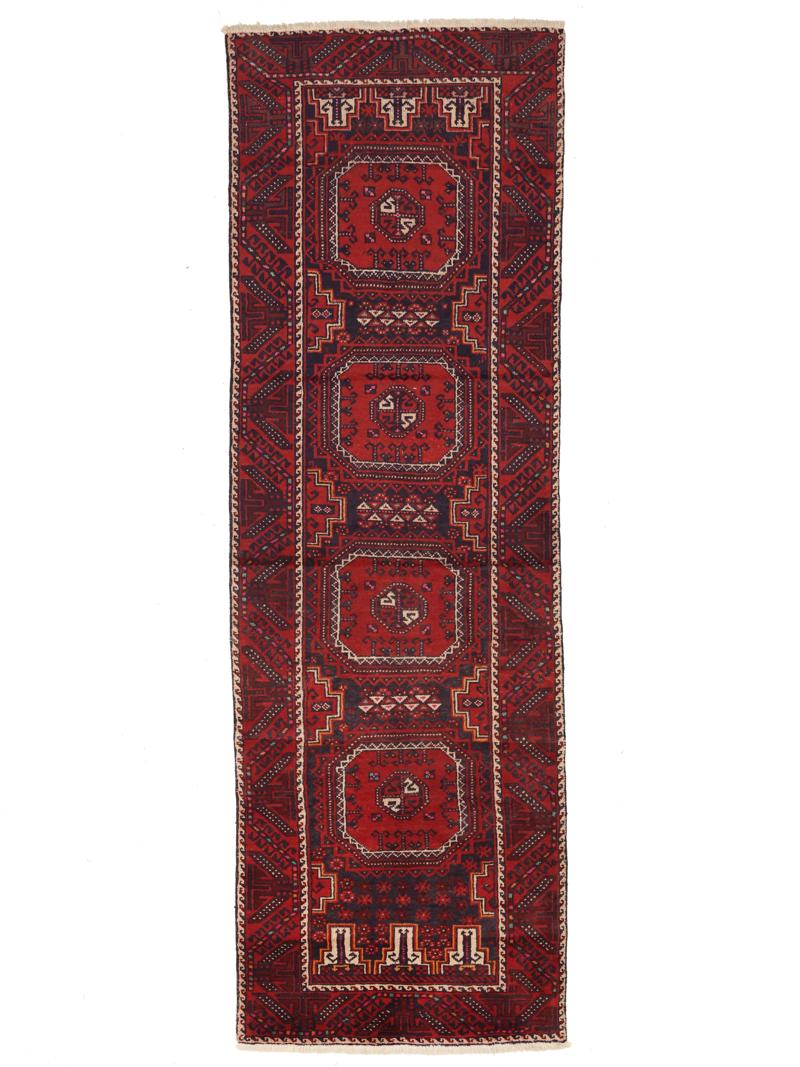
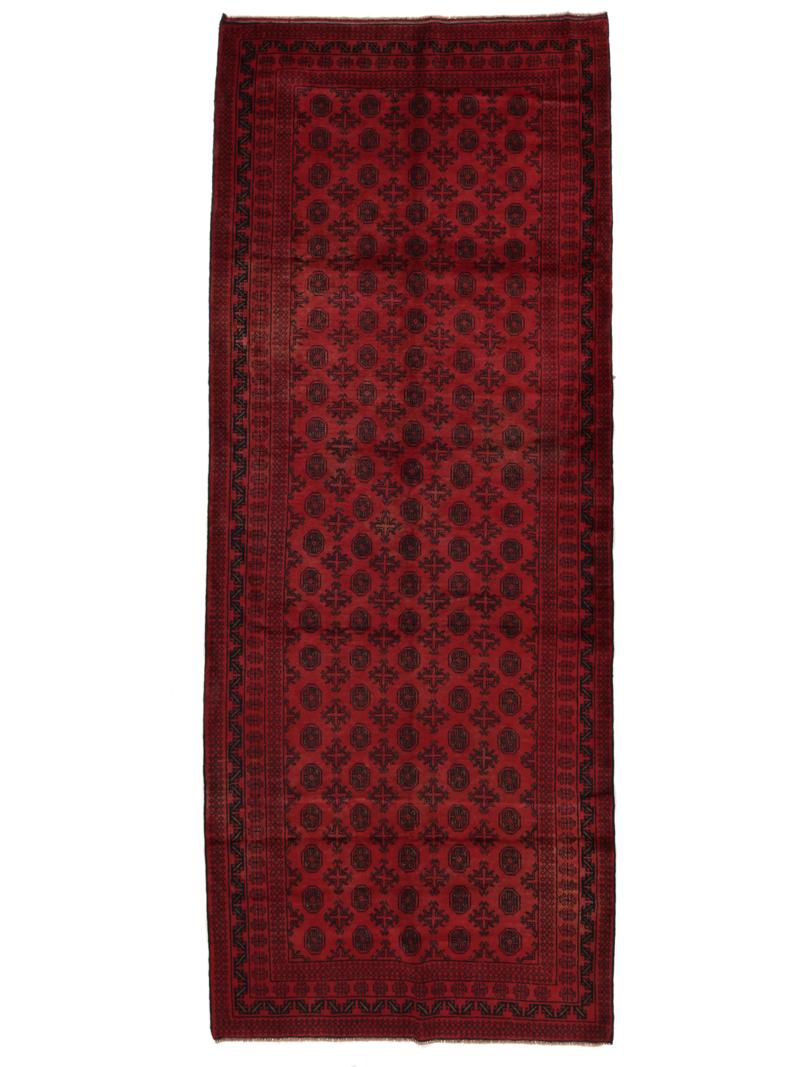
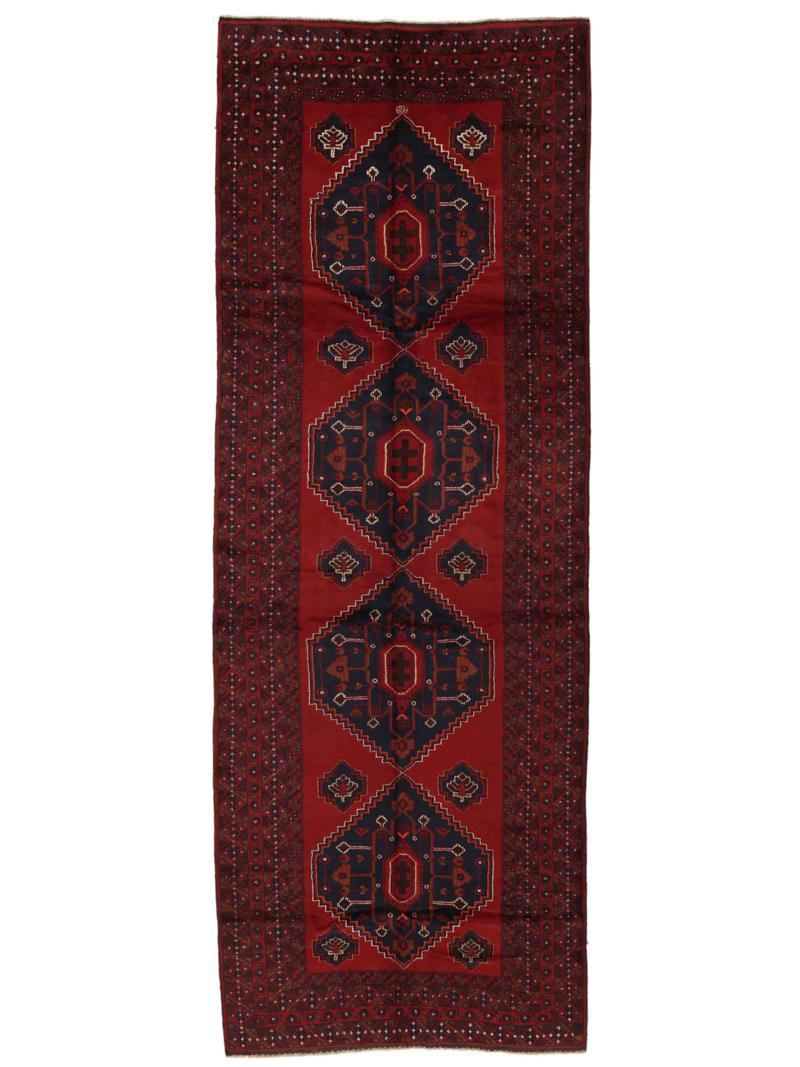
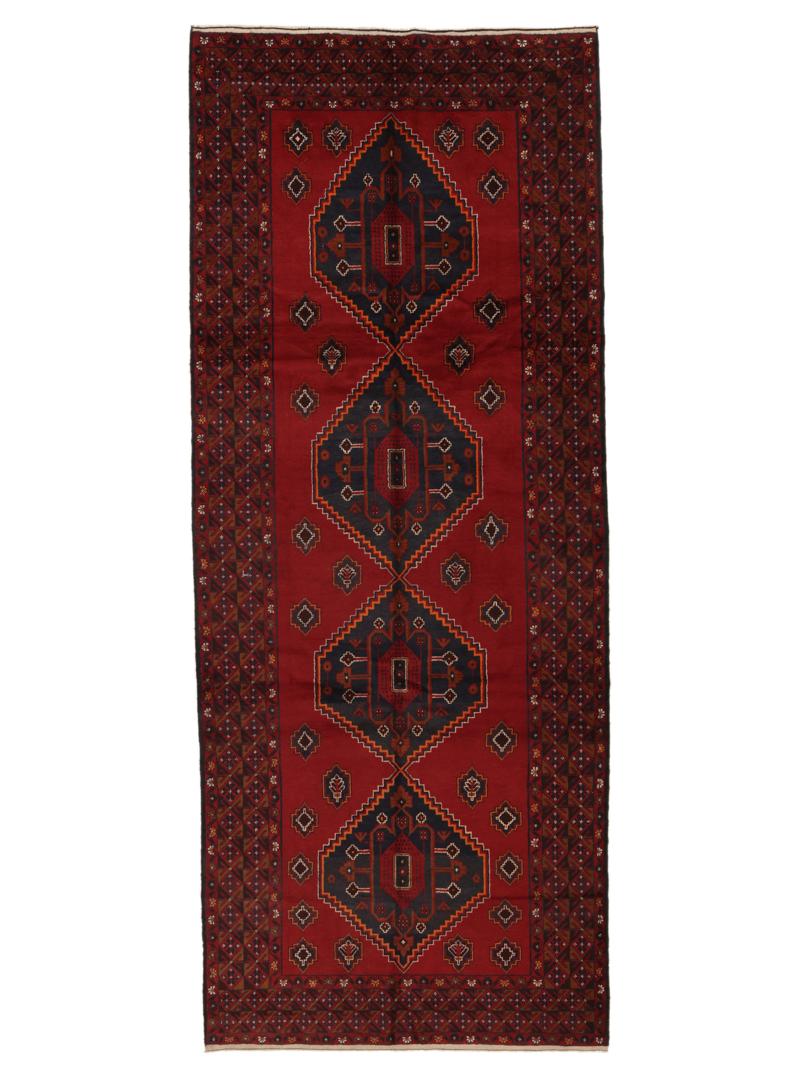
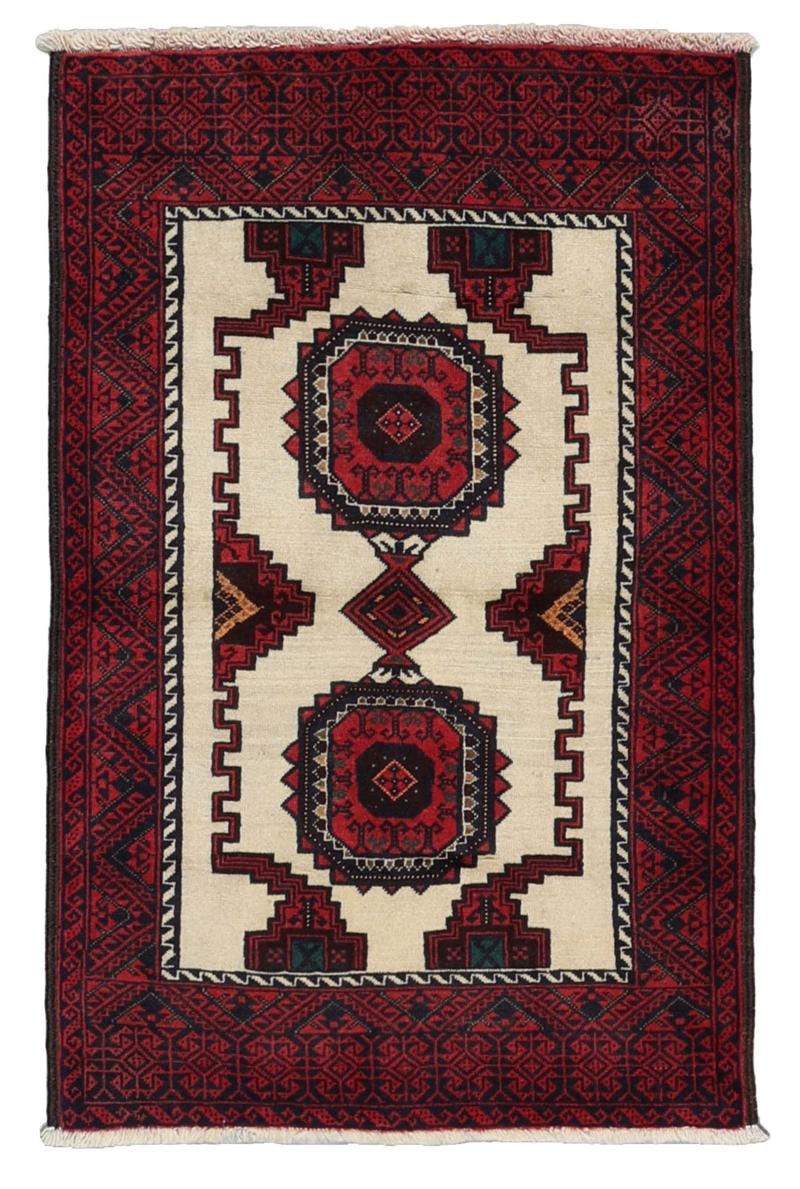
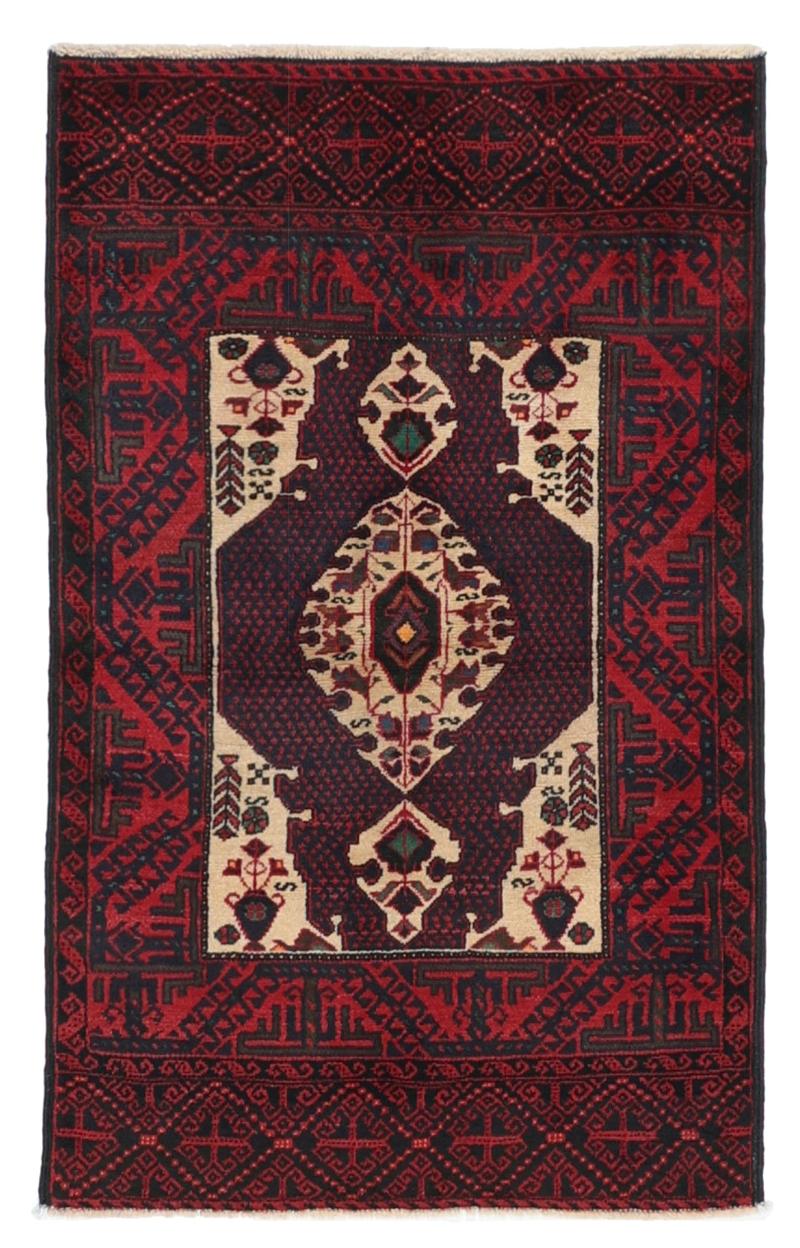
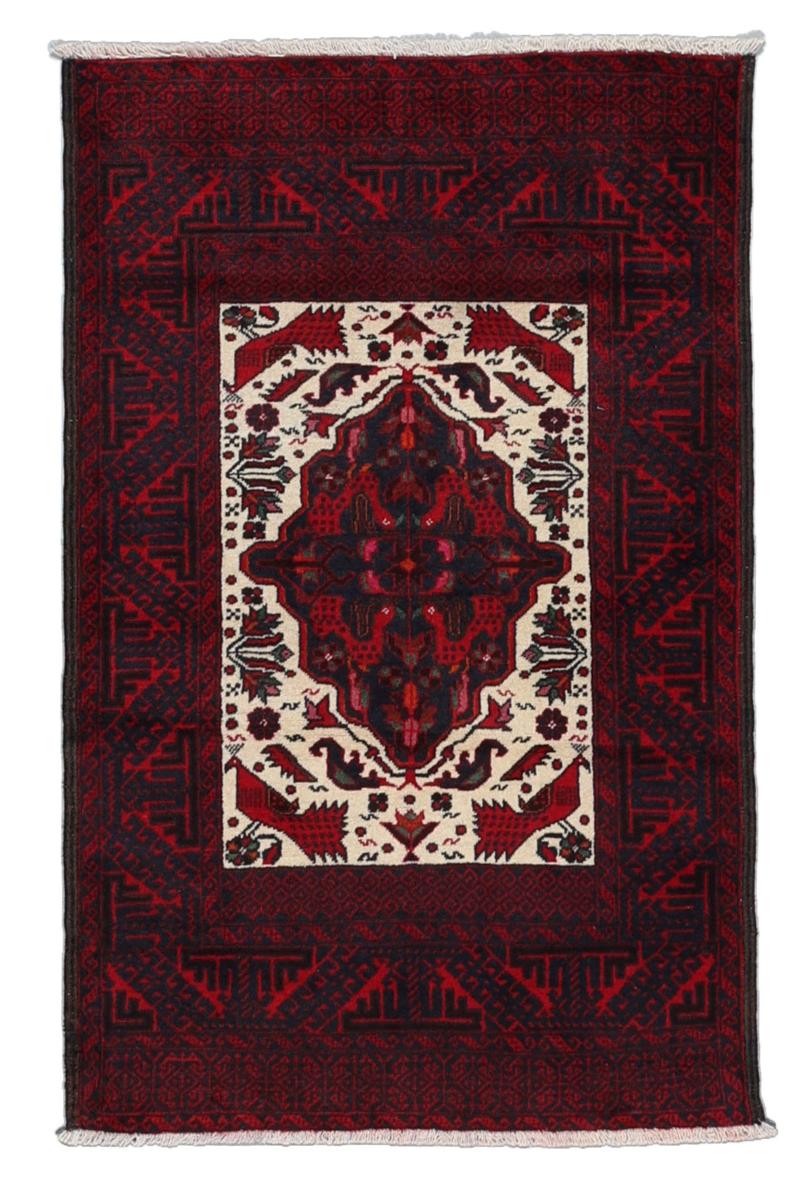
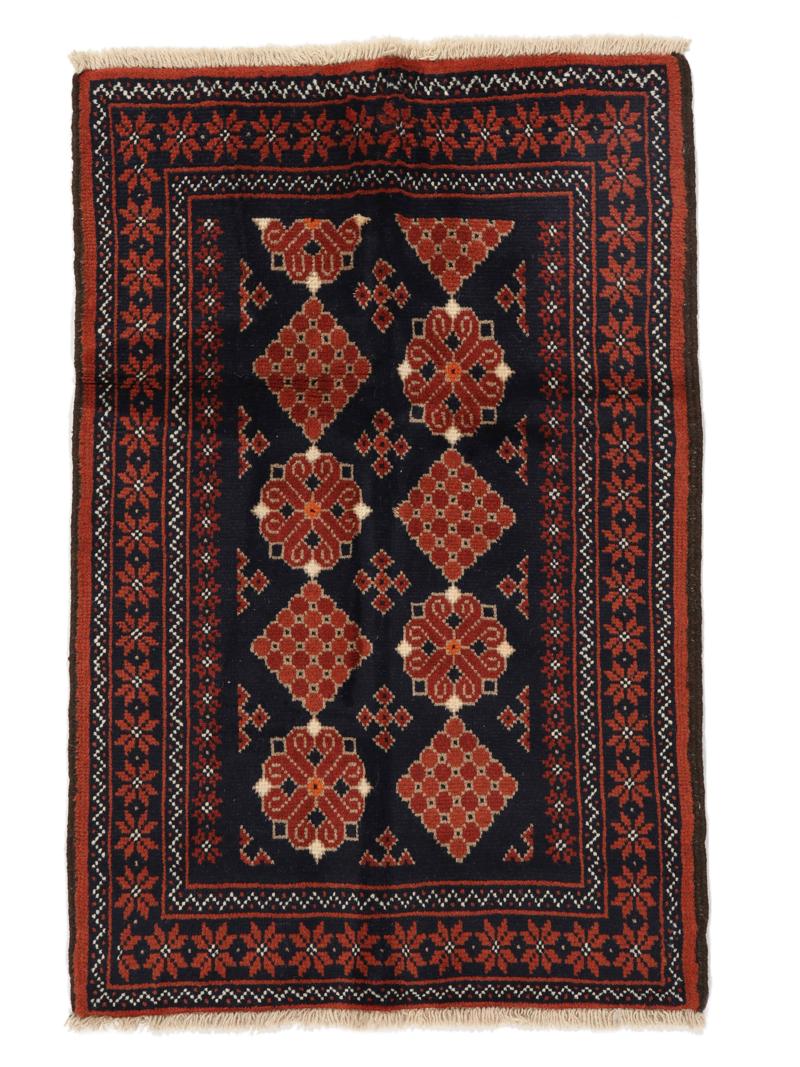
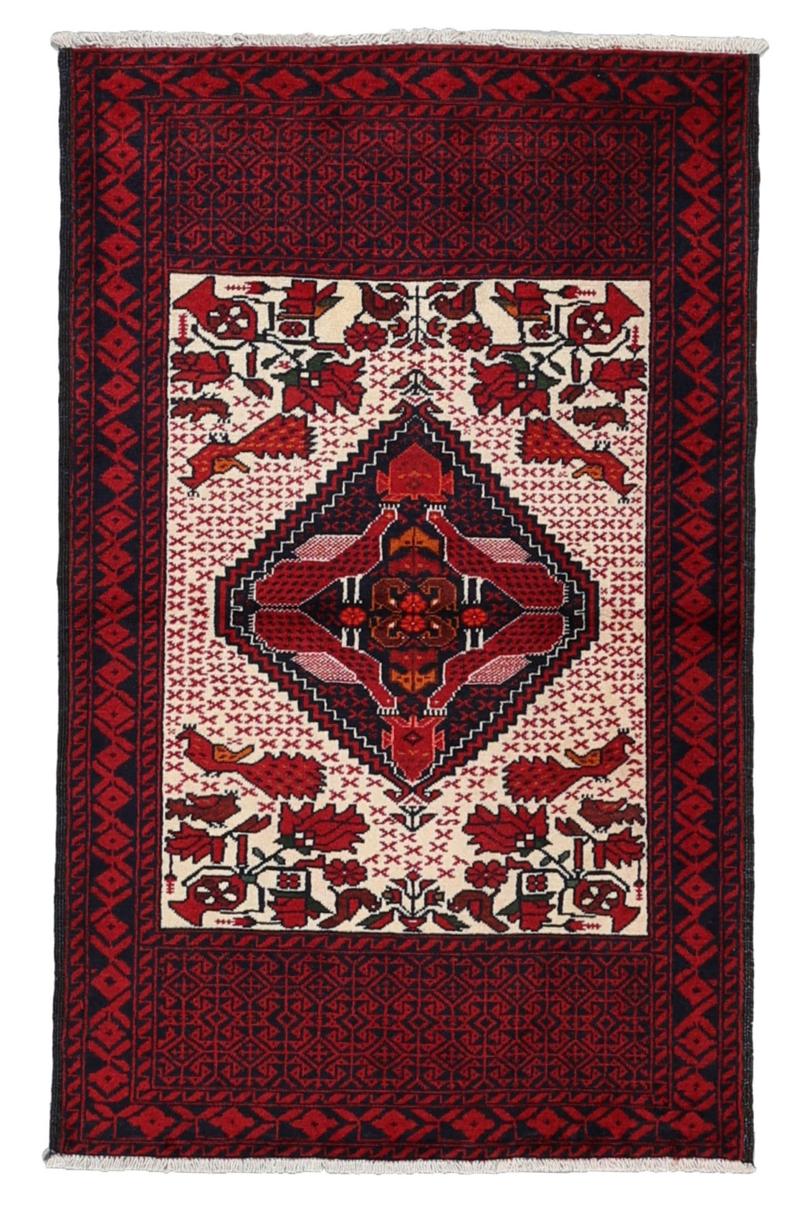
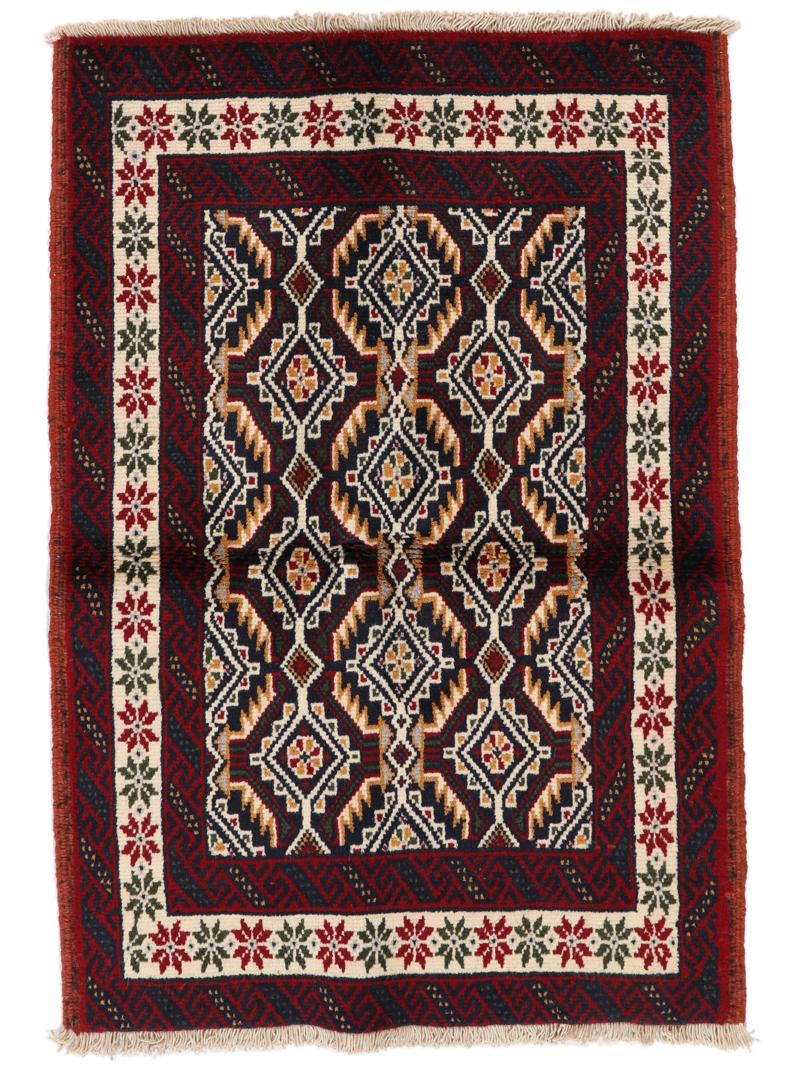
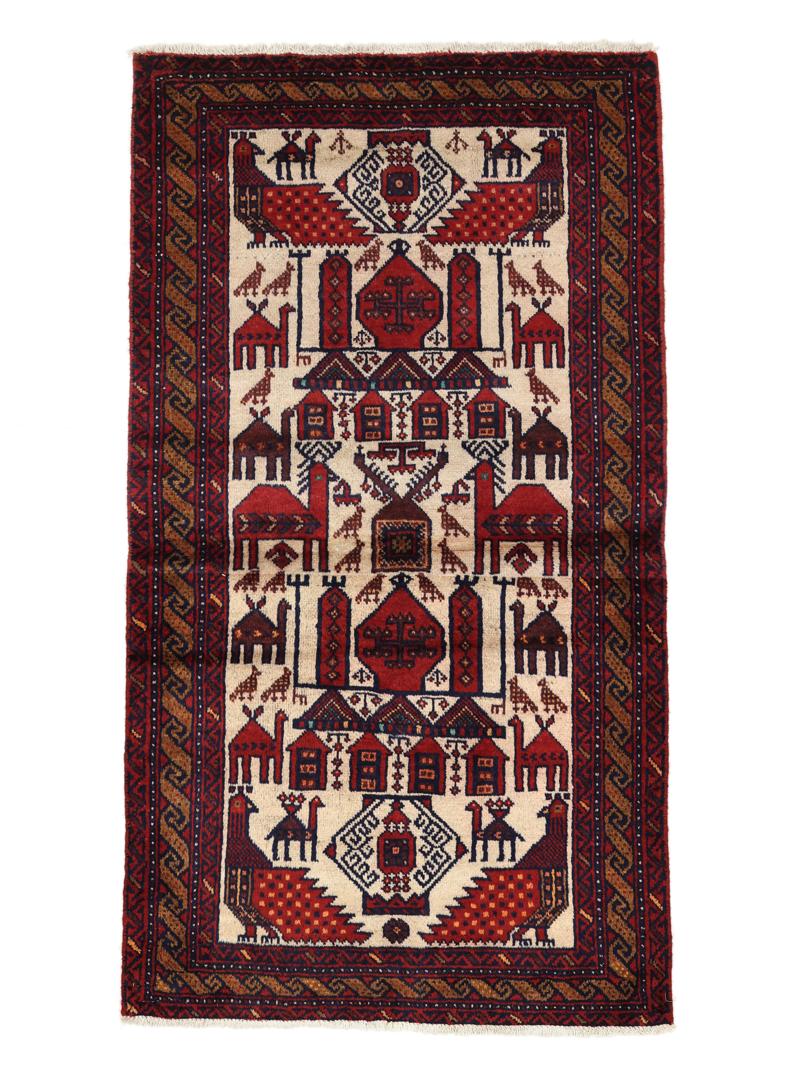
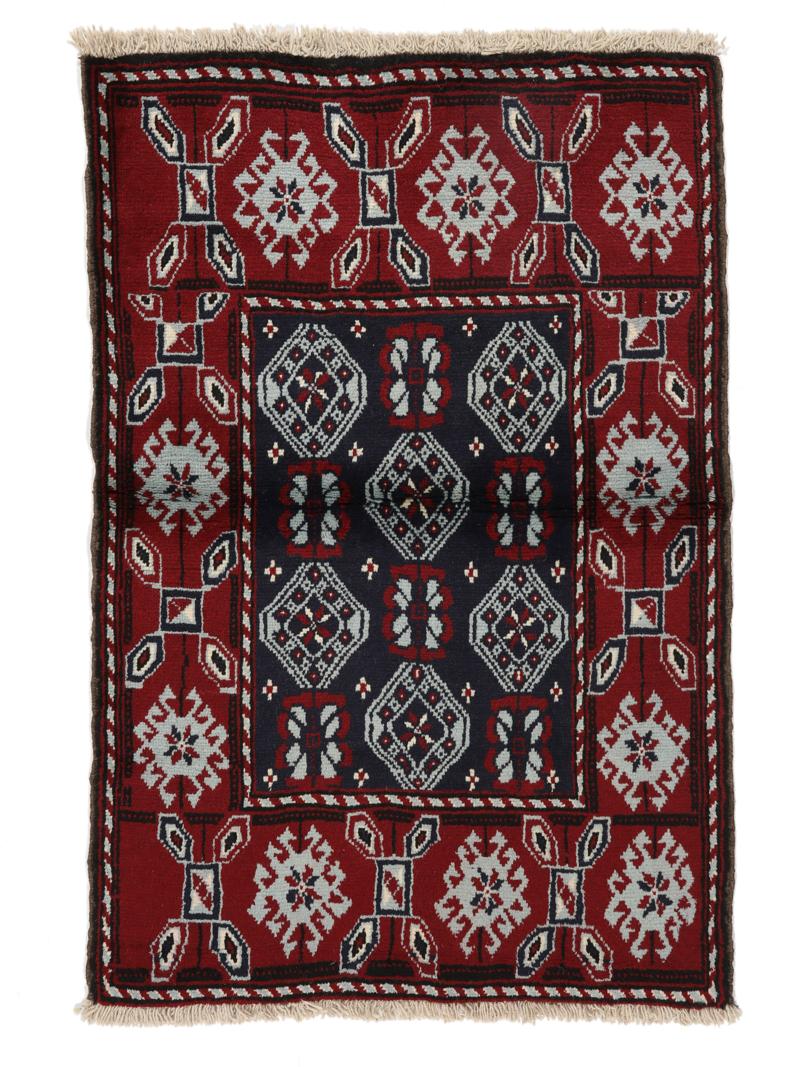
Baluch rugs traditionally feature geometric patterns such as diamonds, octagons and stepped motifs together with symbolic designs representing protection, fertility and tribal identity.
Geometric patterns in Baluch rugs
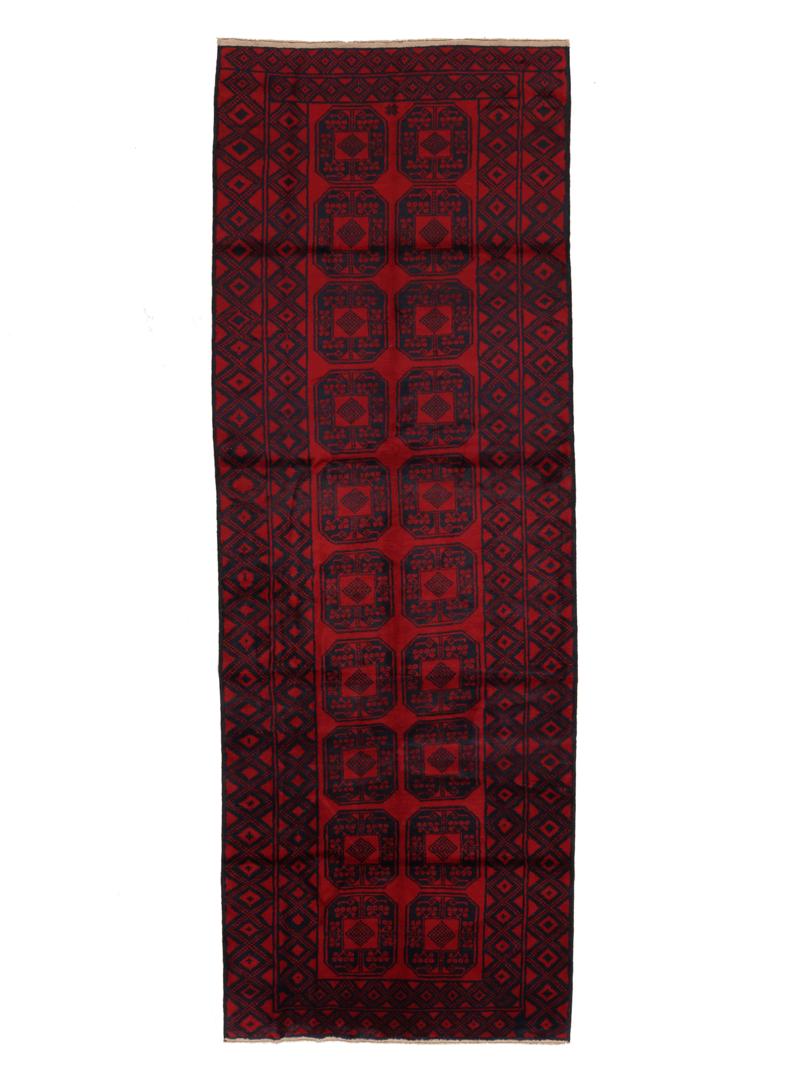
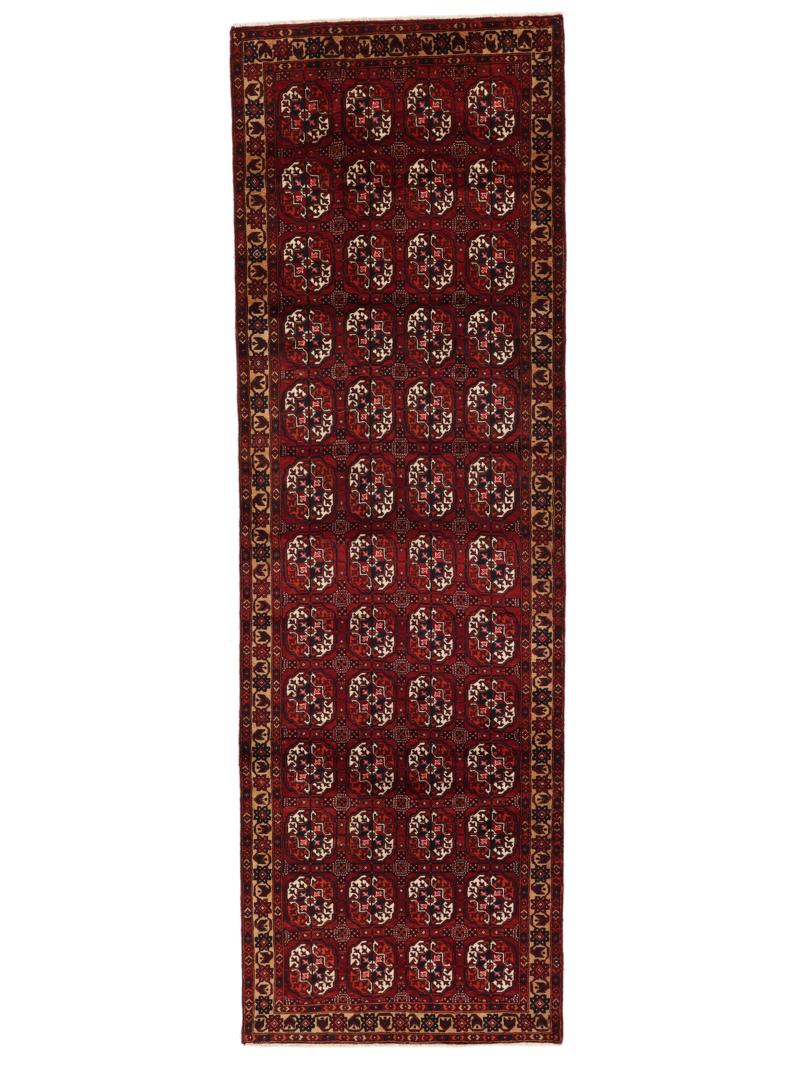
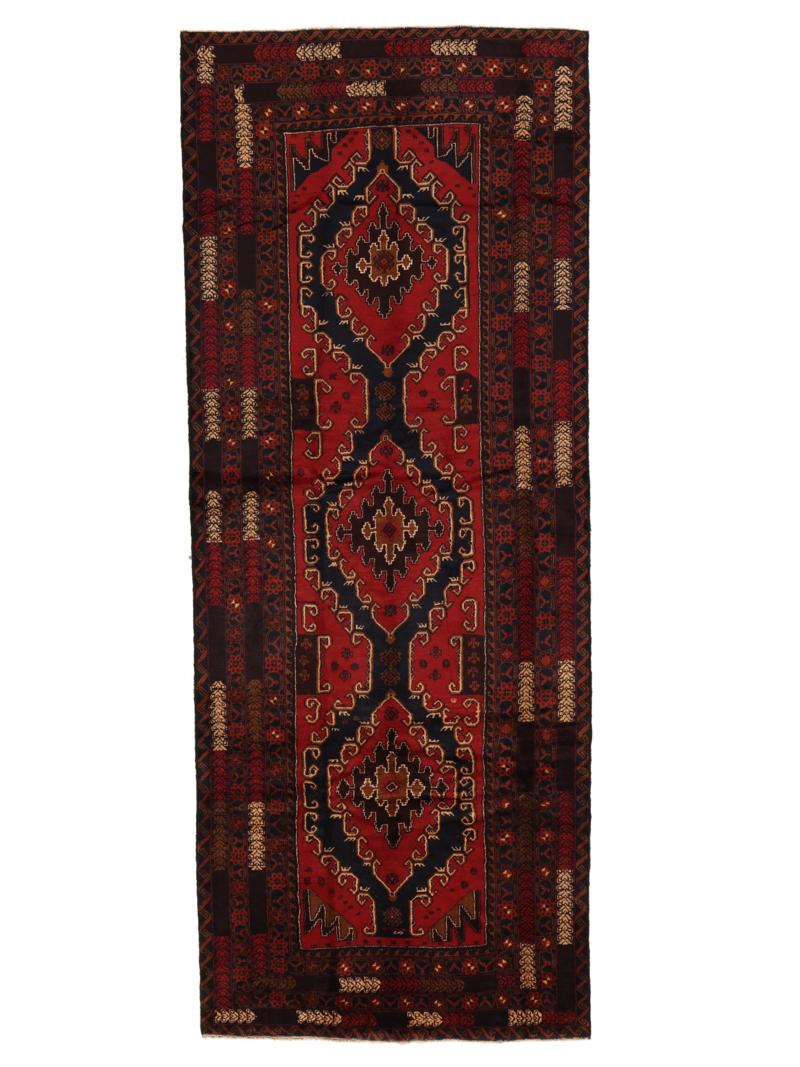
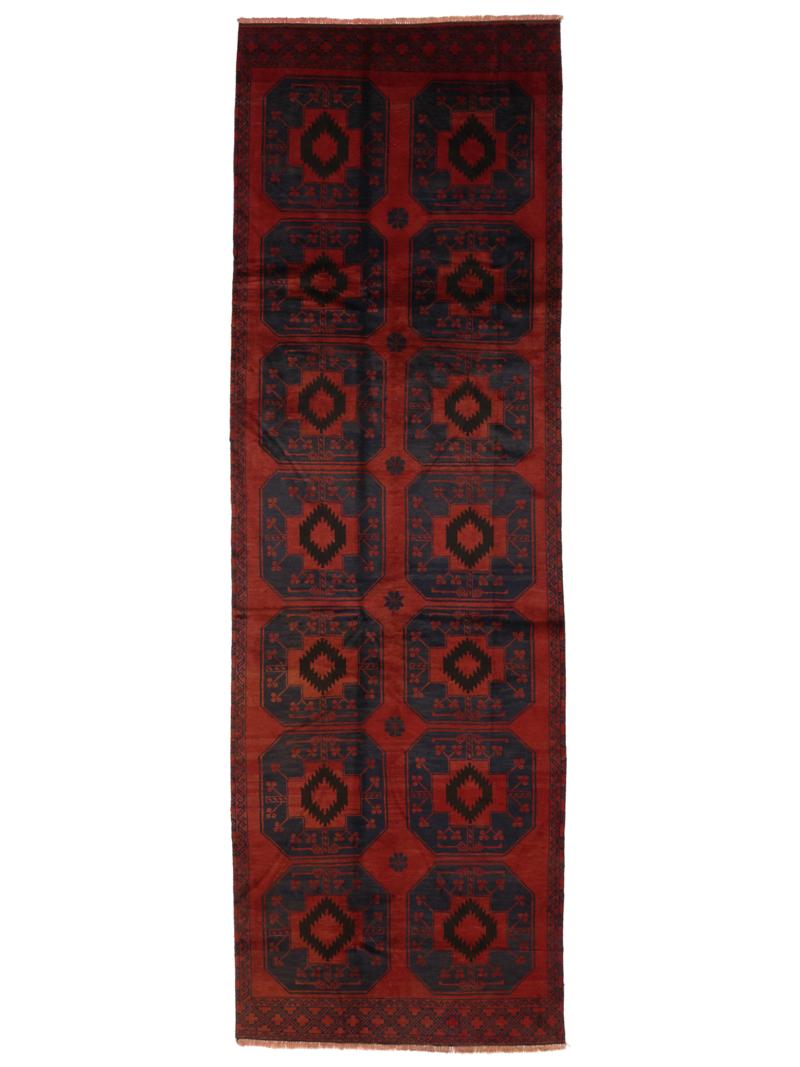
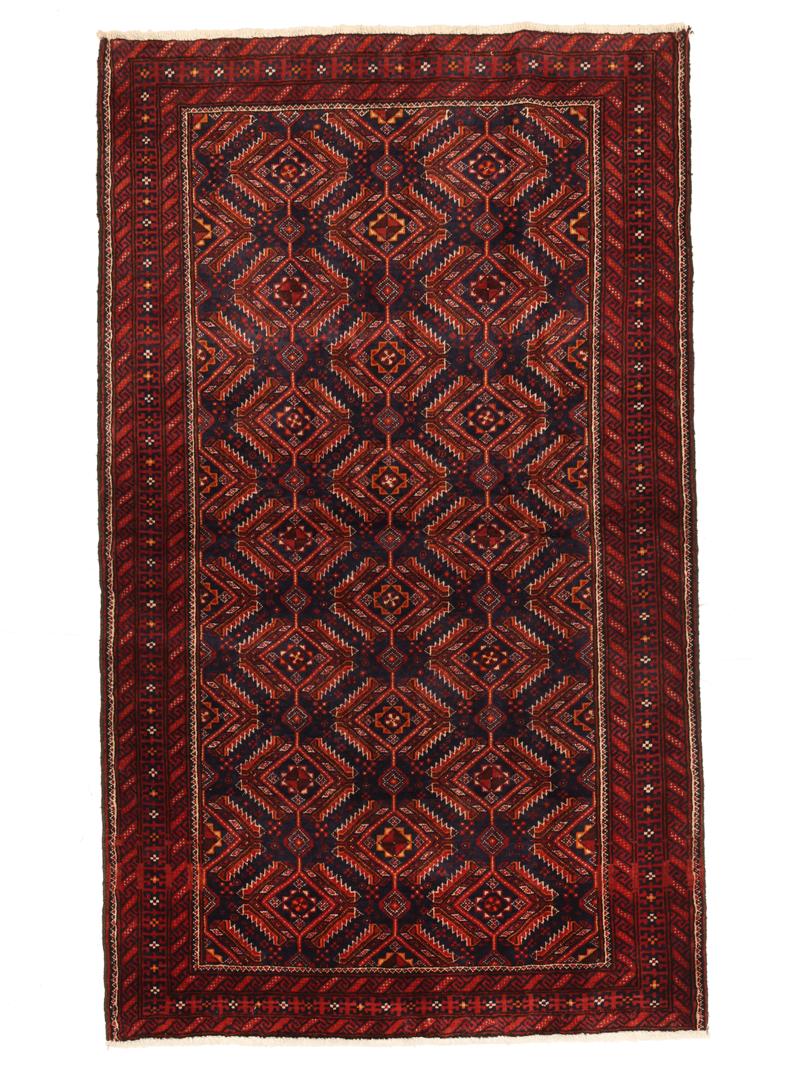
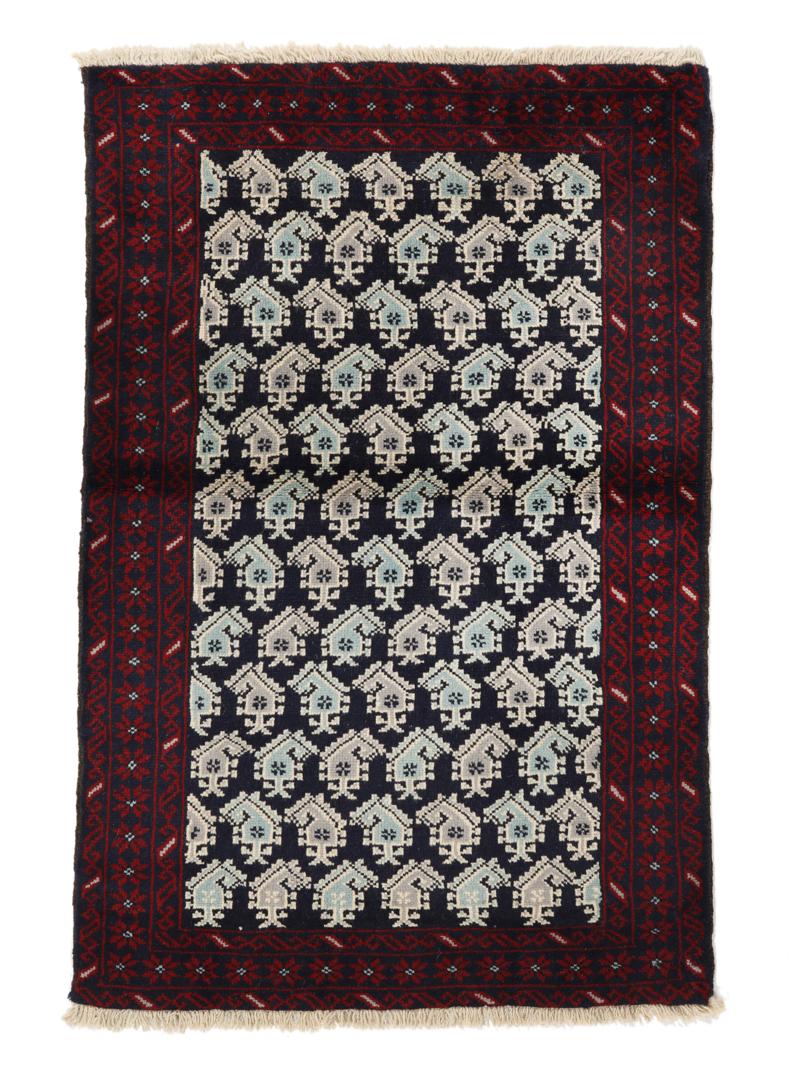
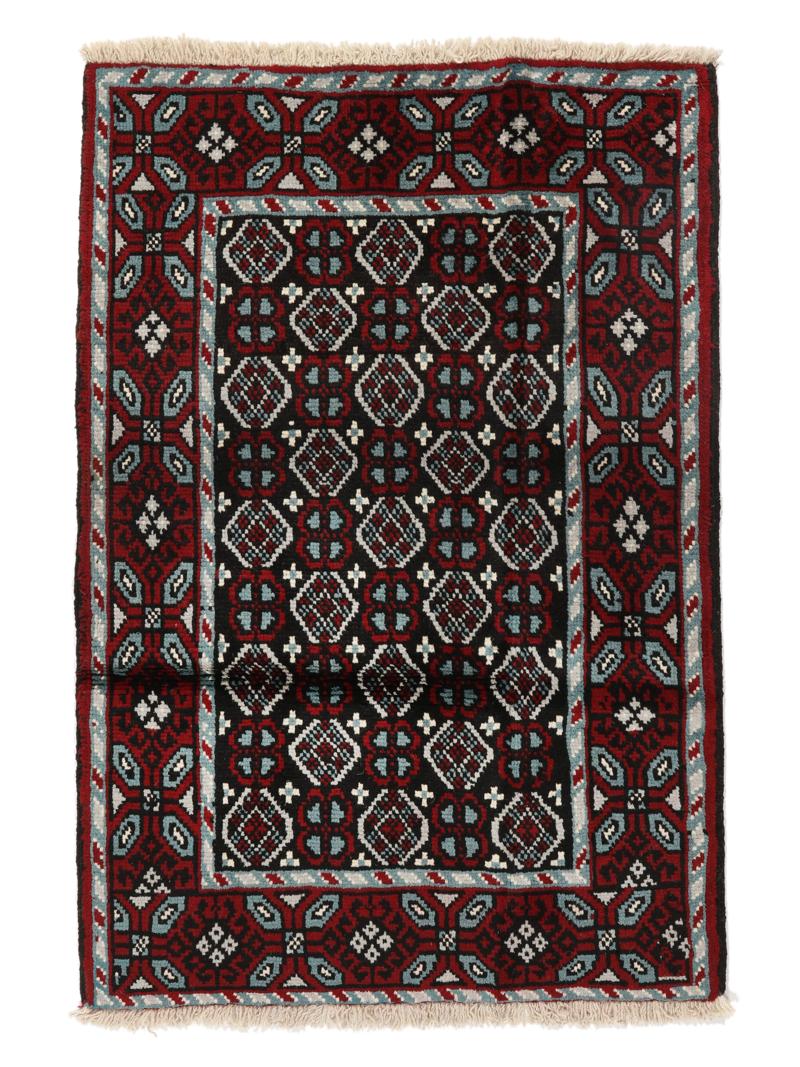
Baluch rugs are recognised for their strong geometric patterns and symbolic motifs that reflect tribal identity and tradition. Many antique Baluch rugs feature repeated shapes such as diamonds, octagons, and angular forms, arranged in structured and rhythmic layouts. These designs were traditionally memorised and passed down through generations, giving each rug a distinctive cultural character.
Symbolic motifs and their meaning
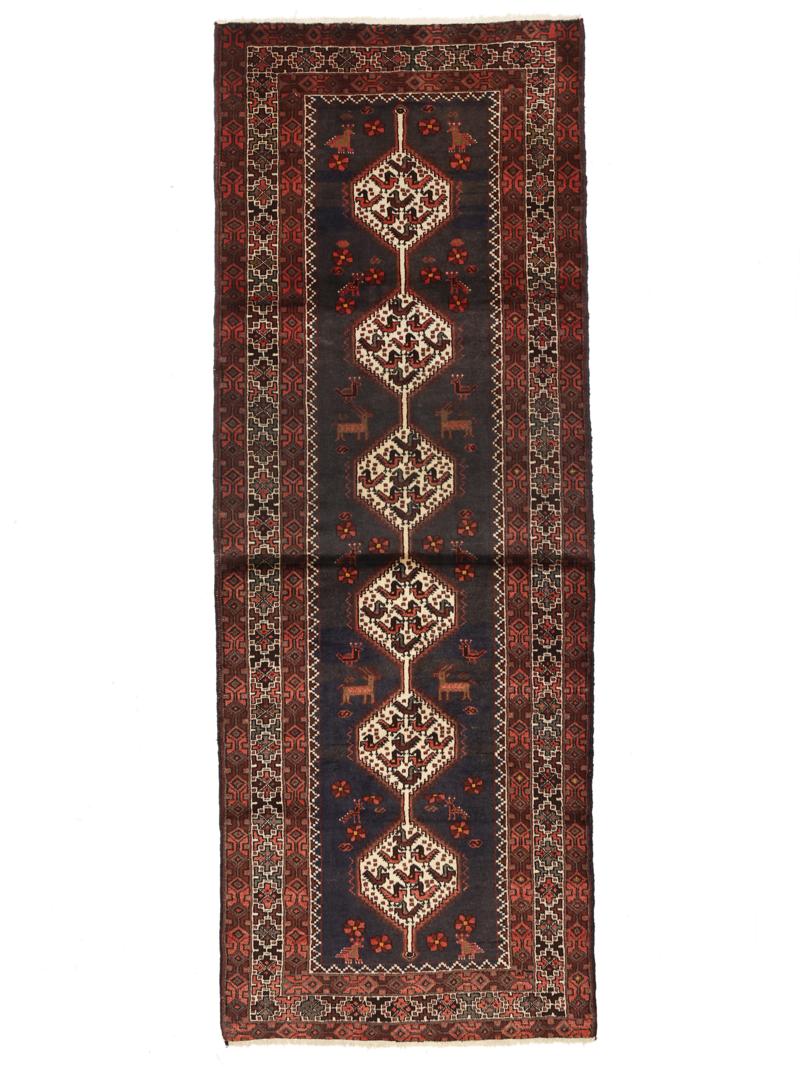
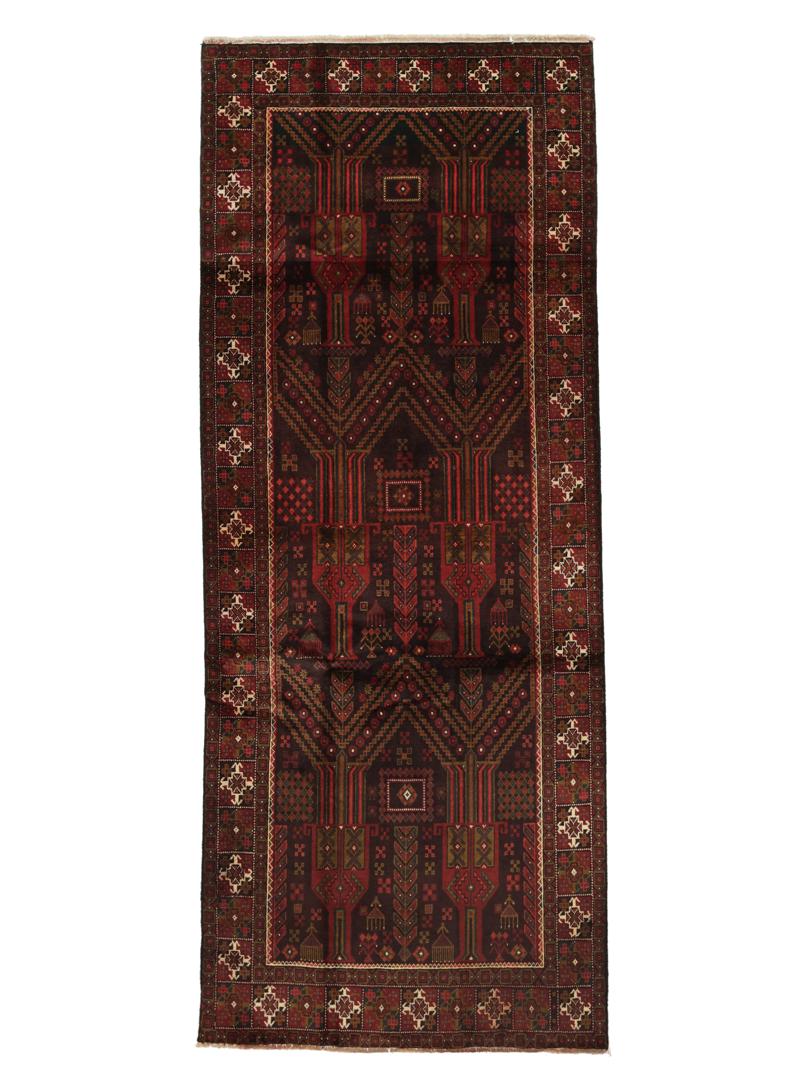
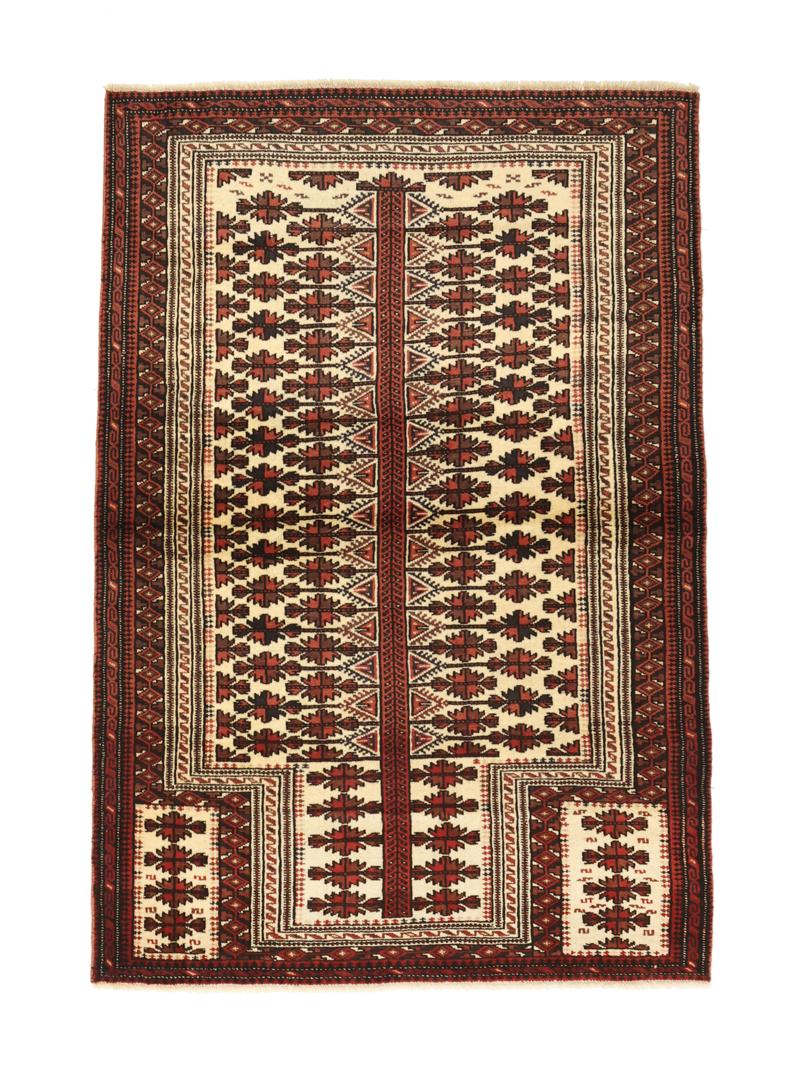
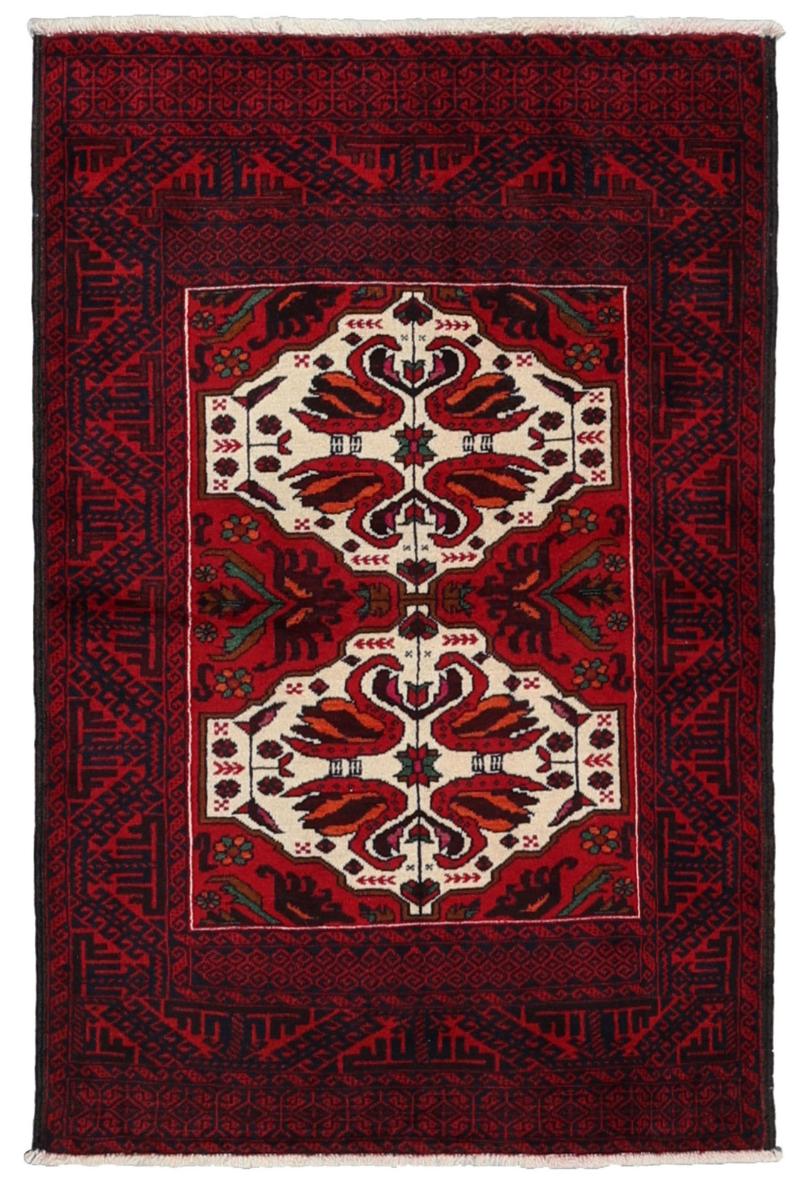
Alongside geometric forms, Baluch rugs often include symbolic elements such as stylised trees, animals, or protective motifs, believed to represent ideas of guidance, strength, or protection. These traditional patterns play an important role in Baluch rugs history, contributing to the expressive, handcrafted quality that defines Baluch rug weaving traditions.
Sizes and typical formats of Baluch rugs
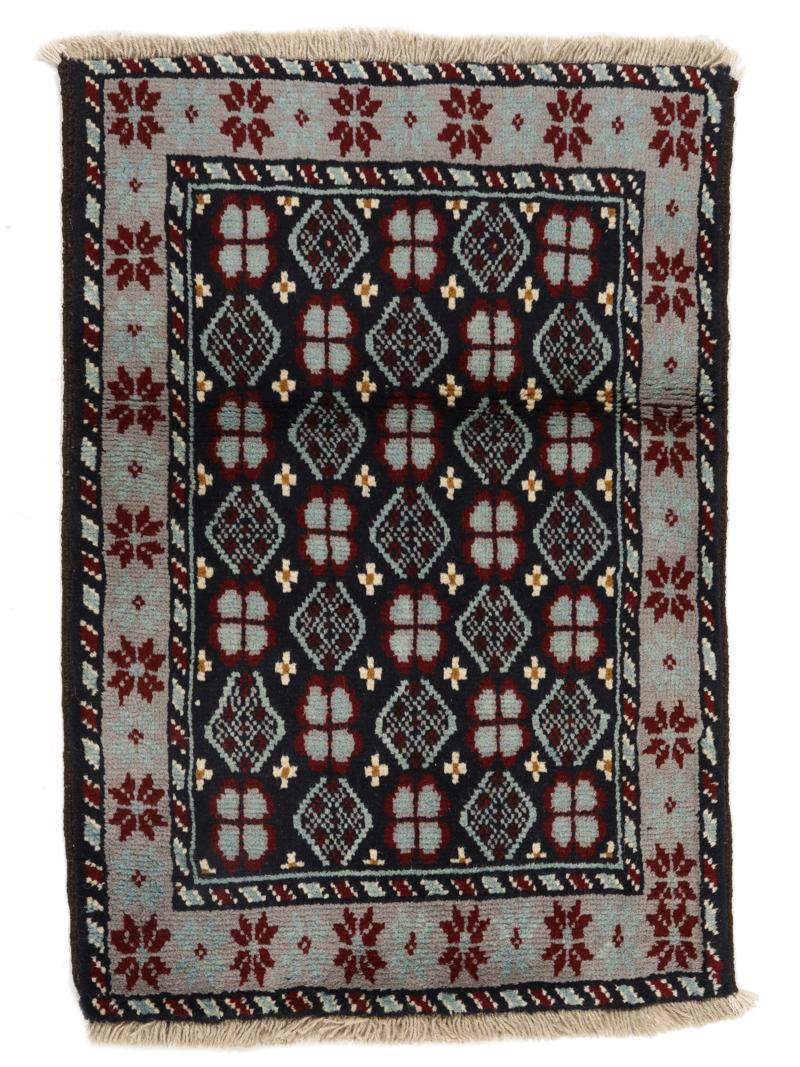
Baluch rugs are traditionally woven in smaller, practical sizes, making them especially versatile in today’s homes. Because they were originally made for personal and household use, large oversized formats are less common. In our collection, you’ll typically find the following:
- Compact area rugs are perfect as accent pieces in living spaces
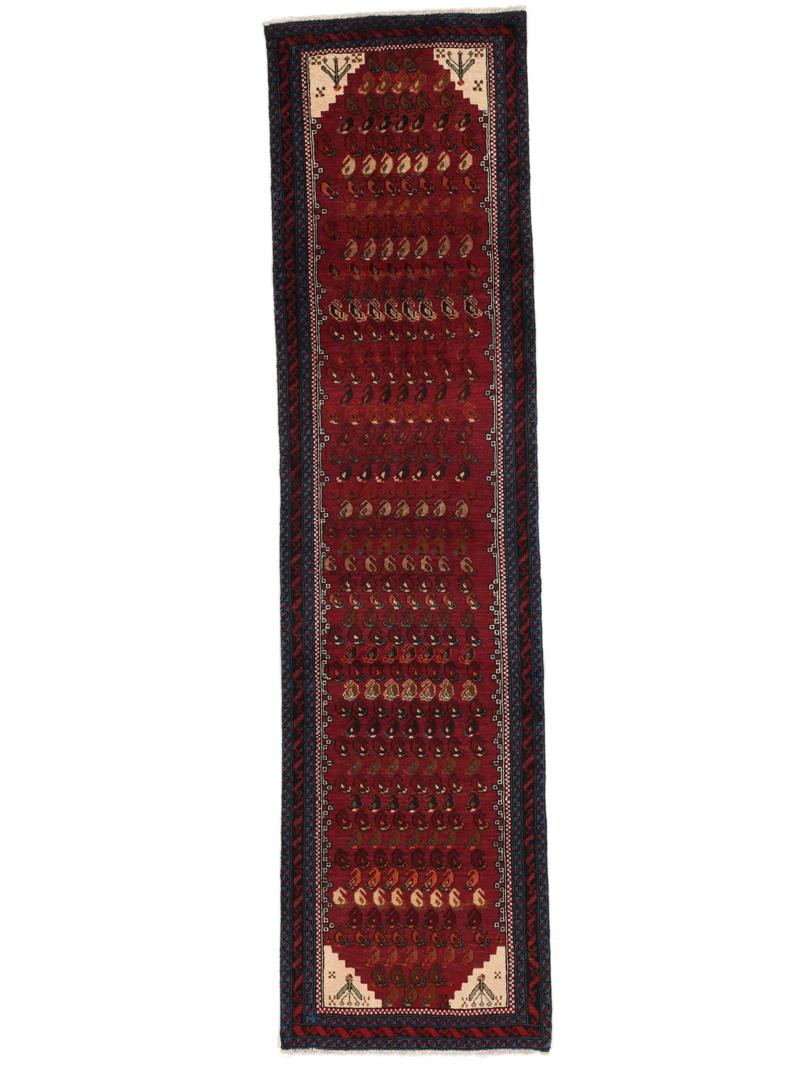
- Runners and narrow rectangular formats are ideal for hallways and entryways
- Beside-the-bed sizes that add warmth and character to bedrooms
Their manageable sizes and distinctive designs make Baluch rugs a flexible choice for both modern and traditional interiors.
How to care for your Baluch rug
To protect both the fibres and the structure:
- Hoover gently and regularly: Use low suction and avoid rotating brushes, which can strain the hand-knotted foundation and lift delicate wool fibres. Removing surface dust prevents grit from settling deep within the pile.
- Avoid prolonged pressure in one area: Heavy furniture left in the same position for extended periods can compress the pile and subtly alter the rug’s shape. Periodically adjusting placement allows the fibres to recover naturally.
- Treat spills with restraint: Blot immediately using a clean, dry cloth. Rubbing or scrubbing can disturb the pile and affect traditional dyes, particularly in rugs coloured with natural pigments.
- Choose cleaning methods carefully: Wool-safe products are essential, as harsh chemicals may react with natural fibres or dyes. When in doubt, consult a specialist experienced in hand-knotted rugs.
- Keep moisture to a minimum: Wool is naturally absorbent. Excess dampness can weaken fibres and compromise the rug’s internal structure if not dried properly.
- Rotate periodically to support even ageing: Turning the rug helps distribute wear and light exposure, particularly in high-traffic spaces.
- Store with care: When not in use, roll the rug — never fold it — with the pile facing inward. Store in a dry, well-ventilated space to prevent creasing, distortion, or moisture damage.
FAQs: Baluch rugs
A Baluch rug is a traditional hand-knotted textile woven by Baluchi tribal communities in Afghanistan and Pakistan, known for geometric patterns, deep colours and compact sizes.
Baluch rugs originate from the weaving traditions of Baluchi tribes across Afghanistan, Pakistan and parts of Iran, developed over centuries as part of a nomadic lifestyle.
Yes. Baluch rugs are hand-knotted from wool, giving them a durable structure and long-lasting appeal. Antique examples are particularly valued by collectors for their craftsmanship and authenticity.
Baluch rug patterns combine geometric forms such as diamonds and octagons with symbolic motifs including stylised trees, animals and protective symbols reflecting tribal identity and tradition.
A Baluch prayer rug is a small handwoven rug made for personal religious use, featuring a geometric mihrab motif. Today they are also collected and used as decorative accent pieces.
Look for natural colour variation, irregular texture from hand-spun wool, and hand-knotted construction visible on the back. Slight imperfections are a sign of genuine handcraft.
Shop Baluch rugs at Rugvista
If you’re inspired by the history and craftsmanship behind these rugs, explore our full collection of Baluch rugs to discover a range of sizes, colours, and designs suited to both modern and classic interiors.